Every year, millions of high school students navigate the college application maze wondering: how many volunteer hours for college do I really need? The question reflects deeper anxiety about standing out in increasingly competitive admissions processes where demonstrated community service has become an expected component of strong applications.
The honest answer surprises many students and families: there’s no magic number of volunteer hours that guarantees college admission. Selective universities don’t maintain minimum hour requirements or prefer 100 hours over 50. Instead, admissions officers evaluate community service through a completely different lens—one focused on impact, commitment, leadership development, and genuine passion rather than simply accumulating hours on a timesheet.
This comprehensive guide explores what colleges actually look for in student volunteer experiences, how many hours represent typical ranges for different application contexts, strategies for maximizing the impact of service work, and how schools can effectively recognize and encourage meaningful student community involvement that develops character while strengthening college applications.
Understanding the role of volunteer hours in college admissions requires moving beyond simplistic hour counts to appreciate how admissions committees evaluate the full scope of student service experiences. Exceptional volunteer work tells compelling stories about student character, reveals leadership potential, demonstrates sustained commitment to causes larger than oneself, and provides evidence of values alignment with institutional missions.
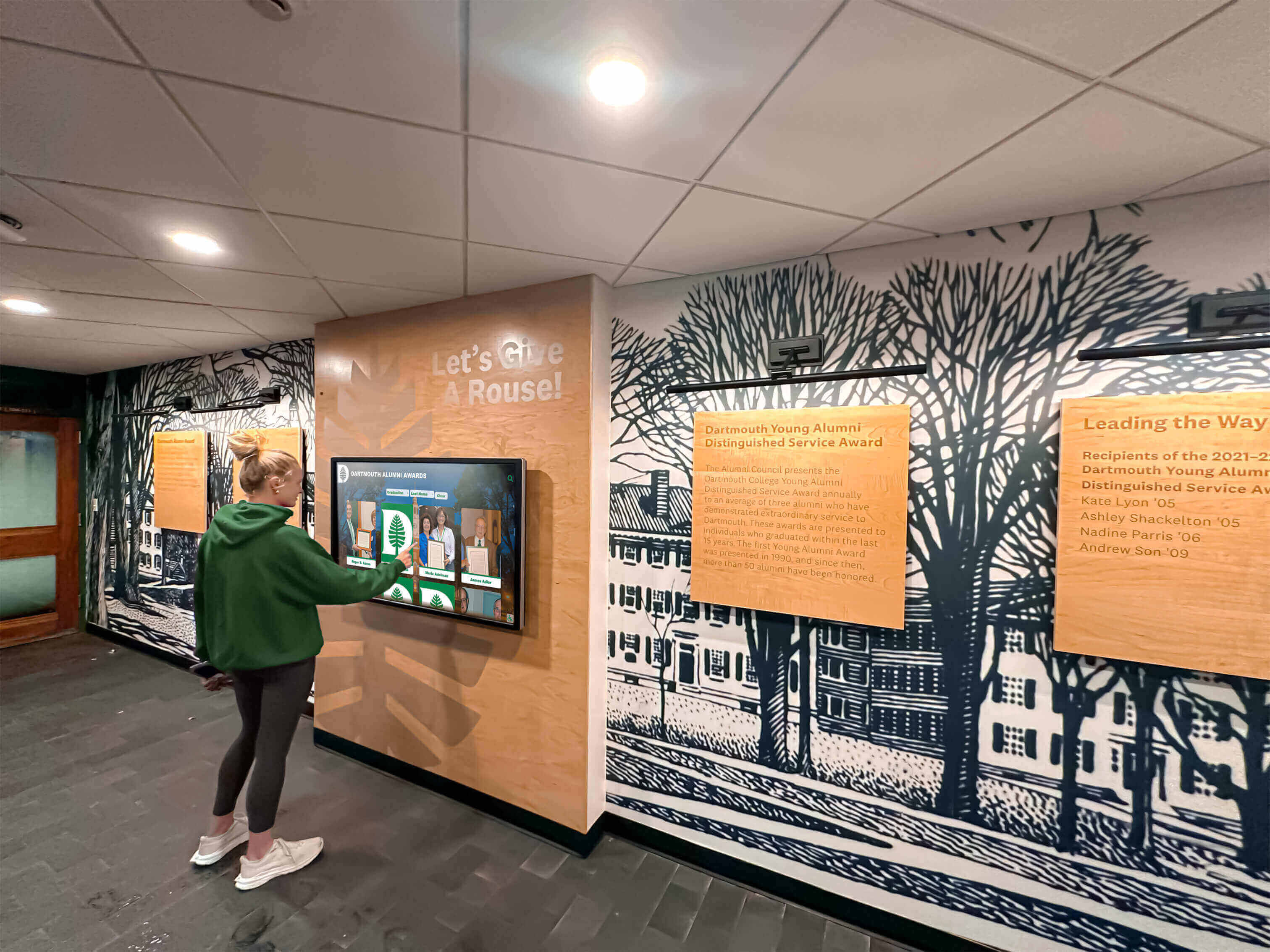
Digital recognition systems help schools showcase student service achievements, celebrating community involvement and inspiring continued engagement
The Reality: No Minimum Hour Requirements Exist
Before diving into hour guidelines and strategies, understanding what colleges do and don’t require provides essential foundation for students planning their service commitments.
What Admissions Officers Actually Say
No Official Hour Thresholds
Major universities consistently clarify their approach to volunteer hours:
- Selective colleges don’t maintain minimum volunteer hour requirements for admission consideration
- Application review processes don’t automatically favor 200 hours over 75 hours
- Admissions committees evaluate service quality, impact, and commitment rather than pure quantity
- Hours serve as one data point within broader holistic review of character and engagement
- Absence of volunteer work won’t automatically disqualify competitive applicants with strength in other areas
According to admissions guidance from top universities, they seek students who demonstrate genuine commitment to communities and causes rather than those simply checking boxes or accumulating hours for application purposes.
Quality Over Quantity Philosophy
Admissions professionals consistently emphasize evaluation criteria beyond hours:
- Depth of commitment to specific causes or organizations over extended periods
- Demonstrated leadership including initiative, program development, or expanded responsibility
- Measurable impact on communities, organizations, or individuals served
- Personal growth narratives explaining how service shaped values or career interests
- Authenticity reflecting genuine passion rather than resume-building exercise
- Connection between service work and academic interests or intended major
- Sustained involvement showing reliability and commitment over sporadic participation
This philosophy means 50 hours of deeply engaged, leadership-oriented service in a cause about which students feel passionate typically strengthens applications more than 200 hours of disengaged, checkbox participation across multiple unrelated activities.
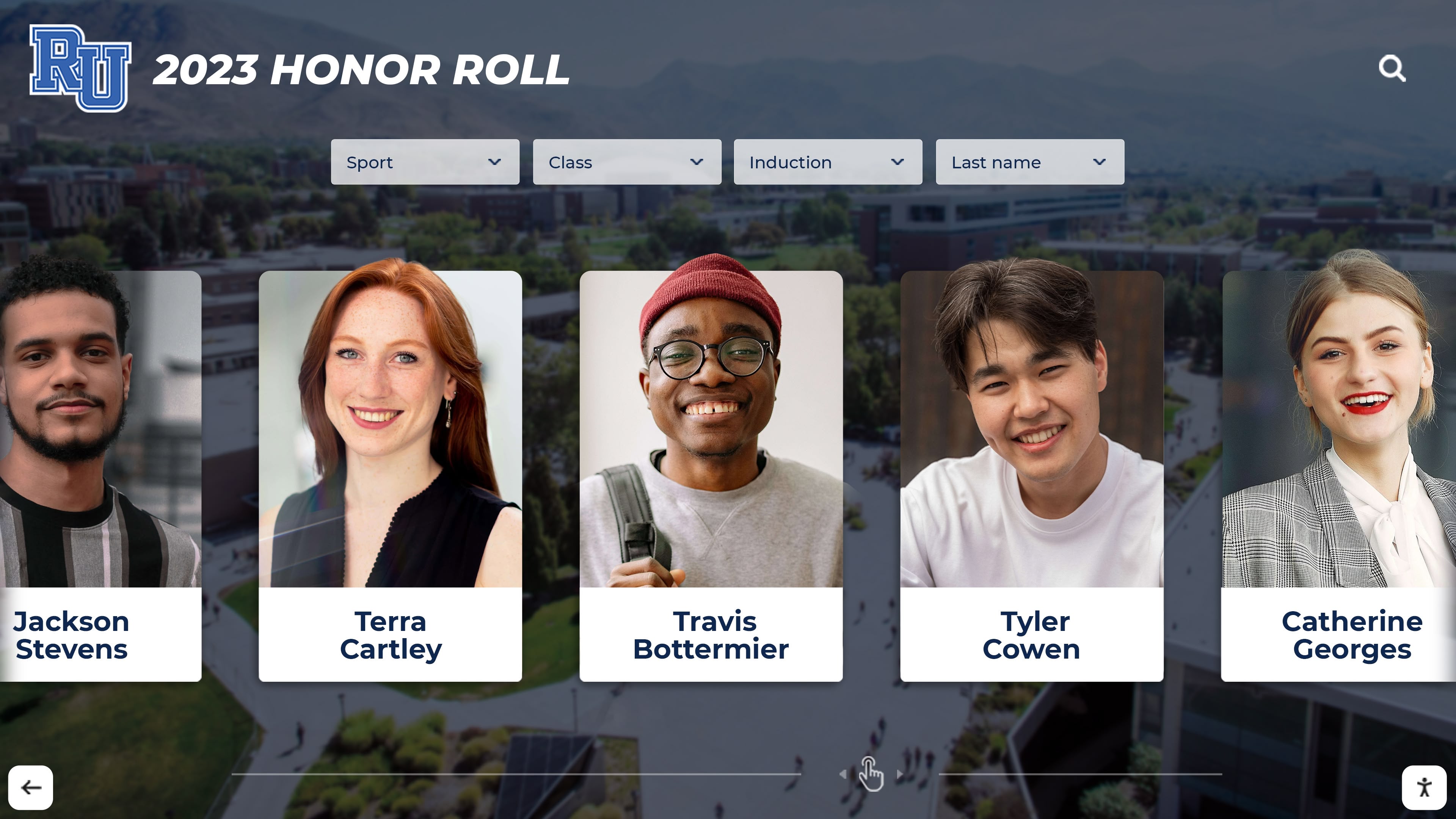
Comprehensive recognition profiles celebrate both academic achievements and community service contributions as part of complete student stories
Why Hour Counts Alone Don’t Impress Admissions
The Resume Padding Problem
Admissions officers have developed keen ability to identify strategic hour accumulation:
- Generic descriptions of volunteer roles suggesting minimal engagement or investment
- Long lists of different organizations with few hours at each indicating breadth without depth
- Common “popular” service activities chosen because they look good rather than genuine interest
- Sudden increase in hours during junior/senior year clearly timed for application purposes
- Vague impact statements unable to articulate specific contributions or outcomes
- Lack of progression or growth showing same entry-level work without advancement
What Actually Distinguishes Applications
Strong service components in college applications feature:
- Compelling personal narratives connecting service to student values, growth, or purpose
- Specific, measurable impact descriptions with concrete examples and outcomes
- Evidence of initiative beyond simply showing up (program development, fundraising, expansion)
- Long-term commitment to specific organizations showing reliability and deepening investment
- Leadership progression from participant to coordinator, trainer, or organizational leader
- Authentic passion evident in how students describe experiences and reflection on impact
- Connection to broader academic or career interests demonstrating integration of values
Schools implementing comprehensive student recognition programs celebrate service alongside academics, reinforcing that community involvement represents integral component of educational experience.
Typical Volunteer Hour Ranges: What Students Actually Report
While minimum requirements don’t exist, understanding typical volunteer hour patterns helps students benchmark their involvement appropriately.
High School Service Hour Benchmarks
Average Student Participation
Research on high school student volunteer work reveals:
- Median high school student completes approximately 20-40 volunteer hours across entire high school career
- About 55-60% of high school students participate in some volunteer work during these years
- Average committed volunteer (those consistently participating) completes 50-75 hours over four years
- Service participation increases significantly in junior and senior years as college awareness grows
These averages demonstrate that even moderate consistent service involvement places students above typical participation levels.
Competitive College Applicant Patterns
Students admitted to selective universities typically demonstrate:
- 50-200 hours of volunteer service across high school years represents common range
- Most competitive applicants show 100-150 hours concentrated in 2-3 primary organizations
- Sustained multi-year commitment to particular causes rather than scattered one-time events
- Leadership roles or expanding responsibility within service organizations
- Mix of regular ongoing commitments alongside occasional special projects or events
Service Hour Context by College Selectivity
Highly Selective Universities (Top 20)
Students admitted to most selective institutions often show:
- Typically 100-200+ volunteer hours over high school career
- Strong emphasis on leadership, impact, and initiative within service
- Sustained multi-year commitments demonstrating reliability
- Often founded organizations, programs, or significantly expanded existing initiatives
- Service connected to academic interests, intended major, or career goals
- Ability to articulate specific measurable impact on communities served
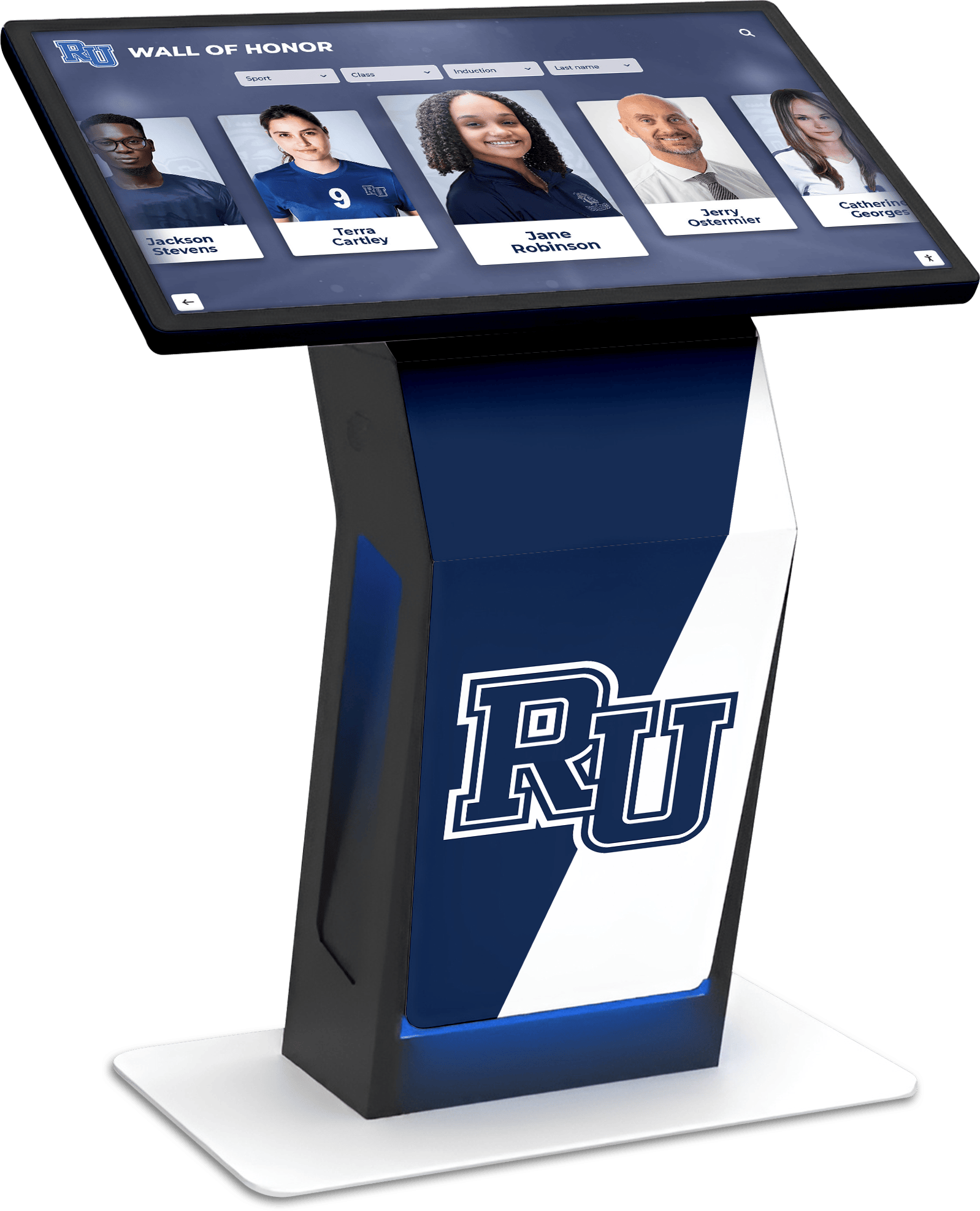
Interactive displays enable schools to showcase student service achievements with detailed profiles and impact stories
Selective State Universities and Private Colleges
Competitive applicants to selective but not most elite institutions demonstrate:
- 50-150 volunteer hours represents typical competitive range
- Consistent participation showing reliable commitment over time
- Combination of regular involvement and special projects or events
- Some leadership or expanding responsibility valued but not required
- Clear descriptions of roles, responsibilities, and contributions
- Service as meaningful component alongside academics and activities
Regional Universities and Many State Schools
For many excellent institutions with higher acceptance rates:
- Any consistent volunteer involvement strengthens applications positively
- 25-100 hours across high school shows meaningful community engagement
- Even modest regular service (2-4 hours monthly) demonstrates character and values
- Quality descriptions of impact matter more than extensive hour counts
- Service combined with strong academics creates well-rounded profile
These ranges provide context but shouldn’t create arbitrary targets—genuine engagement in causes students care about always outweighs strategic hour accumulation attempting to reach perceived thresholds.
Required Service Hours vs. Voluntary Participation
School-Mandated Service Requirements
Many schools require community service for graduation:
- Public and private high schools increasingly require 20-80 service hours for graduation
- Required service fulfills baseline but doesn’t distinguish college applications
- Admissions officers know which schools mandate service and adjust expectations accordingly
- Service beyond required minimum demonstrates genuine commitment versus compliance
- Students should clearly identify required versus voluntary hours on applications
Maximum Impact Service Profiles
Regardless of total hours, strongest service profiles share characteristics:
- Multi-year commitment to 1-3 organizations showing sustained engagement
- Clear progression from entry-level participant to leadership roles
- Specific, concrete descriptions of contributions and measurable outcomes
- Personal reflection on growth, learning, and how service shaped values or goals
- Connection between service and other aspects of application (academics, interests, career plans)
- Authenticity and genuine passion evident in descriptions and essays
Programs supporting building positive school culture integrate service recognition into comprehensive approaches celebrating student character alongside achievement.
What Colleges Actually Value in Volunteer Work
Moving beyond hour counts, understanding specific factors that strengthen applications helps students focus efforts on meaningful service creating genuine impact.
Depth of Commitment Over Breadth
Sustained Long-Term Involvement
Admissions officers strongly prefer sustained commitment:
- Regular weekly or monthly volunteer work over multiple years
- Deepening relationship with single organization showing reliability
- Progression from newcomer to experienced contributor understanding organizational mission
- Development of expertise or specialized skills within service context
- Demonstrated impact possible only through sustained engagement
- Relationships with supervisors who can provide meaningful recommendation letters
Why Long-Term Commitment Matters
Multi-year service involvement signals valuable characteristics:
- Reliability and follow-through important for college success
- Genuine interest beyond resume-building or short-term obligation
- Ability to maintain commitments alongside academics and other activities
- Character development through sustained engagement with communities different from own
- Leadership opportunities typically available only to long-term committed volunteers
A student volunteering 4 hours monthly at a food bank across three years (144 total hours) creates more compelling narrative than someone completing 150 hours scattered across 10 different one-time events or organizations.
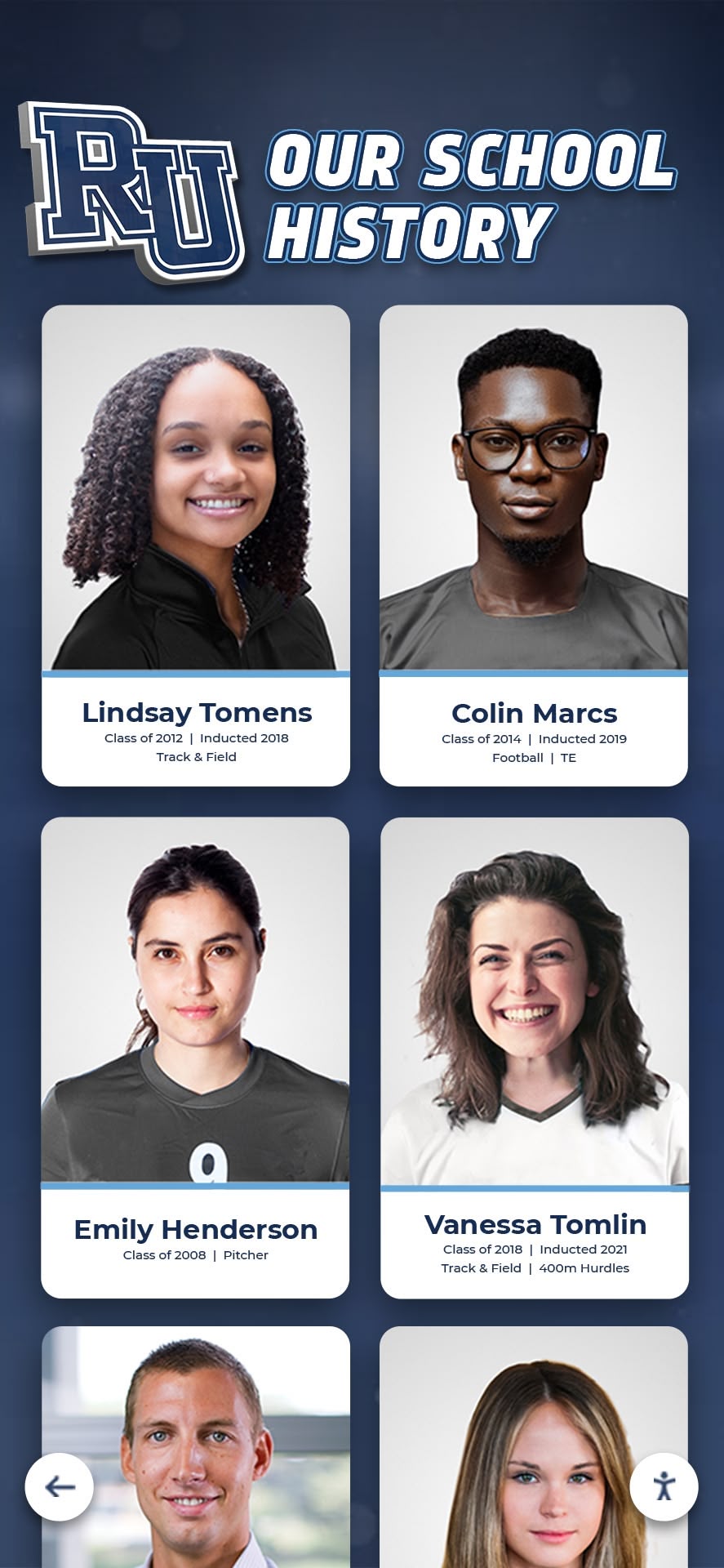
Recognition systems document service journeys across multiple years, showing progression and sustained commitment to community engagement
Leadership and Initiative
Beyond Showing Up
Strong service profiles demonstrate going beyond basic participation:
Leadership Indicators That Strengthen Applications:
- Starting new programs or initiatives within volunteer organizations
- Training new volunteers or coordinating volunteer teams
- Fundraising for causes or organizations including specific amounts raised
- Expanding program reach or effectiveness through innovative approaches
- Taking on supervisory roles or increased responsibility as tenure grows
- Problem-solving to overcome organizational challenges or barriers
- Creating systems, processes, or materials improving organizational effectiveness
Evidence of Initiative
Initiative particularly impresses admissions committees:
- Identifying unmet community needs and organizing responses
- Bringing new ideas to established organizations and implementing them
- Recruiting peers or organizing group volunteer opportunities
- Creating social media presence or marketing expanding organizational reach
- Developing partnerships between schools and community organizations
- Building skills that directly benefit organizations (web design, grant writing, translation)
Students who can describe “I noticed [problem] and responded by [solution] resulting in [outcome]” create compelling application narratives demonstrating leadership and initiative valued by universities.
Measurable Impact and Specific Outcomes
Moving Beyond Generic Descriptions
Strongest service descriptions include concrete impact details:
Generic Application Language:
- “Volunteered at local food bank helping distribute food to families in need”
- “Tutored elementary students in reading and math”
- “Assisted with community cleanup events in neighborhood”
Compelling Impact-Focused Language:
- “Organized weekly food distribution serving 150-200 families, implemented new check-in system reducing wait times by 40%, and recruited/trained 15 new student volunteers expanding capacity”
- “Provided one-on-one literacy tutoring to three ESL students over two years; all three improved reading levels by average of 2.5 grades and two advanced to standard-level English classes”
- “Coordinated four community cleanup events removing 2,800 pounds of litter, installed eight new recycling stations in neighborhood, and created educational program reaching 200 elementary students about environmental stewardship”
The difference lies in specific, measurable outcomes demonstrating actual impact rather than simply describing activities performed.
Authentic Passion and Personal Connection
Genuine Interest Versus Resume Building
Admissions officers develop strong radar for authentic engagement:
Authenticity Indicators:
- Personal connection to cause (family experience, own background, witnessed need)
- Ability to articulate why specific cause matters and what drives engagement
- Continued involvement even when applications complete
- Depth of understanding about issues addressed through service
- Emotional investment evident in application essays and interviews
- Integration of service with academic interests or career exploration
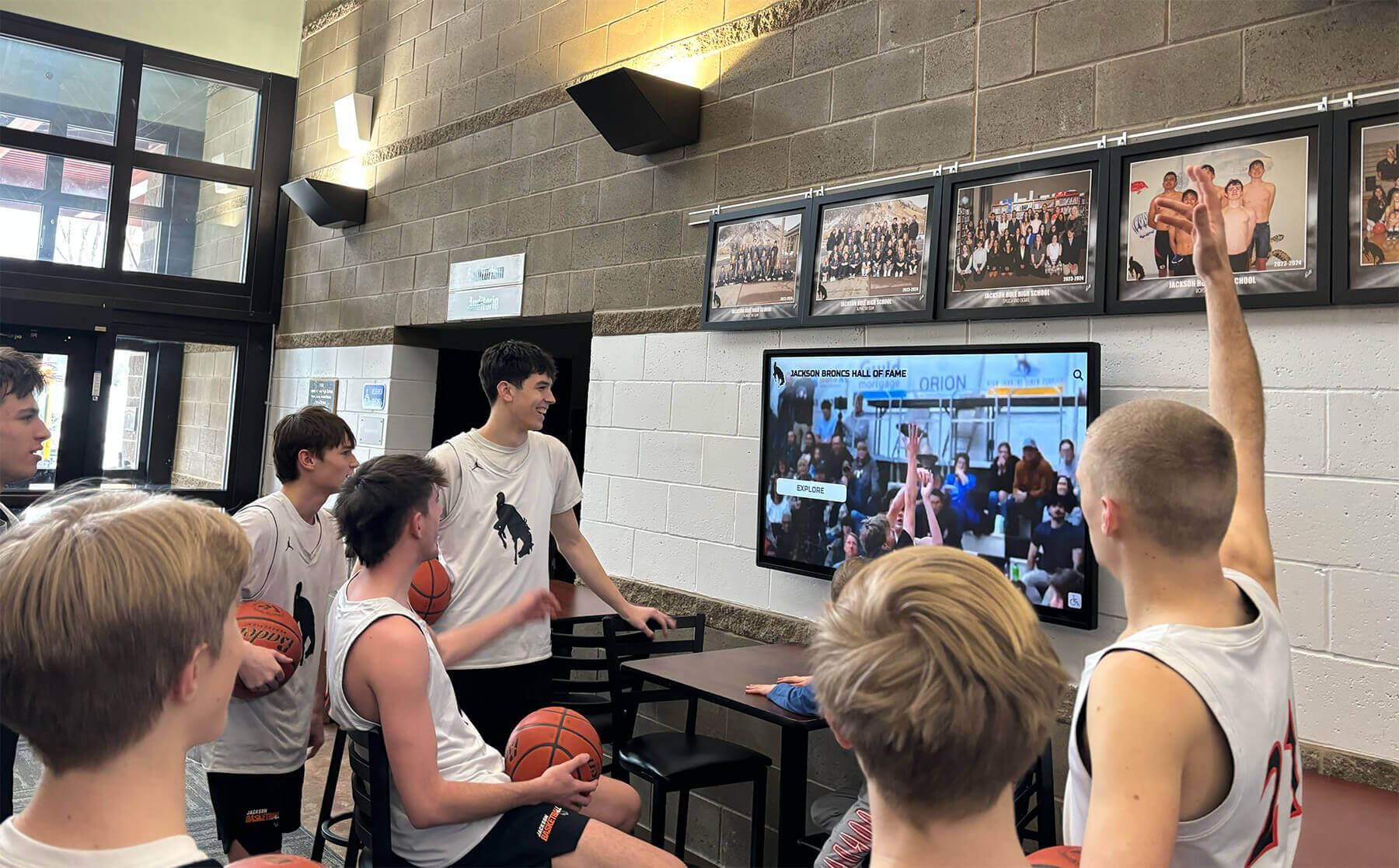
Engaging recognition displays inspire students by showcasing peer service achievements and community impact stories
Strategic Service Red Flags
Application reviewers notice problematic patterns:
- Sudden volunteer involvement junior/senior year with no prior service history
- Impressive-sounding but vague descriptions unable to detail actual work
- “Volunteer tourism” or expensive service trips to exotic locations
- Service exclusively in activities highly visible or prestigious sounding
- No apparent personal connection or passion for causes selected
- Inability to discuss service meaningfully in interviews or supplemental essays
Genuine commitment to causes driven by personal values always creates stronger applications than strategically selected service designed purely to impress admissions committees.
Schools implementing comprehensive recognition approaches celebrate authentic student engagement with community service as character indicator alongside academic achievement.
Strategic Approaches to High School Volunteer Work
Students seeking to maximize college application impact while creating genuine community benefit can employ thoughtful strategies balancing quantity, quality, and personal growth.
Finding Meaningful Service Opportunities
Identifying Causes Aligned with Values
Starting with personal interests creates authentic engagement:
Self-Assessment Questions:
- What issues or causes matter most to you personally and why?
- What problems in your community concern or frustrate you?
- What experiences from your own life connect you to particular needs?
- What skills or talents could you contribute meaningfully to service work?
- What career fields interest you that service could help explore?
- What organizations have you admired or wanted to support?
Service Categories to Consider
Broad categories each offering numerous specific opportunities:
- Education and Youth Development: Tutoring, mentoring, literacy programs, after-school activities, coaching
- Hunger and Homelessness: Food banks, soup kitchens, shelter assistance, meal programs
- Health and Wellness: Hospital volunteering, health education, mental health support, disability services
- Environment and Conservation: Cleanups, habitat restoration, sustainability education, conservation projects
- Animal Welfare: Shelters, wildlife rehabilitation, conservation education, fostering programs
- Senior Services: Assisted living visits, technology training, companionship programs, oral history projects
- Arts and Culture: Museum docent work, community theater support, arts education, music programs
- Social Justice: Advocacy organizations, legal aid, immigrant services, civil rights work
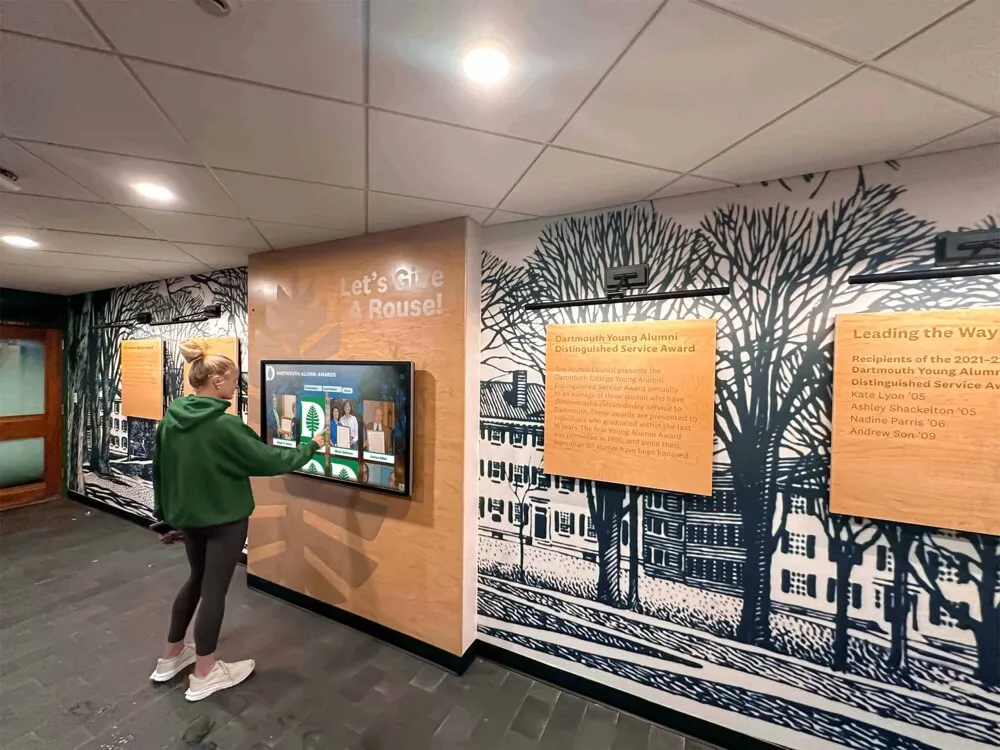
Strategic placement of service recognition displays in high-traffic areas celebrates student community engagement and inspires participation
Building Multi-Year Service Commitments
Freshman and Sophomore Year
Early high school provides foundation for sustained service:
Strategic Approaches:
- Explore 2-4 different service areas through trial experiences
- Commit to at least one regular ongoing volunteer position
- Focus on learning organizational missions and developing basic skills
- Build relationships with supervisors and understand how organizations operate
- Complete 10-30 hours annually establishing baseline service habit
- Reflect on which opportunities feel most meaningful and engaging
Early commitment demonstrates foresight rather than last-minute application preparation.
Junior Year
Service becomes more substantial and leadership-oriented:
Development Focus:
- Increase commitment to 30-60 hours for year at primary organizations
- Take on increased responsibility or leadership roles when offered
- Consider starting new initiative or program addressing identified need
- Develop specialization or expertise in particular service area
- Begin documenting impact, hours, and specific contributions for applications
- Seek recommendation letter from service supervisor if relationship is strong
Junior year represents critical period when service transitions from participation to leadership.
Senior Year
Final year solidifies service narrative and demonstrates continued commitment:
Completion Strategies:
- Maintain consistent involvement even after applications submit showing genuine commitment
- Complete major projects or initiatives begun earlier in high school
- Train successors or create systems enabling sustainability after graduation
- Reflect deeply on service impact for personal statements and supplemental essays
- Complete 30-50 hours continuing established commitments
- Consider how to maintain community connections even when transitioning to college
Continued senior year service after early application deadlines proves authenticity to admissions officers who notice students disappearing from commitments once applications submit.
Documenting Service for Applications
Tracking System Essentials
Organized documentation creates clearer applications:
What to Record:
- Organization name, location, and primary mission or purpose
- Specific role, responsibilities, and activities performed
- Total hours completed (many schools verify this information)
- Dates of service showing duration and consistency of involvement
- Supervisors’ names and contact information for verification or recommendations
- Specific projects, initiatives, or programs in which you participated
- Measurable outcomes or impact when possible with concrete numbers
- Skills developed or lessons learned through service experience
- Any recognition, awards, or special acknowledgments received
Application Description Best Practices
Effective service descriptions on applications include:
- Specific, concrete language rather than vague generalities
- Action verbs showing initiative and leadership (organized, developed, implemented, trained)
- Quantifiable impact with numbers when possible (people served, funds raised, outcomes achieved)
- Progressive responsibility showing growth over time when applicable
- Personal connection or reason for choosing particular service
- Brief but meaningful description within character limits provided
Schools using digital recognition displays create systematic documentation of student achievements including service work, supporting college application processes while celebrating engagement.
Special Considerations: Service Learning and Academic Integration
Service integrated with academic experiences creates particularly compelling college application narratives demonstrating intellectual engagement with community issues.
Service Learning Programs
Curricular Community Service
Service learning combines service with structured educational components:
Characteristics of Effective Service Learning:
- Direct connection between service activities and academic curriculum or learning objectives
- Structured reflection helping students process experiences and extract lessons
- Academic credit or recognition for service completion and learning
- Partnership between schools and community organizations benefiting both
- Real community needs addressed through student service rather than artificial projects
- Assessment measuring both community impact and student learning outcomes
College Application Value
Service learning provides unique application advantages:
- Demonstrates intellectual engagement with community issues beyond simple volunteerism
- Shows ability to apply classroom learning to real-world contexts and problems
- Provides rich material for essays connecting academics, service, and personal growth
- Faculty advisors often able to provide strong recommendation letters discussing impact
- Structured reflection creates articulate descriptions of service impact and lessons learned
- Academic credit notation on transcripts validates service as educational experience
Many high schools now require service learning for graduation, creating baseline expectation that strong applicants exceed through voluntary additional engagement.
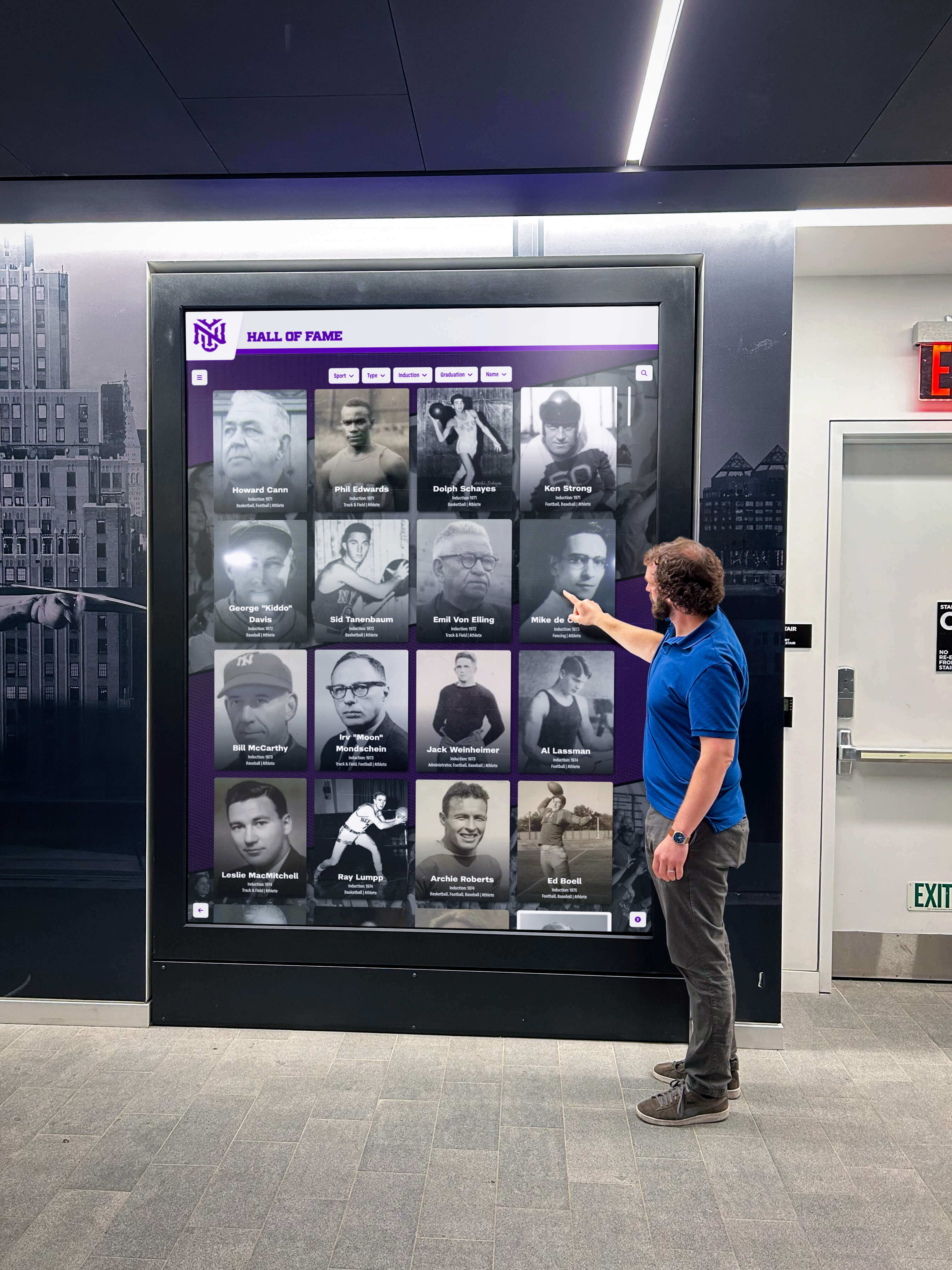
Interactive displays enable detailed exploration of student service achievements, creating engaging recognition celebrating community impact
Connecting Service to Academic and Career Interests
Creating Cohesive Narratives
Strongest applications show connections between multiple elements:
Integration Strategies:
- Students interested in medicine volunteer in healthcare settings (hospitals, clinics, health education)
- Aspiring teachers provide tutoring, mentoring, or educational program support
- Future engineers offer STEM education or participate in building projects serving communities
- Journalism students document community issues or provide communication support to nonprofits
- Business-track students assist with organizational operations, fundraising, or social entrepreneurship
- Environmental studies interests align with conservation service, sustainability projects, or education
- Social science students engage with social services, advocacy, or community development organizations
Benefits of Aligned Service
This connection strengthens applications through:
- Demonstrating genuine commitment to intended field beyond classroom academics
- Providing experiential learning validating career interests through real exposure
- Creating compelling essay narratives showing integrated interests and values
- Offering specific examples of field-related work in personal statements
- Building knowledge and vocabulary making application discussions more sophisticated
- Generating authentic passion evident in how students discuss both academics and service
A student planning to study education who has tutored consistently for three years creates more cohesive narrative than another with identical GPA but scattered service unconnected to stated interests.
Summer Service Opportunities
Intensive Service Experiences
Summer provides opportunities for deeper engagement:
Summer Service Options:
- Full-time volunteer positions (30-40 hours weekly for 6-12 weeks)
- Service immersion programs in communities facing significant challenges
- International service programs requiring significant time commitments
- Leadership development programs combining service with skill-building
- Independent projects students design and implement in communities
- Camp counselor positions blending service with youth development

Modern recognition interfaces make exploring service achievements intuitive and engaging for all students and visitors
Maximizing Summer Service Impact
Strategic approaches to intensive summer service:
- Full-time summer commitment can equal entire school year of weekly service hours
- Immersive experiences often provide deeper understanding and more compelling stories
- Increased responsibility often available in full-time volunteer roles
- Summer service from freshman through junior year demonstrates multi-year commitment pattern
- Independent summer projects show exceptional initiative and self-direction
- Connection to school-year service creates year-round commitment narrative
Students should balance intensive summer service with other valuable summer experiences including academic enrichment, employment, family time, and personal development.
Institutions implementing comprehensive student recognition celebrate service alongside academics and activities, creating holistic profiles demonstrating complete student development.
How Schools Can Recognize and Encourage Service
Educational institutions play crucial roles in fostering meaningful student community engagement that develops character while strengthening college applications.
Creating Service Recognition Programs
Multi-Dimensional Recognition
Effective school programs honor service through various approaches:
Recognition Categories:
- Total hours milestones (50, 100, 200+ hours earned through high school)
- Sustained commitment awards for multi-year service to single organizations
- Leadership in service recognizing students who create programs or coordinate volunteers
- Impact awards highlighting measurable community benefit from student service
- Service learning excellence for integration of service with academic work
- Senior service recognition celebrating graduating students’ complete service contributions
Recognition Methods
Schools implement recognition through:
- Service honor societies or special designations for highly engaged students
- Honor cords, stoles, or medals worn at graduation ceremonies
- Service awards presented at academic recognition nights or assemblies
- Honor roll listings recognizing service alongside academic achievement
- Permanent displays in schools showcasing service accomplishments
- Transcript notations documenting service for college application support
- Public recognition in newsletters, websites, and school communications
Students completing National Honor Society requirements benefit from understanding comprehensive recognition approaches celebrating service alongside scholarship, leadership, and character.
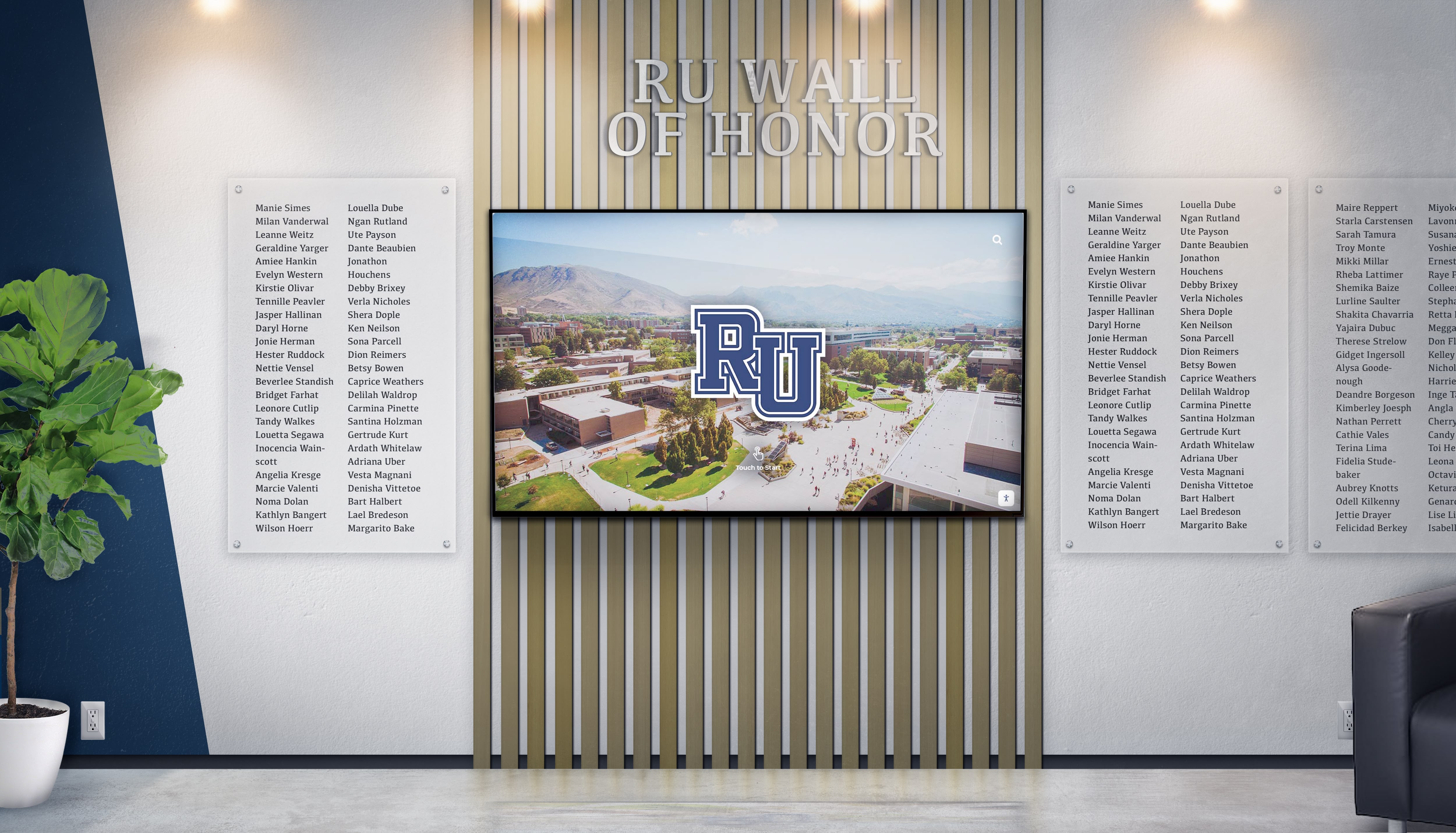
Integrated recognition systems combine digital displays with traditional elements celebrating service achievements alongside academic honors
Digital Service Recognition Displays
Modern Recognition Solutions
Progressive schools implement interactive touchscreen displays celebrating service:
Display Capabilities:
- Individual student service profiles with photos and detailed descriptions
- Hour tracking showing cumulative service across high school careers
- Organization spotlights highlighting partnership opportunities with community agencies
- Impact stories documenting measurable outcomes from student service work
- Photo galleries from service events, projects, and ongoing commitments
- Search functionality enabling exploration by student, organization, or service category
- Historical archives preserving service tradition across multiple graduating classes
Benefits of Digital Recognition
Interactive systems overcome traditional display limitations:
- Unlimited capacity showcasing all service-engaged students regardless of hour counts
- Simple cloud-based updates enabling current recognition without physical display changes
- Engaging interactive features making service accomplishments explorable and interesting
- Connection to web-based platforms extending recognition beyond physical school
- Inspiration for underclassmen by showcasing accessible service achievements
- Support for college applications by maintaining verified service documentation
- Celebration of service integrated with other achievements creating comprehensive student profiles
Schools report that digital recognition increases service participation 30-40% by making community engagement visible, celebrated, and aspirational throughout student bodies.
Facilitating Service Opportunities
School-Based Service Coordination
Effective programs reduce barriers to student service engagement:
Coordination Strategies:
- Service coordinator or counselor managing community partnerships
- Database of vetted service opportunities with contact information and requirements
- Service fairs connecting students with community organizations seeking volunteers
- Transportation arrangements for off-campus service locations
- School-sponsored service days or events organized for student participation
- Service clubs focusing on specific causes or organizations
- National Honor Society service requirements creating baseline engagement expectations
- Class projects incorporating community service as curricular components
Removing Participation Barriers
Ensuring equitable service access requires addressing obstacles:
- Transportation challenges for students without personal vehicles or family support
- Conflicting commitments including work, family responsibilities, or athletics
- Information gaps about available opportunities or how to begin volunteering
- Parental permission requirements creating bureaucratic hurdles
- Financial costs associated with some service programs or activities
- Language or cultural barriers making some students uncomfortable in service settings
- Confidence issues or uncertainty about what service involves or requires
Schools committed to equitable service access implement solutions addressing these challenges systematically.
Comprehensive platforms for student achievement recognition integrate service alongside athletics and academics, modeling holistic student development.
Common Questions About Volunteer Hours and College
How Many Volunteer Hours Do You Need for College?
There’s no minimum number of volunteer hours required for college admission at any institution. Selective universities don’t maintain hour thresholds or automatically prefer more hours over fewer.
That said, understanding typical patterns helps students benchmark appropriately:
- Competitive applicants to selective universities typically show 50-200 volunteer hours across high school, with 100-150 representing common range
- Any consistent volunteer involvement strengthens applications to most colleges
- Quality matters far more than quantity—50 hours of deeply engaged, leadership-oriented service typically impresses more than 200 hours of scattered, minimal-involvement activities
- Sustained multi-year commitment to specific causes or organizations creates stronger narratives than high hour counts from short-term involvement
Focus on finding service work aligned with genuine interests, committing consistently over multiple years, taking on leadership roles, and creating measurable community impact rather than pursuing arbitrary hour targets.
Is 50 Volunteer Hours Good for College?
Yes, 50 volunteer hours represents solid community engagement that strengthens college applications when combined with strong academics and other activities.
Why 50 hours can be meaningful:
- Demonstrates consistent commitment (2-3 hours monthly over 18 months or weekly during school year)
- Sufficient time to develop relationships within organizations and understand their missions
- Allows for some depth and potential leadership or expanding responsibility
- Exceeds typical high school student participation levels
- Shows character and community commitment valued by admissions committees
Maximizing impact of 50 hours: The key is how those 50 hours are structured. Fifty hours over two years with single organization creating specific measurable impact and showing leadership progression creates much stronger application component than 50 hours scattered across multiple one-time events at different locations.
Focus on depth, sustained commitment, leadership development, and ability to articulate specific impact rather than worrying whether 50 hours is “enough.”
Do Colleges Verify Volunteer Hours?
Most colleges don’t systematically verify volunteer hours during initial application review, but they can and sometimes do verify information—and providing false information has serious consequences.
Verification practices:
- Colleges rarely verify hours during initial application reading due to volume
- Random verification of admitted students occurs at some institutions
- Questions about specific service may arise during interviews
- Supervisor contact information on applications enables verification if questions arise
- Inaccurate hour reports discovered after admission can result in offer rescission
- Honor code violations from false reporting can lead to disciplinary action or expulsion
Best practices for honest reporting:
- Track hours accurately throughout high school using log or documentation system
- Round down rather than up when unsure about exact hours
- Report verifiable hours for which you could provide documentation if requested
- Include supervisor contact information demonstrating transparency
- Focus descriptions on impact and activities rather than inflating hour counts
- Remember that 50 accurate hours creates stronger application than 150 embellished hours
Admissions officers focus more on what students did with their service time than precise hour counts, so accuracy and honesty always serve students better than exaggeration.
What Volunteer Work Looks Best on College Applications?
The “best” volunteer work for college applications is service that reflects genuine student interests, demonstrates sustained commitment and leadership, and creates measurable positive impact—not activities chosen purely because they sound impressive.
Characteristics of strong service profiles:
- Multi-year commitment to causes students care about personally
- Progressive leadership responsibility over time
- Specific, measurable impact on communities or organizations served
- Connection between service and academic interests or career goals
- Authentic passion evident in how students describe experiences
- Skills developed or lessons learned through service engagement
Less important factors:
- Exotic or prestigious-sounding service locations (local engagement often stronger)
- Impressive organization names without meaningful involvement
- High profile causes without personal connection or depth
- Service chosen because it seems like what colleges want to see
A student consistently tutoring elementary students in under-resourced neighborhood school for three years, developing curriculum, training other tutors, and documenting literacy improvement creates far more compelling application narrative than someone who completed expensive service trip abroad for two weeks with minimal preparation or follow-up.
Choose service aligned with your genuine values and interests, commit consistently over time, seek leadership opportunities, and focus on creating real positive impact rather than selecting activities based on what seems most impressive.
Conclusion: Service That Matters Beyond College Applications
The question “how many volunteer hours for college?” reflects understandable anxiety about competitive admissions, but asking it potentially misses the larger purpose of community service in student development. The most meaningful volunteer work isn’t performed to accumulate application-strengthening hours—it grows from genuine commitment to causes larger than oneself, develops character and empathy that serve students throughout life, builds skills and perspectives impossible to gain purely in classroom settings, and creates positive community impact benefiting real people facing real challenges.
Admissions officers recognize the difference between authentic engagement and strategic resume building. They value sustained commitment over scattered hour accumulation, demonstrated leadership and initiative over passive participation, measurable community impact over vague activity descriptions, and genuine passion connected to personal values over service chosen purely because it sounds impressive. Students who approach service as opportunity for learning, growth, and contribution rather than primarily as college application strategy typically create both stronger applications and more meaningful personal experiences.
For students planning high school service work, begin early allowing time for sustained multi-year commitments, choose causes connecting to genuine interests and values rather than strategic calculations, seek opportunities for leadership and expanding responsibility over time, document service systematically but focus efforts on actual impact rather than tracking hours, connect service to academic interests and career exploration when possible, and maintain engagement even after applications submit demonstrating authentic commitment. Aim for 50-200 hours across high school with emphasis on depth, leadership, and impact rather than purely accumulating maximum hours.
For schools supporting student service development, implement recognition systems celebrating diverse service achievements, facilitate opportunities and remove participation barriers ensuring equitable access, integrate service learning connecting community engagement with academic curriculum, document student service supporting college application processes, and model that service represents core institutional value rather than simply college preparation activity.
Modern digital recognition solutions transform how schools celebrate student service by eliminating space constraints limiting traditional plaques to showcase unlimited students, enabling interactive exploration of service achievements through engaging displays, providing simple remote content management for ongoing updates and maintenance, connecting to web platforms extending recognition beyond physical locations, and integrating service recognition with comprehensive profiles including academics and activities.
Whether you’re a student planning high school service commitments, a parent supporting an engaged teen, or an educator seeking to foster meaningful community engagement, remember that the most valuable volunteer work creates positive impact in communities while developing character, skills, and perspectives that serve students far beyond college applications. Hours matter less than commitment, leadership, and genuine care for causes larger than yourself.
Ready to strengthen service recognition at your school? Discover how solutions like Rocket Alumni Solutions help educational institutions create comprehensive digital recognition systems celebrating student service achievements alongside academic and athletic accomplishments, inspiring continued community engagement while supporting college application success.