For many high school athletes and their families, athletic scholarships represent the pathway to affordable college education while continuing competitive sports participation. Yet the scholarship landscape remains confusing—families wonder about eligibility requirements, application processes, different scholarship types across NCAA divisions, and realistic expectations for their student-athlete’s scholarship potential.
The reality is that athletic scholarships vary dramatically by sport, division, and institution. Some sports offer full-ride scholarships covering tuition, room, board, and books. Others provide partial scholarships that help but don’t cover full costs. Meanwhile, timing matters enormously—athletes who understand the recruiting timeline and eligibility requirements position themselves advantageously, while those who start late may miss critical opportunities regardless of talent level.
This comprehensive guide explains how athletic scholarships work, walking through eligibility requirements, NCAA division differences, the recruiting and application process, and practical strategies for maximizing scholarship opportunities while maintaining realistic expectations about this competitive landscape.
Athletic scholarships provide financial assistance to college-bound student-athletes based on their sports participation and ability. Understanding how these scholarships function—including who awards them, eligibility requirements, and how much funding different scholarship types provide—helps families plan strategically for college financing while pursuing athletic opportunities.
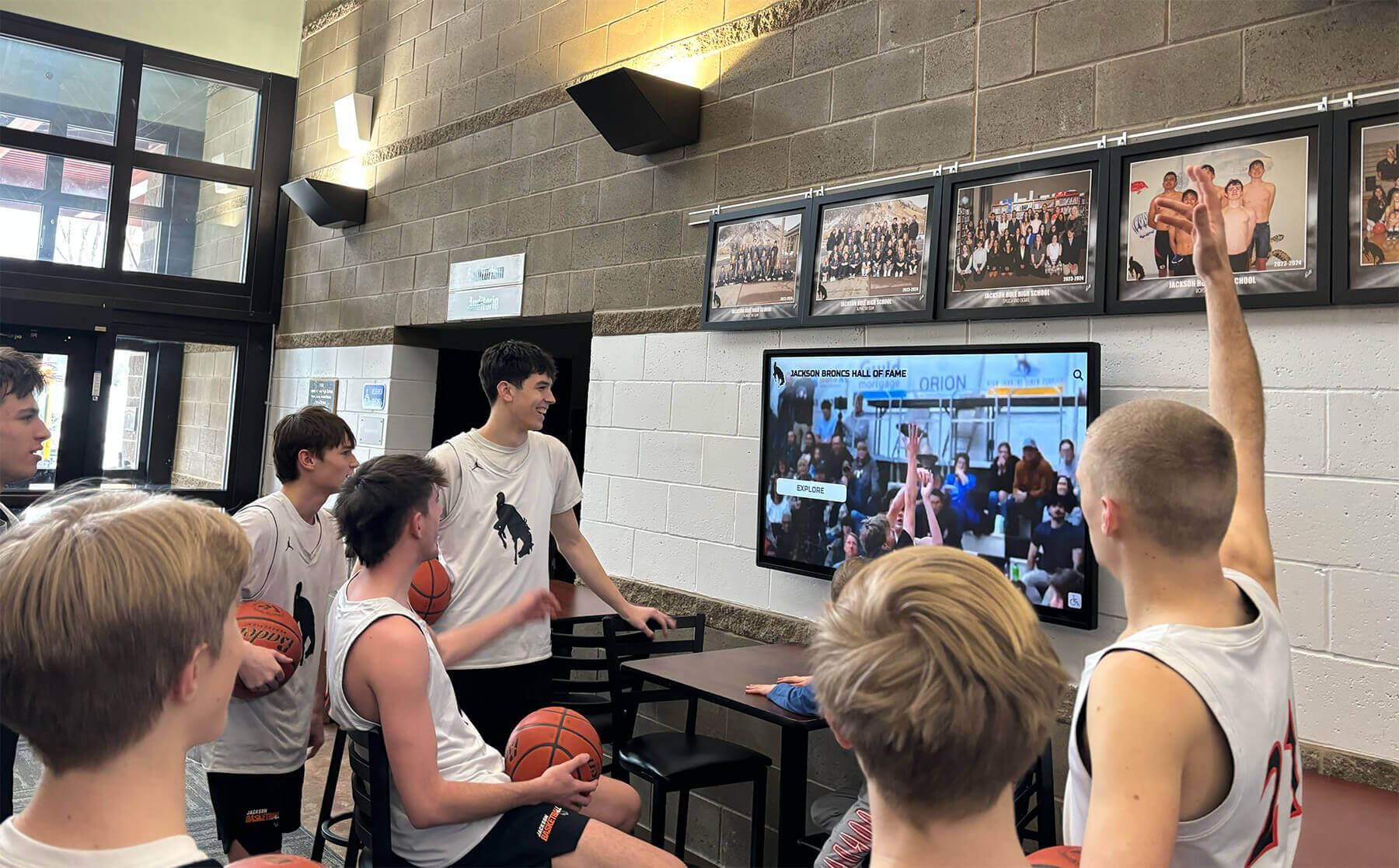
Student-athletes pursue college opportunities while schools recognize their achievements through modern display systems
What Are Athletic Scholarships?
Athletic scholarships are financial awards given to student-athletes by colleges and universities to support their education while they participate in varsity athletics. These scholarships serve dual purposes—they help institutions build competitive athletic programs while providing talented students access to higher education.
Athletic Scholarship Fundamentals
Financial Support Structure
Athletic scholarships can cover various educational expenses:
- Full tuition and fees at the institution
- Room and board costs in campus housing
- Required textbooks and course materials
- Mandatory institutional fees
- Partial coverage of any combination of these expenses
Unlike academic scholarships based solely on grades or test scores, athletic scholarships recognize sports ability, competitive achievement, and potential contribution to college athletic programs. Schools invest in athletes they believe will strengthen their teams and potentially generate success in conference and national competition.
Who Awards Athletic Scholarships
Colleges and universities award athletic scholarships through their athletic departments:
- NCAA Division I schools offer the most athletic scholarship funding
- NCAA Division II institutions provide moderate athletic scholarship opportunities
- NAIA schools award athletic scholarships with different regulations
- NJCAA junior and community colleges offer athletic financial aid
- NCAA Division III schools do not award athletic scholarships but provide academic and need-based aid
The athletic department, working with coaching staff and admissions, determines scholarship offers based on athletic ability, academic qualifications, team needs, and available budget.
How Athletic Scholarships Differ From Academic Aid
Understanding the distinction helps families develop comprehensive financial strategies:
Athletic Scholarship Characteristics
- Awarded based on sports ability and competitive achievement
- Require ongoing athletic participation and team membership
- Can be reduced or not renewed if athlete leaves team or gets injured
- Subject to NCAA regulations limiting amounts and numbers by sport
- Coaches control awarding decisions within budget constraints
- Year-to-year renewable contracts rather than guaranteed four-year awards
Academic Scholarship Characteristics
- Based on grades, test scores, and academic achievement
- No sports participation required
- Not subject to athletic eligibility rules
- Often guaranteed for four years if academic standards are maintained
- Determined by admissions or financial aid offices rather than coaches
Many student-athletes combine athletic and academic awards to maximize total financial assistance.
Schools celebrate current athletes while preparing them for college recruiting opportunities
NCAA Division Structure and Scholarship Differences
The NCAA divides member institutions into three divisions with significantly different approaches to athletic scholarships. Understanding these differences helps families target appropriate schools based on athletic ability, academic profile, and financial need.
NCAA Division I Athletic Scholarships
Division I represents the highest level of NCAA competition with the most substantial athletic scholarship funding.
Scholarship Structure
Division I schools can offer:
- Full scholarships covering tuition, fees, room, board, and books
- Partial scholarships covering portions of educational costs
- Different scholarship limits by sport and gender
- Multi-year scholarship agreements (though not required)
Sport-Specific Scholarship Limits
NCAA Division I establishes maximum scholarship limits per sport:
Head Count Sports (full scholarships only, no partials allowed):
- Football (FBS): 85 scholarships
- Basketball (men’s): 13 scholarships
- Basketball (women’s): 15 scholarships
- Volleyball (women’s): 12 scholarships
- Tennis (women’s): 8 scholarships
- Gymnastics (women’s): 12 scholarships
Equivalency Sports (can divide scholarships among multiple athletes):
- Baseball: 11.7 scholarships divided among full roster
- Soccer (men’s): 9.9 scholarships
- Soccer (women’s): 14 scholarships
- Track and field/cross country: 12.6 scholarships (men’s), 18 scholarships (women’s)
- Lacrosse: 12.6 scholarships (men’s), 12 scholarships (women’s)
- Wrestling: 9.9 scholarships
- Softball: 12 scholarships
The equivalency model means most athletes in these sports receive partial scholarships. A baseball team with 11.7 scholarships and 35 roster spots divides funding among many players, with few receiving full rides.
Competition and Selectivity
Division I athletic scholarships are extremely competitive:
- Only about 2% of high school athletes receive Division I scholarships
- Top-tier programs recruit nationally and internationally
- Academic standards remain rigorous with NCAA eligibility requirements
- Significant time commitment limits work and social opportunities
- Year-round training and competition expectations
National College Signing Day celebrations recognize students earning Division I opportunities.
NCAA Division II Athletic Scholarships
Division II offers a middle ground between Division I intensity and Division III’s purely academic approach:
Financial Aid Model
- Partial scholarships more common than full rides
- Can combine athletic and academic scholarships more flexibly
- Lower scholarship limits per sport than Division I
- Average athletic scholarship around $5,000-$10,000 annually
- More regional recruiting rather than national
Division II Advantages
- Less time-intensive than Division I allowing more balanced college experience
- Strong competition level while maintaining academic focus
- Coaches often have more flexibility combining scholarship types
- Smaller roster sizes may mean more playing time opportunities
- Strong sense of community and institutional connection
Division II athletes compete at high levels while balancing academics and receiving partial scholarship support
NCAA Division III Approach (No Athletic Scholarships)
Division III schools do not award athletic scholarships, but this doesn’t mean athletes receive no financial aid:
Financial Aid in Division III
- Need-based financial aid packages based on family income
- Academic merit scholarships based on grades and test scores
- Institutional grants not based on athletic ability
- Cannot consider athletics when awarding financial aid
- Often competitive total aid packages approaching Division II levels
Division III Benefits
- Shorter competitive seasons leaving more time for internships and study
- No athletic scholarship means no athletic-only pressure
- Cannot lose funding due to injury or leaving team
- Academic-focused culture valuing well-rounded development
- Strong graduation rates and career outcomes
Many academically strong students find Division III provides excellent education with continued sports participation without the athletic intensity or time demands of scholarship divisions.
NAIA and NJCAA Scholarship Options
NAIA (National Association of Intercollegiate Athletics)
- Smaller schools often in rural or mid-sized communities
- Generous scholarship limits in many sports
- More flexibility in eligibility rules than NCAA
- Can combine different aid types freely
- Good option for late bloomers or athletes recruited late
NJCAA (National Junior College Athletic Association)
- Two-year community and junior colleges
- Significant athletic scholarship funding
- Opportunity to develop skills and academics before transferring
- Less expensive base costs even without scholarships
- Path for athletes not initially recruited by four-year programs
Understanding all options rather than focusing solely on Division I helps families identify best-fit athletic and academic opportunities.

Schools preserve athletic legacy through recognition systems showcasing pathways to college athletics
Athletic Scholarship Eligibility Requirements
Meeting eligibility requirements is non-negotiable for receiving athletic scholarships. Families must understand and plan for these standards beginning in freshman year of high school.
NCAA Eligibility Center Registration
All prospective Division I and Division II student-athletes must register with the NCAA Eligibility Center:
Registration Process
- Create account at eligibilitycenter.org during sophomore or junior year
- Pay one-time registration fee ($90 for U.S. students)
- Request high school transcript submission
- Submit standardized test scores (SAT/ACT) directly to NCAA
- List all courses taken across high schools attended
- Update information as new grades and test scores become available
Athletes who fail to register early risk missing recruiting opportunities or facing delays in eligibility certification.
Academic Eligibility Standards
NCAA establishes minimum academic requirements for athletic scholarship eligibility:
Division I Academic Requirements
- Complete 16 core courses in specific subjects
- Earn minimum GPA in core courses (sliding scale with test scores)
- Achieve minimum standardized test score (SAT/ACT)
- Graduate from high school
- Meet sliding scale combining GPA and test scores
The sliding scale means higher GPAs offset lower test scores and vice versa. A 3.0 core GPA requires approximately 950 SAT or 70 ACT sum score, while a 2.5 core GPA requires approximately 1030 SAT or 79 ACT sum score.
Core Course Requirements
The 16 required core courses include:
- 4 years English
- 3 years mathematics (Algebra I or higher)
- 2 years natural/physical science (including 1 lab science)
- 1 additional year English, math, or science
- 2 years social science
- 4 additional years from above areas or foreign language, comparative religion, or philosophy
Courses must appear on high school’s NCAA-approved course list and must be completed at appropriate academic level.
Division II Academic Requirements
- Complete 16 core courses (10 before seventh semester)
- Earn minimum 2.2 GPA in core courses
- Achieve minimum standardized test score corresponding to GPA
- Graduate from high school
Division II has no sliding scale—athletes must meet both minimum GPA and minimum test score independently.
Academic recognition programs help schools celebrate students meeting rigorous academic standards alongside athletic achievement.
Amateurism Requirements
NCAA amateurism rules ensure college athletes maintain amateur status:
Prohibited Activities
- Accepting salary or prize money above actual expenses
- Professional team contracts or agreements
- Playing with professional athletes in organized competition
- Receiving benefits from agents or representatives
- Delayed enrollment to play professionally in sport
- Accepting payment for promoting commercial products
Allowed Activities
- Accepting necessary expenses for competition
- Receiving sports equipment from school or governing body
- Accepting awards within NCAA limits
- Competing for national team
- Accepting prize money in other sports not offered at school
Violations of amateurism rules can result in permanent ineligibility for NCAA competition and loss of scholarship opportunities.
Timeline and Important Deadlines
Strategic planning requires understanding recruiting timelines:
Freshman and Sophomore Years
- Register with NCAA Eligibility Center
- Focus on academic performance in core courses
- Develop athletic skills and competitive experience
- Attend camps and showcases to gain exposure
- Research colleges and athletic programs of interest
Junior Year (Critical Year)
- Take standardized tests and submit scores to NCAA
- Coaches can begin contacting athletes (September 1 of junior year for most sports)
- Athletes can take unofficial visits to campuses
- Update NCAA Eligibility Center with transcript
- Attend tournaments and events where college coaches recruit
Senior Year
- Official visits to top schools (paid by institution)
- National Letter of Intent signing for committed athletes
- Final transcript submission to NCAA Eligibility Center
- Continued athletic and academic performance maintenance
- Verbal commitments and scholarship offer finalizations
Understanding these timelines enables families to position athletes competitively when coaches begin recruiting seriously.
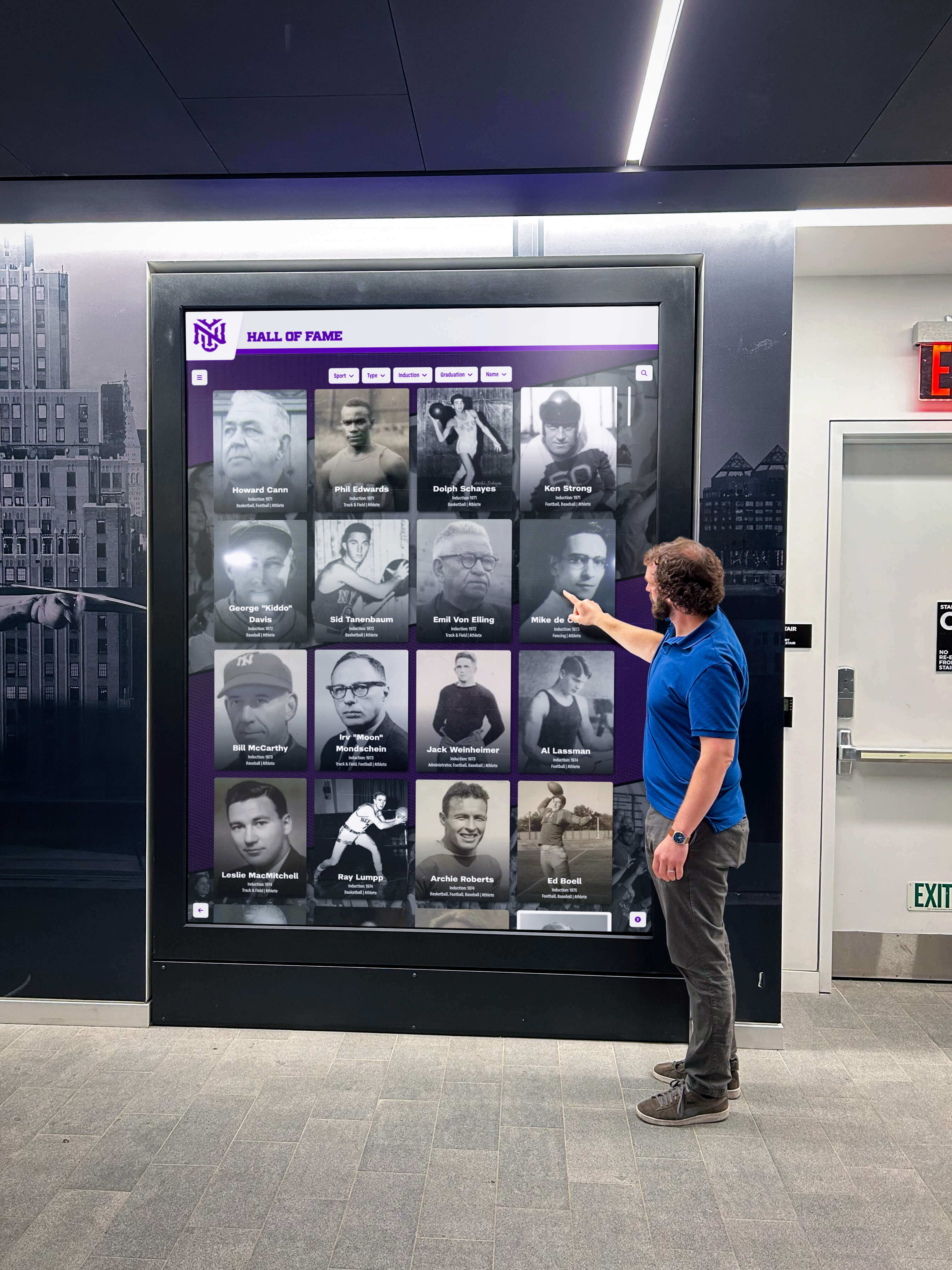
Modern recognition displays preserve athletic achievements while demonstrating program quality to prospective students
The Athletic Recruiting Process
Athletic scholarships aren’t automatically awarded—athletes must be recruited by coaches who have limited scholarships and numerous prospects.
How College Coaches Identify Prospects
Coaches discover potential recruits through multiple channels:
Tournament and Competition Attendance
- Coaches attend major tournaments, showcases, and championships
- High-level competition provides direct observation opportunities
- Performance under pressure demonstrates competitive readiness
- Travel team and club team competitions offer extensive visibility
Recruiting Services and Databases
- Online recruiting platforms where athletes create profiles
- Services that evaluate and rank athletes by position and class
- Video analysis platforms showcasing skills and highlights
- Statistical databases tracking athletic performance metrics
High School and Club Coach Recommendations
- Trusted relationships between college and high school coaches
- Direct recommendations carry significant weight
- Coach networks within specific sports or regions
- Camp and clinic instructor observations and reports
Athlete Self-Promotion
- Emails to coaching staffs with athletic and academic information
- Social media presence showcasing skills and character
- Athletic résumés highlighting achievements and statistics
- Highlight videos demonstrating competitive ability
Schools recognize students who earn varsity letter achievements demonstrating commitment and performance levels attractive to college recruiters.
Building Your Athletic Resume
Effective self-promotion requires professional presentation:
Essential Athletic Resume Components
- Personal information and contact details
- Academic information (GPA, test scores, class rank)
- Athletic statistics and achievements
- Awards, honors, and all-conference selections
- Club/travel team experience and accomplishments
- Position(s) played and physical measurements relevant to sport
- High school and club coach contact information
- Link to highlight video or online profile
Creating Effective Highlight Videos
- 3-5 minutes showcasing best competitive performances
- Game footage demonstrating skills in actual competition
- Multiple angles when possible showing full performance context
- Include athlete identifying information at beginning
- Ensure quality video and audio production
- Update regularly with recent performances
- Host on easily accessible platforms like YouTube or recruiting services
Digital Presence Considerations
- Clean social media profiles projecting positive character
- Consistent presence across platforms recruiters might check
- Content demonstrating leadership, work ethic, and team orientation
- Avoid posts that raise character or judgment concerns
- Privacy settings appropriate but not completely closed
- Engagement demonstrating maturity and perspective
Unofficial and Official Visits
Campus visits are critical for evaluating schools and demonstrating serious interest:
Unofficial Visits
- Athlete and family pay all expenses
- Can occur any time and as many times as desired
- Opportunity to tour campus, meet coaches, see facilities
- Attend games and observe team culture and competition
- Evaluate academic programs and campus environment
- No limit on number of unofficial visits
Official Visits
- School pays for transportation, lodging, and meals
- Limited to five total official visits across all schools
- Can only occur after start of senior year for most sports
- Typically includes full weekend with team activities
- Hosted by team member showing athlete campus life
- Meeting with academic advisors and support staff
- Attendance at home athletic competition
Official visits indicate serious mutual interest—coaches extend official visit invitations to primary recruiting targets, while athletes use their five visits strategically for top choices.
Scholarship Offer Evaluation
Not all scholarship offers provide equal value or fit:
Financial Considerations
- Full versus partial scholarship amounts
- What expenses are covered specifically
- Duration (one year versus multi-year agreement)
- Conditions for renewal and potential increases
- Opportunity to combine with academic scholarships
- Total cost of attendance after scholarship
- Availability of additional need-based aid
Athletic Program Evaluation
- Coaching staff stability and style
- Team culture and athlete well-being
- Competitive level and conference strength
- Playing time projections and depth chart
- Facilities and resources supporting athletes
- Post-graduation success of program alumni
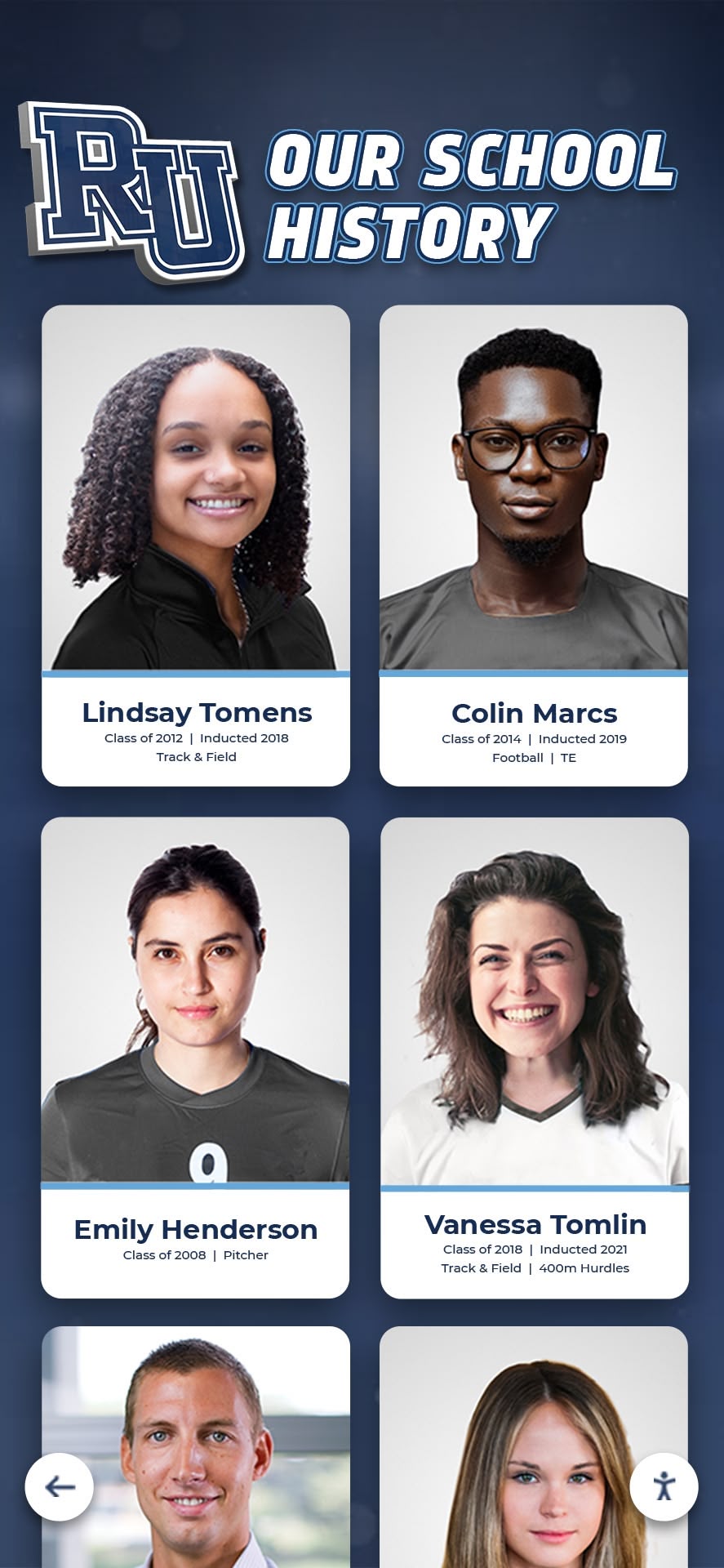
Programs with strong athletic traditions demonstrate pathways from high school to college athletics success
Academic and Career Fit
- Strength of desired major and academic programs
- Academic support services for student-athletes
- Graduation rates for athletes in your sport
- Career services and internship opportunities
- Alumni network and post-graduation outcomes
- Campus culture and social environment
- Location and distance from home
The “best” scholarship isn’t necessarily the largest—it’s the one providing optimal combination of athletic opportunity, academic fit, financial value, and overall college experience.
National Letter of Intent and Scholarship Agreements
Formalizing scholarship commitments involves legally binding agreements requiring careful understanding:
National Letter of Intent (NLI) Basics
The NLI is a voluntary program administered by the NCAA and NAIA:
What the NLI Accomplishes
- Creates binding agreement between athlete and institution
- Athlete commits to attend school for one academic year
- School commits to provide athletic financial aid for one academic year
- Other schools must cease recruiting once NLI is signed
- Provides certainty for both athlete and institution
Signing Periods Different sports have specific signing periods:
- Early signing period (if offered) in sport-specific months
- Regular signing period allowing commitments
- No signing outside designated periods
- Consequences for missing signing period deadlines
When NLI Is Not Used
- NCAA Division III (no athletic scholarships)
- Ivy League schools (institutional policy)
- Service academies (different commitment process)
- Some smaller Division I and II programs
Understanding Scholarship Agreement Terms
Beyond the NLI, scholarship agreements specify aid details:
Financial Aid Agreement Components
- Specific scholarship amount or percentage
- What expenses are covered (tuition, room, board, books, fees)
- Conditions for renewal after first year
- Academic performance requirements for continued funding
- Athletic participation expectations
- Consequences of injury or medical situations
- Reduction or non-renewal circumstances
Important Questions to Ask
- Is scholarship guaranteed for four years or renewed annually?
- What GPA or academic standards must be maintained?
- What happens if athlete is injured or medically unable to compete?
- Can scholarship be reduced if athletic performance declines?
- What happens if coaching staff changes?
- Can athlete combine athletic scholarship with academic awards?
- What are financial implications of transferring or leaving team?
Protection and Considerations
- Multi-year scholarships provide more security than one-year renewable awards
- NCAA rules now allow multi-year athletic scholarships
- Document all verbal commitments and promises in writing
- Understand that coaching changes don’t void scholarship agreements
- Read and understand entire financial aid agreement before signing
- Consult with parents, school counselors, and potentially lawyers
- Compare multiple scholarship offers carefully before committing
Schools implementing digital recognition systems for college commitments celebrate students earning athletic scholarship opportunities.
Transfer Rules and Scholarship Implications
If initial school choice doesn’t work out, transferring involves specific rules:
NCAA Transfer Portal
- Athletes can enter transfer portal at specific times
- Entering portal allows other schools to contact athlete
- Original school can reduce or eliminate scholarship
- Must sit out one year in many sports (though rules evolving)
- Academic credits must transfer to new institution
Scholarship Considerations When Transferring
- Original scholarship typically ends when entering transfer portal
- New school must have available scholarship funding
- No guarantee of similar scholarship amount at new school
- Academic year in residence rules may apply depending on sport
- Transfer stigma may affect recruiting by new schools
Understanding transfer implications before committing initially helps athletes make informed decisions and commit to programs where they’re likely to remain.
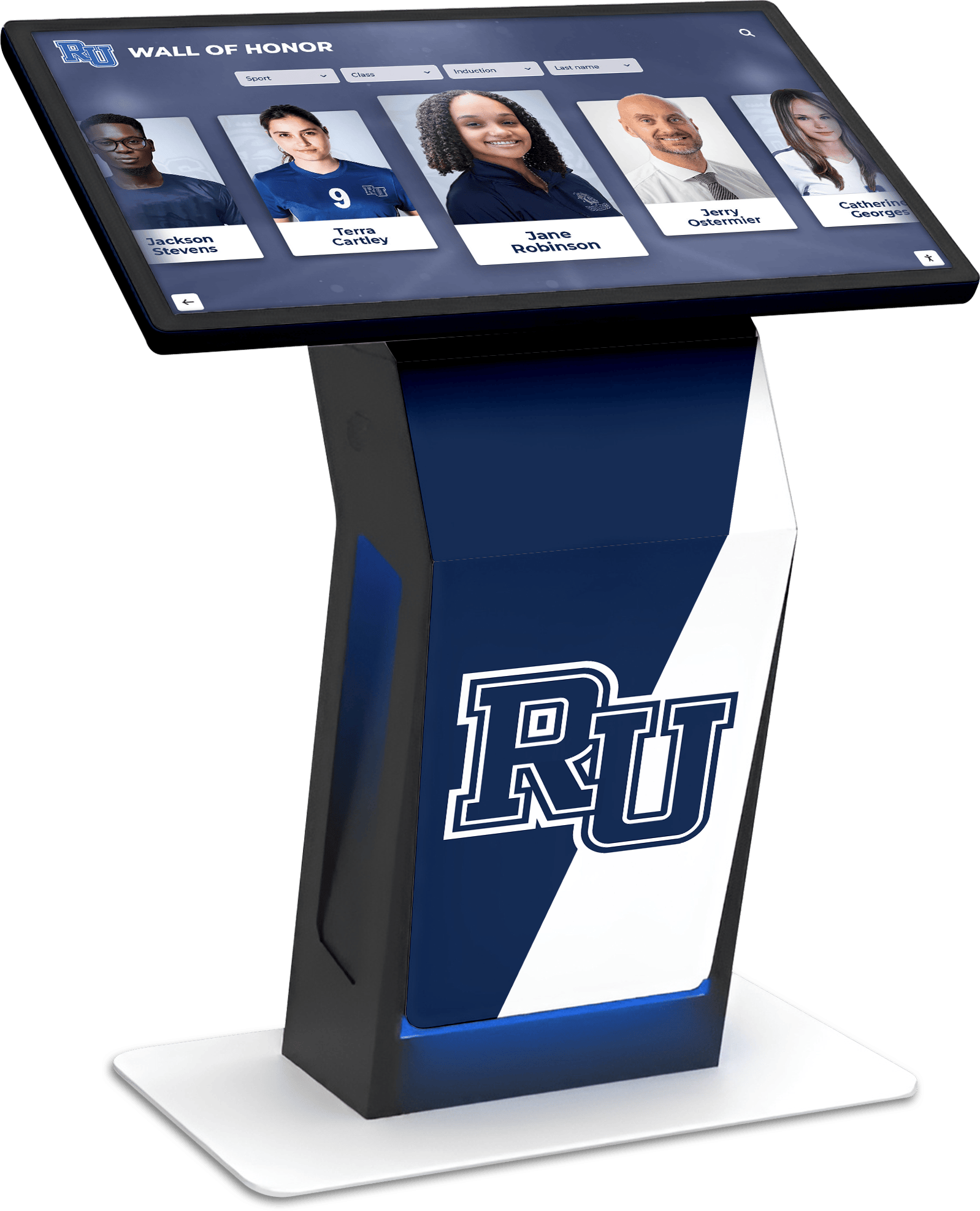
Recognition systems preserve and celebrate athletic achievements for current and future generations
Maximizing Athletic Scholarship Opportunities
Strategic planning throughout high school significantly increases scholarship potential:
Academic Performance Priority
Athletic ability opens scholarship doors, but academics determine which doors remain accessible:
Academic Excellence Benefits
- Maintains eligibility for all division levels and academic scholarships
- Provides fallback options if athletic scholarships don’t materialize
- Demonstrates discipline and work ethic coaches value
- Enables combining athletic and academic scholarships
- Keeps options open at academically rigorous institutions
- Creates professional opportunities beyond athletics
Course Selection Strategy
- Take NCAA-approved core courses meeting requirements
- Challenge yourself with honors and AP courses when appropriate
- Maintain balance allowing athletic training time
- Verify course approval status on high school’s NCAA list
- Avoid online courses unless pre-approved by NCAA
- Consider summer school strategically if falling behind
Schools implement academic recognition alongside athletic recognition programs celebrating balanced student-athlete achievement.
Athletic Development and Exposure
Consistent skill development and strategic visibility matter enormously:
Competitive Excellence
- Compete at highest level possible for your ability
- Join travel, club, or AAU teams offering college-level exposure
- Attend showcases and tournaments where college coaches recruit
- Earn all-conference and all-state recognition through high school performance
- Maintain statistics demonstrating measurable achievement
- Compete year-round in sport or complementary training
Showcase and Camp Strategy
- Research which camps and showcases college coaches attend
- Prioritize events featuring schools on your target list
- Don’t over-invest in every available showcase or camp
- Prepare physically and mentally to perform at peak level
- Follow up with coaches after events expressing continued interest
- Understand some events prioritize profit over recruiting value
Communication and Relationship Building
Proactive, professional communication keeps athletes visible:
Initiating Coach Contact
- Email college coaches introducing yourself and expressing interest
- Include brief athletic resume and academic information
- Provide links to highlight video and recruiting profile
- Update coaches on achievements and improved statistics
- Respond promptly and professionally to coach communications
- Follow NCAA rules about contact timing and methods
Relationship Development
- Demonstrate genuine interest in program and school
- Ask thoughtful questions about team culture and expectations
- Show appreciation for coach attention and time
- Maintain consistent communication without being overbearing
- Update coaches on commitment timeline and other offers
- Be honest about recruitment status and interest level
Leveraging High School and Club Coaches
- Keep coaches informed about college recruiting interest
- Request coaches promote you to college contacts
- Provide coaches with updated information to share
- Ask coaches to contact colleges on your behalf
- Demonstrate coachability making coaches comfortable recommending you
The recruiting process rewards persistent, professional athletes who balance confidence with humility and maintain authentic interest in programs.
Managing Realistic Expectations
Understanding scholarship realities prevents disappointment and poor decisions:
Statistical Reality
- About 7% of high school athletes compete in college athletics
- Only 2% receive Division I athletic scholarships
- Many college athletes receive partial rather than full scholarships
- Most athletic scholarships are worth $2,000-$10,000 annually, not full rides
- Many sports are equivalency sports dividing limited scholarships among large rosters
Setting Appropriate Goals
- Cast wide net including Division I, II, III, NAIA, and NJCAA
- Consider schools at multiple competitive levels
- Prioritize finding right fit over chasing biggest scholarship or most prestigious program
- Remember education and career preparation are primary purposes of college
- Understand most college athletes never compete professionally
- Recognize athletic scholarship is investment in your education and development
Alternative Financial Aid Strategies
- Pursue academic scholarships complementing athletic aid
- Complete FAFSA for need-based federal and institutional aid
- Apply for private scholarships from community organizations
- Consider schools offering strong institutional aid regardless of athletic scholarships
- Evaluate total cost after all aid rather than focusing solely on athletic scholarship amount
Understanding the complete financial picture helps families make informed decisions about college affordability.
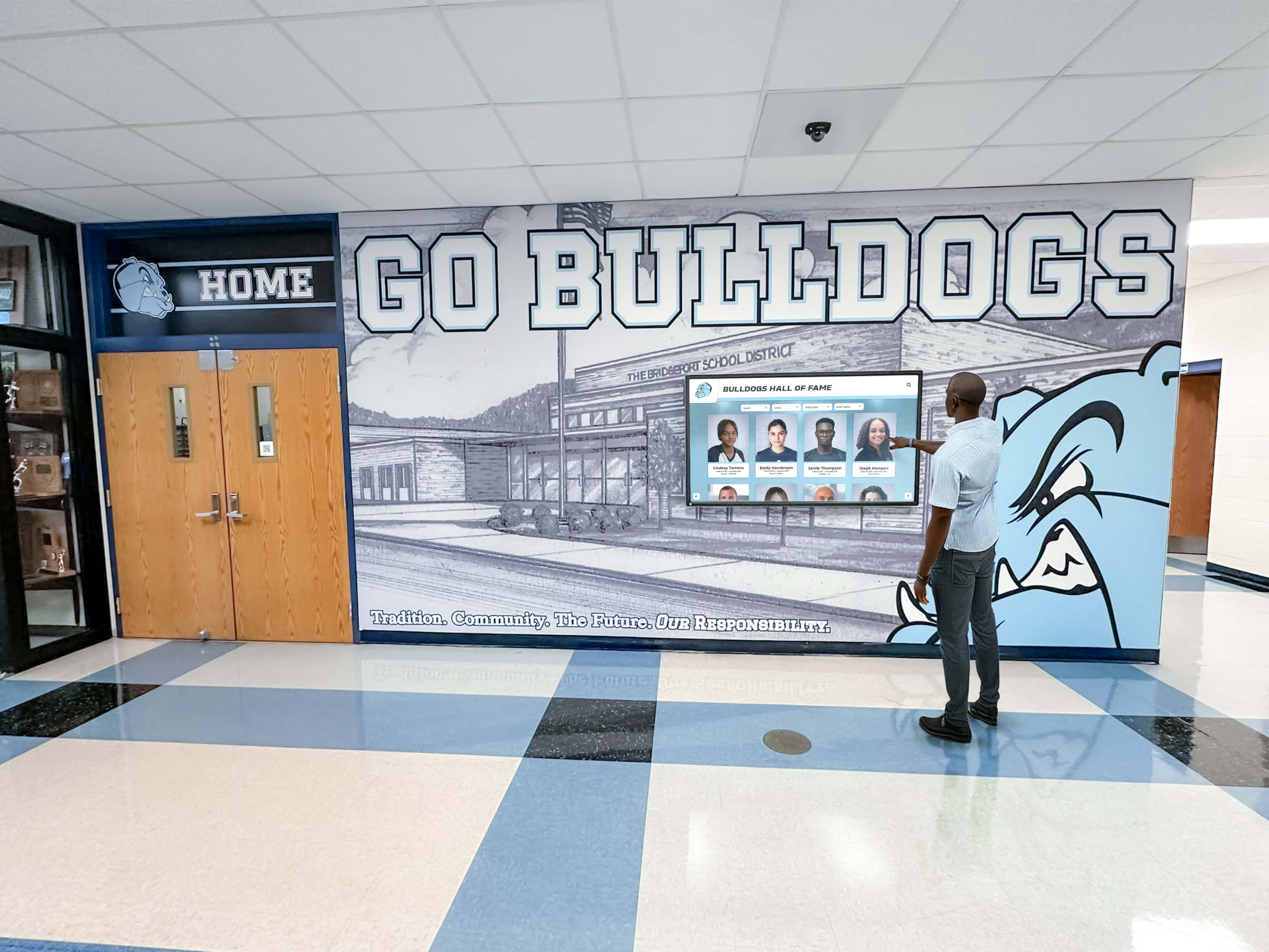
Recognition systems help schools celebrate athletic achievements while inspiring younger athletes to pursue college opportunities
Common Athletic Scholarship Myths
Clearing up misconceptions helps families navigate recruiting more effectively:
Myth 1: Athletic Scholarships Cover Everything
Reality: Most athletic scholarships are partial awards that help with costs but don’t cover full attendance expenses. Only head count sports (primarily football and basketball) regularly award full scholarships. Athletes in equivalency sports typically receive partial scholarships requiring families to cover remaining costs through other aid, loans, or personal funds.
Myth 2: Scholarships Are Guaranteed for Four Years
Reality: Most athletic scholarships are one-year agreements renewed annually based on continued athletic participation, academic performance, and coach discretion. While NCAA now permits multi-year scholarships, many schools continue annual renewals giving coaches flexibility to manage rosters and budgets. Athletes who get injured, don’t meet athletic or academic standards, or whose playing time doesn’t meet expectations may not have scholarships renewed.
Myth 3: Only Stars Get Scholarships
Reality: While elite athletes receive most attention, many competent athletes earn partial scholarships, particularly in equivalency sports with many roster spots. Coaches need depth, specific positions filled, and athletes contributing to team culture even without starting roles. Being realistic about ability level and targeting appropriate competition tiers significantly increases scholarship likelihood.
Myth 4: Early Verbal Commitments Are Binding
Reality: Verbal commitments are not legally binding for either party. Only signing the National Letter of Intent creates binding agreement. Athletes can change minds after verbal commitment (though potentially damaging relationships), and coaching changes or program circumstances can result in schools withdrawing scholarship offers before NLI signing. Always get commitments in writing and understand nothing is final until NLI is signed.
Myth 5: You Can’t Negotiate Athletic Scholarships
Reality: While less common than academic scholarship negotiation, discussing athletic scholarship amounts is possible, particularly if you have competing offers or unique circumstances. Coaches work within budgets and scholarship limits but may have flexibility to increase offers for athletes they particularly want. Professional, respectful communication about financial needs and competing offers can sometimes result in improved scholarship packages.
Resources for Athletic Scholarship Research
Numerous resources help families navigate the scholarship process:
Official NCAA Resources
- NCAA Eligibility Center (eligibilitycenter.org): Official registration, eligibility requirements, and academic standards
- NCAA Recruiting Rules: Sport-specific contact rules and recruiting calendars
- NCAA Division I, II, III Handbooks: Complete rules and regulations for each division
Recruiting Platforms and Services
- NCSA Sports: Recruiting profiles, college matching, and recruiting education
- Rivals: Sport-specific recruiting rankings and news
- PrepDig / Hudl: Video hosting and recruiting platforms
- BeRecruited: Free athlete profile creation and coach connections
Financial Aid Resources
- FAFSA (fafsa.gov): Federal financial aid application required for need-based aid
- CSS Profile: Additional financial aid application for some private schools
- Scholarship databases: Fastweb, Scholarships.com, College Board scholarship search
- Sport-specific scholarship programs: Many sports have dedicated scholarship foundations
Educational Resources
- The Scholarship System: Structured program for maximizing recruiting opportunities
- CaptainU: Recruiting guidance and coach connection platform
- Your high school counselor: Academic planning and transcript management
- Club and high school coaches: Recruiting connections and recommendations
Building knowledge throughout the recruiting process helps families make informed decisions aligned with student-athlete goals and family financial situations.
Schools celebrate students earning athletic scholarship opportunities through recognition programs highlighting college commitments.
The Role of High Schools in Supporting College Athletics Recruitment
High schools play critical support roles in helping student-athletes pursue college opportunities:
Recognition Programs Supporting Recruitment
Schools that systematically recognize athletic achievements help athletes with recruiting:
Visibility and Documentation
- Recognition displays showcasing athletic accomplishments coaches can reference
- Statistics and achievement tracking demonstrating performance consistency
- Championship and award documentation validating competitive success
- Team histories providing context for individual achievements
- Digital platforms enabling easy sharing with college coaches and recruiters
Building Athletic Culture
- Programs celebrating college athletic commitments inspiring younger athletes
- Visible pathways from high school to college athletics
- Alumni connections demonstrating successful transitions to college competition
- Recognition systems highlighting academic-athletic balance coaches value
Solutions like digital recognition displays provide schools with platforms celebrating current athletes while preserving achievements in formats accessible to recruiters and college coaches. These systems create lasting records of athletic excellence supporting recruitment efforts while inspiring younger students to pursue similar achievements.
Counselor and Administrator Support
Beyond coaching, institutional support matters:
Academic Planning and Eligibility
- Ensuring course schedules meet NCAA core course requirements
- Monitoring progress toward eligibility standards
- Transcript management and submission to NCAA Eligibility Center
- Communication with families about academic-athletic balance
- Advocacy ensuring students balance athletic pursuits with academic preparation
College Application Support
- Letters of recommendation highlighting athletic and academic achievements
- Application strategy balancing athletic recruitment and academic fit
- Financial aid counseling beyond athletic scholarships
- Connection to alumni networks in college athletics and admissions
- Celebration and recognition of college commitments inspiring younger students
Strong institutional support systems help student-athletes navigate complex recruiting while maintaining academic preparation and realistic perspective.
Conclusion: Understanding Athletic Scholarships to Make Informed Decisions
Athletic scholarships represent valuable opportunities for student-athletes to pursue higher education while continuing competitive sports participation. Yet these scholarships operate within complex systems involving NCAA regulations, recruiting timelines, academic requirements, and varying scholarship structures across divisions and sports.
Families who understand how athletic scholarships actually work—the differences between divisions, realistic scholarship amounts, academic eligibility requirements, recruiting processes, and timeline expectations—position themselves to make informed decisions aligned with student goals and financial circumstances. This knowledge prevents disappointment from unrealistic expectations while enabling strategic planning maximizing scholarship potential.
The path to athletic scholarships begins in freshman year with academic course selection meeting NCAA requirements, continues through consistent athletic development and competitive exposure, and culminates in strategic recruiting communication and school evaluation during junior and senior years. Athletes who treat recruitment as systematic process requiring proactive planning and professional communication significantly increase scholarship opportunities compared to those waiting for coaches to discover them.
Remember that athletic scholarships serve education first—the scholarship enables college attendance, not simply athletic participation. Prioritize schools offering appropriate academic programs, financial value, athletic opportunity, and overall college experience creating foundation for success beyond sports. The “best” scholarship isn’t necessarily the largest or most prestigious program, but the one fitting your academic, athletic, financial, and personal circumstances.
Understanding scholarship realities—that most are partial rather than full rides, that they’re typically renewed annually rather than guaranteed for four years, that relatively few high school athletes receive significant athletic financial aid—helps families develop comprehensive college financing strategies incorporating athletic scholarships, academic awards, need-based aid, and personal resources.
Athletic scholarships can open doors to educational opportunities that might otherwise be financially inaccessible while enabling continued athletic growth and competition. Approached strategically with realistic expectations and comprehensive understanding of processes and requirements, athletic scholarships represent meaningful investments in student-athlete futures both on the field and far beyond.
Your athletic achievements deserve recognition supporting your college recruitment efforts. Explore digital recognition solutions that help schools celebrate student-athletes pursuing college opportunities while preserving their accomplishments for future generations.