Homecoming week culminates in the parade—a vibrant procession of decorated floats rolling down Main Street while alumni, families, and community members line the sidewalks cheering. A well-executed float becomes the physical manifestation of class pride, creative collaboration, and school spirit that students remember decades later.
Yet too many homecoming floats fall short of their potential. Construction begins too late, leaving students scrambling the night before. Design ideas seem great on paper but prove structurally impossible to build. Safety concerns emerge only after problems develop. Budget constraints force last-minute compromises that diminish impact. Classes pour hundreds of hours into floats that fail to translate their vision into rolling reality.
This comprehensive guide presents creative homecoming float ideas, proven construction methods, safety protocols, budget management strategies, and modern recognition approaches that help classes build parade entries that truly win—whether judges award trophies or not.
Homecoming floats serve purposes beyond entertaining parade spectators. These collaborative projects teach project management, budgeting, teamwork, and creative problem-solving. They build class unity through shared goals, create traditions connecting current students to alumni generations, and strengthen community bonds when local businesses and families support construction efforts.
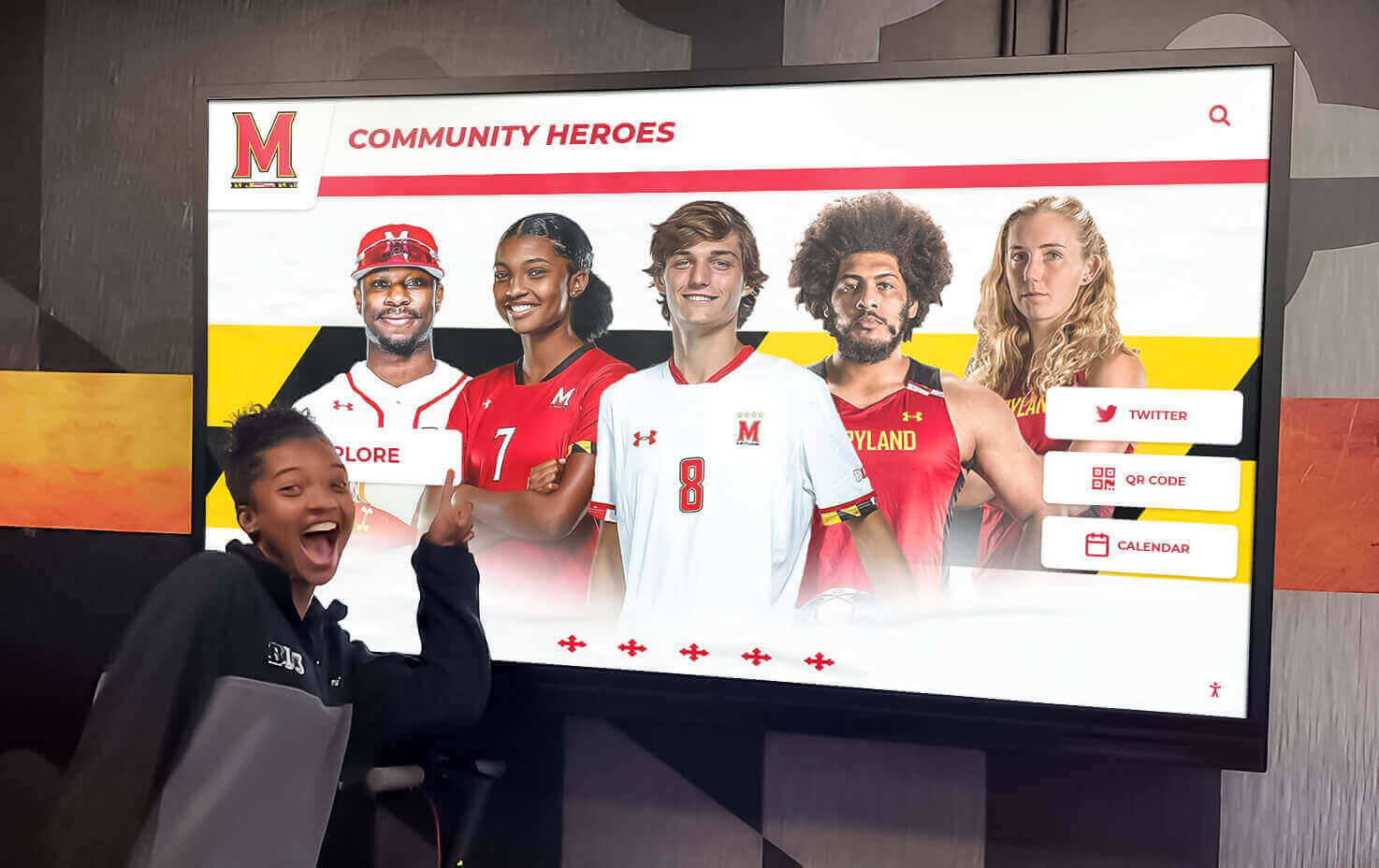
Modern recognition systems preserve homecoming memories and traditions, creating lasting visibility for student creativity and school spirit
Understanding Homecoming Float Competitions
Before diving into specific design ideas, understanding competition expectations and common judging criteria helps classes build strategically.
Typical Judging Categories and Criteria
Most homecoming float competitions evaluate entries across multiple dimensions:
Theme Interpretation and Creativity Judges assess how effectively floats communicate homecoming themes:
- Clear visual connection to announced theme
- Creative interpretation showing original thinking
- Clever integration of class year or identity
- Memorable presentation standing out from other entries
- Humor, wit, or emotional resonance with audience
Construction Quality and Craftsmanship Technical execution matters as much as creative concept:
- Structural stability and durability during parade
- Quality of materials and finishing details
- Professional appearance from all viewing angles
- Proper attachment of decorative elements
- Clean execution without visible shortcuts
Visual Impact and Design Elements Floats must capture attention from distance:
- Bold colors and high contrast creating visibility
- Appropriate scale and proportion
- Strategic use of height and dimension
- Effective lighting for evening parades
- Coordinated aesthetic across entire float
School Spirit and Tradition Connection to institutional identity strengthens entries:
- Incorporation of school colors, mascot, or symbols
- References to school traditions or history
- Student participation and enthusiasm visible
- Connection to broader homecoming celebration
- Respect for community values and appropriateness
Safety and Compliance Meeting technical requirements is non-negotiable:
- Adherence to size restrictions (height, width, length)
- Proper trailer and vehicle specifications
- Safe passenger accommodation if allowed
- Fire-safe materials and construction methods
- Insurance and liability documentation
Schools implementing comprehensive student recognition programs often document homecoming float winners and designs, creating institutional memory that inspires future classes.
Common Float Competition Formats
Different schools structure homecoming float competitions in various ways:
Class Competition Format Freshman through senior classes compete against each other:
- Builds grade-level identity and unity
- Creates multi-year narrative as classes advance
- Senior class often has advantage from experience
- Underclassmen may struggle with resources and organization
- Point systems across homecoming week activities
House or Team System Competition Schools with house systems leverage existing structures:
- Multi-grade teams enabling knowledge transfer
- Balanced competition through mixed-age groups
- Sustained rivalry across multiple homecoming events
- Senior leadership mentoring younger students
- Accumulated points throughout school year
Club and Organization Entries Activity groups build floats representing their programs:
- Student government, athletic teams, performing arts groups
- Broader participation beyond class designation
- Showcase of diverse school programs and activities
- Connects parade to specific group achievements
- Alumni group participation in some communities
Open Community Format Some homecomings welcome broader participation:
- Local businesses and civic organizations
- Youth programs and feeder schools
- Alumni decade groups (Class of 1990s, 2000s, etc.)
- Community partners and sponsors
- Creates larger, more diverse parade
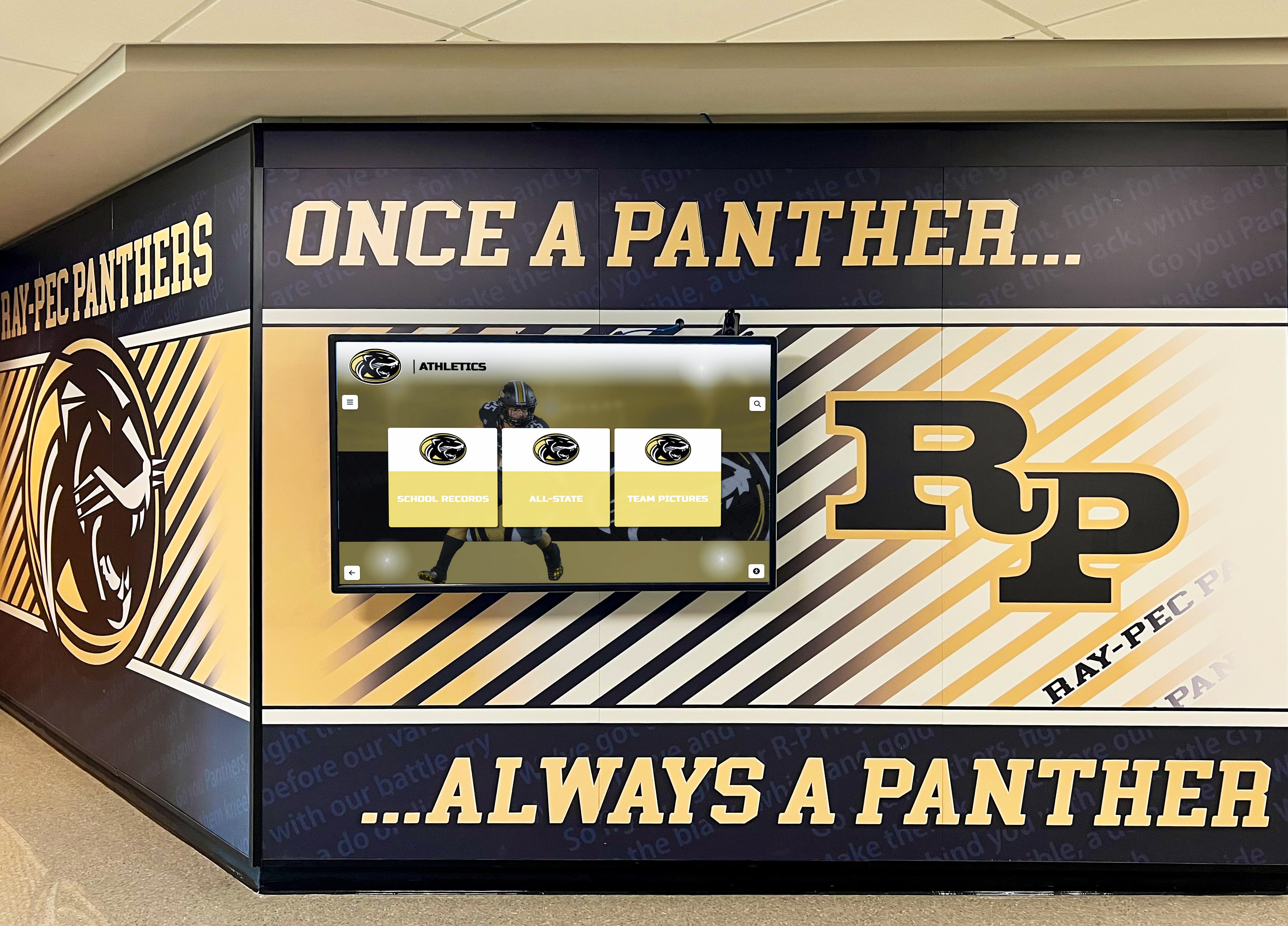
Hallway displays extend homecoming recognition beyond parade day, celebrating school traditions year-round
Creative Homecoming Float Theme Ideas
Effective float themes balance creativity with buildability while connecting to school identity and broader homecoming concepts.
Classic Theme Categories That Work
Some theme approaches remain popular because they offer clear visual opportunities:
School Pride and Spirit Themes
“Home of the Champions” Showcase athletic and academic achievements:
- Trophy and medal displays (oversized replicas)
- Championship banners and pennants
- Athlete recognition displays inspiring design elements
- Scoreboard showing school records
- Podium with student representatives
“Once a [Mascot], Always a [Mascot]” Emphasize lifelong school connection:
- Alumni success stories and famous graduates
- Timeline showing school history evolution
- Past and present school traditions
- Generational representation (students with parent/grandparent alumni)
- Legacy and tradition emphasis
"[School Name] Through the Decades" Historical journey theme:
- Era-specific sections (1950s, 1960s, etc.)
- Fashion and cultural references from different decades
- School evolution and milestone moments
- Vintage school memorabilia recreations
- Past-to-present transition showing growth
Pop Culture and Entertainment Themes
Movie and Television Adaptations Recognize current and classic entertainment:
- Popular film settings and characters
- TV show recreations with school twist
- Streaming service parodies
- Award show or red carpet themes
- Hollywood and cinema concepts
Music and Concert Themes Festival and performance-inspired designs:
- Music genre representations
- Concert stage and festival aesthetics
- Famous artist homages
- Album cover recreations with school context
- Musical era celebrations
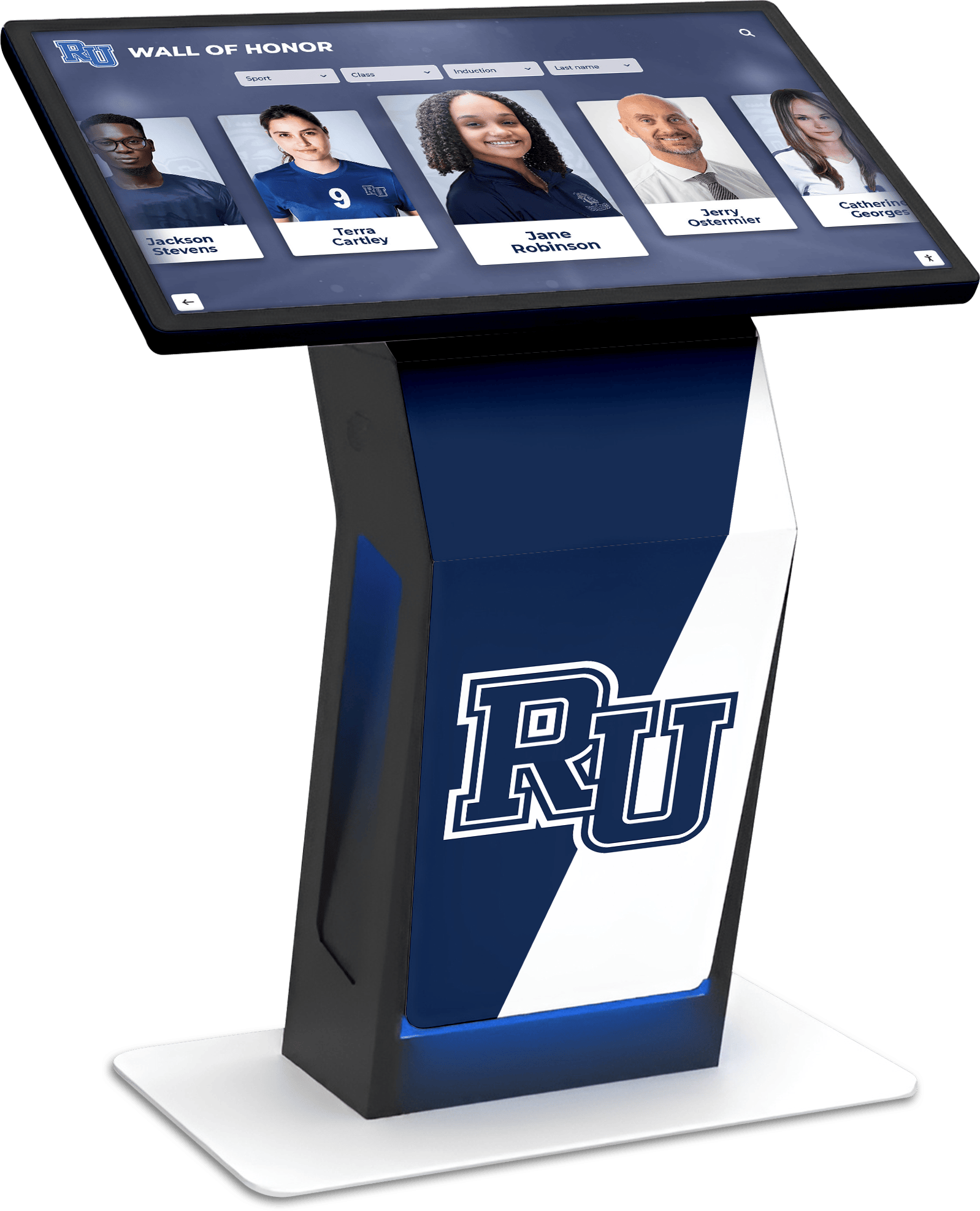
Interactive displays create engaging experiences for sharing homecoming memories and school traditions
Sports and Competition Themes
“Game On” Sports and athletics focus:
- Football field or stadium recreation
- Scoreboard and game-day atmosphere
- Locker room or training facility
- Sports equipment and uniform displays
- Competitive spirit and teamwork emphasis
“Road to Victory” Journey and achievement theme:
- Path or roadway showing progression
- Milestone markers along the route
- Obstacles overcome along the way
- Destination representing success
- Team effort and persistence messaging
Creative and Unique Theme Concepts
Fresh approaches stand out in parade lineups:
“School as a Theme Park” Transform education into attractions:
- Subject areas as different “rides” or attractions
- Cafeteria as food court with exaggerated elements
- Library as adventure zone
- Gym as thrill ride
- Classrooms as themed experiences
“Under Construction: Building Champions” Development and growth theme:
- Construction site aesthetic with tools and equipment
- Hard hat wearing students
- Blueprint and planning references
- Building blocks representing different aspects
- “Under Construction” signs with positive messaging
“School Spirit Airways” Travel and journey concept:
- Airplane or airport theme
- Departure board showing “destinations” (college, careers, success)
- Flight crew student representatives
- Luggage and travel accessories
- “Now Boarding: The Future” messaging
“Homecoming Harvest” Seasonal fall theme:
- Autumn colors and harvest imagery
- Pumpkin patch or farm setting
- Cornucopia of school achievements
- Fall festival atmosphere
- “Reaping What We’ve Sown” success messaging
“School as Video Game” Gaming culture integration:
- Pixel art and retro gaming aesthetics
- Level completion and achievement unlocked concepts
- Character selection representing different students
- Power-ups and special abilities
- Boss battle against rival school
“Time Machine Through School History” Historical retrospective:
- Different time periods represented
- Past traditions and customs
- School evolution and changes
- Alumni decade recognition
- Future vision and aspirations
Schools successfully implementing comprehensive school history programs often draw float inspiration from institutional traditions and memorable moments.
Theme Selection Strategy
Choosing the right theme requires balancing multiple considerations:
Evaluation Criteria for Theme Selection:
Buildability Assessment Can this concept translate into three-dimensional construction?
- Available materials and resources support the vision
- Construction timeline allows for execution
- Student skills match required techniques
- Weather resistance for parade day conditions
- Transport and setup logistics manageable
Visual Impact Potential Will this theme create strong visual impression?
- Bold colors and high contrast
- Recognizable from distance
- Interesting from multiple angles
- Photo-worthy and memorable
- Stands out among other floats
Student Connection Does this theme resonate with participants?
- Students feel excited about building it
- Relevant to current student culture
- Allows for personality and creativity
- Inclusive of diverse student interests
- Generates genuine enthusiasm
School Appropriateness Does this concept align with institutional values?
- Respects community standards and expectations
- Avoids controversial or offensive elements
- Represents school positively to alumni and families
- Connects to school identity and traditions
- Appropriate for all ages in parade audience
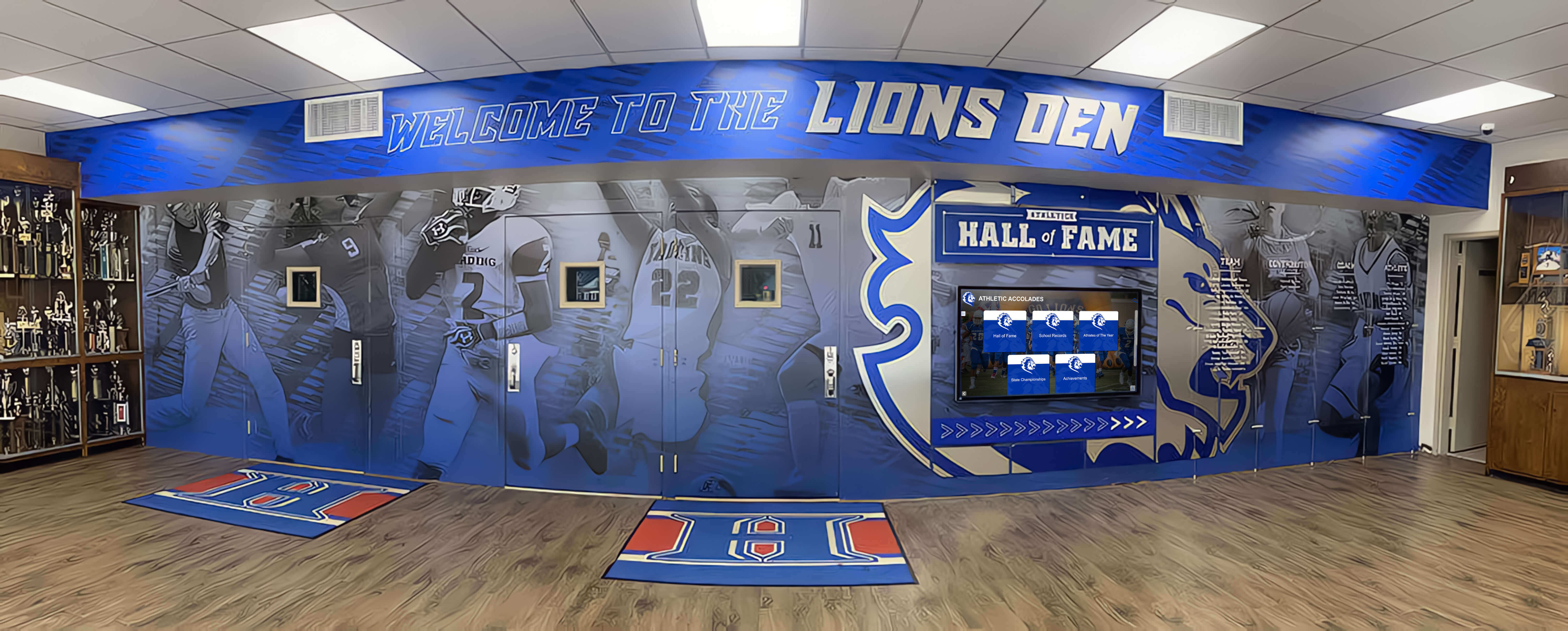
Trophy case areas provide natural inspiration for homecoming float themes celebrating achievement and tradition
Float Construction: Materials and Techniques
Successful float building requires understanding fundamental construction principles and material properties.
Essential Materials and Where to Source Them
Base Structure Materials
Trailer or Flatbed Foundation Every float needs stable platform:
- Borrowed trailers from families or businesses
- School-owned utility trailers
- Rented flatbed equipment
- Proper lighting and safety equipment installed
- Weight capacity appropriate for planned design
Framing Materials Create three-dimensional structure:
- 2x4 lumber for primary framework
- PVC pipe for lightweight curved elements
- Wire mesh or chicken wire for shape foundation
- Zip ties and rope for securing elements
- Plywood sheets for platforms and flat surfaces
Covering and Decoration Materials
Tissue Paper and Crepe Paper Traditional float decoration staple:
- Bulk tissue paper in school colors
- Crepe paper streamers for texture
- Pom-pom creation and stuffing applications
- Affordable and available in huge quantities
- Weather-vulnerable requiring protection
Alternative Covering Options Modern materials offer advantages:
- Plastic sheeting in various colors
- Painted canvas or fabric
- Cardboard painted and weather-sealed
- Foam board for flat surfaces
- Vinyl or tarp materials for durability
Dimensional Elements
Creating Visual Interest Move beyond flat surfaces:
- Pool noodles for edge definition
- Balloons (regular and mylar)
- Paper mache for custom shapes
- Styrofoam sheets carved and shaped
- Recycled materials (boxes, bottles, containers)
Paint and Finishing
Paint Selection Considerations Choose appropriate products:
- Exterior latex paint for weather resistance
- Spray paint for quick coverage
- Tempera paint for detail work
- Primer for proper adhesion
- Sealants protecting paper elements
Material Sourcing Strategies
Cost-Effective Acquisition:
- Booster club or student government funding
- Local business sponsorships and donations
- Hardware store bulk discounts
- Wholesale party supply sources
- Recycled and repurposed materials from families
- Previous year float material reclamation
- Community donation drives
Construction Techniques and Best Practices
Structural Stability Fundamentals
Building floats that survive parade routes:
Secure Foundation Attachment Everything connects to trailer base:
- Heavy-duty screws and bolts, never just nails
- Frame directly attached to trailer structure
- Weight distribution preventing tipping
- Low center of gravity for stability
- Test stability before adding decorations
Weather Protection Outdoor construction faces elements:
- Tarps covering work-in-progress overnight
- Weather-resistant materials for paper alternatives
- Last-minute touch-ups day of parade
- Contingency plans for rain on parade day
- Indoor construction space when possible
Decoration Application Methods
Tissue Paper Techniques Traditional method remains popular:
- Chicken wire base provides attachment surface
- Crumpled tissue stuffed into wire creates texture
- Fluffing technique for fuller appearance
- Color blocking for clear visual definition
- Multiple layers for weather protection
Paint and Panel Approach Alternative to tissue paper:
- Plywood or cardboard panels painted
- Faster coverage of large areas
- More durable in weather
- Clean, professional appearance
- Allows for detailed artwork and graphics
Mixed Media Strategy Combine techniques for best results:
- Structural elements painted
- Detail areas using tissue or crepe
- Three-dimensional accents with foam or papier-mâché
- Lighting and special effects integrated
- Strategic material choice based on visibility and durability
Organizations supporting student recognition and achievement programs often celebrate homecoming float builders as part of comprehensive student engagement.
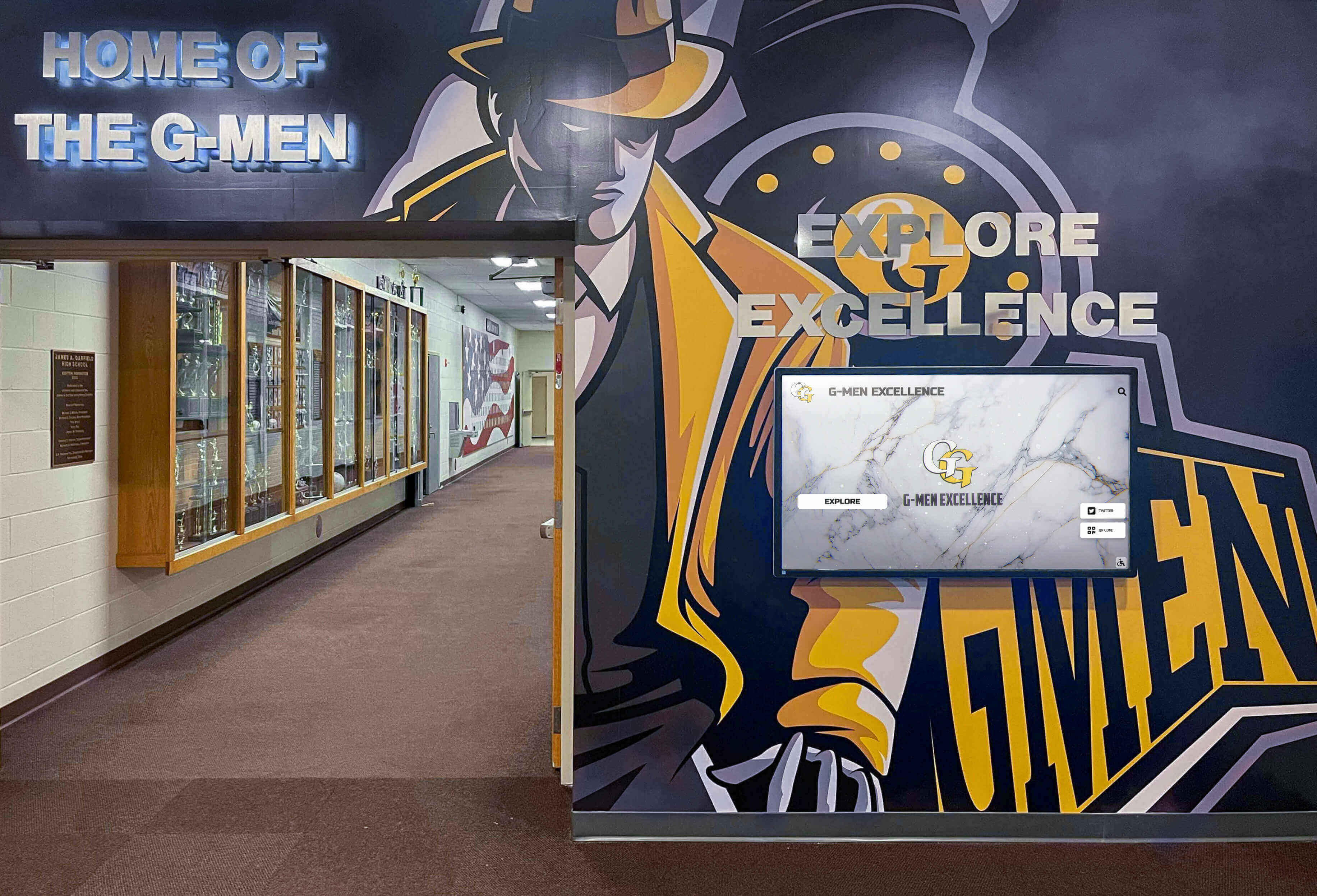
Hallway displays document homecoming traditions, preserving float designs and winners across multiple years
Special Elements That Elevate Floats
Lighting and Electrical Elements Evening parades benefit from illumination:
Lighting Options:
- Battery-powered LED strips
- String lights and decorative bulbs
- Spotlights highlighting key features
- Color-changing effects for movement
- Rope lights outlining shapes and edges
Electrical Safety Considerations:
- Battery power preferred over generators
- Weatherproof connections and securing
- No exposed wiring or hazards
- Fire-safe distance from decorative materials
- Testing and backup batteries
Movement and Animation Moving elements create excitement:
Safe Movement Options:
- Hand-cranked or manually operated elements
- Battery-powered rotating displays
- Wind-activated spinners and flags
- Pneumatic systems for simple motion (advanced)
- Student performers creating “living” elements
Sound Systems Audio enhances impact:
- Music coordinated to theme
- Announcements introducing float
- Soundtracks creating atmosphere
- Proper volume for street environment
- Battery-powered portable systems
Safety Considerations and Compliance
Safety must remain the top priority throughout float planning, construction, and parade participation.
Critical Safety Guidelines
Passenger Safety Requirements
If students ride the float:
Platform Safety:
- Secure seating with backs and rails
- No standing or precarious positions
- Maximum capacity clearly defined
- Age-appropriate passenger selection
- Adult supervision during parade
Emergency Preparedness:
- Clear entry and exit paths
- Emergency stop procedures
- First aid kit accessible
- Adult spotters walking beside float
- Communication system with driver
Fire Safety Protocols
Material Selection:
- Fire-retardant materials when possible
- No flammable liquids or accelerants
- Candles and open flames prohibited
- Electrical systems properly managed
- Fire extinguisher mounted on float
Construction Site Safety
Workshop Protocols:
- Adult supervision during tool use
- Proper tool training and instruction
- Eye protection when sawing or drilling
- Gloves when handling sharp materials
- Organized workspace preventing trips and falls
Parade Day Logistics and Compliance
Pre-Parade Inspection Most competitions require safety checks:
Inspection Checklist:
- Height, width, length within specifications
- Trailer hitch and safety chains secure
- Lights and turn signals functioning
- No sharp edges or protruding hazards
- Passengers properly secured if applicable
- Insurance documentation provided
- Emergency contact information available
Parade Route Considerations
Navigation Planning:
- Driver walkthrough of route in advance
- Turn radius and clearance verification
- Speed and spacing from other floats
- Designated stopping points understood
- Weather contingency communication plan
Schools implementing comprehensive safety programs integrate float safety into broader homecoming planning frameworks.
Project Management and Timeline
Successful float construction requires systematic planning and organized execution.
Recommended Construction Timeline
8-10 Weeks Before Parade
Initial Planning Phase:
- Form float committee with student leadership
- Establish budget and identify funding sources
- Brainstorm theme ideas and concepts
- Review competition rules and requirements
- Secure trailer or flatbed for construction
- Identify construction space and schedule access
6-7 Weeks Before Parade
Design Development:
- Finalize theme selection through voting
- Create detailed design sketches and plans
- Develop materials list and quantities
- Assign committee roles and responsibilities
- Begin fundraising and donation requests
- Order or reserve materials with long lead times
4-5 Weeks Before Parade
Material Acquisition and Prep:
- Purchase or collect all construction materials
- Begin base structure framing
- Recruit student volunteers for construction
- Schedule construction sessions and commitments
- Create detailed build schedule
- Develop backup plans for material shortages
2-3 Weeks Before Parade
Primary Construction:
- Complete structural framing
- Begin applying covering materials
- Paint base elements and large surfaces
- Install electrical systems if applicable
- Create three-dimensional elements
- Conduct mid-construction quality review
Week of Parade
Final Construction and Details:
- Complete all decoration application
- Add finishing touches and details
- Test all mechanical and electrical elements
- Conduct safety inspection and repairs
- Practice parade procedures with participants
- Prepare for transport to parade staging
Parade Day
Final Preparation:
- Transport float to staging area
- Last-minute touch-ups and repairs
- Pre-parade inspection and approval
- Brief all participants on procedures
- Document with photos and video
- Enjoy the parade!
Budget Management Strategies
Typical Float Budget Categories:
Materials and Supplies: 50-60%
- Lumber and framing materials
- Covering materials (tissue, paint, fabric)
- Hardware and fasteners
- Decorative elements
- Electrical and lighting components
Equipment and Tools: 10-15%
- Tool rentals if necessary
- Trailer rental or preparation
- Generator or battery systems
- Safety equipment
Labor and Services: 10-15%
- Professional assistance if needed
- Design consultation
- Transportation and hauling
- Specialized construction help
Contingency: 15-20%
- Material replacements
- Last-minute additions
- Weather protection supplies
- Unexpected needs
Budget Range Considerations: Small-scale simple float: $300-800 Medium complexity design: $800-2,000 Elaborate competition entry: $2,000-5,000+
Fundraising and Sponsorship Ideas:
- Class fundraiser events (car wash, bake sale)
- Local business sponsorships
- Parent donations and support
- Booster club allocations
- School activity fund contributions
- GoFundMe or crowdfunding campaigns
- Previous year surplus funds
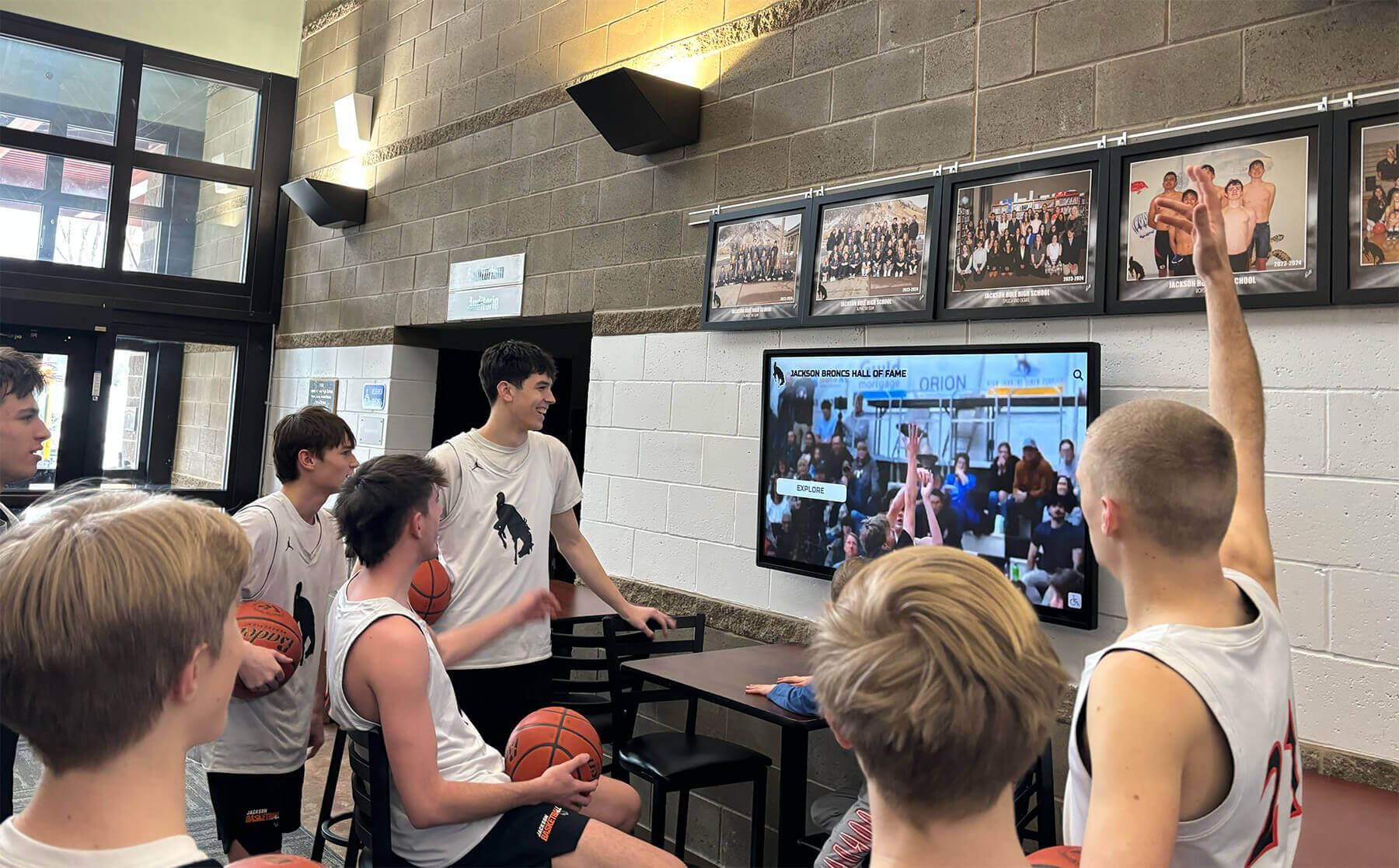
Digital displays create engaging spaces where students explore school history, including homecoming traditions and memories
Maximizing Class Participation and Engagement
Successful floats require broad participation beyond small committees.
Recruitment and Participation Strategies
Creating Inclusive Involvement
Different students contribute in various ways:
Construction Roles:
- Framing and structural building team
- Painting and artistic decoration group
- Detail work and finishing touches crew
- Mechanical and electrical system team
- Safety and quality control monitors
Support Roles:
- Fundraising and donation coordination
- Material acquisition and logistics
- Food and refreshment organization
- Documentation and photography
- Communication and promotion
Day-of Responsibilities:
- Float riders or performers
- Walking escorts and safety spotters
- Setup and teardown crew
- Equipment and supply managers
- Spirit and energy leaders
Building Sustained Participation
Engagement Strategies:
- Regular construction sessions on consistent schedule
- Food and refreshments at work sessions
- Music and social atmosphere during building
- Recognition of individual contributions
- Progress updates and celebration of milestones
- Social media sharing of construction process
- Competition updates motivating effort
Team Building and Class Unity
Float construction strengthens relationships:
Community Building Opportunities:
- Working alongside classmates not in usual friend groups
- Shared accomplishment creating class pride
- Problem-solving together through challenges
- Leadership opportunities for organizers
- Memory creation extending beyond competition
- Traditions establishing across construction process
- Alumni connection when graduates help
Schools implementing comprehensive student engagement programs find homecoming float projects serve as cornerstone experiences building lasting class unity.
Digital Recognition and Documentation
Modern technology extends homecoming float impact far beyond parade day.
Comprehensive Photo and Video Documentation
Construction Process Documentation
What to Capture:
- Empty trailer at project start
- Progress photos showing construction phases
- Time-lapse videos of transformation
- Team members working together
- Detail shots of special elements
- Before-and-after comparisons
- Candid moments and funny situations
Parade Day Coverage
Essential Documentation:
- Completed float from multiple angles
- Float in parade context and surroundings
- Spectator reactions and crowd engagement
- Student participants and performers
- Award ceremony and recognition moments
- Behind-the-scenes parade preparation
- Teardown and post-parade celebration
Digital Archival and Recognition Systems
Creating Permanent Float History
Modern solutions preserve homecoming traditions:
Digital Display Capabilities:
- Photo galleries from each year’s floats
- Winner recognition and award documentation
- Video compilations of parade entries
- Construction process time-lapse videos
- Historical context and theme evolution
- Searchable database by year or class
- QR code access for mobile viewing
Schools implementing comprehensive digital recognition systems ensure homecoming memories remain accessible to current students and returning alumni.
Social Media Strategy
Platform-Specific Approaches:
Instagram:
- Construction progress story highlights
- Final reveal posts with multiple angles
- Reels showing time-lapse or highlights
- Behind-the-scenes content
- Student spotlight features
TikTok:
- Build process time-lapse videos
- Float transformation reveals
- Student participation challenges
- Trend integration with homecoming theme
- Parade day experiences
Facebook:
- Detailed photo albums by class
- Alumni engagement and memories
- Fundraising and donation requests
- Live coverage during parade
- Historical comparison posts
Twitter/X:
- Real-time build updates
- Parade day live coverage
- Winner announcements
- Community engagement
- Photo sharing and celebration
Creating Lasting Institutional Memory
Historical Documentation Value
Float archives serve multiple purposes:
Benefits of Comprehensive Archives:
- Inspiration for future classes
- Evidence of tradition evolution
- Alumni connection and nostalgia
- School history preservation
- Demonstration of student creativity
- Community engagement documentation
- Institutional pride reinforcement
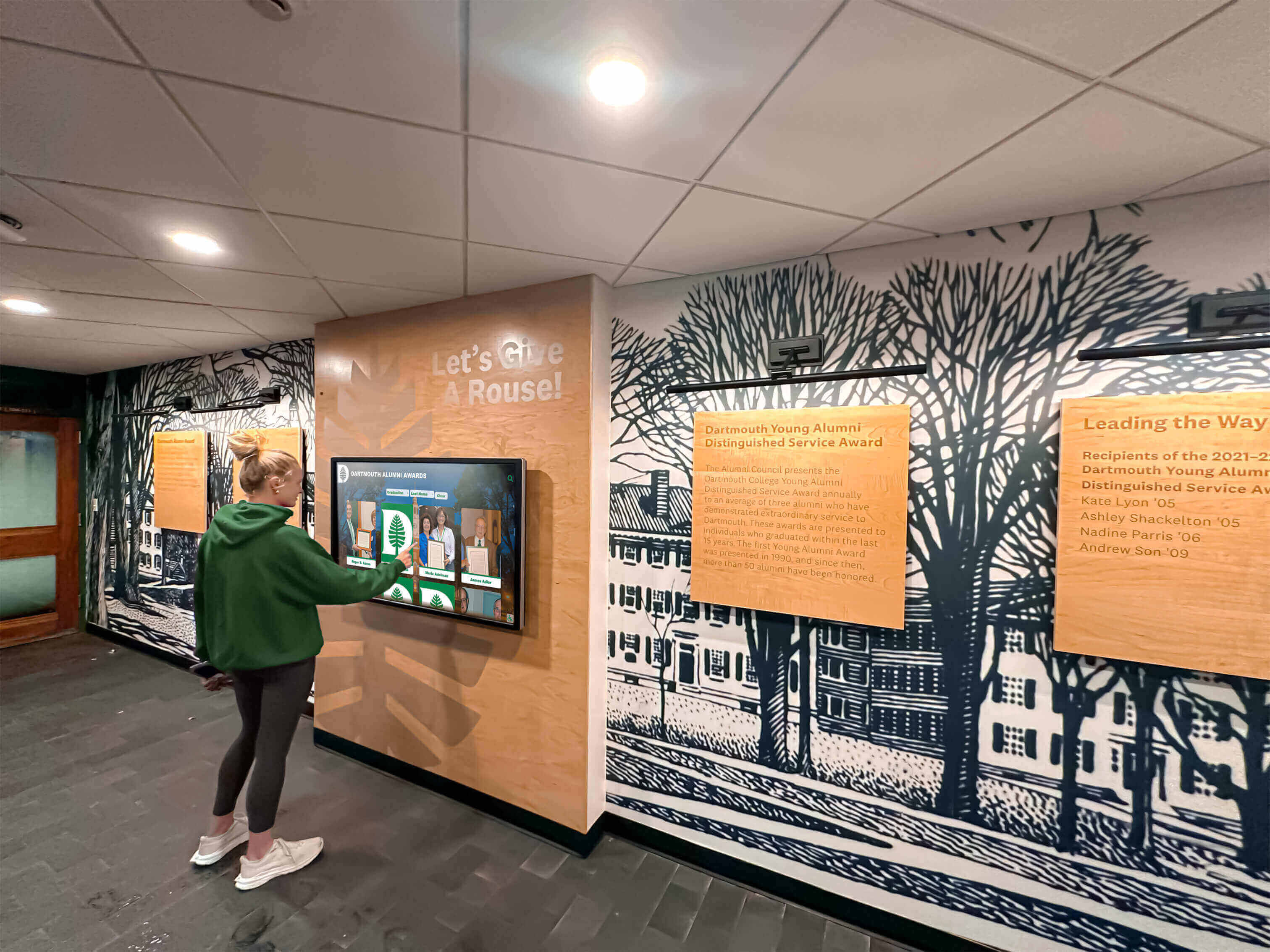
Interactive touchscreen systems enable students to explore decades of homecoming traditions and float designs
Learning From Common Float Building Challenges
Even experienced float builders encounter difficulties requiring creative problem-solving.
Typical Construction Challenges and Solutions
Structural Stability Issues
Problem: Float components wobbling or collapsing during parade.
Solutions:
- Overbuilding structure rather than minimal framing
- Cross-bracing preventing side-to-side movement
- Securing all elements to trailer in multiple points
- Testing with parade-speed movement before event
- Reducing top-heavy elements if stability concerns arise
Weather-Related Problems
Problem: Rain, wind, or temperature affecting materials.
Solutions:
- Weather-resistant materials for critical elements
- Last-minute touch-up supplies ready
- Contingency designs adapting to conditions
- Indoor storage until parade start
- Quick-dry materials enabling day-of repairs
Time Management Failures
Problem: Running out of time before parade day.
Solutions:
- Realistic timeline with buffer built in
- Priority system focusing on essential elements first
- Additional volunteer recruitment when behind
- Simplified design if schedule becomes impossible
- All-hands sessions close to deadline
Material Shortages
Problem: Running out of key supplies mid-construction.
Solutions:
- Overestimate quantities when ordering
- Local supplier backup options identified
- Creative substitution plans developed
- Extra budget allocation for emergency purchases
- Material inventory management during construction
Participation Drop-Off
Problem: Volunteers diminishing as work continues.
Solutions:
- Recognition and appreciation for consistent volunteers
- Fun, social atmosphere during work sessions
- Food and refreshments providing incentive
- Scheduled sessions preventing burnout
- Leadership rotation keeping engagement fresh
- Social media recognition maintaining excitement
Competition-Specific Challenges
Theme Interpretation Disagreements
Problem: Committee can’t agree on design approach.
Solutions:
- Democratic voting on major decisions
- Clear decision-making process established early
- Compromise designs incorporating multiple ideas
- Trial period for controversial elements
- Final authority designated for deadlock situations
Rule Compliance Issues
Problem: Design violates height, width, or content restrictions.
Solutions:
- Careful rule review before design finalization
- Measurement verification during construction
- Pre-inspection with officials if possible
- Modification plans if requirements not met
- Clear understanding of disqualification criteria
Conclusion: Building Floats That Create Lasting Memories
Homecoming floats represent far more than decorated trailers rolling through parade routes—they embody student creativity, collaborative problem-solving, class unity, and institutional pride that defines the high school and college experience. When students invest thoughtful planning, sustained effort, and genuine teamwork into float construction, they create more than competition entries; they build experiences and memories lasting far beyond homecoming weekend.
The homecoming float ideas, construction techniques, safety protocols, and project management strategies explored in this guide provide comprehensive frameworks for building parade entries students genuinely feel proud of regardless of competition outcomes. From theme selection balancing creativity with buildability to material sourcing strategies, structural stability methods to inclusive participation approaches, these principles help classes transform initial concepts into rolling reality.
Successful float building requires understanding that competition trophies, while nice, matter less than the journey itself. The relationships built during late-night construction sessions, the problem-solving required when original plans fail, the compromise and collaboration necessary for group success, and the shared pride seeing your creation roll down Main Street create the educational value and memorable experiences justifying hundreds of student hours.
Modern technology enables extending homecoming float impact far beyond parade day through comprehensive documentation, digital archival systems, and social media sharing that keeps memories accessible to current students and returning alumni decades later. Solutions like Rocket Alumni Solutions help schools preserve homecoming traditions through interactive displays that celebrate student creativity year-round while maintaining unlimited capacity for recognition without space constraints limiting traditional photo boards.
Start where your class or organization stands today with resources and skills currently available, then systematically expand capabilities through experience and learning from each construction cycle. Whether building your first float or seeking to elevate an established tradition, every improvement creates more meaningful experiences for students whose high school memories should include joyful collaboration, creative expression, and genuine belonging.
Your students’ creativity and school community’s traditions deserve celebration creating lasting positive impact. With thoughtful planning, solid construction methods, comprehensive safety protocols, and modern technology ensuring ongoing visibility, you can build homecoming float traditions honoring every participant while strengthening the positive, connected culture where all students thrive.
Ready to preserve your homecoming traditions permanently? Explore how solutions like Rocket Alumni Solutions help schools create engaging digital recognition displays that document homecoming float winners, construction photos, and parade memories across decades. These interactive touchscreen systems provide unlimited capacity for celebrating student creativity while remaining easily accessible to current students and returning alumni exploring school history and traditions.