Homecoming court represents one of high school’s most anticipated traditions—a ceremonial recognition celebrating students who embody school spirit, leadership, and community connection. From nomination week through coronation night, the homecoming court selection process creates memorable experiences that students recall decades later when returning as alumni.
Yet many schools struggle with outdated selection processes that feel exclusive rather than celebratory, voting systems vulnerable to popularity contests instead of genuine merit recognition, ceremonial traditions that fail to honor all participants meaningfully, and preservation approaches where court memories disappear after crowns are awarded and photos fade from hallway bulletin boards.
This comprehensive guide presents modern homecoming court selection strategies that promote inclusivity and fairness, voting systems ensuring legitimate democratic processes, ceremonial traditions creating meaningful experiences, recognition approaches honoring all nominees, and digital preservation methods maintaining homecoming court memories accessible to current students and returning alumni for generations.
Homecoming court serves purposes beyond crowning royalty at halftime ceremonies. Well-designed selection processes teach democratic participation, celebrate diverse forms of student achievement, strengthen connections between current students and alumni traditions, and create institutional memory documenting each generation’s student leaders and community representatives.
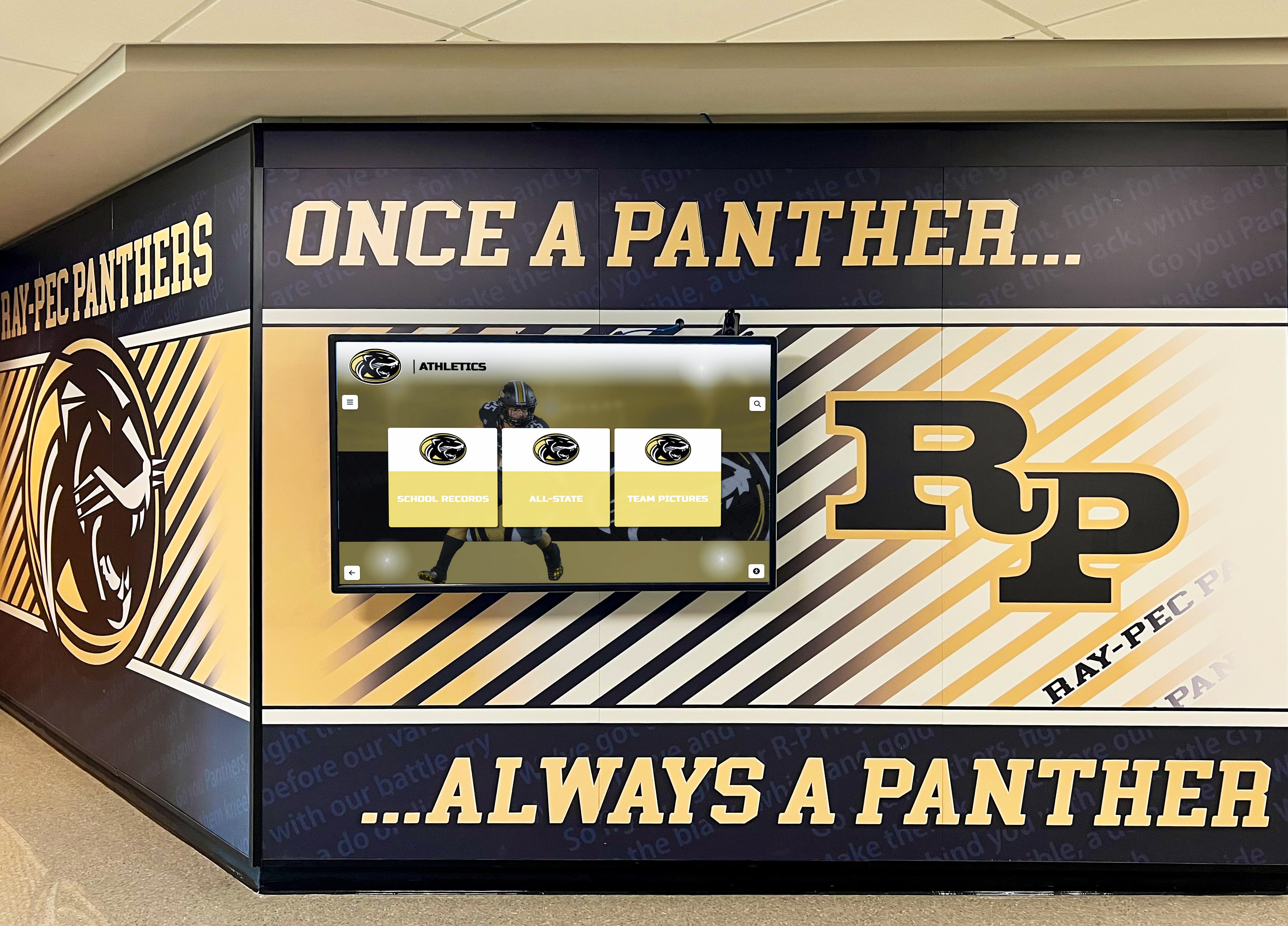
Modern recognition systems preserve homecoming court memories alongside other school traditions, creating year-round visibility for student achievement
Understanding Homecoming Court Traditions
Before implementing selection processes, understanding homecoming court’s historical context and evolving purpose helps schools create meaningful contemporary celebrations.
The History of Homecoming Court
Origins and Evolution
Homecoming court traditions emerged in early 20th century American universities:
- Alumni returning to campus for football games
- Ceremonial recognition of student leaders
- Queen coronations at halftime ceremonies
- Community celebration connecting past and present
- Democratic selection processes engaging student body
High schools adopted homecoming court traditions throughout mid-1900s, creating distinctive ceremonies while maintaining core elements: nomination processes, student voting, court presentations, coronation ceremonies, and permanent recognition of selected royalty.
Traditional Court Structure
Classic homecoming courts typically include:
- Senior Class Representatives: King and queen from graduating class
- Underclass Court: Prince/princess or representatives from junior, sophomore, freshman classes
- Attendants or Court Members: Additional nominees from each class
- Escorts: Traditionally opposite-gender partners for court members
- Coronation Ceremony: Formal recognition during homecoming game or assembly
Schools implementing comprehensive student recognition programs often coordinate homecoming court selection with broader traditions honoring academic achievement, athletic excellence, and community service.
Modern Homecoming Court Purposes
Building School Community
Contemporary homecoming courts serve multiple functions:
Student Leadership Recognition Honors students demonstrating:
- School spirit and positive attitude
- Community involvement and service
- Leadership in activities and organizations
- Academic achievement and character
- Peer respect and positive influence
Tradition and Alumni Connection Creates institutional continuity:
- Current students connect with alumni traditions
- Returning graduates revisit their homecoming memories
- Generational bonds through shared experiences
- School identity reinforcement across decades
- Pride in institutional heritage and values
Inclusive Celebration Modern approaches emphasize:
- Recognition of diverse student achievements
- Celebration beyond traditional popularity measures
- Inclusive participation across student demographics
- Multiple categories honoring different strengths
- Ceremonial experiences valuing all nominees
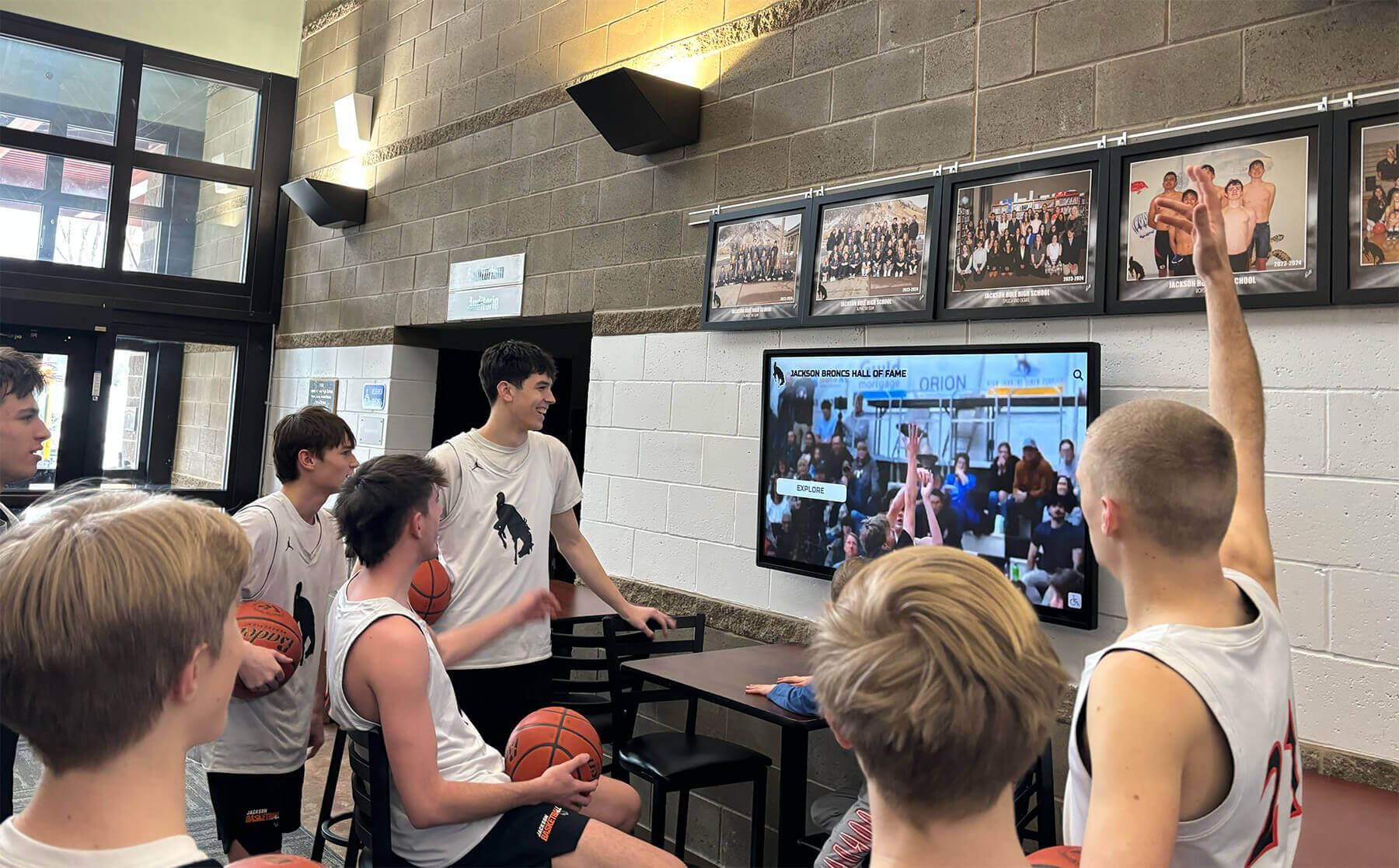
Digital platforms enable students to explore homecoming history and view past court members, connecting current celebrations to decades of tradition
Designing Inclusive Homecoming Court Selection Processes
Fair, transparent nomination and selection processes ensure homecoming court represents your entire student community.
Nomination Process Design
Establishing Clear Eligibility Criteria
Define requirements before nominations begin:
Academic Standing Requirements Common standards include:
- Minimum GPA threshold (typically 2.0-2.5)
- Good academic standing without failing grades
- Satisfactory progress toward graduation
- No academic integrity violations
- Enrollment in minimum course load
Behavioral and Citizenship Standards Character requirements may include:
- No major disciplinary infractions
- Positive behavior record
- Good standing with student code of conduct
- Community service participation (optional)
- Leadership or extracurricular involvement (optional)
Attendance and Participation Eligibility often requires:
- Minimum attendance percentage
- Participation in homecoming week activities
- Commitment to coronation ceremony attendance
- Availability for parade or other events
- Active engagement in school community
Schools developing spirit week traditions often coordinate homecoming court activities with broader week-long celebrations building toward Friday’s coronation.
Nomination Methods and Approaches
Peer Nomination Systems
Open Nomination Period Students nominate classmates:
- Online nomination forms or paper ballots
- Each student nominates specific number of candidates
- Self-nomination allowed or restricted (school discretion)
- Nomination period: typically 1-2 weeks
- Minimum nomination threshold to advance to ballot
Faculty and Staff Input Some schools incorporate adult perspectives:
- Teachers nominate students demonstrating leadership
- Staff nominations recognizing character and service
- Weighted alongside student nominations
- Advisory role rather than determining factor
- Ensures recognition of less visible contributors
Application-Based Selection
Structured Application Process Candidates submit materials:
- Written essay or personal statement
- Description of school involvement
- Leadership experiences and achievements
- Community service documentation
- Teacher or advisor recommendations
Committee Review Selection committee evaluates:
- Student government representatives
- Faculty advisors from various departments
- Administrator oversight
- Rubric-based evaluation ensuring fairness
- Predetermined number advancing to general vote
Modern Court Structure Options
Traditional Grade-Based Court
Classic structure by class year:
Freshman Court
- Prince and princess (or representatives)
- 2-4 attendants per class
- Introduction to homecoming tradition
- Building toward senior year participation
Sophomore and Junior Court
- Progressive recognition through high school
- Court positions advancing each year
- Experience preparing for senior leadership
- Sustained engagement in school traditions
Senior Court
- King and queen (or equivalent titles)
- Court attendants representing class
- Culmination of high school experience
- Most prominent ceremonial recognition
Achievement-Category Court
Recognition across diverse accomplishments:
Athletic Excellence Court Honors sports achievements:
- Varsity letter winners
- Team captains and leaders
- Multi-sport athletes
- Sportsmanship exemplars
- Athletic department nominations
Academic Achievement Court Celebrates scholarly excellence:
- High GPA or academic honors
- Subject-specific achievement
- Academic competition participation
- Intellectual leadership
- Teacher nominations for academic character
Arts and Performance Court Recognizes creative contributions:
- Theater, music, visual arts participation
- Performance leadership
- Creative competition achievements
- Arts program ambassadors
- Fine arts department nominations
Service and Leadership Court Highlights community contribution:
- Volunteer hours and service projects
- Club leadership positions
- Student government participation
- Community engagement
- Character and citizenship emphasis
Spirit and School Pride Court Celebrates enthusiasm and positivity:
- Consistent homecoming week participation
- Pep rally and spirit event engagement
- Positive attitude and school promotion
- Class unity and morale building
- Peer-nominated for school spirit
Schools implementing comprehensive digital recognition systems can showcase multiple court categories, providing visibility for diverse student achievements beyond single king-and-queen models.
Gender-Inclusive Court Approaches
Modern Inclusive Options
Contemporary schools increasingly adopt:
Gender-Neutral Titles Alternative terminology:
- Homecoming Royalty or Representatives
- Class Ambassadors or Leaders
- School Ambassadors
- Homecoming Court (without gendered titles)
- Student-selected preferred titles
Self-Identified Participation Inclusive nomination processes:
- Students nominate from entire candidate pool
- Candidates identify preferred court category
- No gender restrictions on positions
- Multiple recognition levels accommodating all
- Flexible structures supporting student identities
Paired and Individual Recognition Structure options include:
- Traditional paired court (two representatives)
- Individual recognition (multiple court members)
- Group court (representative team)
- Flexible pairing (self-selected partners)
- Solo spotlight (individual honorees)
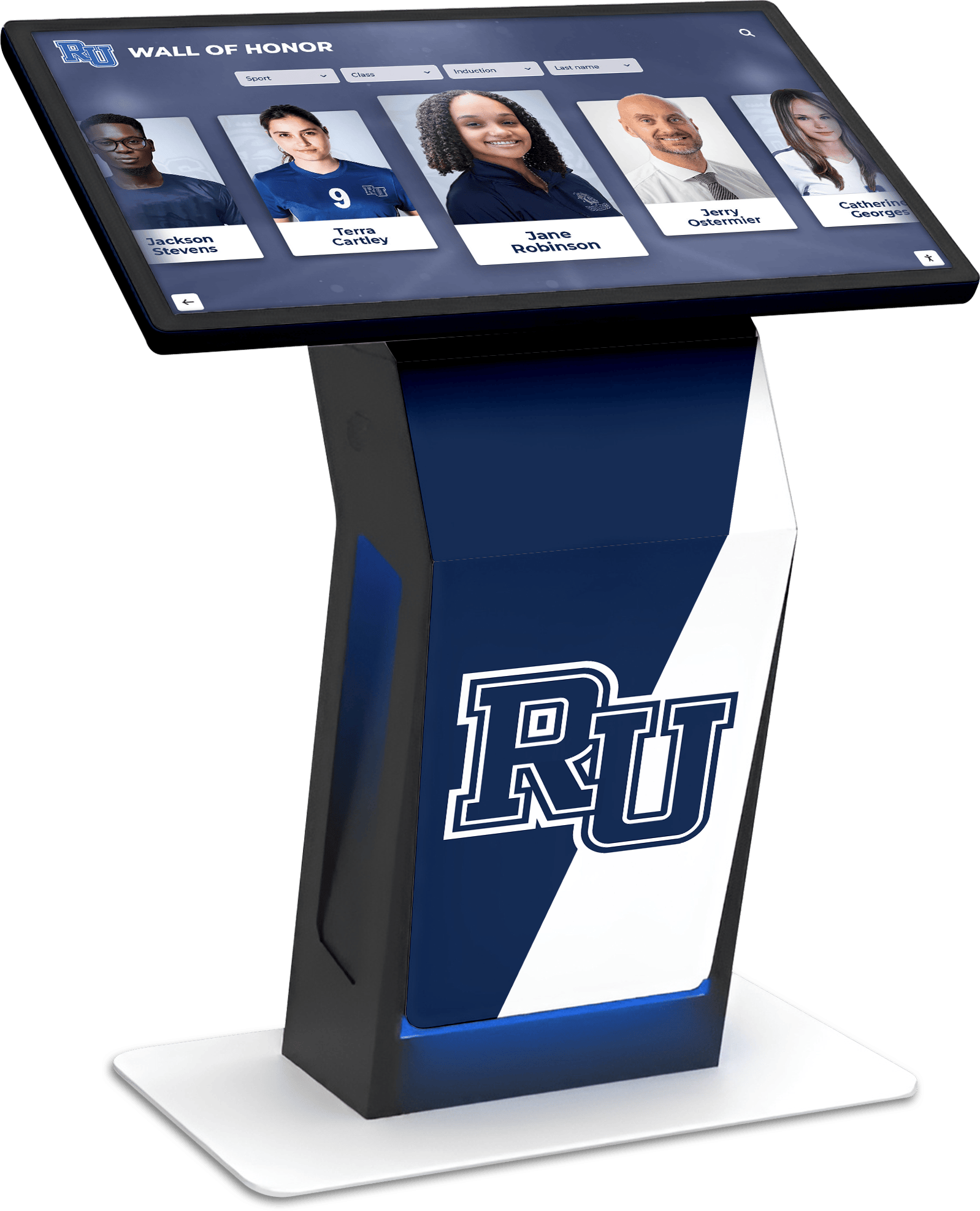
Interactive displays provide permanent recognition for homecoming court members across all categories and years
Running Fair and Secure Voting Processes
Democratic voting procedures ensure legitimate results and student confidence in homecoming court selection.
Voting Method Options
Paper Ballot Systems
Traditional voting approach:
Implementation Elements:
- Printed ballots distributed during advisory or homeroom
- Supervised voting period with clear instructions
- Ballot collection and secure storage
- Hand counting with multiple vote counters
- Results verification before announcement
Advantages:
- No technology requirements
- Familiar process to students
- Physical verification possible
- Accessible to all students
- Lower implementation costs
Challenges:
- Labor-intensive counting process
- Potential for ballot loss or damage
- Slower results tabulation
- Higher risk of counting errors
- Difficult to verify voter eligibility
Electronic Voting Platforms
Modern digital systems:
Online Voting Features:
- Web-based platforms accessible from devices
- Student authentication via school credentials
- Automatic vote tabulation
- Real-time participation tracking
- Automated eligibility verification
Platform Options:
- Google Forms with school accounts
- Dedicated voting software (e.g., ElectionBuddy, Simply Voting)
- Student information system integrations
- Custom-built school platforms
- Secure third-party services
Security Considerations:
- One vote per student account
- IP address tracking preventing duplicate votes
- Secure credential authentication
- Audit trails documenting voting activity
- Anonymous ballot while verifying eligibility
Hybrid Approaches
Combining methods for accessibility:
- Online voting with paper backup option
- Computer lab voting for students without devices
- Multiple voting windows accommodating schedules
- Accessibility accommodations as needed
- Redundant systems ensuring participation
Ensuring Voting Integrity
Eligibility Verification
Confirming voter qualification:
Registration Systems:
- Pre-registered voter lists from enrollment
- Student ID verification at voting
- Class-specific ballots preventing cross-class voting
- Real-time check-in preventing duplicate votes
- Attendance verification on voting day
Ballot Security Measures
Physical Ballot Protection:
- Sealed ballot boxes with multiple locks
- Chain of custody documentation
- Supervised collection and storage
- Multiple witnesses during counting
- Numbered ballots tracking distribution
Digital Security Protocols:
- Encrypted voting platforms
- Password-protected access
- Automatic timeout preventing proxy voting
- Audit logs documenting all activity
- Backup systems preventing data loss
Vote Counting and Verification
Transparent Counting Processes
Building confidence in results:
Counting Committee Composition:
- Student government representatives
- Faculty advisors from multiple departments
- Administrator oversight
- Equal representation across stakeholder groups
- Odd number preventing tied votes on procedures
Counting Procedures:
- Pre-established counting methodology
- Multiple independent counters
- Results comparison and verification
- Discrepancy resolution protocols
- Documentation of final counts
Results Announcement
Communication Strategy:
Internal Notification Winners informed privately first:
- Principal or advisor private notification
- Brief conversation about expectations
- Commitment confirmation for ceremonies
- Family notification coordination
- Preparation for public announcement
Public Announcement School-wide communication:
- Assembly announcement during homecoming week
- Social media reveals generating excitement
- Newsletter and website updates
- Video announcements or creative reveals
- Celebration of all nominees, not just winners
Schools coordinating homecoming festivities often time court announcements to maximize excitement during spirit week leading to Friday’s game and coronation.
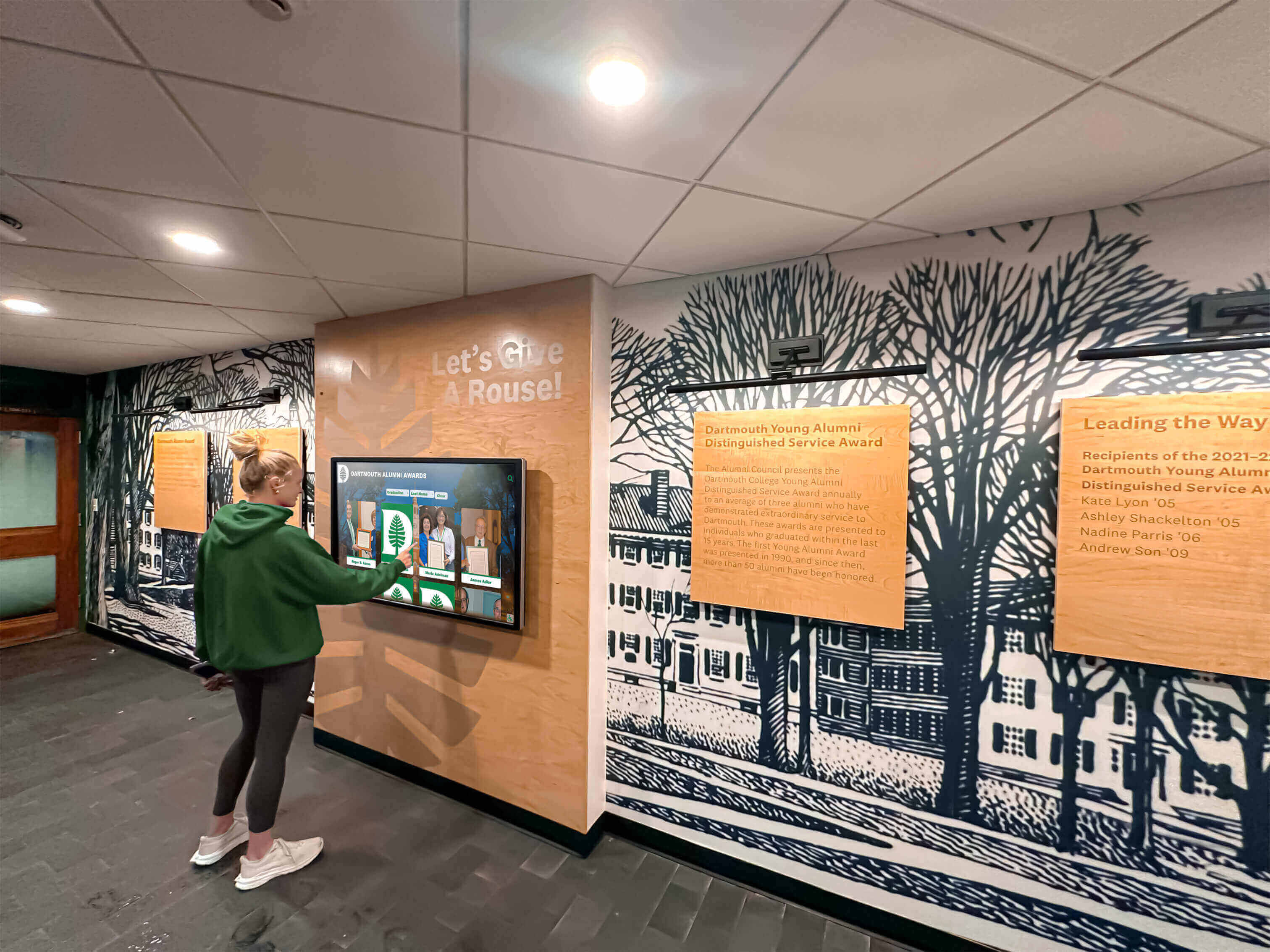
Web-accessible platforms enable students to explore homecoming court history from any device, connecting current celebrations to decades of tradition
Planning Meaningful Coronation Ceremonies
Coronation ceremonies create memorable recognition experiences for court members and the entire school community.
Ceremony Format Options
Traditional Halftime Football Game Coronation
Classic homecoming ceremony:
Ceremony Elements:
- Court introduction during halftime
- Individual court member presentations
- Escort or family accompaniment
- Previous year’s royalty crown passing
- King and queen reveal and crowning
- Photography and celebration
- Brief ceremony fitting game schedule
Advantages:
- Maximum community visibility
- Alumni and family attendance
- Traditional homecoming atmosphere
- Athletic event integration
- Outdoor celebration energy
Challenges:
- Weather dependency and contingencies
- Limited time constraints from game schedule
- Audience distance from field
- Sound system requirements
- Difficult for detailed recognition
School Assembly Coronation
Indoor alternative or complement:
Assembly Elements:
- Extended ceremony time allowing details
- Whole school attendance during day
- Controlled environment regardless of weather
- Detailed court member introductions
- Video presentations or slideshows
- Musical performances or entertainment
- Recognition of all nominees
Advantages:
- Weather-independent scheduling
- Entire student body participation
- Extended recognition opportunity
- Better sound and visual systems
- Comfortable viewing for all
Challenges:
- Reduced alumni and family attendance
- Less traditional homecoming atmosphere
- Scheduling within school day
- Larger venue requirements
- May reduce Friday game attendance
Combined Approach
Many schools implement both:
- Friday morning assembly with full ceremony
- Brief halftime presentation and photos
- Maximum recognition and visibility
- Multiple celebration opportunities
- Accommodates various audience preferences
Creating Meaningful Individual Recognition
Court Member Introductions
Honoring each participant:
Introduction Components:
Biographical Information
- Name and grade level
- Academic interests and achievements
- Extracurricular involvement
- Community service participation
- Future plans and aspirations
Personal Recognition
- Unique qualities and characteristics
- Contributions to school community
- Leadership experiences
- Memorable moments or accomplishments
- Peer or teacher testimonials
Visual Presentations
- Childhood photos creating nostalgia
- School involvement photo montages
- Video messages from family or friends
- Highlight reels of activities
- Creative reveals or themed presentations
Schools implementing comprehensive yearbook programs often coordinate court member profiles with yearbook spreads, creating consistent recognition across multiple platforms.
Ceremonial Traditions and Symbols
Traditional Elements
Crowns and Sashes Recognition symbols:
- King and queen crowns or tiaras
- Court member sashes or medals
- Class-color coordinated accessories
- School logo or emblem incorporation
- Keepsake items for court members
Flowers and Bouquets Traditional presentations:
- Rose bouquets for court members
- Specific flower types by class or position
- School color arrangements
- Presentation by previous year’s royalty
- Commemorative corsages or boutonnieres
Crown Passing Ceremony Generational connection:
- Previous year’s royalty presenting crowns
- Symbolic tradition continuity
- Alumni connection to current students
- Mentorship and legacy emphasis
- Photography capturing generational moment
Modern Additions
Video Tributes Contemporary presentations:
- Professional or student-created videos
- Nominee interviews and reactions
- Highlight montages from school years
- Family and friend messages
- Creative themed productions
Interactive Elements Engaging audience participation:
- Class cheers for court members
- Student performances or music
- Social media integration with hashtags
- Live streaming for remote viewing
- Photo opportunities throughout ceremony
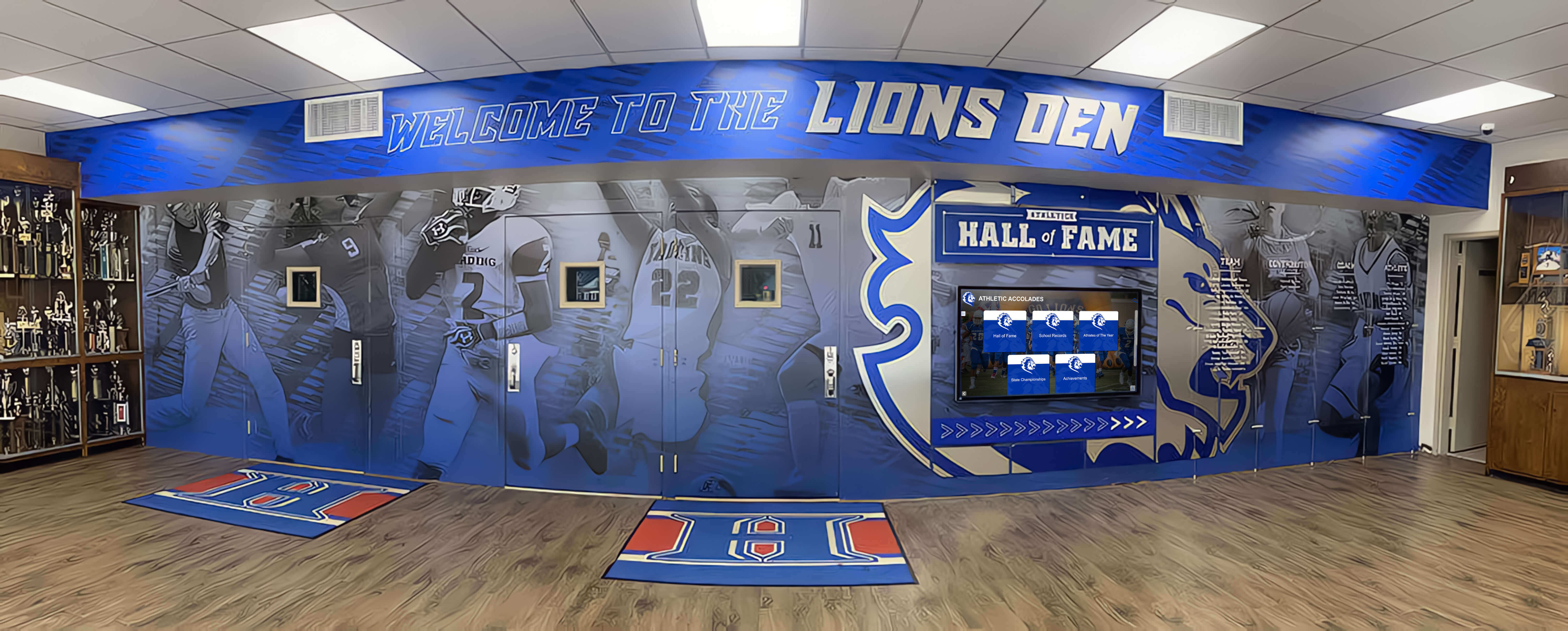
Trophy areas and recognition walls provide natural settings for homecoming court displays celebrating current selections and historical traditions
Honoring All Nominees and Participants
Ensuring all court nominees feel valued, regardless of final selection results.
Inclusive Recognition Strategies
Pre-Announcement Celebration
Recognizing all nominees:
Nominee Appreciation Events:
- Special reception or breakfast for all nominees
- Group photos and social activities
- Recognition gifts or certificates
- Media spotlight features
- Social media nominee highlights
Equal Visibility Ensuring fair representation:
- Hallway posters for all nominees
- Website and social media profiles
- Video introductions or interviews
- Assembly recognition before voting
- Newsletter and program features
Participation Benefits
Experience Value Nominees gain regardless of results:
- Leadership visibility and recognition
- College application achievements
- Personal growth and confidence
- Peer respect and acknowledgment
- Memorable high school experience
Managing Competition Emotions
Positive Framing
Emphasizing honor of nomination:
Messaging Approach:
- Nomination itself represents achievement
- Peer recognition demonstrates respect
- Court represents entire class, not individuals
- All nominees contribute to homecoming success
- Focus on celebration rather than competition
Support Systems
Adult Guidance:
- Counselor availability for emotional support
- Advisor check-ins with all nominees
- Parent communication about process
- Perspective on results and value
- Encouraging gracious responses
Peer Support:
- Class unity emphasis
- Congratulating all nominees
- Collective celebration regardless of outcomes
- Anti-bullying and positive behavior expectations
- Supportive social media environment
Schools implementing comprehensive celebration programs apply similar recognition principles across homecoming, athletics, academics, and other student achievements.
Digital Recognition and Memory Preservation
Modern platforms extend homecoming court recognition beyond ceremony night.
Comprehensive Documentation Strategies
Professional Photography
Event Coverage:
- Coronation ceremony documentation
- Individual and group court portraits
- Candid moments throughout process
- Family and friend interactions
- Celebration and reaction captures
Formal Portrait Sessions:
- Professional studio-quality portraits
- Crown and sash formal photos
- Individual and paired shots
- Class-specific groupings
- Standardized framing for archives
Video Documentation
Ceremony Recording:
- Complete ceremony archival
- Highlight reel editing
- Individual court member features
- Family video messages
- Reaction and celebration footage
Social Media Content:
- Behind-the-scenes nomination process
- Voting day coverage
- Announcement reactions
- Coronation ceremony streaming
- Post-event celebrations
Permanent Digital Display Systems
Interactive Touchscreen Recognition
Modern solutions providing:
Homecoming Court Archives
- Searchable database by year, class, category
- Individual court member profiles
- Achievement documentation
- Ceremony photos and videos
- Alumni access to their homecoming years
Content Organization:
- Year-by-year court galleries
- Individual profile pages
- Video ceremony archives
- Historical comparison views
- QR code mobile access
Multi-Platform Accessibility
- In-building touchscreen displays
- Web-based remote access
- Mobile device optimization
- Social media integration
- Alumni portal connections
Solutions like Rocket Alumni Solutions provide schools with web-accessible touchscreen platforms enabling permanent homecoming court recognition without physical space constraints limiting traditional photo walls or trophy cases.
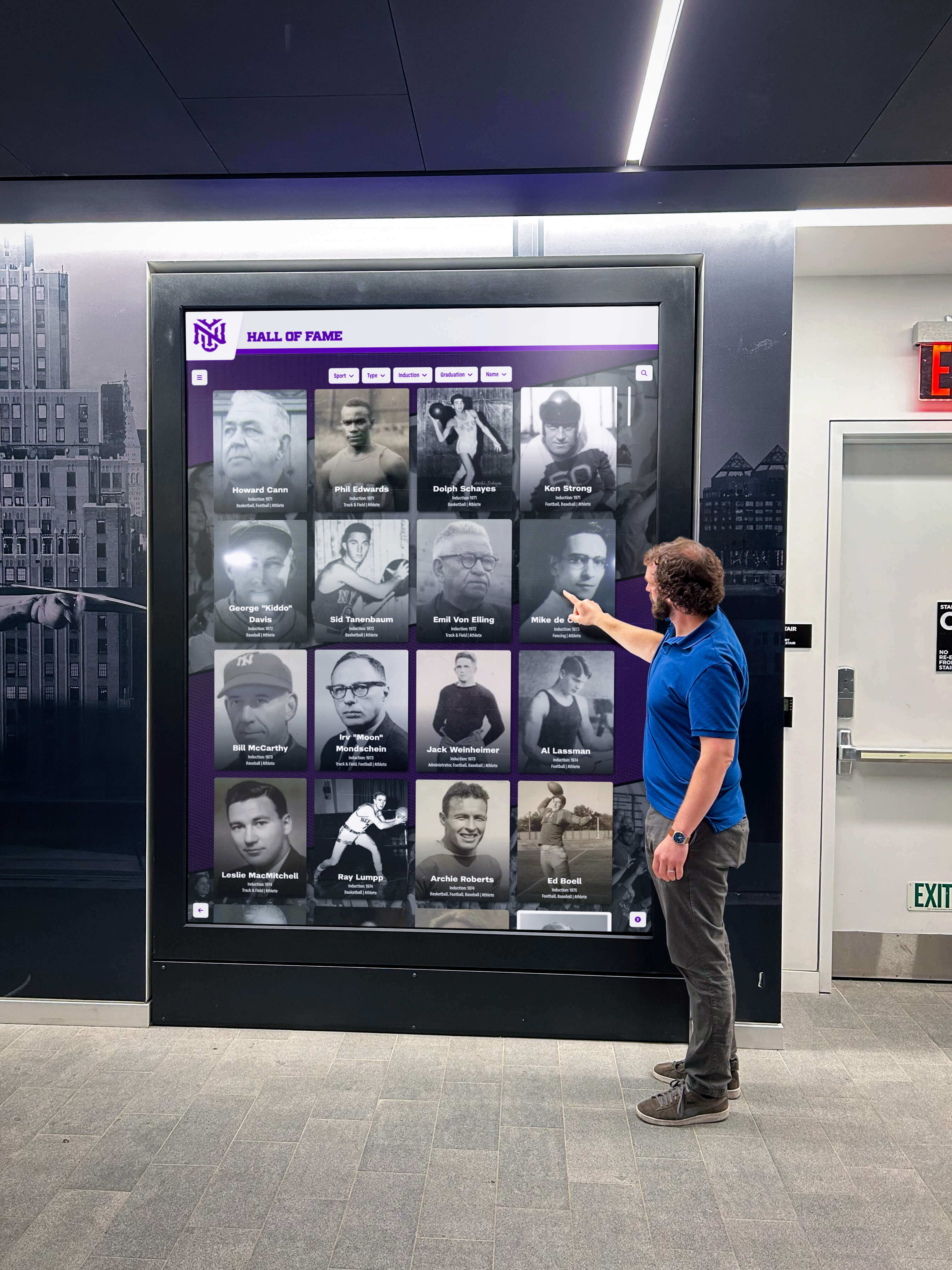
Interactive systems create engaging experiences where students and visitors explore decades of homecoming court history
Strategic Display Placement
High-Traffic Locations:
- Main lobby welcoming visitors
- Cafeteria creating casual viewing
- Athletic facilities connecting to homecoming game traditions
- Library or media center for comprehensive archives
- Alumni areas celebrating returning graduates
Content Management:
- Remote cloud-based updates
- Easy annual court additions
- Photo and video uploads
- Unlimited storage capacity
- Multi-user administrative access
Creating Lasting Institutional Memory
Historical Context Value
Court archives serve multiple purposes:
Educational Benefits:
- Historical perspective on school evolution
- Fashion and cultural trend documentation
- Demographic representation over time
- Tradition continuity demonstration
- Alumni engagement and nostalgia
Community Connection:
- Current students viewing parent/relative courts
- Generational family traditions
- Reunion event focal points
- School pride reinforcement
- Institutional identity strengthening
Schools implementing comprehensive lobby design strategies often feature homecoming court recognition as centerpiece displays welcoming students, families, and visitors.
Managing Common Challenges and Concerns
Addressing frequent issues in homecoming court selection and ceremonies.
Addressing Popularity Contest Concerns
Shifting Focus from Popularity to Merit
Strategy Approaches:
Multiple Recognition Categories
- Achievement-based court divisions
- Diverse nomination criteria
- Application processes with committees
- Faculty input balancing student votes
- Weighted selection incorporating multiple factors
Educational Framework
- Explicit discussion of selection values
- Voting guidance emphasizing character
- Leadership and service criteria emphasis
- Class discussions on meaningful recognition
- Democratic participation education
Transparent Communication
- Clear published criteria
- Public explanation of process
- FAQ resources for students and families
- Pre-voting guidance
- Results context emphasizing all nominee achievements
Managing Budget Constraints
Cost-Effective Celebration Options
Budget Categories:
Essential Expenses:
- Crowns and sashes (can be reused annually)
- Ceremony programs or printed materials
- Basic flowers or bouquets
- Photography for documentation
- Recognition certificates
Optional Enhancements:
- Professional videography
- Elaborate stage decorations
- Designer gowns or formal wear
- Large-scale receptions
- Professional announcements
Cost-Saving Strategies:
- Reusable ceremonial items
- Student-created video productions
- Parent volunteer photography
- Simple but meaningful decorations
- Digital rather than printed programs
- Community donations or sponsorships
Schools coordinating parade activities often combine homecoming court budgets with broader homecoming week expenses for efficiency.
Handling Tied Votes or Disputes
Resolution Protocols
Tied Vote Solutions:
Pre-Established Tiebreaker Rules:
- Runoff vote between tied candidates
- GPA as secondary criterion
- Attendance record consideration
- Faculty vote determining outcome
- Co-winners sharing recognition
Vote Dispute Procedures:
Investigation Process:
- Immediate vote counting halt
- Committee investigation of concerns
- Evidence review and verification
- Decision timeline establishment
- Communication plan for resolution
Transparency Measures:
- Clear dispute reporting process
- Impartial committee review
- Documentation of all procedures
- Public communication of resolutions
- Appeals process if necessary
Frequently Asked Questions About Homecoming Court
What is homecoming court and why is it important?
Homecoming court is a ceremonial tradition where students nominate and elect classmates to represent their school during homecoming celebrations. Court members typically include representatives from each class level, with seniors selected as homecoming king and queen or royalty. The tradition matters because it celebrates student leadership, connects current students to alumni traditions, builds school spirit, recognizes diverse achievements, and creates memorable experiences that strengthen school community. Modern homecoming courts increasingly recognize multiple achievement categories beyond traditional popularity, honoring academic excellence, athletic accomplishment, arts participation, community service, and school spirit.
How should homecoming court nominees be selected?
Fair selection processes typically involve multiple steps: establishing clear eligibility criteria (academic standing, behavioral expectations, attendance), opening a nomination period where students nominate peers through online forms or paper ballots, setting minimum nomination thresholds to advance to voting ballots, and potentially implementing application processes where candidates submit essays or achievements. Modern inclusive approaches recognize multiple categories (athletic, academic, service, spirit), allow gender-neutral participation, incorporate faculty input alongside student votes, and use committee review for application-based systems. Clear communication about criteria and transparent processes build student confidence in selection fairness.
What voting methods ensure fair homecoming court elections?
Secure voting requires multiple safeguards: verified voter lists ensuring only eligible students vote, one-vote-per-student systems preventing duplicate voting, anonymous ballots protecting privacy while verifying eligibility, supervised voting periods with clear instructions, and transparent counting processes with multiple witnesses. Electronic platforms offer automatic tabulation and built-in security through student credential authentication, while paper ballots provide physical verification and no technology requirements. Hybrid approaches combining online voting with paper alternatives accommodate all students. Independent counting committees including student government, faculty, and administration representatives ensure result integrity.
When should homecoming court be announced?
Timing depends on school traditions and ceremony schedules. Many schools announce winners early in homecoming week (Monday or Tuesday) to generate excitement building toward Friday’s coronation. Others announce at Friday morning assemblies immediately before halftime ceremonies. Earlier announcements allow time for media features, social media celebration, and ceremonial preparation. Later announcements maintain suspense and concentrate celebration. All nominees should receive private notification before public announcement, allowing private processing of results and preparing winners for public celebration. Consider balancing excitement generation with adequate preparation time for ceremony participation.
How can schools make homecoming court more inclusive?
Inclusive approaches include: adopting gender-neutral titles and self-identified participation categories, creating multiple recognition tracks (academic, athletic, service, spirit) honoring diverse achievements, implementing application processes reducing pure popularity emphasis, incorporating faculty nominations recognizing less visible contributions, celebrating all nominees equally regardless of final results, using achievement-based criteria rather than solely peer popularity, offering flexible court structures accommodating various identities, ensuring diverse representation across student demographics, and prominently recognizing all participants throughout homecoming week. Communication emphasizing that nomination itself represents achievement helps create positive experiences for all students.
How should schools preserve homecoming court memories?
Comprehensive documentation includes professional photography of ceremonies and individual portraits, video recording of coronations and court member features, social media content sharing celebrations, and yearbook spreads dedicating pages to court. Digital recognition platforms provide permanent, searchable archives accessible to current students and alumni decades later. Interactive touchscreen displays in school lobbies allow unlimited recognition without space constraints, while web-accessible platforms enable remote viewing. Cloud-based systems support easy annual updates, unlimited photo and video storage, QR code mobile access, and integration with existing school websites and alumni portals, ensuring homecoming traditions remain visible year-round rather than disappearing after coronation night.
Conclusion: Building Homecoming Court Traditions That Honor All Students
Homecoming court represents concentrated expression of school values—who we recognize, how we celebrate achievement, what traditions we honor, and whose stories we preserve. When schools approach homecoming court thoughtfully with fair selection processes, secure voting systems, meaningful ceremonies, and comprehensive recognition, they transform these traditions from potential popularity contests into genuine celebrations of diverse student achievement that strengthen institutional culture and create lasting positive memories.
The selection strategies, voting protocols, ceremonial traditions, and recognition approaches explored in this guide provide comprehensive frameworks for creating homecoming court experiences students genuinely value regardless of election outcomes. From inclusive nomination processes honoring multiple achievement categories to secure voting ensuring legitimate democratic participation, meaningful coronation ceremonies recognizing all nominees to digital preservation maintaining visibility across decades, these principles help schools build traditions that celebrate entire communities rather than individual winners.
Modern technology makes permanent, accessible homecoming court recognition achievable without physical space limitations or ongoing costs associated with traditional photo walls and trophy cases. Digital platforms enable unlimited recognition capacity, easy annual updates, multimedia content including photos and videos, remote access for alumni worldwide, and integration with broader school recognition systems celebrating academic, athletic, and community achievements.
Start where your school stands today with selection processes and ceremonies you can implement immediately based on available resources and student culture, then systematically expand to create comprehensive traditions your community deserves. Whether revitalizing outdated court selections that feel exclusive, implementing fair voting replacing problematic popularity contests, or enhancing already-successful traditions with better preservation, every improvement creates more meaningful experiences for students whose high school memories should include celebration, recognition, and genuine belonging.
Your school’s homecoming court tradition deserves celebration creating lasting positive impact for all participants—nominees, voters, ceremony attendees, and future students exploring historical archives. With fair selection processes, secure democratic voting, meaningful ceremonial recognition, and modern technology ensuring ongoing visibility, you can build homecoming court traditions honoring every student while strengthening the positive, connected culture where all students thrive.
Ready to preserve your homecoming court traditions permanently? Explore how solutions like Rocket Alumni Solutions help schools create engaging digital recognition displays that document homecoming court members, preserve coronation ceremony photos and videos, and maintain celebration memories across decades. These interactive touchscreen systems provide unlimited capacity for celebrating your unique traditions while remaining easily accessible to current students exploring school culture and returning alumni reconnecting with their homecoming memories.