High school weight rooms serve as the foundation of athletic excellence across all sports programs. These dedicated training spaces transform student athletes through structured strength development, conditioning work, and mental toughness building while establishing the discipline and work ethic that extends far beyond athletic competition into academic achievement and life preparation.
Yet many schools struggle with weight room facilities that fail to inspire maximum effort. Cramped spaces limit training effectiveness. Outdated equipment creates safety concerns. Bare walls miss opportunities to motivate through visible recognition of strength achievements and program records. Poor layout forces athletes to wait for equipment access during crowded training sessions. Meanwhile, budget constraints make comprehensive renovations feel financially impossible.
This guide provides practical high school weight room design strategies that athletic directors, facilities managers, and strength coaches can implement to create inspiring training environments serving multiple sports programs while celebrating athletic achievement, maintaining safety standards, and maximizing the effectiveness of every training session.
Modern high school weight room design balances functional training requirements with motivational elements that inspire excellence. Effective facilities accommodate multiple simultaneous users, provide appropriate equipment for diverse athlete needs, maintain rigorous safety standards, and create environments where visual recognition displays connect current athletes to program tradition and championship achievements.
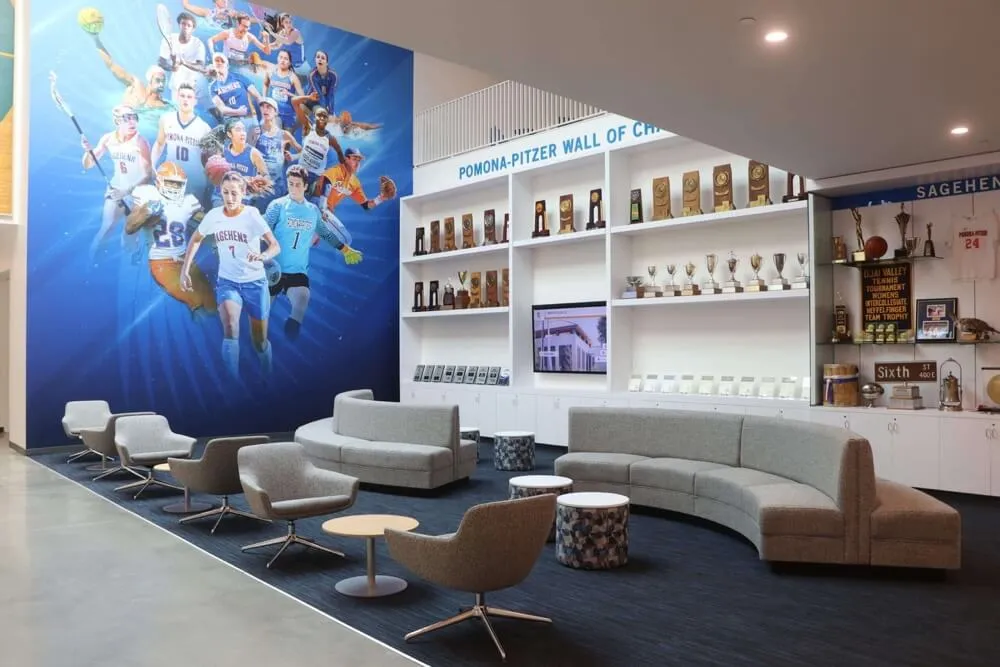
Thoughtful weight room design creates inspiring athletic environments supporting strength development across all sports programs
Essential Design Principles for High School Weight Rooms
Understanding core design principles ensures weight room facilities effectively serve diverse athletic program needs while remaining financially achievable.
Space Requirements and Layout Planning
Minimum Space Calculations
High school weight room dimensions depend on total athletic program participation:
Space Requirements by Program Size:
- Small schools (100-200 athletes): 1,500-2,000 square feet minimum
- Medium schools (200-400 athletes): 2,500-3,500 square feet minimum
- Large schools (400+ athletes): 4,000-6,000+ square feet minimum
- Additional 500-800 square feet for storage and office space
- Minimum 10-foot ceiling height (12-14 feet preferred for overhead lifts)
- Emergency exit access meeting fire code requirements
Layout Configuration Strategies
Strategic space organization maximizes training capacity while maintaining safety:
Functional Training Zones:
- Free weight area with platforms for Olympic lifts
- Machine weight section with selectorized equipment
- Cardio equipment zone with treadmills, bikes, and rowers
- Plyometric and agility training space
- Stretching and warm-up areas
- Coach observation positions with full facility visibility
- Equipment storage accessible but not obstructing traffic flow
Traffic Flow Considerations:
- Wide walkways (minimum 4-5 feet) between equipment stations
- Logical equipment placement preventing congestion
- Separate entry/exit points reducing bottlenecks
- Clear sight lines for coach supervision
- Strategic mirror placement for form checking without blocking equipment
- Emergency exit paths always accessible
Schools planning comprehensive athletic facilities benefit from reviewing athletic facility design best practices that address weight rooms alongside other training spaces.
Safety Features and Regulatory Compliance
Critical Safety Infrastructure
High school weight rooms require specific safety features protecting student athletes:
Essential Safety Elements:
- Rubberized flooring providing shock absorption and sound dampening
- Sufficient space around equipment preventing collisions
- Proper lighting (50-75 foot-candles minimum) eliminating shadows
- Emergency stop buttons on motorized equipment
- First aid stations with AED access
- Posted emergency procedures and contact information
- Security cameras enabling supervision and incident review
- Adequate ventilation maintaining air quality during intense training
Equipment Spacing Standards:
- 3-foot clearance on all sides of weight machines
- 6-foot clearance around Olympic lifting platforms
- 10-foot ceiling clearance for overhead lifts
- 8-10 feet between squat racks and power racks
- 6-foot spacing between cardio equipment pieces
- No equipment blocking emergency exits or fire extinguisher access
Regulatory Compliance:
- ADA accessibility requirements for pathways and some equipment
- OSHA safety standards for training environments
- State athletic association facility guidelines
- Local fire codes and emergency egress requirements
- Electrical codes for equipment power requirements
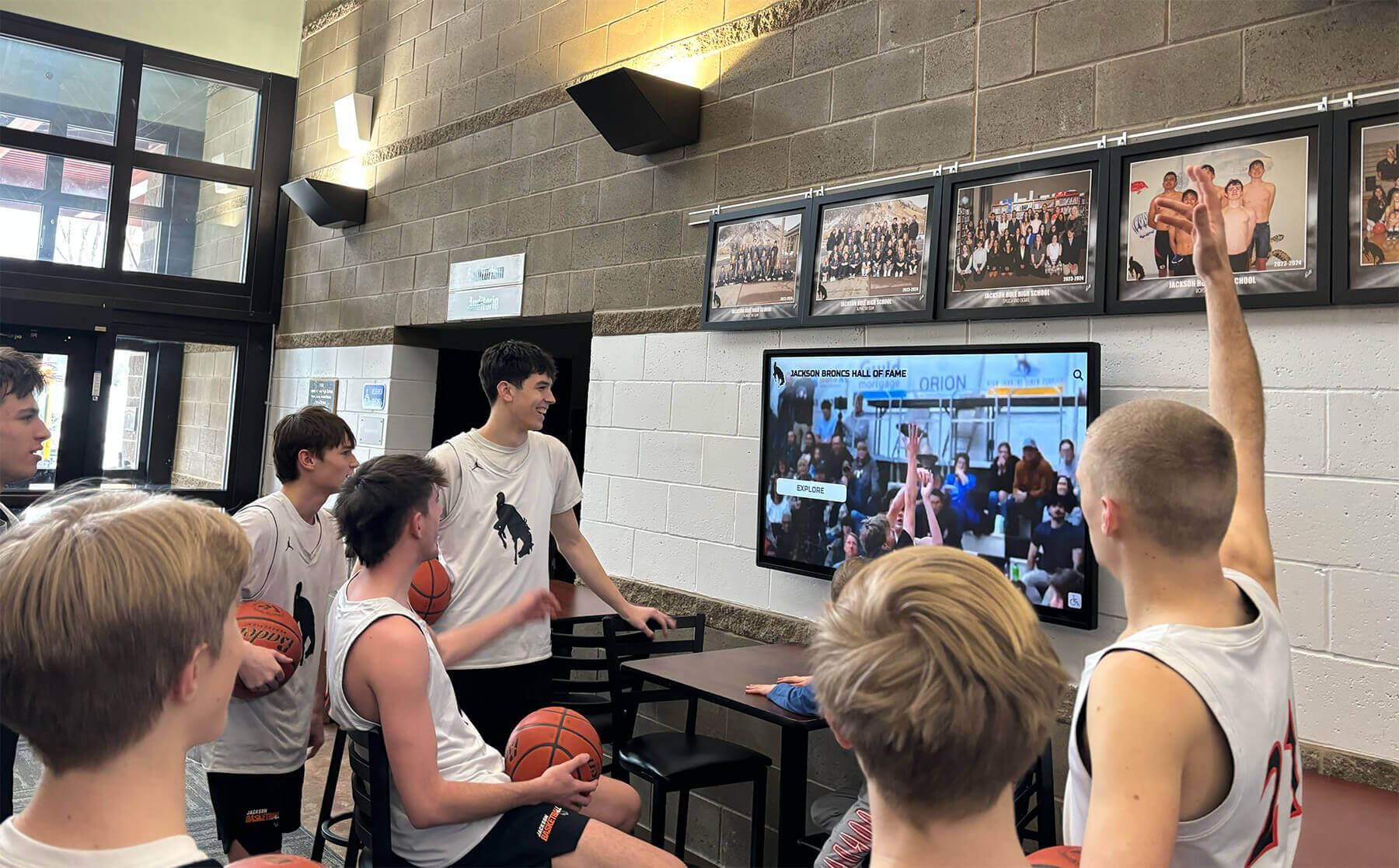
Proper safety features and regulatory compliance protect student athletes while creating professional training environments
Environmental Controls and Atmosphere
Climate Management Systems
Effective temperature and air quality control directly impacts training session quality:
HVAC Requirements:
- Temperature control maintaining 62-68°F during heavy use
- Powerful ventilation systems managing humidity and air quality
- Multiple air exchanges per hour removing heat and odors
- Dedicated HVAC system separate from general building controls
- Supplemental fans for air circulation during peak use
- Humidity control preventing equipment corrosion
Acoustic Considerations:
- Sound-dampening ceiling tiles reducing noise transmission
- Rubber flooring minimizing dropped weight impact sounds
- Acoustic wall treatments controlling reverberation
- Sound system enabling music and coach communication
- Isolation from adjacent classrooms during school hours
Equipment Selection and Placement Strategies
Choosing appropriate equipment and organizing it effectively maximizes training capacity while serving diverse sport-specific needs.
Free Weight Equipment Fundamentals
Essential Free Weight Components
Core free weight equipment serves as the foundation for strength development:
Primary Free Weight Equipment:
- Olympic barbells (45 lbs, 35 lbs, and training bars)
- Complete weight plate sets (bumper and iron plates)
- Squat racks or power racks (multiple stations for larger programs)
- Adjustable benches (flat, incline, decline capabilities)
- Deadlift platforms with rubberized surfaces
- Dumbbell sets (5-100+ lbs in appropriate increments)
- Storage racks keeping weights organized and accessible
Olympic Lifting Platforms:
- Dedicated platforms for clean, snatch, and jerk variations
- Raised wooden or composite platforms protecting floor
- Bumper plate sets enabling safe bar drops
- Chalk stations when appropriate
- Mirror placement for form checking
- Strategic location preventing interference with other training
Machine Weight Selection
Selectorized Machine Benefits
Weight machines provide several advantages for high school programs:
Machine Equipment Value:
- Safer learning environment for beginning athletes
- Fixed movement patterns reducing injury risk
- Efficient transitions during circuit training
- Accommodates athletes with different experience levels
- Reduces supervision requirements during large group training
- Provides options when free weight equipment is occupied
Recommended Machine Equipment:
- Leg press and leg extension/curl machines
- Chest press and shoulder press machines
- Lat pull-down and seated row machines
- Cable crossover systems for versatile exercises
- Core training equipment (ab crunch, back extension)
- Multi-station units maximizing limited space
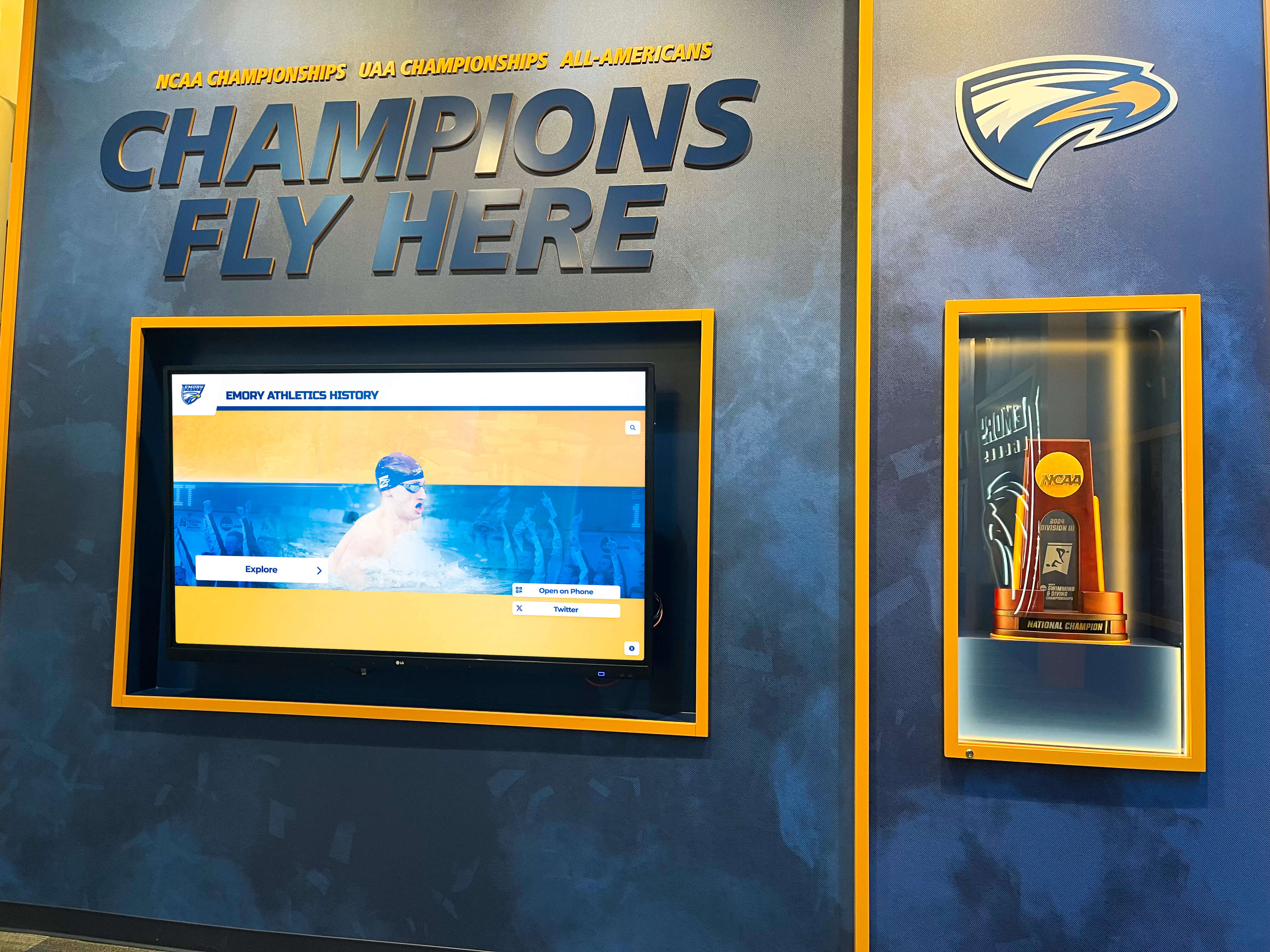
Equipment selection should balance free weights, machines, and specialty items serving diverse athletic program needs
Cardio and Conditioning Equipment
Cardiovascular Training Components
Complete weight room facilities include cardio equipment supporting conditioning work:
Essential Cardio Equipment:
- Treadmills (2-6 units depending on facility size)
- Stationary bikes (upright and recumbent options)
- Rowing machines for full-body conditioning
- Elliptical trainers for low-impact options
- Assault bikes or fan bikes for high-intensity intervals
- Battle ropes, sleds, and prowlers for functional conditioning
Plyometric and Agility Training Space:
- Designated area with 15x15 feet minimum clearance
- Rubberized surface appropriate for jumping activities
- Plyometric boxes in various heights
- Agility ladder and cone storage
- Medicine balls and slam balls
- Space for sport-specific movement training
Programs implementing comprehensive athletic development appreciate connections between gymnasium design and weight room planning for cohesive athletic facility development.
Creating Motivational Training Environments
Design elements beyond equipment significantly impact athlete motivation, training intensity, and program culture.
Visual Motivation Through Achievement Recognition
Record Boards and Performance Tracking
Visible strength achievement recognition motivates maximum effort:
Traditional Record Board Approaches:
- Painted or vinyl record boards listing top lifts by weight class
- Sport-specific strength standards and achievement levels
- All-time program records prominently displayed
- Graduating class records recognizing cohort achievements
- Position-specific records relevant to different sports
- Updated boards requiring manual changes or professional production
While these traditional displays create visual impact, they face inherent limitations:
- Fixed space eventually fills as new records accumulate
- Manual updates require time and ongoing maintenance
- Limited to basic information (names, weights, years)
- Errors in painted displays difficult or impossible to correct
- No connection to broader achievement context
- Inaccessible to athletes, families, and alumni outside the weight room
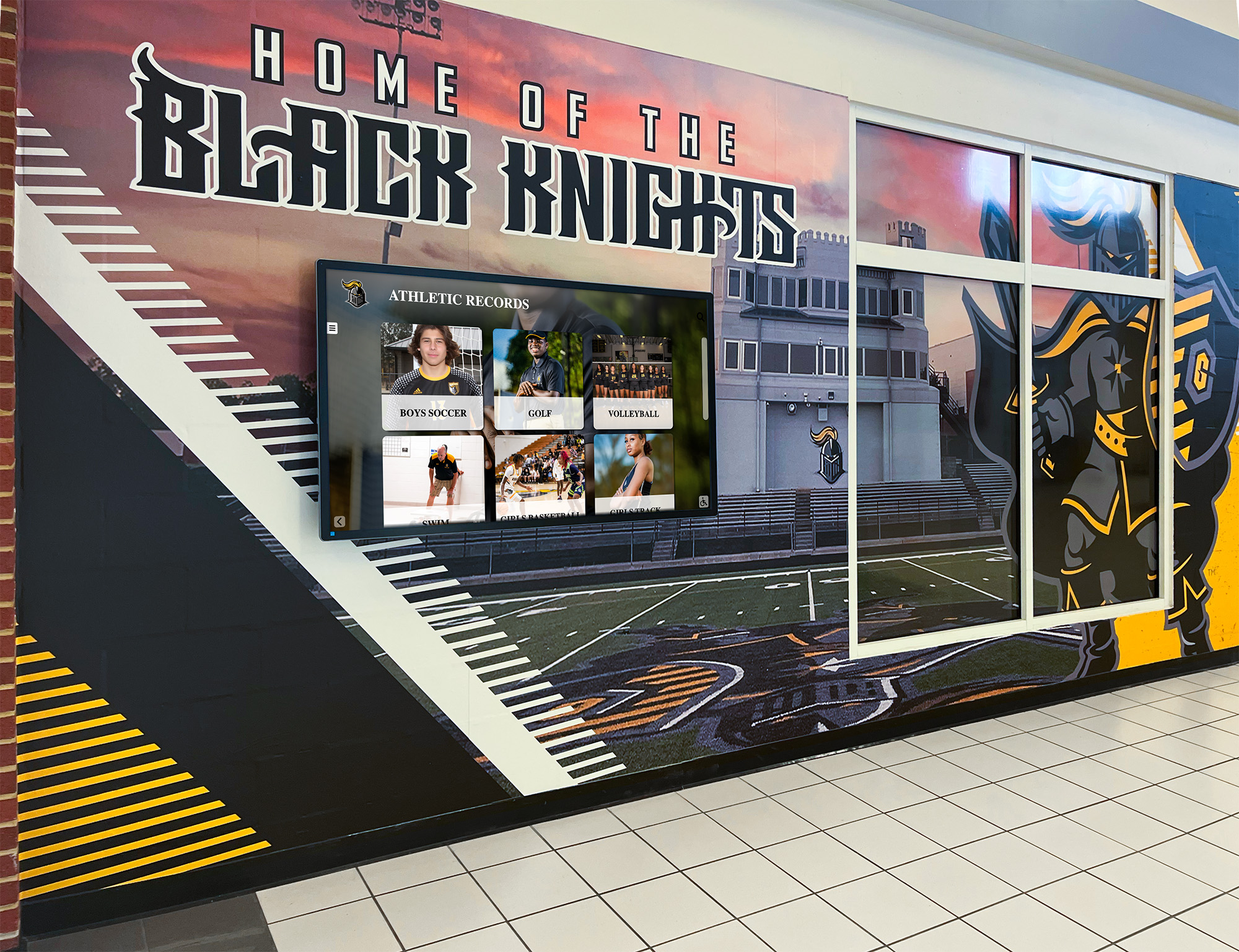
Strategic record board placement creates focal points that inspire training excellence and recognize strength achievements
Digital Recognition Display Solutions
Modern touchscreen recognition systems transform how schools celebrate strength achievements:
Enhanced Recognition Capabilities:
- Unlimited record capacity across all weight classes, sports, and achievement categories
- Complete historical archives preserving strength records from all program eras
- Individual athlete profiles with comprehensive lift progression tracking
- Photo galleries and video clips documenting record lifts
- Search and filtering enabling quick discovery of specific records
- Real-time updates immediately following new record achievements
- Web accessibility extending visibility beyond physical weight room
Solutions like Rocket Alumni Solutions provide cloud-based platforms specifically designed for athletic recognition:
- Non-technical staff can update content remotely from any device
- Professional templates designed for strength and conditioning recognition
- Integration with broader athletic hall of fame displays throughout facilities
- ADA WCAG 2.1 AA accessibility compliance
- Mobile-responsive web platform visible to alumni worldwide
- Analytics showing which records and athletes receive most engagement
These digital capabilities make comprehensive strength achievement recognition feasible even for schools with limited wall space in weight room facilities.
Inspirational Messaging and Program Values
Creating Culture Through Visual Elements
Strategic messaging reinforces program values and training philosophy:
Effective Motivational Displays:
- Program mission statement and core values prominently featured
- Inspirational quotes from successful coaches and athletes
- Team slogans and mottos reinforcing program identity
- Championship banners and photos celebrating team success
- College signing recognition showing strength program outcomes
- Work ethic and discipline messaging establishing expectations
Wall Graphics and Branding:
- School colors integrated throughout facility design
- Mascot imagery creating identity and pride
- Sport-specific graphics recognizing all programs using facility
- Professional wall wraps or painted murals
- Consistent branding connecting weight room to broader athletic facilities
- Before/after transformation photos demonstrating program impact
Programs emphasizing student athlete recognition create environments celebrating diverse athletic achievements beyond just competitive results.
Strategic Recognition Display Placement
Maximizing Visibility and Impact
Location significantly influences how recognition displays motivate training effort:
High-Impact Placement Locations:
- Main wall facing entry doors creating immediate visual impression
- Wall opposite primary lifting area visible during rest periods
- Near stretching areas where athletes gather before/after training
- Adjacent to coach office maintaining supervision sight lines
- Protected locations preventing damage from equipment or training activities
- Adequate lighting for viewing displays clearly
Multiple Display Strategies:
- Primary comprehensive recognition in main weight room area
- Sport-specific displays in team meeting rooms or locker rooms
- Historical achievement displays in athletic hallways
- Current season record boards showing in-progress competitions
- Mobile displays for camps, combine events, and recruitment visits
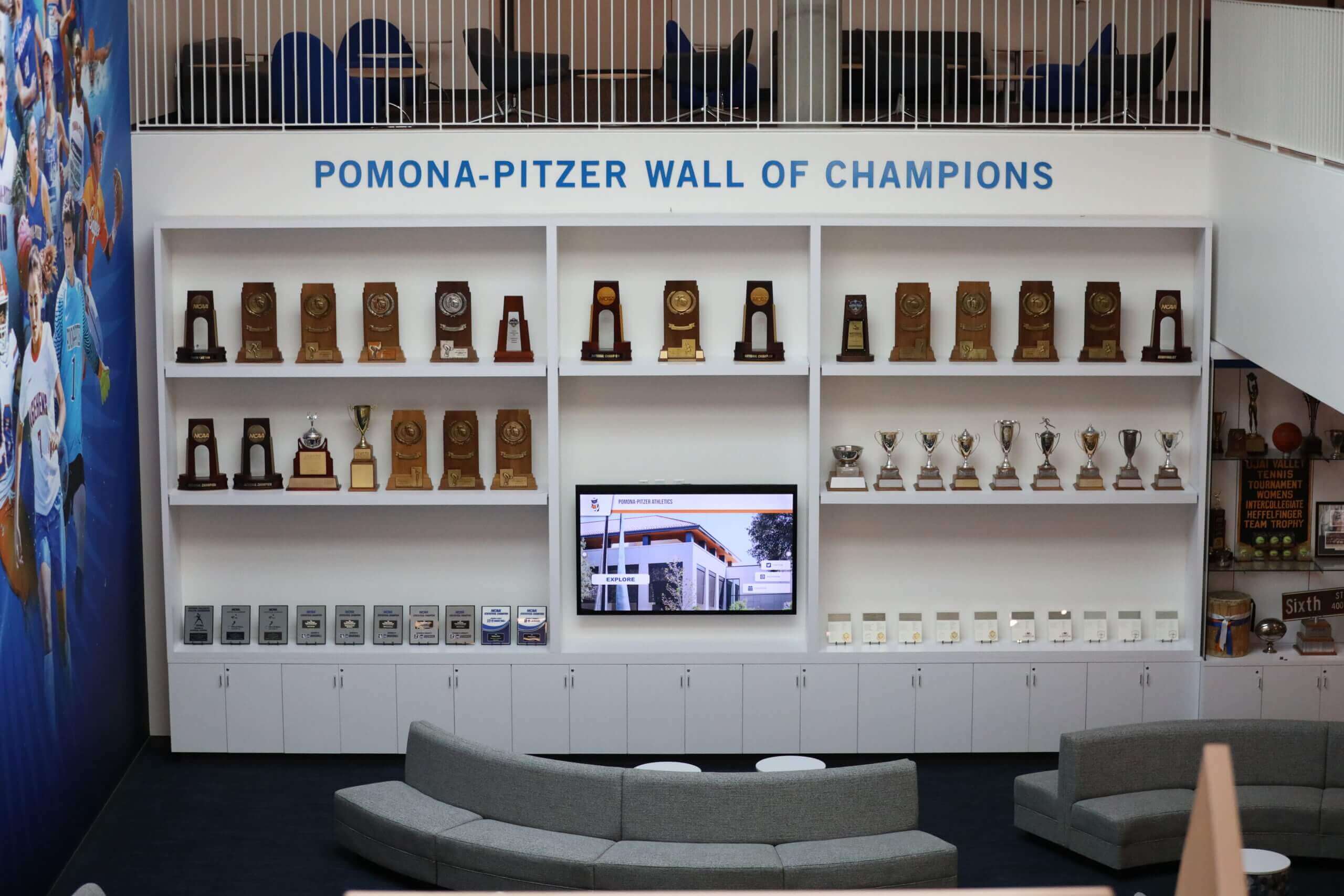
Dedicated recognition areas create destination spaces that inspire excellence while honoring program achievement history
Specialized Training Areas and Auxiliary Spaces
Comprehensive weight room facilities include supporting spaces enhancing training effectiveness and program operations.
Strength Coach Office and Observation Areas
Functional Coaching Spaces
Dedicated coach areas improve program supervision and planning:
Essential Coach Space Elements:
- Office with computer access for program planning and record keeping
- Windows or open design maintaining visual supervision of training floor
- Secure storage for testing equipment and program materials
- Whiteboard or display screen for workout posting and instruction
- Meeting space for individual athlete consultations
- Professional appearance supporting recruitment impressions
Technology Integration:
- Video analysis systems for technique review
- Performance tracking software for programming and progress monitoring
- Digital workout display screens visible to athletes
- Sound system controls for music and announcements
- Security camera monitoring for after-hours facility use
Testing and Assessment Areas
Dedicated Evaluation Spaces
Systematic testing requires appropriate facilities:
Testing Infrastructure:
- Designated area for vertical jump measurement
- Sprint timing equipment (40-yard dash alternatives indoors)
- Agility testing courses (pro agility, L-drill spaces)
- Body composition assessment equipment
- Flexibility and mobility testing areas
- Record keeping systems tracking athlete progress
Data Management Systems:
- Digital platforms recording testing results over multiple years
- Individual athlete profiles showing progression
- Sport-specific benchmarks and goal setting
- Comparison tools identifying improvement areas
- Report generation for college recruitment documentation
Schools implementing academic recognition alongside athletic achievements create balanced celebration of diverse student excellence through unified recognition platforms.
Storage and Equipment Management
Organized Equipment Access
Proper storage maintains equipment condition while maximizing usable training space:
Storage Solutions:
- Weight plate racks keeping plates organized by type and weight
- Dumbbell racks preventing floor clutter
- Barbell storage on wall-mounted holders
- Specialty equipment storage (bands, chains, bars)
- Cleaning supplies and sanitization stations
- Seasonal storage for sport-specific training equipment
- Secure storage for resistance bands, belts, and small accessories
Maintenance and Cleaning Stations:
- Equipment sanitizing stations with spray bottles and towels
- Cleaning supply storage for daily facility maintenance
- Trash and recycling receptacles strategically placed
- Floor cleaning equipment (mops, brooms, vacuum)
- Scheduled maintenance tracking systems
Technology Integration in Modern Weight Rooms
Technology transforms how strength programs operate while enhancing athlete experience and training effectiveness.
Digital Workout Programming Systems
Electronic Workout Displays
Digital programming eliminates paper workout sheets while improving clarity:
Digital Workout Benefits:
- Large-screen monitors displaying daily workouts for each team
- Exercise demonstration videos showing proper technique
- Real-time workout modifications based on athlete needs
- Rotation timers managing circuit training efficiently
- Progress tracking showing athlete improvement over time
- Remote programming updates from strength coach devices
Programming Software Options:
- Cloud-based platforms accessible from any device
- Pre-built exercise libraries with demonstration videos
- Customizable templates for different sports and training cycles
- Athlete login portals showing individualized programs
- Progress tracking and analytics identifying trends
- Integration with testing data for comprehensive athlete profiles
Performance Tracking and Analytics
Data-Driven Training Programs
Modern strength programs leverage technology for personalized programming:
Tracking Technology:
- Velocity-based training devices measuring bar speed
- Force plate systems assessing power output
- Wearable technology monitoring training load
- Video analysis software reviewing lift technique
- Apps enabling athletes to log workouts and track progress
- Cloud-based databases preserving multi-year athlete histories
Analytics Applications:
- Identifying optimal training loads for individual athletes
- Monitoring fatigue and recovery status
- Comparing athletes to sport-specific standards
- Demonstrating program effectiveness through measurable improvement
- Supporting college recruitment with documented performance data
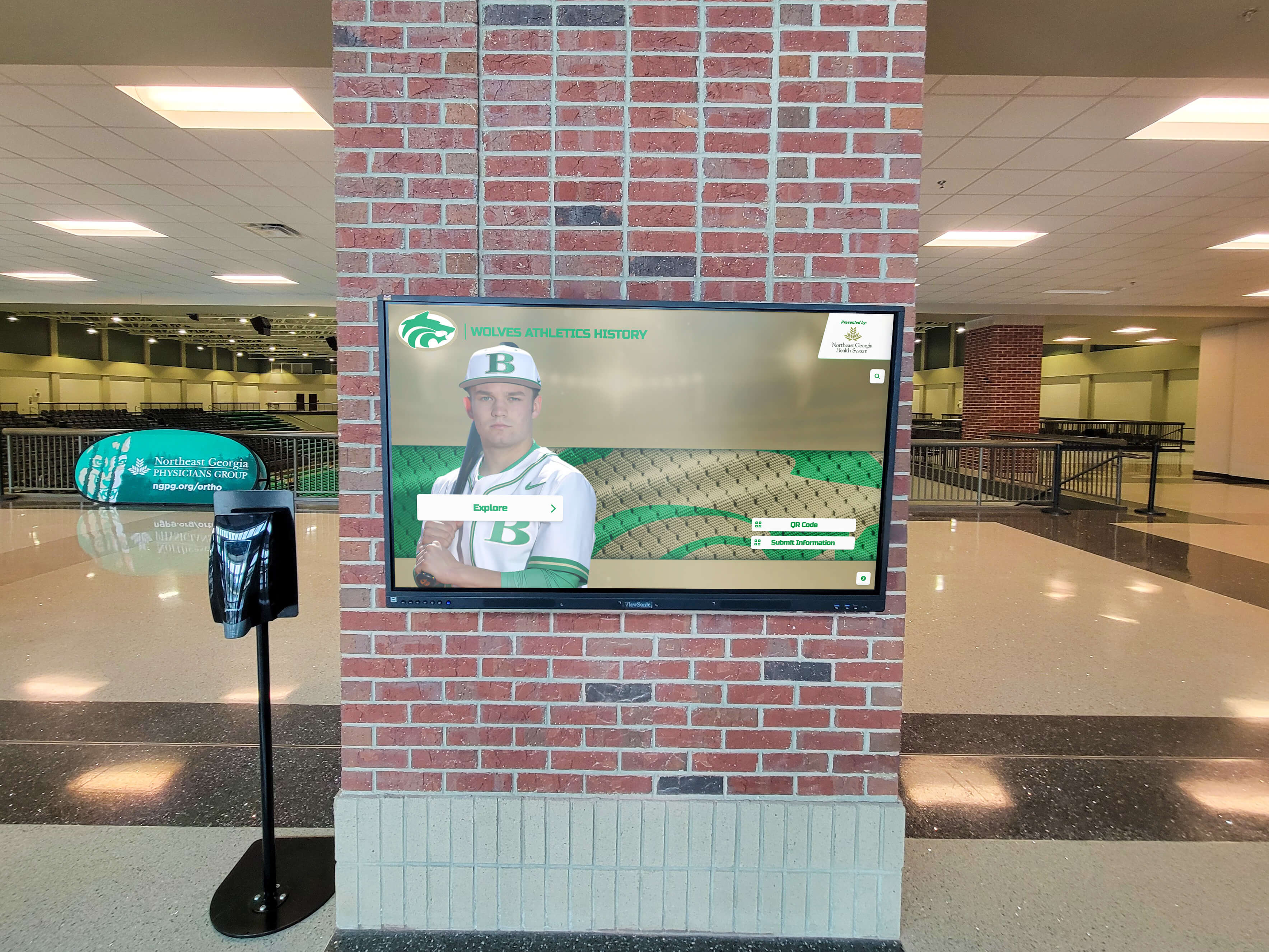
Technology integration creates professional training environments while providing tools for programming and progress monitoring
Interactive Recognition and Engagement Systems
Touchscreen Athletic Recognition
Interactive displays transform how weight rooms celebrate achievement:
Modern Recognition Features:
- Touchscreen interfaces enabling exploration of strength records
- Individual athlete profiles with comprehensive achievement histories
- Photo and video galleries documenting record lifts and milestones
- Championship team recognition linking strength achievements to competitive success
- Search functionality finding specific athletes or records quickly
- QR code access enabling mobile viewing throughout campus
- Social sharing capabilities promoting program achievements
Content Management Benefits:
- Remote updates from any internet-connected device
- Immediate record board changes following new achievements
- Error corrections without repainting or re-engraving
- Unlimited capacity eliminating space constraints
- Historical preservation of all program achievements
- Analytics revealing which content engages users most
These systems make comprehensive strength achievement celebration practical for programs of all sizes without expensive ongoing engraving or production costs.
Budget-Conscious Weight Room Development
Schools facing financial constraints can implement high-impact improvements without comprehensive renovations.
Phased Implementation Strategies
Year One: Essential Foundation
- Address critical safety issues (flooring, spacing, lighting)
- Acquire core free weight equipment (bars, plates, racks)
- Establish basic organizational systems and storage
- Paint facility in school colors with motivational messaging
- Install initial record board or recognition display
Year Two: Capacity Expansion
- Add machine weight equipment expanding training options
- Implement cardio equipment for conditioning work
- Upgrade environmental controls (HVAC, fans, ventilation)
- Enhance recognition displays with digital capabilities
- Develop coach office and testing areas
Year Three: Advanced Features
- Install specialized training equipment (platforms, plyometric equipment)
- Implement performance tracking technology
- Create sport-specific training zones
- Enhance recognition systems with interactive displays
- Develop auxiliary spaces (storage, meeting areas)
This staged approach maintains continuous improvement while spreading costs across multiple budget cycles.
High-Impact, Lower-Cost Upgrades
Affordable Improvements Creating Significant Change:
Visual and Environmental Enhancements:
- Fresh paint in school colors transforming atmosphere ($500-$2,000)
- Motivational wall decals and graphics ($300-$1,500)
- Improved lighting with LED fixtures ($1,000-$3,000)
- Sound system enabling music and communication ($500-$2,000)
- Fan installation improving air circulation ($400-$1,200)
Equipment Additions:
- Used commercial equipment from closing facilities (40-60% cost savings)
- Adjustable dumbbells replacing full rack sets (space and cost efficient)
- Resistance bands and bodyweight equipment ($200-$800)
- Homemade specialty equipment (sleds, plyo boxes) with skilled volunteers
- Equipment refurbishment extending existing investment life
Recognition Improvements: Implementing digital athletic recognition provides comprehensive capabilities at competitive costs:
- Single touchscreen display replaces ongoing record board updates
- Cloud-based content management requiring no technical expertise
- Immediate updates as new strength records occur
- Unlimited capacity preventing space constraints
- Interactive features engaging athletes and visitors
- 5-year total cost competitive with traditional approaches
Programs implementing athletic recruiting support displays leverage strength achievement recognition to showcase program development to college coaches.
Creative Funding Sources
Alternative Financing Options:
Community Support Programs:
- Booster club fundraising campaigns for facility improvements
- Alumni donation drives targeting graduated athletes
- Local business sponsorships with recognition opportunities
- Equipment donation programs from community members
- Memorial dedications honoring deceased community members
- Corporate partnerships with fitness equipment companies
Grant and Institutional Funding:
- School district capital improvement allocations
- State athletic association facility improvement grants
- Community foundation grants supporting youth athletics
- Parent-teacher organization contributions
- Crowdfunding campaigns engaging broader community
- Naming rights for major donors or corporate sponsors
Weight Room Rules, Policies, and Operations
Establishing clear expectations ensures safe, effective facility use while protecting equipment investment.
Essential Safety Policies
Core Facility Rules:
Access and Supervision Requirements:
- Supervision requirements during student use
- Minimum age or grade level for access
- Required orientation or certification before independent use
- Prohibited exercises without proper instruction
- Guest policies for visiting athletes or community members
- After-hours access procedures and monitoring
Safety Protocols:
- Spotting requirements for specific exercises
- Proper equipment setup and weight loading procedures
- Appropriate footwear and clothing requirements
- Personal device policies (phones during training)
- Headphone use policies balancing safety and motivation
- Emergency response procedures and contact information
Equipment Care and Maintenance
Protecting Facility Investment:
User Responsibilities:
- Weight plate and equipment return requirements
- Cleaning and sanitizing expectations
- Damage reporting procedures
- Proper equipment adjustment and setup
- No food or drink policies (water bottles excepted)
- Respect for equipment and facility standards
Scheduled Maintenance Programs:
- Daily cleaning and sanitization routines
- Weekly deep cleaning and organization
- Monthly equipment inspection and adjustment
- Annual equipment servicing and replacement planning
- Flooring maintenance protecting surface investment
- HVAC filter changes and system servicing
Specialized Considerations for Multi-Sport Programs
High school weight rooms serve diverse athletic programs requiring thoughtful accommodation of varying needs.
Sport-Specific Training Zones
Accommodating Diverse Requirements:
Sport-Focused Areas:
- Olympic lifting platforms for explosive power sports
- Heavy strength equipment for football and rugby programs
- Endurance-focused cardio zones for distance runners
- Bodyweight and mobility areas for gymnastics and wrestling
- Speed and agility spaces for court and field sports
Scheduling and Access Management:
- Team-designated training times preventing overcrowding
- Shared usage protocols during peak periods
- Off-season priority access for championship sport preparation
- Individual athlete training windows
- Coach coordination preventing equipment conflicts
Gender Equity and Inclusive Access
Creating Welcoming Environments for All Athletes:
Inclusive Design Principles:
- Adequate equipment serving athletes of all sizes and strengths
- Training bars (15kg/33lb) alongside standard Olympic bars
- Equipment arrangement preventing isolation or segregation
- Clear expectations around respectful behavior and language
- Equitable scheduling providing all programs quality training times
- Recognition displays celebrating male and female athlete achievements equally
Programs emphasizing comprehensive athletic achievement display diverse athletic recognition across all sports, genders, and achievement types.
Future-Proofing Weight Room Design
Planning for evolving needs prevents costly retrofitting and maintains facility relevance.
Adaptable Infrastructure
Building Flexibility into Design:
Infrastructure Considerations:
- Electrical capacity exceeding current needs
- Network infrastructure supporting future technology
- Equipment mounting points for not-yet-purchased items
- Flexible spatial configuration enabling repurposing
- Storage capacity for growing equipment inventory
Technology Evolution Planning:
- Digital display capabilities for programming and recognition
- Performance tracking system integration potential
- Video analysis infrastructure preparation
- Cloud-based platform compatibility
- Mobile app integration supporting remote athlete access
Emerging Training Trends
Anticipating Program Development:
Growing Considerations:
- Recovery and regeneration spaces (foam rolling, stretching areas)
- Mental performance and visualization areas
- Nutrition education and fueling stations
- Technology-enabled training (VR, biofeedback systems)
- Sustainability features (energy-efficient equipment, natural lighting)
Common Weight Room Design Mistakes to Avoid
Learning from typical errors prevents frustration and wasted resources.
Planning Oversights
Critical Errors:
- Insufficient clearance around equipment creating safety hazards
- Inadequate electrical service for equipment demands
- Poor ventilation causing uncomfortable training conditions
- Undersized facilities for total athletic program participation
- No expansion consideration as programs grow
- Neglecting coach supervision sight lines
Equipment Selection Problems
Procurement Mistakes:
- Purchasing residential equipment for institutional use
- Incompatible equipment pieces preventing circuit flow
- Insufficient quantity forcing wait times during team training
- Neglecting maintenance requirements in selection decisions
- Choosing lowest cost without durability consideration
- Failing to plan for equipment replacement cycles
Recognition and Culture Shortfalls
Motivation Oversights:
- No achievement recognition creating missed motivation opportunities
- Static displays filling available space quickly
- Recognition systems expensive or difficult to update
- Neglecting historical achievement preservation
- Failing to celebrate diverse athletic success equally
- Missing connections between strength development and competitive achievement
Modern digital solutions address these challenges by providing unlimited recognition capacity, simple remote management, and comprehensive achievement celebration in systems accessible to programs of all sizes.
Conclusion: Building Weight Rooms That Inspire Athletic Excellence
High school weight room design profoundly impacts athletic program development, student athlete growth, and competitive success across all sports. When schools approach facility planning systematically—considering spatial requirements, equipment selection, safety protocols, motivational design elements, and recognition displays—they create training environments that inspire maximum effort while building program culture spanning generations.
The strategies explored throughout this guide provide practical frameworks for weight room development ranging from new construction to enhancement of existing facilities. From layout optimization and equipment placement to modern recognition displays celebrating strength achievements, these approaches enable schools to create inspiring training spaces regardless of budget limitations.
Effective weight room design extends beyond equipment and floor space. These facilities shape how student athletes experience strength training, how coaches deliver programming, and how communities recognize athletic dedication and achievement. Modern technology makes comprehensive strength record celebration achievable through interactive displays replacing traditional static boards, while strategic equipment selection and phased implementation approaches support continuous improvement within realistic budgets.
Start where your school is with improvements you can implement given available resources, then systematically expand toward comprehensive athletic training facilities your programs deserve. Whether planning new construction or enhancing existing weight rooms, every improvement creates more inspiring environments for the student athletes whose dedication and achievement merit professional-quality training spaces.
Your athletic programs deserve weight room facilities that inspire excellence through professional equipment, strategic design, and meaningful recognition of strength achievement. With thoughtful planning, appropriate technology integration, and consistent implementation, you can build training environments that develop champions while honoring the tradition and achievement history that motivate current athletes toward new records and greater excellence.
Ready to transform your weight room’s achievement recognition capabilities? Explore modern digital recognition solutions that make comprehensive strength record boards and athletic halls of fame achievable for schools of all sizes without the space constraints and ongoing maintenance costs of traditional painted displays.