Walk through any high school hallway in America during winter months and you’ll spot them immediately—the iconic letterman jacket with its wool body, leather sleeves, and chenille letter patch proudly displayed on the chest. These jackets represent far more than cold-weather apparel. They’re wearable symbols of athletic achievement, school pride, and belonging that have defined high school culture for over a century.
Yet for students, parents, and school administrators navigating letterman jacket traditions today, questions abound. What exactly does it take to earn a varsity letter? How much do these jackets cost, and who pays? What patches and personalization options exist? How are schools balancing this traditional recognition with modern digital alternatives? And most importantly—do letterman jackets still hold the same cultural significance they once did?
This comprehensive guide explores everything you need to know about high school letterman jackets, from their historical origins to earning criteria, design customization, costs, ordering logistics, and how modern schools complement this traditional recognition with digital platforms that extend athletic celebration beyond physical awards.
The high school letterman jacket tradition dates back over 150 years, yet remains relevant as one of the most recognizable symbols of athletic achievement in American high schools. Understanding this tradition helps students appreciate the honor they’re receiving while helping schools maintain meaningful recognition programs.
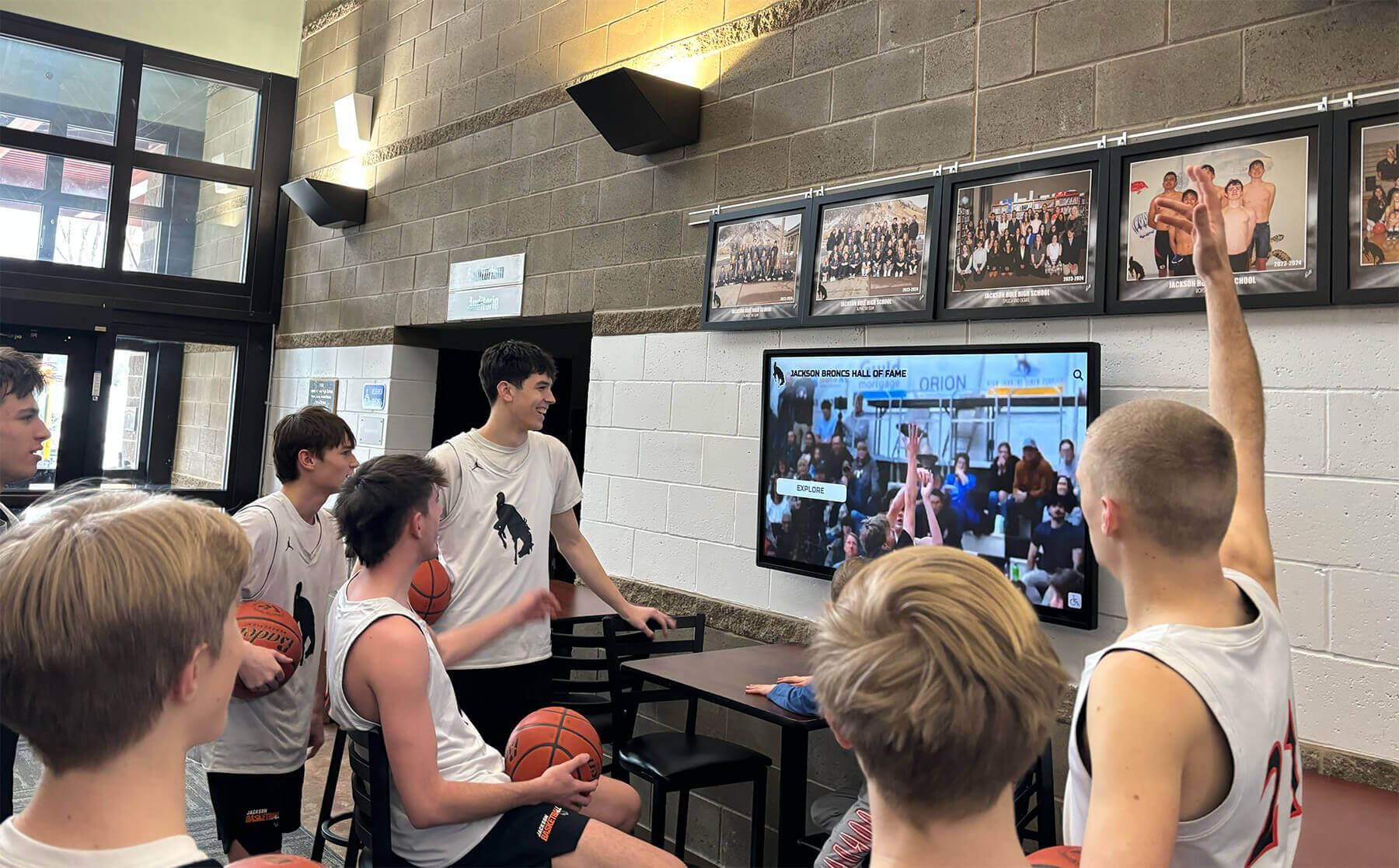
Modern athletic recognition combines traditional awards like letterman jackets with digital displays celebrating comprehensive achievement
The History and Significance of Letterman Jackets
Understanding the cultural context of letterman jackets reveals why these garments maintain such enduring appeal across generations.
Origins of the Varsity Letter Tradition
The First Varsity Letters The letterman jacket tradition began at Harvard University in 1865, when the school’s baseball team received large letter “H” patches to sew onto their uniforms. This simple recognition system identified team members and distinguished them from regular students.
The tradition evolved significantly in the early 1900s when cardigan sweaters with sewn-on letters became popular among college athletes. These “letter sweaters” represented the first true letterman garments worn as everyday clothing rather than just athletic uniforms.
Transition to the Modern Jacket By the 1930s, the iconic wool-and-leather jacket design emerged, providing more durability and weather protection than sweaters. This design—featuring a wool melton body, leather sleeves, snap-front closure, and chenille letter patch—became the standard that high schools adopted and that remains virtually unchanged today.
The letterman jacket moved from colleges to high schools during the post-World War II era as high school athletics programs expanded dramatically. By the 1950s and 1960s, the letterman jacket had become a defining symbol of American high school culture, appearing in films, television shows, and becoming an instantly recognizable marker of athletic achievement.
Cultural Significance in High School
Symbol of Achievement and Belonging Letterman jackets serve multiple cultural functions in high school environments:
Athletic Achievement Recognition
- Visible acknowledgment of commitment to sports programs
- Tangible reward for meeting demanding performance standards
- Physical representation of athletic skill and dedication
- Wearable trophy showcasing earned accomplishments
- Pride-building symbol connecting to school athletic tradition
Social Identity and Status
- Instant identification as a varsity athlete
- Belonging to an elite group within school community
- Visual connection to teammates and athletic program
- Conversation starter and relationship builder
- Legacy item connecting to generations of athletes
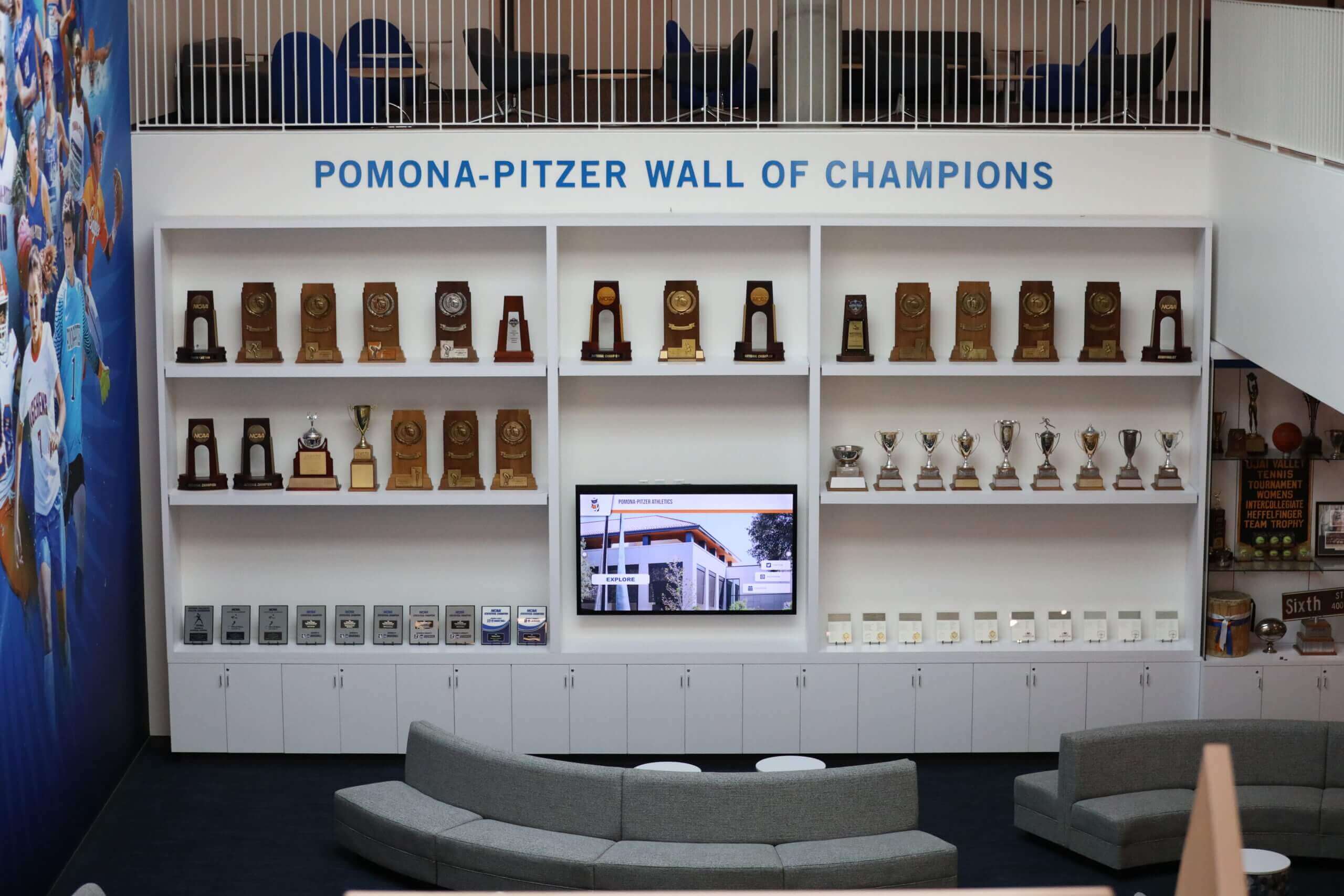
Schools celebrate athletic achievement through multiple recognition formats including traditional letterman jackets
School Pride and Tradition The letterman jacket connects individual athletes to broader institutional identity. When students wear school colors and letters, they become walking ambassadors for athletic programs and school tradition. This visible pride strengthens community connection and school spirit in ways few other traditions achieve.
Many athletes report that receiving their first letterman jacket represents one of the proudest moments of their high school career—rivaling championship victories or personal records in emotional significance. The jacket symbolizes that their hard work, dedication, and sacrifice received official recognition from the institution.
How Students Earn Varsity Letters
Earning a varsity letter requires meeting specific athletic performance and participation criteria that vary by school, sport, and competitive level.
Standard Letterman Criteria by Sport
Team Sport Letter Requirements Most schools establish sport-specific standards balancing playing time, performance contribution, and team success:
Basketball Letter Criteria (Typical):
- Participate in at least 50% of quarters/halves in varsity games
- Maintain good academic standing throughout season
- Complete full season without disciplinary issues
- Demonstrate positive sportsmanship and team attitude
- Some schools require specific point, rebound, or assist totals
Football Letter Criteria (Typical):
- Play in at least 50% of varsity game quarters
- May include special teams participation counting toward playing time
- Practice attendance and participation requirements
- Academic eligibility maintenance throughout season
- Character and citizenship standards
Soccer, Volleyball, and Similar Sports:
- Minimum playing time threshold (commonly 50% of game time)
- Tournament and playoff participation when applicable
- Full season commitment including practices
- Academic and behavioral requirements
- Some programs require specific statistical achievements
Schools implementing comprehensive athletic recognition programs typically establish clear letter criteria ensuring fair, transparent recognition standards.
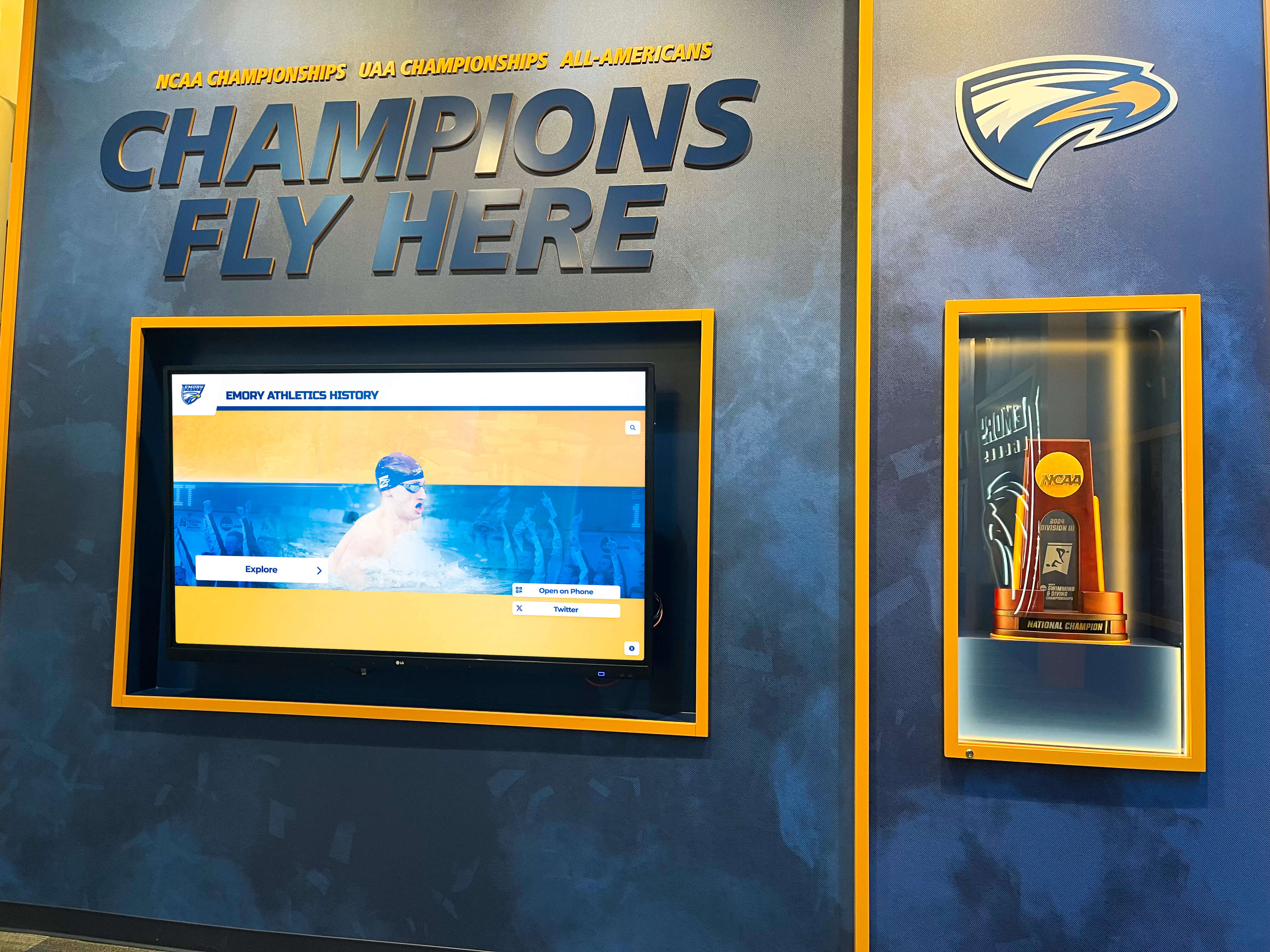
Athletic achievement encompasses various recognition forms from letterman jackets to championship displays
Individual Sport Letter Criteria: Individual sports often use performance-based standards rather than playing time:
Track and Field:
- Compete in varsity meets throughout season
- Achieve qualifying standards or score points at meets
- Make state championship qualifying times/distances
- Complete full season of training and competition
- Some schools require specific placement at conference or invitational meets
Swimming and Diving:
- Meet minimum time standards or point contributions
- Compete in varsity-level meets
- Qualify for championship meets when applicable
- Maintain full season participation
- Academic eligibility throughout season
Wrestling:
- Win minimum number of varsity matches
- Compete at varsity weight throughout season
- Qualify for district or regional competition
- Demonstrate technical improvement and effort
- Complete season in good standing
Golf and Tennis:
- Maintain position in varsity lineup
- Compete in minimum number of matches
- Score threshold requirements (golf)
- Tournament participation and performance
- Season-long commitment and improvement
Alternative Paths to Earning Letters
Manager and Support Staff Recognition Many schools extend letter eligibility beyond competing athletes:
- Student managers completing multiple seasons
- Athletic trainers assisting programs consistently
- Team statisticians and video coordinators
- Support staff demonstrating exceptional dedication
- Spirit squad and cheerleading recognition in some programs
These alternative paths recognize that team success requires contributions beyond on-field competition and validates the essential support roles that enable athletic programs to function effectively.
Multiple Letters and Advanced Recognition Athletes who letter in subsequent years typically receive additional recognition:
- First letter: Full chenille letter patch on jacket
- Second letter: Service stripe or star added to jacket
- Third letter: Additional recognition patch or bar
- Fourth letter: Special senior designation
- Some schools award pins or certificates for additional letters rather than jacket modifications
Schools featuring end of year athletic awards programs often coordinate letterman recognition with comprehensive season-ending celebration.
Academic Requirements for Letter Eligibility
GPA Standards Most schools impose academic eligibility requirements for varsity letter awards:
Common Academic Criteria:
- Minimum 2.0 GPA maintained throughout season
- Some schools require 2.5 or higher for letter eligibility
- No failing grades in any courses during sport season
- Academic probation may disqualify from earning letters
- Summer school or grade recovery may affect eligibility
These standards reinforce that “student-athlete” means academics come first, and athletic recognition requires demonstrating responsibility in the classroom alongside athletic achievement.
Good Standing Requirements Beyond grades, schools typically require:
- No disciplinary suspensions during season
- Adherence to student conduct codes
- No substance abuse violations
- Positive citizenship and character standards
- Sportsmanship expectations during competition
Letter criteria that balance athletic performance with academic achievement and character standards ensure that letterman jacket recipients truly exemplify the complete student-athlete ideal schools want to celebrate.
Letterman Jacket Design Elements and Customization
The iconic letterman jacket design features standard elements alongside extensive customization options reflecting individual achievements and school identity.
Standard Letterman Jacket Components
Body and Sleeve Materials Traditional construction remains remarkably consistent:
Wool Melton Body:
- Dense, warm wool fabric in school colors
- Weather-resistant material providing durability
- Typically 24-32 oz weight providing substantial warmth
- Available in solid colors or color combinations
- Classic body color often contrasts with sleeve color
Leather or Vinyl Sleeves:
- Genuine leather sleeves (premium option) offering superior durability
- Vinyl sleeves (economical alternative) reducing cost significantly
- Sleeve color typically matches or contrasts body color
- Reinforced at stress points for extended wear
- Raglan or set-in sleeve construction options
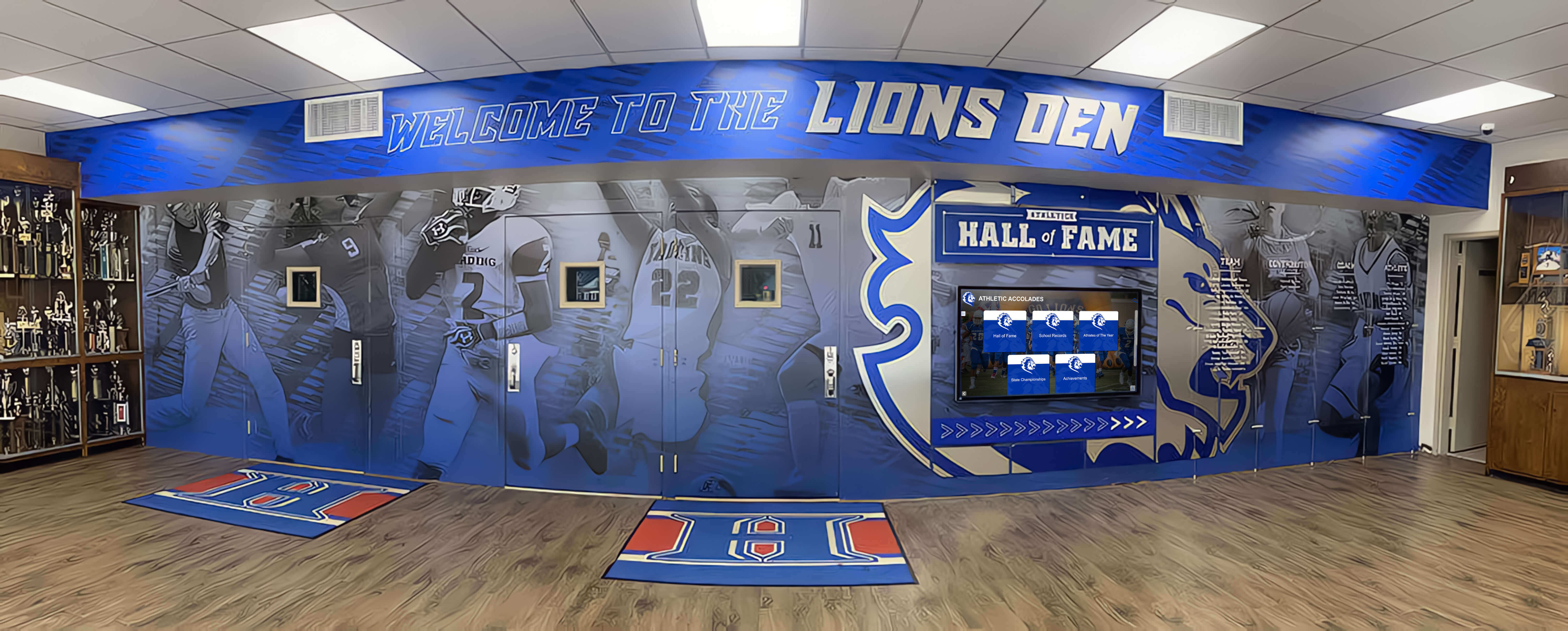
Schools showcase athletic tradition through multiple recognition methods including letterman jacket traditions
Standard Jacket Features:
- Snap-front closure (typically five to seven snaps)
- Knit collar, cuffs, and waistband in contrasting colors
- Interior lining (quilted, satin, or fleece)
- Slash pockets at waist
- Inside pockets for storage
- Varsity jacket fit (slightly oversized for layering)
The Chenille Letter Patch
Letter Specifications The letter patch represents the jacket’s defining feature:
Standard Letter Characteristics:
- Large chenille letter (6-8 inches tall typically)
- School letter matching academic institution
- Sewn onto left chest in prominent position
- Available colors matching school identity
- Raised texture creating dimensional appearance
- Border options including chain-stitch outlines
Some schools use specific letter fonts or styles creating unique identity, while others employ standardized block letters for consistency across all sports and years.
Letter Placement and Sizing:
- Standard placement: Left chest, centered between shoulder and pocket
- Letter size proportional to jacket size
- Multiple letters for school names (initials or abbreviations)
- Consistent positioning across all jackets in program
- Quality stitching ensuring letter remains secure through years of wear
Customization and Personalization Options
Name and Year Patches Most letterman jackets include personalization:
Standard Personalization:
- Student name embroidered across upper back
- Graduation year on sleeve or front
- Jersey number (often on sleeve)
- Sport or activity designation
- Nickname or preferred name in many programs
Sport and Achievement Patches Additional patches document athletic accomplishments:
Common Patch Types:
- Sport-specific patches (football, basketball, soccer icons)
- Championship patches for league, conference, or state titles
- Captain bars or patches indicating leadership
- All-conference or all-state recognition patches
- Record holder designations
- Mascot or school logo patches
- Team slogan or motto patches
Schools should establish policies about approved patches preventing inappropriate or excessive additions that detract from the jacket’s classic appearance.
Advanced Customization Options:
- Embroidered lining with name or motivational quotes
- Custom leather sleeve colors beyond standard offerings
- Contrasting stripe patterns on body or sleeves
- Hood additions (non-traditional but increasingly popular)
- Zippered front instead of snaps
- Specialized pockets or interior features
- Premium leather quality and finish options
Many programs coordinate jacket designs ensuring consistent appearance across teams and years, while others allow significant individual customization reflecting personal achievement and style preferences.
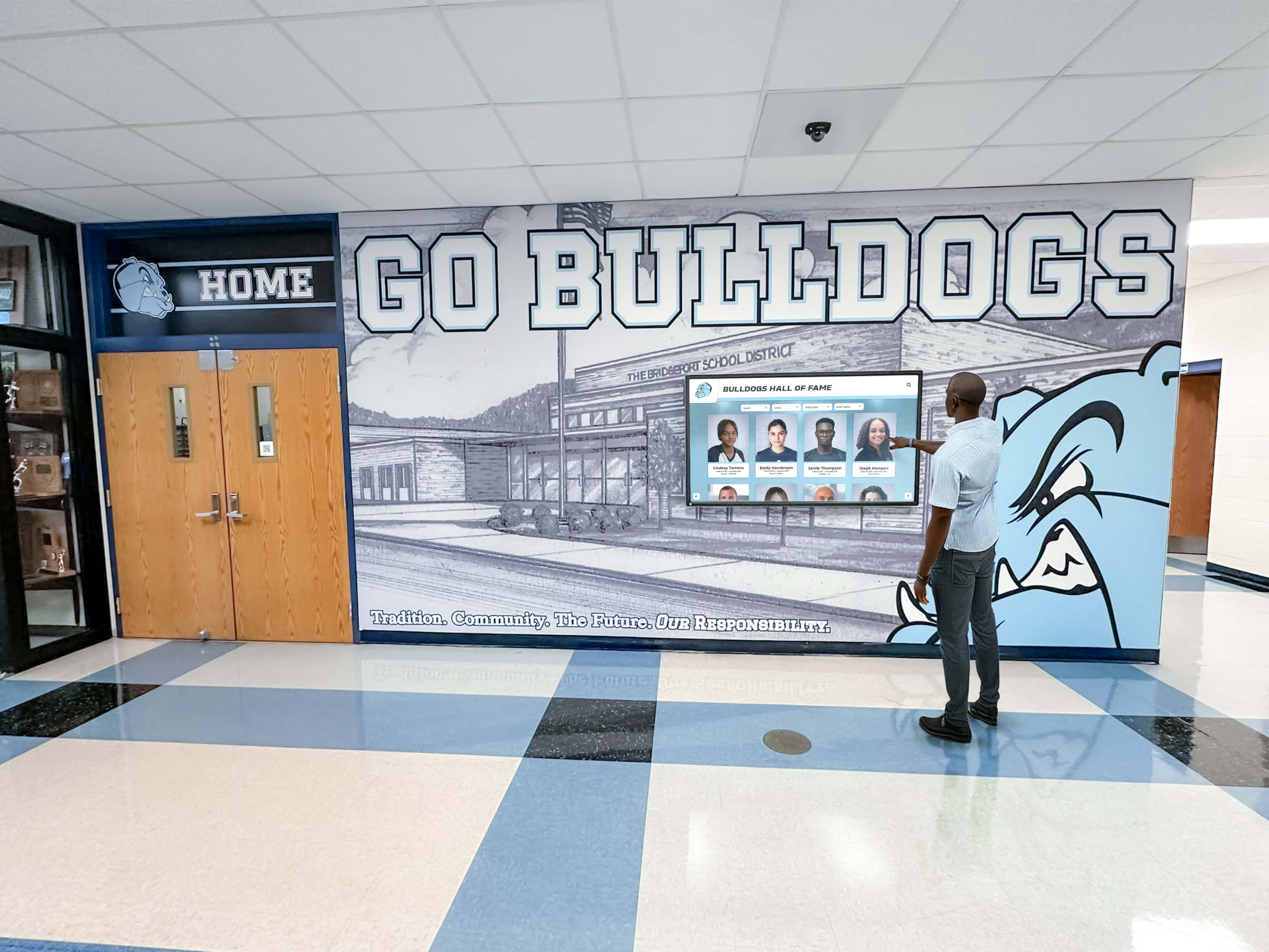
Schools complement traditional letterman jackets with comprehensive digital recognition platforms
Letterman Jacket Costs and Financial Considerations
Understanding the investment required for letterman jackets helps students and families budget appropriately while helping schools design sustainable recognition programs.
Price Ranges and Cost Factors
Base Jacket Pricing Letterman jacket costs vary significantly based on materials and features:
Standard Price Ranges (2026):
- Basic jackets (vinyl sleeves, minimal customization): $250-$400
- Mid-range jackets (leather sleeves, standard features): $400-$600
- Premium jackets (high-quality leather, extensive customization): $600-$900
- Luxury options (top-tier materials and construction): $900-$1,200+
These prices typically include the base jacket, chenille letter, basic name personalization, and graduation year. Additional patches, special features, and extensive customization add to base costs.
Cost Variables:
- Leather vs. vinyl sleeves (single biggest cost factor)
- Body wool weight and quality
- Number and type of patches
- Embroidery extent and complexity
- Hood or zipper additions
- Premium lining options
- Vendor markup and brand name
- Volume discounts for large school orders
Additional Patch and Customization Costs:
- Sport patches: $8-$15 each
- Championship patches: $10-$20 each
- Service stripes or bars: $5-$10 each
- Additional embroidery: $0.15-$0.50 per letter
- Custom chenille work: $15-$40 depending on complexity
- Special leather treatments: $50-$100
- Hood additions: $40-$75
- Zipper replacement for snaps: $25-$50
Students should budget for base jacket cost plus $50-$150 in additional patches and customization depending on individual achievement and preference.
Who Pays for Letterman Jackets?
Student and Family Responsibility In most schools, families bear primary financial responsibility:
Family Purchase Model:
- Students or families pay full jacket cost
- Optional purchase—earning letter doesn’t require buying jacket
- Payment plans available through vendors in many cases
- Alternative recognition (certificate, letter patch only) for those who decline jacket
- Schools may provide letter patch separately for self-application
This model places no financial burden on athletic budgets but creates equity concerns when some families cannot afford jackets for deserving athletes.
School or Booster Support Models Some programs provide financial assistance:
Partial or Full Funding Options:
- Booster clubs covering partial jacket costs for all letter winners
- Full jacket funding for athletes from families with financial need
- School athletic budget allocations for letter jackets
- Fundraising programs enabling athletes to earn jacket costs
- Scholarship or sponsorship programs for deserving athletes
- Tiered support based on achievement level or financial need
Schools implementing booster club fundraising programs often prioritize letterman jacket assistance ensuring all deserving athletes can participate.
Alternative Assistance Approaches:
- Used jacket programs accepting donations and reselling at reduced cost
- Payment plans with extended terms reducing immediate burden
- Community sponsorship connecting local businesses with student athletes
- Jacket rental or lending programs for ceremonial use
- Digital-first recognition reducing pressure to purchase physical jackets
Long-Term Value and Investment Perspective
Durability and Lifespan Quality letterman jackets prove remarkably durable:
- Well-made jackets lasting 10-20+ years with proper care
- Leather sleeves outlasting vinyl significantly
- Wool body maintaining appearance through extended wear
- Generational hand-downs not uncommon
- Quality proportional to initial investment
Many adults treasure high school letterman jackets decades later, wearing them to alumni events, displaying them prominently at home, or passing them to children—creating multi-generational connections to school athletic tradition.
Cost-Per-Wear Analysis:
- Four years of high school wear: $1-3 per wear for $500 jacket
- Extended adult wear adds decades of value
- Sentimental value far exceeding financial cost
- Alternative to purchasing multiple winter coats
- Status and pride value difficult to quantify financially
For families who can afford the investment, letterman jackets deliver exceptional value relative to cost when considering durability, multi-purpose functionality, and emotional significance.
The Letterman Jacket Ordering and Distribution Process
Understanding the logistics of jacket orders helps schools manage recognition programs effectively while ensuring students receive jackets promptly.
Typical Ordering Timeline
Season-End Letter Award Determination The process begins when coaches finalize letter recipients:
Fall Sports (Football, Volleyball, Cross Country, Soccer):
- Letter decisions: Late October through November
- Order forms distributed: November
- Orders due: Late November through December
- Delivery timeline: January through February
Winter Sports (Basketball, Wrestling, Swimming):
- Letter decisions: Late February through March
- Order forms distributed: February through March
- Orders due: March through early April
- Delivery timeline: April through May
Spring Sports (Baseball, Softball, Track, Tennis):
- Letter decisions: May
- Order forms distributed: May
- Orders due: Late May through early June
- Delivery timeline: August through September (for fall pickup)
This staggered schedule enables year-round jacket distribution though spring sport athletes often wait several months to receive jackets after season ends.
School-Coordinated vs. Individual Ordering
School Bulk Order Model Many schools coordinate group orders:
Advantages:
- Volume discounts reducing per-jacket costs
- Consistent quality and appearance across program
- School verification of letter eligibility
- Simplified vendor relationships
- Coordinated fitting and customization
- Group delivery enabling presentation ceremony
- Payment plans managed through school
School Coordination Process:
- Athletic department selects vendor and negotiates pricing
- Letter recipients receive ordering information and forms
- School schedule fitting sessions with vendor representatives
- Families submit orders and payments (or payment plans begin)
- School verifies orders against letter recipient lists
- Vendor manufactures jackets (4-8 week production)
- Group delivery to athletic department
- Recognition ceremony or individual distribution
Individual Direct-Order Model Some schools provide letter eligibility but leave ordering to families:
Individual Order Approach:
- School provides letter winners with approved vendor list
- Families arrange their own fittings and orders
- Students customize independently within school guidelines
- Direct payment to vendor
- Individual shipping to homes
- No school involvement beyond verification of earning letter
This approach reduces administrative burden on schools but sacrifices group pricing, appearance consistency, and coordination benefits.
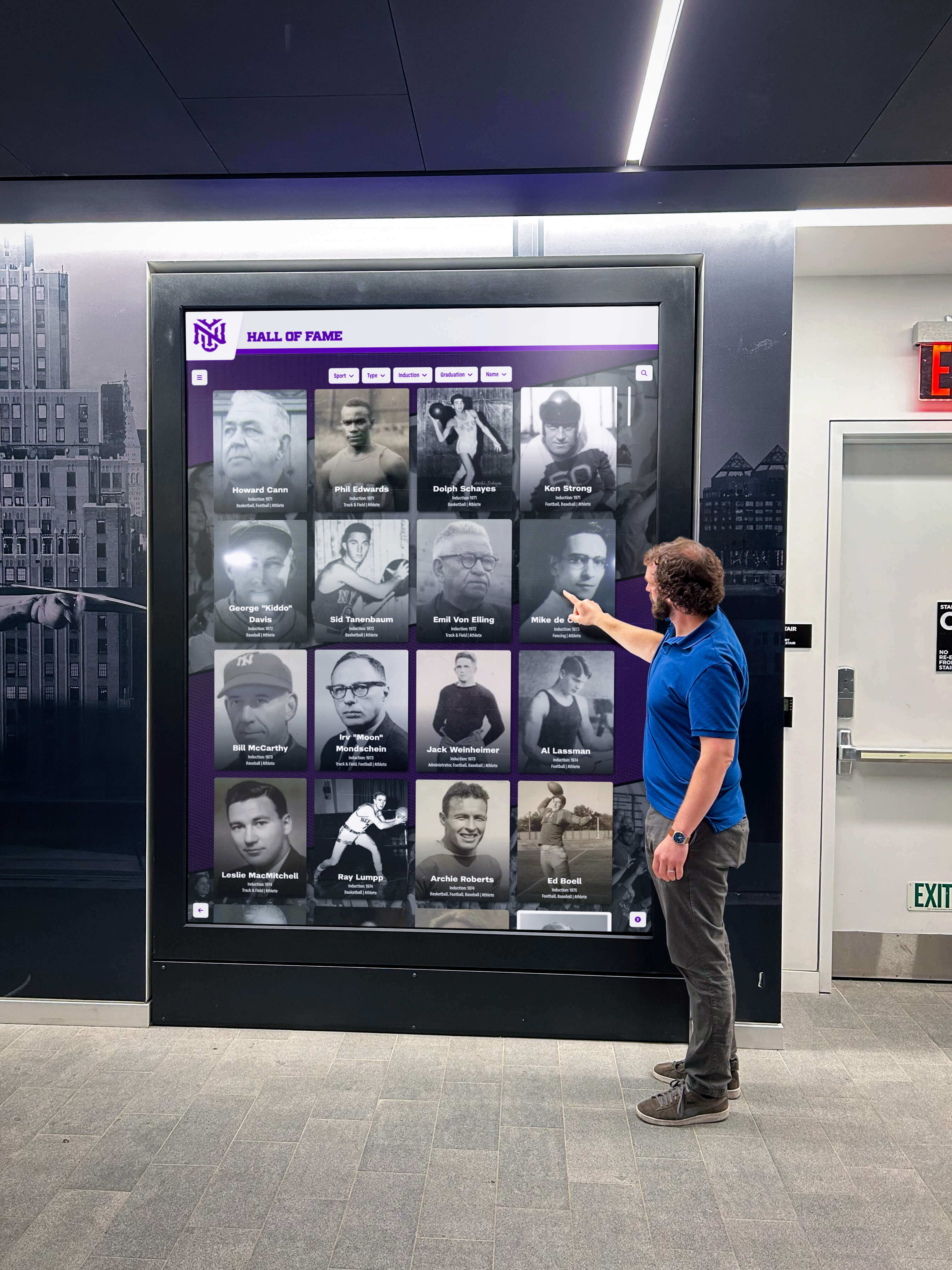
Modern recognition programs combine traditional awards with interactive digital platforms celebrating achievement
Presentation and Recognition Ceremonies
Formal Jacket Presentation Events Many schools create special moments for jacket distribution:
Ceremony Formats:
- Awards banquet jacket presentations for each sport
- All-school recognition assemblies celebrating letter winners
- Senior night jacket presentations during games
- Athletic department recognition ceremonies by season
- Individual sport team meetings with formal presentations
These ceremonies transform jacket distribution from mere item pickup into meaningful recognition experiences that athletes remember alongside the jackets themselves. Public acknowledgment reinforces achievement significance and celebrates dedication before peers, families, and community.
Presentation Best Practices:
- Individual athlete recognition with name announcement
- Brief achievement highlight or letter criteria explanation
- Photo opportunities for athletes wearing new jackets
- Parent or family involvement when possible
- Connection to program tradition and past letter winners
- Senior athlete special recognition at final ceremony
- Coach comments about each recipient’s contributions
Schools designing comprehensive athletic recognition programs coordinate letterman jacket presentations with other awards and achievement celebration.
Modern Alternatives and Complementary Recognition
While letterman jackets remain popular, schools increasingly adopt additional recognition methods addressing cost, inclusion, and digital engagement.
Lower-Cost Letter Recognition Options
Alternative Physical Recognition Schools seeking inclusive recognition without jacket requirement:
Chenille Letter Patch Only:
- Students receive earned letter patch without jacket requirement
- Patch sewn onto existing clothing, bags, or displayed
- Minimal cost ($15-$30) enabling all letter winners to participate
- Certificate of achievement accompanying letter patch
- Option to purchase jacket later if desired
Letter Pins and Medals:
- Smaller, more affordable recognition tokens
- Pin worn on clothing or displayed on letter boards
- Medallions hung on ribbons or chains
- Multiple year recognition through different colors or additions
- Costs typically $10-$25 per recognition item
Letter Certificates and Plaques:
- Formal documentation of letter achievement
- Suitable for display at home or in personal spaces
- Lower cost but lacks wearable recognition aspect
- Can be upgraded to jacket purchase later
- Maintains tradition without financial burden
These alternatives ensure all deserving athletes receive recognition regardless of family financial circumstances while preserving option to purchase traditional jackets for those who choose.
Digital Recognition Platforms
Extending Letter Recognition Beyond Physical Items Modern schools complement traditional letterman recognition with digital platforms:
Digital Athletic Achievement Displays:
- Touchscreen displays in athletic facilities showcasing all letter winners
- Searchable databases of letter recipients by year, sport, and name
- Individual athlete profiles including photos and achievements
- Letter winner recognition alongside championship teams and records
- Permanent digital record accessible to entire community
- Web-based platforms enabling alumni to view their recognition
- Social media acknowledgment of letter recipients
Digital recognition displays enable schools to celebrate unlimited letter winners without space constraints affecting physical trophy cases or plaques.
Benefits of Combined Traditional and Digital Recognition:
- Physical letterman jackets for those who purchase them
- Universal digital recognition for all letter winners
- Extended visibility beyond jacket wear timeframe
- Alumni access maintaining lifelong connection
- Year-round celebration versus single presentation event
- Searchable archives preserving achievement history
- Cost-effective comprehensive recognition

Digital platforms provide permanent, accessible recognition complementing traditional letterman jacket awards
Implementation Considerations: Modern touchscreen recognition systems offer schools powerful tools for comprehensive athlete celebration:
- Cloud-based content management enabling easy updates
- Unlimited capacity accommodating decades of letter winners
- Interactive features allowing community exploration
- Mobile and web accessibility extending reach beyond campus
- Integration with existing athletic websites and systems
- Professional presentation matching importance of achievement
- Substantially lower per-athlete cost than physical items
Schools implementing digital solutions often report stronger sustained engagement with athletic recognition programs compared to traditional static displays or jacket-only recognition.
Gender-Neutral and Style Updates
Modernizing Traditional Designs Contemporary letterman jackets evolve to reflect current preferences:
Design Updates:
- Slimmer, more tailored fits versus traditional boxy cuts
- Bomber-style variations on classic design
- Hoodie letterman jacket hybrids
- Full-zip options instead of snap fronts
- Reversible designs with contrasting interior
- Lightweight variations for warmer climates
- Athletic-cut options for female athletes
- Gender-neutral sizing and styling
These modifications preserve recognizable letterman aesthetics while accommodating contemporary fashion preferences and body types.
Alternative Apparel Options: Some programs offer letter winners choices beyond traditional jackets:
- Letter hoodies with chenille patches
- Letter cardigans or zip-up sweaters
- Letter track jackets or windbreakers
- Letter jerseys or performance apparel
- Uniform selection from approved items
- Budget-appropriate options at multiple price points
This approach recognizes that not all athletes prefer traditional letterman jacket styling while maintaining recognition tradition through the varsity letter itself.
Caring for and Maintaining Letterman Jackets
Proper care extends jacket lifespan and preserves appearance throughout years of wear and beyond.
Cleaning and Storage Best Practices
Routine Maintenance Regular care prevents damage and deterioration:
Cleaning Guidelines:
- Spot clean minor stains immediately with damp cloth
- Avoid washing machines which damage wool and leather
- Professional dry cleaning annually or as needed
- Leather conditioner on sleeves twice yearly
- Brush wool body with soft brush to remove dust and lint
- Treat water stains promptly before they set
- Address odors with fabric refreshers safe for wool
Storage Recommendations:
- Hang on padded or wooden hangers preventing shape distortion
- Store in cool, dry location avoiding temperature extremes
- Breathable garment bags protecting from dust and pests
- Avoid plastic bags trapping moisture
- Cedar blocks or lavender sachets deterring moths
- Off-season storage in climate-controlled areas
- Never compress or fold for extended periods
Proper storage proves especially important during summer months when jackets aren’t being worn regularly.
Repair and Restoration
Common Repair Needs:
- Re-securing loose letter patches or embroidery
- Replacing broken snaps or zipper repairs
- Patching small tears or damage in wool or leather
- Re-knitting stretched collar, cuffs, or waistband
- Leather sleeve reconditioning or color restoration
- Replacing damaged lining
- Professional cleaning of significant stains
Many jacket vendors or local tailors specialize in letterman jacket repairs. Addressing small issues promptly prevents more extensive damage requiring expensive restoration.
Long-Term Preservation: For jackets becoming family heirlooms:
- Professional restoration services for vintage jackets
- Museum-quality preservation techniques
- Archival storage preventing deterioration
- Documentation of jacket history and significance
- Proper display if exhibiting rather than wearing
- Insurance coverage for particularly significant jackets
Many adults discover decades later that their high school letterman jacket has become one of their most treasured possessions, making proper care throughout life worthwhile.
Do Letterman Jackets Still Matter in Modern High Schools?
Understanding current cultural significance helps schools determine appropriate recognition investments.
Current Popularity and Trends
Regional and School Variations Letterman jacket significance varies dramatically:
High Adoption Schools:
- Traditional sports-focused communities
- Schools with strong athletic tradition emphasis
- Smaller schools where athletics hold central cultural role
- Programs with robust booster support funding assistance
- Regions where letterman jackets remain status symbols
In these environments, 70-90% of letter winners purchase jackets, and wearing jackets remains source of visible pride and achievement celebration.
Lower Adoption Contexts:
- Large urban and suburban schools with diverse priorities
- Schools emphasizing academics or arts equally with athletics
- Warm-climate regions reducing jacket practicality
- Programs lacking financial assistance where costs prohibit participation
- Schools where fashion trends don’t favor traditional styling
These schools often see 30-50% jacket purchase rates among letter winners, with many athletes choosing not to invest despite earning eligibility.
Generational Perspectives: Parents and grandparents who treasured their own letterman jackets often encourage student athletes to continue tradition. Meanwhile, some current students view jackets as outdated or impractical, preferring alternative recognition methods or simply feeling less attachment to physical status symbols than previous generations.
The Role of Social Media and Digital Recognition
Shifting Recognition Preferences Modern communication changes how students value different recognition forms:
Digital-First Recognition:
- Instagram and social media posts celebrating achievements
- Highlight videos shared broadly across networks
- Digital hall of fame features accessible worldwide
- Recruiting profiles showcasing accomplishments
- Online athletic profiles viewed by more people than see physical jackets
Some athletes value digital recognition reaching hundreds or thousands of people over physical jackets seen primarily by immediate school community.
Combined Approach Value: Schools implementing both traditional letterman recognition and comprehensive digital platforms report highest satisfaction:
- Athletes appreciating tangible jacket while valuing digital visibility
- Families unable to afford jackets grateful for inclusive digital recognition
- Alumni engagement through digital archives preserving jacket-era achievements
- Current students exploring legacy of past letter winners
- Balanced approach honoring tradition while embracing modern capabilities
Academic recognition programs increasingly adopt this hybrid model combining traditional physical recognition with digital platforms extending visibility and accessibility.
Inclusion and Equity Considerations
Expanding Letter Eligibility Modern schools reconsider which activities warrant varsity letters:
Traditional Athletic-Only Model:
- Letters restricted to interscholastic athletic team sports
- Band, choir, academic teams, and arts excluded
- Recognition hierarchy valuing athletics above other achievements
- Limited letter winner population
Expanded Recognition Models: Some schools broaden letter eligibility:
- Academic letters for exceptional scholastic achievement
- Arts letters for theater, band, choir, or visual arts excellence
- Service letters for sustained community contribution
- Leadership letters for student government or club leadership
- Competitive academic team letters (debate, math team, quiz bowl)
- Parallel jacket systems with academic, arts, and athletic letter distinctions
This expansion democratizes recognition while potentially diluting athletic letter exclusivity—creating both inclusion benefits and tradition concerns requiring careful policy development.
Financial Equity Issues: The $400-$800 letterman jacket cost creates significant equity challenges:
- Deserving athletes from lower-income families unable to purchase jackets
- Visible distinction between those who can and cannot afford recognition
- Peer pressure and social comparison based on economic circumstances
- Recognition becoming privilege of affluence rather than pure merit
Schools addressing equity through booster support, fundraising assistance, payment plans, or digital-first recognition create more inclusive programs ensuring all deserving athletes receive meaningful acknowledgment regardless of family financial circumstances.
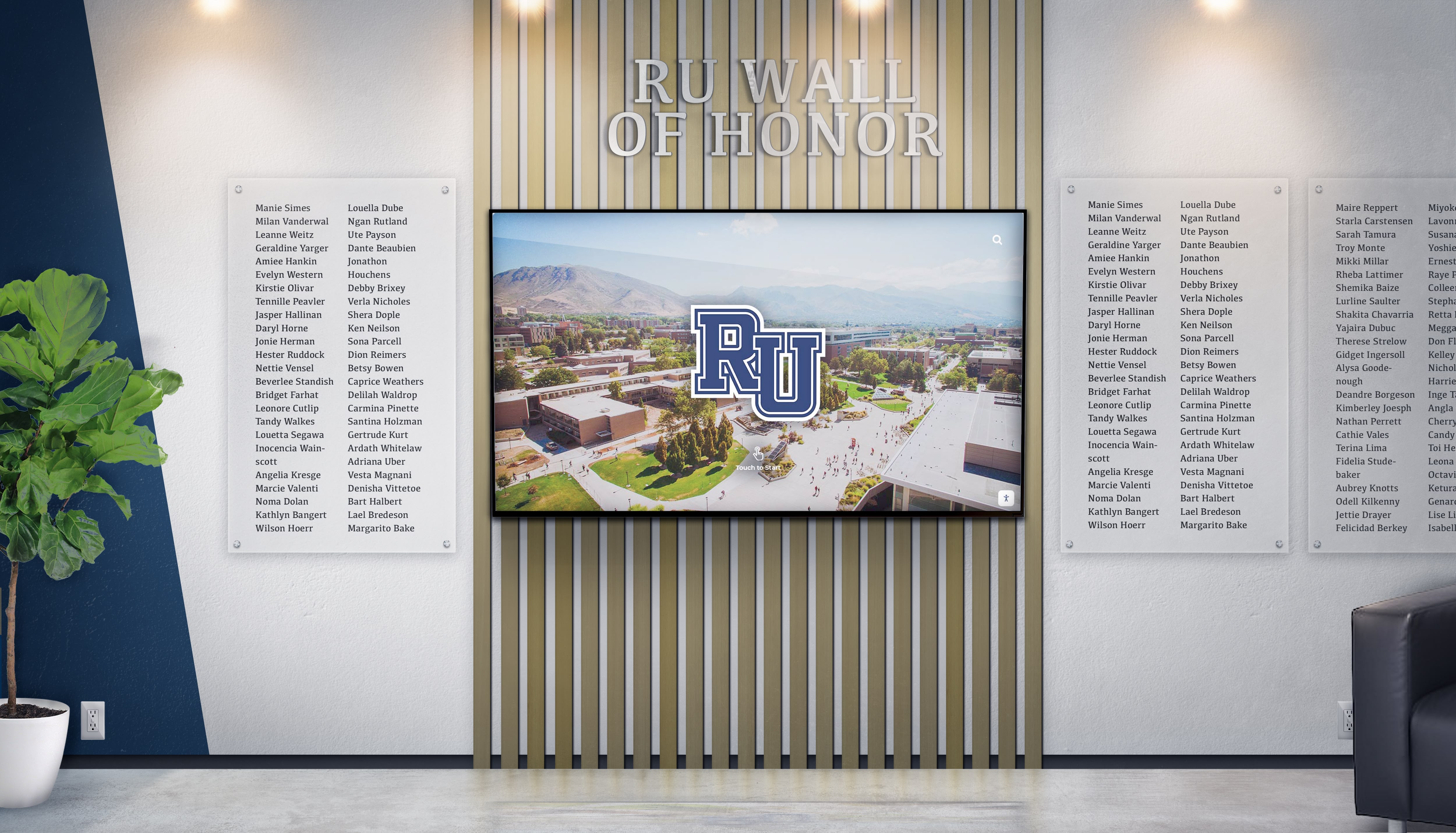
Modern recognition combines traditional elements with digital platforms ensuring comprehensive, equitable athletic celebration
Frequently Asked Questions About Letterman Jackets
How long does a letterman jacket last?
Quality letterman jackets with leather sleeves and well-made construction typically last 10-20+ years with proper care. Many adults still wear letterman jackets from their high school years decades later. Vinyl-sleeved jackets have shorter lifespans (5-10 years) but cost significantly less. Proper storage during off-seasons and professional cleaning when needed extends jacket life substantially.
Can you buy a letterman jacket without earning a letter?
While nothing prevents purchasing a letterman-style jacket commercially, school-sanctioned letterman jackets should only be worn by students who earned varsity letters. Wearing the school letter without earning it violates athletic tradition and may violate school policies. Some vendors will refuse to add school letters without athletic director verification. Students who want the jacket style without earning letters can purchase similar jackets without school identification.
What patches are appropriate for letterman jackets?
Appropriate patches include: sport designation, championship recognition (conference, state), captain or leadership designation, years lettered, graduation year, jersey number, school mascot, and documented athletic achievements (all-conference, all-state, record holder). Many schools maintain approved patch lists preventing inappropriate additions. Patches should relate directly to high school athletic achievement rather than unrelated personal interests or commercial brands.
Do colleges care about letterman jackets?
Colleges don’t specifically evaluate letterman jacket ownership during admissions. However, the varsity letter itself—and the athletic achievement it represents—does matter. Sustained athletic participation, team leadership, and competitive success strengthen applications. The letter is what matters for college applications, not the jacket. Athletes should emphasize achievements, commitment, and character development on applications rather than focusing on physical awards.
Are letterman jackets still popular?
Popularity varies significantly by region, school, and demographic. In traditional sports-focused communities and schools with strong athletic traditions, letterman jackets remain highly valued status symbols with 70-90% of letter winners purchasing jackets. In other contexts—particularly large urban schools, warm climates, and schools emphasizing diverse achievements equally—adoption rates may be 30-50%. Overall, letterman jackets remain culturally relevant but no longer hold universal appeal they enjoyed in previous decades.
Can parents wear their children’s letterman jackets?
While no rule prevents parents from wearing student jackets, tradition holds that letterman jackets should be worn by the athlete who earned the letter. Parents attending games or events in cold weather sometimes borrow jackets temporarily, but jackets should primarily belong to and be worn by the student athlete. Many parents who were athletes themselves prefer to wear their own vintage letterman jackets to games rather than their children’s jackets.
What happens to letterman jackets after graduation?
Most athletes keep letterman jackets as cherished mementos throughout life. Common post-graduation uses include: wearing to alumni events and reunions, displaying in homes or offices, passing to younger siblings if they letter in same sport, eventual donation to younger athletes who cannot afford jackets, preservation as family heirlooms, or display in personal collections. Many adults report their letterman jacket is among their most treasured possessions from high school years despite rarely or never wearing it.
Conclusion: Honoring Athletic Achievement Through Traditional and Modern Recognition
The high school letterman jacket represents more than winter outerwear—it’s a tangible symbol of athletic dedication, achievement, and belonging that has defined American high school culture for generations. Understanding earning criteria, design options, costs, and ordering processes helps students, families, and schools navigate this tradition meaningfully while making informed decisions about participation.
Yet as this comprehensive guide demonstrates, letterman jackets exist within evolving recognition landscapes. Modern schools increasingly complement traditional physical awards with digital recognition platforms that extend athletic celebration beyond those who can afford jackets, preserve achievement permanently, and create year-round visibility for letter winners across entire school communities.
The most effective athletic recognition programs honor tradition through continued letterman jacket opportunities while embracing modern capabilities that digital platforms provide. This balanced approach ensures all deserving athletes receive meaningful acknowledgment regardless of financial circumstances, maintains connections to institutional athletic legacy, and creates comprehensive recognition serving current students, engaged families, proud alumni, and broader communities.
Whether your school maintains robust letterman jacket traditions, implements digital-first recognition, or adopts hybrid approaches combining both, the goal remains constant: celebrating athletic achievement, honoring dedication, and creating lasting memories of commitment and excellence that students carry throughout their lives. The format may evolve, but the fundamental importance of recognizing athletic achievement endures.
Ready to explore how your school can combine traditional letterman recognition with modern digital platforms? Discover comprehensive athletic recognition solutions that celebrate every achievement while preserving the traditions that make high school athletics meaningful.