Every high school athlete who has suffered an ankle sprain, dealt with a concussion, or needed rehabilitation after injury knows the critical role athletic trainers play in keeping student-athletes safe, healthy, and competition-ready. These healthcare professionals serve as the first line of medical response for athletic injuries while providing preventive care, injury evaluation, treatment coordination, and rehabilitation services that enable thousands of student-athletes to participate safely in competitive sports.
Yet high school athletic trainers remain among the most underappreciated professionals in education. Despite managing complex medical responsibilities, coordinating emergency responses, and maintaining comprehensive injury documentation, athletic trainers rarely receive the recognition coaches and administrators enjoy. Questions about their exact responsibilities, required qualifications, career advancement opportunities, and how schools can properly honor their essential contributions often go unanswered.
This comprehensive guide explores the complete scope of high school athletic trainer roles, certification requirements, daily responsibilities, career pathways, salary expectations, and recognition strategies that appropriately celebrate these healthcare professionals who safeguard student-athlete wellbeing every single day.
High school athletic trainers occupy a unique position within educational institutions—they are licensed healthcare professionals working in educational settings, clinical experts operating in competitive environments, and safety advocates who must balance athlete desires to compete with medical best practices that protect long-term health.
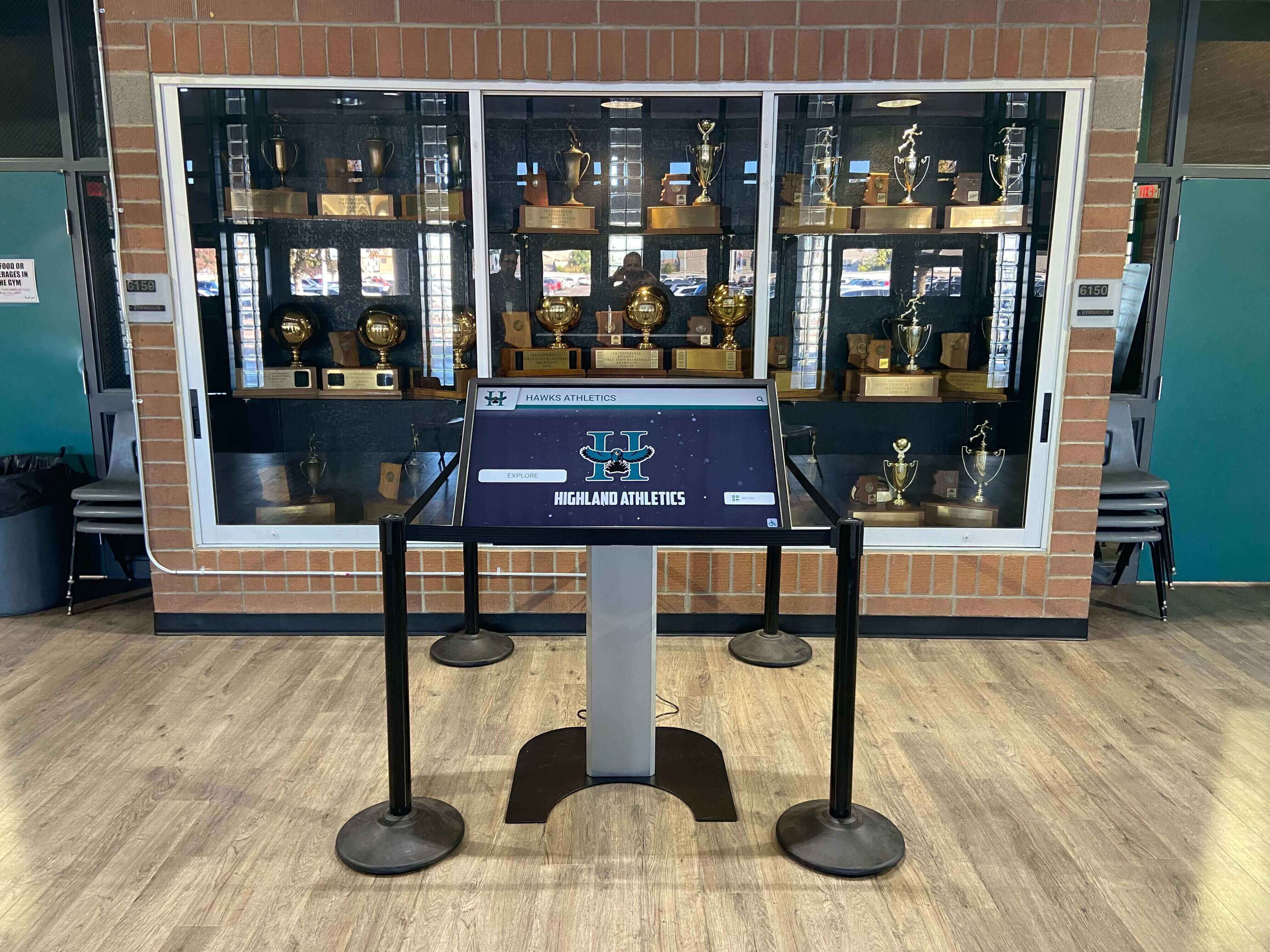
Modern schools recognize all contributors to athletic success, including athletic trainers whose expertise keeps programs running safely
What Does a High School Athletic Trainer Do?
Athletic trainers provide comprehensive healthcare services specifically focused on preventing, diagnosing, and treating muscle and bone injuries and illnesses in athletes.
Daily Responsibilities and Core Functions
High school athletic trainers manage diverse medical responsibilities that extend far beyond simply taping ankles before games.
Pre-Practice and Pre-Game Medical Services
- Preventive taping and bracing to reduce injury risk
- Stretching and warm-up protocol supervision
- Equipment fitting ensuring proper protection
- Pre-participation physical examination review
- Hydration monitoring particularly in extreme weather
- Environmental condition assessment for heat illness or cold injury risk
Immediate Injury Response and Emergency Care
- First responder for all athletic injuries during practices and competitions
- On-field injury evaluation determining severity and treatment needs
- Emergency action plan implementation for catastrophic injuries
- Concussion evaluation using standardized testing protocols
- CPR and automated external defibrillator (AED) administration when needed
- Emergency medical services coordination and communication
Athletic trainers must make split-second decisions about whether injured athletes require immediate hospital transport, can continue competition with modifications, or need removal from activity—decisions that carry significant medical and liability implications.
Treatment and Rehabilitation Services
Athletic trainers provide ongoing care extending well beyond initial injury response:
Injury Treatment and Management
- Treatment room operation during extended athletic training hours
- Therapeutic modalities including ice, heat, electrical stimulation, and ultrasound
- Manual therapy techniques addressing soft tissue injuries
- Wound care for cuts, abrasions, and skin conditions
- Medication coordination following physician prescriptions
- Progress monitoring through detailed documentation
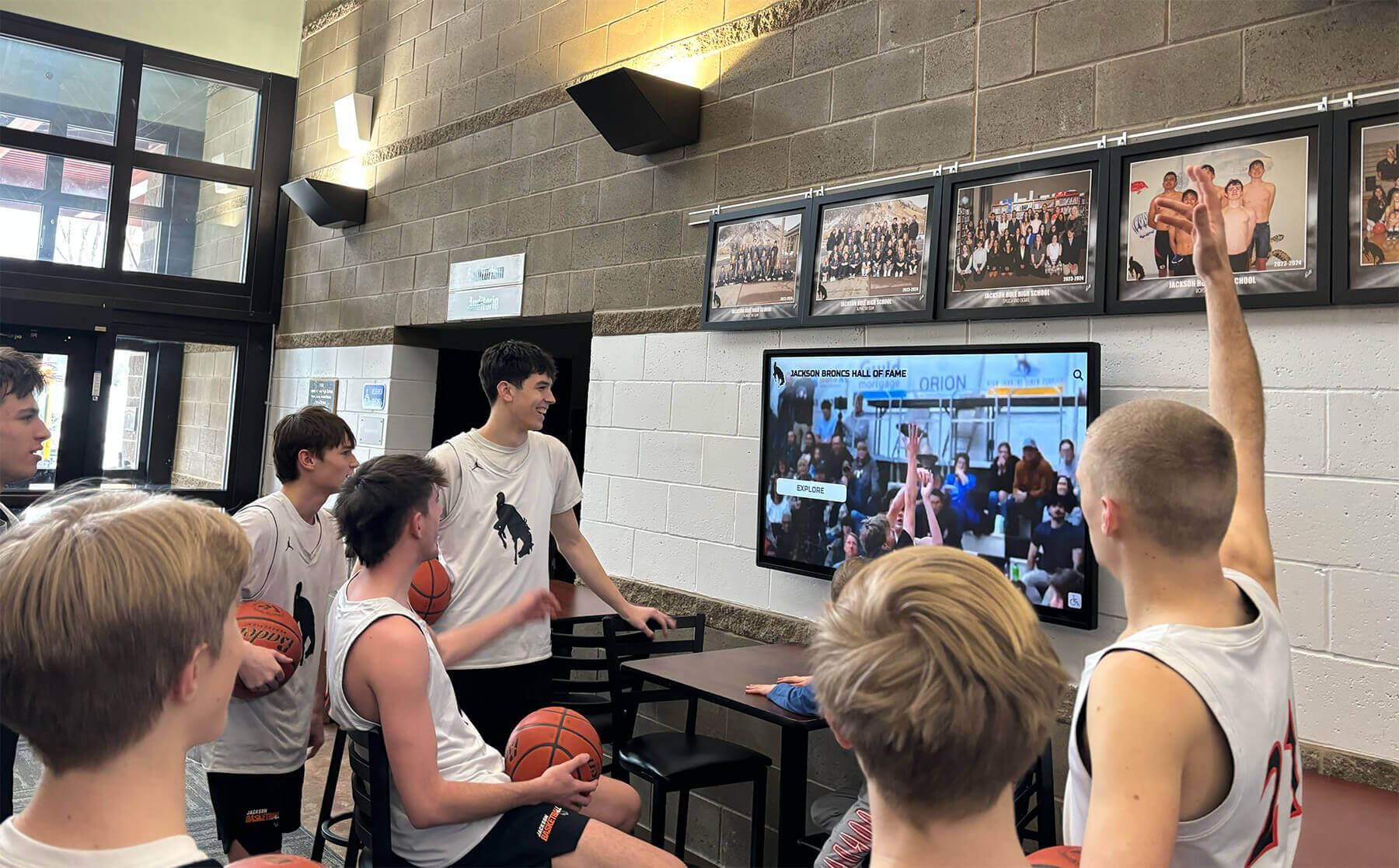
Athletic trainers contribute significantly to positive athlete experiences enabling achievements schools celebrate
Return-to-Play Protocols
- Rehabilitation program design progressing athletes safely back to competition
- Functional movement assessment ensuring injury recovery completeness
- Gradual return-to-activity protocols following concussion or serious injury
- Communication with physicians, coaches, and families about clearance status
- Documentation meeting medical, legal, and insurance requirements
- Recognition of athletic achievements made possible through athletic trainer expertise
Administrative and Coordination Functions
Beyond direct patient care, athletic trainers manage substantial administrative responsibilities:
Medical Documentation and Compliance
- Detailed injury records meeting HIPAA privacy standards
- Insurance claim documentation and processing
- Physician referral coordination for advanced care needs
- Medical supply inventory and budget management
- Equipment maintenance ensuring treatment room functionality
- Compliance with state athletic association medical requirements
Communication and Collaboration
- Daily interaction with coaches regarding athlete availability and restrictions
- Parent communication about injuries, treatment plans, and medical recommendations
- School nurse coordination for non-athletic medical issues
- Athletic director consultation on medical policy and emergency procedures
- Physician relationship management with team and consulting doctors
- Staff training on concussion recognition, heat illness prevention, and emergency response

Comprehensive athletic recognition includes acknowledgment of athletic trainers whose medical expertise enables competitive success
Education and Certification Requirements
Becoming a high school athletic trainer requires substantial education and ongoing professional development.
Educational Pathway
Undergraduate Degree Requirements
- Bachelor’s degree from Commission on Accreditation of Athletic Training Education (CAATE) accredited program
- Coursework including anatomy, physiology, kinesiology, biomechanics, nutrition, pharmacology
- Clinical education through supervised athletic training experiences
- General education requirements in sciences and humanities
- Typical program duration: four years of full-time study
- Professional behavior and ethical standards emphasized throughout education
Athletic training education combines classroom instruction with extensive hands-on clinical experience across diverse athletic settings including high schools, colleges, professional sports, and medical clinics.
Certification and Licensure
Board of Certification (BOC) Credential
- National certification examination required for all practicing athletic trainers
- Comprehensive test covering prevention, clinical evaluation, diagnosis, treatment, and rehabilitation
- Initial certification prerequisite for state licensure
- Continuing education requirements: 50 hours every two years maintaining certification
- Recertification ensuring athletic trainers remain current on evolving medical best practices
State Licensure Requirements
- Most states require athletic training licensure for practice
- State-specific regulations governing scope of practice
- Background checks and professional liability insurance often required
- Some states mandate specific protocols for concussion management or emergency action plans
- Licensure renewal typically every 1-3 years depending on state regulations

Digital recognition systems celebrate contributions from all athletic program members including essential medical staff
Advanced Education Options
Many athletic trainers pursue advanced degrees:
Master’s Degree Programs
- Increasing number of entry-level athletic training programs require master’s degrees
- Specialization options in sports medicine, orthopedics, or exercise science
- Research opportunities advancing athletic training knowledge
- Leadership preparation for administrative athletic training roles
- Enhanced career advancement and salary opportunities
Specialized Certifications
- Certified Strength and Conditioning Specialist (CSCS)
- Corrective Exercise Specialist credentials
- Sports nutrition certifications
- Emergency medical responder certifications
- Coaching education credentials
Skills and Qualities of Effective Athletic Trainers
Beyond formal education, successful high school athletic trainers demonstrate specific personal and professional qualities.
Clinical and Technical Competencies
Medical Expertise
- Comprehensive knowledge of sports-related injuries and treatment protocols
- Clinical evaluation skills identifying injury severity rapidly
- Therapeutic intervention techniques providing effective treatment
- Rehabilitation program design returning athletes to competition safely
- Emergency response capabilities handling catastrophic situations confidently
- Evidence-based practice applying current research to treatment decisions
Communication Abilities
- Clear explanation of medical information to athletes, parents, and coaches
- Difficult conversation navigation when denying return-to-play clearance
- Professional medical terminology use when consulting with physicians
- Age-appropriate injury education helping young athletes understand conditions
- Conflict resolution when medical recommendations conflict with competitive desires
Personal Characteristics
Essential Qualities for Success
- Calm demeanor under pressure during emergency situations
- Empathy for injured athletes experiencing physical and emotional distress
- Assertiveness to enforce medical decisions against pressure to return athletes prematurely
- Organization managing complex schedules across multiple sports and teams
- Adaptability working in ever-changing athletic environments
- Professionalism maintaining boundaries in close-knit school communities
Athletic trainers often work unconventional hours including early mornings, late evenings, and weekends covering athletic competitions. The role requires passion for sports medicine and genuine care for student-athlete wellbeing beyond typical employment expectations.
Career Pathway and Professional Growth
High school athletic training offers defined career progression and diverse advancement opportunities.
Entry-Level Positions
Starting Roles
- Graduate assistant athletic trainer positions at colleges during master’s program completion
- High school athletic trainer roles often representing first full-time employment
- Clinic-based positions with outreach services to multiple high schools
- Part-time athletic training coverage supplementing other healthcare work
- Internship or fellowship programs providing supervised early-career experience
Entry-level athletic trainers typically focus on building clinical skills, developing efficient documentation practices, and learning to navigate the unique challenges of secondary school athletics.
Career Advancement Opportunities
Professional Growth Pathways
- Head athletic trainer roles at larger high schools overseeing assistant athletic trainers
- Collegiate athletic training positions at universities with expanded resources and specialization
- Sports medicine clinic director positions supervising multiple athletic trainers
- Professional sports athletic training with high-level athletes
- Industrial athletic training providing employee injury prevention and wellness
- Military athletic training supporting service member readiness
Administrative and Leadership Roles
- District athletic training coordinator overseeing multiple school programs
- State association medical advisor positions shaping statewide athletic training policy
- Athletic department administration combining athletic training background with operational management
- Emergency action plan consulting helping schools develop medical response procedures

Recognition systems acknowledging all contributors to athletic excellence including healthcare professionals create inclusive program cultures
Professional Development and Specialization
Continuing Education Opportunities
- National Athletic Trainers’ Association (NATA) annual conference and symposiums
- State athletic training association meetings and workshops
- Specialty certification in areas like orthopedics or pediatrics
- Clinical residency programs providing advanced supervised practice
- Research publication contributing to athletic training knowledge base
- Mentorship programs supporting new athletic trainers entering the profession
Salary Expectations and Compensation
High school athletic trainer compensation varies significantly based on location, experience, and employment structure.
Salary Ranges
National Averages
- Entry-level high school athletic trainers: $35,000 - $45,000 annually
- Mid-career athletic trainers (5-10 years experience): $45,000 - $60,000 annually
- Experienced head athletic trainers: $60,000 - $75,000 annually
- Athletic training coordinators overseeing multiple schools: $70,000 - $85,000+ annually
Geographic location significantly impacts compensation, with higher salaries typically found in states with strong athletic training practice act legislation and regions with higher cost of living.
Employment Models and Benefits
Direct Employment by Schools
- Athletic trainers as full-time school district employees
- Benefits including health insurance, retirement contributions, and paid time off
- Academic calendar alignment providing summer breaks in some districts
- Integration into school staff with professional development opportunities
- Job security similar to teachers with contract protections
Outreach/Contract Models
- Sports medicine clinic employs athletic trainers who provide services to schools
- Schools contract for athletic training coverage without direct employment
- May reduce benefits but provide diverse clinical experience across multiple sites
- Flexibility working with various age groups and athletic populations
- Potential for supplemental income through additional outreach contracts
Additional Compensation Opportunities
Athletic trainers can supplement base compensation through:
Supplemental Income Streams
- Summer camp coverage providing athletic training services
- Event medical coverage for road races, tournaments, or special events
- Private consultation for injury prevention or rehabilitation
- Teaching positions in athletic training education programs
- Equipment sales consultation with sports medicine companies
- Per diem clinical work in urgent care or emergency departments

Modern [recognition platforms](https://digitalyearbook.org/blog/best-ways-showcase-athletic-achievement-awards-digitally/?utm_source=organic&utm_medium=seo-auto&utm_content=best-touchscreen&utm_campaign=high-school-athletic-trainer&utm_term=seo) enable schools to honor athletic trainers alongside coaches and athletes
The Importance of Athletic Trainers in High School Sports
Athletic trainers provide essential medical expertise that directly impacts student-athlete safety, educational experiences, and long-term health outcomes.
Student-Athlete Safety and Health
Injury Prevention Programs
- Pre-season screening identifying injury risk factors
- Strength and conditioning program consultation reducing injury likelihood
- Proper technique instruction for injury prevention
- Equipment recommendations ensuring appropriate protection
- Environmental monitoring preventing heat illness and cold injury
- Education helping athletes recognize injury warning signs
Research demonstrates that schools with full-time athletic trainers experience better injury outcomes, faster recovery times, and reduced catastrophic injury rates compared to schools without athletic training coverage.
Emergency Preparedness and Response
Catastrophic Injury Management
- Cardiac arrest response with immediate CPR and AED application
- Spinal injury management including proper immobilization and transport
- Heat stroke recognition and aggressive cooling intervention
- Severe bleeding control using appropriate first aid techniques
- Anaphylaxis identification and epinephrine administration
- Traumatic brain injury assessment and emergency department referral when warranted
Athletic trainers train extensively in emergency care and regularly update emergency action plans ensuring rapid, coordinated responses when catastrophic situations occur. Their presence at practices and competitions can mean the difference between positive outcomes and permanent disability or death in severe injury scenarios.
Reducing Long-Term Health Consequences
Chronic Condition Management
- Concussion management preventing premature return risking second impact syndrome
- Overuse injury identification stopping progression before permanent damage occurs
- Proper healing ensuring athletes don’t develop chronic conditions from acute injuries
- Return-to-play criteria preventing re-injury from premature competition resumption
- Education about injury risks helping athletes make informed participation decisions
Athletic trainers serve as athlete advocates who prioritize long-term health over short-term competitive pressures—an essential counterbalance to win-focused coaching mentalities that can inadvertently endanger student-athletes.
Recognition and Appreciation for Athletic Trainers
Despite their critical contributions, athletic trainers rarely receive the recognition coaches and athletes enjoy. Progressive schools implement appreciation strategies acknowledging these healthcare professionals appropriately.
Recognition During Athletic Events
Public Acknowledgment Opportunities
- Introduction at athletic banquets alongside coaching staff
- Recognition during senior night celebrations
- Featured profiles in athletic program publications
- Acknowledgment during state championship celebrations
- Inclusion in team success narratives emphasizing comprehensive support systems
Formal Recognition Programs
Structured Appreciation Initiatives
- National Athletic Training Month (March) celebrations highlighting athletic trainer contributions
- Athletic trainer appreciation weeks with daily recognition activities
- Thank you cards and messages from athletes sharing how athletic trainers impacted their experiences
- Coach and staff recognition programs including athletic trainers equally
- Years of service milestone recognition for long-tenured athletic trainers
Schools developing comprehensive staff appreciation strategies ensure athletic trainers receive acknowledgment proportional to their impact on athletic program success and student-athlete wellbeing.
Digital Recognition and Permanent Acknowledgment
Modern recognition technology enables schools to honor athletic trainers permanently alongside traditional athletic achievements:
Comprehensive Recognition Displays
- Digital platforms featuring athletic training staff profiles with career accomplishments
- Interactive displays acknowledging contributions to championship seasons
- Staff recognition sections celebrating all athletic department contributors
- Historical documentation preserving athletic trainer legacy for future generations
- Accessible systems allowing athletes, families, and communities to view recognition
Solutions like Rocket Alumni Solutions provide schools with digital recognition systems that can seamlessly incorporate athletic trainer recognition alongside athlete and coach achievements, creating inclusive celebrations acknowledging everyone contributing to athletic program excellence.
These platforms allow schools to:
- Feature athletic trainer bios, certifications, and years of service
- Document significant contributions like emergency responses or injury prevention program successes
- Include athletic trainers in championship recognition and milestone celebrations
- Provide permanent, accessible acknowledgment rather than single-event recognition
- Create comprehensive athletic program histories capturing all essential contributors
Challenges Facing High School Athletic Trainers
Despite their essential role, athletic trainers face significant professional challenges requiring advocacy and systemic improvements.
Coverage and Workload Issues
Inadequate Staffing Ratios
- Many athletic trainers cover entire athletic departments single-handedly
- Recommended ratio: one athletic trainer per 100 student-athletes; reality often 200-300+
- Simultaneous practices and competitions creating impossible coverage demands
- Difficult decisions about which teams receive athletic training presence
- Burnout from excessive hours and coverage responsibilities
Limited Resources and Budget
- Treatment room facilities often inadequate with minimal equipment
- Supply budgets insufficient for proper medical inventory
- Technology limitations affecting documentation and communication efficiency
- Inability to implement ideal injury prevention programs due to resource constraints
- Constant advocacy required justifying athletic training budget needs
Professional Respect and Authority
Undervaluation of Expertise
- Pressure from coaches to return injured athletes prematurely
- Second-guessing of medical decisions by non-medical personnel
- Insufficient authority to enforce medical recommendations
- Perception as subordinate to coaches rather than independent healthcare providers
- Lack of understanding about athletic trainer education and credentials
Effective athletic departments establish clear policies supporting athletic trainer medical decision-making authority and educating all stakeholders about athletic trainer qualifications and responsibilities.
Career Sustainability Concerns
Work-Life Balance Challenges
- Extended hours covering practices, competitions, and treatment time
- Weekend and evening work requirements conflicting with family obligations
- Limited time off during athletic seasons
- Difficulty maintaining personal health and wellness
- High turnover rates particularly among early-career athletic trainers
Schools prioritizing staff retention and recognition implement policies supporting athletic trainer work-life balance including adequate staffing, reasonable coverage expectations, and competitive compensation.
How Schools Can Support Athletic Trainers
Progressive athletic departments implement comprehensive support systems ensuring athletic trainers can practice effectively while feeling valued and appreciated.
Adequate Resources and Staffing
Essential Investments
- Appropriate athletic training staff ratios based on student-athlete population
- Well-equipped treatment rooms with modern therapeutic modalities
- Sufficient medical supply budgets for injury prevention and treatment needs
- Technology supporting efficient documentation and communication
- Professional development funding for continuing education and conferences
Organizational Support
Structural Improvements
- Clear athletic training policies establishing medical authority
- Emergency action plans with defined roles and regular practice drills
- Integration into athletic department decision-making and planning
- Jersey retirement and celebration ceremonies including athletic trainer recognition
- Competitive compensation aligned with education level and professional responsibilities
Culture of Appreciation
Recognition and Value Demonstration
- Regular acknowledgment of athletic trainer contributions to program success
- Inclusion in athletic department celebrations and social events
- Public appreciation communicating value to broader school community
- Professional growth opportunities supporting career advancement
- Advocacy for athletic training profession within school administration
Schools that treat athletic trainers as valued healthcare professionals rather than support staff create positive working environments attracting and retaining talented medical providers committed to student-athlete wellbeing.
Conclusion
High school athletic trainers serve as indispensable healthcare professionals ensuring student-athletes can participate in competitive sports safely while receiving immediate medical care when injuries occur. Their expertise in injury prevention, emergency response, treatment, and rehabilitation directly impacts thousands of young athletes’ health outcomes, competitive experiences, and long-term wellbeing.
Understanding the extensive education, certification requirements, daily responsibilities, and challenges these professionals face helps schools, parents, and communities appreciate their essential contributions. Progressive schools invest in adequate athletic training resources, establish organizational structures supporting medical authority, and implement recognition programs ensuring athletic trainers receive appreciation proportional to their impact.
As high school athletics continue evolving, the athletic training profession grows increasingly sophisticated with advancing medical knowledge, specialized certifications, and technology integration improving care delivery. Schools prioritizing comprehensive student-athlete support recognize that championship seasons and positive athletic experiences depend not only on talented coaches and dedicated athletes but also on the medical expertise of qualified athletic trainers keeping everyone healthy, safe, and competition-ready.
Digital recognition solutions like those offered by Rocket Alumni Solutions enable schools to honor athletic trainers permanently alongside traditional athletic achievements, creating inclusive celebrations acknowledging everyone who contributes to athletic excellence. These modern platforms ensure that the healthcare professionals who safeguard student-athletes receive the lasting recognition they deserve—visible acknowledgment accessible to athletes, families, and communities year-round, not just during annual banquets or special events.
Whether you’re considering athletic training as a career, evaluating your school’s athletic training program, or looking to better appreciate these essential professionals, understanding the complete scope of high school athletic trainer roles demonstrates why these healthcare providers deserve recognition, respect, and resources matching their critical contributions to student-athlete success.