Gymnasium design profoundly impacts how students, athletes, and communities experience school athletic programs. Well-designed gymnasiums serve as versatile spaces supporting physical education classes, competitive athletics, community events, and school gatherings while creating environments that inspire athletic excellence and foster school pride.
Yet many schools struggle with gymnasium spaces that feel outdated, fail to accommodate multiple functions effectively, or lack the inspiring elements that motivate student achievement. Aging recognition displays accumulate dust in corners, limited technology integration restricts functionality, and uninspiring aesthetics fail to create the energizing atmosphere athletic spaces should provide. Meanwhile, budget constraints and competing facility priorities make comprehensive renovations feel impossible.
This guide provides practical gymnasium design ideas that administrators, athletic directors, and facilities managers can implement to transform athletic spaces into inspiring environments serving diverse needs while celebrating athletic achievement and school tradition.
Modern gymnasium design balances multiple considerations: functional requirements for sports and physical education, versatility for community events and assemblies, technology integration supporting modern athletics programs, and design elements creating inspiring environments that motivate excellence and build school pride.
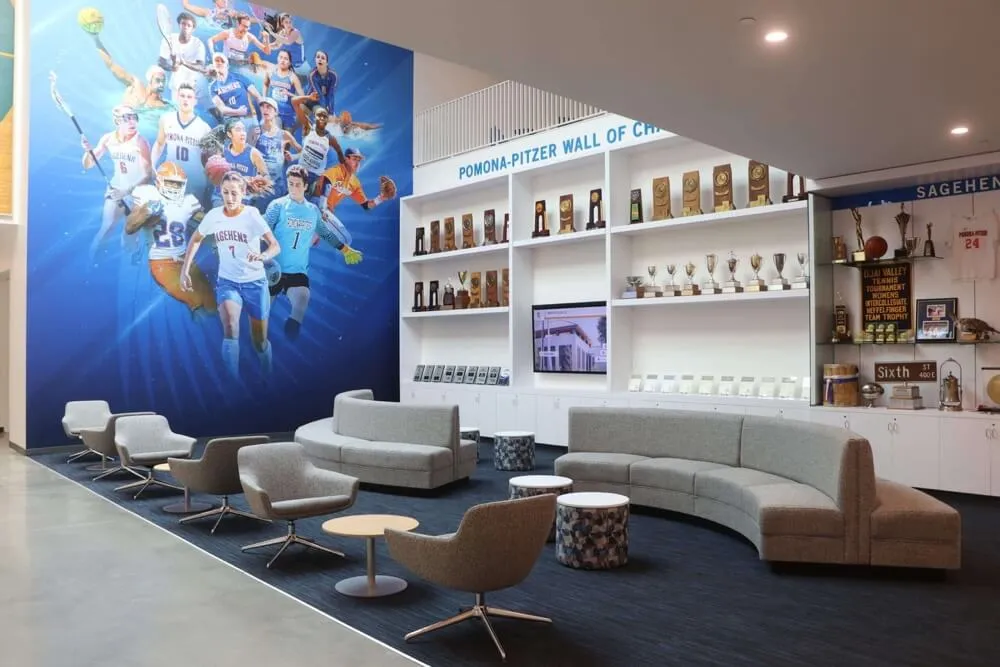
Thoughtful gymnasium design creates inspiring athletic environments while supporting multiple facility functions
Core Principles of Effective Gymnasium Design
Understanding fundamental design principles helps schools create athletic spaces that serve immediate needs while remaining adaptable for future requirements.
Multipurpose Functionality
Modern school gymnasiums must accommodate diverse activities beyond competitive athletics:
Athletic Programming Needs
- Basketball, volleyball, and other court sports requiring specific dimensions
- Physical education classes serving multiple grade levels simultaneously
- Athletic team practices for various sports programs
- Competitive events hosting opponents and spectators
- Training spaces for strength, conditioning, and skill development
- Indoor practice areas when weather prevents outdoor activities
Community and School Functions
- School assemblies and graduation ceremonies requiring seating for large groups
- Community events including concerts, presentations, and gatherings
- Testing spaces providing adequate room for standardized assessments
- Voting locations during elections requiring accessible public access
- Recreational programs serving community members
- Emergency shelter facilities during weather events or crises
Design choices accommodating this versatility prevent scheduling conflicts while maximizing facility utilization.
Safety and Accessibility Standards
Gymnasium design must prioritize user safety and universal accessibility:
Safety Considerations
- Adequate clearance around playing surfaces preventing injury
- Impact-resistant materials on walls and fixed equipment
- Proper ventilation systems maintaining air quality during activities
- Emergency exits clearly marked and accessible from all areas
- Padded protection on walls, columns, and fixed structures
- Secure mounting for basketball hoops, scoreboards, and suspended equipment
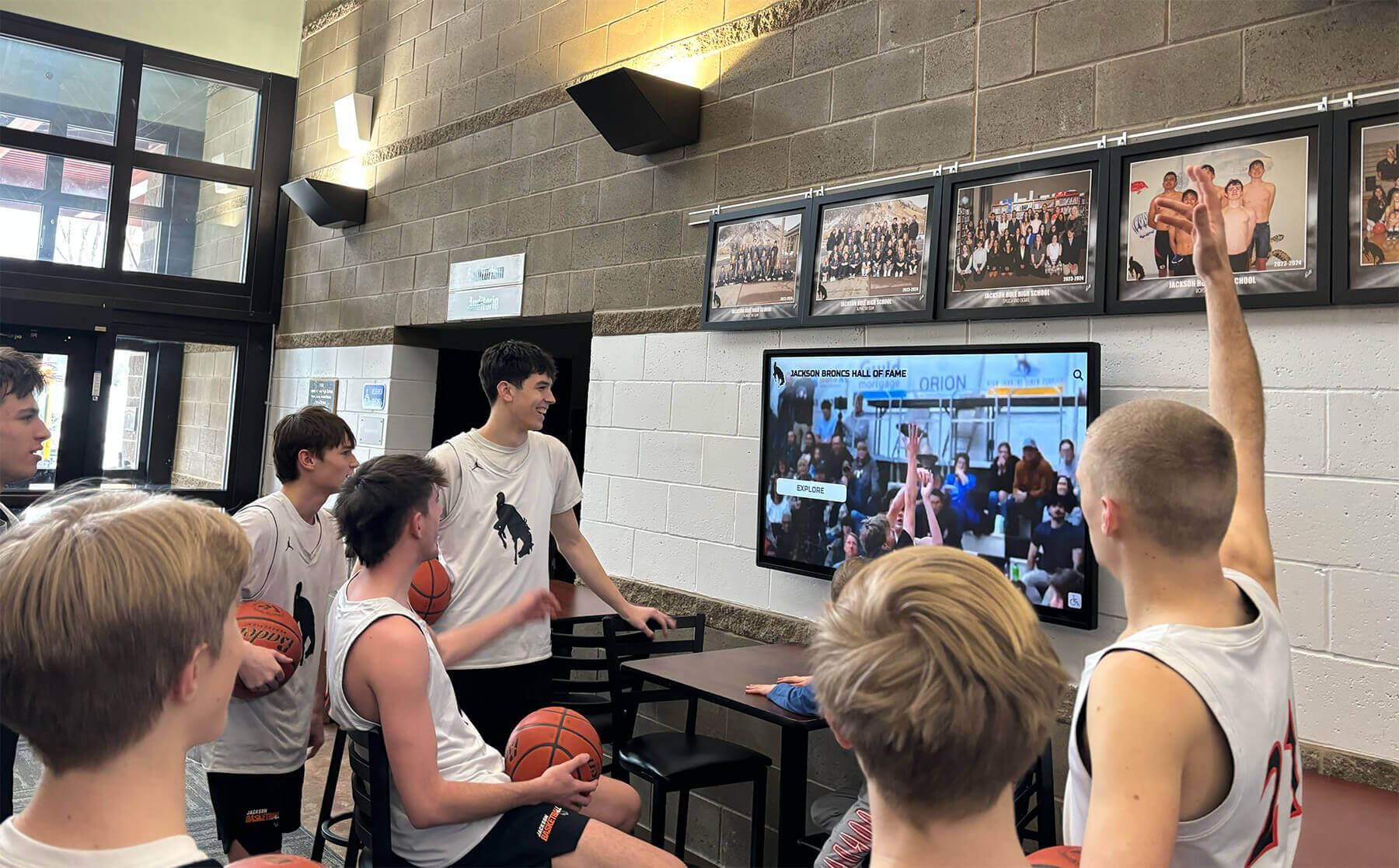
Technology integration and proper planning create safe, functional athletic environments
ADA Compliance Requirements
- Accessible seating areas with appropriate sight lines
- Wheelchair-accessible routes to all public areas
- Accessible restroom facilities meeting current standards
- Assistive listening systems for assemblies and events
- Appropriate door widths and threshold heights
- Elevator access where gymnasium is not on ground level
Schools implementing digital recognition displays must ensure touchscreen placement meets accessibility height requirements and provides alternatives for users unable to interact with touch interfaces.
Creating Inspiring Athletic Environments
Design elements significantly impact how students experience athletic spaces:
Visual Impact Elements
- School colors integrated throughout flooring, walls, and accents
- Mascot imagery creating identity and pride
- Championship banners and recognition displays celebrating achievement
- Quality lighting providing appropriate illumination for activities and events
- Architectural features creating impressive entry experiences
- Wayfinding signage helping visitors navigate facilities
Motivational Recognition
- Athletic hall of fame displays honoring program excellence
- Championship recognition highlighting team achievements
- Record boards showcasing individual and team accomplishments
- Coach recognition acknowledging long-term program builders
- Team photo galleries connecting current athletes to program history
Recognition elements transform gymnasiums from purely functional spaces into environments celebrating athletic tradition and inspiring current students.
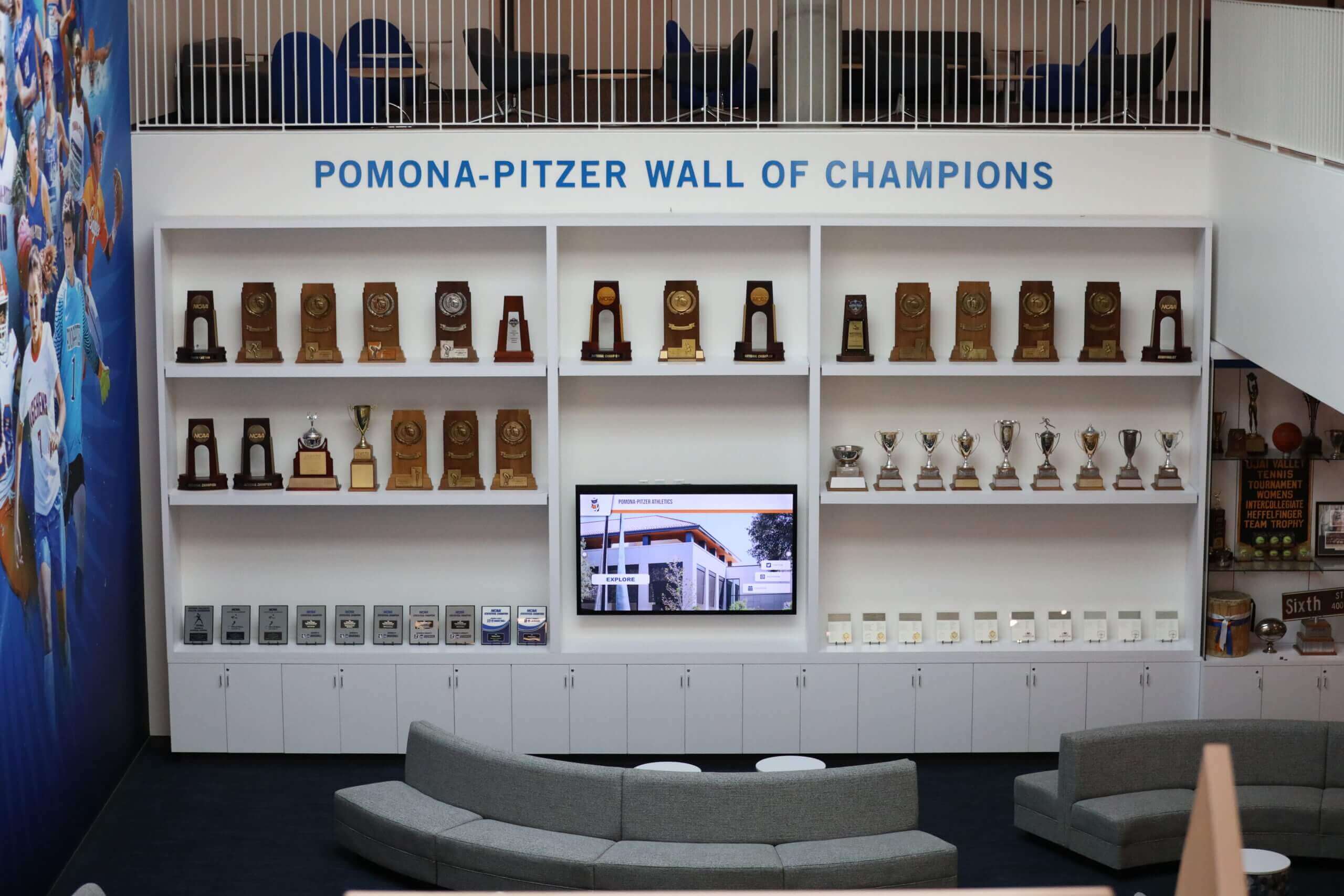
Dedicated recognition spaces create visual impact while honoring athletic achievement
Floor Design and Court Layout Strategies
Flooring represents one of the most significant gymnasium design decisions affecting functionality, safety, and aesthetics.
Flooring Material Considerations
Different flooring options provide distinct advantages:
Hardwood Maple Flooring
- Traditional choice for competitive basketball and volleyball
- Superior playing characteristics for ball bounce and traction
- Premium appearance creating impressive visual impact
- Requires regular maintenance including refinishing
- Higher initial cost compared to synthetic alternatives
- Susceptible to moisture damage requiring climate control
Synthetic Sport Flooring
- Resilient surfaces reducing impact on athletes’ joints
- Lower maintenance requirements than hardwood
- Moisture-resistant properties preventing damage
- Wide range of colors enabling custom designs
- Antimicrobial properties supporting hygiene
- Cost-effective solution for multi-sport facilities
Combination Approaches Some schools install hardwood main courts with synthetic areas for:
- Auxiliary practice spaces
- Weight rooms and conditioning areas
- Physical education activity zones
- Walking tracks surrounding main courts
Court Marking and Configuration
Thoughtful court layout maximizes gymnasium versatility:
Multi-Sport Line Systems Modern gymnasiums accommodate multiple sports by using:
- Color-coded lines for different sports (basketball, volleyball, badminton)
- Contrasting colors preventing confusion during activities
- Removable or retractable systems for ultimate flexibility
- Digital projection systems eliminating permanent lines entirely
- Clear visual hierarchy emphasizing primary sport use
Divisible Space Design Retractable divider curtains enable:
- Simultaneous classes or activities in different sections
- Separate practice areas for multiple teams
- Small group instruction while other activities continue
- Noise reduction between divided spaces
- Flexible scheduling maximizing facility use
Schools planning pep rally activities benefit from flexible configurations accommodating both athletic competitions and school-wide events.
Athletic Recognition and Display Areas
Recognition displays represent crucial design elements celebrating achievement while motivating current athletes.
Traditional vs. Modern Recognition Approaches
Schools face important decisions about recognition display methods:
Traditional Physical Displays
- Championship banners suspended from gymnasium ceiling or walls
- Trophy cases displaying awards and memorabilia
- Engraved plaques recognizing individual athletes and teams
- Retired jersey displays honoring exceptional performers
- Championship year listings painted on walls
- Team photos mounted in frames
While these traditional approaches create visual impact, they face limitations:
- Fixed displays eventually fill available space
- Updating requires professional engraving or production
- Limited information beyond names and years
- Physical deterioration over time requiring replacement
- Accessibility challenges for detailed viewing
- No connection to broader school community outside gymnasium
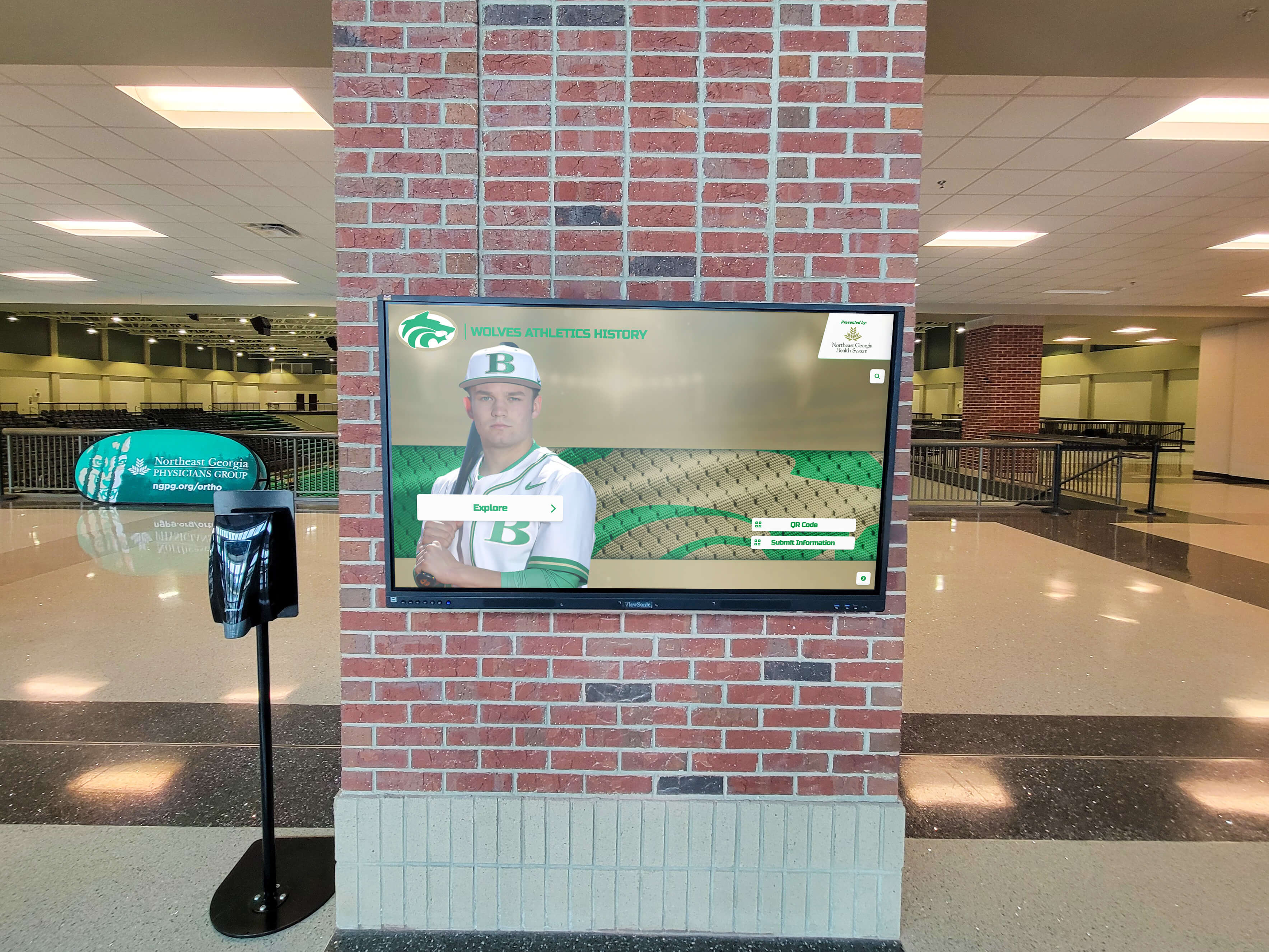
Strategic placement of recognition elements creates focal points in high-traffic areas
Digital Recognition Solutions
Modern touchscreen athletic recognition systems address traditional limitations while offering enhanced capabilities:
Unlimited Recognition Capacity
- Single display accommodates unlimited athletes, teams, and achievements
- No space constraints limiting who receives recognition
- Complete historical archives from all program eras
- Detailed achievement information impossible with static plaques
- Photo galleries and video highlights bringing recognition to life
- Regular content updates adding new inductees without physical renovations
Interactive Engagement Features
- Search functionality enabling visitors to find specific athletes or teams
- Filtering by sport, year, achievement type, or other criteria
- Individual athlete profiles with statistics and accomplishments
- Team recognition displays linking team members and championship context
- QR code access enabling mobile viewing throughout campus
Remote Content Management Solutions like Rocket Alumni Solutions provide cloud-based management:
- Update content from any internet-connected device
- Add new achievements immediately after competitions
- Correct errors or enhance information easily
- Schedule seasonal content for specific sports
- Role-based access for coaches and administrators
- No technical expertise required for updates
Extended Visibility Beyond Physical Space
- Web-accessible content viewable by alumni worldwide
- Social sharing capabilities promoting school pride
- Mobile-optimized displays working across all devices
- Integration with school websites and athletic pages
- Analytics showing which content receives most engagement
These capabilities make comprehensive recognition achievable even for schools with limited physical space in gymnasium areas.
Strategic Placement of Recognition Displays
Location significantly impacts recognition visibility and engagement:
Gymnasium Lobby and Entrance Areas
- High-traffic zones ensuring maximum visibility
- First impression for visitors attending athletic events
- Natural gathering spaces where people linger
- Protection from active play areas preventing damage
- Adequate lighting for viewing digital screens or reading plaques
Athletic Hallways and Corridors
- Dedicated recognition areas connecting locker rooms to gymnasiums
- Captive audience as athletes pass daily
- Space for comprehensive displays without competing for main gymnasium walls
- Opportunities for sport-specific recognition zones
- Historical progression displays showing program evolution
Viewing Areas and Concourses
- Spectator spaces where people wait before events
- Concession or gathering areas providing entertainment
- Protected locations preventing interference with activities
- Comfortable viewing distances for digital displays
- Integration with other school pride elements
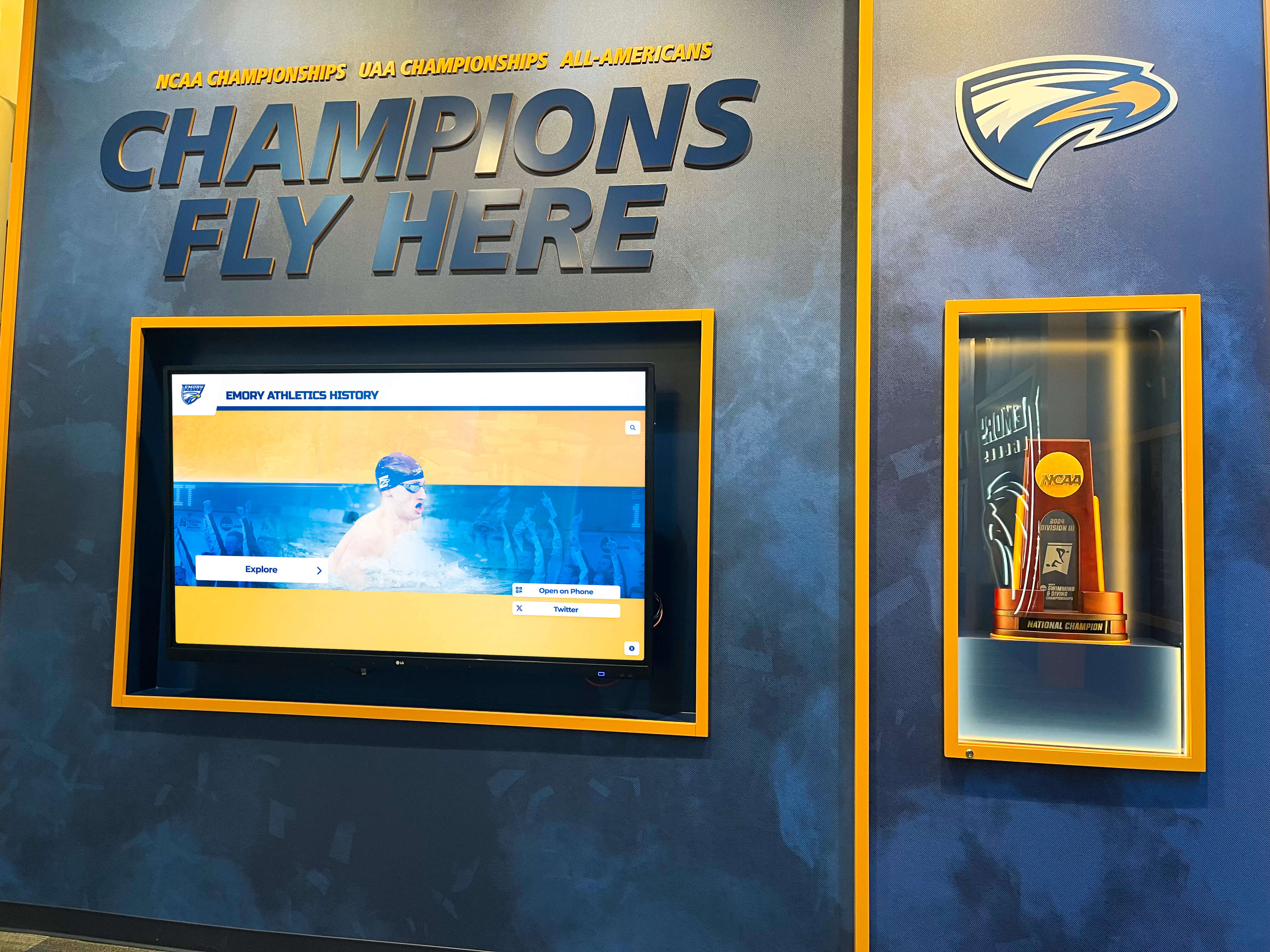
Dedicated recognition walls create destination areas celebrating program excellence
Technology Integration in Modern Gymnasiums
Technology transforms how gymnasiums support athletic programs and enhance user experiences.
Audiovisual Systems
Quality AV capabilities enable diverse functionality:
Sound System Considerations
- Distributed speakers providing even coverage throughout space
- Multiple input sources for different event types
- Wireless microphone capabilities for presenters and announcers
- Volume zoning when gymnasium is divided
- Integration with scoreboards and timing systems
- Background music capabilities for physical education classes
Video Display Options
- Large-format scoreboards showing scores, time, and statistics
- Video walls displaying replays and highlights
- Projector systems for assemblies and presentations
- Multiple displays for different viewing angles
- Integration with streaming services for broadcasts
- Digital signage promoting upcoming events and recognizing achievements
Network Infrastructure and Connectivity
Modern gymnasiums require robust technology infrastructure:
Essential Network Capabilities
- High-speed Wi-Fi throughout gymnasium and surrounding areas
- Wired connections for fixed equipment like scoreboards
- Network capacity supporting streaming and video
- Secure separate networks for public and internal use
- Power over Ethernet (PoE) simplifying equipment installation
Technology Supporting Athletic Programs
- Performance tracking systems recording athlete statistics
- Video analysis capabilities for coaching
- Live streaming equipment broadcasting competitions
- Digital scheduling displays showing facility use
- Access control systems managing building security
Interactive Digital Displays
Touchscreen displays serve multiple purposes in gymnasium environments:
Wayfinding and Information
- Interactive directories helping visitors navigate facilities
- Event schedules showing upcoming activities
- Facility maps indicating locations and amenities
- Real-time updates about schedule changes
- Emergency notifications during crises
Athletic Recognition and Engagement Modern digital recognition platforms transform how schools celebrate achievement while solving traditional space limitations. Solutions designed specifically for educational institutions provide:
- Unlimited capacity for athletes, teams, and achievements across all eras
- Cloud-based content management requiring no technical expertise
- Interactive search and filtering enabling visitors to explore program history
- Photo galleries and video integration bringing recognition to life
- Web accessibility extending visibility beyond physical gymnasium
- Regular updates keeping content current without renovation costs
These systems make comprehensive athletic recognition achievable while creating engaging experiences impossible with traditional static displays.
Design Elements Creating Inspiring Atmospheres
Beyond functional requirements, design choices significantly impact how students and visitors experience athletic spaces.
Color Psychology and School Branding
Strategic color use reinforces identity while influencing mood:
School Color Integration
- Flooring incorporating school colors in court design
- Accent walls featuring primary and secondary colors
- Seating areas using color-coordinated bleacher covers
- Entry areas making bold statements with color
- Wayfinding signage maintaining color consistency
Color Impact on Environment
- Energizing colors like red and orange increasing excitement
- Calming blues and greens for training or meditation areas
- Neutral backgrounds preventing visual fatigue
- High-contrast combinations improving visibility
- Consistent color schemes creating cohesive appearance
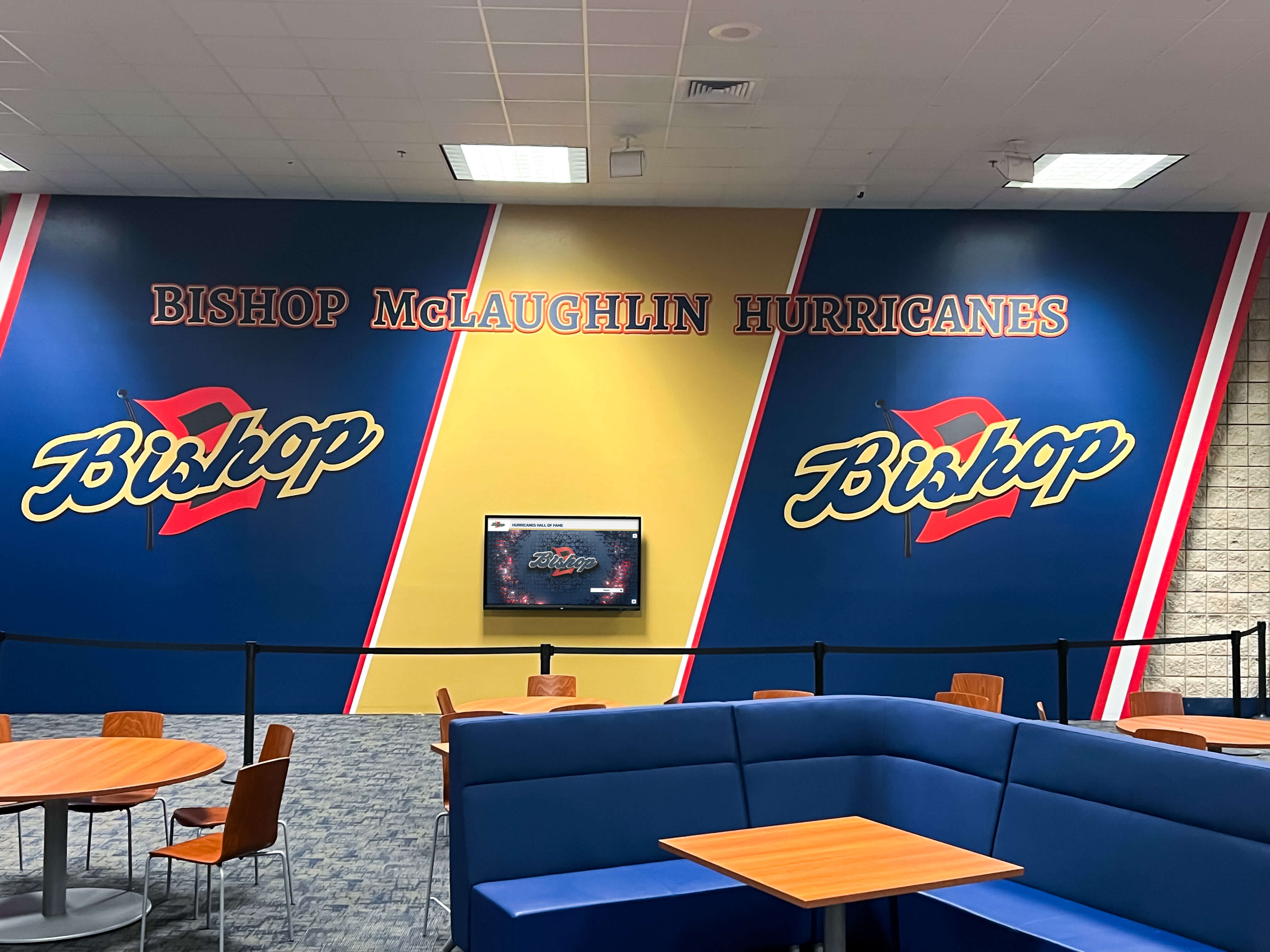
Consistent branding throughout athletic facilities reinforces school identity and pride
Lighting Design Strategies
Proper illumination serves functional and aesthetic purposes:
Activity-Specific Lighting
- High-intensity overhead lighting for competitive play
- Dimmable systems for assemblies and presentations
- Emergency lighting meeting safety codes
- Natural light through windows or skylights when possible
- LED technology reducing energy costs and maintenance
Accent and Feature Lighting
- Spotlighting recognition displays and trophy cases
- Architectural lighting highlighting design features
- Color-changing LED systems for special events
- Entry area lighting creating impressive arrival experiences
- Pathway lighting ensuring safe navigation
Architectural Features and Materials
Design details elevate gymnasiums beyond basic functionality:
Entry and Lobby Design
- Impressive entrance areas setting tone for facility
- Durable flooring materials withstanding high traffic
- Seating areas for waiting visitors
- Display cases showcasing current achievements
- Information boards promoting upcoming events
Wall Treatments and Finishes
- Impact-resistant materials in active play areas
- Acoustic treatments controlling sound in large spaces
- Moisture-resistant finishes preventing deterioration
- Painted murals featuring mascots or inspirational messages
- Textured surfaces adding visual interest
Ceiling Considerations
- Height accommodating suspended equipment and banners
- Acoustic panels reducing echo and noise
- Exposed structural elements creating visual interest
- Skylights providing natural light when feasible
- Integrated systems for scoreboards and sound equipment
Seating and Spectator Area Design
Accommodating spectators comfortably enhances the athletic event experience while serving broader facility functions.
Bleacher and Seating Options
Different configurations suit various needs and budgets:
Retractable Bleacher Systems
- Maximize floor space when seating not needed
- Various capacity options from hundreds to thousands
- Manual or motorized operation
- Built-in accessibility seating requirements
- Under-bleacher storage opportunities
Fixed Seating Solutions
- Lower cost than retractable systems
- Permanent capacity for well-attended programs
- Architectural seating with backs for spectator comfort
- Tiered designs optimizing sight lines
- Integration with building structure
Portable and Supplemental Seating
- Flexible capacity expansion for large events
- Folding chairs for floor seating when needed
- Standing room areas for overflow crowds
- Storage solutions when not in use
Spectator Amenities and Experience
Thoughtful amenities improve event experiences:
Essential Facilities
- Adequate restroom capacity for expected attendance
- Concession areas for refreshments during events
- Ticket windows or entry control systems
- Coat storage during cold weather months
- Press box or elevated areas for announcements and filming
Enhanced Experience Features
- Comfortable seating with appropriate sight lines
- Clear views of scoreboards and video displays
- Temperature control maintaining comfortable environments
- Adequate lighting for safety and visibility
- Accessible seating throughout spectator areas rather than isolated sections
Budget-Conscious Gymnasium Improvements
Schools facing budget constraints can implement impactful improvements without comprehensive renovations.
High-Impact, Lower-Cost Upgrades
Strategic improvements create significant change affordably:
Visual Refresh Projects
- Fresh paint in school colors transforming appearance
- Refinished or resurfaced flooring restoring playability
- Updated court lines and markings improving functionality
- New banners and signage celebrating recent achievements
- Improved lighting replacing outdated fixtures
Technology Additions
- Digital displays replacing static recognition boards
- Sound system upgrades improving audio quality
- Video capability enabling event streaming
- Wi-Fi access supporting modern device use
- Electronic scoreboards replacing manual systems
Recognition and Pride Elements Implementing digital athletic recognition provides comprehensive hall of fame capabilities at a fraction of traditional renovation costs:
- Single touchscreen display replaces dozens of individual plaques
- Cloud-based content management eliminates ongoing engraving expenses
- Immediate updates as new achievements occur
- Unlimited capacity preventing space constraints
- Interactive features engaging students and visitors
Phased Improvement Approaches
Breaking projects into manageable phases spreads costs while creating continuous progress:
Year One: Foundation and Planning
- Address critical safety or compliance issues
- Develop comprehensive facility vision and master plan
- Implement high-visibility recognition improvements
- Secure funding commitments for future phases
- Gather community input on priorities
Year Two: Core Functionality
- Flooring improvements or replacement
- Seating repairs or additions
- Essential technology upgrades
- Mechanical system improvements
Year Three: Enhanced Features
- Aesthetic improvements and branding
- Advanced technology integration
- Spectator amenity additions
- Lobby and entry enhancements
This approach maintains progress while avoiding overwhelming budget requirements in single years.
Sustainability and Energy Efficiency
Modern gymnasium design increasingly emphasizes environmental responsibility and operating cost reduction.
Energy-Efficient Systems
Strategic choices significantly reduce long-term operating costs:
Lighting Efficiency
- LED systems reducing electricity consumption by 50-75%
- Occupancy sensors preventing unnecessary operation
- Daylight harvesting reducing artificial lighting needs
- Lower maintenance costs from extended LED lifespan
HVAC Optimization
- High-efficiency heating and cooling equipment
- Programmable controls matching facility use schedules
- Improved insulation reducing conditioning requirements
- Ceiling fans circulating air during milder weather
Water Conservation
- Low-flow fixtures in restrooms and locker rooms
- Sensor-activated faucets preventing waste
- Efficient irrigation for adjacent athletic fields
- Rainwater collection for non-potable uses
Sustainable Material Choices
Building material selections impact environmental footprint:
Environmentally Responsible Options
- Rapidly renewable flooring materials like bamboo
- Recycled rubber surfaces for specialized areas
- Low-VOC paints and finishes improving indoor air quality
- Regionally sourced materials reducing transportation impact
- Durable products requiring less frequent replacement
Life-Cycle Considerations
- Initial cost balanced against long-term durability
- Maintenance requirements affecting ongoing expenses
- Replacement timelines for different material options
- Total cost of ownership over expected lifespan
Planning for Future Flexibility
Gymnasium design should anticipate changing needs and evolving technologies.
Adaptable Infrastructure
Building in flexibility prevents obsolescence:
Technology Infrastructure
- Conduit capacity for future cable and equipment additions
- Power outlets exceeding current needs
- Network infrastructure supporting future bandwidth requirements
- Mounting points for equipment not yet purchased
- Flexible audiovisual systems accepting new input types
Spatial Adaptability
- Movable partitions reconfiguring spaces as needs change
- Multi-sport court markings accommodating emerging activities
- Storage areas convertible to other functions
- Expansion capability in facility master plans
Emerging Trends and Considerations
Forward-thinking schools consider developing trends:
Growing Program Needs
- Esports facilities requiring specialized technology and seating
- Mental performance and meditation spaces supporting athlete wellness
- Video analysis rooms for coaching and athlete development
- Expanded strength and conditioning areas
- Specialized training for specific sport requirements
Technology Evolution
- Virtual and augmented reality training applications
- Advanced performance tracking and analytics
- Automated video filming for coaching review
- Interactive fan experiences during competitions
- Integration with mobile apps and digital platforms
Planning for modern recognition approaches ensures gymnasium designs remain relevant as technology evolves.
Common Gymnasium Design Mistakes to Avoid
Learning from typical pitfalls prevents costly errors and user frustration.
Planning and Design Errors
Insufficient Stakeholder Input
- Failing to consult coaches about sport-specific requirements
- Neglecting physical education teacher needs
- Ignoring facility management maintenance concerns
- Overlooking community user perspectives
- Skipping student and athlete feedback
Inadequate Space Planning
- Insufficient clearance around courts creating safety hazards
- Undersized storage for equipment and supplies
- Cramped locker room and restroom facilities
- Inadequate spectator capacity for well-attended programs
- No provision for disabled athlete needs
Implementation Challenges
Budget Shortfalls
- Underestimating total project costs
- Cutting essential features to meet budget
- Neglecting ongoing maintenance funding
- Failing to plan for technology replacement cycles
- Ignoring energy efficiency that reduces operating costs
Material and Equipment Choices
- Selecting residential-grade equipment for institutional use
- Choosing lowest-cost options without durability consideration
- Installing incompatible or proprietary systems
- Failing to specify maintenance requirements
- Neglecting warranty and service provisions
Recognition and Branding Oversights
Static Display Limitations
- Installing fixed plaques that quickly fill available space
- Creating recognition systems difficult to update or maintain
- Neglecting accessibility requirements for displays
- Failing to plan for program growth and expansion
- Choosing recognition approaches requiring expensive ongoing updates
Modern digital solutions address these challenges by providing unlimited capacity, simple remote management, and accessibility compliance in single systems.
Making the Vision Reality: Next Steps
Transforming gymnasium spaces requires systematic planning and implementation.
Assessment and Planning Process
Current State Evaluation
- Comprehensive facility audit identifying deficiencies
- Stakeholder surveys gathering user perspectives
- Safety and compliance review ensuring code adherence
- Technology assessment evaluating current capabilities
- Space utilization analysis showing usage patterns
Vision Development
- Master planning establishing long-term direction
- Priority identification focusing initial resources
- Budget development estimating project costs
- Funding strategy combining sources
- Timeline creation phasing improvements realistically
Funding and Implementation
Securing Resources
- District capital improvement budgets
- Booster club fundraising and contributions
- Alumni donation campaigns
- Community foundation grants
- Corporate sponsorships and naming rights
- Building dedication recognition honoring major donors
Project Management
- Experienced design professionals for major renovations
- Competitive bidding ensuring fair pricing
- Construction management maintaining quality and timelines
- Phased occupancy minimizing program disruption
- Thorough testing before final acceptance
Conclusion: Creating Athletic Spaces That Inspire Excellence
Thoughtful gymnasium design creates inspiring athletic environments serving diverse needs while celebrating achievement and building school pride. When schools approach facility development systematically—considering functional requirements, technology integration, recognition opportunities, and long-term adaptability—they create spaces that motivate student excellence while supporting broader school and community functions.
The strategies explored in this guide provide practical frameworks for gymnasium improvements ranging from comprehensive renovations to budget-conscious upgrades. From flooring and layout decisions to modern recognition displays eliminating traditional space constraints, these approaches enable schools to transform athletic spaces regardless of budget limitations.
Effective gymnasium design extends far beyond basketball courts and bleachers. These spaces shape how students experience athletic programs, how communities gather for events, and how schools celebrate traditions spanning generations. Modern technology makes comprehensive athletic recognition achievable through interactive displays replacing static plaques, while energy-efficient systems reduce operating costs supporting long-term sustainability.
Start where your school is with improvements you can implement given available resources, then systematically expand to create comprehensive athletic facilities your programs deserve. Whether planning new construction or enhancing existing gymnasiums, every improvement creates more inspiring environments for the students whose athletic and academic achievements merit celebration.
Your school’s athletic spaces deserve to inspire excellence while serving multiple functions effectively. With thoughtful planning, strategic technology integration, and consistent implementation, you can build gymnasium environments that honor tradition while supporting future program growth and community needs.
Ready to transform your gymnasium’s recognition capabilities? Explore modern digital recognition solutions that make comprehensive athletic halls of fame achievable for schools of all sizes without the space constraints and ongoing costs of traditional plaques.