High school gym lobbies face a universal challenge: trophy cases overflow with decades of athletic achievements while new championships continue arriving each season. Physical display space remains fixed even as programs accumulate more trophies, conference titles, individual awards, and tournament recognition. Athletic directors eventually face difficult decisions about which accomplishments deserve visibility and which get relegated to storage rooms where no one sees them.
This space constraint problem affects successful athletic programs nationwide. When trophy cases reach capacity, schools typically purchase additional cases, rotate achievements seasonally, or remove older trophies to accommodate recent wins. Each approach creates challenges—additional cases consume limited lobby space, rotation systems require ongoing management, and removing trophies feels like diminishing past achievements.
Touchscreen display technology offers a compelling alternative. Digital trophy showcases eliminate physical space limitations while creating more engaging recognition experiences than traditional glass cases. Athletic directors can celebrate every trophy ever won without removing anything, add comprehensive context through photos and videos, enable visitors to search for specific achievements, and update displays remotely without physical access to the gym.
Gym lobbies serve as the front door to athletic programs, greeting teams before practices, welcoming opponents before competitions, and showcasing tradition to prospective student-athletes during recruitment visits. The right trophy display solution creates inspiration for current athletes, maintains alumni connection to their achievements, demonstrates program excellence to visiting families, and builds community pride in athletic success.
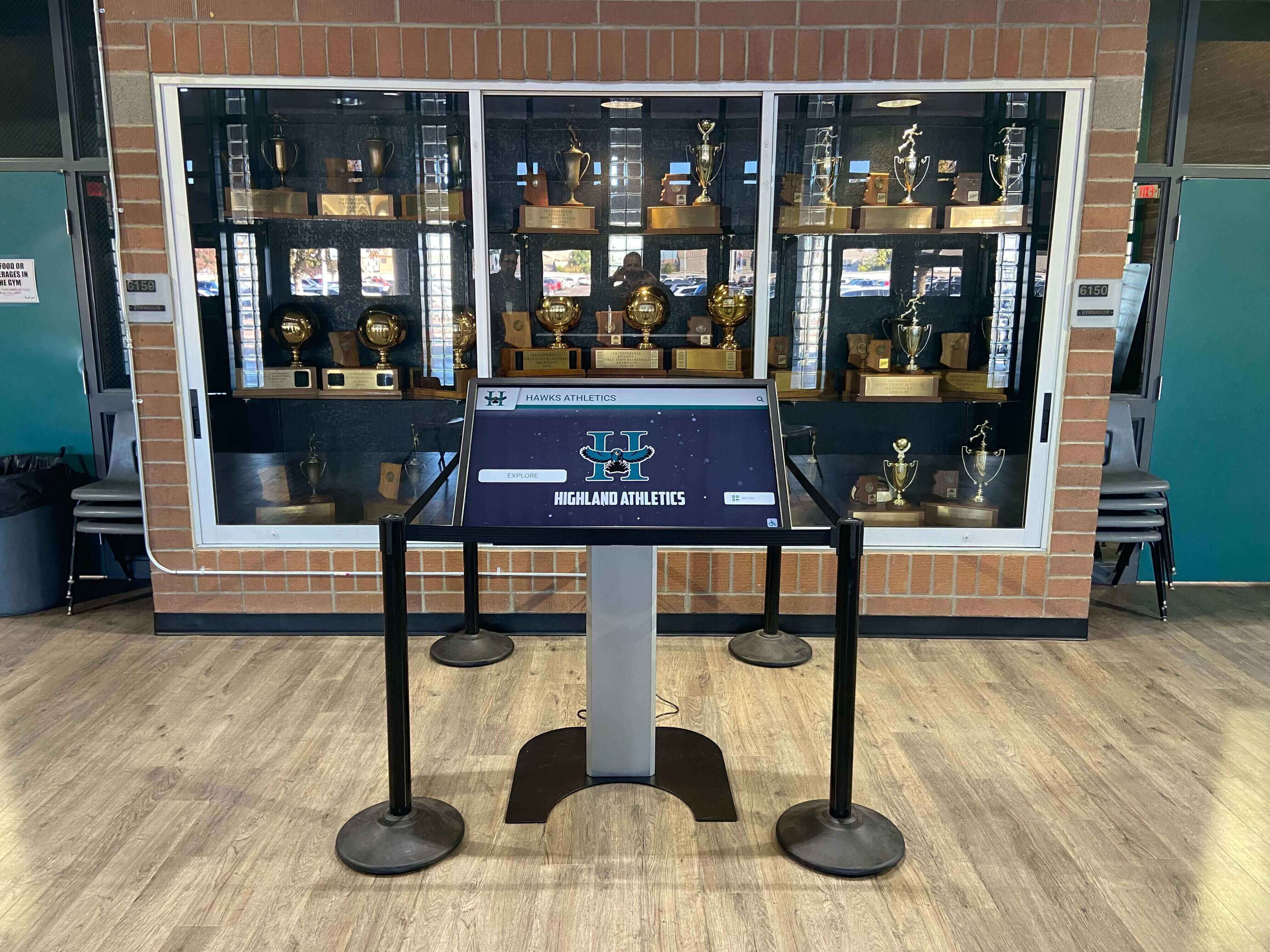
Modern gym lobbies blend physical trophy displays with digital touchscreen showcases for comprehensive athletic recognition
Understanding the Trophy Overcrowding Problem
The mathematics of trophy accumulation creates inevitable space constraints for successful programs.
How Quickly Trophy Cases Fill
Athletic programs generate awards faster than most schools anticipate:
Annual Trophy Generation:
- Conference championships: 2-6 trophies per year across multiple sports
- State tournament participation: 1-4 trophies annually
- Invitational tournament wins: 5-10 trophies per season
- Individual athlete state awards: 5-15 annual recognitions
- Team achievement plaques: 3-8 per year
A comprehensive high school athletic program commonly accumulates 20-40 new trophies annually. Standard large trophy cases holding 75-100 trophies reach capacity within 2-4 years, forcing difficult decisions about display management.
The Display versus Storage Dilemma:
- Which championships warrant permanent visibility?
- Should recent achievements displace historical success?
- Do individual awards receive equal space to team trophies?
- When do decades-old trophies move to storage boxes?
- How do you honor athletes whose recognition disappears?
These decisions carry emotional weight for athletes, coaches, and families who view trophy placement as validation of achievement importance.
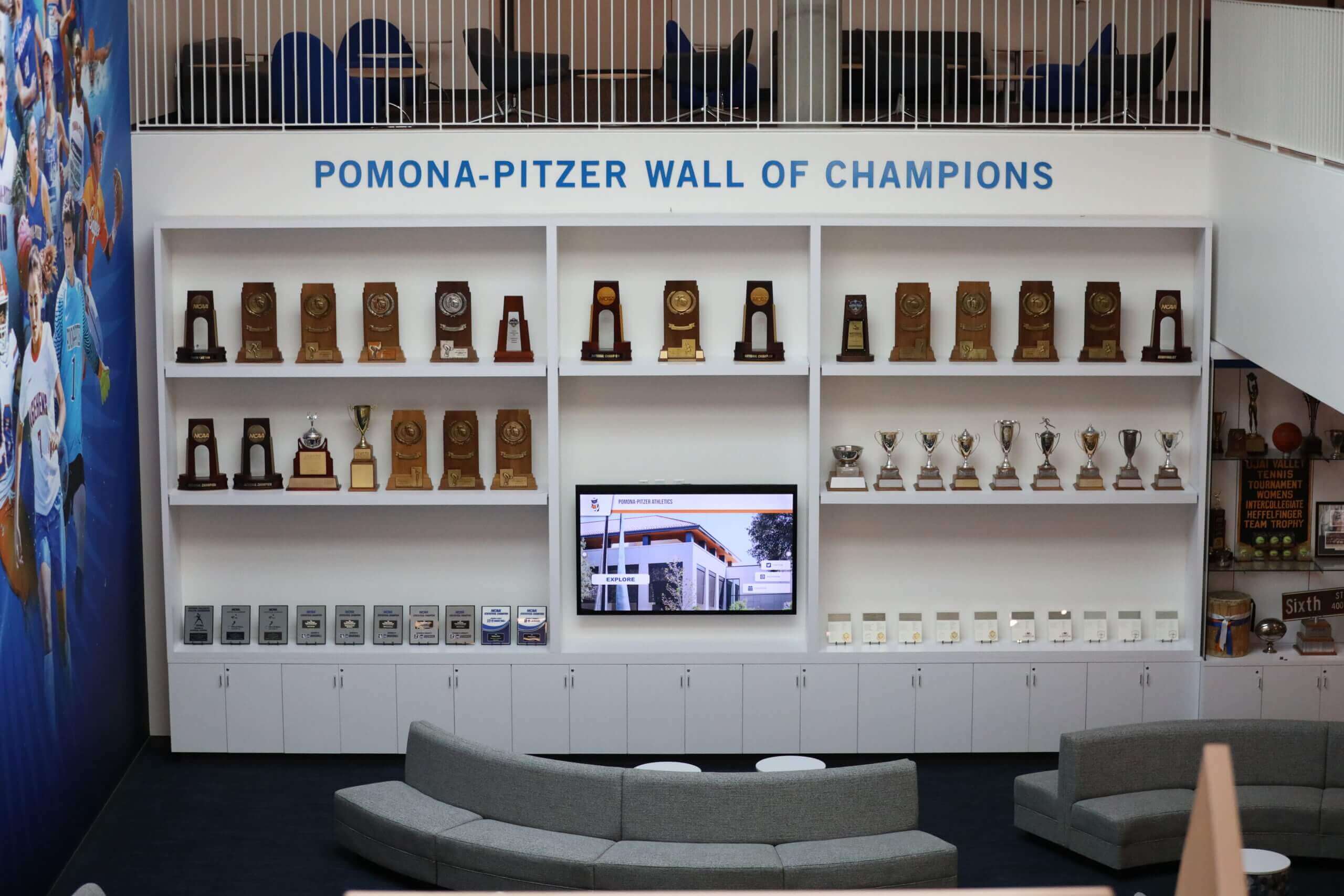
Even dedicated trophy rooms face capacity limits as successful programs accumulate achievements over decades
Common Responses to Space Constraints
Schools typically address trophy overcrowding through several approaches:
Purchasing Additional Trophy Cases
The incremental expansion approach involves buying more cases as existing displays fill:
- Additional floor cases consume precious gym lobby space
- Multiple cases scattered throughout facilities fragment recognition
- Each new case costs $1,500-$7,000 depending on size and quality
- Installation requires coordination with facilities and electrical
- Ongoing maintenance multiplies with each additional case
- The fundamental problem—finite capacity—persists indefinitely
Schools pursuing this strategy find themselves purchasing cases every 2-4 years while gym lobbies gradually fill with recognition displays.
Implementing Rotation Systems
Some programs rotate trophies seasonally or annually:
- Display current sport’s trophies during their season
- Feature championship anniversaries during milestone years
- Rotate between team achievements and individual awards
- Showcase selected decades or eras periodically
While rotation systems maximize use of fixed display space, they create new challenges. Physical handling risks trophy damage, regular reorganization requires ongoing staff time, rotation schedules demand systematic management, stored trophies receive no visibility most of the year, and athletes whose achievements are currently stored feel less recognized than those on display.
Removing Older Trophies Permanently
The most difficult approach involves deciding which trophies no longer warrant display:
- Establishing cutoff dates (nothing before specific year)
- Limiting recognition to highest achievement levels
- Restricting display to conference championships and above
- Maintaining only state-level recognition
This strategy frees space but diminishes past achievements. Alumni returning to campus find their trophies missing, team accomplishments from “less important” years disappear, and recognition hierarchy suggests some athletes matter more than others.
The Hidden Costs of Traditional Trophy Cases
Beyond purchase price, physical trophy cases accumulate ongoing expenses:
Maintenance Requirements:
- Weekly dusting of shelves and individual trophies
- Quarterly deep cleaning removing accumulated grime
- Glass cleaning maintaining clear visibility
- Trophy reorganization as items shift or topple over
- Lighting bulb replacement and fixture maintenance
- Lock mechanism repair and key management
- Humidity monitoring preventing metal deterioration
Schools with multiple gym lobby trophy cases spend 5-10 hours monthly on display maintenance—time athletic staff or custodians allocate alongside other responsibilities.
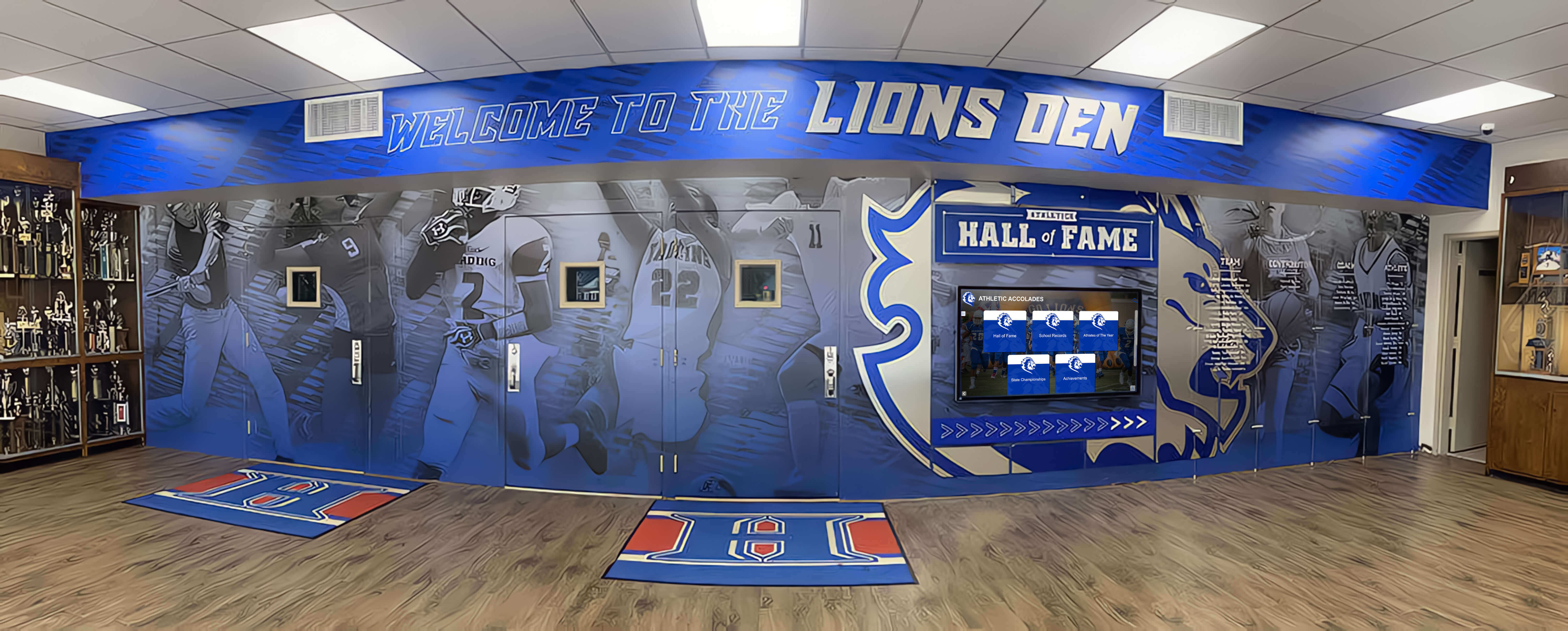
Traditional cases require ongoing maintenance while space constraints eventually force difficult removal decisions
Update Complexity:
- New trophy placement requires physical campus access
- Engraved plaques need professional production with lead time
- Reorganization disrupts displays and consumes time
- Corrections to engraved recognition prove expensive or impossible
- Information updates require replacing printed cards
- Seasonal changes demand repeated physical handling
These factors combine to make traditional trophy case management more labor-intensive than many athletic directors initially realize.
Digital Touchscreen Trophy Showcase Solutions
Technology transforms trophy recognition from space-constrained storage into unlimited digital celebration.
How Digital Trophy Displays Work
Modern touchscreen systems create comprehensive athletic recognition:
Core Capabilities:
- Unlimited trophy capacity without physical space constraints
- High-resolution photos of trophies from multiple angles
- Complete championship team rosters with individual athlete profiles
- Video highlights from title games and memorable moments
- Search functionality enabling quick discovery of specific achievements
- Filter options by sport, year, championship level, or athlete name
- Championship context through season information and narratives
- Related content connections linking athletes to multiple achievements
Visitors interact with intuitive touchscreen interfaces exploring decades of athletic history without physical limitations. Schools report 85-90% of gym lobby visitors engage with digital trophy displays during campus visits—dramatically higher than observation rates for static traditional cases.
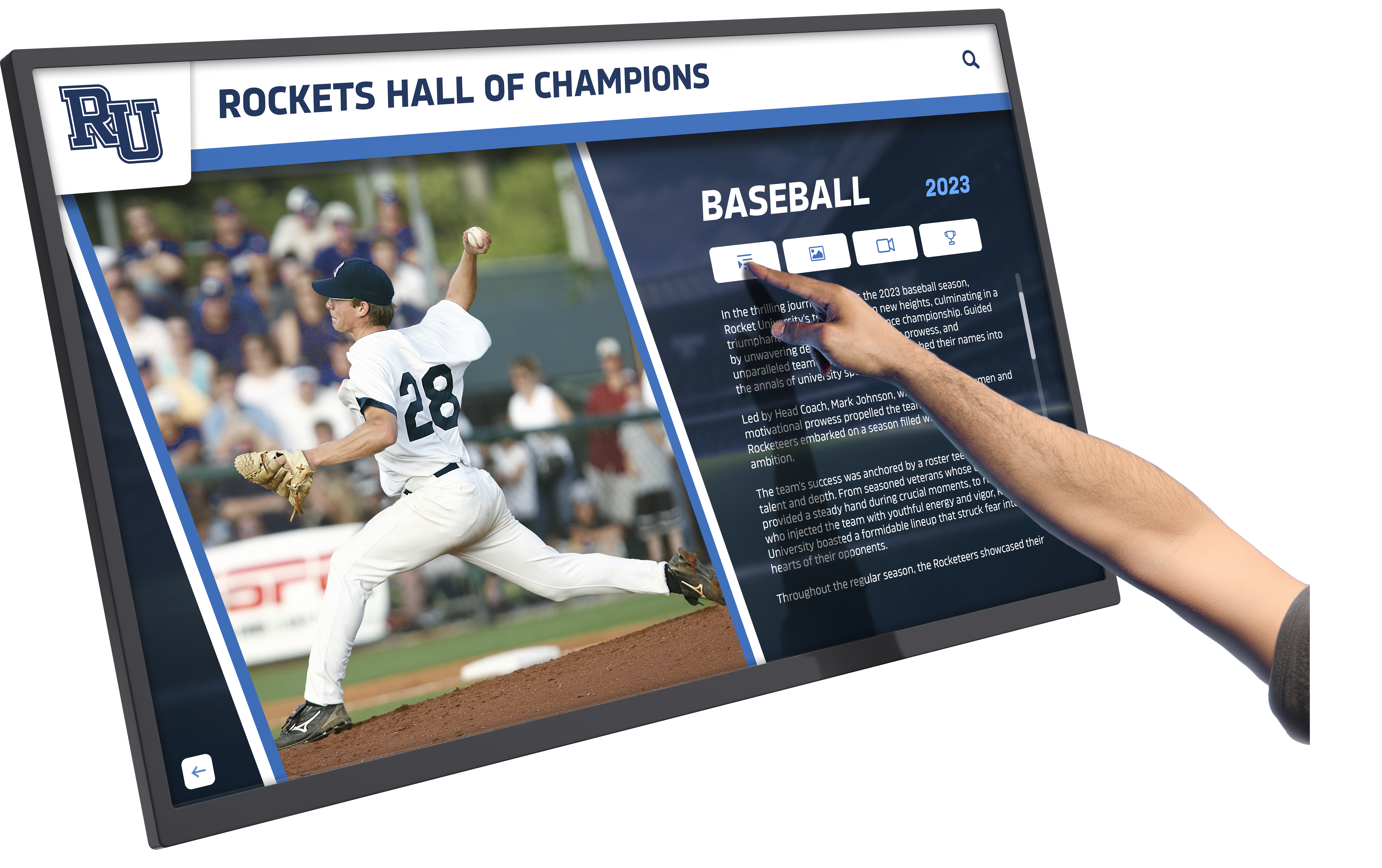
Touchscreen interfaces enable visitors to explore championship achievements and athlete recognition comprehensively
Technical Components
Understanding system components helps evaluate digital trophy showcase options:
Display Hardware:
- Commercial-grade touchscreen displays rated for continuous operation
- Screen sizes from 55" to 86" fitting various gym lobby dimensions
- Wall-mounted or freestanding kiosk configurations
- Vandal-resistant enclosures for high-traffic student areas
- Professional appearance matching facility design and branding
- Network connectivity via ethernet or WiFi
- Electrical power requirements with standard outlets
Content Management Software:
- Cloud-based platforms requiring no technical expertise
- Intuitive admin interfaces non-technical staff can manage
- Unlimited content capacity without artificial restrictions
- Professional templates for athletic trophy recognition
- Remote updates from any internet-connected device
- Mobile-responsive web extensions beyond physical displays
- ADA WCAG 2.1 AA compliance for accessibility
Content Development:
- Professional photography of trophies, teams, and athletes
- Biographical writing with consistent narrative style
- Historical research verifying achievements and dates
- Trophy digitization creating searchable archives
- Video editing for championship highlights
- Ongoing content updates following each season
Digital trophy displays at wrestling and other athletic facilities showcase sport-specific achievements alongside comprehensive school recognition.
Advantages Over Physical Trophy Cases
Digital solutions address fundamental limitations of traditional approaches:
Unlimited Growth Capacity
Space constraints disappear with digital displays:
- Single 65" screen accommodates unlimited trophies and achievements
- No future case purchases as programs continue winning
- No difficult decisions removing older recognition for new additions
- Complete historical archives preserved permanently and accessibly
- Team recognition includes full rosters without space concerns
- Multi-sport programs showcase all achievements equally
Schools implementing digital trophy showcases eliminate the five-year cycle of purchasing additional trophy cases as programs expand.
Enhanced Engagement and Information
Digital displays create interactive experiences beyond passive viewing:
- Visitors spend 5-10 minutes exploring versus seconds observing static cases
- Search functionality connects directly to individual interests
- Championship context through photos, videos, and detailed narratives
- Social sharing multiplies reach beyond physical gym lobby
- Related content suggestions encourage deeper exploration
- Analytics track which trophies and athletes generate most interest
Simplified Maintenance and Updates
Remote management transforms trophy recognition workflows:
- Update content from any internet-connected device
- Add new achievements immediately following championship wins
- Correct errors or update information easily without re-engraving
- No physical gym access needed for content changes
- Dust-free displays requiring only screen cleaning
- Professional appearance maintained consistently year-round
- 70-85% reduction in administrative time versus traditional cases
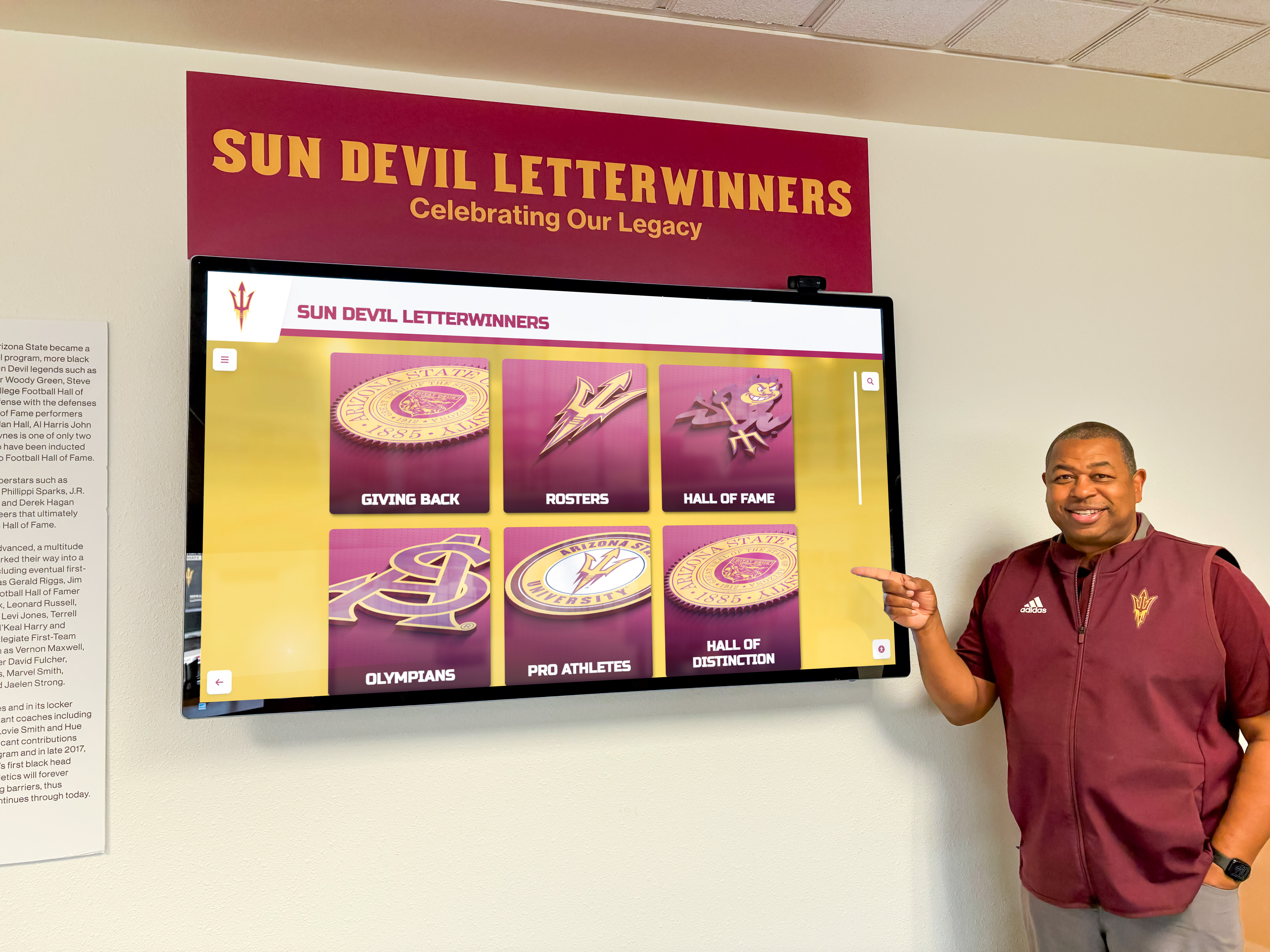
Digital displays enable comprehensive trophy recognition that grows with programs rather than constraining achievements
Web-Based Extensions
Modern platforms extend gym lobby recognition worldwide:
- Web-accessible trophy archives enabling viewing from anywhere
- Alumni access maintaining connection to achievements they contributed to
- Prospective student-athlete exploration during recruitment research
- Social media integration amplifying celebration across platforms
- Mobile-optimized displays working across all devices
- Community engagement building broader institutional pride
Schools implementing comprehensive digital recognition solutions create platforms serving multiple audiences simultaneously rather than limiting visibility to gym lobby visitors.
Planning Your Gym Lobby Digital Trophy Display
Successful implementations require systematic planning addressing space, technical, and content considerations.
Assessing Your Gym Lobby Space
Physical environment analysis determines optimal display configuration:
Location Selection:
- Main gym entrance where all athletes and visitors pass
- Concourse areas where spectators naturally gather before games
- Trophy case alcoves currently housing overcrowded physical displays
- Lobby seating areas encouraging extended exploration
- Near athletic offices where tour groups naturally visit
- Adjacent to existing recognition walls or championship banners
Viewing Conditions:
- Natural lighting patterns and glare concerns throughout the day
- Viewing distances from typical foot traffic paths
- Adequate clearance for groups to gather and interact
- Integration with existing gym lobby design and school branding
- Proximity to related athletic recognition displays
- Wall mounting versus floor kiosk installation options
Technical Infrastructure:
- Network connectivity availability (ethernet or WiFi)
- Electrical power outlet locations and circuit capacity
- Wall construction for secure mounting if wall-mounted
- Security concerns in unsupervised areas after hours
- Maintenance access for cleaning and technical service
Schools should document current trophy collections comprehensively before implementation, photographing existing displays and inventorying all trophies to inform initial content development scope.
Display Size and Configuration Options
Selecting appropriate display size matches gym lobby dimensions and budget:
55" Displays:
- Suited for narrow hallways or smaller gym lobbies
- Viewable from 6-10 feet comfortably
- Investment: $2,500-$4,000 plus installation
- Appropriate for single-sport focused recognition
- Works well as supplemental displays throughout facilities
65" Displays:
- Most popular size for main gym lobby installations
- Viewable from 8-15 feet effectively
- Investment: $4,000-$6,000 plus installation
- Accommodates comprehensive multi-sport programs
- Balances screen real estate with reasonable cost
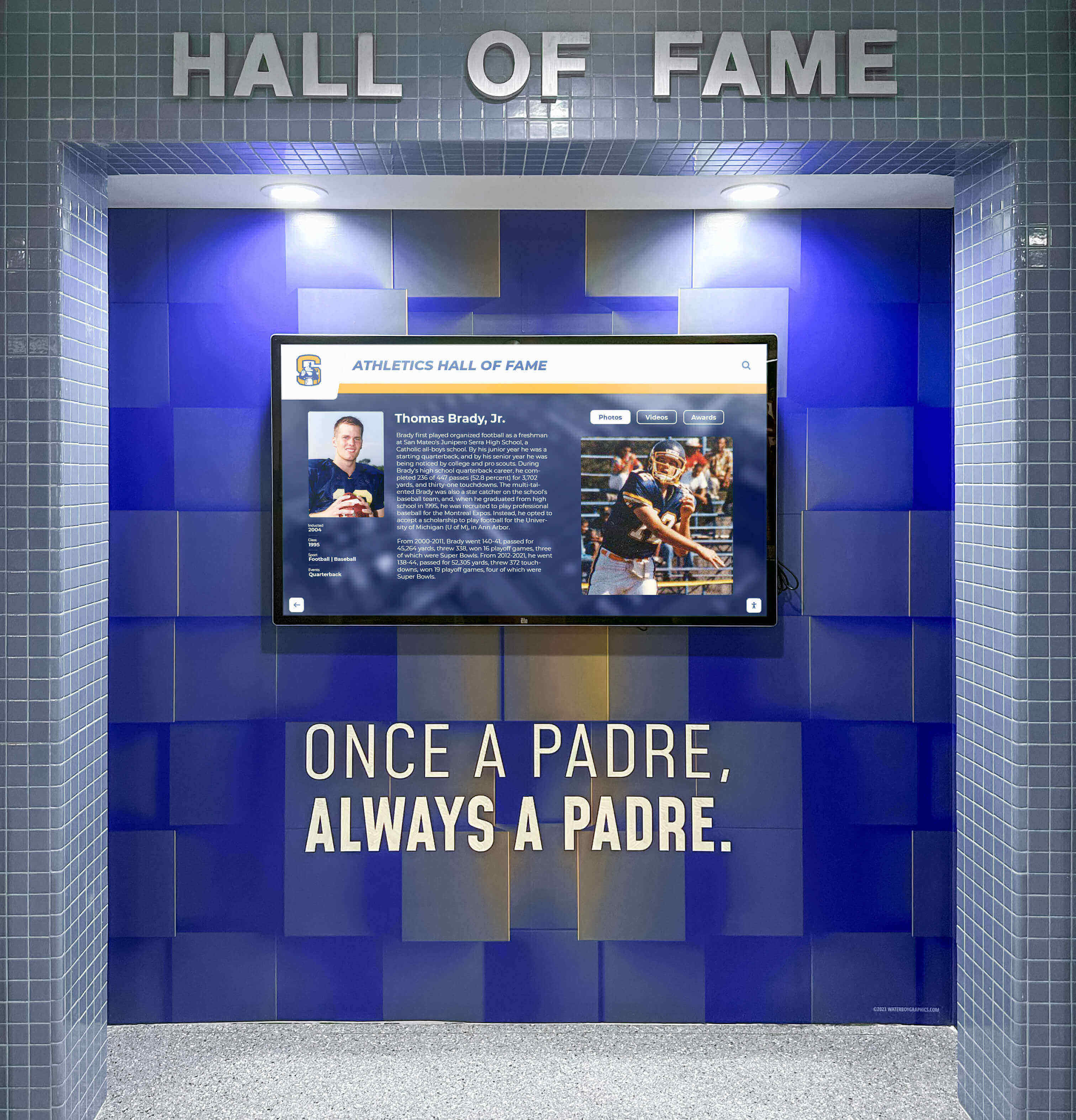
Screen size selection depends on gym lobby dimensions and viewing distances from typical traffic patterns
75" Displays:
- Creates commanding presence in larger gym lobbies
- Viewable from 12-20 feet comfortably
- Investment: $6,000-$9,000 plus installation
- Ideal for high-traffic locations with significant space
- Supports multiple simultaneous users exploring content
86" Displays:
- Statement installations in grand gym entrance areas
- Viewable from 15-25 feet effectively
- Investment: $8,000-$12,000 plus installation
- Appropriate for schools with extensive athletic traditions
- Maximum visual impact for comprehensive recognition programs
Installation Approaches
Display mounting affects both aesthetics and functionality:
Wall-Mounted Installations:
- Clean, integrated appearance in gym lobby
- Requires secure mounting to studs or reinforced walls
- Professional installation ensuring safety and proper positioning
- Ideal when floor space is limited or traffic flows require clearance
- Permanent installation without flexibility for repositioning
- Investment: $500-$1,500 for professional mounting
Freestanding Kiosk Installations:
- Mobile flexibility for repositioning or relocation
- Professional appearance with integrated base and cable management
- No wall mounting requirements or construction coordination
- Can accommodate additional features like printed information
- Security considerations for unsecured base in public areas
- Investment: $800-$2,500 for commercial kiosk enclosures
Many schools install wall-mounted displays in main gym lobbies for permanent recognition while using freestanding kiosks in multipurpose spaces or for temporary event displays.
Athletic facilities implementing comprehensive hall of fame solutions coordinate gym lobby displays with other recognition throughout buildings for consistent celebration.
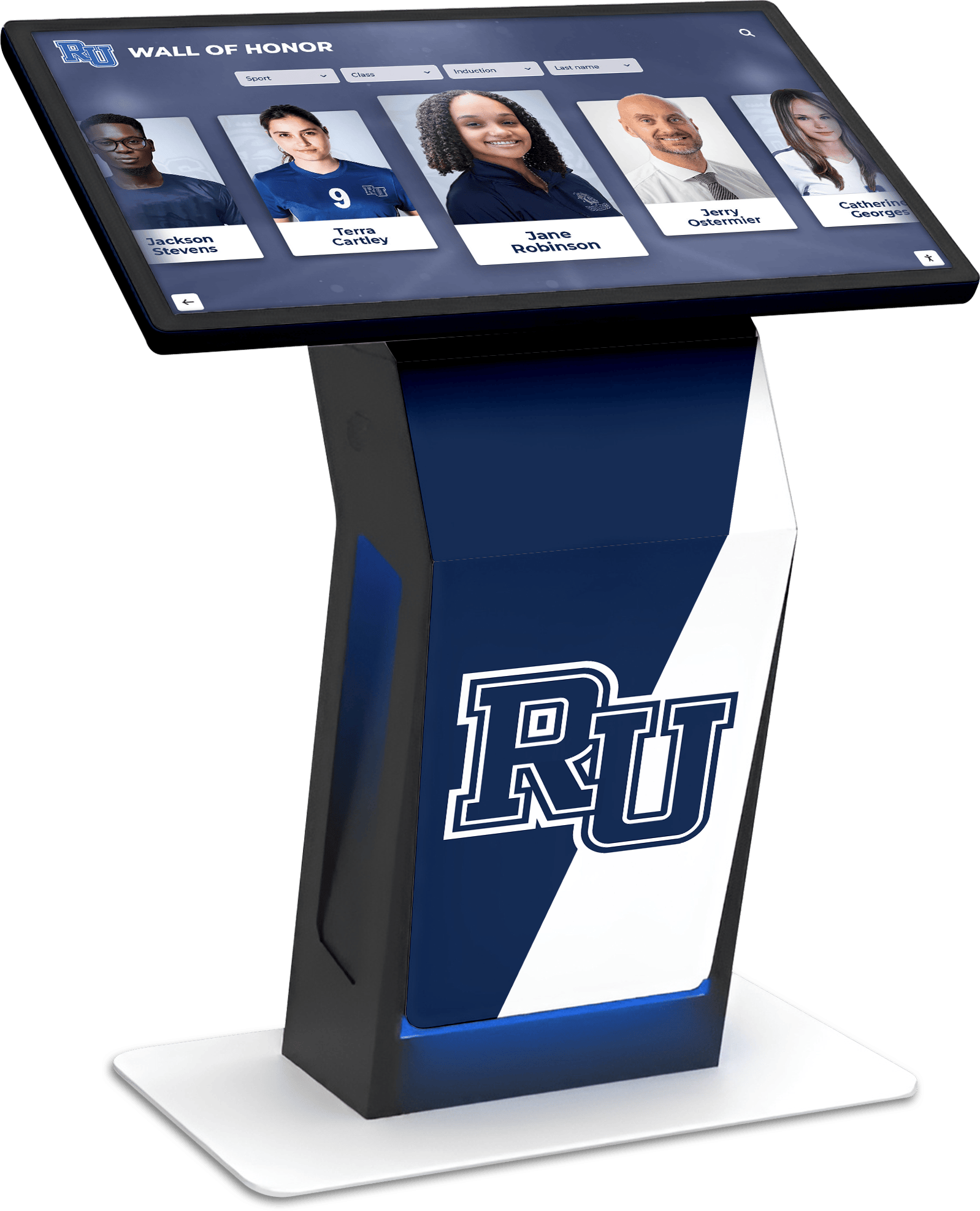
Freestanding kiosks provide flexibility for gym lobbies without wall mounting requirements
Content Development for Digital Trophy Showcases
Quality content determines whether digital displays create meaningful engagement or become ignored screens.
Trophy Documentation and Photography
Digitizing physical trophy collections requires systematic approach:
Photography Best Practices:
- Professional lighting eliminating shadows and reflections
- Multiple angles showing trophy details and engravings
- Consistent backgrounds creating cohesive visual presentation
- High resolution (minimum 1920 x 1080 pixels) for screen display
- Trophy arrangement preventing clutter in group photos
- Close-up detail shots of engraved plates and figurines
Trophy Information Capture:
- Championship or achievement description
- Year or season earned
- Coach names and roles
- Team members with jersey numbers and positions
- Opponent information from championship games
- Score or competition results when relevant
- Current trophy physical location for future reference
Systematic Documentation Process:
- Start with most recent trophies working backwards historically
- Organize by sport then chronologically within each sport
- Cross-reference with yearbooks verifying information accuracy
- Interview coaches and athletic directors filling information gaps
- Engage alumni providing missing context and details
- Document sources for all information enabling verification
Schools allocating 3-5 months for comprehensive trophy documentation report significantly better initial content quality than those rushing digitization.
Championship Context Development
Trophies represent stories worth telling comprehensively:
Team Championship Content:
- Season record and notable victories leading to championship
- Championship game or tournament summary with key moments
- Coach quotes reflecting on achievement significance
- Standout individual performances during championship run
- Complete roster with names, positions, and jersey numbers
- Photo galleries from championship season highlights
- Video clips from memorable games when available
Individual Achievement Recognition:
- Athletic career overview with statistics and accomplishments
- Specific achievement details for award recognition
- Coach testimonials about athlete contributions
- Connection to team success during athlete’s career
- Post-high school athletic or professional achievements
- Current information demonstrating lasting impact
- Related achievements connecting to other recognized athletes
Programs implementing academic recognition alongside athletic achievements create balanced celebration of diverse student excellence.
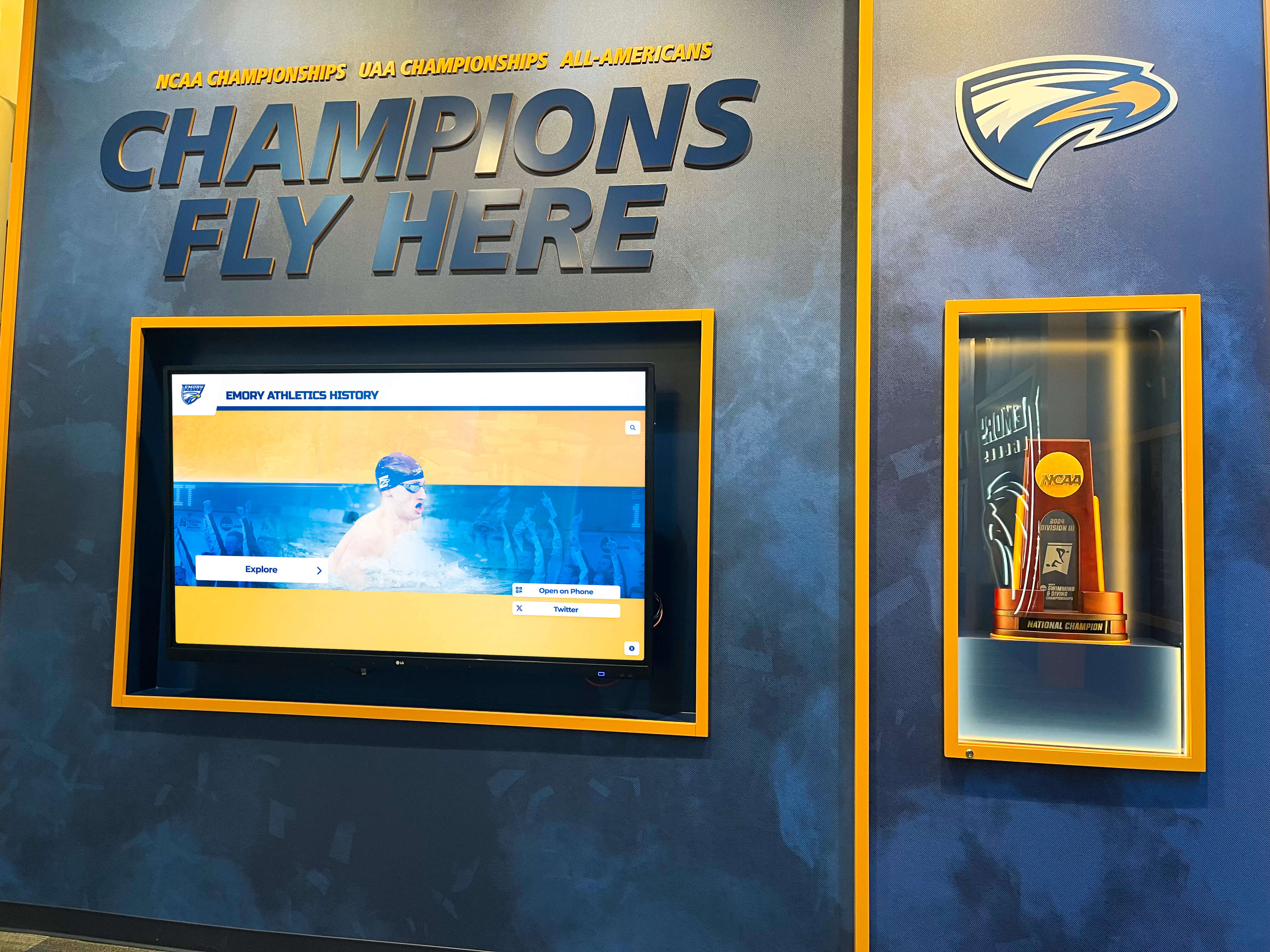
Effective digital showcases combine trophy photos with championship context creating comprehensive achievement stories
Ongoing Content Management
Sustainable recognition requires systematic update processes:
Update Frequency Standards:
- New trophy additions: Within one week of championship or award receipt
- Championship context: Before season concludes while details are fresh
- Team rosters: At season end with complete final information
- Athlete profiles: Following graduation with post-high school updates
- Historical additions: Ongoing as archives are discovered or donated
- Information corrections: Within 48 hours of error identification
Content Quality Control:
- Consistent biographical format across all athletes and teams
- Professional photography standards maintained for all images
- Fact verification before publication preventing misinformation
- Spell-checking and grammar review maintaining credibility
- Regular content audits ensuring information remains current
- Stakeholder review for major additions or sensitive content
Role Assignment:
- Athletic director oversight and final approval authority
- Assistant AD or athletic coordinator managing day-to-day updates
- Sport coaches providing content, context, and information
- Media specialists capturing photos and videos of teams
- Student assistants supporting data entry and organization
- Alumni relations staff coordinating historical content collection
Clear ownership prevents content management gaps when staff responsibilities change or personnel leave positions.
Hybrid Approaches: Physical Plus Digital
Many successful implementations combine traditional and digital elements strategically.
Featured Trophy Case with Digital Archive
The complementary strategy preserves physical trophy presence while eliminating space limitations:
Implementation Model:
- Maintain existing trophy case displaying 20-30 most significant championships
- Install adjacent touchscreen displaying all historical trophies comprehensively
- QR codes on physical trophies linking to extended digital content
- Physical display rotates featured trophies while digital remains comprehensive
- Recent championship trophies displayed physically with historical achievements digital
This approach satisfies stakeholders valuing tangible trophy display while solving capacity constraints through unlimited digital recognition. Gym lobby visitors see impressive physical championship hardware while accessing complete athletic history through interactive touchscreen exploration.
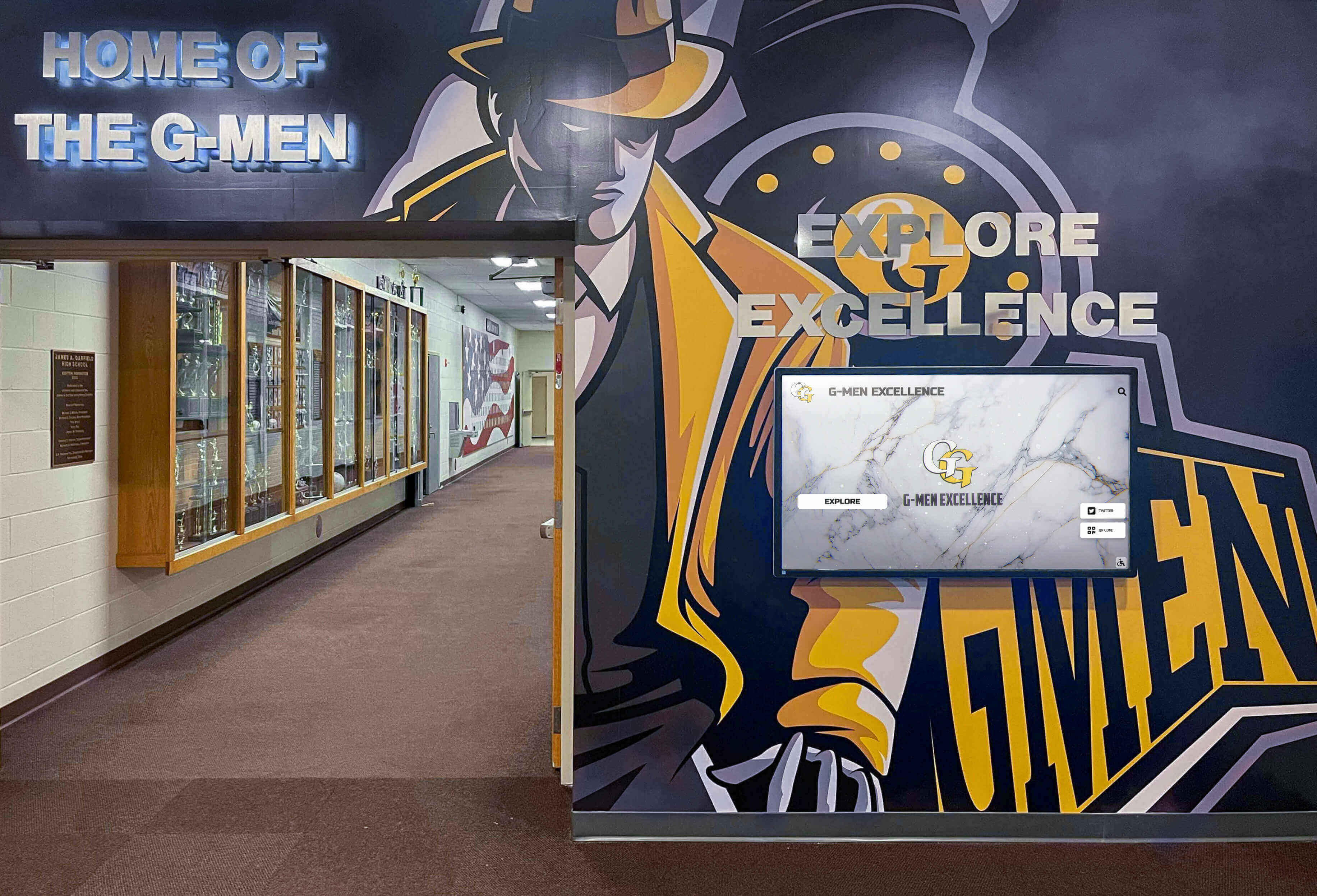
Hybrid approaches honor tradition through physical displays while leveraging digital capabilities for comprehensive recognition
Phased Transition Strategy
Gradual evolution spreads investment while building stakeholder comfort:
Phase 1: Digital Archive Launch (Months 1-4)
- Install touchscreen displaying all trophies digitally through photos
- Maintain all existing physical trophy cases without changes
- Digitize historical trophy collection systematically
- Gather feedback from athletes, coaches, and visitors
- Refine content based on usage analytics and input
Phase 2: Physical Display Optimization (Months 5-8)
- Reduce physical trophy case footprint to most significant championships
- Expand digital display content with team rosters and context
- Store non-displayed physical trophies appropriately in athletics department
- Promote web-accessible platform extending recognition beyond gym lobby
Phase 3: Mature Hybrid System (Months 9-12)
- Digital platform becomes primary comprehensive recognition system
- Physical displays feature rotating highlighted championship trophies
- Complete historical archives preserved and accessible digitally
- Sustainable workflows established for ongoing recognition updates
- Assessment of impact on alumni engagement and community pride
This staged approach manages change gradually while demonstrating digital display value before significantly altering beloved physical trophy cases.
Sport-Specific Display Strategies
Different gym spaces may warrant different approaches:
Main Gym Lobby:
- Comprehensive digital display showcasing all sports and achievements
- Featured physical case with rotating recent championships
- Interactive exploration engaging prospective athlete families
- Historical timeline displays connecting decades of tradition
Individual Sport Facilities:
- Sport-specific physical cases for relevant achievements
- Digital displays showing complete program history and records
- Coach recognition and program milestone celebrations
- Current team rosters and season information
Schools implementing donor recognition alongside athletic achievements benefit from platforms showcasing both categories comprehensively through unified displays.
Cost Analysis and Budget Planning
Understanding total investment helps athletic directors evaluate digital trophy showcase options.
Initial Investment Components
Digital trophy display implementation involves several cost categories:
Hardware Costs:
- 55" commercial touchscreen: $2,500-$4,000
- 65" commercial touchscreen: $4,000-$6,000
- 75" commercial touchscreen: $6,000-$9,000
- 86" commercial touchscreen: $8,000-$12,000
- Wall mounting or kiosk enclosure: $500-$2,500
- Installation labor: $500-$1,500
Software and Content:
- Content management platform (Year 1): $500-$3,000 annually
- Initial trophy digitization services: $1,000-$3,000
- Professional photography: $500-$1,500
- Historical research and content development: $500-$2,000
Total Initial Investment Range:
- Basic implementation (55" display): $5,000-$10,000
- Standard implementation (65" display): $7,000-$14,000
- Premium implementation (75" display): $10,000-$18,000
- Showcase implementation (86" display): $13,000-$22,000
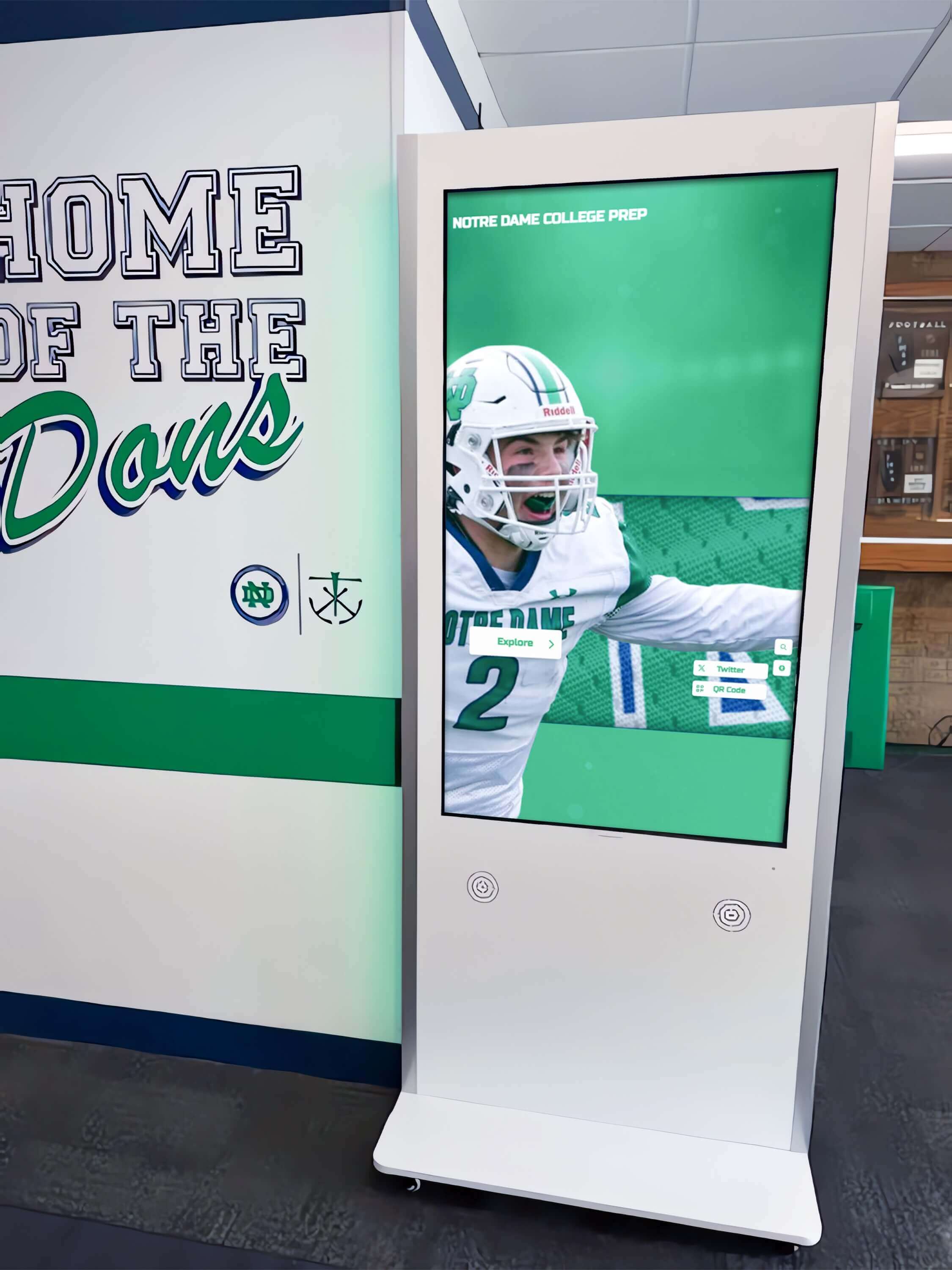
Digital trophy showcases represent competitive investments eliminating space constraints and future case purchases
Ongoing Operational Costs
Annual expenses maintain and expand digital trophy recognition:
Recurring Costs:
- Software subscription: $500-$3,000 annually depending on features
- Electricity: $100-$200 per display annually
- Maintenance and cleaning: $100-$300 annually
- Content updates: Internal staff time or $500-$1,500 contracted services
- Hardware warranty/support: Often included in initial purchase
5-Year Total Cost Comparison:
Traditional Trophy Case Approach:
- Initial large case purchase: $5,200
- Maintenance and admin time (5 years): $11,000
- Additional cases as space fills: $10,400
- 5-Year Total: $26,600
Digital Display Approach:
- Initial investment (65" system): $11,000
- Software subscription (5 years): $10,000
- Maintenance and updates (5 years): $2,750
- 5-Year Total: $23,750
Beyond comparable costs, digital displays offer unlimited capacity eliminating future trophy case purchases while reducing administrative time by 70-85% compared to traditional approaches.
Funding Sources and Strategies
Multiple approaches support digital trophy showcase investment:
Athletic Department Budgets:
- Equipment and facilities improvement allocations
- Technology budget line items for recognition systems
- Multi-year capital planning spreading investment
Booster Club Support:
- Fundraising campaigns specifically for gym improvements
- Annual giving programs with recognition projects
- Memorial gift opportunities honoring coaches or athletes
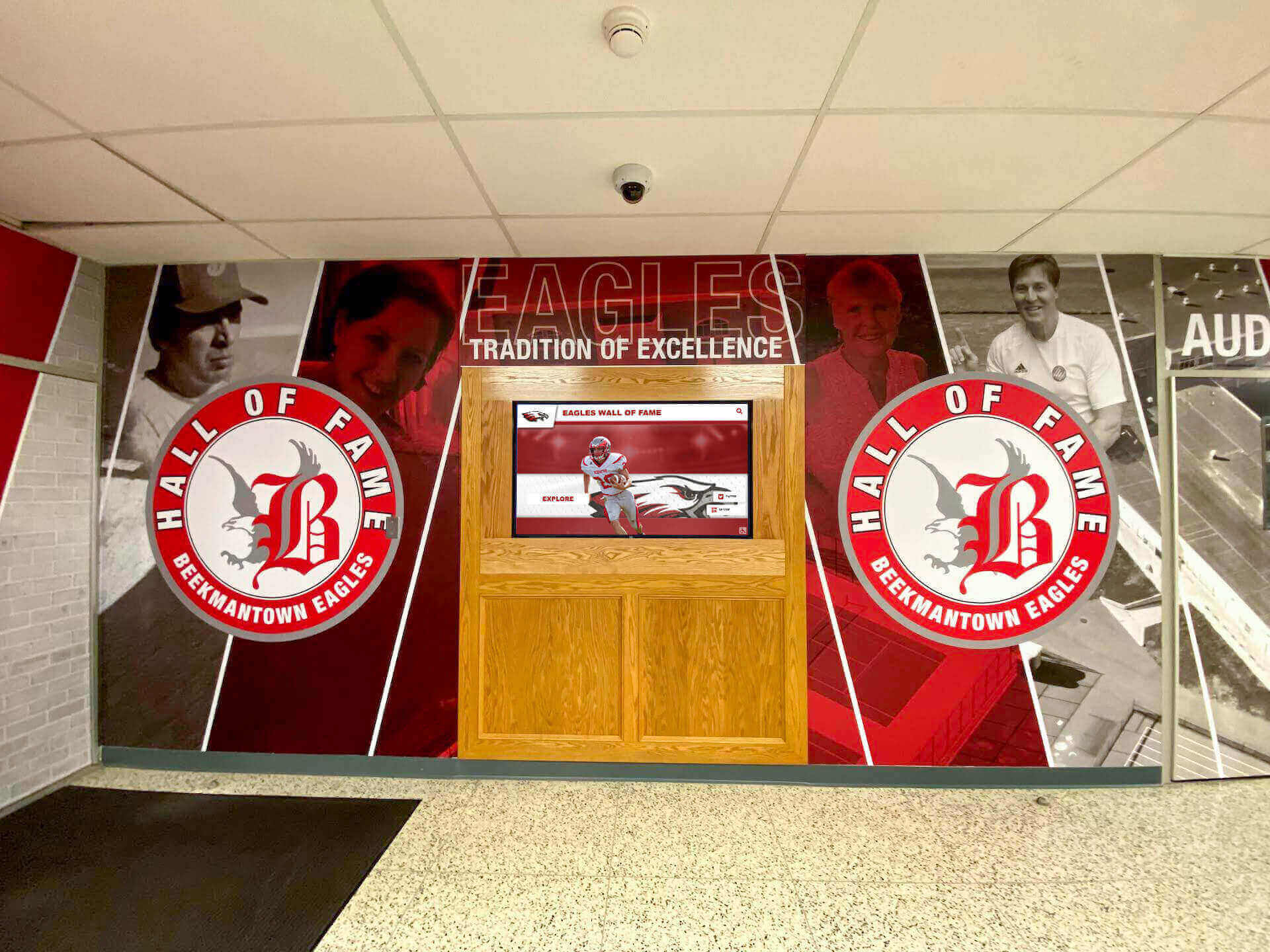
Strategic funding approaches make digital trophy showcases achievable for athletic programs of all sizes
Development and Grant Funding:
- School foundation grants for facility improvements
- Corporate sponsorships from local business partners
- Equipment donations or matching programs
- Alumni association contributions supporting athletics
Creative Funding Models:
- Phased implementation spreading costs across fiscal years
- Naming opportunities for display sponsorship
- Memorial dedications honoring deceased community members
- Capital campaign inclusion within broader facility projects
Implementation Best Practices
Learning from successful gym lobby installations prevents common challenges.
Stakeholder Engagement
Broad involvement builds support and ensures displays serve diverse needs:
Key Voices to Include:
- Athletic director leading vision and priorities
- Head coaches representing sport-specific interests
- Athletic booster club officers supporting funding
- Alumni association leadership maintaining tradition
- Facilities managers coordinating installation logistics
- Technology coordinators addressing infrastructure needs
- Student athletes providing current generation perspective
Engagement Activities:
- Initial planning sessions establishing goals and scope
- Demonstration of sample content and interfaces
- Review cycles for content organization and navigation
- Training programs ensuring management capability
- Launch events celebrating new recognition capabilities
Schools implementing comprehensive athletic recognition programs involve diverse stakeholders ensuring displays celebrate all program achievements equitably.
Launch and Promotion
Strategic introduction maximizes awareness and adoption:
Launch Event Planning:
- Ceremony dedicating new gym lobby display
- Demonstration sessions showing exploration features
- Recognition of donors or supporters funding project
- Media coverage in local newspapers and school communications
- Social media campaigns showcasing new capabilities
- Alumni outreach highlighting expanded access to achievements
Ongoing Promotion:
- Campus tour integration featuring displays prominently
- Athletic event promotions showcasing current season content
- Parent orientation sessions demonstrating recognition access
- Alumni weekend programming featuring historical exploration
- Community engagement during gym open houses
Usage Training:
- Student athlete sessions exploring their teams and achievements
- Staff walkthroughs demonstrating content management
- Visitor guides understanding navigation and search features
- Quick reference cards near displays for first-time users
- Video tutorials embedded in display welcome screens
Comprehensive digital signage solutions provide templates and best practices for athletic recognition across diverse content types.
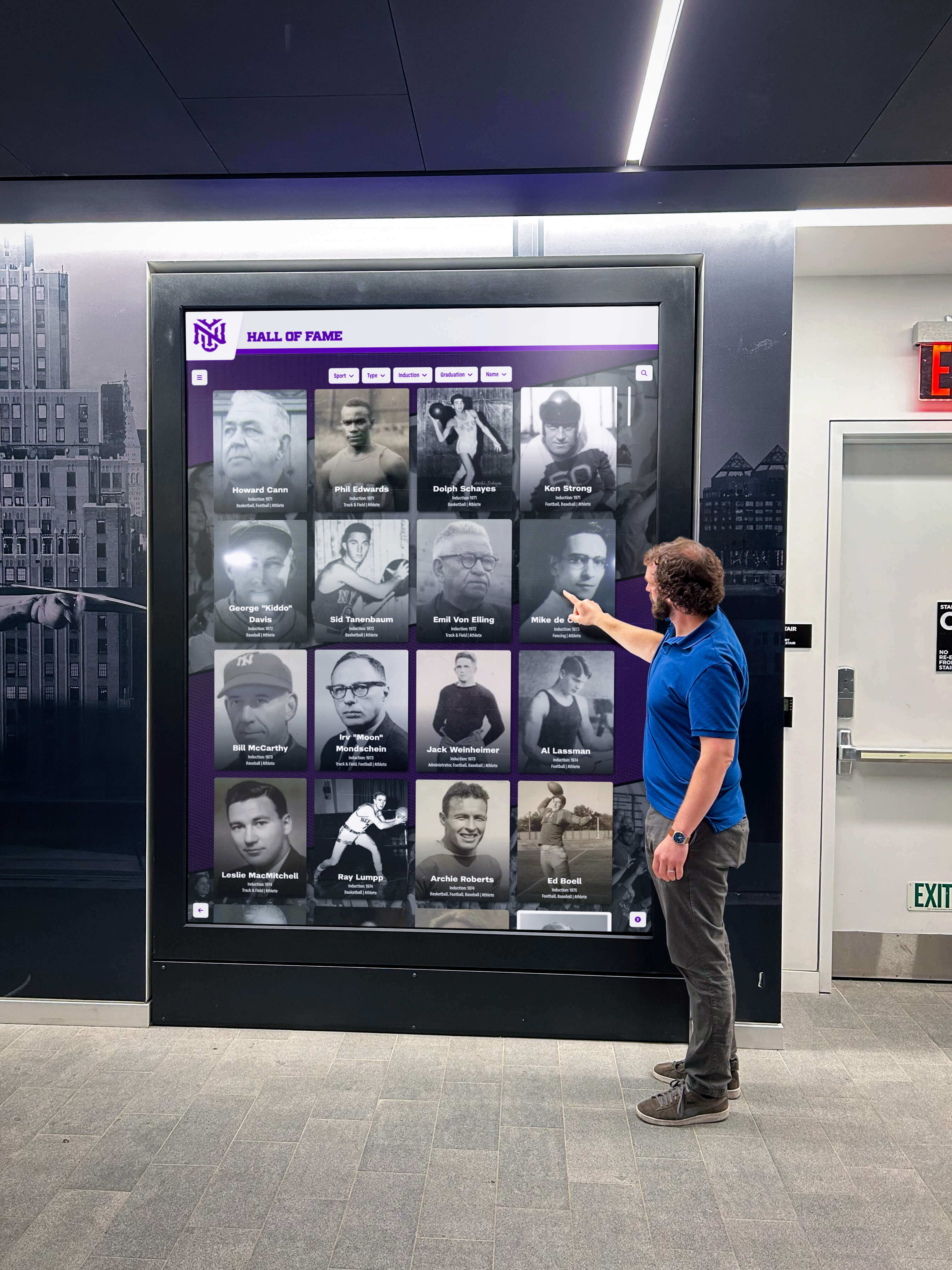
Successful launches create immediate engagement while establishing displays as valued resources for athletic community
Measuring Success and Impact
Assessment demonstrates value and identifies improvement opportunities.
Engagement Metrics
Usage data reveals how community interacts with displays:
Interaction Analytics:
- Total touchscreen sessions per day, week, and month
- Average exploration duration indicating engagement depth
- Most frequently viewed trophies and championships
- Search queries revealing visitor interests
- Peak usage times informing content optimization
- Return visitor rates showing sustained engagement
Schools with digital gym lobby displays typically see 300-600 monthly touchscreen interaction sessions, plus 1,000-3,000 web platform visits monthly from alumni and community members accessing trophy archives remotely.
Stakeholder Feedback
Qualitative input provides context for quantitative metrics:
Gathering Input:
- Annual surveys of coaches about recognition adequacy
- Alumni feedback during reunion events and homecoming
- Student athlete input about inspiration and pride
- Parent reactions during athletic events and campus visits
- Community member comments during gym open houses
- Prospective family impressions during recruitment tours
Common Positive Feedback Themes:
- Ability to find specific athletes or teams easily
- Appreciation for comprehensive historical preservation
- Engagement with video highlights and championship stories
- Connection alumni feel seeing their achievements permanently accessible
- Inspiration current athletes express from exploring program history
Return on Investment Assessment
Understanding broader impact justifies continued investment:
ROI Indicators:
- Administrative time savings compared to physical case management
- Elimination of future trophy case purchase needs
- Alumni engagement improvements through accessible recognition
- Prospective athlete recruitment effectiveness during campus visits
- Community attendance increases at athletic events
- Booster club membership and contribution growth
- Media coverage of athletic program excellence
Schools replacing traditional overcrowded trophy cases with digital showcases report 40-60% improvement in alumni engagement metrics, 25-35% administrative time reduction, and elimination of recurring trophy case purchase costs.
Conclusion: Transform Your Gym Lobby Trophy Recognition
Overcrowded trophy cases represent an achievement problem schools should celebrate rather than a space crisis requiring difficult removal decisions. When athletic programs succeed consistently, championship trophies, conference titles, individual awards, and tournament recognition accumulate faster than physical display space expands. Traditional approaches—purchasing additional cases, implementing rotation systems, or removing older trophies—create ongoing management burdens while still constraining recognition based on arbitrary space limitations.
Digital touchscreen trophy showcases eliminate these fundamental constraints. Single displays accommodate unlimited achievements, enabling comprehensive celebration of every championship and athlete without removing anything. Enhanced engagement through interactive exploration, simplified management through remote content updates, and web-based extensions multiplying recognition reach create value impossible with traditional glass cases alone.
The most successful gym lobby implementations combine thoughtful physical trophy display with comprehensive digital archives. Featured championship trophies in traditional cases honor tangible athletic tradition while adjacent touchscreen displays preserve complete program history accessibly. This hybrid approach satisfies diverse stakeholder preferences while solving space constraints permanently.
Your trophies represent thousands of hours of dedication, sacrifice, and excellence by student athletes, coaches, and supporting communities. With appropriate technology, systematic content development, and sustainable management, you can create gym lobby recognition celebrating every accomplishment while inspiring future champions who will add their achievements to your growing tradition of athletic excellence.
Every championship team, record-setting athlete, and coaching milestone deserves lasting celebration rather than eventual storage room retirement. Modern digital solutions make comprehensive, permanent recognition achievable for programs of all sizes—without building additions, major renovations, or ongoing trophy case purchases.
Ready to transform your overcrowded gym lobby trophy cases into unlimited digital recognition showcases? Explore how solutions like Rocket Alumni Solutions help high schools celebrate comprehensive athletic achievement through interactive touchscreen displays that eliminate space constraints while creating engaging recognition inspiring current athletes and connecting alumni to their lasting legacy.