College athletic recruiting introduces student-athletes and families to terminology that shapes eligibility, playing time, and scholarship strategies. Among these terms, grayshirt meaning remains particularly misunderstood—even though this recruiting approach significantly impacts hundreds of college-bound athletes annually across football, basketball, baseball, and other sports.
Understanding what grey shirting actually means matters for recruits evaluating scholarship offers, parents navigating complex recruiting timelines, and athletic administrators managing roster composition and scholarship budgets. The difference between grayshirting and redshirting—two frequently confused concepts—creates distinct implications for academic planning, athletic eligibility, and financial aid packaging.
This comprehensive guide explains grayshirt meaning, clarifies how grey shirting differs from redshirting, explores why coaches employ this strategy, and examines what grayshirt status means for student-athletes navigating college athletics.
College athletics operates within intricate NCAA regulations governing eligibility, scholarships, and roster management. Coaches utilize various strategies to balance recruiting classes, manage scholarship allocations, and develop talent over multi-year periods. Grayshirting represents one such strategy—less common than redshirting but increasingly relevant as programs optimize recruiting cycles.

College athletes navigate various eligibility and development pathways including grayshirting and redshirting
What Does Grayshirt Mean in College Sports?
A grayshirt occurs when a recruited student-athlete delays enrollment at their committed university by one semester or term—typically enrolling in January rather than the traditional August/September start. During this delay period, the athlete is not on scholarship, does not practice with the team, and is not enrolled as a student at the institution.
Core Characteristics of Grayshirting
Delayed Enrollment The defining feature of grey shirting centers on postponed university attendance:
- Student-athlete commits to a university but doesn’t enroll immediately with incoming class
- Delay typically spans one semester (fall term)
- Athlete enrolls in spring semester (January) rather than fall
- During delay period, student has no official relationship with the university
- Preserves four seasons of athletic eligibility following enrollment
- Creates recruiting class flexibility for coaching staffs
No Scholarship During Delay Unlike enrolled students, grayshirt athletes receive no athletic financial aid during the delay period:
- University provides no scholarship money before enrollment
- Athlete not counted against scholarship limits during delay
- Family responsible for all expenses during postponement period
- No access to team facilities, coaching, or athletic training
- Creates financial burden requiring careful family planning
- May involve attending junior college or working during delay
Strategic Roster Management Coaches employ grayshirting to manage recruiting class size and scholarship distribution:
- Allows programs to sign more recruits than available scholarships in single year
- Spreads recruiting class across two enrollment periods (fall and spring)
- Helps balance roster composition when recruiting classes vary in size
- Provides flexibility when unexpected transfers or departures occur
- Enables coaches to accept late-commitment recruits
- Particularly common in football programs with 85-scholarship limits
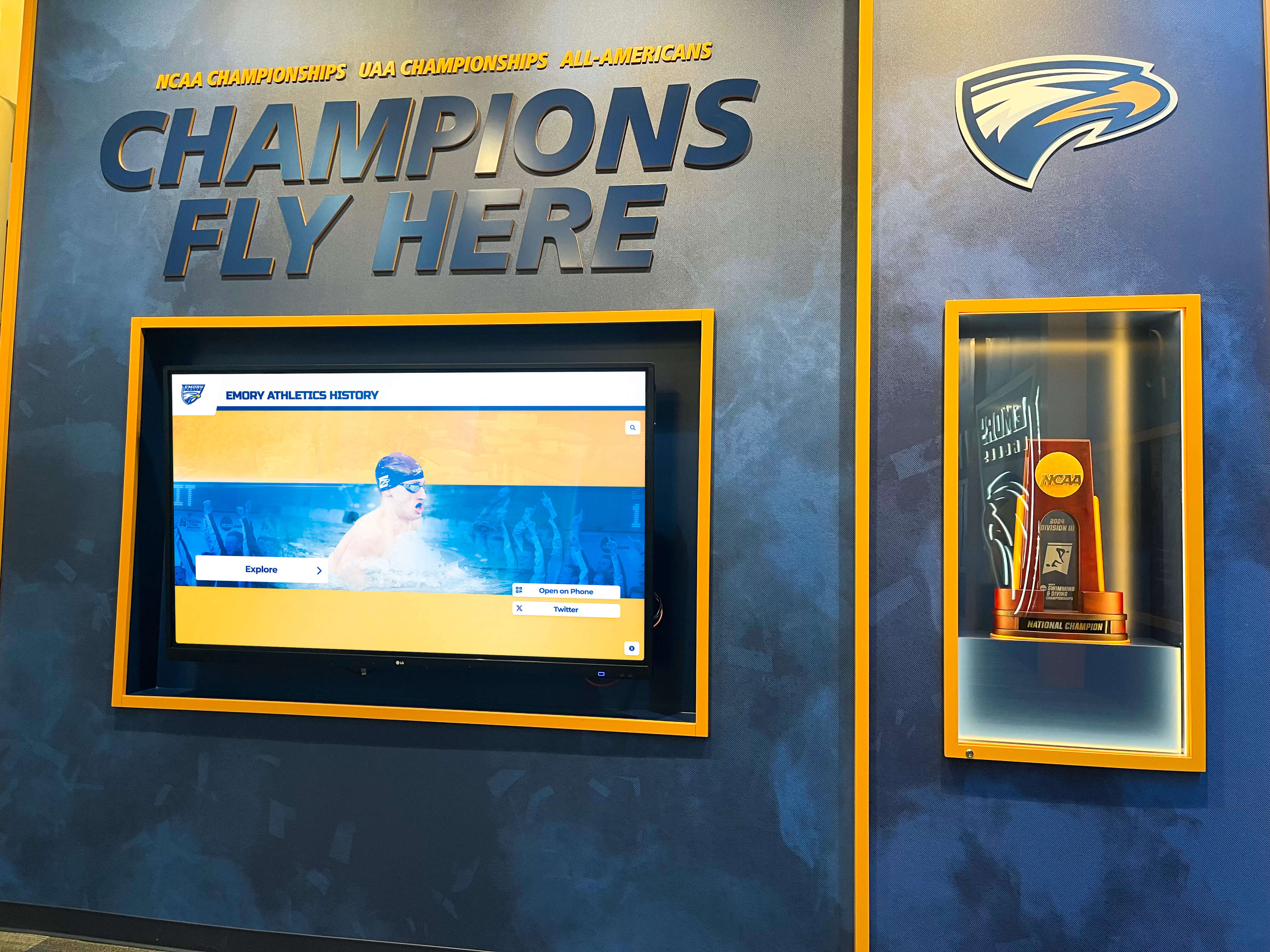
College athletic programs balance recruiting, development, and recognition across diverse student-athlete pathways
Why Coaches Use Grayshirting
Athletic programs implement grey shirting for several strategic reasons beyond simple scholarship mathematics:
Scholarship Availability Management
- Current senior class not graduating until after fall semester begins
- Unexpected returning players (medical redshirts, eligibility appeals)
- Roster spots filled by transfer students entering program
- Budget considerations requiring delayed scholarship expenditures
- Athletic directors balancing overall department scholarship allocations
Recruiting Class Distribution
- Exceptionally large recruiting classes exceeding single-year scholarship limits
- Desire to balance class sizes across multiple years
- Creating roster depth at specific positions over time
- Managing graduation timing to maintain consistent roster levels
- Accommodating late-signing recruits after National Signing Day
Physical Development Opportunity
- Additional time for athletes to gain weight, strength, or size
- Recovery period for athletes dealing with injuries during recruiting
- Academic preparation time for students needing additional coursework
- Maturation period for younger recruits (early high school graduates)
- Time for skill development outside formal team structure
Grayshirt vs Redshirt: Key Differences
While both grayshirting and redshirting preserve athletic eligibility, these strategies differ fundamentally in timing, enrollment status, and athlete experience.
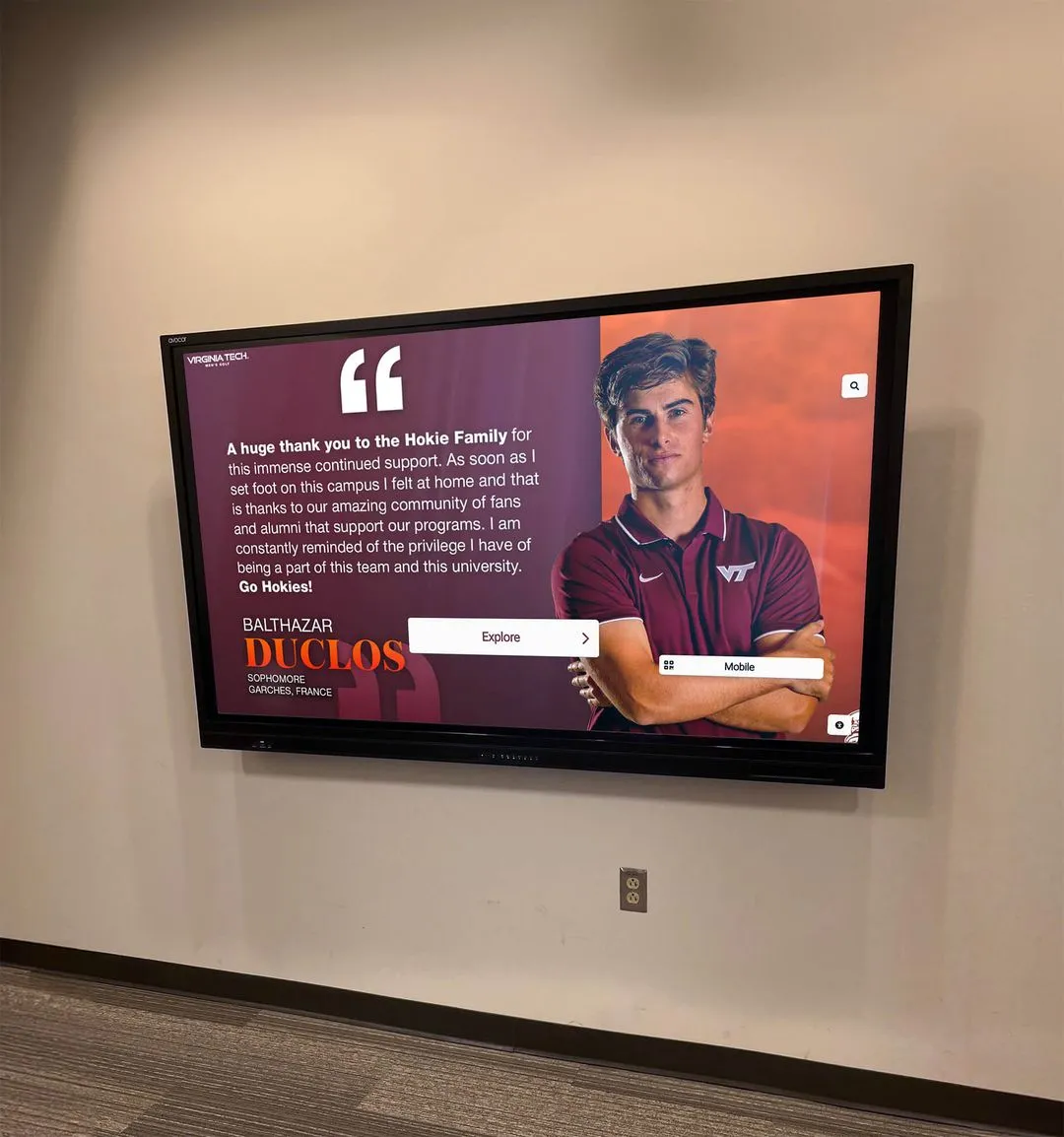
Student-athletes navigate different development pathways while maintaining full eligibility for competition
Fundamental Distinctions
| Aspect | Grayshirt | Redshirt |
|---|---|---|
| Enrollment Status | Not enrolled during delay period | Enrolled as full-time student |
| Scholarship | No scholarship during delay | On athletic scholarship |
| Team Involvement | No access to team, facilities, or coaching | Full practice participation, team meetings, film sessions |
| Academic Progress | Not pursuing degree credits | Taking classes, progressing toward degree |
| Competition | Cannot compete (not enrolled) | Cannot compete (preserving eligibility) |
| Timing | Delays enrollment by one semester | Enrolled on time, sits out competition one year |
| Financial Impact | Family covers all costs during delay | University provides scholarship support |
Redshirt Detailed Definition Understanding redshirting clarifies how grayshirting differs:
- Student-athlete enrolls on time with recruiting class
- Receives full athletic scholarship and student benefits
- Practices with team, attends meetings, participates in training
- Does not compete in games (sits out competition year)
- Retains four seasons of eligibility for later years
- Remains enrolled continuously, making academic progress
- Common across all college sports, particularly football and basketball
- Often benefits players needing physical development or learning complex systems
When Each Strategy Makes Sense
Grayshirting works best when:
- Scholarship unavailable until spring semester
- Athlete needs extended physical development time
- Family can financially support delay period
- Academic preparation beneficial before enrollment
- Recruiting class exceptionally large
- Late commitment creates roster complications
Redshirting works best when:
- Scholarship immediately available
- Player enrolled but not yet ready for competition
- Learning complex offensive/defensive systems requires time
- Physical development needed but athlete should be with team
- Injury recovery during first year prevents competition
- Depth at position allows development year
The “Blue Shirt” Alternative
Some programs employ a “blue shirt” variation addressing grayshirt financial challenges:
- Athlete enrolls as regular student (not on athletic scholarship)
- Pays tuition like non-athlete student during first term
- Joins team on athletic scholarship in subsequent semester
- Maintains NCAA eligibility rules compliance
- Reduces family financial burden compared to full grayshirt delay
- Less common than traditional grayshirting but growing in use
How Grayshirting Impacts Student-Athletes
For recruits considering grayshirt offers, understanding implications helps informed decision-making.
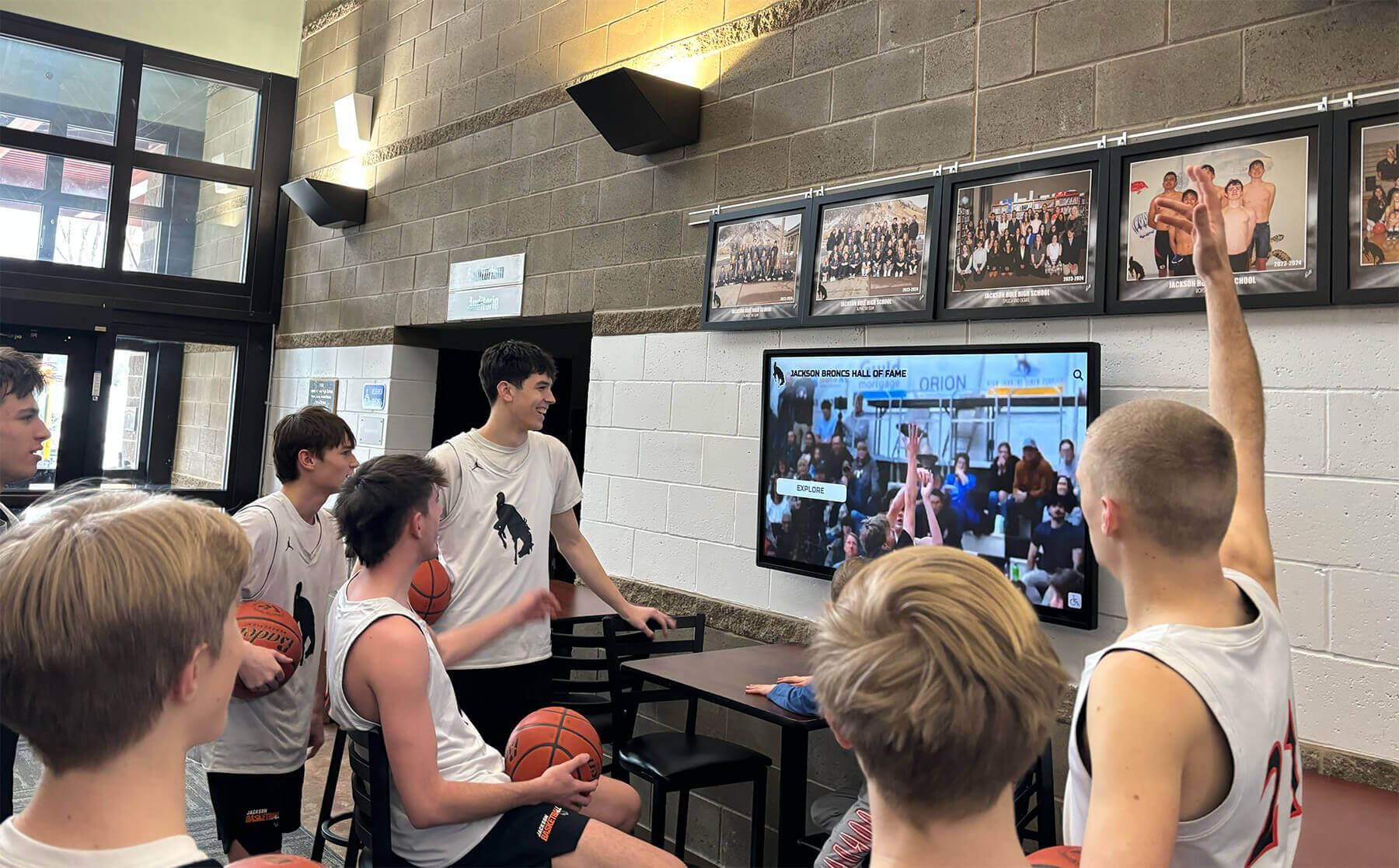
Student-athletes transition from high school to college athletics through various pathways and development strategies
Benefits of Accepting Grayshirt Status
Extended Preparation Time
- Additional months for strength training and physical development
- Time to address academic deficiencies or strengthen transcript
- Opportunity to heal from injuries without rushing recovery
- Mental preparation for college athletics demands
- Chance to mature before facing college competition pressures
Preserved Eligibility
- Still maintains four full seasons of athletic eligibility
- Clock doesn’t start until official enrollment
- Full participation opportunity once enrolled
- Same total playing years as non-grayshirt teammates
- No competitive disadvantage after joining program
Roster Spot Security
- Guaranteed position in recruiting class despite delayed enrollment
- Coach commitment remains despite scholarship timing issues
- Opportunity to join program and earn recognition once enrolled
- Potential playing time following development period
- Long-term roster planning inclusion
Challenges of Grayshirt Status
Financial Burden The most significant grayshirt challenge involves finances:
- Family must fund gap semester without scholarship support
- Costs may include junior college tuition if athlete enrolls elsewhere temporarily
- Living expenses during delay period
- Training facility access fees if working with private coaches
- Lost income if athlete could have earned scholarship immediately at different school
Social and Academic Delays
- Missing freshman year social bonding with classmates
- Academic progress delayed by semester
- Separation from committed teammates during delay
- Graduation timeline pushed back
- Missing college football season experiences during traditional freshman fall
Limited Development Support
- No access to college strength coaches during delay
- Missing specialized position coaching
- No team nutritionist support
- Self-directed training responsibility
- Potential regression without structured development program
Uncertainty Factors
- Coaching staff changes possible during delay period
- Scheme changes might reduce position need
- New recruits in subsequent class might affect depth chart
- Program scholarship situations can evolve
- No guarantee of playing time after enrollment
Grayshirt Alternatives Student-Athletes Should Consider
Before accepting grayshirt status, recruits should evaluate other pathways offering similar benefits with different tradeoffs.
Junior College Pathway
How JUCO Fits Grayshirt Scenarios
- Enroll at junior college during delay period instead of waiting
- Earn transferable academic credits
- Continue athletic competition and development
- Receive potential JUCO athletic scholarship
- Transfer to original commitment school after one semester or year
- Maintains four-year eligibility at transfer destination in many cases
Benefits Over Traditional Grayshirt
- Continues academic progress toward degree
- Competitive game experience maintains skills
- Structured coaching and training programs
- Potential scholarship support reduces family burden
- Film and statistics for continued development
- Social and athletic engagement during gap period
Considerations
- Requires admission to junior college program
- Transfer credit acceptance varies by institution
- May affect original scholarship offer terms
- Additional application and enrollment processes
- Possible adjustment period transferring to four-year school
Prep School Option
Post-Graduate Year Approach
- Enroll in post-graduate (PG) year at prep school
- Continue athletic and academic development
- Strengthen college application profile
- Potential scholarship support at some prep schools
- Delay college enrollment while remaining active
- Common in sports like football, basketball, hockey
Walk-On Pathway
Enrolling Without Immediate Scholarship
- Enroll at university as preferred walk-on
- Participate fully with team without scholarship
- Earn scholarship in future years based on performance
- Avoids enrollment delay and financial gap
- Maintains team connection from day one
- Requires family financial resources for initial year(s)
Different School Alternative
Evaluating Other Scholarship Offers When faced with grayshirt request, recruits should honestly assess:
- Other schools offering immediate enrollment with full scholarship
- Competitive level and playing time projections at alternative programs
- Academic program quality and degree alignment
- Geographic preferences and family proximity
- Total cost of attendance and financial aid packages
- Long-term career and athletic development goals
Sometimes accepting immediate scholarship at program offering full enrollment outweighs prestige or preference for school requesting grayshirt status.
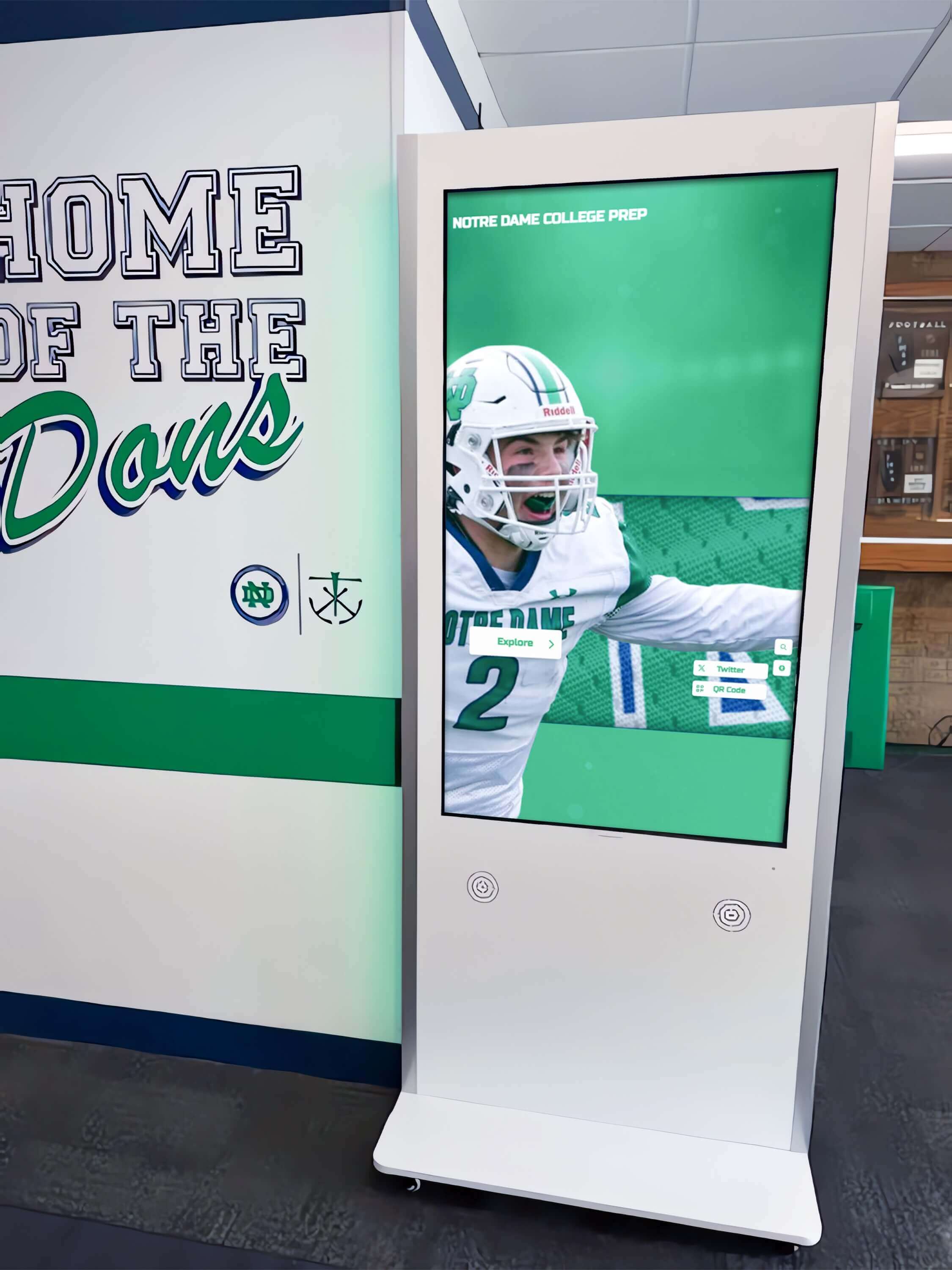
College preparatory programs help student-athletes navigate recruiting decisions and enrollment pathways
NCAA Rules Governing Grayshirt Status
Understanding NCAA regulations helps families navigate grey shirting compliance and implications.
Eligibility Preservation Rules
Five-Year Clock
- NCAA provides student-athletes five calendar years to complete four seasons of competition
- Grayshirt delays enrollment, so five-year clock doesn’t start until enrolled
- Differs from redshirt where clock begins at enrollment even during non-competing year
- Athletes have same four seasons of eligibility regardless of grayshirt status
- Medical hardship waivers can extend five-year window in specific circumstances
Academic Requirements
- Must meet NCAA initial eligibility standards before enrollment
- Core course requirements must be satisfied
- Minimum GPA and test score standards apply
- Eligibility center certification required
- Standards apply whenever enrollment occurs, whether fall or spring
Scholarship and Financial Aid Regulations
Counter Status
- Grayshirt athletes not counted against scholarship limits during delay
- Only count when enrolled and receiving athletic aid
- Allows programs to sign more recruits than annual scholarship capacity
- Creates roster management flexibility within NCAA limits
- Particularly relevant for FBS football with 85-scholarship maximum
Recruiting Contact Rules
- Standard recruiting regulations apply during commitment and delay period
- Coaches can maintain contact within NCAA guidelines
- Official and unofficial visit rules still govern interactions
- Dead periods and contact restrictions remain in effect
- Verbal commitments non-binding until National Letter of Intent signed
How Schools Recognize Student-Athletes Across Eligibility Pathways
Modern athletic departments celebrate athletes regardless of redshirt, grayshirt, or traditional enrollment status through inclusive recognition approaches.

Comprehensive recognition systems celebrate all student-athletes including those on varied development pathways
Inclusive Recognition Strategies
Digital Recognition Platforms Schools increasingly adopt modern recognition solutions celebrating diverse athletic journeys:
- Interactive touchscreen displays showcasing complete rosters
- Digital profiles updated as athletes join programs mid-year
- Stories highlighting individual development pathways
- Timeline features showing progression from commitment through graduation
- Inclusive displays representing walk-ons, grayshirts, redshirts, and scholarship athletes equally
Recognition Best Practices
- Feature committed recruits before official enrollment
- Update displays when grayshirt athletes join in spring
- Tell complete stories including development years
- Celebrate diverse achievement types beyond game statistics
- Include leadership, academic achievement, community service
- Maintain comprehensive sports records documenting all contributors
Questions to Ask Coaches About Grayshirt Offers
Student-athletes receiving grayshirt offers should seek complete information before accepting:
Financial and Scholarship Questions
- When exactly will my scholarship begin? Get specific enrollment and aid start dates.
- Will the scholarship amount match what was originally discussed? Confirm no reduction due to delay.
- What happens to my scholarship if coaching staff changes during delay? Understand commitment stability.
- Are there other recruits at my position in the next recruiting class? Assess future competition.
- How many grayshirt athletes have successfully joined the program previously? Evaluate track record.
Development and Support Questions
- What training program do you recommend during the delay period? Get specific development guidance.
- Can I have contact with strength coaches during the grayshirt period? Clarify allowed interactions.
- Will there be any team activities I can participate in before enrollment? Understand inclusion opportunities.
- What academic preparation would benefit me during the delay? Optimize gap period academically.
Alternative Pathway Questions
- Would you support me attending junior college during the delay semester? Understand flexibility.
- Is there a blue shirt option where I could enroll but pay initially? Explore variations.
- Could I join as a walk-on for fall and receive scholarship in spring? Investigate immediate enrollment options.
- What other recruits in this class are grayshirting? Assess whether this affects multiple athletes.
The Role of Communication in Grayshirt Situations
Successful grey shirting requires transparent communication between coaching staffs, recruits, and families.
What Coaches Should Communicate
Clear Expectations
- Precise timeline for when scholarship will be available
- Explicit financial aid details and amounts
- Specific reason grayshirt necessary rather than immediate enrollment
- Training and development recommendations during delay
- Enrollment procedures and deadlines for spring admission
Honest Assessment
- Realistic playing time projections following enrollment
- Position depth chart and roster competition context
- Physical development expectations during gap period
- Academic requirements and support available
- Long-term roster planning and athlete’s role
What Families Should Communicate
Financial Capability
- Honest assessment of ability to fund gap semester
- Questions about financial aid alternatives or support
- Concerns about extended timeline to graduation
- Need for clearer scholarship guarantee details
Athlete Preferences
- Desire for immediate enrollment if alternatives exist
- Interest in junior college pathway instead
- Concerns about social or competitive aspects of delay
- Academic goals and timeline considerations
Making the Grayshirt Decision
Ultimately, accepting or declining grayshirt status represents a personal decision requiring careful consideration.

Student-athletes deserve thoughtful support and recognition regardless of enrollment pathway chosen
Factors Supporting Acceptance
Consider accepting grayshirt status when:
- Dream school offers grayshirt as only pathway to program
- Family can comfortably afford gap semester expenses
- Physical development time genuinely beneficial
- Junior college credits can be earned during delay reducing overall time to degree
- No scholarship offers available elsewhere that match program quality
- Athlete needs academic or personal maturity time
- Coach relationship strong with clear communication and commitment
Factors Supporting Declining
Consider declining grayshirt and pursuing alternatives when:
- Other programs offer immediate enrollment with full scholarship
- Family financial situation makes gap semester challenging
- Athlete wants to begin college social and academic experience on time
- Concerns about coaching staff stability or commitment exist
- Alternative programs offer better position fit or playing time potential
- Gap semester training without structure might lead to regression
- Mental health or social considerations favor immediate enrollment and team integration
Making an Informed Choice
Evaluation Process
- Request detailed written confirmation of scholarship offer timing and terms
- Compare grayshirt offer against all other scholarship opportunities
- Calculate total cost of gap semester including living expenses and training
- Research junior college options for academic progress during delay
- Discuss thoroughly with family, high school coaches, and mentors
- Consider non-athletic factors including academics, location, and career goals
- Trust instincts about program fit and coach relationships
Final Considerations Remember that no single pathway works for everyone. Grayshirt status successfully launches many college athletic careers when athletes and families enter situations with clear expectations and adequate resources. Simultaneously, immediate enrollment at alternative programs often proves superior when financial, academic, or competitive factors align differently.
The right decision balances athletic dreams with practical realities—considering finances, development needs, academic goals, and family circumstances alongside competitive aspirations.
Conclusion: Understanding Grey Shirting in College Athletics Context
Grayshirt meaning extends beyond simple definitions to represent a complex recruiting strategy with significant implications for student-athletes, families, and athletic programs. Understanding that grey shirting delays enrollment by one semester, requires family funding during delay periods, preserves athletic eligibility, and differs fundamentally from redshirting empowers recruits to make informed decisions about college athletic pathways.
While grayshirt status creates challenges—particularly financial burdens and enrollment delays—this approach also offers benefits including extended development time, roster spot security, and preserved eligibility at desired programs. Success requires transparent communication between coaches and families, realistic assessment of financial capabilities, and thorough comparison against alternative pathways including junior college, prep school, or immediate enrollment at different institutions.
Athletic departments can support all student-athletes—including those on grayshirt, redshirt, walk-on, and traditional scholarship pathways—through inclusive recognition celebrating diverse journeys toward athletic achievement. Modern interactive recognition platforms enable schools to tell complete stories honoring every athlete’s contribution regardless of enrollment timeline or scholarship status.
Whether accepting grayshirt status or pursuing alternatives, student-athletes deserve comprehensive information, honest communication, and supportive recognition throughout their college athletic careers. Understanding grayshirt meaning represents one essential component of navigating college athletics’ complex landscape toward fulfilling competitive, academic, and personal goals.