Graduation day marks one of life’s most significant milestones—the culmination of years of hard work, late-night study sessions, and personal growth. Your graduation cap, that iconic mortarboard sitting atop your head during commencement, offers a unique canvas to express your personality, celebrate your achievements, and make your moment memorable. Creative graduation cap decoration ideas transform standard academic regalia into personalized celebrations that capture who you are and what you’ve accomplished.
Yet many graduates struggle with where to start. Blank mortarboards feel intimidating, Pinterest inspiration seems too complex to execute, and questions about what’s allowed or how to actually attach decorations create hesitation. Meanwhile, graduation day approaches quickly, and the desire to create something meaningful competes with limited time and artistic confidence.
This comprehensive guide provides practical graduation cap decoration ideas spanning simple to elaborate designs, step-by-step techniques for successful execution, material recommendations that actually work, and creative inspiration organized by themes, majors, and personal interests—helping you create a graduation cap that celebrates your unique journey.
Decorating your graduation cap serves purposes beyond simple aesthetics. These personalized designs create photo opportunities you’ll treasure for decades, honor family members and supporters who made your education possible, showcase personality during formal ceremonies with limited individual expression, and contribute to the collective creativity making graduation ceremonies memorable for everyone present.
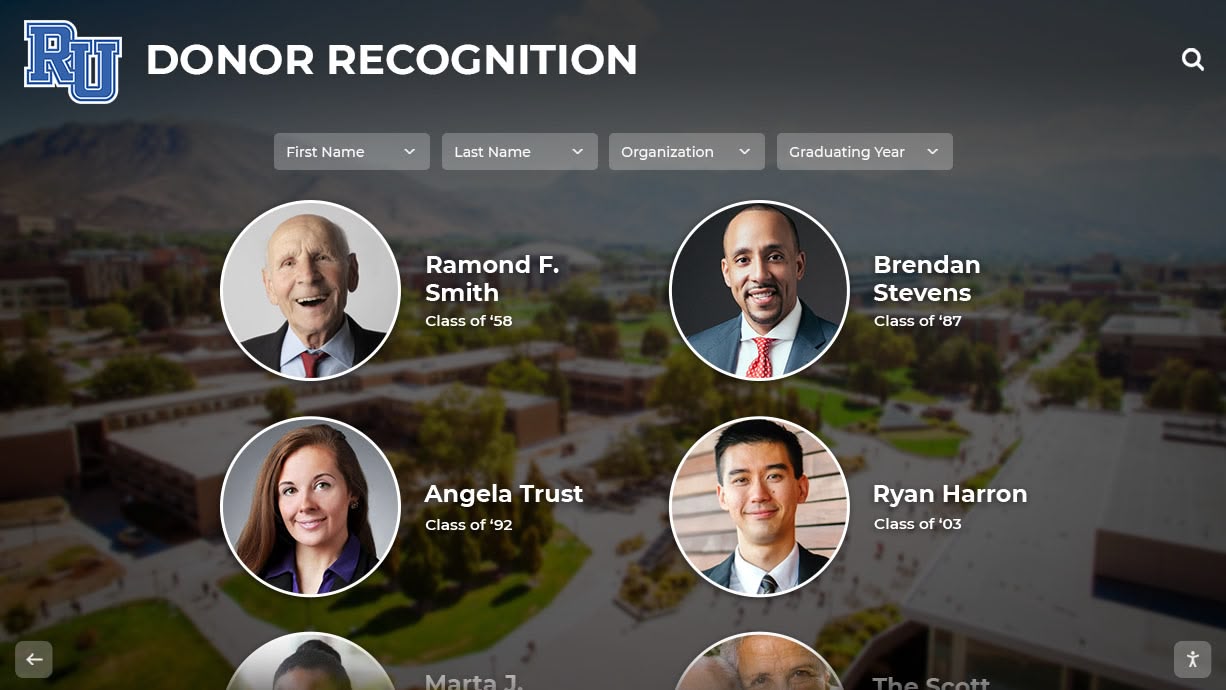
Graduation celebrations combine personal achievement with institutional recognition creating milestone moments graduates remember forever
Understanding Graduation Cap Decoration Basics
Before diving into specific design ideas, understanding fundamental guidelines and practical considerations ensures your decorated cap meets requirements while achieving your creative vision.
School Policies and Guidelines
Check Requirements First Every educational institution establishes specific guidelines:
- Size restrictions limiting how far decorations extend beyond cap edges
- Height limitations preventing visual obstruction during ceremonies
- Prohibited materials like glitter that creates cleanup issues
- Content restrictions ensuring appropriate messages and imagery
- Attachment method requirements protecting institutional property
- Timing rules about when decorated caps can be worn
- Photography policies about displaying decorated caps in official pictures
Contact your registrar’s office, student affairs office, or graduation committee at least 6-8 weeks before commencement to obtain specific guidelines. Some schools prohibit all decorations while others embrace creative expression—knowing rules prevents disappointment and ensures compliance.
Common Restrictions to Expect Most institutions share similar concerns:
- Avoid obscuring university insignia or tassel placement
- Keep messages respectful and appropriate for all-ages audience
- Maintain structural integrity allowing proper wearing
- Ensure decorations don’t distract from ceremony proceedings
- Use temporary attachment methods avoiding permanent alteration
- Consider others’ visibility when designing three-dimensional elements
- Respect cultural and religious sensitivity in imagery and messages
When in doubt, submit design concepts for approval before investing time and money in materials.
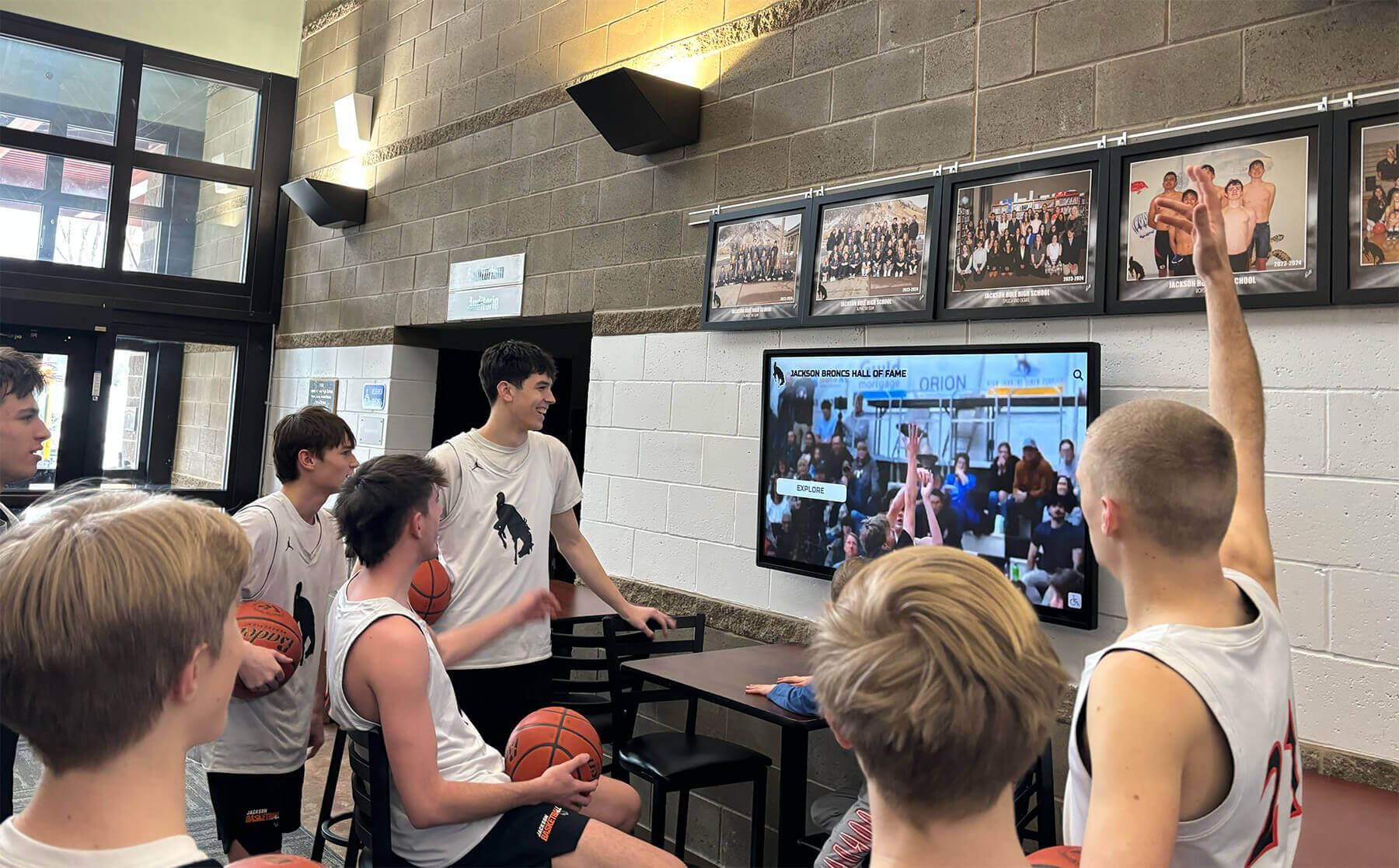
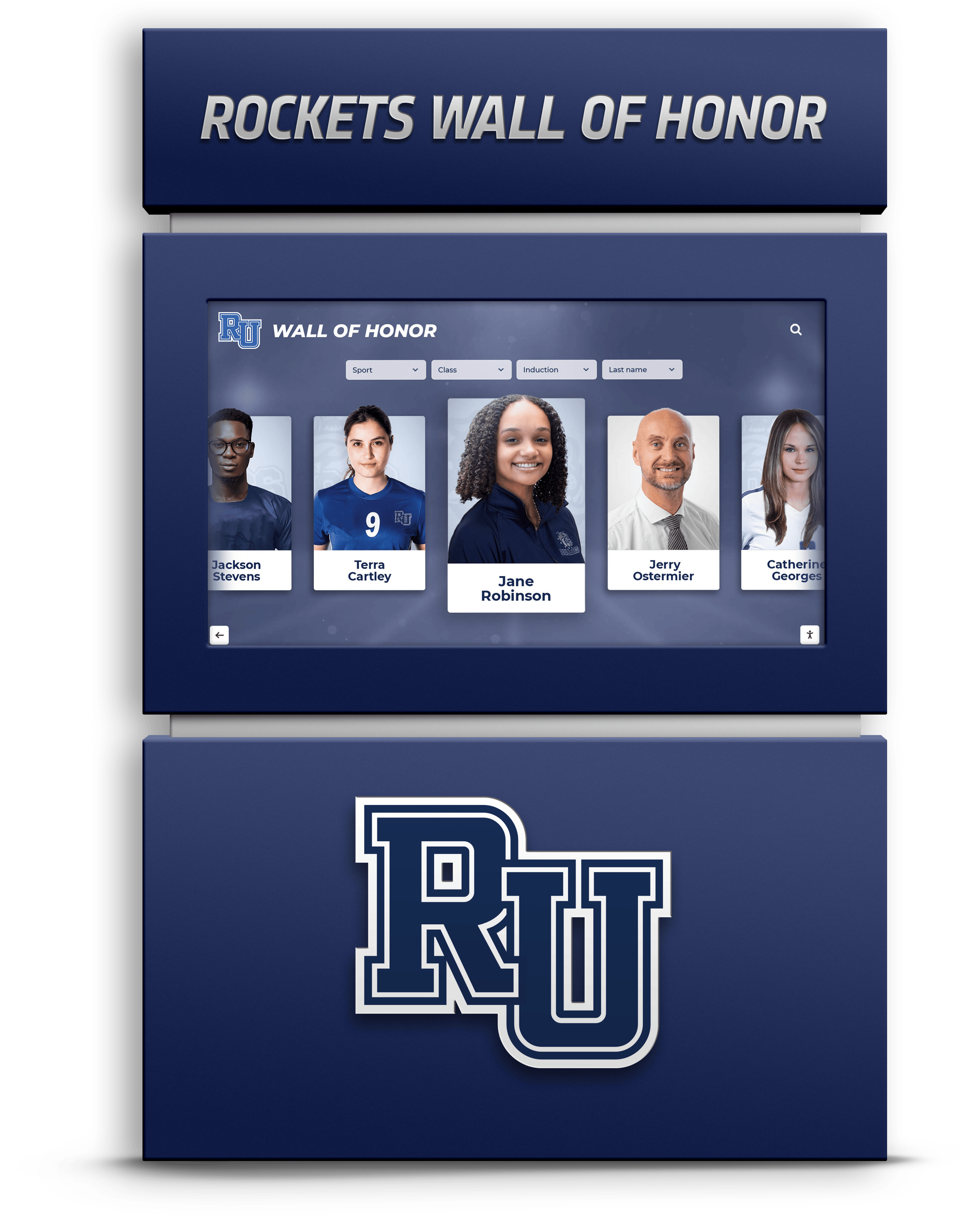
Modern recognition systems help schools celebrate student achievements including graduation milestones
Practical Design Considerations
Working Surface and Cap Structure Understanding mortarboard construction guides effective decoration:
- Standard caps measure approximately 9.5 inches square
- Most use cardboard covered in fabric or vinyl
- Flat top surface provides primary decoration area
- Curved edges require flexible materials or strategic placement
- Button at center provides natural design focal point
- Elastic band underneath limits certain attachment methods
- Weight distribution affects comfort during extended wearing
Design with the physical reality of wearing your creation for 2-3 hours during ceremony.
Visibility and Photography Consider how your cap appears to different viewers:
- Overhead view matters most for fellow graduates and audience
- Side views appear in professional ceremony photos
- Front-facing designs show in selfies and family pictures
- Lettering size must be readable from 10-15 feet away
- Contrasting colors improve visibility in various lighting
- Glossy materials may create glare in flash photography
- Three-dimensional elements photograph better than flat designs
Test visibility by photographing your design from multiple angles before finalizing.
Weather and Durability Outdoor ceremonies present additional challenges:
- Wind can dislodge poorly secured decorations
- Rain damages paper-based designs and water-soluble adhesives
- Direct sunlight fades certain colors and melts hot glue
- Heat affects adhesive performance and material stability
- Humidity warps cardboard and paper elements
- Cold temperatures make certain adhesives brittle
If ceremonies occur outdoors, weatherproof designs using appropriate sealants and adhesives rated for temperature extremes.
Essential Materials and Tools
Adhesives That Work Different attachment methods suit various materials:
- Hot glue provides strong, fast attachment for dimensional items
- Fabric glue works best for textile and ribbon elements
- Spray adhesive creates even coating for paper and vinyl
- Double-sided tape offers repositionable temporary attachment
- E6000 industrial adhesive provides permanent all-purpose bonding
- Mod Podge seals and protects paper elements
- Glue dots enable easy attachment of lightweight embellishments
Keep rubbing alcohol handy for quick cleanup of adhesive mistakes before drying.
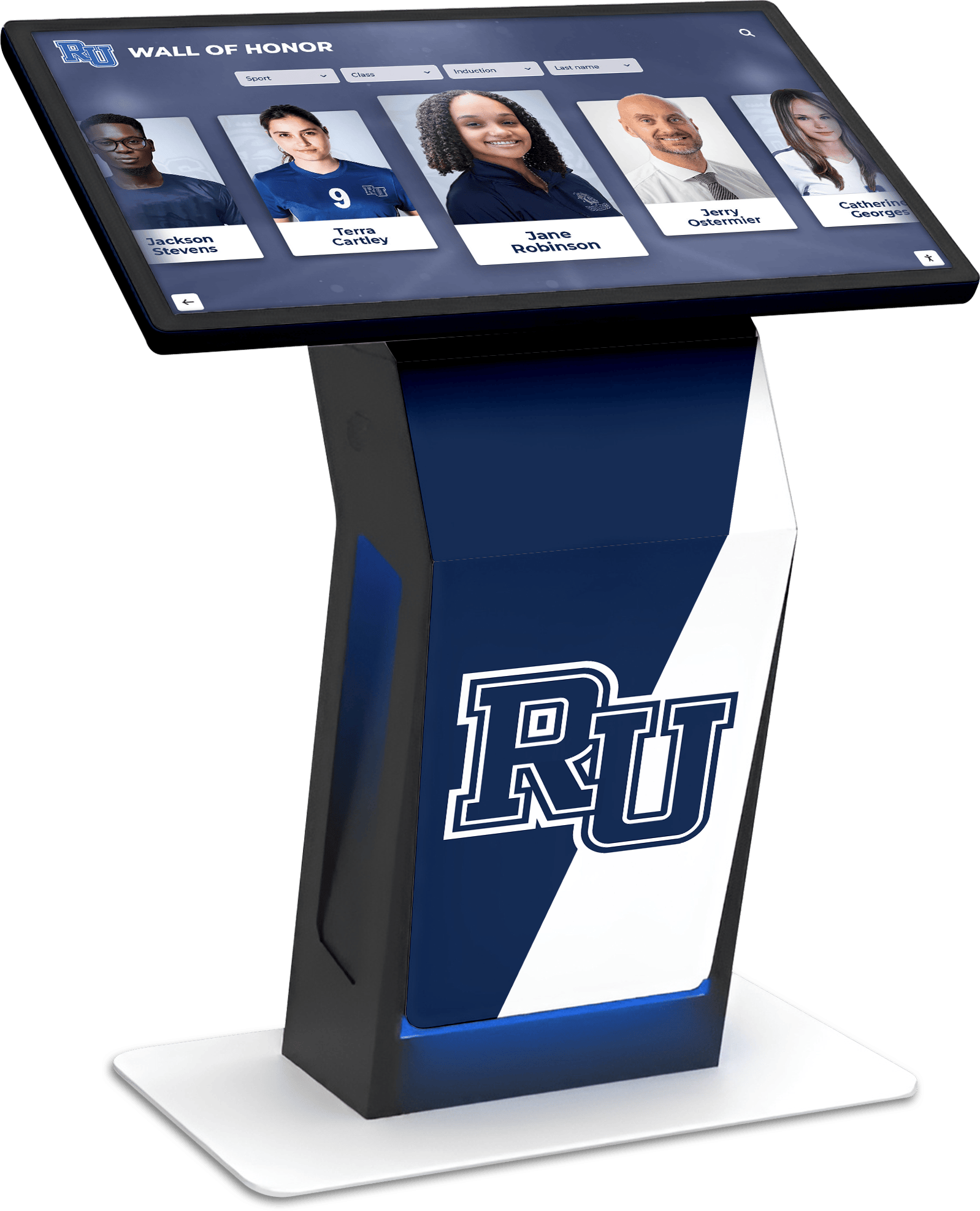
Digital recognition displays preserve graduation memories and celebrate achievements permanently
Recommended Decoration Materials Stock your workspace with versatile supplies:
- Cardstock and scrapbook paper in various colors and patterns
- Vinyl lettering for clean, professional-looking text
- Craft foam providing lightweight dimensional elements
- Ribbon and fabric adding texture and movement
- Rhinestones, sequins, and jewels for sparkle (if allowed)
- Artificial flowers creating three-dimensional designs
- Paint pens and markers for hand lettering
- Stickers and die-cuts for quick decoration
- Photos printed on cardstock for personalization
Purchase slightly more material than needed for design adjustments and mistakes.
Helpful Tools Assemble supplies before beginning:
- Hot glue gun with extra glue sticks
- Sharp scissors or craft knife with cutting mat
- Ruler and pencil for layout planning
- Painter’s tape for temporary positioning
- Tweezers for placing small embellishments
- Pencil eraser for removing guidelines
- Clear spray sealer for protection
- Level or measuring tools ensuring centered designs
Proper tools make execution significantly easier and improve final results.
100+ Graduation Cap Decoration Ideas by Theme
Creative inspiration organized by popular themes helps jumpstart your design process while providing specific concepts you can adapt to your personal story.
Academic Major and Career Path Themes
1. Nursing and Healthcare
- Stethoscope outline with “RN” lettering
- “Saving lives starts now” with heartbeat line
- Anatomical heart with program name
- Healthcare hero imagery with hospital cross
- “Trust me, I’m almost a nurse” humor
- Medical symbol (caduceus) with graduation year
- “Curing the world one patient at a time”
2. Education and Teaching
- Apple with “Changing the world one student at a time”
- Ruler border with “The future is bright”
- Pencil graphics with “Teaching is my superpower”
- World globe with “Educating tomorrow’s leaders”
- Classroom-themed designs with alphabet or numbers
- Book stack imagery with inspirational quotes
- “Thanks for helping me reach the top” honoring professors
3. Engineering
- Circuit board pattern background
- Blueprint-style designs with technical drawings
- “Built for success” with engineering tools
- Gear and cog imagery creating mechanical theme
- Mathematical formulas as decorative elements
- “Problem solver” with equation equals graduation cap
- Bridge or building silhouettes representing civil engineering
4. Business and Finance
- “CEO in the making” with corporate imagery
- Dollar sign incorporated into design
- Stock chart showing upward trajectory
- “Masters of the universe” Wall Street reference
- Calculator design with achievement calculations
- Briefcase and business attire elements
- “Success is the only option” motivational message

Individual achievement recognition celebrates each graduate's unique accomplishments and future plans
5. Computer Science and Technology
- Binary code spelling meaningful message
- Computer keyboard with relevant keys highlighted
- “Hello World” programmer reference
- Social media icons with follower counts at graduation
- Coding language syntax with graduate name
- WiFi symbol with “Fully connected to success”
- Tech company logos representing career goals
6. Psychology and Social Sciences
- Brain illustration with colorful neural pathways
- “Analyzing my way to the top”
- Maslow’s hierarchy with self-actualization highlighted
- Quote from influential psychologist
- Mind over matter messaging
- “Mentally prepared for anything”
- Research and laboratory imagery
7. Law and Criminal Justice
- Scales of justice with graduate name
- “Future attorney” or “Future judge”
- Gavel imagery with “Order in the court”
- “Objection: Overruled my expectations”
- Legal terminology creating border design
- Courthouse or law library imagery
- “Justice for all” with equality themes
8. Arts and Design
- Paint palette with colorful splatters
- “Creating my future” with art supplies
- Musical notes and instruments for music majors
- Theater masks for drama and performance
- Camera for photography and film students
- “Art is how we decorate space; music is how we decorate time”
- Gallery-style frame showcasing achievement
9. Science (Biology, Chemistry, Physics)
- Periodic table elements spelling message
- DNA double helix design
- “Science: It’s elementary” chemistry pun
- Microscope or laboratory equipment
- Galaxy and space imagery for physics
- Plant and nature themes for biology
- Scientific formulas and equations as decoration
10. Communications and Journalism
- Typewriter with “Writing my own story”
- Newspaper-style headline announcing graduation
- Microphone for broadcast journalism
- Speech bubble graphics
- “Breaking news: I graduated”
- Media and social networking imagery
- Quote about power of communication
Inspirational Quotes and Messages
11-25. Motivational and Success Themes
- “The tassel was worth the hassle” (classic favorite)
- “She believed she could, so she did”
- “And so the adventure begins”
- “The best is yet to come”
- “Dream big, work hard, stay focused”
- “Thanks Mom and Dad” (honoring supporters)
- “First generation, not the last”
- “Made possible by coffee and determination”
- “Education is the key to unlock the golden door of freedom” (Carver)
- “The future belongs to those who believe in the beauty of their dreams” (Roosevelt)
- “I came, I saw, I graduated”
- “Wait, I have a degree now?”
- “Straight outta student loans”
- “They said to follow my dreams, so I went back to bed… just kidding, I graduated!”
- “Please don’t make me adult”

Comprehensive recognition systems document complete graduate stories from student years through distinguished careers
Cultural Heritage and Identity
26-35. Celebrating Background and Identity
- Flag design representing cultural heritage
- Traditional patterns from cultural background
- Bilingual messages in native language and English
- “Proudly [nationality]” with cultural symbols
- Family crest or heritage emblems
- Map outline of homeland or significant location
- Colors and imagery from cultural tradition
- Religious symbols and meaningful verses
- LGBTQ+ pride themes with rainbow elements
- “First in my family to graduate” honoring achievement
Family and Gratitude Themes
36-45. Honoring Support Systems
- “Thanks Mom & Dad” with heart imagery
- Photos of family members arranged creatively
- “Making my parents proud since [birth year]”
- “Family first, always”
- “For those who believed in me”
- Grandparents’ names with appreciation message
- Sibling references and inside family jokes
- “Raised by a strong woman/man”
- Pet photos for beloved animal companions
- “Village that raised me” community acknowledgment
Pop Culture and Entertainment
46-60. Movies, TV, Music, and Games
- Disney-inspired designs with character imagery
- “Hakuna Matata” or other Disney quotes
- Harry Potter house colors and crests
- “May the force be with me” Star Wars theme
- Marvel superhero symbols and quotes
- Music lyrics from favorite artists
- Video game references and imagery
- “Friends” TV show references
- Office quotes and humor
- Netflix show-inspired designs
- Book series references (Hunger Games, Twilight, etc.)
- Sports team logos and colors
- Band or musician tour-style designs
- Streaming service “Continue watching” joke
- Podcast or influencer references
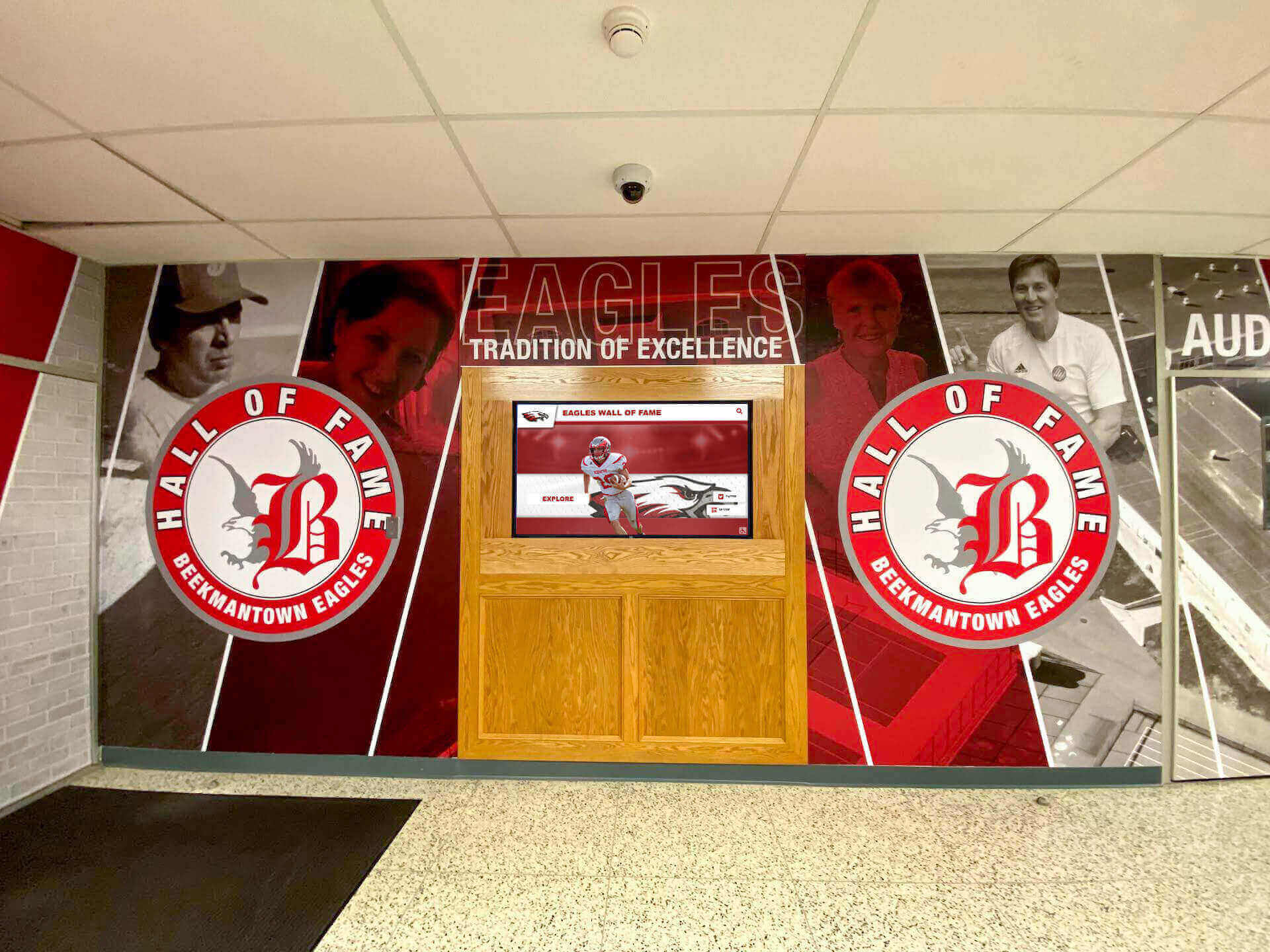
Prominent school displays celebrate graduates alongside athletic and academic achievements creating comprehensive recognition
Geographic and School Pride
61-70. Location and Institution Themes
- State or country outline with graduate location
- Hometown pride with coordinates
- Campus landmark silhouettes
- School colors creating pattern or design
- Mascot imagery representing institution
- Skyline of significant city
- “From [hometown] to graduation”
- Regional symbols or state flowers
- Campus map with highlighted meaningful locations
- School motto or traditional phrases
Faith and Spirituality
71-78. Religious and Spiritual Themes
- Bible verses meaningful to graduate
- Cross designs with religious imagery
- “Blessed and grateful” messaging
- Faith-specific symbols and iconography
- “God is good, all the time”
- Quranic verses or Islamic imagery
- Jewish symbols and Hebrew text
- Other religious traditions and meaningful texts
Creative Wordplay and Puns
79-90. Humor and Clever Designs
- “Ctrl+Alt+Graduated” computer reference
- “Game Over” with video game imagery
- “Diploma: Unlocked” achievement notification style
- “WiFi: Connected to Success”
- “Sleep mode: Deactivated”
- Major-specific puns (accounting: “Making cents of it all”)
- “Proof that I can commit to long-term goals”
- “I can’t adult today” with graduation achievement
- “Student loans paid in: Never”
- “Professional procrastinator no more”
- “My GPA thanks my coffee maker”
- “Now accepting nap applications”
Nature and Aesthetic Themes
91-100. Beautiful and Elegant Designs
- Floral arrangements with greenery and blooms
- Watercolor-style painted backgrounds
- Geometric patterns creating modern aesthetic
- Gold foil accents with elegant typography
- Mandala designs representing journey
- Butterfly transformation symbolism
- Mountain peaks representing achievement climb
- Ocean waves and nautical themes
- Sunset or sunrise imagery symbolizing new beginning
- Minimalist designs with clean lines and single focal point
Unique and Personalized Concepts
101-110. Original Ideas
- Photo collage showing journey from freshman to graduate
- QR code linking to video message or portfolio
- Glow-in-the-dark elements for evening ceremonies
- Hidden messages visible only from certain angles
- Incorporate actual textbook pages from major courses
- Timeline showing years of education with highlights
- Signatures from classmates creating unique keepsake
- Favorite professor quotes collected throughout years
- List of classes taken creating typographic design
- Major achievements and awards listed creatively
Touchscreen recognition systems provide unlimited space for celebrating graduating classes year after year
Step-by-Step Decoration Techniques
Understanding proven techniques ensures successful execution regardless of artistic experience or chosen design complexity.
Planning Your Design
Sketch and Visualize First Before purchasing materials:
- Measure your cap accurately recording dimensions
- Sketch design ideas on paper at actual size
- Experiment with layout and element placement
- Consider readability from various distances
- Plan color scheme ensuring sufficient contrast
- Identify focal point drawing eye effectively
- Balance decorative elements avoiding overcrowding
- Mock up design with temporary materials before committing
Creating actual-size mock-ups using printer paper cut to cap dimensions prevents surprises during execution.
Typography and Lettering Planning Text readability makes or breaks designs:
- Choose fonts readable from distance (avoid script fonts smaller than 1.5 inches)
- Create letter templates ensuring consistent sizing
- Consider letter spacing preventing crowding
- Test legibility by viewing mock-up from 10-15 feet
- Verify spelling carefully before permanent attachment
- Plan text placement accounting for tassel position
- Use contrasting colors between letters and background
- Consider mixed sizing with keywords larger than supporting text
Hand-lettering requires practice—consider vinyl letters for polished appearance if calligraphy isn’t your strength.
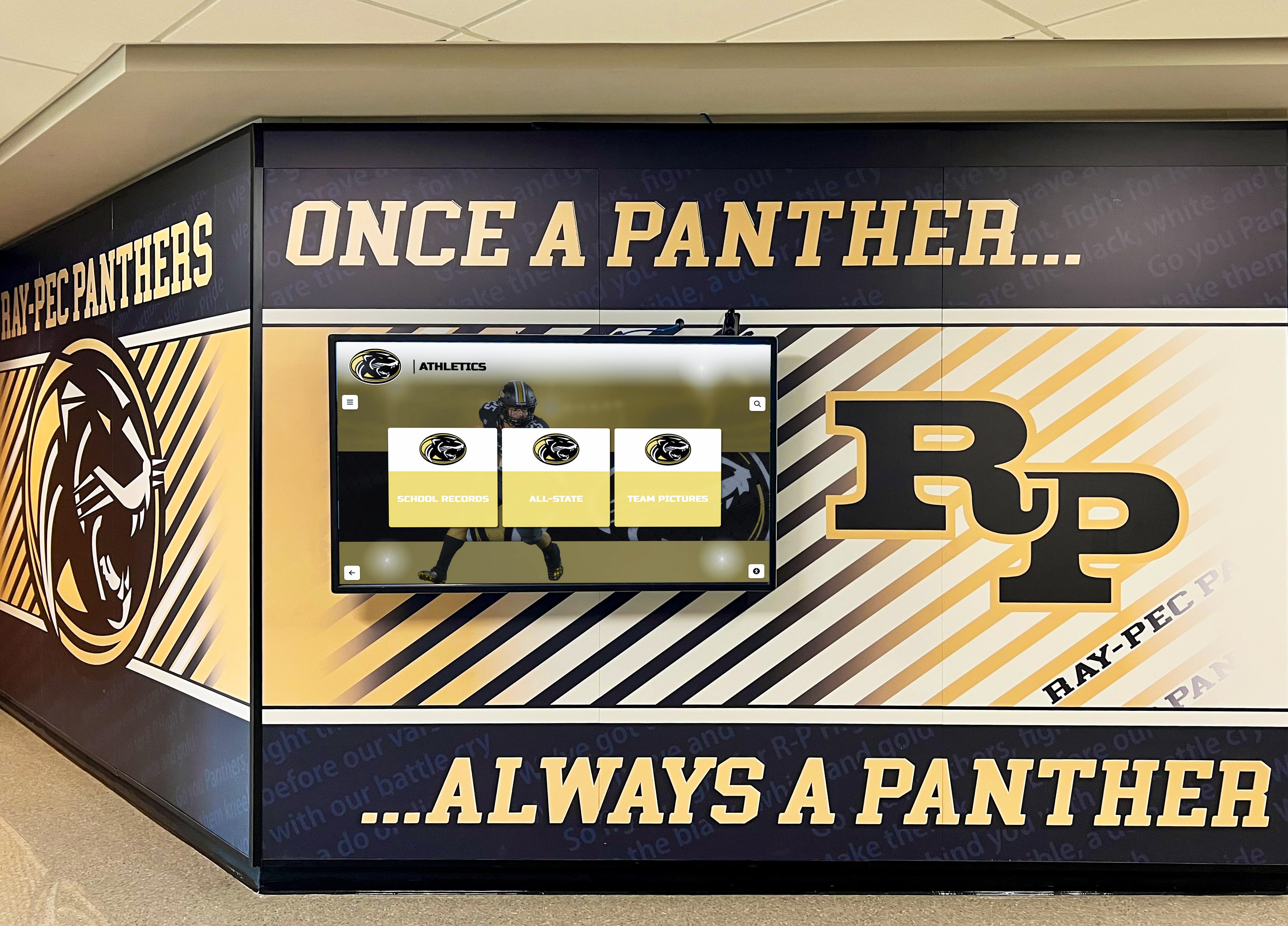
Schools create lasting pride through visible recognition of achievements including graduation milestones
Execution Techniques by Material
Paper and Vinyl Application For flat paper-based designs:
- Cut background paper slightly smaller than cap edge (about 9 inches square)
- Apply spray adhesive to back of paper in well-ventilated area
- Center carefully on cap surface starting from one edge
- Smooth outward from center eliminating air bubbles using credit card
- Add vinyl lettering by positioning with transfer tape
- Press firmly and remove transfer tape slowly
- Seal entire design with clear spray sealer preventing moisture damage
- Allow 24 hours drying time before handling
Work on protected surface preventing adhesive damage to furniture.
Dimensional Element Attachment For flowers, ribbons, and three-dimensional pieces:
- Arrange elements on cap surface before gluing finding optimal placement
- Mark positions lightly with pencil
- Apply hot glue in small amounts working quickly before cooling
- Press elements firmly for 30 seconds ensuring secure bond
- Layer elements from back to front creating depth
- Reinforce heavy items with additional glue on undersides
- Trim any visible glue strings with sharp scissors
- Test stability by gently shaking cap
Avoid excessive glue creating visible lumps or seeping beyond element edges.
Fabric and Ribbon Techniques For textile-based designs:
- Cut fabric allowing extra for wrapping edges if desired
- Use fabric glue specifically formulated for textiles
- Apply thin, even coat preventing soaking through visible side
- Smooth fabric carefully working out wrinkles and bubbles
- Fold edges neatly like wrapping a gift
- Secure corners with extra glue ensuring no lifting
- Add ribbon borders concealing edges and creating polished finish
- Sew elements together before gluing for extra security
Test fabric adhesive on scraps first ensuring no discoloration or show-through.
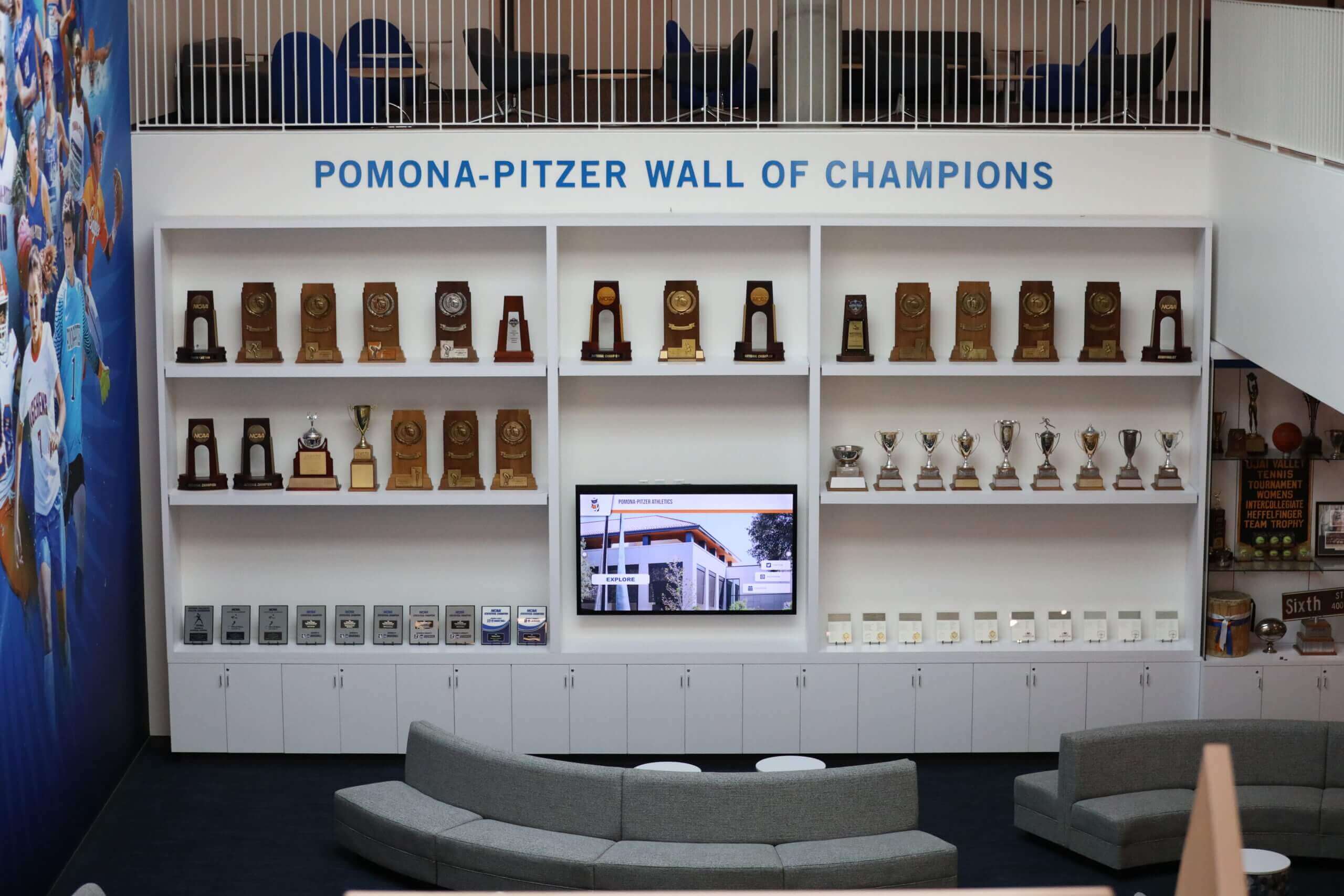
Recognition display areas create gathering spaces celebrating multiple types of achievement including graduation
Painting Techniques For hand-painted designs:
- Sand cap surface lightly improving paint adhesion
- Apply primer coat if using dark colors over light caps
- Sketch design lightly in pencil first
- Use acrylic paint in thin layers building opacity gradually
- Allow each layer to dry completely before adding next
- Use painter’s tape creating clean edges and geometric shapes
- Add fine details using small brushes or paint pens
- Seal with clear acrylic sealer protecting against smudging
Practice technique on cardboard scraps before working on actual cap.
Advanced Decoration Methods
Creating Depth and Dimension Three-dimensional designs photograph beautifully:
- Layer materials from largest background pieces to smallest foreground details
- Use foam adhesive dots elevating certain elements
- Incorporate actual objects like miniature diplomas or tiny tassels
- Create shadow boxes using small frames or deep embellishments
- Bend paper or cardstock creating architectural elements
- Combine flat painted backgrounds with dimensional foreground pieces
Remember weight distribution—heavy decorations on one side cause caps to tilt uncomfortably.
Lighting and Special Effects For evening ceremonies:
- Battery-powered LED fairy lights woven through design
- Glow-in-the-dark paint for subtle evening effect
- Reflective vinyl catching stage lights
- Metallic or iridescent materials creating shimmer
- Strategic glitter placement (if allowed) highlighting specific elements
- Holographic papers creating color-shifting effects
Test battery life on LED elements ensuring operation throughout ceremony.
Photo and Image Transfer Incorporating meaningful photos:
- Print photos on cardstock rather than photo paper preventing curling
- Apply Mod Podge over photos sealing and protecting
- Create collage arrangements using multiple meaningful images
- Use photo editing software applying filters coordinating with color scheme
- Consider black and white photos for elegant sophisticated look
- Crop images strategically highlighting important elements
- Laminate photos protecting from weather if ceremony outdoors
Image quality matters—use high-resolution photos preventing pixelation when printed.
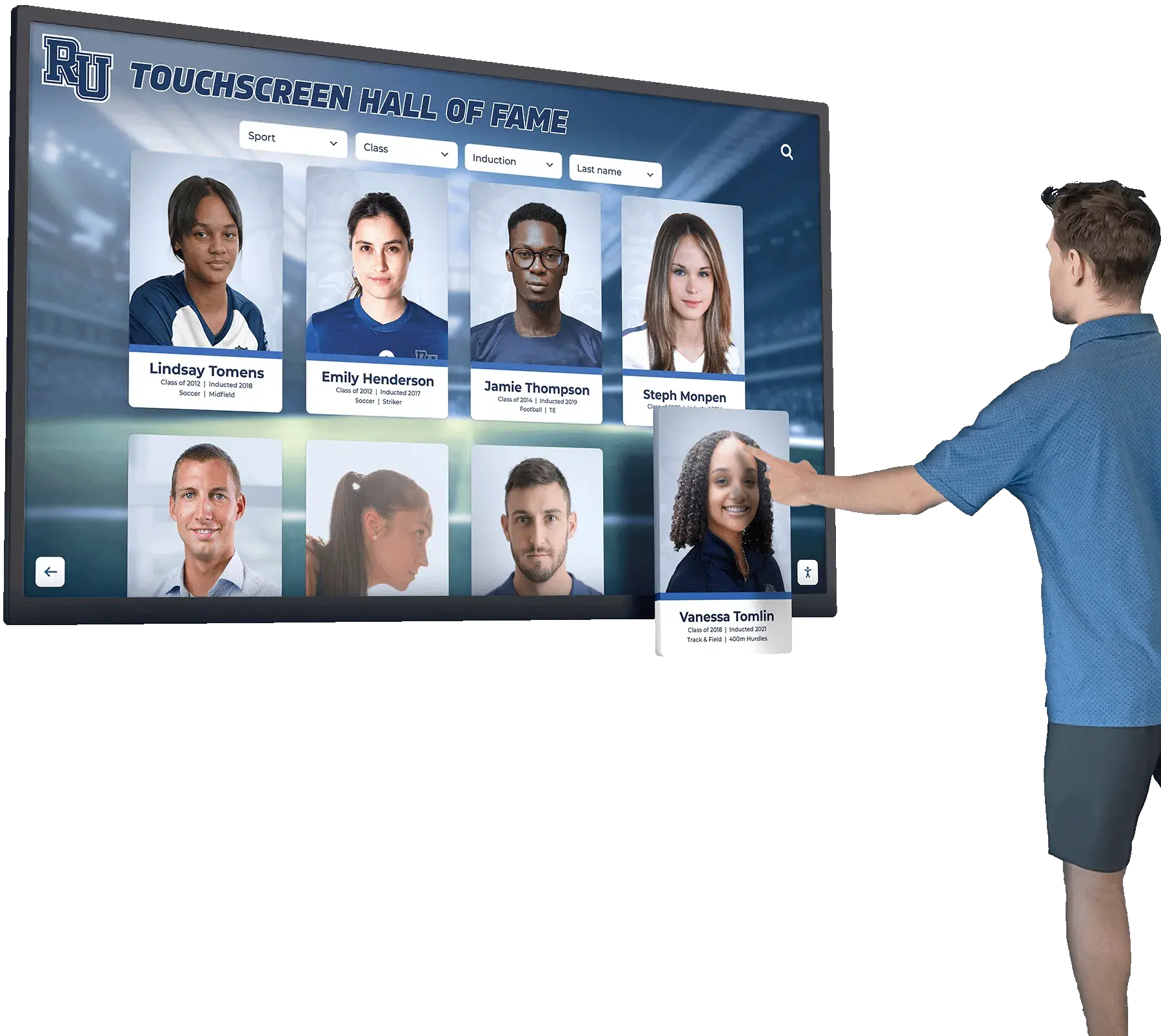
User-friendly digital systems enable exploring graduate achievements creating engaging recognition experiences
Troubleshooting Common Decoration Problems
Even careful planning encounters challenges—these solutions address frequent issues.
Design and Execution Issues
Problem: Decorations Falling Off During Ceremony Prevention and fixes:
- Use stronger adhesive than initially planned
- Reinforce edges and corners receiving most stress
- Test security by turning cap upside down and gentle shaking
- Add additional glue to any slightly loose elements
- Consider stitching rather than gluing fabric elements
- Avoid heavy decorations exceeding cap’s support capacity
- Apply clear spray sealer over entire design adding structural integrity
If decoration loosens during ceremony, small binder clips in your pocket provide emergency reattachment.
Problem: Text Isn’t Readable Solutions:
- Increase letter size to minimum 1.5-2 inches for key words
- Choose bold fonts over thin delicate typography
- Ensure high contrast between letters and background
- Outline letters in contrasting color improving definition
- Simplify message reducing total word count
- Test readability photographing from 10+ feet and reviewing
- Avoid cursive or script fonts for primary messaging
Remember: simple and clear beats elaborate and illegible.
Problem: Colors Look Different Than Expected Color matching challenges:
- Test colors on similar material to cap surface before committing
- Consider how lighting affects color appearance
- Account for glossy versus matte finish differences
- Use color wheel ensuring complementary combinations
- Photograph test materials in various lighting conditions
- Remember darker colors photograph better than pastels outdoors
- Coordinate with school colors if incorporating institution pride
Purchase materials from same store batch preventing color variation.
Material and Technical Challenges
Problem: Hot Glue Showing or Creating Strings Cleaner adhesive application:
- Use lower temperature glue gun preventing thinning
- Apply smaller amounts of glue
- Work quickly while glue remains hot and spreadable
- Keep glue gun nozzle clean wiping frequently
- Trim glue strings immediately with sharp scissors
- Practice on scrap materials perfecting technique
- Consider fabric glue for items where hot glue shows excessively
Keep rubbing alcohol handy removing glue residue from surfaces.
Problem: Paper Curling or Bubbling Preventing paper issues:
- Use cardstock rather than regular paper providing rigidity
- Apply adhesive evenly preventing moisture concentration
- Seal paper edges with Mod Podge preventing humidity absorption
- Work in climate-controlled environment
- Smooth paper from center outward eliminating air pockets
- Use spray adhesive rather than liquid glue
- Weight corners while drying preventing lifting
If curling occurs, carefully peel up edge, apply fresh adhesive, and smooth again.
Problem: Decoration Too Heavy Weight reduction strategies:
- Replace heavier materials with lightweight alternatives
- Use craft foam instead of wood or metal
- Choose paper flowers over real or silk flowers
- Minimize three-dimensional elements
- Distribute weight evenly across cap surface
- Secure heavier elements near cap’s center
- Test wearability before finalizing design
If cap tips forward or backward, weight distribution needs adjustment.
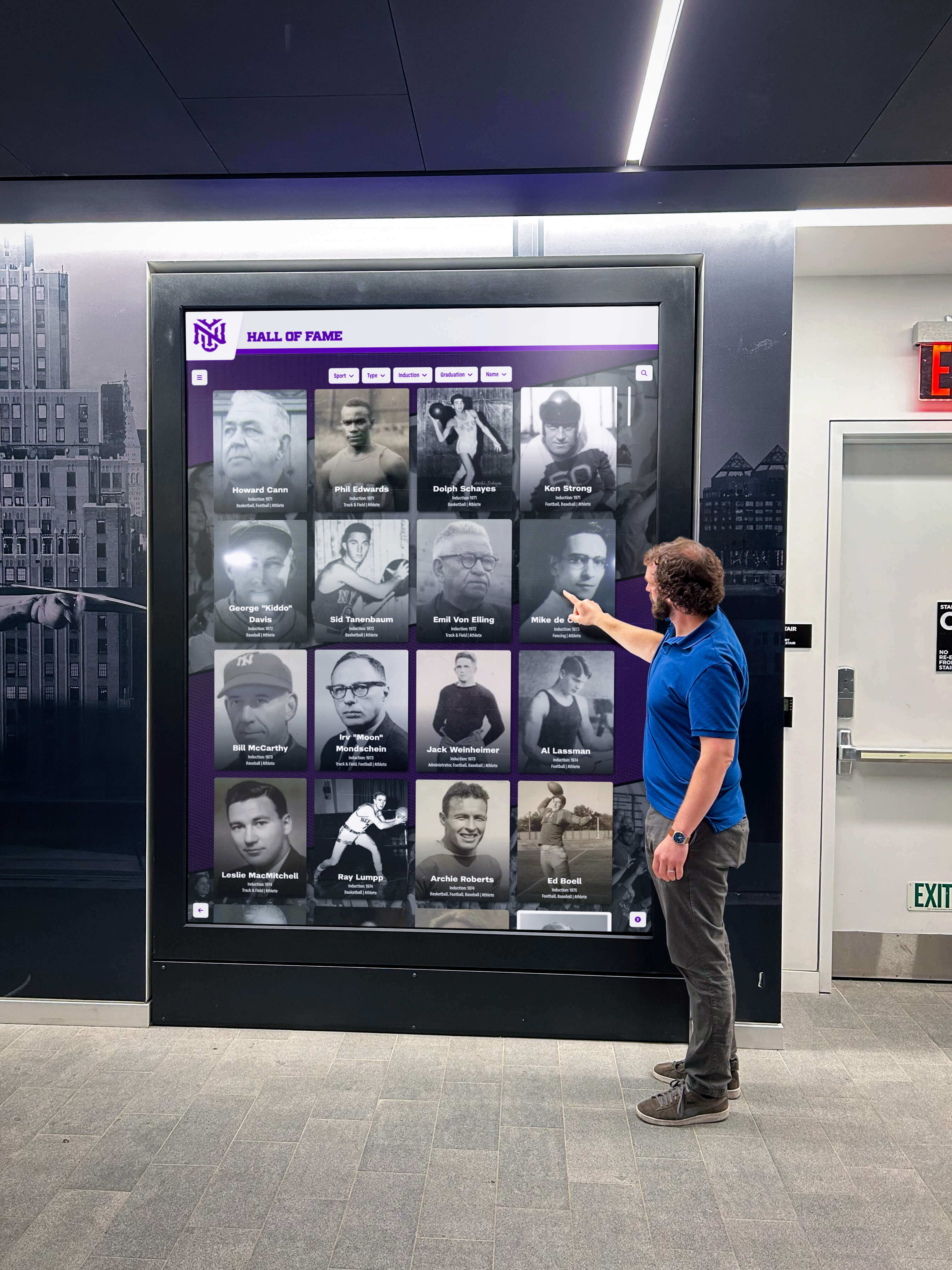
Lobby recognition displays welcome visitors while celebrating graduate achievements year-round
Weather and Durability Concerns
Problem: Rain Threatens Outdoor Ceremony Weatherproofing strategies:
- Seal paper elements thoroughly with multiple coats clear acrylic sealer
- Use waterproof vinyl instead of paper when possible
- Apply weatherproof fabric glue rather than regular adhesive
- Avoid materials that bleed or run when wet
- Create protective cover using clear contact paper
- Bring umbrella specifically for cap protection
- Consider designing alternate cap if weather forecast terrible
Some graduates create two versions—elaborate for photos, simple weatherproof for ceremony.
Problem: Wind Dislodging Elements Wind-resistant attachment:
- Ensure extremely secure adhesive bond on all edges
- Avoid sail-like flat elements catching wind
- Weight three-dimensional elements
- Test outdoors in windy conditions before ceremony
- Secure long ribbons or streamers preventing excessive movement
- Consider aerodynamic design reducing wind resistance
- Bring repair supplies to ceremony for quick fixes
Low-profile designs withstand wind better than tall dimensional decorations.
Preserving Your Decorated Cap After Graduation
Your decorated cap represents significant effort and meaningful achievement—preservation extends its life as keepsake.
Immediate Post-Ceremony Care
Protection and Transport Right after commencement:
- Place cap in large protective bag or box immediately
- Avoid crushing under other graduation items
- Transport separately from gown preventing fabric transfer
- Keep away from extreme temperatures in vehicles
- Photograph from multiple angles documenting design
- Remove tassel carefully if storing separately
- Note any repairs needed while still fresh
Many graduates regret damaged caps crushed in graduation day excitement.
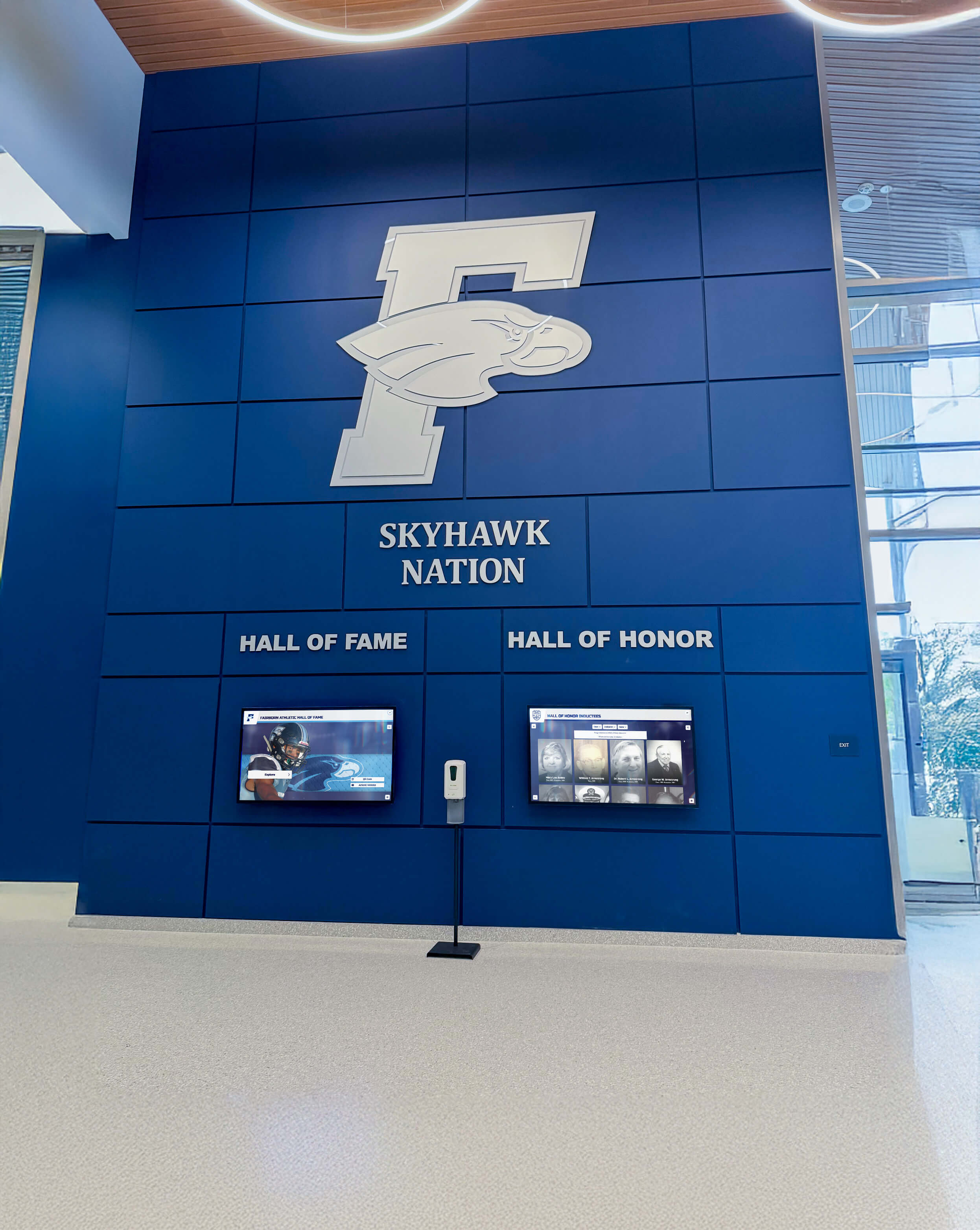
Campus displays create lasting recognition including graduation celebrations contributing to institutional pride
Long-Term Display and Storage Options
Display Ideas Showcasing your achievement:
- Shadow box frame specifically designed for graduation caps
- Wall-mounted display case protecting from dust and damage
- Acrylic display box providing 360-degree visibility
- Shelf display using plate stand or cap stand
- Incorporate into gallery wall with graduation photos
- Create memory table with diploma and other graduation keepsakes
- Rotate seasonal displays if space limited
Position displays away from direct sunlight preventing fading.
Storage Solutions If displaying isn’t immediate option:
- Store in acid-free archival box preventing deterioration
- Use tissue paper supporting dimensional elements
- Keep in climate-controlled environment avoiding extremes
- Store flat preventing crushing or distortion
- Include silica gel packets controlling moisture
- Label clearly with graduation date and details
- Photograph comprehensively before storage
Proper storage preserves caps for decades enabling future nostalgia.
Creating Lasting Graduation Recognition
While decorated caps provide personal expression during commencement, many schools and universities are implementing comprehensive systems for preserving graduation memories and celebrating achievements beyond the ceremony itself.
Beyond Individual Caps: Institutional Recognition
Digital Recognition Systems Modern schools utilize technology creating lasting visibility:
- Touchscreen displays showcasing entire graduating classes
- Individual graduate profiles with photos and achievements
- Searchable databases connecting alumni across decades
- Digital class composite displays preserving class unity
- Integration with school websites and social media
- Unlimited capacity accommodating growing graduate populations
- Remote management enabling easy updates
These systems ensure graduation recognition extends beyond single ceremony day.
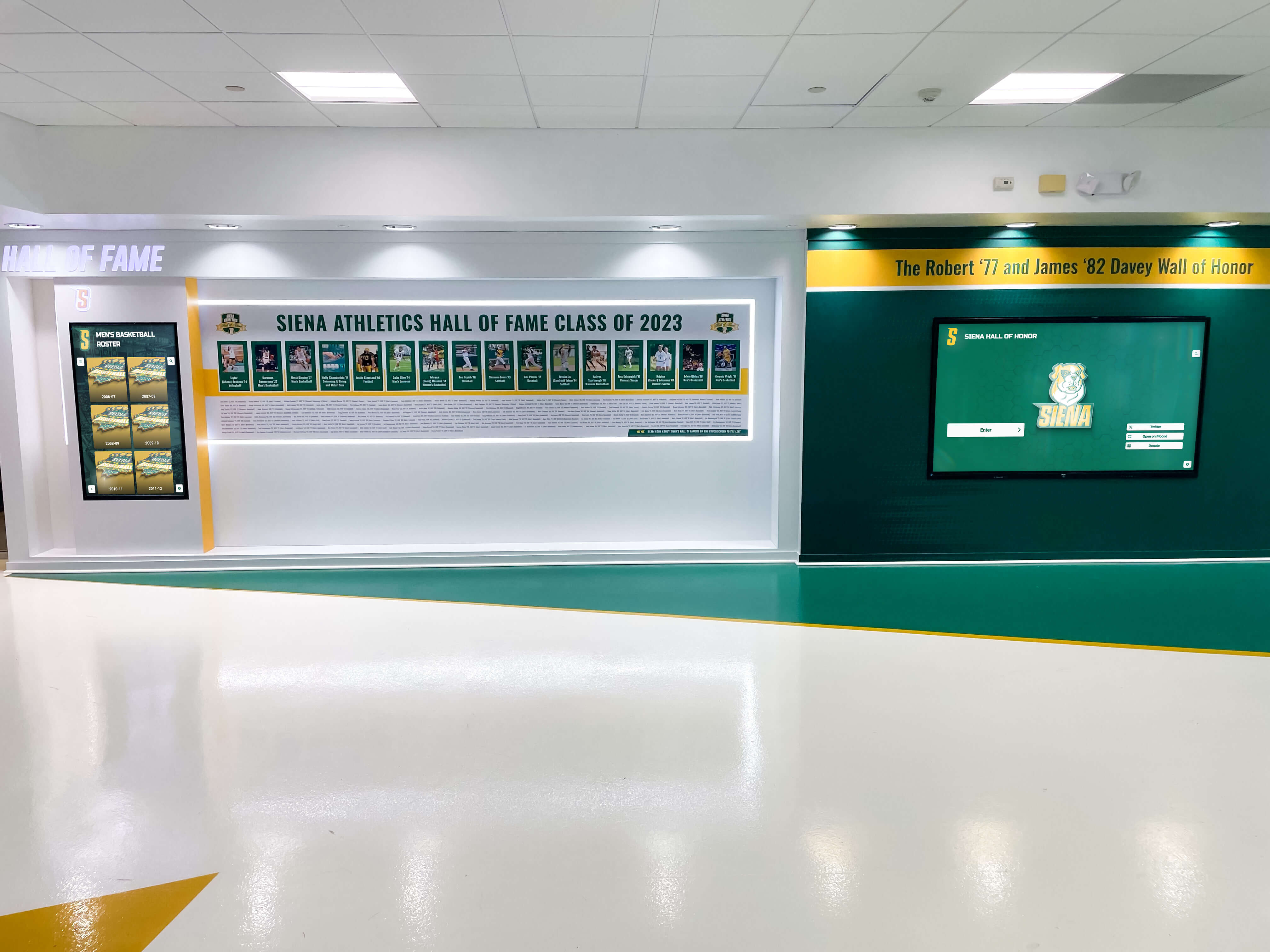
Professional recognition installations celebrate graduating classes alongside other institutional achievements
Comprehensive Celebration Approaches Schools implementing systematic graduation recognition report:
- Increased graduate connection to institution
- Enhanced alumni engagement and giving
- Improved recruitment as prospective students see celebration culture
- Stronger school pride across current students
- Preserved institutional history accessible to all
Educational institutions are recognizing that comprehensive recognition systems complement personal expressions like decorated caps, creating layered celebration honoring both individual creativity and collective achievement.
Connecting Graduates to Alumni Networks Recognition extends beyond ceremony through:
- Digital displays featuring distinguished alumni inspiring current students
- Alumni showcase programs highlighting graduate success
- Interactive systems enabling graduates to update accomplishments
- Permanent institutional archives documenting complete educational journeys
- Connection points between current students and successful alumni
- Recognition of milestone reunions and ongoing achievements
These systems demonstrate that graduation represents beginning rather than end of institutional relationship.
Budget-Friendly Decoration Strategies
Creative graduation caps don’t require expensive materials—strategic planning creates impressive results on limited budgets.
Low-Cost Materials and Sources
Affordable Supply Options Finding materials inexpensively:
- Dollar stores for basic craft supplies, ribbon, and embellishments
- Thrift stores for interesting items to repurpose
- Scrapbook paper remnants from craft stores
- Printer and cardstock creating custom elements
- Natural materials like pressed flowers or leaves (free)
- Repurposed items from old craft projects
- Borrowed materials from friends and family
- Sales and coupons at major craft retailers
- Online marketplaces for bulk supplies
- Free printables and templates from internet
Budget-conscious graduates can create stunning caps spending under $10-15.
DIY Alternatives to Expensive Supplies Substitutions maintaining quality:
- Hand-cut letters instead of purchased vinyl
- Printed decorative paper replacing specialty scrapbook paper
- Fabric scraps instead of new ribbon and textile
- Regular paint pens instead of specialty craft markers
- Home-printed photos rather than professional prints
- Homemade flowers from tissue paper or fabric
- Computer-generated designs instead of custom printing
- Painted backgrounds replacing purchased papers
Creativity matters more than material expense.
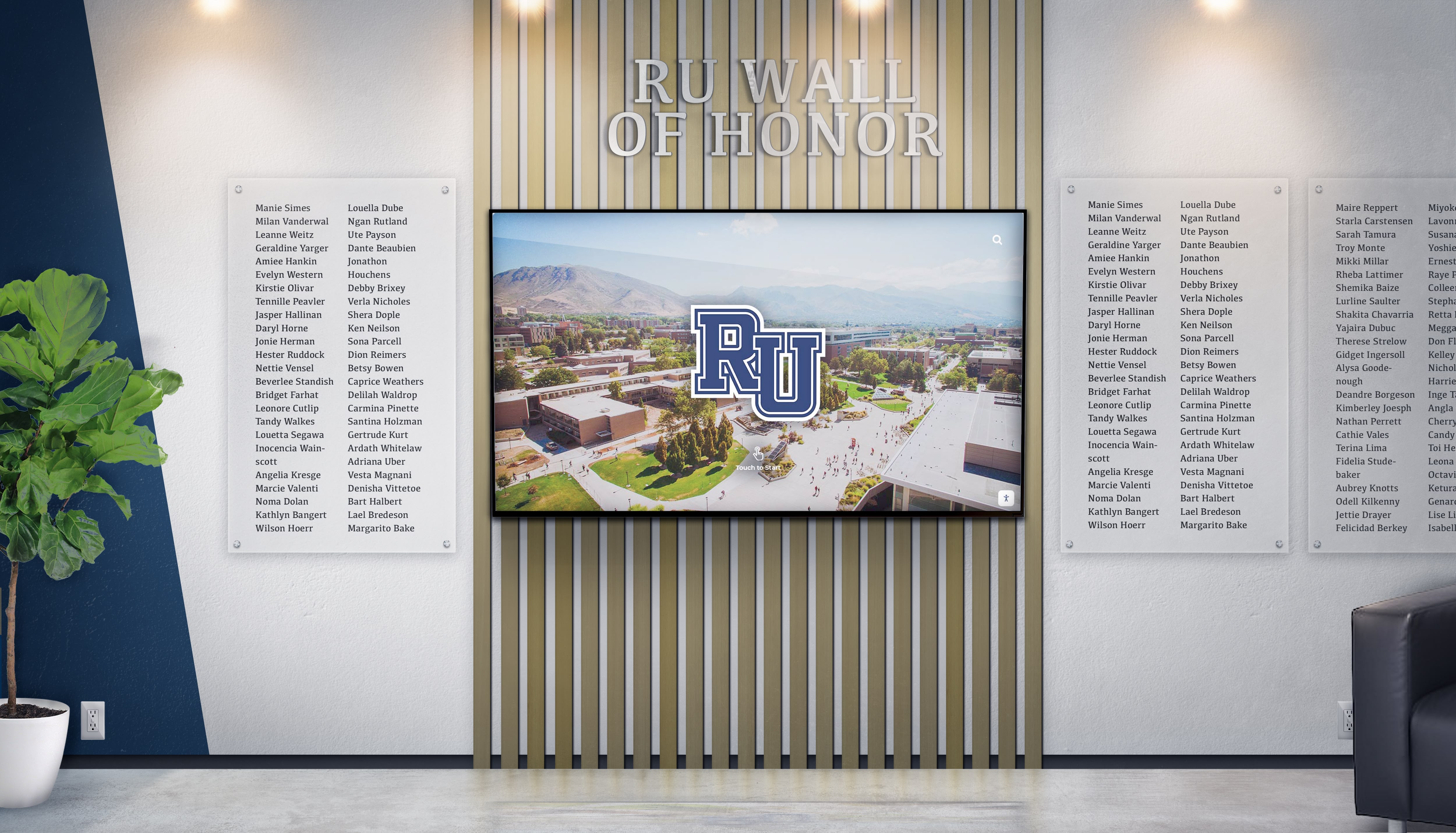
Modern recognition systems preserve graduation memories providing lasting visibility for all graduates
Group Decorating Benefits
Cost and Resource Sharing Organizing decoration parties:
- Share expensive tools like hot glue guns and craft punches
- Purchase bulk supplies together reducing per-person cost
- Exchange materials after completing individual designs
- Learn techniques from one another
- Provide moral support and creative feedback
- Document process creating fun pre-graduation memories
- Share transportation to craft stores
Group decorating often produces better results than solitary efforts while building community.
Graduation Cap Decoration Timeline
Strategic timing prevents last-minute stress while ensuring adequate preparation.
6-8 Weeks Before Graduation
Planning Phase Early preparation:
- Research school policies and decoration guidelines
- Browse inspiration determining general design direction
- Measure cap if already received
- Begin collecting meaningful quotes or images
- Start gathering materials slowly as sales occur
- Practice techniques on cardboard mock-ups
- Sketch multiple design concepts
Early start enables design refinement and material accumulation without rush.
3-4 Weeks Before Graduation
Design Finalization Narrowing focus:
- Select final design concept
- Create detailed supply list
- Purchase or gather all necessary materials
- Create full-size mock-up testing layout
- Practice lettering and techniques
- Identify potential problems and solutions
- Verify all elements fit and work together
Mock-up phase prevents mid-project surprises requiring emergency fixes.
1-2 Weeks Before Graduation
Execution Phase Creating final design:
- Prepare workspace protecting surfaces
- Gather all materials and tools
- Execute design methodically following planned sequence
- Allow adequate drying time between layers
- Make adjustments as needed
- Seal and weatherproof if necessary
- Test wearability and security
Completing decoration with cushion time allows addressing unexpected issues calmly.
Final Days Before Graduation
Final Preparations Last-minute tasks:
- Photograph cap from all angles documenting creation
- Make minor repairs or adjustments
- Pack carefully for transport to ceremony
- Prepare emergency repair kit (glue, tape, replacement elements)
- Confirm cap meets all school requirements
- Practice securing cap comfortably on head
- Coordinate with outfit and regalia
Thorough preparation enables confident ceremony day experience.
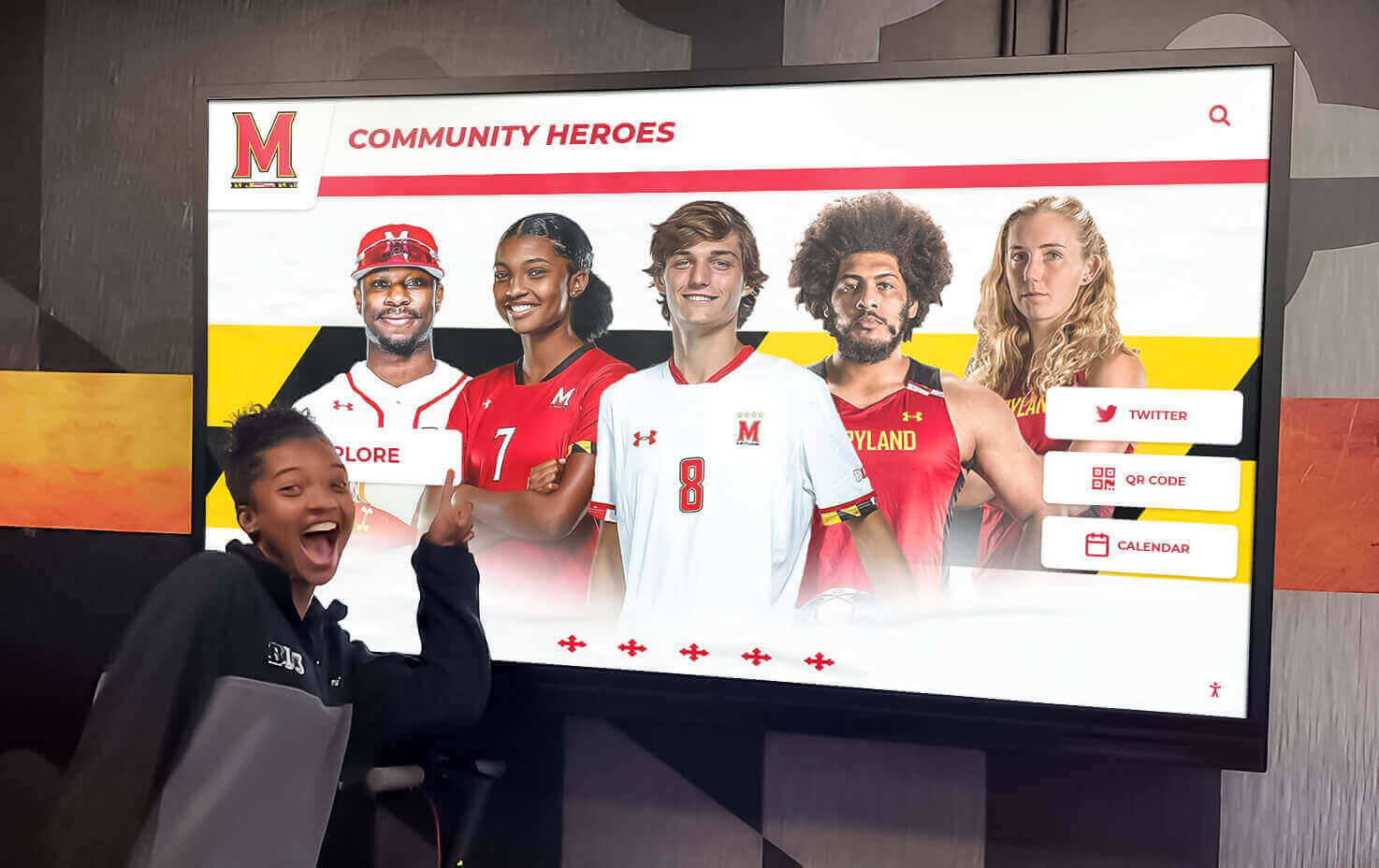
Interactive displays engage students with achievement recognition creating inspiring examples including graduation success
Frequently Asked Questions About Graduation Cap Decoration
Common questions from graduates planning their cap designs.
Can I decorate the top and sides of my graduation cap? Most schools permit top decoration only, leaving sides visible for uniform appearance. Some institutions allow minimal side decoration not extending beyond cap edges. Always verify your school’s specific policies—some prohibit all decoration while others embrace comprehensive creativity. The flat top surface provides approximately 9.5 inches square of decorating space for most standard mortarboards.
How do I make sure my decorations stay on during the ceremony? Use appropriate high-quality adhesives like hot glue for dimensional items and spray adhesive for paper. Apply adhesive generously to all edges and corners where lifting most likely occurs. Test security by turning cap upside down and gentle shaking. Avoid creating “sails” that catch wind in outdoor ceremonies. Seal entire design with clear acrylic sealer adding structural integrity. Bring emergency repair supplies to ceremony just in case.
When should I start decorating my graduation cap? Begin planning 6-8 weeks before graduation researching policies and gathering inspiration. Purchase materials 3-4 weeks out. Complete actual decoration 1-2 weeks before ceremony allowing time for drying, adjustments, and problem-solving. This timeline prevents stress while ensuring thoughtful execution. Last-minute decoration often produces less satisfying results and unnecessary pressure.
What should I avoid when decorating my cap? Avoid excessive height creating visibility obstacles for people behind you. Don’t use prohibited materials like loose glitter creating cleanup problems. Skip inappropriate or offensive messages and imagery. Avoid covering school insignia or interfering with tassel placement. Don’t create designs so heavy they won’t stay positioned on your head comfortably. Prevent overcomplicating design—simple often photographs better than cluttered.
How much does it cost to decorate a graduation cap? Basic designs using supplies you already own can cost under $5. Most graduates spend $10-20 on materials. Elaborate designs using premium materials might cost $30-50. Dollar stores, sales, and borrowed materials significantly reduce costs. Expensive doesn’t equal impressive—creativity and execution matter more than material cost. Group decorating parties enable sharing supplies reducing individual expense.
Can I use photos on my graduation cap? Yes, photos work beautifully when printed on cardstock preventing curling. Use high-resolution images ensuring quality when printed. Seal photos with Mod Podge or clear sealer protecting from moisture and handling. Consider photo arrangement creating collage or single meaningful image as focal point. Black and white photos often coordinate better with various color schemes. Laminate photos if ceremony occurs outdoors in potentially wet weather.
What’s the best adhesive for graduation cap decorations? Hot glue works best for dimensional items like flowers, rhinestones, and embellishments—providing strong fast bond. Spray adhesive excels for paper and vinyl, creating even coverage without bubbles. Fabric glue works specifically for textile elements preventing show-through. E6000 provides industrial-strength bonding for heavy items. Choose adhesive based on specific materials in your design. Keep rubbing alcohol available for cleaning adhesive mistakes.
Should I create a backup cap? If elaborate design worries you or weather forecast predicts rain, creating simplified backup provides peace of mind. Many graduates create full elaborate design for photos and simple weatherproof version for actual ceremony. Backup caps prevent devastation if primary cap damages during transport or ceremony. If budget and time permit, backup eliminates last-minute stress about potential decoration failure.
Conclusion: Celebrating Your Achievement Through Creative Expression
Graduation cap decoration transforms standard academic regalia into personal celebration of your unique journey, achievements, and personality. From simple elegant designs to elaborate artistic creations, your decorated cap creates memorable photos, honors supporters who made your education possible, expresses individuality during formal ceremony, and contributes to the collective creativity making commencement special for everyone present.
The graduation cap decoration ideas, techniques, and strategies explored in this comprehensive guide provide frameworks for successful execution regardless of artistic experience or budget constraints. From understanding school policies and planning thoughtful designs to mastering practical attachment techniques and troubleshooting common problems, these approaches help you create graduation caps you’ll treasure as keepsakes for decades.
Remember that effective decoration balances creativity with readability, personal meaning with appropriate messaging, dimensional interest with practical wearability, and ambitious vision with realistic execution given your timeline and skills. The most memorable decorated caps often feature simple but meaningful designs executed well rather than overly complex attempts exceeding your capabilities.
Start your planning early gathering inspiration and materials gradually rather than rushing last minute. Test techniques on practice materials before working on your actual cap. Consider enlisting friends for group decorating sessions sharing supplies, skills, and moral support. Photograph your creation thoroughly documenting your achievement and creative expression.
Your years of dedication, late-night study sessions, personal growth, and academic achievement deserve celebration creating lasting memories. A thoughtfully decorated graduation cap becomes tangible symbol of your accomplishment—one you’ll display proudly, photograph enthusiastically, and preserve carefully as permanent reminder of this significant milestone moment.
Beyond individual caps, many educational institutions are implementing comprehensive graduation recognition systems ensuring your achievement receives lasting visibility. Solutions like Rocket Alumni Solutions help schools create permanent digital recognition displays showcasing graduating classes, preserving memories, and celebrating achievements long after commencement ceremonies conclude—ensuring every graduate receives the recognition their hard work deserves while strengthening institutional pride and alumni connections for years to come.