School clubs represent vibrant communities where students explore passions, develop skills, and build lasting friendships. Yet sustaining these vital organizations requires consistent funding for activities, competitions, equipment, travel, and events. While many clubs rely on school budgets or membership dues alone, successful organizations supplement these sources with creative fundraising initiatives that engage members, involve broader school communities, and generate sustainable revenue streams.
Effective club fundraising goes beyond selling candy bars or hosting car washes. The most successful student organizations implement diverse fundraising strategies aligned with their missions, leveraging member talents while building community connections. These approaches generate necessary funds while simultaneously increasing club visibility, demonstrating value to stakeholders, and creating positive experiences that strengthen member commitment and attract new participants.
This comprehensive guide explores proven fundraising ideas specifically designed for school clubs, addressing common challenges while providing practical implementation strategies that turn fundraising from burdensome obligation into opportunity for growth, engagement, and sustainable financial health.
School clubs face unique fundraising considerations that distinguish them from other organizations. Limited student time, competing priorities, seasonal schedules, and varying member commitment levels all influence fundraising success. Additionally, clubs must balance revenue generation with educational value, ensuring fundraising activities complement rather than overshadow core club purposes while maintaining appropriate supervision and school policy compliance.
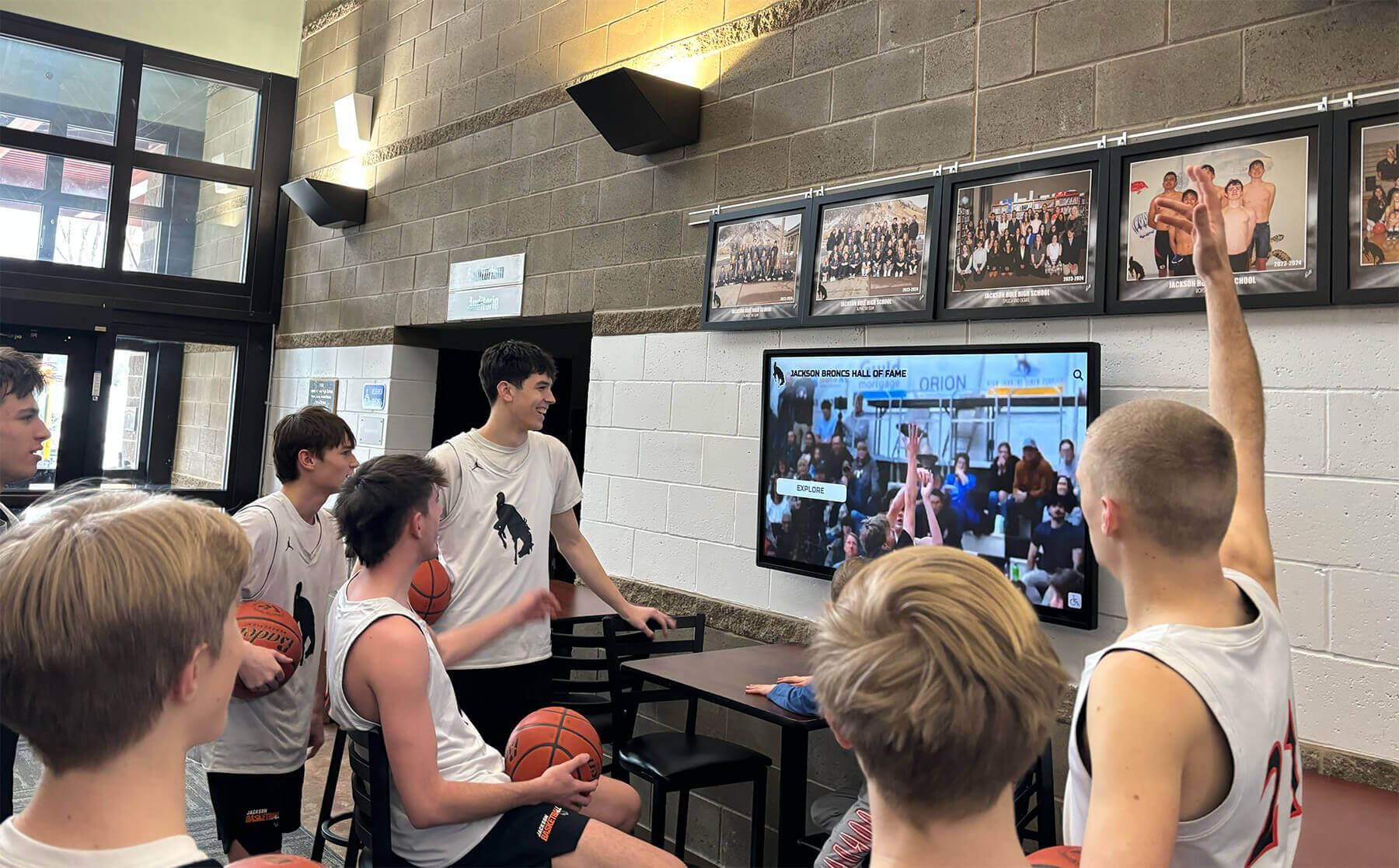
Active clubs create engaged communities that support fundraising initiatives while building lasting connections
Why School Club Fundraising Matters
Understanding the strategic importance of fundraising helps clubs approach revenue generation systematically rather than reactively.
Building Financial Independence and Sustainability
Clubs that successfully fundraise gain crucial autonomy:
Resource Access and Opportunities
- Funding enables participation in competitions, conferences, and special events
- Equipment purchases enhance member experiences and capabilities
- Travel funding opens opportunities beyond school boundaries
- Guest speaker and workshop budgets enrich programming
- Emergency reserves provide flexibility for unexpected opportunities
Organizational Stability
- Diversified revenue streams reduce dependence on single funding sources
- Financial reserves enable multi-year planning and commitments
- Established fundraising programs continue despite membership changes
- Documented success attracts school administration support
- Strong finances enable ambitious programming distinguishing clubs
Research on student organizations demonstrates that clubs with consistent fundraising programs show significantly higher member retention, stronger participation rates, and greater achievement of organizational goals compared to groups lacking systematic revenue generation.
Developing Student Leadership and Skills
Fundraising creates valuable learning opportunities:
Practical Skill Development
- Project planning and event management experience
- Financial literacy through budget creation and tracking
- Marketing and communication skill building
- Team coordination and delegation practice
- Problem-solving when challenges arise
- Public speaking through presentations and appeals
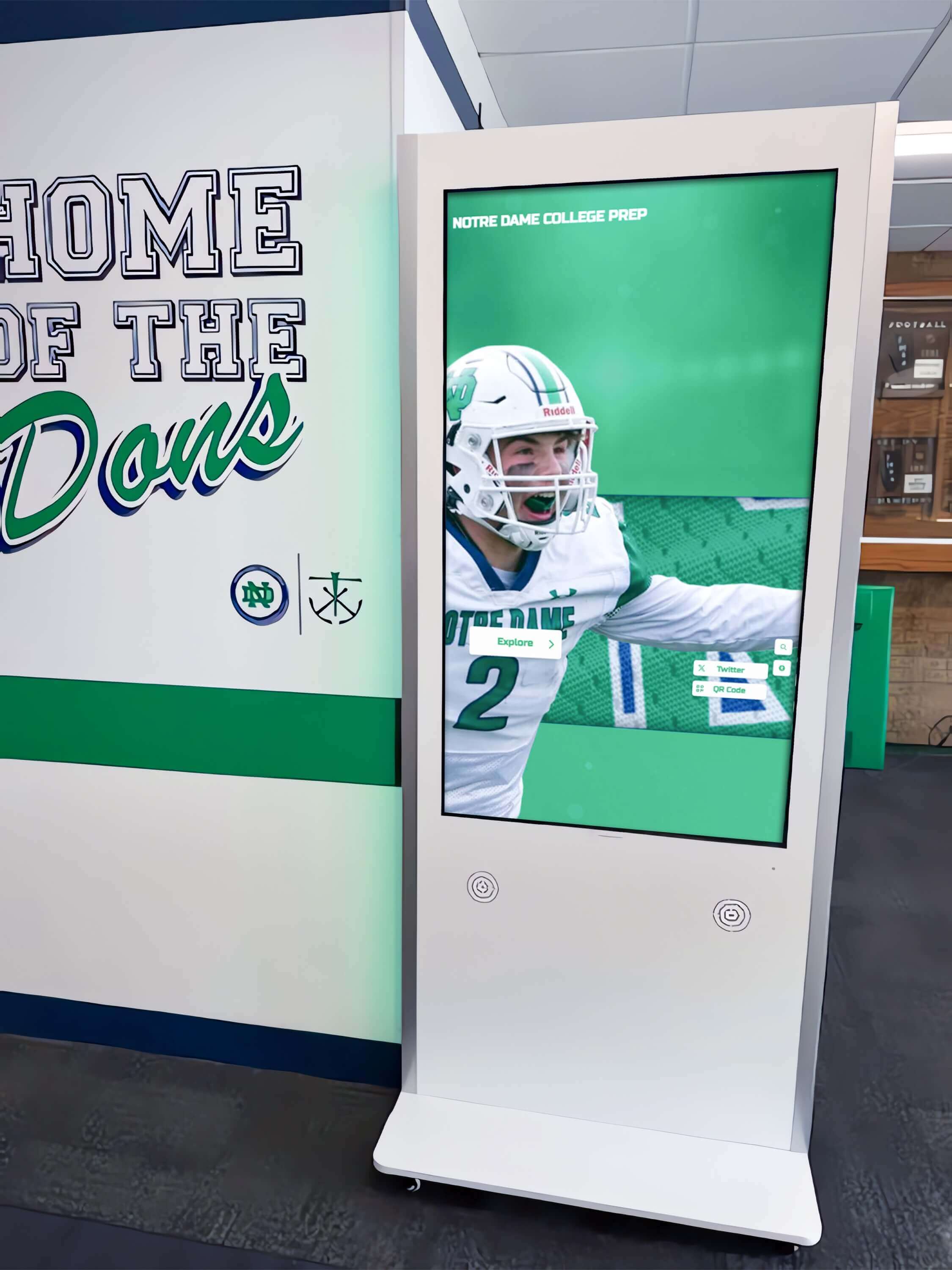
Successful clubs build recognition and pride that strengthens fundraising appeals
Character and Confidence Building
- Responsibility for concrete outcomes
- Perseverance through fundraising challenges
- Appreciation for resources and financial realities
- Confidence from achieving measurable goals
- Understanding of business and nonprofit operations
These competencies extend far beyond club participation, providing foundations for college success, career development, and civic engagement throughout members’ lives.
Strengthening Community Connections
Fundraising activities build relationships beyond club membership:
School Community Engagement
- Visibility demonstrating club value to administrators
- Interaction with students outside typical club circles
- Connection with teachers, staff, and parents
- Integration into broader school culture and traditions
- Recognition during school events and communications
External Partnerships
- Local business relationships supporting club missions
- Community organization collaborations
- Alumni networks providing mentorship and resources
- Parent and family involvement in club activities
- Media attention raising club profiles
Comprehensive donor recognition strategies adapted for student organizations help clubs acknowledge supporters appropriately.
Traditional Fundraising Events That Still Work
Time-tested approaches remain effective when executed thoughtfully with modern enhancements.
Product Sales Fundraisers
Direct sales generate straightforward revenue while building member responsibility:
Classic Product Categories
Food Products
- Cookie dough, frozen pizzas, and prepared meals
- Candy bars, chocolate, and seasonal treats
- Popcorn, nuts, and snack assortments
- Coffee, hot chocolate, and beverage mixes
- Fresh produce like citrus fruits or flowers
Merchandise and Retail Items
- Discount cards for local businesses
- Candles, home fragrances, and décor
- Wrapping paper and greeting cards (especially pre-holiday)
- School spirit wear and branded merchandise
- Magazine subscriptions (though declining in popularity)
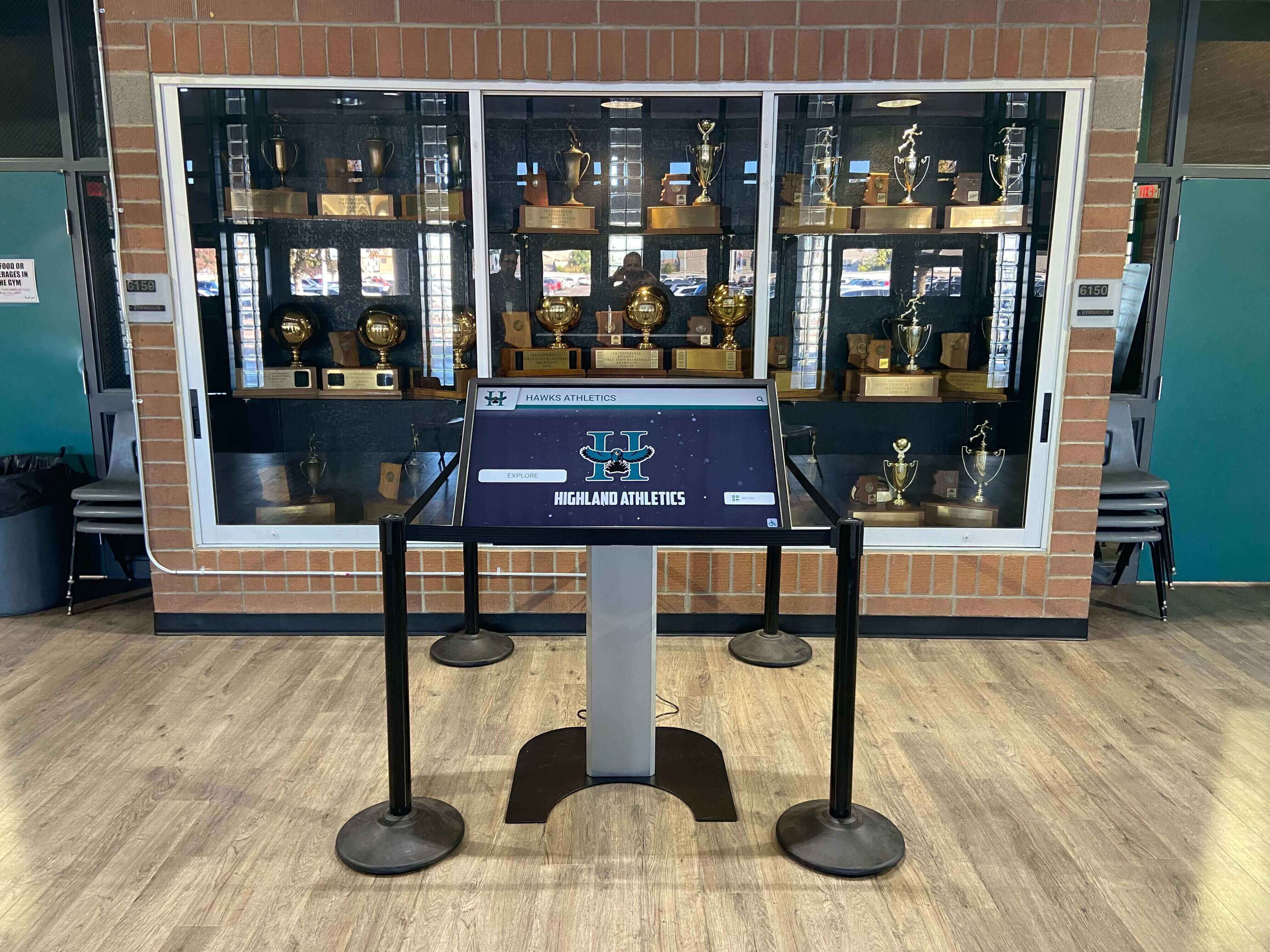
Visible club achievements and displays support fundraising by demonstrating organizational value
Maximizing Product Sales Success
- Select products genuinely offering value, not just fundraising vehicles
- Time sales strategically (cookie dough before holidays, flowers for spring)
- Establish clear individual and team sales goals
- Create friendly competition with incentives and recognition
- Leverage parent networks through family sales
- Utilize social media for broader reach beyond in-person sales
- Provide selling scripts and tips for less experienced members
Modern Variations
- Online fundraising stores eliminating inventory management
- Virtual catalogs with direct shipping to customers
- Custom merchandise featuring club designs
- Partnership with local vendors for commission-based sales
- Hybrid approaches combining traditional and digital sales
Special Events and Activities
Experiential fundraisers create community engagement while generating revenue:
Popular Event Formats
Dinner and Social Events
- Pancake breakfasts or spaghetti dinners
- BBQ cookouts and picnic gatherings
- Ethnic food festivals showcasing cultural clubs
- Dessert auctions featuring member-baked goods
- Family game nights with concessions
Activity-Based Fundraisers
- Fun runs, walks, or bike rides with sponsorships
- Sports tournaments (basketball, volleyball, dodgeball)
- Talent shows featuring student performances
- Trivia nights for adults and families
- Seasonal festivals (fall carnival, spring fair)
- Movie nights with themed refreshments
Service-Based Fundraisers
- Car washes with pre-sales and day-of customers
- Yard work services (raking, gardening, snow removal)
- Pet sitting or dog walking for community members
- Babysitting nights giving parents time away
- House or garage cleaning services
Event Success Strategies
- Choose dates avoiding conflicts with major school and community events
- Secure appropriate venues with adequate space and facilities
- Recruit sufficient volunteers ensuring smooth execution
- Market extensively through multiple channels
- Secure donated supplies reducing costs and increasing profit margins
- Create memorable experiences encouraging repeat participation
- Document events through photos and testimonials for future promotion
Comprehensive event planning frameworks adapted for student organizations help clubs execute successful fundraising events.
Raffles, Auctions, and Prize-Based Fundraisers
Chance-based fundraisers generate excitement while offering value to participants:
Raffle Strategies
- 50/50 raffles splitting proceeds with winner
- Grand prize raffles featuring desirable donated items
- Multi-tier raffles with prizes at various levels
- Online raffle ticket sales expanding participant base
- Progressive raffles increasing prize value over time
Auction Approaches
- Silent auctions during larger school events
- Online auctions running over extended periods
- Live auctions at club-specific events
- Service auctions featuring member talents (music lessons, tutoring)
- Experience auctions offering unique opportunities
Prize Procurement
- Local business donations reducing costs
- Parent and family contribution solicitation
- Club member talent offerings (artwork, services)
- Bundled prize packages increasing perceived value
- Gift card collections from multiple businesses

Recognition displays showcase club achievements that build community support for fundraising initiatives
Compliance Considerations Check state and local regulations regarding raffles and games of chance, as many jurisdictions require permits or limit prize values. School administrators should approve all such fundraisers ensuring policy compliance.
Creative Digital and Modern Fundraising Ideas
Contemporary approaches leverage technology while aligning with student digital fluency.
Crowdfunding and Online Campaigns
Digital fundraising platforms democratize giving while expanding reach:
Platform Options
- GoFundMe for general fundraising appeals
- DonorsChoose specifically for educational projects
- Kickstarter for specific club initiatives with rewards
- Facebook fundraising integrated with social networks
- School-specific giving platforms
Campaign Success Elements
- Compelling storytelling explaining club mission and fund needs
- Specific funding goals with clear use descriptions
- Visual content including photos and videos
- Regular updates maintaining donor engagement
- Social sharing capabilities amplifying reach
- Donor recognition acknowledging all contribution levels
- Thank-you videos from members expressing appreciation
Content Strategy
- Opening video introducing club and members
- Photo galleries showing club activities and achievements
- Member testimonials about club impact
- Progress updates celebrating milestones
- Behind-the-scenes content building connection
- Impact documentation showing fund utilization
Digital campaigns work especially well for clubs with alumni networks or national organization affiliations providing built-in donor bases beyond immediate school communities.
Social Media Fundraising
Platform-specific strategies leverage where students and supporters already gather:
Platform-Specific Approaches
Instagram Fundraising
- Stories with donation links and progress updates
- Reels showcasing club activities and appeals
- Posts featuring individual member stories
- Highlights preserving fundraising content
- Interactive polls and questions engaging followers
TikTok Campaigns
- Creative challenge videos going viral
- Fundraiser explanations in trending formats
- Member takeovers showcasing club culture
- Duets and collaborations expanding reach
- Behind-the-scenes content building authenticity
Facebook Fundraising
- Facebook fundraisers with easy donation processing
- Event pages for in-person fundraising activities
- Group engagement building community
- Live videos for virtual events or updates
- Targeted ads reaching specific demographics
Engagement Strategies
- Consistent posting schedule maintaining visibility
- Authentic voice reflecting student leadership
- Hashtag campaigns creating movement around fundraising
- User-generated content from supporters
- Cross-platform promotion maximizing exposure
- Response to comments and messages building relationships
Virtual Events and Digital Experiences
Online programming creates participation opportunities without physical constraints:
Virtual Event Ideas
- Online talent shows with ticketed access
- Virtual escape rooms or gaming tournaments
- Cooking or craft classes led by members
- Online concerts or performances
- Digital workshops teaching club-specific skills
- Virtual tours or behind-the-scenes experiences
Digital Product Sales
- Custom digital artwork or graphics
- Online courses teaching member expertise
- E-books or guides related to club focus
- Virtual shout-outs or personalized videos
- Digital photo packages from club events
Hybrid Event Approaches
- In-person events with virtual attendance options
- Live-streamed performances with donation features
- Recorded content available for purchase
- Virtual participation in otherwise physical events
- Online auctions accompanying in-person gatherings
Virtual fundraising particularly benefits clubs with geographically dispersed alumni, supporters in distant locations, or members unable to participate in traditional events due to scheduling or accessibility constraints.
Service-Based and Partnership Fundraising
Leveraging club expertise and community connections creates mutually beneficial fundraising:
Skill-Based Service Fundraisers
Clubs provide value while generating revenue through member talents:
Academic Support Services
- Tutoring in club-specialized subjects (math club, language clubs)
- SAT/ACT prep sessions
- College application essay review
- Homework help sessions for younger students
- Study skills workshops
Creative Services
- Art commissions for personal or business use
- Graphic design for local organizations
- Photography services for events or portraits
- Video production for community groups
- Musical performances at private events
Technical Services
- Computer repair and tech support
- Website development for small businesses
- Social media management consultation
- Coding lessons or workshops
- Device setup assistance for seniors
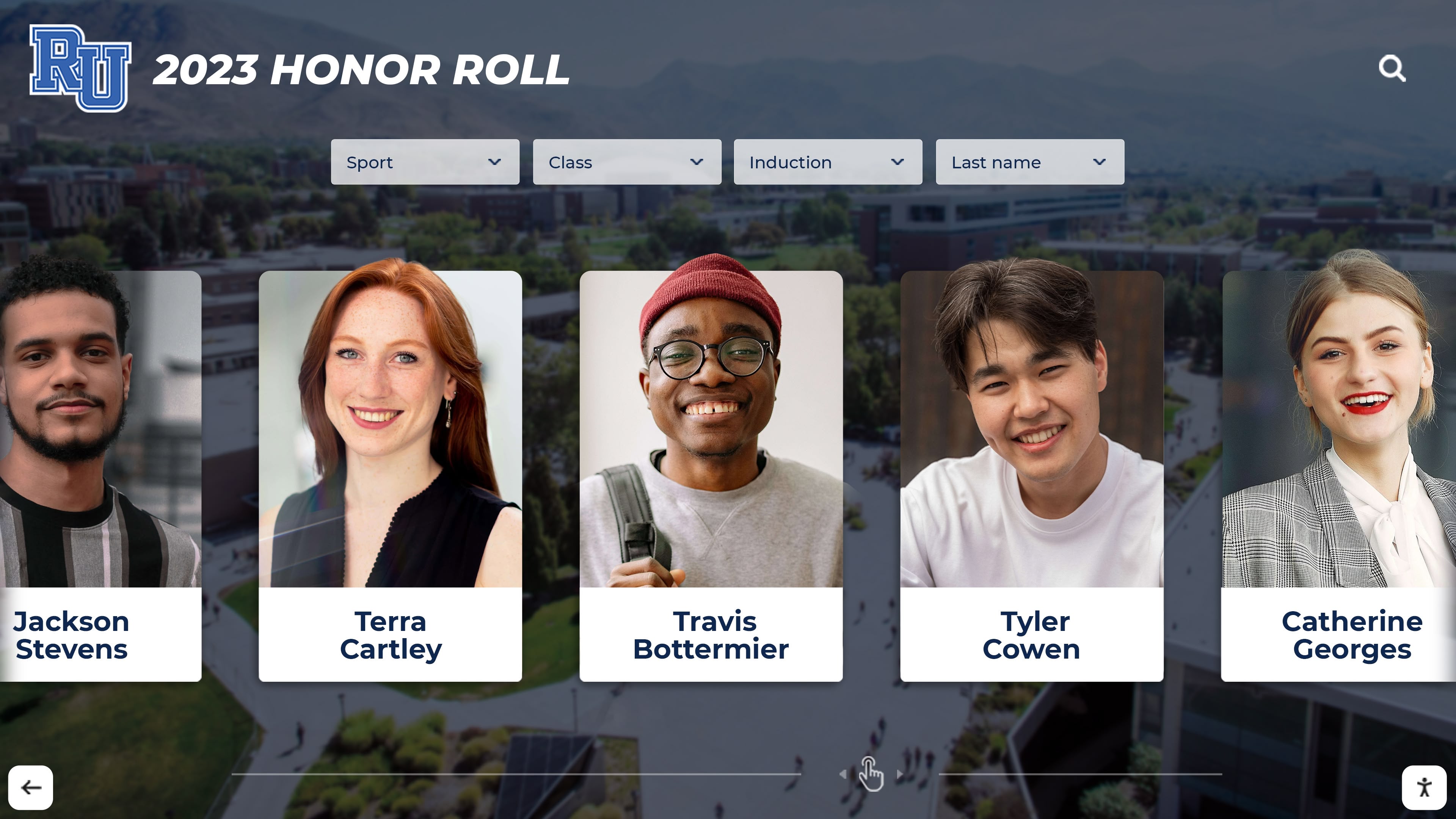
Recognizing student achievements supports fundraising by demonstrating club value and impact
Practical Services
- Yard work and landscaping
- House cleaning or organization
- Pet sitting and dog walking
- Errand running for busy families
- Moving assistance for community members
Service-based fundraisers work exceptionally well because they:
- Provide genuine value justifying premium pricing
- Showcase member skills and club purposes
- Build community appreciation beyond financial transactions
- Create networking opportunities leading to additional support
- Offer flexible scheduling around academic commitments
Local Business Partnerships
Strategic collaborations with commercial entities create ongoing revenue streams:
Partnership Models
Percentage Nights and Dine-to-Donate
- Restaurant partnerships donating percentage of evening sales
- Coffee shop fundraising mornings
- Retail stores contributing portion of sales during specific hours
- Online purchases through affiliate links generating commissions
Sponsorship Opportunities
- T-shirt and merchandise sponsors covering production costs
- Event sponsors underwriting specific activities
- Competition sponsors supporting team travel
- Newsletter or website sponsors in digital communications
- Corporate sponsorship recognition programs acknowledging business support
In-Kind Donation Arrangements
- Businesses donating goods for club use
- Service donations reducing operational costs
- Venue donations for events and meetings
- Equipment loans for activities
- Professional expertise volunteered to clubs
Cultivation Strategies
- Research businesses aligned with club missions
- Prepare professional proposals outlining benefits
- Emphasize student development and community impact
- Provide recognition through multiple channels
- Maintain relationships with regular updates
- Thank sponsors publicly and privately
- Document sponsorship impact through reports
Recognition Best Practices
- Logo placement on club materials and merchandise
- Social media acknowledgment and tags
- Website sponsor pages with links
- Recognition during events and performances
- Certificates or plaques for business display
- Annual appreciation events for sponsors
Comprehensive donor wall concepts adapted for clubs help recognize business sponsors appropriately.
Grant Writing and Foundation Support
Institutional funding provides larger sums for specific projects:
Grant Types for School Clubs
- Local foundation grants supporting youth development
- Corporate community grants from large companies
- National organization grants for affiliated clubs
- Educational foundation grants for specific initiatives
- Government youth program grants
- Alumni association grants for continuing students
- Parent-teacher organization grants
Successful Grant Seeking
- Research grants aligned with club purposes and needs
- Develop specific project proposals rather than general operating requests
- Quantify anticipated outcomes and impact
- Budget precisely with realistic cost estimates
- Demonstrate sustainability beyond initial grant
- Follow application guidelines exactly
- Request feedback on unsuccessful applications
Proposal Components
- Executive summary capturing project essence
- Organizational background establishing credibility
- Problem statement explaining need
- Project description detailing activities and timeline
- Evaluation plan measuring success
- Budget with narrative justification
- Sustainability plan for ongoing impact
Grant writing provides excellent leadership development opportunities while potentially securing substantial funding, though success requires patience as turnaround times often extend several months.
Student-Centered Fundraising Approaches
Activities designed specifically around student interests and capacities:
Competitions and Challenges
Competitive elements motivate participation while generating revenue:
Event-Based Competitions
- Dance marathons with hourly pledges
- Read-a-thons with per-book sponsorships
- Sports challenges (free throw competitions, penalty kicks)
- Video game tournaments with entry fees
- Academic competitions (spelling bees, science fairs)
- Talent competitions with performance fees
Social Media Challenges
- Viral challenge participation with donation prompts
- Photo challenges with entry fees and voting
- Creative content competitions
- Hashtag campaigns with corporate matching
- View-count based donations from sponsors
Recognition Programs
- Top fundraiser awards during club ceremonies
- Tier-based achievement recognition
- Team competitions with prizes
- Public acknowledgment through multiple channels
- Certificate programs for participation milestones
Effective academic recognition frameworks provide models for celebrating fundraising achievement.
Membership-Driven Initiatives
Internal fundraising leveraging existing member commitment:
Member Contribution Programs
- Voluntary giving campaigns among members
- Family appeal letters from students
- Member challenges with personal fundraising goals
- Peer-to-peer fundraising competitions
- Birthday fundraising campaigns
- Milestone celebration donations (graduation giving)
Talent and Passion Projects
- Member-created products for sale
- Performances featuring member talents
- Classes taught by skilled members
- Creative works (art, writing, music) for auction
- Service hours donated then “sold” to community
Leadership Development
- Rotating fundraising leadership building multiple member skills
- Small group projects with individual ownership
- Mentorship pairing experienced with new fundraisers
- Reflection and learning from each initiative
- Portfolio building documenting individual contributions
Seasonal and Occasion-Based Fundraising
Timing fundraisers around calendar events maximizes relevance and participation:
Holiday and Seasonal Opportunities
Fall Fundraising
- Halloween costume contests or haunted houses
- Thanksgiving pie sales or pre-made dinners
- Fall festival with seasonal activities
- Homecoming-related merchandise and events
- Back-to-school supply sales
Winter Holiday Season
- Gift wrapping services at local businesses
- Holiday decoration installation for busy families
- Seasonal product sales (wreaths, poinsettias, gift items)
- Winter concert performances with donations
- Holiday card design and production
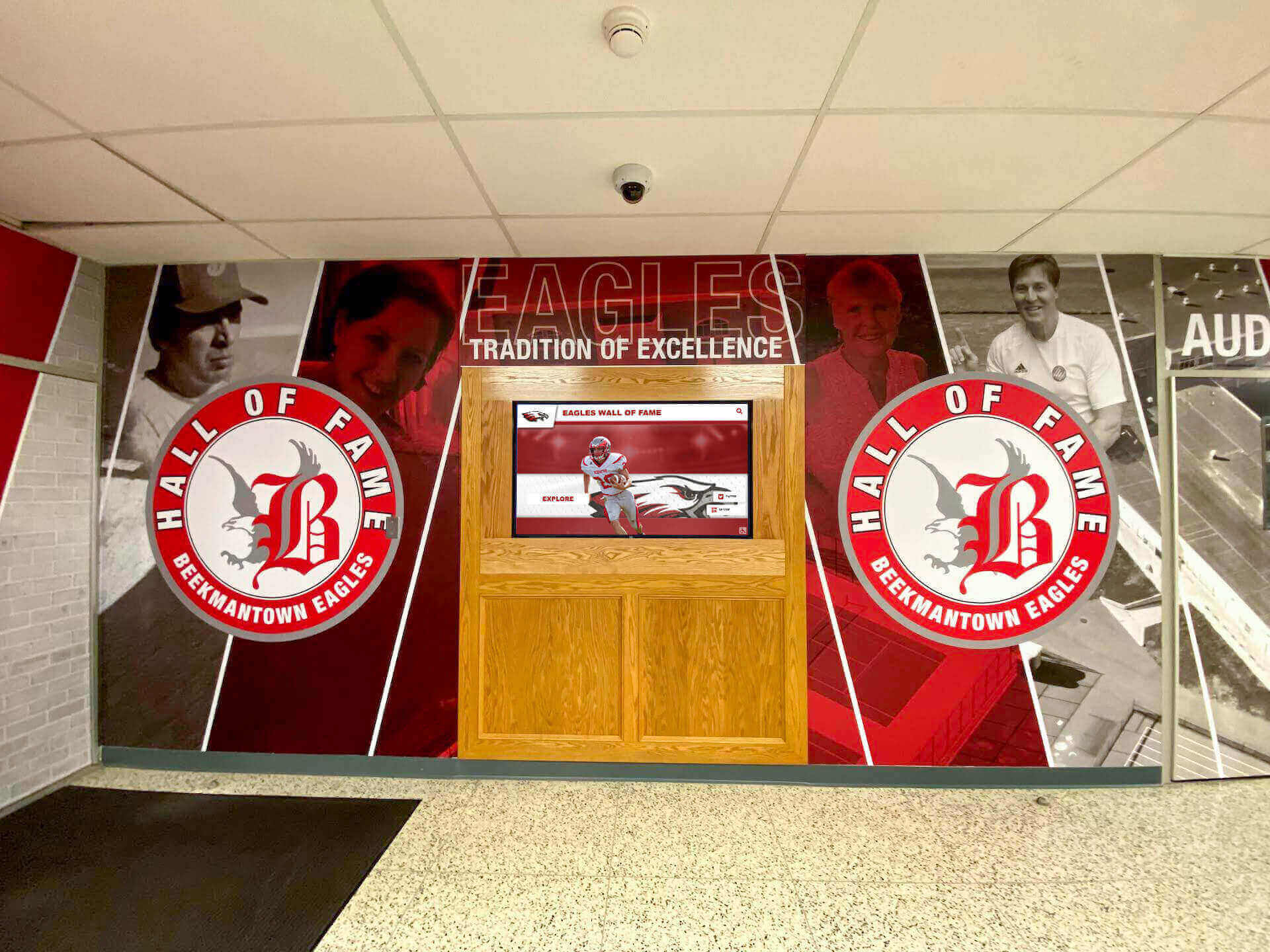
Strategic recognition displays maintain club visibility supporting ongoing fundraising initiatives
Spring Fundraising
- Spring flower sales (particularly bulbs and plants)
- Spring cleaning services for community
- Easter egg hunts with entry fees
- Mother’s Day or Father’s Day gift packages
- Spring sports tournaments
Summer Opportunities
- Car washes during warm weather
- Yard work and outdoor services
- Summer camps or workshops led by members
- Outdoor movie nights
- Farmers market booth sales
School Calendar Integration
Beginning of Year
- Membership drives with inaugural fundraisers
- Parent orientation booth sales
- Back to school night fundraising tables
- New member welcome events with donations
Mid-Year Opportunities
- Winter concert concessions
- Basketball game fundraising
- Academic recognition ceremonies with donation opportunities
- Valentine’s Day candy-grams or flower sales
End of Year
- Senior appreciation events
- Year-end performances with admission fees
- Graduation-related services and merchandise
- Summer send-off events
Strategic timing reduces competition with other club fundraisers while capitalizing on community readiness to participate during specific seasons.
Planning and Executing Successful Fundraisers
Systematic approaches transform good ideas into profitable reality:
Fundraising Planning Process
Initial Planning Phase (6-8 Weeks Before)
- Identify fundraising goal with specific dollar target
- Select fundraiser type based on club capabilities and audience
- Form planning committee with defined roles
- Establish timeline with key milestones
- Create detailed budget projecting costs and revenues
- Secure necessary school approvals and permits
Development Phase (4-6 Weeks Before)
- Reserve venues or secure necessary locations
- Order supplies and materials with delivery buffer
- Recruit volunteers ensuring adequate coverage
- Design marketing materials and communications
- Establish ticketing or sales systems
- Create contingency plans for potential issues
Promotion Phase (2-4 Weeks Before)
- Launch comprehensive marketing campaign
- Utilize multiple communication channels
- Engage parent networks and broader community
- Leverage social media with consistent messaging
- Create event momentum through countdown posts
- Secure media coverage when appropriate
Execution Phase (Event Week)
- Confirm all logistics and volunteer assignments
- Conduct final walkthrough or preparation
- Implement day-of coordination systems
- Document event through photos and videos
- Manage unexpected challenges calmly
- Express gratitude to participants and volunteers
Follow-Up Phase (After Event)
- Calculate final revenue and expenses
- Thank all donors, sponsors, and participants
- Distribute funds according to established plans
- Debrief with planning committee
- Document lessons learned for future fundraisers
- Share results and impact with stakeholders
Budget Management and Financial Tracking
Budget Creation
- Itemize all anticipated expenses
- Project realistic revenue based on research
- Include contingency funds for unexpected costs
- Track similar past fundraisers for baselines
- Seek donations reducing out-of-pocket expenses
- Calculate break-even points and profit margins
Financial Controls
- Require dual signatures on expenditures
- Maintain detailed transaction records
- Use receipt tracking systems
- Separate fundraising funds from operating accounts
- Regular financial reports to club leadership
- Year-end financial documentation for school records
Maximizing Profit Margins
- Negotiate supplier discounts for nonprofit rates
- Seek in-kind donations reducing costs
- Utilize free marketing channels before paid advertising
- Minimize overhead through efficient operations
- Price appropriately balancing accessibility and profit
- Avoid over-ordering inventory that won’t sell
Volunteer Recruitment and Management
Building Volunteer Teams
- Cast wide recruitment net beyond core members
- Provide specific role descriptions
- Match volunteers to appropriate responsibilities
- Offer flexible commitment options
- Create sign-up systems tracking coverage
- Recognize volunteer contributions meaningfully
Effective Volunteer Coordination
- Provide clear expectations and instructions
- Conduct training sessions when necessary
- Designate coordinators for volunteer groups
- Maintain communication throughout process
- Check in during events ensuring support
- Troubleshoot issues promptly
Volunteer Appreciation
- Publicly thank volunteers during and after events
- Send personalized thank-you notes
- Recognize top volunteers through awards
- Host appreciation events for regular helpers
- Provide reference letters when requested
- Maintain relationships for future fundraisers
Marketing and Promoting Club Fundraisers
Effective promotion determines fundraising participation and success:
Multi-Channel Marketing Strategies
School-Based Promotion
- Morning announcements mentioning fundraiser
- Posters in high-traffic hallways
- Table displays during lunch periods
- Teacher email distribution to staff
- Classroom visit presentations
- School newsletter features
Digital Marketing Approaches
- Social media campaigns across platforms
- Email blasts to school community
- School and club websites with prominent features
- Text message reminders where permitted
- Digital signage in school buildings
- Online event listings and calendars
Community Outreach
- Local newspaper press releases and features
- Community bulletin board postings
- Radio announcements on local stations
- Neighborhood social media groups
- Church and community organization bulletins
- Local business partnership promotion
Personal Communication
- Member peer-to-peer outreach
- Parent network leveraging
- Individual email invitations to potential supporters
- Phone calls for major sponsorship asks
- In-person conversations and presentations
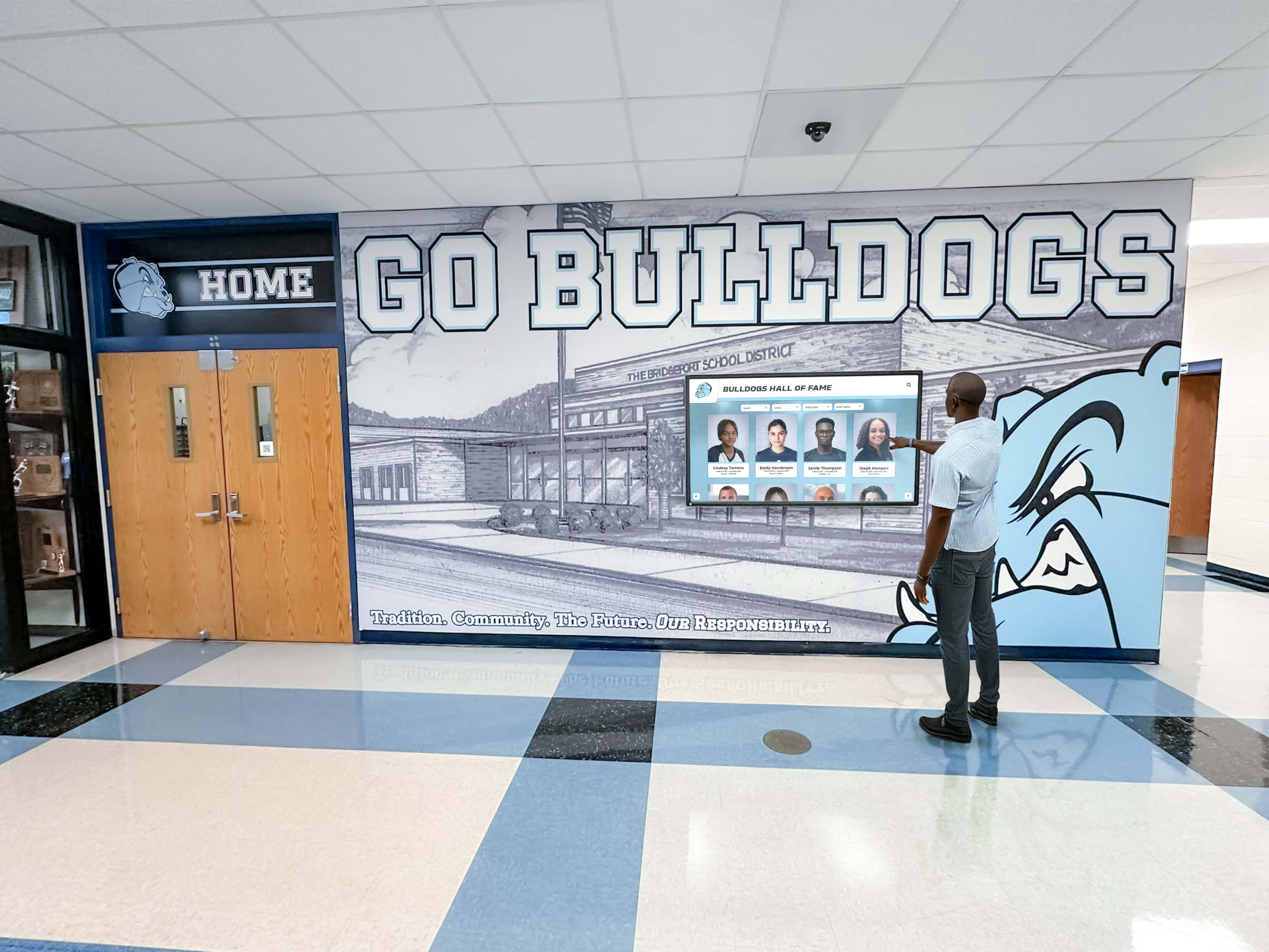
Interactive displays maintain year-round club visibility supporting fundraising throughout academic year
Creating Compelling Messaging
Key Message Components
- Clear explanation of fundraising purpose
- Specific description of how funds will be used
- Connection to club mission and values
- Student voice and authentic storytelling
- Emotional appeal alongside factual information
- Simple call-to-action with participation details
Visual Content
- High-quality photos of club activities
- Member testimonial videos
- Infographics showing fund allocation
- Progress trackers visualizing campaign goals
- Before-and-after comparisons demonstrating impact
- Professional or polished design elements
Storytelling Approaches
- Individual member impact stories
- Club achievement highlights
- Historical context of club significance
- Future vision enabled by fundraising
- Community benefit beyond club members
- Authentic student voice throughout
Building Momentum and Urgency
Campaign Pacing
- Early awareness building long-term interest
- Escalating promotion as event approaches
- Peak intensity final week before fundraiser
- Last-minute reminder pushes
- Live updates during events
Urgency Creation
- Limited-time offers or early-bird pricing
- Countdown timers to event or deadline
- Scarcity messaging about limited availability
- Milestone celebrations creating excitement
- Real-time progress updates showing momentum
Engagement Tactics
- Contests and giveaways for sharing promotion
- Interactive elements requiring participation
- Behind-the-scenes content building anticipation
- Influencer or administrator endorsements
- Peer pressure through visible participation lists
Donor Recognition and Stewardship for Clubs
Acknowledging supporters builds relationships enabling sustained giving:
Immediate Acknowledgment
During Fundraising
- Verbal thank-yous at events
- Public recognition during programs
- Social media shout-outs tagging supporters
- Real-time thank-you posts online
- Personal expressions of gratitude
Post-Fundraiser Thanks
- Thank-you notes from members
- Group thank-you videos
- Email appreciation messages
- Social media posts highlighting supporters
- School-wide recognition announcements
Ongoing Recognition Programs
Public Acknowledgment
- Recognition boards in club meeting spaces
- Website donor pages listing supporters
- Program booklets acknowledging sponsors
- Social media highlights throughout year
- Newsletter features about donor impact
Tiered Recognition Levels
- Bronze, silver, gold donor categories
- Cumulative giving recognition for repeat supporters
- Naming opportunities for major gifts
- Lifetime achievement categories
- Special society memberships for top supporters
Modern digital recognition displays enable clubs to recognize supporters beyond physical space constraints.
Impact Reporting
Demonstrating Fund Utilization
- Photos of purchased equipment or materials
- Competition results enabled by funding
- Student testimonials about program impact
- Budget transparency showing allocation
- Achievement highlights connected to support
Regular Communication
- Quarterly updates to donor base
- Annual reports summarizing year’s activities
- Success story features throughout year
- Invitation to events showcasing programs
- Personal updates from club leadership
Relationship Building
- Exclusive donor events or gatherings
- Behind-the-scenes access to club activities
- Personal phone calls from student leaders
- Handwritten notes for significant gifts
- Continued engagement between fundraising campaigns
Legal, Ethical, and Safety Considerations
Responsible fundraising protects students, clubs, and supporters:
School Policy Compliance
Approval Processes
- Submit fundraising proposals to administration
- Comply with school district policies
- Coordinate with other clubs to prevent conflicts
- Follow financial management requirements
- Adhere to student activity guidelines
Documentation Requirements
- Maintain financial records and receipts
- File required tax documentation
- Complete necessary permits or licenses
- Provide transparent financial reporting
- Archive historical records appropriately
Safety and Supervision
Student Safety
- Ensure appropriate adult supervision always
- Conduct background checks on volunteers when required
- Establish clear safety protocols
- Provide emergency contact information
- Brief participants on safety procedures
Financial Safety
- Never permit students to handle large cash amounts alone
- Use secure cash handling and transport procedures
- Deposit funds promptly
- Maintain financial oversight and auditing
- Protect personal information of donors and participants
Ethical Fundraising Practices
Honesty and Transparency
- Accurately represent how funds will be used
- Avoid misleading claims about products or services
- Disclose profit margins when appropriate
- Honor commitments to donors
- Correct mistakes or misunderstandings quickly
Respect and Professionalism
- Respect “no” responses without pressure
- Avoid harassment or excessive solicitation
- Maintain professionalism in all communications
- Protect donor privacy and information
- Express genuine gratitude for all support
Equity and Inclusion
- Ensure fundraising doesn’t create barriers to participation
- Avoid fundraisers that disadvantage specific students
- Provide alternative contribution methods
- Consider family financial situations sensitively
- Create inclusive opportunities for all members
Measuring Fundraising Success and Improvement
Regular assessment drives continuous improvement:
Key Performance Indicators
Financial Metrics
- Total revenue generated
- Net profit after expenses
- Cost per dollar raised
- Return on investment for different approaches
- Year-over-year growth or trends
Participation Measures
- Number of donors or participants
- Member involvement rates
- Volunteer recruitment success
- Repeat supporter percentages
- New donor acquisition numbers
Efficiency Indicators
- Planning to execution timeline
- Administrative time required
- Volunteer hours invested
- Resource utilization rates
- Issue or problem frequency
Evaluation and Learning
Post-Event Assessment
- Planning committee debriefs
- Member feedback collection
- Donor and participant surveys
- Financial analysis comparing projections to actuals
- Documentation of lessons learned
Continuous Improvement
- Identify successful elements to repeat
- Address weaknesses and challenges
- Explore innovations from other organizations
- Update processes and procedures
- Build institutional knowledge
Best Practice Development
- Create templates for recurring fundraisers
- Document standard operating procedures
- Establish organizational memory across leadership transitions
- Share learning within club and with similar organizations
- Maintain fundraising idea repository
Building Sustainable Fundraising Programs
Long-term success requires systematic approaches:
Annual Fundraising Planning
Calendar Development
- Map entire year’s fundraising activities
- Spread initiatives across academic calendar
- Avoid over-concentration in specific periods
- Balance different fundraiser types
- Coordinate with school and community calendars
Portfolio Diversification
- Mix recurring annual fundraisers with new initiatives
- Balance high-effort versus low-effort approaches
- Include both member-intensive and community-driven options
- Vary target audiences across fundraisers
- Maintain traditional favorites while exploring innovations
Goal Setting
- Establish annual revenue targets based on budget needs
- Set individual fundraiser goals contributing to overall target
- Create stretch goals inspiring exceptional effort
- Balance ambition with realism
- Align goals with strategic priorities
Institutional Knowledge and Transition
Documentation Systems
- Maintain detailed records of each fundraiser
- Create how-to guides for recurring events
- Preserve vendor contacts and relationships
- Archive promotional materials for templates
- Document lessons learned and best practices
Leadership Succession
- Train underclassmen in fundraising leadership
- Overlap leadership with gradual responsibility transfer
- Create mentorship between outgoing and incoming leaders
- Maintain continuity despite graduation
- Build skills across multiple members preventing dependence on individuals
Technology Utilization
- Digital file storage ensuring accessibility
- Shared calendars and project management tools
- Communication platforms maintaining records
- Financial tracking software
- Customer relationship management for donor tracking
Conclusion: Building Financially Healthy School Clubs
Effective fundraising transforms school clubs from resource-constrained organizations into thriving communities capable of achieving ambitious goals. When student leaders implement strategic, diverse fundraising programs—combining traditional approaches with modern innovations while building authentic community connections—they create sustainable revenue streams supporting exceptional club experiences while developing invaluable leadership competencies.
The fundraising ideas explored in this guide provide frameworks for generating resources across various club contexts, capabilities, and communities. From product sales and special events to digital campaigns and strategic partnerships, successful clubs implement multiple approaches rather than depending on single fundraising methods, building financial resilience while engaging diverse supporters.
Modern solutions enhance traditional fundraising through technology amplifying reach, simplifying administration, and creating engagement impossible with conventional approaches alone. Digital platforms enable online giving, social media extends promotional reach, and solutions like interactive recognition displays from providers like Rocket Alumni Solutions help clubs acknowledge supporters permanently while building institutional pride that strengthens fundraising appeals.
Start with fundraising approaches your club can implement immediately based on current capabilities, then systematically expand your program as members develop skills and confidence. Every successful fundraiser builds organizational capacity, strengthens community relationships, and creates momentum enabling increasingly ambitious initiatives supporting your club’s mission.
Your club’s programs deserve sustainable funding enabling consistent excellence, meaningful opportunities, and lasting impact on members’ lives. With strategic planning, creative execution, genuine appreciation for supporters, and commitment to continuous improvement, you can build fundraising programs transforming your organization’s potential while developing student leaders prepared for future success.
Ready to enhance how your school recognizes club achievements and supporters? Explore how solutions like Rocket Alumni Solutions can help your institution create engaging recognition displays that celebrate club accomplishments and acknowledge fundraising supporters, building the visibility and pride that strengthens future fundraising initiatives.