Field trips transform abstract classroom concepts into tangible, memorable learning experiences that students remember for years. Well-planned educational excursions connect curriculum objectives to real-world applications, spark curiosity about new subjects, and create shared experiences that strengthen classroom communities. From elementary students discovering local ecosystems to high schoolers exploring career pathways, field trips provide irreplaceable learning opportunities unavailable within school walls.
Yet planning effective field trips presents significant challenges for educators and administrators. Coordinators must identify destinations offering genuine educational value aligned with curriculum standards, manage complex logistics including transportation and permissions, accommodate diverse learning needs and budgets, and ensure trips deliver experiences worth the instructional time investment. Additionally, opportunities to maximize learning outcomes and preserve field trip memories often remain underdeveloped.
Field trip ideas that deliver educational impact while engaging students across grade levels require thoughtful planning around learning objectives, age-appropriate experiences, and post-trip integration that extends learning beyond the visit itself.
Why Field Trips Matter for Student Learning
Educational research consistently demonstrates that experiential learning through field trips improves information retention, increases student engagement, and broadens perspectives beyond students’ immediate environments. Field trips expose students to career possibilities they might never encounter otherwise, provide hands-on application of classroom concepts, and create memorable experiences that anchor abstract ideas in concrete contexts.
Beyond academic outcomes, field trips build important social-emotional skills. Students practice following instructions in new environments, develop observation skills, learn appropriate public behavior, and strengthen peer relationships through shared discoveries. For many students, field trips provide first experiences with museums, theaters, nature preserves, or professional work environments—exposure that shapes future interests and aspirations.
Effective field trips also strengthen school culture. Shared experiences outside traditional classroom settings create lasting memories that become part of school identity. Many schools celebrate field trip experiences through photo displays, student reflections, and recognition programs that honor learning adventures and discoveries made during educational excursions.
Elementary School Field Trip Ideas (K-5)
Science and Nature Destinations
Local Nature Centers and Parks Nature centers offer age-appropriate programming for young learners exploring ecosystems, seasonal changes, and environmental stewardship. Many facilities provide guided nature walks, animal encounters, and hands-on activities aligned with elementary science standards.
Children’s Science Museums Interactive science museums designed for young learners feature hands-on exhibits exploring physics concepts, simple machines, water properties, and basic chemistry through play-based discovery. Many offer curriculum-connected programs with pre-visit materials for teachers.
Zoos and Aquariums Well-designed zoo visits connect to animal classification, habitats, conservation, and life cycles. Educational programs often include behind-the-scenes experiences, animal demonstrations, and age-appropriate conservation discussions.
Working Farms and Agricultural Centers Farm visits teach food origins, plant life cycles, animal care, and agricultural careers while connecting urban and suburban students to food production systems. Seasonal activities like apple picking or pumpkin harvesting add engaging hands-on components.
Cultural and Historical Experiences
Local History Museums Community history museums introduce local heritage, historical timelines, and how communities change over time. Many offer programs specifically designed for elementary learners with artifact handling, period costumes, and simplified historical narratives.
Cultural Heritage Centers Cultural centers celebrating diverse traditions expose students to music, art, customs, and histories from various cultural backgrounds. Interactive programs often include storytelling, traditional crafts, and cultural performances.
Living History Sites Historical reenactment sites bring history alive through costumed interpreters, period demonstrations, and authentic environments. Students experience historical daily life through activities like butter churning, one-room schoolhouse lessons, or pioneer crafts.
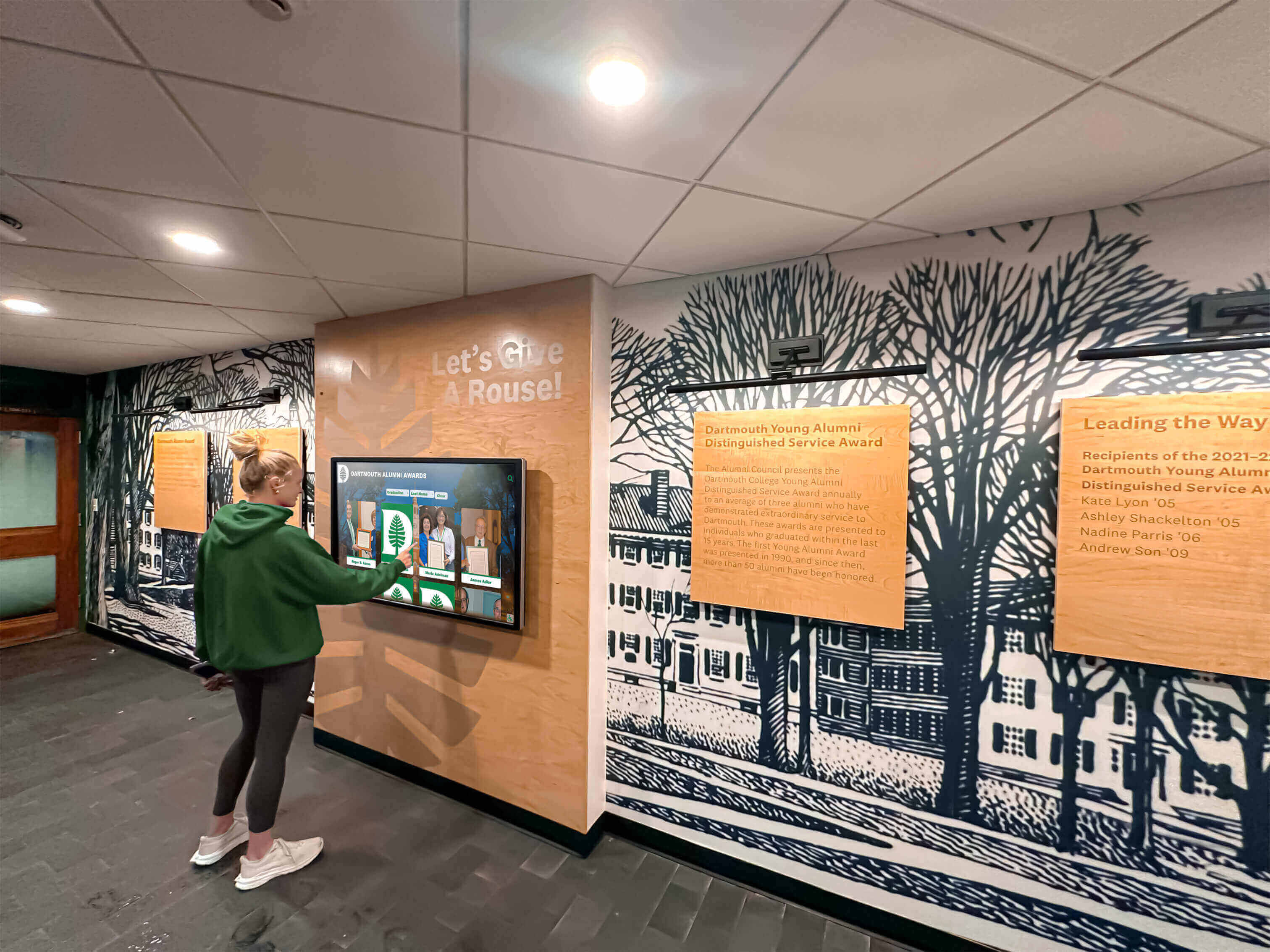
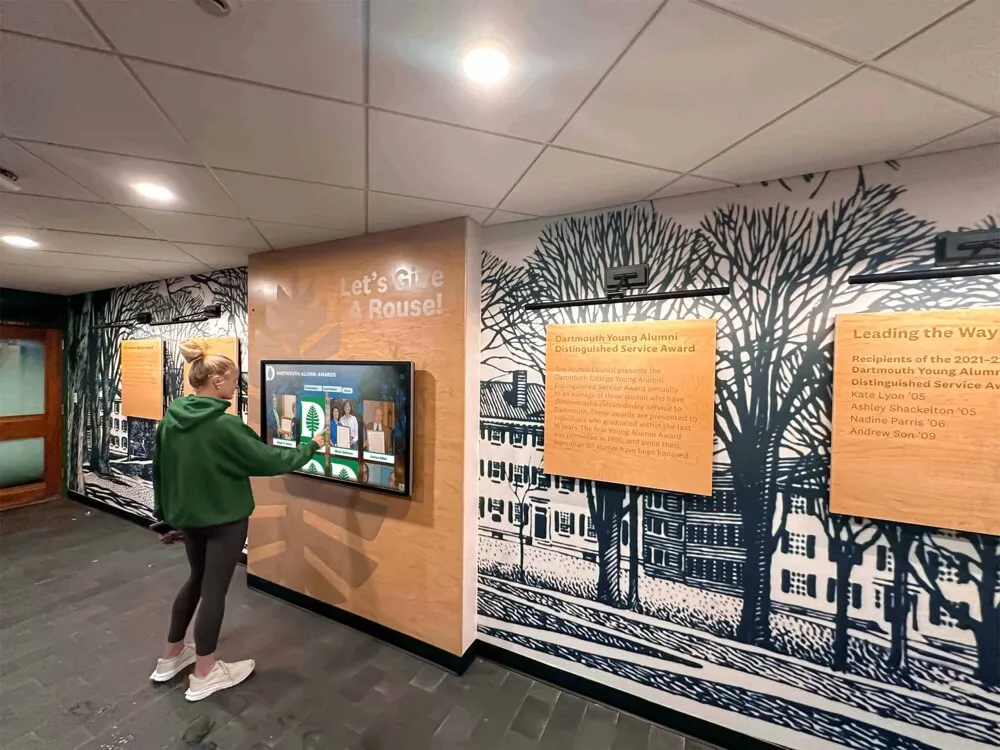
Many schools preserve memories from historical field trips through historical timeline displays that allow students to explore photos and reflections from educational excursions throughout school history.
Arts and Performance Venues
Children’s Theater Productions Age-appropriate theater introduces students to dramatic arts, storytelling techniques, and performance appreciation. Educational theater often includes post-show discussions and curriculum connections.
Art Museums with Family Programs Art museums with dedicated children’s programs offer gallery experiences, art-making workshops, and interactive exhibits introducing artistic styles, techniques, and cultural expressions through visual arts.
Music Performance Centers Symphony orchestra programs for young audiences introduce musical instruments, orchestra sections, and musical storytelling through shortened, interactive performances designed for limited attention spans.
Middle School Field Trip Ideas (6-8)
STEM Learning Destinations
Science and Technology Museums Advanced science museums offer exhibits on physics, engineering, technology, and biological sciences with interactive demonstrations appropriate for middle school cognitive development. Many facilities provide hands-on workshops, maker spaces, and STEM career exposure.
Planetariums and Observatories Astronomy facilities connect to space science curriculum through immersive shows, telescope observations, and programming exploring planets, stars, galaxies, and space exploration technology.
Engineering and Innovation Centers Facilities showcasing engineering, robotics, and technological innovation provide hands-on experiences with design thinking, prototyping, and real-world engineering applications. Programs often include challenges where students solve problems using engineering principles.
Schools celebrating STEM achievements often implement recognition programs that honor student participation in competitions and projects inspired by field trip experiences.
Environmental Education Centers Environmental centers offer programming on ecology, conservation, sustainability, and environmental science through field studies, water quality testing, habitat restoration projects, and climate science investigations.
Historical and Civic Destinations
State Capitols and Government Buildings Government facility tours teach civic structure, legislative processes, and democratic systems. Students observe government in action, meet elected officials, and learn how policy affects communities.
Historical Battlefields and Monuments Preserved historical sites provide context for major historical events with ranger-led programs connecting to social studies curriculum. Battlefield visits make abstract historical events tangible through geography and preserved landscapes.
Courthouses and Legal Centers Court observations and legal education programs introduce judicial systems, constitutional rights, and legal careers. Mock trial programs allow students to participate in simulated legal proceedings.
Museums of American History National and regional history museums explore American development, cultural movements, technological progress, and diverse historical perspectives through artifacts, documents, and multimedia exhibits.
Career Exploration Opportunities
Newspaper and Media Organizations Media facility tours expose students to journalism, broadcasting, digital media production, and communications careers while teaching media literacy and information verification.
Manufacturing and Production Facilities Factory tours demonstrate production processes, quality control, automation technology, and career pathways in manufacturing sectors from food production to automotive assembly.
Universities and Research Facilities Campus visits introduce higher education environments, research laboratories, specialized equipment, and academic pathways students might pursue. University partnerships often include mentoring programs and subject-specific workshops.
High School Field Trip Ideas (9-12)
Advanced Academic Experiences
College and University Campus Tours Comprehensive campus visits help students envision post-secondary education through admission presentations, campus tours, class observations, and conversations with current students about college experiences.
Research Laboratories and Institutes Advanced research facilities provide exposure to cutting-edge scientific research, specialized equipment, and career pathways in scientific fields. University partnerships may include mentoring relationships with graduate students and researchers.
Medical Centers and Healthcare Facilities Hospital and medical center tours introduce healthcare careers, medical technology, patient care systems, and health science pathways. Programs may include simulation labs, medical equipment demonstrations, and conversations with healthcare professionals.
Corporate Headquarters and Business Centers Business facility tours expose students to corporate culture, professional work environments, entrepreneurship, and career opportunities across business sectors from finance to technology.
Cultural and Artistic Enrichment
Professional Theater and Performing Arts Shakespeare productions, contemporary theater, symphony performances, opera, and ballet introduce students to professional performing arts with pre-show discussions and post-performance analysis connecting to literature and arts curriculum.
Major Art Museums and Galleries Comprehensive art museum visits explore art history, artistic movements, cultural contexts, and contemporary art with specialized tours addressing specific periods, styles, or themes relevant to curriculum.
Film and Television Studios Entertainment industry tours introduce production processes, entertainment careers, technical roles, and creative development while providing behind-the-scenes perspectives on media creation.
Architecture Tours Guided architecture walks teach architectural history, design principles, urban planning, and preservation while developing critical observation skills and aesthetic appreciation.
Historical and Social Justice Sites
Civil Rights Museums and Historic Sites Civil rights landmarks and museums provide essential education on American civil rights history, ongoing social justice work, and historical context for contemporary issues through preserved sites and comprehensive exhibits.
Holocaust Museums and Memorials Holocaust education sites teach essential historical lessons about genocide, human rights, moral courage, and the consequences of hatred through survivor testimonies, historical artifacts, and educational programming.
Immigration Museums and Ellis Island Immigration history museums explore American immigration stories, cultural contributions of immigrant communities, and ongoing immigration issues through family histories, artifacts, and personal narratives.
Schools often create memorial recognition displays honoring historical figures and social justice leaders students encounter during field trip experiences.
Career and Technical Education
Professional Kitchens and Culinary Institutes Culinary school visits introduce food service careers, kitchen operations, nutrition science, and hospitality management through demonstrations, tastings, and conversations with culinary professionals.
Construction Sites and Trade Centers Construction industry exposure introduces skilled trades, construction management, safety protocols, and technical careers in electrical, plumbing, HVAC, and carpentry fields.
Emergency Services Facilities Fire stations, police departments, and emergency response centers introduce public safety careers, emergency management, community protection systems, and crisis response coordination.
Environmental Conservation Organizations Conservation organizations and environmental nonprofits demonstrate careers in environmental protection, wildlife management, conservation science, and sustainability leadership.

Cross-Grade Level Field Trip Ideas
Year-Round Destinations
Public Libraries and Research Centers Library visits introduce information literacy, research resources, digital databases, archive preservation, and library careers while connecting students to community learning resources.
Botanical Gardens and Arboretums Botanical facilities offer seasonal programming exploring plant biology, horticulture, landscape design, and environmental conservation through guided tours and hands-on activities.
Recycling Centers and Waste Management Facilities Waste management facility tours teach environmental stewardship, recycling processes, waste reduction, and sustainability while connecting students to community infrastructure.
Local Television and Radio Stations Broadcasting facility tours introduce media production, journalism, communication careers, and broadcast technology through studio observations and conversations with media professionals.
Special Interest Destinations
Specialty Museums (Transportation, Aviation, Maritime) Focused museums exploring specific topics offer deep dives into transportation history, aviation technology, maritime heritage, or other specialized subjects with extensive artifact collections and interactive exhibits.
Sports Halls of Fame and Stadium Tours Athletic facilities and halls of fame connect to physical education, sports history, and career pathways in athletics, sports medicine, sports journalism, and athletic administration.
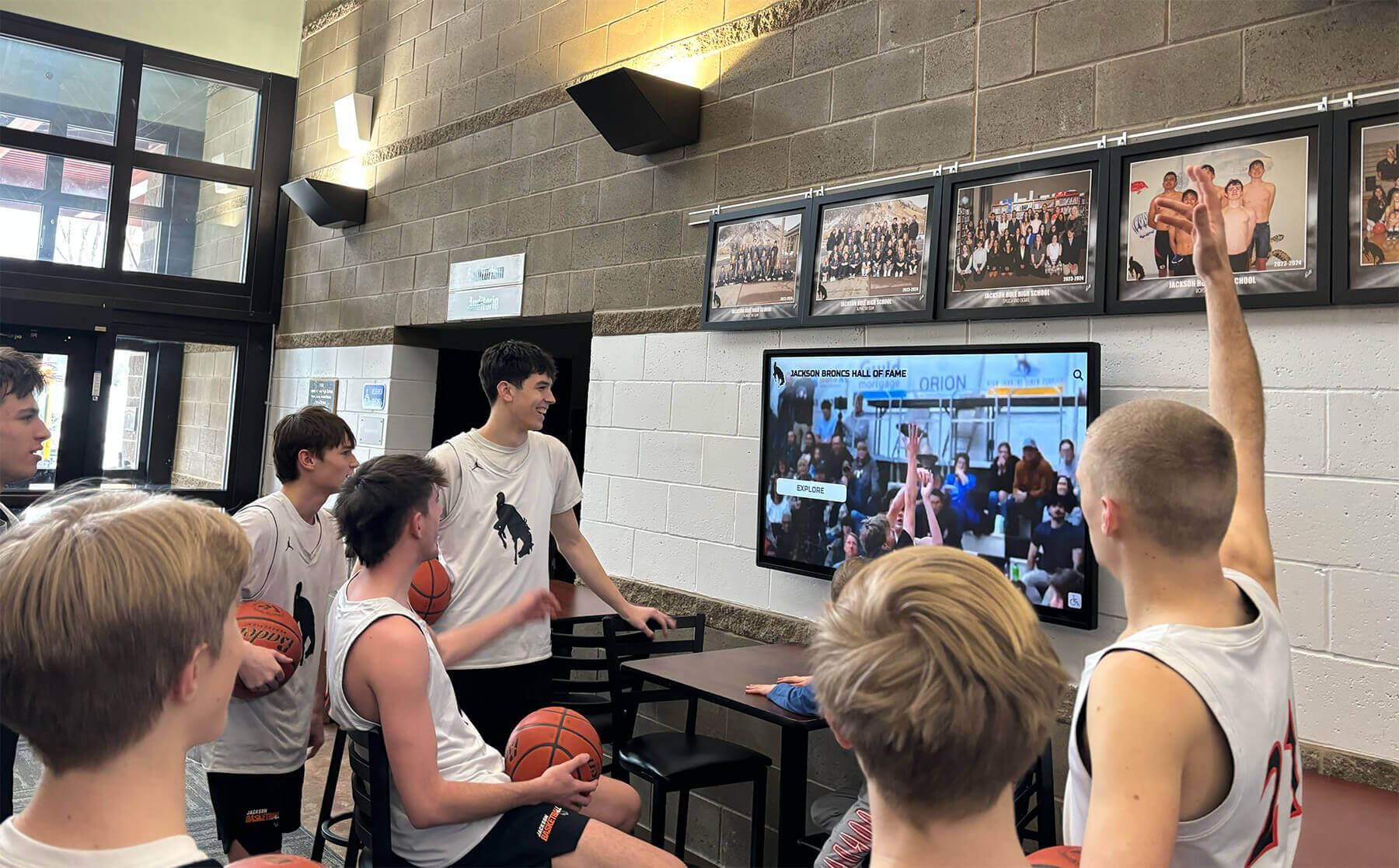
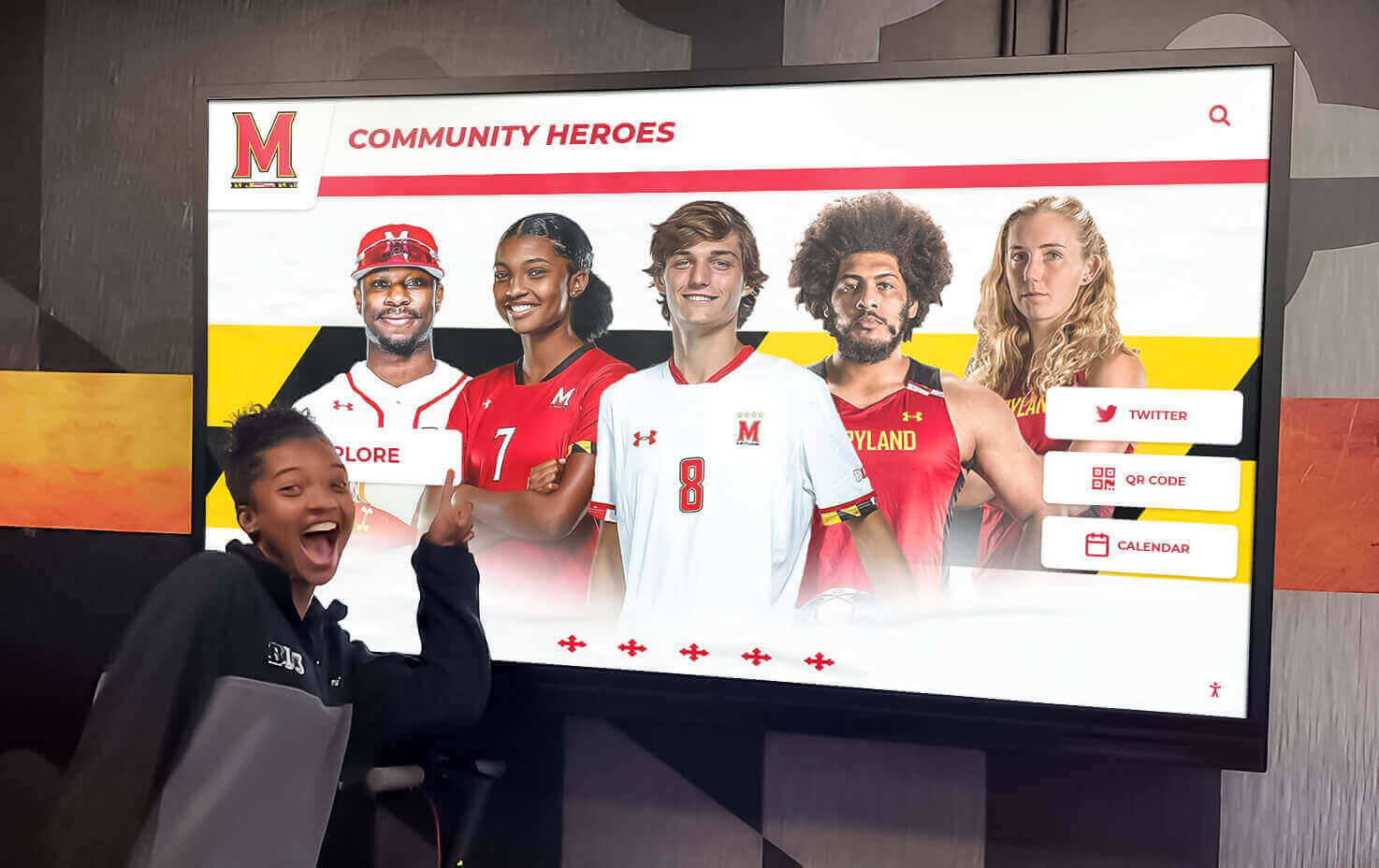
Many schools create digital recognition walls celebrating student achievements and field trip experiences that preserve memories and honor student participation in educational excursions.
Financial Institutions and Stock Exchanges Bank and stock exchange tours introduce financial literacy, investment principles, economic systems, and careers in finance through trading floor observations and financial education programs.
Archaeological Sites and Excavation Projects Archaeological sites provide hands-on exposure to archaeological methods, historical research techniques, artifact preservation, and careers in archaeology and cultural resource management.
Virtual and Hybrid Field Trip Options
Remote Learning Opportunities
Digital technology has expanded field trip possibilities through virtual tours, live-streamed programs, and interactive online experiences that overcome geographic and budget limitations while providing access to otherwise unreachable destinations.
Virtual Museum Tours Major museums worldwide offer free virtual tours, online collections, and educator resources allowing students to explore world-class institutions regardless of location.
Live-Streamed Science Demonstrations Research facilities and science centers provide live-streamed programs featuring experiments, animal encounters, and scientific demonstrations with opportunities for student questions and interaction.
Video Conferences with Experts Virtual programs connect classrooms with scientists, authors, historians, artists, and professionals worldwide for presentations, Q&A sessions, and mentoring conversations.
360-Degree Virtual Reality Experiences Immersive VR programs transport students to historical events, natural environments, or distant locations through technology-enhanced experiences supplementing or preparing for physical field trips.
Maximizing Field Trip Educational Impact
Pre-Trip Preparation
Effective field trips begin with thorough preparation connecting trips to curriculum objectives and building student background knowledge. Pre-trip activities should introduce key concepts, generate questions, and establish learning goals students will address during visits.
Share destination information, preview exhibits or programs, and teach subject-specific vocabulary students will encounter. Establish behavioral expectations, review safety protocols, and discuss appropriate interactions with docents, exhibits, and public spaces.
Involve students in planning by having them research destinations, develop questions for guides, and identify specific learning objectives they want to address. Student investment in planning increases engagement and learning outcomes during trips.
During-Trip Engagement
Structure field trips around active learning rather than passive observation. Provide students with observation guides, sketching materials, photography assignments, or research questions directing attention toward specific learning objectives.
Encourage student questioning, note-taking, and critical thinking during programs. Balance structured activities with time for student-directed exploration allowing personal interests to guide discovery.
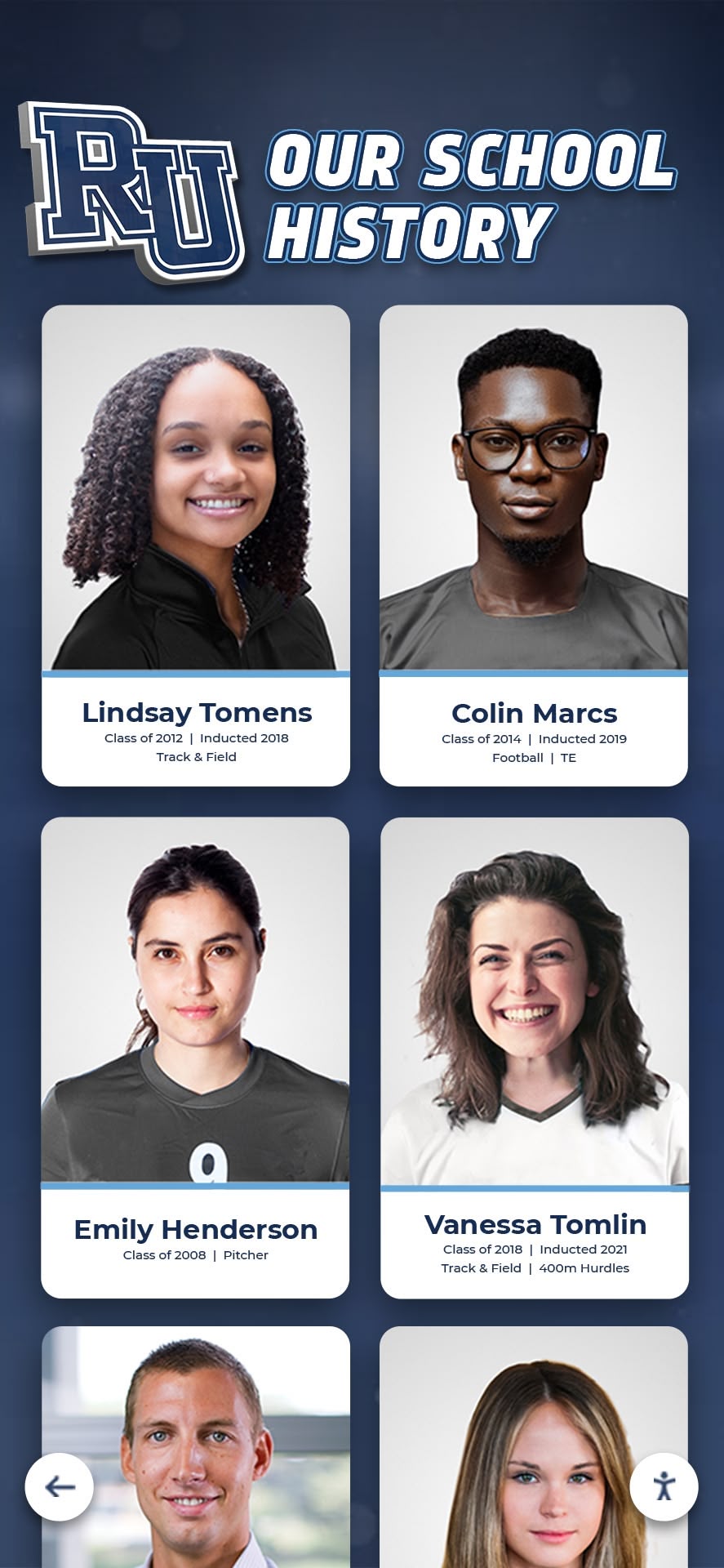
Document field trip experiences through photos, videos, student observations, and collected materials for post-trip reflection and learning extension. Many schools share field trip photos through school display systems celebrating educational experiences.
Post-Trip Follow-Up
Post-trip activities transform field trip experiences into lasting learning by having students process, reflect, and apply new knowledge. Effective follow-up extends learning well beyond the trip day itself.
Reflection and Discussion Facilitate class discussions addressing pre-trip questions, sharing discoveries, and connecting experiences to classroom learning. Have students identify most meaningful moments and explain what made experiences memorable.
Creative Expression Projects Students demonstrate learning through essays, artwork, presentations, videos, or other creative projects synthesizing field trip experiences with classroom content. Project variety allows students to express learning through preferred modalities.
Community Sharing Share field trip learning beyond the classroom through presentations to other classes, articles for school publications, displays in common areas, or family events showcasing student work inspired by field trips.
Recognition of Participation Honor field trip participation through certificates, photo displays, or recognition programs celebrating educational experiences. Schools often integrate field trip memories into yearbook archives preserving school history.
Thank You Communications Have students write thank-you notes to chaperones, hosts, and presenters reinforcing gratitude while practicing professional communication skills. Student-generated thank-yous strengthen community relationships and facilitate future partnerships.
Field Trip Planning Logistics
Permission and Documentation
Establish clear permission processes collecting parent authorization, emergency contacts, medical information, and any special accommodations students require. Maintain organized documentation systems ensuring all paperwork is complete before trips.
Communicate trip details, educational objectives, costs, and logistics clearly to families well in advance. Transparent communication about trip purpose and educational value increases family support and participation.
Address financial barriers through fundraising, sliding-scale fees, or scholarship programs ensuring all students can participate regardless of family financial circumstances. Inclusive approaches strengthen community and prevent students from missing valuable experiences.
Transportation Coordination
Coordinate transportation through school buses, charter services, or public transit considering group size, destination distance, parking availability, and budget constraints. Confirm transportation details well in advance and maintain communication with drivers about schedules and locations.
Plan departure and return times accounting for traffic, program duration, and any time-sensitive elements. Build buffer time into schedules preventing stress when minor delays occur.
Organize student groupings, chaperone assignments, and seating arrangements before departure. Clear organization prevents confusion and ensures supervision coverage throughout trips.
Chaperone Recruitment and Training
Recruit sufficient chaperones meeting district requirements for student-adult ratios. Clearly communicate chaperone responsibilities, behavioral expectations, supervision requirements, and emergency protocols.
Provide chaperones with student group assignments, relevant medical information, destination details, and schedule outlines. Well-informed chaperones contribute to smooth trip execution and student safety.
Express appreciation for chaperone volunteers through thank-you notes, recognition at school events, or volunteer appreciation programs. Valued volunteers are more likely to support future trips.
Budget Management
Develop comprehensive trip budgets including admission fees, transportation costs, meals, educational materials, and contingency funds for unexpected expenses. Transparent budgeting facilitates administrative approval and family communication.
Explore cost reduction strategies including group discounts, educational program subsidies, free admission days, grant funding, or community partnerships offsetting expenses.
Track all trip expenses, maintain receipts, and provide financial accounting to administrators demonstrating responsible resource management supporting future trip approvals.
Building a Culture of Educational Excursions
Schools maximizing field trip benefits integrate educational excursions into comprehensive learning experiences throughout the academic year rather than treating trips as isolated events disconnected from broader curriculum.
Develop multi-year field trip progressions building on prior experiences and introducing increasingly sophisticated concepts across grade levels. Coordinated planning ensures students experience diverse destinations addressing various subjects and learning objectives.
Cultivate community partnerships with museums, cultural institutions, businesses, and organizations providing educational programming. Strong partnerships often lead to reduced costs, customized programs, and preferential access supporting ongoing field trip opportunities.
Celebrate field trip experiences through recognition programs, photo displays, and storytelling opportunities that honor educational adventures and inspire future learning. Many schools maintain digital archives preserving field trip memories alongside other school traditions.
Share field trip successes with school communities through newsletters, social media, school board presentations, and community events. Visible celebration of educational excursions builds support for continued investment in experiential learning opportunities.
Conclusion
Field trip ideas spanning museums, historical sites, nature centers, performance venues, career exploration opportunities, and civic institutions provide essential experiential learning that classroom instruction alone cannot replicate. Well-planned educational excursions connect curriculum to real-world applications, expose students to new possibilities, and create memorable shared experiences that strengthen school communities.
Effective field trips require thoughtful planning connecting trips to learning objectives, careful logistics management ensuring safe and smooth execution, and intentional follow-up extending learning beyond trip days. Schools prioritizing experiential learning through diverse field trip opportunities provide students with educational advantages that shape academic trajectories and broaden life perspectives.
As schools continue adapting education to prepare students for complex, changing futures, field trips remain invaluable tools for developing critical thinking, cultural awareness, career readiness, and engaged citizenship that transform students into curious, capable learners ready to explore the world beyond classroom walls.
Ready to preserve and celebrate your school’s field trip memories and educational achievements? Rocket Alumni Solutions provides modern recognition display solutions helping schools showcase student experiences, honor achievements, and strengthen school culture through engaging digital platforms that make every educational adventure part of your institution’s lasting story.