Field day stands as one of the most anticipated events on the school calendar—a celebration of physical activity, teamwork, and school spirit that creates lasting memories for students, teachers, and families. When properly planned, field day combines fun physical activities with meaningful recognition opportunities that honor participation, effort, and achievement while strengthening school community connections.
Yet many schools struggle with field day logistics. Coordinators face challenges selecting age-appropriate activities that engage all students regardless of athletic ability, managing complex station rotations for hundreds of participants, ensuring equitable competition structures, and creating recognition systems that celebrate diverse contributions beyond traditional competitive wins. Additionally, opportunities to preserve field day memories and honor outstanding participation often remain underdeveloped.
This comprehensive guide provides actionable field day planning strategies covering essential elements—from activity selection and organizational logistics to recognition approaches, safety considerations, and digital systems that extend celebration beyond a single event day.
Field day serves important educational and social functions beyond providing enjoyable outdoor experiences. These events promote physical fitness and healthy habits, teach teamwork and sportsmanship in non-competitive contexts, build school pride and community connections, provide inclusive participation opportunities for students of all abilities, and create positive memories associated with physical activity that can influence lifelong wellness attitudes.
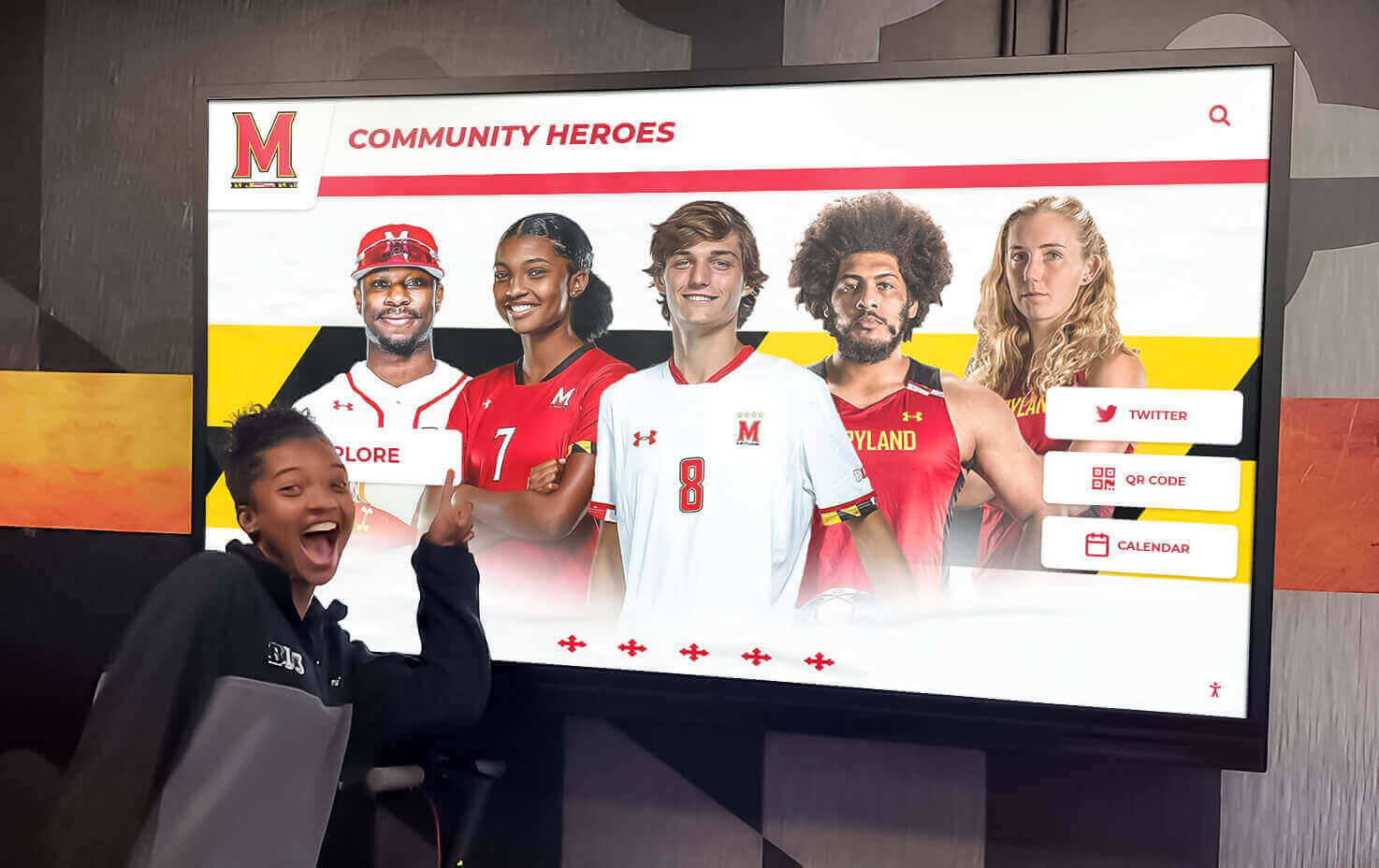
Modern recognition systems help schools celebrate field day achievements and school spirit year-round
Understanding Field Day’s Educational Value
Field day activities deliver measurable benefits that justify the considerable planning investment and instructional time allocation.
Physical Education and Wellness Goals
Promoting Active Lifestyles Field day creates positive associations with physical activity through enjoyable, non-threatening experiences:
- Exposure to diverse physical activities beyond traditional physical education curriculum
- Emphasis on participation and personal achievement rather than exclusively competitive outcomes
- Demonstration that physical activity can be social, enjoyable, and community-oriented
- Reinforcement of school wellness initiatives through visible celebration of movement
- Modeling of lifelong fitness habits in contexts students find engaging and memorable
Developing Motor Skills and Coordination Well-designed field day activities target fundamental movement patterns appropriate for different developmental stages:
- Locomotor skills (running, jumping, hopping, skipping) through relay races and obstacle courses
- Object control skills (throwing, catching, kicking) via game stations and team challenges
- Balance and coordination development through creative movement activities
- Spatial awareness through navigation games and partner activities
- Fine motor skill application in creative stations alongside gross motor emphasis
Research on youth physical development indicates that diverse, enjoyable activity experiences during school years correlate with higher levels of voluntary physical activity participation in adolescence and adulthood compared to exclusively competitive sports exposure.
Social-Emotional Learning Opportunities
Building Teamwork and Cooperation Field day creates structured contexts for collaborative skill development:
- Team-based activities requiring communication and strategic planning
- Partner challenges building peer relationships across classroom boundaries
- Multi-age cooperative structures connecting older and younger students
- Group problem-solving activities emphasizing collective success over individual performance
- Peer encouragement practices developed through supportive team environments
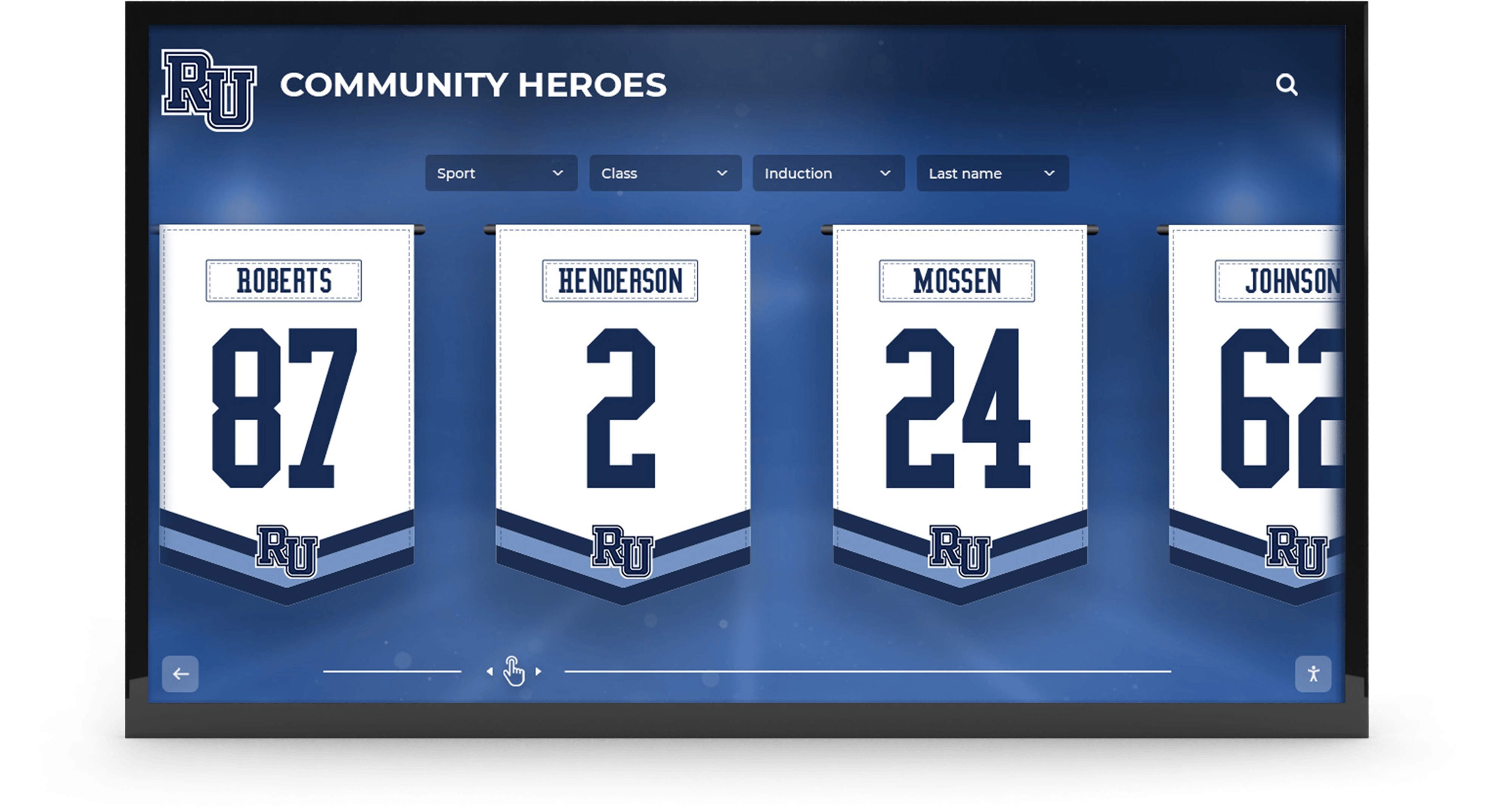
Recognition displays celebrate team achievements and individual contributions equally
Teaching Sportsmanship and Character Structured activities provide real-world contexts for character education:
- Handling both winning and losing situations with grace and positivity
- Supporting teammates who struggle or experience disappointment
- Following rules and respecting officials even when outcomes are unfavorable
- Celebrating others’ successes genuinely regardless of team affiliation
- Demonstrating resilience when activities prove challenging or frustrating
- Practicing inclusive behaviors that welcome all participants regardless of ability
Strengthening School Community Connections Field day brings together diverse school stakeholders in shared celebration:
- Students interact with peers outside regular classroom groupings
- Teachers participate alongside students in less formal contexts
- Parent volunteers engage directly with school community and their children’s peers
- Families attend as spectators creating visible support for school events
- Staff members across departments collaborate toward common goal
- Community partners may sponsor, volunteer, or provide resources demonstrating investment
Schools implementing comprehensive field day programs report improvements in overall school climate, student attendance on event days approaching 95-98%, and increased family engagement in subsequent school activities throughout the year.
Planning Timeline and Organizational Framework
Successful field day events require systematic advance planning addressing logistics, activities, volunteer coordination, and contingency preparation.
Comprehensive Planning Timeline
3-4 Months Before Field Day
- Establish planning committee including physical education teachers, classroom teachers, administrators, and parent representatives
- Set date considering weather patterns, standardized testing schedules, and competing school events
- Determine preliminary budget encompassing equipment, awards, refreshments, and supplies
- Identify field day format (traditional stations, color team competition, fun run, Olympic theme)
- Begin volunteer recruitment through parent communications and community outreach
- Reserve necessary facilities including athletic fields, gymnasiums for weather backup, and equipment storage
2-3 Months Before Field Day
- Finalize activity stations appropriate for different grade levels and abilities
- Create detailed logistics plan including student grouping strategies and rotation schedules
- Order or verify availability of necessary equipment, supplies, and recognition materials
- Develop volunteer training plan with clear role descriptions and expectations
- Establish weather contingency protocols and backup activity plans
- Design t-shirts, spirit wear, or color team identification systems if incorporating
- Begin promoting event to students and families through multiple communication channels
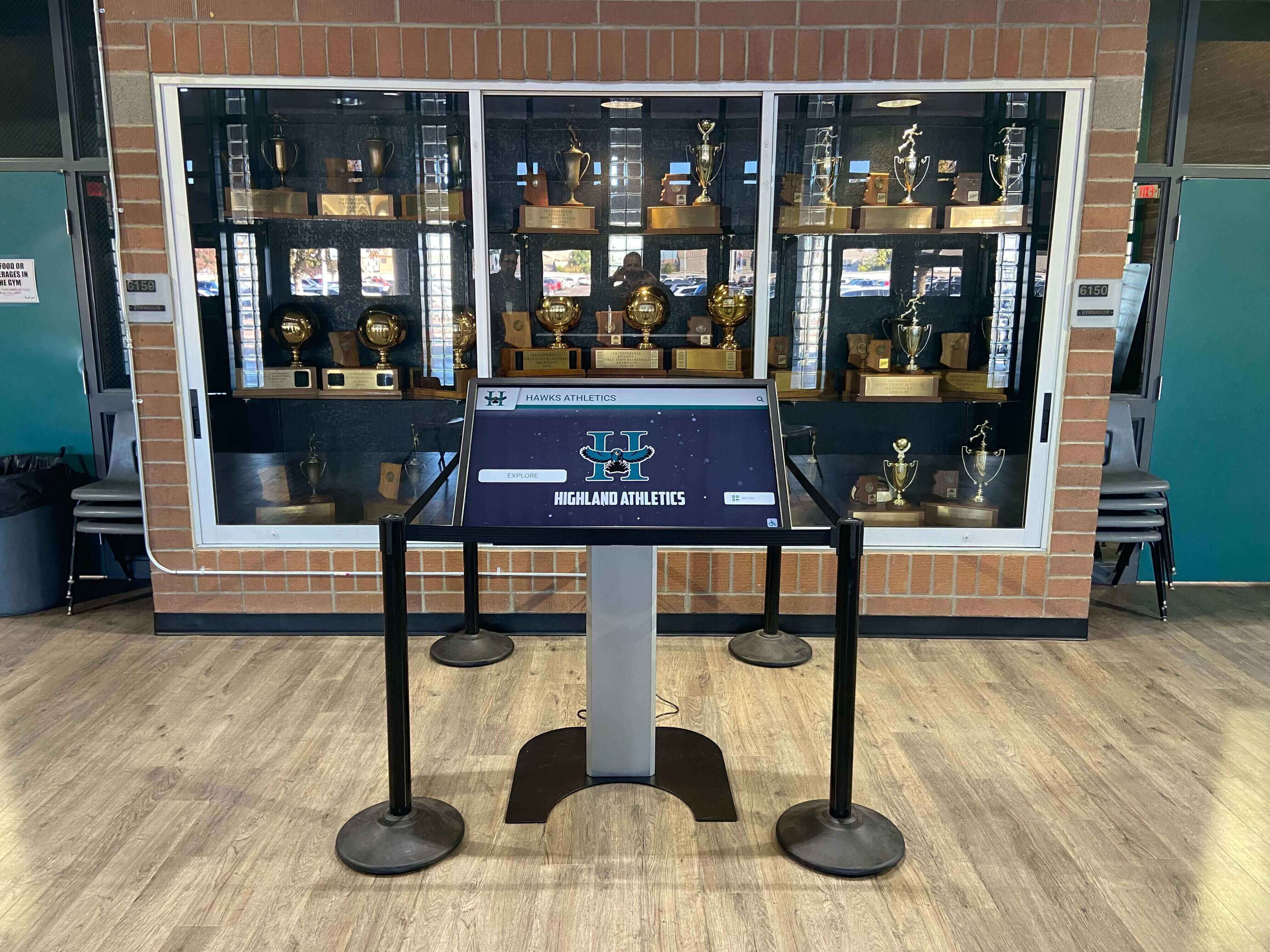
Digital recognition systems showcase school spirit and student achievement in high-traffic areas
4-6 Weeks Before Field Day
- Finalize student team assignments ensuring balanced groups across classes and abilities
- Confirm volunteer commitments and provide role-specific training or orientation
- Test all equipment ensuring functionality and adequate quantities
- Create station instruction cards with clear rules and safety guidelines
- Develop scoring or tracking systems if incorporating competitive elements
- Plan opening ceremony, closing awards, and any special performances or presentations
- Coordinate with facilities staff for field preparation, marking, and setup logistics
2-3 Weeks Before Field Day
- Send home detailed information to families including schedule, dress code, and volunteer opportunities
- Conduct teacher walkthrough explaining station rotations, timing, and responsibilities
- Create backup indoor activity plan with all necessary materials ready
- Organize first aid supplies, hydration stations, and health emergency protocols
- Develop student grouping materials (color team pinnies, name tags, team lists)
- Brief volunteers on specific station assignments, rules, and behavior management approaches
- Test public address systems, music equipment, and any technology integration
Week of Field Day
- Monitor weather forecast closely and communicate any schedule changes promptly
- Prepare all station equipment in organized containers for efficient setup
- Print station signs, scoring sheets, volunteer instructions, and schedules
- Arrange for field marking, setup of tents or shade structures, and hydration stations
- Conduct final volunteer briefing confirming assignments and reviewing procedures
- Prepare recognition certificates, ribbons, or awards for distribution
- Communicate final details to families regarding arrival times, parking, and expectations
Day Before Field Day
- Set up non-weather-sensitive materials, signage, and station markers
- Verify all equipment is staged and ready for rapid morning deployment
- Brief substitute teachers or coverage for participating classroom teachers
- Prepare playlists, announcements, and emcee scripts for event flow
- Review emergency action plans with all staff and volunteers
- Ensure adequate sunscreen, first aid supplies, and cold water availability
- Rest well recognizing significant day ahead requiring energy and flexibility
Organizational Structure Options
Grade-Level Station Rotation Model Traditional approach grouping students by grade with scheduled rotations:
- Students remain in grade-level or classroom groups throughout event
- Groups rotate through predetermined stations on fixed schedule (typically 12-15 minutes per station)
- Activities adapted to developmental appropriateness for each grade level
- Simplifies logistics and supervision as teachers stay with familiar students
- May include 8-12 stations depending on school size and available space
- Reduces competitive pressure as students compete primarily within age groups
Color Team Competition Structure Vertically integrated approach mixing students across grades into color-coded teams:
- Random or balanced assignment creating teams with mixed ages and abilities
- Cumulative team scoring throughout day building excitement and connection
- Older students naturally mentor younger teammates in supportive structures
- Increased school spirit through team colors, chants, and collective identity
- More complex tracking requiring dedicated scoring coordinators
- Stronger sense of whole-school community beyond individual classrooms
Comprehensive school pride building activities can extend field day team concepts throughout the school year.
Olympic or World Games Theme Thematic approach connecting to broader educational concepts:
- Students assigned to countries or continents with corresponding activities
- Opening ceremony with “torch lighting” and student oath
- Integration of geography, culture, and social studies curriculum
- Medal ceremonies and recognition following Olympic traditions
- Passport system where students collect stamps from different activity regions
- Cross-curricular connections enriching educational value beyond physical education
- Natural incorporation of sportsmanship and international cooperation themes
Fun Run or Walkathon Focus Alternative emphasizing individual achievement and often incorporating fundraising:
- All students participate in distance challenge appropriate to age and ability
- Self-paced participation reducing competitive pressure
- Potential for pledge-based fundraising supporting school programs or community causes
- Supplementary skill stations provide variety throughout event
- Simple logistics requiring less complex rotation planning
- Strong family participation opportunities as supporters and sponsors
- Clear, quantifiable achievement metric (distance completed) for recognition
Essential Field Day Activities and Games
Activity selection should balance traditional favorites, innovative stations, and inclusive options ensuring every student experiences success and enjoyment.
Classic Field Day Games
These time-tested activities remain popular and require minimal specialized equipment:
Relay Races Fundamental team competition building excitement through speed and coordination:
- Three-legged race developing partner coordination and communication
- Egg-and-spoon relay requiring balance and fine motor control
- Sack races combining hopping skills with competitive fun
- Water balloon pass emphasizing careful teamwork
- Baton relay practicing hand-offs and pacing
- Dress-up relay adding humor through costume challenges
- Wheelbarrow race building upper body strength cooperatively
Individual Speed and Skill Events Activities allowing students to demonstrate personal abilities:
- 50-yard or 100-yard dash showcasing running speed across age groups
- Hula hoop duration contests testing coordination and persistence
- Jump rope challenges (duration, speed, tricks) demonstrating various skill levels
- Standing long jump measuring explosive power
- Frisbee or flying disc throwing for distance or accuracy
- Soccer dribbling courses testing ball handling and control
- Basketball free throw shooting competitions
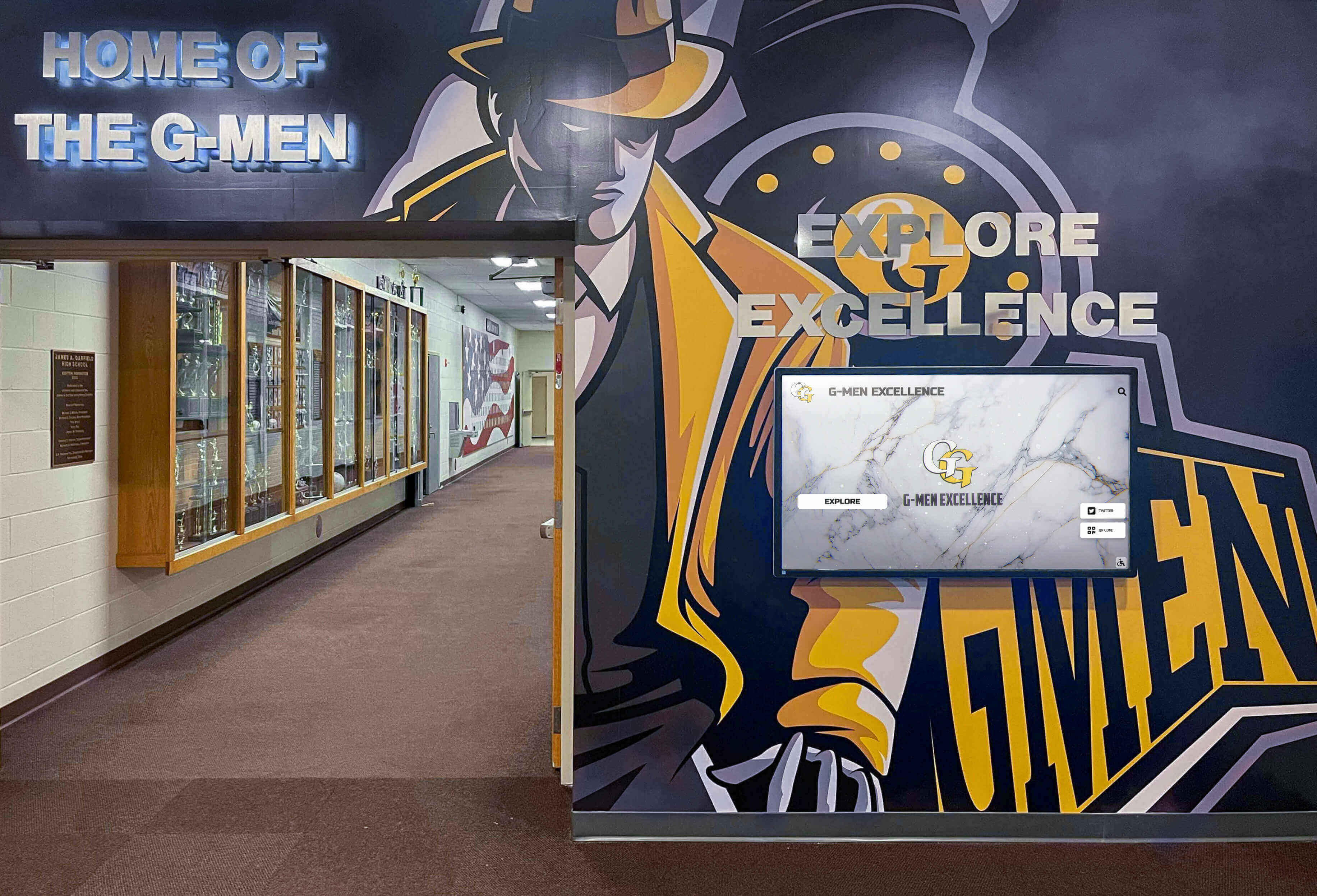
School facilities showcase athletic achievements creating pride in physical accomplishments
Throwing and Catching Stations Activities developing object control skills at various difficulty levels:
- Softball throw for distance with grade-level appropriate ball sizes
- Football pass accuracy through hanging hoop targets
- Water balloon toss with increasing partner distances
- Bean bag toss scoring through graduated point values
- Frisbee golf creating course around school grounds
- Ring toss at various distances and target sizes
- Catch challenge counting consecutive successful partner throws
Team Cooperation Games Activities requiring group coordination and strategic thinking:
- Human knot untangling puzzle requiring communication
- Parachute games creating collective action and coordination
- Tug of war traditional team strength competition
- Group jump rope with multiple participants entering and exiting
- Caterpillar races with connected team movement
- Bucket brigade relay passing items through team line
- Group balance challenges requiring cooperative problem-solving
Creative and Inclusive Activity Stations
Innovative activities ensure participation opportunities for students with diverse abilities and interests:
Non-Traditional Movement Stations
- Yoga pose challenge with cards depicting positions to copy
- Dance freeze game combining music and creative movement
- Balance beam or tape line walking courses
- Limbo competition measuring flexibility
- Animal walk relay (bear crawl, crab walk, frog jump)
- Scooter board races or obstacle courses
- Agility ladder or cone drill speed courses
Creative and Cognitive Challenge Stations
- Sidewalk chalk art competition allowing artistic expression
- Water painting on pavement creating temporary murals
- Nature scavenger hunt combining observation and movement
- Bubble station with various wand sizes and solutions
- Kite flying when weather permits
- Minute-to-win-it style quick challenges
- Brain break activity cards with quick mental challenges
Sensory-Friendly and Adaptive Stations
- Quiet cool-down tent with shaded seating and calming activities
- Bubble wrap stomp path for sensory input
- Water play table with sponges and containers
- Music and rhythm station with instruments and movement
- Gentle partner stretching and yoga area
- Modified equipment versions of popular activities
- Station buddy system pairing students for mutual support
Students with special needs benefit from thoughtfully planned inclusive activities ensuring meaningful participation alongside peers.
Water-Based Summer Activities
- Water balloon games in various formats (toss, piñata, target practice)
- Sponge relay soaking and squeezing challenges
- Sprinkler tunnel runs providing cooling fun
- Water gun target shooting accuracy contests
- Slip-and-slide stations (with appropriate safety measures)
- Water limbo under streams from hose
- Ice cube melting race using only hands or specified tools
Age-Appropriate Activity Considerations
Elementary Primary Grades (K-2)
- Shorter station durations (8-10 minutes) matching attention spans
- Simplified rules with clear, concrete instructions
- Heavy emphasis on participation over competition
- Additional adult supervision at each station
- Frequent water and rest breaks
- Activities developing fundamental movement skills
- Reduced distance and modified equipment for smaller bodies
Elementary Upper Grades (3-5)
- Standard 12-15 minute station rotations
- More complex rules and strategies introduced
- Balance between individual and team competitions
- Increased emphasis on sportsmanship and character
- Age-appropriate independence with adult oversight
- Activities building on fundamental skills toward sport-specific movements
- Beginning awareness of personal fitness and healthy competition
Middle School Adaptations
- Extended activity periods allowing deeper engagement
- Increased competitive elements with appropriate structures
- Student leadership roles in station management and peer encouragement
- More complex strategic games requiring planning and communication
- Awareness of changing bodies and abilities during adolescence
- Optional participation structures respecting developmental self-consciousness
- Connection to physical education curriculum and fitness concepts
Volunteer Management and Station Coordination
Successful field day relies heavily on well-trained, clearly assigned volunteers managing smooth operations throughout the event.
Recruiting Sufficient Volunteer Support
Determining Volunteer Needs Calculate requirements based on event structure:
- Minimum 1 adult supervisor per activity station (2 preferred for active stations)
- Floating volunteers assisting with transitions and addressing emerging needs (1 per 50 students)
- Registration or check-in coordinators at event entrance
- First aid and health emergency responders
- Hydration station monitors ensuring adequate water consumption
- Equipment managers transporting supplies between stations
- Photography volunteers documenting event for school and families
- Cleanup crew for efficient post-event restoration
Effective Volunteer Recruitment Strategies
- Early communication through multiple channels (email, school app, newsletters, social media)
- Flexible time commitment options (full day, morning only, afternoon shift, specific stations)
- Clear descriptions of expectations reducing uncertainty about responsibilities
- Online signup systems showing available positions and allowing easy registration
- Personal invitations from teachers to parent volunteers from each classroom
- Recognition of volunteer contributions through thank you notes and social acknowledgment
- Year-round volunteer relationship building not solely requesting help at field day
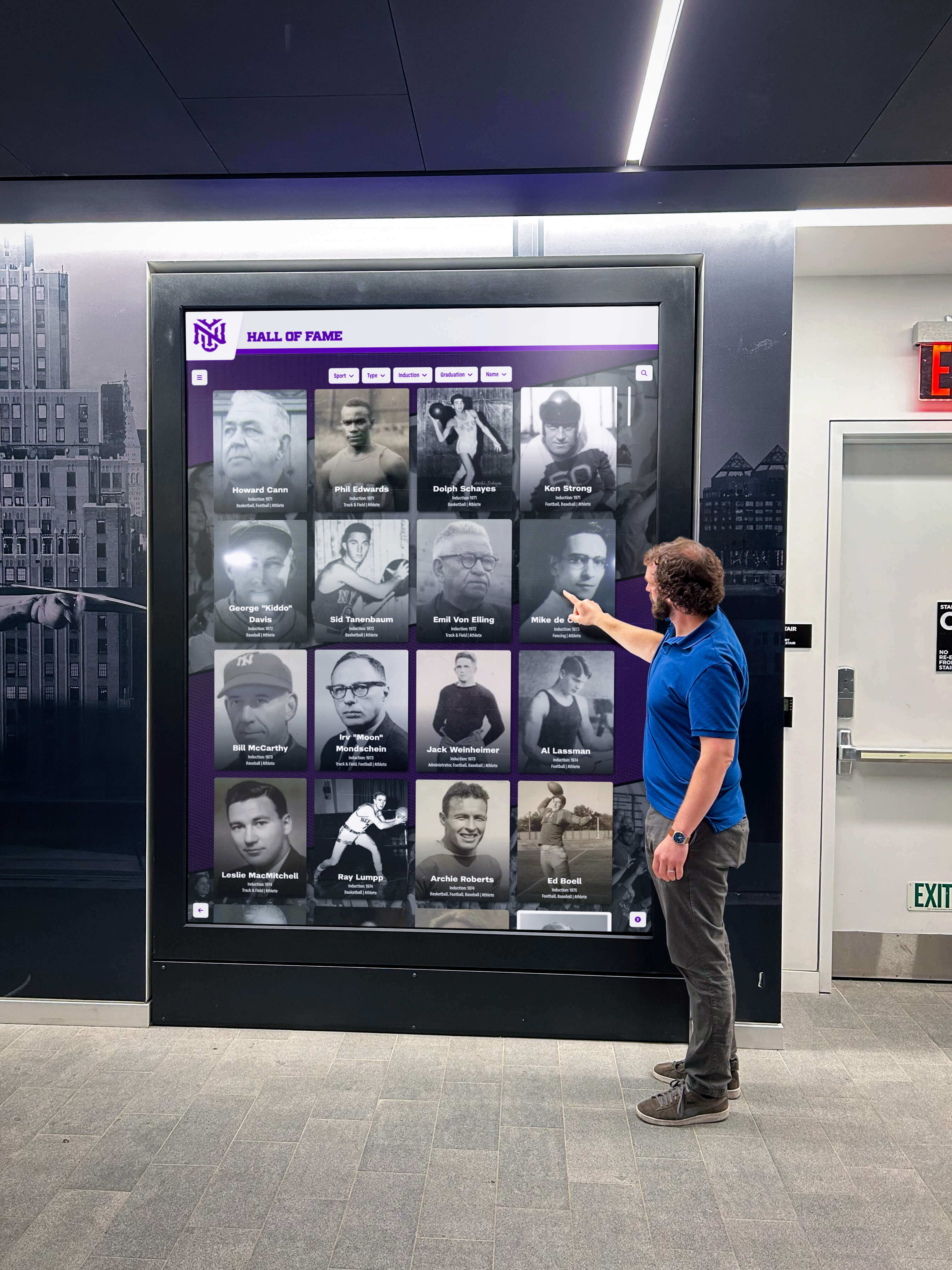
Family engagement in school activities strengthens community connections and student pride
Training and Preparation
- Comprehensive volunteer orientation covering event schedule, station assignments, and behavior management
- Written station instructions with clear rules, safety guidelines, and equipment lists
- Demonstration or walkthrough of activities volunteers will supervise
- Behavior management strategies for common situations (safety violations, disputes, disengagement)
- Emergency procedures and communication protocols
- Weather contingency plans affecting assignments or activities
- Contact information for event coordinators addressing questions or concerns
Station Management Best Practices
Clear Station Setup and Instructions Each activity area should include:
- Large, weather-resistant sign with station name and basic rules
- Laminated instruction cards detailing activity setup and gameplay
- All necessary equipment organized in labeled containers
- Defined boundaries marked with cones, tape, or natural landmarks
- Safety considerations prominently displayed
- Scoring method or tracking approach if applicable
- Backup supplies or alternative activities if primary equipment fails
Smooth Rotation Transitions Minimize lost time and confusion during group movements:
- Clear audio signals (whistle, music, announcement) indicating rotation times
- 2-3 minute buffer between stations allowing movement and setup
- Visual schedule posted at each station showing incoming groups
- Station maps helping volunteers guide students to next locations
- Designated walking paths reducing congestion and confusion
- Teacher leaders keeping groups together during transitions
- Floating volunteers assisting disoriented groups finding assignments
Managing Student Behavior and Engagement Volunteer strategies for maintaining positive atmosphere:
- Positive reinforcement emphasizing effort, improvement, and sportsmanship
- Clear expectations communicated before activities begin
- Modification of activities when students struggle or disengage
- Appropriate challenge levels preventing boredom or overwhelming difficulty
- Inclusive encouragement ensuring all students feel welcomed and capable
- Quick problem-solving for equipment failures or unexpected situations
- Recognition of volunteers maintaining enthusiasm throughout day
Documentation and Communication Systems ensuring smooth operations:
- Station attendance tracking confirming all groups complete rotations
- Incident or injury reporting forms for health room follow-up
- Equipment or supply needs communicating to coordinators
- Outstanding student behavior or sportsmanship notes for recognition
- Photos and video capturing memories and documenting success
- Real-time communication methods (walkie-talkies, group texts) connecting volunteers
- Post-event feedback gathering volunteer suggestions for future improvement
Recognition and Awards Systems
Thoughtful recognition approaches celebrate diverse contributions while maintaining field day’s emphasis on participation and enjoyment over exclusive competitive achievement.
Inclusive Recognition Philosophies
Universal Participation Recognition Every student receives acknowledgment for engagement:
- Participation ribbons or certificates for all attendees
- Completion of field day passport or station checklist
- Team photo and group recognition regardless of competitive outcomes
- Thank you recognition during closing ceremony
- Post-event celebration acknowledging whole-school accomplishment
- Integration into year-end awards or recognition programs
- Digital recognition preserving field day memories permanently
Effort-Based Award Categories Recognition extending beyond traditional winners:
- Best sportsmanship awards at individual stations or overall
- Most improved performance compared to practice trials
- Enthusiastic participant recognizing positive energy and support
- Team spirit awards celebrating encouragement and cooperation
- Persistence awards acknowledging students who faced challenges
- Leadership recognition for students supporting peers
- Creativity awards for innovative approaches or artistic contributions
Multiple Achievement Categories Diverse recognition opportunities:
- Individual event medals or ribbons (1st-3rd place or participation)
- Team competition winners across different age divisions
- Grade-level champions preventing unfair age-based comparisons
- Station-specific recognition (fastest, longest distance, most accurate)
- Personal best acknowledgment compared to student’s own previous performance
- Random draw awards not based on competitive performance
- Fun categories (best team cheer, most creative face paint, best spirit wear)
Schools implementing comprehensive student recognition programs integrate field day achievements into year-end celebrations honoring diverse student contributions.
Physical Awards and Recognition Materials
Budget-Friendly Award Options
- Printed certificates on school letterhead signed by principal or PE teachers
- Ribbon printing or purchased medals from educational suppliers (typically $0.50-$2.00 each)
- Homemade ribbons from craft supplies with station stamps or stickers
- Popsicle stick medals spray-painted gold/silver/bronze with ribbons
- Paper plate awards decorated by students or volunteers
- Wristbands or bracelets in team colors
- Stamps or stickers collected throughout day in passport booklets
Premium Recognition Items Schools with larger budgets may consider:
- Custom medals with school logo and field day year
- Trophy or plaque for overall team champions
- T-shirts for all participants with field day design
- Photo frames containing group or individual field day photos
- Water bottles or other practical items with field day branding
- Professional certificates in presentation folders
- Winner’s bibs or sashes worn during closing ceremony
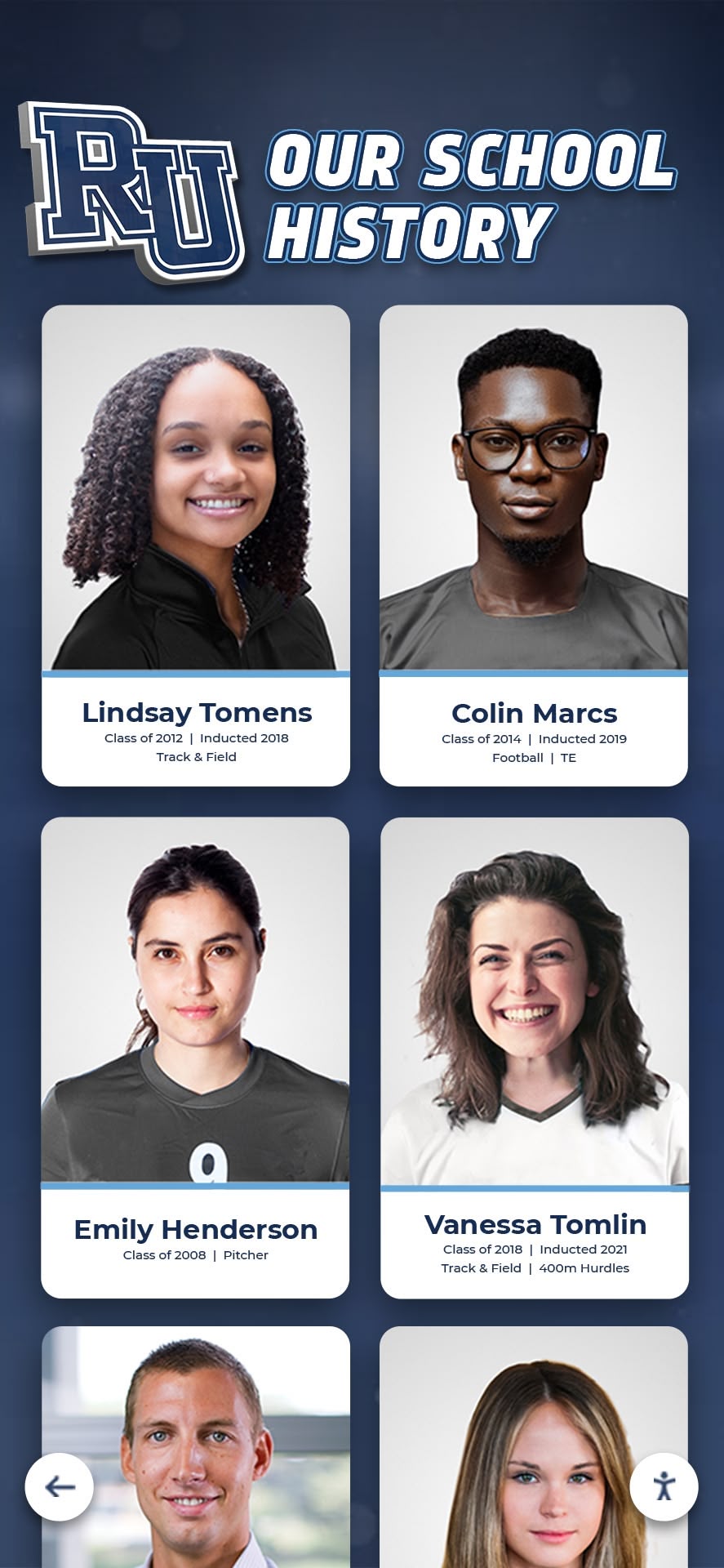
Individual recognition profiles preserve student achievements as part of school history
Ceremony and Presentation Strategies
- Closing celebration gathering all students, staff, and families
- Recognition of volunteers, organizers, and supporting staff
- Team or individual awards presented with explanation of achievement
- Student speakers reflecting on experience and thanking community
- School spirit chants or songs reinforcing collective identity
- Photo opportunities with awards and teammates
- Dismissal procedures reuniting students with families smoothly
Digital Recognition and Memory Preservation
Modern technology extends field day celebration beyond single event day:
Social Media and Website Documentation
- Photo galleries showcasing activities, student participation, and awards
- Video highlights capturing exciting moments and overall atmosphere
- Individual student tagging (with family permission) allowing personal sharing
- Event hashtag creating collective celebration across platforms
- Thank you posts recognizing volunteers and sponsors
- Behind-the-scenes preparation content showing planning process
- Year-over-year comparison galleries documenting program evolution
Interactive Digital Recognition Displays Solutions creating permanent field day visibility:
- Touchscreen displays in school lobbies featuring field day photos and achievements
- Photo slideshow rotation on school digital signage throughout following weeks
- Student profile integration including field day participation and awards
- Historical archives preserving decades of field day memories and evolution
- QR code access enabling mobile viewing and family sharing
- Searchable databases finding specific students, years, or activities
- ADA-compliant accessibility ensuring all community members can explore content
Schools implementing comprehensive digital recognition systems showcase field day alongside academic achievements and athletic accomplishments throughout the year.
Classroom and Hallway Displays
- Printed photo collages in classroom or hallway bulletin boards
- Student reflection writing about favorite activities or memories
- Thank you notes to volunteers displayed publicly
- Team banners or posters created by students post-event
- Scrapbook or photo album in school library or office
- Year-end slideshow incorporating field day in school year highlights
- Integration into school yearbook with dedicated section or photo spreads
Safety Planning and Risk Management
Comprehensive safety preparation ensures field day remains enjoyable while protecting student wellbeing and managing institutional liability.
Medical and Health Considerations
Heat and Sun Safety Protocols Outdoor field days during warm weather require specific precautions:
- Scheduled water breaks every 20-30 minutes with mandatory hydration
- Multiple water stations positioned throughout activity areas
- Shaded rest areas with seating for students needing breaks
- Sunscreen application stations (with parent permission) or reminders in communications
- Hat and light-colored clothing encouragement in pre-event communications
- Activity scheduling placing most physically demanding stations during cooler morning hours
- Heat exhaustion and heat stroke symptom awareness among all adult supervisors
- Immediate access to air-conditioned buildings for students showing heat stress symptoms
First Aid and Medical Emergency Preparedness
- Designated first aid station staffed by school nurse or trained medical personnel
- First aid kits at multiple locations throughout activity areas
- Student health information and emergency contact forms readily accessible
- Clear communication system (radios, mobile phones) connecting all areas to health room
- Staff training in recognition of common injuries and appropriate response
- AED access and trained operators identified among staff
- Emergency action plan for serious injuries requiring professional medical response
- Ambulance access route kept clear throughout event
Allergy and Medication Management
- Awareness of student allergies (food, insect sting, environmental) among station supervisors
- EpiPens and emergency medications immediately available with trained administrators
- Food and refreshment screening for common allergens
- Insect sting first aid supplies and protocols
- Asthma inhaler access for students with respiratory conditions
- Communication with families about specific health concerns or limitations
- Modified activity options for students with medical restrictions
Activity Safety Guidelines
Equipment and Facility Safety
- Pre-event inspection of all equipment checking for damage or wear
- Age-appropriate equipment sizing and modification
- Proper setup and securing of nets, goals, targets, or structures
- Clear boundaries preventing students from entering unsafe areas
- Removal of hazards from activity areas (rocks, debris, holes, glass)
- Soft or grass surface activities for falling or collision risk stations
- Adequate spacing between stations preventing interference or crowding
Activity-Specific Safety Rules Different activities present unique risks requiring targeted protocols:
- Relay races: defined lanes, adequate stopping distance beyond finish lines
- Throwing events: designated throwing zones with spectator safety buffers
- Climbing or jumping activities: spotters, crash pads, or appropriate landing surfaces
- Water activities: non-slip surfaces, immediate clothing change access, supervised depth
- Partner or contact activities: appropriate pairing by size, clear physical boundaries
- Equipment activities: proper instruction on usage, supervised handling of potentially dangerous items
- High-speed activities: helmets or protective equipment when appropriate
Behavior Management and Dispute Resolution
- Clear expectations communicated before activities begin at each station
- Immediate intervention for unsafe behavior with consequences when necessary
- Adult mediation for disputes or conflicts between students
- Timeout or reflection area for students needing break from activities
- Peer support systems encouraging positive interactions
- Recognition of positive behavior modeling for others
- Post-event follow-up for serious behavior issues
Weather Contingency Planning
Decision-Making Protocols
- Designated administrator responsible for weather-related decisions
- Clear timeline for decision announcement enabling family and staff planning
- Multiple information sources consulted (weather services, radar, local conditions)
- Conservative decision-making prioritizing safety over event preservation
- Communication plan reaching all stakeholders rapidly when changes occur
- Rescheduling considerations and alternative date options
Indoor Alternative Activity Plans Complete backup plan prepared for gymnasium or classroom implementation:
- Modified stations appropriate for indoor spaces and limited equipment
- Student grouping and rotation schedules adapted to building layout
- Volunteer assignments revised for indoor context
- Equipment staging in alternate location ready for rapid deployment
- Academic or creative activities supplementing limited physical activity options
- Reduced duration or abbreviated schedule when space constrains possibilities
- Attitude of flexibility and positivity maintaining student experience quality
Partial Implementation Strategies
- Delayed start waiting for weather improvement
- Abbreviated schedule focusing on priority activities
- Indoor/outdoor combination utilizing multiple spaces
- Grade-level staggered schedules reducing crowding in limited space
- Rain date designation with clear communication and commitment
Budget Planning and Fundraising
Creating quality field day experiences requires financial investment, but numerous strategies enable memorable events within available resources.
Typical Field Day Expenses
Essential Budget Categories
- Equipment and supplies: $200-$1,000 depending on existing inventory and activities selected
- Recognition awards: $100-$500 based on approach (certificates vs. medals, participation vs. competitive)
- Refreshments and hydration: $100-$300 for water, popsicles, or snacks
- First aid and medical supplies: $50-$100 replenishing consumed items
- T-shirts or spirit wear: $5-$10 per student if incorporating (optional)
- Volunteer appreciation: $50-$150 for thank you items or refreshments
- Promotional materials: $25-$75 for flyers, banners, signs
- Photography or video: $0-$300 depending on volunteer vs. professional coverage
Total Budget Range Schools typically spend $500-$3,000 on field day depending on school size, existing resources, and chosen approach. Per-student costs generally range from $2-$10 when dividing total expenses by participant count.
Cost-Saving Strategies
Utilizing Existing Resources
- Physical education equipment inventory already owned by school
- Borrowed items from community organizations or local recreation departments
- Parent or volunteer donation of supplies (water, snacks, homemade awards)
- Existing school grounds and facilities requiring no rental fees
- Student-created decorations and station signs as art projects
- Digital recognition reducing printing and physical award costs
- Reusable equipment and materials stored for annual field day use
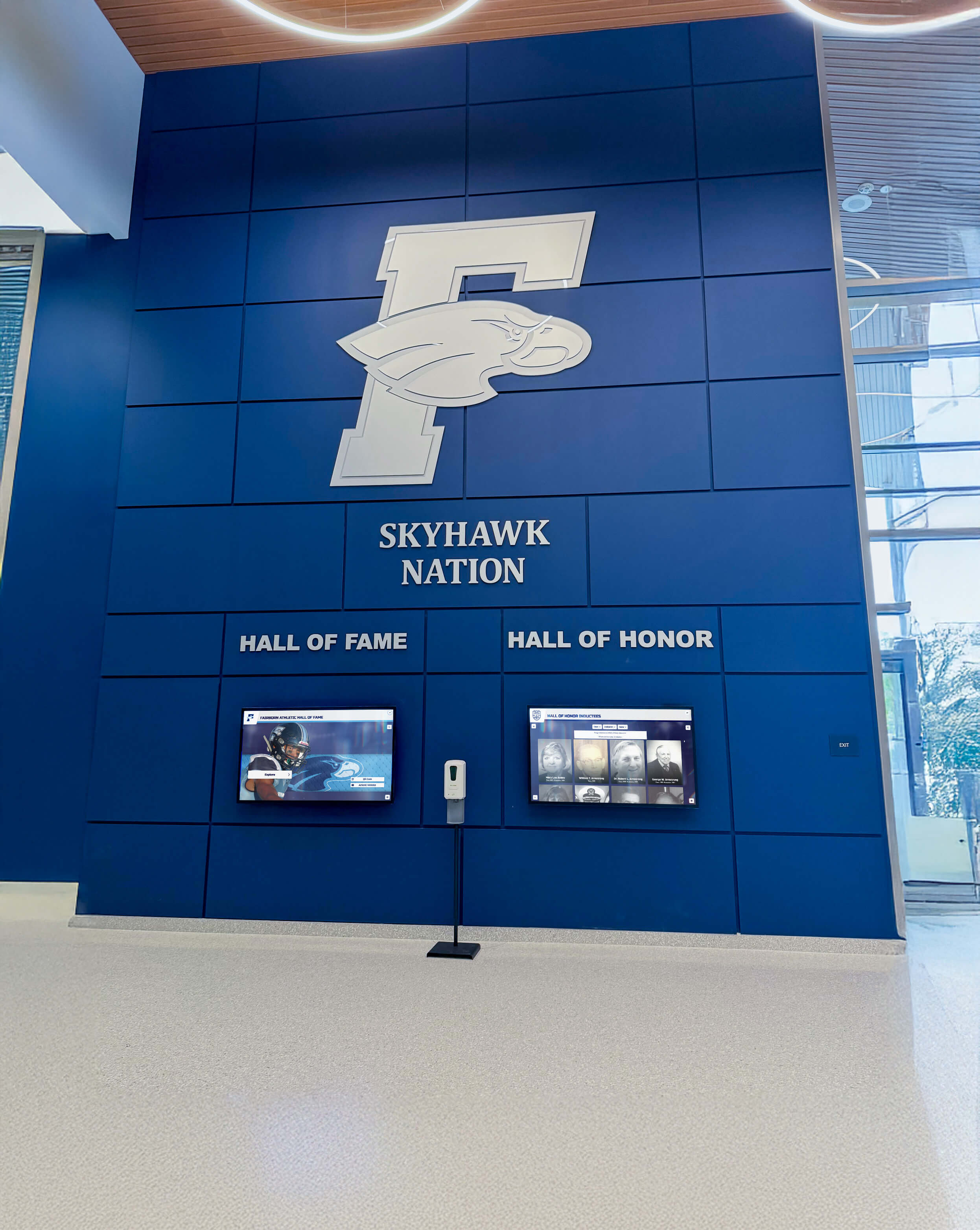
School pride displays create lasting recognition beyond single-day events
Fundraising and Sponsorship Approaches
- Local business sponsorships providing financial support or in-kind donations
- Parent organization or PTO funding designation for field day expenses
- Fundraising events specifically benefiting field day budget (fun run pledges, concessions)
- Community service organization support (Lions Club, Rotary, Kiwanis)
- Alumni association contributions reconnecting graduates to school traditions
- Crowdfunding campaigns through school social media or communication platforms
- Grant applications from youth fitness, recreation, or health organizations
Alternative Activity Approaches
- Low-cost games requiring minimal specialized equipment
- Nature-based activities utilizing outdoor environment creatively
- Cooperative games reducing need for competitive scoring infrastructure
- Student-led stations with peer instruction reducing adult supervision needs
- Classroom-based mini field days spreading costs across year
- Inter-class competitions requiring less extensive setup than whole-school events
Adapting Field Day for Different School Contexts
Field day approaches vary based on school size, student demographics, facilities, and community culture.
Small School Adaptations
Advantages and Opportunities
- Simpler logistics with fewer students requiring less complex organization
- Stronger sense of whole-school community with everyone participating together
- Increased flexibility adapting schedule or activities based on student interest
- More intimate scale enabling adult-student ratio supporting individual attention
- Community volunteer recruitment easier in small, tight-knit communities
Strategies for Limited Resources
- Combined grade-level activities reducing number of stations required
- Extended time at each station with fewer total rotations
- Multi-purpose equipment serving multiple activities
- Integration with other end-of-year celebrations maximizing planning efficiency
- Partnership with neighboring small schools for combined larger event
- Creative use of school grounds identifying non-traditional activity spaces
Large School Considerations
Managing Complexity
- Multiple field day dates or schedules for different grade-level divisions
- Parallel station sets enabling simultaneous activities for more students
- Advanced registration and grouping systems preventing day-of chaos
- Dedicated event coordinators managing each aspect (stations, volunteers, equipment)
- Professional event planning approaches with detailed timelines and responsibilities
- Technology solutions for tracking, scoring, and communication
- Substantial volunteer teams with clear hierarchical organization
Maintaining Personal Experience
- Smaller team groupings within large population
- Homeroom or advisory-based structures maintaining familiar peer groups
- Individual recognition despite large numbers through digital systems
- Multiple award categories increasing recognition distribution
- Photo and documentation ensuring all students captured in memories
- Post-event classroom discussions and reflections personalizing experience
Inclusive Field Day for Diverse Learners
Students with Physical Disabilities
- Wheelchair-accessible activities and modified equipment
- Adaptive sports integration (sitting volleyball, wheelchair races, goal ball)
- Parallel activities at varying difficulty levels for same station
- Buddy systems pairing students with peer support
- Extended time allowances when appropriate
- Celebration of personal achievement rather than comparative performance
- Collaboration with special education staff and therapists in activity design
Students with Cognitive or Developmental Differences
- Clear visual schedules and social stories preparing students for activities
- Quiet break spaces available when students experience sensory overload
- Simplified rules and instructions with visual supports
- Familiar adult support accompanying students throughout activities
- Sensory-friendly station options with reduced noise and stimulation
- Flexibility allowing alternative participation when traditional activities overwhelming
- Inclusive peer awareness and training fostering supportive community
Comprehensive approaches to elementary school recognition ensure all students experience meaningful acknowledgment of their participation and growth.
English Language Learners
- Visual instructions and demonstrations supplementing verbal directions
- Translation support when available from bilingual staff or volunteers
- Universal game formats transcending language barriers
- Peer partnering with supportive classmates
- Cultural sensitivity in activity selection considering diverse backgrounds
- Simplified language in written materials and announcements
- Family communication in home languages encouraging participation and understanding
Post-Event Evaluation and Continuous Improvement
Systematic assessment following field day strengthens future planning and demonstrates accountability to stakeholders.
Gathering Comprehensive Feedback
Student Voice and Perspective
- Brief survey or discussion identifying favorite activities and suggestions
- Classroom reflection writing about field day experience and memories
- Student committee participation in post-event debrief
- Artwork or creative response showing student impressions
- Informal teacher observations of student comments and reactions
- Comparison to previous years for students with multiple experiences
- Age-appropriate feedback methods matching developmental capabilities
Staff and Volunteer Assessment
- Post-event planning committee meeting reviewing successes and challenges
- Volunteer survey about station assignments, training adequacy, and suggestions
- Teacher feedback about logistics, student engagement, and educational value
- Administrative perspective on resource utilization and community impact
- Documentation of what worked well for replication in future years
- Identification of specific problems requiring solutions or adjustments
- Recognition of outstanding contributions from individuals or teams
Family and Community Reactions
- Parent survey gathering impressions and suggestions for improvement
- Social media monitoring for community comments and sentiment
- Informal conversations during and after event
- Attendance analysis compared to previous years or expectations
- Volunteer retention and satisfaction affecting future recruitment
- Sponsor feedback when businesses contributed to event support
Metrics and Success Indicators
Quantitative Measures
- Student participation rate (targeting 90%+ attendance)
- Volunteer recruitment success (sufficient coverage without over-reliance on same individuals)
- Budget adherence and cost efficiency analysis
- Weather impact and contingency plan effectiveness
- Injury or incident rate compared to previous years
- Activity completion rate (percentage of students finishing all stations)
- Timeline adherence and transition smoothness
Qualitative Assessment
- Overall student engagement and enthusiasm throughout day
- Positive sportsmanship and behavior observations
- Inclusive participation across abilities and backgrounds
- Community atmosphere and volunteer satisfaction
- Alignment with school values and educational mission
- Lasting positive associations with physical activity
- School pride and community connection strengthening
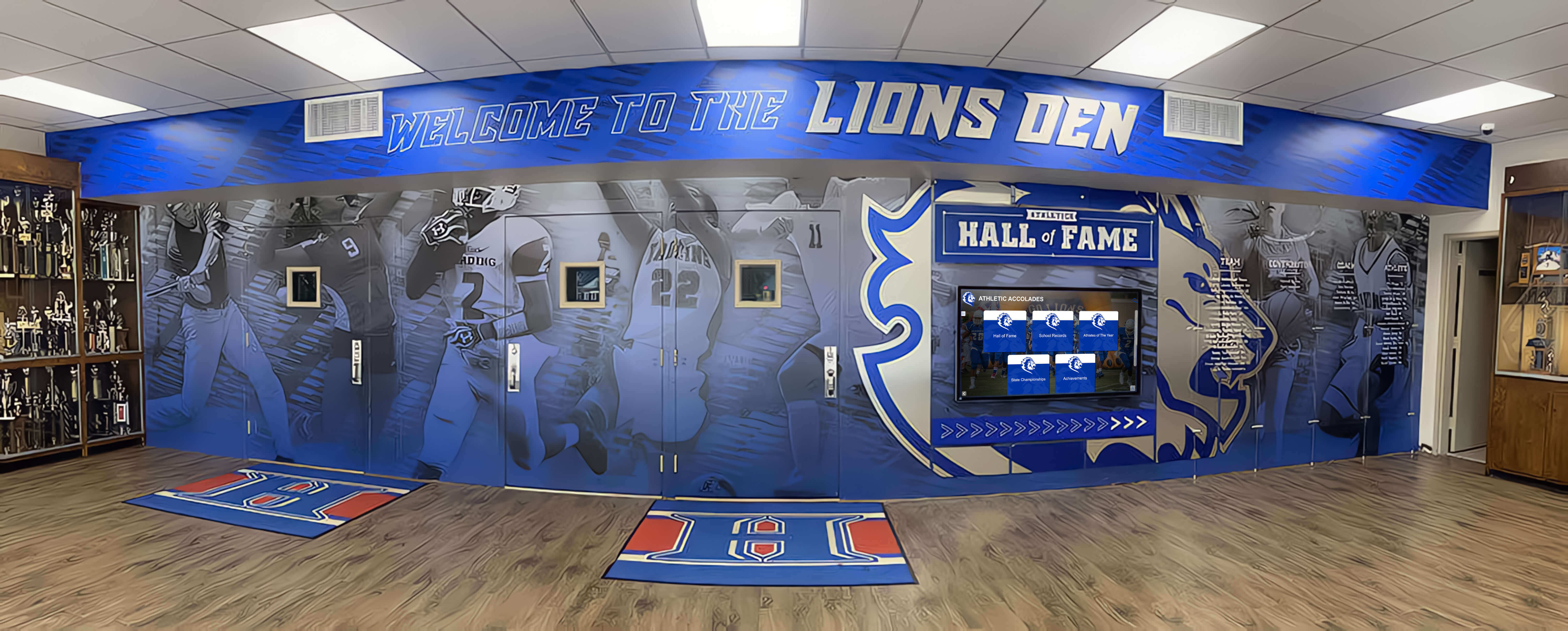
Permanent displays document school community celebrations and traditions across years
Implementing Improvements
Documentation and Institutional Knowledge
- Comprehensive planning guide updated with lessons learned
- Equipment inventory and condition assessment
- Volunteer database with notes about effective stations or roles
- Activity success ratings guiding future selection
- Timeline adjustments improving efficiency and reducing stress
- Budget refinements based on actual spending and priorities
- Photos and videos documenting setup, activities, and student engagement
Innovation and Evolution
- Exploring new activities based on student interests and current trends
- Technology integration opportunities enhancing experience or logistics
- Benchmark against other schools through professional learning network sharing
- Pilot testing modifications on smaller scale before full implementation
- Student leadership or planning involvement in appropriate contexts
- Community partnership development expanding resources or expertise
- Connection to curriculum through thematic integration or academic tie-ins
Conclusion: Creating Field Day Memories That Last
Field day represents far more than a single day of games and activities—it creates defining moments in students’ school experiences while celebrating physical activity, cooperation, and school community in joyful, inclusive contexts. When schools invest thoughtful planning, creative activity selection, and genuine celebration of diverse participation, they create experiences students remember fondly for decades while building positive associations with physical activity that can influence lifelong wellness habits.
The field day planning strategies explored throughout this comprehensive guide provide actionable frameworks for creating memorable celebrations honoring every student while remaining manageable and sustainable for schools of any size or budget. From detailed planning timelines ensuring smooth execution to inclusive activity selection, volunteer coordination approaches, comprehensive recognition systems acknowledging diverse contributions, and safety protocols protecting student wellbeing—these approaches transform field day from routine obligation into genuine celebration defining school culture.
Building effective field day programs requires moving beyond assumptions that simple relay races and generic activities constitute meaningful experiences. Modern field day incorporates diverse stations addressing different abilities and interests, recognition approaches celebrating participation and character alongside competitive achievement, volunteer systems supporting smooth operations, and digital displays extending celebration year-round while preserving memories permanently for students, families, and school communities.
Start with field day elements your school can implement immediately based on available resources and planning capacity, then systematically expand to create comprehensive celebrations your students deserve. Every student who experiences inclusive, joyful field day participation develops positive associations with physical activity, teamwork, and school community while creating memories they’ll carry throughout their lives.
Your students’ enthusiasm for physical activity and school pride deserves celebration creating experiences that honor participation, effort, and community while building lasting memories. With systematic planning, creative activities, thoughtful recognition, and modern technology ensuring ongoing visibility, you can build field day traditions strengthening the positive, inclusive culture where all students thrive and discover joy in movement and community celebration.
Ready to preserve field day memories and student achievements beyond single event days? Explore how solutions like Rocket Alumni Solutions help schools create permanent digital recognition displays showcasing field day participation, student achievements, and school spirit year-round, ensuring celebrated moments remain visible and accessible long after events conclude.