Every July, thousands of wrestlers converge on Fargo, North Dakota, for what many consider the pinnacle of youth wrestling in America. The Fargo Wrestling Tournament—officially the USA Wrestling Cadet and Junior National Championships—represents the most prestigious competition for wrestlers before they reach college. Making it to Fargo signals elite achievement that wrestlers, coaches, and schools celebrate for years.
Yet many parents, young wrestlers, and even some coaches underestimate what Fargo participation truly represents. This isn’t just another tournament on the calendar. Qualifying for Fargo requires months of preparation, state-level success, and dedication that separates committed wrestlers from casual participants. Competing at Fargo creates memories, builds character, and opens doors that impact wrestling careers long after the final whistle.
This comprehensive guide explores everything about the Fargo Wrestling Tournament: what it is, how wrestlers qualify, what makes the competition unique, how to prepare for success, and why schools honor Fargo competitors alongside state champions in permanent recognition displays.
The Fargo Wrestling Tournament serves as USA Wrestling’s flagship youth event, bringing together the nation’s top high school wrestlers across two age divisions for intense competition that determines national champions, all-American recognition, and lasting wrestling legacies. For ambitious wrestlers nationwide, earning a spot on the medal stand in Fargo represents an achievement worthy of permanent celebration.

Elite wrestling achievements like Fargo national championships deserve prominent recognition alongside state championships
Understanding the Fargo Wrestling Tournament
Grasping what makes Fargo unique helps wrestlers, families, and coaches appreciate the event’s significance in competitive wrestling’s national landscape.
What Is the Fargo Wrestling Tournament?
USA Wrestling’s Premier Youth Event
The Fargo Wrestling Tournament represents USA Wrestling’s annual national championships for high school-age competitors:
Official Tournament Structure:
- Officially titled “USA Wrestling Cadet and Junior National Championships”
- Held annually in Fargo, North Dakota at the Fargodome and Scheels Arena
- Two separate divisions: Cadet (15-16 years old) and Junior (17-18 years old)
- Competitions in both Freestyle and Greco-Roman wrestling styles
- Week-long event typically held in mid-to-late July
- Draws competitors from all 50 states plus U.S. territories
- Sanctioned and organized by USA Wrestling, the national governing body
- Considered the most prestigious youth wrestling tournament in America
Historical Significance:
Fargo has hosted USA Wrestling’s youth nationals since 1993, creating decades of wrestling tradition:
- Established as permanent home for youth national championships in 1993
- Over 30 years of championship history and tradition
- Thousands of wrestlers have competed, many becoming college and Olympic champions
- Community support from Fargo creating unmatched tournament atmosphere
- Alumni include Olympic gold medalists, NCAA champions, and wrestling legends
- Venue expansion over years accommodating growth and demand
- Cultural institution within wrestling community nationwide
Many wrestling programs document Fargo participation through comprehensive athletic recognition systems that celebrate national-level achievement.
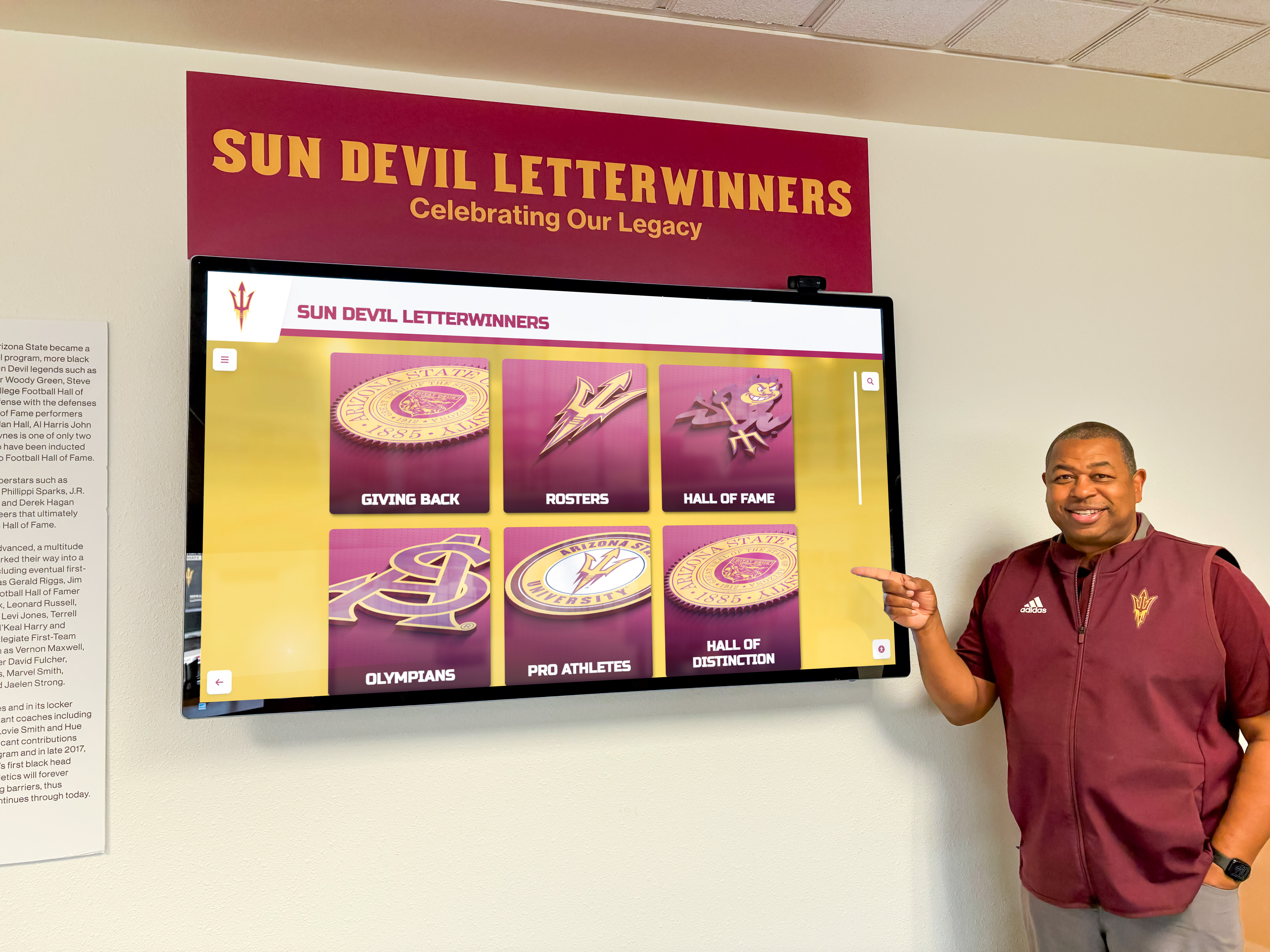
National wrestling achievements deserve comprehensive recognition showcasing complete competitive careers
Why Fargo Matters for Young Wrestlers
Elite Competition Level
Fargo represents the highest level of youth wrestling competition in the United States:
Competition Quality:
- State champions from all 50 states compete directly
- Multiple state champions at same weight class facing each other
- Regional and national powerhouse programs sending best wrestlers
- Freestyle and Greco-Roman specialists who train year-round
- International competitors from wrestling-focused countries occasionally participate
- Brutal competition brackets with no easy matches
- Every opponent has achieved significant success qualifying for nationals
- Medal winners typically go on to major college wrestling programs
Career Impact:
Fargo performance influences wrestling trajectories significantly:
- College recruiting scouts attend specifically to evaluate talent
- Medal winners receive Division I scholarship attention and offers
- All-American status (top 8 finish) demonstrates elite capability
- Tournament performance validates or reveals weaknesses in technique
- Exposure to top-level competition raises individual wrestling standards
- Network connections with elite wrestlers and coaches nationwide
- Experience competing under pressure in championship environment
- Confidence builder for wrestlers who perform well on national stage
The Two Competition Styles
Freestyle and Greco-Roman Wrestling
Unlike high school folkstyle wrestling, Fargo features international wrestling styles:
Freestyle Wrestling Characteristics:
- Attacks on legs allowed (single legs, double legs, ankle picks)
- Points awarded for takedowns, exposures, and back points
- Emphasis on speed, scrambling, and explosive techniques
- No stalling calls; wrestlers must continuously attempt scoring
- Three two-minute periods with continuous action
- Matches decided by pin, technical superiority, or points
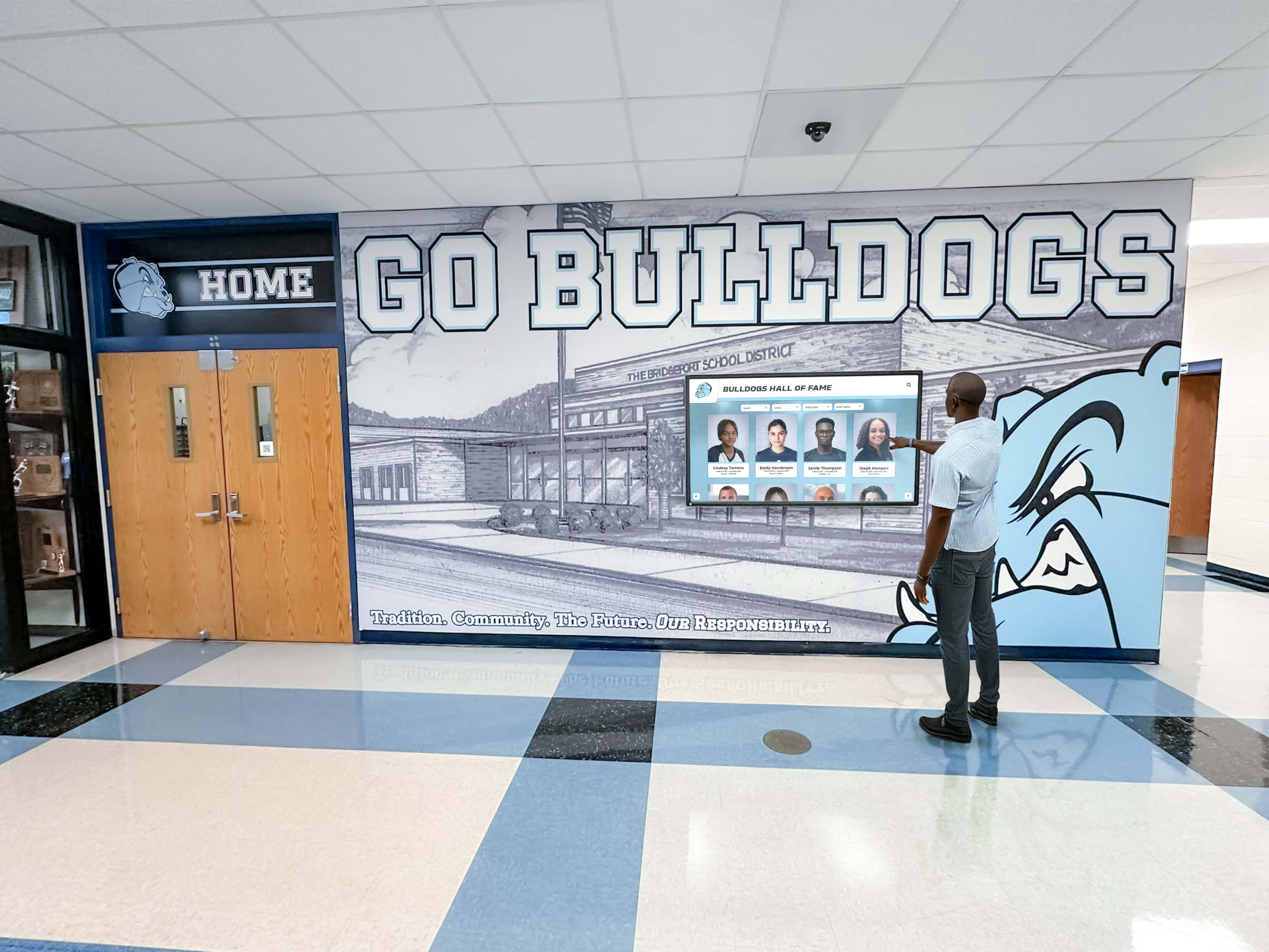
Wrestling halls of fame showcase achievements across all competition styles including Fargo nationals
Greco-Roman Wrestling Characteristics:
- No attacks below the waist permitted
- Upper body throws, lifts, and arm control emphasized
- Requires immense upper body strength and technique
- Dramatically different strategy than folkstyle wrestling
- Exposure and turn scoring critical for points
- Par terre (ground wrestling) position unique to Greco-Roman
Why Both Styles Matter:
Competing in both styles at Fargo challenges wrestlers comprehensively:
- Complete wrestlers excel in both freestyle and Greco-Roman
- Different styles develop diverse technical skills and tactics
- College coaches value wrestlers experienced in multiple styles
- Success in both demonstrates true wrestling versatility
- Some wrestlers specialize, focusing on one style based on strengths
- Competing in both doubles opportunities for championship success
Schools recognizing Fargo achievement often note which wrestling style produced medals, understanding the distinct challenges each presents.
Qualifying for the Fargo Wrestling Tournament
Understanding qualification pathways helps wrestlers plan competitive seasons strategically toward Fargo participation.
State Championship Qualification
Primary Qualification Method
Most Fargo competitors earn qualification through state championship performance:
Typical State Qualification Standards:
- Top finishers at state folkstyle championships (usually top 4-6 placers)
- Varies by state based on wrestling depth and competitive quality
- Some states send only state champions; others send multiple placers
- State wrestling associations determine specific qualification criteria
- Qualification typically based on previous season’s state tournament results
- Age division (Cadet or Junior) based on wrestler’s age as of September 1
- Weight classes adjusted from high school folkstyle to freestyle/Greco standards
- Some states hold separate freestyle/Greco tournaments for additional qualification
State-by-State Variation:
Different states have different qualification processes:
- Wrestling powerhouse states (Pennsylvania, Ohio, Iowa, California) have stricter standards
- Smaller wrestling states may send larger percentages of state placers
- Some states fund travel expenses; others require families to cover costs
- State wrestling associations coordinate registration and team assignments
- State coaches selected to lead state teams at national championships
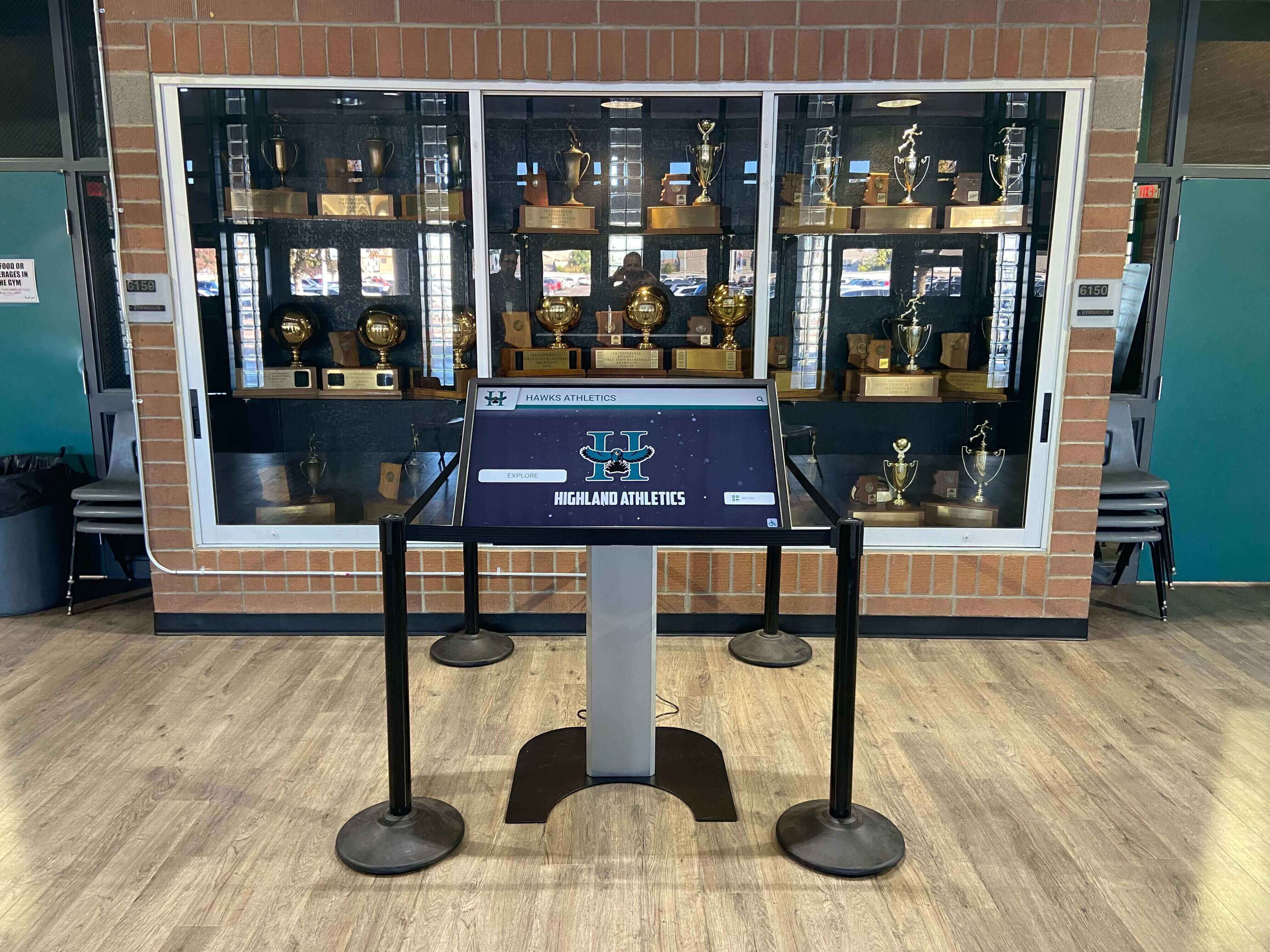
Trophy cases and digital displays celebrate qualifying for national championships like Fargo
Regional and National Qualifier Events
Alternative Qualification Paths
Beyond state championships, other qualification opportunities exist:
Regional Championship Qualifiers:
- Regional freestyle and Greco-Roman tournaments held throughout country
- Top finishers at designated regional events earn Fargo qualification
- Allows wrestlers who didn’t place high at state folkstyle tournament another opportunity
- Tests skills in actual freestyle/Greco-Roman rather than folkstyle
- Multiple regional events across different geographic areas
- Typically held April through June after folkstyle season concludes
16U and Other Age Group Pathways:
- Younger age divisions with separate qualifying tournaments
- Wrestlers building experience for future Cadet and Junior competition
- Develops international style wrestling skills early in careers
- Creates pipeline of wrestlers prepared for high-level Fargo competition
Open Tournament At-Large Bids:
- Limited number of at-large qualification spots available
- Based on performance at designated national-level events
- Allows exceptional wrestlers another path when state qualification missed
- Requires strong resume of wins against high-quality competition
Preparing for Fargo Competition
Training Requirements for Success
Competing successfully at Fargo demands specific preparation beyond folkstyle wrestling:
Freestyle and Greco-Roman Training:
- Year-round wrestling clubs specializing in international styles
- Technique modification from folkstyle to freestyle/Greco-Roman rules
- Different scoring systems requiring strategic adjustment
- Conditioning for different match format and pace
- Practice against wrestlers experienced in international styles
- Coaching from experts with freestyle/Greco background
- Video study of international wrestling techniques and tactics
- Tournament experience in freestyle/Greco before nationals
Wrestling programs supporting athletic achievement recognition often document both folkstyle state success and Fargo national competition.
Physical and Mental Preparation:
National championship competition demands comprehensive preparation:
- Peak conditioning maintaining strength through long tournament week
- Weight management for competition weight classes
- Mental toughness training for handling pressure and adversity
- Experience competing in high-stakes tournaments
- Recovery strategies between multiple daily matches
- Nutrition planning for sustained energy across tournament days
- Visualization and mental preparation techniques
- Confidence building through successful preparation and previous achievements
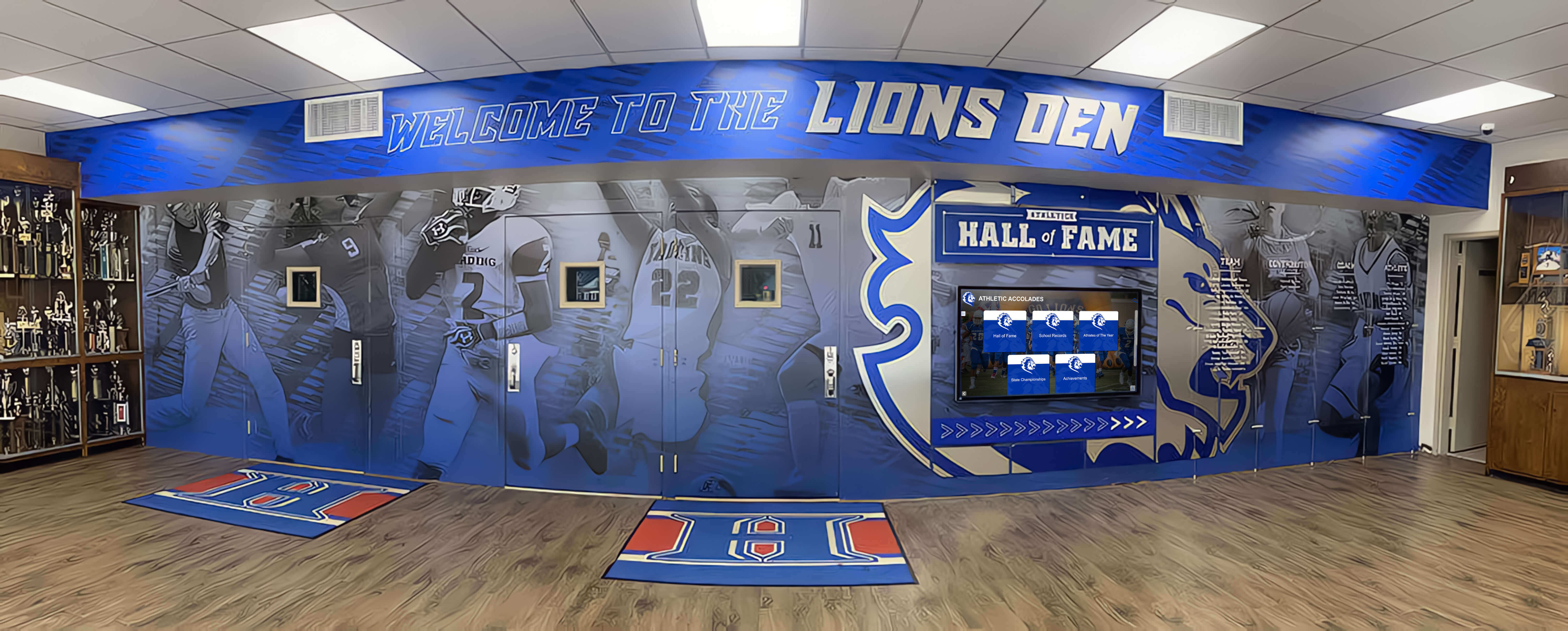
Successful wrestling programs celebrate preparation and achievement at all competition levels
Competition Format and Tournament Structure
Understanding Fargo’s unique format helps wrestlers and families know what to expect during the week-long event.
Fargo Tournament Schedule
Week-Long Championship Event
Fargo spans approximately eight days with carefully structured competition:
Typical Tournament Timeline:
- Saturday-Sunday: Wrestler check-in, weigh-ins, medical clearances, credential distribution
- Monday: Cadet Freestyle preliminary rounds begin
- Tuesday: Cadet Freestyle continues; Cadet Greco-Roman begins
- Wednesday: Cadet Greco-Roman continues; Junior Freestyle begins
- Thursday: Junior Freestyle continues; Junior Greco-Roman begins
- Friday: Championship and consolation finals for Cadet divisions
- Saturday: Championship and consolation finals for Junior divisions
- Sunday: Awards ceremonies, team trophy presentations, conclusion
Daily Competition Schedule:
Matches occur across multiple mats simultaneously throughout venues:
- Morning and afternoon sessions daily once competition begins
- Multiple mats running simultaneously across two primary venues
- Wrestlers may have multiple matches per day depending on bracket advancement
- Long days with potential early morning and late evening matches
- Downtime between matches requiring patience and focus maintenance
- Parents and coaches tracking multiple mat assignments simultaneously
Weight Classes and Division Structure
Weight Class Organization
Fargo uses USA Wrestling’s age-based weight class structure:
Cadet Division Weight Classes (Ages 15-16):
- 14 weight classes from 106 pounds through 285 pounds
- Based on international freestyle/Greco weight standards
- Slightly different from high school folkstyle weight classes
- Weight allowances different than folkstyle wrestling
Junior Division Weight Classes (Ages 17-18):
- 14 weight classes from 113 pounds through 285 pounds
- Upper weight classes heavier than Cadet division
- Aligns with international junior competition standards
- Prepares wrestlers for collegiate wrestling weight classes
Age Division Determination:
Age divisions based on specific date cutoff:
- Wrestler’s age as of September 1 determines division eligibility
- Cadet: Wrestlers who are 15 or 16 years old on September 1
- Junior: Wrestlers who are 17 or 18 years old on September 1
- No wrestling up to older age divisions permitted
- Graduating seniors typically compete in Junior division
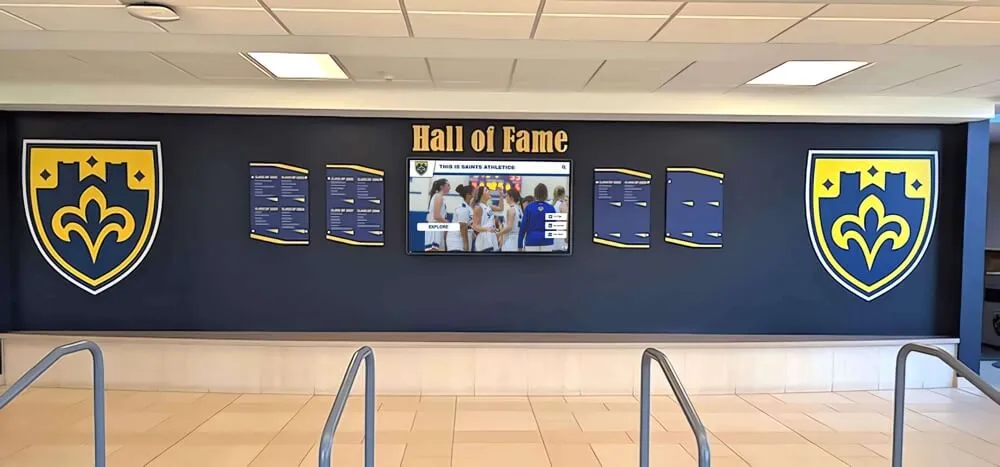
Recognition systems accommodate weight class organization and achievement across multiple divisions
Match Format and Scoring
International Wrestling Rules
Fargo follows USA Wrestling rules aligned with international standards:
Match Structure:
- Three two-minute periods (different from high school three two-minute periods)
- 30-second break between periods
- Continuous wrestling with minimal stoppages
- Coaches may challenge calls using challenge system
- Video review available for disputed situations
- Injuries managed according to USA Wrestling medical protocols
Scoring System:
- Takedowns, exposures, and back points award varying values
- Technical superiority (10-point lead) ends match immediately
- Pins end match with immediate victory
- Criteria system determines winner if scores tied at conclusion
- Different point values than folkstyle wrestling
- Passivity warnings penalize inactive wrestlers
Advancement and Brackets:
Championship bracket determines tournament champions and All-Americans:
- Double-elimination format through early rounds
- Winners bracket advances toward championship finals
- Consolation bracket provides path for early-round losers
- Top 8 finishers earn All-American status
- Places 1-8 awarded medals and recognition
- Team scoring based on individual wrestler placements
- State team competition alongside individual championships
The Fargo Experience: More Than Just Wrestling
Beyond competition, Fargo creates unique experiences that wrestlers remember for lifetimes.
Tournament Atmosphere and Culture
Wrestling Community Gathering
Fargo brings together wrestling culture from across America:
Community Elements:
- Thousands of wrestlers, coaches, and families in one location
- Networking with elite wrestlers from across country
- College coaches evaluating talent throughout venues
- Wrestling equipment vendors and exhibition areas
- Social events and gatherings between competition sessions
- Cultural exchange between wrestlers from different regions
- Intense but supportive competitive environment
- Friendships formed with wrestlers from other states
Fargo, North Dakota as Host City:
The community embraces the tournament creating welcoming environment:
- Hotels throughout Fargo host state teams and families
- Restaurants experience wrestling community for entire week
- City pride in hosting premier wrestling event
- Community volunteers supporting tournament operations
- Positive economic impact from thousands of visitors
- Venue quality with Fargodome and Scheels Arena
- Local wrestling tradition supporting youth championships
Schools often include wrestling tournament achievements like Fargo in comprehensive athletic recognition programs.
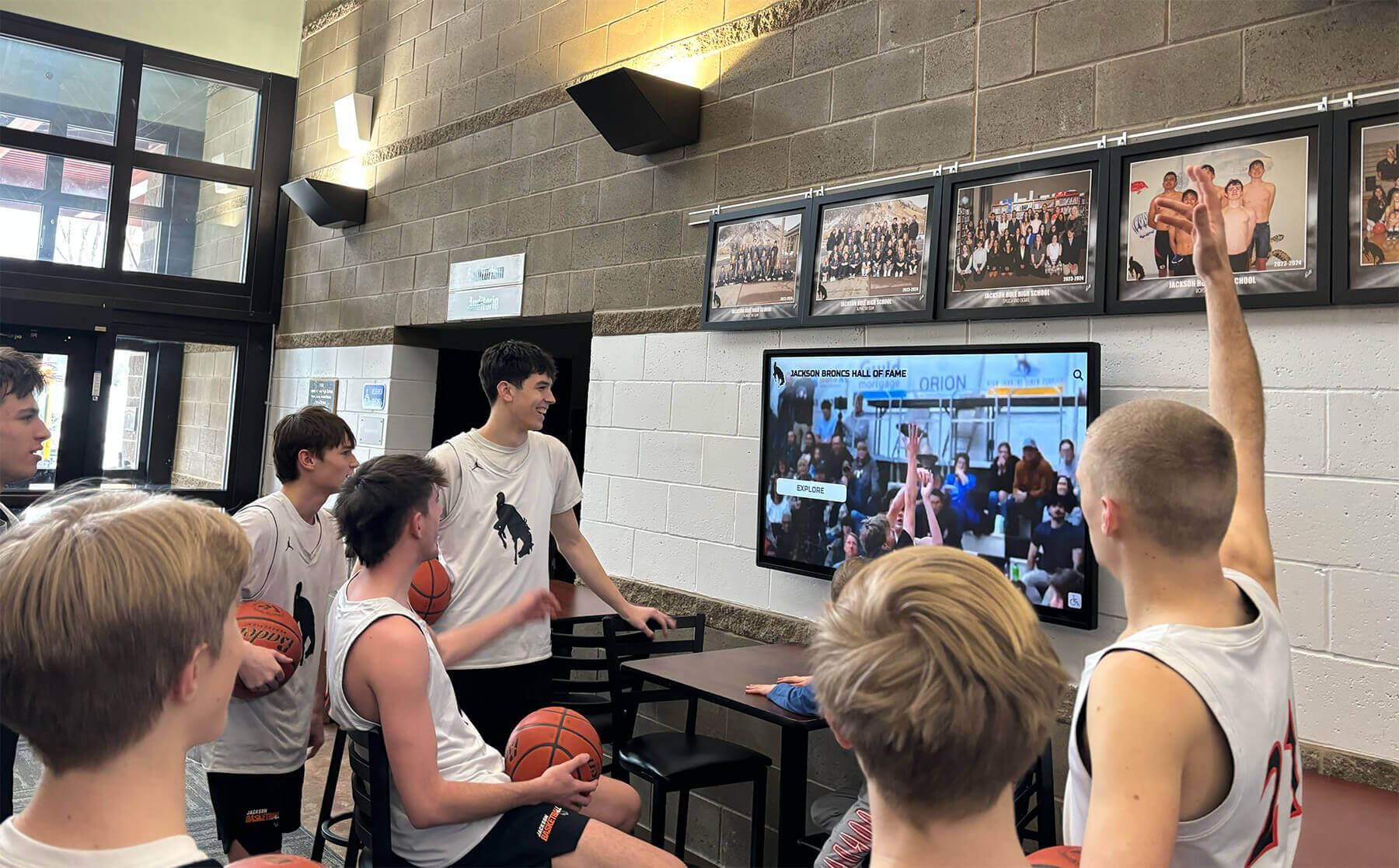
Video displays capture tournament moments creating lasting memories of championship competition
College Recruiting at Fargo
National Showcase for Wrestling Talent
Fargo serves as primary recruiting event for college wrestling programs:
College Coach Presence:
- Division I, II, and III wrestling coaches attend specifically to recruit
- Coaches evaluate technique, mental toughness, and competitive performance
- Direct communication with wrestlers and families throughout week
- Scholarship discussions and recruiting timelines advance significantly
- Performance under pressure reveals character and potential
- Comparisons between wrestlers at same weight class directly observable
- Post-tournament follow-up and relationship building
Recruiting Impact:
Strong Fargo performance significantly impacts college opportunities:
- All-American finishers (top 8) receive major program attention
- Medal winners demonstrate national-caliber ability
- Consistent performance across multiple matches matters more than single wins
- Losses to quality opponents understood in context of competition level
- Coaching staff interactions reveal character and coachability
- Freestyle/Greco success indicates Olympic-style wrestling potential
- Tournament experience demonstrates commitment to wrestling beyond high school season
Family Involvement and Support
Week-Long Commitment
Fargo requires significant family investment:
Family Considerations:
- Travel expenses including flights or long drives to North Dakota
- Hotel accommodations for 5-7 nights during tournament week
- Meal costs for entire family throughout competition
- Multiple venue access across days tracking wrestler’s schedule
- Time off work for parents attending with wrestler
- Support for younger siblings during long tournament days
- Emotional support managing wins, losses, and pressure
- Photography and video documentation of competitive experience
Financial Investment:
Fargo participation involves substantial costs:
- Registration fees for tournament entry
- Travel expenses varying by distance from home state
- Lodging costs during peak summer tourism season
- Daily meals and incidental expenses for family
- Training costs leading up to tournament (clubs, camps, coaching)
- Equipment and gear specific to freestyle/Greco competition
- Some state wrestling associations provide financial support; others don’t
Despite costs, families view Fargo as worthwhile investment in wrestler’s development and experience competing at elite national level.
Recognition displays celebrate family support enabling wrestlers to compete at national championships
Recognizing Fargo Achievement in School Athletic Programs
Schools increasingly recognize Fargo participation and success as achievements worthy of permanent visibility alongside state championships.
Why Schools Honor Fargo Competitors
National-Level Achievement Recognition
Fargo success represents elite accomplishment deserving institutional acknowledgment:
Recognition Rationale:
- Demonstrates wrestling excellence at highest youth level nationally
- Requires qualification through state championship success
- Represents school and state on national stage
- Competition level exceeds typical state tournaments
- All-American and medal winners achieve rare distinction
- College recruiting success reflects positively on school wrestling programs
- Inspires younger wrestlers seeing path to national competition
- Builds school pride through association with elite achievement
Athletic Excellence Standards:
Schools celebrate various levels of Fargo achievement:
- Qualification alone represents significant accomplishment
- All-American status (top 8 finish) merits special recognition
- Medal winners (top 6 or top 3 depending on system) receive enhanced honors
- Fargo champions achieve same recognition level as state champions
- Multiple-year Fargo competitors demonstrate sustained excellence
- Success in both freestyle and Greco-Roman shows complete wrestling mastery
Many athletic programs integrate Fargo achievements into comprehensive hall of fame recognition celebrating complete athletic careers.
Traditional Fargo Recognition Approaches
Physical Display Methods
Schools use various traditional approaches honoring Fargo competitors:
Wall Plaques and Banners:
- Individual plaques for All-Americans and medal winners
- Fargo national qualifier lists showing all participating wrestlers
- Championship banners displaying Fargo champions
- Recognition walls in wrestling rooms or athletic hallways
- Team photos from Fargo competition
- Medal displays in trophy cases
Limitations of Physical Recognition:
- Wall space constraints limiting comprehensive recognition
- Updating challenges as new wrestlers compete at Fargo
- Difficulty showing complete career achievements including multiple years
- Limited information beyond basic names and years
- No context about competition level or match results
- Physical displays require professional installation and maintenance
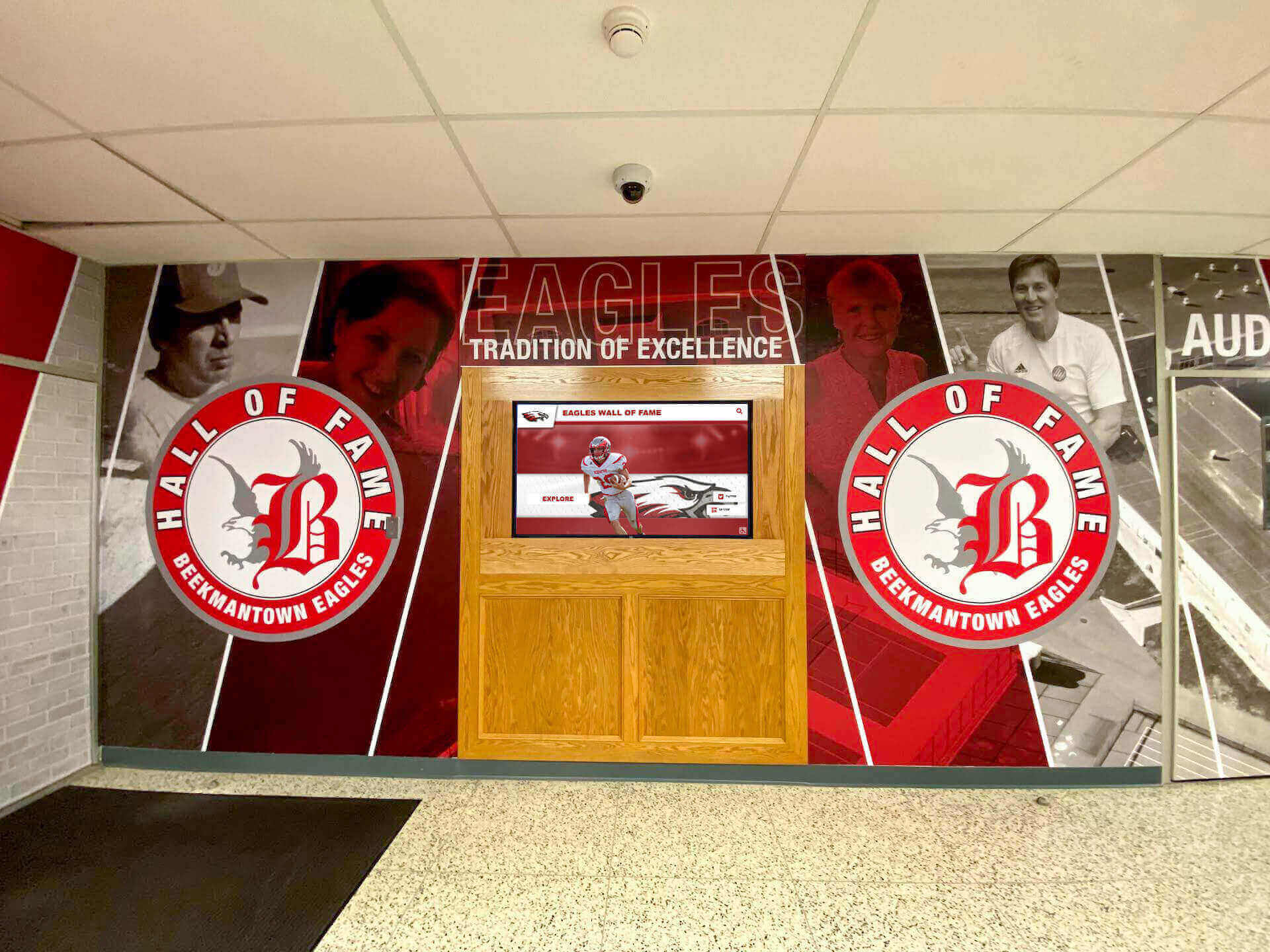
Traditional recognition walls celebrate wrestling excellence but face space limitations as achievements accumulate
Digital Recognition for Fargo Achievement
Modern Recognition Solutions
Digital platforms enable comprehensive Fargo achievement documentation:
Digital Display Capabilities:
- Unlimited wrestler profiles without space constraints
- Complete Fargo competition history across all years
- Match-by-match results and bracket progression
- Weight class and wrestling style specifications
- Freestyle and Greco-Roman achievements displayed separately
- Photo galleries from tournament competition
- Video highlights from championship matches if available
- Search and filter functionality finding specific wrestlers or years
- Comparison features showing program’s Fargo history over time
Enhanced Content Possibilities:
Digital systems showcase information impossible with plaques:
- Detailed tournament brackets showing path to medal stand
- Opponent information and match scores throughout tournament
- All-American certificates and achievement documentation
- Team placements and state team success
- College wrestling career updates for Fargo alumni
- Multiple-year Fargo participation tracking
- Integration with state championship and school record recognition
- Stories about memorable matches or tournament experiences
Permanent Institutional Visibility:
Digital recognition ensures lasting acknowledgment:
- Fargo competitors remain permanently visible in school halls
- Alumni can access their achievements decades later
- Current wrestlers see complete program history
- Recruiting families explore wrestling tradition during visits
- Community members understand program excellence
- No removal necessary as new achievements occur
- Web-accessible platforms extending beyond campus
- Regular updates with new Fargo competitors each year

Touchscreen displays enable deep exploration of Fargo achievements impossible with traditional plaques
Wrestling programs using digital athletic recognition platforms can showcase Fargo achievement comprehensively alongside other program accomplishments.
Preparing Young Wrestlers for the Fargo Journey
Coaches and parents can help wrestlers prepare for the unique challenges Fargo presents.
Technical Preparation
Developing International Wrestling Skills
Success at Fargo requires specific technical preparation:
Freestyle Wrestling Development:
- Join year-round wrestling clubs with freestyle programs
- Attend freestyle-specific camps and clinics
- Practice with wrestlers experienced in international styles
- Study video of high-level freestyle matches
- Learn leg attack techniques different from folkstyle
- Develop scrambling and counter-wrestling abilities
- Understand exposure scoring and back point systems
- Practice par terre wrestling situations
Greco-Roman Wrestling Development:
- Specialized Greco-Roman technique training
- Upper body strength and conditioning programs
- Throw and lift technique development
- Arm control and hand fighting skills
- Body lock and clinch wrestling practice
- Par terre positioning and scoring practice
- Balance and defensive stance work
- Match strategy specific to Greco-Roman rules
Competition Experience:
Tournament participation builds readiness for Fargo:
- Compete in freestyle/Greco tournaments throughout year
- Participate in state freestyle/Greco championships
- Attend regional tournaments against quality competition
- Experience different referees and interpretation variations
- Practice match management across multiple bouts per day
- Develop recovery strategies between matches
- Build mental toughness through difficult competitive situations
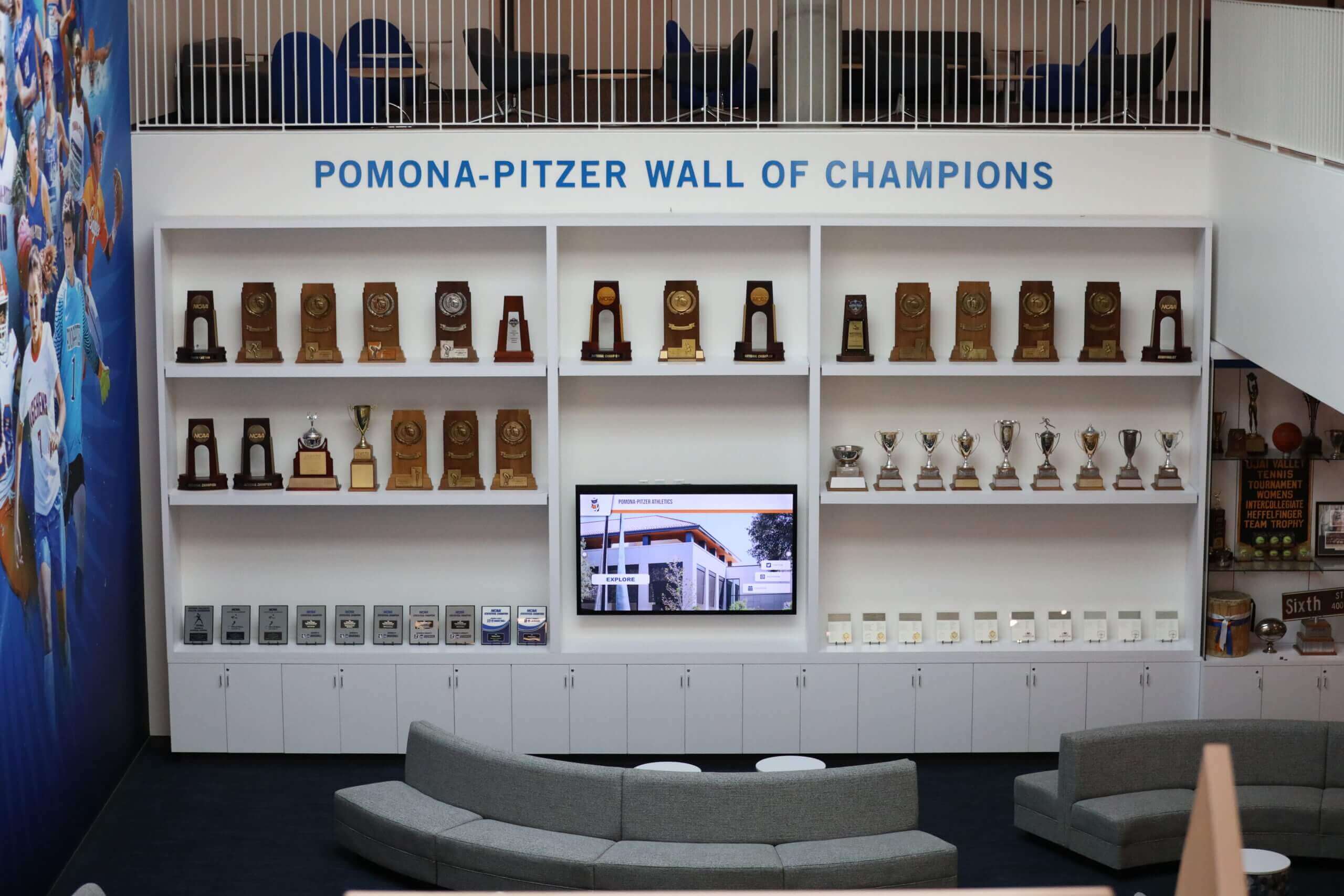
Championship preparation and achievement deserve recognition inspiring current wrestlers toward excellence
Physical and Mental Conditioning
Comprehensive Preparation
Fargo success requires complete physical and mental readiness:
Physical Conditioning:
- Cardiovascular endurance for three two-minute periods
- Strength training maintaining power throughout tournament week
- Flexibility preventing injuries during intense competition
- Weight management reaching competition weight healthily
- Recovery protocols between matches and days
- Nutrition planning sustaining energy across tournament
- Injury prevention through proper training and rest
- Peak performance timing for July competition
Mental Preparation:
- Pressure management for high-stakes competition
- Loss recovery maintaining confidence after setbacks
- Focus maintenance during long tournament days
- Visualization techniques for successful performance
- Confidence building through quality preparation
- Goal setting for realistic tournament expectations
- Emotional regulation during intense matches
- Gratitude and enjoyment mindset for unique experience
Realistic Expectations:
Parents and coaches should help wrestlers understand:
- Fargo features the nation’s best wrestlers at every weight
- Winning matches at Fargo represents exceptional achievement
- Most wrestlers lose more matches than they win
- Experience and learning matter as much as winning
- Process and performance focus rather than outcome obsession
- Every wrestler faces adversity during tournament week
- Handling pressure and difficulty builds character
- Future Fargo opportunities exist for younger wrestlers
Logistical Planning
Tournament Week Organization
Successful Fargo experience requires careful planning:
Pre-Tournament Preparation:
- Register for tournament through USA Wrestling well in advance
- Book hotel accommodations early (Fargo fills quickly)
- Arrange travel to Fargo with appropriate arrival timing
- Prepare gear including wrestling shoes for both styles
- Gather required medical clearances and documentation
- Connect with state team coaches and coordinators
- Review tournament schedule and competition format
- Plan daily schedules accounting for uncertain match times
During Tournament:
- Arrive early each day for potential early match times
- Maintain proper nutrition and hydration throughout days
- Manage weight appropriately across tournament week
- Support teammates and state team members
- Recovery focus between matches and days
- Enjoy experience beyond just competition
- Document memories through photos and videos
- Connect with other wrestlers and families
Post-Tournament:
- Process experience with positive focus regardless of results
- Identify technical and tactical areas for improvement
- Celebrate achievements and memorable moments
- Maintain connections made during tournament
- Follow up with college coaches who expressed interest
- Share tournament experience with teammates at home
- Begin preparation for next wrestling season or future Fargo
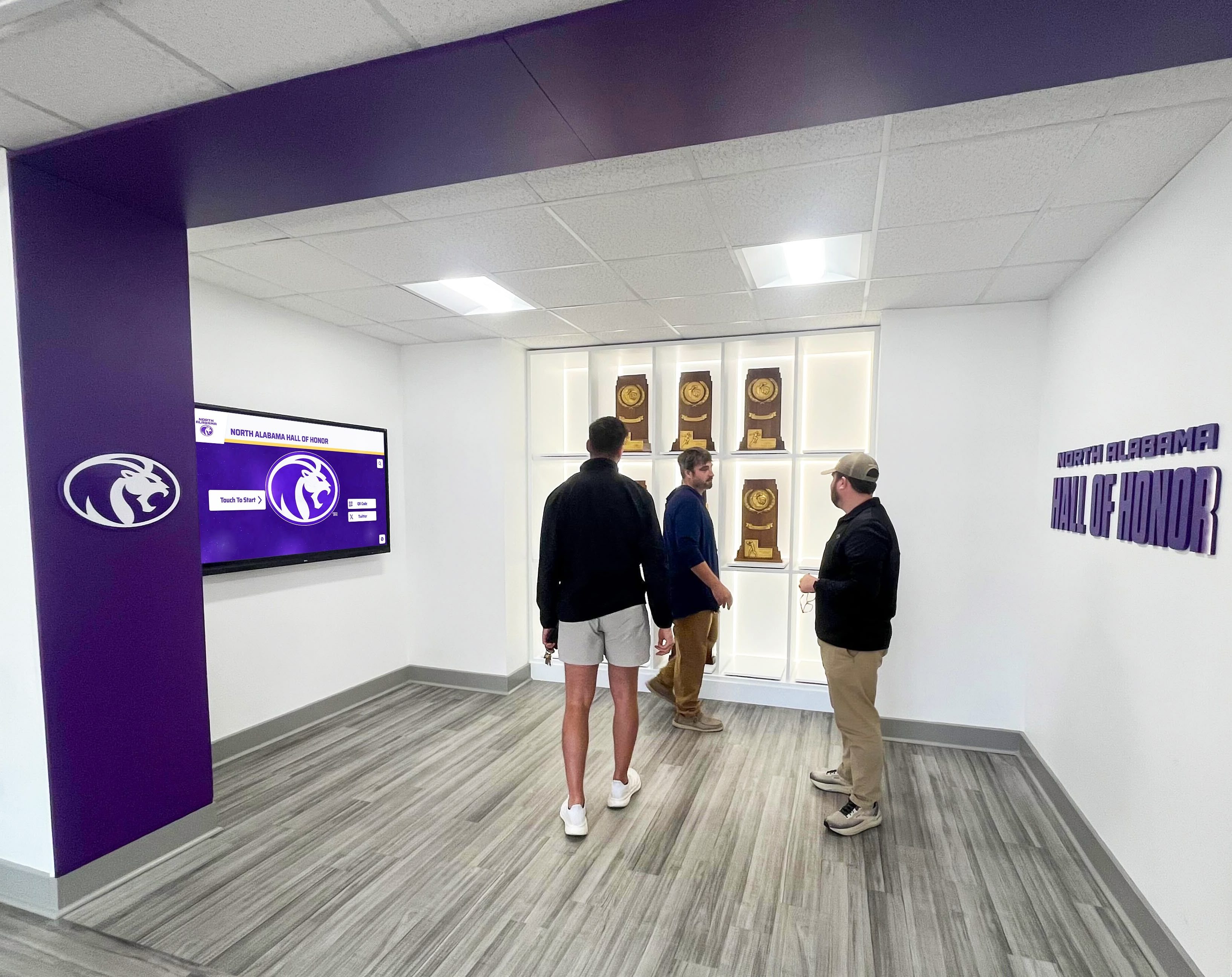
Wrestling community connections formed at national tournaments create lifelong relationships and memories
Notable Fargo Alumni and Tournament Legacy
Understanding Fargo’s historical significance reveals the tournament’s impact on American wrestling.
Olympic and College Wrestling Champions
Elite Wrestlers Who Competed at Fargo
Many of America’s greatest wrestlers competed at Fargo during youth careers:
Olympic Gold Medalists:
- Jordan Burroughs (2012 Olympic Champion, multiple-time World Champion)
- Kyle Snyder (2016 Olympic Champion, youngest American wrestling Olympic champion)
- David Taylor (2020 Olympic Champion, Penn State NCAA champion)
- Helen Maroulis (2016 Olympic Champion, first American woman to win wrestling gold)
- Many other Olympic medalists and world team members
NCAA Champions:
Fargo regularly produces future college wrestling champions:
- Hundreds of NCAA individual champions competed at Fargo
- Multiple national championship teams built on Fargo alums
- Majority of Division I wrestling starters competed at Fargo
- All-American wrestlers across all divisions
- High correlation between Fargo success and college achievement
Professional Impact:
Fargo experience influences wrestling careers long-term:
- Coaching careers built on Fargo participation and connections
- Wrestling club ownership and youth program development
- Olympic training center coaches who competed at Fargo
- National team coaching staff with Fargo backgrounds
- Wrestling media and broadcasting careers
- Continued involvement in wrestling community
Building Wrestling Tradition
Creating Program Culture
Schools with strong Fargo participation build distinct wrestling cultures:
Program Development:
- Fargo participation becomes expected goal for wrestlers
- Younger wrestlers aspire to qualify for nationals
- Coaching staff prioritizes international wrestling development
- Club programs coordinate with school teams for comprehensive training
- Facilities display Fargo achievement prominently inspiring current wrestlers
- Alumni maintain involvement sharing Fargo experience with current teams
- Community support increases as national recognition grows
Measuring Program Success:
Progressive wrestling programs track Fargo participation:
- Number of qualifiers from program annually
- All-American achievements over time
- Medal winners and national champions
- Weight classes represented at nationals
- Success rates in freestyle versus Greco-Roman
- College recruitment success for Fargo participants
- Return on training investment in international styles
Schools implementing comprehensive wrestling recognition document complete athletic journeys including state, regional, and national achievements.
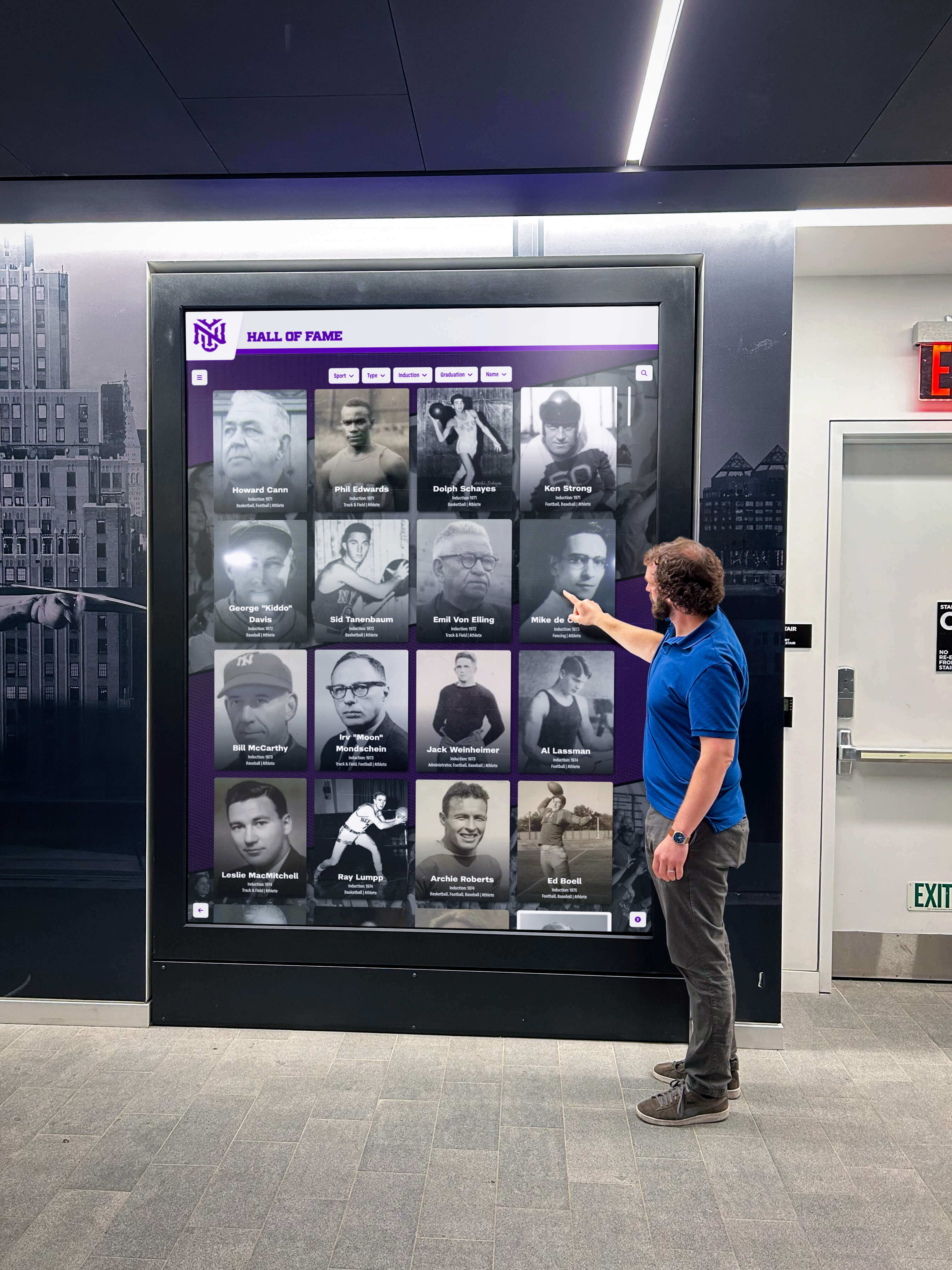
Interactive displays engage visitors exploring wrestling program history and national championship participation
Common Questions About the Fargo Wrestling Tournament
Addressing frequent questions helps wrestlers and families understand Fargo participation.
How much does it cost to compete at Fargo?
Total costs vary significantly based on travel distance and length of stay. Typical expenses include registration fees ($100-150), round-trip travel to Fargo ($200-1,000+ depending on distance), hotel accommodations ($800-1,500 for 5-7 nights), meals and incidental expenses ($500-800), and training costs leading up to tournament. Many families spend $2,000-4,000 total. Some state wrestling associations provide partial funding or full support; others offer no financial assistance requiring families to cover all costs.
Can wrestlers compete at Fargo without qualifying?
No. Fargo is an invitation-only championship tournament. Wrestlers must qualify through their state championship tournament, designated regional qualifiers, or earn at-large bids based on resume. No entry-fee-only participation exists. This qualification requirement maintains tournament prestige and competitive quality.
How many matches do wrestlers compete in at Fargo?
Match count varies dramatically based on performance. Wrestlers who lose first two matches compete in only two bouts. Wrestlers advancing deep into brackets may wrestle 8-10 matches across tournament. Champions and finalists typically compete in 6-8 matches. Most wrestlers average 4-6 matches per style (freestyle or Greco-Roman) depending on bracket results.
Is Fargo harder than state championships?
Generally yes, though it depends on individual state competition levels. Wrestling powerhouse states like Pennsylvania, Ohio, and California have extremely difficult state tournaments where many qualifiers perform well at Fargo. Smaller wrestling states may send wrestlers less prepared for national competition level. Regardless of state, Fargo features multiple state champions at same weight competing directly, creating unprecedented depth. Every opponent has significant wrestling credentials.
Do college coaches recruit at Fargo?
Absolutely. Fargo represents the primary recruiting event for college wrestling programs. Division I, II, and III coaches attend specifically to evaluate prospects. Strong Fargo performance dramatically increases recruiting attention and scholarship opportunities. Coaches value wrestlers who compete at Fargo regardless of results, demonstrating commitment to wrestling beyond high school season. Direct communication with college coaches occurs throughout tournament week.
What is the difference between Cadet and Junior divisions?
Age determines division eligibility based on wrestler’s age as of September 1. Cadet division includes wrestlers who are 15 or 16 years old on September 1. Junior division includes wrestlers who are 17 or 18 years old on September 1. Weight classes differ slightly between divisions, with Junior division having heavier upper weight classes. Graduating high school seniors typically compete in Junior division. Younger high school wrestlers may compete in Cadet division depending on birthday.
Should wrestlers compete in both freestyle and Greco-Roman?
Most wrestlers compete in both styles to maximize experience and medal opportunities. Each style offers separate brackets, essentially doubling chances for All-American status or medals. Some wrestlers focus on one style if significantly stronger in freestyle or Greco-Roman. Complete wrestlers develop skills in both styles. College coaches value versatility. Training time and recovery capacity during tournament week may influence decision. Consult with coaches about individual wrestler’s strengths and goals.
Conclusion: Celebrating Elite Wrestling Achievement
The Fargo Wrestling Tournament represents youth wrestling’s pinnacle—a week-long championship event bringing together America’s best young wrestlers in prestigious competition determining national champions and All-Americans. For wrestlers who qualify through state championship success, compete across multiple days in both freestyle and Greco-Roman, and perform under immense pressure against elite opponents, Fargo creates memories, builds character, and opens opportunities influencing wrestling careers for years.
Understanding what Fargo represents—the qualification requirements, competition format, tournament atmosphere, recruiting significance, and complete experience—helps wrestlers, families, and coaches appreciate this unique event appropriately. Wrestling programs that recognize Fargo participation and success through permanent displays demonstrate understanding of achievement levels and inspire younger wrestlers to pursue similar excellence.
The long-term impact of Fargo participation extends far beyond tournament results. Wrestlers develop mental toughness competing against nation’s best. They experience pressure, adversity, and success in ways that build resilience transferable to all life areas. The connections formed with elite wrestlers, exposure to college coaches, and self-knowledge gained through intense competition create value regardless of match outcomes or medal counts.
Schools increasingly honor Fargo competitors alongside state champions, understanding that national-level competition represents exceptional achievement worthy of permanent recognition. Modern digital recognition systems enable comprehensive documentation of Fargo participation, showing complete tournament results, bracket progressions, and achievement context impossible with traditional plaques. This lasting visibility celebrates elite wrestling accomplishment while inspiring current wrestlers toward similar goals.
Your wrestling program’s most dedicated athletes deserve recognition matching their commitment and achievement level. Whether they qualify for Fargo, earn All-American status, or stand atop medal stands as national champions, these exceptional wrestlers represent your program, state, and school on America’s biggest youth wrestling stage. Building recognition systems that honor these achievements permanently ensures Fargo success remains visible for decades, inspiring future generations of wrestlers toward similar excellence on the mat.
Ready to create comprehensive wrestling recognition celebrating achievements from youth leagues through national championships? Discover how solutions like Rocket Alumni Solutions enable schools to showcase unlimited wrestler profiles including Fargo national championships, state titles, and complete competitive careers through engaging touchscreen displays and web-accessible platforms that preserve wrestling tradition forever.