The final weeks of the school year present a unique opportunity to celebrate student accomplishments accumulated throughout months of dedication, growth, and achievement. End of year awards assemblies create memorable moments that recognize diverse contributions while reinforcing the values schools want to honor. When thoughtfully planned, these celebrations affirm students’ hard work and send them into summer with meaningful acknowledgment of their unique gifts.
Many schools struggle to create assemblies that feel genuinely meaningful rather than formulaic. Recognition often defaults to predictable categories honoring the same high-achieving students repeatedly, leaving others feeling invisible. Ceremonies run too long, lose audience engagement, and the recognition quickly fades from memory rather than creating lasting impact. Meanwhile, schools miss opportunities to celebrate the full spectrum of student achievement—from academic excellence and athletic prowess to kindness, creativity, leadership, and perseverance.
This comprehensive guide explores practical strategies for planning engaging end of year awards assemblies that honor students across all achievement dimensions, organizing memorable ceremonies that maintain energy throughout, and implementing recognition displays extending impact far beyond single events.
End of year awards assemblies serve as a school’s final formal opportunity each academic year to publicly celebrate what students accomplished, acknowledge growth that occurred, and send a clear message about what the institution genuinely values. Schools that excel at year-end recognition create systematic approaches ensuring diverse students receive acknowledgment while maintaining meaningfulness for the highest achievements.
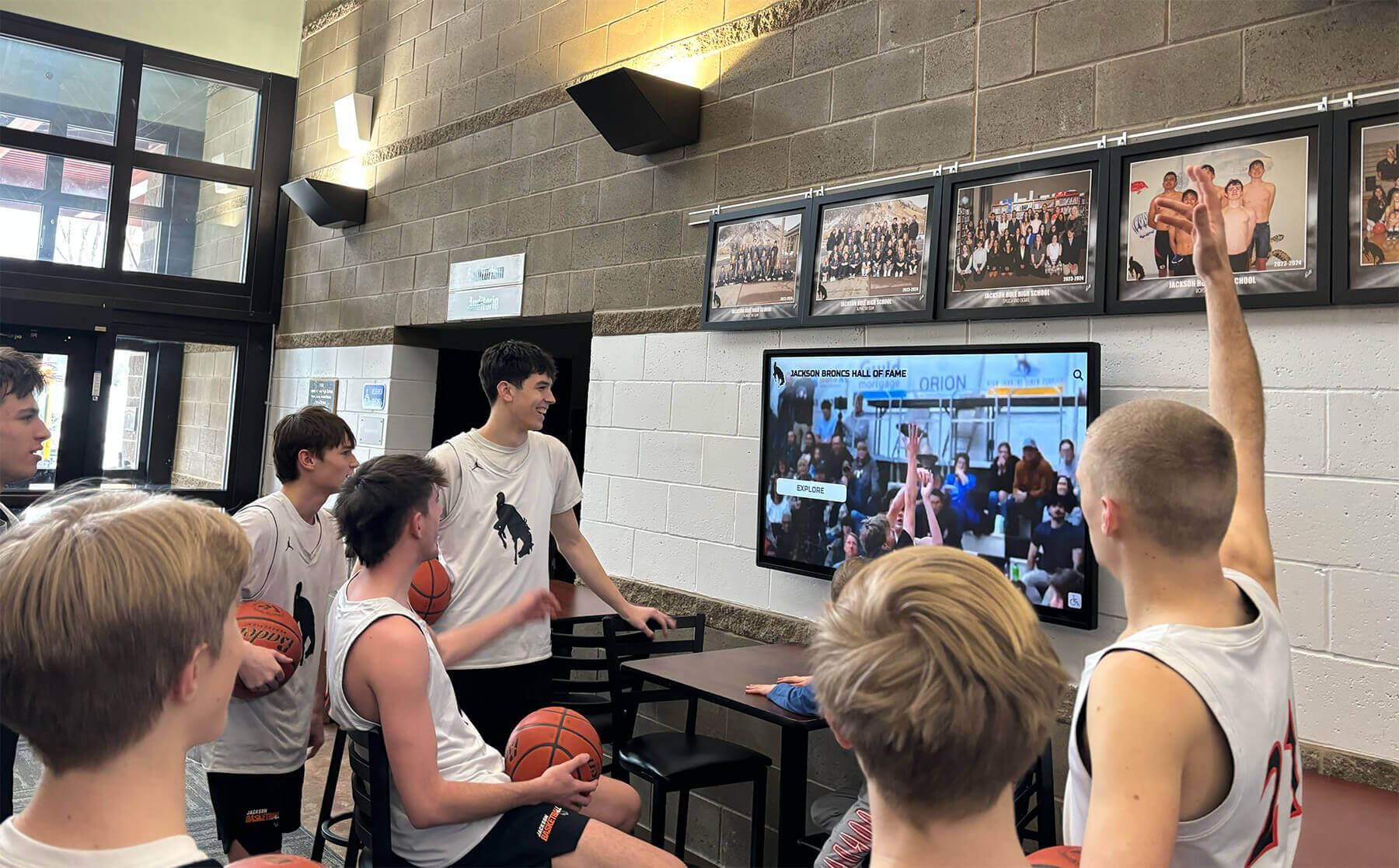
Modern assemblies integrate multimedia elements creating engaging experiences that celebrate student achievements
Planning Your End of Year Awards Assembly
Successful assemblies require thoughtful planning balancing celebration with efficiency while ensuring the experience remains meaningful for all participants.
Establishing Clear Planning Timelines
Strategic planning prevents last-minute stress and ensures quality execution:
6-8 Weeks Before Assembly
- Form planning committee with administrators, teachers, student representatives, and support staff
- Set assembly date, time, and duration target (aim for 45-60 minutes for younger students, up to 90 minutes for high school)
- Determine venue based on anticipated attendance and desired atmosphere
- Establish award categories aligned with school values and diverse achievement types
- Create selection criteria ensuring transparency and fairness
- Begin collecting nomination data from teachers across all departments
4-6 Weeks Before Assembly
- Distribute nomination forms to relevant teachers and staff members
- Finalize selection criteria with clear decision-making processes
- Review nominations and make final recipient selections through committee process
- Order certificates, awards, and any physical recognition items with appropriate lead time
- Begin ceremony script development with engaging transitions and pacing
- Recruit student emcees or hosts to increase peer connection
- Start collecting photos, videos, and multimedia content for presentations
2-4 Weeks Before Assembly
- Finalize complete ceremony program with specific timing for each segment
- Notify award recipients privately if maintaining surprise element
- Prepare individualized comments or descriptions highlighting why each student earned recognition
- Arrange for professional photography and video documentation
- Coordinate with technology team for audio-visual setup, microphones, projectors, and sound system
- Design printed programs or digital displays showcasing all honorees
- Communicate assembly schedule to families and invite attendance when appropriate
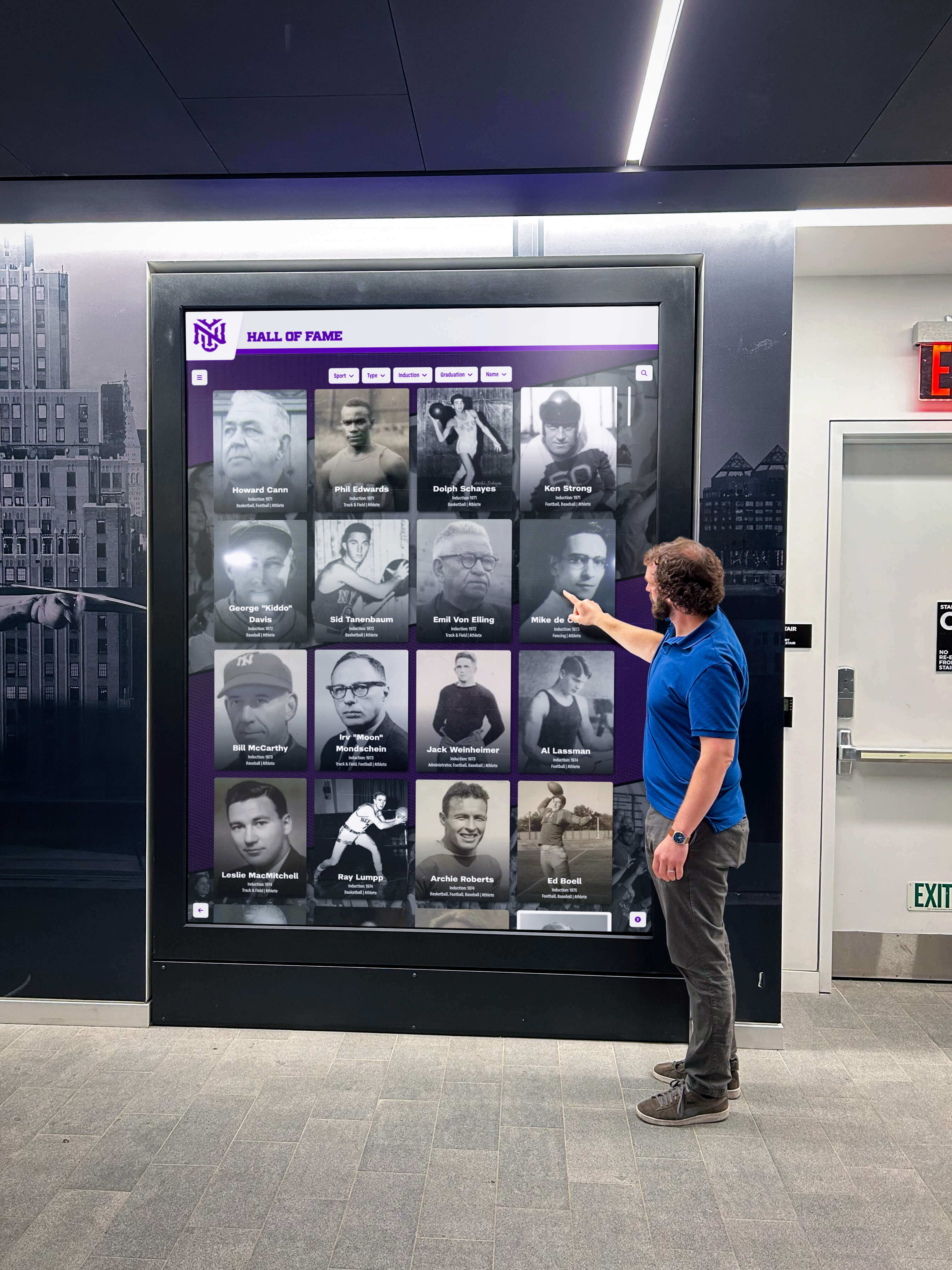
Interactive displays enable families to explore student achievements before and after assemblies
Final Week Preparations
- Confirm venue setup including seating arrangements optimizing sight lines
- Conduct technical rehearsal testing all audio-visual equipment
- Brief student helpers on distribution logistics for physical awards
- Prepare award distribution in presentation order for smooth flow
- Run through ceremony timing with all presenters and student participants
- Create contingency plans for technical failures or scheduling issues
- Send final reminders to participants about arrival time and expectations
Comprehensive academic recognition program guides provide additional planning frameworks for systematic student celebration.
Designing Engaging Assembly Formats
The ceremony structure significantly impacts how students experience recognition:
Opening Segment (5-10 minutes)
- Energetic welcome from principal or student leaders establishing positive tone
- Brief reflection on the year’s collective achievements and challenges overcome
- Overview of ceremony format managing audience expectations about duration
- Acknowledgment of teachers, staff, and families supporting student success
- Short inspirational message or quote relevant to achievement and growth
Award Presentation Segments (30-50 minutes)
- Group awards by category (academic, athletic, character, arts, service) for logical flow
- Use brief descriptions explaining why each award matters before revealing recipients
- Student presenters or peer recognition creating connection and authentic celebration
- Build anticipation through storytelling rather than simply reading names
- Allow appropriate time for applause and brief photo moments
- Video clips or testimonials from teachers highlighting specific student contributions
- Music or visual elements during transitions maintaining energy and engagement
Special Recognition Segments (10-15 minutes)
- Grade-level or class-wide acknowledgments celebrating collective achievements
- Teacher and staff appreciation recognizing adults supporting student growth
- Special guest speakers when appropriate adding variety and inspiration
- Reflection video montage showcasing year highlights across all school programs
- Senior recognition for graduating students honoring their complete journey
Closing and Celebration (5-10 minutes)
- Final words of encouragement preparing students for summer and next year
- Reminder that all achievements matter regardless of formal recognition received
- Invitation to view additional recognition displays throughout building
- Thank you to planning committee and all who contributed to ceremony
- Upbeat music or performance element creating positive final impression
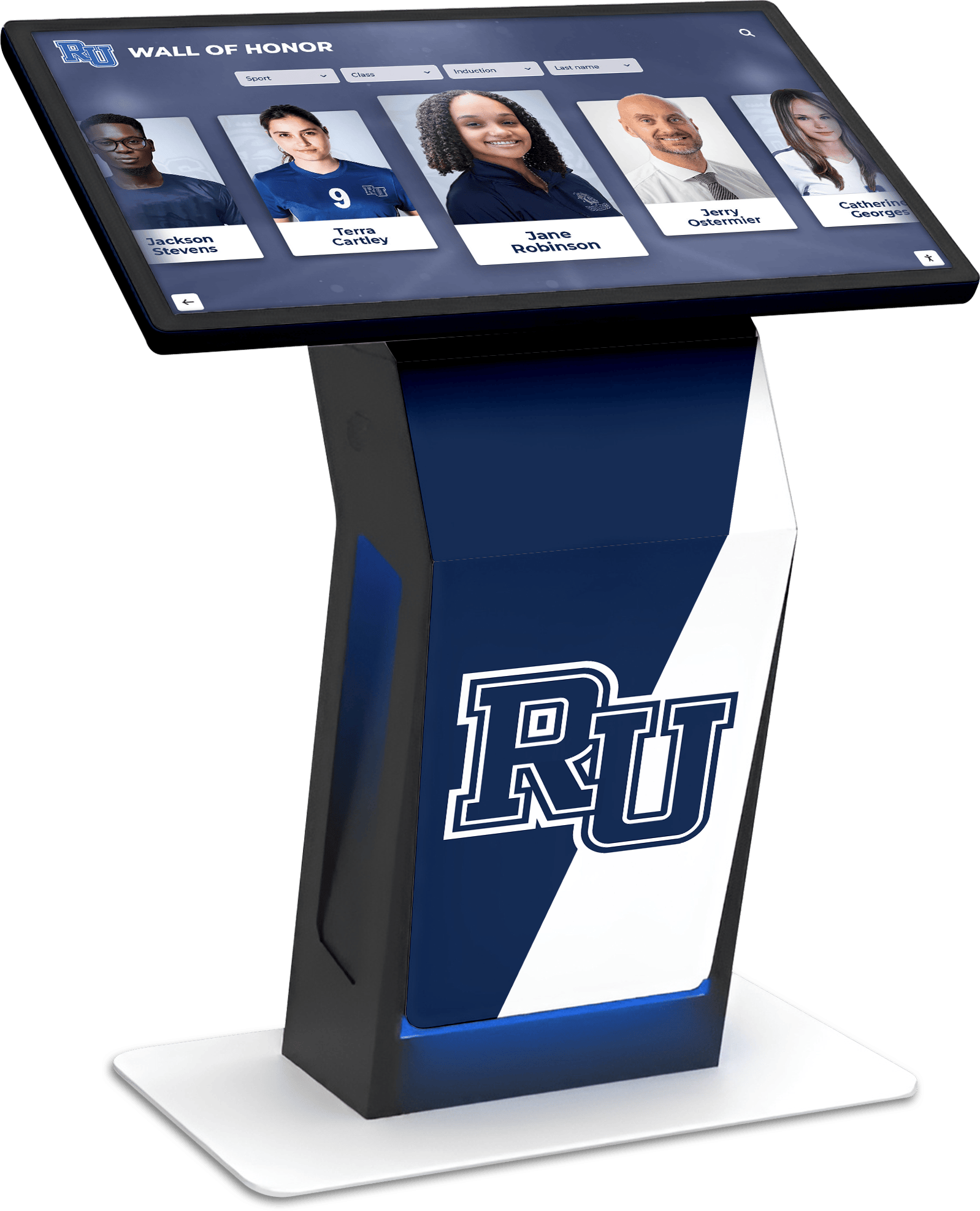
Technology integration creates engaging presentations and permanent recognition visibility
The goal is creating meaningful recognition for every recipient while respecting everyone’s time. Assemblies exceeding appropriate duration for age groups often lose audience engagement regardless of content quality.
Making Assemblies Inclusive and Accessible
Thoughtful planning ensures all students and families can participate fully:
Physical Accessibility Considerations
- Wheelchair-accessible venue with appropriate seating accommodations
- Reserved areas for students and families with accessibility needs
- Clear sight lines ensuring everyone can see presentations and screens
- Quality sound amplification so all attendees can hear clearly
- Accessible parking and building entrance information communicated in advance
Language and Cultural Inclusivity
- Translated programs or communications in multiple languages when student population warrants
- Culturally respectful award descriptions and recognition approaches
- Acknowledgment of diverse backgrounds and experiences in ceremony messaging
- Timing considerations avoiding conflicts with religious observances
- Recognition categories reflecting diverse definitions of achievement and success
Economic Inclusivity
- No cost for students or families to attend assembly
- No requirement for special attire, purchases, or donations
- Equal recognition quality regardless of student family resources
- Free digital photos or video provided by school to all families
- Avoid assumptions about family resources in recognition descriptions
These considerations demonstrate that recognition belongs to everyone, creating environments where all students feel genuinely valued for their unique contributions.
Creative Award Categories for Diverse Recognition
Effective assemblies require thoughtful category design ensuring opportunities exist for students across different strengths, achievements, and contributions.
Academic Excellence Awards
Traditional academic recognition remains essential while requiring expansion beyond simple grade metrics:
Honor Roll Recognition
- Principal’s Honor Roll for students achieving highest grade point averages
- High Honor Roll for students earning strong academic performance
- Honor Roll for students maintaining consistent achievement standards
- Sustained honor roll achievement across multiple marking periods
- First-time honor roll qualification celebrating students reaching new milestones
- Grade-level specific recognition acknowledging developmental expectations
Subject-Specific Excellence
- Outstanding achievement in core subjects (Mathematics, Science, English, Social Studies)
- World language proficiency and advancement recognition
- Career and technical education certification completion
- Advanced course success in honors, AP, or IB programs
- STEM competition awards and academic challenge participation
- Fine arts excellence in music, visual arts, theatre, or dance
- Physical education and wellness program achievement
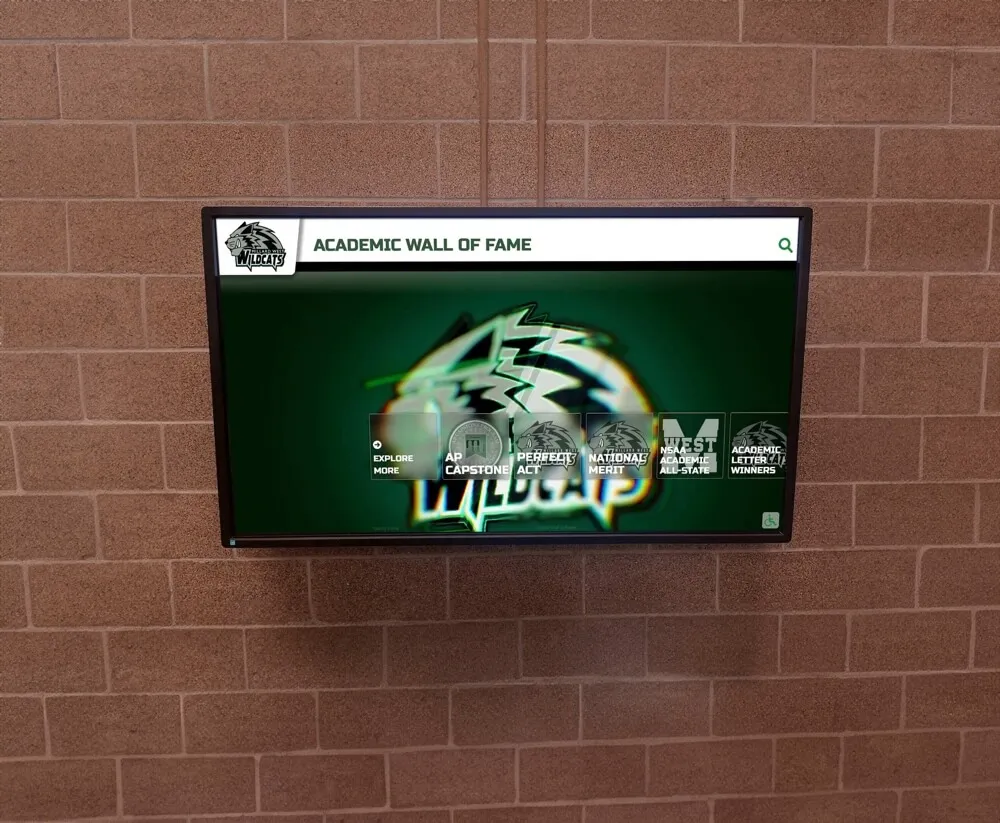
Permanent displays preserve academic achievements ensuring year-round visibility beyond assemblies
Specialized Academic Recognition
- Perfect attendance celebrating consistency and commitment
- Reading milestone achievements and literacy advancement
- Research project excellence and independent study recognition
- Academic improvement showing significant growth from previous performance
- National recognition programs (National Honor Society, National Merit, etc.)
- Scholarship awards and college admission achievements for seniors
Outstanding academic achievement award programs create comprehensive recognition systems celebrating diverse academic contributions.
Character and Leadership Awards
Beyond academic metrics, schools should recognize qualities contributing to positive culture and future success:
Leadership Recognition
- Student government leadership and elected position service
- Club and organization leadership demonstrating initiative
- Peer mentoring and tutoring contributions supporting classmates
- Positive influence on school culture and community climate
- Initiative in creating positive change or addressing school needs
Character and Values Awards
- Outstanding integrity and ethical behavior in all situations
- Perseverance and resilience through academic or personal challenges
- Kindness, empathy, and inclusive behavior toward all peers
- Respect for teachers, staff, and entire school community
- Responsibility and reliability in commitments and obligations
- Courage in standing up for others or doing the right thing
Service and Citizenship
- Community service hours and volunteer contributions
- Service project leadership and initiative creating positive impact
- School service supporting teachers, staff, or fellow students
- Environmental stewardship and sustainability efforts
- Civic engagement, advocacy, and community participation
- Helping behavior recognized by peers or community members
Comprehensive student recognition approaches ensure diverse achievements receive appropriate acknowledgment.
Athletics and Activities Recognition
End of year assemblies should celebrate accomplishments beyond classroom academics:
Athletic Achievement
- Most Valuable Player by sport recognizing overall excellence
- Most improved athlete celebrating growth and development
- Sportsmanship and team leadership awards honoring character
- All-conference, all-state, and all-region selections
- Multi-sport athlete recognition valuing year-round commitment
- Team championship and competitive success celebration
- Individual record-breaking performances and milestones
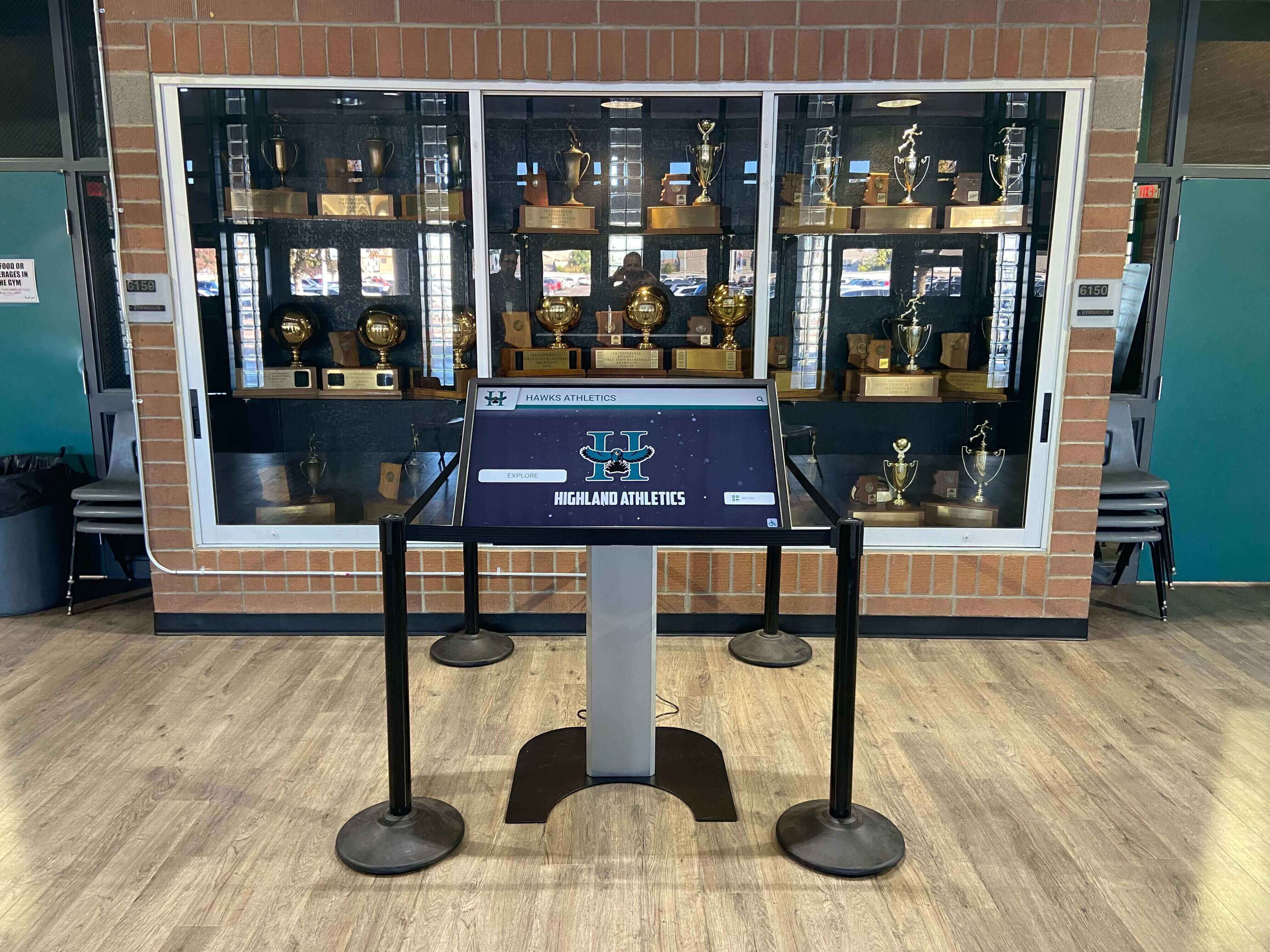
Athletic recognition displays complement academic awards celebrating complete student achievement
Fine Arts Excellence
- Outstanding performance in band, choir, orchestra, or ensemble groups
- Theatre and drama performance recognition for stage contributions
- Visual arts creativity and technical skill achievement
- Writing excellence and literary magazine contributions
- Dance and movement performance recognition
- Individual competition success and awards earned
- Leadership in arts programs and productions
Activities and Clubs
- Debate team achievements and speech competition success
- Robotics and STEM competition recognition
- School publication leadership (newspaper, yearbook, literary magazine)
- Academic competition team success (quiz bowl, science olympiad, math league)
- Special interest club leadership and significant participation
- Student ambassador and school representative achievements
Effective club and organization awards ensure activities receive recognition equal to traditional programs.
Growth and Improvement Awards
Recognizing improvement ensures students starting from all achievement levels find recognition opportunities:
Academic Growth Recognition
- Most improved GPA by marking period or full year
- Subject-specific improvement awards in individual disciplines
- Reading level advancement and literacy growth
- Grade improvement in challenging advanced coursework
- Attendance improvement for students overcoming barriers
- Study skills development and organizational growth
Effort and Persistence Awards
- Outstanding work ethic and consistent homework completion
- Academic perseverance through difficult coursework or concepts
- Self-directed learning and independent skill development
- Participation quality in class discussions and activities
- Goal achievement and progress tracking success
- Growth mindset demonstration through challenge acceptance
These categories acknowledge that excellence exists at all starting points, motivating students whose growth represents significant achievement even when absolute performance differs from top academic honors.
Creative and Fun Award Categories
Beyond traditional categories, creative recognition ensures broader participation while maintaining meaningfulness:
Personality and Contribution Awards
- Most likely to brighten your day celebrating positive energy
- Best sense of humor and positive attitude
- Most creative thinker and innovative problem solver
- Best collaboration and teamwork skills
- Most enthusiastic learner showing genuine curiosity
- School spirit award honoring pride and participation
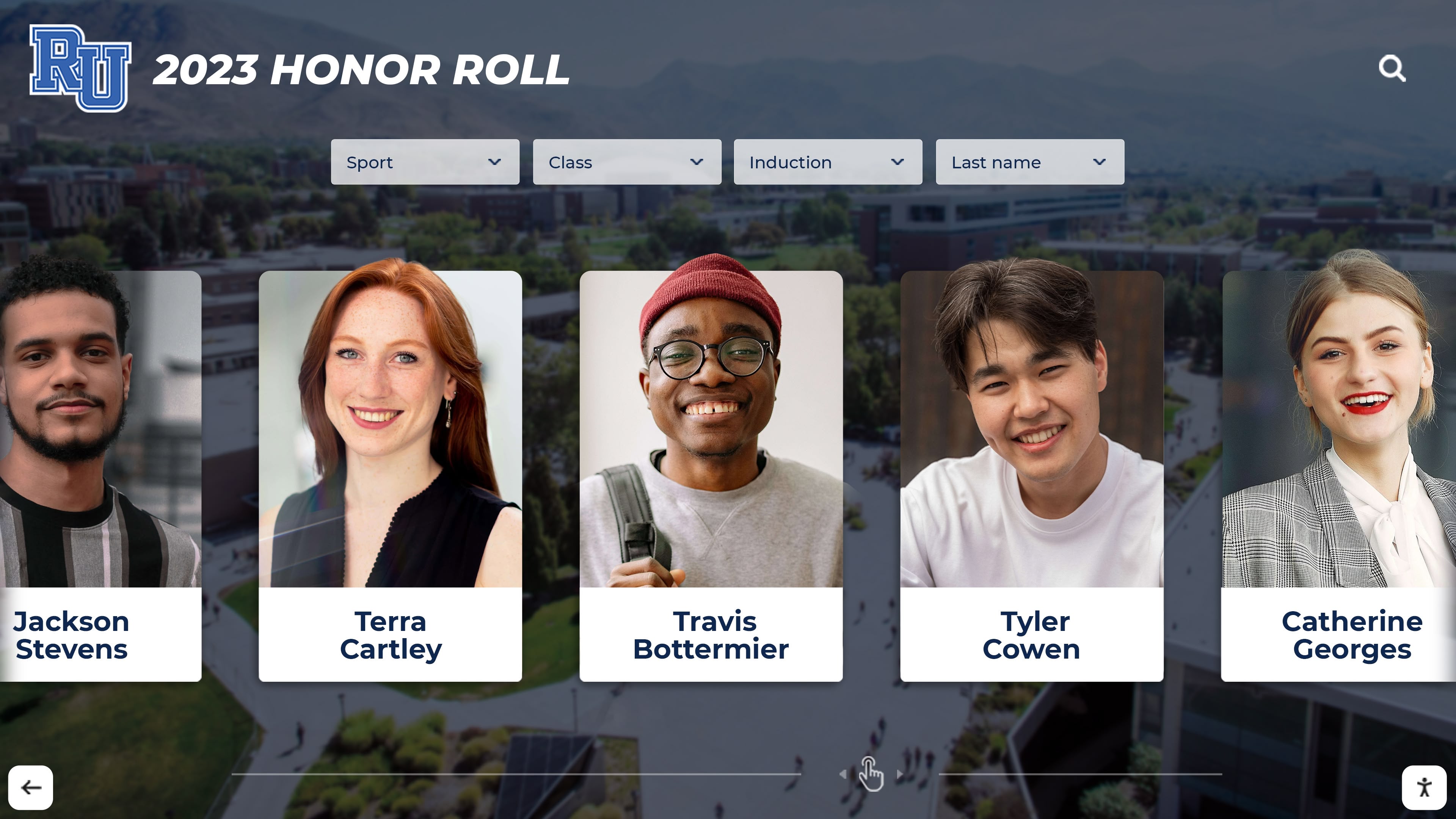
Individual profiles celebrate specific achievements and unique student contributions
Specific Strength Recognition
- Tech wizard for exceptional technology skills and assistance
- Wordsmith award for outstanding writing and communication
- Mathematical mind for problem-solving excellence
- Scientific curiosity for inquiry and investigation
- Artistic vision for creative expression and innovation
- Musical talent recognizing performance ability
- Athletic ability across multiple sports or physical domains
These creative categories, when designed thoughtfully, ensure recognition extends to students whose strengths might not fit traditional categories while maintaining meaningfulness and avoiding participation trophy approaches.
Engaging Presentation Techniques for Memorable Assemblies
The presentation format significantly impacts how students experience recognition and remember the celebration.
Multimedia Integration Strategies
Visual and audio elements enhance engagement and emotional impact:
Video Presentation Ideas
- Year-in-review montage showcasing highlights from all school programs and events
- Individual student spotlight videos featuring accomplishments and teacher testimonials
- “Behind the scenes” footage showing preparation, practice, and dedication leading to achievement
- Student thank you messages to teachers, families, and supporters
- Alumni testimonials connecting past achievements to current opportunities
- Humorous blooper reels from the year creating laughter and shared memories
- Time-lapse videos showing project development or seasonal changes throughout year

Interactive displays create engaging assembly experiences and year-round recognition visibility
Music and Performance Elements
- Live student performances between award segments providing variety
- School choir or band performances celebrating performing arts achievements
- Background music during award distribution maintaining energy and atmosphere
- Theme songs or school fight songs reinforcing community identity
- Student DJ or playlist curator adding contemporary relevance
- Dance team or step team performances entertaining and engaging audience
Digital Slideshow Approaches
- Photo galleries celebrating everyday moments throughout the year
- Action shots from competitions, performances, and events
- Candid classroom moments capturing learning and relationships
- Student artwork, projects, and creative work displays
- Teacher appreciation slides acknowledging educator contributions
- Before-and-after images showing growth and transformation
- Social media highlights from student and school accounts
Effective ceremony presentation guides provide additional format strategies for engaging recognition events.
Student Participation and Peer Recognition
Incorporating student voices strengthens authenticity and connection:
Student Emcee and Host Roles
- Student council representatives hosting segments
- Class officers introducing their grade level’s honorees
- Performing arts students bringing theatrical energy to presentations
- Natural public speakers from speech and debate programs
- Student teacher partnerships creating intergenerational connection
- Humorous commentary appropriate to school culture and audience
Peer Recognition Approaches
- Students nominating classmates for specific character awards
- Testimonial videos from peers explaining why recipients deserve recognition
- Student presentations honoring teachers who made differences in their lives
- Peer awards voted on by classmates with teacher oversight
- Student-created content celebrating classmate achievements
- Grade-level specific recognition from student perspective
Interactive Assembly Elements
- Live voting for fun categories using hand raising or sound meters
- Trivia contests about school history, achievements, and memorable moments
- Audience participation chants or cheers for honorees
- Student performances integrated throughout rather than separate segments
- Photo booth stations before or after assembly creating shareable memories
- Social media walls displaying student-submitted congratulations using event hashtag
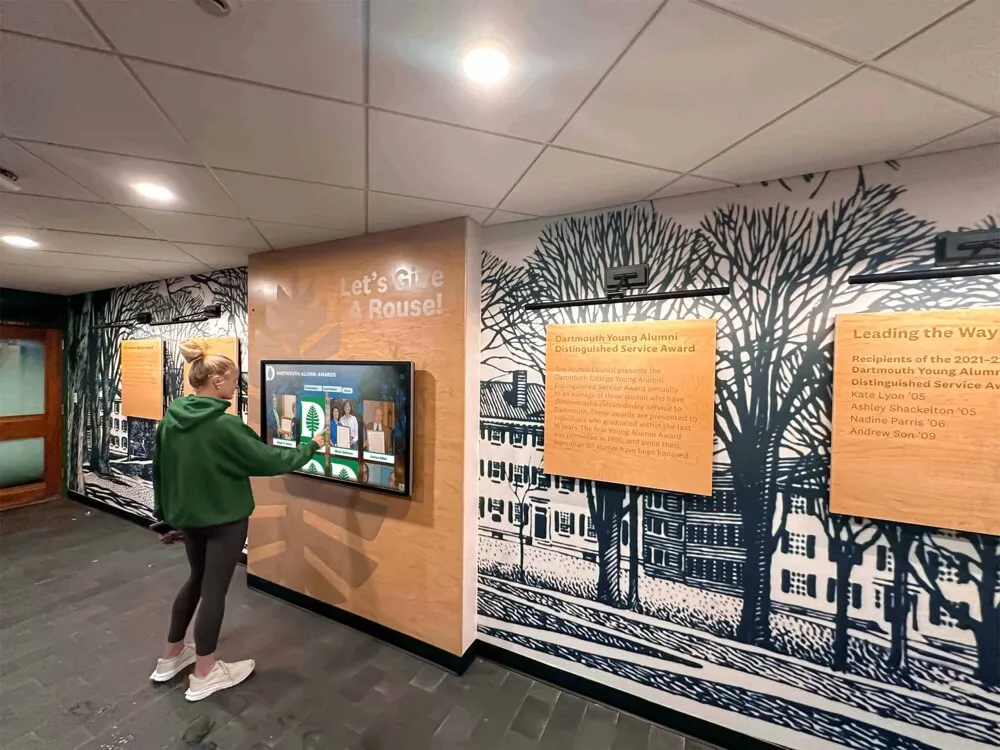
Strategic placement of recognition displays ensures accessibility throughout school facilities
Maintaining Energy and Engagement Throughout
Long ceremonies lose audience attention regardless of content quality:
Pacing and Timing Strategies
- Vary presentation styles alternating between speaker, video, performance, and recognition
- Group similar awards together while avoiding monotonous repetition
- Build to crescendo with most prestigious awards near conclusion
- Strategic breaks or stretch opportunities for younger students
- Surprise elements creating genuine emotional moments and sustained attention
- Clear timing markers helping audience understand remaining duration
- Efficient recognition approaches honoring multiple recipients simultaneously when appropriate
Audience Engagement Techniques
- Call-and-response interactions led by student hosts
- Recognition of entire classes or grade levels creating universal participation
- Applause prompts or unique celebration styles for different award types
- Standing ovations for particularly significant achievements
- Family and teacher acknowledgment sections creating inclusive atmosphere
- Humor appropriately integrated maintaining positive energy
- Visual interest through movement, lighting changes, and screen content variety
Modern Recognition Display Solutions
Traditional approaches to displaying end-of-year awards—printed honor roll lists on bulletin boards or certificates filed away—face significant limitations that digital solutions address effectively.
Overcoming Traditional Display Challenges
Space and Visibility Constraints Physical displays can only accommodate limited recognition:
- Bulletin boards and hallway displays have finite space for honor roll lists
- Certificates given to students often end up in drawers or storage
- Recognition visible only to those physically present in specific locations
- Current awards often replace previous years’ achievements
- Many deserving students never receive visible, lasting public recognition
- Limited ability to showcase context, photos, or achievement details
Maintenance and Update Difficulties Static displays require significant ongoing effort:
- Manually updating printed lists each marking period or year
- Replacing faded, damaged, or outdated materials regularly
- Time-consuming process for already-busy staff members
- Errors in printed materials difficult or impossible to correct
- Physical materials requiring storage, printing costs, and supplies
- Seasonal decorations and displays covering recognition during other events
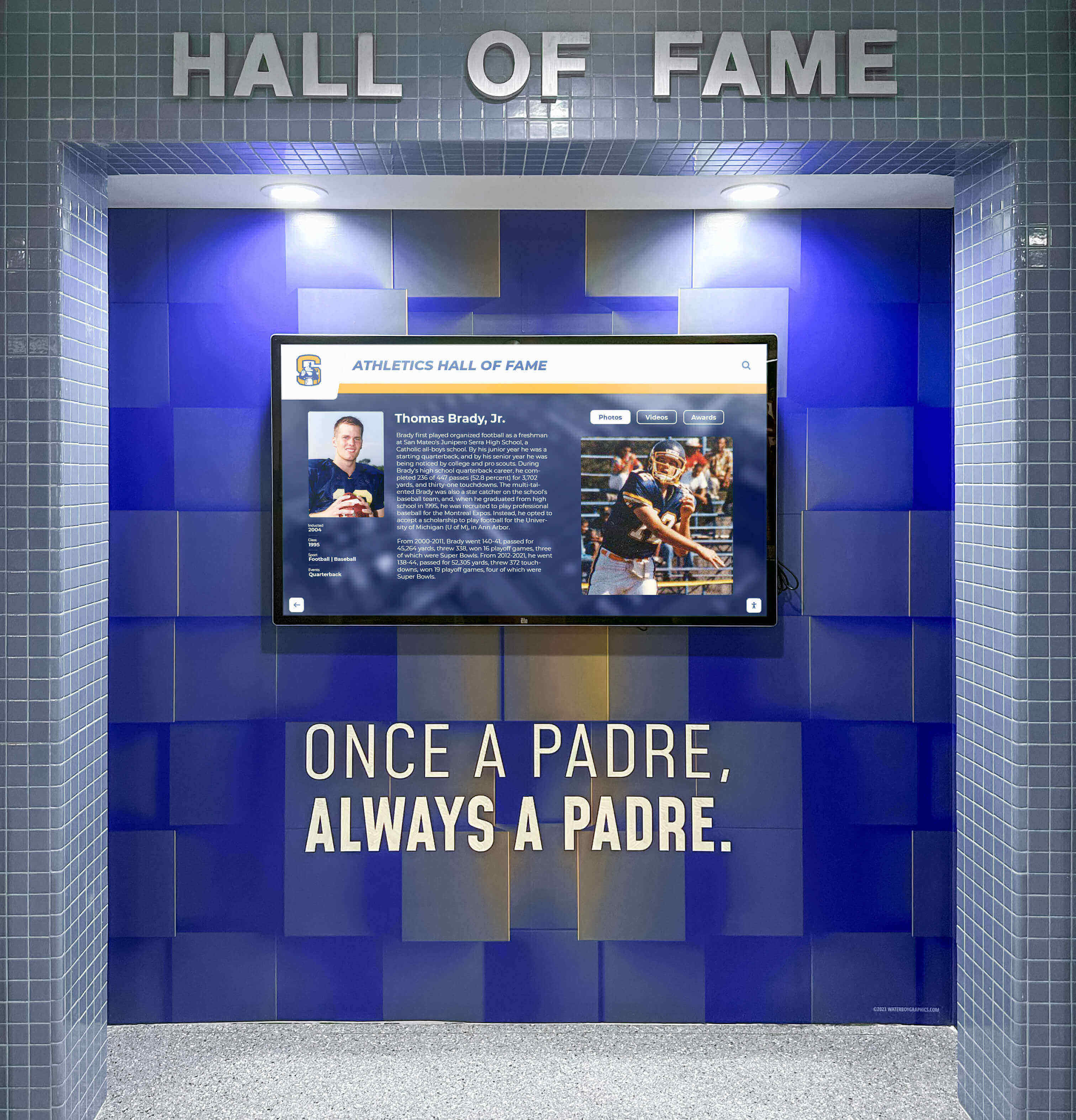
Digital displays eliminate space constraints while providing unlimited recognition capacity
Limited Engagement and Accessibility Traditional displays offer minimal interaction or information:
- Static lists provide only names and basic achievement information
- No ability to search for specific students or filter by categories
- Families and community members can’t access recognition from home
- No photos, videos, or rich media celebrating achievements
- Recognition invisible to those unable to visit campus during school hours
- Alumni can’t explore their own or peers’ historical achievements
Digital Recognition Display Advantages
Modern touchscreen solutions transform how schools display and manage end-of-year recognition:
Unlimited Recognition Capacity Digital displays eliminate space constraints entirely:
- Single touchscreen showcases unlimited students across all award categories
- Complete archives preserve every year’s recognition indefinitely with searchable databases
- All achievement types receive equal display opportunity without prioritization
- No need to remove historical recognition to accommodate current awards
- Multiple years of honor roll, athletic achievements, and awards accessible simultaneously
- Students can explore decades of school achievement history
Interactive Exploration Features Modern systems create engagement impossible with static displays:
- Search functionality enabling students to find themselves, friends, siblings, and parents
- Filtering by year, achievement type, graduating class, department, or other criteria
- Individual profile pages telling complete stories with photos, videos, and achievement details
- Related content linking students to teams, clubs, and school traditions
- QR codes enabling mobile access to complete profiles from smartphones
- Social sharing capabilities allowing students to celebrate achievements online
- Multiple language support serving diverse communities
Comprehensive digital recognition platforms provide year-round visibility extending assembly impact throughout facilities.
Simple Remote Management Cloud-based content management eliminates traditional maintenance challenges:
- Update recognition from any device with internet connection
- Bulk import award recipient data after assemblies or ceremonies
- Schedule automated publishing for different time periods or marking periods
- Role-based permissions allowing appropriate staff access without training requirements
- Drag-and-drop interfaces requiring no technical expertise or web development skills
- Template systems ensuring consistent formatting across all entries
- Backup and version control preventing accidental data loss
Schools report 80-90% reduction in time spent maintaining recognition displays after implementing digital systems. Staff can update an entire year’s awards in minutes rather than hours required for traditional displays.

Touchscreen interfaces make exploring achievements intuitive and engaging for all ages
Web-Based Recognition Extensions
Recognition impact multiplies when systems extend beyond physical displays:
Online Accessibility Benefits Web-connected systems amplify recognition reach:
- Alumni and families worldwide can view current and historical achievements
- Mobile-optimized displays work seamlessly across smartphones, tablets, and computers
- Social sharing capabilities enabling students to celebrate accomplishments on personal platforms
- Integration with school websites and communication systems
- 24/7 accessibility rather than campus-hours-only viewing limitations
- Recruitment presentations showcasing school culture to prospective families
- Media and community access increasing positive coverage and engagement
Multi-Channel Communication Integration Digital systems enable systematic recognition visibility:
- Automated email notifications when students receive recognition
- Social media posts celebrating award recipients distributed over time
- Integration with morning announcements and digital signage systems
- Newsletter features highlighting recognition program success stories
- Community media sharing extending reach beyond immediate school community
- Alumni engagement platforms maintaining connections with graduated students
This approach ensures end-of-year achievements receive visibility comparable to athletic championships, theatrical productions, or other prominent school accomplishments.
Innovative touchscreen kiosk solutions provide comprehensive recognition technology for schools of all sizes.
Creating Equitable and Inclusive Recognition Programs
End-of-year awards should celebrate achievements across all student populations while avoiding approaches that inadvertently exclude or discourage.
Ensuring Recognition Distribution Equity
Monitoring Recognition Patterns Track award distribution to identify gaps:
- Analyze recipients by demographic groups, grade levels, and program participation
- Review whether same students receive multiple awards repeatedly
- Assess whether recognition reaches students in all achievement ranges and backgrounds
- Evaluate participation rates in activities and programs that lead to awards
- Identify systemic barriers preventing some students from recognition opportunities
- Compare recognition distribution to overall student population demographics
Expanding Recognition Pathways Create multiple routes to acknowledgment:
- Growth-based awards ensuring students starting at all levels find opportunities
- Character and effort recognition beyond absolute achievement metrics
- Specialized awards for unique strengths and contributions not typically celebrated
- Grade-level appropriate expectations recognizing developmental differences
- First-time achievement celebration for students reaching new personal milestones
- Peer-nominated awards incorporating student voice and perspective
- Teacher recognition highlighting specific contributions observed in classrooms
Avoiding Common Recognition Pitfalls
Recognition Inflation Prevention Maintain meaningfulness while being inclusive:
- Clear criteria distinguishing recognition levels and significance
- Balance between celebrating many students and preserving value of highest honors
- Meaningful standards requiring genuine achievement or growth
- Honest assessment rather than awards for minimal participation
- Transparency about selection processes and decision criteria
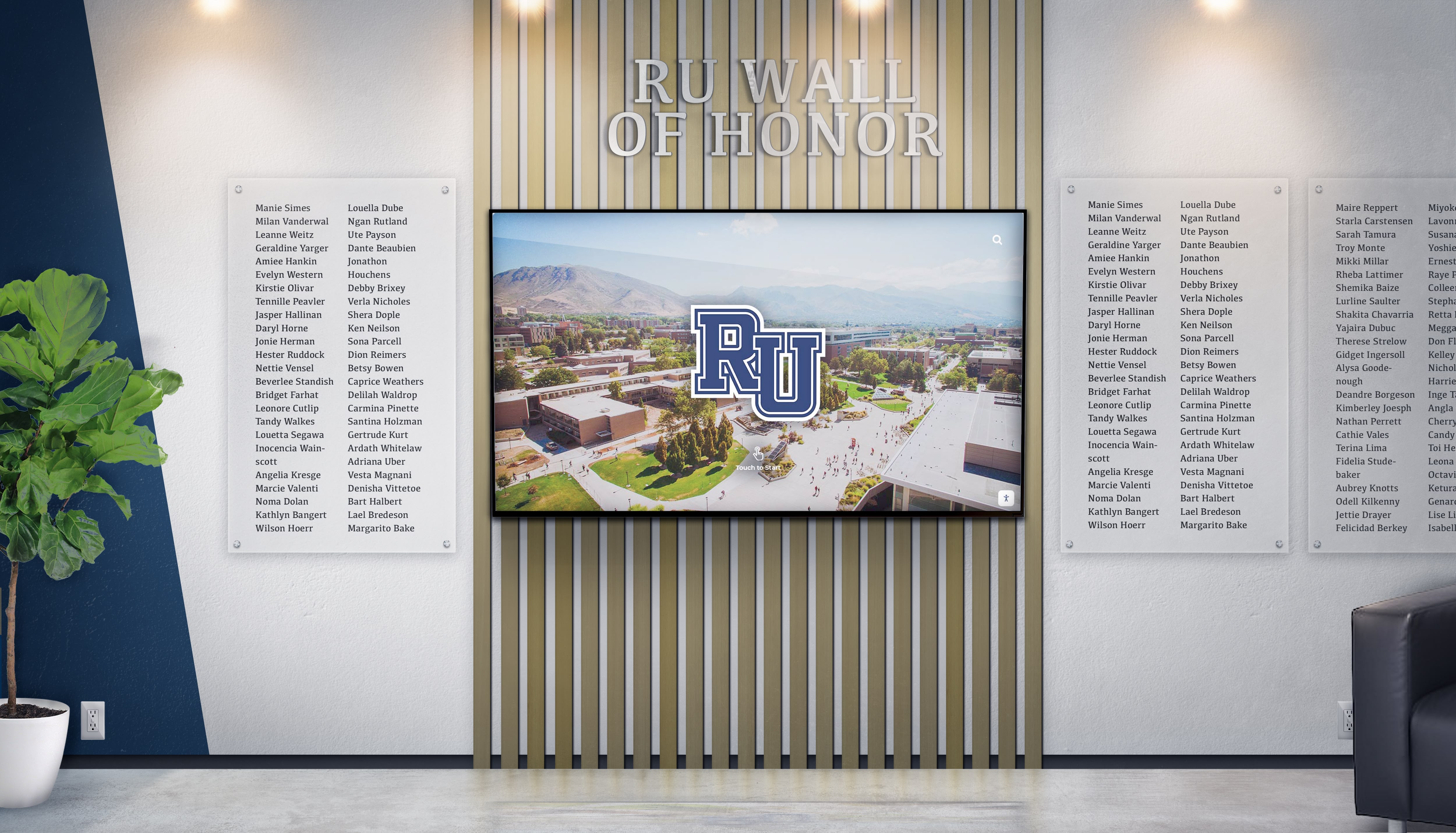
Comprehensive recognition systems celebrate diverse achievements while maintaining distinction
Narrow Focus Avoidance Recognize achievements across full school experience:
- Equal celebration of academic, artistic, athletic, and service achievements
- Recognition for both individual excellence and team contributions
- Acknowledgment of visible achievements and behind-the-scenes contributions
- Appreciation for leadership and supportive roles, initiative and reliability
- Balance between competitive achievements and character-based recognition
- Inclusion of non-traditional strengths and unique talents
Thoughtful category design ensures diverse students see themselves reflected in end-of-year recognition rather than only traditional high achievers receiving acknowledgment.
Physical Award Options and Budget Considerations
While digital displays provide lasting visibility, many schools provide physical awards during assemblies:
Traditional Physical Award Options
Certificates and Recognition Items
- Professionally printed certificates with school branding and signatures
- Custom medals or medallions for specific achievement categories
- Small trophies for pinnacle achievements or competitions
- Framed certificates for special recognition or senior awards
- Ribbons or pins students can wear displaying their achievements
- Personalized items (keychains, bookmarks, water bottles) with engraving
- School apparel (t-shirts, sweatshirts) designating specific achievements
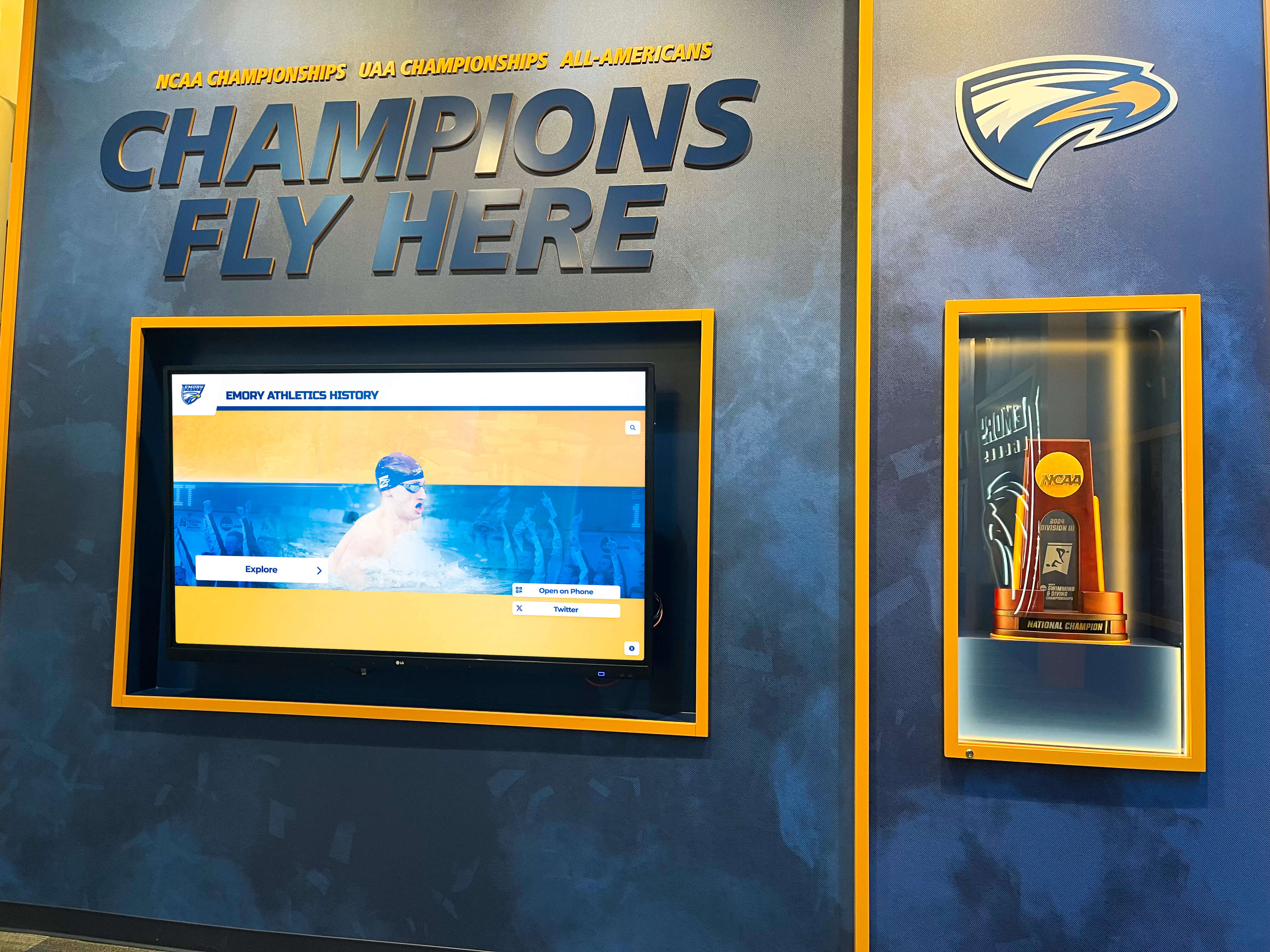
Physical awards complement digital recognition creating tangible memories students treasure
Practical Considerations
- Budget constraints affecting award type, quality, and distribution
- Ordering timelines ensuring delivery before assemblies
- Personalization accuracy and quality control processes
- Storage and distribution logistics during ceremonies
- Environmental impact considerations for sustainable choices
- Bulk ordering discounts reducing per-unit costs
Budget-Conscious Alternatives
- Digital-first recognition through display systems and social media
- Printable certificates families can access and print at home
- Digital badges students can share on personal social platforms
- Recognition focused on experience and visibility rather than physical objects
- Teacher-written personalized letters highlighting specific achievements
- Class or school photos in affordable frames with achievement designation
Alternative Recognition Approaches
Experience-Based Recognition Non-material acknowledgment can be equally meaningful:
- Special privileges or opportunities for award recipients
- Recognition breakfast, lunch, or special celebration event
- Prominent visibility in school publications and communications
- Invitation to special recognition traditions or ceremonies
- Photo opportunities with school leaders and community figures
- First-access opportunities for school events or activities
Digital Recognition Advantages Modern approaches reducing physical production:
- Primary recognition through permanent digital display systems
- Web-accessible profiles viewable by family and community
- Social media celebration reaching broader audiences
- Integration with school websites and communication platforms
- Reduced environmental impact compared to physical production
- Easier updates and corrections compared to engraved items
- Lower long-term costs compared to annual physical awards
The goal is creating recognition that students and families value, which may or may not require physical awards depending on school culture, budget realities, and sustainability priorities.
Post-Assembly Recognition and Communication
Assembly impact extends through systematic follow-up communication:
Multi-Channel Recognition Distribution
Social Media Celebration Strategies
- Individual recognition posts highlighting award recipients over multiple days
- Photo galleries from assembly and celebration events
- Video highlights capturing emotional moments and student reactions
- Student testimonials about what recognition means to them
- Teacher comments explaining why students earned specific awards
- Countdown series building anticipation before assembly date
- Thank you posts acknowledging everyone who contributed to success
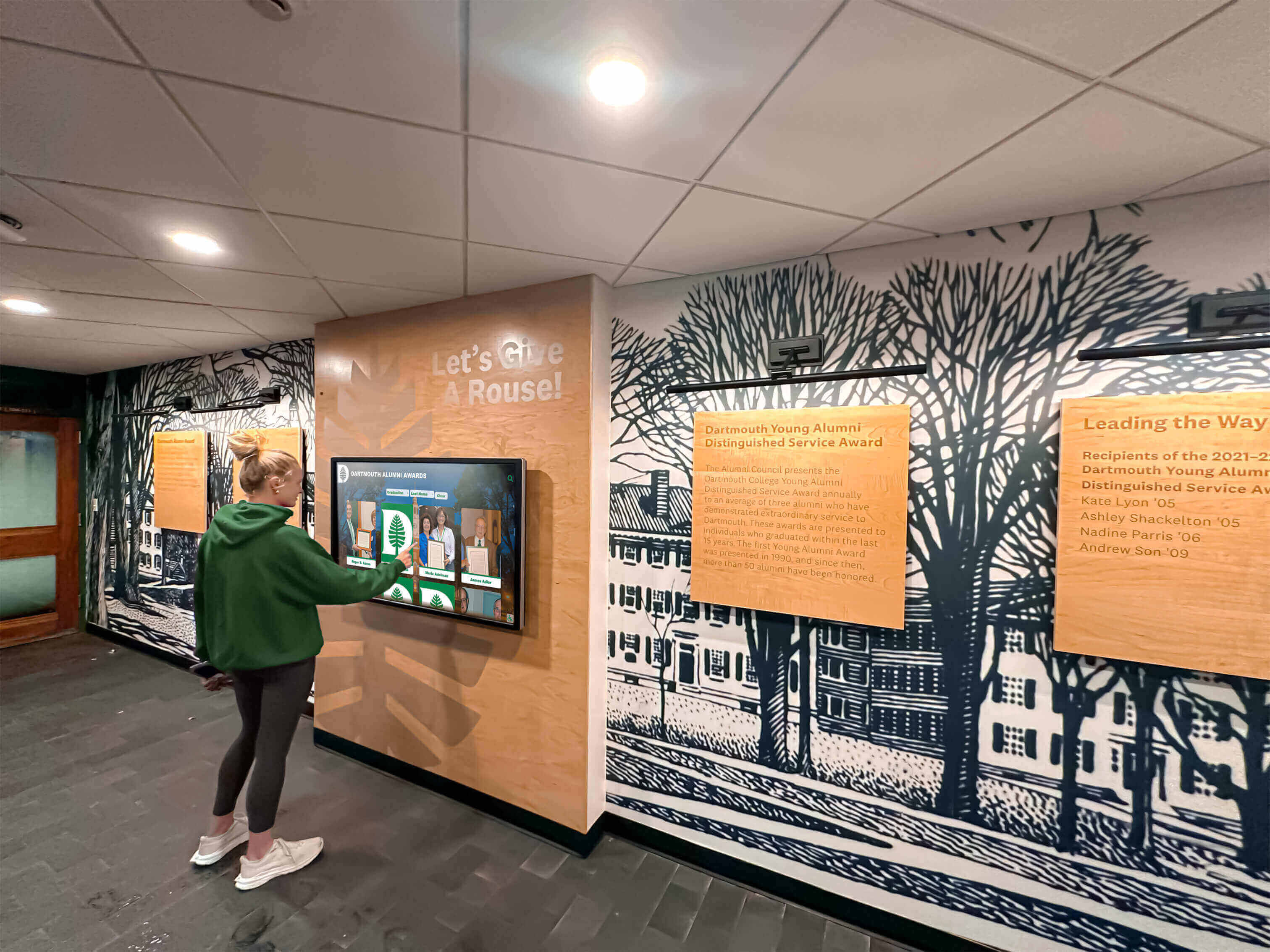
Modern recognition systems integrate social sharing enabling celebration beyond school walls
Family and Community Communication
- Email newsletters featuring assembly highlights and complete recipient lists
- School website dedicated pages showcasing all award categories and winners
- Local media press releases celebrating student achievements
- Community social media groups and neighborhood platforms
- Family photos from assembly events shared through secure platforms
- Thank you communications to families recognizing their support
- Alumni networks sharing achievements with graduated community members
Physical Campus Recognition
- Hallway displays featuring assembly photos and award recipients
- Classroom celebrations and recognition during regular instruction
- Morning announcements highlighting different recipients daily
- Banners or posters congratulating honorees throughout facilities
- Trophy cases and display areas updated with current achievements
- Digital signage screens throughout campus rotating recognition content
Maintaining Year-Round Recognition Visibility
Ongoing Display Updates Modern systems enable continuous recognition:
- Marking period updates adding honor roll students throughout year
- Real-time achievement posting as students earn recognition
- Seasonal achievement highlights from different programs and departments
- Historical achievement exploration enabling connection to school legacy
- Alumni return visits exploring their own achievements from years past
- Prospective family tours showcasing recognition culture during recruitment
Integration with School Programs Recognition systems connecting to broader initiatives:
- New student orientations highlighting recognition opportunities
- Parent information nights explaining award categories and criteria
- Student advisory discussions about achievement and growth mindset
- College counseling references to achievements during application processes
- Teacher professional development about equitable recognition practices
- School improvement planning using recognition data for program evaluation
Effective digital showcase platforms create year-round visibility extending assembly impact throughout facilities and online.
Conclusion: Creating Recognition That Honors Every Achievement
End of year awards assemblies represent pivotal opportunities to celebrate student accomplishments accumulated throughout demanding academic years while demonstrating what schools genuinely value. When educational institutions invest thoughtful planning, create diverse recognition categories honoring achievements across all domains, design engaging ceremony formats maintaining audience connection, and implement modern display solutions ensuring lasting visibility, they transform year-end recognition from obligatory events into meaningful celebrations that students remember throughout their lives.
The strategies explored in this comprehensive guide provide frameworks for assemblies celebrating diverse achievements while remaining manageable, equitable, and aligned with educational mission. From systematic planning timelines ensuring quality execution to creative award categories ensuring all students find recognition opportunities, engaging presentation techniques maintaining energy throughout ceremonies, and digital recognition displays eliminating space constraints while providing year-round visibility—these approaches help schools honor every deserving student effectively.
End of year recognition done well creates ripple effects throughout school communities. Students observe what their schools celebrate, families see their children’s achievements honored publicly, and the broader community gains insight into institutional values and educational excellence. Modern digital platforms make comprehensive recognition achievable across unlimited students and achievement categories while systematic planning ensures consistent, high-quality implementation year after year.
Start where you are with recognition approaches you can implement immediately, then systematically expand to create comprehensive programs your students deserve. Whether you’re enhancing existing award assemblies, expanding recognition categories to reach more students, implementing multimedia presentation techniques, or adopting modern display technology ensuring ongoing visibility, every improvement creates more meaningful acknowledgment for students whose achievements merit celebration.
Your students’ end-of-year achievements deserve celebration creating lasting positive impact on motivation, self-concept, and connection to your school community. With thoughtful planning, inclusive category design, engaging presentation formats, and appropriate technology ensuring ongoing recognition visibility, you can build assembly traditions honoring every achievement while strengthening the positive, motivating school culture where all students thrive.
Ready to explore modern solutions extending recognition beyond single assemblies? Discover how solutions like Rocket Alumni Solutions help schools create permanent digital recognition displays preserving award achievements year-round, ensuring celebrated accomplishments remain visible and accessible long after assemblies conclude and students move to their next chapters.