Donor walls represent one of the most visible ways nonprofits honor supporters while inspiring future philanthropy. In 2026, organizations face more recognition options than ever before—from traditional bronze plaques to interactive digital touchscreens that tell compelling donor stories through multimedia content.
Yet many nonprofits struggle with donor wall decisions. Physical space limitations restrict how many supporters can be recognized. Static displays become outdated as new donors contribute, requiring expensive modifications. Budget constraints force difficult choices about recognition scope and quality. Meanwhile, organizations wonder which approach will genuinely inspire continued giving while appropriately honoring existing supporters.
This comprehensive guide explores donor walls for nonprofits in 2026, providing practical insights into recognition approaches that celebrate supporters effectively while remaining sustainable and scalable. Whether your organization is implementing a first donor wall or enhancing existing recognition, these strategies help you create displays that strengthen relationships, demonstrate stewardship, and motivate philanthropy.
Effective donor recognition balances authentic appreciation with strategic fundraising objectives. The most successful nonprofits design donor walls that honor supporters sincerely while creating visibility that inspires others to give. Organizations implementing thoughtful recognition programs typically see 15-30% higher donor retention rates compared to those providing minimal acknowledgment, according to research in nonprofit fundraising best practices.
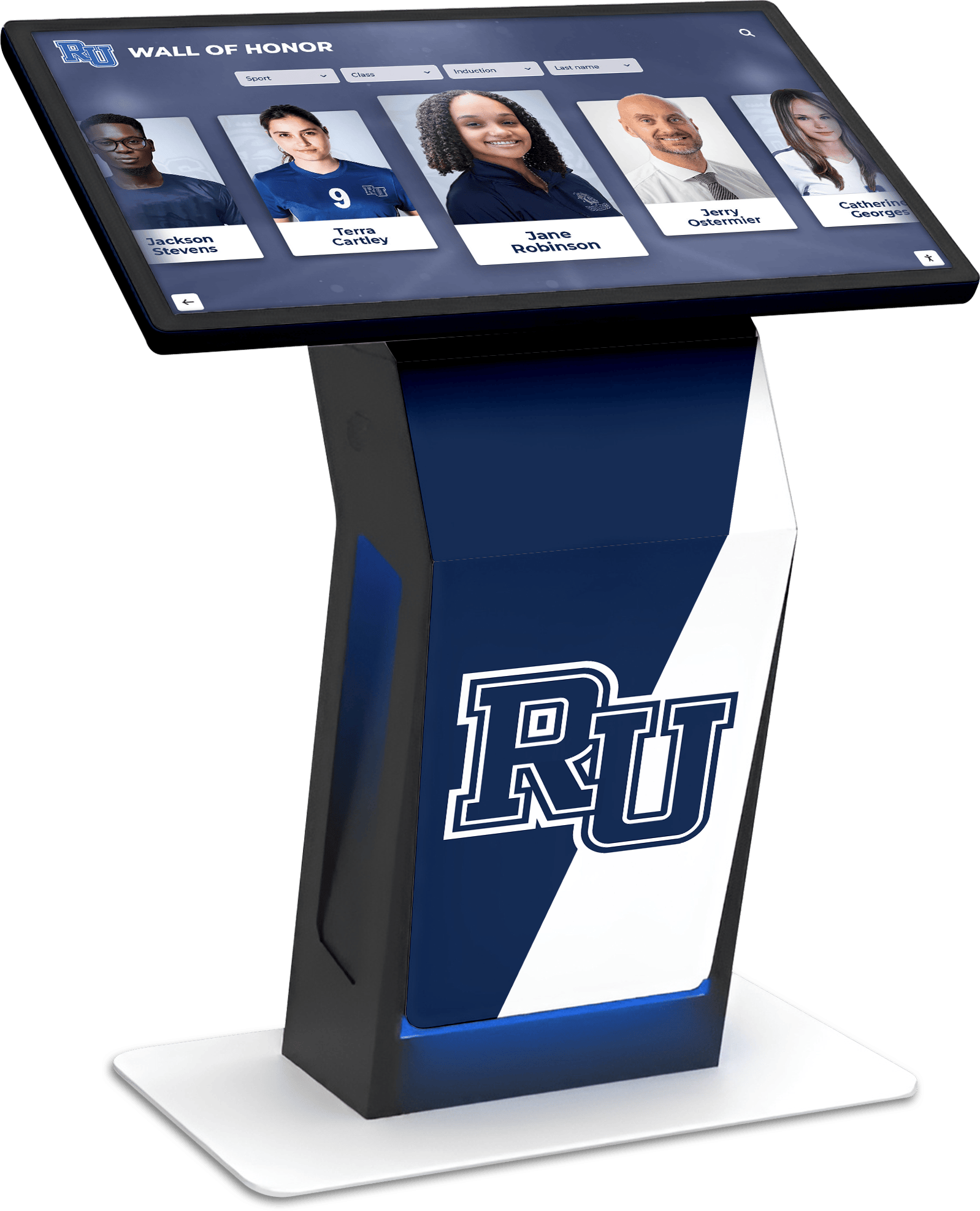
Modern donor walls combine authentic appreciation with strategic visibility that inspires future giving
Understanding Donor Walls for Nonprofits
Before exploring specific ideas, understanding what makes donor recognition effective helps organizations design programs achieving their stewardship and fundraising goals.
What Is a Donor Wall?
A donor wall is a display that features the names of supporters who have contributed to your nonprofit’s mission. These installations typically appear in highly visible locations—entryways, lobbies, hallways, or program spaces—where staff, visitors, beneficiaries, and prospective donors regularly encounter them.
Core Purposes of Donor Walls
- Publicly acknowledge and thank supporters for their generosity
- Demonstrate organizational stewardship to prospective donors
- Create visible evidence of community support building credibility
- Inspire additional giving by showcasing philanthropic participation
- Strengthen emotional connections between donors and mission impact
Donor walls serve dual functions as both genuine appreciation and strategic fundraising tools. Recognition that feels transactional undermines donor relationships, while recognition that genuinely celebrates supporters’ commitment to mission creates positive reinforcement encouraging continued engagement.
Why Donor Walls Matter in 2026
The nonprofit landscape continues evolving, with donor recognition playing an increasingly critical role in competitive fundraising environments:
Retention Challenges National donor retention rates remain problematic, with many nonprofits retaining fewer than 45% of first-time donors. Appropriate recognition significantly improves these numbers by making supporters feel valued and connected to impact.
Competition for Support Donors face constant solicitations from countless organizations. Meaningful recognition helps your nonprofit stand out by demonstrating genuine appreciation that respects supporters’ generosity.
Transparency Expectations Modern donors expect visibility into how contributions create impact. Recognition displays that connect philanthropy to tangible outcomes satisfy these expectations while building trust.
Multigenerational Engagement Different generations respond to various recognition approaches. Comprehensive donor walls accommodate traditional preferences while embracing digital innovations that resonate with younger supporters.
Organizations viewing donor walls as strategic investments in relationships rather than obligatory expenses create recognition programs delivering measurable fundraising returns while honoring supporters authentically.
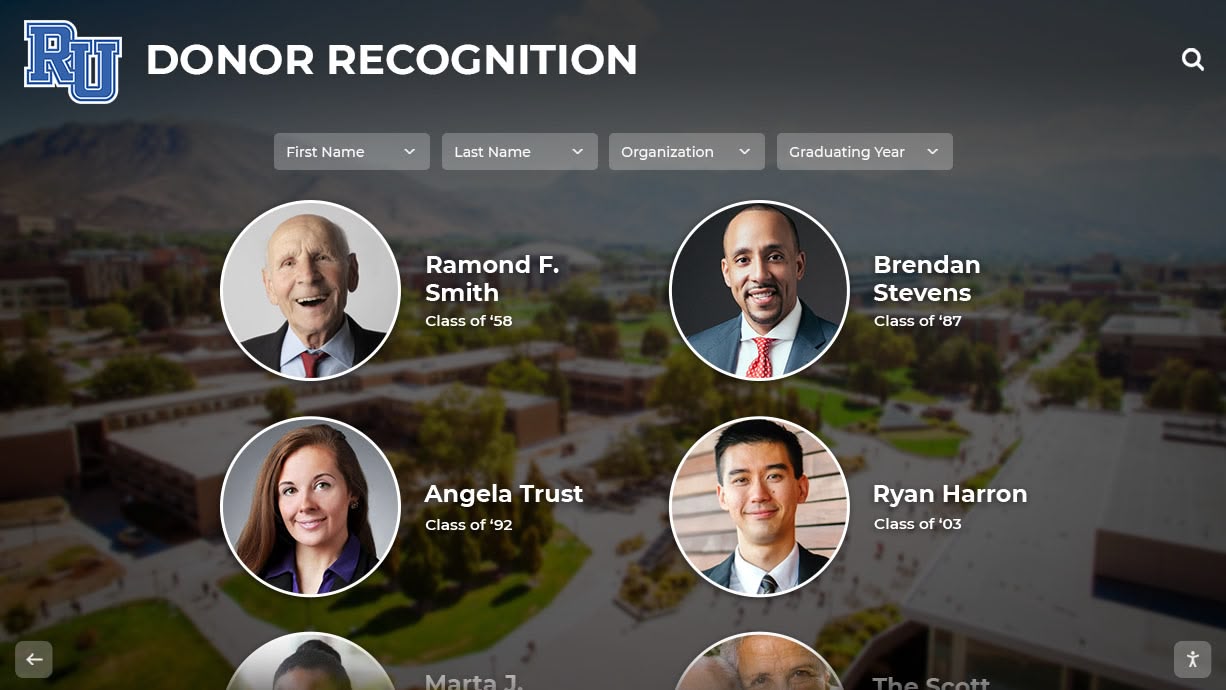
Educational institutions use donor walls to celebrate supporters while inspiring continued philanthropy
Types of Donor Walls for Nonprofits
Nonprofits can choose from several recognition approaches, each offering distinct advantages and considerations.
Traditional Physical Donor Walls
Traditional donor walls use permanent materials creating formal, prestigious recognition:
Bronze and Metal Plaques Individual bronze plaques mounted on prominent walls create timeless recognition appropriate for major gifts. Organizations typically invest $75-$400 per plaque depending on size, with comprehensive walls costing $5,000-$50,000 for multi-donor installations.
Advantages of Traditional Plaques
- Convey permanence and prestige suitable for leadership gifts
- No technology requirements or digital maintenance concerns
- Strong visual impact in traditional institutional settings
- Tangible quality donors can physically touch and photograph
Limitations to Consider
- Physical space constraints limit total recognition capacity
- Expensive to modify when adding new donors or correcting errors
- Challenging to accommodate all giving levels meaningfully
- Limited information beyond names and gift amounts
- Engraving mistakes require costly plaque replacement
Traditional plaques work well for major gift recognition in organizations valuing heritage and permanence. Nonprofits choosing this approach should plan for future expansion, considering perpetual plate systems allowing additions without wall reconstruction.
Digital Donor Recognition Displays
Digital displays transform donor recognition by eliminating traditional limitations while creating engaging interactive experiences:
Interactive Touchscreen Systems Modern touchscreen donor walls display unlimited supporters through searchable digital platforms. A single 55-75 inch touchscreen can recognize thousands of donors with complete profiles, photos, impact stories, and multimedia content.
Key Advantages
- Unlimited capacity accommodating growing donor bases without space constraints
- Easy remote updates adding new donors instantly via cloud-based management
- Rich multimedia content including photos, videos, and impact stories
- Search functionality helping visitors find specific donors quickly
- Cost-effective scaling with no per-donor recognition fees
- Real-time accuracy ensuring current information
- ADA compliance features supporting accessibility
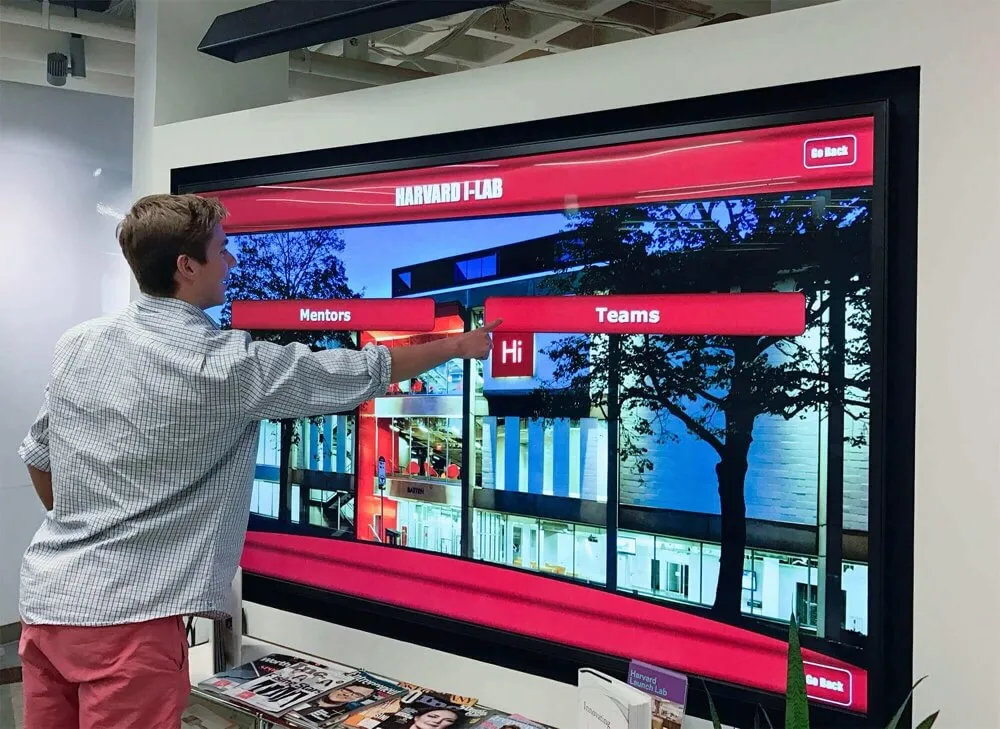
Interactive touchscreens enable visitors to explore donor stories and impact through engaging digital experiences
Organizations implementing digital donor recognition displays report 70-90% reduction in administrative time managing recognition compared to traditional plaque maintenance. Solutions like Rocket Alumni Solutions provide cloud-based platforms where staff update donor information from any internet-connected device, schedule recognition displays for campaign milestones, and track engagement analytics.
Content Management Benefits
- Update donor information remotely without physical access to displays
- Schedule recognition reveals for specific dates or events
- Bulk import donor data from existing fundraising databases
- Role-based permissions for appropriate staff access
- Integration capabilities with CRM and donor management systems
Digital donor walls prove especially valuable for organizations with:
- Growing donor bases outpacing available wall space
- Multiple giving levels requiring inclusive recognition
- Geographic donor distribution benefiting from mobile access via QR codes
- Limited maintenance budgets for ongoing recognition updates
- Desire to share donor stories beyond name listings
Virtual Donor Walls
Virtual donor walls exist online, displayed through organizational websites or dedicated recognition platforms accessible from anywhere:
Online Recognition Platforms Web-based donor directories allow supporters worldwide to explore recognition content on computers, tablets, or smartphones without visiting physical locations.
Benefits of Virtual Approaches
- Extremely cost-effective with minimal hardware requirements
- Accessible to geographically dispersed donor communities
- Easy to share via social media and email communications
- Can complement physical recognition displays
- Simple to update and maintain through content management systems
Implementation Considerations
- Less prominent than physical displays in organizational spaces
- May feel less formal or prestigious than traditional installations
- Requires driving traffic to recognition pages
- Best as supplement rather than sole recognition method
Virtual donor walls work well for organizations with distributed supporters, limited physical space, or tight budgets. Many nonprofits combine virtual recognition with smaller physical displays, creating comprehensive programs honoring all supporters while managing space and cost constraints.
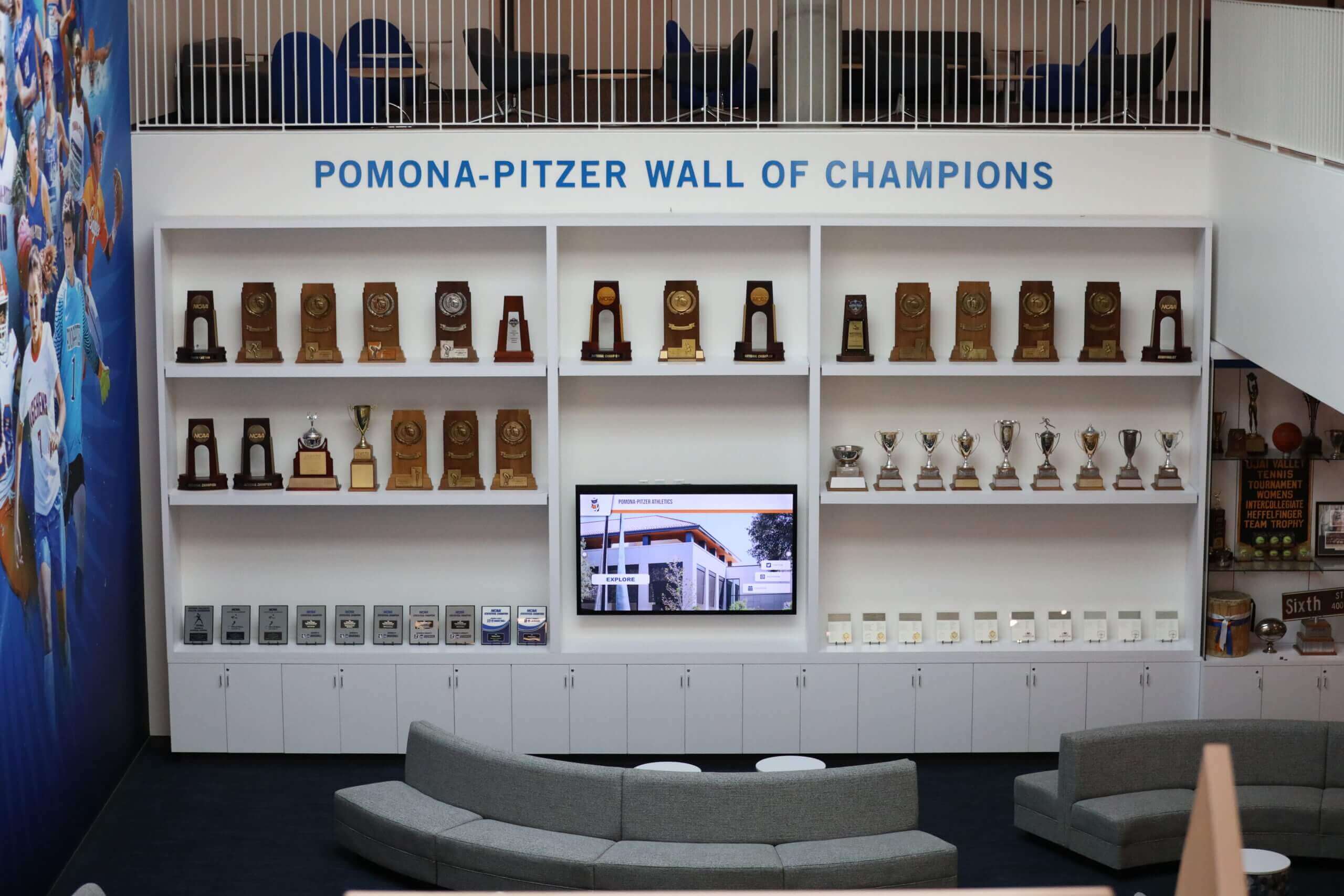
Hybrid recognition approaches combine traditional prestige with modern flexibility and accessibility
10 Top Donor Wall Ideas for Nonprofits in 2026
These creative recognition approaches help nonprofits honor supporters authentically while inspiring continued philanthropy.
1. Tiered Digital Recognition with Giving Societies
Organize donors into named societies based on cumulative or annual giving levels, creating aspirational recognition that encourages gift progression:
Implementation Approach Design distinct giving society names reflecting organizational history and values:
- Legacy Circle for estate gifts and planned giving commitments
- Founder’s Society for earliest supporters who established your mission
- Leadership Council for major donors at highest contribution levels
- Sustainer Circle for monthly recurring donors
- Impact Society for donors supporting specific programs or initiatives
Display society members through interactive touchscreens allowing visitors to explore donor profiles organized by recognition level. Include society logos, descriptions of gift impact, and member benefits alongside comprehensive donor listings.
Why This Works Tiered recognition creates clear pathways for donor progression. Supporters can see exactly what giving level unlocks specific recognition, motivating upgrades. Society structures build community among donors at similar contribution levels, strengthening peer influence that encourages sustained giving.
Organizations implementing donor recognition programs with named societies report higher retention and upgrade rates compared to undifferentiated recognition approaches.
2. Story-Based Recognition Sharing Impact Narratives
Move beyond listing names to share compelling stories about why donors support your mission and what their gifts accomplish:
Content Elements to Include
- Donor profiles explaining personal connections to your cause
- Impact statements connecting specific gifts to tangible outcomes
- Beneficiary stories demonstrating how donations create change
- Video testimonials from donors and those served
- Photo essays showing programs funded by philanthropy
- Historical timelines connecting donor support to organizational milestones
Implementation Strategy Commission professional photography and videography during programs, events, and service delivery. Interview willing donors about their motivations and connection to mission. Document measurable outcomes enabled by different gift levels. Organize content into searchable categories by program area, gift purpose, or donor interest.
Engagement Benefits Story-based recognition creates emotional connections between community members and donors while demonstrating philanthropy’s real-world impact more effectively than name lists alone. Visitors spend significantly more time engaging with narrative content compared to simple donor directories, increasing recognition visibility and fundraising influence.
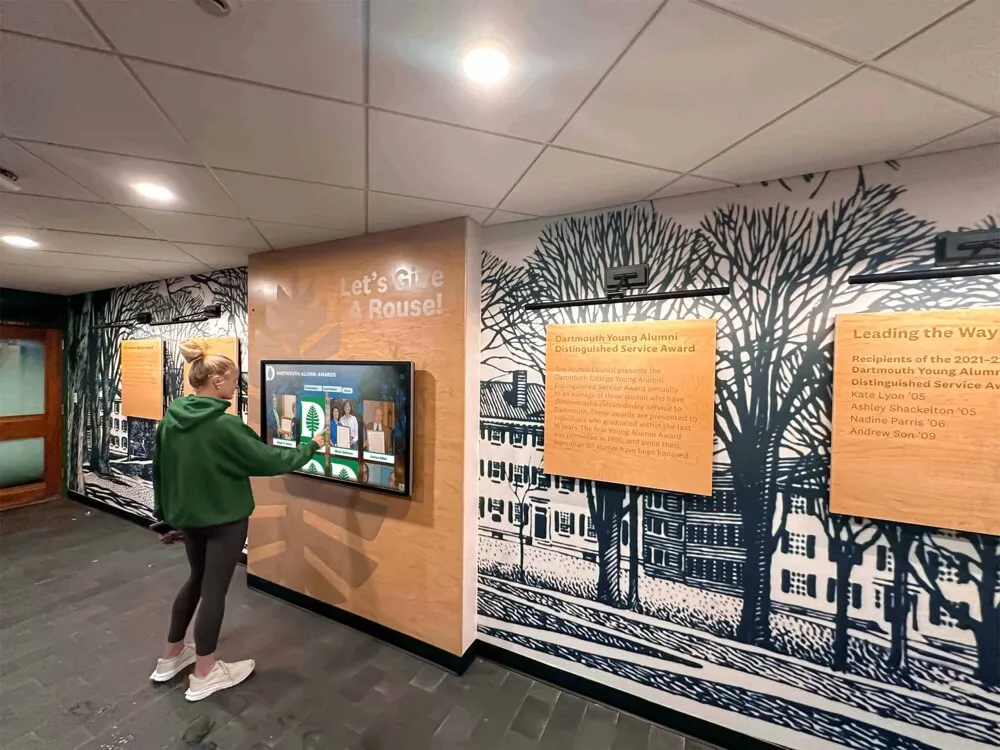
Story-based recognition helps visitors understand the human side of philanthropy while celebrating supporter generosity
3. Brick and Paver Recognition Gardens
Transform outdoor spaces into recognition opportunities through personalized engraved bricks creating meaningful pathways:
Effective Implementation
- Design walkways, gardens, or courtyards incorporating engraved bricks
- Offer multiple brick sizes at different price points ($100-$500)
- Provide clear guidelines about message length and content appropriateness
- Use weather-resistant engraving ensuring long-term visibility
- Place in high-traffic areas maximizing exposure to community
- Include complementary signage explaining program and thanking contributors
Suitable Organizations Brick programs work especially well for:
- Schools and universities with campus outdoor spaces
- Healthcare facilities with healing gardens or meditation areas
- Parks and recreation organizations with public walkways
- Performing arts centers with plaza or courtyard areas
- Community facilities serving as gathering spaces
Many athletic programs combine brick recognition with digital donor displays celebrating booster club supporters through comprehensive recognition acknowledging all contribution types.
Considerations Brick programs require significant upfront investment in landscaping and installation. Organizations should ensure adequate space for long-term program growth, establish clear content approval processes, and maintain programs actively by promoting available bricks and installing new purchases promptly.
4. Named Space Recognition for Major Gifts
Physical spaces themselves become recognition opportunities appropriate for transformational philanthropy:
Naming Opportunities to Consider
- Building or wing names for seven-figure gifts
- Rooms, classrooms, or offices recognizing six-figure donors
- Program endowments carrying donor names indefinitely
- Equipment or collection acquisitions acknowledging specific purchases
- Outdoor spaces like gardens, courtyards, or athletic fields
Signage Integration Install permanent architectural signage at named space entrances. Add complementary plaques sharing donor stories, gift motivation, and impact created. Include historical context connecting donors to space purpose. Incorporate photography showing space usage and beneficiaries served.
Stewardship Opportunities Named spaces create ongoing engagement possibilities. Invite donors to program events hosted in their spaces. Share regular updates about activities and achievements occurring in named areas. Celebrate anniversaries of gift commitments with recognition events.
Major gift recognition through named spaces creates lasting legacy acknowledgment appropriate for leadership philanthropy while generating significant contributed revenue supporting mission delivery.
5. Artistic Recognition Installations
Commission custom artwork transforming donor recognition into aesthetic experiences that enhance organizational environments:
Artistic Concepts
- Sculptural installations incorporating donor names into three-dimensional art
- Glass etching creating beautiful transparent recognition walls with light interplay
- Metal tree sculptures where donor names appear on leaves or branches
- Abstract designs where recognition becomes part of larger artistic statements
- Mosaic installations with donor names integrated into colorful patterns
- Light-based art illuminating donor names as environmental features
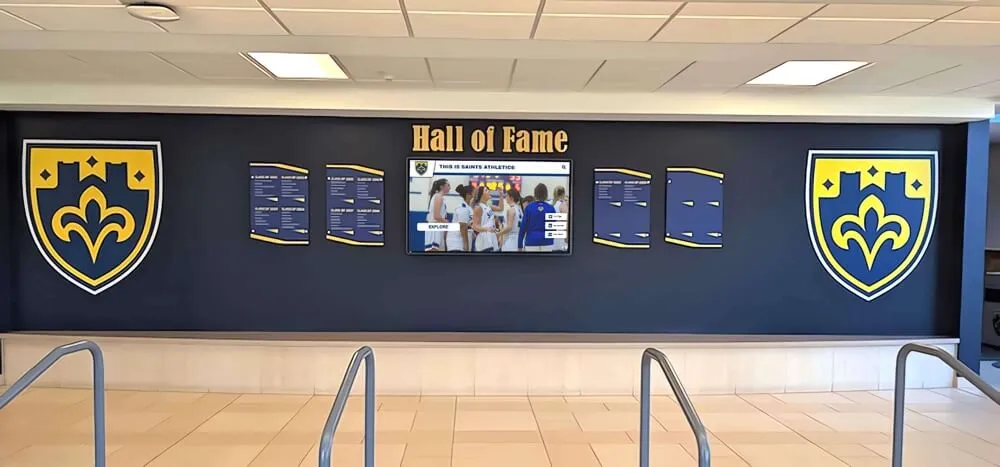
Artistic recognition installations create visually compelling displays that honor donors while enhancing organizational aesthetics
Implementation Best Practices
- Commission local artists creating community connection and supporting regional talent
- Ensure artwork complements existing architectural environment and organizational brand
- Design installations allowing future additions as donor base grows
- Balance artistic vision with clear donor name visibility
- Consider maintenance requirements and longevity of materials
- Involve artists early in campaign planning ensuring designs accommodate anticipated donor numbers
Organizations pursuing artistic recognition should document creation process through photography and video, using installation stories as engagement content for communications and fundraising.
6. Hybrid Recognition Combining Traditional and Digital Elements
Balance heritage and innovation by combining permanent traditional plaques with flexible digital displays:
Integration Strategies
- Traditional bronze plaques for top-tier major donors alongside digital displays showing all supporters
- Architectural signage for named spaces complemented by touchscreens providing detailed stories
- Central permanent recognition wall with rotating digital displays in multiple locations
- Physical recognition directories in bound volumes paired with searchable digital databases
- Memorial plaques honoring deceased supporters supplemented by digital tributes
Design Considerations
- Create cohesive visual identity across physical and digital recognition
- Ensure consistent donor categorization in both display types
- Establish clear policies defining which donors receive which recognition forms
- Maintain single master database feeding both traditional and digital displays
- Design physical spaces accommodating both recognition types aesthetically
Hybrid approaches work especially well for organizations with established traditional recognition wanting to expand capacity while respecting heritage and major donor expectations for permanent physical acknowledgment.
7. Memorial Recognition for Tribute Gifts
Honor deceased loved ones while acknowledging supporters making gifts in their memory:
Sensitive Implementation
- Design separate memorial sections within comprehensive donor walls
- Use appropriate symbolic imagery and calming aesthetics
- Include brief biographical information about those memorialized
- List supporters who contributed memorial gifts
- Provide options for family involvement in memorial content
- Consider religious or cultural traditions when designing memorial spaces
Content Approaches
- Memorial garden spaces with engraved stones or plaques
- Digital memorial galleries with photos and life stories
- Memorial scholarship recognition connecting honored individuals to supported students
- Legacy program acknowledgment for estate gifts benefiting future generations
- Remembrance displays in healthcare settings honoring patients or families
Memorial recognition requires particular sensitivity. Organizations should communicate clearly with families about recognition plans, respect privacy preferences, and ensure memorial content receives appropriate review before public display.
Cultural organizations effectively implement arts recognition programs that honor donors supporting creative programming alongside memorials recognizing artistic leaders and cultural contributors.
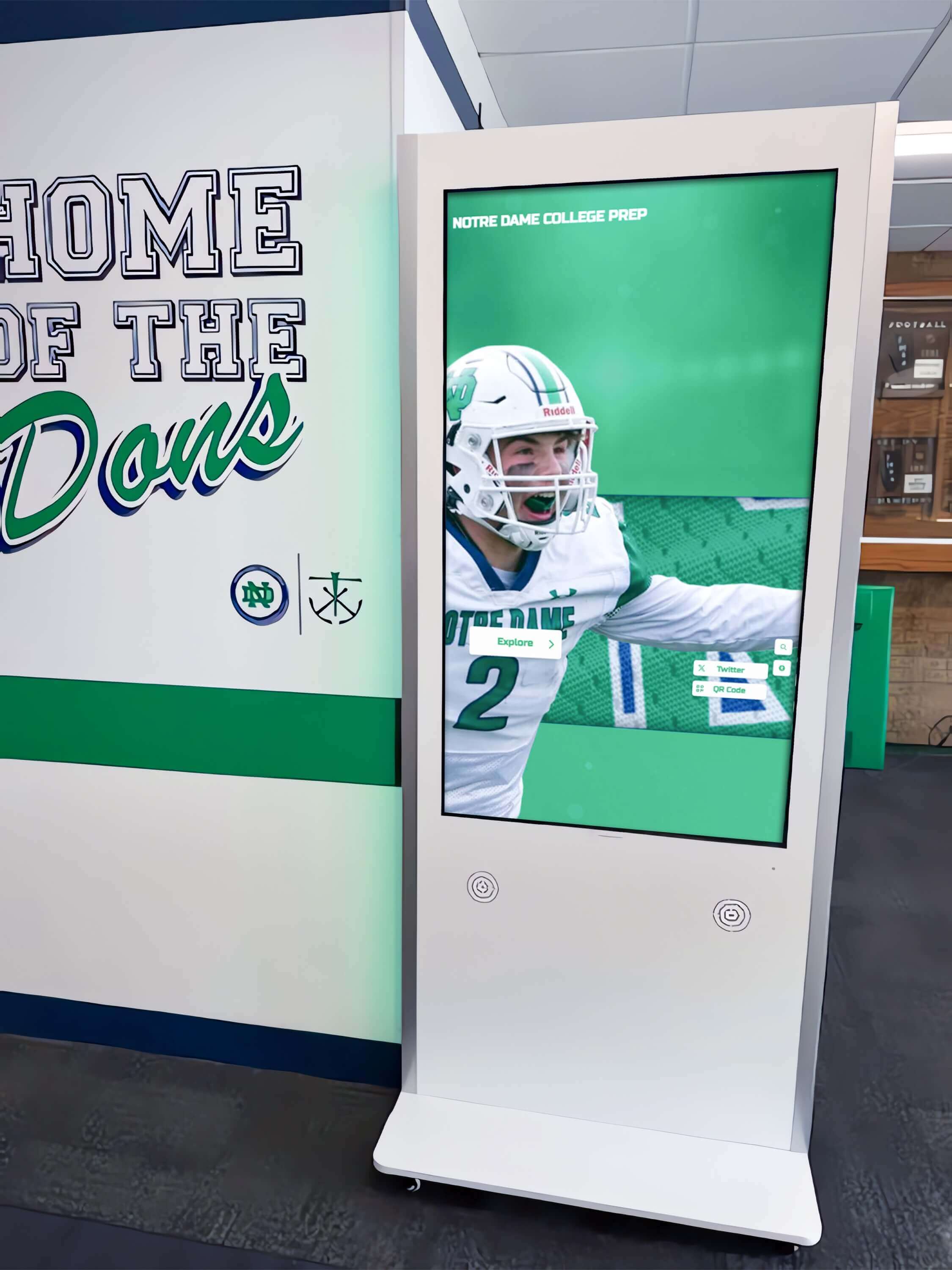
Memorial recognition honors both deceased loved ones and supporters making tribute gifts in their memory
8. Corporate Partnership Recognition
Celebrate business supporters through prominent recognition acknowledging corporate philanthropy and community partnerships:
Recognition Approaches
- Tiered corporate sponsorship levels with corresponding visibility
- Logo display for business supporters at appropriate prominence levels
- Corporate foundation recognition separate from individual giving
- Employee giving program acknowledgment celebrating workplace campaigns
- In-kind donation recognition thanking product and service contributors
- Partnership spotlights sharing business supporter stories and motivations
Content Balance Avoid donor walls appearing overly commercial by:
- Limiting logo size and placement appropriately
- Balancing corporate recognition with individual donor acknowledgment
- Focusing on partnership impact rather than pure advertising
- Including narrative content about why businesses support your mission
- Designing corporate sections complementing rather than dominating overall recognition
Renewal Considerations Corporate recognition often involves annual sponsorships requiring renewal. Digital displays easily update corporate supporter listings as partnerships evolve, while traditional plaques require careful policies about recognition duration and removal procedures.
9. Volunteer and Non-Financial Contribution Recognition
Honor supporters contributing time, talent, expertise, and resources beyond financial donations:
Recognition Categories
- Board members and volunteer leadership acknowledging governance service
- Volunteer hour milestones celebrating sustained time contributions
- Professional services donations recognizing pro bono expertise
- In-kind product and service contributions thanking material support
- Event volunteers and committee members honoring program delivery assistance
Inclusive Recognition Philosophy Comprehensive donor walls recognize that philanthropy encompasses more than financial contributions. Organizations valuing diverse contribution types build broader community support by acknowledging various ways supporters advance mission.
Implementation Strategies
- Create distinct sections for volunteer recognition within broader donor displays
- Use different visual treatments distinguishing financial and time contributions
- Calculate volunteer hour equivalencies translating time into dollar values
- Feature volunteer stories alongside donor narratives
- Celebrate volunteer milestones similar to giving anniversaries
Many educational institutions implement comprehensive recognition systems acknowledging donors, volunteers, alumni achievements, and community partnerships through unified platforms celebrating all forms of support.
10. Campaign-Specific Recognition Displays
Create focused recognition for particular fundraising campaigns or initiatives:
Campaign Recognition Types
- Capital campaign displays acknowledging building or renovation project supporters
- Endowment campaign recognition celebrating long-term sustainability donors
- Program initiative displays honoring supporters launching new services
- Emergency campaign acknowledgment thanking crisis response contributors
- Anniversary campaign recognition celebrating milestone giving
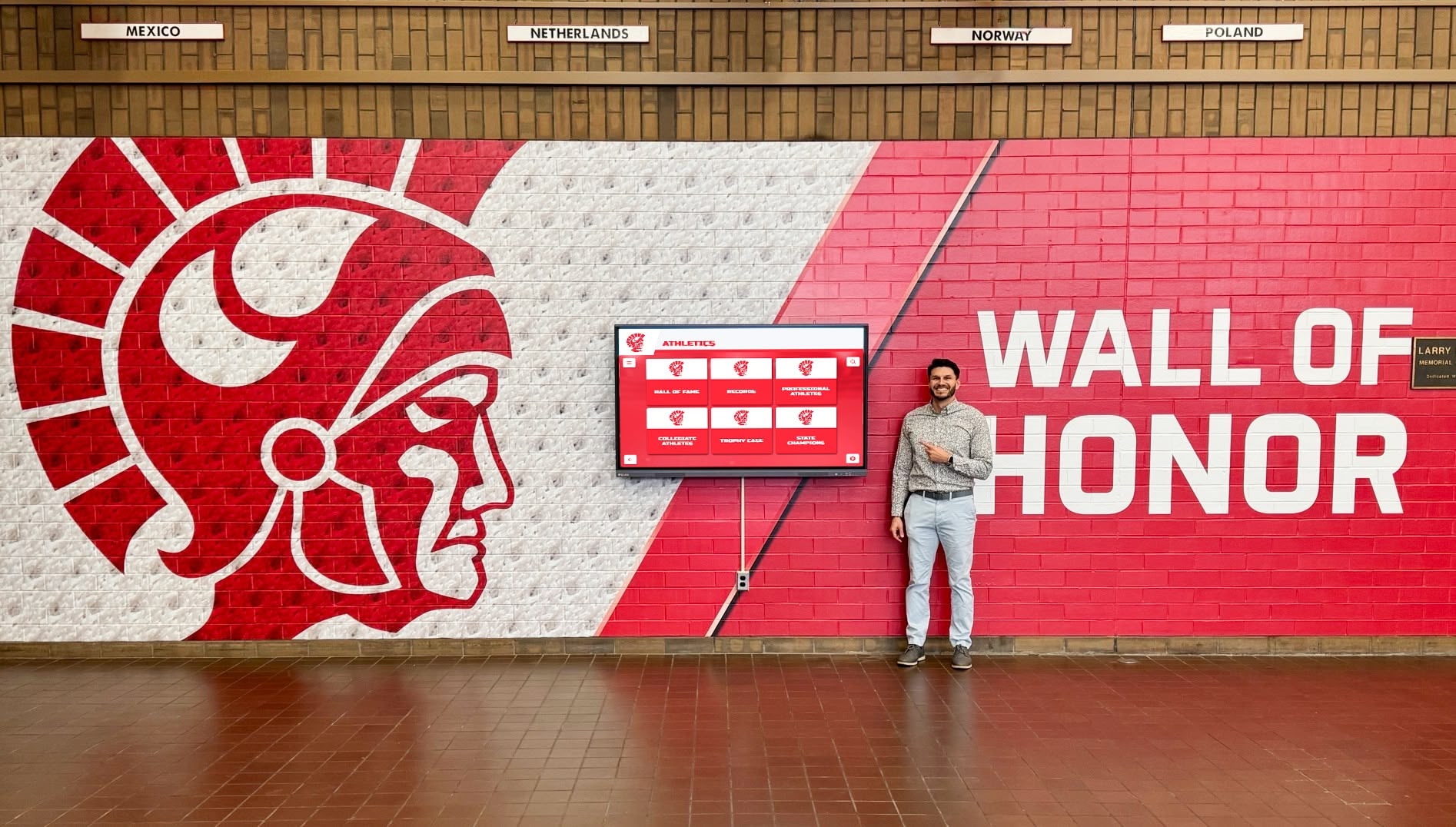
Campaign-specific recognition displays celebrate supporters advancing particular initiatives while maintaining comprehensive donor acknowledgment
Strategic Placement
- Display campaign recognition prominently in spaces funded by campaign
- Create campaign visualization showing progress toward goals with donor acknowledgment
- Update campaign displays in real-time during active fundraising phases
- Transition campaign displays to permanent recognition after completion
- Maintain campaign context explaining initiative purpose and impact
Digital Advantages for Campaign Recognition Interactive touchscreens excel at campaign-specific recognition by:
- Showing real-time progress toward campaign goals
- Highlighting recent gifts encouraging continued momentum
- Organizing donors by campaign designation or purpose
- Rotating campaign spotlight while maintaining comprehensive donor database
- Transitioning seamlessly from active campaign tracking to permanent acknowledgment
Campaign recognition works alongside permanent comprehensive donor walls, celebrating specific initiative supporters while maintaining overall organizational donor acknowledgment.
Best Practices for Nonprofit Donor Wall Implementation
Successful donor recognition requires thoughtful planning beyond selecting display types.
Establishing Recognition Policies
Clear guidelines prevent confusion and ensure consistent, fair donor acknowledgment:
Essential Policy Elements
- Recognition thresholds for each giving level and society
- Naming rights policies including approval processes and duration
- Anonymous donor accommodation procedures respecting privacy preferences
- Pledge recognition timing and contingency handling for unfulfilled commitments
- Recognition permanence policies addressing display duration
- Modification and removal procedures for rare exceptional circumstances
Donor Communication
- Explain recognition options clearly during gift solicitation
- Confirm name spelling, titles, and display preferences with donors
- Provide recognition previews before public display when possible
- Set realistic timeline expectations for recognition implementation
- Document procedures for addressing donor concerns or requests
Approval Workflows
- Define staff authorization for different recognition types and levels
- Establish board approval requirements for major naming opportunities
- Conduct legal review for contractual naming commitments
- Assign development committee oversight ensuring recognition consistency
- Document precedent-setting decisions creating institutional memory
Well-documented policies prevent misunderstandings while ensuring donor recognition aligns with organizational values and maintains fairness across supporters.
Budgeting for Donor Recognition
Appropriate recognition requires realistic budget planning accounting for initial and ongoing costs:
Traditional Recognition Investment
- Bronze plaques: $75-$400 per donor depending on size and mounting complexity
- Comprehensive plaque walls: $5,000-$50,000 for multi-donor installations with mounting
- Architectural signage for named spaces: $2,000-$15,000 per location
- Artistic custom installations: $10,000-$100,000+ for commissioned recognition art
- Brick and paver programs: $100-$500 per brick including engraving and installation
Digital Recognition Investment
- Commercial touchscreen displays: $3,000-$10,000 depending on size (55"-86")
- Content management software: $1,000-$5,000 annually for cloud-based platforms
- Installation and professional mounting: $1,000-$3,000 including hardware and labor
- Initial content development: $2,000-$10,000 for comprehensive donor database creation
- Ongoing content management: 2-5 hours monthly for active recognition programs
According to nonprofit fundraising research from Donorbox, organizations should plan to allocate 8-14% of campaign funds raised toward appropriate donor recognition that honors supporters while inspiring future giving.
Total Cost of Ownership Considerations
- Calculate five-year total investment including all recurring costs
- Account for recognition maintenance and periodic updates
- Consider scalability costs as donor base grows
- Factor administrative time required for recognition management
- Evaluate return on investment through improved donor retention
Organizations should view recognition as strategic fundraising investment rather than pure expense, given proven impact on donor retention rates and gift progression.
Placement and Visibility Strategy
Where donor recognition appears significantly affects its effectiveness:
High-Impact Locations
- Main entrance lobbies creating immediate visibility for all visitors
- Reception areas where guests wait and naturally observe surroundings
- Hallways connecting frequently used spaces ensuring regular exposure
- Spaces directly funded by donors creating clear gift-to-impact connections
- Program delivery areas where beneficiaries witness supporter generosity
Accessibility Considerations
- ADA-compliant mounting height ensuring wheelchair accessibility
- Adequate lighting highlighting recognition displays effectively
- Clear sightlines from natural traffic patterns
- Comfortable viewing distance and angle for reading content
- QR code placement enabling mobile device access for extended content
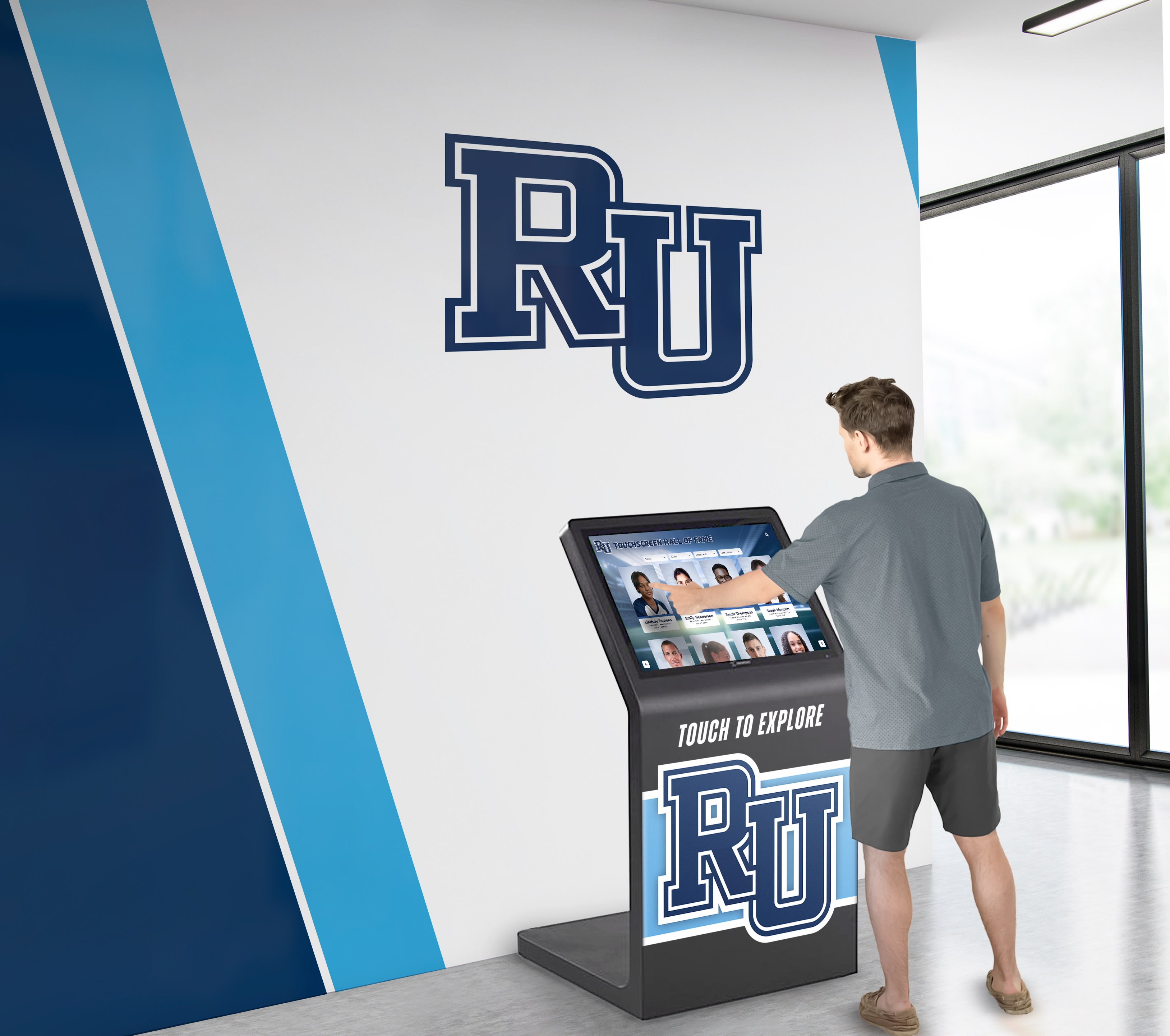
Proper placement and accessibility ensure all community members can engage with donor recognition displays
Multiple Display Strategy Organizations with multiple facilities or large campuses benefit from networked recognition displays. Implement identical content across several locations, managed centrally through cloud-based platforms. This approach maximizes donor visibility while simplifying content management.
Content Development and Maintenance
Quality recognition requires sustained attention beyond initial installation:
Initial Content Development
- Gather comprehensive donor information from fundraising databases
- Collect high-resolution photos of donors and programs
- Conduct donor interviews about motivations and connections to mission
- Write consistent biographical narratives maintaining appropriate tone
- Organize content into logical categories and navigation structures
- Secure necessary permissions for photos, quotes, and personal information
Ongoing Maintenance Schedule
- Add new donors immediately following gift receipt and processing
- Update donor information quarterly reflecting address changes or preferences
- Refresh impact stories annually demonstrating current program outcomes
- Conduct annual content audits ensuring accuracy and completeness
- Plan content enhancements adding multimedia elements over time
Religious organizations implement donor recognition appropriate for faith communities, balancing acknowledgment with theological values around humility and stewardship.
Content Quality Standards
- Maintain consistent formatting and biographical length across all donors
- Use professional photography rather than amateur snapshots
- Edit all text for grammar, spelling, and appropriate tone
- Verify factual accuracy before publishing donor information
- Respect privacy by obtaining explicit permission for sensitive content
Organizations should designate specific staff responsible for recognition content and establish regular review cycles ensuring displays remain current, accurate, and engaging.
Avoiding Common Donor Wall Mistakes
Learning from typical implementation challenges helps nonprofits create more effective recognition programs.
Underestimating Space Requirements
Many nonprofits fail to plan adequately for growing donor bases:
The Space Problem Traditional physical donor walls quickly fill available space, leaving organizations facing difficult decisions about:
- Removing historical recognition to accommodate new donors
- Limiting recognition to only highest giving levels
- Expensive building renovations adding wall space
- Inconsistent visual appearance as displays expand piecemeal
Planning Solutions
- Calculate realistic capacity needs for 10-20 year donor growth
- Choose recognition systems designed for expansion
- Consider digital displays with unlimited capacity
- Implement hybrid approaches balancing physical and digital recognition
- Design initial installations anticipating future additions
Digital recognition platforms eliminate space constraints entirely. A single touchscreen accommodates unlimited donors without physical expansion, making capacity planning straightforward.
Neglecting Accessibility Requirements
Organizations often overlook accessibility until facing complaints or compliance issues:
Legal Obligations Nonprofits serving public facilities must comply with ADA requirements for digital displays, including:
- WCAG 2.1 AA standards for web content accessibility
- Physical mounting heights and reach ranges for touchscreens
- Alternative access methods for visitors with disabilities
- Sufficient color contrast for visually impaired visitors
- Screen reader compatibility for biographical content
Inclusive Design Benefits Beyond legal compliance, accessible recognition ensures all community members can engage with donor content regardless of physical or cognitive abilities. QR code access to mobile devices provides alternative interaction methods respecting diverse accessibility needs.
Organizations should evaluate accessibility during vendor selection, ensuring chosen recognition platforms build compliance into core functionality rather than treating it as optional add-on.

Accessible donor recognition ensures all community members can explore and appreciate supporter contributions
Focusing Only on Major Donors
While major gift recognition deserves prominence, exclusive focus on top donors alienates broader supporter base:
The Inclusivity Challenge Donors at all levels want acknowledgment. Recognition programs emphasizing only major gifts send problematic messages:
- Smaller contributions don’t matter or aren’t appreciated
- Only wealthy supporters deserve acknowledgment
- Organization values money over mission commitment
- Modest donors should feel excluded from community
Comprehensive Recognition Strategies
- Create tiered recognition acknowledging all giving levels appropriately
- Design sections specifically celebrating annual fund and modest donors
- Implement digital systems with unlimited capacity honoring every supporter
- Feature impact stories from all giving levels demonstrating collective power
- Celebrate cumulative giving recognizing sustained modest support over time
Many educational programs implement inclusive recognition approaches that acknowledge supporters at all levels while maintaining appropriate distinction for transformational gifts.
Balance Strategies
- Allocate physical space proportionally across giving levels
- Use different visual treatments distinguishing recognition tiers appropriately
- Ensure major donor prominence without completely excluding smaller supporters
- Design navigation allowing easy access to all donor categories
- Frame collective impact alongside individual contributions
Inclusive recognition builds broader community support by demonstrating that every gift matters while maintaining appropriate major donor acknowledgment.
Implementing Without Clear Policies
Organizations rushing into donor recognition without establishing clear policies face problems:
Policy Gaps Create Issues
- Inconsistent recognition across similar giving levels
- Donor confusion about recognition timing and placement
- Staff uncertainty about handling special requests
- Difficulty addressing recognition errors or changes
- Precedents set unintentionally affecting future decisions
Essential Policies to Establish
- Recognition thresholds and corresponding acknowledgment types
- Timeline expectations from gift receipt to public recognition
- Anonymous donor procedures and privacy protections
- Pledge recognition contingencies for unfulfilled commitments
- Name change and correction procedures
- Recognition removal policies for exceptional circumstances
Document policies in writing, communicate them clearly to staff and donors, and review them annually ensuring continued relevance as programs evolve.
Selecting Donor Wall Vendors and Solutions
Choosing the right recognition partner significantly affects implementation success and long-term satisfaction.
Evaluation Criteria for Donor Wall Providers
When comparing donor recognition vendors, assess these critical factors:
Content Capacity and Scalability
- Unlimited versus capped donor entries
- Photo, video, and multimedia storage limitations
- Ability to grow recognition without platform constraints
- Archive capacity for long-term historical content
Management and Accessibility
- Cloud-based remote content management from any device
- Role-based access controls for multiple administrators
- ADA WCAG 2.1 AA compliance for accessibility
- QR code access extending recognition to mobile devices
- Integration capabilities with existing fundraising databases
Implementation Support
- Professional content development services
- Hardware procurement and installation coordination
- Administrator training and ongoing technical support
- Design services ensuring brand-appropriate aesthetics
- Launch support facilitating successful public debut
Total Cost Factors
- Initial hardware and software investment
- Annual licensing or subscription fees
- Content development and migration services
- Ongoing support and maintenance costs
- Hardware replacement frequency and expense
Organizations should calculate five-year total cost of ownership rather than focusing solely on initial purchase price.
Leading Donor Wall Solutions in 2026
Several vendors provide nonprofit donor recognition platforms with varying capabilities:
Rocket Alumni Solutions Offers comprehensive digital donor recognition with unlimited content capacity, professional templates, ADA compliance, cloud-based management, and QR code mobile access. Complete implementations including hardware, software, installation, and content development typically range $10,000-$30,000. Organizations particularly value unlimited capacity eliminating future space constraints and professional content development services accelerating implementation.
Traditional Recognition Vendors Companies specializing in bronze plaques, engraved walls, and architectural signage provide prestigious permanent recognition. Pricing varies significantly based on materials, size, and complexity. Organizations should verify examples, understand modification procedures, and confirm long-term maintenance requirements.
General Digital Signage Platforms Several digital signage vendors support donor recognition applications through template customization. These solutions require more internal technical expertise but offer flexibility for organizations with IT resources. Carefully evaluate content database capabilities, accessibility features, and recognition-specific functionality.
Healthcare organizations implement donor recognition strategies appropriate for clinical environments while celebrating supporters advancing medical missions.
Questions to Ask Potential Vendors
Content and Capacity
- What content limits exist for donors, photos, videos, and text?
- How easily can we add new donors and update existing information?
- What happens to our content if we change vendors in the future?
- Can we export our complete donor database from your platform?
Accessibility and Technology
- Does your solution comply with ADA WCAG 2.1 AA standards?
- How do visitors with disabilities access recognition content?
- What happens if touchscreen technology fails or requires replacement?
- Do you offer QR code access for mobile device viewing?
Support and Services
- What training do you provide for content administrators?
- What ongoing technical support is included in pricing?
- Do you offer professional content development services?
- How often do you update software and add new features?
Costs and Contracts
- What are all costs including hardware, software, installation, and annual fees?
- What does the warranty cover and for how long?
- What are hardware replacement costs when displays eventually age out?
- Can we add additional displays later at what pricing?
Comprehensive vendor evaluation prevents costly mistakes and ensures recognition solutions serve organizational needs effectively for 10-20+ years.
Measuring Donor Wall Effectiveness
Assessment ensures recognition investments deliver intended fundraising and stewardship outcomes.
Quantitative Metrics to Track
Donor Retention Analysis
- Compare retention rates for recognized versus non-recognized donors
- Track multi-year retention trends after recognition implementation
- Measure retention differences across recognition tiers
- Calculate retention improvement attribution to recognition program
Gift Progression Tracking
- Monitor gift upgrade frequency among recognized donors
- Measure time between initial gift and first upgrade
- Compare upgrade rates across different recognition approaches
- Track cumulative giving growth following recognition
New Donor Acquisition
- Survey new donors about recognition influence on giving decisions
- Track giving patterns from visitors exposed to donor walls
- Measure referral attribution from existing recognized donors
- Compare acquisition costs for recognition-influenced donors
Return on Investment Calculation
- Calculate total recognition program costs over measurement period
- Sum incremental contributed revenue attributed to recognition
- Measure retention savings from reduced donor attrition
- Compare ROI against other fundraising investments
Research from Double the Donation demonstrates that comprehensive recognition programs typically deliver 3:1 to 8:1 return on investment through improved retention and gift progression.
Qualitative Assessment Methods
Donor Satisfaction Surveys
- Ask recognized donors about their recognition experience
- Gather feedback about recognition appropriateness and quality
- Understand emotional impact of seeing their acknowledgment
- Collect suggestions for recognition improvements
Stakeholder Feedback
- Observe how visitors engage with recognition displays
- Collect staff impressions about donor reactions
- Gather board member perspectives on recognition effectiveness
- Document anecdotal evidence of recognition inspiring giving
Usage Analytics For digital recognition displays:
- Track which donor profiles receive most views
- Measure total engagement time with recognition content
- Identify popular search terms and navigation patterns
- Monitor QR code scanning frequency for mobile access
Continuous Improvement Process
- Conduct annual recognition program reviews
- Benchmark against peer organization approaches
- Test content variations measuring engagement differences
- Implement iterative enhancements based on feedback and data
Organizations treating recognition as dynamic programs requiring regular assessment create more effective donor stewardship than those viewing recognition as static one-time installations.
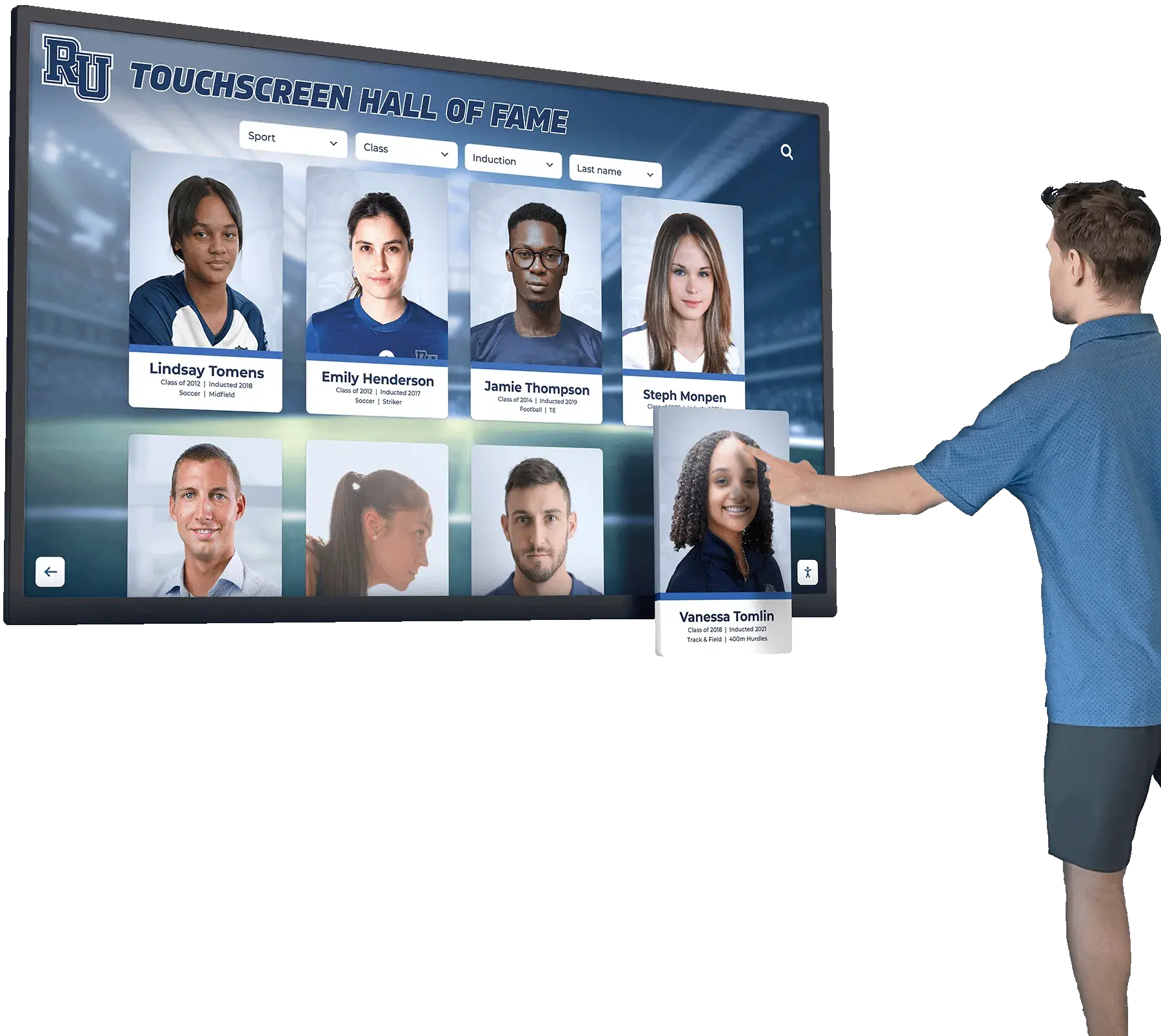
Modern recognition platforms provide analytics helping organizations understand how donors and visitors engage with content
Future Trends in Nonprofit Donor Recognition
Understanding emerging developments helps organizations plan recognition programs remaining relevant for decades.
Technology Integration Advances
Artificial Intelligence Content Development AI tools increasingly assist with biographical content creation, photo enhancement, and personalized donor communications. Organizations should evaluate AI applications that reduce administrative burden while maintaining authentic human storytelling.
Augmented Reality Experiences AR technology enables visitors to point smartphones at physical recognition elements, accessing additional digital content overlaid on their device screens. This hybrid approach combines traditional aesthetic preferences with digital content richness.
Voice Interface Accessibility Voice-activated search and content access improves recognition accessibility for visitors with visual impairments or mobility limitations. Expect broader voice interface adoption in public recognition displays.
Organizations can explore museum-style interactive displays incorporating emerging technologies while maintaining focus on authentic donor appreciation.
Changing Donor Expectations
Transparency Demands Donors increasingly expect visibility into exactly how contributions create impact. Recognition displays incorporating impact metrics, beneficiary stories, and measurable outcomes satisfy transparency expectations while celebrating support.
Privacy Preferences Growing privacy awareness means more donors prefer anonymous or limited recognition. Recognition systems must accommodate diverse preferences from public celebration to complete anonymity.
Sustainable Materials Environmentally conscious donors value recognition using sustainable materials and energy-efficient technology. Organizations should consider environmental impact when selecting recognition approaches.
Hybrid Physical-Digital Integration
The future likely involves sophisticated integration of traditional and digital recognition:
- Physical donor walls with embedded touchpoints accessing additional digital content
- QR codes on traditional plaques linking to comprehensive online donor profiles
- Rotating physical displays complemented by permanent digital databases
- Virtual reality recognition experiences accessible remotely
Organizations planning donor recognition should design systems allowing future technology integration while maintaining core mission of authentic supporter appreciation.
Conclusion
Donor walls for nonprofits serve dual purposes as genuine appreciation and strategic fundraising tools. When organizations thoughtfully design recognition programs—establishing clear policies, selecting appropriate display methods, and creating meaningful experiences—they strengthen relationships with existing donors while demonstrating stewardship that attracts new supporters.
The ten donor wall ideas explored in this guide provide frameworks for celebrating philanthropy across various organizational contexts, budgets, and supporter preferences. From traditional bronze plaques to interactive digital touchscreens, recognition approaches should align with organizational values, accommodate growing donor bases, and remain sustainable long-term.
Modern digital recognition displays increasingly represent the most practical solution for nonprofits seeking comprehensive donor acknowledgment without physical space constraints. Solutions like Rocket Alumni Solutions eliminate traditional limitations through unlimited content capacity while creating engaging interactive experiences telling compelling stories about philanthropic impact. Cloud-based management simplifies administration, while features like QR code mobile access extend recognition beyond physical locations.
Whether implementing first donor walls or enhancing existing recognition, success requires viewing acknowledgment as strategic relationship investment rather than obligatory expense. Organizations planning carefully, respecting donor preferences, and continuously improving based on feedback create recognition programs strengthening fundraising while honoring supporters authentically.
Your donors deserve recognition celebrating their generosity while inspiring others to support your mission. Start with approaches matching current capabilities and resources, then systematically enhance recognition as programs mature. Every improvement creates more meaningful acknowledgment for supporters whose philanthropy makes your nonprofit’s mission possible.
According to research from Neon One, nonprofits that implement thoughtful recognition programs see measurable improvements in donor retention, gift progression, and overall fundraising effectiveness compared to organizations providing minimal acknowledgment.
Ready to explore modern donor recognition solutions that scale with your growing supporter community while eliminating the limitations of traditional physical displays? Talk to our team to discuss how interactive touchscreen platforms can help you create comprehensive recognition honoring every donor at every giving level while strengthening relationships that sustain your nonprofit’s mission for years to come.