Donor walls represent one of the most visible and enduring forms of recognition that schools, nonprofits, hospitals, religious institutions, and cultural organizations use to honor supporters. These public displays acknowledge philanthropic contributions while inspiring future giving through visible celebration of community support. When thoughtfully implemented, donor walls strengthen relationships with existing supporters, demonstrate stewardship to prospective donors, and create lasting recognition that reinforces institutional values around gratitude and giving.
Yet organizations face persistent challenges with donor recognition displays. Traditional bronze plaques quickly fill available wall space, leaving no capacity for new supporters. Physical displays require expensive updates each time donors contribute. Static recognition provides limited information beyond names and dates, missing opportunities to share compelling stories about philanthropic impact. Meanwhile, organizations struggle to honor supporters across all giving levels without excessive costs or complexity.
This comprehensive guide explores donor walls in 2026—examining traditional and modern approaches, comparing benefits and limitations, providing implementation strategies, and helping organizations select recognition solutions that celebrate supporters effectively while remaining sustainable and able to grow for years to come.
Organizations implementing effective donor recognition programs report 15-30% higher donor retention rates compared to those providing minimal acknowledgment, according to nonprofit fundraising research. Recognition matters because it validates donor decisions, demonstrates tangible impact, strengthens emotional connections to organizational missions, and creates social proof that encourages additional giving throughout communities.
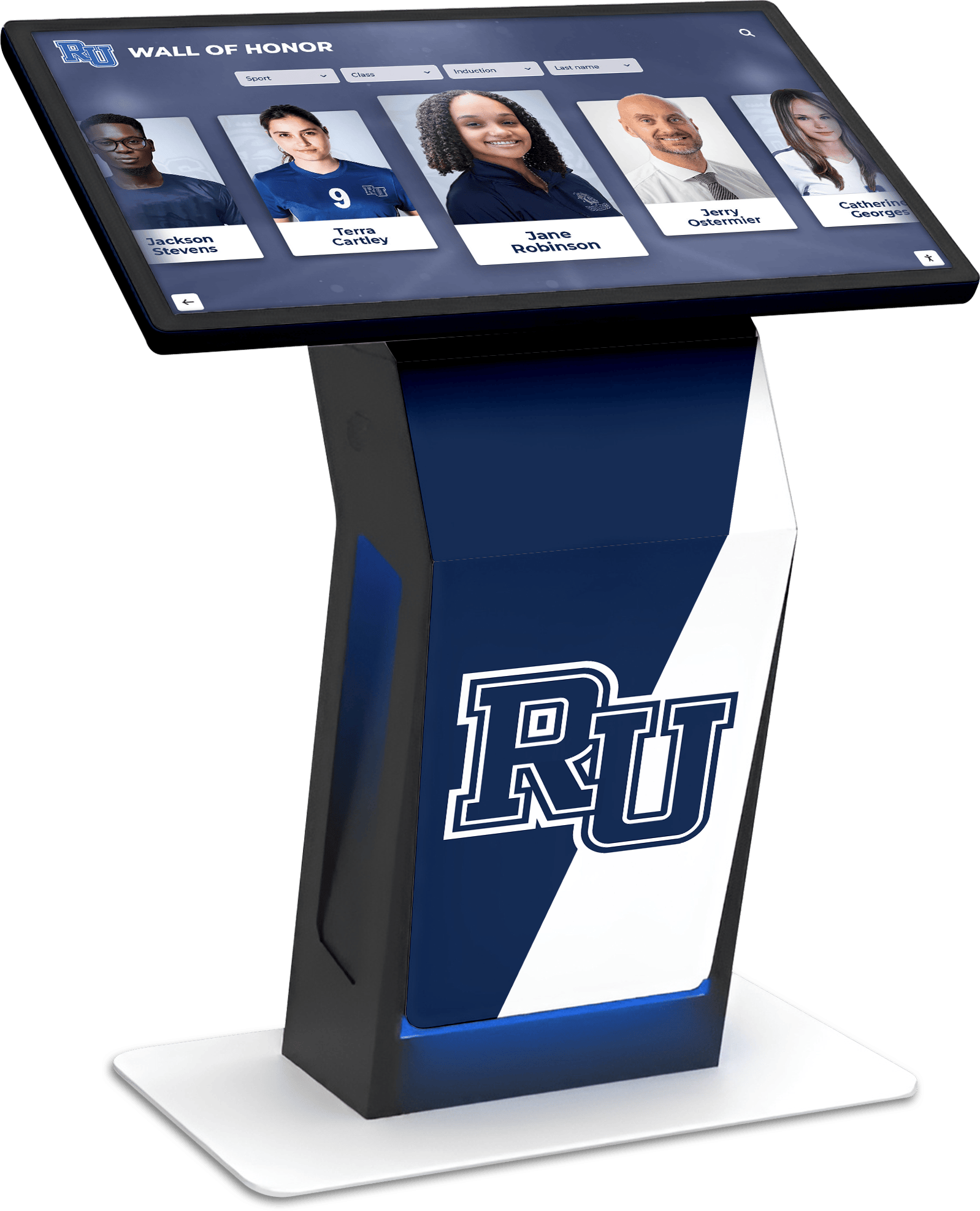
Donor walls create visible expressions of gratitude that honor supporters while inspiring continued philanthropy
What Are Donor Walls?
Donor walls are public displays that recognize individuals, families, businesses, and organizations who have contributed financially or through other means to support an institution’s mission. These recognition systems range from traditional engraved plaques mounted on physical walls to modern interactive digital displays that present unlimited supporters through searchable databases.
Core Functions of Donor Recognition Walls
Stewardship and Appreciation Donor walls demonstrate genuine gratitude for philanthropic support through visible, lasting acknowledgment. Public recognition validates contributors’ decisions to support your organization while creating tangible evidence that gifts are valued and appreciated.
Inspiration and Cultivation Visible donor recognition inspires additional giving by demonstrating broad community support. Prospective donors see how their peers contribute and understand how their own gifts will be acknowledged, while existing supporters feel motivated to increase giving when they see recognition opportunities.
Transparency and Trust Public donor displays demonstrate accountability by showing who supports your organization and at what levels. This transparency builds confidence among prospective donors while strengthening institutional credibility throughout broader communities.
Historical Documentation Recognition walls preserve institutional history by documenting philanthropic support across decades. These archives celebrate foundational donors alongside current contributors, creating narrative timelines that connect organizational evolution to community generosity.
Types of Organizations Using Donor Walls
Educational Institutions
- K-12 schools honoring booster club members and annual fund donors
- Colleges and universities recognizing alumni giving and major gifts
- Private schools celebrating capital campaign contributors
- Academic programs acknowledging scholarship and endowment supporters
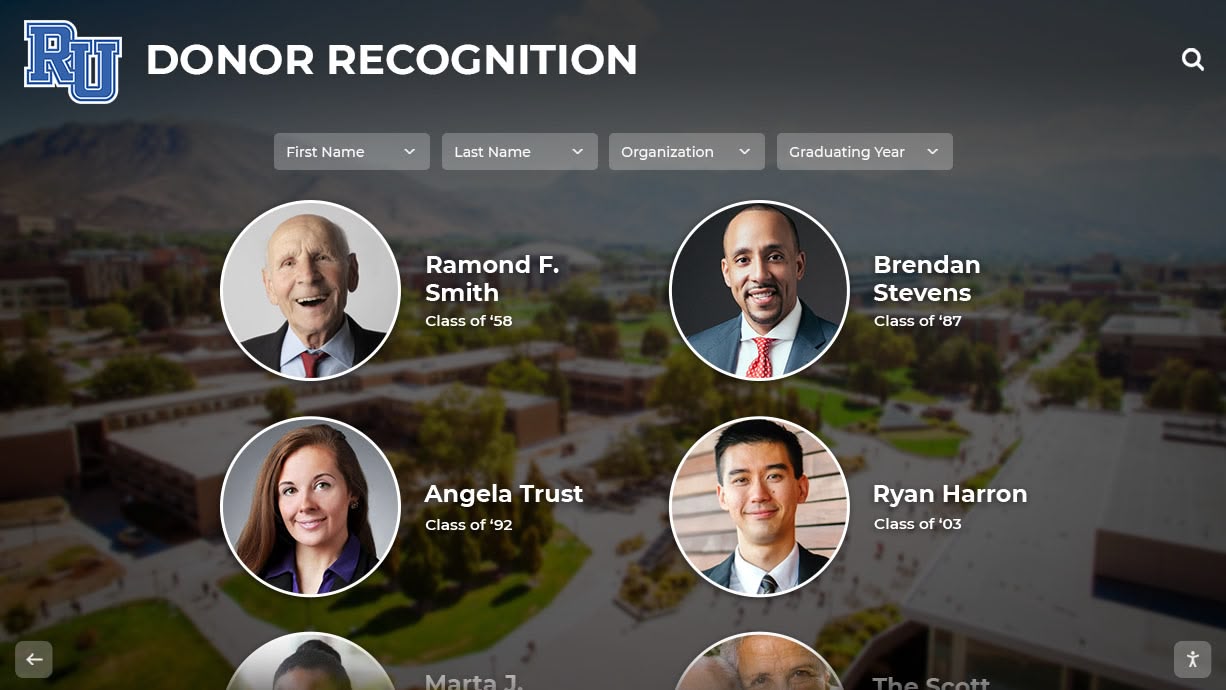
Educational institutions use donor walls to celebrate supporters across all giving levels
Healthcare Organizations
- Hospitals recognizing medical equipment and facility donors
- Health foundations acknowledging research and program supporters
- Treatment centers honoring memorial and tribute gifts
- Medical colleges celebrating endowment and scholarship donors
Religious Institutions
- Churches honoring building campaign contributors
- Synagogues recognizing capital improvement donors
- Temples acknowledging program and mission supporters
- Faith-based nonprofits celebrating community generosity
Cultural Organizations
- Museums recognizing exhibition and acquisition sponsors
- Performing arts centers honoring season and series underwriters
- Libraries acknowledging collection and program donors
- Community centers celebrating facility improvement contributors
Nonprofit Organizations
- Foundations recognizing major gift and annual fund supporters
- Social service agencies honoring program-specific contributors
- Environmental organizations acknowledging conservation donors
- Advocacy groups celebrating campaign and operating supporters
Understanding how different organization types implement donor recognition helps inform strategic decisions about display design, content structure, and recognition program objectives.
Traditional Donor Wall Approaches
Physical donor recognition has evolved significantly over decades, though fundamental approaches remain popular for good reasons.
Bronze and Metal Plaque Systems
Engraved plaques represent the most traditional donor recognition method, creating formal, prestigious acknowledgment appropriate for major gifts.
Design Elements
- Individual bronze or brass plaques for major donors mounted on prominent walls
- Tiered displays organizing contributors by giving level or society
- Perpetual plaque systems with removable nameplates allowing additions over time
- Custom metalwork incorporating organizational branding and visual identity
- Artistic installations making recognition architecturally significant
Materials and Construction Traditional plaques typically use bronze, brass, stainless steel, or aluminum with various finish options including polished, brushed, oxidized, or powder-coated surfaces. Engraving methods include rotary engraving, laser etching, chemical etching, or cast lettering, each offering different aesthetic results and durability characteristics.
Advantages of Traditional Plaques
- Timeless aesthetic conveying permanence and importance
- Prestigious feel appropriate for leadership-level major gift recognition
- No technology requirements or ongoing maintenance concerns
- Strong visual impact in traditional institutional settings
- Perceived higher value for top-tier donor acknowledgment
Limitations and Challenges
- Physical space constraints limiting total recognition capacity
- Expensive modifications when adding new donors or correcting errors
- Challenging to accommodate all giving levels meaningfully within space limits
- Engraving mistakes require costly plaque replacement
- Limited information display beyond names and sometimes gift amounts
- Time lag of weeks or months between gift receipt and physical installation
Organizations implementing donor recognition examples often combine traditional plaques for major donors with alternative approaches for broader recognition.
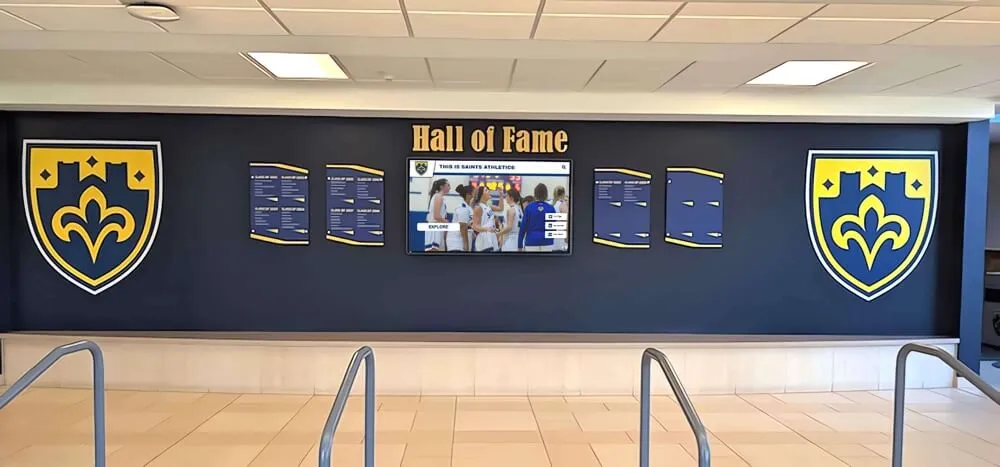
Traditional plaques create prestigious recognition but face space and flexibility limitations
Donor Brick and Paver Programs
Exterior walkways, gardens, and courtyards offer creative recognition opportunities through personalized engraved bricks or pavers.
Implementation Strategies
- Personalized engraved bricks creating donor pathways and walkways
- Garden pavers surrounding memorial spaces or reflection areas
- Courtyard installations connecting buildings or outdoor gathering spaces
- Entryway designs making donor recognition part of arrival experiences
- Designed patterns integrating bricks into larger landscape installations
Program Design Considerations
- Multiple brick sizes accommodating different giving levels ($100-$500 typical)
- Clear guidelines about message length, content appropriateness, and engraving options
- Weather-resistant engraving techniques ensuring long-term visibility and durability
- Strategic placement in high-traffic areas maximizing donor and community exposure
- Complementary signage explaining program significance and honoring contributors
Advantages
- Large capacity accommodating hundreds or thousands of donors
- Accessible entry-level giving opportunity encouraging broad participation
- Permanent outdoor recognition appropriate for facility-focused campaigns
- Personal messages enabling individual expression beyond just names
- Natural expansion capability as programs grow over years
Challenges
- Weather exposure eventually degrading engraving visibility
- Outdoor locations receiving less foot traffic than interior spaces
- Seasonal accessibility in climates with significant snow or extreme temperatures
- Maintenance requirements including cleaning and occasional paver releveling
- Limited content capacity compared to digital alternatives
Brick programs work especially well for schools implementing booster club fundraising ideas focused on athletic facility enhancements or outdoor space improvements.
Named Spaces and Architectural Recognition
Major gifts often receive acknowledgment through permanent naming rights for physical spaces within facilities.
Naming Opportunity Levels
- Buildings or wings recognizing transformational gifts (typically $500K-$10M+)
- Rooms, classrooms, or offices honoring major donors ($25K-$250K typical)
- Lobbies, atriums, or common spaces bearing donor names ($50K-$500K typical)
- Gardens, courtyards, or outdoor areas dedicated to supporters
- Specific program elements like scholarships or endowment funds
Signage Integration
- Permanent architectural signage at named space entrances and throughout facilities
- Donor story plaques explaining gift impact, motivation, and connection to mission
- Historical context connecting donors to space purpose and organizational evolution
- Photo installations showing space use, beneficiaries served, and program impact
- Directional signage throughout facilities reinforcing recognition and wayfinding
Contractual Considerations Organizations should establish clear policies addressing naming duration, circumstances requiring name changes, donor communication protocols, and approval processes. Written agreements documenting naming commitments prevent future misunderstandings while protecting both institutional and donor interests.
Named space recognition creates lasting legacy acknowledgment appropriate for leadership-level philanthropy, though it requires significant gifts and works best for organizations with physical facility needs.
Modern Digital Donor Wall Solutions
Technology fundamentally transforms donor recognition by eliminating traditional limitations while creating engaging interactive experiences that tell richer stories about philanthropic impact.
Interactive Touchscreen Donor Displays
Digital donor walls represent the most significant innovation in recognition technology, offering capabilities impossible with physical plaques.
Unlimited Recognition Capacity The most significant advantage: digital displays eliminate space constraints entirely. A single 55-inch touchscreen can acknowledge thousands of donors across all giving levels without ever running out of capacity. Organizations honor every annual fund contributor, memorial gift, scholarship donor, and major gift supporter while maintaining unlimited room for future growth.
This capacity fundamentally changes recognition program strategy. Rather than exclusive systems recognizing only highest giving levels, organizations implement inclusive approaches honoring all supporters while clearly differentiating recognition tiers through rich content rather than physical placement alone.
Instant Updates and Remote Management Cloud-based content management systems enable authorized staff to add new donors, correct information errors, update biographical content, and publish changes within minutes—all from any internet-connected device without requiring physical access to display locations. This eliminates the months-long lag between gift receipt and physical plaque production.
Organizations report 70-90% reduction in administrative time managing donor recognition after implementing digital systems compared to traditional plaque coordination and maintenance. Development staff focus on relationship building rather than recognition logistics.
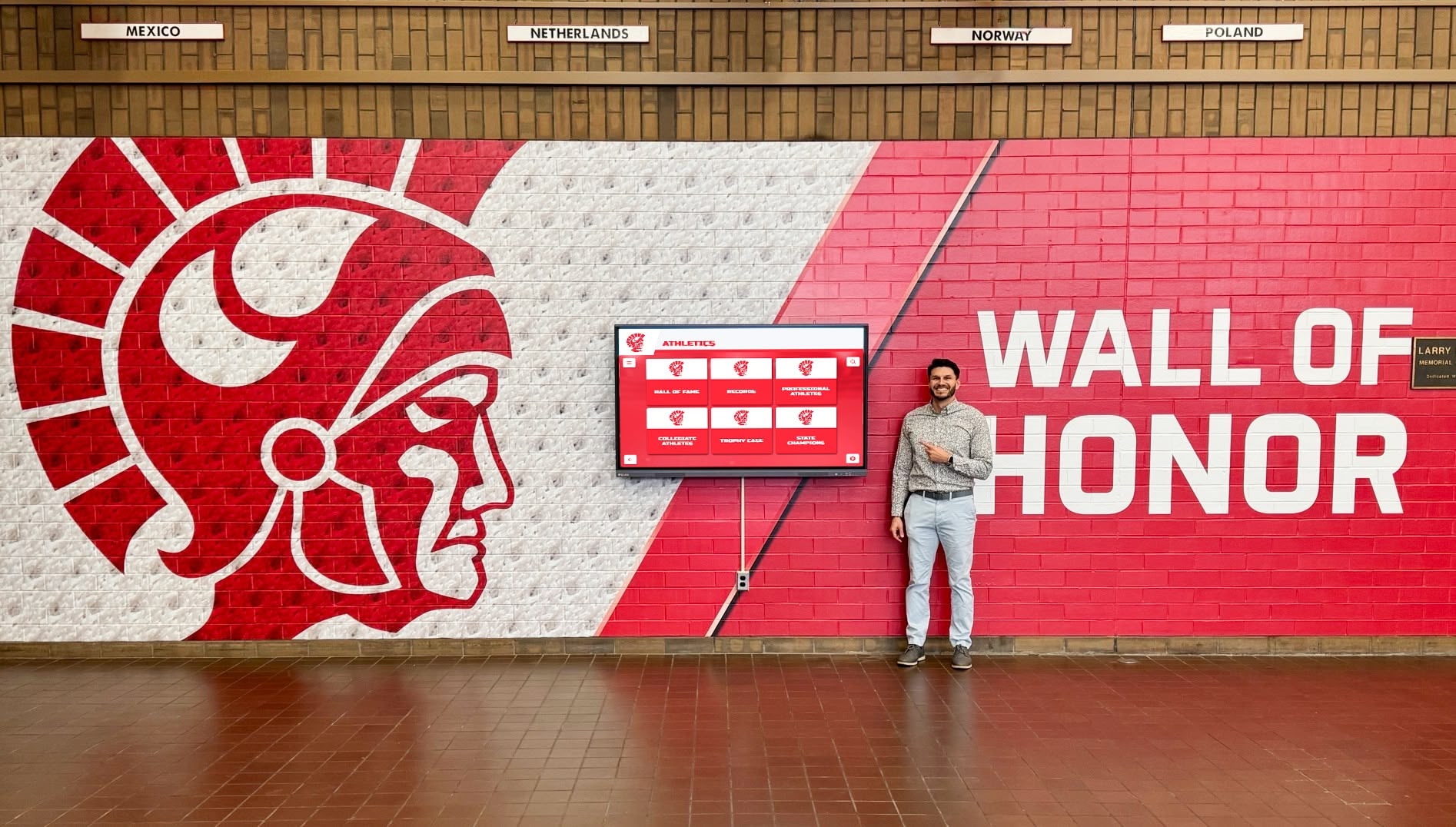
Touchscreen donor walls enable visitors to explore philanthropic support through intuitive interactive interfaces
Rich Multimedia Content Digital platforms transform donor recognition from simple name lists into compelling narratives about philanthropic impact:
- Donor profiles: Biographical information explaining personal connections to organizational mission
- Impact stories: Specific descriptions of what gifts accomplish and programs they enable
- Photo galleries: Images showing donors, programs funded, and beneficiaries served
- Video testimonials: Recorded messages from donors and those who benefit from support
- Historical timelines: Chronological views connecting philanthropic support to institutional evolution
- Interactive presentations: Combinations of images, video, audio, and text creating rich experiences
Organizations implementing multimedia recognition report visitors spending 5-10 minutes actively exploring content versus 30 seconds glancing at traditional plaque walls, significantly increasing recognition impact and donor satisfaction.
Search and Filtering Capabilities Large donor databases become accessible through powerful search functionality enabling visitors to find specific supporters, explore giving societies, or filter by campaign, designation, or custom categories. Partial matching and spelling suggestions ensure visitors locate desired donors even with approximate name knowledge.
This searchability proves especially valuable for organizations with decades of donor history, making comprehensive databases navigable rather than overwhelming.
QR Code Mobile Access Visitors scan QR codes displayed on screens or adjacent signage to continue exploring donor content on smartphones, extending engagement beyond lobby visits while enabling easy sharing with family and friends. Mobile-optimized interfaces ensure comfortable viewing and navigation on smaller screens.
Organizations creating unique donor wall ideas use QR codes to multiply physical display reach exponentially through digital extension.
Digital Display Hardware Considerations
Screen Sizes and Placement Commercial touchscreen displays for donor recognition typically range from 55 to 86 inches diagonal, with 65-inch screens representing the most popular size balancing visibility, engagement capability, and cost. Larger screens create more impressive visual impact but require more wall space and higher investment.
Mounting Options
- Wall-mounted displays for permanent architectural integration in lobbies and hallways
- Freestanding kiosks for flexible placement without wall mounting requirements
- Double-sided displays maximizing visibility in open atrium or commons spaces
- Outdoor-rated enclosures for protected exterior installations when needed
- Mobile carts for temporary or rotating placements during special events
Technical Requirements
- Reliable network connectivity (wired Ethernet preferred over WiFi for stability)
- Adequate electrical power with surge protection
- Commercial-grade displays rated for continuous operation (24/7 capable)
- Responsive touch technology supporting multi-touch gestures
- Anti-glare screens minimizing reflections from windows and lighting
Organizations should photograph candidate locations at different times documenting lighting conditions, measuring viewing distances, and assessing technical infrastructure before finalizing placement decisions.
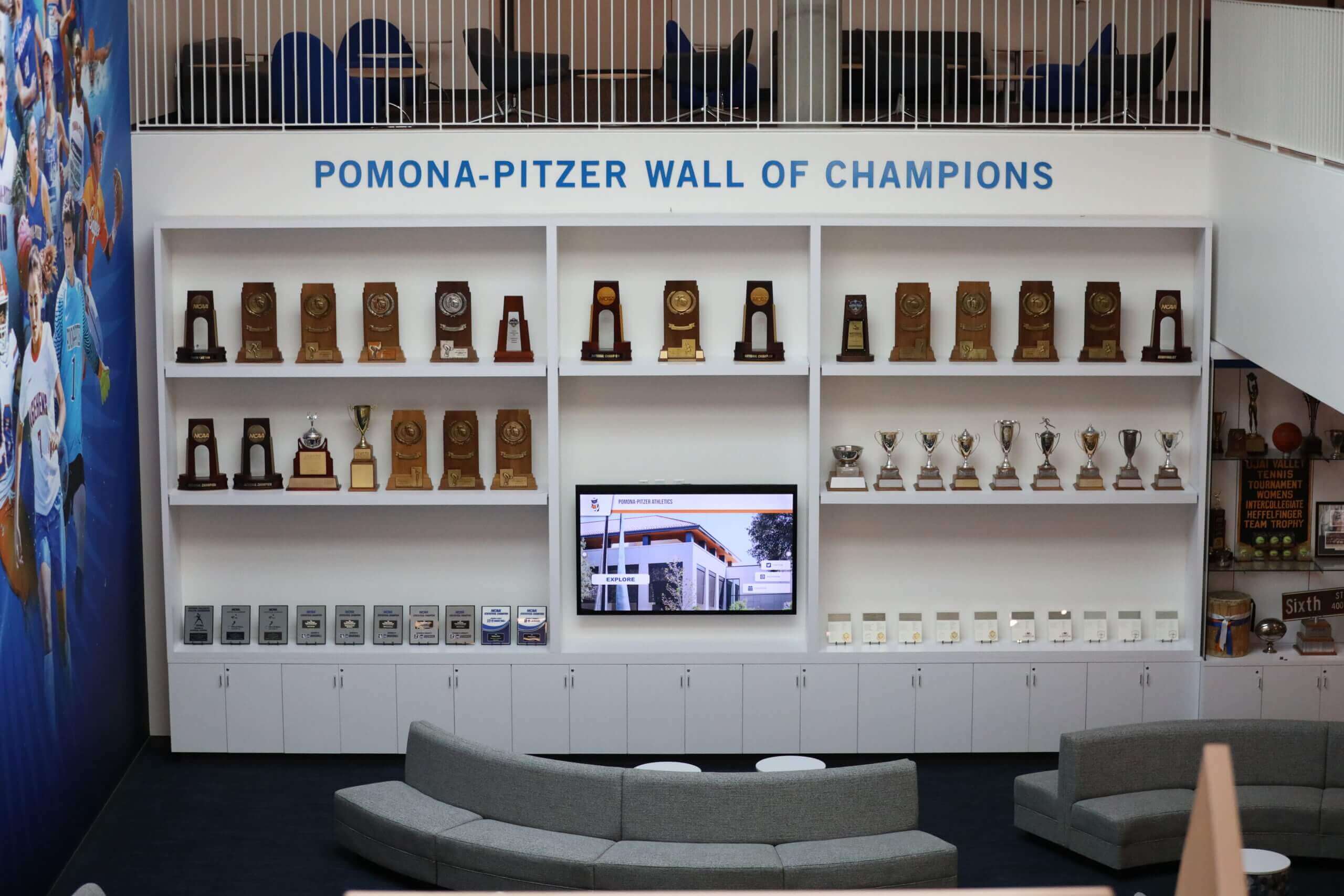
Modern installations integrate digital flexibility with traditional architectural recognition elements
Content Management Platform Features
Purpose-built donor recognition software includes specific capabilities distinguishing these solutions from generic digital signage systems.
Administrative Capabilities
- Remote content updates from any device with internet connection
- Bulk import tools uploading hundreds of donor records from spreadsheets
- Role-based permissions enabling appropriate staff access without security concerns
- Template-based layouts ensuring professional appearance without design expertise
- Scheduled displays coordinating recognition reveals with stewardship communications
- Automated notifications when specific donors view their recognition profiles
Organizational Structures
- Giving society hierarchies recognizing different contribution levels
- Campaign-specific displays for capital projects, annual funds, or special initiatives
- Memorial and tribute recognition sections with sensitive messaging
- Cumulative giving recognition acknowledging lifetime support across years
- Legacy society displays celebrating planned giving commitments
- Volunteer recognition alongside financial contributions
Analytics and Reporting
- Total interaction counts tracking overall display usage patterns
- Most frequently viewed donors revealing popular content and search behaviors
- Average session duration indicating engagement depth and content effectiveness
- Search query analysis showing what information visitors seek
- Peak usage times informing content scheduling and facility planning decisions
- Individual donor profile view counts supporting stewardship strategy
Organizations implementing nonprofit digital wall mount displays benefit from purpose-built recognition platforms rather than adapting generic technology.
Hybrid Recognition Approaches
Combining traditional and digital elements creates comprehensive systems leveraging advantages of both approaches.
Integration Strategies
- Traditional bronze plaques for highest-tier major donors with digital displays showing all supporters
- Architectural naming recognition for major gifts with touchscreens providing detailed stories
- Permanent physical donor walls featuring leadership gifts alongside digital annual giving recognition
- Rotating digital displays in multiple locations with central permanent recognition space
- Physical recognition directories complemented by searchable digital databases with rich content
Design Cohesion Successful hybrid systems maintain consistent visual identity, coordinate donor categorization across platforms, use single master databases feeding both display types, and design physical spaces accommodating traditional and digital elements harmoniously.
Hybrid approaches work especially well for organizations with established traditional recognition wanting to expand capacity while respecting heritage and major donor expectations.
Benefits of Donor Walls Across Approaches
Understanding specific advantages helps organizations select recognition approaches aligned with strategic priorities and stakeholder needs.
Donor Retention and Gift Progression
Research consistently demonstrates appropriate recognition increases donor retention and encourages gift upgrades:
Retention Impact Organizations implementing comprehensive recognition programs typically retain 15-30% more donors annually compared to those providing minimal acknowledgment. Visible appreciation strengthens emotional connections, validates giving decisions, and reinforces positive feelings about supporting missions.
Gift Progression Donors seeing recognition opportunities often increase contributions to reach higher giving societies or achieve more prominent acknowledgment. Clearly communicated recognition tiers create aspirational goals that motivate donor upgrades over time.
Lifetime Value Higher retention rates and gift progression significantly increase donor lifetime value. Even modest recognition investments generate substantial returns through improved donor relationships and giving patterns over years.
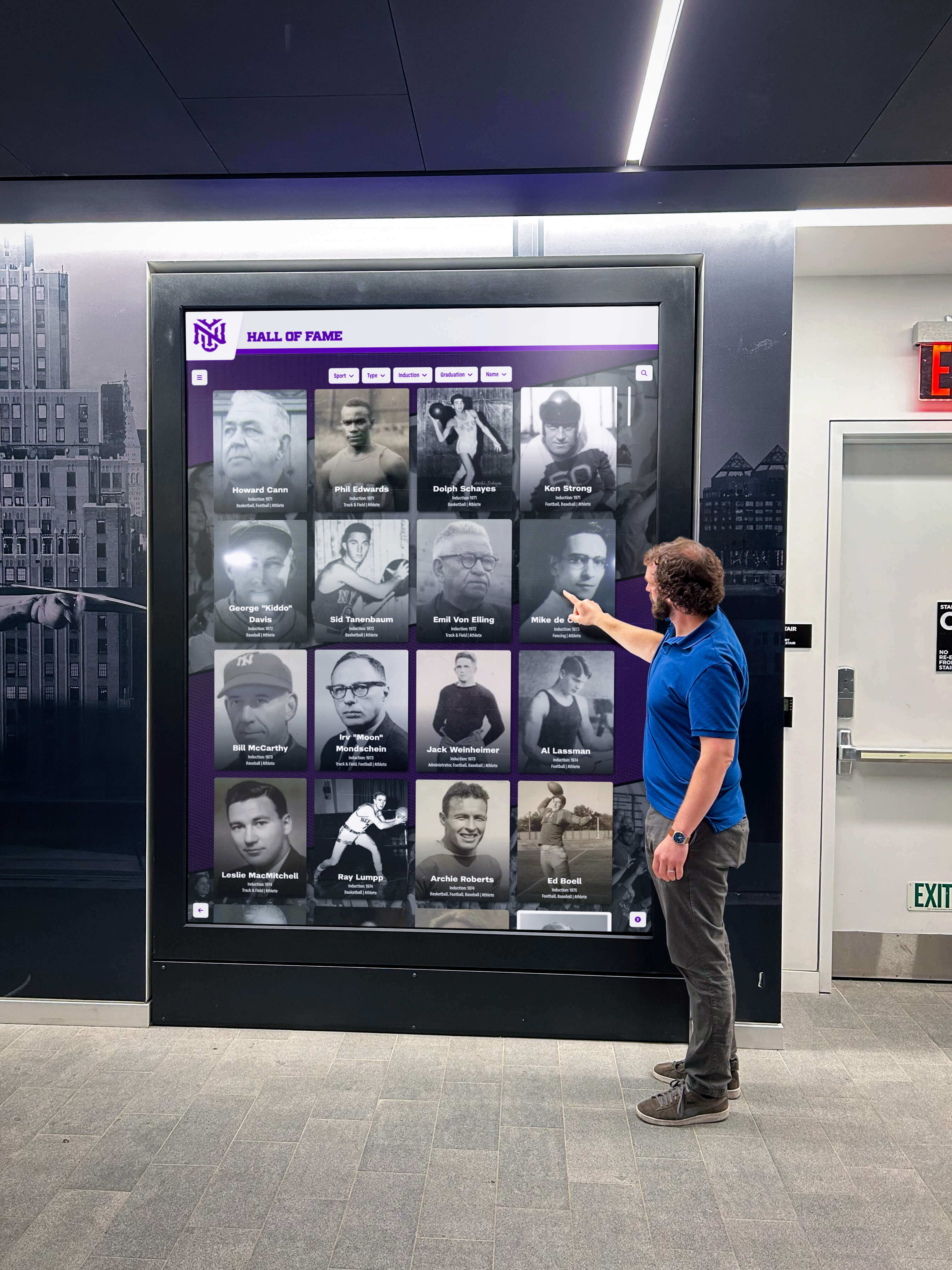
Engaging recognition experiences strengthen donor relationships while inspiring continued support
Prospective Donor Cultivation
Recognition walls influence prospective donors during cultivation conversations and facility tours:
Social Proof Visible donor recognition demonstrates broad community support, building confidence that organizations are worthy of philanthropic investment. Prospective donors see how peers contribute at various levels, normalizing giving as valued community behavior.
Recognition Preview Existing donor walls show prospective contributors exactly how their gifts will be acknowledged, reducing uncertainty about recognition appropriateness and helping donors envision themselves among celebrated supporters.
Impact Documentation Recognition content explaining how gifts support specific programs provides tangible evidence of philanthropic effectiveness, helping prospective donors understand what their contributions will accomplish.
Organizations developing donor wall ideas design displays serving both stewardship and cultivation functions simultaneously.
Institutional Culture and Community Building
Recognition walls shape organizational culture by celebrating philanthropy visibly:
Gratitude Demonstration Public recognition creates institutional norm around expressing appreciation, demonstrating to all stakeholders that contributions are valued and celebrated. This culture of gratitude extends beyond donors to volunteers, staff, and broader communities.
Historical Narrative Recognition archives preserving decades of donor history connect current communities to institutional heritage while documenting how philanthropy enabled organizational growth and evolution over time.
Community Connection Donor walls create physical spaces where community members gather, reminisce, and build connections around shared support for organizational missions. These gathering points strengthen stakeholder relationships and institutional loyalty.
Staff and Operational Benefits
Effective recognition systems improve operational efficiency while supporting development staff work:
Administrative Efficiency Digital recognition systems reduce administrative burden through instant updates, bulk import capabilities, and remote management eliminating physical site visits. Staff focus on relationship building rather than recognition logistics.
Stewardship Tool Recognition displays provide natural conversation starters during donor meetings, campus tours, and cultivation events. Development staff reference specific recognition when discussing gift opportunities and acknowledging existing support.
Information Resource Searchable donor databases help staff quickly access information about supporter history, campaign participation, and recognition details during conversations and event planning.
Planning Your Donor Wall Implementation
Successful donor recognition requires systematic planning addressing objectives, content, budget, and long-term management.
Establishing Clear Recognition Objectives
Primary Purpose Identification Organizations should identify 3-5 specific recognition goals before selecting technology or developing content:
- Stewardship: Demonstrating genuine appreciation for supporter generosity
- Cultivation: Inspiring additional giving through visibility of philanthropic community
- Transparency: Showing prospective donors how contributions are acknowledged
- Legacy: Preserving institutional history through decades of donor recognition
- Engagement: Creating interactive experiences strengthening community connections
- Communication: Sharing impact stories connecting gifts to tangible outcomes
Success Criteria Definition Define measurable indicators for each objective:
- Quantitative: Interaction counts, donor retention rates, gift upgrade frequency, campaign goal achievement
- Qualitative: Donor satisfaction surveys, stakeholder feedback, verbal acknowledgment during cultivation
- Behavioral: Staff time savings, information desk question reduction, donor engagement patterns
- Programmatic: New donor acquisition, volunteer engagement, alumni participation changes
Clear objectives guide appropriate technology selection, content development approaches, and program assessment methodology.
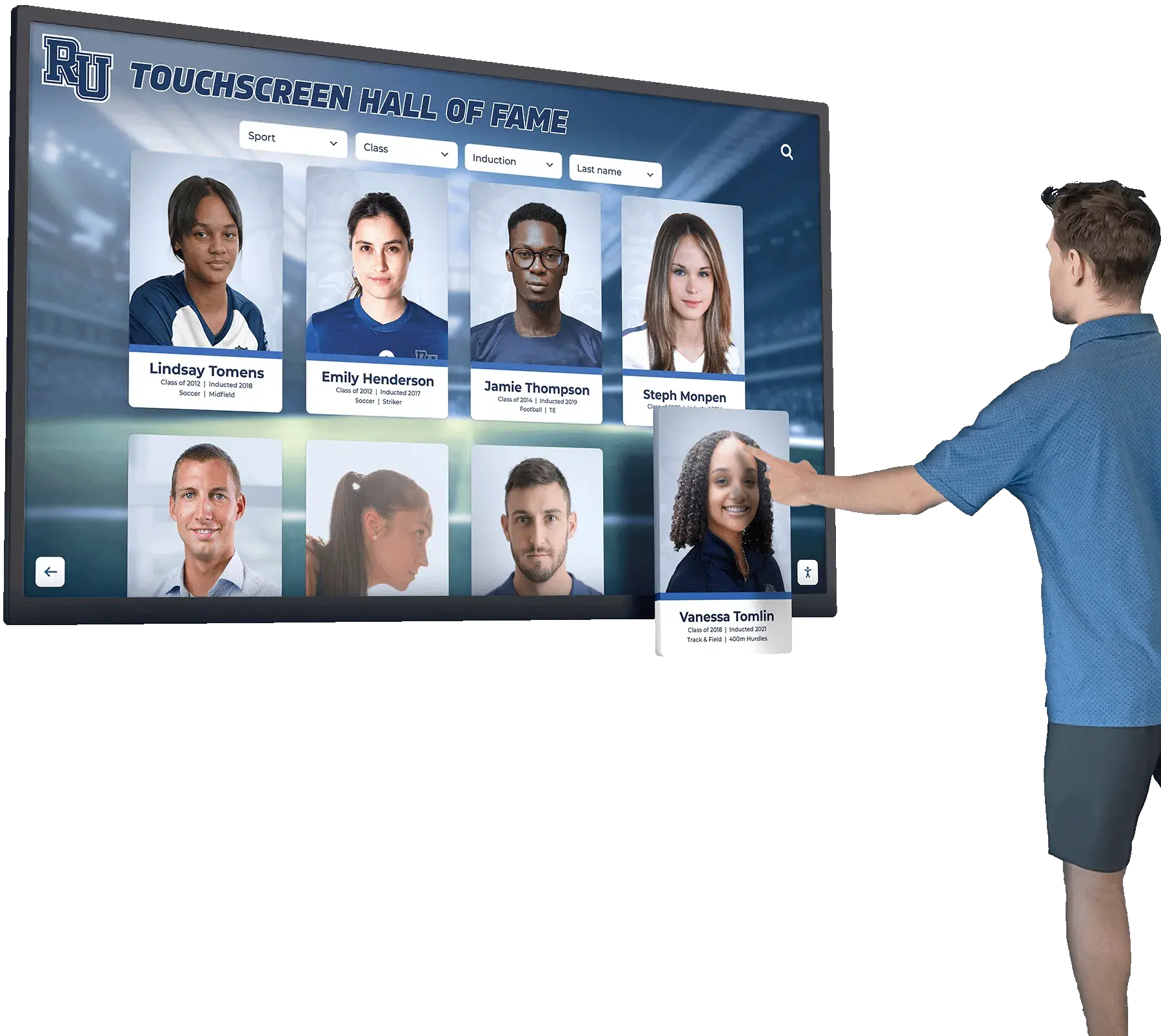
Strategic planning ensures recognition programs achieve intended fundraising and stewardship outcomes
Content Strategy and Development
Quality content determines whether donor walls create meaningful impact or become ignored displays:
Content Inventory Assessment
- Existing physical plaque information requiring digitization
- Historical donor records in databases, archives, and paper files
- Biographical information from gift acknowledgment correspondence
- Photos and multimedia from fundraising events and program activities
- Impact stories, testimonials, and campaign materials
- Recognition society descriptions and giving level definitions
Content Creation Workflow
- Data collection: Gather donor names, gift amounts/levels, dates, designations
- Biography development: Write consistent profiles explaining connections to mission
- Photography: Capture professional headshots and event candid images
- Impact documentation: Record testimonials, program outcomes, and tangible results
- Historical research: Verify facts, dates, and biographical details for accuracy
- Rights management: Document permissions for all photos, videos, personal information
- Quality review: Conduct editorial reviews ensuring consistency and professionalism
- Publication: Upload content and schedule recognition reveals for appropriate timing
Ongoing Maintenance Planning
- Assign specific staff responsibility for recognition program management
- Establish update schedules for different content categories
- Create style guides ensuring biographical and visual consistency
- Define quality standards for photography, writing, and multimedia
- Build donor contribution processes enabling personal content submissions
- Schedule annual audits verifying accuracy, completeness, and technical functionality
Organizations with decades of donor history benefit from professional content development services accelerating initial population while training internal staff for ongoing management.
Physical Placement and Environmental Considerations
Display location significantly affects recognition visibility, engagement, and impact:
High-Impact Locations
- Main entrance lobbies where all visitors, students, and community members enter
- Reception areas with natural dwell time while waiting for meetings or appointments
- Advancement office spaces for donor meetings, tours, and cultivation conversations
- Event venues serving fundraising galas, campaign announcements, and donor celebrations
- Gathering spaces like cafeterias, atriums, commons, and student centers
- Donor-funded facilities creating clear gift-to-impact connections
Environmental Factors
- Natural lighting and glare patterns throughout day affecting screen visibility
- Viewing distances from natural traffic patterns and gathering areas
- Available electrical power and network connectivity infrastructure
- ADA accessibility requirements for mounting height and clearance
- Security concerns in unsupervised or publicly accessible locations
- Aesthetic integration with existing architecture, interior design, and institutional branding
Installation Options Organizations should conduct site surveys photographing candidate locations at different times, documenting lighting conditions, measuring viewing distances, and assessing technical infrastructure before finalizing placement decisions and beginning installation coordination.
Budgeting and Total Cost of Ownership
Realistic financial planning ensures sustainable long-term recognition programs:
Traditional Recognition Costs
- Bronze plaques: $75-$400 per donor depending on size, material, and mounting complexity
- Comprehensive plaque walls: $5,000-$50,000 for multi-donor installations with framing
- Donor brick programs: $100-$500 per brick including engraving and installation
- Architectural signage: $2,000-$15,000 per named space location
- Artistic installations: $10,000-$100,000+ for custom commissioned recognition art
Digital Recognition Investment
- Commercial touchscreen displays: $2,500-$8,000 depending on size (55"-86")
- Freestanding kiosk enclosures: $1,000-$3,000 if not wall-mounting
- Content management platform: $500-$3,000 annually for subscription-based systems
- Professional installation: $500-$2,000 for mounting, configuration, and connectivity
- Content development services: $2,000-$10,000 for initial comprehensive population
- Network infrastructure: $0-$1,000 if modifications required for connectivity
Ongoing Operating Costs
- Annual software subscription: $500-$3,000 for cloud-based platforms
- Content management time: 2-5 hours monthly for active recognition programs
- Electricity: $50-$100 annually per display
- Maintenance and cleaning: 1-2 hours quarterly for displays and surrounding areas
- Hardware replacement reserve: Budget 10-15% of initial hardware cost annually
Five-Year Total Cost Comparison Digital recognition typically costs 40-60% less over five years compared to traditional plaques when accounting for ongoing additions, updates, corrections, and maintenance. Unlimited capacity and instant updates create additional value beyond direct cost savings.
Organizations should view recognition as strategic fundraising investment rather than pure expense, given proven impact on donor retention rates and gift progression over time.
Donor Wall Design and Aesthetic Considerations
Visual design significantly affects recognition program effectiveness and community perception:
Design Principles for Traditional Displays
Visual Hierarchy
- Larger plaques or prominent placement for major gift recognition
- Tiered organization clearly differentiating giving societies
- Consistent spacing and alignment creating professional appearance
- Effective use of negative space preventing cluttered aesthetics
- Strategic lighting highlighting recognition and creating visual drama
Material Selection
- Bronze or brass for traditional prestigious recognition
- Stainless steel or aluminum for contemporary aesthetic preferences
- Wood elements for warm, approachable institutional character
- Glass or acrylic for modern, transparent organizational culture
- Stone or marble for permanent, monumental recognition statements
Typography and Legibility
- Font selections balancing aesthetic preferences with readability from distance
- Text sizing ensuring visibility from natural viewing positions
- Adequate contrast between engraving and background surfaces
- Consistent capitalization, punctuation, and formatting across all donors
- Proofreading processes preventing embarrassing and costly engraving errors
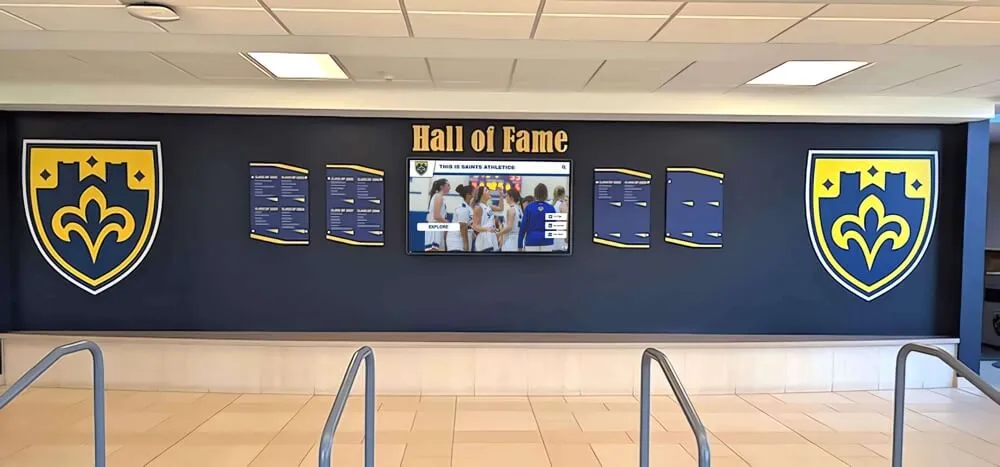
Traditional donor walls require careful design attention to visual hierarchy and material selection
Digital Display Interface Design
User Experience Principles
- Intuitive navigation requiring minimal instruction or assistance
- Large touch targets accommodating various user abilities and ages
- Clear visual hierarchy emphasizing important content and calls to action
- Consistent interaction patterns throughout entire interface
- Responsive feedback confirming user actions and system responses
Visual Design Elements
- Institutional branding colors, logos, and typography throughout
- Professional photography with consistent quality, lighting, and composition
- Readable text sizing appropriate for viewing distances
- Smooth animations and transitions enhancing without distracting
- Attractive idle screens welcoming interaction when not actively used
Accessibility Requirements
- WCAG 2.1 AA compliance standards for public-facing digital content
- Keyboard navigation providing complete functionality without touch
- Sufficient color contrast between text and backgrounds for visibility
- Alternative text descriptions for images enabling screen reader compatibility
- Adjustable text sizing for visitors with visual impairments
Organizations should involve design professionals familiar with recognition program requirements, digital display interfaces, and accessibility standards to create systems serving all community members effectively.
Selecting Donor Wall Vendors and Solutions
Choosing appropriate recognition technology partners significantly affects implementation success and long-term satisfaction:
Evaluation Criteria for Traditional Vendors
Fabrication Capabilities
- Material options and quality standards
- Production timelines and reliability
- Design customization flexibility
- Installation services and geographic coverage
- Portfolio demonstrating relevant institutional experience
Cost Structure
- Initial design and production pricing
- Per-plaque costs for ongoing additions
- Modification and correction procedures and pricing
- Warranty coverage and duration
- Long-term relationship and pricing consistency
Digital Recognition Platform Assessment
When comparing digital donor wall providers, assess these critical factors:
Technical Capabilities
- Unlimited content capacity without per-donor fees or arbitrary limits
- Cloud-based remote management from any internet-connected device
- Professional templates requiring no graphic design expertise
- Powerful search and filtering for large donor databases
- Multimedia support for photos, videos, documents, and rich content
- ADA WCAG 2.1 AA accessibility compliance for public displays
- Mobile QR code access extending reach beyond physical displays
- Analytics and reporting documenting engagement and usage patterns
Implementation Support
- Professional content development services for initial population
- Data migration from existing systems, spreadsheets, and databases
- Administrator training and comprehensive documentation
- Hardware procurement and installation coordination
- Design customization matching institutional branding
- Launch support and stakeholder communication assistance
- Ongoing technical support and regular software updates
Total Cost Analysis Organizations should calculate five-year total cost of ownership rather than focusing solely on initial purchase price. Hidden costs in apparently inexpensive solutions often exceed transparent pricing from purpose-built recognition platforms.
Solutions like Rocket Alumni Solutions provide purpose-built platforms for donor recognition with unlimited capacity, cloud-based management, professional templates, comprehensive content services, ADA compliance, and QR code mobile access that scales effectively with growing supporter communities.
Questions to Ask Vendors
Capacity and Flexibility
- What content limits exist for donors, photos, videos, and biographical information?
- Can we organize donors through multiple categorization schemes simultaneously?
- How easily do we add new campaigns or giving societies in the future?
- What happens to our content if we change vendors or platforms later?
- Can we export complete donor databases at any time without restrictions?
Management and Accessibility
- How do we update content—what technical skills are required for staff?
- What training and documentation do you provide administrators?
- Does your solution comply with ADA WCAG 2.1 AA accessibility standards?
- How do visitors with disabilities access recognition content effectively?
- What mobile access capabilities extend recognition beyond physical displays?
Support and Services
- What content development services do you offer for initial population?
- How do you handle data migration from our existing donor databases?
- What ongoing technical support is included in pricing?
- How often do you release software updates and new features?
- What is your hardware warranty and replacement policy?
Comprehensive vendor evaluation prevents costly mistakes and ensures recognition solutions serve organizational needs effectively throughout 7-10+ year operational lifespans.
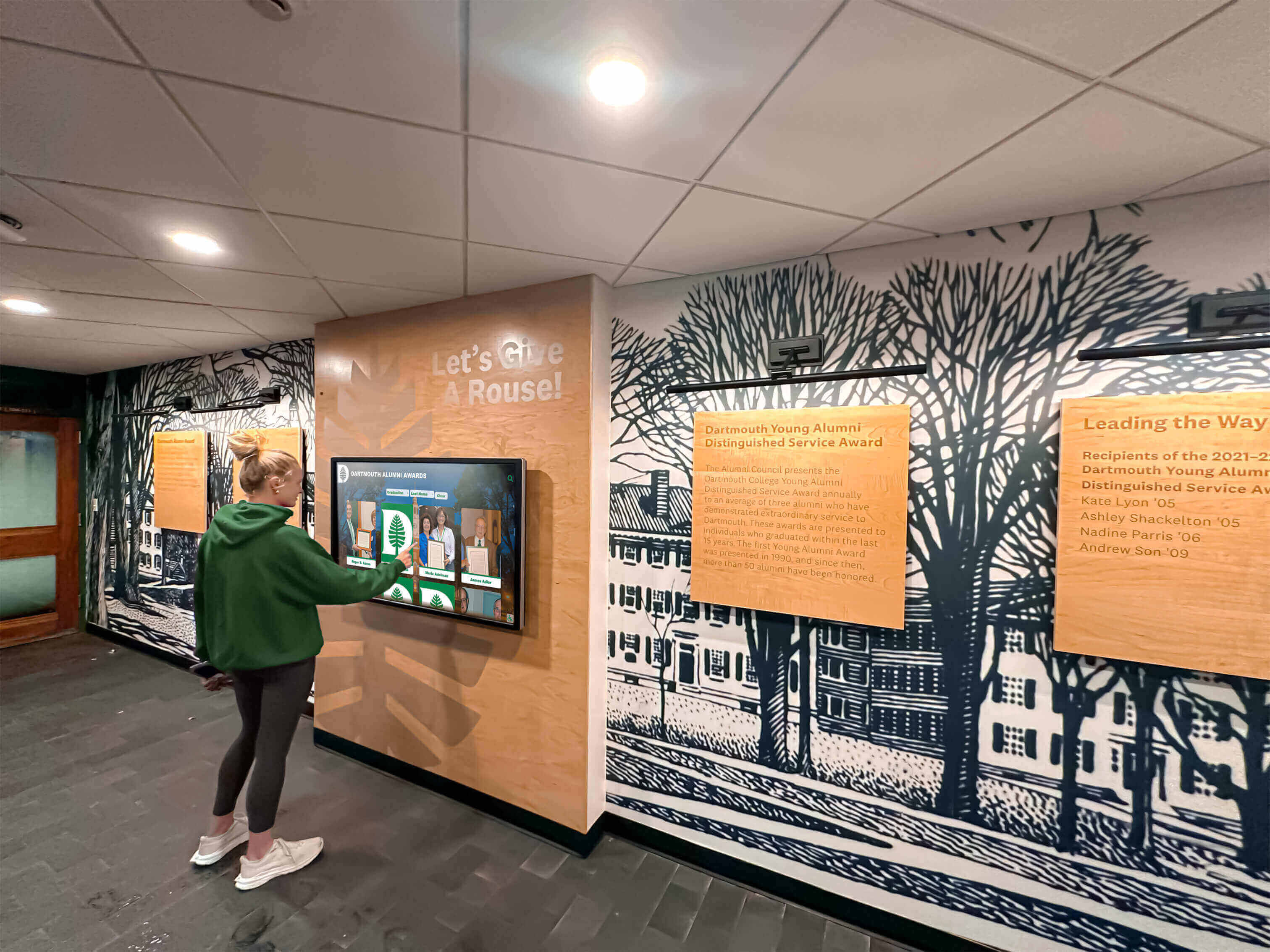
Purpose-built recognition platforms create intuitive experiences engaging diverse stakeholders effectively
Best Practices for Donor Wall Success
Learning from successful implementations helps organizations maximize recognition impact while avoiding common pitfalls:
Donor Privacy and Consent
Permission Policies
- Explicit opt-in requiring donor approval before public recognition
- Clear explanation of recognition during gift solicitation conversations
- Opportunity to review and approve biographical content before publication
- Anonymous recognition options for supporters preferring privacy
- Private acknowledgment alternatives for those declining public display
Information Management
- Secure storage of donor personal information and sensitive data
- Role-based access limiting who views confidential details
- Regular audits ensuring only authorized content appears publicly
- Clear procedures updating recognition when circumstances change
- Documentation of donor recognition preferences in permanent records
Special Considerations
- Memorial recognition requiring sensitive, thoughtful messaging
- Deceased donor information handled with appropriate dignity
- Corporate recognition respecting business branding preferences
- Anonymous donations honored genuinely without pressure for publicity
- Complex family situations requiring careful name and relationship handling
Organizations should discuss recognition preferences during gift solicitation, ensuring donor comfort with planned acknowledgment before making commitments proving difficult to modify later.
Content Quality Standards
Professional presentation determines whether donor walls earn community respect or appear amateurish:
Photography Guidelines
- High-resolution images minimum 1920 x 1080 pixels for crisp display quality
- Consistent lighting, composition, and style across recognition content
- Professional headshots for individual donor recognition profiles
- Candid event photography showing community and programs supported
- Historical photo restoration and enhancement when digitizing archives
- Rights documentation for all images ensuring authorized use
Writing Standards
- Consistent biographical format and length across all donors (150-300 words typical)
- Active voice emphasizing achievements, motivations, and impact
- Fact verification for all claims, dates, and attributions
- Inclusive language avoiding assumptions about family, relationships, or identities
- Grade-appropriate vocabulary for educational settings with diverse reading levels
- Regular proofreading eliminating grammatical and spelling errors
Design Consistency
- Institutional branding colors, logos, and typography throughout all content
- Template-based layouts ensuring visual coherence across profiles
- Clear information hierarchy emphasizing important content elements
- Professional transitions and animations enhancing not distracting from content
- Readable text sizing and contrast for comfortable viewing at typical distances
Organizations maintaining high content quality standards report significantly higher engagement as donor walls earn reputation for professional, interesting recognition rather than neglected displays showing outdated information.
Launch and Promotion Strategy
Successful implementation requires more than installation—stakeholders must know recognition exists and understand how to use it:
Internal Launch
- All-staff presentations introducing capabilities and content management
- Department-specific training on relevant recognition applications
- Administrative training for staff managing content updates
- Board presentations demonstrating stewardship innovation
- Student announcements in educational settings fostering discovery and pride
Community Introduction
- Dedication ceremonies for donors, staff, board members, and broader community
- Media coverage in newsletters, websites, email communications, and social media
- Campaign communications to donor constituencies highlighting new recognition
- Campus or facility tours incorporating donor walls as engagement features
- Event integration using displays during fundraising gatherings and celebrations
Ongoing Promotion
- Regular content updates maintaining freshness and sustaining interest
- Featured donor spotlights in organizational communications
- Analytics sharing demonstrating engagement and recognition program impact
- Recognition anniversary celebrations for milestone gifts and supporters
- QR code promotion enabling mobile exploration and social sharing
Organizations approaching donor walls as dynamic community resources rather than static installations achieve significantly higher utilization and more meaningful impact on institutional culture and fundraising effectiveness.
Measuring Donor Wall Impact and Return on Investment
Regular assessment ensures recognition investments deliver intended fundraising and stewardship outcomes:
Quantitative Metrics
Technical Analytics
- Total daily, weekly, and monthly interactions tracking overall usage trends
- Average session duration indicating engagement depth and content interest
- Most frequently viewed donors revealing popular content and search patterns
- Search queries showing what information visitors seek most often
- Peak usage times informing optimal content scheduling and facility planning
- Geographic data for networked multi-location systems across campuses
Fundraising Indicators
- Donor retention rates comparing recognized versus non-recognized supporters
- Gift upgrade frequency among donors receiving recognition
- New donor acquisition influenced by recognition visibility during tours and events
- Campaign performance correlation with active recognition displays and promotion
- Pledge fulfillment rates when recognition coordinates with gift timing
- Giving society membership growth after recognition implementation
Operational Efficiency
- Staff time savings from reduced basic donor information requests
- Traditional plaque cost avoidance for new donor recognition
- Update time comparison to historical plaque production processes
- Content management hours required monthly for program maintenance
- Troubleshooting and support incident frequency and resolution speed
Qualitative Assessment
Stakeholder Feedback
- Donor satisfaction surveys about recognition experience and quality
- Staff impressions about community reactions to displays during tours
- Board member perspectives on recognition effectiveness and appropriateness
- Visitor comments and feedback gathered during events and facility use
- Volunteer recognition satisfaction among non-financial contributors
Cultural Impact
- Community perception of institutional innovation and stewardship practices
- Donor sentiment about genuine versus transactional recognition approaches
- Prospective donor impressions during cultivation tours and conversations
- Alumni or community member engagement changes following implementation
- Student or beneficiary pride in institutional history and donor support
Return on Investment Calculation
Organizations typically calculate 3-5 year ROI demonstrating donor walls deliver measurable value:
Direct Benefits
- Staff time savings worth $3,000-$8,000 annually from reduced administrative burden
- Traditional plaque cost avoidance of $5,000-$20,000 over five years
- Update efficiency reducing recognition administration time 70-90%
- Hardware longevity with 7-10 year useful life for digital displays
Indirect Benefits
- Improved donor retention worth 5-10% of retained gift revenue annually
- Gift progression increases among engaged donors seeing recognition opportunities
- Tour and recruitment enhancement supporting enrollment or participation goals
- Stewardship demonstration attracting new major donors during cultivation
Research from nonprofit fundraising studies demonstrates comprehensive recognition programs typically deliver 3:1 to 8:1 return on investment through improved retention and gift progression. Digital systems improve these returns through superior capacity, flexibility, and engagement compared to traditional approaches.
Educational institutions implementing academic recognition programs extend donor wall platforms to celebrate student achievement alongside philanthropic support, maximizing technology investment.
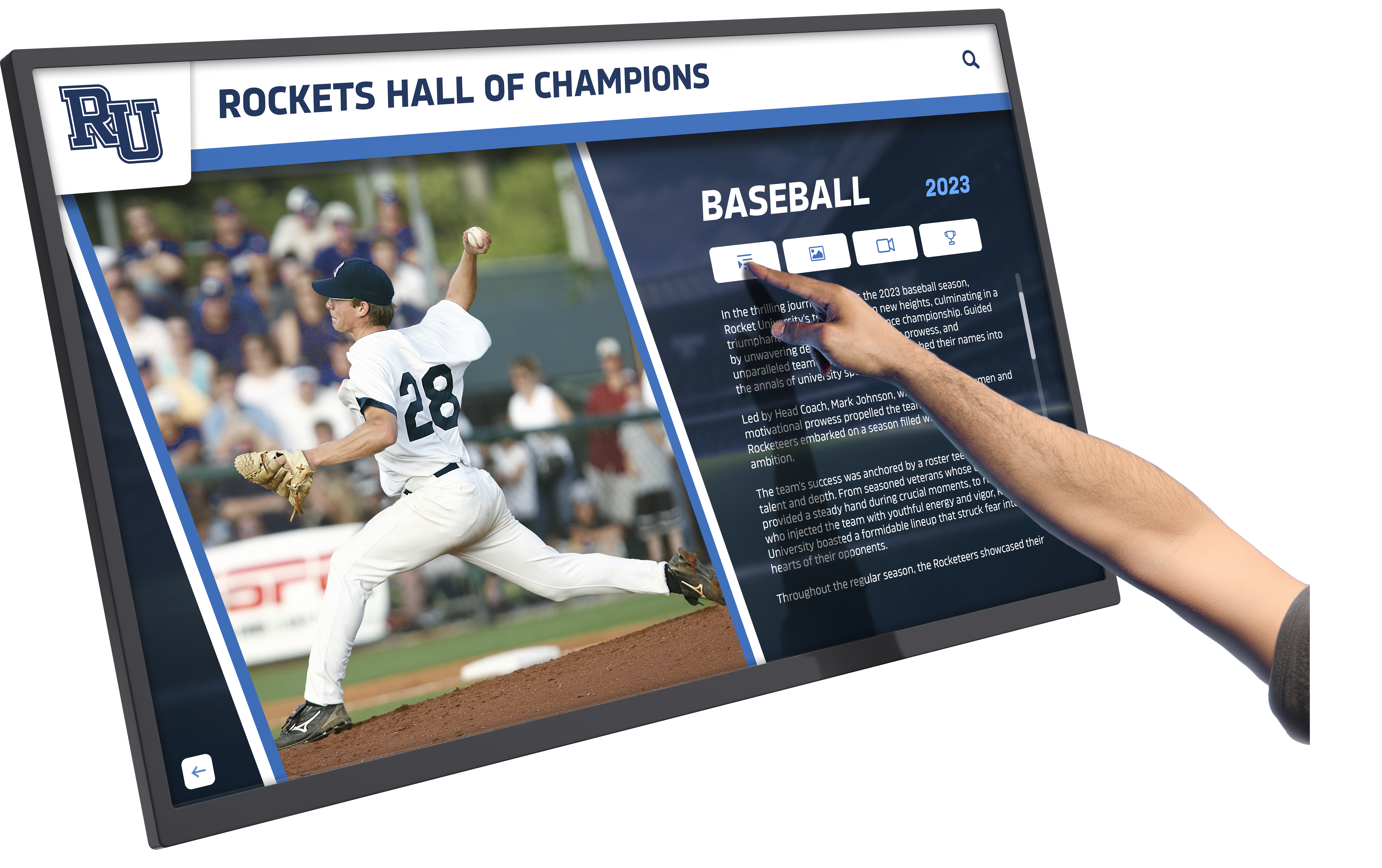
Analytics and assessment demonstrate recognition program effectiveness and return on investment
Common Challenges and Solutions
Understanding typical obstacles helps organizations prevent or address issues effectively:
Space and Capacity Limitations
The Challenge Traditional recognition quickly exceeds available physical space. Walls fill with plaques leaving no room for new donors. Organizations face difficult decisions about removing historical recognition to accommodate current supporters, limiting recognition inclusivity, or investing in major construction adding wall space.
Solutions
- Digital recognition systems with unlimited capacity accommodating unlimited donors
- Perpetual plaque systems designed specifically for continuous additions over decades
- Rotating physical displays complemented by permanent comprehensive digital databases
- Tiered recognition using various display methods at different facility locations
- Proactive long-term capacity planning during initial system selection
Organizations facing space constraints increasingly adopt digital displays as sustainable alternatives to space-limited traditional plaques, ensuring recognition programs scale effectively with growing supporter communities.
Update and Maintenance Difficulties
Traditional Display Challenges
- Engraving errors requiring expensive plaque replacement
- Time lag of weeks or months between gifts and physical recognition production
- Accumulating dust and physical deterioration requiring regular maintenance
- Inconsistent visual appearance as displays expand piecemeal over years
- High per-donor costs discouraging inclusive recognition across giving levels
Digital System Advantages
- Instant updates immediately recognizing new donors upon gift processing
- Easy error correction without physical reproduction costs or delays
- Consistent visual appearance across all donor entries regardless of addition timing
- Negligible per-donor marginal cost enabling comprehensive recognition programs
- Remote management from any location without physical site visits
Donor Preference Management
Considerations
- Anonymous donors wanting impact recognition without public attribution
- Privacy concerns about displaying full names and biographical information publicly
- Donors preferring recognition in specific forms, locations, or timing
- Memorial recognition requiring sensitive, thoughtful handling
- Changes in donor circumstances necessitating recognition modifications
Policy Solutions Organizations should establish clear opt-in policies requiring explicit permission, offer anonymous recognition options describing gift impact without attribution, provide flexible display formats accommodating various preferences, create private recognition alternatives for those declining public acknowledgment, and document procedures for recognition modifications addressing changing circumstances.
Discussing recognition preferences during solicitation ensures donor comfort with planned acknowledgment before making commitments.
Future Trends in Donor Recognition
Emerging technologies and changing donor expectations shape recognition program evolution:
Virtual and Augmented Reality
Organizations begin exploring immersive recognition experiences allowing remote visitors to explore donor walls through virtual reality or augmented reality overlays providing additional context when viewing physical displays through smartphone cameras.
Artificial Intelligence Integration
AI-powered search enabling natural language queries, chatbot assistants answering donor recognition questions, automated content suggestions for biographical profiles, and predictive analytics identifying donor cultivation opportunities based on recognition engagement patterns represent emerging capabilities.
Enhanced Personalization
Recognition systems increasingly enable donors to customize their profiles, share personal stories directly, and control what information appears publicly while maintaining privacy over sensitive details.
Sustainability Focus
Organizations emphasize digital recognition’s environmental benefits compared to bronze production, highlighting reduced material consumption, elimination of engraving chemical processes, and long-term sustainability through cloud-based systems requiring no physical reproduction as donor bases grow.
Conclusion: Creating Meaningful Donor Recognition
Donor walls represent powerful expressions of gratitude that honor supporters while inspiring continued philanthropy throughout communities. When thoughtfully implemented with quality content, appropriate technology, and sustainable management processes, recognition displays strengthen donor relationships, demonstrate effective stewardship, and create lasting acknowledgment that reinforces institutional values around appreciation and giving.
Organizations successfully implementing donor walls share common characteristics: clear vision for how recognition serves mission and values, commitment to professional content development, systematic planning addressing both technical and human factors, stakeholder engagement building broad ownership, and long-term perspective ensuring sustainable operation beyond initial installation enthusiasm.
Modern digital donor wall platforms make comprehensive recognition achievable across unlimited supporters—from modest annual fund donors to transformational major gift contributors—without space constraints and update limitations plaguing traditional plaques. Cloud-based content management eliminates geographic and technical barriers preventing regular updates. Accessibility features ensure all community members engage with recognition regardless of abilities. Mobile QR code extensions multiply physical display reach exponentially.
Whether celebrating capital campaign contributors, honoring scholarship donors, recognizing annual fund supporters, acknowledging memorial gifts, or thanking volunteer leaders, donor walls create recognition possibilities that strengthen philanthropic culture while demonstrating genuine appreciation for community generosity.
Start with implementations matching available resources and institutional priorities, then systematically improve recognition as programs mature and expand. Every visitor exploring your donor wall represents an opportunity to communicate values, demonstrate stewardship, inspire giving, and strengthen connection to organizational mission.
Your lobbies, hallways, and gathering spaces represent premium opportunities for donor engagement and appreciation. Effective donor wall solutions ensure you honor supporters authentically while building sustainable recognition programs that scale with growing philanthropic communities.
Ready to explore donor recognition solutions for your organization? Learn more about interactive touchscreen platforms designed specifically for donor walls, with unlimited capacity, professional content development, cloud-based management, ADA compliance, and dedicated support making modern recognition achievable for organizations of all sizes and budgets.
Sources: