Schools and educational institutions increasingly recognize that mission accomplishment requires more than tuition revenue alone. Strategic philanthropy, alumni engagement, and donor cultivation have become essential components of sustainable institutional advancement. Yet many schools struggle with fragmented fundraising efforts, inconsistent donor communication, and missed opportunities for meaningful engagement—challenges that dedicated advancement leadership directly addresses.
The director of advancement position represents the solution to these persistent challenges. These professionals orchestrate comprehensive development programs encompassing annual giving campaigns, major gift cultivation, planned giving initiatives, alumni relations, and donor stewardship. When schools invest in skilled advancement directors who understand both fundraising mechanics and relationship building, they create sustainable philanthropic programs that provide financial resources supporting institutional priorities while building engaged communities of supporters invested in long-term success.
This comprehensive guide explores the director of advancement role including core responsibilities, essential qualifications, career pathways, and why schools of all sizes benefit from dedicated advancement leadership. Whether you’re considering this career path or evaluating whether your institution needs this position, understanding what advancement directors do illuminates how professional development leadership transforms school fundraising from occasional campaigns into strategic, relationship-focused programs.
Educational institutions face mounting financial pressures that tuition alone cannot address. Scholarship funding, facility improvements, program expansion, and competitive compensation require philanthropic support that strategic advancement leadership generates through systematic donor cultivation and stewardship.
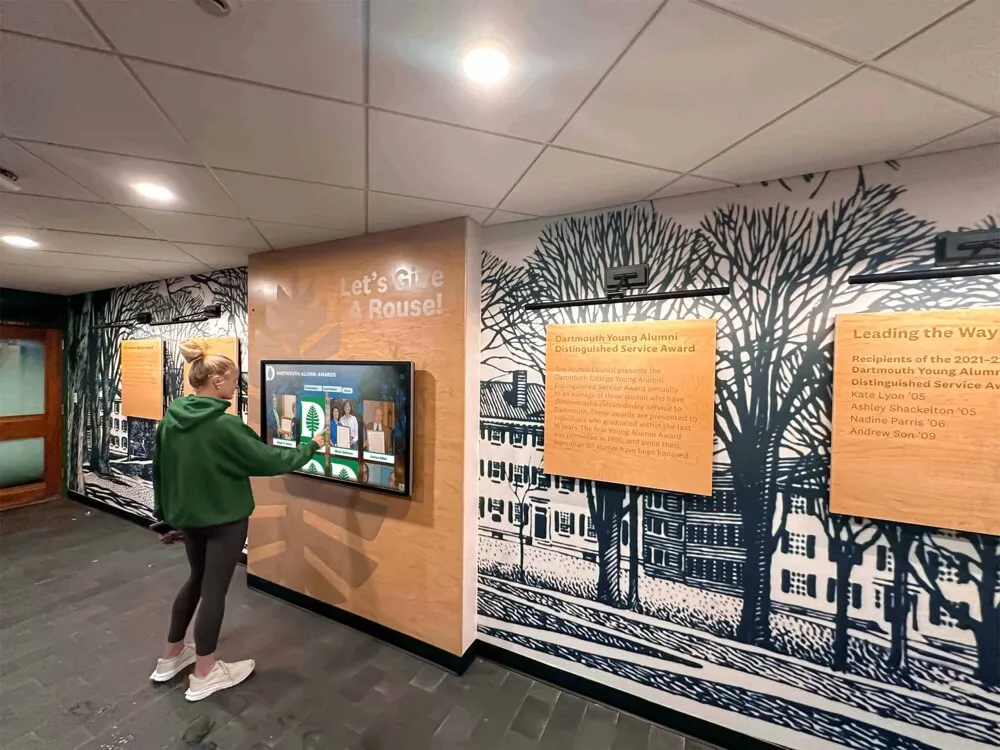
Advancement directors leverage technology platforms like digital recognition displays to strengthen donor relationships and showcase institutional impact
What Is a Director of Advancement?
Understanding the director of advancement role begins with recognizing how this position differs from related development positions and why schools establish dedicated advancement leadership.
Defining the Advancement Role
Director of advancement serves as the chief development officer for educational institutions, leading comprehensive fundraising and alumni relations programs. Unlike development coordinators who execute specific campaigns or alumni directors focused solely on graduate engagement, advancement directors orchestrate integrated strategies connecting annual giving, major gifts, planned giving, corporate relations, and alumni programming into cohesive advancement operations.
At smaller institutions, the director of advancement may represent the entire development staff, handling everything from direct mail appeals to major donor cultivation. Mid-size schools typically build advancement teams with the director providing strategic leadership while managing specialists in annual giving, major gifts, and alumni relations. Larger institutions often employ vice presidents or chief advancement officers overseeing multiple advancement directors responsible for specific constituencies or fundraising areas.
Core Advancement Functions The advancement umbrella encompasses several interconnected development activities:
- Annual giving programs securing renewable support from alumni, parents, and friends
- Major gift cultivation building relationships with principal gift prospects
- Planned giving initiatives encouraging estate commitments and legacy support
- Alumni relations maintaining engagement with graduates across all class years
- Donor stewardship recognizing and acknowledging philanthropic support appropriately
- Corporate and foundation relations securing institutional grants and partnerships
- Campaign management orchestrating comprehensive fundraising initiatives
Advancement directors ensure these functions operate cohesively rather than as competing silos, creating donor experiences that build long-term relationships rather than transactional giving patterns.
How Advancement Directors Differ from Other Development Roles
Fundraising Coordinator vs. Director of Advancement Fundraising coordinators typically execute campaigns designed by others, managing logistics like event planning, direct mail production, and donor database maintenance. Directors of advancement operate strategically, establishing fundraising priorities aligned with institutional goals, setting campaign targets, identifying major gift prospects, and building comprehensive development infrastructures.
Alumni Director vs. Director of Advancement Alumni directors focus primarily on graduate engagement through events, communications, and programming designed to maintain institutional connections. While alumni relations represents a critical advancement component, directors of advancement integrate alumni engagement into broader development strategies that convert connection into philanthropic support while maintaining relationship-focused approaches.
Development Officer vs. Director of Advancement Development officers often specialize in specific fundraising areas like major gifts or corporate relations, managing portfolios of prospects and donors. Directors of advancement provide leadership across all development functions, supervising development staff when teams exist while maintaining their own prospect portfolios at smaller institutions.

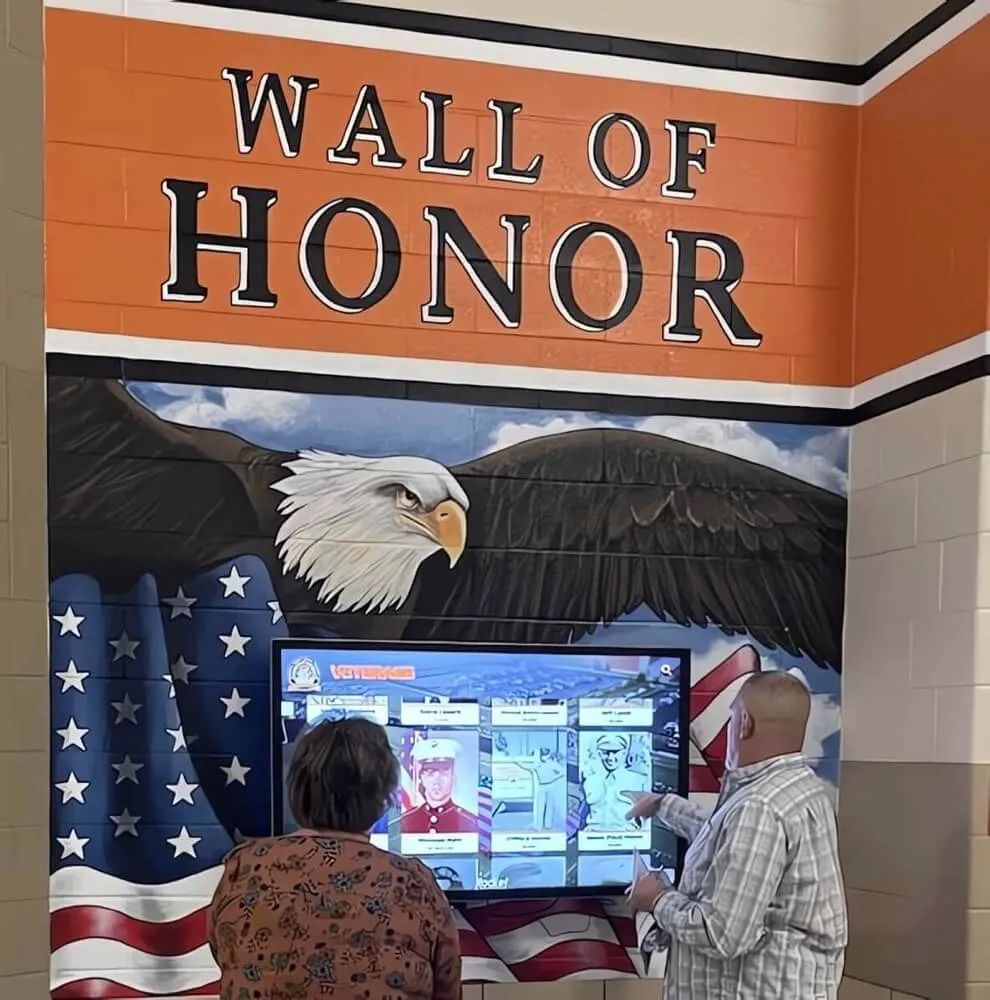
Advancement directors utilize interactive platforms to showcase institutional stories and engage prospective donors
Why Schools Need Dedicated Advancement Leadership
Strategic Focus and Professional Expertise Advancement work requires specialized knowledge that generalist administrators rarely possess. Understanding donor psychology, cultivation timelines, gift vehicles, tax implications, campaign mechanics, and relationship management demands professional development training and experience. Directors of advancement bring this expertise, implementing proven practices rather than well-intentioned but often ineffective amateur approaches.
Accountability and Metrics When advancement leadership exists, fundraising goals become measurable and individuals become accountable for results. Directors of advancement establish metrics tracking donor acquisition, retention, upgrade rates, and campaign progress, creating data-driven fundraising programs rather than episodic efforts dependent on volunteer enthusiasm.
Relationship Continuity Effective advancement requires sustained relationship building over years and sometimes decades. Directors of advancement provide institutional continuity, maintaining donor connections through leadership transitions and ensuring consistent stewardship that builds donor confidence in institutional stability.
Capacity to Grow Schools without dedicated advancement leadership plateau at fundraising levels dependent on volunteer capacity and administrative attention—both limited resources. Directors of advancement create scalable development operations that systematically expand donor bases, cultivate major gift prospects, and build planned giving pipelines generating increasing support over time.
Research consistently demonstrates that schools investing in professional advancement leadership see fundraising returns substantially exceeding position costs. The Association of Fundraising Professionals reports that every dollar invested in professional development staff generates an average return of four to six dollars in new philanthropic revenue.
Core Responsibilities of Directors of Advancement
Advancement directors manage diverse responsibilities that collectively build comprehensive development programs transforming occasional giving into sustainable philanthropic support.
Annual Giving Campaign Management
Annual giving programs provide renewable operating support that many schools depend upon for budget flexibility, scholarship funding, and program enhancements.
Campaign Planning and Strategy
- Establishing annual fundraising goals aligned with institutional budget needs
- Developing solicitation strategies reaching diverse donor segments effectively
- Creating campaign calendars coordinating direct mail, email, phone, and personal solicitations
- Segmenting donor populations for targeted messaging and appropriate solicitation methods
- Setting leadership gift targets encouraging pace-setting early commitments
- Planning challenge grants and matching opportunities creating urgency
Execution and Communication Directors of advancement oversee annual giving implementation:
- Writing solicitation letters and emails that compellingly articulate institutional needs
- Managing direct mail production ensuring professional, timely delivery
- Coordinating phonathon campaigns training callers and tracking results
- Developing online giving platforms providing convenient donation options
- Creating donor recognition levels acknowledging various giving tiers
- Producing impact reports demonstrating how annual support makes differences
Volunteer Engagement Many annual giving programs depend on volunteer solicitors:
- Recruiting volunteer fundraisers from board, parent, and alumni populations
- Training volunteers in effective solicitation approaches
- Providing volunteers with materials and talking points
- Tracking volunteer solicitation activity and results
- Recognizing volunteer contributions to campaign success
Schools implementing recognition programs for donors and volunteers report stronger engagement and increased giving participation.
Major Gift Cultivation and Solicitation
Major gifts—typically defined as donations of $25,000 or more—provide transformational support funding capital projects, endowments, and strategic initiatives that annual giving cannot sustain.
Prospect Identification and Research
- Analyzing donor databases identifying giving capacity indicators
- Conducting wealth screening revealing philanthropic potential
- Researching prospect backgrounds, interests, and giving histories
- Reviewing public records including real estate holdings and business affiliations
- Networking with board members and volunteers who know prospective donors
- Tracking prospect engagement with institutional programs and events
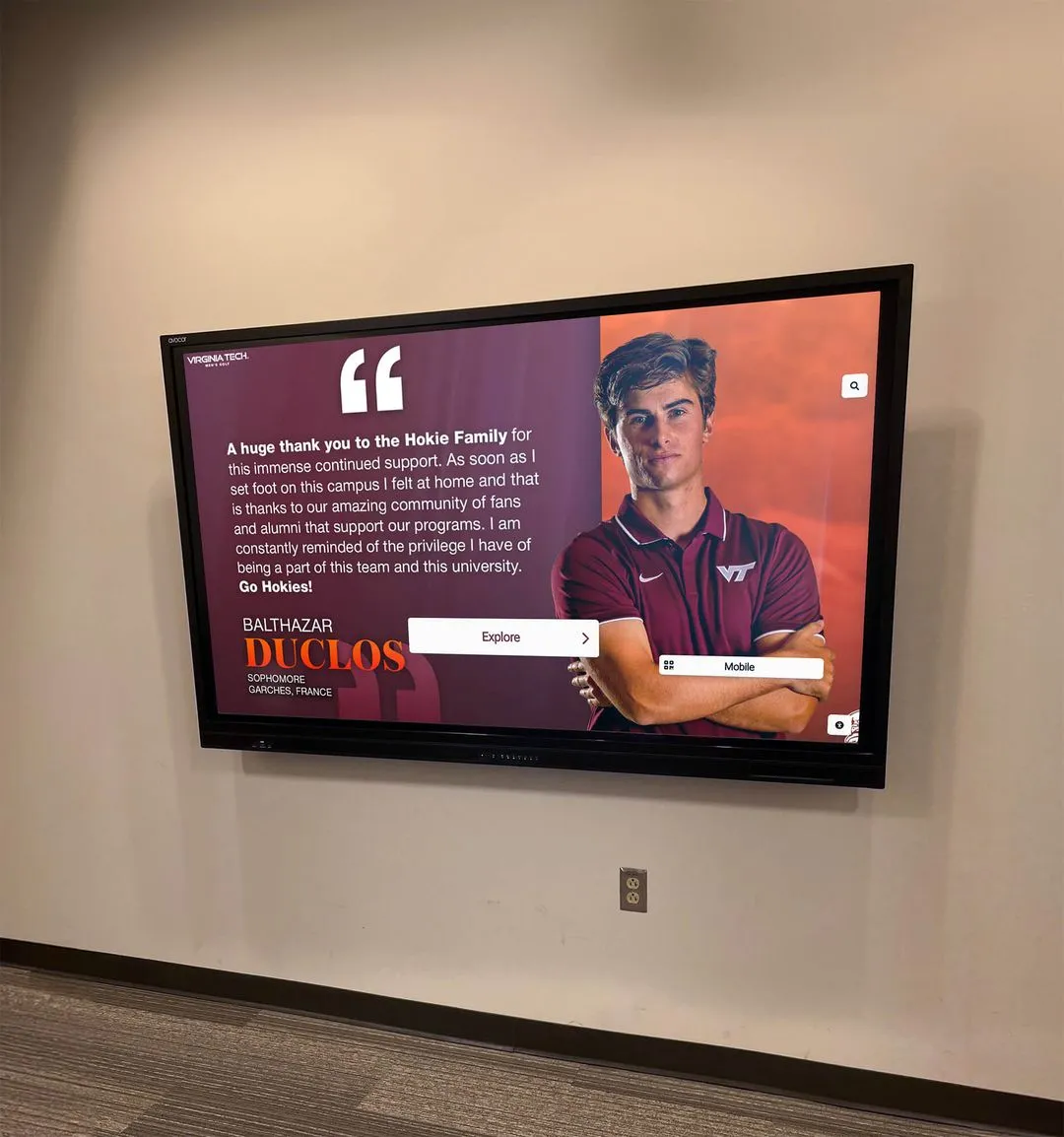
Digital donor recognition walls celebrate major gift supporters while inspiring future philanthropy
Relationship Building and Cultivation Major gift fundraising centers on systematic relationship development:
- Scheduling discovery meetings learning prospect interests and motivations
- Creating customized cultivation plans with specific touchpoints and timelines
- Arranging campus visits connecting prospects with programs and people
- Facilitating meetings between prospects and institutional leaders
- Sharing impact stories demonstrating how gifts create meaningful change
- Gradually moving relationships toward solicitation readiness
Gift Solicitation and Negotiation When cultivation reaches appropriate stages, advancement directors coordinate solicitation:
- Developing compelling gift proposals articulating project vision and impact
- Determining appropriate solicitation teams including institutional leaders
- Preparing solicitors with talking points and materials
- Presenting gift opportunities aligned with donor interests and capacity
- Negotiating pledge terms including payment schedules and recognition
- Securing commitments through written pledge agreements
Stewardship and Ongoing Engagement After major gifts are secured, advancement directors ensure appropriate stewardship:
- Implementing recognition appropriate to gift level and donor preferences
- Providing regular impact updates demonstrating how gifts make differences
- Arranging naming ceremonies for facilities or programs donors support
- Creating opportunities for donors to see their gifts in action
- Maintaining relationships leading to additional support over time
Alumni Relations and Engagement
Alumni represent the most important long-term donor constituency for educational institutions. Directors of advancement build alumni programs that maintain connections converting affinity into philanthropic support.
Alumni Communication Programs
- Producing alumni magazines and newsletters sharing institutional news
- Managing alumni email communications providing regular updates
- Maintaining alumni social media channels facilitating digital connection
- Creating alumni websites providing resources and engagement opportunities
- Developing class-specific communications maintaining cohort connections
- Sharing alumni success stories celebrating graduate achievements
Alumni Event Planning Events create in-person touchpoints strengthening institutional bonds:
- Organizing reunion weekends bringing alumni back to campus
- Planning regional alumni gatherings in cities with graduate concentrations
- Coordinating affinity group events for shared-interest alumni populations
- Hosting homecoming celebrations connecting multiple class years
- Arranging young alumni programming engaging recent graduates
- Creating volunteer appreciation events recognizing alumni service
Many institutions incorporate ribbon cutting ceremonies and milestone celebrations that provide natural opportunities for donor recognition and advancement cultivation.
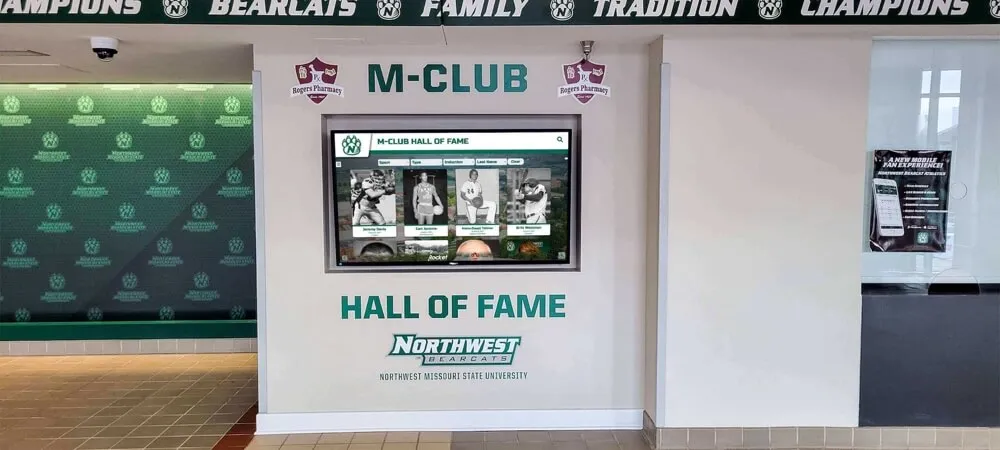
Interactive displays connecting current students with alumni achievements strengthen institutional pride and advancement relationships
Volunteer Program Development Engaged alumni provide invaluable institutional support:
- Recruiting alumni for institutional boards and committees
- Creating mentorship programs connecting alumni with current students
- Developing career networking initiatives leveraging alumni professional expertise
- Organizing alumni admissions volunteer programs supporting recruitment
- Building regional alumni chapter leadership structures
- Coordinating alumni class reunion committees
Engagement Tracking and Analysis Directors of advancement measure alumni engagement systematically:
- Tracking event attendance and participation rates
- Monitoring digital engagement with alumni communications
- Analyzing giving participation by class year and engagement level
- Identifying highly-engaged alumni for leadership volunteer roles
- Measuring correlation between engagement activities and philanthropic support
- Using engagement data to refine alumni programming and outreach
Donor Stewardship and Recognition
Appropriate acknowledgment and ongoing stewardship significantly influence donor retention and future giving. Directors of advancement create recognition programs that honor philanthropy meaningfully.
Immediate Gift Acknowledgment
- Sending personalized thank-you letters within 48 hours of gift receipt
- Making phone calls from leadership thanking major donors
- Arranging student or beneficiary thank-you notes for scholarship donors
- Issuing tax receipts meeting IRS documentation requirements
- Recording gifts accurately in donor databases
- Notifying relevant departments about gifts supporting their programs
Recognition Society Programs Directors of advancement establish giving societies acknowledging support levels:
- Creating cumulative giving recognition societies for lifetime support
- Developing annual giving circles recognizing yearly contributions
- Establishing planned giving legacy societies honoring estate commitments
- Designing leadership giving clubs acknowledging pace-setting support
- Planning recognition society events bringing donors together
- Producing materials describing society membership and benefits
Modern advancement professionals increasingly implement comprehensive recognition displays that honor donors while inspiring additional philanthropy.
Physical Recognition and Naming Opportunities Prominent donor recognition creates visible appreciation:
- Managing donor walls and recognition displays in high-traffic locations
- Coordinating named space plaques for facility donors
- Overseeing building naming for transformational gifts
- Creating recognition gardens or outdoor acknowledgment spaces
- Implementing digital recognition platforms offering unlimited capacity
- Ensuring recognition accuracy and appropriate prominence
Schools implementing digital recognition tools report enhanced donor satisfaction and improved retention rates compared to traditional static plaques.
Impact Reporting and Ongoing Communication Stewardship extends beyond initial acknowledgment:
- Producing annual impact reports showing how donations make differences
- Sending periodic updates to major donors about projects they support
- Arranging site visits enabling donors to see their gifts in action
- Sharing student success stories demonstrating scholarship impact
- Creating endowment reports showing fund performance and distributions
- Maintaining regular communication sustaining donor relationships
Modern recognition platforms enable advancement directors to honor unlimited donors with rich, engaging content
Database Management and Analytics
Data-driven advancement requires sophisticated information management that directors of advancement oversee.
Donor Database Administration
- Selecting and implementing donor management software platforms
- Training staff in proper database usage and data entry procedures
- Establishing data entry standards ensuring consistency and accuracy
- Managing database security and access permissions
- Overseeing data hygiene including address updates and duplicate merging
- Integrating advancement databases with financial and student information systems
Prospect Research and Tracking Systematic prospect management requires robust data systems:
- Recording biographical information, relationship history, and interests
- Tracking cultivation activities including meetings, calls, and correspondence
- Documenting giving capacity indicators and wealth information
- Managing solicitation status and next-step action items
- Recording volunteer involvement and engagement activities
- Maintaining confidential information with appropriate security
Reporting and Analysis Directors of advancement use data generating insights that inform strategy:
- Creating dashboards tracking campaign progress toward goals
- Analyzing donor retention rates identifying stewardship gaps
- Measuring solicitation effectiveness and conversion rates
- Tracking revenue by source, designation, and gift type
- Calculating return on investment for various fundraising activities
- Identifying trends informing strategic planning and resource allocation
Capital Campaign Leadership
Major fundraising campaigns represent intensive, time-limited efforts raising substantial support for strategic priorities. Directors of advancement often spend years planning and executing comprehensive campaigns.
Campaign Planning and Feasibility
- Working with leadership identifying campaign priorities and goals
- Conducting feasibility studies assessing fundraising potential
- Developing campaign cases for support articulating institutional vision
- Creating gift range charts establishing targets for various giving levels
- Identifying leadership gift prospects for early campaign phase
- Building campaign timelines with quiet and public phases
Campaign Implementation Directors of advancement orchestrate all campaign elements:
- Recruiting campaign volunteers including honorary and working committees
- Developing campaign materials including brochures, videos, and proposals
- Coordinating campaign events from kickoffs to victory celebrations
- Managing campaign communications to diverse constituencies
- Tracking campaign progress and regularly reporting to leadership
- Adjusting strategies based on results and changing circumstances
Post-Campaign Transition Following campaign completion, advancement directors manage transitions:
- Ensuring all pledges are fulfilled according to agreed schedules
- Completing campaign recognition and donor acknowledgment
- Transitioning from campaign intensity to sustainable operations
- Analyzing campaign results identifying lessons for future efforts
- Maintaining relationships with campaign donors for ongoing support
Institutions planning major capital projects benefit from understanding optimal timing for recognition installations, as explored in guides for new building display implementation.
Qualifications and Skills for Directors of Advancement
Successful advancement directors combine formal education with practical experience and diverse professional competencies.
Educational Requirements
Degree Expectations Most director of advancement positions require minimum educational credentials:
- Bachelor’s degree represents baseline requirement for consideration
- Master’s degree increasingly preferred or required for senior positions
- Degrees in nonprofit management, business administration, or communications common
- Educational administration backgrounds providing institutional context
- Marketing or public relations degrees supporting communication skills
- Fundraising certificate programs demonstrating specialized knowledge
Professional Development and Certification Ongoing learning strengthens advancement capabilities:
- Certified Fund Raising Executive (CFRE) credential demonstrating professional standards
- Association of Fundraising Professionals (AFP) training programs
- CASE (Council for Advancement and Support of Education) conferences and workshops
- Planned giving certification for complex gift vehicles
- Grant writing training for foundation relations
- Technology training for advancement platforms and digital tools

Modern advancement professionals master technology platforms that enhance donor engagement and streamline operations
Professional Experience
Career Progression Pathways Directors of advancement typically follow developmental trajectories:
Entry-Level Fundraising
- Annual giving coordinator managing direct mail and phonathon programs
- Development associate handling donor acknowledgment and database maintenance
- Alumni relations coordinator planning events and managing communications
- Grant writer preparing foundation and corporate proposals
- Special events coordinator organizing fundraising galas and benefits
Mid-Level Development
- Annual giving director leading comprehensive annual fund operations
- Major gifts officer managing portfolio of principal gift prospects
- Alumni director overseeing all graduate engagement programming
- Campaign coordinator managing comprehensive campaign logistics
- Advancement services manager supervising database and gift processing
Advancement Leadership
- Assistant director of advancement focusing on specific functional areas
- Director of advancement leading comprehensive development programs
- Executive director of advancement at larger institutions with substantial teams
- Vice president for institutional advancement in senior leadership roles
- Chief development officer heading advancement operations
Most advancement directors accumulate 7-15 years of progressive fundraising experience before assuming director-level responsibilities.
Essential Competencies and Skills
Interpersonal and Communication Skills Advancement success fundamentally depends on relationship capabilities:
- Active listening skills understanding donor motivations and interests
- Empathy and emotional intelligence connecting authentically with diverse individuals
- Persuasive communication articulating institutional needs compellingly
- Professional writing producing clear, engaging correspondence and proposals
- Public speaking presenting to groups ranging from small committees to large gatherings
- Cross-cultural competence relating effectively across diverse populations
Strategic Thinking and Planning Directors of advancement operate strategically rather than reactively:
- Visionary thinking imagining advancement program potential
- Goal setting establishing ambitious yet achievable targets
- Strategic planning developing multi-year advancement roadmaps
- Priority determination allocating limited resources for maximum impact
- Problem-solving addressing obstacles creatively and pragmatically
- Analytical thinking using data informing strategic decisions
Leadership and Management Advancement directors provide organizational leadership:
- Team building when supervising development staff
- Volunteer management engaging and directing fundraising volunteers
- Collaboration working effectively with institutional leaders and colleagues
- Influence exercising authority appropriately without direct control
- Change management implementing new approaches and technologies
- Accountability holding self and others responsible for results
Technical and Specialized Knowledge Modern advancement requires diverse technical capabilities:
- Donor database proficiency managing information systems
- Technology adoption implementing digital fundraising tools
- Financial acumen understanding gift vehicles and tax implications
- Legal knowledge regarding gift acceptance and deductibility
- Project management coordinating complex, multi-faceted initiatives
- Marketing expertise promoting institutional messages and campaigns
Schools seeking advancement directors increasingly value candidates familiar with digital recognition platforms and integrated advancement technologies that enhance donor engagement and streamline operations.
Career Path to Director of Advancement Positions
Understanding typical career trajectories helps aspiring advancement professionals plan strategic paths toward director-level positions.
Entry Into Advancement Work
Direct Entry from College Many advancement careers begin immediately after undergraduate education:
- Entry-level coordinator positions providing exposure to advancement operations
- AmeriCorps VISTA positions at nonprofits offering development experience
- Graduate assistantships in advancement offices during master’s programs
- Internships during college creating familiarity and connections
- Campus fundraising roles like annual giving student callers
Career Changers Entering Advancement Professionals from other fields successfully transition into advancement:
- Teachers bringing institutional knowledge and relationship skills
- Admissions professionals understanding enrollment and student recruitment
- Marketing and communication specialists contributing essential skills
- Business professionals offering financial and strategic planning capabilities
- Nonprofit program staff seeking career advancement through development
- Corporate sales professionals transferring relationship management expertise
Advancement Career Progression
Years 1-3: Foundation Building Early advancement careers focus on skill development:
- Learning advancement fundamentals through coordinator-level responsibilities
- Mastering donor databases and gift processing systems
- Developing writing skills through acknowledgment letters and appeals
- Building interpersonal capabilities through donor and alumni interactions
- Understanding institutional cultures and advancement operations
- Establishing professional networks through conferences and associations
Years 4-7: Specialization and Growth Mid-career advancement professionals often specialize:
- Major gifts officer managing portfolios of significant prospects
- Annual giving director leading comprehensive annual fund programs
- Alumni director overseeing all graduate engagement operations
- Campaign manager coordinating comprehensive fundraising initiatives
- Prospect researcher conducting sophisticated capacity analysis
- Advancement services director managing data and gift processing
Years 8-15: Leadership Preparation Senior individual contributors prepare for director roles:
- Assistant director positions providing advancement leadership experience
- Associate director roles supervising staff and managing budgets
- Interim director opportunities demonstrating leadership capabilities
- Project leadership heading major initiatives like campaigns
- Cross-functional exposure working across multiple advancement areas
- Strategic planning participation contributing to institutional direction
Years 15+: Senior Advancement Leadership Experienced professionals advance to senior positions:
- Director of advancement leading comprehensive development programs
- Executive director roles at larger institutions with substantial teams
- Vice president positions participating in senior leadership
- Chief development officer roles heading advancement divisions
- Consultant positions advising multiple institutions
- Advancement training and professional development roles
Compensation and Benefits for Directors of Advancement
Director of advancement compensation varies substantially based on institutional characteristics, geographic location, and individual qualifications.
Salary Ranges by Institution Type
Independent Schools Private K-12 institutions employ advancement directors with varying compensation:
- Small independent schools (enrollment under 300): $55,000-$85,000
- Mid-size independent schools (enrollment 300-700): $75,000-$110,000
- Large independent schools (enrollment 700+): $95,000-$150,000+
- Elite boarding schools and day schools: $120,000-$200,000+
Colleges and Universities Higher education advancement directors earn varying salaries based on institutional size and type:
- Small liberal arts colleges: $70,000-$110,000
- Regional comprehensive universities: $85,000-$130,000
- Research universities and flagship institutions: $100,000-$180,000+
- Elite private universities: $150,000-$300,000+
Nonprofit and Community Organizations Educational nonprofits and community institutions employ advancement directors:
- Small nonprofits (budget under $2 million): $50,000-$75,000
- Mid-size nonprofits (budget $2-10 million): $70,000-$100,000
- Large nonprofits (budget $10+ million): $90,000-$140,000+
- National organizations and large foundations: $120,000-$200,000+
Factors Influencing Compensation
Geographic Location Cost of living and regional market conditions significantly affect salaries:
- Major metropolitan areas offering 20-40% premiums over national averages
- Rural and small-town positions typically paying below metropolitan rates
- Regional variations reflecting overall wage structures
- International positions following local market conditions
Fundraising Performance Many institutions tie compensation to advancement results:
- Performance bonuses based on goal achievement (typically 5-20% of base salary)
- Long-term incentive plans rewarding sustained growth
- Campaign bonuses for successful capital campaign completion
- Revenue-based compensation occasionally used though professionally discouraged
Experience and Qualifications Individual credentials influence earning potential:
- Advanced degrees adding 10-20% to compensation
- CFRE certification demonstrating professionalism
- Documented fundraising success commanding premium compensation
- Leadership experience at peer institutions providing negotiating leverage
- Specialized expertise in planned giving or campaign management
Benefits and Total Compensation
Beyond base salary, advancement directors typically receive comprehensive benefits:
Standard Benefits
- Health insurance (often employer-paid or substantially subsidized)
- Retirement plan contributions (typically 5-10% of salary)
- Paid time off including vacation, sick leave, and holidays
- Professional development funding for conferences and training
- Tuition benefits for employee children at educational institutions
Additional Perks
- Flexible work arrangements including remote work options
- Expense accounts for donor cultivation activities
- Technology allowances for phones and computers
- Professional membership dues paid by employer
- Parking or transportation benefits
Why Schools Need Directors of Advancement
Educational institutions of all sizes benefit from dedicated advancement leadership, though many schools question whether they can afford or justify these positions.
The Case for Advancement Investment
Return on Investment Research consistently demonstrates that professional advancement leadership generates substantial returns:
- Schools hiring first directors of advancement typically see 150-300% increases in philanthropic revenue within three years
- Professional fundraisers generate average returns of $4-6 for every dollar invested in compensation
- Sustained advancement presence builds donor pipelines producing growing support over decades
- Strategic cultivation generates major and planned gifts far exceeding cost of advancement staffing
Donor Confidence and Professionalism Professional advancement operations strengthen donor relationships:
- Consistent stewardship and communication maintaining donor confidence
- Proper gift acknowledgment and tax documentation meeting legal requirements
- Timely, accurate reporting demonstrating institutional accountability
- Strategic cultivation appropriate to donor capacity and interests
- Confidential handling of sensitive donor information
Strategic Alignment Directors of advancement connect fundraising with institutional priorities:
- Advancement goals aligned with strategic plans ensuring focused effort
- Fundraising cases articulating institutional vision compellingly
- Campaign priorities reflecting authentic institutional needs
- Board engagement in advancement supporting governance fundraising responsibilities
- Cross-institutional collaboration integrating advancement throughout operations
When Schools Should Hire Directors of Advancement
Institutional Readiness Indicators Schools benefit from advancement directors when several conditions exist:
- Operating budgets exceeding $2-3 million suggesting capacity to invest in advancement
- Active alumni populations of at least 500-1,000 graduates providing donor base
- Board commitment to fundraising and willingness to engage in development
- Clear institutional needs requiring philanthropic support beyond operating budgets
- Leadership stability providing continuity for relationship building
- Advancement infrastructure including donor database and gift processing capabilities
Signs Schools Need Advancement Leadership Specific challenges suggest advancement director positions would provide value:
- Inconsistent fundraising results depending on volunteer availability
- No systematic donor cultivation or major gift solicitation
- Limited alumni engagement beyond occasional social events
- Reactive rather than strategic approach to fundraising
- Lack of accountability for fundraising performance
- Missed opportunities for planned gifts and major support
- Inadequate donor stewardship and recognition
Even small schools with limited budgets benefit from part-time or shared advancement directors who provide professional leadership scaled to institutional size and capacity.
Building Advancement Capacity Over Time
Schools often grow advancement operations progressively:
Phase 1: Foundation Building (Years 1-3) Initial advancement director hiring focuses on infrastructure:
- Implementing donor database and gift processing systems
- Establishing annual giving programs generating renewable support
- Building alumni relations programs strengthening graduate connections
- Creating recognition systems acknowledging donor support
- Developing board fundraising capacity and engagement
- Identifying major gift prospects for future cultivation
Phase 2: Growth and Expansion (Years 4-7) As advancement programs mature, institutions expand capacity:
- Adding development staff focusing on specific functions
- Launching comprehensive campaigns addressing priority needs
- Implementing planned giving programs building legacy support
- Expanding recognition programs including modern display technologies
- Deepening major gift cultivation generating principal gifts
- Increasing board development sophistication
Phase 3: Sustained Excellence (Years 8+) Mature advancement programs deliver consistent results:
- Comprehensive development operations with specialized staff
- Regular campaign cycles addressing evolving institutional needs
- Robust planned giving programs generating significant deferred support
- Sophisticated donor segmentation and targeted strategies
- Data-driven decision-making optimizing resource allocation
- Integration of advancement throughout institutional culture
Modern Technology and the Advancement Director Role
Contemporary advancement directors increasingly leverage technology platforms that enhance donor engagement, streamline operations, and expand recognition capacity.
Digital Recognition and Donor Stewardship
Traditional donor walls and static plaques face inherent limitations that modern digital recognition platforms address comprehensively.
Traditional Recognition Challenges Physical donor recognition presents persistent problems:
- Space constraints limiting recognition capacity as donor bases grow
- Update difficulty requiring expensive fabrication for additions or corrections
- Limited information capacity displaying only names and giving levels
- Accessibility issues for visitors with visual or mobility impairments
- Maintenance burden cleaning and repairing physical installations
- Static presentation lacking engagement and interactivity
Digital Recognition Solutions Modern advancement directors implement interactive touchscreen displays offering substantial advantages:
- Unlimited recognition capacity accommodating unlimited donors
- Remote content management updating recognition instantly from any device
- Rich storytelling capabilities including photos, videos, and biographical information
- Search functionality enabling donors to find themselves easily
- Web accessibility extending recognition beyond physical campus locations
- Analytics tracking engagement and most-viewed content
Schools implementing comprehensive digital recognition report enhanced donor satisfaction, improved retention rates, and increased giving participation as donors see their support prominently acknowledged.
Advancement Technology Platforms
Beyond recognition systems, advancement directors oversee various technology solutions:
Donor Management Systems Comprehensive CRM platforms designed for advancement operations:
- Blackbaud’s Raiser’s Edge providing industry-standard donor management
- Salesforce Nonprofit Cloud offering flexible, customizable solutions
- DonorPerfect serving small to mid-size organizations
- Bloomerang focusing on donor retention
- Little Green Light providing affordable cloud-based options
Online Giving Platforms Digital donation capabilities have become essential:
- Embedded giving forms on institutional websites
- Mobile-optimized donation pages
- Peer-to-peer fundraising platforms
- Recurring gift management
- Integration with donor databases
- Donor-covered processing fees
Communication and Engagement Tools Email marketing and communication platforms maintain donor relationships:
- Constant Contact, Mailchimp for mass email communications
- Personalized video platforms for donor stewardship
- Event management software for alumni gatherings
- Social media scheduling and management tools
- Digital storytelling platforms showcasing institutional impact
Analytics and Reporting Data visualization and business intelligence tools inform strategy:
- Dashboard creation tracking key performance indicators
- Predictive modeling identifying major gift prospects
- Retention analysis highlighting stewardship gaps
- Campaign tracking monitoring progress toward goals
- A/B testing optimizing appeal messaging and timing
Conclusion: The Essential Role of Advancement Directors
Directors of advancement have become indispensable leadership positions at schools and educational institutions seeking sustainable philanthropic support. These professionals transform fragmented, volunteer-dependent fundraising into strategic development programs that systematically cultivate donors, secure major gifts, engage alumni, and build long-term relationships generating growing support.
The director of advancement role encompasses diverse responsibilities from annual giving campaign management and major gift cultivation to alumni engagement, donor stewardship, database administration, and campaign leadership. Success requires combining interpersonal relationship skills with strategic thinking, technical capabilities, and specialized fundraising knowledge that professional development training and progressive experience provide.
Schools investing in advancement directors consistently see substantial returns as professional leadership generates philanthropic revenue far exceeding position costs. Beyond financial metrics, advancement directors provide donor confidence through consistent stewardship, strategic alignment between fundraising and institutional priorities, and professional operations meeting ethical and legal standards.
For individuals considering advancement careers, the director of advancement position represents an aspirational role requiring years of progressive development experience but offering meaningful work, competitive compensation, and opportunities to make lasting institutional impact. The field needs talented professionals who combine genuine relationship-building capabilities with strategic mindsets and willingness to embrace technology platforms transforming advancement operations.
Modern advancement directors increasingly leverage digital tools including interactive recognition displays, sophisticated donor databases, online giving platforms, and analytics systems that enhance efficiency while deepening donor engagement. Proficiency with these technologies distinguishes forward-thinking advancement professionals positioned for leadership in contemporary fundraising environments.
Whether you’re an educational institution evaluating advancement staffing needs or a professional considering this rewarding career path, understanding what directors of advancement do illuminates why these positions have become essential components of sustainable educational excellence. Strategic philanthropy guided by skilled advancement leadership enables schools to fulfill missions that tuition revenue alone cannot support, creating educational opportunities and institutional capabilities that benefit current and future generations.
Ready to explore how modern recognition technology empowers advancement directors to create comprehensive donor engagement? Discover digital recognition solutions helping institutions celebrate philanthropic support while strengthening donor relationships.