The yearbook has served as a cornerstone of school tradition for over a century, capturing memories, celebrating achievements, and preserving institutional history. Today, schools face a fundamental question that would have seemed impossible just a generation ago: digital yearbook vs printed yearbook—or whether to embrace both approaches simultaneously.
This decision extends far beyond simple format preference. It encompasses significant budget implications with recurring costs versus one-time investments, dramatically different levels of student engagement and interactive potential, contrasting accessibility models affecting who can view and share memories, distinct longevity considerations spanning decades, and divergent environmental footprints that align with institutional sustainability commitments.
Many school administrators approach this decision with incomplete cost-benefit analysis, pressure from traditional yearbook publishers protecting established business models, uncertainty about student and family preferences across different demographics, and questions about whether digital formats can truly preserve memories with the same permanence as printed books that have endured for generations.
This comprehensive guide provides evidence-based comparison of digital yearbooks versus printed yearbooks across all major decision factors, helping schools make informed choices that serve their communities effectively while understanding how modern solutions can enhance rather than replace cherished traditions.
The digital versus printed yearbook decision need not be binary. Many forward-thinking schools implement hybrid approaches combining traditional printed editions with digital enhancements, creating complementary experiences that maximize the benefits of both formats while addressing the limitations each faces when implemented exclusively.
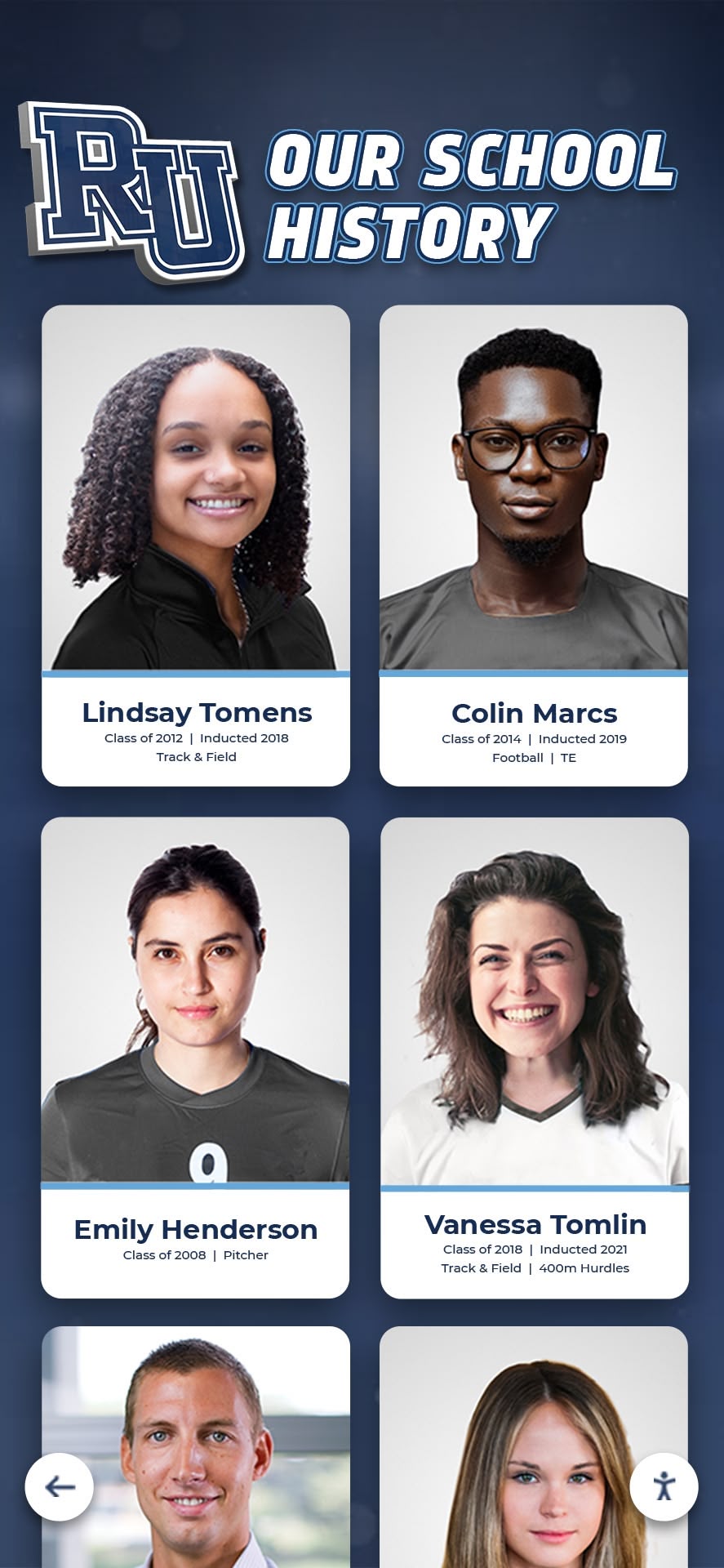
Whether digital or printed, yearbooks preserve invaluable student memories and school history across generations
Understanding Digital and Printed Yearbook Models
Before evaluating specific comparison factors, schools benefit from clear understanding of how these formats differ fundamentally in creation, distribution, and long-term management.
What Are Printed Yearbooks?
Traditional printed yearbooks follow established processes refined over decades:
Production Model
- Design and layout created using desktop publishing software by student staff or professional design services
- Content submission through digital platforms consolidated into print-ready files
- Professional offset printing producing bound hardcover or softcover books
- Bulk delivery to schools for distribution during designated yearbook signing events
- Additional copies available for purchase through publisher or school for limited periods
Cost Structure Printed yearbooks operate on per-unit pricing models where base price per book decreases with larger quantities ordered, minimum order quantities required by most publishers, upfront payment covering entire print run before production, and additional costs for premium features including color pages, upgraded covers, or specialty finishes.
Distribution and Access Traditional yearbooks provide physical ownership through individual copies purchased by families, in-person distribution events creating memorable social experiences, books remaining in personal possession for lifetime, and archives maintained through libraries or administrative offices keeping historical copies.
What Are Digital Yearbooks?
Digital yearbooks leverage technology to reimagine memory preservation:
Production Model
- Online platforms enabling collaborative content creation and submission
- Cloud-based design tools often simplifying layout compared to traditional software
- Digital publishing eliminating printing costs and physical production timelines
- Instant distribution through web access, mobile apps, or downloadable formats
- Perpetual updates possible even after initial publication
Cost Structure Digital yearbooks typically employ subscription or platform fee models including annual licensing fees per school or per student, percentage-based pricing tied to sales for hybrid models, one-time setup fees for proprietary platforms, and potential ongoing hosting or maintenance costs.
Distribution and Access Digital formats provide universal accessibility through web browsers or mobile applications, instant delivery eliminating shipping delays and distribution logistics, shareable links enabling easy distribution to extended family, and searchable interfaces allowing quick location of specific content or individuals.
Schools preserving comprehensive institutional history through digital archive solutions often integrate yearbook content within broader recognition and memory preservation systems.
Cost Comparison: Printed vs Digital Yearbooks
Financial considerations significantly influence yearbook format decisions, though total cost of ownership extends beyond simple per-student pricing.
Printed Yearbook Costs
Traditional yearbooks involve well-understood expense structures:
Direct Production Costs
- Base price per book typically ranging $25-$60 depending on page count, cover quality, and color versus black-and-white pages
- Volume discounts reducing per-unit costs for larger print runs
- Premium upgrade charges for features like embossing, foil stamping, or laminated covers adding $5-$15 per book
- Shipping costs adding $2-$5 per book depending on location and delivery method
- Rush printing fees if production deadlines are missed
Indirect Program Costs Schools must also account for yearbook advisor stipends or release time compensating staff oversight, design software licenses for programs like Adobe InDesign or specialized yearbook platforms, student training time and curriculum integration, photography equipment and storage infrastructure, and unsold inventory representing committed capital in unpurchased books.
Revenue Models Most printed yearbooks operate through direct sales where families purchase individual copies at $50-$80, early bird pricing offering discounts for pre-orders, advertising sales offsetting production costs through business and parent ads, and fundraising activities supplementing yearbook budget shortfalls.
Total Cost Example A typical high school with 800 students might print 600 yearbooks at $35 each ($21,000), pay $3,000 in shipping and handling, invest $2,000 in advisor stipends and software, generate $8,000 in advertising revenue, and achieve net cost of approximately $18,000 funded through student purchases and school budget allocation.
Digital Yearbook Costs
Technology-based yearbooks present different financial models:
Platform and Licensing Costs
- Subscription fees typically ranging $2,000-$8,000 annually depending on school size
- Per-student licensing models charging $5-$15 per student for platform access
- Setup and customization fees for initial implementation ranging $1,000-$5,000
- Technical support and training costs varying by vendor
- Data storage and hosting fees for large media libraries
Production Costs Digital formats eliminate printing expenses but involve design time compensated through staff stipends or contracted services, content management requiring student training and supervision, and quality control processes ensuring appropriate content standards.
Hybrid Model Costs Many schools implement combined approaches offering digital yearbook with optional printed copies, subscription access to digital archives plus annual printed editions, or printed yearbooks enhanced with digital content through QR codes or augmented reality features. These hybrid models typically involve platform fees of $3,000-$6,000 plus printed book costs for students choosing physical copies.
Total Cost Example The same 800-student high school might pay $5,000 annual platform subscription, invest $2,000 in advisor compensation and training, and collect optional printed book orders from 300 families at $45 each ($13,500), achieving net cost of approximately $7,000 after printed book revenue while providing digital access to entire student body.
Long-Term Cost Implications
Multi-year analysis reveals important patterns:
Printed Yearbook Economics Traditional models involve predictable recurring costs with minimal year-over-year variation, one-time purchases with no ongoing access fees, and historical archives requiring physical storage space but no digital infrastructure maintenance.
Digital Yearbook Economics Technology platforms involve recurring subscription expenses continuing indefinitely, potential price increases as vendors adjust licensing models, vendor dependency risks if company exits market or discontinues products, but scalability allowing expanded access without proportional cost increases.
Cost-Effectiveness Factors Digital yearbooks prove more cost-effective for schools with limited yearbook participation where printing minimum quantities creates waste, institutions prioritizing universal access over individual ownership, programs seeking enhanced multimedia capabilities, and communities with significant budget constraints limiting printed book affordability.
Printed yearbooks maintain cost advantages for schools with strong yearbook purchase traditions where most students buy copies, communities preferring tangible keepsakes over digital access, programs generating significant advertising revenue, and institutions with established production processes minimizing indirect costs.
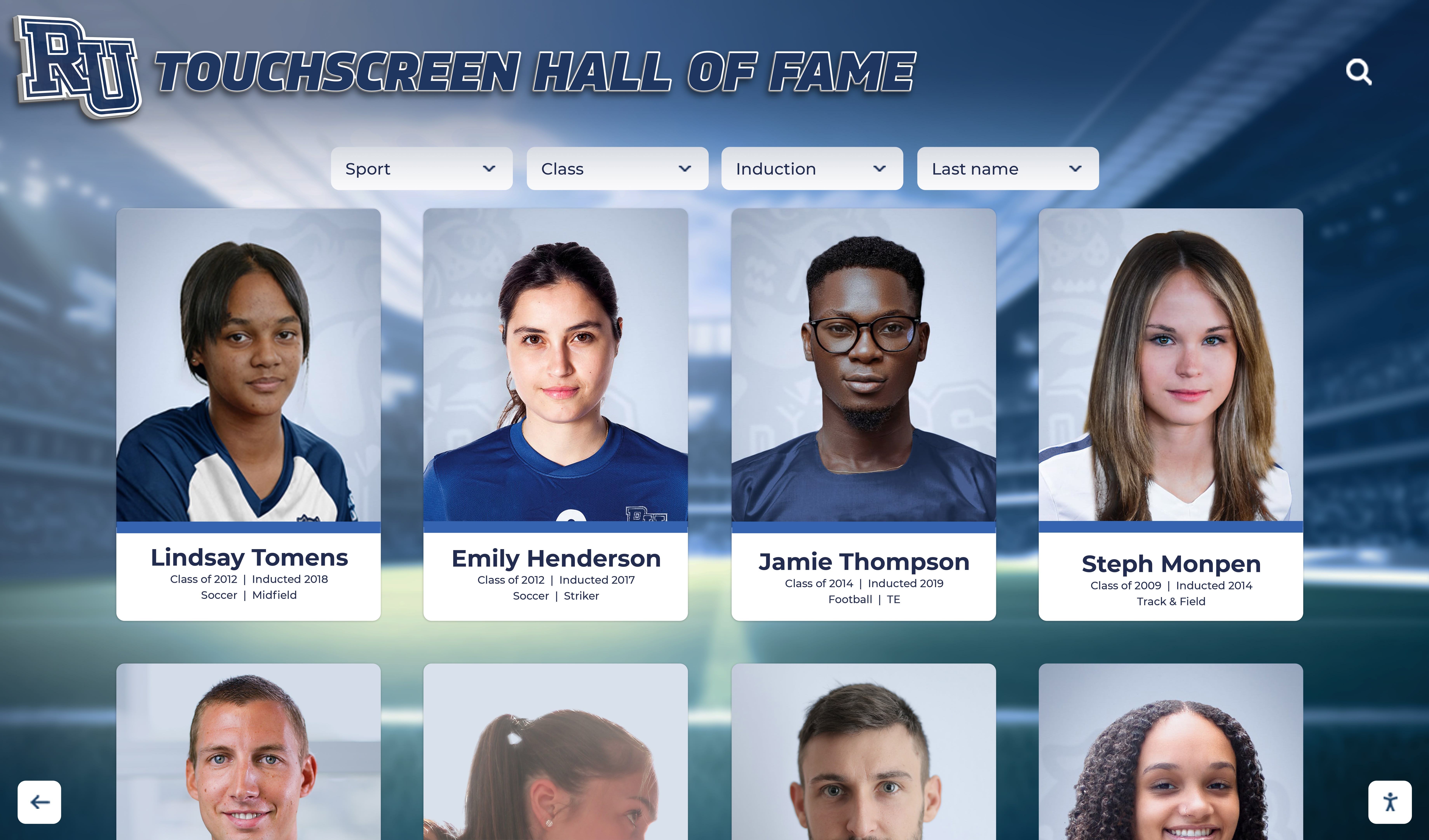
Digital platforms enable interactive exploration of student memories and achievements year-round
Student Engagement and User Experience
How students interact with, contribute to, and value yearbooks differs substantially between formats.
Printed Yearbook Engagement
Traditional yearbooks create distinctive participation patterns:
Creation and Contribution
- Structured submission deadlines creating clear participation windows
- Yearbook staff positions providing leadership opportunities and journalism skills
- Design committees making layout decisions through collaborative review
- Photography assignments distributing responsibility across student staff
- Senior page personalization allowing individual creative expression
Distribution and Social Rituals Printed yearbooks generate memorable social experiences through designated signing days creating schoolwide events, circulation among peers collecting autographs and messages, spontaneous gatherings around displayed yearbooks, personalized inscriptions creating unique artifacts, and graduation week traditions centered on yearbook exchanges.
Ongoing Interaction Physical books enable periodic rediscovery through household storage leading to spontaneous browsing, family sharing across generations, reunion events where alumni compare yearbooks, and tangible connection to specific life periods.
Digital Yearbook Engagement
Technology platforms enable different interaction models:
Creation and Contribution
- Extended submission windows allowing ongoing content addition
- Crowdsourced content from entire student body beyond yearbook staff
- Simplified upload processes reducing technical barriers to participation
- Real-time preview of how contributions appear in published format
- Collaborative commenting and feedback during creation process
Access and Interaction Digital formats provide year-round availability extending engagement beyond distribution week, search functionality quickly locating specific individuals or events, social sharing enabling easy distribution to family and friends, multimedia integration including video clips and audio recordings, and interactive features like voting, commenting, or virtual signing.
Long-Term Engagement Digital yearbooks enable perpetual access through mobile apps and web portals, notification systems alerting users to classmate updates or anniversary milestones, integration with reunion planning and alumni networks, and searchable archives spanning multiple years or decades.
Schools implementing comprehensive digital recognition displays often incorporate yearbook content within broader systems celebrating student achievements and institutional history.
Participation Rate Implications
Format choice significantly affects who participates:
Printed Yearbook Participation Traditional models often see declining purchase rates as families face competing expenses, socioeconomic disparities where lower-income students may skip yearbooks, senior year concentration where underclassmen skip purchases, and complete exclusion for students whose families decline purchase.
Digital Yearbook Participation Technology platforms potentially enable universal access if school funds platform for all students, reduced financial barriers through lower-cost or free digital options, equitable access ensuring all students receive memory preservation, and ongoing engagement rather than single purchase decision.
However, digital formats risk digital divide issues where students lacking devices or internet face access challenges, reduced perceived value if digital access seems less substantial than physical books, and technology barriers for families uncomfortable with digital platforms.
Accessibility and Distribution
How yearbook content reaches students, families, and alumni differs fundamentally between formats.
Geographic and Temporal Access
Printed Yearbook Distribution
- Physical presence required for distribution events or shipping coordination
- Permanent accessibility once book received regardless of internet access
- Sharing requires physical loan or showing of individual copy
- Lost or damaged books irreplaceable after publisher inventory depleted
- Alumni access dependent on personal book preservation
Digital Yearbook Distribution
- Instant delivery to any internet-connected location globally
- Geographic independence allowing relocated families or deployed military parents immediate access
- Simultaneous access by unlimited users at different locations
- Backup and recovery preventing permanent loss from damage
- Alumni access continuing indefinitely through retained credentials
Schools serving military families, international students, or geographically dispersed communities benefit significantly from digital distribution eliminating shipping complications and delays.
Special Needs and Inclusive Access
Accessibility for students with disabilities differs substantially:
Printed Yearbook Accessibility
- Fixed format limiting adaptability for visual impairments
- Physical handling requirements challenging for some mobility limitations
- Standard font sizes potentially problematic for low vision students
- No audio alternatives for blind students
- Static content unable to accommodate varied learning preferences
Digital Yearbook Accessibility
- Screen reader compatibility enabling access for blind students
- Adjustable text sizing accommodating low vision needs
- High contrast modes supporting various visual processing differences
- Potential audio descriptions for visual content
- Keyboard navigation for students with fine motor challenges
- Compatibility with assistive technology devices
Schools committed to inclusive education find digital formats naturally align with accessibility requirements under laws like the Americans with Disabilities Act and Section 504.
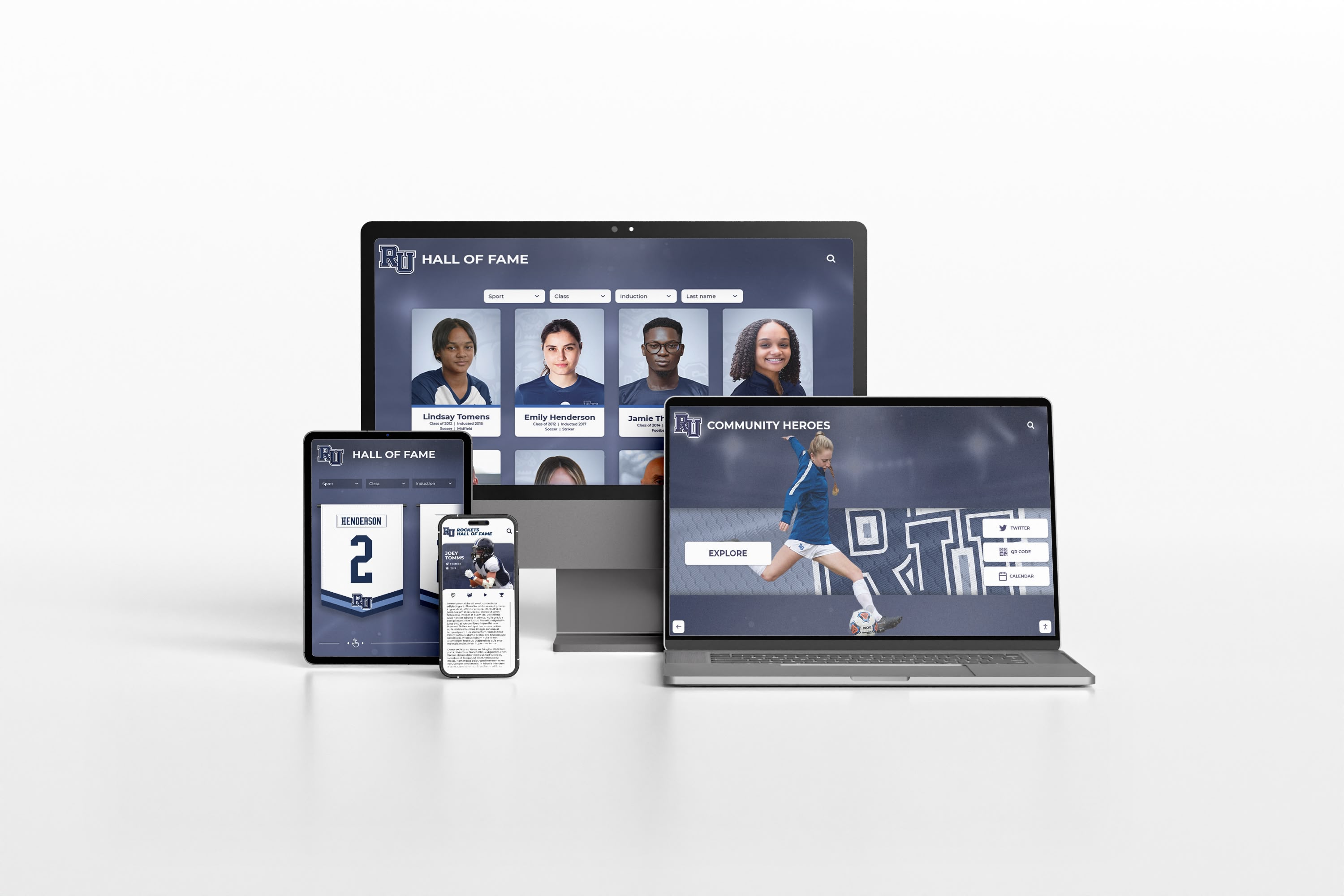
Digital yearbooks provide flexible access across any device, anywhere, anytime
Family and Community Sharing
Distribution to extended networks follows different patterns:
Printed Yearbook Sharing
- Physical book circulation among immediate family
- Grandparents, relatives requiring separate purchase or loan arrangements
- Limited simultaneous access as one person views book at a time
- Mail or in-person delivery needed for distant relatives
- Privacy through physical possession limiting unintended viewing
Digital Yearbook Sharing
- Shareable links allowing easy distribution to extended family
- Simultaneous viewing by unlimited relatives at different locations
- Email or text message distribution requiring minimal effort
- Alumni networks easily accessing content for reunion planning
- Privacy concerns requiring platform security and access controls
The appropriate sharing model depends on family preferences, with some favoring intimate physical sharing while others appreciate digital convenience.
Content Capabilities and Creative Possibilities
Format constraints and opportunities shape what schools can include and how memories are preserved.
Printed Yearbook Content
Traditional books involve well-established content approaches:
Standard Elements
- Individual student portraits organized by grade and alphabetically
- Academic program coverage including classroom activities, clubs, and organizations
- Athletic team photos, action shots, and season recaps
- Special events documentation including dances, assemblies, and traditions
- Senior sections featuring extended profiles, baby photos, and future plans
- Faculty and staff recognition pages
- Advertising from local businesses and parent congratulations
Creative Features Printed yearbooks enable artistic layout design utilizing white space and typography, theme development creating visual cohesion throughout book, specialty printing techniques including embossing and foil stamping, premium paper stocks and finishes, and durable binding methods preserving books for decades.
Content Limitations Physical formats restrict space constraints limiting total content inclusion, cost per page encouraging selective rather than comprehensive coverage, monochrome versus color decisions based on budget, static images capturing only single moments, and immutable content preventing corrections after printing.
Digital Yearbook Content
Technology platforms expand creative possibilities:
Enhanced Media Integration
- Video clips capturing movement, sound, and extended moments
- Audio recordings including speeches, performances, and interviews
- Photo galleries featuring hundreds of images beyond printed page limits
- Panoramic photos providing immersive event coverage
- Embedded links connecting to performances, news coverage, or related content
Interactive Elements Digital yearbooks enable commenting systems for virtual signing and messages, voting features for superlatives or favorite memories, searchable indexes quickly locating individuals or events, filtering options viewing specific sports, clubs, or grade levels, and integration with social media for content contributions.
Unlimited Space and Iteration Technology platforms eliminate page count constraints allowing comprehensive rather than selective coverage, equal representation for all activities and students, ongoing additions publishing supplemental content after initial release, error correction updating inaccurate information, and cost independence from content volume.
Schools implementing solutions like Rocket Alumni Solutions’ digital yearbook platforms gain the ability to create permanent, searchable archives that combine traditional yearbook content with expanded photo galleries, video highlights, and interactive features—all while maintaining the curated, quality-controlled approach that distinguishes yearbooks from unorganized social media collections.
Customization and Personalization
Individual student experience varies by format:
Printed Yearbook Personalization
- Senior pages allowing custom layouts within template structures
- Handwritten messages creating unique copies for each student
- Personalized cover options in some premium programs
- Individual ownership making each book a personal artifact
- Annotations and highlighting reflecting individual interests
Digital Yearbook Personalization
- Custom profile pages where students add biography details
- Personalized memory collections favoriting specific content
- Individual comment histories creating personal message archives
- Notification preferences controlling engagement level
- Shareable personal pages highlighting individual student content
Longevity and Preservation
How long yearbook content remains accessible and usable represents a critical comparison dimension.
Printed Yearbook Longevity
Physical books offer proven preservation characteristics:
Durability Factors
- Hardcover bindings protecting pages for decades with basic care
- Acid-free paper resisting yellowing and degradation
- Color stability maintaining image quality for 50+ years
- Physical resilience surviving normal handling and storage
- Independence from technology eliminating obsolescence concerns
Preservation Challenges Printed yearbooks face risks from physical damage through water, fire, or mishandling, loss or theft permanently eliminating access, storage space requirements increasing over decades, fading or deterioration in poor storage conditions, and difficulty creating backup copies.
Historical Track Record Printed yearbooks demonstrate proven longevity through century-old volumes remaining readable and valued, consistent format allowing universal access without special tools, and archival processes well-established through library science.
Digital Yearbook Longevity
Technology-based preservation introduces different considerations:
Digital Preservation Advantages
- Redundant backups preventing loss from single failure points
- Cloud storage protecting against local disasters
- Perfect reproduction creating unlimited identical copies
- Space efficiency storing decades of content in minimal physical space
- Search and retrieval capabilities improving over time
Technology Risks Digital formats face distinct challenges including file format obsolescence as software evolves, platform dependency on vendor continuing operations, subscription requirement for ongoing access, data migration needs as systems update, and potential compatibility issues with future devices.
Mitigation Strategies Schools can address digital preservation risks through multiple format exports creating backup in standard formats, local downloads supplementing cloud storage, vendor evaluation selecting stable, established companies, migration planning budgeting for periodic system updates, and hybrid approaches maintaining printed archives alongside digital collections.
Institutions focused on long-term institutional memory often implement professional digital archive solutions ensuring content preservation spanning decades while enabling modern access and interaction.

Mobile access ensures yearbook memories remain available whenever nostalgia strikes
Institutional Archives
Schools maintain historical records differently by format:
Printed Yearbook Archives
- Physical library storage preserving institutional copies
- Dedicated archive rooms housing complete collections
- Reference-only policies protecting historical volumes
- Digitization projects converting old yearbooks to searchable formats
- Space requirements increasing with each passing year
Digital Yearbook Archives
- Centralized platforms housing all years in single interface
- Searchable databases enabling research across decades
- Scalable storage accommodating unlimited historical additions
- Integration with alumni databases and institutional records
- Remote access serving historians, researchers, and community members
Schools can retroactively digitize historical yearbooks to create comprehensive searchable archives spanning their entire institutional history.
Environmental Impact
Sustainability considerations increasingly influence institutional decisions:
Printed Yearbook Environmental Footprint
Traditional yearbooks involve significant material resources:
Production Impact
- Paper consumption requiring harvested trees despite recycled content options
- Printing processes utilizing inks, chemicals, and energy
- Transportation emissions shipping books from printer to school
- Packaging materials protecting books during delivery
- Waste from unsold inventory eventually discarded
Mitigation Approaches Schools can reduce environmental impact through FSC-certified paper from responsibly managed forests, soy-based inks reducing petroleum derivatives, local printing minimizing transportation, accurate order quantities reducing waste, and recycling programs for damaged or outdated yearbooks.
Digital Yearbook Environmental Footprint
Technology platforms present different environmental profiles:
Digital Impact
- Data center energy consumption powering servers and storage
- Device manufacturing requiring rare earth minerals and energy
- Electronic waste from obsolete devices
- Network infrastructure energy supporting internet transmission
- Ongoing power consumption for perpetual access
Relative Comparison Studies generally find digital content delivery more environmentally efficient than print media when considering full lifecycle impacts, particularly when content is accessed multiple times over years, though environmental benefits depend on data center renewable energy usage, user device efficiency and longevity, and access frequency justifying production emissions.
Sustainable Digital Practices Schools can optimize environmental performance through vendors using renewable energy data centers, encouraging device longevity rather than frequent upgrades, and educating communities about sustainable technology use.
Privacy and Content Control
How schools manage sensitive content and protect student privacy differs substantially.
Printed Yearbook Content Management
Physical books involve traditional review processes:
Editorial Control
- Yearbook advisor and administrator review before printing
- Clear submission deadlines enabling comprehensive review
- Permanent publication preventing post-distribution changes
- Limited distribution to purchasers providing natural privacy constraints
- Mature content policies enforced during production
Privacy Considerations Printed yearbooks raise concerns through widespread distribution within school community, potential for online resale or donation making books publicly accessible, inability to remove individual students after printing, and permanent association of names with student images.
Digital Yearbook Content Management
Technology platforms enable different control mechanisms:
Dynamic Content Control
- Real-time moderation reviewing submissions before publication
- Post-publication editing correcting errors or removing inappropriate content
- Individual opt-out mechanisms respecting privacy preferences
- Access controls limiting viewing to authorized community members
- Activity monitoring detecting inappropriate usage
Privacy Features Digital platforms can implement parental consent systems controlling student inclusion, granular privacy settings managing individual visibility, secure authentication preventing unauthorized access, audit trails tracking who views content, and data deletion options supporting student removal requests.
Risks and Challenges Digital yearbooks face challenges including screenshot and download capabilities enabling unauthorized sharing, platform security vulnerabilities risking data breaches, third-party integrations potentially exposing student information, and perpetual online presence complicating “right to be forgotten” requests.
Schools must carefully evaluate vendor privacy policies, data security measures, compliance with student privacy laws like FERPA, and terms of service protecting institutional and student rights.
Rocket Alumni Solutions: The Modern Digital Yearbook Platform
When schools choose to implement digital yearbooks or hybrid approaches combining traditional print with enhanced digital access, the platform selection significantly influences success, user experience, and long-term value.
Rocket Alumni Solutions provides comprehensive digital yearbook and recognition platforms specifically designed for educational institutions:
Integrated Digital Yearbook Capabilities
Comprehensive Content Management
- Unlimited student photos, videos, and event coverage
- Intuitive content submission systems for students, staff, and families
- Professional design templates maintaining quality and consistency
- Searchable archives spanning multiple years or entire institutional history
- Seamless integration with athletic achievements, academic honors, and student activities
Enhanced Engagement Features Rocket’s platforms enable virtual yearbook signing through digital autograph collections, social sharing connecting students and families, mobile app access providing anytime, anywhere availability, interactive displays in school facilities showcasing yearbook content, and alumni network integration maintaining lifelong connections.
Flexible Implementation Models Schools can implement digital-only yearbooks eliminating printing costs entirely, hybrid approaches combining printed books with enhanced digital access, supplemental platforms extending traditional yearbook programs, or comprehensive recognition systems incorporating yearbook content within broader student achievement celebration.
Beyond Traditional Yearbooks
Rocket Alumni Solutions extends beyond basic digital yearbook functionality to create comprehensive institutional memory and recognition systems:
Interactive Digital Displays Many schools implement Rocket’s touchscreen displays in prominent locations featuring rotating yearbook photo galleries, athletic hall of fame recognition, academic achievement celebrations, alumni spotlights and “where are they now” features, and donor recognition for facilities and programs—all drawing from integrated content databases that include yearbook submissions.
Permanent, Searchable Archives Unlike consumer photo-sharing platforms or social media that prioritize recent content, Rocket creates permanent institutional archives with professional curation and organization, perpetual accessibility independent of changing social platforms, search functionality enabling research and reunion planning, and quality control maintaining appropriate content standards.
Cost-Effective Sustainability Rocket’s pricing models typically prove more cost-effective than traditional printed yearbook programs while expanding access, with annual subscription fees often lower than net printed yearbook program costs, universal digital access for all students regardless of purchase, elimination of unsold inventory waste, and scalability supporting growing schools without proportional cost increases.
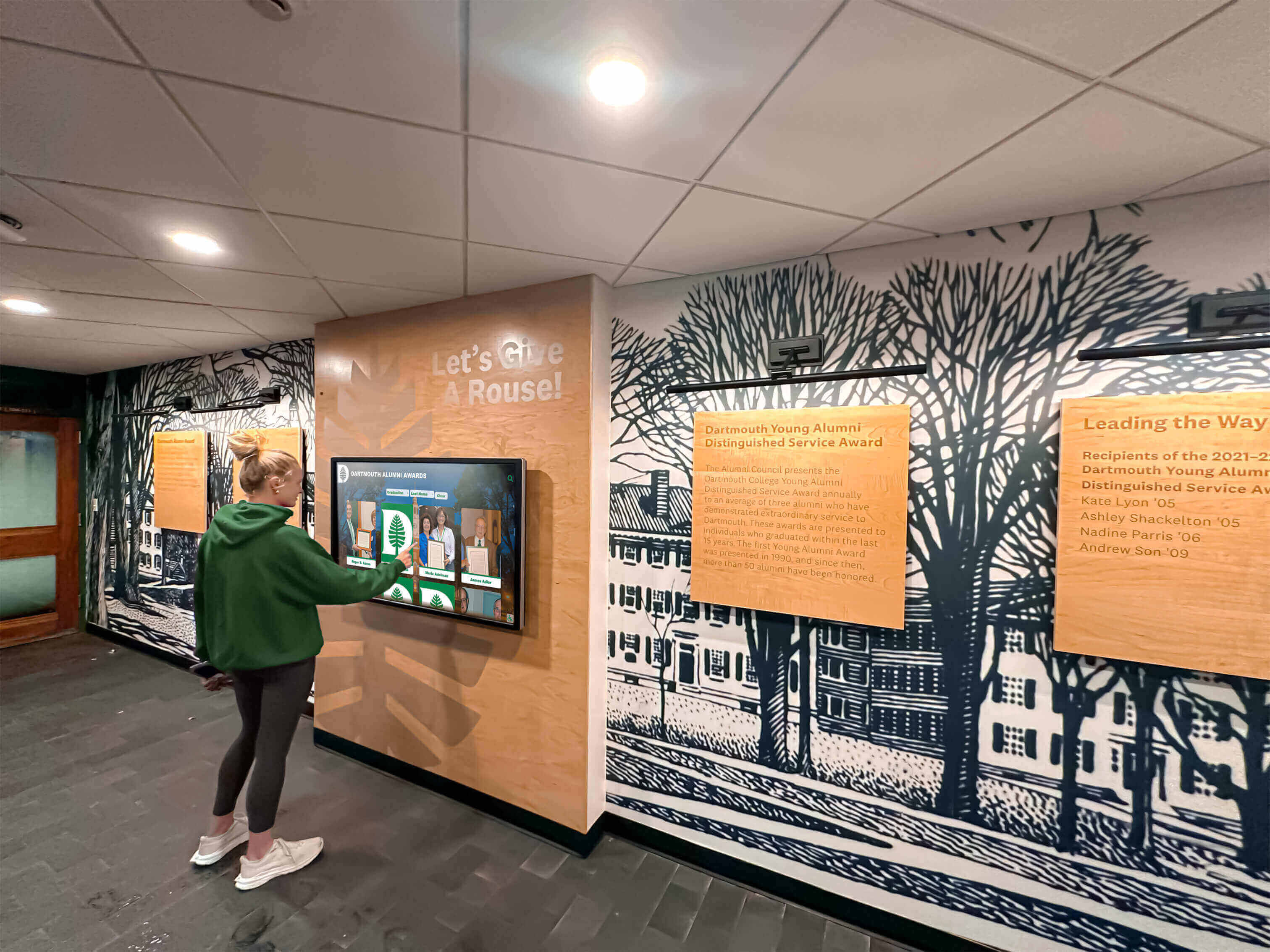
Interactive displays bring yearbook memories and school history to life in high-traffic areas
Implementation and Support
Rocket provides comprehensive support throughout the digital yearbook implementation:
Setup and Training
- Customized platform configuration matching school branding and needs
- Staff training enabling effective content management
- Student onboarding ensuring successful participation
- Technical support addressing questions and troubleshooting
- Content migration assistance digitizing historical yearbooks
Ongoing Partnership Schools receive continuous platform improvements and feature additions, responsive customer support addressing emerging needs, best practices guidance based on successful implementations, and strategic consultation optimizing engagement and value.
Educational institutions implementing comprehensive recognition systems benefit from understanding complete digital display capabilities extending beyond yearbooks to celebrate all forms of achievement.
Making the Right Choice for Your School
Determining the optimal yearbook approach requires evaluating your specific school context, community preferences, and institutional priorities.
Assessment Framework
Financial Analysis
- Calculate total cost of ownership for both formats including all direct and indirect expenses
- Evaluate current yearbook participation rates and revenue
- Assess budget flexibility for recurring versus one-time costs
- Consider fundraising potential and advertising revenue opportunities
- Analyze cost per student for universal access models
Community Preferences
- Survey students about format preferences and valued features
- Gather parent input on accessibility, cost, and tradition
- Consult alumni about historical preservation and engagement
- Assess faculty and staff comfort with digital platforms
- Evaluate community technology access and digital literacy
Institutional Priorities Schools should align yearbook decisions with broader institutional values around sustainability and environmental responsibility, equity and universal access to school experiences, tradition and connection to institutional history, innovation and educational technology integration, and student engagement and skill development.
Common Decision Patterns
Schools Choosing Primarily Digital Institutions with limited yearbook participation where costs exceed value, budget constraints making printed programs unsustainable, tech-forward communities embracing digital tools, strong sustainability commitments prioritizing environmental impact, and geographically dispersed populations benefiting from remote access often find digital yearbooks most appropriate.
Schools Maintaining Printed Focus Communities with strong yearbook traditions and high purchase rates, demographics preferring tangible keepsakes over digital access, successful advertising programs offsetting production costs, concerns about digital preservation and vendor dependency, and minimal technology infrastructure or support often continue printed yearbook programs.
Schools Implementing Hybrid Models Many institutions find optimal solutions combining formats through printed yearbooks for purchase with supplemental digital access for all students, basic digital yearbooks with optional premium printed editions, printed yearbooks enhanced with digital features via QR codes, or phased transitions starting digital while maintaining printed options during community adjustment.
Implementation Best Practices
Successful Digital Adoption
- Engage stakeholders early in decision-making and planning processes
- Pilot programs testing digital approaches before full commitment
- Maintain printed options during transition periods
- Invest in training ensuring effective platform utilization
- Celebrate launches generating excitement and participation
- Gather feedback and iterate based on community response
Preserving Tradition in Digital Formats Schools can honor yearbook traditions while embracing technology through virtual signing day events replicating in-person experiences, printed commemorative pages or posters providing tangible elements, integration with graduation ceremonies and senior year milestones, alumni connections linking historical and contemporary content, and storytelling approaches maintaining narrative traditions.
Educational leaders can explore innovative approaches to student recognition by examining how schools create comprehensive digital recognition programs that extend beyond traditional yearbooks.
The Future of School Memory Preservation
Yearbook evolution reflects broader educational technology trends and changing community expectations.
Emerging Trends
Hybrid and Flexible Models The future likely involves continued coexistence of formats serving different preferences, increased personalization allowing individuals to choose preferred formats, integration across platforms connecting yearbooks with broader digital ecosystems, and on-demand printing producing custom printed books from digital content.
Enhanced Digital Capabilities Technology advancement enables artificial intelligence assisting with photo organization and tagging, augmented reality features adding digital layers to printed books, virtual reality experiences creating immersive memory exploration, social integration connecting classmates across years, and predictive analytics highlighting trending content or notable moments.
Institutional Memory Systems Schools increasingly view yearbooks not as isolated products but integrated components of comprehensive institutional memory including alumni engagement platforms maintaining lifelong connections, development and fundraising systems recognizing donors and supporters, historical archives preserving institutional heritage, and recognition programs celebrating achievements across domains.
Preparing for Evolution
Future-Proofing Decisions Schools can make resilient yearbook choices by selecting flexible platforms supporting multiple output formats, partnering with stable vendors demonstrating long-term viability, maintaining archival copies in multiple formats and locations, budgeting for periodic technology upgrades and migrations, and staying connected to best practices through professional networks.
Student Skill Development Yearbook programs provide valuable learning opportunities regardless of format, including digital literacy and content management skills, editorial judgment and media ethics, design principles and visual communication, project management and deadline accountability, and collaborative creation involving diverse stakeholders.
The most effective yearbook programs—whether printed, digital, or hybrid—focus less on format debates and more on fundamental purposes: capturing authentic student experiences, celebrating achievements and milestones, preserving institutional memory, creating shared community touchpoints, and providing students meaningful creation and leadership opportunities.
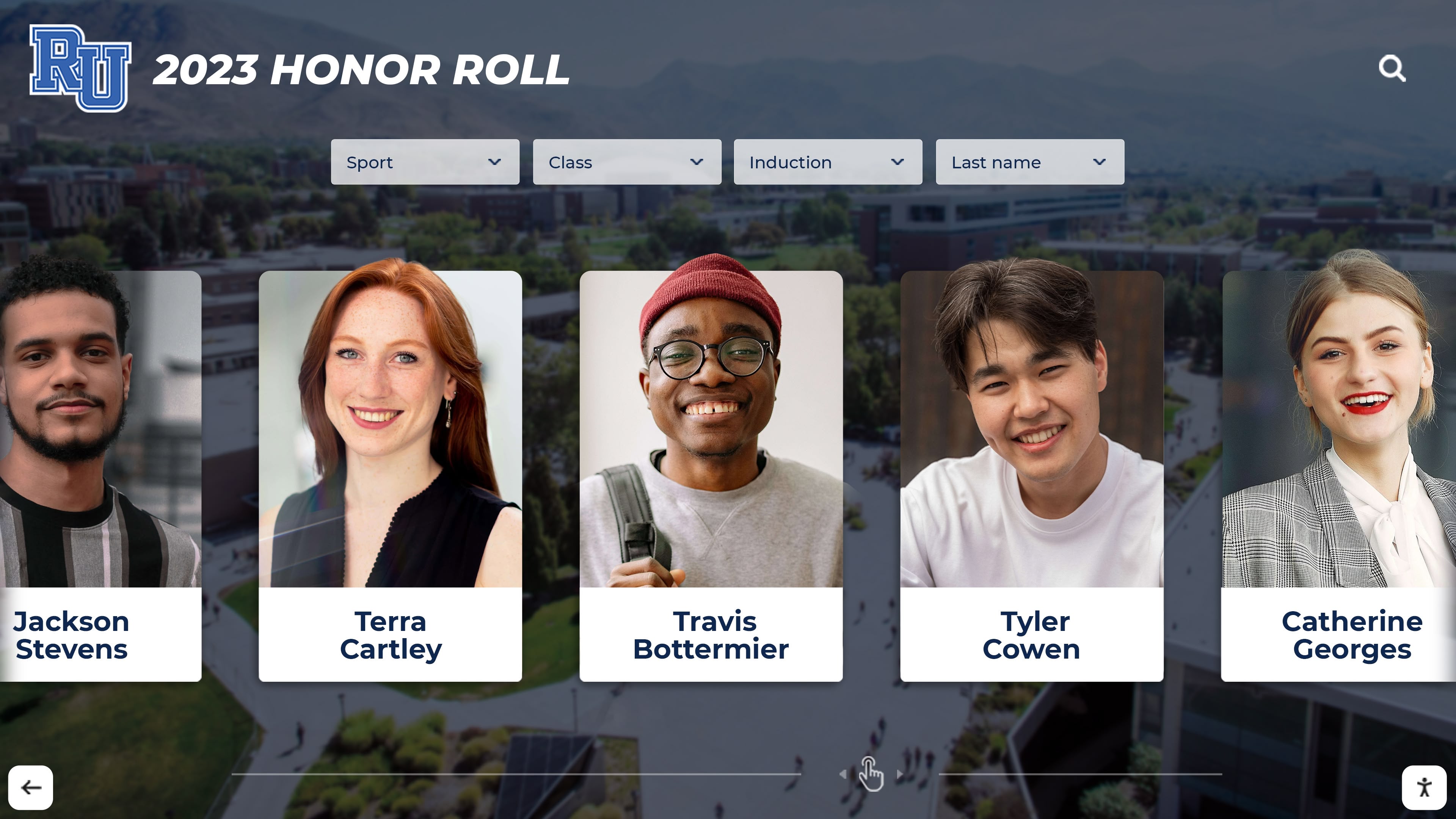
Modern platforms enable recognition and memory preservation across all student achievements
Conclusion: Choose the Approach That Serves Your Community
The digital yearbook vs printed yearbook question lacks a universal right answer. The optimal choice depends entirely on your specific school context, community preferences, budget realities, and institutional priorities.
Printed yearbooks excel when communities value tangible keepsakes deeply, high participation rates justify production costs, strong traditions exist around yearbook culture, and long-term preservation without technology dependency is prioritized.
Digital yearbooks prove superior when universal access for all students is the goal, budget constraints limit printed program viability, enhanced media and interactivity are valued, geographic dispersion requires remote access, and environmental sustainability is prioritized.
Hybrid approaches often provide the best of both worlds, allowing families choosing physical books to purchase them while ensuring all students access digital content, maintaining beloved traditions while adding modern enhancements, and creating flexible systems adapting to evolving community needs.
Whatever format your school chooses, the underlying purpose remains constant: preserving memories, celebrating achievements, and creating lasting connections within your school community. The most important decision is not which format to select, but ensuring every student’s experience is captured, valued, and preserved for future reflection and celebration.
Schools ready to explore how digital platforms can enhance yearbook programs, expand access, and create comprehensive institutional memory systems can discover innovative solutions that honor tradition while embracing modern possibilities.
Ready to explore how digital yearbooks can transform memory preservation at your school? Discover Rocket Alumni Solutions’ comprehensive platform combining interactive digital yearbooks, touchscreen recognition displays, and permanent searchable archives—creating engaging, cost-effective systems that serve every student while preserving institutional heritage for generations to come.