Schools and nonprofits face a persistent challenge: how do you honor the growing number of supporters who make your mission possible without running out of wall space, budget, or flexibility? Traditional bronze plaques create prestigious recognition, yet they quickly fill available walls, require expensive updates, and limit how many donors you can acknowledge. Each new gift means difficult decisions about adding plaques, removing older recognition, or telling supporters you’ve run out of space.
Digital donor walls solve these fundamental limitations while creating more engaging recognition experiences. These interactive touchscreen displays honor unlimited supporters through searchable databases, multimedia content, and cloud-based management that updates instantly. Schools recognize booster club members alongside scholarship donors. Nonprofits celebrate current campaign contributors while maintaining decades of donor history. All stakeholders access rich biographical content, impact stories, photos, and videos that transform simple name lists into compelling narratives about philanthropic support.
This comprehensive guide explores digital donor walls for schools and nonprofits in 2026—examining features, benefits, implementation strategies, technology considerations, and proven approaches for creating donor recognition that honors supporters authentically while remaining sustainable and scalable for years to come.
Modern donor recognition extends beyond acknowledging gifts. The most effective programs strengthen relationships, demonstrate stewardship, inspire continued giving, and create visible evidence of community support that motivates future philanthropy. Organizations implementing thoughtful digital recognition typically see 15-30% higher donor retention rates compared to those providing minimal acknowledgment, according to nonprofit fundraising research.
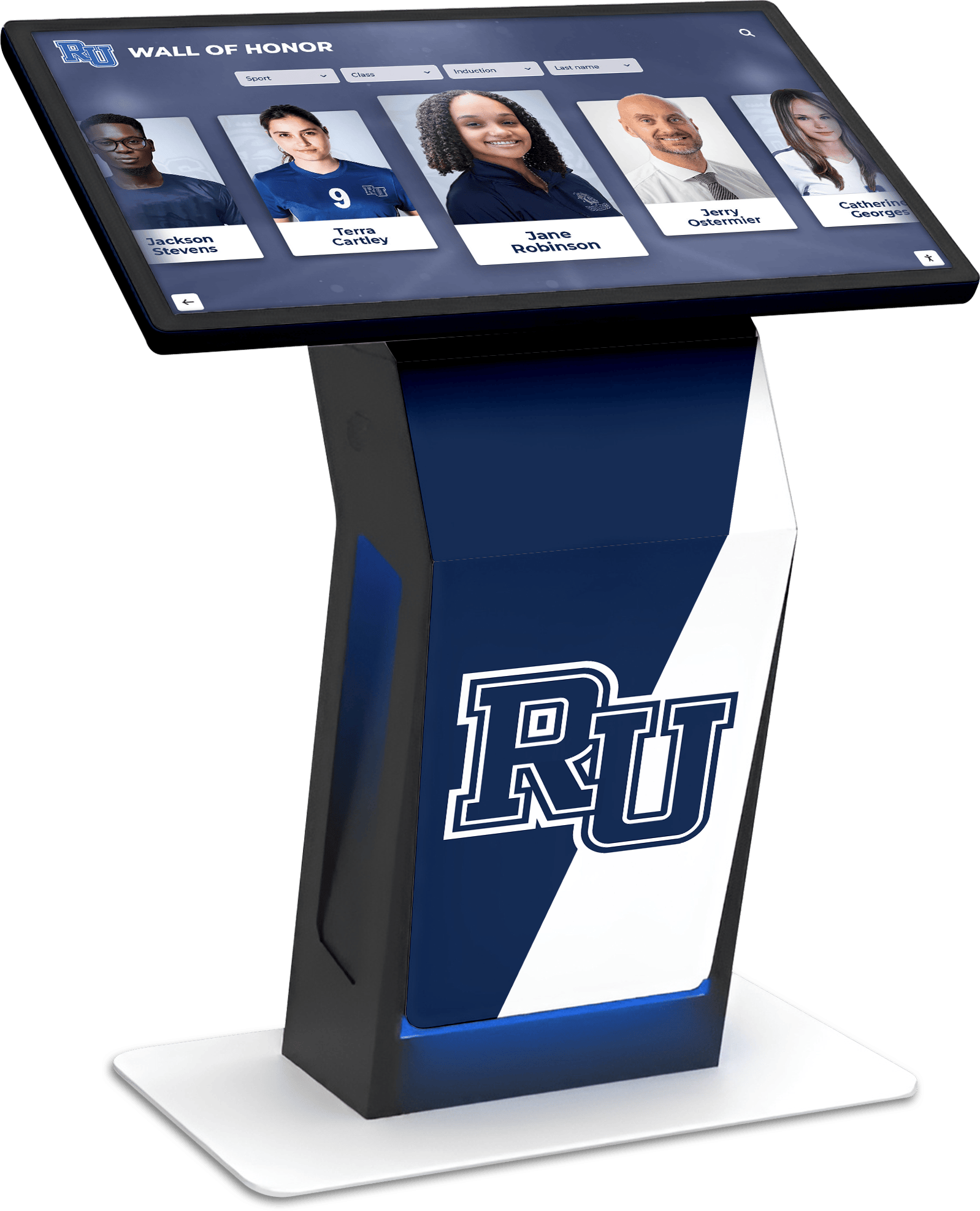
Digital donor walls create engaging recognition experiences that honor unlimited supporters while inspiring future giving
What Is a Digital Donor Wall?
A digital donor wall is an interactive touchscreen display that recognizes supporters through searchable databases rather than fixed physical plaques. These systems typically include:
Core Components
- Large-format touchscreen displays (55-86 inches) mounted in high-visibility locations
- Cloud-based content management systems for remote updates
- Searchable donor databases with unlimited capacity
- Multimedia support for photos, videos, and impact stories
- Mobile access through QR codes extending recognition beyond physical displays
- ADA-compliant interfaces ensuring accessibility for all visitors
Digital donor walls represent a fundamental shift from static, space-limited recognition to dynamic, unlimited platforms that grow with your supporter community.
How Digital Donor Walls Work
Understanding the technology helps organizations evaluate whether digital solutions fit their recognition needs:
Display Hardware Commercial-grade touchscreen displays designed for continuous operation in public spaces. These screens feature high-resolution panels, responsive touch technology, and durable construction that withstands thousands of daily interactions over 7-10 year lifespans.
Content Platform Web-based software presenting donor information through intuitive interfaces. Visitors tap, swipe, and search to explore recognition content organized by giving level, campaign, year, or custom categories relevant to your institution.
Management System Cloud-based administrative dashboards enabling authorized staff to add donors, upload photos, write biographical content, and publish updates from any internet-connected device—no physical access to displays required.
Mobile Extension QR codes displayed on screens or adjacent signage allow visitors to continue exploring donor content on smartphones, extending engagement beyond lobby visits while enabling easy sharing with family and friends.
Organizations implementing donor recognition screen solutions benefit from this integrated approach that combines impressive physical displays with flexible digital management.
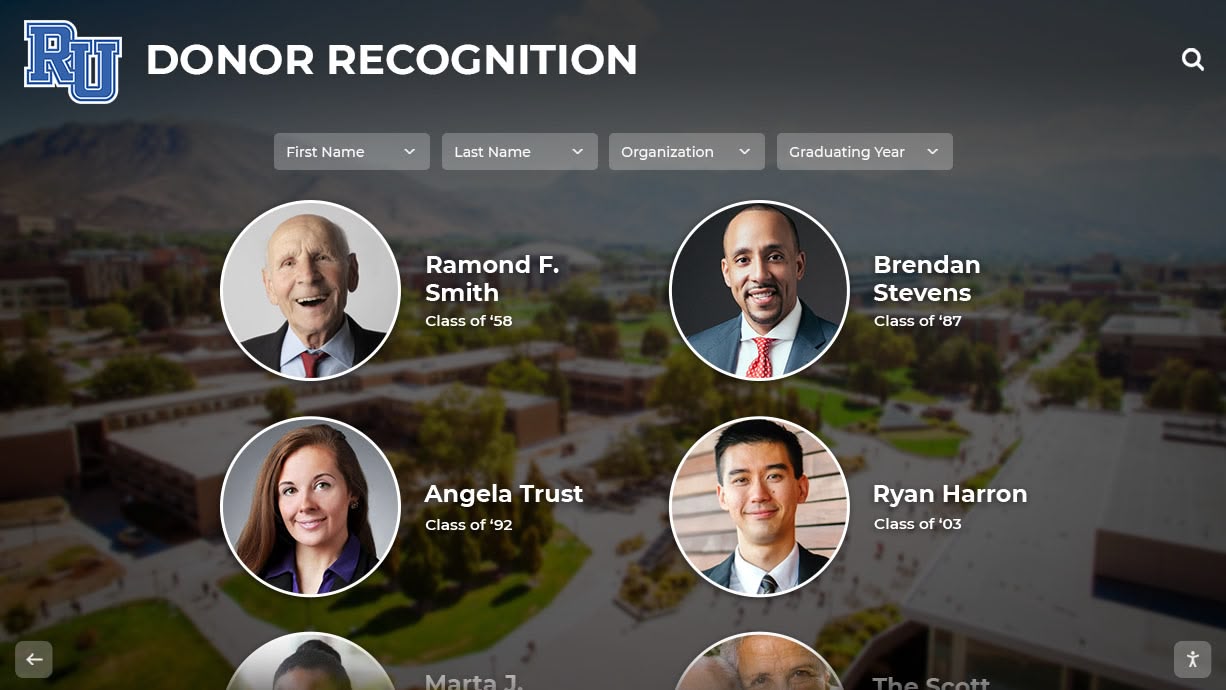
Educational institutions leverage digital displays to celebrate supporters while demonstrating stewardship to prospective donors
Benefits of Digital Donor Walls vs. Traditional Recognition
Digital donor walls address fundamental limitations affecting traditional plaque-based recognition while creating new engagement opportunities.
Unlimited Recognition Capacity
The most significant advantage: digital displays eliminate space constraints entirely.
Traditional Plaque Limitations
- Physical walls accommodate 50-200 names before filling completely
- Adding donors requires wall expansion or removing existing plaques
- Space constraints force difficult decisions about recognition inclusivity
- Different giving levels compete for limited premium locations
- Memorial and tribute recognition creates additional space pressure
Digital Solutions A single 55-inch touchscreen can recognize thousands of donors across all giving levels without ever running out of capacity. Schools honor every booster club member, annual fund donor, and major gift contributor. Nonprofits acknowledge supporters from founding through current campaigns while maintaining room for unlimited future growth.
This unlimited capacity fundamentally changes recognition program strategy. Organizations can implement inclusive approaches honoring all supporters rather than creating exclusive systems recognizing only highest giving levels.
Instant Updates and Maintenance
Traditional plaques require months from gift receipt to physical installation. Digital displays update immediately.
Update Speed
- Add new donors within minutes of gift processing
- Correct name spelling or information errors instantly
- Update donor profiles as circumstances change
- Schedule recognition reveals for specific campaign milestones
- Coordinate recognition timing with stewardship communications
Cost Efficiency Engraving bronze plaques costs $75-$400 per donor with additional mounting expenses. Each name change or correction requires expensive plaque replacement. Digital recognition has no marginal cost per donor—whether you recognize 10 supporters or 10,000, platform fees remain identical.
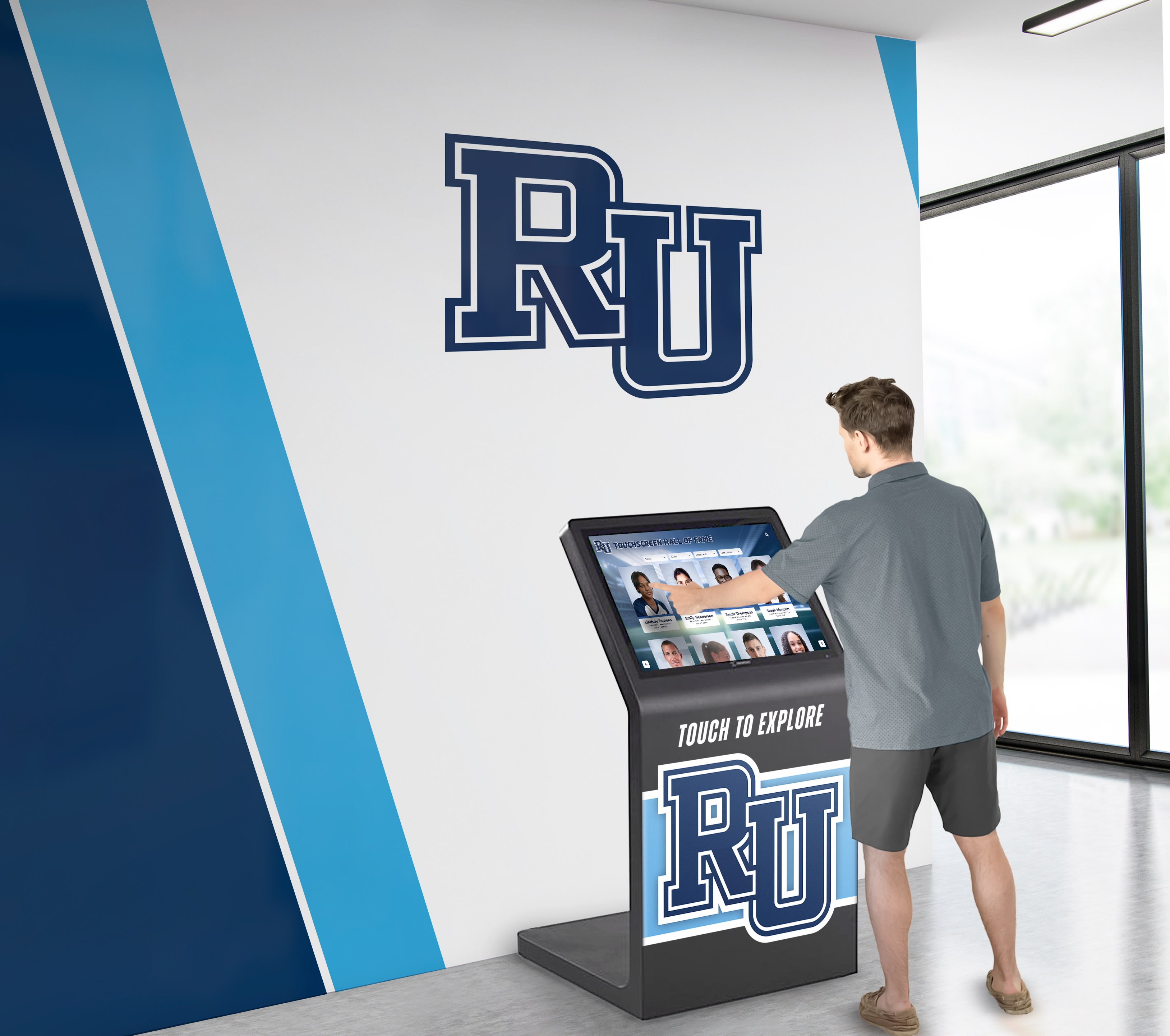
Intuitive touchscreen interfaces enable visitors to explore donor recognition at their own pace
Administrative Simplification Cloud-based management eliminates physical access requirements. Development staff update donor information from offices, homes, or while traveling—no need to visit display locations. Bulk import tools upload hundreds of donors from spreadsheets in minutes rather than coordinating individual plaque production over months.
Rich Multimedia Storytelling
Digital displays transform donor recognition from simple name lists into compelling narratives about philanthropic impact.
Beyond Names and Dates Traditional plaques communicate limited information: donor names, gift amounts or ranges, and sometimes brief acknowledgments. Digital displays enable comprehensive storytelling:
- Donor profiles: Biographical information explaining personal connections to mission
- Impact stories: Specific descriptions of what gifts accomplish
- Photo galleries: Images showing donors, programs funded, and beneficiaries served
- Video testimonials: Recorded messages from donors and those who benefit from their support
- Historical timelines: Chronological views connecting philanthropic support to organizational evolution
- Multimedia presentations: Combinations of images, video, audio, and text creating rich experiences
Organizations implementing donor recognition signage with multimedia content report visitors spending 5-10 minutes actively exploring recognition versus 30 seconds glancing at traditional plaque walls.
Engagement Benefits Rich content creates emotional connections between community members and donors while demonstrating tangible outcomes of philanthropic support. Prospective donors see clearly what their contributions will accomplish and how their support will be celebrated. Current supporters feel genuinely appreciated through recognition that honors their motivations rather than simply listing names.
Search and Filtering Capabilities
Large donor databases become accessible through powerful search functionality.
Finding Specific Donors Visitors searching for family members, friends, or business associates simply type names rather than scanning hundreds of alphabetical listings. Search supports partial matching and spelling suggestions, ensuring visitors find desired donors even with approximate name knowledge.
Content Organization Digital systems organize donors through multiple categorization schemes simultaneously:
- Giving level societies and recognition tiers
- Campaign or fund designation
- Gift year or cumulative giving periods
- Memorial and tribute recognition sections
- Geographic location for alumni or community groups
- Board member and volunteer leadership recognition
This flexible organization ensures every visitor finds relevant content quickly while enabling organizations to highlight different donor groups for various stakeholders and occasions.
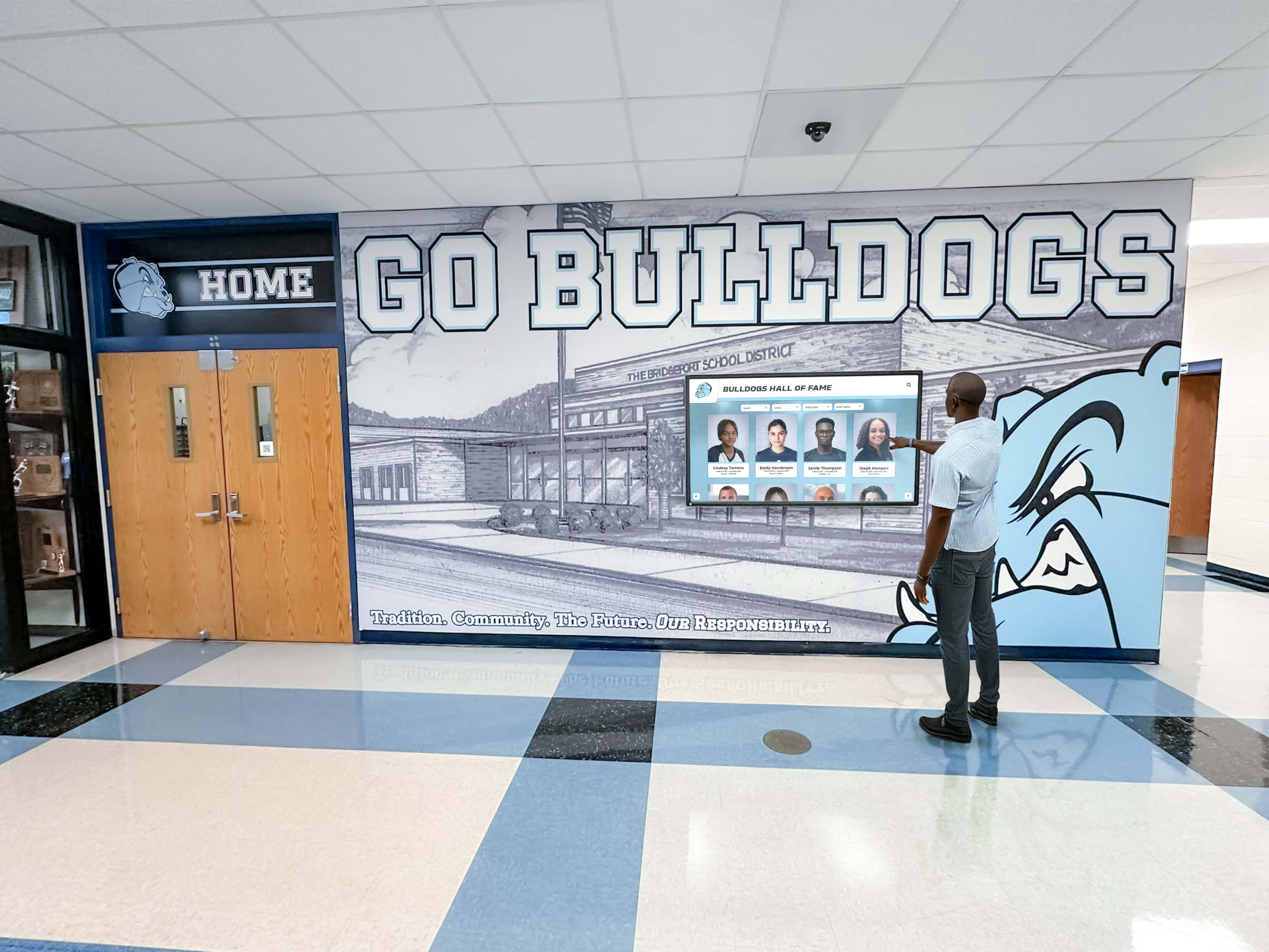
Interactive displays enable intuitive exploration of comprehensive donor databases in public spaces
Digital Donor Wall Features for Schools and Nonprofits
Effective digital donor recognition platforms include specific capabilities that distinguish purpose-built solutions from generic digital signage.
Cloud-Based Content Management
Modern platforms prioritize easy administration by non-technical staff.
Remote Access Update donor information from any device with internet connection—desktop computers, laptops, tablets, or smartphones. Development staff add new donors immediately following gift processing without visiting physical display locations or requiring IT support.
Role-Based Permissions Multiple administrators access content management with appropriate permission levels. Development directors manage all content. Development coordinators update specific campaigns. Communications staff refresh photos and multimedia. Executive leadership reviews before publication. This granular access control ensures security while enabling collaborative management.
Bulk Import Tools Upload hundreds or thousands of donor records from spreadsheets or fundraising database exports. Column mapping tools align your data fields with recognition templates, accelerating initial population while simplifying ongoing updates when multiple donors contribute simultaneously during campaigns.
Template Consistency Pre-designed layouts ensure professional appearance without requiring graphic design expertise. Templates create visual consistency across all donor profiles while allowing customization of colors, fonts, and branding elements to match institutional identity.
Organizations seeking interactive touchscreens for nonprofit facilities benefit from purpose-built recognition platforms rather than adapting generic display systems.
Comprehensive Recognition Hierarchies
Digital systems accommodate complex recognition structures honoring diverse giving types.
Giving Society Organization
- Leadership circles for top-tier major donors
- Named societies recognizing different giving levels
- Cumulative giving recognition acknowledging lifetime support
- Annual giving clubs celebrating recurring donors
- Legacy society for planned giving and estate commitments
- Corporate partnership tiers recognizing business supporters
Specialized Recognition Categories
- Memorial and tribute gifts honoring loved ones
- Scholarship donor recognition connecting supporters to beneficiaries
- Capital campaign donors acknowledging facility and infrastructure gifts
- Endowment contributors celebrating permanent support
- In-kind donation recognition thanking product and service supporters
- Volunteer hour acknowledgment honoring time contributions
Flexible Display Modes
- Alphabetical listings for easy searching
- Recognition level groupings highlighting societies
- Campaign-specific displays for targeted fundraising
- Real-time donor walls showing recent gifts during active campaigns
- Historical archives preserving decades of donor recognition
- Rotating featured donors showcasing compelling stories
This organizational flexibility ensures every supporter receives appropriate acknowledgment while maintaining clear progression pathways that encourage donor upgrades.
Interactive Visitor Engagement
True interactivity transforms passive viewing into active exploration.
Touch Navigation Intuitive tap, swipe, and pinch gestures familiar from smartphones. Large buttons and clear visual hierarchy guide visitors through content without confusion. Breadcrumb trails show current location within database structure. Home buttons enable easy return to start screens from any content location.
Search Functionality Full-text search finds donors by name, biography content, gift designation, or other relevant criteria. Filters narrow results by giving level, year, location, or custom categories. Sorted results appear by relevance, date, alphabetical order, or gift amount depending on visitor needs.
QR Code Mobile Access Visitors scan QR codes using smartphone cameras to continue exploring recognition on personal devices. Mobile-optimized interfaces ensure comfortable viewing and navigation on smaller screens. Save and share capabilities enable donors to send their recognition profiles to family and friends, amplifying visibility beyond physical display locations.
Schools implementing digital recognition displays for athletics and academics create engaging experiences that increase visitor interaction time 10-20x compared to traditional static displays.
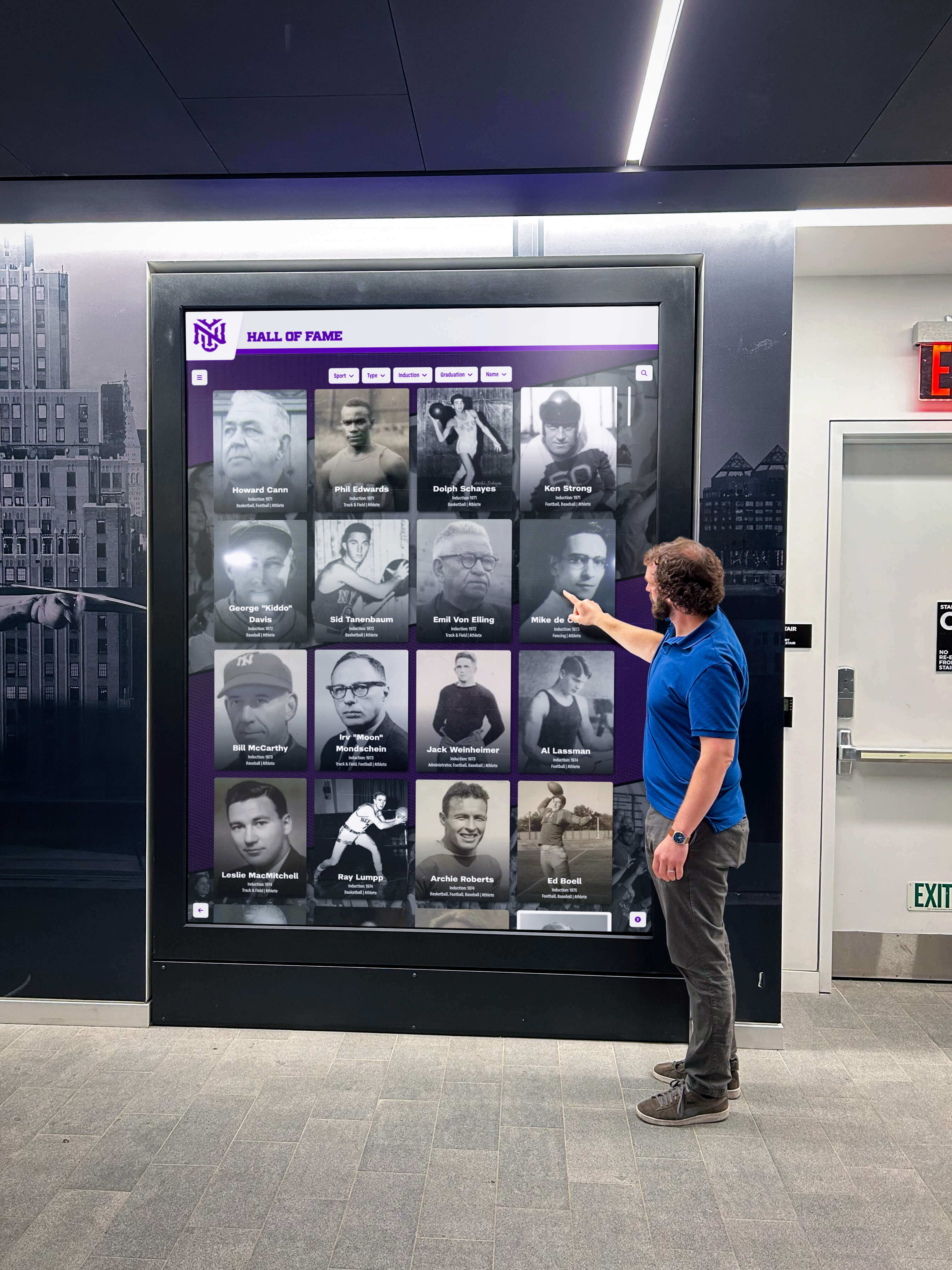
Engaging interfaces encourage extended exploration of donor recognition content and impact stories
ADA Compliance and Accessibility
Public-facing donor recognition must serve all visitors regardless of abilities.
WCAG 2.1 AA Standards
- Keyboard navigation providing complete functionality without touch
- Screen reader compatibility for biographical and impact content
- Sufficient color contrast between text and backgrounds
- Alternative text descriptions for all images and graphics
- Adjustable text sizing for visitors with visual impairments
- No time-dependent content requiring reading within limits
Physical Accessibility
- Display mounting height within ADA reach range requirements
- Adequate clearance for wheelchair approach and comfortable use
- Angled displays reducing neck strain during extended viewing
- Volume controls for audio content accessibility
- QR code access providing alternative interaction method
- Multi-height positioning when possible for standing and seated visitors
Universal Design Benefits Accessibility features improve experience for all users beyond those with specific needs. Large text benefits older visitors. Clear navigation helps first-time users. QR code access enables continued exploration after leaving displays. Keyboard navigation supports kiosk mode devices in some environments.
Organizations should evaluate accessibility during vendor selection rather than treating compliance as optional add-on. Purpose-built recognition platforms like Rocket Alumni Solutions build accessibility into core functionality, ensuring all community members can engage with donor recognition.
Analytics and Reporting
Understanding how visitors engage with recognition informs continuous improvement.
Engagement Metrics
- Total interactions per day, week, month tracking overall usage
- Average session duration indicating engagement depth
- Most frequently viewed donors revealing popular content
- Search queries showing what visitors seek
- Peak usage times informing content scheduling
- Geographic analytics for networked multi-location systems
Content Performance
- Individual donor profile view counts
- Photo gallery engagement rates
- Video play statistics and completion rates
- Campaign category popularity
- Navigation path analysis revealing user journeys
- Mobile QR code scan frequency
Strategic Insights Analytics guide donor stewardship strategy by revealing which recognition resonates most with visitors. Development teams identify highly-engaged donors for cultivation conversations. Communications staff discover compelling stories for broader promotion. Leadership understands recognition program impact through objective usage data rather than anecdotal impressions.
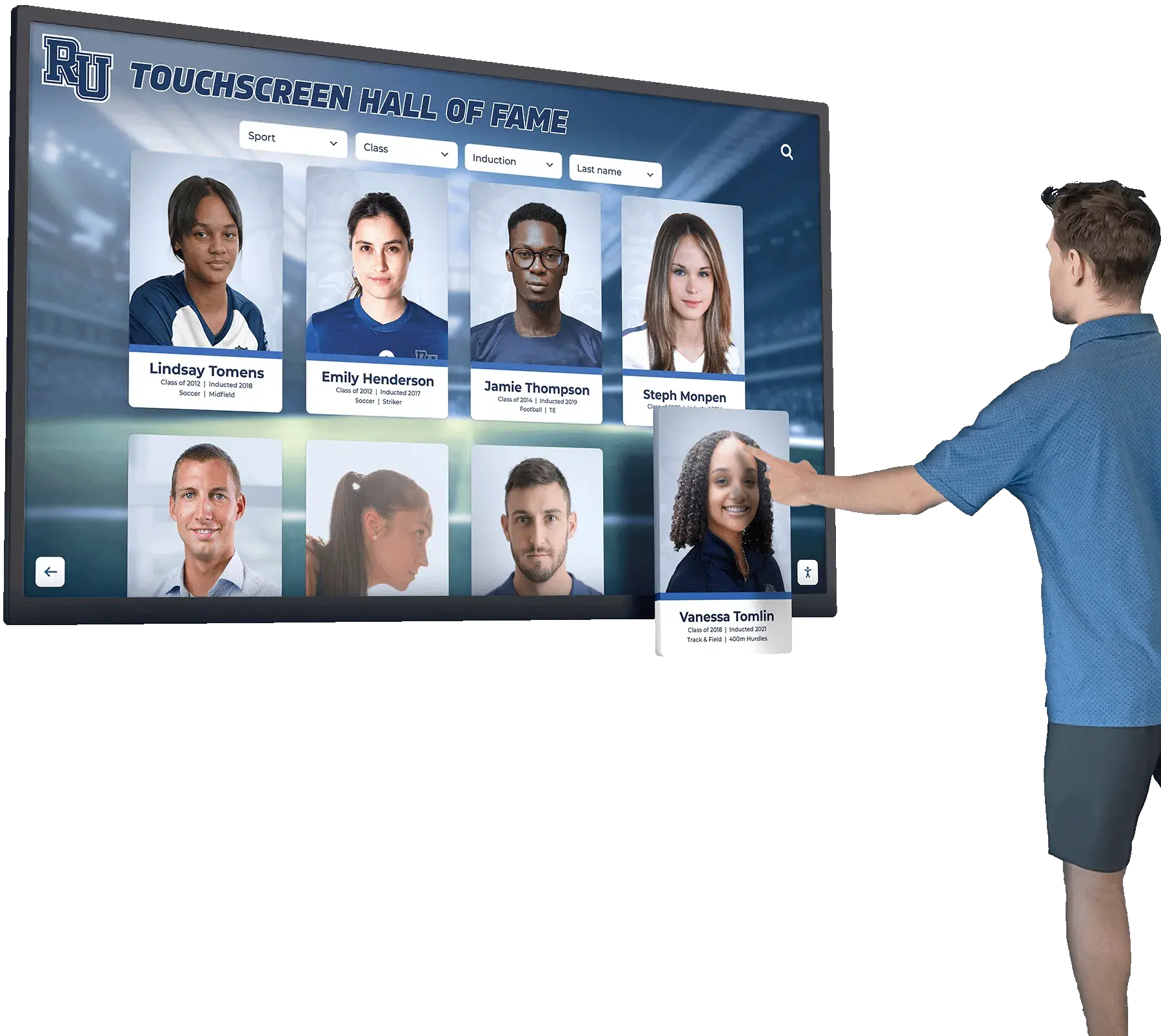
Analytics tracking reveals which recognition content engages visitors most effectively
Planning Your Digital Donor Wall Implementation
Successful digital donor recognition requires systematic planning addressing goals, content, placement, budget, and ongoing management.
Defining Recognition Objectives
Clear goals guide appropriate technology selection and content development.
Primary Purpose Identification
- Stewardship: Demonstrating genuine appreciation for supporter generosity
- Cultivation: Inspiring additional giving through visibility of philanthropic community
- Transparency: Showing prospective donors how contributions are acknowledged
- Legacy: Preserving institutional history through decades of donor recognition
- Engagement: Creating interactive experiences that strengthen community connections
- Communication: Sharing impact stories connecting gifts to tangible outcomes
Success Criteria Definition
- Quantitative: Interaction counts, donor retention rates, campaign performance metrics
- Qualitative: Donor satisfaction, stakeholder feedback, recognition sentiment
- Behavioral: Staff time savings, information desk question reduction
- Programmatic: Gift upgrade frequency, new donor acquisition, volunteer engagement
Organizations should document 3-5 specific recognition objectives with measurable indicators before selecting platforms or developing content. This clarity ensures implementation decisions align with strategic priorities rather than technology capabilities alone.
Content Strategy and Development
Quality content determines whether digital donor walls create meaningful impact or become ignored screens.
Content Inventory Assessment
- Existing physical plaque information requiring digitization
- Historical donor records in databases and archives
- Biographical information from gift acknowledgment files
- Photos and multimedia from events and programs
- Impact stories and testimonial content
- Campaign materials and promotional assets
Content Creation Workflow
- Data collection: Gather donor names, gift amounts/levels, dates, and designation information
- Biography development: Write consistent profiles explaining motivations and connections to mission
- Photography: Capture professional headshots and candid images at events
- Impact documentation: Record testimonials, program outcomes, and tangible results
- Historical research: Verify facts, dates, and biographical details for accuracy
- Rights management: Document permissions for all photos, videos, and personal information
- Quality review: Conduct editorial reviews ensuring consistency and professionalism
- Publication: Upload content and schedule recognition reveals for appropriate timing
Ongoing Maintenance Planning
- Assign specific staff responsibility for recognition management
- Establish update schedules for different content categories
- Create style guides ensuring biographical consistency
- Define quality standards for photography and writing
- Build donor contribution processes for personal content
- Schedule annual audits verifying accuracy and completeness
Organizations with decades of donor history benefit from professional content development services that accelerate initial population while training internal staff for ongoing management. Solutions like Rocket Alumni Solutions offer turnkey content services alongside self-service management capabilities.
Schools planning gala fundraiser recognition displays coordinate digital donor walls with event recognition strategies for cohesive stewardship experiences.
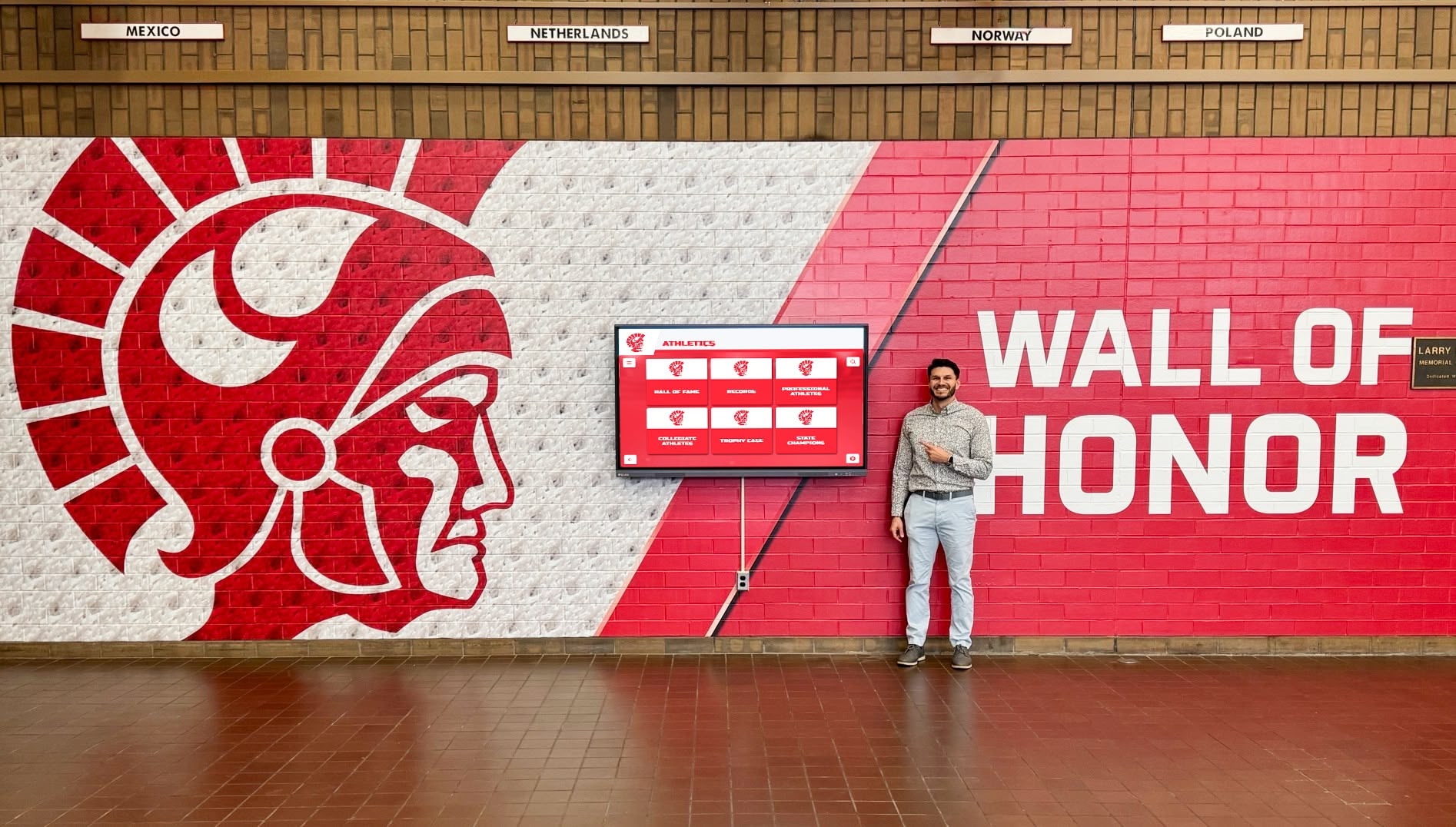
Professional content development creates polished recognition that honors supporters appropriately
Physical Placement and Environment
Display location significantly affects recognition visibility and engagement.
High-Impact Locations
- Main entrance lobbies where all visitors enter
- Reception areas with natural dwell time while waiting
- Advancement office spaces for donor meetings and tours
- Event venues serving fundraising and celebration functions
- Gathering spaces like cafeterias, atriums, and commons
- Donor-funded facilities creating clear gift-to-impact connections
Environmental Considerations
- Natural lighting and glare patterns throughout the day
- Viewing distances from natural traffic patterns
- Available electrical power and network connectivity infrastructure
- ADA accessibility requirements for mounting and clearance
- Security concerns in unsupervised or publicly accessible areas
- Aesthetic integration with existing architecture and interior design
Installation Options
- Wall-mounted displays for permanent architectural integration
- Freestanding kiosks for flexible placement without wall mounting
- Double-sided displays maximizing visibility in open spaces
- Outdoor-rated enclosures for protected exterior installations
- Multiple networked displays in large or multi-building campuses
- Mobile carts for temporary or rotating placements during events
Organizations should photograph candidate locations at different times of day, documenting lighting conditions and measuring viewing distances before finalizing placement decisions. Site surveys identify technical infrastructure needs early in planning, preventing costly surprises during installation.
Budgeting and Total Cost of Ownership
Realistic financial planning ensures sustainable long-term recognition programs.
Initial Investment Components
- Display hardware: $2,500-$8,000 depending on size (55"-86")
- Freestanding kiosk enclosure: $1,000-$3,000 if not wall-mounting
- Content management platform: $500-$3,000 annually for subscription
- Professional installation: $500-$2,000 for mounting and configuration
- Content development services: $2,000-$10,000 for initial population
- Network infrastructure: $0-$1,000 if modifications required
Ongoing Operating Costs
- Annual software subscription: $500-$3,000
- Content management time: 2-5 hours monthly (internal staff)
- Electricity: $50-$100 annually per display
- Maintenance and cleaning: 1-2 hours quarterly
- Hardware replacement: Budget 10-15% of initial cost annually for eventual replacement
Comparative Traditional Costs
- Bronze plaques: $75-$400 per donor
- Comprehensive plaque wall: $5,000-$50,000 for multi-donor installation
- Plaque modifications: $75-$400 per change or correction
- Ongoing plaque production: Recurring costs for new donors indefinitely
Five-Year Total Comparison Digital recognition typically costs 40-60% less over five years compared to traditional plaques when accounting for ongoing additions, updates, and maintenance. Unlimited capacity and instant updates create additional value beyond direct cost savings.
Organizations implementing Giving Tuesday donor recognition campaigns leverage digital displays for real-time recognition during concentrated fundraising periods.
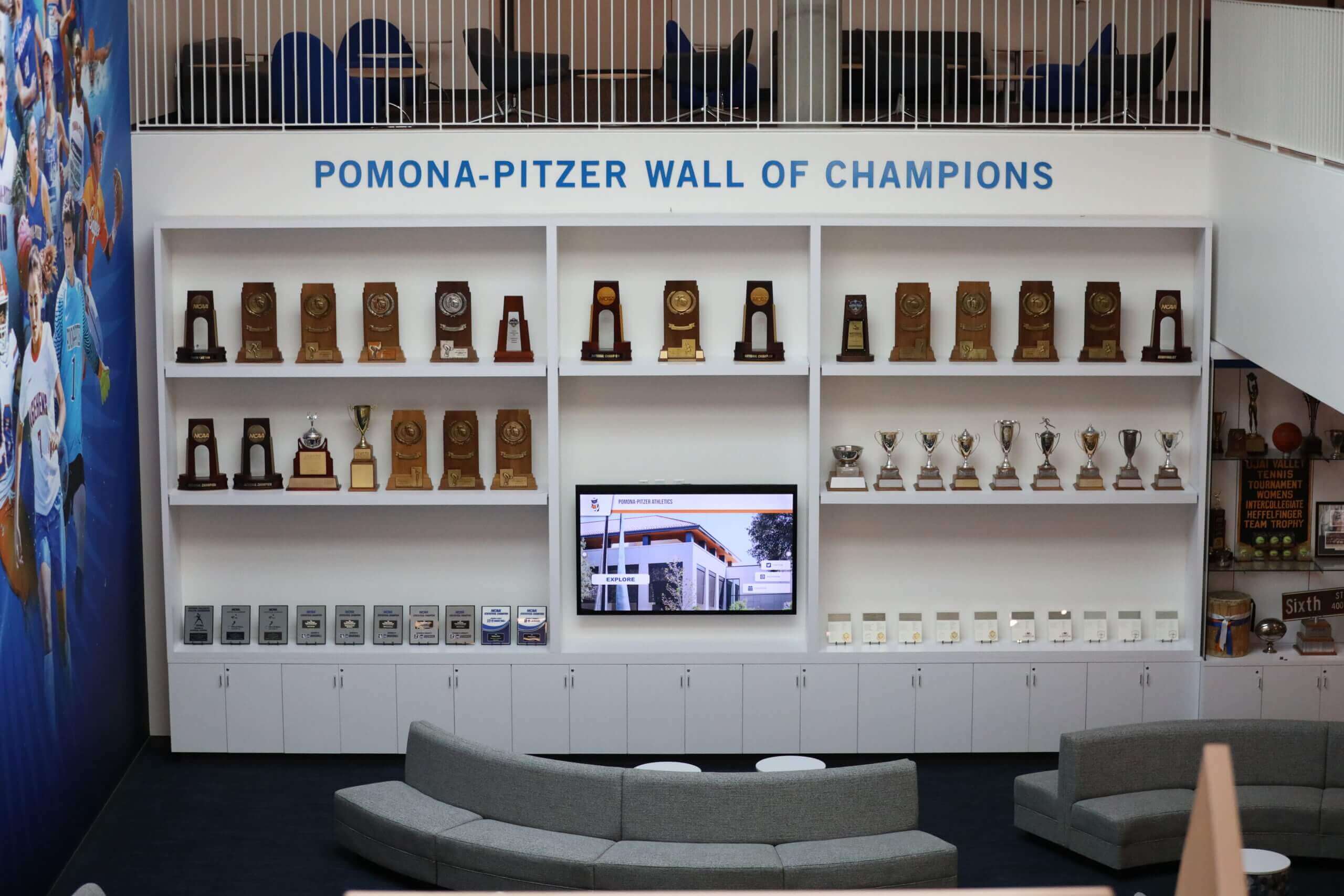
Hybrid approaches combine digital flexibility with traditional architectural recognition elements
Implementing Recognition for Different Organization Types
Schools and nonprofits have distinct donor recognition needs based on constituencies and fundraising approaches.
K-12 Schools and High Schools
Educational institutions balance multiple stakeholder groups requiring different recognition approaches.
Booster Club and Athletic Donors
- Individual supporter recognition across all giving levels
- Team and sport-specific campaign contributors
- Memorial gifts honoring alumni athletes and coaches
- Corporate sponsorship and business partner acknowledgment
- Volunteer coach and booster leadership recognition
- Historical donor archives preserving athletics fundraising legacy
Academic and Scholarship Supporters
- Named scholarship donors with beneficiary connections
- Academic program and department supporters
- Endowment contributors funding permanent programs
- Capital campaign donors for facilities and technology
- Annual fund contributors sustaining operations
- Faculty and staff donors demonstrating internal support
Capital Campaign Recognition
- Building and renovation project donors by giving level
- Named space recognition for major gifts
- Multi-year pledge acknowledgment during campaigns
- Corporate matching gift recognition
- Memorial and tribute campaign gifts
- Campaign volunteer and leadership committee recognition
Athletic programs create corporate sponsorship recognition displays that honor business supporters alongside individual donors and booster club members.
Colleges and Universities
Higher education institutions manage complex recognition across multiple constituencies.
Alumni Giving Programs
- Class agent and reunion giving recognition
- Young alumni participation acknowledgment
- Milestone reunion year celebration
- Geographic chapter donor recognition
- Affinity group and identity-based giving societies
- Alumni volunteer and board member acknowledgment
Major Gift and Leadership Recognition
- Named endowment and scholarship donors
- Facility and building campaign contributors
- Presidential society and leadership circle members
- Trustee and advisory board giving
- Honorary degree recipients and distinguished alumni
- Heritage society for estate gifts and planned giving
Academic Department Donors
- Faculty chair and professorship endowments
- Program-specific campaign contributors
- Research grant supporters
- Library and collection donors
- Student life and activity funding
- Athletics department and facilities supporters
Universities develop hall of fame recognition systems that celebrate donor support alongside athletic, academic, and alumni achievement.
Nonprofit Organizations
Mission-driven organizations implement donor recognition supporting diverse program areas.
Foundation and Grant Recognition
- Institutional funders at various support levels
- Multi-year grant commitments
- Program-specific foundation support
- Corporate foundation giving
- Community foundation donor-advised funds
- Government grant acknowledgment when appropriate
Individual Donor Recognition
- Giving society tiers across contribution levels
- Monthly sustainer and recurring donor programs
- Memorial and tribute gift acknowledgment
- Volunteer and non-financial contribution recognition
- Board member and governance support
- Professional services and in-kind donations
Program and Campaign Specific
- Capital campaign for facilities or equipment
- Endowment campaign for sustainability
- Emergency and crisis response donors
- Anniversary or milestone campaign supporters
- Program launch and expansion contributors
- Special event and gala sponsors
Religious institutions implement donor recognition appropriate for faith communities that balance acknowledgment with theological values around humility and stewardship.
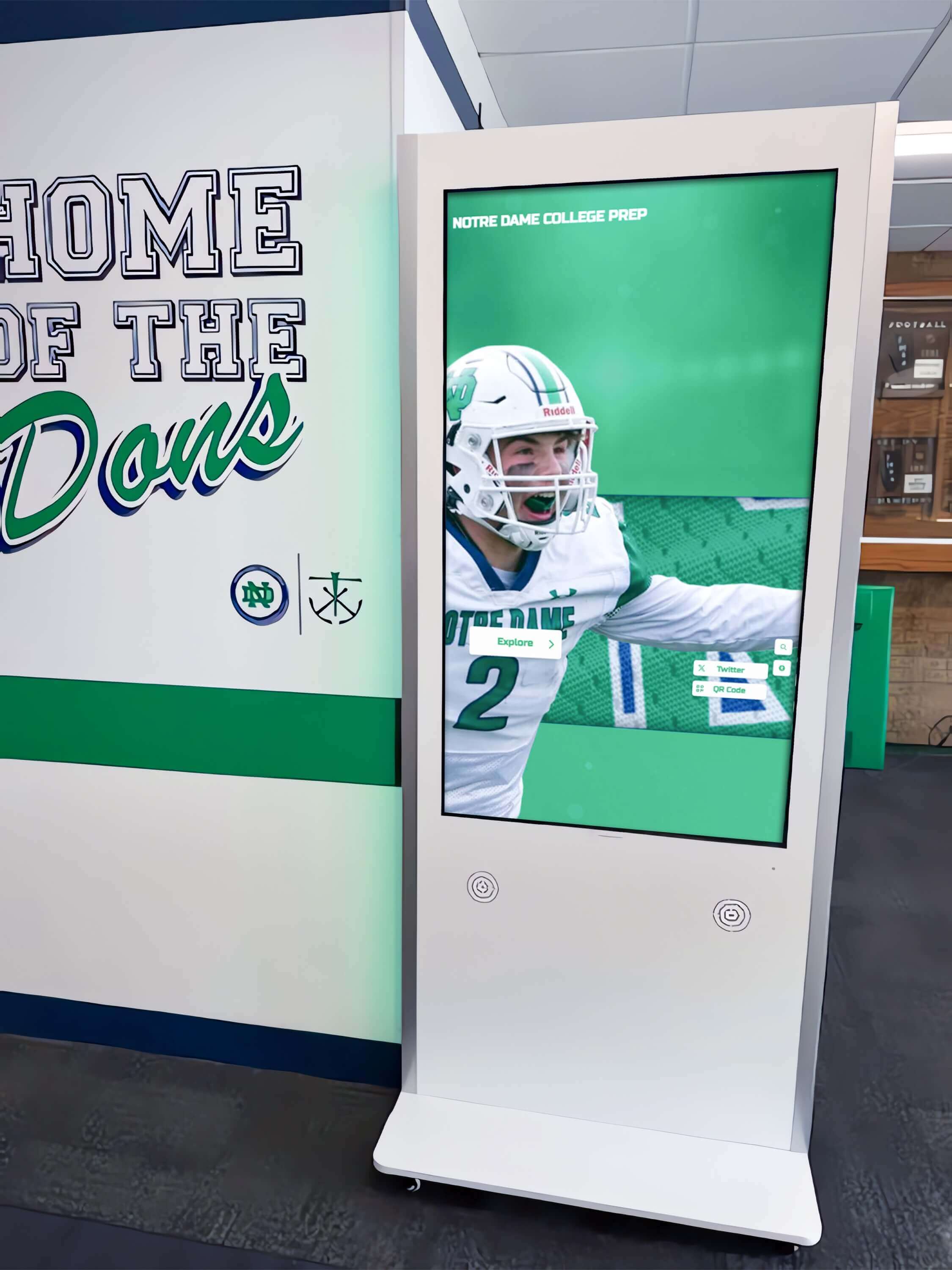
Nonprofit organizations adapt digital donor walls to acknowledge diverse supporter types and giving programs
Selecting Digital Donor Wall Vendors and Solutions
Choosing the right recognition technology partner significantly affects implementation success and long-term satisfaction.
Evaluation Criteria
When comparing digital donor wall providers, assess these critical factors:
Technical Capabilities
- Unlimited content capacity without per-donor fees
- Cloud-based remote management from any device
- Professional templates requiring no design expertise
- Robust search and filtering for large databases
- Multimedia support for photos, videos, documents
- ADA WCAG 2.1 AA accessibility compliance
- Mobile QR code access extending reach
- Analytics and reporting on engagement
Implementation Support
- Professional content development services
- Data migration from existing systems and spreadsheets
- Administrator training and documentation
- Hardware procurement and installation coordination
- Design customization matching branding
- Launch support and stakeholder communications
- Ongoing technical support and software updates
Total Cost Analysis
- Initial hardware investment
- Annual software subscription fees
- Content development and migration costs
- Installation and professional services
- Ongoing support and maintenance expenses
- Hardware replacement lifecycle and timing
Organizations should calculate five-year total cost of ownership rather than focusing solely on initial purchase price. Hidden costs in apparently inexpensive solutions often exceed transparent pricing from purpose-built recognition platforms.
Leading Solutions for Schools and Nonprofits
Several vendors provide digital donor recognition platforms with varying capabilities:
Rocket Alumni Solutions Purpose-built platform for educational institutions and nonprofits offering unlimited content capacity, professional templates, comprehensive content development services, ADA compliance, cloud-based management, and QR code mobile access. Complete implementations including hardware, software, installation, and content development typically range $10,000-$30,000 depending on display size and content scope. Organizations particularly value unlimited capacity eliminating future constraints and turnkey content services accelerating implementation.
General Digital Signage Platforms Several digital signage vendors support donor recognition applications through template customization. These solutions require more internal technical expertise but offer flexibility for organizations with IT resources. Carefully evaluate content database capabilities, accessibility features, and recognition-specific functionality beyond general signage capabilities.
Custom Development Large institutions occasionally commission custom recognition platforms. Custom solutions enable perfect alignment with specific requirements but require significant investment, long development timelines, and ongoing maintenance resources. Most organizations find purpose-built recognition platforms more cost-effective than custom alternatives.
Organizations implementing alumni recognition walls benefit from platforms designed specifically for institutional recognition rather than adapting general-purpose technology.
Questions to Ask Vendors
Capacity and Flexibility
- What content limits exist for donors, photos, videos, and biographical text?
- Can we organize donors through multiple categorization schemes simultaneously?
- How easily do we add new campaigns or giving societies in the future?
- What happens to our content if we change vendors or platforms?
- Can we export complete donor databases at any time?
Management and Accessibility
- How do we update content—what technical skills are required?
- What training and documentation do you provide administrators?
- Does your solution comply with ADA WCAG 2.1 AA accessibility standards?
- How do visitors with disabilities access recognition content?
- What mobile access capabilities extend recognition beyond physical displays?
Support and Services
- What content development services do you offer for initial population?
- How do you handle data migration from our existing donor databases?
- What ongoing technical support is included in pricing?
- How often do you release software updates and new features?
- What is your hardware warranty and replacement policy?
Costs and Contracts
- What are total costs including hardware, software, and all services?
- What ongoing fees should we expect annually?
- What are hardware replacement costs when displays eventually age out?
- Can we add additional displays later—at what pricing?
- What contract terms and cancellation policies apply?
Comprehensive vendor evaluation prevents costly mistakes and ensures recognition solutions serve organizational needs effectively throughout their 7-10+ year operational lifespans.
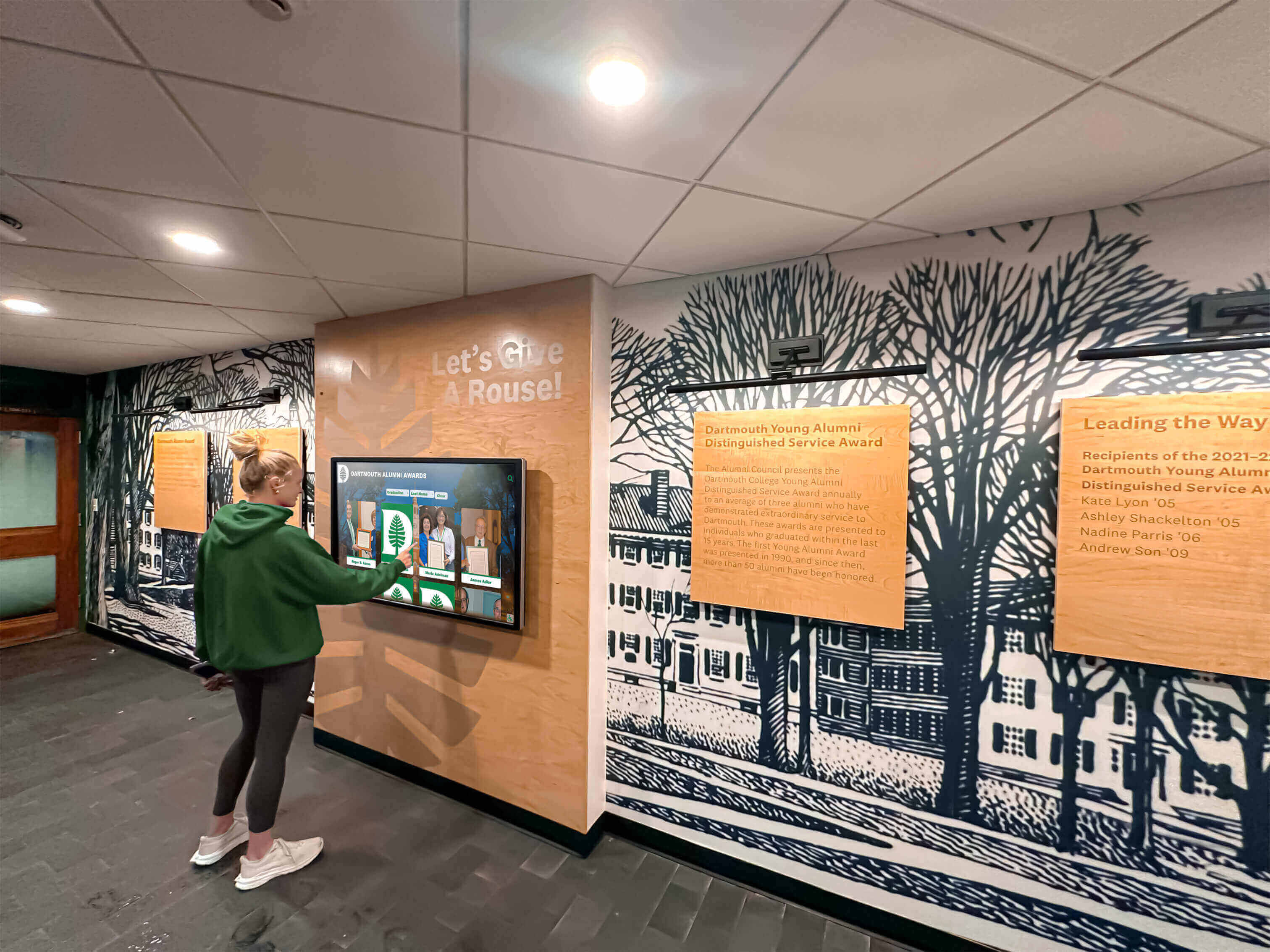
Purpose-built recognition platforms create intuitive experiences that engage diverse stakeholders
Best Practices for Digital Donor Wall Success
Learning from successful implementations helps organizations maximize recognition impact while avoiding common pitfalls.
Content Quality Standards
Professional presentation determines whether digital donor walls earn community respect or appear amateurish.
Photography Guidelines
- High-resolution images minimum 1920 x 1080 pixels for crisp display
- Consistent lighting and composition across recognition content
- Professional headshots for individual donor recognition
- Candid event photography showcasing community and programs
- Historical photo restoration and enhancement when digitizing archives
- Rights documentation for all images ensuring authorized use
Writing Standards
- Consistent biographical format and length across all donors (150-300 words typical)
- Active voice emphasizing achievements, motivations, and impact
- Fact verification for all claims, dates, and attributions
- Inclusive language avoiding assumptions about family, relationships, or identities
- Grade-appropriate vocabulary for K-12 settings with diverse reading levels
- Regular proofreading eliminating grammatical and spelling errors
Design Consistency
- Institutional branding colors, logos, and typography throughout
- Template-based layouts ensuring visual coherence
- Clear information hierarchy emphasizing important content
- Professional transitions and animations enhancing not distracting
- Readable text sizing and contrast for viewing at distance
- Cohesive aesthetic matching physical environment and architecture
Organizations maintaining high content quality standards report significantly higher engagement as digital donor walls earn reputation for professional, interesting recognition rather than neglected screens displaying outdated information.
Donor Privacy and Preferences
Respecting individual wishes requires clear policies and flexible recognition options.
Permission and Consent
- Explicit opt-in policies requiring donor approval before public recognition
- Clear explanation of recognition during gift solicitation
- Opportunity to review and approve biographical content before publication
- Anonymous recognition options for supporters preferring privacy
- Private acknowledgment alternatives for those declining public display
Information Management
- Secure storage of donor personal information
- Role-based access limiting who views sensitive data
- Regular audits ensuring only authorized content appears publicly
- Clear procedures for updating recognition when circumstances change
- Documentation of donor recognition preferences in permanent records
Special Considerations
- Memorial recognition requiring sensitive messaging
- Deceased donor information handled with appropriate dignity
- Corporate recognition respecting business branding preferences
- Contested estate gifts handled carefully regarding recognition timing
- Anonymous donations honored genuinely without pressure for publicity
Organizations should discuss recognition preferences during gift solicitation, ensuring donor comfort with planned acknowledgment before making commitments that prove difficult to modify later.
Launch and Promotion Strategy
Successful implementation requires more than installation—stakeholders must know recognition exists and how to use it.
Internal Launch
- All-staff presentations introducing capabilities and content
- Department-specific training on relevant applications
- Administrative training for content management
- Board presentations demonstrating stewardship innovation
- Student announcements in schools fostering discovery and pride
Community Introduction
- Dedication ceremonies for donors, staff, board members, and community
- Media coverage in newsletters, websites, and social media
- Email campaigns to donor constituencies highlighting recognition
- Campus tours incorporating donor wall as engagement feature
- Event integration using displays during fundraising gatherings
Ongoing Promotion
- Regular content updates maintaining freshness and interest
- Featured donor spotlights in communications
- Analytics sharing demonstrating engagement and impact
- Recognition anniversary celebrations for milestone gifts
- QR code promotion enabling mobile exploration and sharing
Organizations approaching digital donor walls as dynamic community resources rather than static installations achieve significantly higher utilization and more meaningful impact on institutional culture and fundraising.
Educational institutions implementing academic recognition programs extend donor wall platforms to celebrate student achievement alongside philanthropic support.
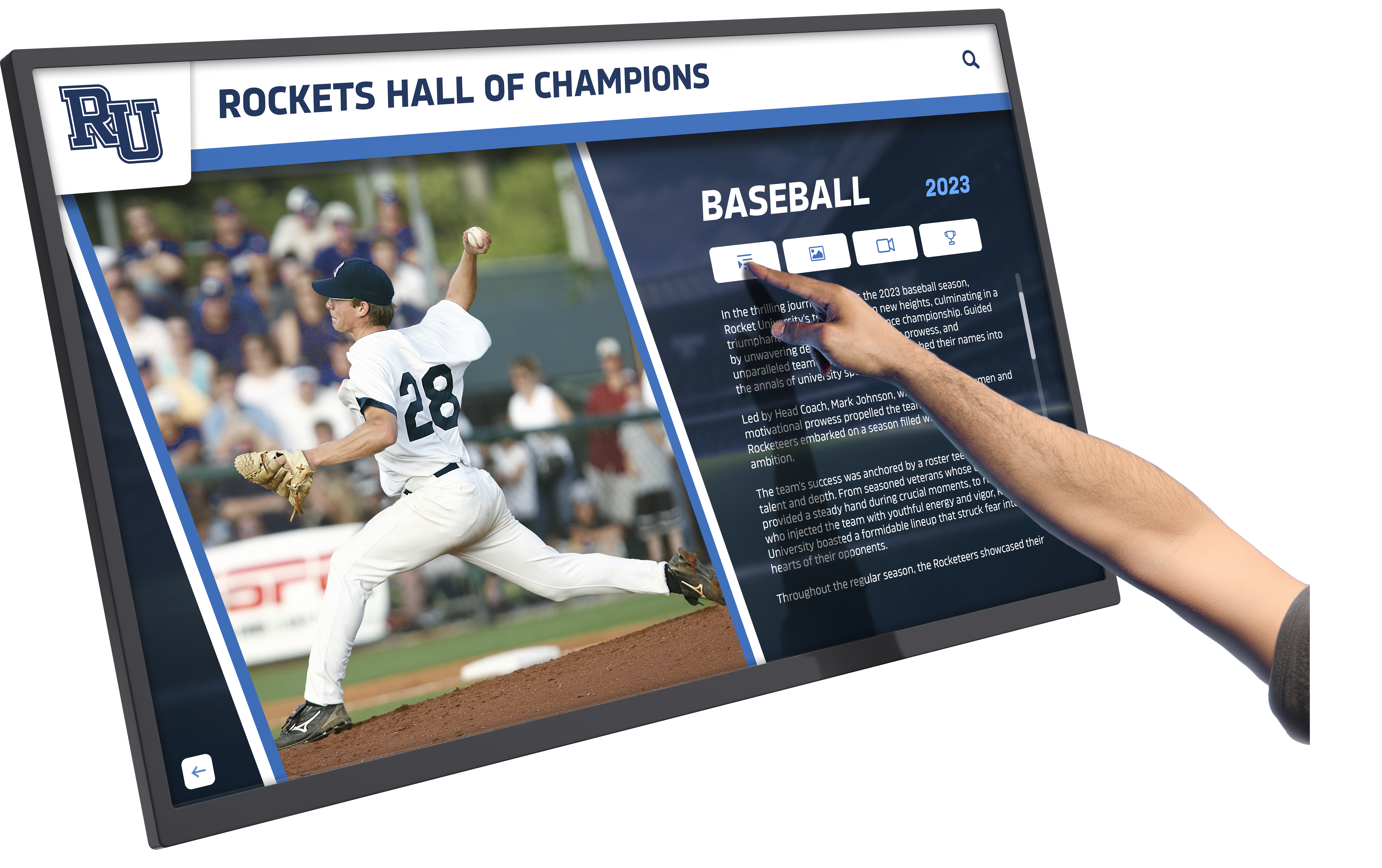
Regular usage indicates successful recognition implementations that serve community needs effectively
Measuring Digital Donor Wall Impact
Regular assessment ensures recognition investments deliver intended fundraising and stewardship outcomes.
Quantitative Metrics
Technical Analytics
- Total daily, weekly, and monthly interactions tracking overall usage
- Average session duration indicating engagement depth and interest
- Most frequently viewed donors revealing popular content
- Search queries showing what information visitors seek
- Peak usage times informing optimal content scheduling
- Geographic data for networked multi-location systems
Fundraising Indicators
- Donor retention rates comparing recognized versus non-recognized supporters
- Gift upgrade frequency among donors with digital recognition
- New donor acquisition influenced by recognition visibility during tours
- Campaign performance during periods with active recognition displays
- Pledge fulfillment rates when recognition coordinates with gift timing
Operational Efficiency
- Staff time savings from reduced basic information requests
- Traditional plaque cost avoidance for new donor recognition
- Update time comparison to historical plaque production processes
- Content management hours required monthly for maintenance
- Troubleshooting and support incident frequency
Qualitative Assessment
Stakeholder Feedback
- Donor satisfaction surveys about recognition experience and quality
- Staff impressions about community reactions to displays
- Board member perspectives on recognition effectiveness and appropriateness
- Visitor comments and feedback from tours and events
- Volunteer recognition satisfaction among non-financial contributors
Observational Research
- Time visitors spend exploring content
- Group gathering and discussion around displays
- Photography and social media sharing behaviors
- Repeat usage by community members
- Navigation patterns and interface usability observations
Cultural Impact
- Community perception of institutional innovation and stewardship
- Donor sentiment about genuine versus transactional recognition
- Prospective donor impressions during cultivation tours
- Alumni engagement changes following recognition implementation
- Student pride in institutional history and donor support
Return on Investment
Organizations typically calculate 3-5 year ROI demonstrating digital donor walls deliver measurable value through:
Direct Benefits
- Staff time savings worth $3,000-$8,000 annually
- Traditional plaque cost avoidance of $5,000-$20,000 over five years
- Update efficiency reducing recognition administration time 70-90%
Indirect Benefits
- Improved donor retention worth 5-10% of retained gift revenue
- Gift progression increases among engaged donors
- Tour and recruitment enhancement supporting enrollment or participation goals
- Stewardship demonstration attracting new major donors
Research from nonprofit fundraising studies demonstrates comprehensive recognition programs typically deliver 3:1 to 8:1 return on investment through improved retention and gift progression. Digital systems enhance these returns through superior capacity, flexibility, and engagement compared to traditional approaches.
Organizations implementing employee recognition wall programs extend donor wall platforms to celebrate staff contributions alongside donor support.
Conclusion: Transforming Donor Recognition Through Digital Innovation
Digital donor walls represent fundamental advancement in how schools and nonprofits honor supporters while inspiring continued philanthropy. When thoughtfully implemented with quality content, intuitive interfaces, and sustainable management processes, interactive touchscreen recognition creates engaging experiences that strengthen donor relationships while demonstrating stewardship to prospective contributors.
The organizations successfully implementing digital donor walls share common characteristics: clear vision for how recognition serves mission and values, commitment to professional content development, systematic planning addressing both technical and human factors, stakeholder engagement building broad ownership, and long-term perspective ensuring sustainable operation beyond initial installation enthusiasm.
Modern digital donor wall platforms make comprehensive recognition achievable across unlimited supporters—from modest annual fund donors to transformational major gift contributors—without the space constraints and update limitations plaguing traditional plaques. Cloud-based content management eliminates geographic and technical barriers preventing regular updates. Accessibility features ensure all community members engage with recognition regardless of abilities. Mobile QR code extensions multiply physical display reach exponentially.
Whether celebrating booster club members, honoring scholarship donors, recognizing capital campaign contributors, acknowledging memorial gifts, or simply thanking annual supporters, digital donor walls create recognition possibilities that static approaches simply cannot match.
Start where you are with implementations matching available resources and priorities, then systematically expand as you experience the impact of dynamic, engaging displays that capture attention and strengthen community. Every visitor who explores your digital donor wall represents an opportunity to communicate values, demonstrate stewardship, inspire giving, and strengthen connection to your institution.
Your lobbies, hallways, and gathering spaces represent premium real estate in the competition for donor attention and appreciation. Digital donor wall solutions ensure you make the most of every opportunity while honoring the supporters who make your mission possible.
Ready to explore how digital donor walls can transform recognition at your school or nonprofit? Discover comprehensive interactive touchscreen platforms designed specifically for donor recognition, with unlimited capacity, professional content development, cloud-based management, ADA compliance, and dedicated support that makes modern recognition achievable for organizations of all sizes.