Most corporate award ceremonies follow predictable patterns: Employee of the Year, Top Sales Performer, Years of Service plaques. While these traditional categories matter, relying on the same handful of awards year after year means most employees never experience meaningful recognition for their unique contributions. Meanwhile, organizations struggle to make award ceremonies feel fresh, relevant, and engaging rather than obligatory annual rituals.
Corporate award ideas that extend beyond conventional categories transform recognition from token gestures into comprehensive celebration of the diverse ways employees drive organizational success. Thoughtful award programs acknowledge excellence across performance, innovation, collaboration, values embodiment, and growth—creating inclusive environments where every contributor finds pathways to meaningful acknowledgment.
This comprehensive guide presents 50+ corporate award ideas spanning traditional and creative recognition categories. From performance-based achievements to cultural contributions, from individual excellence to team collaboration, these award concepts help organizations build recognition systems that motivate sustained excellence while honoring the full spectrum of employee contributions that matter most.
Corporate recognition represents strategic investment in organizational culture, retention, and performance rather than optional appreciation gestures. When organizations implement comprehensive award programs celebrating diverse achievements, they signal what behaviors and contributions they value while creating motivating environments where excellence becomes normalized rather than exceptional.
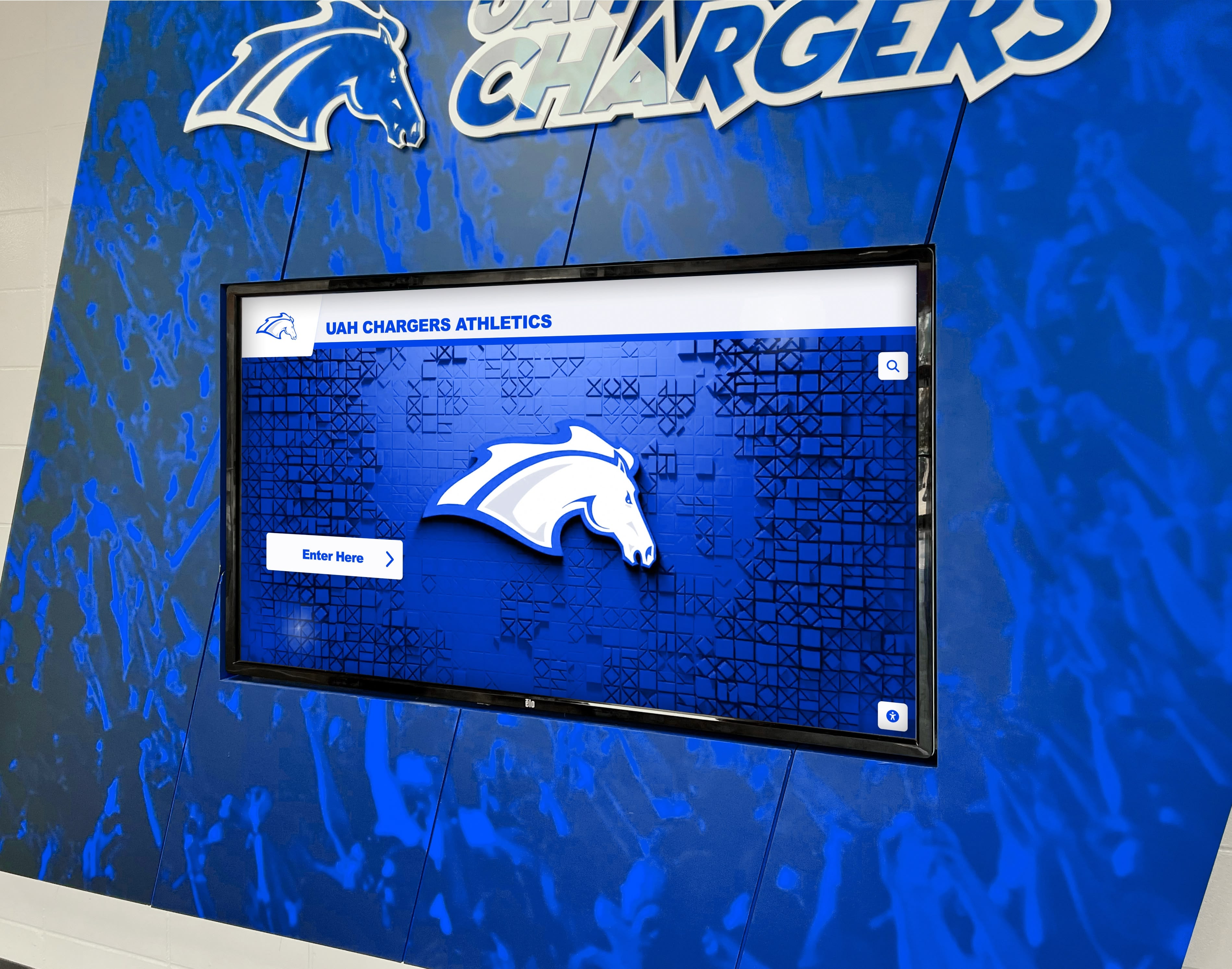
Modern recognition displays create visible appreciation throughout corporate facilities and educational institutions
Why Comprehensive Corporate Awards Matter
Understanding the measurable impact of recognition programs helps organizations justify investment and design effective award systems.
The Business Case for Diverse Recognition Categories
Research consistently demonstrates that employee recognition delivers quantifiable returns:
Retention and Turnover Impact
- Organizations with robust recognition programs experience 31% lower voluntary turnover
- Employees receiving regular acknowledgment report 5x higher likelihood of remaining with current employer
- Recognition serves as protective factor against burnout, particularly during demanding periods
- Cost savings from reduced turnover typically exceed total recognition program investment
Performance and Productivity Benefits
- Teams with systematic recognition demonstrate 14-21% higher performance on key metrics
- Public acknowledgment creates positive peer influence encouraging broader excellence
- Recognition reinforces specific behaviors and approaches worth repeating across organizations
- Visible accomplishments normalize achievement as organizational standard rather than exception
Engagement and Cultural Advantages
- Recognized employees show dramatically higher engagement scores correlating with productivity
- Systematic appreciation creates psychological safety enabling innovation
- Recognition culture attracts higher-quality candidates and strengthens employer brand
- Diverse award categories demonstrate organizational values more comprehensively than narrow recognition
Organizations implementing comprehensive employee recognition programs report measurable improvements in retention, performance, and organizational health within first year of implementation.
Creating Recognition That Resonates
Effective corporate awards share essential characteristics:
Meaningful Criteria
- Clear standards distinguishing achievement levels
- Balance between objective metrics and values-based recognition
- Criteria aligned with organizational strategy and priorities
- Transparent selection processes building trust and credibility
Inclusive Accessibility
- Award categories spanning multiple contribution dimensions
- Opportunities for employees at all levels and departments
- Recognition for both individual excellence and team achievements
- Balanced acknowledgment across performance, effort, and cultural contributions
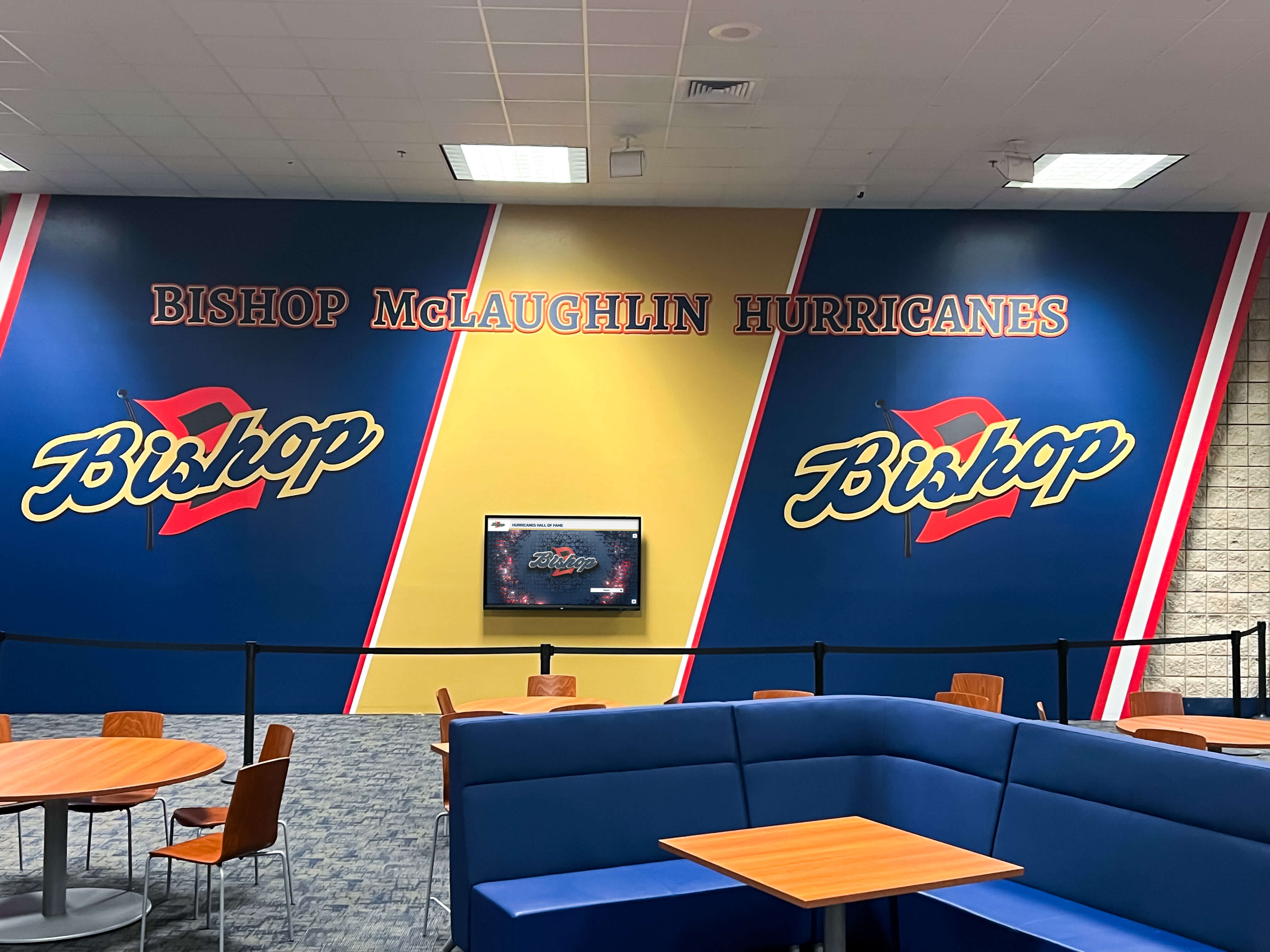
Strategic placement in gathering spaces ensures recognition visibility throughout employee routines
Visible Commemoration
- Physical or digital displays extending impact beyond single ceremony
- Multi-channel communication amplifying recognition reach
- Lasting documentation preserving organizational achievement history
- Accessibility enabling families and broader networks to celebrate employee success
The following corporate award ideas provide frameworks for recognition systems honoring the complete spectrum of employee excellence.
Performance-Based Corporate Award Ideas
Recognition for measurable results remains foundational while requiring expansion beyond narrow financial metrics.
Sales and Revenue Recognition
1. Top Sales Performer Acknowledges highest revenue generation or sales volume achievement. Typically measured annually or quarterly with clear performance data supporting selection.
2. New Business Development Award Recognizes exceptional success acquiring new clients, opening new markets, or expanding organizational reach into previously untapped segments.
3. Account Management Excellence Honors outstanding client retention, relationship deepening, or strategic account growth demonstrating sustained value delivery beyond initial sale.
4. Highest Revenue Growth Celebrates greatest year-over-year or period-over-period revenue increase, acknowledging scaling impact and business expansion contribution.
5. Sales Team of the Year Collective recognition for highest-performing sales team, department, or regional group demonstrating collaborative excellence and shared success.
Operational Excellence Awards
6. Quality Excellence Award Recognizes exceptional quality standards maintenance, error reduction, or quality improvement initiatives directly impacting customer satisfaction or operational efficiency.
7. Customer Service Champion Honors outstanding customer satisfaction scores, positive feedback volume, or exemplary service delivery consistently exceeding expectations.
8. Process Improvement Innovator Celebrates documented efficiency gains, cost reductions, or workflow enhancements through innovative process redesign or optimization.
9. Safety Leadership Award Acknowledges exceptional safety record maintenance, safety culture development, or initiative implementation reducing workplace incidents and risks.
10. Project Delivery Excellence Recognizes on-time, on-budget project completion with exceptional quality, particularly for complex initiatives requiring cross-functional coordination.

Interactive recognition platforms enable exploration of achievements across multiple contribution dimensions
Financial and Strategic Impact
11. Cost Savings Champion Honors documented cost reduction through strategic initiatives, vendor negotiations, resource optimization, or waste elimination delivering measurable financial impact.
12. Profit Contribution Award Recognizes greatest contribution to organizational profitability through revenue generation, cost management, or operational efficiency improvements.
13. Strategic Initiative Leader Celebrates successful execution of critical organizational priorities, transformational projects, or strategic initiatives advancing long-term objectives.
14. Market Share Growth Award Acknowledges contributions to competitive positioning improvements, market penetration increases, or successful competitive displacement.
Innovation and Creativity Corporate Awards
Recognition for innovative thinking drives organizational adaptation and competitive advantage.
Innovation Recognition
15. Innovation of the Year Pinnacle award for most impactful innovation—new product, service, process, or business model creating substantial organizational value or competitive differentiation.
16. Technology Innovation Award Recognizes exceptional technology application, digital transformation contribution, or technical solution development advancing organizational capabilities.
17. Creative Problem Solver Honors unconventional thinking that successfully addressed challenging organizational problems through novel approaches others overlooked.
18. Continuous Improvement Champion Celebrates sustained commitment to incremental improvements accumulating significant impact through systematic enhancement efforts over time.
19. Research and Development Excellence Acknowledges exceptional contributions to product development, research initiatives, or intellectual property creation advancing organizational innovation pipeline.
Creative Excellence
20. Marketing Campaign of the Year Recognizes most effective marketing initiative based on reach, engagement, conversion, brand impact, or measurable business results.
21. Design Excellence Award Honors outstanding design work in products, communications, user experience, or other areas where aesthetic and functional excellence matter.
22. Content Creation Achievement Celebrates exceptional content development—written, visual, video, or multimedia—demonstrating creativity, effectiveness, and audience engagement.
23. Brand Ambassador Award Recognizes employees who most effectively represent organizational brand, values, and culture both internally and externally through authentic advocacy.
Educational institutions implementing similar recognition approaches for student achievement demonstrate how comprehensive award categories celebrate diverse excellence applicable to corporate contexts.
Collaboration and Teamwork Awards
Team-based recognition acknowledges that organizational success depends on collective excellence.
Team Achievement Recognition
24. Team of the Year Pinnacle collaborative recognition honoring highest-performing team based on results, collaboration quality, and collective contribution to organizational success.
25. Cross-Functional Collaboration Award Celebrates exceptional partnership across departments, divisions, or functions demonstrating how coordinated effort achieves outcomes impossible individually.
26. Project Team Excellence Recognizes outstanding team performance on specific initiatives, particularly those involving complex coordination, tight timelines, or challenging circumstances.
27. Startup Team Award Honors teams launching new products, services, business units, or initiatives, acknowledging entrepreneurial effort and successful execution despite inherent uncertainty.
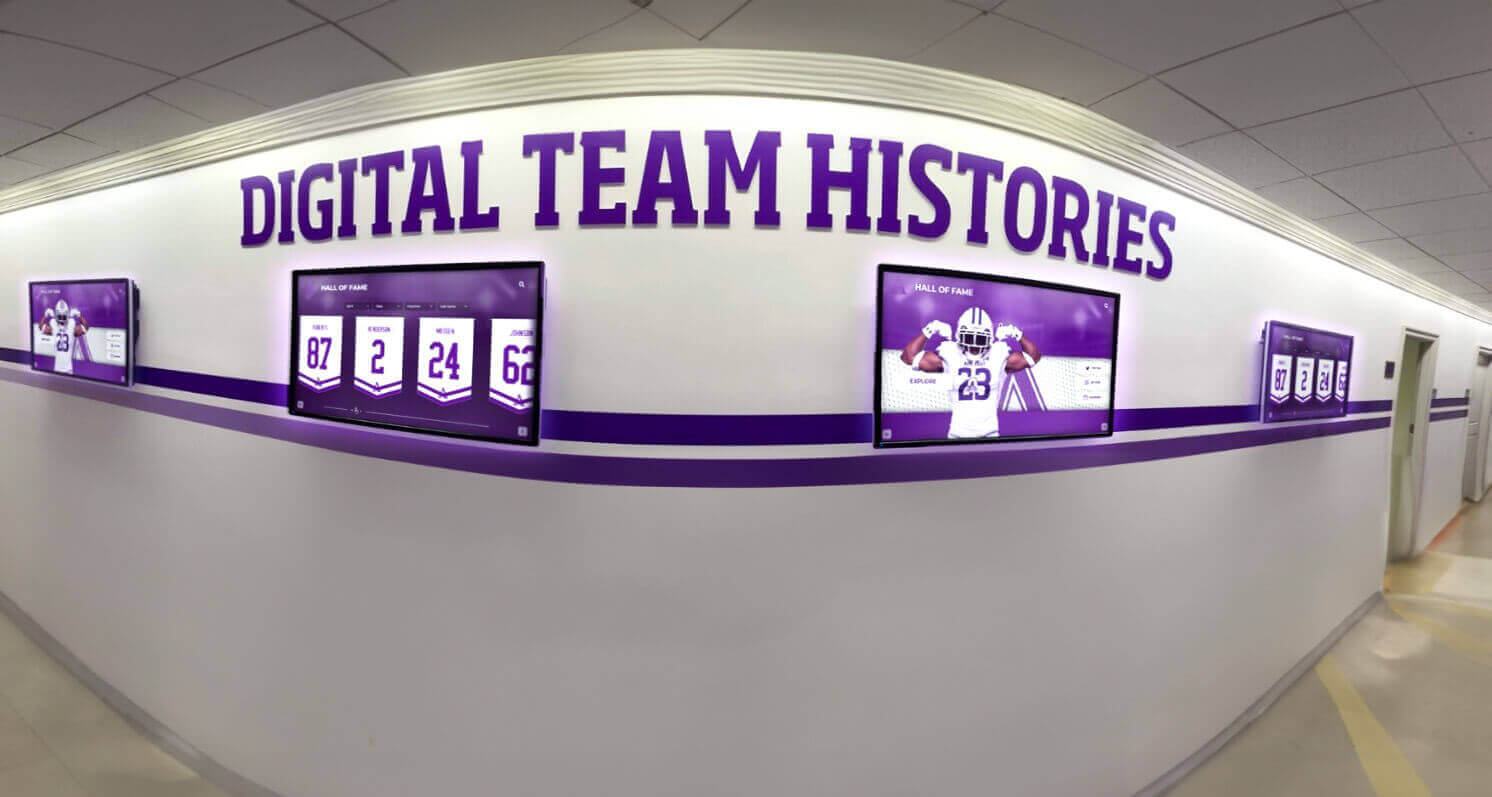
Multi-screen installations showcase diverse achievements throughout organizational spaces
Partnership and Support Recognition
28. Best Mentor Award Acknowledges exceptional investment in developing colleagues through mentorship, coaching, knowledge sharing, and career guidance supporting others’ growth.
29. Collaboration Champion Recognizes employees who consistently facilitate teamwork, bridge silos, build consensus, and enable collective success through exceptional partnership skills.
30. Support Staff Excellence Honors outstanding contribution from employees in supporting roles whose work enables others’ success but may receive less visible acknowledgment.
31. Knowledge Sharing Award Celebrates individuals who systematically document, teach, and transfer expertise strengthening organizational capability and reducing knowledge concentration risks.
Values and Culture Corporate Awards
Recognition reinforcing organizational values shapes culture more effectively than stated principles alone.
Cultural Contribution Recognition
32. Culture Champion Award Pinnacle recognition for employees who most effectively embody, promote, and strengthen organizational culture through authentic values demonstration and positive influence.
33. Integrity and Ethics Award Honors exemplary ethical behavior, transparent decision-making, and consistent values alignment even when faced with difficult choices or competing pressures.
34. Diversity and Inclusion Champion Recognizes outstanding contribution to creating inclusive environment, advancing diversity initiatives, or demonstrating exceptional inclusive leadership behaviors.
35. Community Impact Award Celebrates significant volunteer service, nonprofit board participation, or community contribution reflecting organizational commitment to broader social responsibility.
36. Environmental Stewardship Award Acknowledges leadership in sustainability initiatives, environmental impact reduction, or conservation efforts advancing organizational environmental responsibility.
Organizations implementing staff appreciation programs demonstrate how systematic values-based recognition strengthens organizational culture.
Character and Conduct Recognition
37. Positive Attitude Award Recognizes employees who consistently demonstrate optimism, resilience, and constructive outlook that elevates team morale and organizational climate.
38. Reliability and Dependability Award Honors exceptional consistency, follow-through, and trustworthiness making employee someone colleagues can always count on for quality work and commitment.
39. Professionalism Award Celebrates exemplary professional conduct, communication excellence, and representation of organizational standards in all interactions and circumstances.
40. Respect and Kindness Award Acknowledges employees who consistently treat everyone with dignity, demonstrate empathy, and create welcoming environment through thoughtful interaction.
Growth and Development Awards
Recognition for improvement and skill development ensures opportunities exist for employees at all starting points.
Professional Development Recognition
41. Most Improved Performance Celebrates greatest performance improvement over evaluation period, acknowledging growth regardless of absolute performance level and motivating continued development.
42. Skill Development Achievement Recognizes exceptional professional development through certification completion, advanced degree attainment, or significant new capability acquisition.
43. Learning and Development Champion Honors employees who demonstrate exceptional commitment to continuous learning, professional growth, and capability expansion benefiting individual and organization.
44. Career Advancement Award Celebrates successful progression to greater responsibility, particularly when advancement demonstrates preparation, skill development, and earned opportunity.
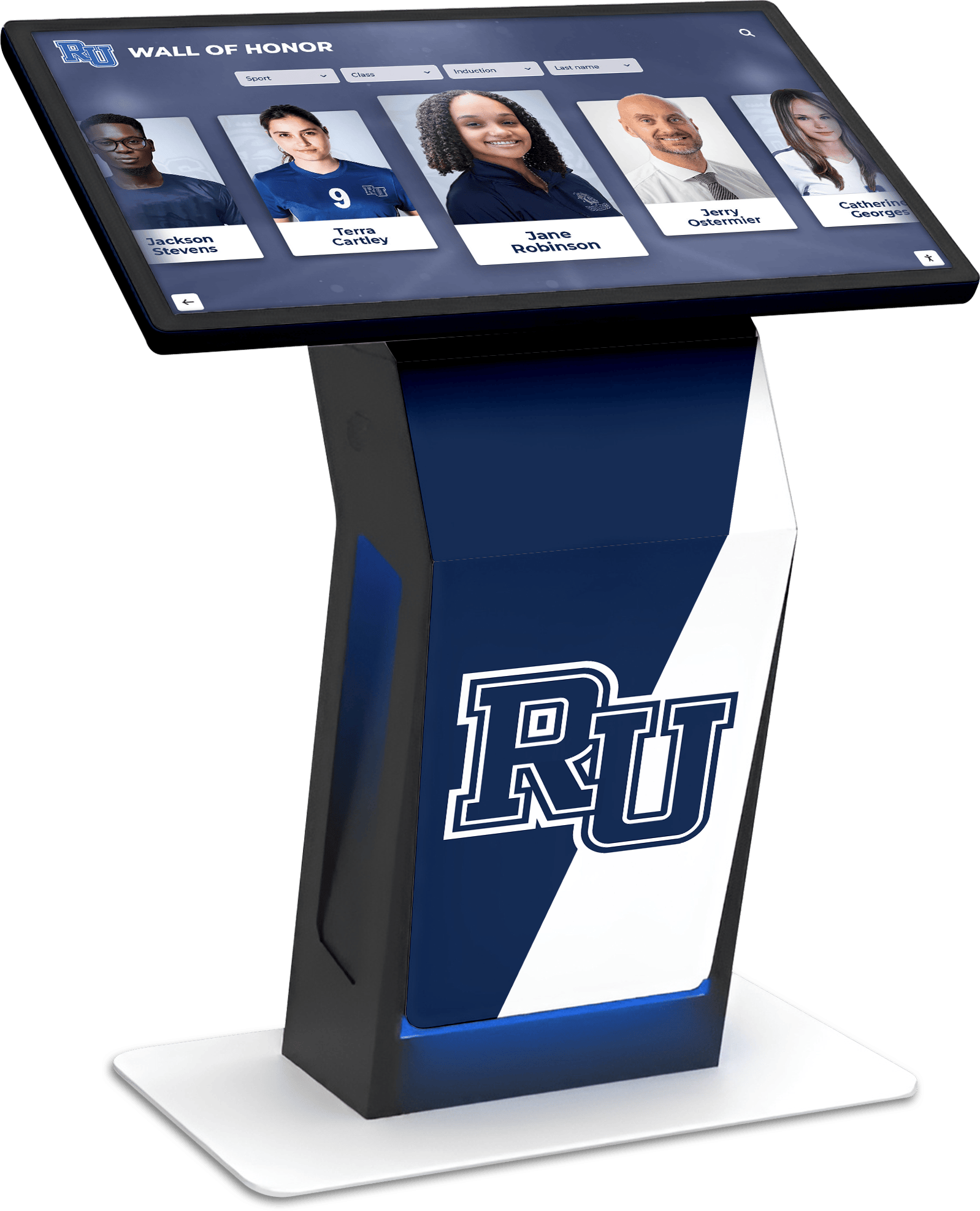
Modern recognition kiosks provide engaging platforms for exploring achievements across all award categories
Leadership and Management Awards
Recognition for leadership excellence develops and reinforces effective management behaviors.
Leadership Excellence Recognition
45. Leader of the Year Pinnacle leadership recognition acknowledging exceptional management effectiveness, team development, strategic thinking, and results achievement.
46. Emerging Leader Award Recognizes employees demonstrating exceptional leadership potential through initiative, influence, and effectiveness despite earlier career stage or formal authority.
47. Change Leadership Award Honors outstanding leadership through organizational change, transformation initiatives, or challenging transitions requiring vision, communication, and resilience.
48. Coaching Excellence Award Celebrates exceptional talent development, performance improvement facilitation, and career guidance demonstrating investment in others’ success.
49. Strategic Thinking Award Recognizes exceptional strategic perspective, long-term thinking, or contributions to organizational direction setting and future planning.
Service and Tenure Recognition
Length of service recognition remains valuable while requiring thoughtful implementation ensuring meaningfulness.
Service Milestone Awards
50. Years of Service Recognition Traditional acknowledgment at milestone years (5, 10, 15, 20, 25+ years) with increasing prominence demonstrating appreciation for sustained organizational commitment.
51. Founding Team Recognition Special acknowledgment for employees present during organizational founding or critical early periods whose contributions built foundation for current success.
52. Retirement Celebration Comprehensive recognition honoring complete career contribution, typically including ceremony, permanent commemoration, and ongoing connection through alumni network.
Many organizations maintain digital recognition displays preserving service milestone recognition alongside performance achievements, creating comprehensive organizational achievement archives.
Planning Effective Corporate Award Ceremonies
Award category selection represents only first step—effective ceremonies require thoughtful planning ensuring meaningful, engaging experiences.
Ceremony Planning Timeline
8-12 Weeks Before Ceremony
- Form planning committee with representation across departments and levels
- Establish ceremony date, time, venue, and budget
- Finalize award categories based on organizational priorities and values
- Develop selection criteria and nomination processes for each category
- Begin communication promoting nomination opportunities
6-8 Weeks Before
- Collect nominations from managers, peers, and self-nominations where appropriate
- Review submissions and make preliminary selections
- Order physical awards, trophies, or certificates if providing tangible recognition
- Develop ceremony program, script, and presentation flow
- Secure venue, arrange catering if applicable, coordinate audio-visual needs
4-6 Weeks Before
- Finalize award recipient selections through committee review
- Communicate privately with recipients or maintain surprise depending on organizational preference
- Prepare individualized award descriptions highlighting specific achievements
- Create presentation materials, slides, or videos featuring recipients
- Send save-the-date communications to all employees
2-4 Weeks Before
- Send formal invitations to employees and families if invited
- Confirm all logistical details including venue setup, technology, and catering
- Conduct run-through with presenters ensuring smooth ceremony flow
- Finalize all presentation materials and test technical elements
- Arrange for photography, video documentation, and social media coverage
Week of Ceremony
- Final confirmations with all participants and vendors
- Prepare award distribution logistics ensuring correct matching
- Brief all presenters on their roles and award descriptions
- Test all audio-visual equipment and presentation technology
- Set up venue with appropriate atmosphere and recognition display
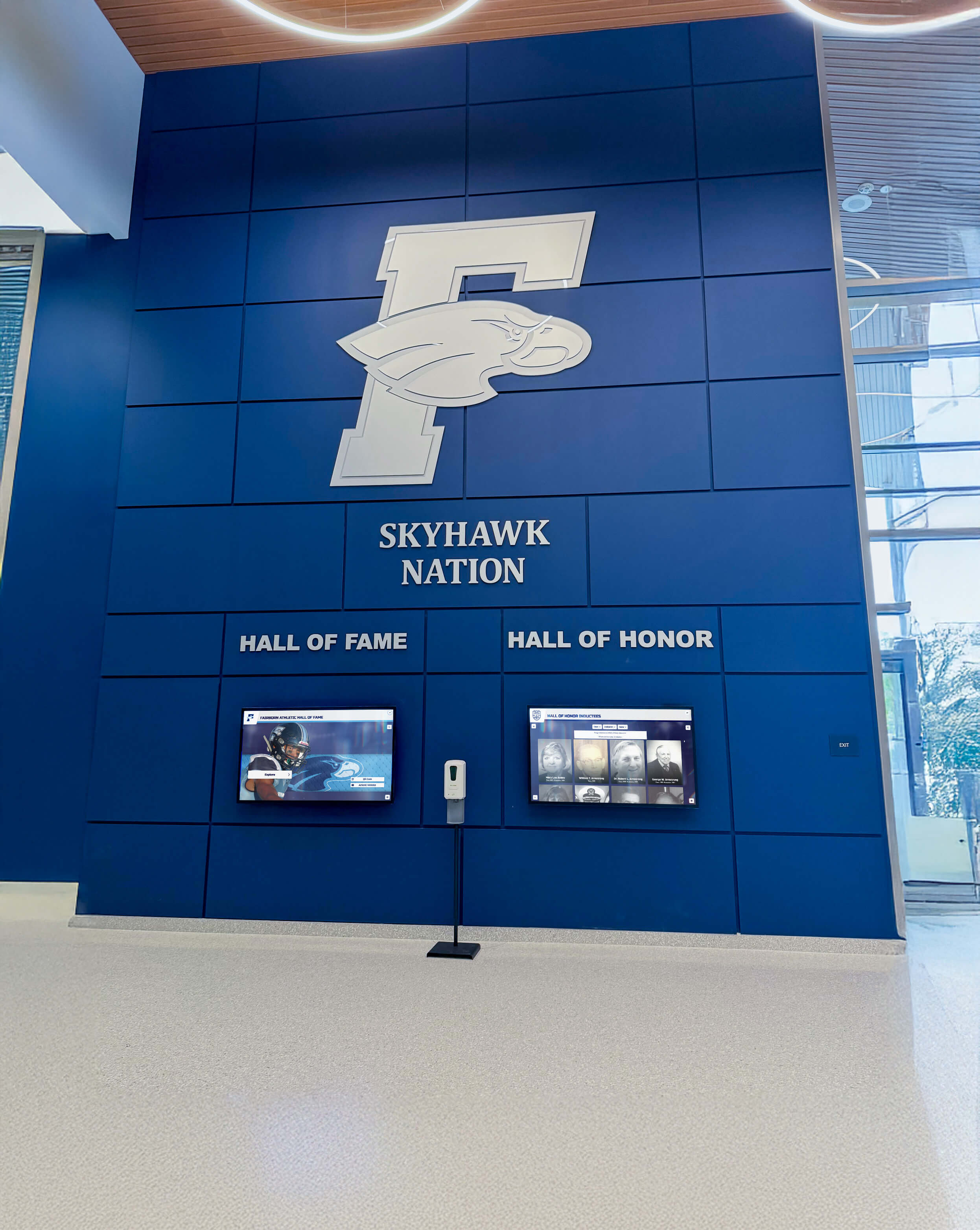
Entrance displays demonstrate organizational commitment to recognition immediately upon arrival
Ceremony Structure and Format
Effective ceremonies balance formality with engagement while respecting everyone’s time:
Opening Segment (10-15 minutes)
- Welcome from senior leadership emphasizing recognition importance
- Brief reflection on organizational achievements and challenges
- Overview of ceremony structure and award categories
- Acknowledgment of planning committee and nomination participants
Award Presentation Segments (45-75 minutes)
- Logical category grouping maintaining thematic flow
- Brief descriptions of each award category and its significance
- Specific achievement highlighting before revealing each recipient
- Time for applause, congratulations, and brief photo opportunities
- Balance between individual recognition depth and overall ceremony pace
Special Recognition or Messages (10-15 minutes)
- Additional acknowledgments beyond formal award categories
- Guest speaker or leadership message if appropriate
- Reflection on organizational values and culture
- Connection to broader organizational mission and strategy
Closing and Celebration (10-15 minutes)
- Final words of appreciation and encouragement
- Invitation to reception, networking, or continued celebration
- Photo opportunities with awards and colleagues
- Social media sharing encouragement with designated hashtag
Total ceremony duration should typically remain under 90 minutes. Longer programs risk losing audience engagement regardless of content quality. Organizations with many award categories might consider multiple ceremonies, department-level recognition feeding into organization-wide pinnacle awards, or creative formats maintaining engagement.
Making Ceremonies Memorable and Meaningful
Personalization and Storytelling
- Specific achievement descriptions beyond generic award titles
- Stories illustrating why recipients earned recognition
- Video messages from colleagues, clients, or leadership
- Personal presentation from someone familiar with recipient’s work
- Individual congratulations opportunities following ceremony
Engagement Elements
- High-quality audio-visual presentations
- Photo or video montages celebrating achievements
- Live or recorded testimonials from colleagues
- Musical interludes or entertainment during transitions
- Interactive elements encouraging audience participation
Inclusive Atmosphere
- Venue accessibility for all employees and guests
- Timing considerations for shift workers and remote employees
- Virtual participation options for distributed teams
- Cultural sensitivity in all aspects of program and presentation
- Recognition of diverse contribution types and backgrounds
Organizations implementing athletic banquet recognition demonstrate ceremony planning principles applicable to corporate award events.
Modern Recognition Display Solutions
Traditional approaches to displaying corporate awards—plaques in administrative hallways or names in occasional newsletters—provide limited visibility and impact.
Digital Recognition Display Advantages
Interactive touchscreen systems transform corporate recognition:
Unlimited Recognition Capacity Physical space constraints force organizations to choose whose achievements receive lasting visibility. Digital platforms eliminate these limitations:
- Single display showcases unlimited employees across all award categories
- Comprehensive historical archives preserve organizational recognition indefinitely
- No need to remove previous recipients to accommodate current awards
- All departments and contribution types receive equal display capacity
- Multi-year documentation showing individual journeys and organizational evolution
Interactive Exploration Features Static plaques provide minimal information. Modern touchscreen systems create engaging experiences:
- Search functionality enabling employees to find colleagues or specific achievements
- Filtering by department, award type, year, or other criteria
- Detailed profile pages telling complete contribution stories with photos and descriptions
- Video messages and testimonial integration adding personal dimension
- Team showcase celebrating collaborative achievements alongside individual recognition
Simple Remote Management Cloud-based content management eliminates traditional display maintenance burdens:
- Update recognition from any internet-connected device without physical access
- Role-based permissions enabling appropriate staff access levels
- Scheduled publishing for awards announcements and updates
- Bulk import capabilities for annual award recipient data
- Drag-and-drop interfaces requiring no technical expertise
- Mobile-responsive management enabling updates from anywhere
Organizations report 75-85% reduction in administrative time maintaining recognition displays after implementing digital systems compared to traditional physical approaches.
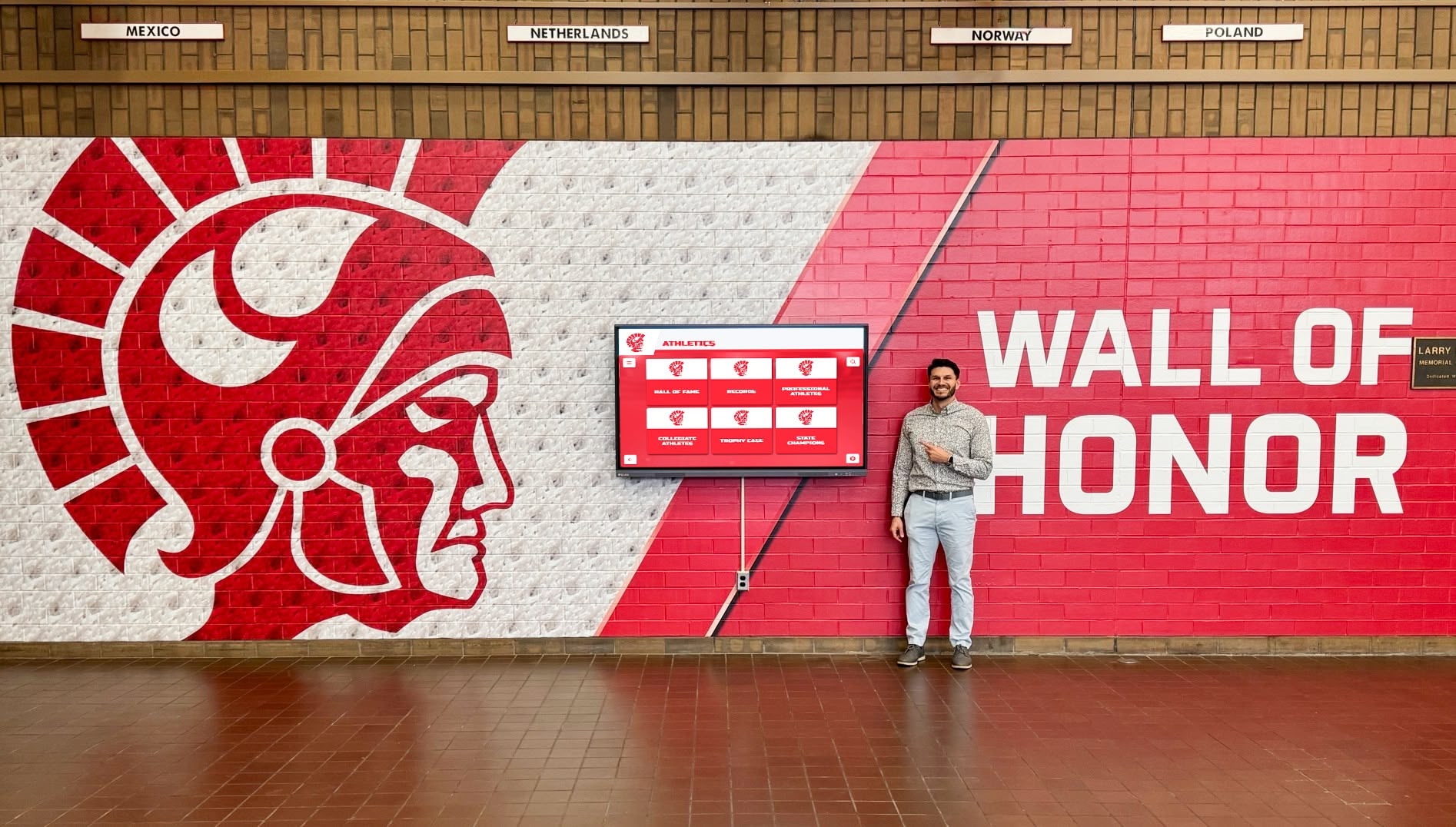
Interactive displays invite exploration enabling employees to discover colleague achievements and organizational excellence
Web-Based Recognition Extensions
Recognition impact extends beyond physical facilities through online platforms:
Online Accessibility
- Remote employees view current recognition regardless of location
- Family members and personal networks celebrate employee achievements
- Social sharing capabilities enabling recognition amplification
- Mobile-optimized displays ensuring access across all devices
- Integration with organizational intranets and communication platforms
Multi-Channel Communication Integration
- Automated email notifications when individuals receive recognition
- Social media posts celebrating award recipients
- Newsletter features highlighting recognition program success
- Digital signage integration throughout facilities
- Community media partnerships extending visibility beyond organization
Recognition Analytics and Insights Digital platforms provide data informing program improvements:
- Recognition distribution analysis ensuring equitable coverage across departments and demographics
- Engagement metrics showing how employees interact with recognition content
- Nomination pattern analysis revealing recognition culture health
- Trend identification enabling continuous program refinement
- Return on investment measurement through retention correlations
Solutions like those from Rocket Alumni Solutions, while primarily serving educational institutions, demonstrate how comprehensive digital recognition platforms extend acknowledgment impact far beyond traditional approaches—principles equally applicable to corporate environments.
Selecting the Right Awards for Your Organization
Not every organization needs all 50+ award categories. Strategic selection based on organizational context creates more meaningful, manageable programs.
Aligning Awards with Organizational Strategy
Mission and Values Connection
- Awards reinforcing specific organizational values and cultural priorities
- Recognition categories supporting strategic initiatives and transformation efforts
- Balance between results-based and values-based acknowledgment
- Alignment with leadership competencies and behavioral expectations
Industry and Context Considerations Different organizational contexts emphasize different contributions:
- Technology companies might prioritize innovation, technical excellence, and rapid learning
- Professional services firms may emphasize client relationships, expertise development, and collaboration
- Manufacturing organizations could focus on safety, quality, efficiency, and continuous improvement
- Healthcare institutions might prioritize patient care, compassionate service, and clinical excellence
Organizational Maturity and Size
- Startups and smaller organizations might begin with 5-10 core award categories
- Mid-size organizations typically maintain 15-25 award categories across multiple dimensions
- Large enterprises may implement 30-50+ categories enabling department-specific recognition
- Growth path allowing systematic expansion as recognition culture develops
Creating Balanced Award Portfolios
Effective corporate award programs include multiple recognition dimensions:
Performance and Results (30-40%) Measurable achievement acknowledgment maintaining focus on organizational objectives while avoiding exclusive emphasis on easily quantified outcomes.
Innovation and Improvement (15-25%) Recognition driving adaptation, creativity, and continuous enhancement essential for competitive positioning and long-term success.
Collaboration and Teamwork (15-20%) Collective achievement acknowledgment reinforcing that organizational success depends on coordinated effort beyond individual excellence.
Values and Culture (15-20%) Recognition strengthening desired cultural attributes and behavioral norms that define organizational identity and working environment.
Growth and Development (10-15%) Improvement recognition ensuring opportunities exist for employees at all starting points while encouraging continuous capability expansion.
This balanced approach ensures diverse employees across all roles, departments, and contribution styles find recognition opportunities while maintaining meaningful standards distinguishing genuine achievement.
Common Corporate Award Program Pitfalls
Understanding frequent mistakes helps organizations design more effective recognition systems from inception.
Design and Selection Errors
Narrow Recognition Focus
- Awards only for easily measured outcomes excluding important qualitative contributions
- Exclusive focus on senior employees overlooking emerging talent and support roles
- Recognition limited to specific departments creating perceived favoritism
- Failure to acknowledge diverse contribution types and excellence dimensions
Prevention requires intentionally creating recognition opportunities across multiple contribution dimensions with transparent, equitable selection processes.
Unclear or Inconsistent Criteria
- Vague award descriptions creating confusion about what behaviors or achievements merit recognition
- Inconsistent application of stated criteria undermining trust and credibility
- Subjective selections without documented evaluation processes
- Failure to communicate selection rationale to nominees and broader organization
Clear documentation, transparent communication, and systematic selection processes build essential trust in recognition program fairness.
Recognition Inflation or Devaluation
- Over-recognition diminishing program significance and making awards feel meaningless
- Participation acknowledgment lacking genuine achievement standards
- Pressure to “spread awards around” rather than acknowledging actual excellence
- Loss of aspirational quality for highest recognition tiers
Balance requires maintaining meaningful standards ensuring recognition represents genuine achievement while creating sufficient award categories that diverse employees find opportunities for acknowledgment.
Implementation and Sustainability Challenges
Inconsistent Program Execution
- Recognition enthusiasm fading after initial launch year
- Failure to maintain regular recognition schedules and ceremonies
- Leadership transitions disrupting program continuity
- Lack of dedicated resources ensuring sustainability
Prevention requires institutional commitment beyond individual champions, documented processes enabling continuation, and integration into operational rhythms rather than depending on annual project approach.
Insufficient Communication and Visibility
- Limited awareness of award opportunities and nomination processes
- Recognition visibility confined to ceremony attendees
- Failure to celebrate recipients through multiple channels
- Lack of lasting display ensuring achievements receive ongoing acknowledgment
Systematic multi-channel communication and permanent recognition displays ensure acknowledgment reaches far beyond single ceremony, creating broader cultural impact and motivating excellence.
Schools implementing comprehensive academic recognition demonstrate program sustainability approaches applicable to corporate contexts.
Measuring Corporate Award Program Success
Regular evaluation ensures recognition achieves intended outcomes and justifies continued investment.
Quantitative Evaluation Metrics
Participation and Coverage
- Percentage of employees receiving recognition annually
- Distribution across departments, levels, and demographic groups
- Recognition frequency per individual over multi-year periods
- Year-over-year participation trends and patterns
- Nomination submission quantities by department and category
Organizational Impact Indicators
- Retention rates compared to pre-program baselines
- Voluntary turnover analysis comparing recognized versus non-recognized employees
- Employee engagement survey results and trends
- Performance metrics and productivity measures
- Exit interview data regarding recognition experiences
Program Engagement Metrics
- Award ceremony attendance rates from employees and guests
- Digital recognition display interaction rates and duration
- Web platform usage statistics and unique visitors
- Social media engagement with recognition content
- Nomination participation rates across organization
Qualitative Assessment
Stakeholder Feedback
- Employee surveys about recognition program awareness, fairness, and impact
- Leadership assessment of program effectiveness and return on investment
- Manager feedback on nomination processes and recognition tools
- Focus groups exploring recognition experiences and perceptions
- Anecdotal evidence of cultural change and appreciation impact
Cultural Indicators
- Observed changes in organizational morale, collaboration, and innovation
- Climate survey improvements in relevant dimensions
- Behavioral evidence of values embodiment and culture strengthening
- Peer recognition adoption as cultural practice
- Reputation improvements related to employer brand and talent attraction
Return on Investment Analysis
- Program costs versus recruitment and turnover savings from improved retention
- Administrative time investment compared to cultural and retention benefits
- Technology platform investment amortized over expected usage period
- Intangible benefits including improved culture, morale, engagement, and performance
Comprehensive evaluation combining quantitative metrics with qualitative insights enables evidence-based program refinement ensuring recognition remains meaningful, equitable, and impactful.
Sector-Specific Corporate Award Considerations
Different organizational contexts benefit from tailored recognition approaches while maintaining core appreciation principles.
For-Profit Business Recognition
Corporate environments emphasize:
- Revenue generation, profitability, and shareholder value creation
- Market positioning, competitive advantage, and strategic goal achievement
- Innovation driving product development and business model evolution
- Customer acquisition, retention, and lifetime value maximization
- Operational efficiency, cost management, and resource optimization
Healthcare and Medical Organization Recognition
Healthcare contexts prioritize:
- Patient care quality, safety outcomes, and satisfaction
- Clinical excellence, evidence-based practice, and medical innovation
- Compassionate care delivery during challenging circumstances
- Teamwork in high-pressure emergency and critical care environments
- Continuous learning and professional development maintaining clinical competency
Educational Institution Recognition
Academic organizations focus on:
- Teaching excellence and student learning impact
- Research contribution, scholarship, and knowledge creation
- Service to institution, profession, and broader community
- Innovation in pedagogy, student support, and educational delivery
- Mentorship developing future generations of students and colleagues
Universities implementing student achievement recognition demonstrate comprehensive award programs applicable to employee recognition in educational contexts.
Nonprofit and Mission-Driven Organization Recognition
Nonprofit contexts emphasize:
- Mission advancement and measurable community impact
- Resource development, donor stewardship, and fundraising success
- Program innovation, effectiveness, and outcome achievement
- Community partnership building and collaborative relationships
- Values embodiment and authentic mission commitment
Recognition programs should align with sector norms and organizational mission while maintaining core appreciation principles applicable across all contexts.
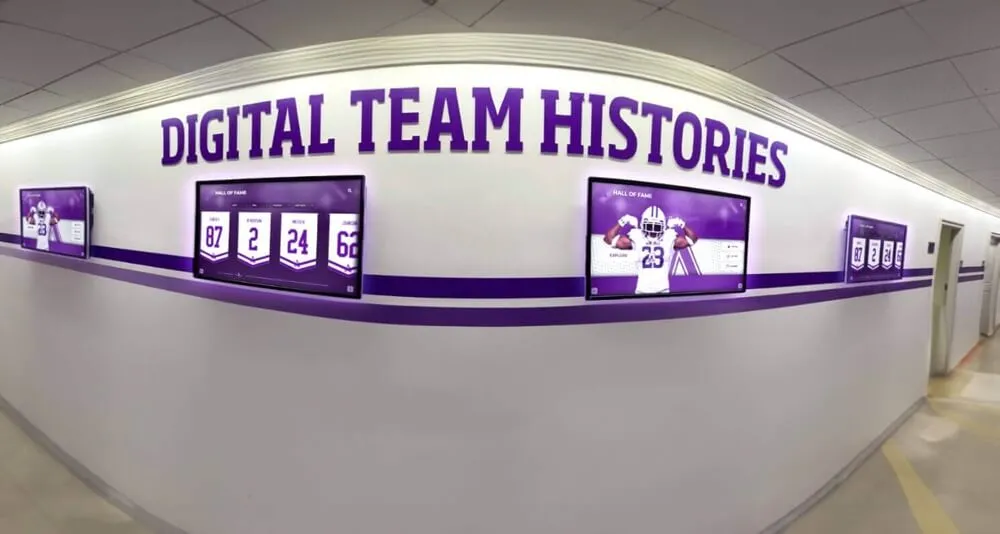
Multi-location displays ensure recognition visibility throughout organizational facilities
Conclusion: Building Recognition Culture Through Comprehensive Awards
Corporate award ideas extending beyond conventional categories transform recognition from annual obligation into strategic investment in organizational culture, retention, and performance. When organizations implement comprehensive award programs celebrating diverse achievements—from measurable results to cultural contributions, from individual excellence to collaborative success—they create environments where every contributor finds pathways to meaningful acknowledgment motivating continued excellence.
The 50+ award categories explored in this guide provide frameworks for recognition systems honoring the complete spectrum of employee contributions that drive organizational success. From performance-based achievements to innovation recognition, from values embodiment to growth celebration, from leadership excellence to team collaboration—these approaches help organizations signal what they value while building cultures where excellence becomes normalized expectation rather than rare exception.
Effective corporate awards require moving beyond limiting assumptions about who deserves recognition and how acknowledgment should appear. Modern digital recognition platforms make comprehensive appreciation achievable across unlimited employees and award categories while maintaining professional displays requiring minimal administrative burden. Strategic ceremony planning creates memorable experiences celebrating achievements meaningfully. Transparent selection processes and equitable distribution analysis ensure recognition reaches deserving employees across all departments, levels, and contribution dimensions.
Organizations that excel at recognition understand fundamental truth: appreciation isn’t soft sentiment—it’s competitive necessity directly impacting retention, performance, innovation, and ability to attract talented people who make organizational success possible. Every employee who receives meaningful recognition for their specific contributions—whether exceptional performance, innovative thinking, collaborative excellence, values embodiment, or sustained growth—develops stronger organizational connection and greater motivation to continue contributing at high levels.
Start with award categories your organization can implement immediately using existing ceremonies and communication channels. Then systematically expand toward comprehensive recognition systems your employees deserve. Create clear selection criteria ensuring fairness and transparency. Design ceremonies appropriate to organizational culture while maintaining celebration significance. Leverage technology eliminating barriers to broad, ongoing recognition visibility.
Every recognition moment creates ripple effects throughout organizational culture. Acknowledged employees feel valued and motivated. Colleagues observe what behaviors and contributions merit celebration. Families share pride in achievements. Alumni maintain connections. Communities see organizational values demonstrated through public appreciation. These accumulated impacts shape organizational performance, retention, and competitive positioning far beyond individual awards ceremonies.
Ready to transform employee recognition at your organization? Explore comprehensive digital recognition solutions that showcase unlimited employee achievements year-round while reducing administrative burden and ensuring every accomplishment receives the visibility it deserves.