Columbia University’s vibrant traditions connect generations of students, faculty, and alumni through shared experiences that define campus culture. From midnight disruptions during finals week to ceremonial tree lightings in winter, these customs create moments that transform individual student experiences into collective institutional memory.
These traditions matter because they establish continuity across decades of change, provide relief during stressful academic periods, and create distinctive experiences that bond Columbia community members long after graduation. Yet understanding which traditions carry the most significance, when they occur, and how to participate can puzzle newcomers to Morningside Heights.
This comprehensive guide explores Columbia University’s most cherished traditions, explaining their origins, significance, and current practices while examining how modern universities preserve and celebrate campus customs for future generations.
Columbia University traditions reflect the institution’s unique character—blending intellectual rigor with creative expression, maintaining formal ceremonies while embracing spontaneous celebrations, and honoring historical roots while adapting to contemporary student culture. These customs create the distinctive Columbia experience that alumni remember and current students eagerly anticipate.
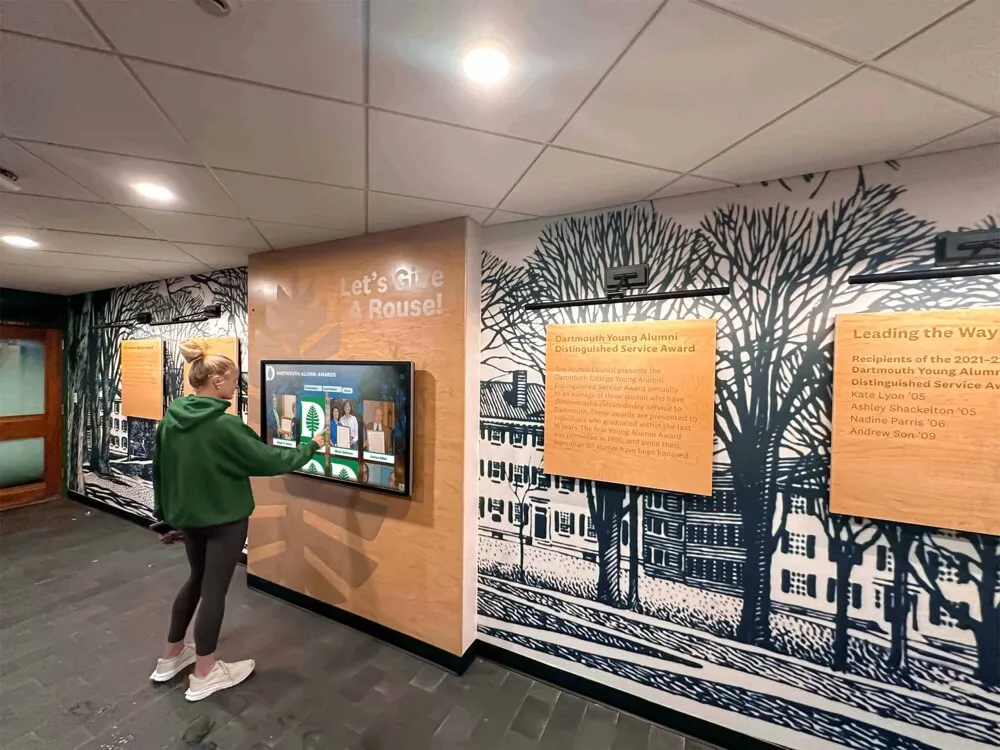
Universities preserve traditions through interactive displays that allow students and alumni to explore institutional history and campus customs
Orgo Night: Columbia’s Most Infamous Tradition
Perhaps no Columbia tradition generates more debate, anticipation, and exhaustion than Orgo Night—the midnight disruption of organic chemistry studying that occurs the evening before the final exam.
The Origins and Evolution
Orgo Night began in the 1970s when the Columbia University Marching Band decided to “entertain” students cramming for the notoriously difficult organic chemistry final. What started as a brief musical interlude evolved into an elaborate midnight spectacle featuring satirical skits, irreverent performances, and considerable controversy.
Traditional Elements
- Midnight performance in Butler Library
- Satirical commentary on campus events, politics, and current affairs
- Musical performances disrupting late-night study sessions
- Participation by Columbia University Marching Band
- Attendance by students seeking study break entertainment
Contemporary Changes
In recent years, Columbia administration has implemented significant modifications to Orgo Night due to concerns about library disruption, offensive content, and student complaints. The tradition now faces restrictions and occasionally occurs in alternative locations, sparking ongoing debate about balancing tradition with inclusive campus environment concerns.
Schools navigating tradition evolution recognize that school spirit ideas must adapt while maintaining core community-building purposes.
Why Orgo Night Matters
Despite controversy, Orgo Night represents important aspects of Columbia culture:
Stress Relief During Finals
- Provides comic relief during one of the semester’s most stressful periods
- Creates shared experience among students facing demanding examinations
- Offers permission to take break from intensive studying
- Generates stories and memories extending beyond academic pressure
Student Expression and Autonomy
- Demonstrates student agency in shaping campus culture
- Provides platform for creative expression and satire
- Challenges authority through irreverent performance
- Creates space for student-led tradition separate from official programming
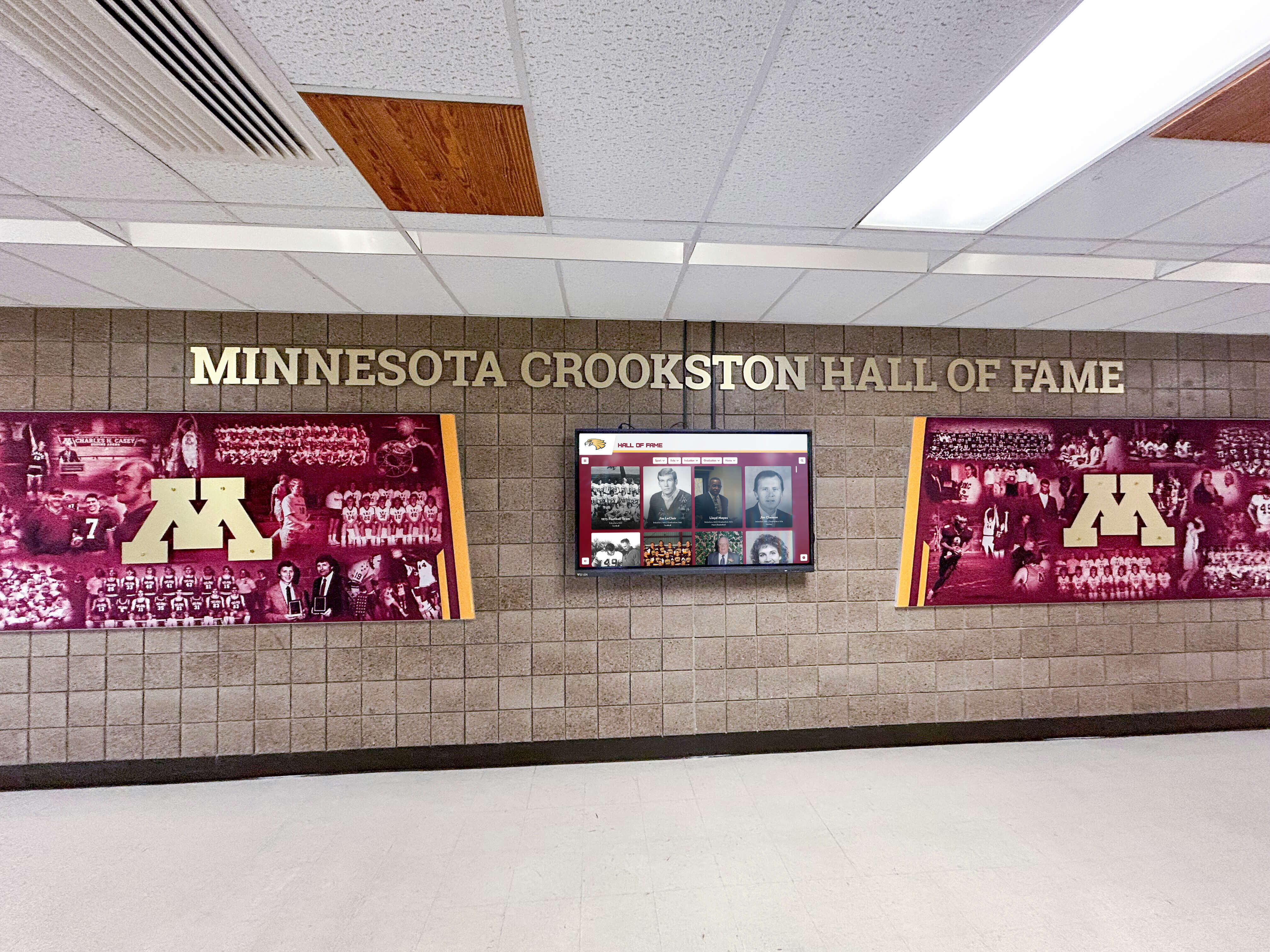
Modern universities document evolving traditions through comprehensive digital archives accessible to students and alumni
Tree Lighting Ceremony: Holiday Tradition
Each December, Columbia’s campus transforms into a winter wonderland with the annual Tree Lighting ceremony, creating a stark contrast to Orgo Night’s irreverence.
Ceremony Elements
The Tree Lighting represents Columbia’s more formal ceremonial tradition:
Event Components
- Lighting of large Christmas tree on College Walk
- Performances by student musical groups and choirs
- Hot chocolate and seasonal refreshments
- Speeches by university administrators
- Community gathering celebrating approaching holidays
- Official transition to winter break preparation
Campus Transformation Following the ceremony, Columbia’s campus features seasonal decorations creating festive atmosphere through examination period and into winter break.
Community Building Through Celebration
The Tree Lighting serves important community functions:
Inclusive Celebration
- Welcomes entire Columbia community regardless of religious affiliation
- Marks seasonal transition and approaching semester conclusion
- Provides counterpoint to academic pressure building toward finals
- Creates family-friendly event open to broader community
Universities implementing school event ideas recognize that memorable celebrations strengthen institutional bonds and create positive associations.
Alumni Connection
- Many alumni return to campus for Tree Lighting when in New York
- Event evokes nostalgic memories of student years
- Creates consistent tradition spanning graduating classes
- Provides touchstone connecting current students to institutional continuity
Class Day: Celebrating Graduating Seniors
Class Day represents Columbia’s distinctive graduation tradition, occurring the day before university-wide Commencement.
What Makes Class Day Special
Unlike the formal Commencement ceremony featuring all schools and programs, Class Day focuses exclusively on Columbia College and Engineering graduating classes:
Unique Characteristics
- Student-selected speaker addressing graduating class
- Awards recognizing student achievements and contributions
- Class gift presentation to the university
- Senior reflections and performances
- More informal, student-centered atmosphere than Commencement
- Historic location in Low Plaza (weather permitting)
Notable Past Speakers Class Day has featured diverse speakers ranging from comedians and entertainers to journalists and public figures, reflecting graduating class interests and values rather than traditional commencement speaker profiles.
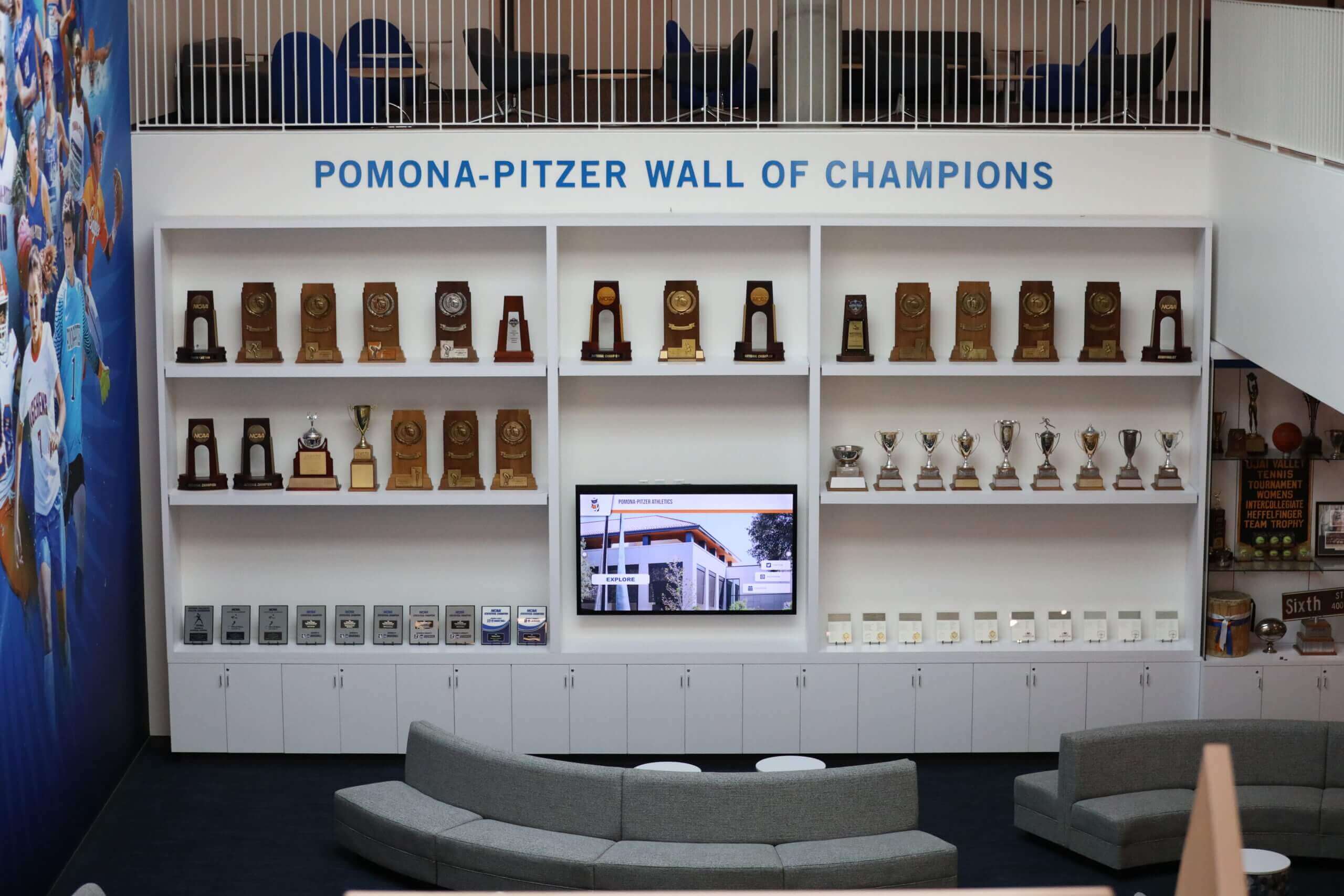
Dedicated recognition spaces celebrate graduating classes and preserve institutional traditions year after year
The Meaning of Separate Celebration
Class Day’s existence as distinct from Commencement reflects important aspects of Columbia culture:
Undergraduate Community Identity
- Emphasizes bonds formed within undergraduate colleges
- Acknowledges shared experience of Core Curriculum
- Celebrates class unity and collective journey
- Provides intimate celebration before larger ceremony
Student Voice and Autonomy
- Speaker selection by students rather than administration
- Programming reflecting student priorities and humor
- Opportunity for student leadership in significant event
- Balance between institutional formality and student culture
Schools recognize that graduation honors and recognition ceremonies create lasting memories while acknowledging student achievement.
Midnight Breakfast: Finals Week Tradition
During finals periods, Columbia continues the tradition of Midnight Breakfast—an event where faculty and administrators serve late-night breakfast to studying students.
Event Structure
Traditional Elements
- Occurs during finals week (typically during fall semester)
- Held in John Jay Dining Hall after regular dinner hours
- Faculty, administrators, and deans serving food to students
- Breakfast foods served at midnight
- Study break atmosphere with music and socializing
- Free for all students
Symbolic Significance
Midnight Breakfast carries meaning beyond free food:
Role Reversal
- Faculty serving students inverts typical hierarchical relationship
- Demonstrates institutional care for student wellbeing
- Creates informal interaction outside classroom contexts
- Humanizes administrators and professors
Community Care
- Recognizes finals stress and provides institutional support
- Offers nourishment during late-night study sessions
- Creates shared experience across undergraduate population
- Demonstrates university investment in student success
Stress Relief Programming
Midnight Breakfast exemplifies how universities create programming addressing student mental health and stress:
Finals Week Support
- Acknowledges intensity of examination period
- Provides structured break from studying
- Creates permission for self-care during demanding time
- Builds community during potentially isolating period
Universities increasingly recognize importance of first day of school activities and year-round programming supporting student wellbeing and community connection.
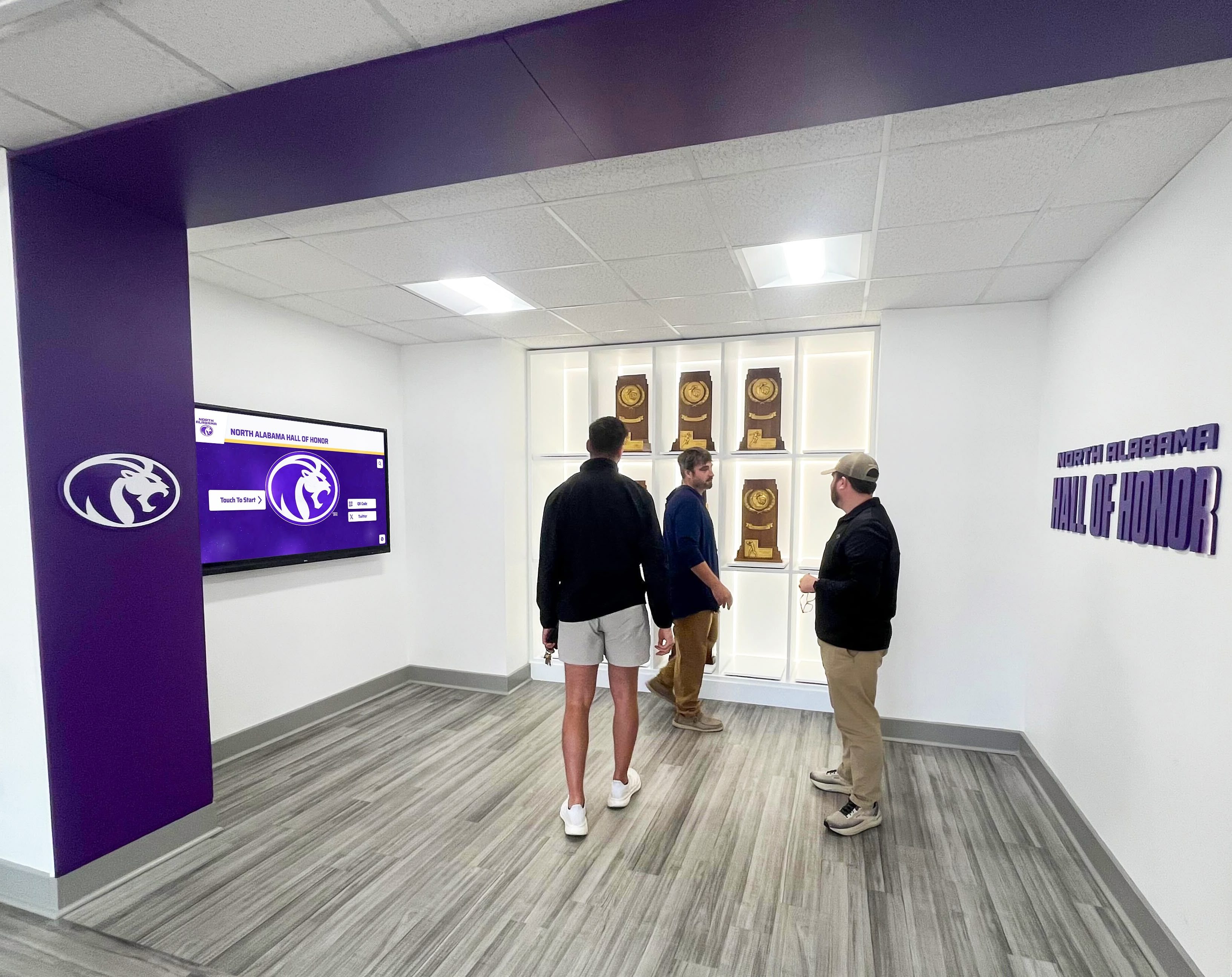
Interactive spaces provide students with opportunities to connect with institutional history and traditions throughout their academic journey
The Core Curriculum: Academic Tradition
While not an event or celebration, Columbia’s Core Curriculum represents perhaps the institution’s most defining tradition—a required sequence of foundational courses shaping undergraduate education.
What Is the Core?
The Core Curriculum consists of required courses all Columbia College students complete regardless of major:
Core Components
- Literature Humanities (year-long seminar on Western literature classics)
- Contemporary Civilization (year-long seminar on Western philosophical and political texts)
- University Writing (semester-long writing intensive course)
- Art Humanities (art history survey course)
- Music Humanities (music history and theory course)
- Science requirement (Frontiers of Science or approved alternatives)
- Foreign language requirement
- Physical education requirement
Shared Intellectual Experience
The Core creates common academic foundation across diverse student body:
Benefits
- Ensures all graduates share core knowledge and texts
- Provides common reference points for discussion
- Creates intellectual community across different majors
- Emphasizes breadth alongside specialized depth
- Connects students to great works and big questions
Criticisms and Debates
- Questions about Western canon emphasis in diverse global context
- Workload intensity especially for STEM-focused students
- Debates about required curriculum versus student choice
- Ongoing discussions about canon diversification and inclusion
The Core generates continuous conversation about what education should accomplish and which texts and ideas merit universal study.
Athletic Traditions: Roar Lion Roar
Columbia athletics feature distinctive traditions despite the university’s Division I status without athletic scholarships.
Fight Song and Mascot
“Roar Lion Roar” Columbia’s fight song appears at athletic events, pep rallies, and student gatherings. The lion mascot, Roaree, represents Columbia at games and events.
Ivy League Athletics
- Competition within Ivy League conference
- Academic-athletic balance emphasis
- Historic rivalries particularly with Princeton and Penn
- Student-athlete integration into broader campus community
Schools maintain athletic traditions through athletic hall of fame programs that recognize excellence while preserving institutional sports history.

Athletic halls of fame preserve university sports traditions and inspire current student-athletes through historical achievement displays
Notable Athletic Moments
Columbia athletics have created memorable moments worth preserving:
Historic Achievements
- Football’s record losing streak (now ended) becoming part of Columbia lore
- Wrestling program’s continued competitiveness
- Fencing’s national championship success
- Individual Olympic athletes from Columbia teams
Homecoming and Reunions Athletic events, particularly football homecoming, bring alumni back to campus and connect current students to broader Columbia community.
Housing Traditions and Residence Life
Columbia’s residential experience includes traditions specific to different residence halls and living situations.
First-Year Housing
New students experience Columbia through first-year residence halls:
Carman Hall Culture
- Known for social atmosphere and suite-style living
- Reputation for parties and extroverted student culture
- Elevator conversations and hallway community
John Jay Hall Experience
- Single rooms creating different social dynamics
- Study-focused reputation
- Lounges as primary social spaces
These housing experiences create distinct first-year identities that students carry throughout Columbia career.
Specialized Interest Communities
Upper-class housing includes themed communities and special interest housing creating micro-traditions within broader campus culture.
Senior Week and Graduation Traditions
The final weeks of senior year feature concentrated tradition and celebration:
Senior Week Events
Baccalaureate Service
- Multi-faith reflection ceremony before graduation
- Opportunity for spiritual or philosophical contemplation
- Separate from secular commencement ceremonies
Senior Night
- Celebration on campus with performances and activities
- Final gatherings of undergraduate class
- Nostalgia-focused programming
Class Photo
- Gathering of entire graduating class on Low Steps
- Historic location echoing countless previous classes
- Visual documentation of class unity
Schools planning comprehensive graduation experiences benefit from understanding 8th grade graduation ideas that scale up to university-level celebrations.
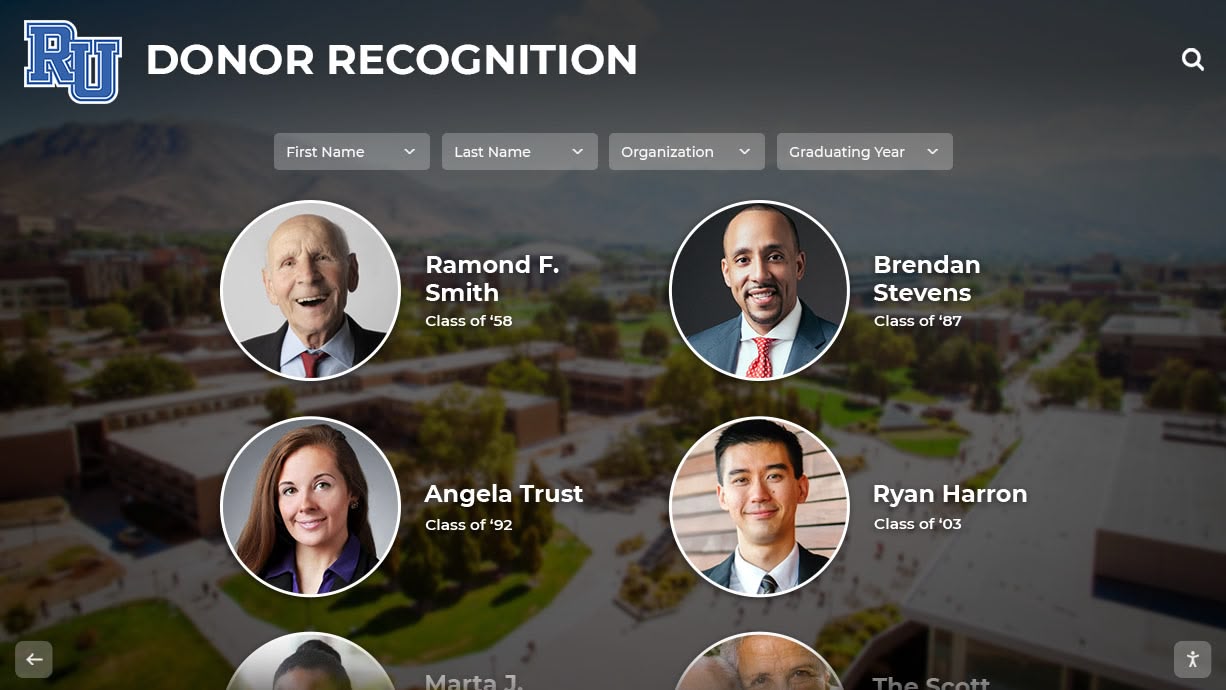
Universities maintain alumni connections through recognition displays that honor contributions and preserve institutional legacy
The Columbia Walk
Graduating seniors participate in ceremonial walk through campus gates, symbolizing transition from student to graduate status.
How Universities Preserve and Display Traditions
Columbia and other universities increasingly recognize that documenting and displaying traditions strengthens institutional culture and maintains continuity as student populations turn over every four years.
Traditional Approaches to Tradition Documentation
Physical Archives
- Photographs in university libraries and archives
- Yearbooks documenting annual events and customs
- Written histories preserving tradition descriptions
- Physical artifacts from historic events
Limitations of Traditional Documentation
- Limited accessibility to most students and alumni
- Static displays unable to accommodate expanding content
- Difficulty updating information or correcting errors
- Minimal engagement compared to interactive approaches
Modern Digital Recognition Solutions
Contemporary universities implement interactive digital displays that transform how traditions are preserved and experienced:
Interactive Tradition Archives Solutions like digital recognition displays enable comprehensive tradition documentation:
- Unlimited content capacity accommodating decades of tradition history
- Photo and video integration bringing traditions to life
- Searchable databases helping students explore specific traditions
- Timeline views showing tradition evolution over years
- Mobile accessibility extending reach beyond physical campus
Benefits for University Communities
- Current students learn about traditions before participating
- Alumni explore nostalgic memories of their Columbia years
- Prospective students understand campus culture during visits
- Faculty and staff access institutional knowledge
- Development offices engage donors through tradition connections

Mobile-accessible tradition archives allow students and alumni to explore institutional customs anywhere, anytime
Cloud-Based Content Management
Modern platforms provide universities with simple tools for maintaining tradition content:
- Remote updates from any internet-connected device
- Multiple authorized users across departments
- Scheduled content displays for annual traditions
- Analytics showing which traditions generate most interest
- Integration with university websites and alumni platforms
Implementing Tradition Recognition Displays
Universities creating comprehensive tradition documentation consider several implementation factors:
Content Development
- Gathering historical photos and descriptions from archives
- Interviewing long-serving faculty and staff about tradition evolution
- Collecting student perspectives on contemporary tradition participation
- Documenting annual tradition occurrences going forward
- Creating multimedia content bringing traditions to life
Strategic Placement Effective locations for tradition displays include:
- Main campus entrances welcoming visitors
- Student centers where students naturally gather
- Alumni centers and development offices
- Athletic facilities connecting sports traditions
- Libraries and academic buildings
Universities benefit from interactive timeline displays that present institutional history and traditions in engaging, explorable formats.
Ongoing Maintenance
Sustainable tradition preservation requires:
- Annual updates after major traditional events
- Designated staff responsible for content management
- Student involvement in documentation and updates
- Alumni contribution mechanisms for historical content
- Regular assessment of display effectiveness and engagement
Regional and School-Specific Traditions
Beyond university-wide customs, individual Columbia schools maintain their own traditions:
Columbia Law School Traditions
- Graduation ceremony at St. John the Divine
- Public interest auction supporting summer fellowships
- Student-produced theatrical parodies
Columbia Business School Customs
- Follies variety show
- Cluster system creating cohort bonds
- Global immersion experiences
Engineering School Practices
- Class Day separate from College celebration
- Design competitions and showcases
- Engineering honor societies and recognition
Schools implementing school display cases recognize benefits of modern digital solutions versus traditional static displays for preserving school-specific traditions.
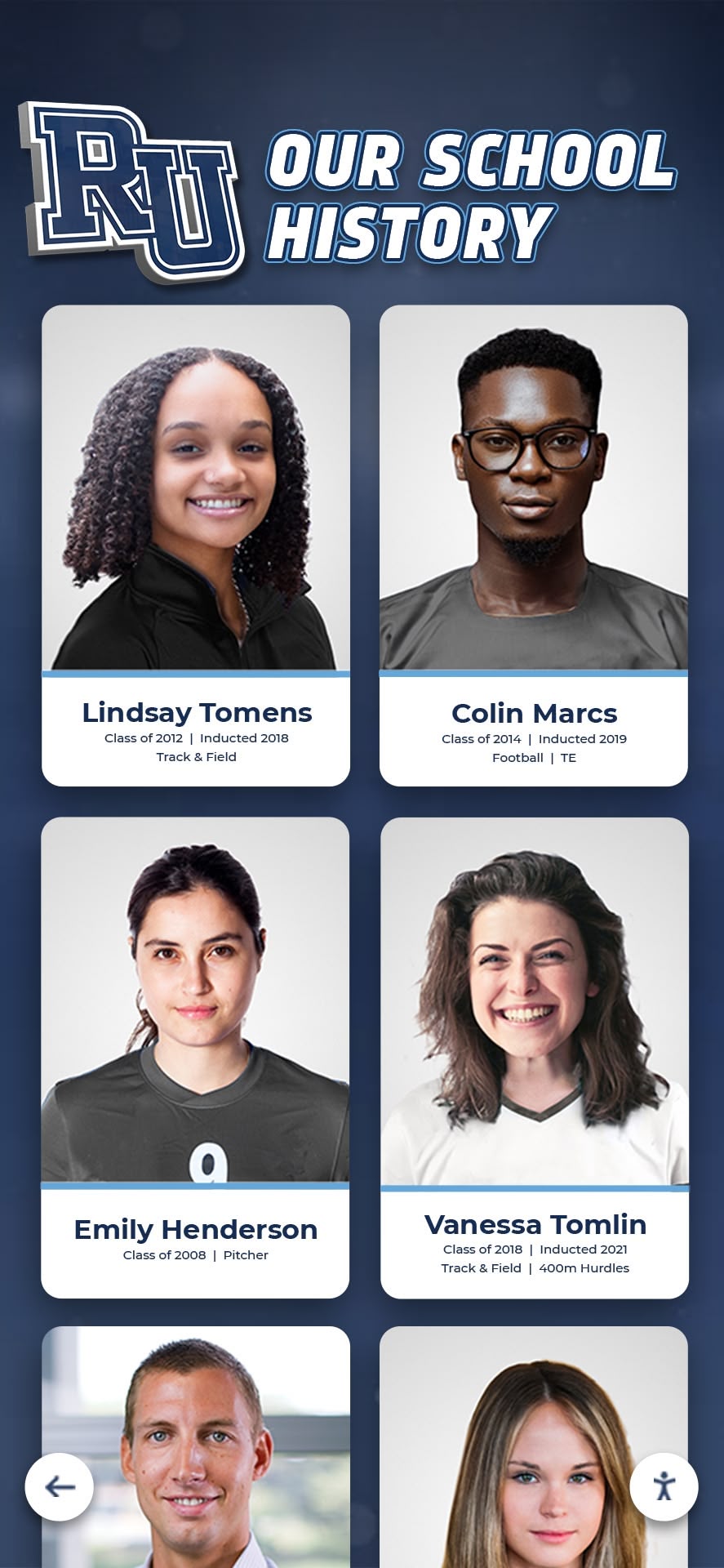
Portrait cards and profile displays help universities honor individual achievements while documenting institutional history
The Role of Alumni in Maintaining Traditions
Columbia alumni play crucial roles in sustaining and evolving campus traditions:
Alumni Participation
Homecoming and Reunions
- Alumni return for milestone reunions (5th, 10th, 25th, 50th)
- Reunion classes participate in traditional events
- Alumni share tradition stories with current students
- Cross-generational connections strengthen institutional bonds
Mentorship and Storytelling
- Alumni speak about their Columbia experiences
- Tradition stories passed from graduates to current students
- Alumni publications documenting tradition histories
- Social media sharing spreading tradition awareness
Supporting Tradition Through Giving
Alumni support tradition preservation through:
Physical Spaces
- Donations funding tradition venues and gathering spaces
- Named spaces honoring classes and individuals
- Facility improvements enhancing tradition experiences
Digital Recognition
- Funding for interactive displays documenting traditions
- Support for alumni engagement platforms
- Technology enabling virtual tradition participation
Universities implementing digital archives strengthen alumni connections while preserving institutional memory for future generations.
Traditions Facing Change and Evolution
Like all living institutions, Columbia’s traditions evolve responding to changing student body, societal values, and administrative priorities.
Tradition Modification Pressures
Inclusion and Accessibility Concerns
- Ensuring traditions welcome diverse student populations
- Modifying customs that may exclude or alienate community members
- Balancing tradition preservation with contemporary values
- Creating space for new traditions reflecting current community
Administrative and Practical Constraints
- Safety concerns prompting tradition modifications
- Resource limitations affecting tradition scale
- Liability considerations influencing event structure
- Competing campus priorities and scheduling
Student Culture Shifts
- Changing student interests affecting participation
- Technology integration transforming tradition experience
- Different generation expectations and preferences
- Pandemic impacts on in-person gathering traditions
Balancing Preservation and Evolution
Successful tradition management requires:
Honoring Core Purposes
- Understanding what makes each tradition meaningful
- Preserving essential elements while adapting peripheral aspects
- Maintaining tradition spirit even when form changes
- Connecting modifications to tradition’s original purposes
Stakeholder Engagement
- Including students in tradition evolution discussions
- Consulting alumni about significant changes
- Transparent communication about modification rationale
- Creating feedback mechanisms for tradition assessment
Documentation Through Change
- Recording tradition evolution through time
- Explaining why and how traditions changed
- Preserving historical tradition documentation
- Celebrating both continuity and thoughtful adaptation
Conclusion: The Enduring Power of Columbia Traditions
Columbia University traditions transform individual student experiences into collective institutional memory, creating bonds that connect students across generations. From the irreverent chaos of Orgo Night to the formal ceremony of Class Day, these customs shape the distinctive Columbia experience that defines student life and creates lasting alumni connections.
Understanding these traditions helps prospective students envision their Columbia experience, enables current students to participate fully in campus culture, and allows alumni to maintain connections to their alma mater years and decades after graduation. Each tradition—whether academic, social, or ceremonial—contributes to the complex tapestry making Columbia unlike any other university.
As universities navigate tradition preservation in changing times, the challenge lies in maintaining core customs that strengthen community while adapting to reflect evolving student bodies and societal values. Technologies enabling comprehensive tradition documentation create new possibilities for preserving institutional memory and engaging campus communities with heritage and customs.
Modern digital recognition displays allow universities to document traditions comprehensively, creating interactive archives accessible to students, alumni, and visitors. These platforms accommodate unlimited content, integrate multimedia elements bringing traditions to life, and provide mobile accessibility extending tradition engagement beyond physical campus boundaries.
Whether documenting historic customs like the Core Curriculum, celebrating annual events like Tree Lighting, or preserving athletic traditions through comprehensive halls of fame, universities benefit from recognition systems that honor institutional heritage while remaining accessible and engaging for contemporary audiences.
Columbia’s traditions demonstrate how campus customs create distinctive institutional character, strengthen community bonds, and provide continuity connecting current students to decades of predecessors who walked the same paths, endured the same stressful finals weeks, and celebrated the same milestone moments.
Ready to explore how your institution can preserve and celebrate traditions through modern digital recognition displays? Discover how solutions like Rocket Alumni Solutions help universities document campus customs, recognize student achievement, and strengthen alumni connections through interactive touchscreen displays and comprehensive digital archives.