Every successful athletic program traces its foundation to a clearly defined coaching philosophy. While athletes notice wins and losses, the invisible framework guiding decisions about player development, team culture, and competitive preparation ultimately determines program sustainability and impact. Coaches face constant pressure to produce results, yet those who anchor decisions to coherent philosophies create consistency, build trust, and develop student-athletes who carry lessons far beyond playing fields.
The challenge many coaches encounter involves translating abstract beliefs about athletics into concrete daily practices. A philosophy statement gathering dust in an office drawer provides little value. Effective coaching philosophies influence every interaction—how coaches respond when star players miss practice, which athletes receive playing time in critical moments, whether emphasis falls on individual statistics or team success, and how programs balance competitive excellence with character development.
This comprehensive guide explores practical coaching philosophy examples from successful programs across various sports and competition levels, providing frameworks coaches can adapt to their unique contexts while maintaining authenticity to personal values and institutional missions.
Developing a coaching philosophy represents more than an administrative requirement or interview talking point. Your philosophy serves as the decision-making compass guiding hundreds of daily choices throughout demanding seasons while establishing the cultural foundation that defines your program’s identity and long-term impact.

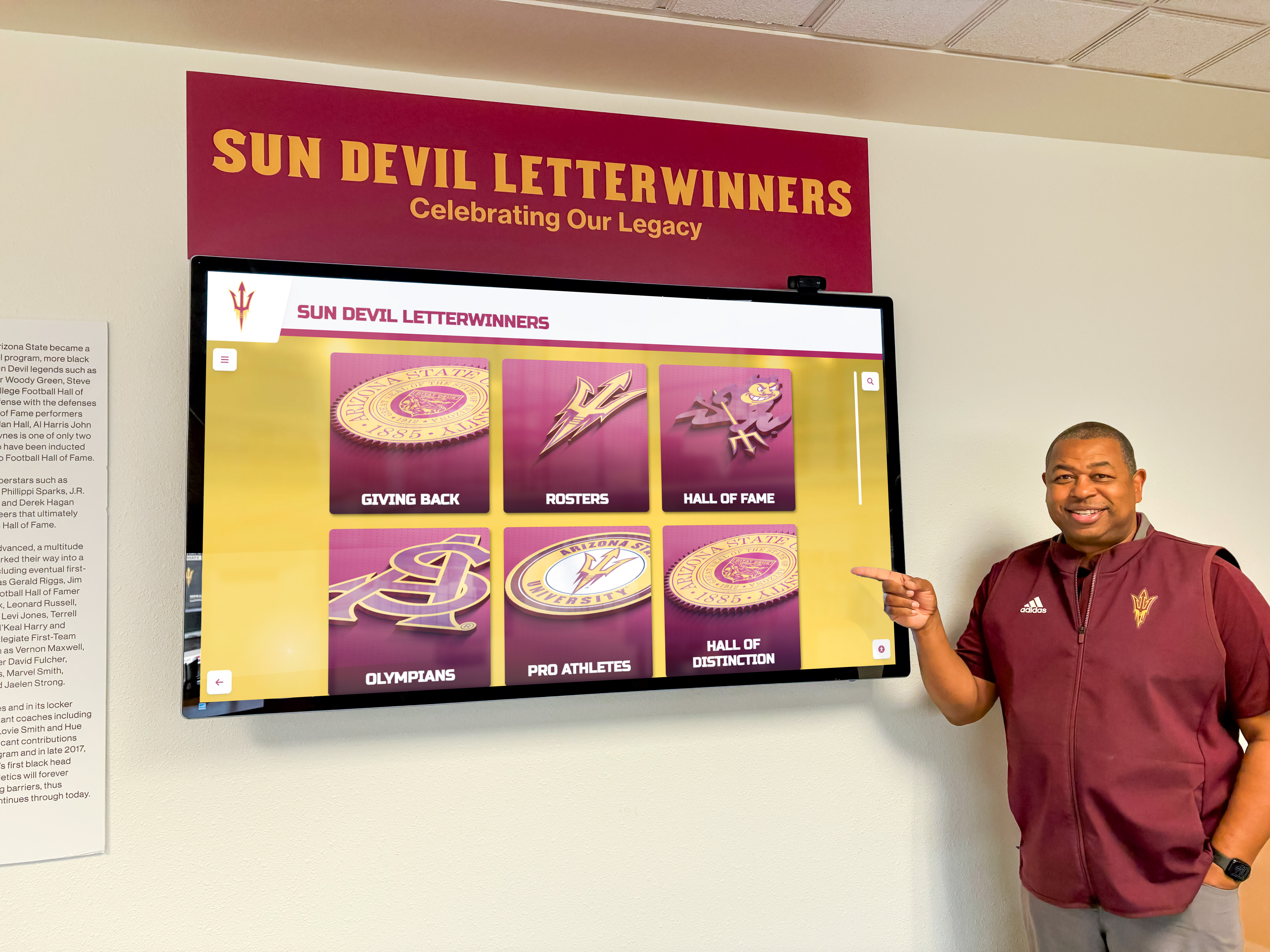
Effective coaches build programs where values and achievements receive lasting recognition
Understanding Coaching Philosophy: More Than Words on Paper
A coaching philosophy articulates the core values, beliefs, and principles guiding how coaches approach athlete development, team building, competition, and the complete educational athletics experience.
What Defines an Effective Coaching Philosophy?
Essential Components of Strong Coaching Philosophies
Comprehensive philosophies address multiple interconnected dimensions:
Personal Values and Beliefs Foundation
- Core convictions about sport’s role in education and human development
- Beliefs regarding competition’s purpose beyond winning and losing
- Perspective on coach responsibility to athletes, institutions, and communities
- Understanding of athletics as character development vehicle
- Personal experiences shaping worldview about coaching and mentorship
Athlete Development Priorities
- Physical skill advancement and technical mastery expectations
- Mental preparation, confidence building, and psychological resilience
- Character formation including integrity, work ethic, and responsibility
- Social development through teamwork, leadership, and communication
- Academic commitment and student-athlete balance emphasis
Competition Approach and Values
- Win-at-all-costs versus development-focused perspective balance
- Sportsmanship standards and respect for opponents and officials
- Strategic philosophy regarding game planning and adjustments
- Playing time distribution philosophy based on merit, development, or equity
- Handling adversity, setbacks, and challenging moments
Many successful coaches integrate their philosophy with comprehensive recognition programs that celebrate values alignment alongside competitive achievement.
Why Coaching Philosophy Matters
Impact on Program Success and Culture
Well-defined philosophies create tangible benefits:
Decision-Making Clarity
- Consistent responses to recurring situations and challenges
- Reduced second-guessing when making difficult choices
- Clear communication to athletes about expectations and rationales
- Alignment across assistant coaches and support staff
- Confidence during high-pressure moments requiring quick decisions
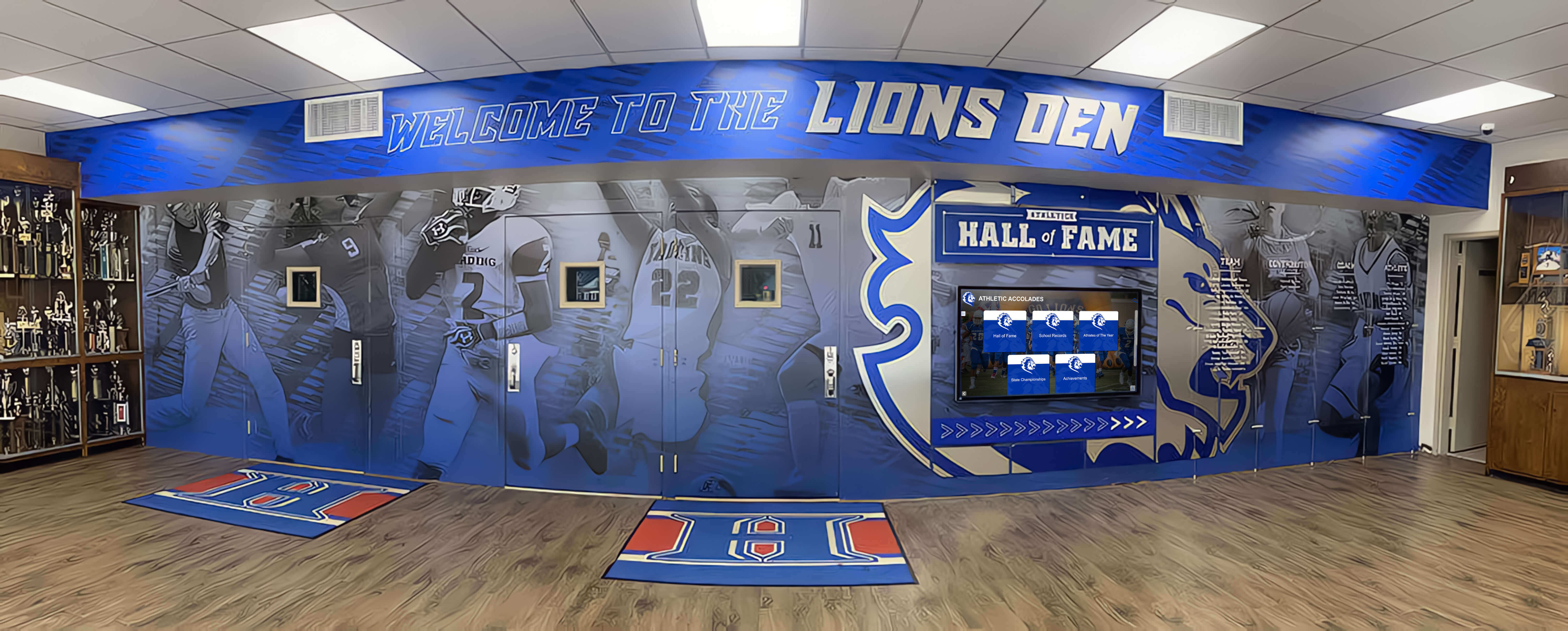
Program philosophies become visible through recognition displays honoring valued achievements
Trust and Buy-In Development
- Athletes understanding coach motivations and decision criteria
- Family confidence in program values and athlete treatment
- Administrative support based on clear philosophical alignment
- Reduced conflict through transparent values and expectations
- Stronger relationships built on predictability and integrity
Recruiting and Retention Benefits
- Prospective athletes evaluating philosophical fit before commitment
- Family attraction to clearly articulated values and priorities
- Reduced attrition when reality matches communicated philosophy
- Self-selection by athletes aligned with program culture
- Differentiation from competing programs lacking clear identity
Programs implementing student recognition systems often discover these platforms reinforce coaching philosophies through visible values celebration.
Core Elements of Successful Coaching Philosophies
While individual philosophies reflect personal values and contexts, effective frameworks share common structural elements.
Athlete-Centered Development Focus
Prioritizing Complete Student-Athlete Growth
The most impactful coaching philosophies emphasize holistic development:
Beyond X’s and O’s: Complete Person Development
- Athletic skill development as important but not exclusive priority
- Academic success emphasis recognizing student-athlete dual identity
- Social and emotional learning through team experiences
- Leadership development preparing athletes for life beyond sports
- Character formation through adversity, teamwork, and competition
- Life skills applicable to future careers and relationships
Long-Term Perspective Over Short-Term Wins Strong developmental philosophies recognize:
- Freshman struggles as growth opportunities rather than failures
- Process emphasis over exclusively outcome-based evaluation
- Individual improvement celebration regardless of team results
- Age-appropriate skill progression matching developmental stages
- Relationship building that extends beyond athletic eligibility
- Alumni success as ultimate program evaluation metric
Balancing Competition and Education
- Recognition that high school and college athletics serve educational missions
- Appropriate competition intensity without sacrificing learning environment
- Academic eligibility as minimum standard, not aspirational goal
- Integration with academic recognition programs celebrating scholar-athlete achievement
- Season scheduling considering academic calendar and student wellness
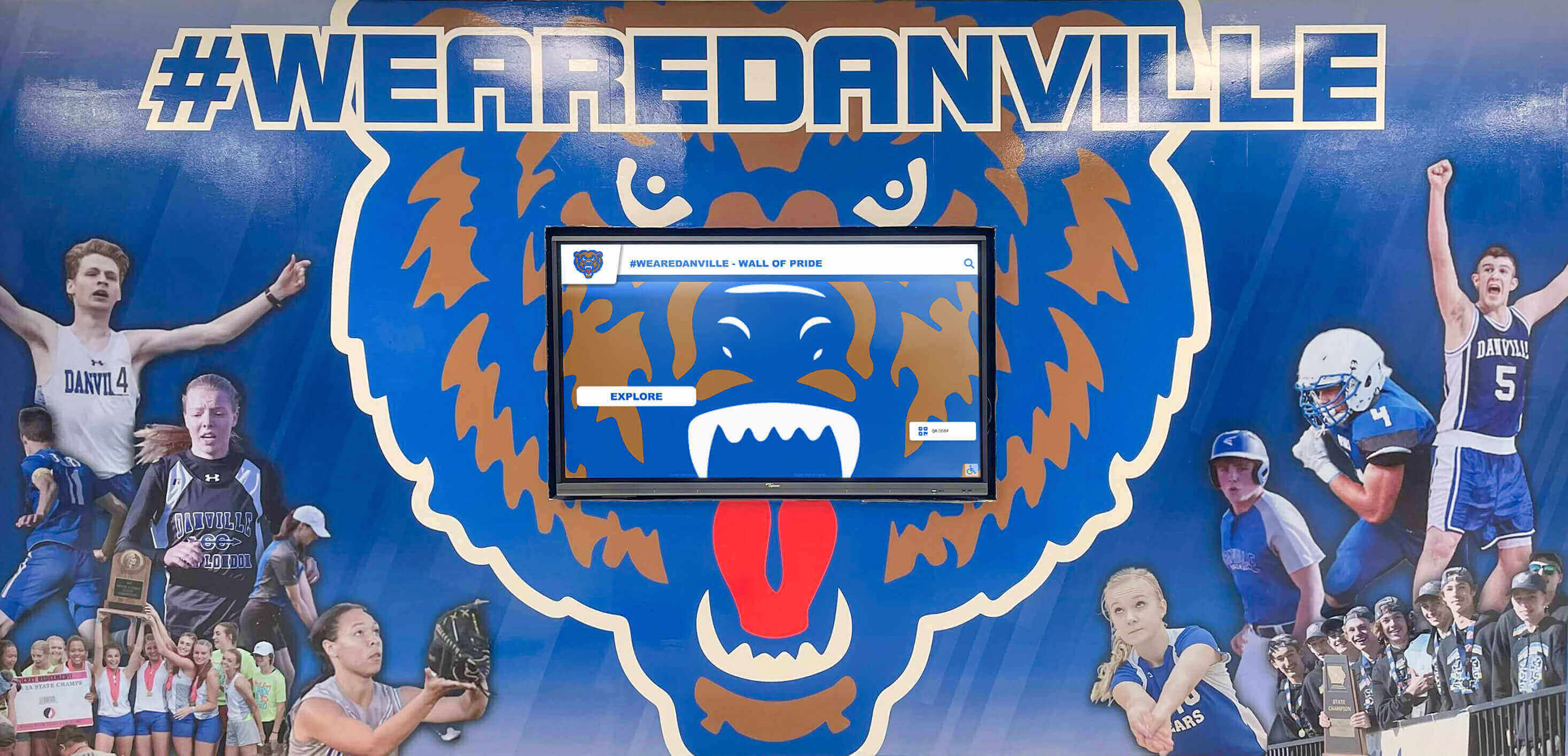
Coaching philosophies emphasizing complete development celebrate diverse achievement types
Values-Based Leadership and Culture
Establishing Non-Negotiable Program Standards
Clear values create the foundation for everything else:
Defining Core Values Successful coaches identify 3-5 core values guiding decisions:
- Respect (for teammates, opponents, officials, facilities, tradition)
- Integrity (honesty, accountability, doing right when nobody watches)
- Work Ethic (preparation, persistence, commitment, consistency)
- Team-First Mentality (collective success over individual statistics)
- Excellence (maximum effort regardless of circumstances or talent)
- Sportsmanship (grace in victory and defeat, competitor respect)
- Growth Mindset (embracing challenges, learning from failures)
Living Values Daily Philosophy becomes meaningful through consistent application:
- Praising and recognizing values demonstration publicly
- Addressing values violations immediately and consistently
- Connecting tactical decisions to underlying values
- Modeling values through personal coach behavior
- Recruiting athletes who demonstrate values alignment
- Celebrating character alongside competitive achievement
- Creating recognition systems highlighting values exemplification
Accountability Systems Values require enforcement mechanisms:
- Clear consequences for violations regardless of athlete status
- Equal standards for stars and reserves maintaining credibility
- Peer accountability systems where athletes hold teammates responsible
- Public acknowledgment of values adherence creating positive pressure
- Second chances balancing accountability with growth opportunities
- Transparent communication about expectations and rationales
Programs implementing comprehensive recognition displays often feature values-based awards alongside competitive achievements, reinforcing philosophical priorities.
Communication and Relationship Building
Creating Connection Through Intentional Interaction
Strong coaching philosophies emphasize relationship quality:
Individual Athlete Relationships
- Regular one-on-one conversations beyond practice and competition
- Learning about athlete lives, challenges, and aspirations outside sport
- Honest feedback delivered with care and developmental intent
- Listening authentically to athlete perspectives and concerns
- Celebrating personal milestones and supporting during difficulties
- Maintaining appropriate boundaries while demonstrating genuine care
- Remembering alumni and staying connected after eligibility ends
Team Unity and Culture Building
- Intentional activities developing bonds beyond competitive contexts
- Senior leadership development and mentor relationship creation
- Inclusive practices ensuring all positions feel equally valued
- Conflict resolution addressing issues promptly and constructively
- Shared experiences creating collective identity and tradition
- Recognition opportunities for all contributors regardless of playing time
- Legacy building connecting current athletes to program history
Family and Community Engagement
- Regular communication with families about athlete progress and challenges
- Transparency regarding playing time, roles, and expectations
- Appreciation for family support enabling athlete participation
- Community involvement demonstrating program citizenship
- Open-door policy welcoming family concerns and input
- Collaboration with booster organizations supporting programs through engagement
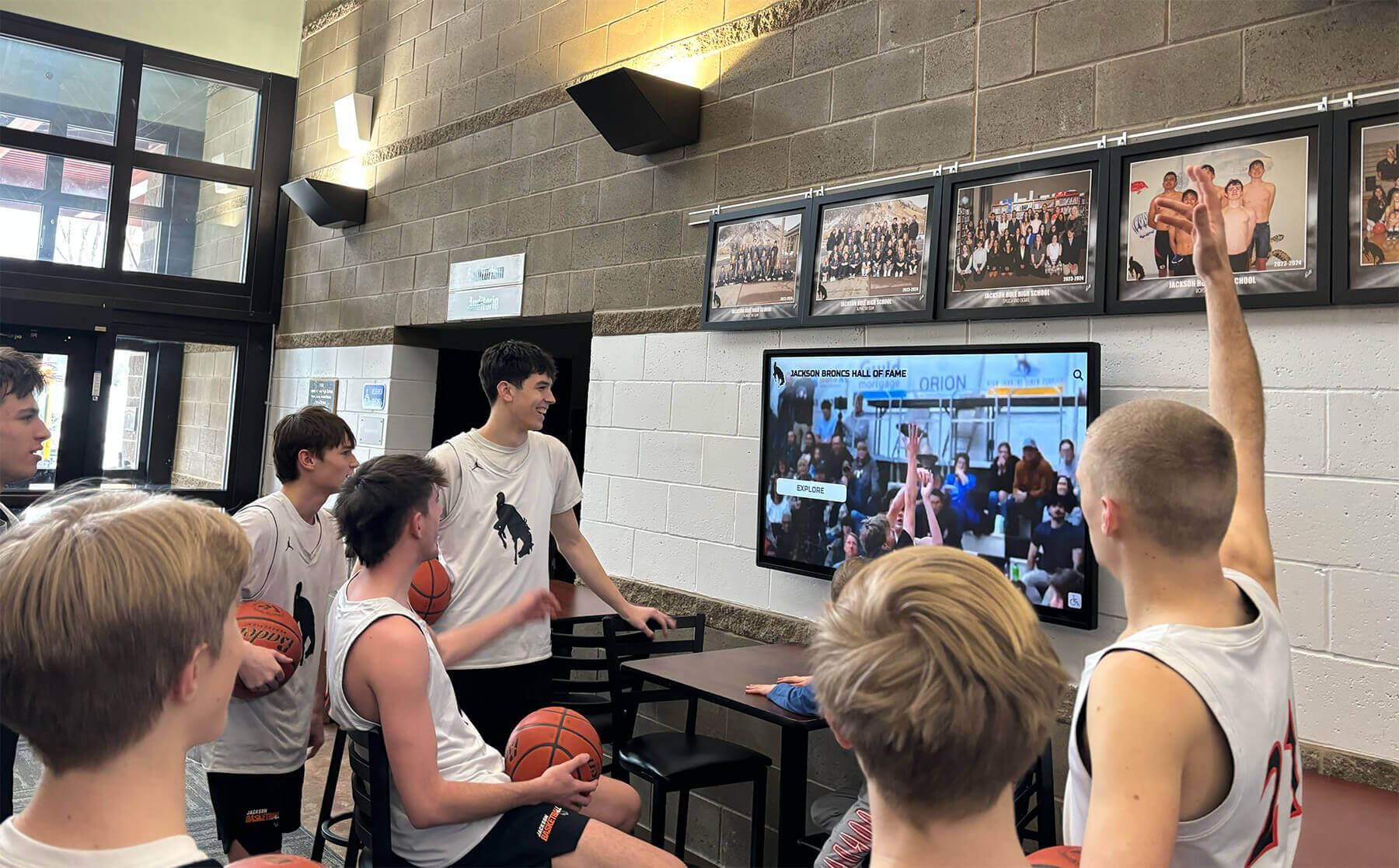
Strong coaching philosophies create cultures where athletes connect to program traditions and each other
Coaching Philosophy Examples Across Different Sports
Successful coaches adapt core principles to their specific sport contexts, competition levels, and institutional settings.
Team Sport Philosophy Examples
Basketball Coaching Philosophy Example
“Our basketball program develops complete student-athletes through competitive excellence rooted in team-first values, academic achievement, and character formation. We believe basketball provides a laboratory for life lessons more valuable than any trophy—teaching resilience through adversity, selflessness through team play, and excellence through consistent effort. While we compete fiercely to win every contest, we measure ultimate success by the quality of individuals our players become and their positive impact on teammates, opponents, and communities. Our program honors those who demonstrate these values through comprehensive recognition systems celebrating character alongside competitive achievement.”
Core Philosophy Elements:
- Positionless basketball emphasizing versatility and team-oriented play
- Academic achievement as non-negotiable participation requirement
- Playing time earned through practice habits and values demonstration
- Defensive identity built on collective effort and communication
- Player development focus across all class years, not just varsity starters
- Alumni connection maintaining relationships beyond graduation
Football Coaching Philosophy Example
“Our football program builds champions in the classroom, on the field, and in our community. We believe football’s unique team structure—requiring coordination across diverse positions toward shared goals—provides unmatched preparation for life’s challenges. Every player matters equally to program success regardless of position, playing time, or statistics. We compete with discipline, preparation, and relentless effort while maintaining absolute respect for opponents and officials. Our recognition systems honor the complete player—celebrating academic excellence, leadership development, and character demonstration alongside athletic achievement.”
Core Philosophy Elements:
- Position group accountability systems emphasizing unit performance
- Senior leadership development through captain responsibilities
- Physical and mental toughness emphasis preparing athletes for adversity
- Detailed preparation and film study creating competitive advantage
- Community service requirements demonstrating citizenship values
- Equal recognition across all positions from linemen to skill players
- Integration with athletic recognition displays showcasing program breadth
Soccer Coaching Philosophy Example
“We develop technically skilled, tactically intelligent, and mentally tough competitors who understand soccer as the beautiful game. Our philosophy emphasizes possession-based play requiring patience, creativity, and collective problem-solving. Individual talent serves the team, with every player’s role equally vital to success. We compete with passion while maintaining sportsmanship befitting our sport’s global tradition. Academic excellence receives equal emphasis with athletic achievement, recognizing our players as student-athletes with responsibilities beyond the pitch.”
Core Philosophy Elements:
- Technical skill development across all age groups and ability levels
- Tactical understanding through game-situation training
- Position fluidity allowing players to develop versatile capabilities
- International game understanding and cultural appreciation
- Academic and athletic balance with flexible training during exam periods
- Alumni engagement connecting program to community soccer tradition

Team sport philosophies become visible through recognition systems celebrating program values
Individual Sport Philosophy Examples
Track and Field Coaching Philosophy Example
“Our track and field program celebrates individual excellence within a team framework. We recognize each athlete competes against the clock, the bar, or the tape—objective standards providing honest feedback about preparation and performance. Yet individual pursuits combine into team scoring, teaching that personal excellence contributes to collective success. We emphasize measurable improvement over seasonal arcs, celebrating personal records regardless of place finishes while pursuing team championships. Every athlete receives equal attention and resources regardless of event, talent level, or scoring potential.”
Core Philosophy Elements:
- Personal record emphasis over place finish focus
- Multi-event participation developing complete athletes
- Supportive team culture despite individual competition structure
- Training periodization emphasizing peak performance timing
- Technical coaching prioritizing proper form and injury prevention
- Recognition systems honoring improvement alongside absolute performance
- Connection to track and field record displays documenting progress
Wrestling Coaching Philosophy Example
“Wrestling develops mental toughness, self-discipline, and accountability unmatched in athletics. Our program emphasizes that wrestlers control outcomes through preparation, effort, and attitude—external factors cannot be blamed for results on the mat. Individual responsibility combines with team scoring, teaching self-reliance and collective contribution. We compete aggressively within rules while respecting opponents’ courage to step onto the mat. Success measures include technical growth, competitive fearlessness, and transferable life skills applicable far beyond wrestling rooms.”
Core Philosophy Elements:
- Technical technique emphasis creating sustainable competitive advantage
- Mental preparation and visualization practices
- Weight management education emphasizing health over cutting shortcuts
- Position battle intensity creating competitive practice environment
- Tournament experience accumulation across season
- Respect for wrestling tradition and sport’s demanding nature
- Recognition of diverse achievement types beyond winning records
Swimming Coaching Philosophy Example
“Our swimming program pursues excellence through scientific training, technical precision, and relentless work ethic. Swimming’s objective timing provides honest performance feedback, teaching that improvement comes through consistent effort over extended periods. We emphasize stroke technique fundamentals, racing strategies, and mental preparation. Team scoring transforms individual pursuit into collective endeavor, with every swimmer contributing regardless of speed. We celebrate season-long improvement arcs, recognizing that championship performances reflect months of daily commitment.”
Core Philosophy Elements:
- Periodized training building toward championship meets
- Technique video analysis and continuous refinement
- Team time trials creating regular performance feedback
- Relay emphasis demonstrating team interdependence
- Swimming IQ development regarding race strategy and pacing
- Mental training addressing anxiety and performance pressure
- Alumni recognition through permanent record displays
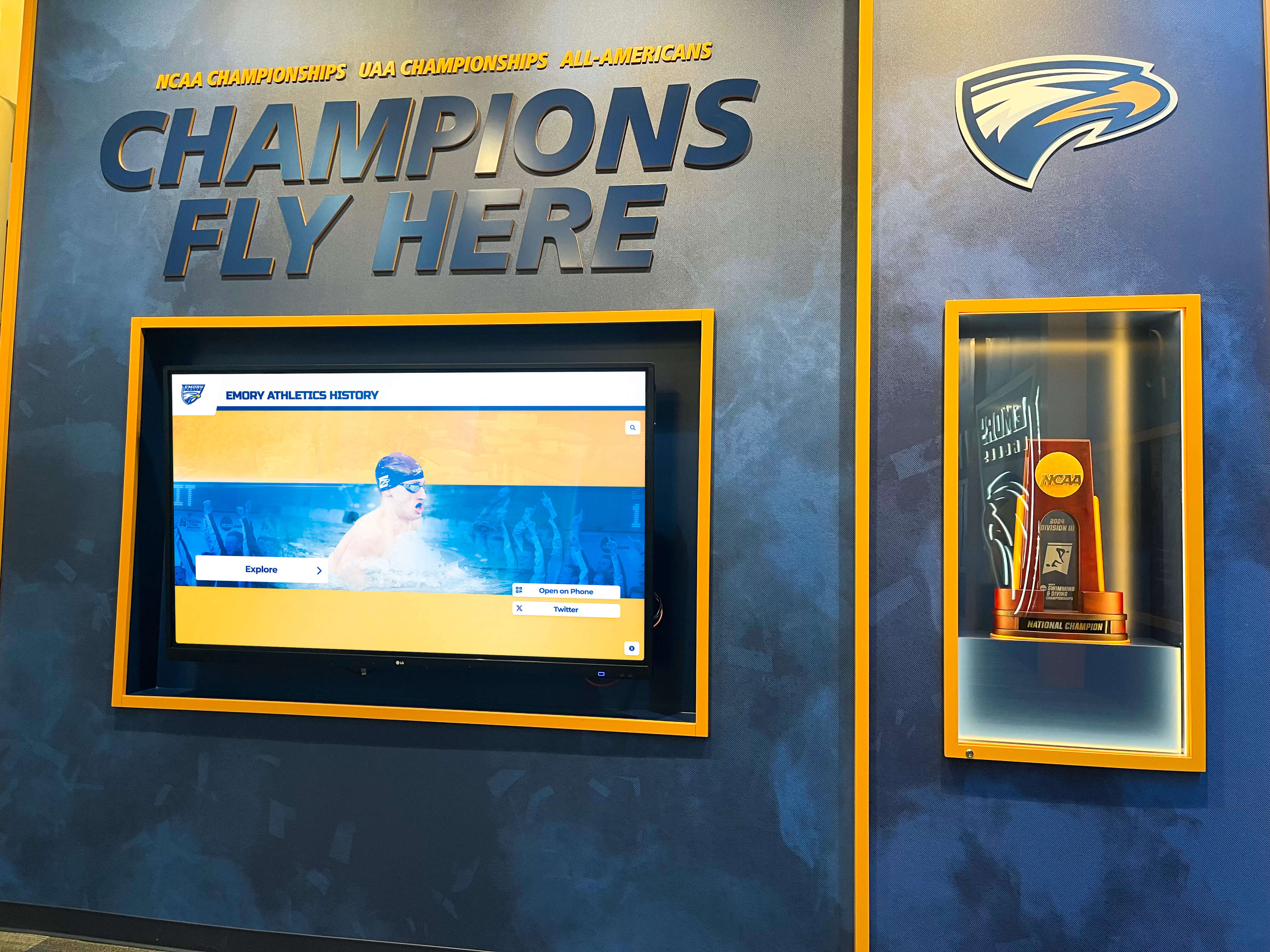
Individual sport philosophies balance personal excellence with team contribution recognition
Youth and Development Program Philosophies
Youth Sport Philosophy Example
“Our youth program introduces athletics as lifelong activity building physical fitness, social connections, and positive self-concept. We prioritize participation over winning, skill development over immediate results, and fun over competitive pressure. Every athlete receives equal playing time and coaching attention regardless of ability level. We emphasize effort, sportsmanship, and personal improvement—celebrating try-hard attitudes over natural talent. Parents partner with coaches to create positive experiences establishing sport foundations, not specialization pressure.”
Core Philosophy Elements:
- Equal playing time distribution ensuring participation equity
- Multiple position exposure developing versatile capabilities
- Modified competition rules emphasizing skill development
- Positive reinforcement coaching approach building confidence
- Parent education about age-appropriate expectations
- Fun emphasis maintaining intrinsic motivation
- Broad recognition celebrating diverse contributions
Middle School Development Philosophy Example
“Our middle school program bridges youth participation and high school competition through gradual competitive intensity increases while maintaining developmental priorities. We introduce positional specialization while encouraging multi-sport participation. Athletes begin experiencing competitive stakes through league play and tournaments while maintaining focus on skill growth, teamwork learning, and sport enjoyment. Recognition balances effort, improvement, and outcomes—teaching that results matter while process determines long-term success.”
Core Philosophy Elements:
- Gradual competition intensity matching adolescent development
- Varsity preparation through high school connection activities
- Multi-sport encouragement preventing premature specialization
- Social-emotional learning addressing adolescent challenges
- Academic eligibility introduction teaching responsibility
- Leadership development appropriate to age and maturity
- Recognition systems celebrating growth mindset and perseverance
Developing Your Personal Coaching Philosophy
Creating an authentic coaching philosophy requires introspection, experience analysis, and continuous refinement.
Self-Assessment and Values Clarification
Identifying Your Core Beliefs
Begin philosophy development with honest self-examination:
Reflective Questions for Philosophy Development
- Why did you enter coaching? What motivates continued commitment?
- What experiences as athlete or coach most shaped your perspective?
- What do you hope athletes remember about your program twenty years later?
- Which values are non-negotiable regardless of competitive circumstances?
- How do you define success beyond win-loss records?
- What role should athletics play in education and student development?
- How do you balance competitive excellence with developmental priorities?
- What coaching moments make you most proud? Most regretful?
Learning from Experience
- Coaches who influenced you positively and negatively—lessons from each?
- Moments when you compromised values—what would you change?
- Times when adhering to philosophy cost short-term results but proved correct long-term?
- Athlete feedback revealing gaps between philosophy and practice?
- Situations where your philosophy faced serious challenges or tests?
Institutional and Community Context
- Your school or organization’s mission and values alignment?
- Community expectations and how they influence your approach?
- Athletic department philosophy and administrative priorities?
- Parent and family perspectives in your specific context?
- Sport-specific traditions and cultural considerations?
Programs establishing recognition frameworks often discover these systems clarify philosophical priorities by requiring explicit values identification.
Effective coaches continuously refine philosophies through reflection and experience
Writing Your Coaching Philosophy Statement
Creating Clear, Actionable Guidance
Transform values into written philosophy providing practical direction:
Philosophy Statement Structure
- Opening statement capturing core belief in 1-2 sentences
- Primary values identification (3-5 core principles guiding decisions)
- Athlete development priorities and complete person focus
- Competitive approach and definitions of success
- Team culture expectations and standards
- Communication commitments and relationship priorities
- Recognition approaches celebrating values alignment
- Closing vision statement describing long-term aspirations
Writing Guidelines
- Use first-person voice conveying personal ownership and authenticity
- Choose specific language over vague generalities
- Provide concrete examples illustrating abstract principles
- Keep statement concise (500-1000 words) for practical utility
- Write for athlete and family audience, not administrators
- Avoid coaching clichés without substantive meaning
- Include unique elements reflecting personal experience and context
Example Philosophy Opening Paragraphs
“I coach basketball because this sport taught me more about teamwork, resilience, and excellence than any classroom. My goal extends beyond developing skilled basketball players—I develop complete individuals who carry lessons from our program into classrooms, careers, and communities. Every decision I make filters through one question: ‘Will this help my players become better people?’ Winning matters because competition teaches valuable lessons, but championships fade while character endures forever.”
“Track and field provides unique opportunities for measurable self-improvement. Our program celebrates athletes who arrive at practice with specific goals and work systematically toward achievement. I believe in objective performance standards—the clock, the tape measure, and the bar don’t negotiate. Yet I also believe in supporting athletes through inevitable setbacks and plateaus with encouragement and adjusted training. Every athlete in our program, regardless of talent level, deserves quality coaching, adequate attention, and genuine celebration when they achieve personal records.”
Implementing Philosophy in Daily Coaching Practice
Closing the Gap Between Words and Actions
Written philosophy gains meaning through consistent daily application:
Alignment Audit Questions
- Do your actual playing time decisions match stated philosophy?
- Does practice structure reflect prioritized development areas?
- Are recognition and praise patterns aligned with stated values?
- Do discipline decisions consistently enforce articulated standards?
- Does communication style match relationship priorities?
- Are recruiting pitches honest about program culture and expectations?
- Do alumni describe experiences matching your philosophy?
Practical Implementation Strategies
- Share philosophy statement with team at season start with discussion
- Reference philosophy explicitly when making visible decisions
- Create recognition systems celebrating philosophy-aligned behaviors
- Solicit athlete and assistant coach feedback about alignment gaps
- Review philosophy annually adjusting for evolved understanding
- Model philosophy through personal behavior and choices
- Address philosophy violations promptly and transparently
Common Implementation Challenges
- Competitive pressure tempting philosophical compromise
- Parent expectations conflicting with stated priorities
- Administrative demands contradicting developmental focus
- Time constraints limiting relationship investment
- Cultural momentum from previous coaching eras
- Recruiting challenges when philosophy limits tactical flexibility
- Balancing idealism with practical realities
Many programs discover digital recognition platforms help implement philosophies by providing visible systems celebrating articulated values.
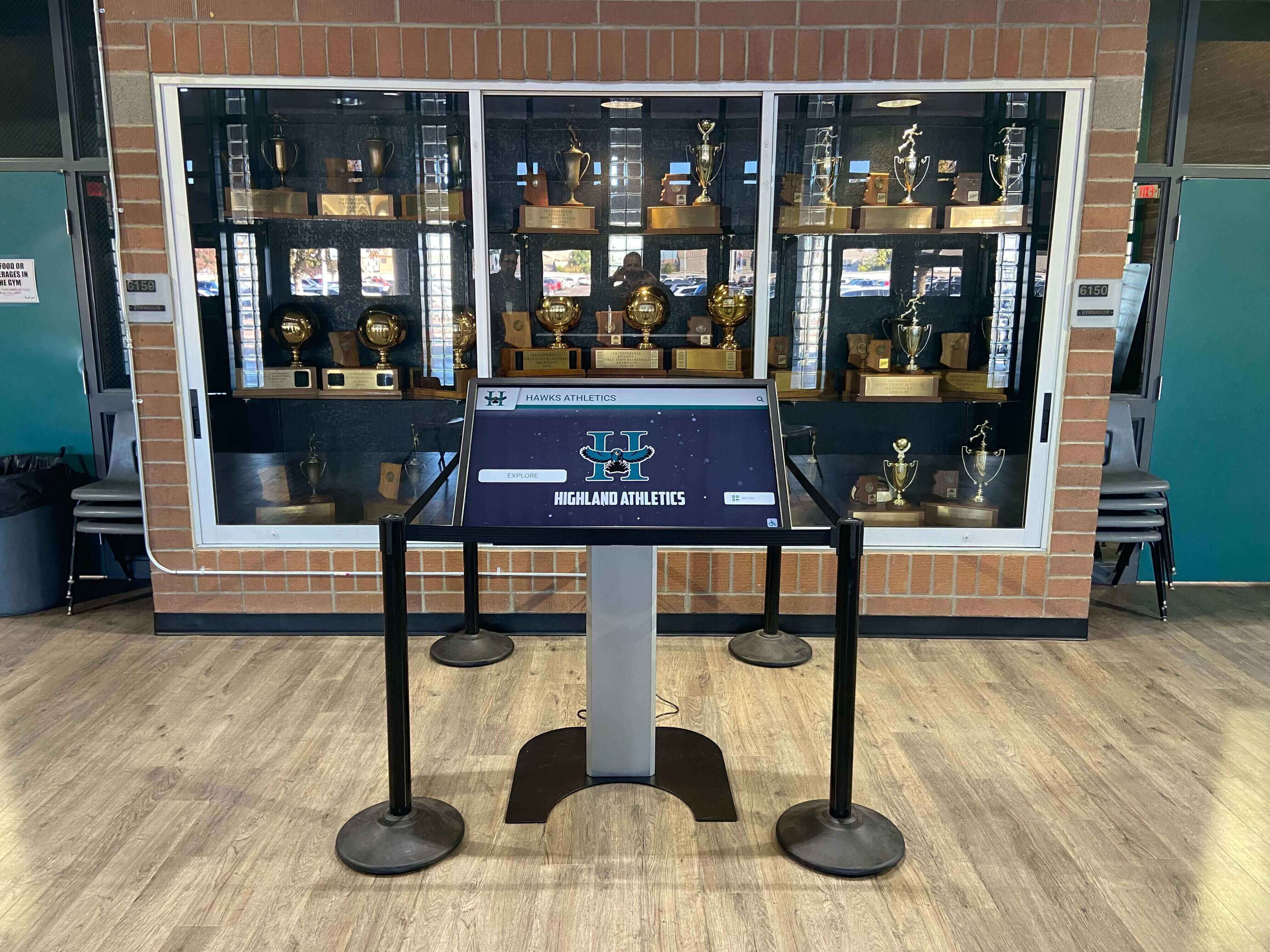
Recognition systems provide tangible implementation of coaching philosophies through visible values celebration
Philosophy-Driven Recognition and Celebration
Coaching philosophies influence not just development and competition but also how programs recognize achievement and celebrate success.
Aligning Awards with Philosophical Values
Recognition Systems Reinforcing Priorities
Award categories signal what programs genuinely value:
Values-Based Award Examples
- Leadership Award honoring positive influence regardless of playing time
- Scholar-Athlete Recognition celebrating academic-athletic balance
- Most Improved Award emphasizing growth over static achievement
- Teammate Award acknowledging selfless contribution to culture
- Community Service Recognition demonstrating citizenship values
- Sportsmanship Award celebrating competitive character
- Hustle Award honoring consistent effort across all situations
- Iron Person Award recognizing durability and reliable presence
Beyond MVP: Diverse Recognition Programs with strong philosophies create recognition breadth:
- Multiple award categories acknowledging different contribution types
- Equal celebration for character awards and performance recognition
- Public explanation of selection criteria reinforcing values
- Team-voted awards alongside coach-selected recognition
- Position-specific awards ensuring visibility for all roles
- Season-long recognition versus single-event focus
- Alumni awards connecting current athletes to program tradition
Philosophy Integration with Recognition Technology
Modern recognition systems enable philosophy visibility:
- Digital displays showcasing values-based awards permanently
- Philosophy statements integrated into recognition content
- Award criteria explanations accompanying recipient profiles
- Photo galleries celebrating practice habits and team culture
- Video tributes emphasizing character alongside competition
- Alumni sections demonstrating long-term philosophy impact
- Search and filtering by award type reinforcing value emphasis
Creating Tradition Through Consistent Philosophy
Building Program Legacy
Long-tenured coaches with clear philosophies create distinctive program identities:
Philosophical Tradition Development
- Annual recognition ceremonies celebrating consistent values
- Retired number or honor wall criteria reflecting philosophy
- Alumni connection events emphasizing ongoing relationships
- Facility naming opportunities recognizing philosophy embodiment
- Scholarship criteria aligned with program values
- Coaching staff continuity maintaining philosophical consistency
- Recruiting messaging honestly communicating program culture
Multi-Generational Impact Strong philosophies create programs where:
- Parents who played want children experiencing same environment
- Alumni return frequently maintaining program connection
- Community members identify program by philosophical characteristics
- Opponents respect program beyond competitive success
- Administrators trust coach alignment with institutional mission
- Prospective athletes self-select based on philosophical fit
Philosophy Evolution While Maintaining Core
- Tactical adjustments reflecting sport evolution
- Technology integration enhancing traditional values
- Competitive landscape adaptation without value compromise
- Demographic changes requiring cultural sensitivity updates
- Assistant coach input bringing fresh perspectives
- Athlete feedback revealing implementation gaps
- Regular reflection and refinement maintaining relevance
Programs implementing comprehensive digital recognition discover these systems preserve philosophical legacies across coaching transitions.
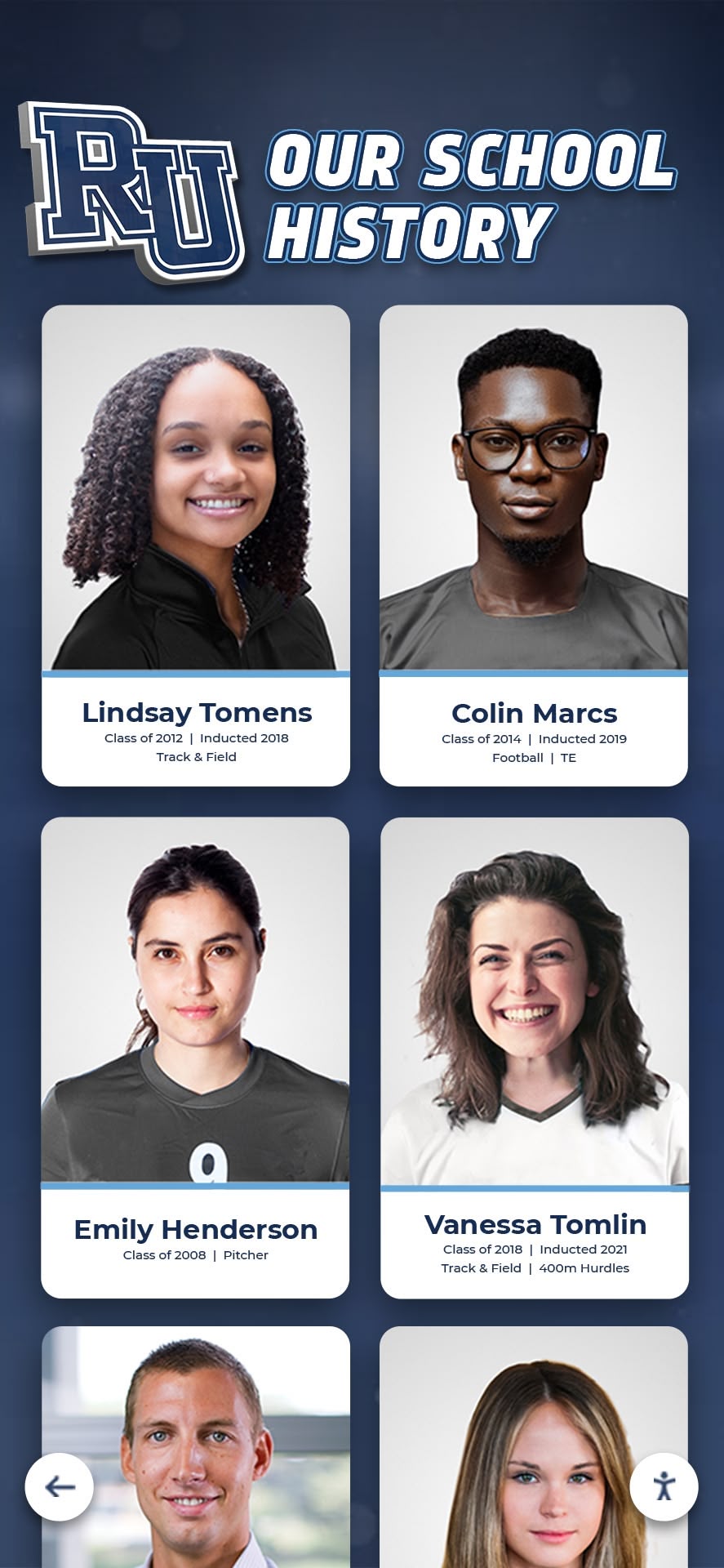
Strong coaching philosophies create traditions connecting generations of athletes to consistent values
Common Coaching Philosophy Pitfalls to Avoid
Understanding frequent mistakes helps coaches develop more effective, authentic philosophies.
Philosophy-Practice Disconnect
When Actions Contradict Words
The most common coaching philosophy failure involves inconsistency between stated beliefs and actual decisions:
Typical Disconnect Examples
- Philosophy emphasizing development while benching younger players entire seasons
- Stated values about sportsmanship contradicted by on-field behavior
- Academic priority claims while excusing athletes from class for practice
- Team-first messaging while recognizing only statistical leaders
- Character emphasis while tolerating star player behavior violations
- Relationship priorities while spending minimal individual time with athletes
- Process focus while publicly criticizing performance outcomes
Preventing Disconnect
- Honest self-assessment of actual decision patterns
- Athlete and family feedback about experienced reality
- Assistant coach input revealing blind spots
- Regular philosophy review adjusting words or actions
- Transparency about difficult trade-offs and competing priorities
- Humility acknowledging when competitive pressure influences choices
- Accountability systems ensuring philosophical consistency
Generic Coaching Clichés
Avoiding Meaningless Platitudes
Effective philosophies demonstrate specificity and authenticity:
Overused Phrases Lacking Substance
- “We’re a family” (without defining what that means)
- “We compete with class” (without behavioral standards)
- “Player development is our priority” (without development framework)
- “We win the right way” (without defining right way)
- “Culture of excellence” (without excellence definition)
- “Building champions” (without non-competitive success measures)
Creating Meaningful Specificity
- Replace “we’re a family” with specific relationship commitments
- Define “class” through explicit sportsmanship standards
- Detail development priorities across technical, tactical, physical, mental domains
- Explain “right way” through values and ethical boundaries
- Specify “excellence” across athletics, academics, character, community
- Clarify “champion” definition including life success beyond trophies
Win-at-All-Costs Philosophy Risks
When Competitive Pressure Overrides Values
Excessive winning focus creates problems undermining long-term success:
Problematic Consequences
- Athlete burnout from relentless performance pressure
- Academic shortcuts teaching wrong priorities
- Injury management decisions prioritizing competition over health
- Recruiting dishonesty creating expectation mismatches
- Playing time decisions ignoring development for short-term results
- Sportsmanship violations modeling poor character
- Coaching staff turnover from unsustainable culture
Balanced Competitive Excellence
- Winning as important goal without becoming exclusive priority
- Process emphasis where outcomes follow proper preparation
- Competition as learning laboratory, not identity determinant
- Athlete welfare as non-negotiable regardless of stakes
- Developmental decisions accepting short-term competitive costs
- Celebration of competitive excellence within values framework
- Recognition that coaching impact extends beyond championship trophies
Communicating Your Philosophy to Stakeholders
Effective philosophy requires clear communication to multiple audiences with varying perspectives and needs.
Athlete Communication
Making Philosophy Tangible for Student-Athletes
Athletes need to understand how philosophy influences daily experience:
Season-Opening Philosophy Introduction
- Dedicated team meeting presenting written philosophy statement
- Discussion opportunities for questions and clarification
- Concrete examples showing philosophy application to decisions
- Previous athlete testimonials describing philosophy experience
- Connection between philosophy and team rules or expectations
- Open dialogue addressing concerns or confusion
Ongoing Philosophical Reinforcement
- Explicit references to philosophy when making visible decisions
- Recognition of philosophy-aligned behaviors during practice and competition
- Teachable moments connecting situations to stated principles
- Individual conversations addressing philosophy questions or concerns
- Team discussions when philosophy tested by challenging situations
- End-of-season reflection on philosophy living and learning
Family and Community Communication
Building Understanding and Buy-In
Parents and supporters need philosophy context for program decisions:
Preseason Family Meetings
- Philosophy presentation with Q&A opportunity
- Honest discussion of playing time approach and expectations
- Academic requirements and student-athlete balance
- Communication protocols and coach accessibility
- Recognition systems celebrating philosophy values
- Volunteer opportunities supporting program philosophy
Ongoing Family Engagement
- Regular newsletters connecting activities to philosophical principles
- Season update meetings addressing questions and concerns
- Individual family conversations during challenging situations
- Transparent communication about difficult decisions
- Invitation to observe practices seeing philosophy implementation
- End-season surveys soliciting feedback about experienced reality
Programs implementing digital recognition accessible to families extend philosophy communication through visible values celebration.
Administrative and Institutional Alignment
Ensuring Organizational Support
Athletic directors and administrators need confidence in philosophical alignment:
Hiring Process Philosophy Discussion
- Detailed philosophy presentation during interview process
- Honest conversation about institutional mission alignment
- Discussion of potential conflicts and resolution approaches
- Reference checks confirming philosophy-practice consistency
- Written philosophy statement as hiring documentation
Ongoing Administrative Communication
- Regular meetings discussing program direction and challenges
- Transparent reporting about difficult decisions and rationale
- Proactive communication when philosophy tested by circumstances
- Request for support when philosophy requires administrative backing
- Shared celebration of philosophy successes and impacts
- Honest assessment of areas needing improvement or adjustment
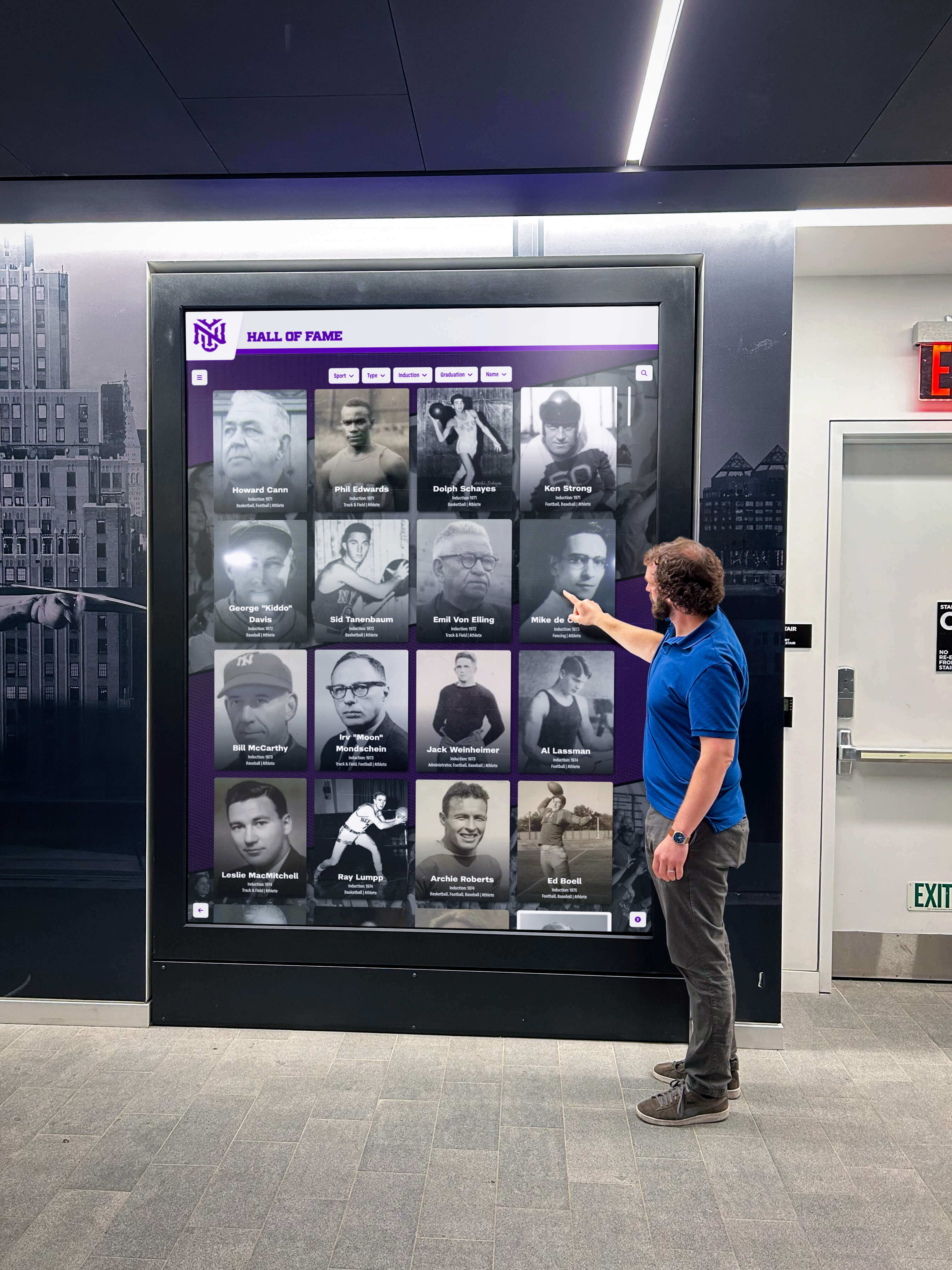
Administrative support strengthens when coaching philosophies align with institutional values and demonstrate visible impact
Frequently Asked Questions About Coaching Philosophy
Common questions from coaches developing or refining their philosophical approach.
What is a coaching philosophy?
A coaching philosophy is a written statement articulating the core values, beliefs, and principles guiding your approach to athlete development, team building, competition, and the complete athletic experience. Effective philosophies influence daily decisions about practice structure, playing time, discipline, communication, and program culture while reflecting personal values and institutional mission.
How long should a coaching philosophy be?
An effective coaching philosophy typically ranges from 500-1000 words—long enough to provide meaningful detail and specific guidance, yet concise enough for practical utility. Focus on substance over length, ensuring every sentence provides authentic insight into your values and approach rather than including generic statements to reach arbitrary word counts.
Should my coaching philosophy change over time?
Coaching philosophies should evolve gradually as you gain experience, receive feedback, and develop deeper understanding of effective athlete development. Core values typically remain stable, but implementation approaches, emphasis areas, and articulation clarity often improve over time. Review your philosophy annually, adjusting language and emphasis while maintaining authenticity to fundamental beliefs.
How do I align my coaching philosophy with my school or organization?
Begin by thoroughly understanding your institution’s mission, values, and educational priorities. Identify areas of natural alignment where your philosophy complements organizational goals. Address potential conflicts honestly, either adjusting your philosophy, accepting limitations, or determining if another position might offer better fit. Strong alignment enables administrative support during challenging situations while reducing conflict.
What if my coaching philosophy conflicts with parent expectations?
Clear, early communication about your philosophy helps parents understand your approach and self-select fit. When conflicts arise, engage in honest dialogue explaining how your philosophy serves long-term athlete development even when creating short-term frustration. Most parents appreciate consistent, principled coaching even when disagreeing with specific decisions. Document philosophy statements provide valuable reference during contentious situations.
How do I prevent my philosophy from being just words on paper?
Regular self-assessment comparing your stated philosophy to actual decisions and behaviors keeps words and actions aligned. Solicit honest feedback from athletes, assistant coaches, and families about consistency between philosophy and experience. Reference your philosophy explicitly when making visible decisions, demonstrating active use rather than forgotten documentation. Review difficult situations asking whether philosophy guided your response.
Should winning be part of my coaching philosophy?
Most effective coaching philosophies acknowledge that winning matters while avoiding win-at-all-costs extremes. Competition provides valuable learning experiences, and pursuing victory with proper preparation and maximum effort teaches important lessons. Frame winning as important goal pursued through principled approaches rather than exclusive priority justifying values compromise. Focus on process excellence that produces competitive success while honoring broader developmental responsibilities.
How can recognition systems support my coaching philosophy?
Modern recognition platforms enable philosophy implementation by creating visible celebration systems honoring stated values. Award categories reflecting your priorities, permanent displays showcasing character alongside competition, and accessible platforms extending recognition beyond single ceremonies all demonstrate that your philosophy influences real program decisions. Digital systems provide unlimited capacity for diverse recognition matching comprehensive philosophical approaches.
Conclusion: Building Your Coaching Philosophy Foundation
Developing a clear, authentic coaching philosophy represents one of the most important investments coaches make in their programs and athletes. While wins and losses dominate public attention, the invisible framework guiding daily decisions ultimately determines program sustainability, athlete development quality, and long-term impact extending far beyond competition venues.
The coaching philosophy examples explored throughout this comprehensive guide demonstrate that successful approaches share common elements—athlete-centered development focus, values-based leadership, clear communication priorities, and consistent alignment between stated beliefs and actual practices—while maintaining authenticity reflecting individual coaches’ experiences, personalities, and contexts.
Your coaching philosophy becomes meaningful not through eloquent writing but through daily implementation in practice planning, playing time decisions, discipline approaches, recognition systems, and the countless small interactions defining program culture. Athletes notice when stated values influence real decisions during challenging moments, building trust and buy-in impossible to create through words alone.
Begin your philosophy development through honest self-assessment identifying core beliefs about athletics’ role in education and human development. Write initial draft capturing these values, then refine through experience, feedback, and reflection. Most importantly, commit to consistent implementation holding yourself accountable for alignment between philosophy and practice while remaining open to gradual evolution as your understanding deepens.
Strong coaching philosophies create program identities transcending individual seasons, connecting generations of athletes through shared values and consistent culture. When coaches anchor decisions to clear philosophical foundations, they build sustainable excellence while developing young people who carry learned lessons throughout their lives—the ultimate measure of coaching success.
Ready to create recognition systems supporting your coaching philosophy? Explore how solutions like Rocket Alumni Solutions help schools implement comprehensive digital displays celebrating values-based achievements alongside competitive success, providing permanent visibility for the complete student-athlete development your philosophy prioritizes.