When middle school athletes begin demonstrating serious talent and commitment, families face a pivotal decision that shapes the next several years: club sports vs high school sports. This choice involves far more than simply picking between two practice schedules. It encompasses significant financial commitments, vastly different time demands, divergent coaching philosophies, contrasting team cultures, and distinct pathways toward college athletic recruitment.
Many families approach this decision with incomplete information or pressure from coaches with vested interests. Club advocates emphasize superior training and college recruiting visibility, while high school supporters tout school pride, balanced development, and community connections. Meanwhile, families struggle to evaluate costs that can exceed $10,000 annually against uncertain recruiting outcomes, weigh demanding year-round schedules against academic priorities and teenage social development, and assess whether specialized training truly outweighs comprehensive athletic experiences.
This comprehensive guide provides evidence-based analysis of club sports versus high school sports across all major decision factors, helping families make informed choices aligned with their student athlete’s goals, family resources, and developmental needs while understanding how both pathways can lead to meaningful recognition and achievement.
The club versus high school sports decision rarely presents simple either-or scenarios. Many successful athletes blend both experiences strategically, participating in high school sports during certain seasons while focusing on club competition during others. Understanding the distinct advantages, limitations, costs, and developmental implications of each pathway enables families to craft personalized approaches maximizing opportunities while maintaining balance.

Both club and high school athletic achievements deserve recognition celebrating dedication and excellence
Understanding Club Sports and High School Sports Models
Before evaluating specific decision factors, families benefit from clear understanding of how these models differ fundamentally in structure, purpose, and operation.
What Are Club Sports?
Club sports operate as independent organizations outside traditional school systems, typically organized around single sports with year-round competitive focus:
Organizational Structure
- Private organizations run by directors and coaching staffs focused on sport-specific development
- Teams formed through competitive tryouts selecting athletes across multiple schools and communities
- Age-based or skill-based team levels accommodating different competitive tiers
- Membership fees funding operations including coaching salaries, facility rentals, tournament travel, and equipment
- Independent governance separate from school athletic associations and state regulations
Competitive Framework Club sports emphasize specialized training and high-level competition through year-round practice schedules typically 3-5 days weekly, regional and national tournament participation requiring extensive travel, advanced coaching often from former collegiate or professional athletes, position-specific skill development and specialized training methods, and exposure events designed specifically for college recruiting visibility.
Popular club sports include volleyball, soccer, basketball, baseball, softball, lacrosse, swimming, gymnastics, and hockey, though club options exist for virtually every competitive sport.
What Are High School Sports?
High school athletics operate as school-sponsored programs integrated within educational institutions:
Organizational Structure
- School athletic departments managing multiple sports across fall, winter, and spring seasons
- Teams representing individual high schools competing primarily against other schools in defined conferences
- Roster selection based on tryouts or participation policies varying by school and sport
- Funding through school budgets supplemented by booster clubs and fundraising
- Governance by state athletic associations establishing eligibility rules and competitive structures
Competitive Framework High school sports balance athletic competition with educational mission through seasonal schedules typically lasting 10-14 weeks, daily after-school practices fitting academic schedules, weekend competitions primarily within local or regional areas, coaching by school employees often teaching other subjects, and emphasis on complete student-athlete development including academics, character, and school community.
High school sports encompass dozens of options from traditional offerings like football, basketball, and track to specialized activities including wrestling, cross country, tennis, golf, swimming, and emerging sports.
Schools celebrating both pathways through comprehensive athletic recognition programs acknowledge that excellence emerges from multiple training environments and competitive experiences.
Financial Costs: Comparing Club and High School Expenses
Cost represents one of the most significant factors families must evaluate, with substantial differences between club and high school sports investments.
High School Sports Costs
School-sponsored athletics typically involve modest direct costs:
Typical High School Expenses
- Participation fees ranging from $50-$300 per sport per season
- Equipment costs for sport-specific gear not provided by school (shoes, protective equipment, practice clothing)
- Spirit wear and team apparel purchases typically $50-$150
- Transportation to away games generally provided by school at no cost
- Fundraising participation or optional buy-out fees
- Occasional tournament or playoff travel if teams advance
Total Annual Investment Families with students participating in high school sports across multiple seasons typically invest $500-$1,500 annually depending on sport selection, school fee structures, and optional purchases. Some schools waive participation fees for families demonstrating financial need.
Club Sports Costs
Club athletics involve substantially higher financial commitments:
Essential Club Expenses
- Registration and membership fees typically $2,000-$5,000 per year
- Coaching fees and training costs included in or additional to base fees
- Uniform packages and required team apparel $300-$800
- Tournament entry fees and competition costs
- Travel expenses including transportation, lodging, and meals for out-of-town tournaments
- Private lessons and supplemental training many athletes pursue
- Equipment replacement and sport-specific gear
Total Annual Investment Families investing in competitive club sports commonly spend $3,000-$8,000 annually for regional-level participation. Elite national programs in sports like gymnastics, hockey, or club volleyball can exceed $10,000-$15,000 when accounting for year-round training, national tournament travel, and specialized coaching.
Hidden and Indirect Costs
Beyond direct athletic expenses, families should consider secondary costs:
Time and Opportunity Costs
- Parent time commitment driving to practices, tournaments, and training
- Work schedule disruptions for tournament weekends and travel
- Family vacation limitations during competition seasons
- Sibling activity constraints when resources concentrate on one athlete
- Reduced availability for part-time employment opportunities for students

High school programs provide recognition opportunities celebrating achievements without requiring additional investment
Academic Support Costs Students missing school regularly for club tournaments may require tutoring support, academic summer programs compensating for reduced availability during school year, or test preparation services fitting around demanding athletic schedules.
Understanding complete financial pictures helps families make sustainable commitments rather than overextending resources that could create stress or force difficult decisions mid-season.
Time Commitment and Schedule Demands
Athletic time investments differ dramatically between club and high school models, affecting academics, family life, and overall student development.
High School Sports Time Requirements
School-sponsored athletics operate within structured seasonal frameworks:
Practice Schedules
- Defined seasons typically 10-14 weeks depending on sport and playoff success
- Daily practices generally 2-3 hours after school on weekdays
- State regulations limiting practice hours and mandatory rest days
- Reduced or eliminated practice during academic testing periods
- Off-season programs often voluntary with flexible participation
Competition Schedules High school competitions occur primarily during weekends with occasional weeknight games, most contests within 30-60 minutes of school minimizing travel time, tournament participation limited to conference and state championship events, and complete off-seasons between sports allowing recovery and pursuit of other interests.
Academic Integration High school coaches typically maintain awareness of academic calendars and testing schedules, work with teachers when practice conflicts arise with academic demands, understand that students may miss practice for academic activities, and face school accountability if athletes struggle academically.
Total weekly time commitment during high school season: approximately 15-20 hours including practices, games, and travel.
Club Sports Time Requirements
Club athletics demand substantially greater year-round commitment:
Practice Schedules
- Year-round training with minimal off-season breaks
- Multiple weekly practices often 2-4 hours each, 3-5 days weekly
- Additional strength training, conditioning, or position-specific sessions
- Weekend practices common in addition to weekday training
- Expectation of full-time commitment prioritizing club over other activities
Competition and Travel Schedules Club tournaments frequently occurring 2-3 weekends monthly during peak seasons, multi-day tournaments requiring Friday departures missing full school days, travel to regional and national events involving flights and extended trips, hotel stays and time away from home community, and showcases and exposure events specifically for recruiting purposes.
Year-Round Demands Unlike seasonal high school sports, club athletics continue throughout the year with brief breaks, creating sustained demands limiting flexibility for other activities, reducing availability for family vacations outside designated team breaks, and constraining participation in other sports or extracurricular interests.
Total weekly time commitment for competitive club sports: approximately 20-30+ hours including practices, games, travel, and tournaments, extending across the entire year.
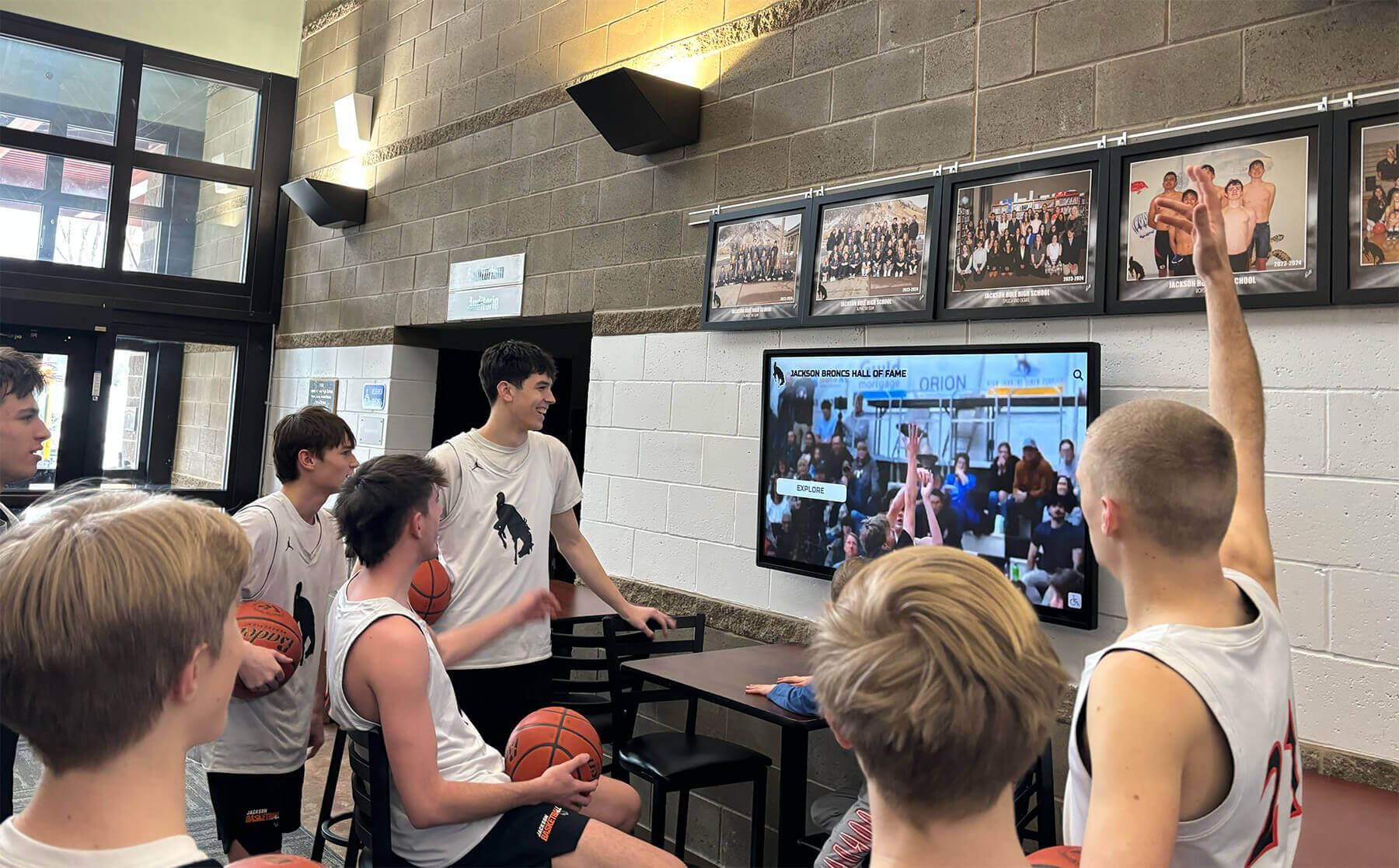
High school programs foster team cohesion and shared celebration of collective achievements
Impact on Academic Performance
Research examining student-athlete academic outcomes reveals important patterns:
High School Sports Academic Effects
- Moderate athletic participation (15-20 hours weekly) associates with positive academic outcomes
- School-based sports create peer accountability and teacher oversight
- Seasonal structures allow academic focus during off-seasons
- School eligibility requirements motivate grade maintenance
- Time management skills developed through balancing defined commitments
Club Sports Academic Considerations
- Excessive athletic commitment (25+ hours weekly) correlates with increased academic stress
- Frequent school absences for tournaments disrupt learning continuity and peer connections
- Year-round demands reduce time for homework, studying, and academic enrichment
- Some club cultures prioritize athletic over academic achievement
- Students report difficulty maintaining grades during heavy tournament schedules
Individual variation exists, with some highly organized students managing intensive club schedules successfully while others struggle academically with moderate commitments. Families should honestly assess their student’s time management capabilities, academic support needs, and subject difficulty when evaluating sustainable athletic commitments.
Skill Development and Competitive Level
Athletic development quality and competitive experiences differ between club and high school environments in ways affecting both current performance and long-term progression.
High School Sports Development Characteristics
School-based athletics offer distinct developmental advantages:
Coaching and Instruction
- Generalized coaching developing well-rounded athletes across positions and skills
- Emphasis on team concepts, game strategy, and collaborative play
- Coaches often invested in complete student development beyond athletics
- Consistency with same coaching staff throughout high school years
- Integration of leadership development and character building
Competitive Environment High school sports create varied competition levels through contests against schools of all strength levels building confidence, opportunities to compete for championships and conference titles, playoff systems extending seasons for successful teams, local rivalries creating meaningful competitive intensity, and inclusive roster policies in many programs allowing broader participation.
Team Culture School athletics foster representing institution creating pride and connection, multi-grade rosters building mentorship between older and younger athletes, long-term teammate relationships spanning multiple years, and school community support through peers, teachers, and families.
Club Sports Development Characteristics
Club athletics emphasize specialized, intensive skill development:
Coaching and Instruction
- Sport-specific expertise from coaches often with collegiate or professional playing backgrounds
- Position-specialized training developing advanced technical skills
- Access to cutting-edge training methodologies and sport science approaches
- Higher coach-to-athlete ratios enabling individualized instruction
- Consistent exposure to high-level tactical concepts and strategies
Competitive Environment Club sports provide concentrated high-level competition through regular contests against top regional and national programs, tournament structures featuring multiple games in condensed timeframes, exposure to diverse playing styles and strategies, recruitment showcase events with college coach attendance, and national rankings and recognition systems.
Team Culture Club teams assemble elite talent creating highly competitive internal environments, focus on individual development within team context, relationships with geographically dispersed teammates, and professional approach emphasizing performance and results.
Schools implementing digital recognition systems celebrate achievements from both high school and club athletics, validating that excellence emerges through multiple developmental pathways.

Modern recognition platforms showcase achievements from all athletic experiences students pursue
Which Develops Better Athletes?
Research suggests more nuanced answers than simple club-versus-high-school superiority:
Skill-Specific Considerations
- Technical skills in specialized sports (gymnastics, figure skating, swimming) often require club-level focused training
- Team sport skills develop effectively in both environments depending on competition level
- Athletic versatility and multi-sport development favor high school participation
- Mental toughness and pressure management develop through high-stakes competition in both settings
Long-Term Athletic Development Studies of collegiate and professional athletes reveal many reached elite levels through various pathways including high school sports only, club sports exclusively, strategic combinations of both, and multi-sport participation through high school before sport specialization.
The “best” development environment depends on individual sport requirements, athlete learning styles, developmental stage, and specific program quality rather than categorical club versus high school superiority.
College Recruiting and Athletic Scholarship Implications
For families viewing youth sports as pathways toward college athletic participation and scholarship opportunities, recruiting considerations often dominate decision-making.
The College Recruiting Landscape Reality
Understanding actual recruitment statistics provides essential context:
Recruitment Numbers
- Approximately 7-8% of high school athletes compete at collegiate level across all divisions
- Only about 2% of high school athletes receive athletic scholarships
- NCAA Division I provides full scholarships in limited sports (football, basketball, women’s volleyball, tennis, gymnastics)
- Most college athletic scholarships are partial awards dividing limited funds across rosters
- Division III and many Division II schools provide no athletic scholarships
Sport-Specific Variations Certain sports demonstrate higher club recruitment prevalence (volleyball, soccer, lacrosse, club baseball/softball) while others recruit substantially from high school programs (football, basketball, track and field, wrestling, many Olympic sports).
High School Sports Recruiting Pathways
High school athletes absolutely receive college recruitment attention:
High School Recruiting Advantages
- College coaches attend high school competitions and championships regularly
- State and conference recognition creating visibility
- High school coach networks and relationships with college programs
- Academic integration demonstrating student-athlete balance
- Geographic proximity for regional college recruiting
- Established evaluation systems and all-state recognition
Successful High School Recruitment Examples Sports including football, basketball, wrestling, track and field, cross country, and swimming routinely produce college recruits primarily through high school competition. Many Division II and Division III programs recruit heavily from high school athletes rather than club circuits.
Club Sports Recruiting Pathways
Club athletics provide structured recruiting exposure:
Club Recruiting Advantages
- Showcase tournaments and exposure events specifically designed for college coach attendance
- Concentrated elite competition allowing direct comparison against top athletes
- Year-round visibility beyond limited high school seasons
- National competition providing broader geographic recruitment reach
- Club coaching networks connected directly to college programs
- Recruiting rankings and databases tracking club athletes
Sports Favoring Club Recruitment Volleyball, soccer, lacrosse, club baseball/softball, field hockey, and certain individual sports feature well-established club recruiting circuits where substantial percentages of college recruits emerge from club rather than exclusively high school competition.
Families pursuing recruitment should research their specific sport’s college recruiting patterns, contact college coaches about evaluation processes, and develop realistic assessment of their athlete’s collegiate potential rather than assuming club participation automatically enhances recruiting prospects.
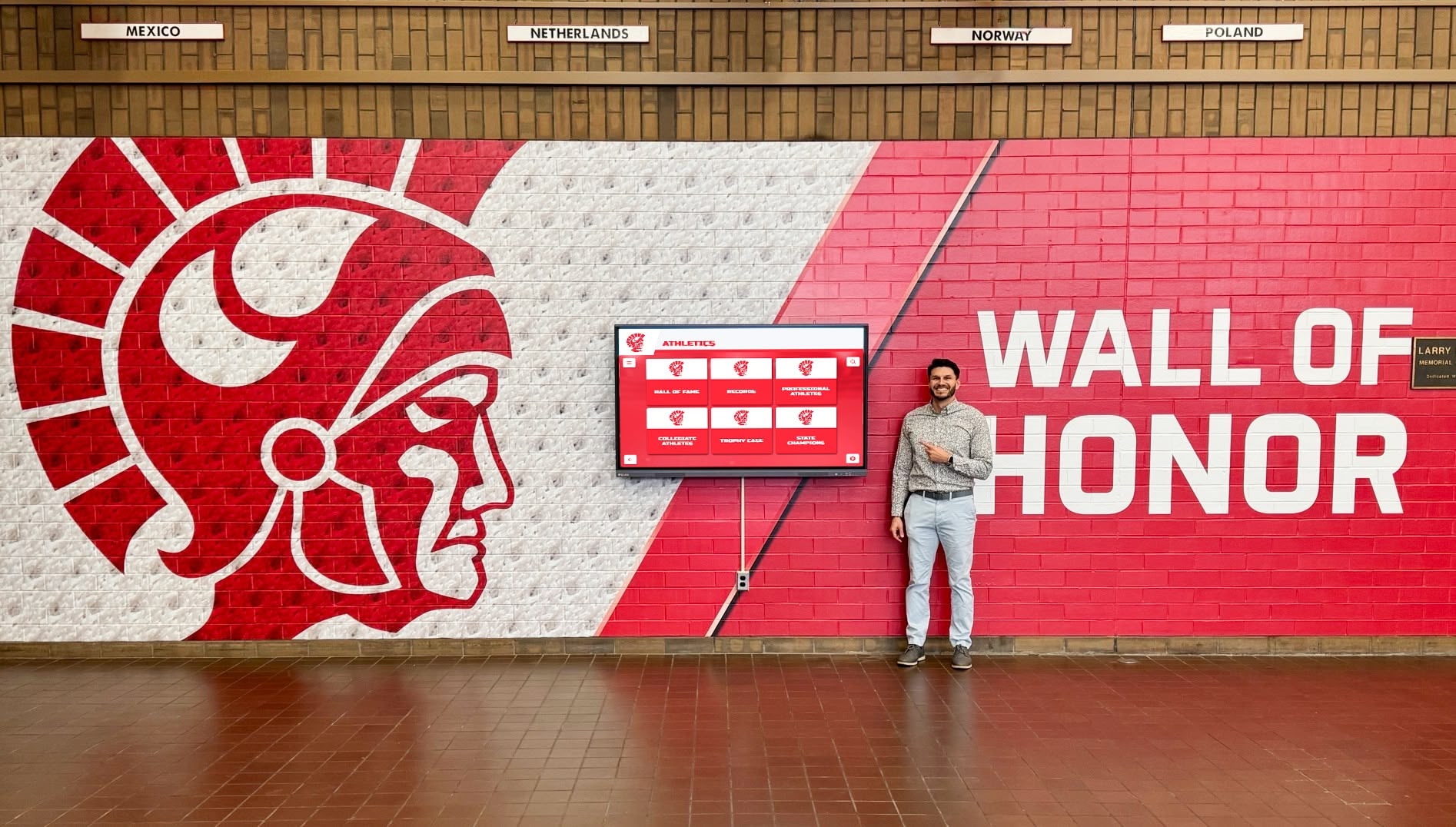
Schools celebrate athletic achievements regardless of where they occurred, recognizing all pathways to excellence
Combining Both for Recruiting Success
Many successfully recruited athletes strategically participate in both:
Dual Participation Strategies
- Playing high school sport during school season while participating in club during off-season
- Using club for skill development and exposure events while maintaining high school team connection
- Leveraging high school academic environment alongside club athletic training
- Building relationships with both high school and club coaches who advocate during recruitment
- Demonstrating versatility and commitment through multiple competitive environments
This combined approach requires careful schedule management but provides advantages from both systems while maintaining school connections and community support networks.
Social, Emotional, and Developmental Considerations
Athletic decisions affect adolescent development beyond physical skills and competition, influencing identity formation, social relationships, and emotional well-being.
High School Sports Developmental Benefits
School-based athletics provide unique social and emotional advantages:
School Connection and Belonging
- Athletic participation strongly correlates with school engagement and connection
- Representing school creates institutional pride and identity
- Peer relationships with teammates who share daily school experience
- Integration into broader school community beyond just athletics
- Visibility and recognition within school culture
Balanced Identity Development High school athletes typically maintain more diverse identity sources beyond single sport through exposure to multiple peer groups and activities, academic identity development alongside athletic focus, participation in school traditions and non-athletic events, and relationships with adults in educational rather than only coaching roles.
Life Skills and Character Development School athletics emphasize complete development including leadership opportunities through team captaincies and peer mentoring, accountability to coaches who know students in multiple contexts, balancing competing demands developing time management, and handling both success and failure within supportive school community.
Club Sports Developmental Considerations
Club athletics create different social and emotional environments:
Specialized Identity and Community
- Deep identification with specific sport becoming central to self-concept
- Relationships with athletes from diverse schools and communities
- Exposure to high-level competition and elite athletic culture
- Connection to broader club organization beyond single team
- Potential isolation from school peer groups and activities
Intensity and Pressure The competitive club environment can foster exceptional resilience and mental toughness through high-stakes competition, performance pressure mimicking higher levels, accountability to teammates making similar commitments, and exposure to college-level expectations. However, it also risks burnout from year-round intensity without breaks, anxiety related to performance and roster position, identity over-investment in single activity, and reduced time for other developmental experiences.
Family Dynamics Club sports create unique family patterns including significant shared travel time strengthening bonds or creating tension, financial investment sometimes generating pressure to perform, schedule demands affecting all family members, and parents becoming deeply involved in coaching, club politics, or competitive culture.
Schools recognizing achievements through comprehensive award programs validate both high school and club accomplishments, celebrating complete athletic development.
Multi-Sport Participation Versus Specialization
The club versus high school decision often intersects with specialization questions:
Multi-Sport Participation Benefits Research documents advantages of playing multiple sports through high school including reduced overuse injury risk from repetitive movements, broader athletic skill development and transferable abilities, sustained motivation through seasonal variety, college coach interest in multi-sport athletes demonstrating versatility, and delayed specialization associated with longer athletic careers.
Early Specialization Considerations Certain sports including gymnastics, figure skating, swimming, tennis, and golf may require earlier focused training to reach elite levels. However, even in these sports, concerns exist about burnout potential, overuse injuries from repetitive training, limited overall athletic development, and psychological pressure from narrow focus.
Finding Balance Many families successfully combine high school multi-sport participation during school year with focused club training during summer months, sport-specific club during one season while different high school sport during another season, or high school sport participation through junior year before club-exclusive focus for recruiting.
The optimal approach depends on individual sport requirements, athlete preferences and personality, family resources and values, and realistic assessment of collegiate athletic potential.
Injury Risk and Long-Term Health Implications
Athletic participation carries inherent injury risks, with meaningful differences between club and high school sport patterns.
Injury Risk Factors
High School Sports Injury Patterns
- Seasonal participation allowing physical recovery between sports
- State regulations limiting practice hours and contact frequency
- Mandatory rest days and practice-free periods
- Athletic trainer access at many schools
- Coach education on age-appropriate training loads
Club Sports Injury Patterns
- Year-round training in single sport increasing overuse injury risk
- Higher training volumes and intensities common in competitive clubs
- Tournament schedules featuring multiple games in single weekends
- Specialization-related repetitive stress injuries
- Pressure to play through minor injuries risking worse damage
Research Findings Studies examining youth sport injuries find athletes specializing in single sports before age 14 face higher injury rates than multi-sport participants, year-round training in specific sports correlates with increased overuse injuries, athletes training more than 16 hours weekly show elevated injury risk, and participating in more hours per week than age in years increases injury likelihood significantly.
Supporting Long-Term Athletic Health
Injury Prevention Strategies Families can reduce injury risk regardless of club or high school participation through ensuring adequate recovery time between seasons or heavy training periods, monitoring total weekly training hours from all sources, prioritizing proper technique over training volume, maintaining multi-sport or varied movement participation, and seeking qualified medical evaluation for injuries before returning to play.
Warning Signs of Overtraining Parents should watch for persistent fatigue despite adequate sleep, declining performance or plateau despite continued training, increased injury frequency or lingering minor injuries, mood changes including irritability or loss of motivation, sleep disturbances or changes in appetite, and loss of enjoyment in sport previously loved.
Addressing these signs may require temporary reduction in training volume, complete rest periods, or re-evaluation of overall athletic commitments regardless of which competitive pathway the athlete pursues.
Decision-Making Framework: Choosing What’s Right for Your Family
Rather than declaring club or high school sports universally superior, families benefit from systematic evaluation of their specific situation.
Questions to Guide Your Decision
Athletic Goals and Aspirations
- Does your athlete have realistic college athletic potential in their sport?
- Is college recruitment a primary goal, secondary benefit, or not a consideration?
- Does your sport’s college recruitment occur primarily through club or high school pathways?
- Is your athlete interested in competing at the highest possible level or finding appropriate competitive tier?
- Does your athlete want to play multiple sports or focus on one?
Financial Resources and Priorities
- Can your family comfortably afford club costs without financial stress?
- Would club investment require sacrifices affecting other family members or needs?
- Are scholarship or recruitment returns realistic enough to justify investment?
- Could resources be better allocated to academic support, college savings, or other priorities?
- Are there high-quality club options at various price points in your area?
Time and Schedule Considerations
- Can your family manage year-round travel and tournament schedules?
- How will athletic commitments affect academic performance and school engagement?
- Does your athlete want time for other activities, friendships, and interests?
- Can parents sustain the driving, travel, and time commitment required?
- How will athletic schedules affect family time and other children’s activities?
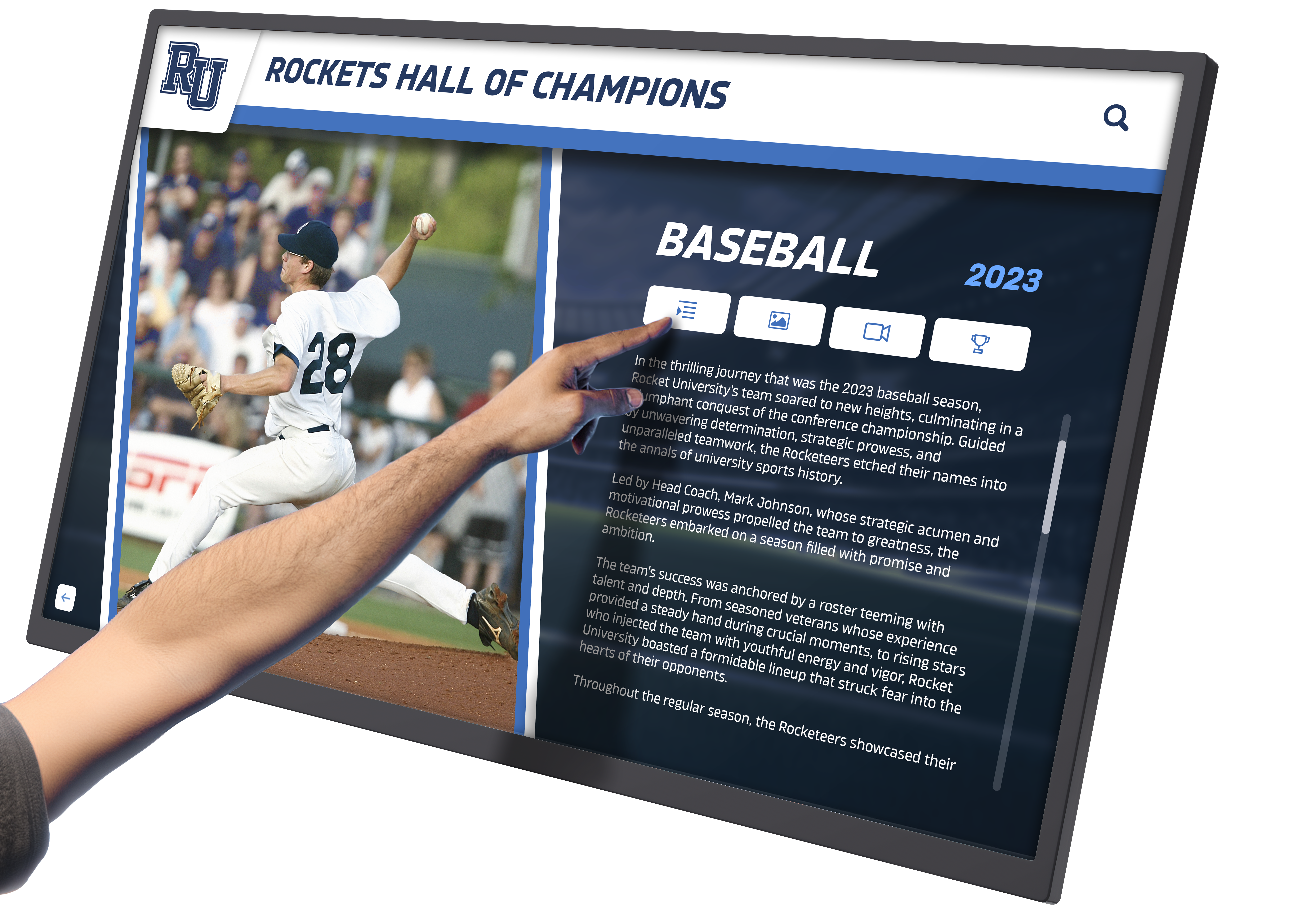
Both pathways lead to meaningful recognition celebrating dedication and achievement
Athlete Personality and Preferences
- Does your athlete thrive in high-pressure competitive environments or prefer balanced participation?
- Is your athlete self-motivated or requiring external structure and accountability?
- Does your athlete value school connections and community or prefer sport-specific identity?
- How does your athlete respond to intensive coaching and performance feedback?
- What does your athlete genuinely want rather than what parents or coaches suggest?
Quality of Local Options
- How strong are your high school’s programs in your athlete’s sport?
- What club options exist at various competitive levels and price points?
- What are coaching quality and program philosophy at available clubs?
- Do local programs have track records of positive athlete development?
- Are there options for combined participation in both settings?
Common Decision Scenarios and Approaches
Scenario: Competitive Athlete with College Athletic Goals Approach: Research whether your sport recruits primarily through club or high school pathways. If club-dominant (volleyball, soccer, lacrosse), invest in reputable club program while potentially playing high school for school connection. If high school pathway viable (football, basketball, wrestling), prioritize high school with possible club supplementation.
Scenario: Multi-Sport Athlete Who Loves Competition Approach: Prioritize high school sports allowing participation across seasons. Consider club participation during summer or off-seasons in primary sport if recruitment becomes relevant, but maintain multi-sport engagement through high school for development and injury prevention benefits.
Scenario: Dedicated Athlete in Specialization-Required Sport Approach: Sports like gymnastics, figure skating, or swimming requiring early intensive training may necessitate club focus. Seek programs balancing skill development with age-appropriate training loads and academic support. Maintain school connections through non-athletic involvement when possible.
Scenario: Family with Limited Financial Resources Approach: High school sports provide competitive opportunities without prohibitive costs. Investigate whether club programs offer financial aid or scholarship opportunities. Focus on maximizing high school opportunities while developing skills through off-season training that doesn’t require expensive club participation.
Scenario: Athlete Burned Out or Uncertain Approach: Reduced-pressure high school participation may reinvigorate love for sport while allowing space for other interests. Avoid long-term club commitments until athlete regains clear direction. Remember that taking breaks or stepping back doesn’t close future opportunities.
The Both/And Approach
Many families successfully combine elements of both pathways:
Hybrid Participation Models
- High school sport during school year with club participation during off-season only
- Primary sport through club while participating in different high school sports other seasons
- Club training and skill development while also playing for high school team in same sport
- High school participation through sophomore or junior year before club-exclusive senior year for recruiting
- Recreational or lower-tier club participation maintaining school sport as competitive priority
This approach requires clear communication with all coaches involved, careful schedule management avoiding conflicts and overtraining, honest assessment of total time and financial commitments, and athlete buy-in rather than being pulled in different directions.
Recognition: Both Pathways Lead to the Same Hall of Fame
Regardless of which athletic pathway families choose, achievements deserve celebration and lasting recognition within school communities.
Recognizing All Athletic Excellence
Progressive schools understand that athletic development occurs in multiple settings:
Inclusive Recognition Approaches
- Hall of fame displays acknowledging achievements from all competitive environments
- Awards celebrating both school team and club sport accomplishments
- Recognition of college commitments regardless of recruitment pathway
- Showcase of diverse athletic pursuits beyond traditional school-offered sports
- Digital platforms with unlimited capacity for comprehensive athlete profiles
Many students pursuing club sports maintain strong connections to their high schools and want their achievements recognized within school communities even when primary competition occurs outside school teams. Similarly, high school athletes deserve recognition for dedication and excellence even when not pursuing college recruitment pathways.
Modern Recognition Technology Serves All Athletes
Traditional trophy cases and physical plaques face space limitations forcing difficult choices about which achievements merit permanent display. Digital recognition platforms eliminate these constraints:
Comprehensive Digital Recognition Benefits
- Unlimited capacity celebrating achievements from high school teams, club sports, individual competitions, and recreational pursuits
- Rich multimedia content including photos, videos, statistics, and personal stories
- Searchable databases enabling students to explore athletic history and find inspiration
- Regular updates maintaining current information as athletes progress
- Family and community access extending beyond physical school visitors
- Integration celebrating both team and individual accomplishments equally
This technology ensures that whether athletes compete for school teams, club organizations, or both, their dedication receives appropriate visibility and celebration within their school community.
Schools implementing comprehensive athletic recognition strategies celebrate excellence regardless of competitive pathway, sending powerful messages that the institution values all forms of athletic dedication and achievement.
Building Inclusive Athletic Culture
The club versus high school sports divide sometimes creates unfortunate school culture tensions:
Common Cultural Challenges
- Club athletes feeling disconnected from school athletic community
- High school coaches resentful of club programs competing for athletes
- Students perceiving hierarchy between club and school team athletes
- Recognition systems inadvertently favoring one pathway over another
- Families feeling pressured to choose sides in unnecessary competition
Creating Unified Athletic Community Schools can bridge these divisions through recognition systems celebrating all athletic participation, communication emphasizing that club and high school paths both merit respect, booster club support extending to students regardless of primary competitive setting, facilities and resources available to all dedicated athletes, and leadership from athletic directors modeling inclusive approach.
The goal should be creating environments where students pursuing different athletic pathways all feel valued members of broader school athletic community, recognized for dedication and achievement regardless of jersey they wear.
Supporting Your Athlete Regardless of Choice
Once families make decisions about club versus high school participation, success depends on providing appropriate support:
Academic Support and Balance
Maintaining School Success
- Establish clear academic standards that must be maintained regardless of athletic commitments
- Communicate with teachers about athletic schedules and potential conflicts
- Utilize study halls, tutoring resources, and academic support programs
- Plan ahead for major projects, tests, and academic deadlines
- Consider reducing athletic commitment if grades decline significantly
Time Management Skills Help athletes develop organizational systems through maintaining calendars and planning tools, breaking large assignments into manageable chunks completed incrementally, identifying productive time periods for focused academic work, and communicating proactively with teachers when conflicts arise.
Emotional and Mental Health Support
Monitoring Athlete Well-Being
- Regular check-ins about enjoyment, stress levels, and overall happiness
- Watching for signs of burnout, anxiety, or depression
- Maintaining open communication about pressure and expectations
- Professional support when athletic stress affects mental health
- Permission to step back or change direction if needed
Healthy Perspective Maintenance Remind athletes that worth extends far beyond athletic performance, college athletic opportunities represent one of many post-secondary paths, taking breaks or changing sports doesn’t represent failure, and development occurs through various experiences not only athletic achievement.
Financial Planning and Communication
Transparent Budget Conversations
- Clear family discussions about what’s financially sustainable
- Honest assessment of return on investment for club expenses
- Planning for costs across multiple years, not just current season
- Consideration of impacts on family resources and other members
- Willingness to reevaluate if financial stress becomes significant
Avoiding Sunk-Cost Fallacy Just because families invested substantially in club sports previously doesn’t mean continuing indefinitely if the situation isn’t working. Be willing to change course based on evolving circumstances, athlete development, or family needs rather than feeling locked into decisions because of past investment.
Looking Forward: The Future of Youth Sports
The club versus high school sports landscape continues evolving, with several emerging trends affecting family decisions:
Emerging Trends
Hybrid Program Models Some areas see increasing collaboration between high school and club programs through shared facility use and training resources, coordinated schedules minimizing conflicts, combined coaching education and development, and recognition that both systems serve athlete development.
Academic-Athletic Integration Growing emphasis on complete student-athlete development through school-based academic support for club athletes, college recruitment focus on academic profile alongside athletic achievement, and awareness of burnout risks from excessive specialization.
Technology and Recognition Digital platforms enable comprehensive recognition celebrating achievements from all athletic experiences, breaking down historical divisions between club and school athletics, and creating inclusive cultures valuing diverse pathways to excellence.
The decision between club sports and high school sports represents a significant choice affecting student athlete development, family resources, and overall experience during critical adolescent years. Rather than pursuing ideologically rigid club-only or high school-only approaches, families benefit from carefully evaluating their specific situation including athletic goals, financial capacity, time availability, athlete preferences, and developmental needs.
Both pathways offer legitimate routes to athletic development, competitive success, and potentially college recruitment. High school sports provide school connection, balanced development, reasonable costs, and seasonal structure allowing diverse experiences. Club sports offer specialized training, high-level competition, recruitment visibility, and intensive skill development. Many athletes benefit from strategic combinations of both rather than exclusive commitment to either.
Ultimately, the “right” choice depends on individual circumstances, honest assessment of goals and resources, and maintaining focus on complete adolescent development rather than viewing youth sports exclusively through college recruitment or elite achievement lenses. Whatever pathway families choose, student athletes deserve recognition celebrating their dedication, achievement, and growth regardless of which jersey they wear or where their competition occurs.
Both club and high school athletic accomplishments merit celebration within school communities, and modern recognition technology ensures unlimited capacity to honor all forms of excellence. When schools embrace inclusive approaches celebrating diverse athletic pathways, they strengthen cultures where all dedicated athletes feel valued and inspired to pursue their highest potential.
Ready to recognize athletic excellence from all pathways?
Rocket Alumni Solutions specializes in interactive touchscreen displays that celebrate achievements from high school teams, club sports, and all forms of athletic dedication. Our digital recognition platforms provide unlimited capacity ensuring every student athlete receives visibility regardless of competitive pathway, rich multimedia profiles showcasing complete athletic journeys, and inclusive systems building unified school athletic cultures.
Discover how modern recognition technology celebrates all forms of athletic excellence →