Finding the right class reunion website isn’t just about picking a template—it’s about choosing an interactive design that makes alumni actually want to show up, explore, and reconnect. The difference between reunion websites that drive real engagement and those that gather digital dust comes down almost entirely to how interactive their designs are.
Class reunion website examples worth studying share a common trait: they create experiences alumni return to repeatedly—not just to register for an event, but to browse classmate updates, share memories, and rediscover their connection to the school community. This post examines the interactive design patterns behind the most effective reunion websites, what makes each approach work for different institutional contexts, and how schools that extend reunion engagement into permanent physical displays get the most lasting value from their recognition programs.
When alumni committees begin researching class reunion website examples, they’re typically responding to a shared frustration: previous reunions lacked a compelling digital presence that sustained excitement between the “save the date” announcement and the event weekend. The design decisions that solve this problem are consistent enough to identify as discrete patterns worth understanding before selecting any platform.
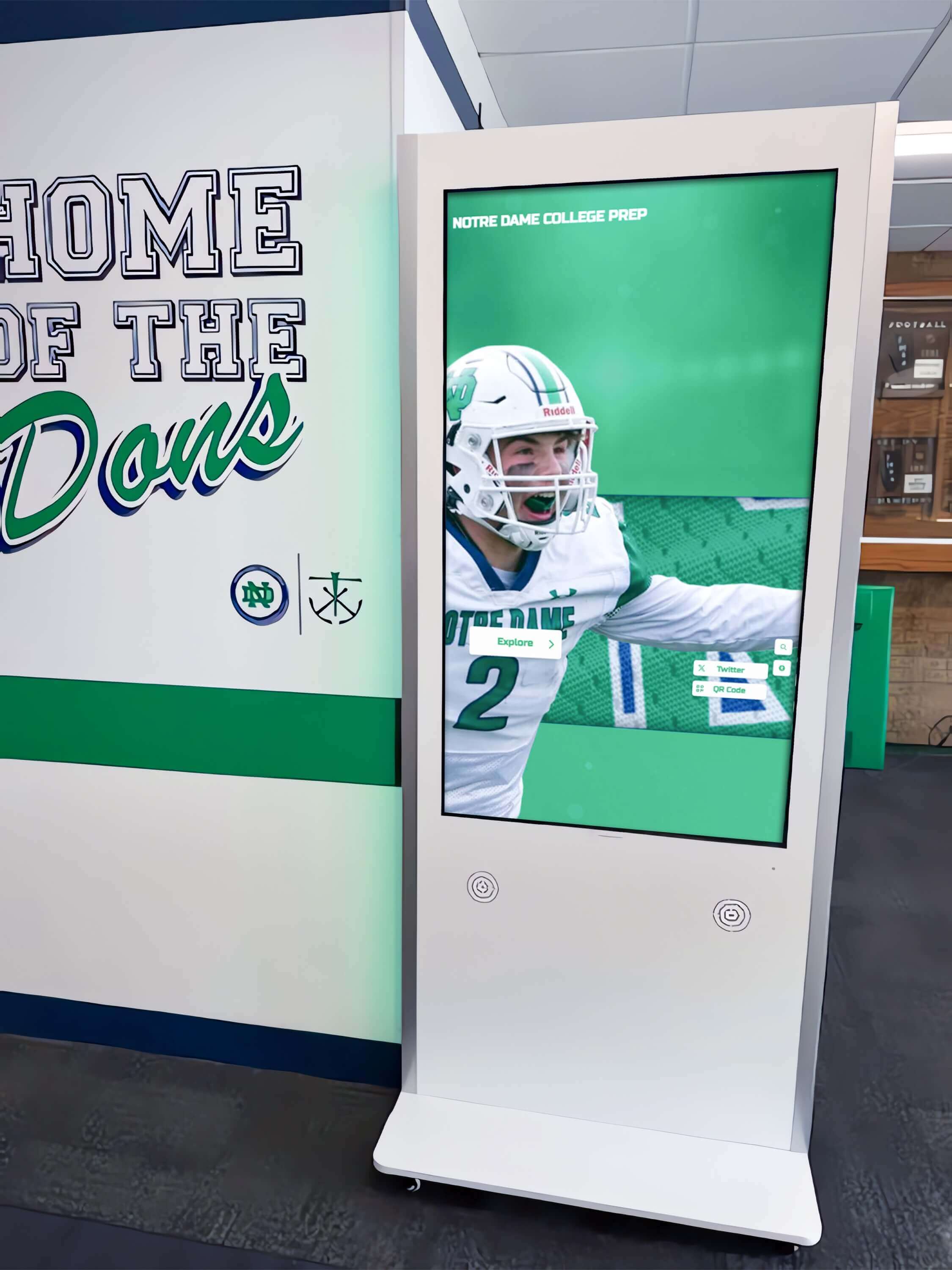
Interactive hallway displays bring reunion recognition into the physical spaces alumni remember from their school years
What Separates Interactive Reunion Designs From Static Pages
The most common failure mode for class reunion website examples is treating the site as a digital version of a printed event flyer. A date, a venue address, a payment button. These sites record registrations but do nothing to build the emotional connection that turns a “maybe” into a confirmed attendee.
Interactive reunion websites work differently. They give alumni something to do besides pay. Browsing classmate profiles, contributing memories, exploring historical photo galleries, and updating career information keep alumni engaged over the weeks and months before the event—generating the social proof that converts fence-sitters into attendees.
Effective designs also understand the reunion audience. These are people who may not have visited their school’s website in years. The interactive experience needs to feel immediately familiar and emotionally resonant—not like navigating enterprise software. Understanding what goes into designing touchscreen user experiences for genuine engagement reveals the same principles that make school lobby kiosks and reunion websites succeed: low friction, visual richness, and immediate emotional payoff.
Interactive Design Pattern 1: The Alumni Directory Experience
The most fundamental interactive element in successful class reunion website examples is a searchable, browseable alumni directory where classmates can create profiles, upload photos, and update career information.
What this looks like in practice:
- Search by name, graduation year, or area of study
- Profile cards showing graduation photo alongside a current photo
- Career and family highlights that classmates control and update
- Privacy settings allowing alumni to choose what’s publicly visible
- “Lost classmates” features prompting registrants to help locate missing peers
What makes this work:
The act of updating your own profile creates investment in the site. Alumni who spend ten minutes adding their current information become stakeholders who check back to see who else has done the same. The directory transforms into a social experience—not just a contact list.
ClassCreator and similar platforms that center the alumni directory experience show consistently higher registration conversion rates than event-only pages, because the directory gives alumni a reason to visit before they’ve even decided whether to register.
The challenge with directory-focused designs is long-term maintenance. Content that lives exclusively on a third-party reunion platform typically disappears when the subscription lapses or the committee stops paying. Schools that want alumni profiles to persist beyond a single reunion cycle need platforms integrated with institutional records.
Interactive Design Pattern 2: The Memory and Media Hub
The second prominent design pattern in effective class reunion website examples centers on shared memories: photo galleries, video collections, digitized yearbooks, and user-contributed “then and now” comparisons.
Core interactive features:
- Browse-by-year photo galleries with tagging and comment capabilities
- Submitted memories accepting text, photos, and short videos
- Yearbook pages digitized and searchable by name or activity
- Before/after class photos showing faces across decades
- Comment threading on shared memories that invites ongoing conversation
Why memory hubs drive engagement:
Memory browsing is inherently social and emotionally rewarding. When one classmate posts an old photo from junior year, it triggers responses, additional memories, and tag requests from others. This organic content creation makes the site feel alive and worth revisiting over months.
Schools that have digitized historical yearbooks and class records create especially rich memory hub experiences. The ability to pull up a 1978 yearbook page and see your own name alongside classmates provides an interaction no static event flyer can replicate. Resources on digitizing old yearbooks for hall of fame displays and historical preservation show how schools increasingly treat this archive work as foundational to both reunion programming and year-round campus recognition.
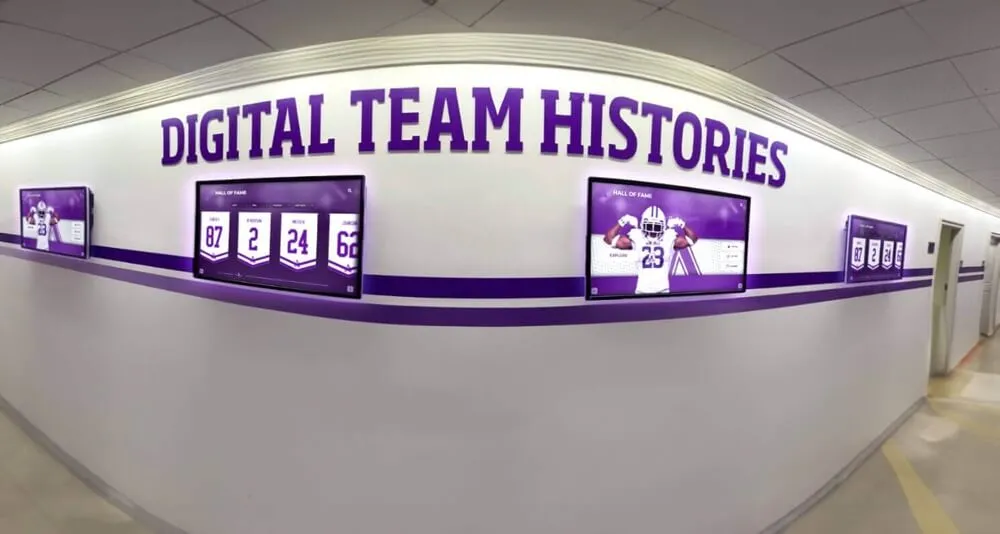
Digital media archives organized by year give alumni rich content to explore during campus reunion visits and throughout the year
Interactive Design Pattern 3: The Event Management Portal
A third pattern in class reunion website examples prioritizes logistics—registration, ticketing, schedule management, and day-of coordination—over alumni networking.
Typical features:
- Tiered ticket options with capacity management
- Guest name fields for spouses and plus-ones
- Schedule of reunion weekend activities with per-session registration
- Hotel room block links for attending classmates
- Live attendee lists showing who has confirmed (powerful social proof)
- Mobile check-in capability for day-of arrivals
When this approach is the right fit:
Event portal designs work best for larger reunions where logistics complexity is the primary challenge, or for committees without volunteer capacity to manage ongoing alumni directory content. Platforms like Eventbrite handle this tier exceptionally well—professional ticketing, payment processing, and attendee analytics without requiring technical expertise.
The limitation is clear: event portal sites provide no ongoing alumni engagement value beyond the event weekend. Once the reunion concludes, the site has no residual function. Alumni contact information, photos, and shared memories don’t persist in institutional records.
For registration and logistics only, these platforms work well. For schools wanting reunions to contribute to lasting alumni engagement, event portals need to be paired with a recognition layer that extends beyond the event itself. Exploring best digital showcase platforms for alumni recognition and engagement helps committees understand what complementary systems are available.
Interactive Design Pattern 4: The Campus Digital Recognition Display
The fourth design pattern found in the most memorable class reunion website examples extends well beyond a website—into the physical campus spaces alumni remember. This is where interactive touchscreen recognition platforms like Rocket Alumni Solutions bring a different dimension to reunion planning.
Rather than a temporary online destination that exists only for a few months around the event, campus digital recognition displays create permanent interactive experiences that returning alumni encounter the moment they walk into a hallway, lobby, or athletic facility.
What this looks like:
- 55", 65", 75", or 86" touchscreen displays installed in hallways and lobbies
- Browseable profiles for athletic honorees, academic achievers, donors, military veterans, and distinguished alumni
- Cloud-based content management system allowing new inductees to be added remotely before any reunion event
- QR code access so reunion attendees explore content on their own devices without touching shared hardware
- Web-accessible alumni archive viewable on any device, anywhere
Why this matters for reunion design:
When schools add reunion honorees to permanent campus displays, the recognition outlasts the event weekend by years. A distinguished alumnus inducted at a 40-year reunion sees that recognition displayed to every current student who passes through the building—not just captured in an event program filed away after the evening ends.
This permanence creates a compounding motivation: alumni are more inclined to attend and actively support reunions when they know recognition will be lasting and institutional rather than ephemeral. Schools exploring interactive display software for school lobby touchscreens and permanent recognition can evaluate how these systems bridge the online alumni experience to the physical campus environment.
Explore how Rocket Alumni Solutions creates permanent interactive recognition experiences that extend reunion impact year-round.
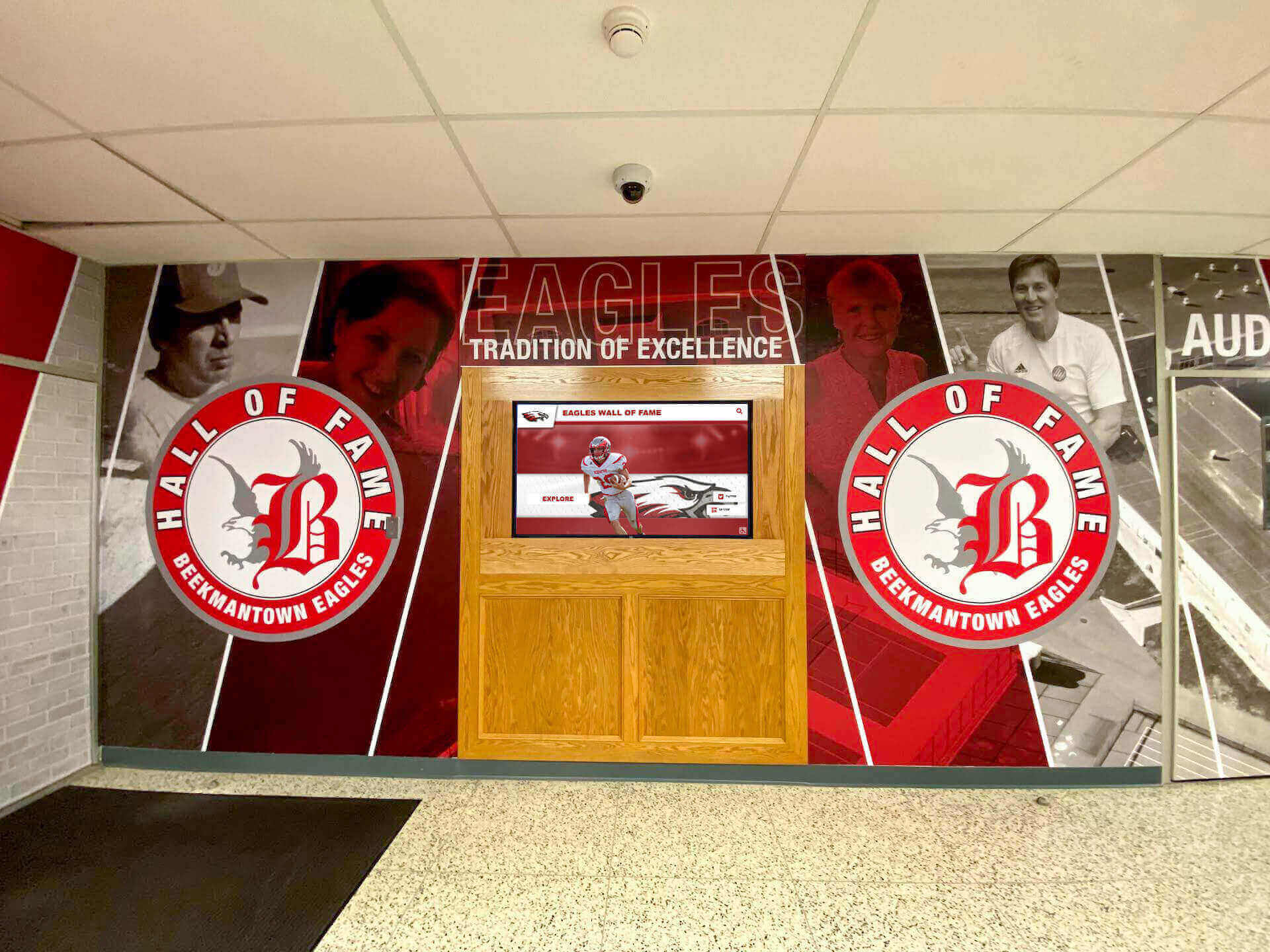
Permanent campus installations give reunion honorees recognition visible to students year-round—not just during the event weekend
Design Principles That Make Reunion Websites Connect Alumni
Beyond the four core patterns, the strongest class reunion website examples share design principles worth evaluating before committing to any specific platform:
Visual Immediacy
Alumni browsing a reunion site make engagement decisions within seconds. Sites that lead with rich alumni photography—actual class photos, yearbook images, athletic highlights—create immediate emotional hooks. Sites leading with event logistics tables or registration forms lose that opportunity.
Strong reunion website designs treat visual content as the primary driver of engagement, with logistics secondary. A photo from the championship game or junior year prom draws alumni in; event registration information captures them after they’re already engaged.
Mobile-First Accessibility
Reunion committees frequently underestimate how many alumni access sites exclusively on mobile devices. Many returning graduates are busy professionals checking reunion news between meetings—not sitting at desktop computers. Designs that don’t work cleanly on phones lose significant portions of potential attendees before the registration conversation begins.
Narrative Arc and Timeline
Reunion sites that give alumni a story to explore—organized chronologically or by school era—outperform those presenting information as flat lists. A timeline from freshman year through graduation, organized with photos, sports results, and school milestones, creates an immersive browsing experience unlike any other website alumni might visit. Schools investing in structured college history timelines and digital archives find the content translates directly into compelling reunion website experiences and physical lobby display content.
Consistent Visual Identity
Reunion websites incorporating school colors, mascots, and institutional visual language create stronger emotional connection than generic event templates. Alumni who see their school’s actual identity reflected in the design feel a sense of belonging that off-the-shelf SaaS templates can’t replicate. Thoughtful design consistency across visual recognition programs strengthens that recognition across both digital and physical touchpoints.
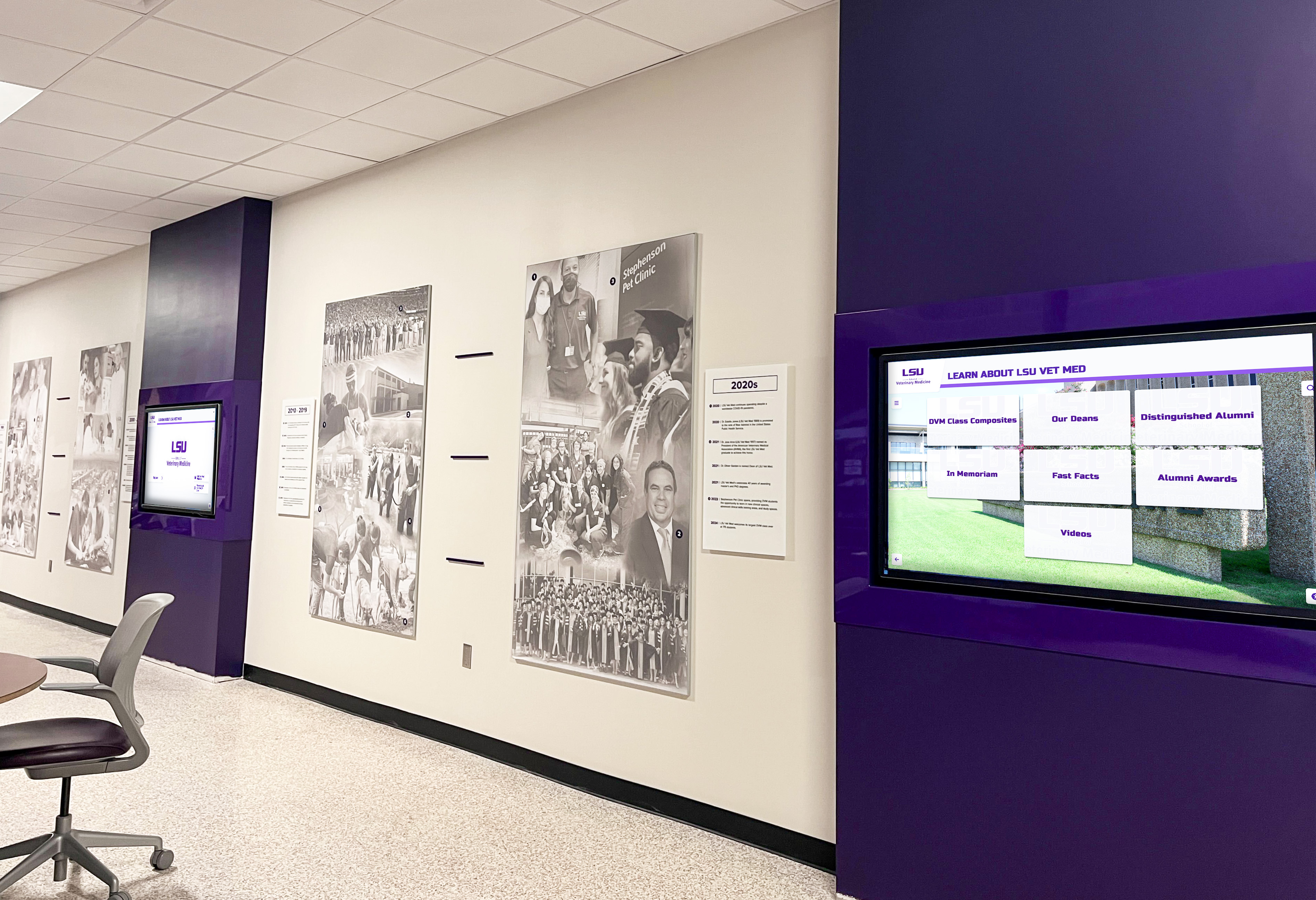
Consistent institutional branding across digital displays reinforces school identity for returning alumni throughout their campus reunion visit
When Reunion Design Extends to Physical Campus Spaces
The most sophisticated class reunion website examples don’t treat the digital platform as the entire engagement strategy. They treat it as one component of a multi-touchpoint reunion experience that includes the physical campus spaces alumni remember.
This is where the distinction between event-focused platforms and recognition-focused platforms becomes most visible.
When a reunion weekend includes a campus tour, alumni walking those halls encounter whatever recognition infrastructure exists: physical trophy cases, framed photos, painted murals, or—in increasingly common implementations—interactive touchscreen displays covering decades of athletic, academic, and service achievement.
For alumni affairs teams, the question worth asking is: what do returning graduates see when they walk back on campus? If the answer is the same trophy cases from 30 years ago with no room for new recognitions, the campus experience undermines the reunion’s message about institutional vitality.
Interactive digital recognition systems address this gap directly. Schools with touchscreen display installations allow reunion committees to add honorees, milestone donors, and distinguished alumni profiles to campus-visible recognition before the event—ensuring that when classmates walk those halls, they encounter a living, growing record of the class’s legacy.
The same content management platform powering the campus display can often power a web-accessible version of the alumni archive, creating consistency between what alumni see online in the months before the reunion and what they encounter in person. This connection between digital and physical creates a cohesive reunion design that standalone websites simply cannot achieve.
Institutions interested in preserving alumni and student organization histories through interactive digital archives can explore how fraternity and sorority histories are maintained through permanent digital recognition platforms in ways that support both ongoing campus life and milestone reunion events.
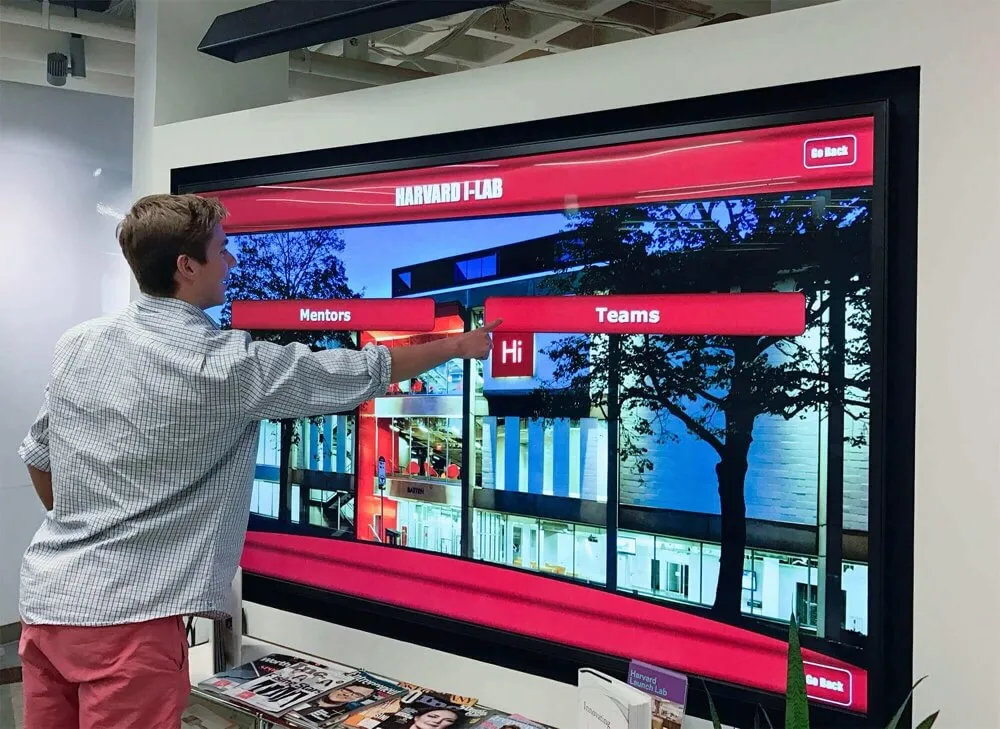
Well-designed touchscreen kiosks allow alumni and visitors to explore recognition content through intuitive menus navigable without prior instruction
Evaluating Interactive Design Quality
When reviewing class reunion website examples for your committee’s planning, measure platforms against these questions:
Does the site give alumni something to do besides register? If the only interaction is filling out a form and submitting payment, the design is a transaction portal, not an engagement platform. Look for profile creation, memory sharing, and social discovery features that reward multiple visits.
Does content persist after the event ends? Event-only platforms that archive or delete content after the reunion concludes provide no institutional value. Platforms with permanent archives—especially those connected to campus recognition infrastructure—provide compounding value across multiple reunion cycles spanning decades.
How does the mobile experience compare to desktop? Request a demo or trial specifically on a phone. Navigation that works cleanly on a desktop may become cumbersome on mobile—and a significant share of reunion attendees will interact primarily through their phones.
What happens to alumni data? Understand data portability and ownership terms before committing. Alumni contact information, uploaded photos, and profile content should be exportable in standard formats if the committee ever needs to switch platforms.
Can the design incorporate school branding? Generic event templates signal generic experiences. Platforms supporting custom school colors, logos, and visual identity create reunion designs alumni connect with emotionally—not just functionally.
Does recognition connect to what alumni see on campus? For schools with existing touchscreen recognition infrastructure, choosing platforms that share content architecture with campus displays creates a unified experience. For schools without existing infrastructure, reunion planning represents an opportunity to evaluate whether interactive recognition storytelling through campus touchscreens makes sense as a longer-term investment alongside any event-specific platforms.
Summary
The best class reunion website examples succeed because they create interactive experiences alumni genuinely want to explore—not just transactional portals for event registration. The four core design patterns (alumni directory experiences, memory and media hubs, event management portals, and permanent campus recognition displays) address different reunion goals and institutional contexts. Most successful programs combine elements from multiple patterns: an event portal for registration logistics paired with a memory hub for ongoing engagement, and a recognition platform connecting the event to year-round campus visibility.
The distinction that matters most for long-term value: platforms that treat reunion recognition as temporary event content versus systems that connect reunion recognition to permanent, campus-visible archives. The former serves one weekend well. The latter serves every class that follows, for years.
Ready to give reunion honorees recognition that outlasts a single weekend? Explore Rocket Alumni Solutions to see how interactive touchscreen displays and cloud-based alumni archives create permanent campus recognition visible to students and returning graduates year after year.