Intent: compare — This guide examines cheer team shirt designs across different use cases—game day, camp, team photos, and spirit wear—explaining the design elements that create effective squad identity for each occasion.
Custom cheer apparel does more than dress a squad. It signals to a school, an opposing gymnasium, and a parent community that this program operates with purpose. A well-designed cheer shirt communicates school colors, mascot identity, squad designation, and season pride in a single garment. Yet many programs default to basic text-on-fabric solutions that date quickly or fail to distinguish game day wear from camp gear, team photo shirts from senior keepsakes. This guide walks coaches, activity directors, and boosters through the full range of cheer team shirt design concepts—from typography and graphic elements to occasion-specific layouts—so every custom order serves the squad’s specific purpose.
The right shirt design also creates a unifying visual identity that extends beyond the sideline. Squads photographed in cohesive, purpose-designed apparel project professionalism at competitions, in school publications, and on digital recognition displays that preserve squad achievements long after a season concludes.
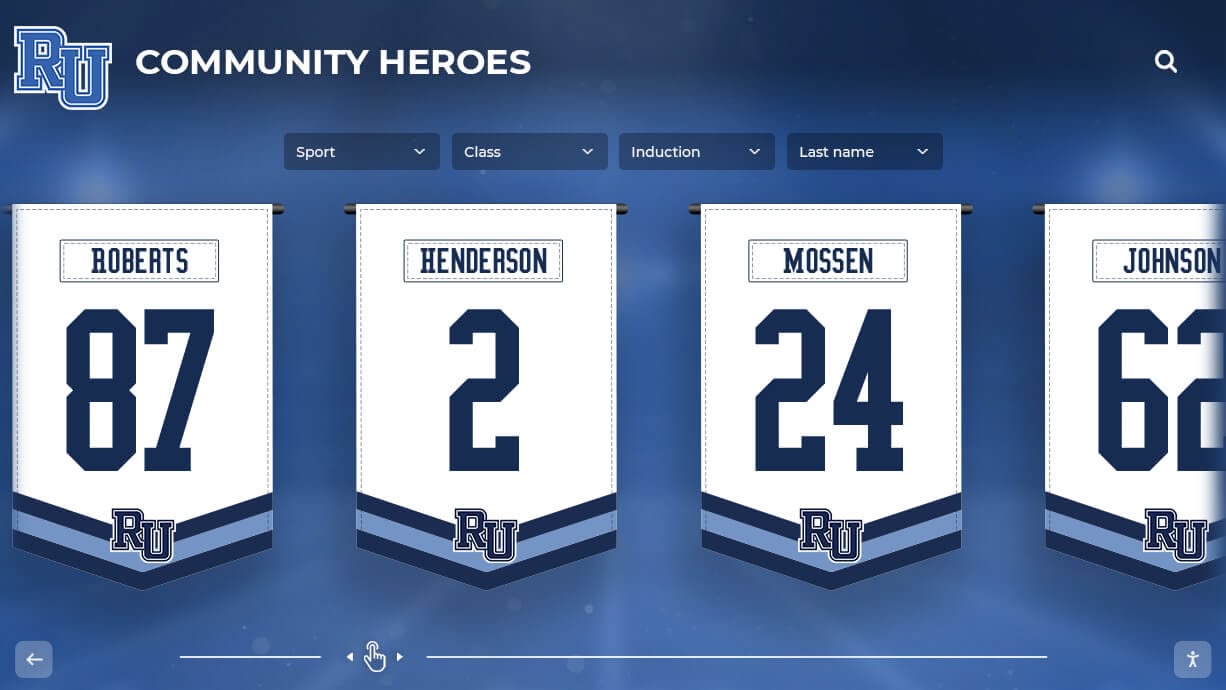
Visual identity built through custom apparel extends naturally into permanent recognition displays that honor squad achievements beyond the season
Why Cheer Team Shirt Designs Matter Beyond the Sideline
Custom cheer apparel investment is sometimes treated as a low-priority budget line—ordered at the last minute, designed by committee, or recycled year after year without updates. Programs that take design seriously tend to produce different results across several dimensions.
Identity and Cohesion
A thoughtfully designed shirt creates visual cohesion that amateur photography cannot fake. When every member wears a shirt with matching typography, consistent graphic placement, and coordinated colors, the squad projects a unified identity rather than a collection of individuals who happen to be standing together. That cohesion matters in team photos shared with parents, competition programs reviewed by judges, and end-of-season banquets where seniors receive recognition.
Cheerleading programs that invest in comprehensive recognition—including custom apparel alongside awards and displays—report higher team morale and stronger alumni connection to the program over time.
Program Visibility
A recognizable cheer shirt makes the squad visible across the entire school community. Members wearing program shirts in hallways, classrooms, and community settings extend the program’s footprint beyond game days. This low-cost visibility often drives freshman interest in joining the squad and signals to parents that the program operates with organizational discipline.
Historical Record
Well-designed shirts from competition years, championship seasons, or milestone events become program artifacts. Alumni treasure them. Archived photographs of squads in season-specific shirts provide content for digital recognition displays and yearbook pages for years after graduation. A shirt designed with care this season becomes a piece of program history within a decade.
Athletic visual identity and décor principles that guide broader sports facility design apply equally to the apparel choices that shape how a program looks in photographs and on display.
Core Elements of Effective Cheer Team Shirt Designs
Understanding the building blocks of strong cheer apparel helps coaches and boosters evaluate vendor options and communicate clearly throughout the design process.
Typography and Lettering
Typography is the most visible design element on most cheer shirts, often occupying sixty to eighty percent of the visual field. Key considerations include:
- Block letters remain the traditional standard for cheer apparel—bold, readable from a distance, and consistent with competitive cheer’s visual conventions.
- Script lettering works well for camp shirts, senior shirts, and spirit wear where a warmer, more personal tone is appropriate.
- Arch or curved text creates visual dynamism. The word “CHEER” arching over a mascot graphic reads as more energetic than flat horizontal text.
- Stacked text layouts—school name above, squad name below, year at base—organize information hierarchically and make efficient use of chest space.
Avoid mixing more than two font styles on a single shirt. Combining a bold block font with a complementary script accent is effective. Three or more competing typefaces create visual noise that undermines the design’s impact.
Color Strategy
Most cheer programs work within defined school colors, but custom apparel offers meaningful choices within those constraints.
- Contrast matters most. White text on navy blue and gold text on black read clearly under gymnasium lighting and in photography. Low-contrast combinations—gray text on charcoal, light blue on white—appear flat in photos regardless of how they look in-person.
- A third accent color should be intentional. If school colors are red and white, adding a gold accent for a championship edition creates a special-edition feel without departing from core identity.
- Sublimation printing allows full-color graphic work including gradients and detailed illustrations that screen printing cannot replicate. Camp shirts and commemorative designs often benefit from sublimation’s expanded color range.
Dance and performance squad logo design principles that govern color and identity systems for similar programs translate directly to cheer apparel planning.
Graphic Elements
Beyond text, common graphic elements in cheer team shirt designs include:
- Mascots: School mascots appear on cheer shirts more than any other graphic element. Full-color rendered mascots work for spirit wear; simplified silhouette mascots often read better on competition shirts where detail may be lost in motion.
- Megaphones and pompoms: Classic cheer iconography that signals program type immediately—works especially well on camp shirts and shirts designed for younger squad levels.
- Stars and award graphics: Appropriate for championship editions or senior cut shirts honoring departing members.
- Geometric patterns: Diamond, stripe, and chevron arrangements in school colors add visual energy without relying on a logo—useful when mascot quality or rights are uncertain.
- Number or position callouts: Back designs frequently include squad number, position (flyer, base, back spot), or graduation year. These personalization elements increase perceived value and help squads identify individual shirts in team photograph archives.
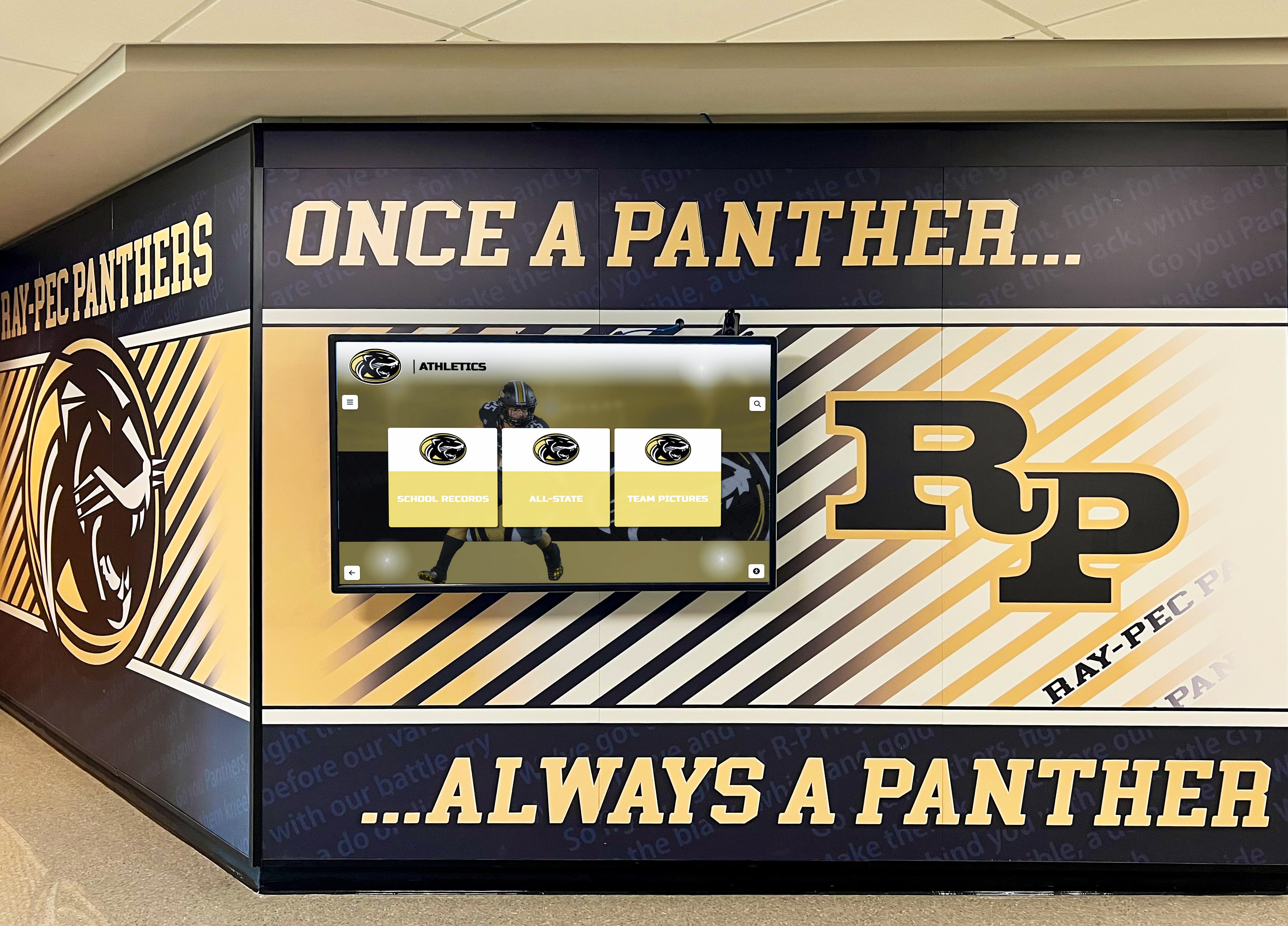
Mascot imagery used consistently across apparel, signage, and digital displays creates a coherent school identity that strengthens every program it touches
Cheer Shirt Design Ideas by Occasion
Different shirt purposes call for different design priorities. A game day shirt optimized for sideline visibility serves different needs than a camp shirt designed for week-long wear or a team photo shirt built for formal photography.
Game Day and Competition Shirts
Game day shirts prioritize uniformity and visibility. Design principles for this category:
- Uniform appearance across the full squad is non-negotiable. Minor color variation between individual shirts undermines the visual impact of the squad moving together.
- High contrast between text and background is essential. White on navy, black on gold, or reverse combinations read clearly under stadium and gymnasium lighting.
- School name and mascot should be immediately legible from the stands—not just from a few feet away.
- Avoid dense back text or graphics that remain invisible during performances.
- Moisture-wicking fabric choices affect print method. Confirm compatibility with your vendor before finalizing the order.
For competition shirts specifically, some governing organizations publish uniform guidelines. Verify compliance before the design is finalized.
Cheer Camp Shirts
Camp shirts are often the most creatively designed items in a squad’s apparel rotation because they carry fewer conformity requirements than game day uniforms.
- Roster shirts list all squad member names on the back, creating an immediate memento. These are the shirts athletes keep for decades.
- Theme designs align with camp session themes—decades, color wars, character themes—that translate into shirts with specific personality. A camp shirt with retro typography and neon accents signals that the program invests in fun, not just competition.
- Countdown or milestone elements such as “Year 10 of the [School] Cheer Program” give the shirt historical specificity that increases its keepsake value.
- Casual cuts and softer fabrics: Camp shirts benefit from comfort-forward fabric choices—tri-blend or ringspun cotton rather than the performance fabrics used for game day wear.
Color guard and squad-level recognition programs provide context for how performance programs approach apparel and recognition for different program moments throughout a season.
Team Photo Shirts
Team photo sessions often use a dedicated shirt designed specifically to photograph well under studio or outdoor conditions. This shirt has one primary job: look polished and cohesive in still photography.
- Simple, centered designs photograph better than complex all-over graphics that can appear busy when reduced to print size.
- Dark backgrounds—navy, black, forest green—absorb light evenly and create consistent look across group photos regardless of outdoor conditions or mixed lighting.
- Avoiding year or season-specific text makes the shirt reusable across multiple photo sessions, though many programs prefer year-specific designs for archival differentiation.
- Name and number on back allows individual identification in roster-style photography used in yearbooks and digital recognition displays.
Senior and Farewell Shirts
Senior gift shirts serve as keepsakes marking a final season. These receive the most personal design attention and carry the highest sentimental value:
- Graduate’s name featured prominently on front or back
- Individual photo or action image (sublimation-printed on back)
- Class year integrated as a design element, not an afterthought
- Quality fabric that holds print well and ages gracefully—this shirt will be kept for years and shown to the next generation
Homecoming traditions and milestone recognition at high schools provide context for how schools build multiple recognition touchpoints across an academic year, of which senior apparel is one meaningful component.
Spirit Wear and Fan Shirts
Fan-facing spirit wear uses cheer program visual identity to extend visibility into the broader community. Design priorities shift meaningfully in this category:
- Mass appeal over insider specificity. A fan shirt should not require knowledge of squad positions or internal program language to be appreciated.
- School colors and mascot take precedence over “cheer” branding specifically, since buyers include parents, students, and alumni who identify with the school broadly rather than the squad alone.
- Softer hand feel and retail-style silhouettes attract more buyers than athletic cuts designed for performance wear.
- Extended size availability serves the full community rather than just members within typical athletic sizing ranges.
Connecting Apparel Identity to Permanent Program Recognition
Cheer shirts are one layer of a broader program identity system. Programs that invest in custom apparel tend to also invest in complementary recognition infrastructure—record boards, hall of fame displays, yearbook pages, and digital recognition systems—because the underlying motivation is the same: making the program’s history and achievements visible to the full school community.
Digital record boards at high schools have expanded to include performance squads alongside traditional sports, creating permanent archives of competition results, individual awards, and season photographs that complement the apparel and physical recognition programs schools already operate.
When a squad’s visual identity—expressed consistently through shirt design, color use, and mascot application—is photographed thoughtfully and archived with intention, those images become content for digital recognition platforms. A touchscreen display in a school lobby can surface a current season squad photo in the same system that shows a team from fifteen years prior, creating a continuous program narrative that no single-season shirt can provide on its own.
Team recognition programs that celebrate athletic group achievement work most effectively when visual identity—from apparel to display design—remains consistent enough across seasons that the program is immediately recognizable across years of archived content.
School banners and visual display design concepts provide additional design context for how the color, typography, and mascot elements used in shirt design translate to larger-format recognition installations in gymnasiums and hallways.
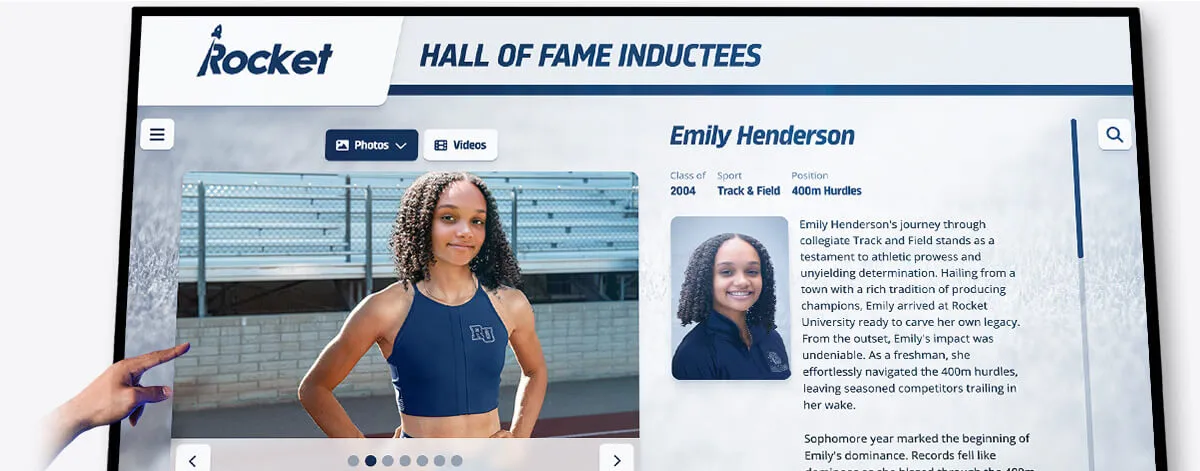
Individual recognition profiles on interactive displays honor squad members with the same permanence that well-designed custom apparel provides in the moment
End-of-season banquet planning guides offer additional context for how custom apparel fits into broader season-closing recognition events alongside awards, slideshow presentations, and senior acknowledgments.
FAQ: Cheer Team Shirt Design Planning
How far in advance should a cheer squad order custom shirts?
Most custom apparel vendors recommend placing orders six to eight weeks before the first intended use date. Rush orders are available but typically carry premium pricing and offer fewer design revision opportunities. Planning shirt orders at the start of a season—or ideally in the spring for the following fall program—allows more time for design review, budget approval through booster channels, and delivery.
What information should appear on the front versus the back of a cheer shirt?
Front designs typically carry the team identity content: school name, mascot, and squad designation. Back designs work best for personalization—member name, number, graduation year, or position. This front-and-back split maintains uniform visual impact when the squad is viewed from the front while providing individual identification for roster photography and archival records.
How many shirt designs does a typical cheer program order per season?
Programs vary significantly based on budget and program scope. A minimum approach is one game day shirt and one practice or spirit shirt per season. Programs with active booster support often order three to five distinct designs across the year: game day, camp, team photo, spirit wear, and a senior farewell shirt. Each serves a specific purpose, and ordering all in a single planning session early in the year reduces per-unit costs and simplifies the design review process.
What printing method works best for cheer apparel?
Screen printing remains the standard for solid-color designs on large orders of twenty-four or more pieces. Heat transfer vinyl suits small orders or designs with few colors. Sublimation printing handles full-color photographic and gradient work common in camp and commemorative designs. Direct-to-garment printing works for photo-realistic images on small runs but requires pre-treated fabric and may not hold up under repeated washing as well as screen-printed alternatives.
How do programs maintain design consistency across multiple ordering seasons?
The most practical approach is maintaining a one-page design brief specifying exact color codes (Pantone or hex values), approved fonts, and mascot or graphic standards that any vendor can reference. Saving original design source files—not just final print-ready exports—allows seasonal adjustments without starting from scratch each year and preserves visual consistency across program generations.
Can booster clubs manage cheer apparel orders?
Yes. Many cheer programs run custom apparel orders through their booster club infrastructure, which provides organized payment collection, bulk order coordination, and budget tracking. Starting and running a booster club provides foundational guidance for programs building this kind of organizational structure for the first time.
Conclusion: Design with Purpose, Build Lasting Program Identity
Effective cheer team shirt designs are not simply clothing orders—they are program identity decisions that shape how a squad sees itself, how the school community perceives the program, and what visual record future members and alumni will have access to. Investing deliberate thought into typography, color strategy, graphic elements, and occasion-specific design choices produces dividends in team cohesion, program visibility, and the lasting quality of those archived team photographs years from now.
The programs that build the strongest visual identities over time treat each season’s apparel as one component of a broader recognition infrastructure—one that eventually includes award ceremonies, permanent display installations, and digital systems that honor the full history of what a squad accomplished. Shirts document a moment. Recognition systems preserve a legacy.
Ready to take squad recognition beyond the garment? Rocket Alumni Solutions helps schools build interactive recognition systems that preserve cheer and performance squad history with the same permanence afforded to any varsity athletic program.