The simple answer is yes, you can see high school yearbooks online—but the availability, quality, and accessibility vary dramatically depending on your school, graduation year, and available resources. While some schools offer comprehensive digital yearbook archives accessible with a few clicks, others maintain only scattered physical copies in dusty storage rooms. Between these extremes lies a rapidly evolving landscape of digitization projects, commercial platforms, library databases, and innovative touchscreen solutions transforming how schools preserve and share yearbook memories.
For alumni seeking nostalgic connections to their high school years, parents researching family history, or schools exploring preservation options, understanding where and how to access yearbooks online has never been more important. The COVID-19 pandemic accelerated digital transformation across education, pushing many institutions to finally digitize decades of yearbook archives that previously required in-person visits to view. Meanwhile, new technologies enable schools to create dynamic, searchable digital yearbooks that far exceed what traditional print volumes could offer.
This comprehensive guide explores every avenue for accessing high school yearbooks online, from free public archives to subscription services, library resources, and cutting-edge digital recognition platforms that reimagine what yearbooks can become.
The transition from physical yearbooks to digital access represents more than simple format conversion—it fundamentally changes how schools preserve history, how alumni reconnect with memories, and how future generations discover institutional heritage. Understanding your options helps you navigate this complex landscape effectively.
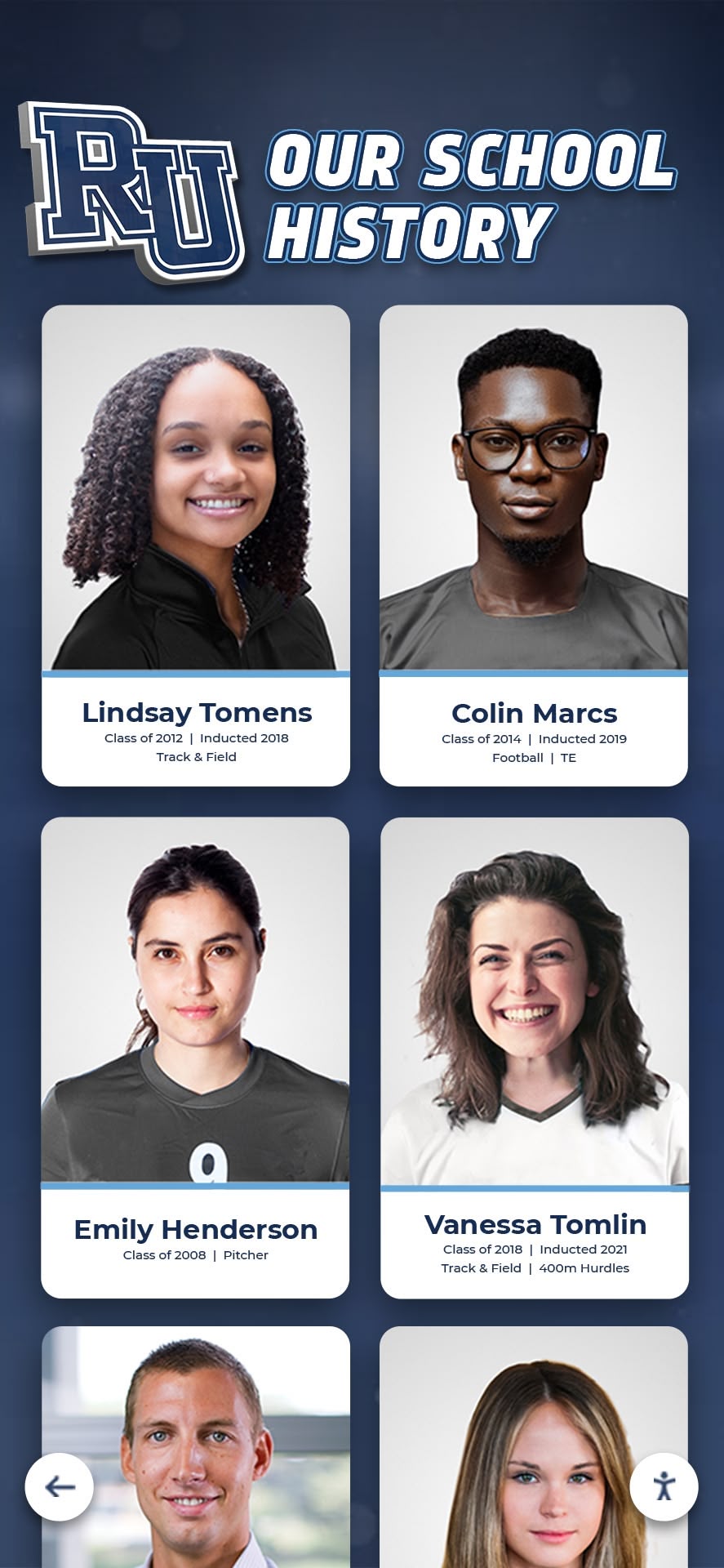
Modern digital displays enable schools to showcase yearbook-style portraits and alumni achievements in interactive, accessible formats
Where to Find High School Yearbooks Online
Multiple platforms and resources provide online yearbook access, each serving different needs and covering different time periods.
Free Public Yearbook Archives and Libraries
Several organizations digitize yearbooks and make them freely available online, particularly for older editions outside copyright concerns:
Internet Archive and Open Library The Internet Archive maintains one of the largest collections of digitized yearbooks, with hundreds of thousands of volumes from schools nationwide. Coverage varies significantly by region and institution, with stronger representation of older yearbooks (pre-1990) and schools that participated in digitization partnerships. Users can search by school name, year, and location, though not all schools or years appear in the collection.
Public Library Digital Collections Many public library systems digitize local yearbooks as part of community history preservation efforts. Libraries serving communities with strong local history programs often maintain comprehensive yearbook collections dating back decades. Access typically requires library card credentials for residents, though some libraries provide open access to historical materials.
State and Regional Historical Societies State historical societies frequently digitize yearbooks as part of broader educational archives. These collections prove particularly valuable for rural schools, consolidated districts, and institutions that no longer exist. Coverage varies dramatically by state based on funding, digitization priorities, and partnership agreements with local schools.
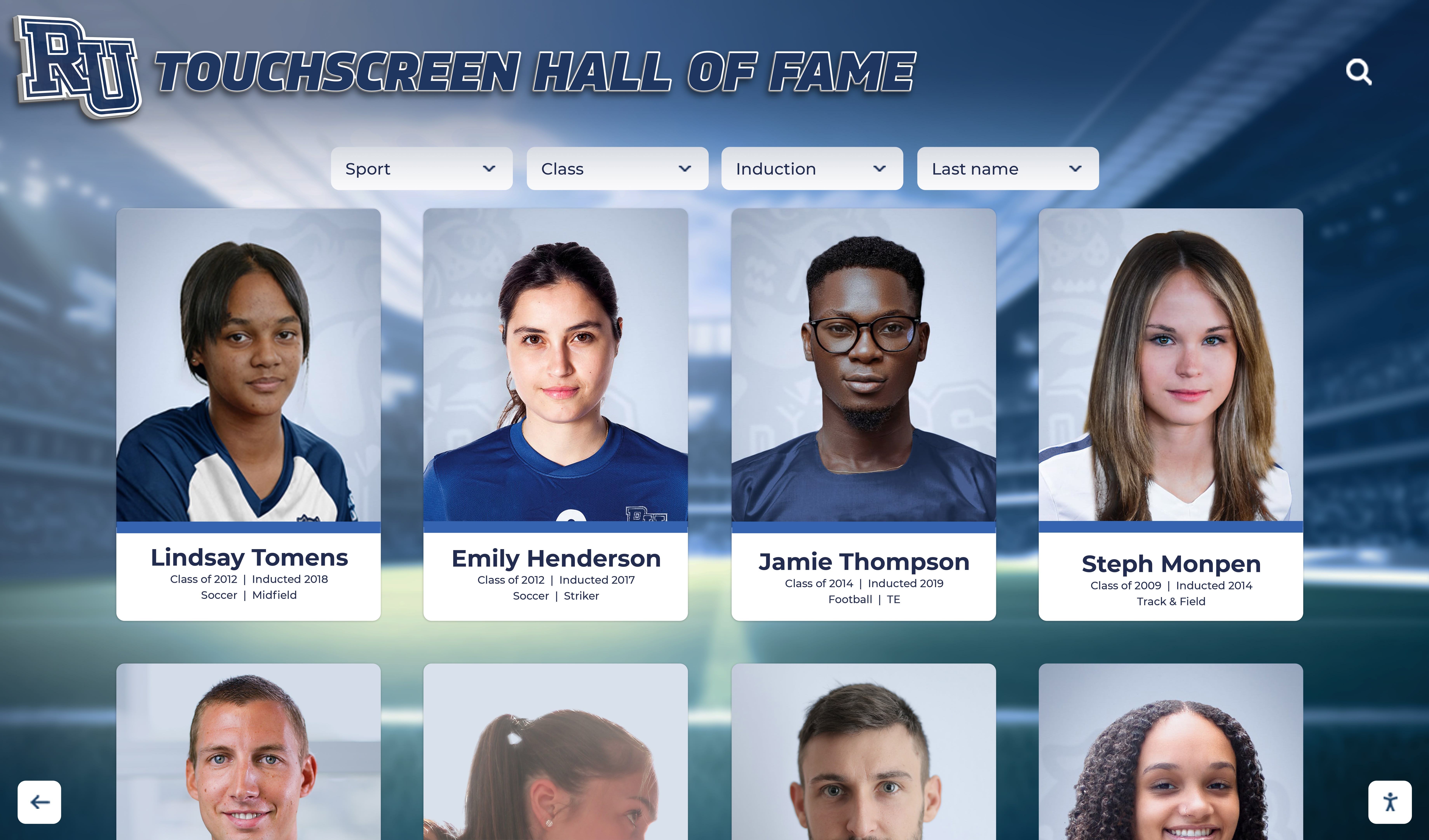
Interactive touchscreen solutions allow visitors to browse yearbook content, alumni profiles, and historical records through engaging digital interfaces
Commercial Yearbook Platforms and Services
Several subscription-based services aggregate yearbooks from multiple publishers and schools:
E-Yearbook and Classmates Platforms Commercial platforms partner with yearbook publishers and schools to create searchable digital archives. These services typically require paid subscriptions for full access, though preview features let users confirm their yearbook exists before purchasing. Coverage concentrates on yearbooks from the 1960s forward, with particularly strong representation from major yearbook publishers.
Ancestry and Genealogy Databases Family history platforms increasingly incorporate yearbooks as genealogical resources. These services prove particularly valuable for researchers tracing family history across generations, as yearbooks provide dated photographs, names, and contextual information about ancestors’ school experiences.
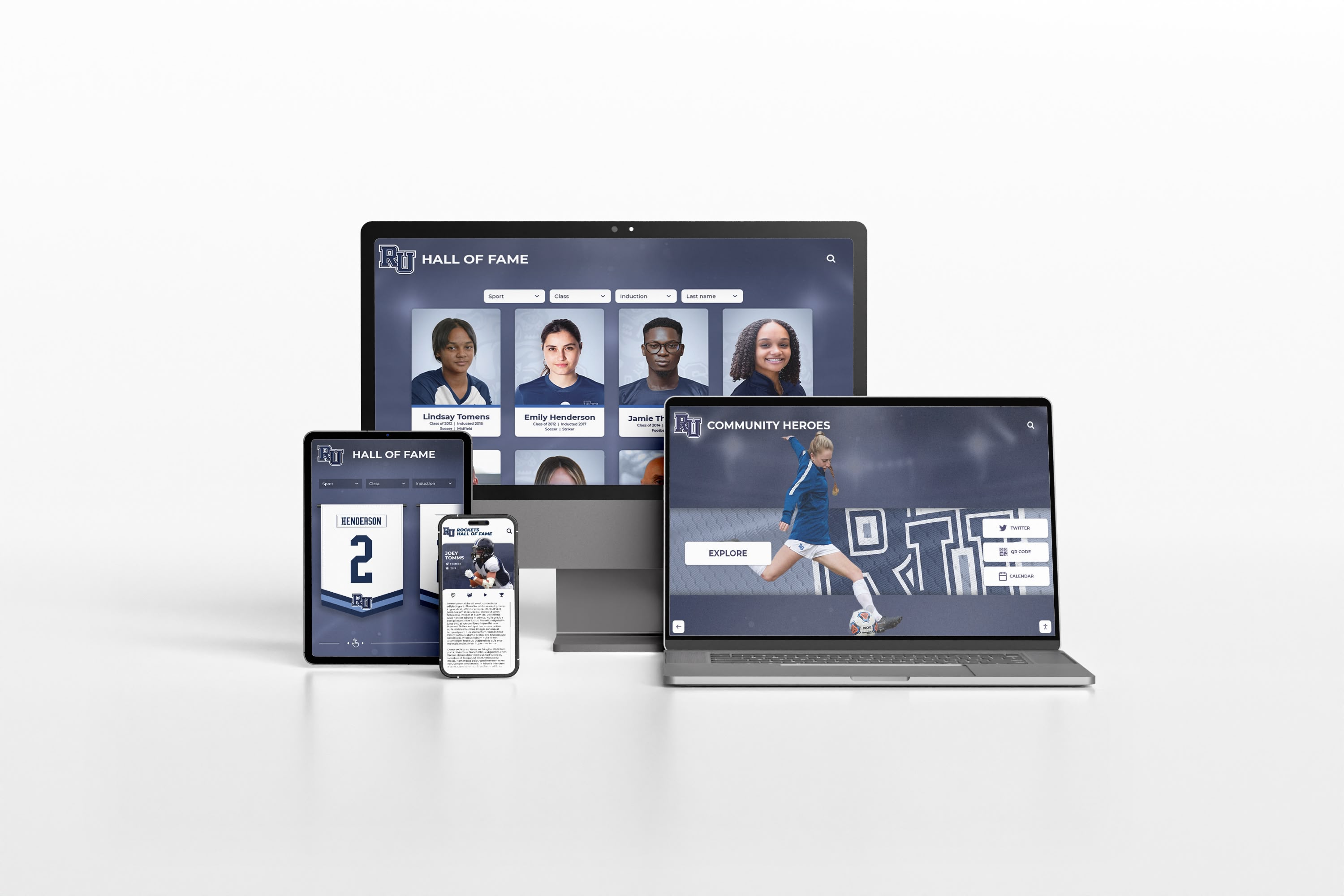
Modern platforms make yearbook content accessible across all devices, from desktop computers to smartphones
School and District Digital Archives
Forward-thinking schools create dedicated digital yearbook portals directly accessible through institutional websites:
Official School Archives Many schools digitize yearbook collections and make them available through password-protected alumni portals. Access policies vary—some schools provide open access to all yearbooks older than a certain threshold (commonly 10-25 years), while others restrict access to verified alumni only. These official archives typically offer the highest image quality and most complete coverage for their institutions.
District-Wide Digital Libraries Larger school districts sometimes create unified digital libraries incorporating yearbooks from all district schools across multiple decades. These consolidated resources prove especially valuable in communities where schools consolidated, merged, or closed over time.
Implementing comprehensive digital yearbook programs requires balancing accessibility with privacy considerations. Schools developing recognition programs increasingly integrate yearbook content with broader alumni engagement strategies.
How Schools Digitize Yearbooks: Methods and Technologies
Understanding digitization processes helps schools plan their own projects and helps users know what to expect from digital yearbooks.
Digitization Methods and Quality Considerations
Schools and archives employ several approaches to convert physical yearbooks to digital formats:
High-Resolution Scanning Professional digitization services use specialized book scanners that capture high-resolution images without damaging bindings. This method produces the highest quality results but requires significant investment. Each page typically receives individual scanning, color correction, and optical character recognition (OCR) processing to make text searchable.
Photograph and Flatbed Scanning Budget-conscious schools sometimes use flatbed scanners or even high-quality photography to digitize yearbooks. While less expensive, these approaches require more time and produce lower quality results, particularly for bound volumes where page curvature affects image quality.
Publisher Digital Conversions Schools purchasing yearbooks from major publishers increasingly receive digital versions alongside or instead of print editions. These born-digital yearbooks offer superior quality and searchability compared to scanned historical volumes, as they originate as structured digital files rather than images of printed pages.
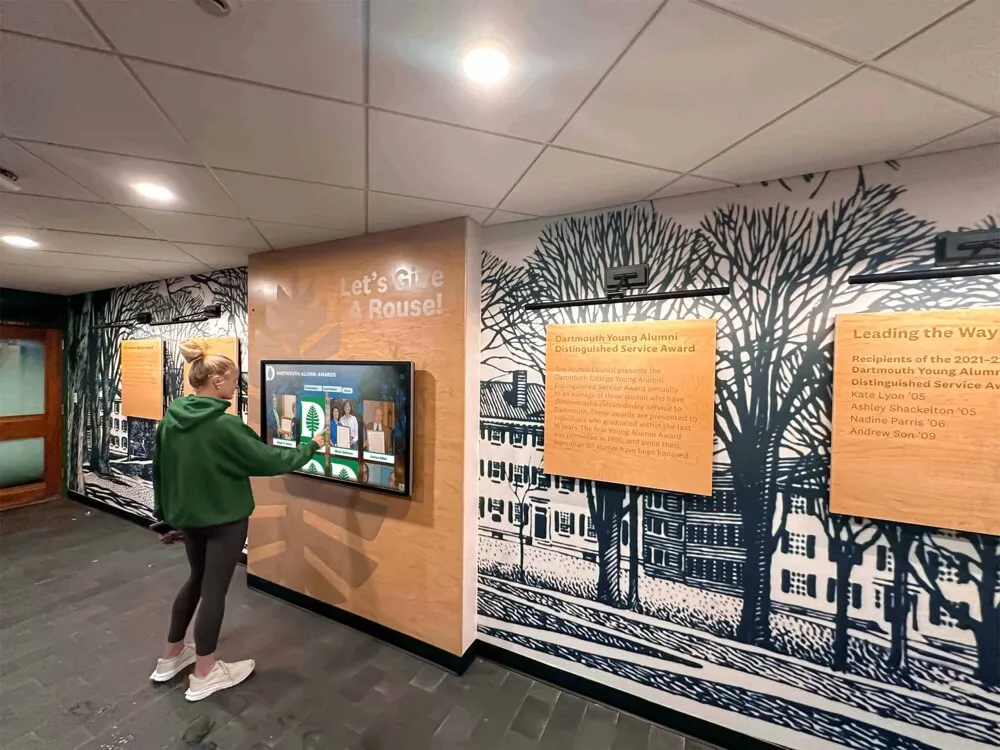
Interactive displays transform how schools present yearbook content and alumni achievements to visitors
Privacy, Copyright, and Access Policies
Digitizing yearbooks raises complex legal and ethical considerations that affect access:
Copyright and Fair Use Considerations Yearbooks contain copyrighted photographs, student artwork, and sometimes licensed images that complicate digitization rights. Schools generally hold copyright to yearbook content they produce, but individual photograph rights may belong to photographers, students, or families. Most institutions navigate these concerns by limiting public access to yearbooks older than 25-30 years while restricting newer editions to verified alumni.
Student Privacy Protections Modern privacy standards make schools cautious about publishing yearbook images online, particularly for minor students. Digital yearbooks increasingly incorporate privacy controls allowing individuals to request image removal or access restrictions. Schools balancing historical preservation with privacy often implement graduated access—open access for older yearbooks, restricted access for recent editions.
FERPA and Educational Records While yearbooks generally fall outside FERPA’s educational records definitions, schools apply similar privacy frameworks to digital yearbook access. Verification requirements, password protection, and graduated access policies help institutions honor privacy expectations while preserving institutional memory.
Schools implementing student recognition programs face similar privacy balancing acts when showcasing current student achievements digitally.
Modern Alternatives: Interactive Digital Yearbook Solutions
Traditional yearbook digitization—essentially creating PDF versions of print books—represents only one approach to preserving school memories. Innovative technologies reimagine what digital yearbooks can become.
Interactive Touchscreen Yearbook Displays
Schools increasingly deploy touchscreen kiosks that transform static yearbook content into dynamic, searchable experiences:
Enhanced Searchability and Discovery Interactive displays allow visitors to search yearbook content by name, year, activity, sport, or club—functionality impossible with physical yearbooks. Alumni visiting campus can quickly locate their own pages, find specific friends, or browse graduation years. The search capabilities prove particularly valuable during reunions, alumni events, and campus tours.
Multimedia Integration Beyond Print Modern digital yearbook platforms incorporate elements traditional print volumes cannot include: video highlights, audio recordings, linked biographical updates, and social media integration. Schools can supplement historical yearbook photographs with contemporary updates showing alumni accomplishments, creating living archives that grow more valuable over time.
Space-Efficient Historical Preservation A single interactive kiosk can house decades of yearbook content that would require hundreds of linear feet of shelf space physically. This space efficiency particularly benefits schools with limited library space or those relocating to new facilities.

Modern solutions provide mobile app access to yearbook content and alumni directories, extending engagement beyond physical displays
Cloud-Based Yearbook Platforms
Contemporary digital yearbook solutions extend far beyond simple PDF archives:
Continuous Updates and Alumni Engagement Unlike static yearbooks frozen at publication, cloud-based platforms enable ongoing updates. Alumni can submit career updates, photographs, and biographical information that supplement their original yearbook entries. This living archive approach maintains relevance across decades, transforming yearbooks from historical snapshots into evolving alumni directories.
Mobile Access and Social Sharing Modern platforms provide responsive interfaces accessible from smartphones, tablets, and computers. Alumni can access yearbook content anywhere, share specific pages or photographs through social media, and download personal copies of their entries. This accessibility dramatically increases engagement compared to archives requiring in-person visits or desktop computer access.
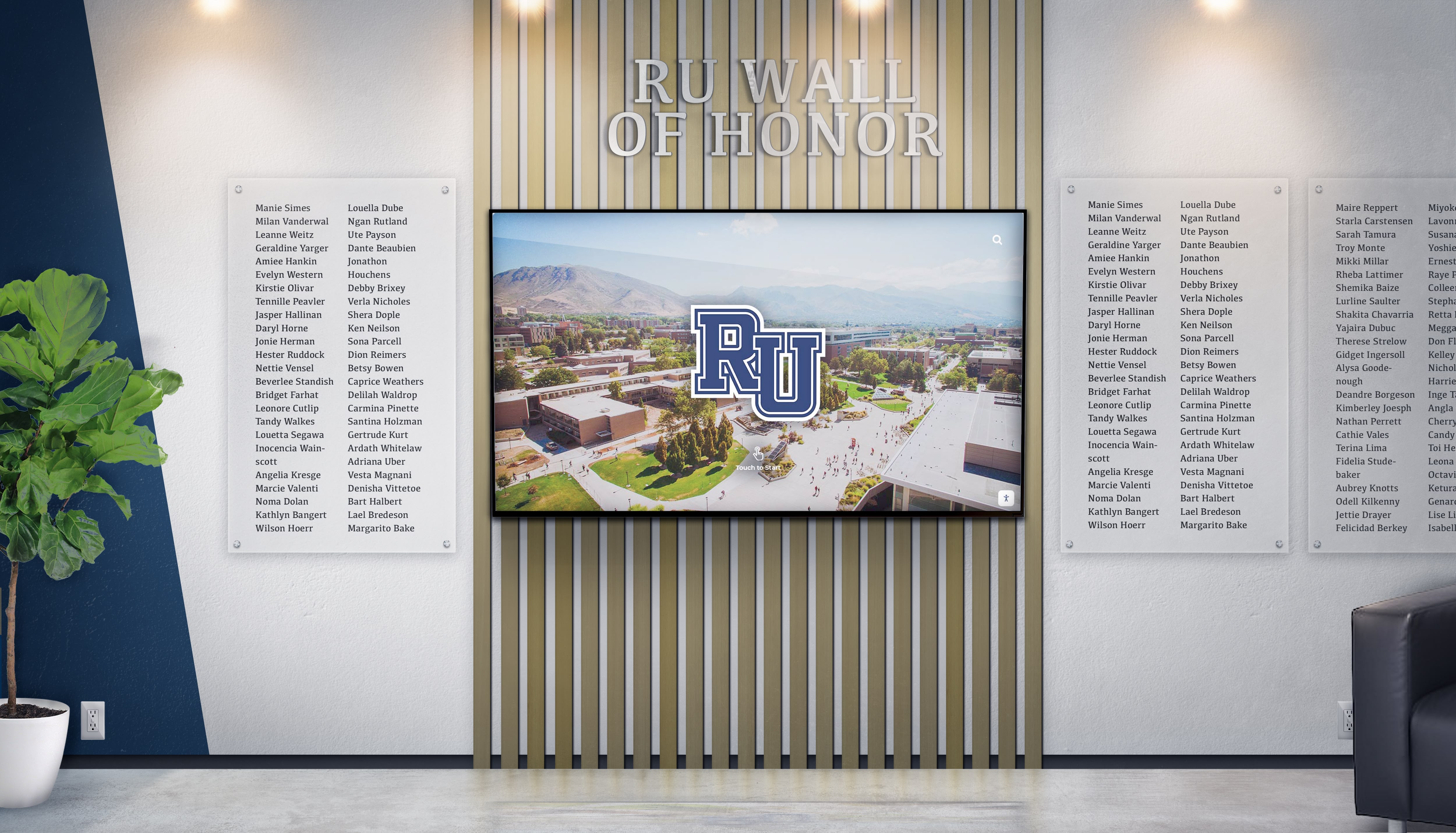
Comprehensive digital displays combine yearbook functionality with broader recognition programs honoring alumni achievement
Integration with Broader Recognition Systems The most sophisticated digital yearbook implementations integrate with comprehensive alumni recognition platforms. Schools can connect yearbook content with donor recognition walls, hall of fame displays, and athletic achievement boards, creating unified systems that celebrate institutional history comprehensively.
Strategies for Finding Your Specific High School Yearbook
When searching for a particular yearbook, systematic approaches yield better results than random internet searches.
Step-by-Step Search Process
Follow this progression to maximize your chances of locating specific yearbooks:
Start With Direct School Contact Contact your high school’s main office, library, or alumni relations department first. Many schools maintain yearbook collections but haven’t publicized digital access widely. Administrative assistants can often check availability quickly and direct you to appropriate resources. For schools within larger districts, district archives may hold comprehensive collections across all schools.
Check Local Library Resources Public libraries serving your school’s community frequently maintain local history collections including yearbooks. Reference librarians specializing in local history can identify relevant collections, explain access procedures, and sometimes facilitate scanning specific pages. Libraries increasingly participate in statewide digital library consortia that expand search capabilities beyond individual institutions.
Search Specialized Yearbook Databases After exhausting free resources, commercial yearbook databases provide access to millions of yearbooks through subscription services. These platforms typically offer preview functions confirming yearbook availability before requiring payment. Search multiple platforms, as coverage varies significantly between services.
Explore Alumni Association Resources Active alumni associations sometimes maintain independent yearbook archives separate from official school resources. Alumni websites, social media groups, and reunion committees may provide access information or connect you with classmates who’ve digitized yearbooks privately.
Schools considering comprehensive digital transformation can benefit from understanding how institutions integrate multiple recognition programs into cohesive systems.
Tips for Searching Consolidated and Closed Schools
Locating yearbooks from schools that merged, consolidated, or closed requires different approaches:
District and State Archives When schools close, yearbook collections typically transfer to district archives, local libraries, or state historical societies. State departments of education sometimes maintain databases tracking where historical records from closed schools reside. County historical societies serving rural areas often preserve materials from consolidated one-room schoolhouses and small-town high schools.
Successor Institution Resources When schools merge, successor institutions generally inherit yearbook collections from predecessor schools. A consolidated high school formed from multiple smaller schools typically houses yearbooks from all founding institutions, though organization and accessibility vary.
Digital Preservation Projects States and regions with active historical digitization initiatives often prioritize materials from closed schools at higher risk of loss. Browse state library digital collections and historical society websites for specialized projects targeting endangered educational records.
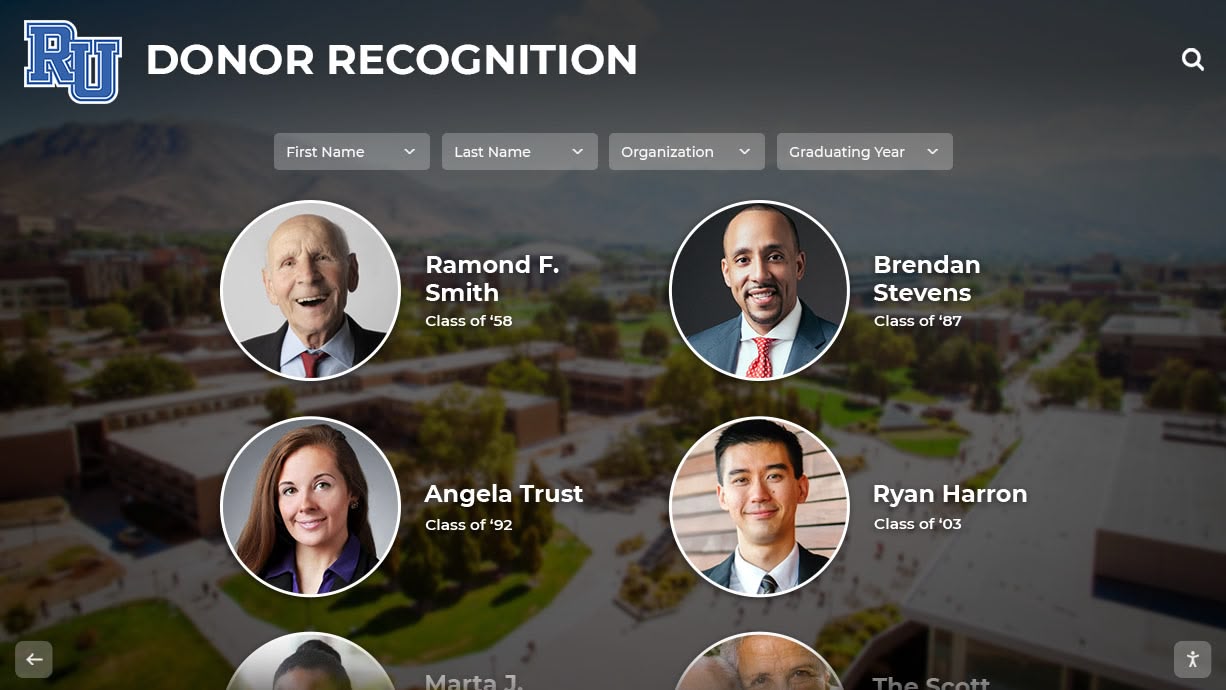
Comprehensive alumni recognition systems preserve institutional memory while celebrating ongoing alumni achievement and engagement
Best Practices for Schools Implementing Digital Yearbook Programs
Schools planning to digitize yearbook archives or transition to born-digital yearbook platforms should consider these strategic approaches.
Planning Your Digitization Project
Successful yearbook digitization requires careful planning balancing preservation goals with practical constraints:
Assess Your Collection and Prioritize Inventory existing yearbook holdings, identifying gaps, damaged volumes, and preservation priorities. Most schools prioritize recent yearbooks (high alumni interest) and oldest volumes (preservation urgency) before tackling middle years. Consider condition—severely damaged yearbooks may require professional conservation before scanning.
Determine Access Policies and Privacy Frameworks Establish clear policies governing who can access digitized yearbooks and under what conditions. Common approaches include open access for yearbooks older than 25 years, alumni-only access for newer editions, and opt-out mechanisms for individuals requesting privacy. Document policies clearly and implement technical controls supporting them.
Choose Appropriate Platforms and Technologies Evaluate options ranging from simple PDF archives to sophisticated interactive platforms. Consider long-term sustainability, technical support requirements, accessibility compliance, and integration with existing school systems. Cloud-based solutions typically offer better accessibility and lower maintenance burdens than locally-hosted systems.
Budget for Quality and Sustainability Professional digitization costs vary from several dollars to over twenty dollars per yearbook depending on size, condition, and quality requirements. Budget for initial digitization, ongoing platform costs, and periodic system updates. Grant funding, alumni association support, and phased implementation can make large projects financially feasible.
Schools developing comprehensive recognition strategies often integrate yearbook digitization with broader initiatives celebrating academic achievement, athletic accomplishments, and community contributions.
Engaging Alumni and Building Community
Digital yearbook platforms create opportunities for alumni engagement extending far beyond nostalgia:
Create Interactive Features That Encourage Participation Enable alumni to comment on photographs, share memories, and connect with classmates through platform features. Interactive elements transform passive archives into active community spaces. Consider integrating reunion planning tools, classmate connection features, and update submission forms that keep content current.
Leverage Yearbook Access for Development and Fundraising Alumni accessing digital yearbooks demonstrate high engagement levels that correlate with donation readiness. Schools can strategically connect yearbook platforms with giving opportunities, capital campaigns, and planned giving programs. Highlighting alumni achievements alongside yearbook photographs reinforces institutional pride and connection.
Integrate With Physical Campus Recognition The most effective approaches combine digital yearbook access with physical touchscreen displays in high-traffic campus locations. Visitors exploring interactive displays during campus visits can discover content they continue exploring via mobile devices and home computers, creating seamless experiences across contexts.
Promote Across Multiple Channels Announce digital yearbook availability through alumni newsletters, social media, reunion invitations, and school websites. Many alumni remain unaware of available digital resources without active promotion. Reunion years present particularly high-value opportunities to showcase yearbook access and encourage engagement.
The Future of Digital Yearbooks
Emerging technologies continue transforming how schools create, preserve, and share yearbook content.
Artificial Intelligence and Enhanced Searchability
Machine learning enables capabilities impossible with traditional yearbook formats:
Facial Recognition and Automatic Tagging AI-powered facial recognition can automatically identify individuals across multiple yearbook pages and years, creating comprehensive visual timelines of student involvement. While privacy concerns limit public deployment, authenticated users can benefit from sophisticated search capabilities that surface every photograph containing specific individuals.
Natural Language Processing for Content Discovery Advanced search algorithms can identify photographs and pages based on contextual descriptions rather than requiring exact text matches. Users could search for concepts like “prom 1985” or “football championship” and retrieve relevant content even when those exact phrases don’t appear in yearbook text.
Automated Transcription and Accessibility OCR technology combined with AI correction produces searchable text from even poor-quality yearbook scans. Automated image description generates alt text making visual content accessible to users with vision impairments, addressing accessibility requirements while improving overall search functionality.
Augmented Reality and Interactive Experiences
Innovative schools experiment with AR features that enhance physical yearbooks with digital overlays:
AR-Enabled Physical Yearbooks Students can point smartphones at yearbook pages to reveal video content, audio recordings, and supplemental photographs that extend beyond print constraints. This hybrid approach preserves traditional yearbook formats while incorporating multimedia elements.
Virtual Reality Campus Tours Linked to Yearbooks Schools create VR experiences allowing alumni to virtually revisit campus while browsing yearbooks from their attendance years. These immersive experiences prove particularly powerful for major reunions and anniversary celebrations.
For institutions exploring cutting-edge recognition technology, understanding touchscreen augmented reality applications provides valuable context for implementing advanced features.
Continuous Digital Yearbooks and Social Integration
The yearbook concept itself evolves from annual snapshots to ongoing documentation:
Year-Round Content Capture Rather than concentrating photograph collection into spring deadlines, continuous digital platforms capture moments throughout the school year. Students and families can submit content ongoing, creating richer, more comprehensive documentation of school experiences.
Social Media Integration and Curation Schools aggregate content from sanctioned social media channels, student submissions, and official photography into unified platforms that replace traditional yearbooks. Automated curation using AI selection and human editorial oversight produces comprehensive digital yearbooks requiring less manual layout work.
Customization and Personalization Digital platforms can generate personalized yearbook views highlighting individual students’ specific activities, clubs, and friend groups while including comprehensive school content. This personalization increases relevance without sacrificing institutional documentation.
Frequently Asked Questions About Online Yearbook Access
Can I view my high school yearbook online for free?
Possibly, depending on your school and graduation year. Check the Internet Archive, your local public library’s digital collections, and your school’s official website first. Many older yearbooks (pre-1990) appear in free archives, while newer yearbooks typically require subscription access or school-specific credentials. Contact your school directly to ask about alumni access policies.
How do I find yearbooks from a high school that closed?
Start with the district that absorbed the closed school, then check county public libraries and state historical societies. State archives often maintain records from closed schools. Search the Internet Archive for your specific school name, as volunteers sometimes digitize yearbooks from defunct institutions. Local historical societies frequently preserve materials from community schools no longer operating.
Are online yearbook services worth the subscription cost?
Value depends on your specific needs. If you seek a single yearbook from your graduation year, subscription costs may exceed buying a used physical copy through alumni networks or auction sites. However, subscriptions prove worthwhile for genealogy research requiring access to multiple yearbooks across different years and schools, or for browsing capabilities not feasible with physical copies.
Can schools legally digitize old yearbooks and publish them online?
Generally yes, as schools typically hold copyright to yearbooks they publish. However, individual photographs within yearbooks may involve separate copyright considerations. Most schools manage risk by limiting public access to older yearbooks (25+ years) while restricting newer editions to verified alumni. Privacy concerns rather than copyright issues drive most access limitations.
What’s the best way to preserve my physical yearbooks?
Store physical yearbooks in climate-controlled environments away from direct sunlight, with acid-free paper interleaved between pages of valuable editions. Standing upright on shelves provides better support than stacking. For high-value yearbooks, consider professional scanning to create personal digital backups. Many scanning services offer yearbook-specific handling that prevents binding damage during digitization.
How can our school implement a digital yearbook system?
Start by inventorying existing yearbook collections and defining access policies. Research platforms ranging from simple PDF archives to sophisticated interactive systems. Consider professional digitization services for historical volumes while transitioning to born-digital platforms for current and future yearbooks. Many schools phase implementation, beginning with recent yearbooks generating highest interest before tackling historical archives. Public library digital archive programs offer valuable implementation models.
Conclusion: Preserving Memories Through Digital Innovation
The question “can you see high school yearbooks online?” increasingly receives a confident “yes”—though the specific paths to access continue multiplying as technology evolves. From basic PDF scans in Internet Archive collections to sophisticated interactive platforms integrating multimedia content, digital yearbook access transforms how schools preserve institutional memory and how alumni reconnect with formative experiences.
Schools implementing digital yearbook programs make strategic investments in community building, alumni engagement, and historical preservation. The most successful approaches extend beyond simple digitization of physical yearbooks, reimagining what yearbooks can become when freed from print constraints. Interactive search, multimedia integration, ongoing updates, and connections to broader recognition systems create living archives that grow more valuable over time.
For alumni and families seeking yearbook access, persistence through multiple search channels typically yields results. Direct school contact, local library resources, specialized databases, and historical societies each provide different pieces of the yearbook access puzzle. Understanding available resources and systematic search approaches dramatically improves success rates.
As technology continues advancing, the line between traditional yearbooks and comprehensive alumni engagement platforms blurs. Forward-thinking institutions integrate yearbook content into holistic recognition systems celebrating student achievement, athletic accomplishments, and community contributions across decades.
Whether you’re an alumnus seeking nostalgic connections, an educator planning preservation initiatives, or a development professional building engagement strategies, digital yearbook technology offers powerful tools for honoring the past while building future connections. The institutions that thrive understand that yearbooks represent more than historical curiosities—they’re foundational elements of community identity deserving thoughtful preservation and innovative presentation.
Ready to transform how your school preserves and shares yearbook content? Rocket Alumni Solutions specializes in interactive touchscreen displays that bring yearbook content to life through engaging digital experiences. Our platforms combine yearbook archives with comprehensive recognition systems celebrating student achievement, alumni accomplishments, and institutional history. From searchable databases to multimedia integration and mobile access, we help schools create living archives that honor the past while engaging current and future generations. Contact us to discover how modern recognition technology can transform your yearbook program into a dynamic alumni engagement tool.