Alumni relations professionals at schools and universities face mounting pressure to demonstrate measurable engagement results with shrinking budgets and growing graduate populations spread across continents. Traditional approaches relying on annual mailings, sporadic events, and manually maintained spreadsheets fail to create the consistent touchpoints, personalized experiences, and scalable systems required to serve thousands or tens of thousands of alumni effectively.
Alumni engagement platforms address these challenges through integrated systems combining communication tools, event management, giving portals, volunteer coordination, career networking, and data analytics in unified platforms accessible to both staff and alumni. The right platform transforms alumni relations from reactive, labor-intensive programs into proactive, data-driven engagement strategies that strengthen connections, increase participation rates, and demonstrate clear ROI to institutional leadership.
This comprehensive guide examines leading alumni engagement platforms serving schools and universities in 2026—comparing features, pricing models, implementation approaches, and ideal use cases to help institutions select solutions aligned with their specific engagement goals, budget constraints, and technical capabilities.
Effective alumni engagement requires more than occasional newsletters and homecoming weekends. Research from higher education advancement associations indicates that institutions with systematic engagement strategies supported by dedicated platforms achieve 40-60% higher participation rates across giving, volunteering, event attendance, and student mentoring compared to schools relying on manual processes and disconnected tools.
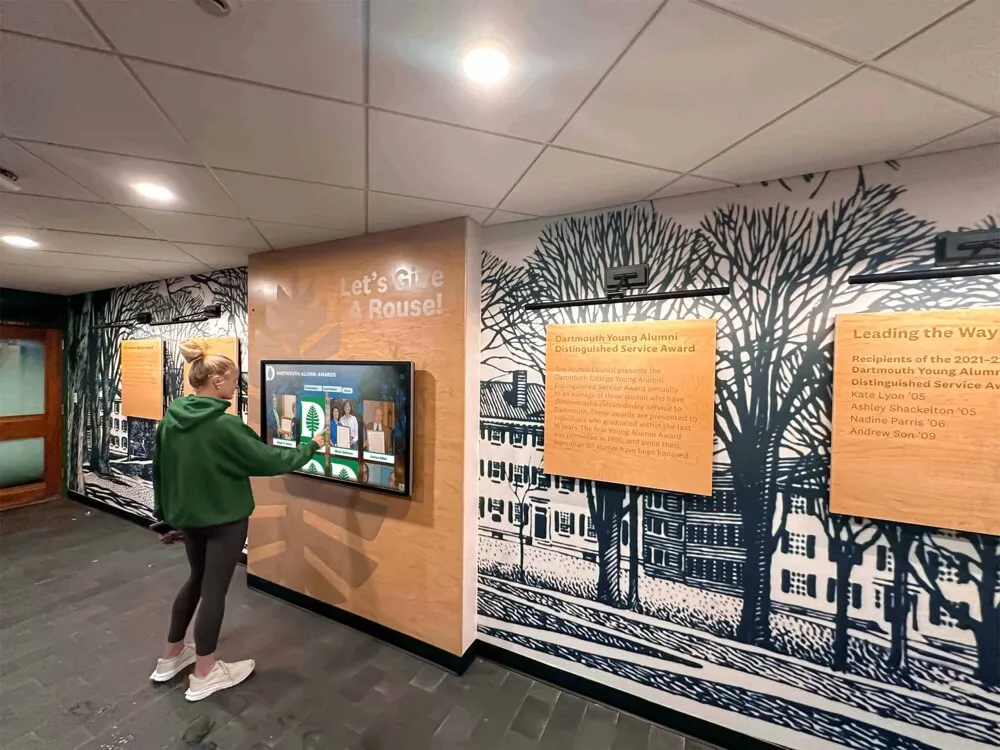
Modern alumni engagement platforms create digital and physical touchpoints that strengthen connections between graduates and institutions
What Is an Alumni Engagement Platform?
An alumni engagement platform is integrated software designed specifically to manage relationships with graduates across multiple engagement dimensions. These systems typically include:
Core Components
- Centralized alumni database with biographical and contact information
- Communication tools for email, social media integration, and messaging
- Event management with registration, payment processing, and attendance tracking
- Online community features including forums, groups, and mentoring networks
- Fundraising and giving portals integrated with advancement systems
- Career services connecting alumni with job opportunities and networking
- Volunteer management coordinating alumni participation in institutional initiatives
- Analytics dashboards measuring engagement across multiple dimensions
Unlike generic CRM systems designed for sales and marketing, alumni engagement platforms incorporate workflows, templates, and features specifically addressing higher education advancement needs and educational institution contexts.
How Alumni Engagement Platforms Work
Understanding platform architecture helps institutions evaluate technical requirements and integration needs:
Database Foundation Alumni platforms build on constituent relationship management (CRM) databases storing biographical information, educational history, career details, engagement activities, giving history, and communication preferences. Data quality directly impacts platform effectiveness—accurate, current information enables personalized outreach while outdated records undermine engagement efforts.
Communication Layer Email marketing tools, social media integration, and mobile apps create multiple channels for reaching alumni where they already spend time. Segmentation capabilities enable targeted messaging to specific cohorts, geographic regions, career industries, or engagement levels rather than mass communications ignoring individual interests.
Engagement Tools Event calendars, online communities, mentoring platforms, and volunteer coordination systems provide mechanisms for alumni to participate actively rather than passively receive information. Successful platforms reduce barriers to participation through intuitive interfaces and mobile accessibility.
Analytics Systems Tracking opens, clicks, registrations, donations, and participation across touchpoints creates engagement scores identifying highly connected alumni and those at risk of disengagement. Data-driven insights inform strategy adjustments and demonstrate program impact to leadership.
Organizations implementing comprehensive recognition strategies often complement software platforms with physical touchscreen displays acknowledging alumni contributions in campus spaces where community members gather.
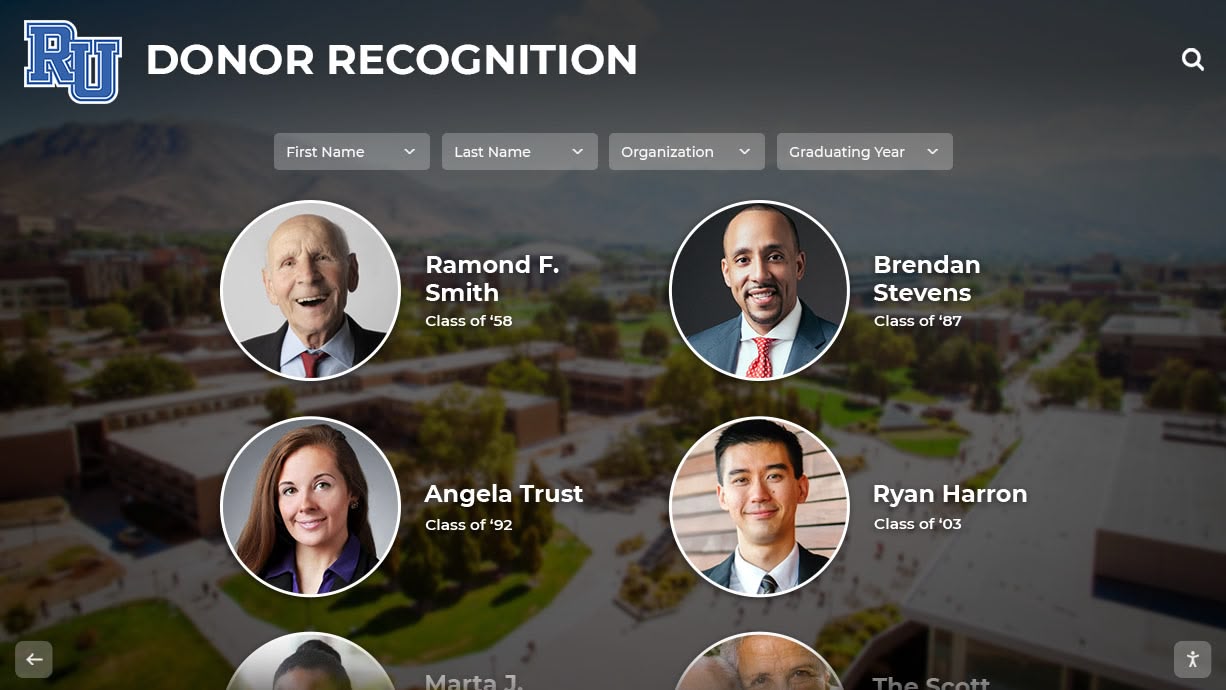
Digital recognition displays create visible celebration of alumni achievements while inspiring current students
Leading Alumni Engagement Platforms for 2026
The alumni engagement platform market serves institutions ranging from small private schools to large research universities. Understanding distinct platform positioning helps narrow selection to appropriate options.
Enterprise Platforms for Large Universities
Blackbaud Raiser’s Edge NXT Comprehensive advancement platform serving major research universities and large institutions with complex fundraising operations.
Key Strengths
- Deep fundraising integration connecting alumni engagement directly to development operations
- Sophisticated wealth screening and prospect research capabilities
- Robust reporting and analytics meeting institutional research requirements
- Extensive customization supporting complex organizational structures
- Professional services and implementation support for large deployments
Ideal For
- Research universities with advancement teams exceeding 20+ staff members
- Institutions prioritizing fundraising integration above all other features
- Organizations with technical resources supporting complex system administration
- Schools requiring enterprise-grade security and compliance features
Considerations
- Premium pricing reflecting enterprise positioning ($25,000-$100,000+ annually)
- Significant implementation timeline requiring 6-12 months for full deployment
- Learning curve for staff and administrators managing the platform
- Feature depth may exceed needs of smaller institutions
Institutions implementing Blackbaud solutions benefit from mature platforms with proven track records at peer institutions but must commit substantial budget and staff resources to achieve full value.
Mid-Market Solutions for Colleges and Universities
Graduway Purpose-built alumni engagement platform emphasizing networking, mentoring, and community-building for mid-sized universities.
Key Strengths
- Modern, social media-inspired interface appealing to younger alumni
- Robust mentoring platform connecting students with alumni professionals
- Career center integration supporting job postings and career networking
- Geographic chapter management tools for regional alumni groups
- Mobile app providing access to community features anywhere
Ideal For
- Universities prioritizing career networking and student-alumni connections
- Institutions seeking modern interfaces that reduce adoption barriers
- Schools with 5,000-50,000 alumni requiring scalable solutions
- Organizations emphasizing community-building over transactional fundraising
Considerations
- Moderate pricing ($10,000-$40,000 annually) based on alumni population
- Fundraising capabilities less sophisticated than pure advancement platforms
- Implementation requires 2-4 months with vendor support
- Ongoing engagement requires active community management
Universities leveraging Graduway often complement digital engagement with physical recognition displays celebrating alumni contributions visible in campus gathering spaces.
Hivebrite Flexible community platform adapted for alumni engagement across diverse institutional types.
Key Strengths
- Highly customizable interface and branding options
- Robust group and sub-community management for affinity networks
- Content management system supporting blogs, news, and resources
- Peer-to-peer fundraising campaign tools
- Event management with registration and payment processing
- Integration capabilities with existing institutional systems
Ideal For
- Institutions valuing design flexibility and brand control
- Schools managing multiple sub-communities (athletic teams, academic departments, regional chapters)
- Organizations seeking balance between features and implementation complexity
- Universities with technical staff supporting platform customization
Considerations
- Pricing varies significantly based on features and alumni population ($8,000-$35,000 annually)
- Customization options require decisions that extend implementation timelines
- Self-service approach demands internal resources for ongoing management
- Community success depends on active content creation and moderation
Hivebrite’s flexibility appeals to institutions willing to invest setup time for tailored experiences reflecting institutional identity and engagement priorities.
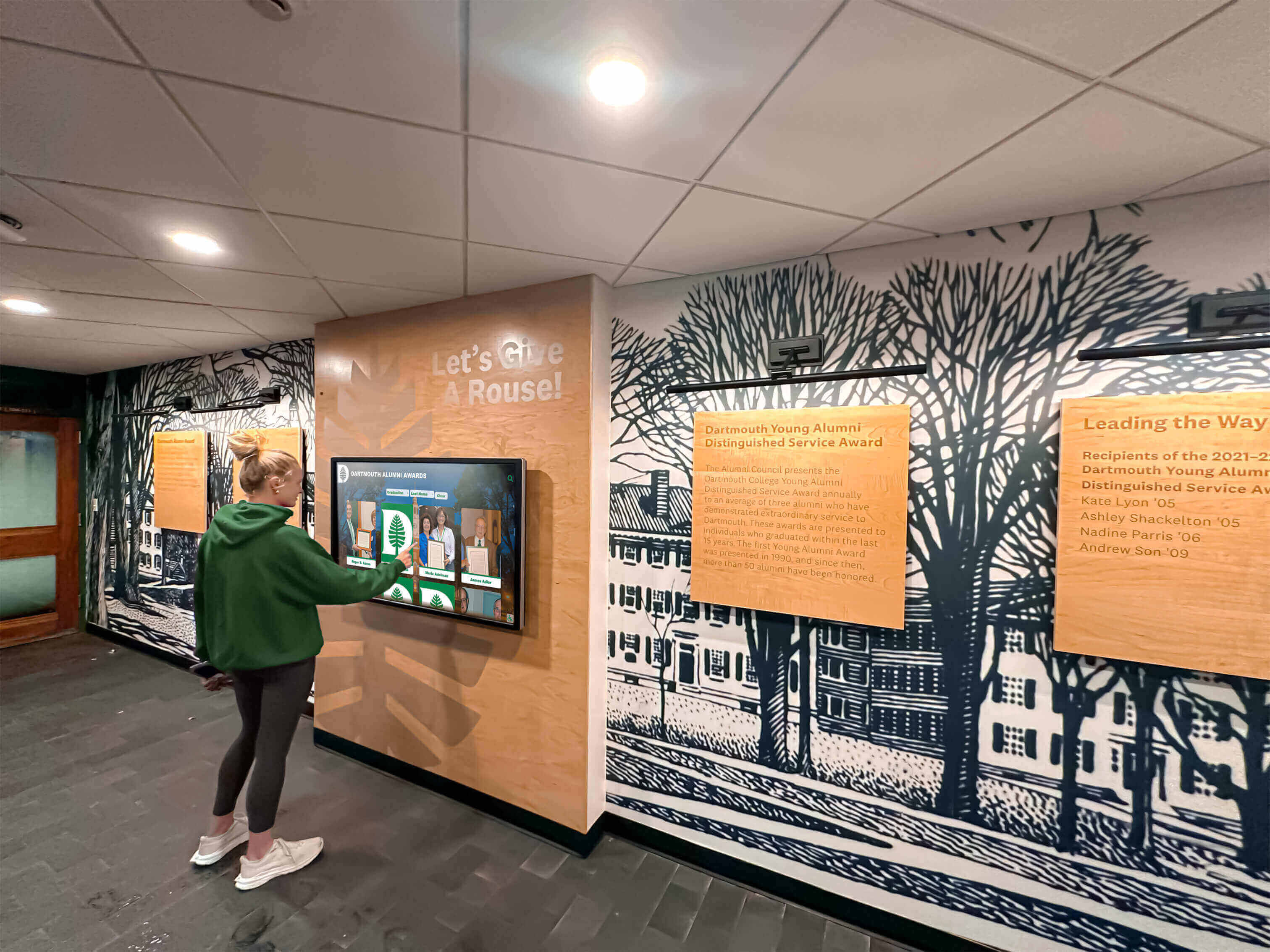
Recognition displays serve dual purposes celebrating alumni while inspiring current students through visible achievement histories
Solutions for Private Schools and Secondary Education
Finalsite Alumni Alumni engagement module integrated with Finalsite’s school website and communications platform serving K-12 institutions.
Key Strengths
- Seamless integration with school website reducing separate login requirements
- Directory management with privacy controls respecting alumni preferences
- Event management designed for reunion planning and annual gatherings
- News and updates integrated with school communications
- Photo galleries and class notes supporting nostalgia and connection
- Mobile-responsive design ensuring smartphone accessibility
Ideal For
- Private K-12 schools already using Finalsite for website and communications
- Institutions with 500-5,000 alumni requiring straightforward solutions
- Schools prioritizing simplicity over advanced features
- Organizations with limited technical staff managing engagement
Considerations
- Feature set less comprehensive than higher education-focused platforms
- Fundraising capabilities basic compared to advancement-specific systems
- Pricing bundled with Finalsite website services ($5,000-$15,000 annually)
- Platform tied to Finalsite ecosystem limiting future flexibility
Private schools benefit from integrated approaches reducing technical complexity, though growing institutions may eventually outgrow capabilities.
Almabase Dedicated alumni engagement platform designed specifically for smaller institutions and emerging programs.
Key Strengths
- Purpose-built for alumni relations without enterprise complexity
- Integrated giving portal with peer-to-peer fundraising campaigns
- Event management with reunion planning workflows
- Email marketing tools with segmentation and analytics
- Alumni directory with networking and mentoring features
- Competitive pricing for smaller alumni populations
Ideal For
- Private schools with 1,000-10,000 alumni
- Newer alumni programs establishing first dedicated platforms
- Institutions with 1-3 person advancement teams
- Schools requiring quick implementation and immediate impact
Considerations
- Pricing starts around $5,000-$12,000 annually for smaller populations
- Feature depth suitable for emerging programs but may limit large institutions
- Growing platform with newer features compared to established competitors
- Customer support quality critical given self-service implementation model
Schools establishing first formal alumni engagement systems often find Almabase provides essential capabilities without overwhelming complexity or cost.
Institutions managing athletic recognition alongside alumni engagement often implement specialized displays celebrating sports achievements that complement broader alumni programming.
Recognition-Focused Engagement Solutions
Rocket Alumni Solutions Interactive touchscreen platform specializing in physical alumni recognition displays that complement digital engagement strategies.
Key Strengths
- Purpose-built touchscreen displays celebrating unlimited alumni in campus spaces
- Unlimited capacity eliminating space constraints of traditional plaques
- Cloud-based content management enabling remote updates from any device
- ADA WCAG 2.1 AA compliant ensuring accessibility for all visitors
- QR code access extending recognition to mobile devices
- Biographical profiles with photos, videos, and achievement histories
- Auto-ranking record boards for athletic achievements
- Integration with existing alumni databases and spreadsheets
- Multi-device accessibility presenting content on laptops, tablets, and phones
Ideal For
- Schools and universities seeking visible campus recognition beyond email engagement
- Institutions honoring alumni achievements in athletics, academics, arts, and service
- Organizations creating physical gathering points during alumni events
- Schools implementing memorial and deceased alumni recognition programs
- Universities replacing outdated trophy cases and plaque walls
Considerations
- Focuses on physical recognition displays rather than comprehensive CRM
- Complements rather than replaces communication-focused platforms
- Pricing includes hardware, software, and installation ($8,000-$25,000 depending on display size)
- One-time investment model rather than ongoing subscription
- Particularly valuable for institutions prioritizing visible, permanent recognition
Institutions implementing Rocket Alumni Solutions often report that physical touchscreen displays create engagement during campus visits, reunions, and athletic events that pure digital platforms cannot replicate. The donor recognition capabilities extend beyond alumni to acknowledge all supporters contributing to institutional mission.
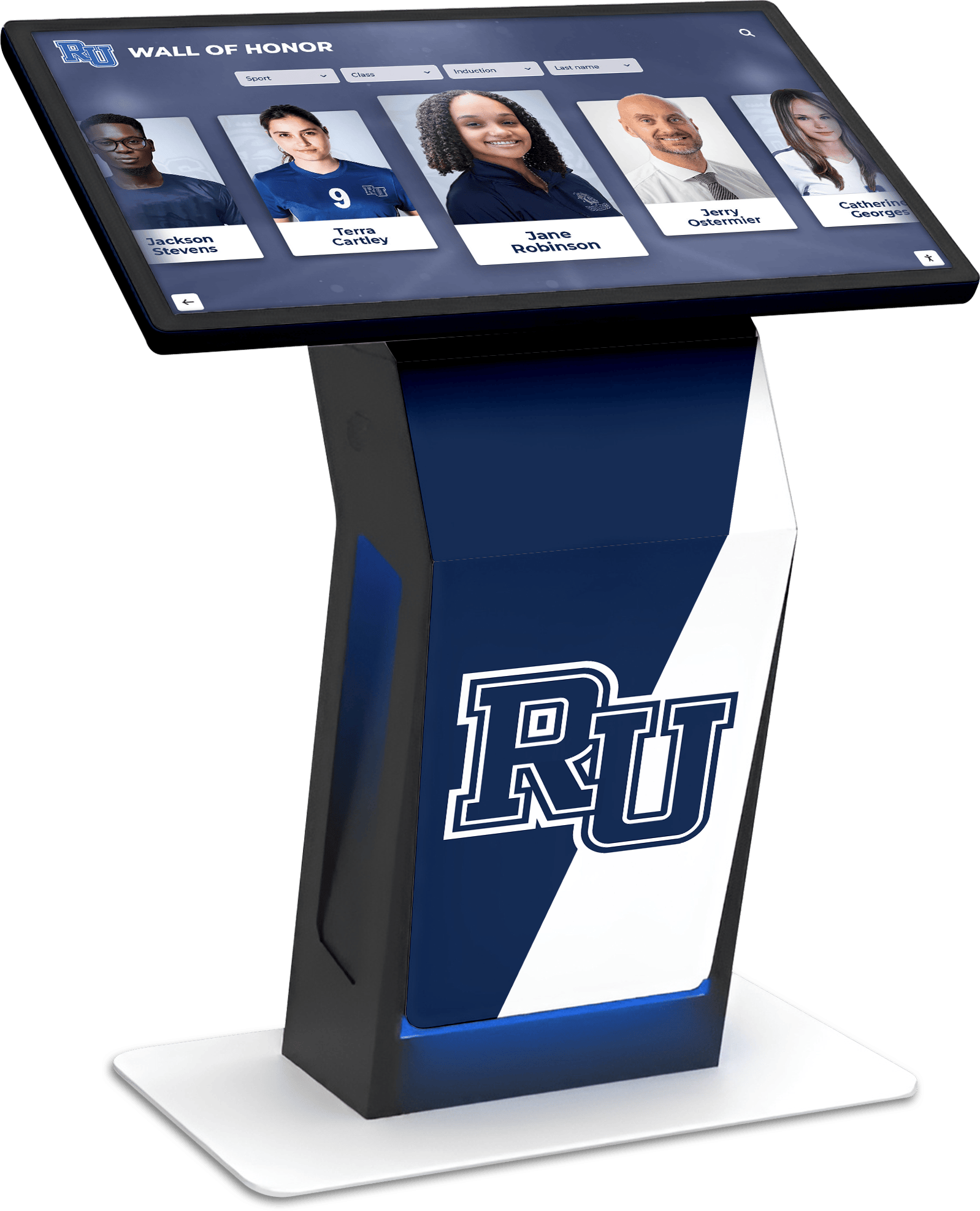
Touchscreen recognition platforms create permanent, accessible celebration of alumni achievements in high-traffic campus locations
Niche and Specialized Platforms
Graduway Fundraising Add-on fundraising module complementing Graduway’s community platform with advancement capabilities.
Key Strengths
- Integrated giving portal within existing community platform
- Peer-to-peer fundraising campaign tools
- Matching gift identification and processing
- Recurring giving program management
- Giving day campaign support with real-time thermometers
- Integration with community features encouraging social fundraising
Ideal For
- Graduway clients seeking to add fundraising without separate platforms
- Institutions running giving days and peer fundraising campaigns
- Schools with modest fundraising operations not requiring enterprise tools
- Organizations prioritizing donor participation over major gift cultivation
Alumni engagement often extends beyond communications to physical recognition acknowledging contributions visible to campus visitors and prospective students.
PeopleGrove Mentoring and networking platform connecting alumni with students and fellow graduates.
Key Strengths
- AI-powered matching algorithms connecting mentors and mentees
- Virtual coffee chat scheduling for quick networking conversations
- Career pathway exploration showing alumni career progression
- Industry and company insights from alumni professional experiences
- Advice seeking allowing students to ask alumni specific questions
- Mobile app supporting convenient networking on personal devices
Ideal For
- Universities prioritizing career outcomes and professional networking
- Institutions with strong alumni presence in specific industries
- Schools seeking to demonstrate career value to prospective students
- Organizations with career services teams managing mentoring programs
Considerations
- Specialized focus on networking rather than comprehensive engagement
- Pricing typically $10,000-$30,000 annually based on student population
- Success depends on recruiting active alumni mentors
- Works best as supplement to comprehensive CRM rather than standalone solution

Modern platforms enable intuitive exploration of alumni achievements through searchable databases and multimedia content
Evaluation Framework for Selecting Alumni Engagement Platforms
Systematic assessment across key dimensions ensures selection aligns with institutional priorities and constraints.
Define Primary Engagement Objectives
Strategic Priorities
- Fundraising and development integration
- Career networking and professional mentoring
- Event attendance and reunion participation
- Student recruitment and yield improvement
- Volunteer mobilization for institutional initiatives
- Brand advocacy and reputation management
- Data analytics and engagement measurement
Platforms excel in different areas—fundraising-focused solutions provide advancement integration while networking platforms prioritize career connections. Clear priorities guide appropriate selection.
Assess Technical Requirements and Resources
Implementation Considerations
- Internal IT resources available for platform administration
- Integration requirements with existing systems (student information, advancement CRM, payment processing)
- Data migration complexity from current databases and spreadsheets
- Training requirements for advancement staff managing the platform
- Ongoing technical support expectations and vendor capabilities
- Security and compliance requirements for handling constituent data
Institutions with limited technical staff benefit from platforms emphasizing simplicity and vendor support over extensive customization requiring internal expertise.
Evaluate Budget and Pricing Models
Cost Components
- Annual subscription fees (typically $5,000-$100,000+ based on alumni population and features)
- Implementation and setup costs (one-time fees ranging $2,000-$50,000)
- Training and professional services
- Integration development for connecting existing systems
- Mobile app costs (some vendors charge separately)
- Storage fees for photos, videos, and documents
- Transaction fees for fundraising and event registration processing
Total cost of ownership over 3-5 years provides clearer comparison than year-one pricing alone, as implementation costs amortize across multiple years.
Complementary investments in physical recognition displays create permanent campus assets enhancing engagement during visits while software platforms maintain consistent digital touchpoints.
Consider Alumni Population Characteristics
Demographic Factors
- Total alumni population size (hundreds, thousands, or tens of thousands)
- Age distribution and technology adoption patterns
- Geographic concentration or global dispersion
- Career industries and professional networking potential
- Historical engagement levels and participation rates
- Communication preferences (email, social media, mobile apps)
Younger alumni cohorts typically engage more readily with modern, social media-inspired platforms while older populations may prefer straightforward email communications and traditional events.
Review Vendor Stability and Support
Vendor Assessment
- Years in business and financial stability
- Client base size and notable institutional customers
- Product development roadmap and innovation commitment
- Customer support quality and responsiveness
- User community and peer learning opportunities
- Contract terms, cancellation policies, and data portability
Platform selection represents multi-year commitment—vendor viability and support quality matter as much as current features.
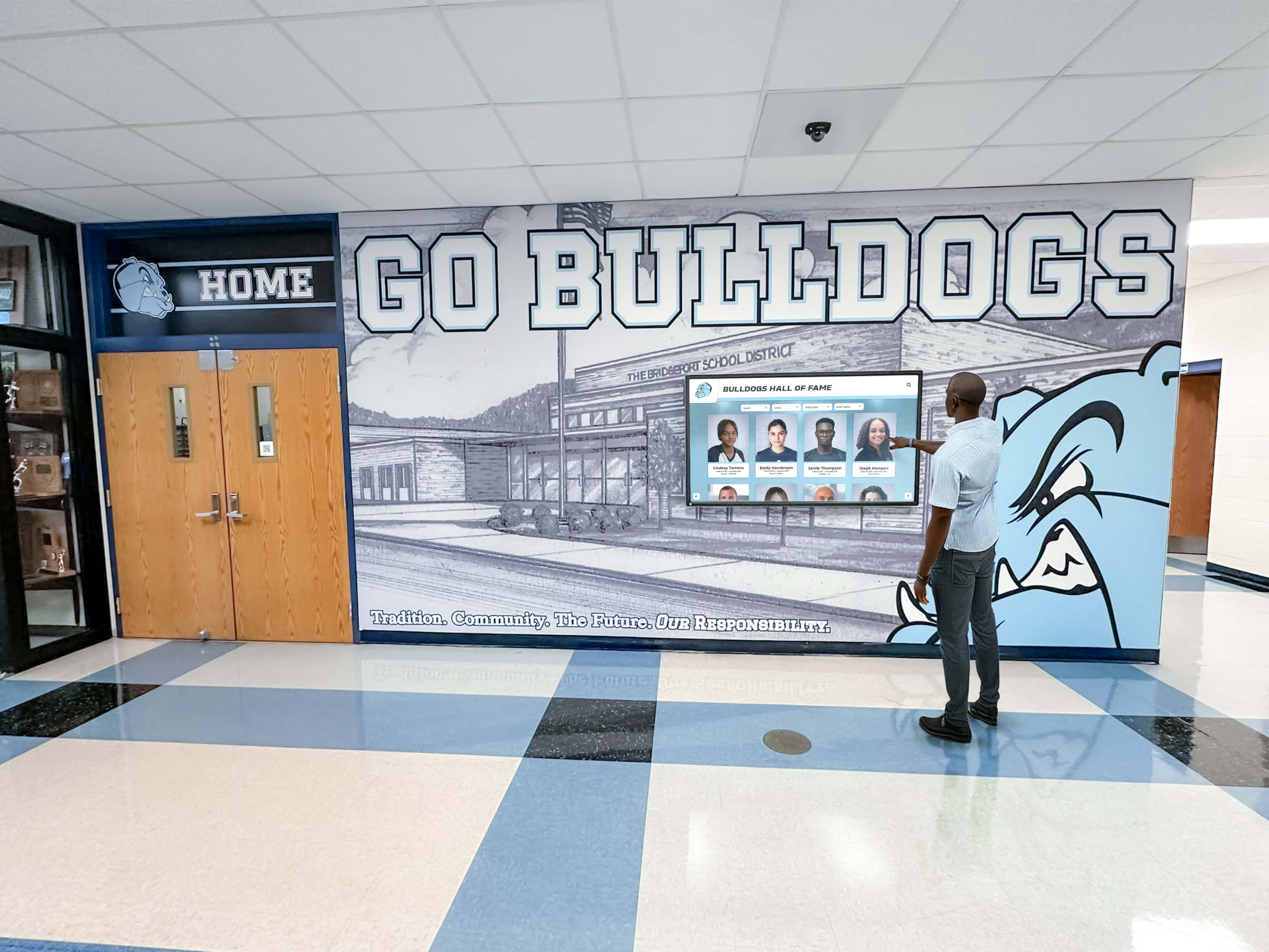
Recognition platforms serve engagement objectives by celebrating achievements while creating research opportunities for interested community members
Implementation Best Practices for Alumni Engagement Platforms
Successful platform deployment requires systematic approaches addressing technical, organizational, and cultural factors.
Data Quality and Migration Strategy
Database Preparation Clean, accurate constituent data determines platform effectiveness from launch. Prior to migration:
- Audit existing databases identifying duplicate records, outdated contact information, and missing key fields
- Standardize data formats for names, addresses, graduation years, and degrees
- Verify email addresses through validation services reducing bounce rates
- Merge duplicate records creating single constituent profiles
- Supplement missing information through public sources and social media research
- Establish data governance policies defining update procedures and quality standards
Organizations with decades of accumulated data often discover migration reveals significant quality issues requiring cleanup investment before platform launch.
Phased Rollout Approach
Implementation Stages Rather than attempting full-featured launch immediately, successful implementations often follow phased approaches:
Phase 1: Foundation (Months 1-2)
- Database migration and data validation
- Staff training on core platform features
- Basic alumni directory launch with search capabilities
- Email communication tools for initial outreach
- Small-scale event testing with limited audience
Phase 2: Expansion (Months 3-4)
- Online community features and discussion forums
- Fundraising portal integration and giving campaigns
- Expanded event calendar with broader promotion
- Volunteer opportunity postings and coordination
- Mobile app launch for smartphone access
Phase 3: Optimization (Months 5-6)
- Advanced features like mentoring platforms and career networking
- Analytics review and strategy adjustments based on early data
- Marketing campaigns promoting platform adoption
- Integration completion with all institutional systems
- Assessment of engagement metrics against baseline goals
Phased approaches allow staff to develop platform expertise while alumni gradually adopt new systems, reducing overwhelm for both groups.
Change Management and Adoption Strategy
Cultural Considerations Technology alone doesn’t guarantee engagement—successful platforms require cultural change and active promotion:
- Communicate platform value clearly to alumni (networking opportunities, career resources, convenient giving) rather than focusing on institutional benefits
- Recruit champion alumni as early adopters demonstrating platform value to peers
- Integrate platform promotion into all alumni communications and events
- Provide simple registration processes reducing barriers to participation
- Demonstrate quick wins showing immediate value (successful networking connections, convenient event registration)
- Maintain consistent activity ensuring platform feels vibrant and worth visiting regularly
Platforms achieving 30-50% active user rates within first year typically combine strong technical implementation with persistent marketing and community management.
Recognition programs often integrate thoughtful acknowledgment strategies celebrating contributions through both digital platforms and physical displays creating multiple touchpoints.
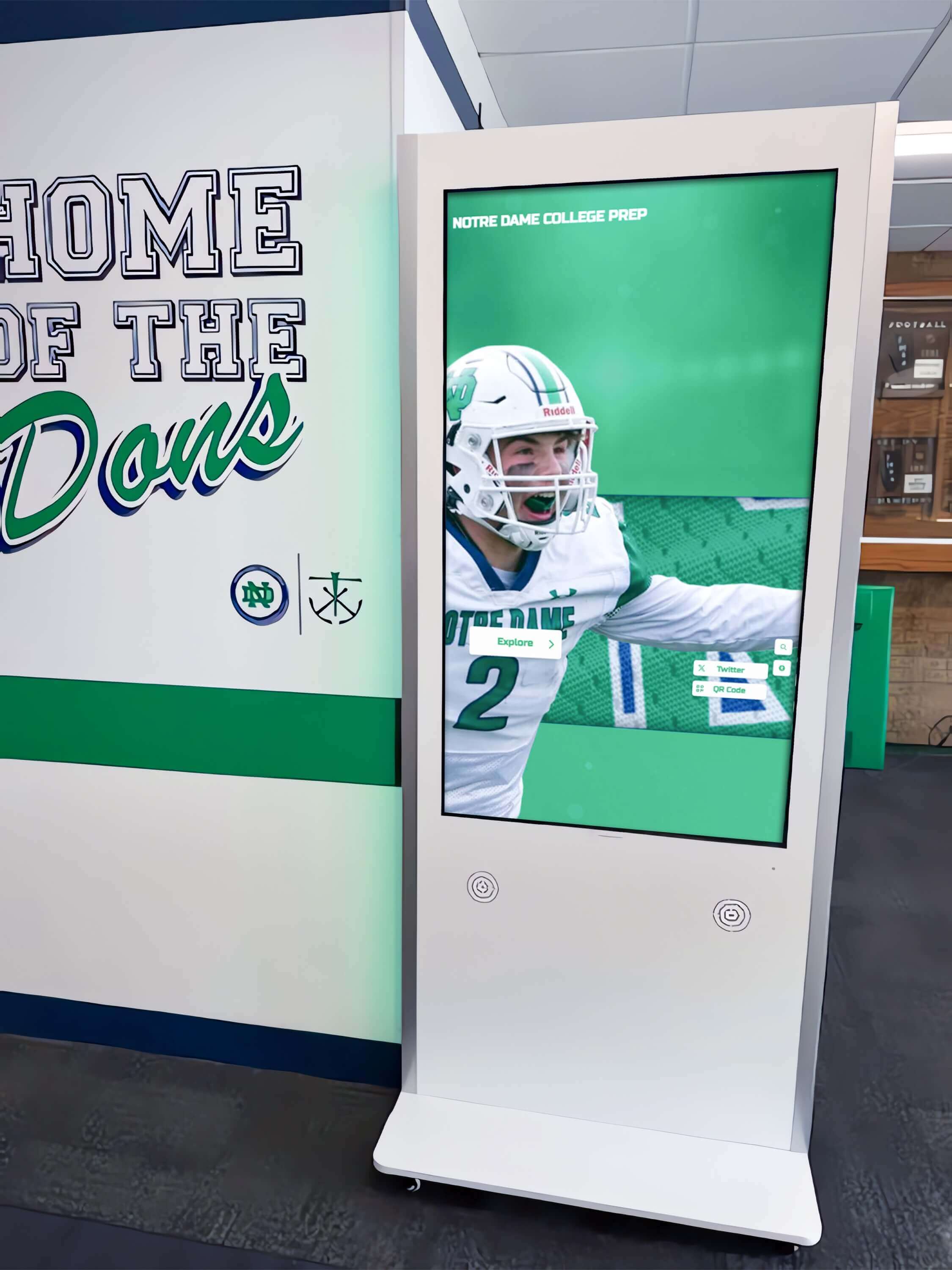
Strategic placement of recognition displays in high-traffic areas ensures maximum visibility and interaction during campus visits
Measuring Alumni Engagement Platform Success
Defining success metrics before implementation enables objective assessment and continuous improvement.
Quantitative Engagement Metrics
Participation Indicators
- Platform registration rates (percentage of contactable alumni creating accounts)
- Active user percentage (alumni logging in within past 90 days)
- Email open and click rates for communications sent through platform
- Event registration numbers and attendance rates
- Fundraising participation and dollars raised through giving portals
- Mentoring connections established and maintained
- Volunteer opportunity signups and completion rates
- Mobile app downloads and usage patterns
Baseline measurements before platform launch enable clear before/after comparisons demonstrating impact.
Qualitative Success Indicators
Community Health Signals
- Alumni testimonials about platform value and experiences
- User-generated content volume (forum posts, class notes, photos)
- Career networking success stories and job placements
- Volunteer satisfaction and renewal rates
- Event feedback and attendee experience ratings
- Platform usability and satisfaction survey results
- Staff efficiency gains in managing alumni relations
- Leadership perception of program professionalization and impact
Combining quantitative metrics with qualitative feedback provides comprehensive understanding of platform performance across stakeholders.
ROI Calculation Approaches
Value Demonstration Advancement leaders face pressure demonstrating platform value relative to investment:
Development Returns Calculate increased giving attributed to improved engagement (higher participation rates, increased average gifts, improved retention) compared to historical patterns. Even modest improvements often justify platform costs given development program scale.
Staff Efficiency Measure time savings from automated processes, self-service alumni directory updates, integrated event management, and consolidated communications compared to previous manual approaches. Staff time redirected to strategic initiatives represents significant value.
Student Outcomes Track career placement improvements, mentoring participation, and alumni network access as recruitment advantages demonstrating value to prospective students and families.
Platforms demonstrating positive ROI within 2-3 years typically earn continued investment and expansion while those failing to show measurable impact face budget pressure during renewals.
Comprehensive engagement strategies often incorporate donor recognition approaches that complement digital platforms with permanent campus acknowledgment.
Integration Strategies Across Alumni Engagement Ecosystem
Alumni engagement platforms work best as part of integrated ecosystems rather than isolated tools.
Complementary Technologies
Recognition Displays Physical touchscreen displays in campus spaces create visible celebration of alumni achievements that digital platforms cannot replicate. Visitors during campus tours, athletic events, and reunions interact with recognition displays even if they never access online platforms, extending engagement reach.
Social Media Integration LinkedIn alumni groups, Facebook pages, and Instagram accounts create informal engagement channels complementing formal platforms. Successful programs strategically direct social media followers to platform features (event registration, giving portals) when appropriate while respecting platform differences.
Email Marketing Tools While most platforms include email capabilities, some institutions integrate specialized email marketing platforms (Mailchimp, Constant Contact) for sophisticated segmentation and automation workflows exceeding built-in tools.
Video Conferencing Virtual events, mentoring conversations, and online programming require Zoom, Microsoft Teams, or similar tools integrated with platform calendars and registration systems.
Payment Processing Fundraising and event registration demand secure payment processing through Stripe, PayPal, or institutional merchant accounts integrated with platform giving portals.
System Integration Architecture
Data Flow Management Effective integrations ensure information flows bidirectionally between platforms:
- Student information systems feed graduation data to alumni platforms
- Alumni platform engagement data flows to advancement CRM systems
- Giving portal transactions update fundraising databases
- Event attendance syncs with constituent relationship records
- Email engagement metrics inform contact scoring and segmentation
Regular data synchronization prevents disconnects where staff see different information in different systems, undermining confidence and creating administrative burden.
Organizations implementing comprehensive sports recognition programs often integrate multiple technologies creating seamless experiences across digital and physical touchpoints.
Future Trends in Alumni Engagement Technology
Understanding emerging trends helps institutions evaluate platform innovation commitment and future-readiness.
Artificial Intelligence and Personalization
AI Applications Leading platforms increasingly incorporate artificial intelligence for:
- Automated mentoring matches based on career interests, industries, and geographic proximity
- Predictive analytics identifying alumni likely to engage, give, or volunteer
- Content recommendations surfacing relevant news, events, and opportunities
- Chatbots answering common questions and directing alumni to appropriate resources
- Email send time optimization maximizing open rates based on individual patterns
AI capabilities remain early-stage in alumni engagement space but will increasingly differentiate platforms over coming years.
Mobile-First Design
Smartphone Optimization Alumni access platforms primarily through smartphones rather than desktop computers. Next-generation platforms prioritize mobile experiences:
- Native mobile apps providing superior experiences over mobile websites
- Push notifications enabling timely engagement without email dependency
- Location-based features surfacing nearby alumni and regional events
- Mobile giving optimized for quick donations during appeals
- Simplified navigation accommodating smaller screens and touch interfaces
Platforms maintaining desktop-focused designs will increasingly struggle with younger alumni cohorts expecting mobile-native experiences.
Virtual and Hybrid Event Innovation
Program Delivery Evolution Pandemic-accelerated virtual programming continues evolving:
- Hybrid events accommodating both in-person and remote participants seamlessly
- On-demand content libraries allowing asynchronous participation
- Virtual networking tools facilitating connections during online events
- Global programming reaching geographically dispersed alumni
- Specialized virtual programs serving affinity groups regardless of location
Platforms incorporating sophisticated virtual event capabilities enable programming scale impossible through in-person events alone.
The most effective engagement strategies blend digital platforms with physical recognition creating multi-dimensional alumni experiences honoring achievements through various channels.
Conclusion: Selecting Your Alumni Engagement Platform
The right alumni engagement platform transforms sporadic, manual outreach into systematic, data-driven programs creating consistent touchpoints with graduates throughout their lifetimes. While no single platform serves all institutional needs perfectly, systematic evaluation across strategic priorities, technical requirements, budget constraints, and vendor capabilities guides selection of appropriate solutions.
Small private schools often benefit from straightforward platforms prioritizing simplicity over comprehensive features, enabling limited staff to manage engagement effectively. Mid-sized institutions typically require balanced solutions combining community-building, career networking, and fundraising capabilities serving diverse alumni interests. Large universities need enterprise platforms supporting complex organizational structures, sophisticated analytics, and deep advancement integration.
Importantly, successful alumni engagement extends beyond software platforms alone. The most effective programs combine digital tools with physical recognition, in-person events, personalized outreach, and authentic relationship-building that technology enables but cannot replace. Interactive touchscreen displays celebrating alumni achievements in campus spaces create permanent engagement touchpoints complementing digital platforms, demonstrating to current students the value institutions place on graduates while inspiring alumni pride during campus visits.
Regardless of platform choice, consistent execution, active community management, and genuine commitment to serving alumni needs determine engagement success far more than feature lists alone. Technology provides infrastructure, but relationships drive results.