Basketball scoreboards serve as the central communication hub in every gymnasium, providing real-time game information to players, coaches, referees, and spectators. Beyond simply displaying scores and time remaining, modern scoreboards have evolved into sophisticated systems that enhance the game experience, facilitate accurate officiating, and create professional atmospheres in school athletic facilities.
Yet selecting the right basketball scoreboard represents a significant investment decision for schools. With options ranging from basic LED models to advanced video matrix systems, varying price points from a few thousand to over fifty thousand dollars, and technical considerations including size, features, and installation requirements, athletic directors and administrators face complex choices with long-term implications for their programs.
This comprehensive guide explores basketball scoreboard features, compares different types and technologies, and provides practical buying guidance helping schools select systems that meet their specific needs while delivering lasting value for their athletic programs and communities.
When schools invest in gymnasium equipment, they’re not just purchasing hardware—they’re creating environments that shape athletic experiences for students, coaches, and communities. Basketball scoreboards represent visible focal points in these spaces, influencing everything from game-day atmosphere to officiating accuracy to spectator engagement.
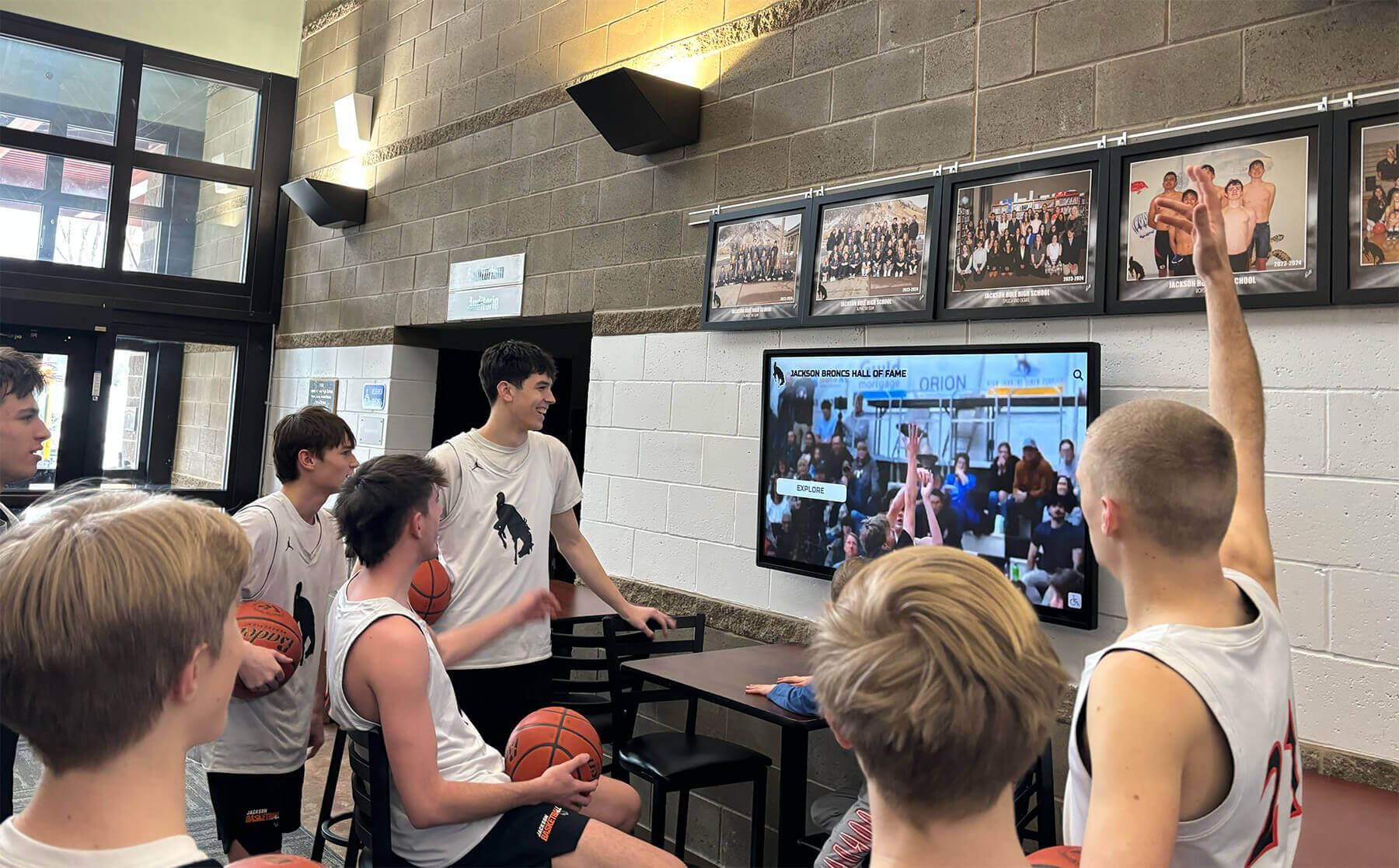
Modern basketball facilities integrate technology throughout athletic spaces, from scoreboards to recognition displays that celebrate achievement
Understanding Basketball Scoreboard Components
Basketball scoreboards contain several essential elements working together to communicate game information effectively.
Core Display Elements
Score Display The most fundamental component shows current point totals for home and visiting teams:
- Digit size appropriate for viewing distance (typically 6-15 inches depending on gymnasium size)
- Clear numerical contrast enabling visibility from all seating areas
- Separate panels for home and visitor scores
- Three-digit capacity accommodating high-scoring games
- Brightness levels adjustable for different lighting conditions
Game Clock Timing display showing minutes and seconds remaining:
- Large, easily readable digits (often larger than score displays)
- Tenths-of-second display for end-of-period situations
- Synchronized operation with control console
- Automatic horn/buzzer integration
- Precision timing meeting official basketball rules requirements
Period Indicator Shows current quarter, half, or overtime period:
- Clear quarter/half designation
- Overtime period indication
- Intermission status display
- Possession arrow for alternating possession rule
- Timeout indicators for each team
Advanced Display Features
Team Fouls Tracks accumulated team fouls per period:
- Separate displays for each team
- Automatic bonus/penalty indicator
- Reset functionality between periods
- Visual alerts when reaching foul limits
- Integration with shot clock systems
Player Fouls Individual player foul tracking (on advanced models):
- Jersey number identification
- Current foul count per player
- Automatic disqualification alerts
- Lineup management capabilities
- Substitution tracking
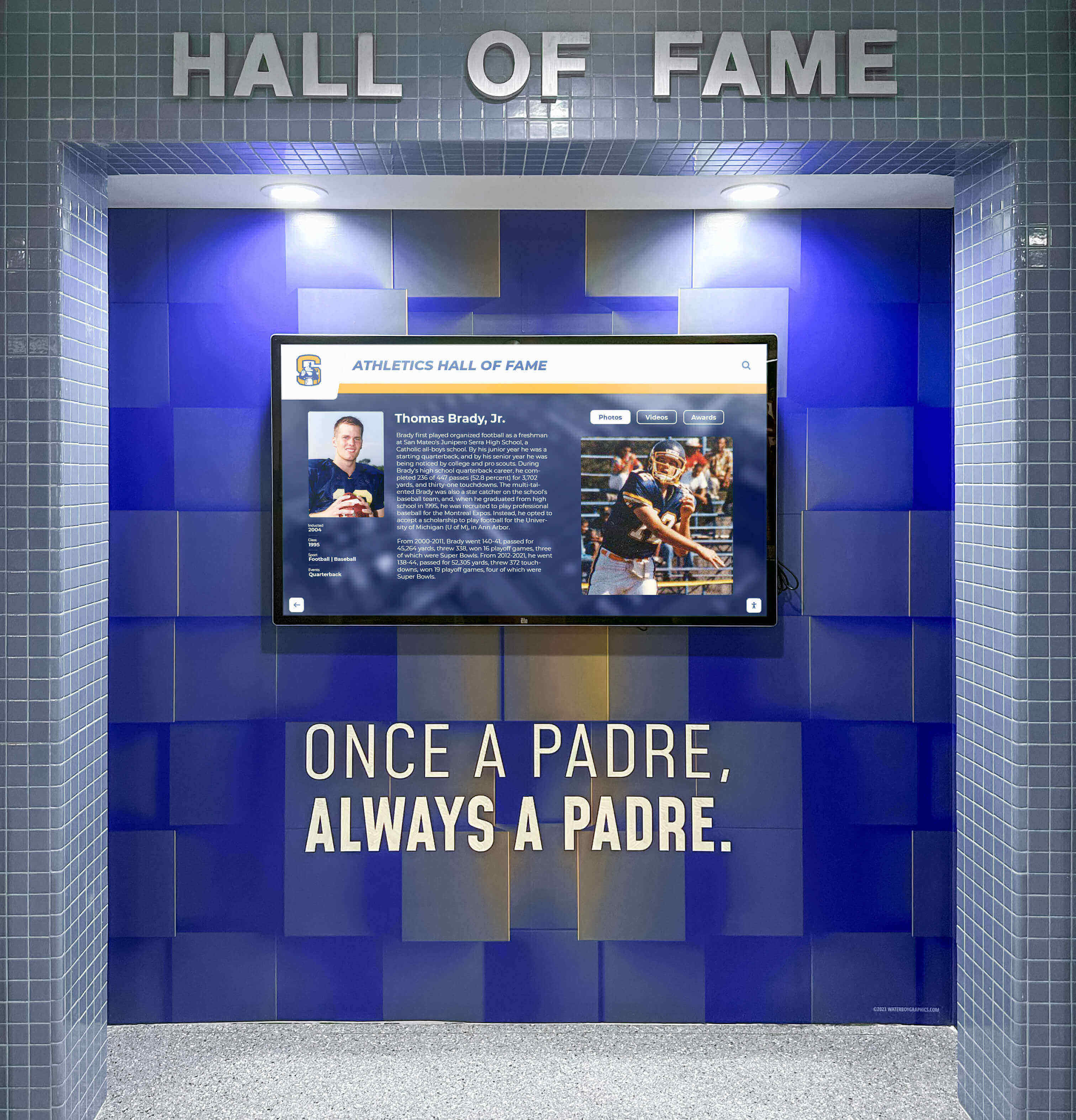
Digital technology has transformed how schools present information in gymnasiums, from scoreboards to comprehensive recognition systems
Shot Clock Required for competitive high school and college play:
- 24-second or 30-second countdown capability
- Synchronized reset with game clock
- Manual override controls
- Visible from multiple angles
- Automatic integration with main scoreboard
Many schools enhance their basketball facilities with comprehensive digital systems beyond just scoreboards. Digital recognition displays complement scoreboards by celebrating athletic achievements throughout the gymnasium, creating inspiring environments that motivate current athletes while honoring program history.
Types of Basketball Scoreboards
Basketball scoreboards come in several distinct types, each offering different capabilities, visual characteristics, and price points.
LED Basketball Scoreboards
Light-emitting diode (LED) scoreboards represent the most common choice for school gymnasiums.
Advantages of LED Scoreboards:
- Bright, high-contrast displays visible in all lighting conditions
- Energy-efficient operation reducing long-term electricity costs
- Long operational lifespan (50,000+ hours typical)
- Minimal maintenance requirements
- Sharp, clear digits easily readable from distance
- Various color options including red, amber, white, and multi-color
- Relatively affordable compared to video alternatives
LED Configuration Options:
- Single-sided displays for wall mounting
- Four-sided models visible from all spectator areas
- Two-sided corner-mounted configurations
- Suspended center-court installations
- Integrated shot clock displays
- Customizable panel arrangements
Typical LED Scoreboard Features:
- Team names or mascot logos
- Programmable messages and announcements
- Sponsor panel integration
- Game clock with tenths-of-second capability
- Team foul and timeout tracking
- Period/quarter indicators
- Brightness adjustment for different lighting
LED scoreboards work particularly well for schools prioritizing traditional scorekeeping with clear, unambiguous displays and reasonable budgets.
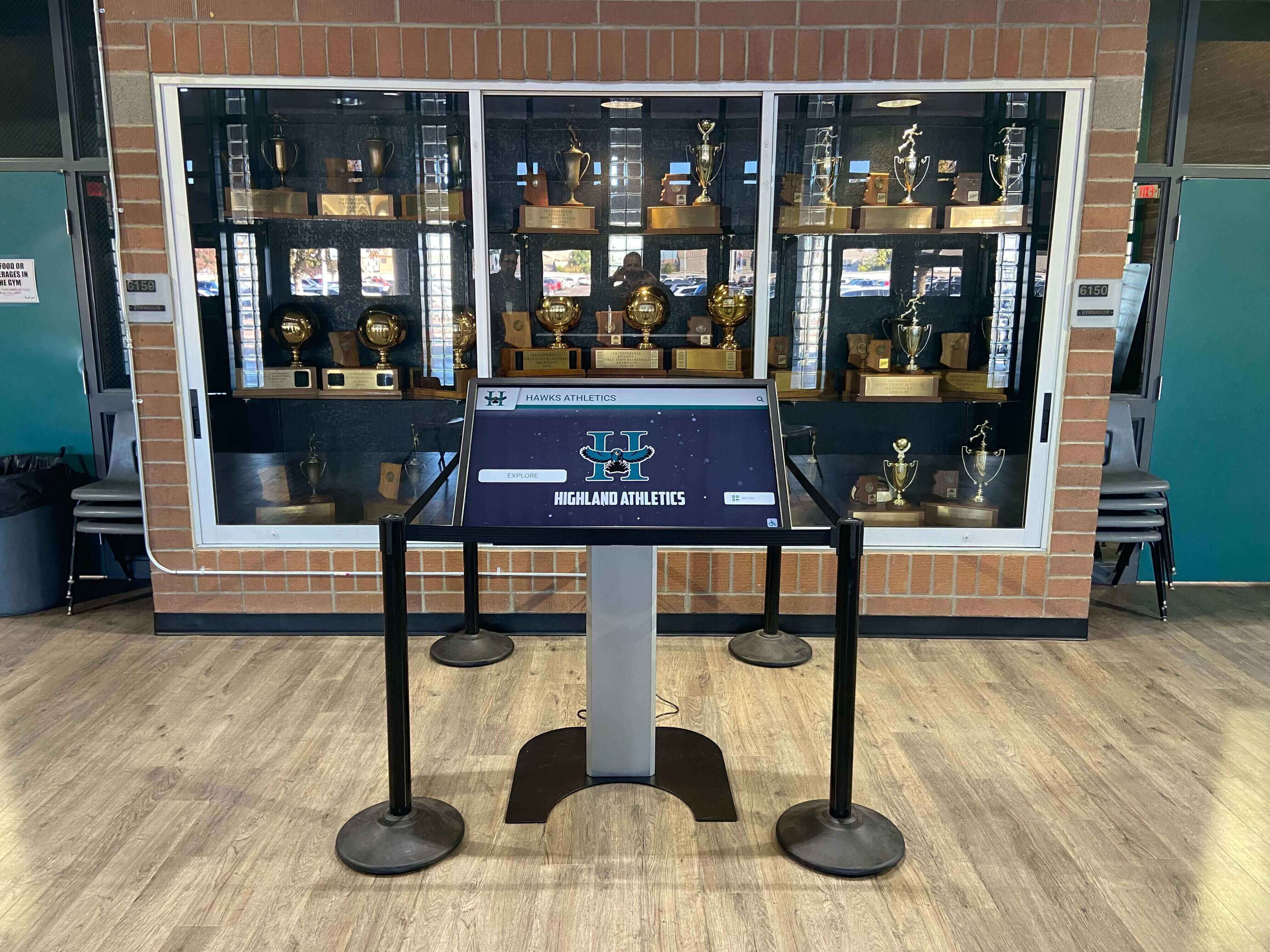
Modern gymnasiums integrate multiple digital technologies creating cohesive environments celebrating both current competition and historical achievement
Video Matrix Scoreboards
Video matrix or full-color LED scoreboards offer dynamic content capabilities beyond traditional scoring displays.
Video Scoreboard Capabilities:
- Full-motion video replay and highlights
- High-resolution graphics and animations
- Sponsor advertisements and messaging
- Player introduction graphics
- Live camera feeds
- Statistical information beyond basic scores
- Entertainment content during breaks
- Dynamic branding and team imagery
Considerations for Video Scoreboards:
- Significantly higher purchase costs ($30,000-$100,000+)
- Increased complexity requiring specialized operation
- Content creation needs for maximum utilization
- Higher power consumption than LED alternatives
- More extensive technical support requirements
- Greater visual impact for high-profile programs
Video scoreboards make sense for well-funded programs hosting major events, competitive conferences with broadcasting requirements, or facilities serving multiple community functions where dynamic content justifies the investment.
Traditional Incandescent Scoreboards
While largely replaced by LED technology, some older facilities still use incandescent bulb scoreboards.
Characteristics:
- Lower initial cost (though increasingly rare)
- Higher ongoing electricity consumption
- Frequent bulb replacement requirements
- Less bright than LED alternatives
- Adequate for smaller gymnasiums
- Vintage aesthetic some programs prefer
Most schools replacing aging incandescent scoreboards choose LED alternatives offering superior visibility, dramatically reduced operating costs, and minimal maintenance over their operational lifespan.
Portable and Auxiliary Scoreboards
Schools often need supplemental scoring displays beyond primary scoreboards.
Portable Scoreboard Applications:
- Practice situations requiring scorekeeping
- Auxiliary gymnasiums or multi-court facilities
- Outdoor events and tournaments
- Tournament hosting requiring multiple displays
- Budget-conscious programs phasing in permanent solutions
- Physical education classes needing scoring capability
Portable Scoreboard Types:
- Tripod-mounted LED displays
- Wheeled cart-based systems
- Tabletop controllers with remote displays
- Wireless connectivity options
- Battery-powered models for locations without convenient power
- Simplified feature sets focusing on essential scoring
Athletic programs seeking to maximize recognition opportunities throughout facilities often complement scoreboards with championship banner displays and interactive systems showcasing program history and individual achievements.
Essential Basketball Scoreboard Features for Schools
When evaluating scoreboard options, specific features determine functionality and long-term satisfaction.
Size and Visibility Considerations
Determining Appropriate Scoreboard Dimensions:
Digit height should follow general guidelines based on viewing distance:
- 6-inch digits: Gymnasiums with 60-foot maximum viewing distance
- 8-inch digits: Standard high school gyms with 80-foot viewing distance
- 10-inch digits: Larger facilities with 100-foot viewing distance
- 12-15-inch digits: Major competition venues exceeding 120 feet
Overall scoreboard dimensions typically range from:
- Small: 4-6 feet wide for compact gymnasiums
- Medium: 8-12 feet wide for standard high school facilities
- Large: 14-20+ feet wide for major competition venues
Placement Impact on Size Selection:
- Wall-mounted scoreboards can be smaller than center-hung models
- Corner installations may require multiple viewing angles
- Suspended scoreboards need larger displays for sightlines from below
- Multiple scoreboards reduce individual size requirements
Control and Operation Features
Controller Console Characteristics:
The operator console determines ease of use during games:
- Wired or wireless connectivity options
- Intuitive button layout for quick adjustments
- Clearly labeled controls preventing operator errors
- Pre-programmed sport settings
- Custom game configurations
- Battery backup preventing data loss during power interruptions
- Multiple operator positions capability
- Remote control accessories
Automation and Integration:
- Automatic horn/buzzer activation
- Shot clock synchronization
- Wireless connectivity reducing installation complexity
- Computer integration for advanced statistics
- Cloud-based operation for video scoreboards
- Mobile device control options
- Integration with timing systems
Customization and Branding Options
School Identity Integration:
Scoreboards offer various customization opportunities:
- School name or district identification
- Mascot names and logos
- School colors in display panels or cabinets
- Custom text messages and announcements
- Sponsor panel integration
- Team roster displays
- Programmable welcome messages
- Championship recognition
Visual Design Choices:
- Cabinet colors matching school branding
- Trim and accent color options
- Logo placement and sizing
- Custom graphics and wordmarks
- LED color selection
- Advertising panel configuration
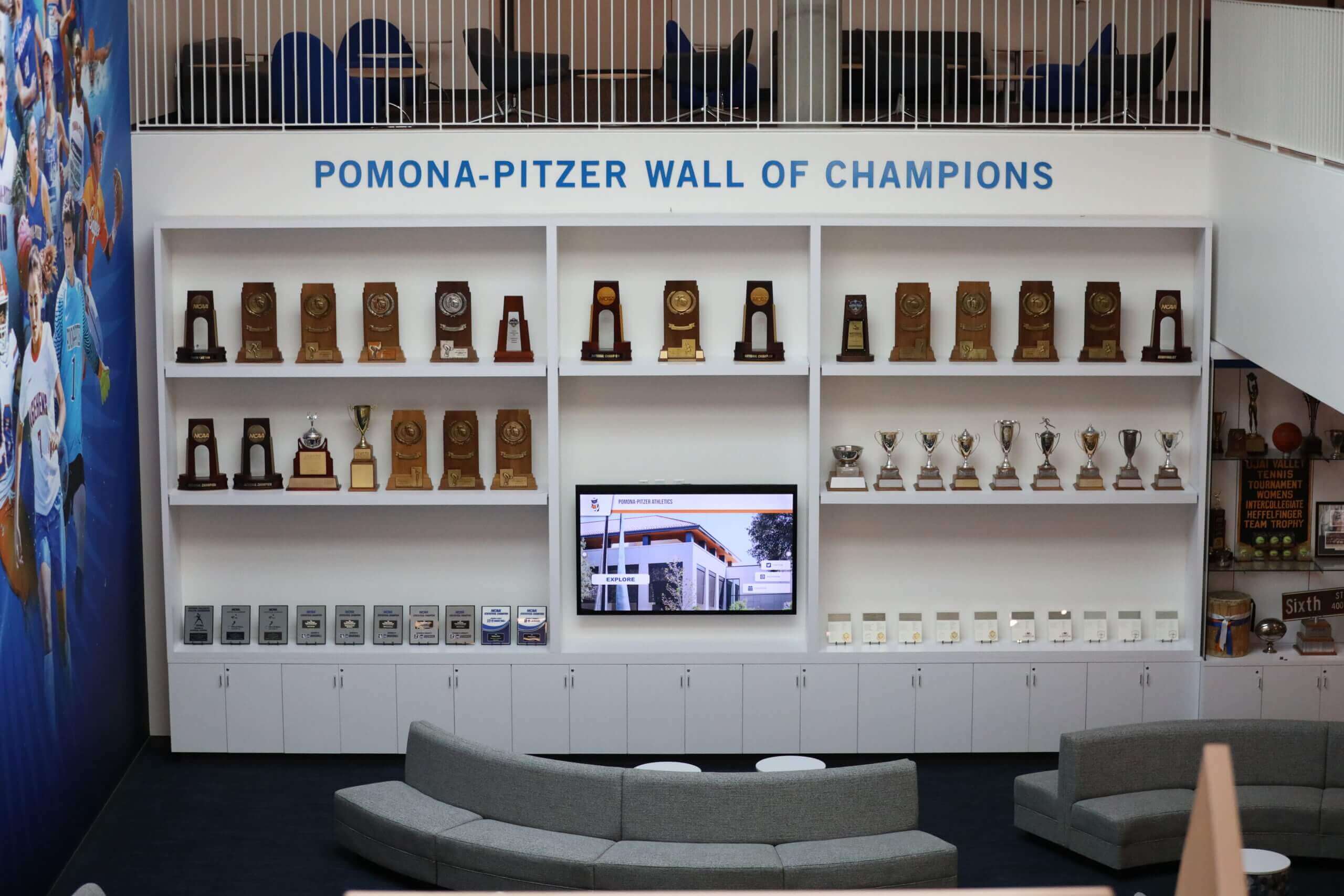
Consistent branding throughout athletic facilities—from scoreboards to recognition displays—creates cohesive environments reinforcing school identity
Schools investing in gymnasium upgrades often coordinate scoreboard projects with broader facility improvements. Digital signage solutions throughout athletic areas create unified technology ecosystems supporting both competition and recognition functions.
Durability and Construction Quality
Materials and Build Considerations:
Quality construction ensures long operational life:
- Powder-coated aluminum or steel cabinets resisting corrosion
- Impact-resistant face panels protecting electronics
- Weather-resistant construction for exposed locations
- Robust mounting hardware supporting weight safely
- Professional-grade components versus consumer alternatives
- Electrical safety certifications and compliance
- Warranty coverage indicating manufacturer confidence
Maintenance Accessibility:
- Removable panels for service access
- Modular component design facilitating repairs
- Standard replacement parts availability
- Clear documentation and service manuals
- Technical support responsiveness
- Local service provider availability
Basketball Scoreboard Installation Requirements
Proper installation determines scoreboard performance, safety, and longevity.
Structural Considerations
Mounting Options and Requirements:
Different installation approaches suit various gymnasiums:
Wall-Mounted Installation:
- Requires solid structural wall support
- Mounting height typically 15-25 feet above floor
- Centered positioning for optimal viewing
- Electrical conduit planning
- Adequate clearance from basketball goals
- Consideration of sight lines from bleachers
Suspended/Center-Hung Installation:
- Requires substantial ceiling structural support
- Engineering assessment often necessary
- Rigging and cabling must support dynamic loads
- Safety cables as secondary support
- Clearance from lighting and HVAC systems
- Height adjustment for different sports
Corner-Mounted Installation:
- Dual scoreboards for two viewing angles
- Synchronization between displays
- Structural support at corner locations
- Appropriate height and angle positioning
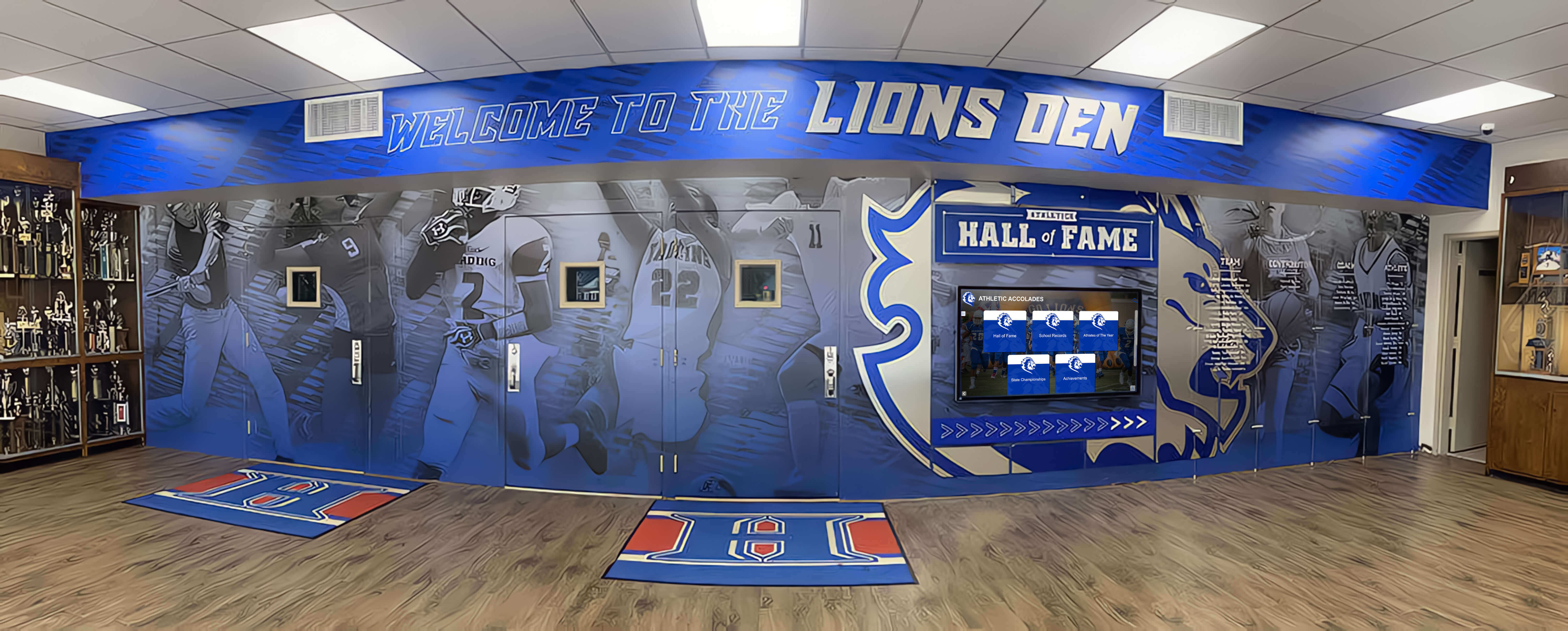
Athletic facility upgrades often coordinate multiple elements including scoreboards, recognition systems, and branding to create cohesive environments
Electrical Requirements
Power and Connectivity Planning:
Scoreboards require appropriate electrical infrastructure:
- Dedicated electrical circuit (typically 15-20 amp)
- Proper voltage supply (usually 110-120V)
- Conduit routing from power source to scoreboard location
- Control console connectivity (wired or wireless)
- Horn/buzzer wiring integration
- Shot clock synchronization cabling
- Emergency backup power considerations
- Compliance with electrical codes and regulations
Professional Installation Recommendations:
- Licensed electrician involvement ensuring code compliance
- Structural engineer assessment for suspended installations
- Manufacturer-certified installers when required
- Coordination with other gymnasium electrical systems
- Testing and commissioning before competitive use
- Documentation of installation specifications
Multi-Sport Functionality
Many school gymnasiums host multiple sports requiring different scoring configurations.
Basketball Scoreboard Adaptability:
Well-designed scoreboards accommodate various sports:
- Volleyball scoring modes and rally scoring
- Wrestling match timing and period tracking
- General purpose countdown timer functionality
- Custom sport configurations
- Quick mode switching between sports
- Saved settings for each sport type
Considerations for Multi-Sport Use:
- Feature set supporting all gymnasium sports
- Control console flexibility
- Easy mode transitions
- Appropriate display information for each sport
- Rental/tournament configurations
- Community event countdown capabilities
Schools maximizing facility utilization often combine scoreboard investments with comprehensive recognition approaches celebrating achievements across multiple sports and academic programs, creating environments acknowledging diverse student accomplishments.
Basketball Scoreboard Buying Guide for Schools
Strategic purchasing ensures schools acquire appropriate systems within budget constraints while avoiding common pitfalls.
Budget Planning and Cost Factors
Basketball Scoreboard Price Ranges:
Understanding typical costs helps realistic budget planning:
Basic LED Scoreboards: $3,000 - $8,000
- Essential scoring and timing features
- Single-sided wall-mount configurations
- Smaller display sizes
- Limited customization
- Standard warranty coverage
Mid-Range LED Systems: $8,000 - $20,000
- Larger displays with enhanced visibility
- Four-sided or dual-sided configurations
- Integrated shot clocks
- Customization options
- Extended feature sets
- Better build quality and warranties
Premium LED Scoreboards: $20,000 - $35,000
- Substantial size for large gymnasiums
- Comprehensive feature sets
- Extensive customization
- Superior construction quality
- Advanced control systems
- Multiple sport configurations
Video Matrix Scoreboards: $30,000 - $100,000+
- Full-color LED video displays
- Dynamic content capabilities
- High-resolution graphics
- Professional control systems
- Content management software
- Installation complexity
Additional Cost Considerations:
- Installation labor and structural work ($2,000-$10,000+)
- Electrical infrastructure upgrades
- Control console and accessories
- Extended warranty options
- Maintenance agreements
- Shipping and handling
- Permit fees and inspections
Vendor Selection Criteria
Evaluating Scoreboard Suppliers:
Choosing reliable vendors prevents future headaches:
Reputation and Experience:
- Years in business and market presence
- References from similar school installations
- Portfolio of completed projects
- Industry certifications and memberships
- Financial stability ensuring long-term support
Product Quality:
- Component specifications and materials
- Warranty terms and coverage
- Replacement parts availability
- Construction quality assessment
- Performance testing and certifications
Service and Support:
- Technical support availability and responsiveness
- Installation services and capabilities
- Training for operators
- Maintenance programs
- Software updates for advanced systems
- Emergency service response times
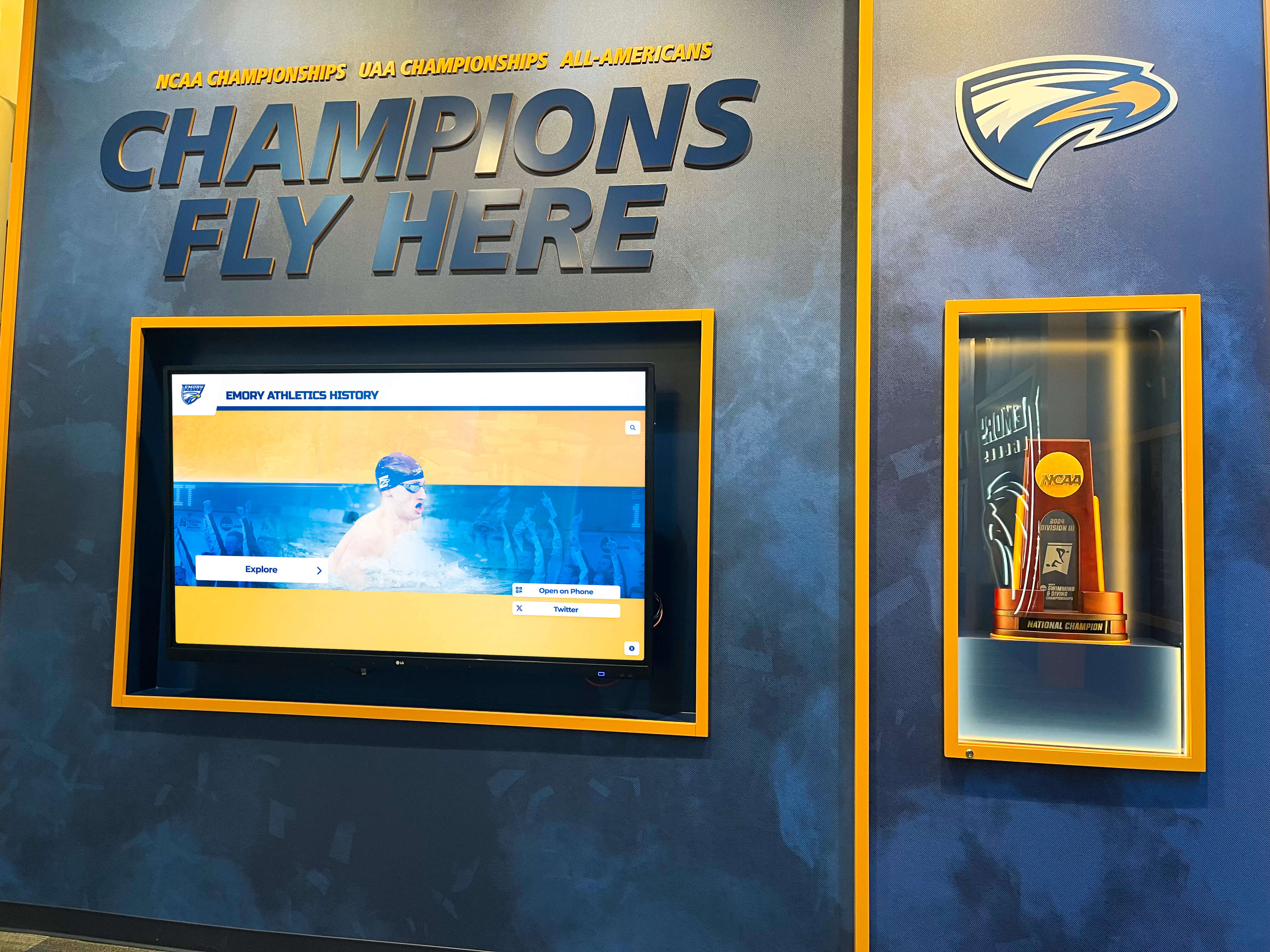
Quality vendors provide comprehensive solutions including both competitive equipment like scoreboards and recognition systems celebrating achievement
Purchasing Process Recommendations:
- Multiple vendor quotes for comparison
- Detailed written specifications
- Complete cost breakdowns including installation
- Reference checks from recent customers
- Showroom or demonstration viewing when possible
- Contract review by district administration
- Clear delivery and installation timelines
- Acceptance testing procedures
Funding Strategies for Scoreboard Projects
Schools employ various approaches to finance scoreboard purchases:
Traditional Funding Sources:
- District capital improvement budgets
- Athletic department equipment allocations
- Facility maintenance and upgrade funds
- Bond measure proceeds for comprehensive renovations
- Grant programs supporting athletic facilities
Fundraising and Alternative Funding:
- Booster club fundraising campaigns
- Alumni donor appeals
- Corporate sponsorships with advertising panels
- Memorial or dedication naming opportunities
- Community foundation grants
- Parent organization contributions
- Crowdfunding campaigns
- Phased purchasing spreading costs across budget years
Sponsorship Considerations: Many scoreboards include panels for sponsor recognition:
- Revenue offsetting purchase costs
- Multi-year agreements providing ongoing income
- Clear policies on appropriate sponsor messaging
- Rotation capabilities for multiple sponsors
- Balance between revenue and facility aesthetics
Schools coordinating comprehensive athletic facility improvements often find that digital recognition investments complement scoreboard projects by providing additional donor recognition opportunities while creating inspiring environments celebrating student achievement.
Integration with Digital Recognition and Technology
Modern gymnasiums increasingly coordinate scoreboards with broader technology ecosystems enhancing athletic programs.
Comprehensive Athletic Facility Technology
Coordinated Technology Planning:
Strategic schools consider how scoreboards fit within larger facility technology:
Competition and Event Technology:
- Scoreboards displaying real-time game information
- Video systems for replays and highlights
- Sound systems for announcements and music
- Streaming capabilities for broadcasting
- Timing systems for multiple sports
- Statistical displays and leaderboards
Recognition and Engagement Technology: Beyond scoreboards, schools create inspiring athletic environments through comprehensive recognition:
- Interactive digital displays showcasing program history
- Touchscreen walls of fame in gymnasium lobbies
- Championship and achievement recognition systems
- Alumni athlete honor rolls
- Record boards celebrating individual accomplishments
- Team photo galleries spanning program history
These recognition technologies address limitations schools face with traditional static plaques and banners. While championship banners suspended from gymnasium ceilings create visual impact during basketball games, they offer limited information and eventually fill available space. Modern digital alternatives provide unlimited recognition capacity while creating engaging interactive experiences impossible with static displays.

Comprehensive technology integration coordinates scoreboards for competition with recognition systems celebrating athletic achievement and program history
Benefits of Integrated Athletic Technology
Enhanced Athletic Program Impact:
Coordinated technology investments deliver multiple advantages:
For Current Athletes:
- Professional environment raising program perception
- Visible recognition of achievements motivating excellence
- Historical context connecting them to program traditions
- Improved game-day atmosphere during competitions
- Technology preparation for higher competition levels
For Coaches and Staff:
- Efficient game management through quality scoreboards
- Easy content updates for recognition systems
- Recruiting tools showcasing program commitment
- Statistical tracking and historical records
- Coordinated technology reducing training complexity
For School Communities:
- Pride in modern, professional athletic facilities
- Engagement with program history through interactive displays
- Inspiration from seeing achievements celebrated
- Donor recognition opportunities supporting fundraising
- Venue quality supporting community events
For Alumni and Former Athletes:
- Permanent recognition of their contributions
- Maintained connections to programs and schools
- Accessible achievement records through web-enabled systems
- Pride in program evolution and continued excellence
- Opportunities to share experiences with current athletes
Schools implementing comprehensive athletic facility improvements often discover that coordinating scoreboard investments with broader recognition technology creates synergistic benefits exceeding isolated equipment purchases.
Modern Recognition Solutions Complementing Scoreboards
While scoreboards communicate current game information, schools increasingly recognize the value of permanent systems celebrating athletic achievement throughout gymnasium spaces.
Limitations of Traditional Recognition Approaches
Space Constraints: Traditional recognition methods face inherent limitations:
- Championship banners eventually fill ceiling space
- Wall-mounted plaques require available wall areas
- Trophy cases reach capacity over time
- Adding recognition requires physical renovation
- Balancing current and historical achievements becomes difficult
Accessibility and Engagement: Static displays limit how visitors interact with athletic history:
- Fixed plaques viewed passively from distance
- Limited information beyond names and years
- No searchability or filtering capabilities
- Difficult detailed viewing of suspended banners
- Minimal engagement beyond brief glances
Maintenance and Updates: Traditional recognition creates ongoing challenges:
- Professional engraving required for additions
- Physical installation needed for each update
- Deterioration over time requiring replacement
- Expensive ongoing costs for routine updates
- Delays between achievement and recognition
Digital Recognition Technology Addressing Traditional Limitations
Modern touchscreen recognition platforms solve these challenges while enhancing how schools celebrate athletic excellence:
Unlimited Recognition Capacity:
- Single display accommodates unlimited athletes, teams, and achievements
- Complete program history from all eras in one location
- No space constraints limiting recognition opportunities
- Individual athlete profiles with detailed accomplishments
- Team pages with rosters, records, and championships
- Season-by-season historical archives
Interactive Engagement:
- Search functionality finding specific athletes or teams instantly
- Filtering by sport, decade, achievement type, or other criteria
- Individual achievement pages with photos and details
- Video integration bringing stories to life
- Statistical comparisons across eras
- QR code access enabling mobile viewing throughout campus
Simple Remote Management:
- Cloud-based content management from any device
- Immediate updates as new achievements occur
- No engraving or physical installation required
- Correction of errors without replacement costs
- Seasonal content highlighting current sports
- Role-based access for coaches and administrators
Extended Visibility Beyond Physical Gymnasium:
- Web-accessible content viewable by alumni worldwide
- Social media sharing promoting school pride
- Mobile-optimized displays on all devices
- Integration with school websites and athletic pages
- Analytics showing which content receives most engagement

Modern recognition technology enables comprehensive celebration of athletic achievement without the space constraints of traditional plaques and banners
Schools investing in scoreboard upgrades often discover that coordinating these projects with modern recognition platforms creates cohesive athletic facility improvements addressing both current competition needs and historical achievement celebration.
Maintenance and Longevity Considerations
Protecting scoreboard investments requires understanding maintenance requirements and planning for long-term performance.
Routine Maintenance Requirements
LED Scoreboard Care:
Proper maintenance extends operational life:
- Periodic cleaning of display surfaces removing dust and debris
- Inspection of electrical connections ensuring security
- Testing of all display functions and indicators
- Verification of timing accuracy
- Horn and buzzer functionality checks
- Controller battery replacement as needed
- Cabinet inspection for weather damage or corrosion
- Documentation of any performance issues
Recommended Maintenance Schedule:
- Monthly: Visual inspection and basic functionality testing
- Quarterly: Detailed testing of all features and displays
- Annually: Professional inspection and service
- As needed: Immediate repair of malfunctions
Common Maintenance Issues:
- Individual LED failures requiring module replacement
- Control console battery depletion
- Electrical connection loosening over time
- Cabinet finish deterioration from environmental exposure
- Software issues on advanced systems
- Synchronization problems between scoreboard and shot clock
Lifespan Expectations and Replacement Planning
Typical Scoreboard Operational Life:
Understanding expected lifespan informs replacement planning:
LED Scoreboards:
- Operational life: 10-15 years typical
- LED component life: 50,000-100,000 hours
- Controller life: 5-10 years before replacement consideration
- Cabinet structural life: 15-20+ years with proper care
Factors Affecting Longevity:
- Operating hours per year
- Environmental conditions (temperature, humidity)
- Maintenance quality and consistency
- Initial construction quality
- Technology obsolescence versus physical deterioration
- Parts availability for repairs
Replacement Indicators:
- Frequent component failures
- Declining display brightness or clarity
- Obsolete technology limiting functionality
- Repair costs approaching replacement value
- Parts availability challenges
- Aesthetic deterioration affecting facility appearance
Planning for eventual replacement ensures schools avoid emergency purchases under pressure when scoreboards fail unexpectedly.
Schools considering comprehensive facility upgrades often coordinate scoreboard replacements with other recognition system improvements, creating cohesive project timelines and potentially leveraging economies of scale in purchasing and installation.
Beyond Scoreboards: Creating Inspiring Athletic Environments
While scoreboards serve essential competitive functions, schools create truly inspiring athletic facilities by coordinating equipment investments with broader environmental considerations.
Comprehensive Athletic Facility Vision
Holistic Athletic Space Planning:
The most impactful gymnasium improvements coordinate multiple elements:
Competition Infrastructure:
- Quality basketball scoreboards with appropriate features
- Sound systems supporting announcements and atmosphere
- Lighting creating visibility and ambiance
- Flooring providing safety and performance
- Seating accommodating spectators comfortably
Recognition and Motivation:
- Championship acknowledgment throughout spaces
- Individual athlete recognition celebrating excellence
- Historical displays connecting current athletes to traditions
- Record boards showcasing achievements
- Coach and contributor recognition
Branding and Identity:
- School colors integrated throughout design
- Mascot imagery reinforcing identity
- Wayfinding signage helping navigation
- Consistent visual language across elements
- Quality finishes reflecting program standards
Community Engagement:
- Donor recognition supporting fundraising
- Alumni connection points
- Community event accommodation
- Accessibility for all users
- Welcoming environments for visitors
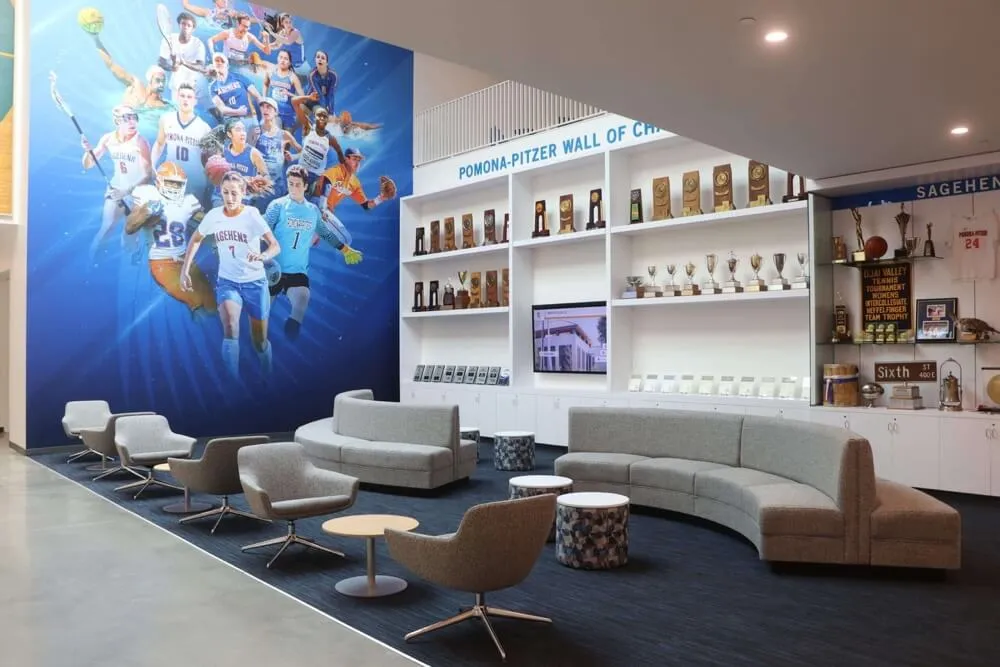
The most inspiring athletic facilities coordinate scoreboards, recognition systems, branding, and environmental design creating cohesive spaces supporting excellence
Technology as Catalyst for Comprehensive Improvement
Schools often find that scoreboard replacement projects create momentum for broader facility enhancements:
Project Coordination Opportunities:
- Electrical infrastructure upgrades supporting multiple technologies
- Coordinated installation reducing costs and disruption
- Unified vendor relationships simplifying support
- Comprehensive fundraising campaigns for multiple elements
- Donor recognition spanning various facility improvements
- Scheduled improvements during natural renovation cycles
Modern digital recognition platforms make comprehensive athletic celebration achievable even for schools with space limitations. Technologies like those offered by Rocket Alumni Solutions provide unlimited recognition capacity through interactive touchscreen displays, addressing common challenges schools face when traditional plaques and banners fill available spaces.
These systems integrate naturally with scoreboard projects, often utilizing similar electrical infrastructure and installation approaches while providing complementary functionality—scoreboards communicate current competition information while recognition displays celebrate historical achievement and program traditions.
Conclusion: Strategic Scoreboard Selection Supporting Athletic Excellence
Basketball scoreboards represent significant investments influencing athletic program experiences for years following installation. When schools approach scoreboard selection strategically—considering appropriate features for their competition levels, realistic budget parameters, quality construction ensuring longevity, and integration with broader facility technology—they acquire systems delivering lasting value supporting program excellence.
The comprehensive guidance explored throughout this article provides practical frameworks for scoreboard evaluation spanning technology types, essential features, installation requirements, budget planning, and vendor selection. From basic LED models serving fundamental scorekeeping needs to sophisticated video systems enhancing major events, understanding available options enables informed decisions matching scoreboard capabilities to specific school requirements.
Effective scoreboard purchasing extends beyond isolated equipment acquisition. Schools maximizing their investments coordinate scoreboard projects with broader athletic facility improvements, creating cohesive environments where competition technology works alongside recognition systems, environmental design, and community engagement features. This comprehensive approach transforms gymnasiums from purely functional spaces into inspiring athletic environments celebrating both current competition and historical achievement.
Strategic schools recognize that while scoreboards serve essential competitive functions, creating truly motivating athletic spaces requires comprehensive recognition celebrating the achievements that occur during those competitions. Modern technology makes unlimited recognition achievable through interactive digital platforms addressing the space constraints inherent in traditional banners and plaques while providing engaging experiences connecting current athletes to program traditions.
Start your scoreboard evaluation by assessing your specific needs, establishing realistic budgets, identifying qualified vendors, and considering how scoreboard investments fit within your broader athletic facility vision. Whether replacing aging equipment or equipping new gymnasiums, thoughtful scoreboard selection creates professional athletic environments supporting program excellence while serving your school community effectively for many years.
Your basketball program deserves technology supporting both current competition and lasting recognition of athletic achievement. When scoreboards communicate game information clearly while broader systems celebrate the accomplishments those games produce, you create complete athletic environments inspiring excellence across generations of student athletes.
Ready to explore comprehensive solutions for your athletic facility? Discover how modern digital recognition technology complements scoreboard investments by providing unlimited athletic recognition capacity through interactive displays transforming how schools celebrate achievement and build program traditions.
Sources: