Basketball camps serve as critical training grounds where young athletes develop fundamental skills, gain competitive experience, and cultivate lifelong passion for the game. Yet the difference between memorable camps that accelerate player development and forgettable sessions that feel like work hinges almost entirely on one factor: the quality and engagement level of basketball camp drills coaches select.
The most effective youth basketball camps don’t simply run players through repetitive exercises until exhaustion sets in. Instead, they strategically combine skill development with competitive games, individual improvement with team concepts, and serious training with genuine fun. When coaches master this balance, young athletes leave camp with enhanced abilities, greater basketball knowledge, and increased motivation to continue developing their game.
This comprehensive guide explores basketball camp drills across all fundamental skill areas—ball handling, shooting, passing, defense, and team concepts—with specific focus on exercises that keep youth participants engaged while delivering measurable development results.
Basketball camp drills must accomplish multiple objectives simultaneously: teach proper technique, provide sufficient repetition for skill retention, maintain high energy and engagement, accommodate varying skill levels, and create measurable progress young athletes can recognize. The best camp programs achieve all these goals through carefully selected drill progressions that build systematically throughout the week while remaining enjoyable enough that participants eagerly return each day.
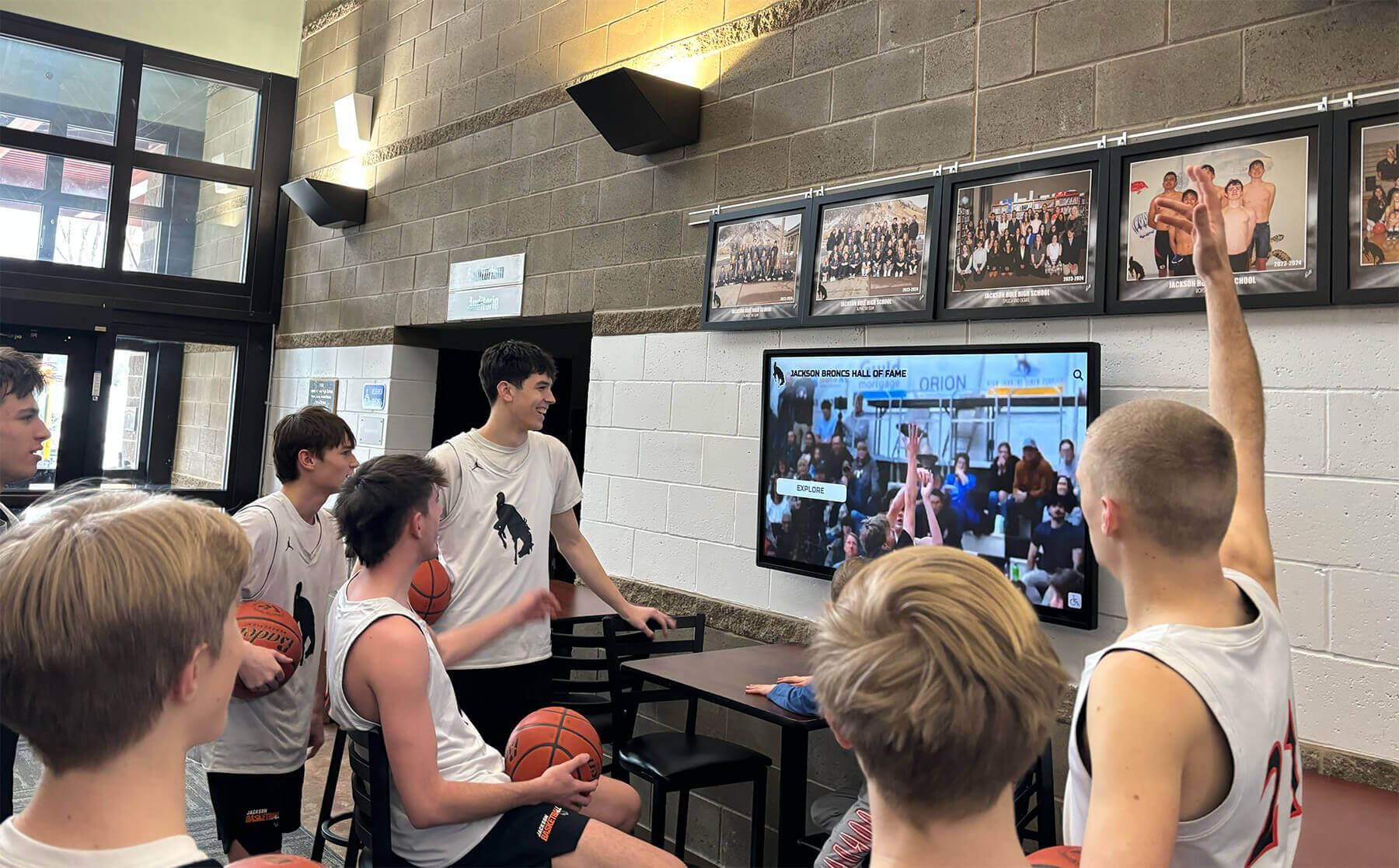
Modern basketball programs use technology to enhance training by allowing athletes to review techniques and celebrate skill development milestones
Ball Handling Drills for Basketball Camp
Ball handling forms the foundation of individual basketball skill development. Young players with superior dribbling ability gain confidence, create scoring opportunities, and avoid turnovers under defensive pressure.
Stationary Ball Handling Progressions
Pound Dribble Series This fundamental drill teaches hand strength and ball control through repetitive dribbling variations:
- Pound dribbles at waist height (20 seconds per hand)
- Low pound dribbles at knee height developing control in tight spaces
- High pound dribbles overhead improving coordination
- Front-to-back pound dribbles alternating rhythm
- Side-to-side pound dribbles building lateral control
Coaching Focus: Emphasize fingertip control rather than palming, keeping eyes up rather than watching the ball, and maintaining athletic stance throughout variations.
Around-the-Body Ball Handling Coordination drills that develop ambidextrous skill:
- Ball circles around waist in both directions
- Figure-eight patterns through and around legs
- Around one leg patterns alternating legs
- Pretzel drill combining waist circles with leg movements
- Spider drill dribbling the ball between legs from front to back
These stationary exercises work excellently as warm-up activities or station work where players rotate through different ball handling challenges every 90 seconds.
Dynamic Dribbling Drills
Full-Court Dribbling Variations Movement-based ball handling builds game-applicable skills:
Progression by Difficulty:
- Speed dribble baseline to baseline with dominant hand
- Control dribble emphasizing low, protected ball position
- Crossover dribbles at each line marker on court
- Between-the-legs dribbles at designated spots
- Behind-the-back dribbles building advanced coordination
- Combination moves creating unpredictable attacking patterns
Cone Dribbling Courses Set up cones in various patterns to simulate defensive pressure:
- Straight-line cone weaving developing change of direction
- Zig-zag patterns requiring crossovers at each cone
- Random cone placement forcing decision-making
- Timed courses adding competitive pressure
- Partner courses where two players navigate simultaneously
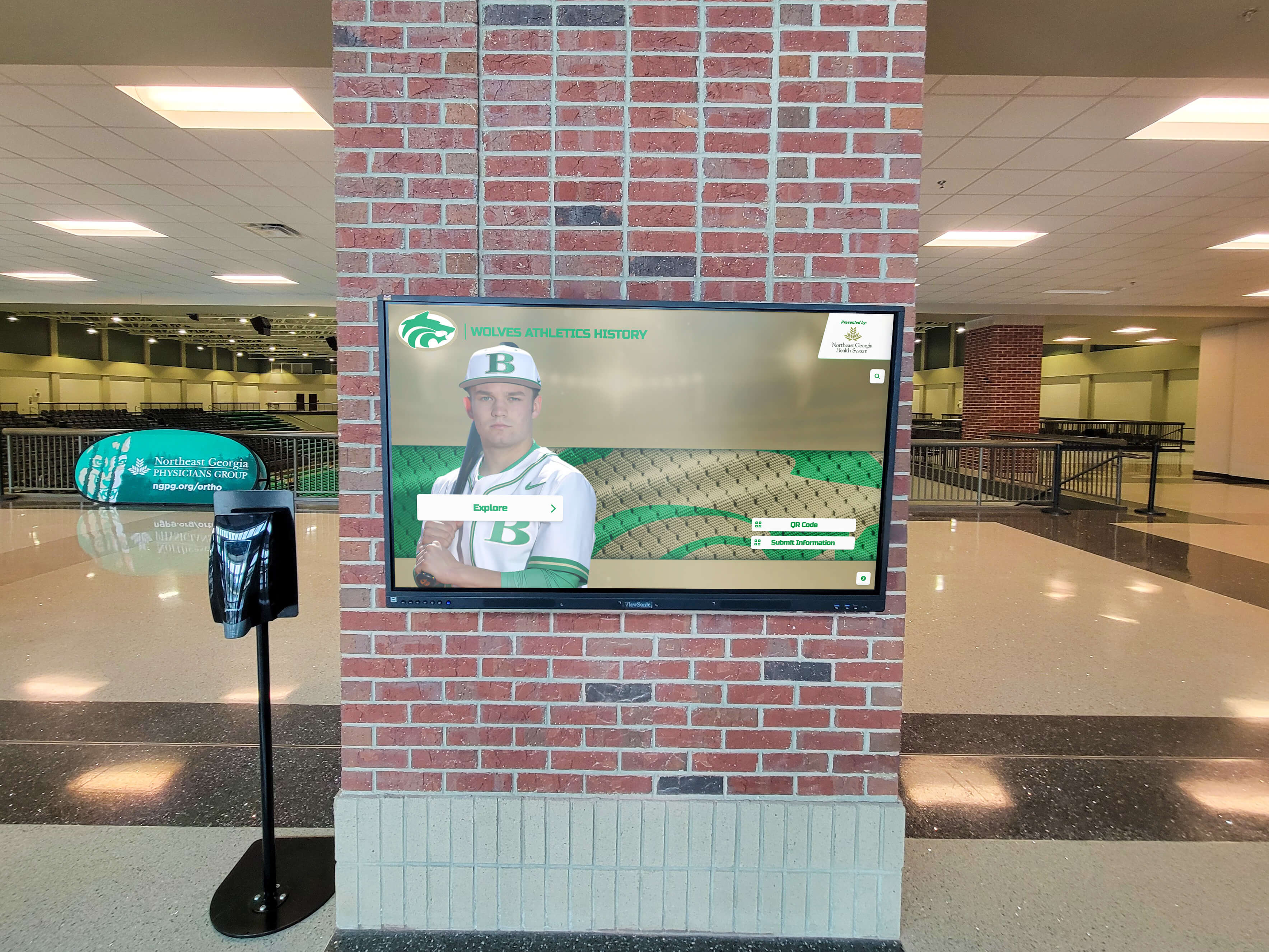
Recognition systems help basketball camps track individual progress and celebrate skill development milestones throughout training programs
Two-Ball Dribbling Challenges Advanced ball handling using two basketballs simultaneously:
- Simultaneous pound dribbles with both hands developing coordination
- Alternating dribbles in rhythm
- One ball high, one ball low creating independent hand control
- Walking while maintaining two-ball dribbles
- Two-ball crossovers and between-the-legs for advanced campers
Two-ball drills dramatically accelerate ball handling development by forcing complete focus and eliminating the temptation to watch the basketball.
Competitive Ball Handling Games
Dribble Tag High-energy game combining ball handling with spatial awareness:
- All players dribble within half-court boundaries
- Designated “it” player attempts to tag others while maintaining dribble
- Tagged players become additional taggers
- Last player remaining wins round
- Variations: specific hand requirements, move restrictions, shrinking boundaries
Dribble Knockout Popular competitive drill teaching ball protection:
- All players dribble within designated area
- Players attempt to knock away others’ basketballs while protecting their own
- Lost basketball eliminates player from that round
- Shrink playing area as players are eliminated
- Winner is last player maintaining dribble control
These competitive formats create engagement while reinforcing ball handling fundamentals under game-like pressure. Programs using digital recognition displays can track and celebrate individual camp achievements, motivating continued skill development.
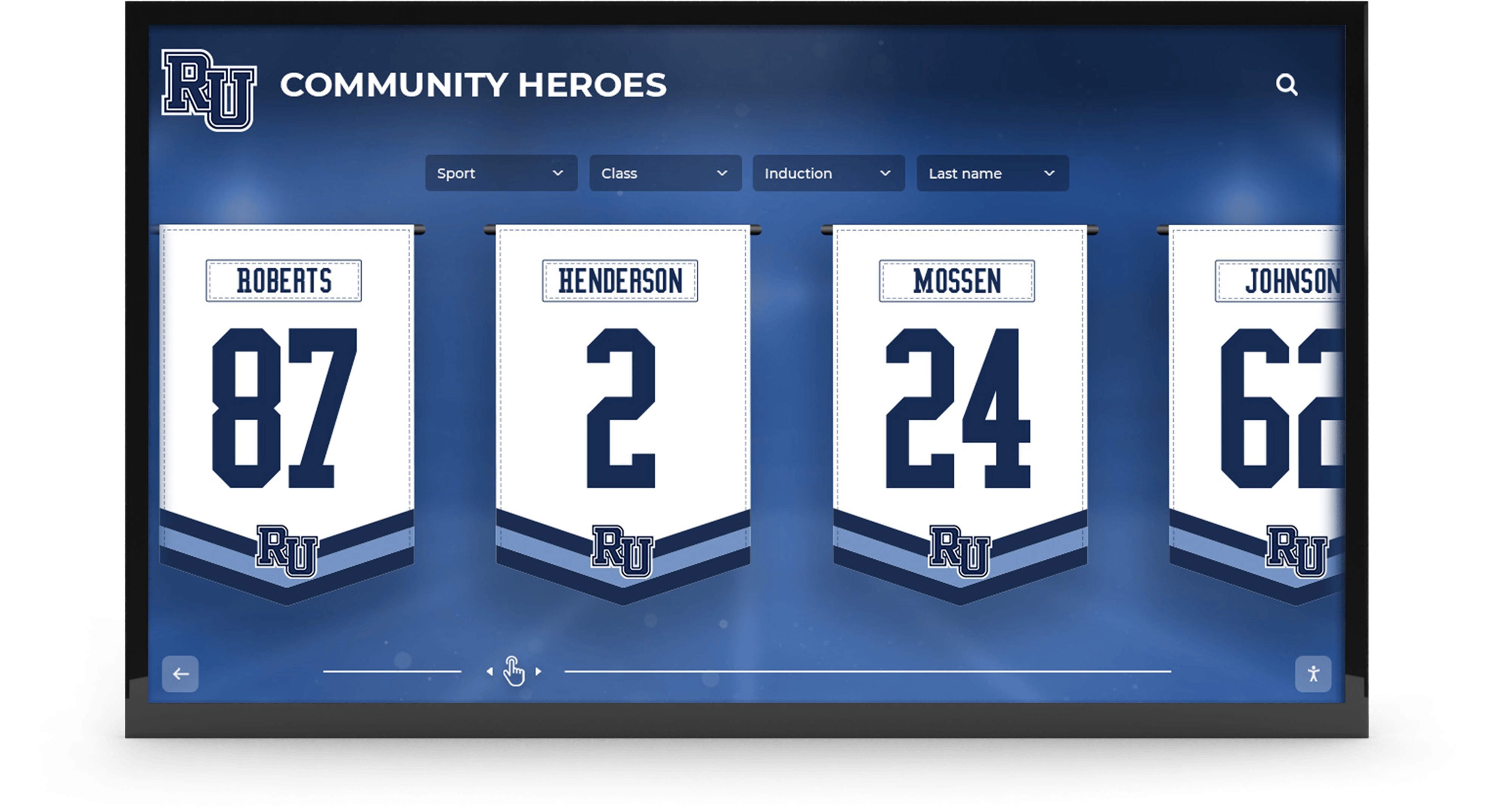
Basketball camps can build lasting traditions by recognizing standout campers through permanent digital displays showcasing achievement
Shooting Drills for Basketball Camp
Shooting remains the most popular skill among young basketball players. Effective camp shooting drills balance proper technique instruction with sufficient repetition and competitive elements that maintain engagement.
Form Shooting Progressions
Close-Range Form Development Build proper shooting mechanics before adding distance:
Progressive Distance Stages:
- Start 3-5 feet from basket focusing exclusively on follow-through
- Emphasize BEEF principles (Balance, Eyes, Elbow, Follow-through)
- Require proper arc and backspin on every attempt
- Add one step backward after 5 consecutive makes
- Continue stepping back rewarding accuracy with progression
Partner Form Shooting Two players working together at one basket:
- Partners alternate shooting from designated spots
- Shooter retrieves own made shots, partner retrieves misses
- Both players provide feedback on form and technique
- Rotation to new spots after 5 makes from each location
- Competition element: first partnership to complete all spots wins
This format doubles repetitions at each basket while building communication and coaching skills among campers.
Game-Situation Shooting Drills
Elbow Shooting Series Mid-range shooting from high-percentage locations:
- 10 shots from right elbow, tracking makes
- 10 shots from left elbow developing weak-side comfort
- 10 shots from top of key expanding range
- Move location only after achieving 7+ makes from previous spot
- Advanced variation: add shot fake before shooting
Three-Point Shooting Stations Perimeter shooting developing range and consistency:
- Corner three-pointers (5 attempts each corner)
- Wing three-pointers (5 attempts each wing)
- Top-of-key three-pointers (5 attempts)
- Track total makes for individual or team competitions
- Younger players shoot from modified distance appropriate to strength
Free Throw Practice Critical skill development for game situations:
- Establish consistent pre-shot routine
- Five free throw attempts at time
- Pressure variation: must make 3 of 5 to complete station
- Partner charts makes and provides encouragement
- Track improvement from day one to final camp day
Many basketball programs find that recognizing shooting achievements through interactive displays in gymnasium lobbies creates motivation for continued skill development beyond camp sessions.
Competitive Shooting Games
Around the World Classic shooting game teaching various court positions:
- Designated spots progressing around three-point arc
- Make shot to advance to next spot
- Miss allows one “chance” shot from same location
- Second miss returns player to start or previous checkpoint
- First player completing full circuit wins
Shooting Streaks Individual or team challenge emphasizing consistency:
- Player shoots until first miss occurs
- Consecutive makes counted as streak total
- Rotate shooters after miss or reaching target number
- Team variation: combined streak total
- Daily leaderboard recognizing longest streaks
Lightning (Knockout) Fast-paced competitive shooting drill:
- Two basketballs, players form single line at free throw line
- First two players shoot simultaneously
- Make shot before player behind you or face elimination
- Missed shots require rebound and quick make before being caught
- Winner is last player remaining
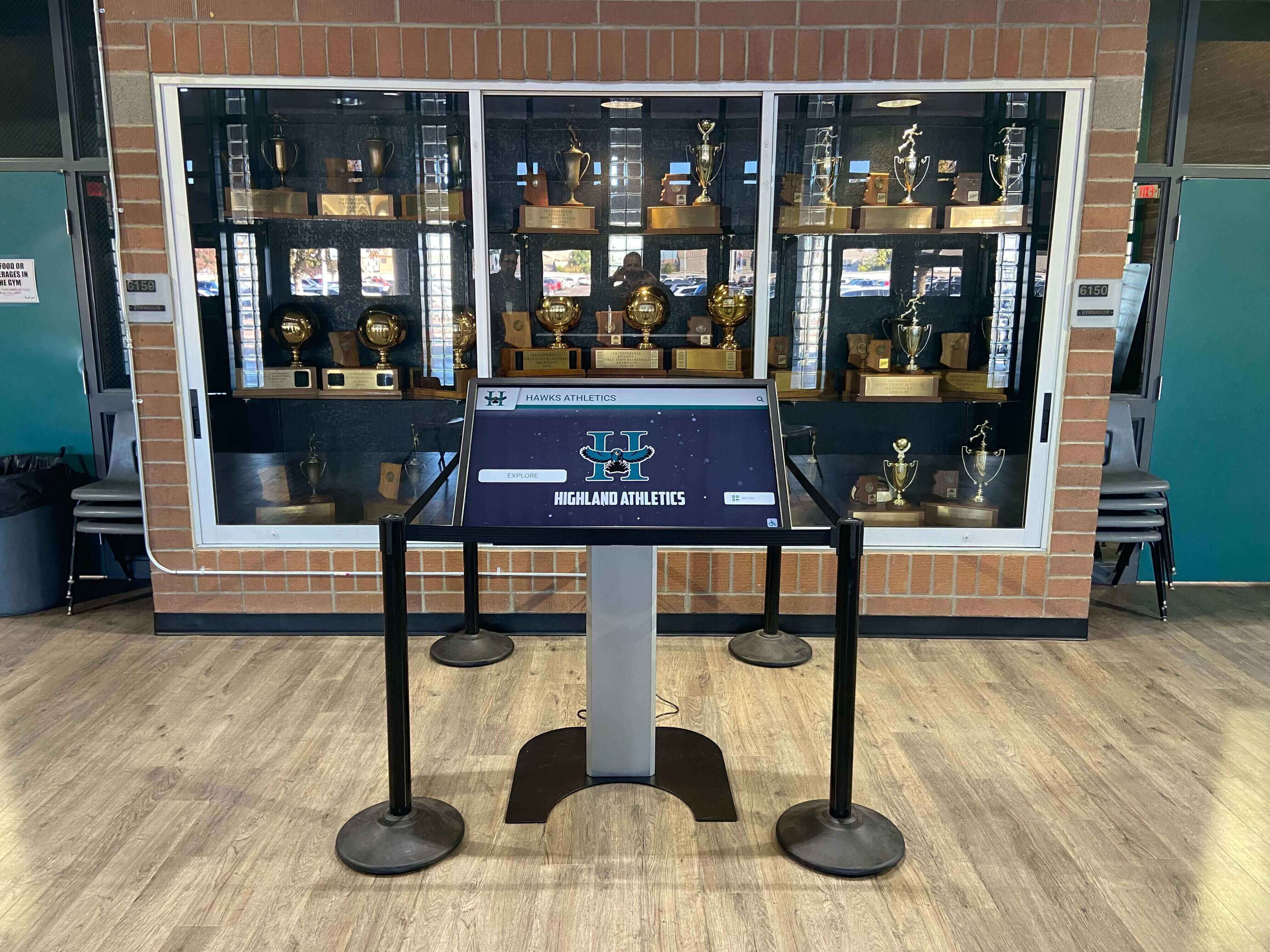
Digital trophy systems allow basketball camps to showcase top performers and create competitive motivation throughout training sessions
Beat the Pro Shooting competition with pressure element:
- Camper shoots from five designated spots
- “Pro” (coach or counselor) shoots after camper completes round
- Camper must outscore the Pro to win
- Pro intentionally misses some shots to create close competition
- Winners receive recognition or advance to championship round
These competitive formats create engagement while providing high-volume shooting repetitions essential for skill development.
Passing and Teamwork Drills for Basketball Camp
Passing instruction teaches fundamental skills while reinforcing teamwork concepts central to basketball success.
Basic Passing Technique Drills
Partner Passing Series Two players facing each other 10-12 feet apart:
Progression Through Pass Types:
- Chest passes emphasizing proper hand position and follow-through
- Bounce passes aiming for two-thirds distance to partner
- Overhead passes developing power and accuracy
- One-hand push passes building versatility
- Baseball passes for long-distance situations
- Behind-the-back and trick passes for advanced campers
Coaching Points: Emphasize target (partner’s chest), stepping toward target, snapping wrists on release, and calling partner’s name before passing.
Passing on the Move Dynamic passing building game-applicable skills:
- Two lines at baseline, first player in each line has basketball
- Players jog up court making chest passes back and forth
- Layup at opposite basket, return via sideline
- Variations: specific pass types required, defensive trailing pressure
- Competition: first partnership completing 10 trips without drops
Star Passing Drill Five players forming star pattern practicing quick ball movement:
- Player 1 passes to player 3, follows pass to that position
- Player 3 passes to player 5, follows pass
- Pattern continues with players rotating to new positions
- Emphasize crisp passes and communication
- Add second basketball for advanced coordination challenge
Team Passing Concepts
Three-Man Weave Classic basketball drill teaching passing, timing, and court spacing:
Execution Steps:
- Three lines at baseline, middle player starts with ball
- Middle passes to side, runs behind that player
- Receiver passes to opposite side, runs behind
- Weaving continues full court to layup
- Return via different formation (passing lines, dribbling)
Coaching Focus: No dribbling allowed, wide passes creating proper spacing, layup made at full speed without gathering or slowing.
Outlet Passing Drill Transition basketball concept starting fast breaks:
- Rebounder (coach or player) secures defensive rebound
- Outlet receiver sprints to wing calling for pass
- Rebounder delivers crisp outlet pass to running receiver
- Receiver attacks for layup at opposite basket
- Rotate positions: rebounder to outlet to shooting line
Keep Away Competitive passing game teaching ball security and movement:
- 4v2 or 5v2 within confined area (three-point arc or smaller)
- Offensive team maintains possession via passing only (no dribbling)
- Defensive players attempt to deflect or steal passes
- Incomplete pass or steal switches one offensive player to defense
- Track consecutive passes as team achievement goal
Programs that celebrate teamwork and unselfish play through creative employee recognition approaches adapted for youth athletics build stronger team cultures emphasizing collective success over individual statistics.
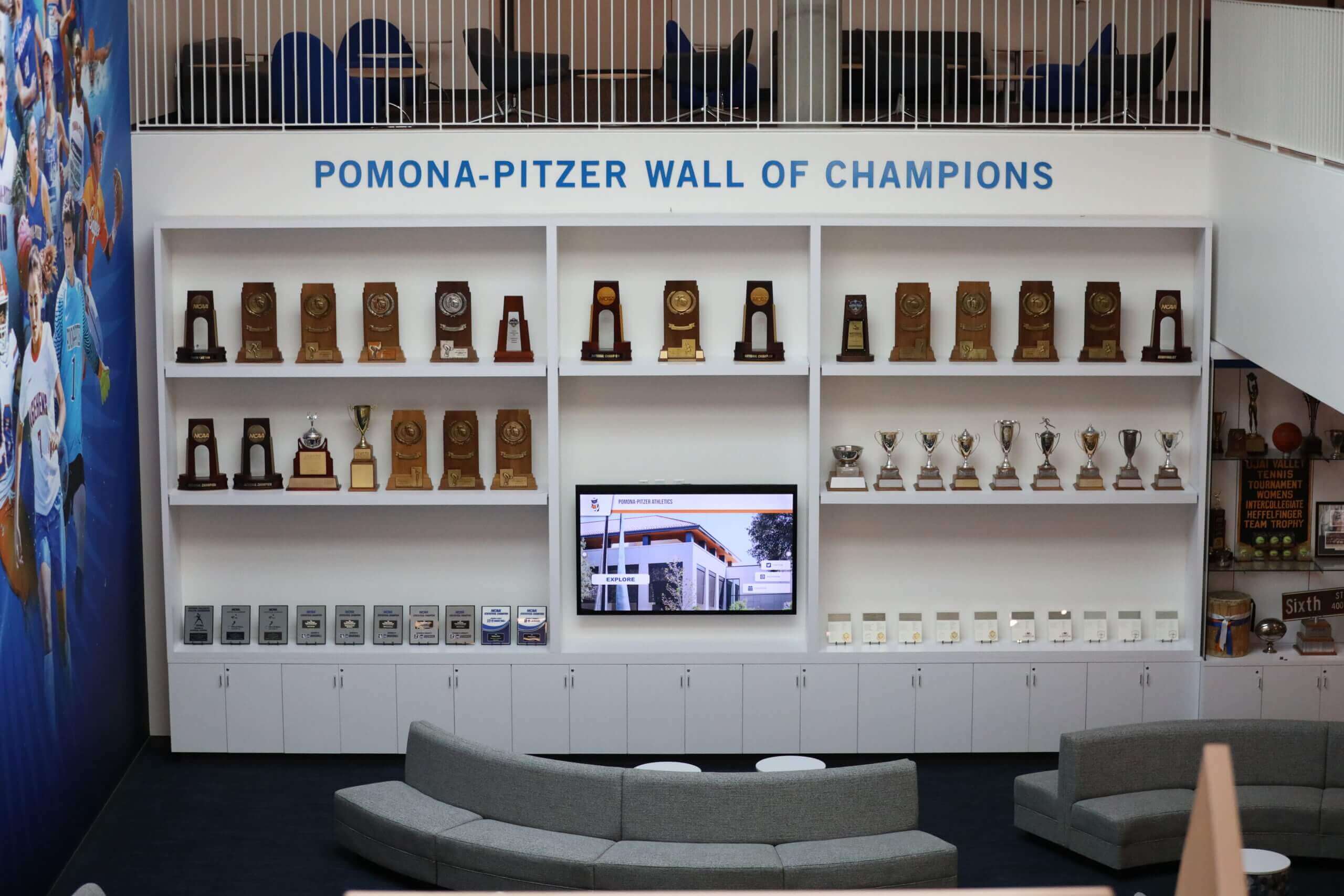
Comprehensive recognition systems celebrate both individual skill development and team achievements from basketball camps and competitive seasons
Defensive Drills for Basketball Camp
Defense separates good basketball players from great ones, yet receives less attention in many youth programs. Effective camp defensive drills make this challenging aspect of basketball engaging and measurable.
Defensive Stance and Movement
Defensive Slide Drill Fundamental footwork building lateral quickness:
- Athletic stance with knees bent, hands active
- Slide laterally across lane without crossing feet
- Touch sideline with hand, immediately slide opposite direction
- 30-second continuous repetitions maintaining form
- Competition: most touches in time period
Zig-Zag Defensive Drill One-on-one defensive movement simulating on-ball pressure:
- Offensive player dribbles slowly in zig-zag pattern up court
- Defensive player maintains proper stance, stays in front
- Offensive player changes direction at each line marker
- Switch roles at opposite baseline
- Coaching focus: low stance, quick feet, active hands without reaching
Closeout Drill Defending shooters approaching from help position:
- Defender starts under basket, offensive player at three-point line
- Coach passes to offensive player
- Defender sprints toward shooter with controlled closeout
- High hands contesting shot, choppy steps controlling momentum
- Variations: offensive player shot fakes, drives, or passes
Competitive Defensive Drills
Shell Drill Four-on-four defensive concepts teaching team defense:
- Four offensive players positioned around perimeter
- Four defenders in proper help position
- Ball movement triggers defensive rotations
- Emphasize on-ball pressure, deny position, help-side positioning
- Advance to live situations where offense can drive or shoot
One-on-One Defensive Challenges Competitive drill building individual defensive pride:
- Matchup players of similar ability
- Live one-on-one from wing or top of key
- Offense has three dribbles to score
- Defense earns points for stops (rebounds, deflections, turnovers)
- Rotate partners after five possessions each direction
Charge Circle Drill Teaching proper help defense and taking charges:
- Offensive player drives baseline toward basket
- Help defender rotates from weak side into restricted area
- Defender establishes legal position, absorbs contact
- Offensive player attacks under control
- Emphasize safety: proper falling technique, protected landing
High-quality basketball camps recognize defensive excellence equally with offensive achievement. Digital hall of fame displays allow programs to showcase defensive specialists and hustle awards alongside scoring leaders, reinforcing that multiple paths to recognition exist within basketball.
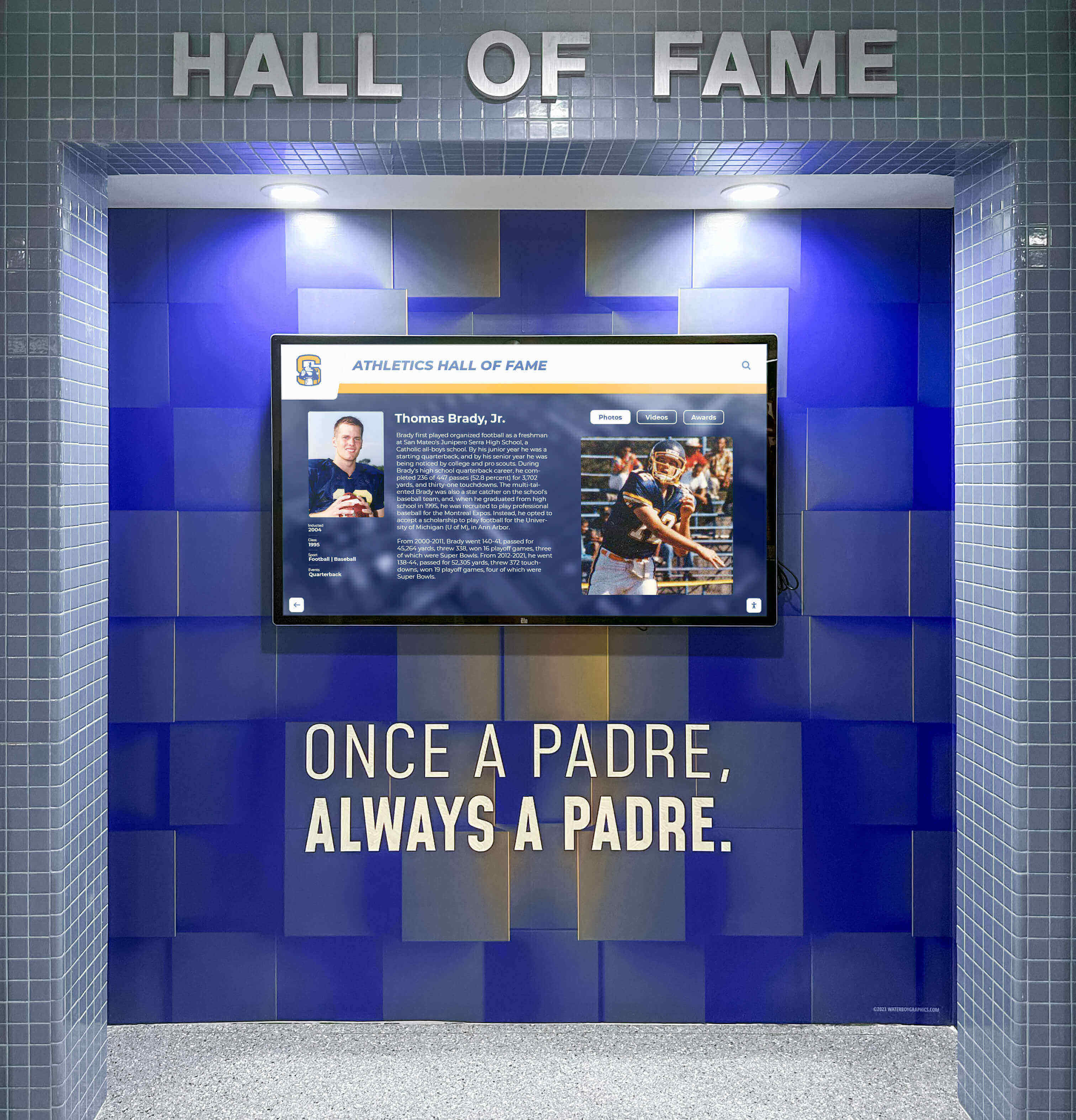
Modern recognition technology enables basketball programs to celebrate defensive achievements and effort-based awards with equal prominence to scoring statistics
Team Concept Drills for Basketball Camp
Individual skill development matters, but basketball ultimately requires coordinated team play. These drills teach concepts essential for competitive success.
Transition Drills
3-on-2, 2-on-1 Fast Break Classic transition drill teaching numbered advantages:
Phase One: 3-on-2
- Three offensive players attack two defenders
- Offense creates advantage through passing and spacing
- Defense communicates, protects basket, delays until help arrives
Phase Two: 2-on-1
- After defensive stop or made basket, two defenders transition to offense
- One original offensive player sprints back on defense
- Quick 2-on-1 advantage at opposite basket
Coaching Focus: Decision-making under pressure, communication, proper spacing, finishing advantages efficiently.
Five-on-Zero Fast Break Team spacing and timing without defensive pressure:
- Team forms proper fast break lanes (rim runner, wings, trailer)
- Ball advances via passing or speed dribble
- Finish with layup from proper spacing
- Emphasis on width, proper filling of lanes, trailer timing
- Repetition builds muscle memory for game situations
Scrimmage Variations
Controlled Scrimmage with Emphasis Rules Game situations with specific learning objectives:
Emphasis Options:
- Three passes required before shot attempt (encouraging ball movement)
- No dribbling allowed (emphasizing cutting and passing)
- Must attempt shot within 10 seconds (teaching quick decision-making)
- Points doubled for assists (rewarding unselfish play)
- Defensive stops worth points (emphasizing both ends of court)
Station Scrimmages Multiple half-court games running simultaneously:
- Divide camp into teams of 3-4 players
- Half-court 3v3 or 4v4 games on multiple baskets
- Games to 7 points, winners stay on court
- Losing team rotates to different court
- Tracks wins creating competitive camp leaderboard
Situational Scrimmages Specific game situations teaching strategy:
- Start with specific score and time (down 2 with 1 minute remaining)
- Out-of-bounds plays from various court positions
- After timeout situations requiring execution of specific play
- Last shot opportunities teaching clock management
- Comeback scenarios building mental toughness
These team-focused drills teach basketball IQ and strategic thinking alongside physical skill development.
Age-Appropriate Basketball Camp Drill Modifications
Effective camp programming adapts drills to developmental stages ensuring age-appropriate challenge and engagement.
Elementary Age Modifications (5-10 years)
Equipment Adaptations:
- Smaller basketballs (size 5 or youth size) for proper shooting form
- Lowered basket heights (8 or 9 feet) allowing successful scoring
- Larger targets for passing accuracy drills
- Shorter distances between cones or stations
- Lighter resistance for strength-building exercises
Drill Structure Modifications:
- Shorter drill durations matching attention spans (2-3 minutes maximum)
- Frequent rotation between activities maintaining engagement
- Heavy emphasis on fun and games over rigid skill work
- Simplified instructions with visual demonstrations
- Immediate positive feedback and encouragement
Competitive Element Adjustments:
- Team competitions rather than individual rankings
- Everyone-wins scenarios ensuring positive experiences
- Emphasis on personal improvement over peer comparison
- Frequent recognition distributed broadly across all participants
- Celebration of effort and attitude alongside skill achievement
Middle School Modifications (11-13 years)
Progressive Skill Challenges:
- Introduce more complex multi-step drills
- Add conditioning elements to skill work
- Increase competitive pressure gradually
- Longer drill sequences requiring sustained focus
- Position-specific skill development opportunities
Strategic Concept Introduction:
- Basic offensive sets and plays
- Defensive rotations and help principles
- Transition basketball concepts
- Pick-and-roll fundamentals
- Screen usage on both offense and defense
Young athletes at this developmental stage benefit from structured recognition of achievement. Basketball programs using modernized recognition approaches can track and celebrate individual skill progression throughout multi-week camp programs, providing visible evidence of improvement that motivates continued development.
High School Age Modifications (14-18 years)
Advanced Skill Development:
- Film study of individual and team performance
- Advanced footwork and counter-move progressions
- Strength and conditioning integrated with skill work
- Mental aspects including focus, visualization, preparation
- Leadership development for older campers
Competitive Intensity:
- College-prep level intensity and expectations
- Advanced statistical tracking of individual performance
- Position-specific specialized training sessions
- Recruiting education for serious players
- Mentoring opportunities with younger campers
Strategic Sophistication:
- Multiple offensive systems and sets
- Complex defensive schemes and rotations
- Situational basketball covering all game scenarios
- Film breakdown teaching recognition and reads
- Player-led drill instruction building coaching skills
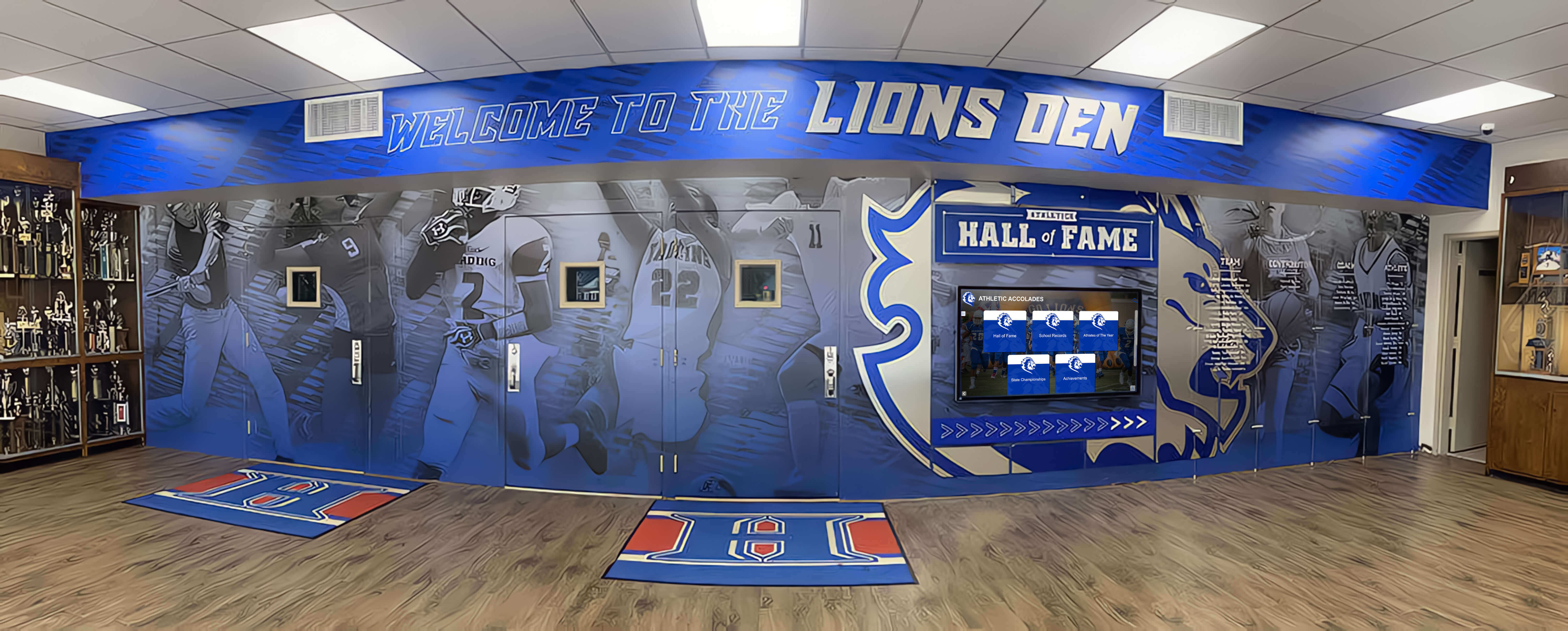
Complete recognition systems preserve basketball camp legacies while inspiring current participants through visible connections to program history and tradition
Maximizing Basketball Camp Effectiveness
Running individual drills represents only part of successful basketball camp programming. Strategic organization determines whether camps achieve development objectives.
Daily Schedule Structure
Sample Full-Day Camp Schedule:
- 8:00-8:30: Check-in, dynamic warm-up, team building activities
- 8:30-9:15: Ball handling skill stations with rotation every 8 minutes
- 9:15-10:00: Shooting technique and competitive shooting games
- 10:00-10:15: Water break and camp-wide recognition of daily achievements
- 10:15-11:00: Passing and team concept drills
- 11:00-11:45: Defensive fundamentals and competitive challenges
- 11:45-12:45: Lunch break with optional educational film session
- 12:45-1:30: Position-specific skill development stations
- 1:30-2:15: Team scrimmages applying morning skill work
- 2:15-3:00: Cool-down, camp awards, recognition, dismissal preparation
Coaching Emphasis: Balance between skill instruction, competitive applications, appropriate breaks preventing fatigue, and recognition maintaining motivation throughout demanding schedule.
Small-Sided Game Integration
Modified game formats provide maximum touches and decision-making opportunities:
1v1 Basketball Benefits:
- Every possession matters for both players
- Offensive creativity development without teammates to rely on
- Defensive accountability with nowhere to hide
- Builds competitive mentality and mental toughness
- Quick games allow many repetitions and matchups
2v2 and 3v3 Basketball:
- Emphasizes spacing and reading defenses
- More touches than 5v5 creating accelerated development
- Teaches basic pick-and-roll and off-ball concepts
- Manageable decision-making load for developing players
- Allows coaches to provide immediate feedback
5v5 Modified Games:
- Half-court reducing stamina demands
- Emphasize-specific rules teaching concepts
- Coaches can stop play for teaching moments
- Positions rotate ensuring all players learn all roles
- Shorter games to predetermined score maintaining intensity
Progress Tracking and Recognition
Visible progress motivates continued effort and demonstrates camp value:
Individual Skill Assessments:
- Day one baseline testing across fundamental skills
- Daily tracking during competitive drills and games
- Final day assessment measuring improvement
- Personal achievement certificates highlighting specific growth
- Recognition for most improved players across various categories
Team Achievement Tracking:
- Daily team competitions with cumulative scoring
- Sportsmanship and effort recognition alongside wins
- Team awards for cooperation, communication, positive attitude
- Counselor awards for standout daily performances
- Championship competitions on final camp day
Many basketball camps preserve their legacy and motivate current participants by showcasing past campers’ achievements. Digital recognition platforms allow programs to build comprehensive archives celebrating exceptional campers across multiple years, creating aspirational goals for current participants.
Recognition systems help youth sports programs celebrate camp achievements and build traditions connecting current participants to program history
Safety Considerations for Basketball Camp Drills
Maintaining safe training environments protects young athletes while allowing maximum developmental benefit from basketball camp drills.
Warm-Up and Cool-Down Protocols
Dynamic Warm-Up Sequence (10-15 minutes):
- Light jogging increasing heart rate gradually
- Arm circles and shoulder rotations preparing upper body
- Leg swings (forward/back, side-to-side) improving range of motion
- High knees and butt kicks activating running muscles
- Lateral shuffles preparing for defensive movement
- Progressive dynamic stretching rather than static holds
- Sport-specific movements like defensive slides and jump stops
- Gradual intensity increase preparing body for camp activities
Cool-Down Procedures:
- Light jogging or walking reducing heart rate gradually
- Static stretching targeting major muscle groups
- Focus on hamstrings, quadriceps, hip flexors, calves
- Hydration emphasis replacing fluids lost during activities
- Reflection on daily achievements and learning
- Preview of next day’s activities building anticipation
Drill-Specific Safety Guidelines
Contact Drill Precautions:
- Proper falling technique instruction before contact drills
- Graduated progression from no contact to controlled contact
- Size and skill matching for competitive one-on-one situations
- Clear boundaries and out-of-bounds areas preventing collisions
- Adult supervision maintaining safe competition levels
- Immediate correction of dangerous or overly aggressive play
Equipment and Facility Safety:
- Inspect basketballs for proper inflation and condition
- Clear playing areas of obstacles, bags, water bottles
- Check baskets and support structures for stability
- Maintain safe distances between adjacent drill stations
- Ensure adequate space around baseline and sideline boundaries
- Proper gym floor conditions without wet spots or debris
Hydration and Rest:
- Scheduled water breaks every 20-30 minutes minimum
- Individual water bottles preventing illness transmission
- Shade or air conditioning during outdoor summer camps
- Recognition of heat illness symptoms among staff
- Modified schedules during extreme weather conditions
- Adequate rest between high-intensity drill sequences
Emergency Preparedness
Medical Readiness:
- First aid kit accessible at all times
- Staff trained in CPR and basic first aid
- Clear emergency action plan for serious injuries
- Contact information for all campers including allergies
- Communication system for reaching emergency services
- Injury documentation procedures for all incidents
- Parent notification protocols for any medical attention
Basketball programs committed to comprehensive athlete welfare often extend this approach to recognition programs celebrating academic achievement and character development alongside athletic performance, teaching young people that success extends beyond the basketball court.
Creating Lasting Basketball Camp Impact
Effective basketball camps generate impact extending far beyond the final day of competition and skill instruction.
Building Camp Traditions
Annual Recognition Categories:
- Camper of the Week/Session awards
- Position-specific excellence awards
- Most improved player recognition
- Hustle and effort awards
- Sportsmanship and leadership awards
- Skills challenge champions
- Counselor awards selected by campers
Legacy Building:
- Hall of Fame for exceptional past campers
- Record boards tracking camp achievements across years
- Team photos and championship documentation
- Returning camper recognition for multi-year participants
- Counselor-in-training programs developing future camp leaders
- Alumni connections pairing past standouts with current campers
Extending Learning Beyond Camp
Take-Home Resources:
- Written practice plans for individual skill development
- Video demonstrations of proper technique
- Recommended drill progressions by age and skill level
- Goal-setting worksheets for tracking progress
- Reading and viewing recommendations for basketball education
- Contact information for follow-up questions and continued engagement
Follow-Up Engagement:
- Post-camp assessment summary for each participant
- Specific improvement recommendations based on observed performance
- Open gym opportunities for camp alumni
- Periodic skill clinics during school year
- Advanced camp invitations for top performers
- Newsletter highlighting camp alumni achievements
Digital Recognition Systems: Many successful basketball camps build lasting traditions by permanently recognizing outstanding participants and achievements. Modern touchscreen recognition platforms allow programs to showcase camp legacies in gymnasium lobbies, creating visible connections between current campers and program history while providing aspirational recognition current participants can strive toward.
These digital systems offer unlimited capacity for celebrating diverse achievements—from shooting competition champions to defensive specialists to campers demonstrating exceptional sportsmanship—ensuring recognition opportunities exist for participants across all skill levels and contribution types.

Interactive displays allow basketball campers and families to explore achievement histories, creating connections between current participants and program traditions
Conclusion: Drills That Develop Complete Basketball Players
Basketball camp drills serve purposes far beyond keeping young athletes occupied during summer weeks. When coaches strategically select exercises that combine proper skill instruction with competitive engagement, adequate repetition with variety, and individual development with team concepts, they create training environments where young players make dramatic improvements in fundamental abilities while deepening their passion for basketball.
The comprehensive drill library explored throughout this guide provides frameworks for developing every essential basketball skill—ball handling, shooting, passing, defense, and team concepts—through exercises proven to maintain youth engagement while delivering measurable results. From elementary age players learning basic coordination to high school athletes refining advanced techniques, age-appropriate progressions ensure all campers experience appropriate challenge levels producing genuine growth.
Successful basketball camps recognize that skill development alone doesn’t create complete players. The best programs balance technical instruction with competitive applications, individual work with team building, serious training with genuine fun, and achievement recognition with inclusive participation. When camps excel across all these dimensions, young athletes leave with enhanced abilities, greater basketball knowledge, stronger relationships, and increased motivation to continue developing their game long after camp concludes.
Beyond the immediate skill development, thoughtfully designed basketball camps create lasting impact through traditions, recognition, and connections that inspire future generations. Whether through championship acknowledgment, individual achievement celebration, or visible honoring of camp values like sportsmanship and effort, recognition systems transform temporary summer programs into meaningful traditions young athletes remember for years.
Start implementing these basketball camp drills during your next session, adapting exercises to match your participants’ ages, abilities, and specific development needs. Focus on fundamentals, maintain engagement through competition and variety, provide genuine encouragement, and celebrate the diverse contributions young basketball players make both on and off the court. Every repetition builds skill, every competitive moment builds mental toughness, and every recognition experience builds the confidence and motivation that separate basketball players who quit when challenges arise from those who develop into complete athletes excelling at all levels of competition.
Sources: