Planning an awards ceremony or athletic banquet requires more than just selecting award recipients and booking a venue—the program itself serves as both a roadmap for the evening and a lasting keepsake attendees treasure for years. A well-designed banquet program provides structure to the ceremony, honors recipients appropriately, and creates a professional atmosphere that elevates the entire celebration.
Yet many organizations struggle with program creation. Athletic directors face uncertainty about what elements to include, designers wrestle with layout decisions that balance elegance with readability, and planners worry about printing timelines and budget constraints. Meanwhile, opportunities to create meaningful recognition experiences that extend beyond single-evening ceremonies through modern digital solutions often go unexplored.
This comprehensive guide provides practical strategies for creating effective banquet program templates, from essential content elements and design considerations to printing logistics and innovative digital alternatives that preserve recognition permanently.
Banquet programs serve multiple critical functions—they provide ceremony structure that keeps events flowing smoothly, offer recognition context explaining why honorees deserve celebration, create tangible mementos families keep for decades, and demonstrate organizational professionalism that reflects well on your institution. Programs that excel at these functions transform standard awards ceremonies into memorable experiences that honor achievements appropriately.
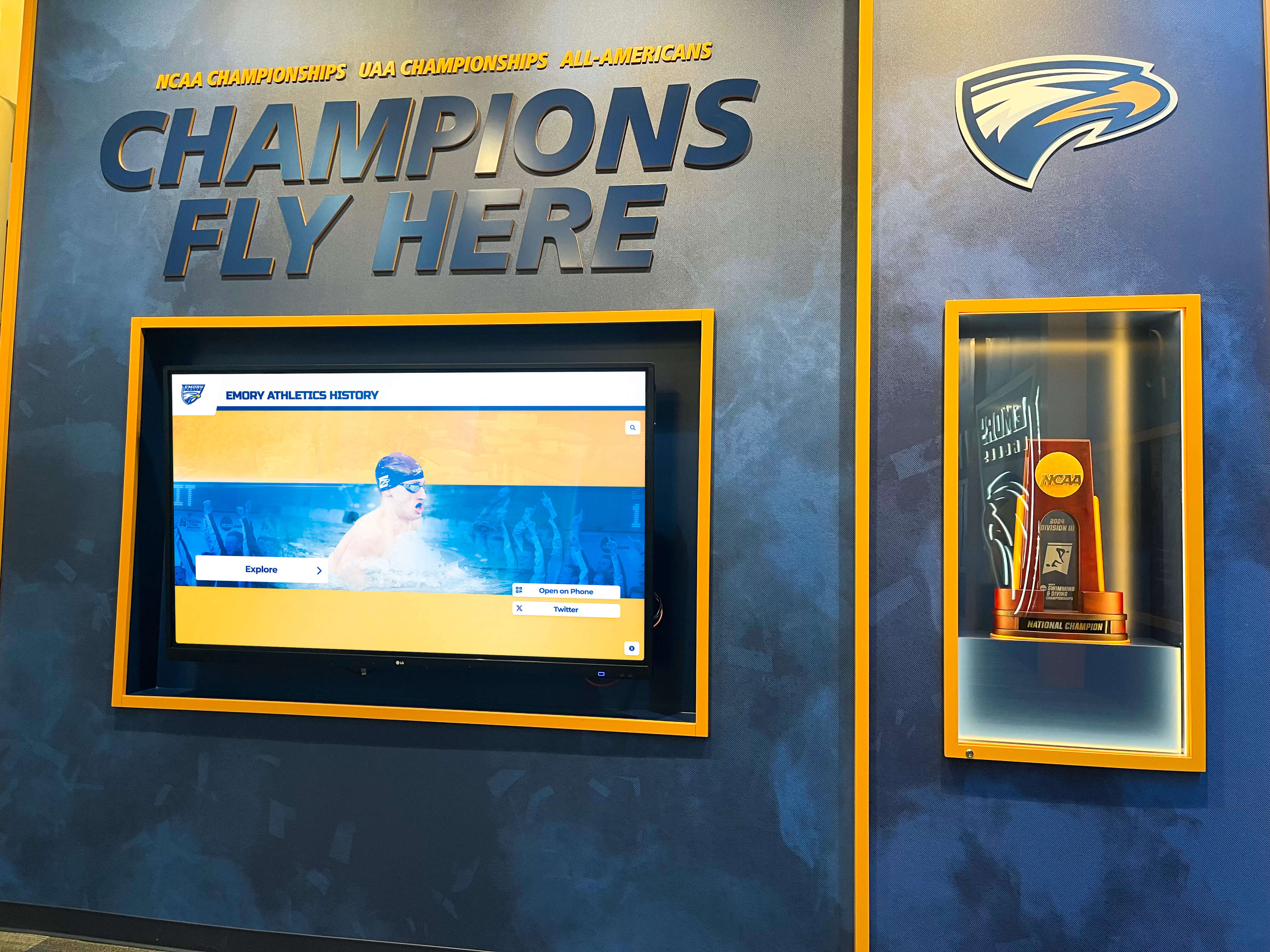
Professional recognition displays complement printed programs by showcasing achievements year-round
Essential Elements of an Effective Banquet Program
Understanding which components create comprehensive yet readable programs helps planners design templates that serve both practical and commemorative purposes.
Front Cover Components
The program cover creates first impressions and establishes the ceremony’s tone:
Essential Cover Information
- Event name clearly stated (“Annual Athletic Awards Banquet,” “Scholar Recognition Ceremony”)
- Organization name and logo with appropriate branding
- Date, time, and location information
- Academic year or season designation (2025-2026)
- Elegant design reflecting the formality level of the event
- High-quality imagery representing the program or achievements
Cover Design Considerations
- Professional photography showcasing your facilities or teams
- School or team colors incorporated tastefully
- Consistent branding with other organizational materials
- Appropriate white space preventing cluttered appearance
- Typography hierarchy emphasizing most important information
- Quality paper stock signaling event significance
Programs should reflect the pride and professionalism your organization brings to recognition ceremonies.
Program Timeline and Schedule
Clear ceremony structure helps attendees follow along and sets expectations:
Typical Banquet Program Flow
- Welcome and opening remarks (5-10 minutes)
- Meal service or refreshments (30-60 minutes)
- Introduction of guests and dignitaries (5 minutes)
- Keynote speaker or special presentation (15-20 minutes)
- Award presentations by category (30-45 minutes)
- Senior recognition or special tributes (10-15 minutes)
- Closing remarks and appreciation (5 minutes)
Timeline Presentation Options
- Detailed minute-by-minute schedule
- General program outline without specific timing
- Sections clearly delineated with visual separators
- Speaker names and titles included with each segment
- Flexible formatting allowing for spontaneous moments
- Page numbers coordinating with program sections
Comprehensive sports banquet planning guides provide additional ceremony structure recommendations for athletic recognition events.
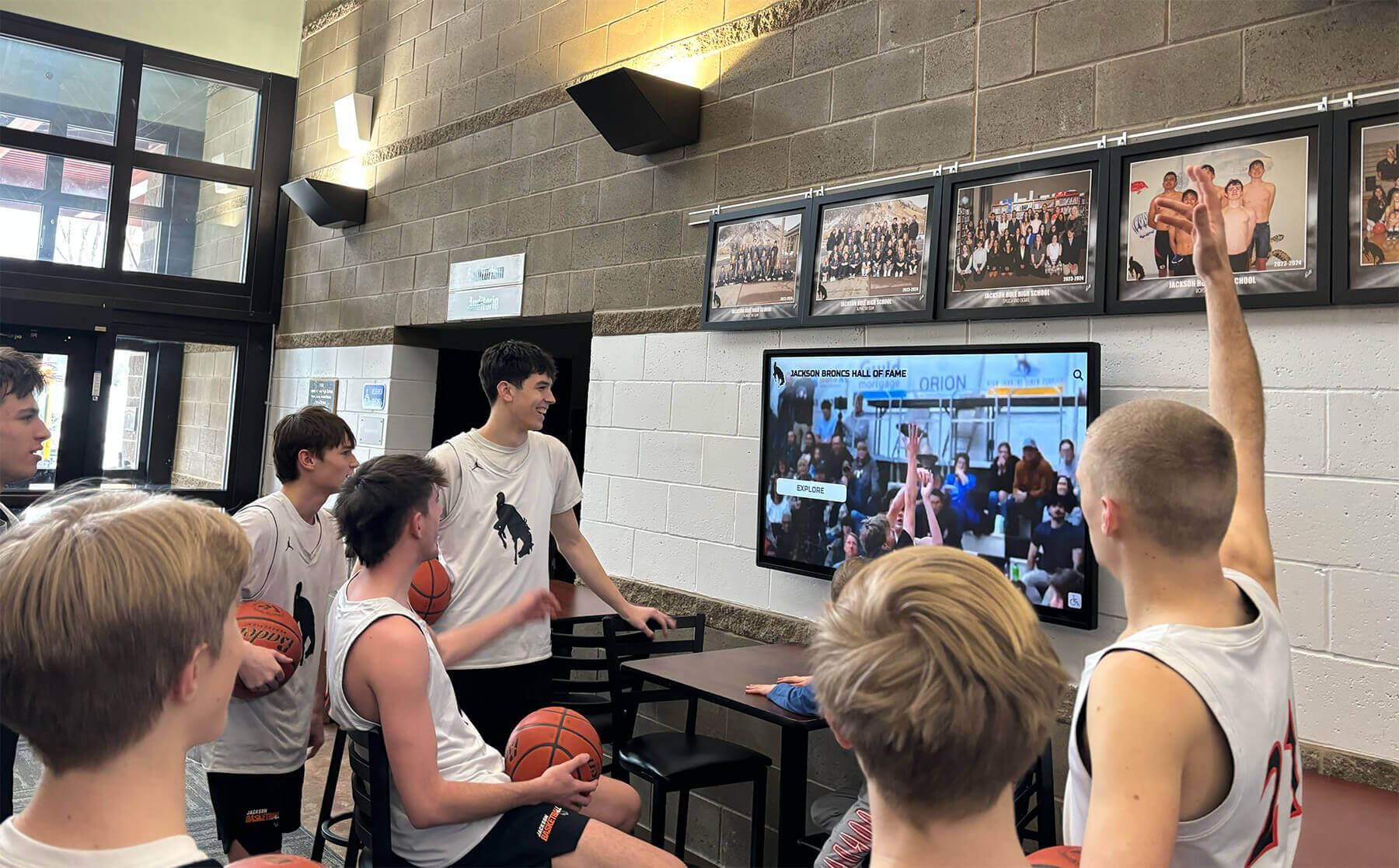
Multimedia presentations enhance ceremony experiences and provide content for program inclusion
Award Categories and Recipient Information
The program’s core content recognizes individual achievements:
Award Presentation Structure Each award category should include:
- Award name and category description
- Selection criteria or qualification standards
- Recipient name(s) with appropriate titles
- Class year, grade level, or team designation
- Brief biographical information or achievements
- Sponsorship acknowledgment if applicable
- Historical context or award significance
Information Depth Options
Minimal Approach:
- Award name and recipient only
- Suitable for large programs with many categories
- Keeps program length manageable
- Reduces production timeline and costs
Moderate Detail:
- Recipient name with class/grade and sport/activity
- One-sentence achievement summary
- Balances recognition with program length
- Most common approach for school programs
Comprehensive Recognition:
- Full biographical paragraph per recipient
- Career highlights and specific accomplishments
- Quotes from coaches or teachers
- Statistics or measurable achievements
- Creates lasting record of accomplishments
- Appropriate for smaller programs or hall of fame inductions
Schools implementing academic recognition programs often balance athletic and scholarly awards within unified ceremony programs.
Speaker and Guest Recognition
Acknowledging participants demonstrates appreciation:
Key Individuals to Recognize
- Keynote speakers with brief biographies
- Master of ceremonies or program hosts
- Athletic directors or administrators
- Coaching staff and their accomplishments
- Selection committee members
- Honored guests and dignitaries
- Special presenters for specific awards
- Family members of memorial awards
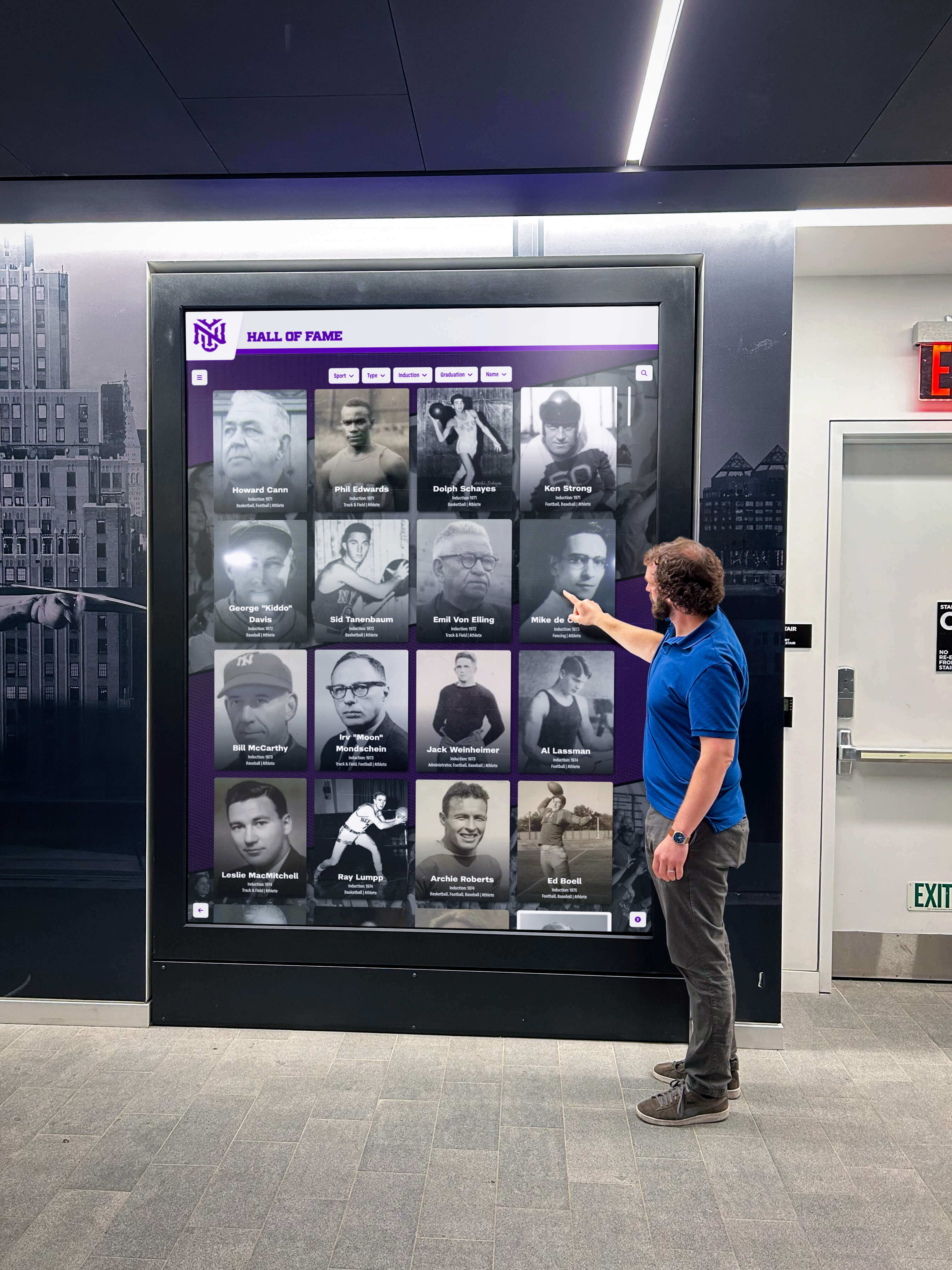
Interactive displays enable guests to explore achievement details beyond printed program limits
Recognition Approaches
- Dedicated “Program Participants” section listing all contributors
- Brief biographical paragraphs for keynote speakers
- Group acknowledgments for committees and volunteers
- Special recognition for retiring staff or honored guests
- Appropriate titles and credentials for all individuals
- Photographs when space permits
Sponsor and Donor Acknowledgment
Recognizing financial supporters demonstrates gratitude and encourages future support:
Sponsorship Recognition Levels
- Tiered acknowledgment based on contribution levels
- Logo placement for major sponsors
- Named award sponsorships highlighted
- General supporter listings by category
- In-kind donation acknowledgment
- Multi-year sponsor recognition
- Corporate partnership appreciation
Placement Considerations
- Back cover often reserved for primary sponsor
- Inside covers for major donors
- Dedicated sponsor page for multiple contributors
- Integrated mentions throughout program
- Recognition maintaining program elegance
- Appropriate sizing reflecting contribution levels
Effective donor recognition strategies extend beyond printed programs to create lasting acknowledgment of supporter contributions.
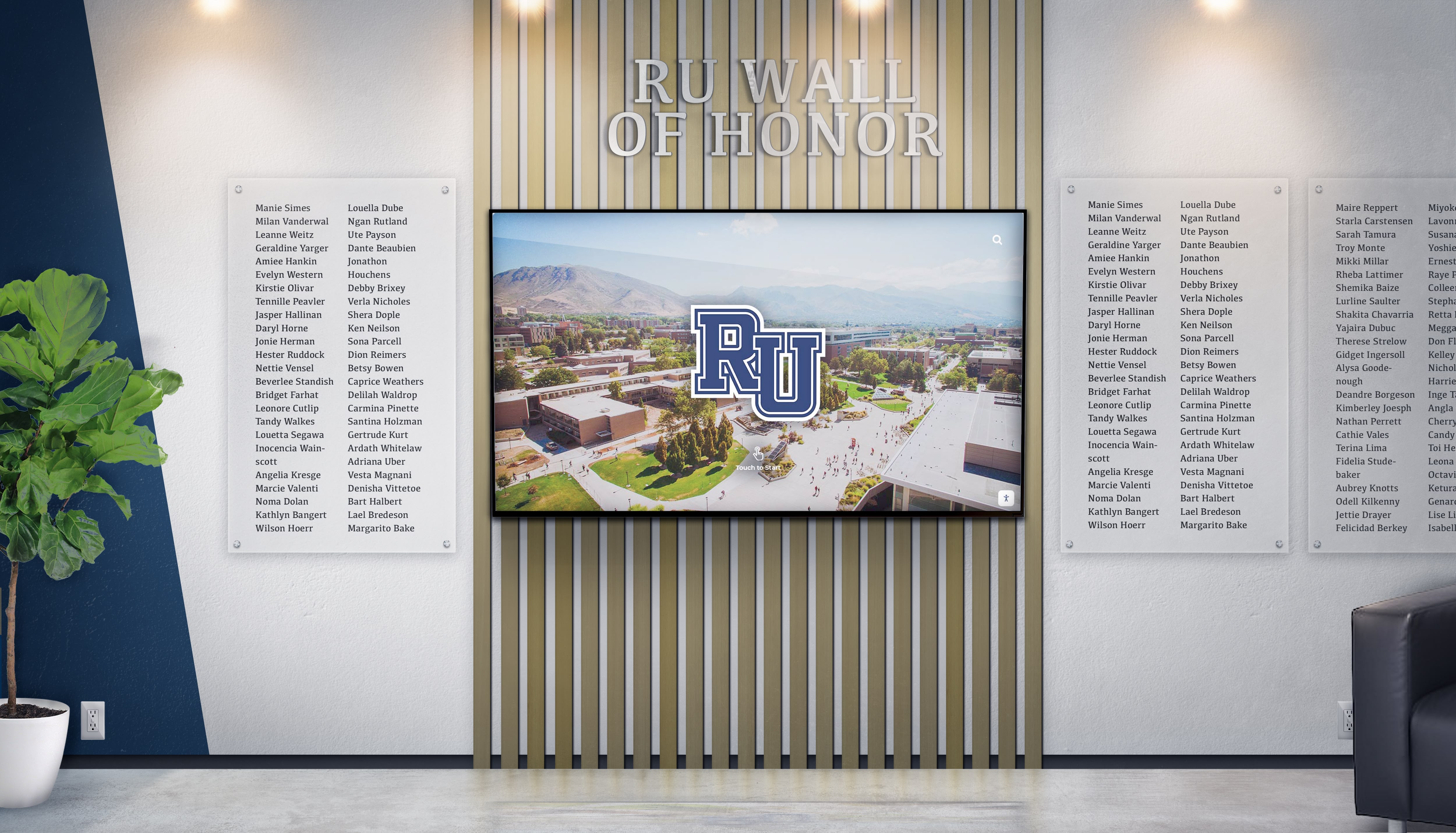
Digital recognition walls provide year-round visibility for sponsors and donors beyond banquet programs
Designing Professional Banquet Programs
Effective design balances aesthetic appeal with practical readability and budget considerations.
Layout and Typography Fundamentals
Typography Best Practices
- Primary font: Clear, professional serif or sans-serif typeface
- Heading hierarchy: Distinct sizes for different information levels
- Body text: 10-12 point font for comfortable reading
- Line spacing: 1.15-1.5 for optimal readability
- Alignment: Justified or left-aligned text, avoiding center-alignment for body copy
- Font limitation: Maximum 2-3 fonts throughout program
- Contrast: Dark text on light backgrounds for easy reading
Page Layout Principles
- Consistent margins throughout (minimum 0.5" on all sides)
- White space preventing crowded appearance
- Visual hierarchy guiding reader attention
- Grid system maintaining alignment consistency
- Section breaks clearly delineating content transitions
- Page numbers for easy navigation
- Balanced image and text distribution
Size and Format Options
Standard Program Formats:
- Half-letter (5.5" x 8.5"): Most common, budget-friendly
- Letter-folded (8.5" x 11" folded): Economical, familiar format
- Booklet (8.5" x 11" multi-page): Comprehensive programs with extensive content
- Custom sizes: Distinctive formats requiring special printing
Digital signage content strategies inform how ceremony content translates to permanent recognition displays.
Visual Elements and Branding
Imagery Integration
- High-resolution photos (minimum 300 DPI for printing)
- Action shots capturing athletic or academic moments
- Facility or campus photography establishing setting
- Historical images connecting to program legacy
- Individual recipient photos when feasible
- Team or group photography showcasing community
- Consistent image treatment and styling
Color Scheme Selection
- School or organizational colors prominently featured
- Professional color combinations avoiding excessive variety
- Sufficient contrast ensuring text readability
- Consistent color application throughout program
- Consideration of printing costs (full color vs. limited palette)
- Appropriate formality level for ceremony context
Branding Consistency
- Official logos properly sized and positioned
- Consistent use of institutional marks
- Coordination with other organization materials
- Professional representation appropriate to event
- Trademark and copyright compliance
- Visual identity standards adherence
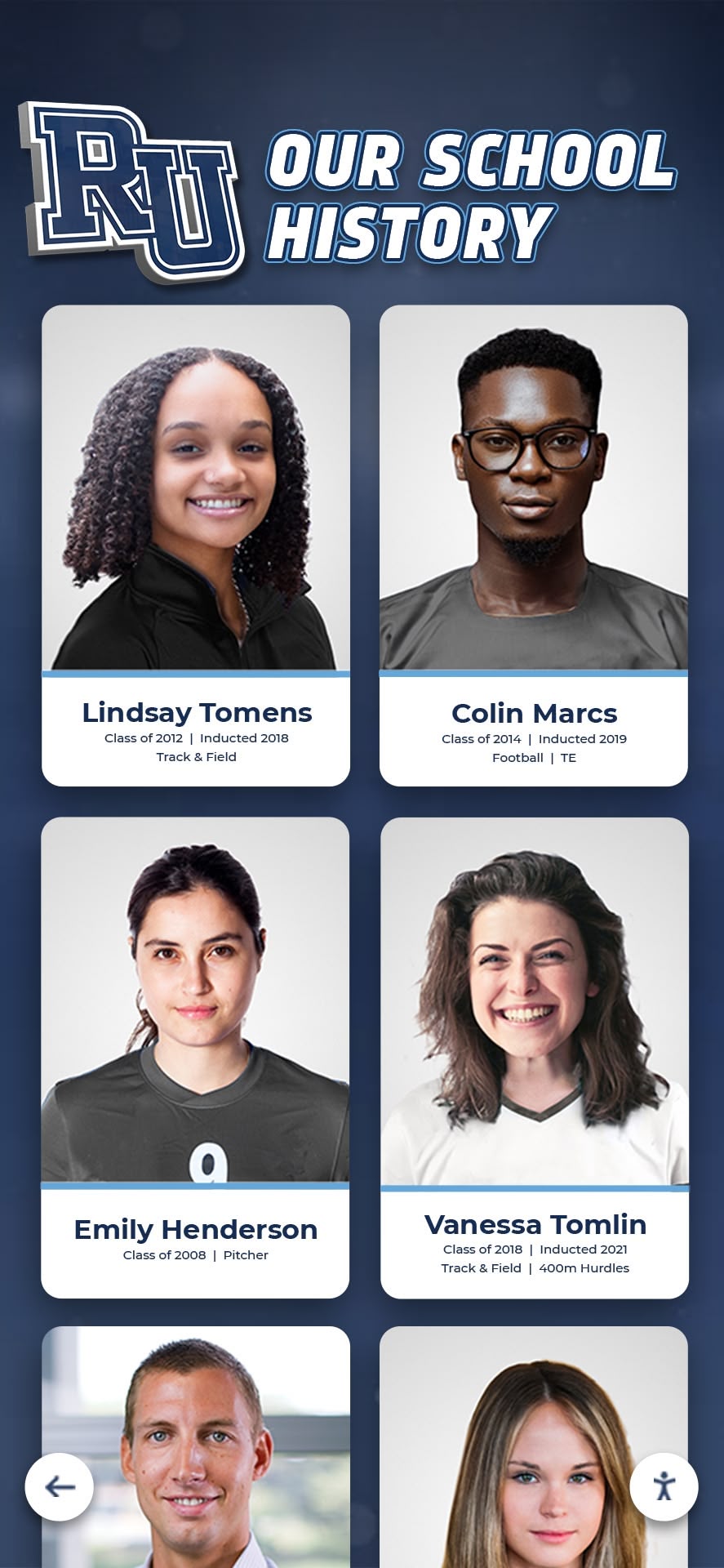
Consistent branding across printed and digital recognition creates cohesive institutional identity
Creating Accessible Programs
Readability Enhancements
- Sufficient font sizes for diverse age ranges
- High-contrast color combinations
- Clear, legible typefaces avoiding decorative fonts
- Logical information organization
- Adequate line spacing and paragraph breaks
- Consistent formatting reducing confusion
Inclusive Design Considerations
- Alternative format availability (large print, digital)
- Descriptive text accompanying images
- Language accessibility for multilingual communities
- Gender-neutral language when appropriate
- Inclusive imagery representing program diversity
- Accommodation information included when relevant
Program Production and Printing Logistics
Understanding production requirements ensures programs arrive on time and within budget.
Printing Timeline Planning
Production Schedule Working Backwards from Event
6-8 Weeks Before Banquet
- Finalize program template and design
- Begin content collection from coaches and staff
- Confirm award categories and criteria
- Establish printing budget and specifications
- Research printing vendors and obtain quotes
4-5 Weeks Before Banquet
- Complete award selection processes
- Gather all recipient information and biographies
- Collect high-resolution photos and images
- Draft program content and review for accuracy
- Design program layout with all content placed
3 Weeks Before Banquet
- Finalize program design and content
- Conduct thorough proofreading (multiple reviewers)
- Obtain necessary approvals from administrators
- Submit final files to printer with specifications
- Confirm delivery date and logistics
2 Weeks Before Banquet
- Receive printed programs from vendor
- Inspect quality and accuracy immediately
- Address any printing errors or issues
- Plan distribution method for ceremony
- Prepare extras for latecomers and archives
Athletic programs coordinating multiple celebrations benefit from comprehensive end-of-year awards planning that streamlines production timelines.
Print Specifications and Options
Paper Stock Selections
- Cover weight: 80-100 lb. cover stock for durability
- Interior pages: 60-80 lb. text weight for quality feel
- Finish options: Glossy, matte, or uncoated based on design
- Paper quality: Premium stocks for keepsake programs
- Recycled options: Environmentally conscious choices
- Color consistency: Paper choice affecting color reproduction
Printing Methods
Digital Printing:
- Cost-effective for smaller quantities (under 500)
- Quick turnaround times possible
- Variable data capability for personalization
- Good quality for most applications
- Setup costs minimal
Offset Printing:
- Economical for larger quantities (500+)
- Superior color accuracy and consistency
- Professional finish and quality
- Requires longer lead times
- Higher setup costs but lower per-unit pricing
Finishing Options
- Saddle-stitch binding for multi-page booklets
- Perfect binding for thicker programs
- Folding for traditional program formats
- Lamination or coating for cover protection
- Embossing or foil stamping for premium appearance
- Perforation for keepsake sections
Budget Management Strategies
Cost Variables to Consider
- Quantity ordered (unit costs decrease with volume)
- Number of pages and complexity
- Color printing versus black-and-white
- Paper quality and weight selections
- Special finishes or embellishments
- Rush production fees for tight timelines
- Shipping and delivery costs
Budget-Conscious Approaches
- Black-and-white interior with color cover only
- Standard paper stocks rather than premium options
- Simplified design reducing printing complexity
- Digital-only programs eliminating printing costs
- In-house printing for small programs
- Multi-year template reuse reducing design costs
- Sponsor funding offsetting production expenses
Digital recognition formats eliminate recurring printing costs while providing richer content options
Template Customization for Different Events
Banquet programs adapt to various recognition contexts and organizational needs.
Athletic Awards Banquets
Sport-Specific Considerations
- Season statistics and records highlighted
- Team awards alongside individual recognition
- Conference or league standings context
- Coaching staff recognition and appreciation
- Senior athlete career summaries
- Championship achievements celebrated
- Season schedule and results recap
Multi-Sport Programs
- Clear sport designation for each section
- Balanced recognition across all teams
- Unified design with sport-specific elements
- Athletic hall of fame integration connecting current seasons to program legacy
- Appropriate length accommodating multiple programs
- Cost sharing across athletic department
Academic Recognition Ceremonies
Scholarly Award Adaptations
- Academic achievement criteria clearly stated
- GPA requirements or honor thresholds listed
- Scholarship awards and amounts included
- College commitments and future plans recognized
- Academic department representation balanced
- Faculty recognition for teaching excellence
- Special program acknowledgments (NHS, honor societies)
Graduation Recognition Integration
- Senior class statistics and demographics
- College acceptance highlights and scholarships
- Valedictorian and salutatorian recognition
- Distinguished graduate acknowledgment
- Alumni success stories providing inspiration
- Post-graduation plans summarized
Organizations managing both athletic and academic recognition benefit from comprehensive recognition program frameworks that unify institutional values.
Organizational and Community Awards
Corporate or Non-Profit Adaptations
- Mission statement and organizational values
- Annual accomplishments and impact metrics
- Volunteer recognition and appreciation
- Donor acknowledgment and stewardship
- Community partnership celebration
- Board member and leadership recognition
- Future goals and initiatives preview
Fundraising Gala Integration
- Sponsor recognition prominent and appropriate
- Donation information and opportunities
- Impact stories demonstrating program effectiveness
- Auction or raffle details when applicable
- Thank you messages from leadership and beneficiaries
- Multi-year supporter acknowledgment
Special Event Considerations
Hall of Fame Inductions
- Comprehensive inductee biographies
- Career statistics and accomplishments
- Historical context and significance
- Previous inductee listings
- Selection committee information
- Induction criteria explained
- Permanent recognition commitments

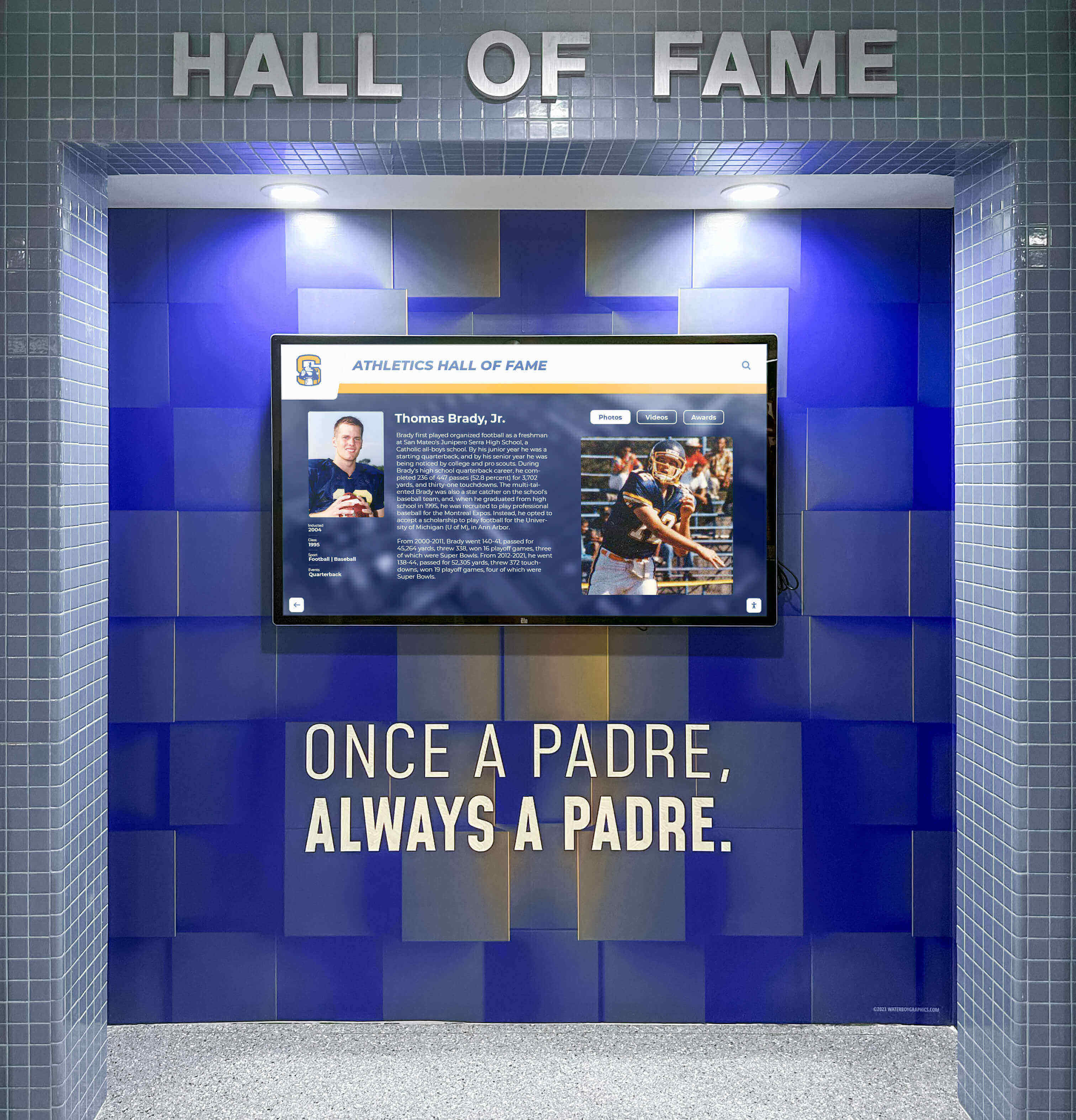
Digital hall of fame displays preserve inductee information permanently with multimedia enhancements
Championship Celebrations
- Season journey narrative from start to championship
- Playoff or tournament bracket information
- Game-by-game results and highlights
- Individual performance milestones
- Record-breaking achievements
- Historical championship context
- Team roster with positions and classes
Digital Alternatives and Enhancements
Modern technology transforms traditional printed programs while offering significant advantages.
Digital Program Benefits
Advantages Over Printed Programs
- Elimination of printing costs: No recurring production expenses
- Unlimited content capacity: No page limits restricting information depth
- Multimedia integration: Video highlights, photo galleries, audio messages
- Real-time updates: Last-minute changes easily implemented
- Environmental benefits: Paperless approach reducing waste
- Accessibility features: Text sizing, screen readers, translation options
- Searchability: Easy location of specific information
- Permanent availability: Ongoing access beyond single event
Implementation Approaches
- Mobile-responsive web pages accessible via URL or QR code
- Dedicated event apps for iOS and Android devices
- PDF programs distributed electronically before event
- Interactive presentations displayed during ceremony
- Social media integration for community engagement
- Email distribution to all attendees and stakeholders
Programs utilizing digital recognition platforms create comprehensive systems connecting ceremony programs to year-round recognition.
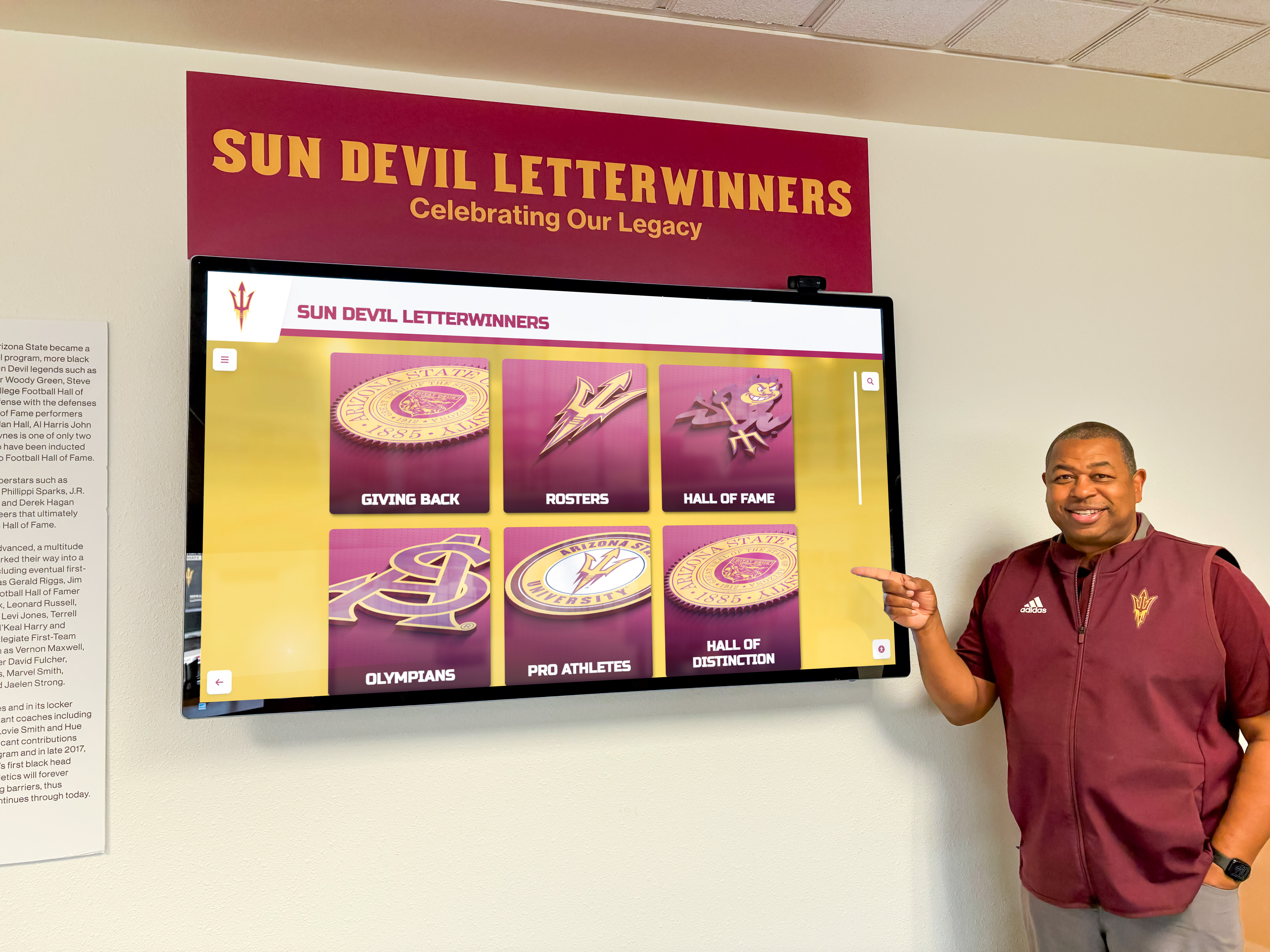
Touchscreen displays provide ceremony information alongside permanent achievement records
Hybrid Approaches
Combining Print and Digital Many organizations find optimal value in hybrid approaches:
Printed Program with Digital Enhancements
- Condensed printed program covering essential information
- QR codes linking to extended digital content
- Video highlights accessible via mobile devices
- Complete biographies available online
- Photo galleries supplementing printed images
- Interactive elements engaging attendees
- Reduced printing costs with enhanced experience
Implementation Strategies
- Minimal printed program serving as keepsake
- QR codes prominently displayed throughout print version
- Mobile-optimized landing pages for easy access
- WiFi information provided for connectivity
- Digital content organized matching print structure
- Backup printed copies for connectivity issues
Year-Round Recognition Integration
Extending Beyond Single Events The most innovative organizations connect ceremony programs to permanent recognition systems:
Touchscreen Recognition Displays Solutions like Rocket Alumni Solutions enable organizations to:
- Display banquet award recipients in permanent installations
- Integrate ceremony programs with athlete or student profiles
- Showcase event photos and video highlights continuously
- Update recognition displays remotely after each ceremony
- Provide 24/7 access to achievement information
- Enable community exploration of institutional history
- Connect past and present through searchable databases
Digital Recognition Advantages Schools and organizations implementing comprehensive digital recognition report:
- Significantly higher community engagement with achievements
- Families regularly visiting to explore recognition content
- Recruits and prospective students impressed by modern approach
- Alumni maintaining stronger connections to institutions
- Year-round visibility for sponsors and donors
- Reduced long-term costs compared to traditional displays
- Unlimited capacity eliminating space constraints
Hall of fame planning resources demonstrate how digital platforms preserve recognition permanently while enhancing ceremony experiences.
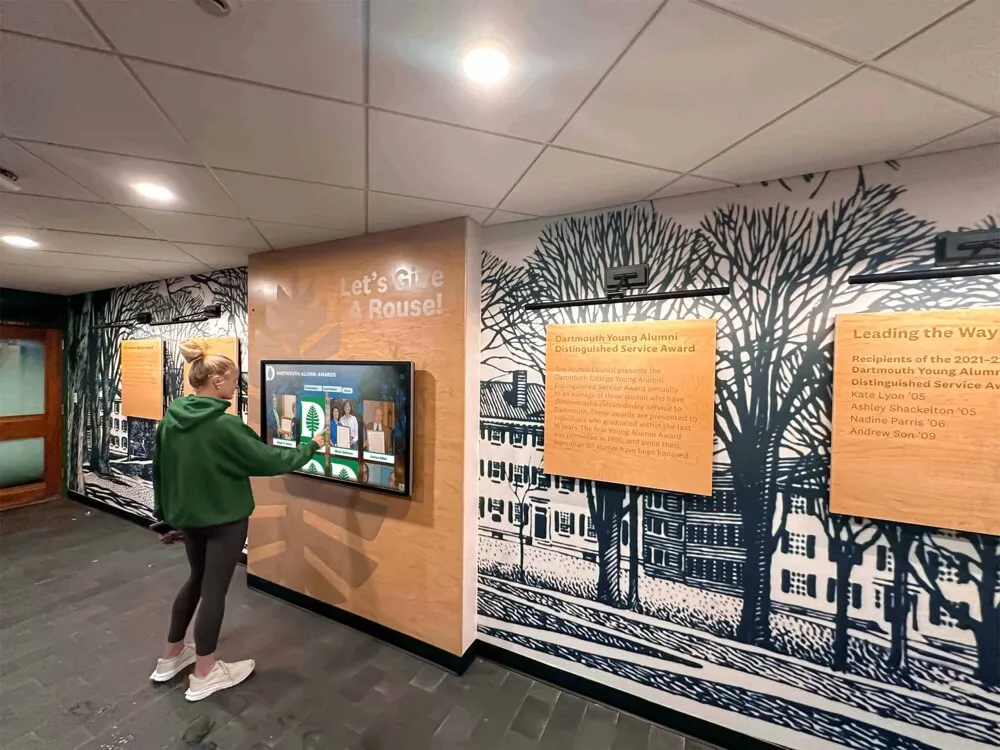
Modern recognition systems make banquet award information accessible year-round to entire communities
Common Program Mistakes to Avoid
Learning from frequent pitfalls improves program quality and reduces stress.
Content and Information Errors
Critical Issues to Prevent
- Name misspellings (triple-check all recipient names)
- Incorrect titles or credentials for speakers
- Outdated information from previous year’s template
- Inconsistent formatting across sections
- Missing award categories or recipients
- Inaccurate statistics or accomplishments
- Wrong dates, times, or location information
Quality Control Processes
- Multiple proofreaders from different perspectives
- Original information sources verified directly
- Comparison against master recipient lists
- Template fields updated completely before use
- Administrative approval before printing
- Test print reviewed for formatting issues
- Final PDF check before printer submission
Design and Production Problems
Common Production Issues
- Insufficient printing timeline causing rush fees
- Low-resolution images appearing pixelated
- Color inconsistencies from screen to print
- Text too small for comfortable reading
- Inadequate margins causing content cut-off
- Printer specification misunderstandings
- Quantity miscalculations leading to shortages
Prevention Strategies
- Establish production timeline with buffer time
- Verify image resolution requirements (300 DPI minimum)
- Request printed proof before full production run
- Test print sample page at actual size
- Confirm printer specifications in writing
- Order extra copies (typically 10% overage)
- Maintain communication with printing vendor
Organizations planning multiple recognition events benefit from standardized templates and production processes reducing errors.
Distribution and Logistics Issues
Common Distribution Problems
- Late delivery from printer causing ceremony stress
- Insufficient copies for actual attendance
- No plan for program distribution at event
- Programs left in storage rather than displayed
- No archive copies retained for historical record
- Digital versions not accessible to attendees
Best Practices
- Confirm delivery date well before ceremony
- Plan distribution method (table placement, hand delivery, entrance distribution)
- Assign volunteers to distribution responsibilities
- Order appropriate quantity based on RSVP data
- Maintain digital and physical archives
- Make extra copies available for requests after event
Creating Sustainable Program Processes
Systematic approaches ensure consistent quality while reducing annual planning burden.
Template Development and Maintenance
Master Template Creation
- Develop comprehensive template with all standard sections
- Establish consistent design elements and branding
- Create reusable text blocks for recurring content
- Document template usage instructions
- Maintain version control preventing outdated use
- Update annually based on lessons learned
- Store template in accessible location
Content Management Systems
- Centralized information collection processes
- Standardized forms for recipient information
- Clear deadlines for content submission
- Designated staff responsible for each section
- Approval workflows ensuring accuracy
- Digital asset organization (photos, logos)
- Historical program archives for reference
Multi-Year Planning
Annual Improvement Cycles
- Post-event evaluation of program effectiveness
- Attendee feedback collection and analysis
- Production process documentation and timing review
- Cost analysis and budget optimization
- Design updates reflecting current trends
- Technology integration exploration
- Best practice research from other organizations
Institutional Knowledge Preservation
- Comprehensive planning documentation
- Contact information for reliable vendors
- Budget templates and cost projections
- Production timeline templates
- Troubleshooting guides for common issues
- Transition materials for staff changes
Recognition programs evolve most effectively when organizations learn from comprehensive planning frameworks developed across multiple ceremony cycles.
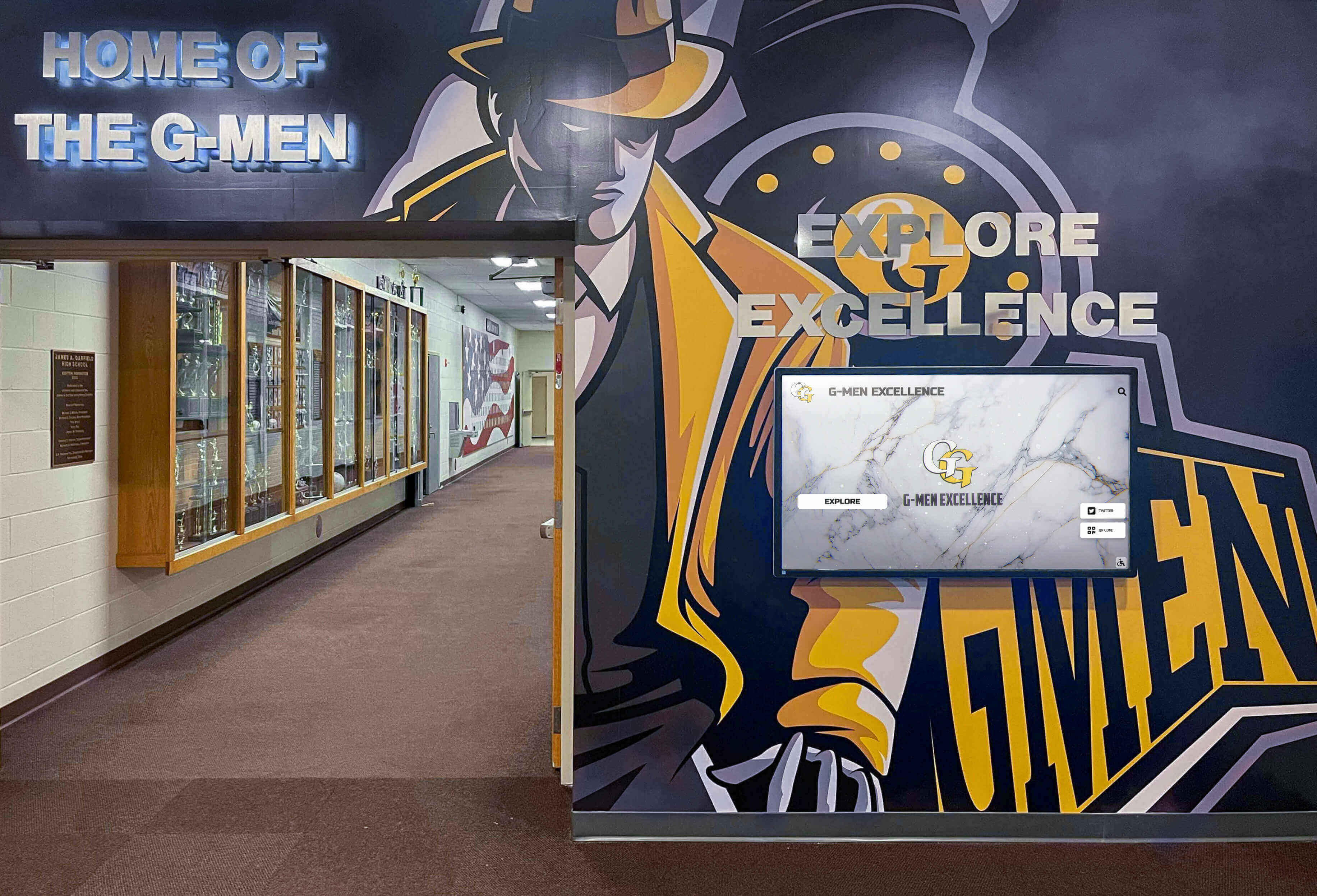
Permanent recognition displays complement ceremonial programs with year-round achievement visibility
Measuring Program Effectiveness
Regular evaluation ensures ceremony programs achieve intended goals and justify resource investment.
Success Indicators
Quantitative Measures
- Program production costs per attendee
- Timeline adherence and deadline achievement
- Error rates and correction requirements
- Printing waste and overproduction
- Archive requests after ceremonies
- Digital version access statistics
Qualitative Assessment
- Attendee satisfaction with program quality
- Recipient feedback about recognition appropriateness
- Staff assessment of production process efficiency
- Administrator perspective on professional presentation
- Community perception of ceremony quality
- Comparison to peer institution programs
Continuous Improvement
Feedback Collection Methods
- Post-ceremony surveys for attendees
- Recipient interviews about experience
- Staff debrief meetings assessing process
- Administrator input on budget and quality
- Comparison to similar organization programs
- Industry best practice research
Implementation of Improvements
- Prioritized enhancement list based on feedback
- Budget allocation for quality improvements
- Technology upgrades when cost-effective
- Template refinements each cycle
- Process streamlining reducing administrative burden
- Exploration of innovative approaches
Conclusion: Creating Programs That Honor Achievement
Banquet programs serve essential functions far beyond simple ceremony guides—they create lasting mementos families treasure, demonstrate institutional professionalism that reflects organizational values, provide meaningful context for recognition, and establish traditions connecting current honorees to program legacy. When schools, organizations, and athletic programs invest thoughtful planning, professional design, and appropriate resources into program creation, they create experiences that elevate entire ceremonies while honoring achievements appropriately.
The strategies explored in this comprehensive guide provide frameworks for developing effective banquet program templates, from essential content elements and design principles to production logistics and innovative digital alternatives. Whether creating traditional printed programs or exploring modern touchscreen recognition systems, these approaches transform ceremony documentation from administrative requirement to meaningful celebration component.
Building excellent programs requires moving beyond assumptions that simple lists of names constitute adequate recognition. Modern programs incorporate rich biographical information, professional design that reflects event significance, multimedia content when utilizing digital formats, and integration with permanent recognition systems ensuring achievements remain visible year-round rather than just during single ceremonies.
Start with program elements your organization can implement immediately based on available resources and design capabilities, then systematically enhance quality and sophistication over multiple ceremony cycles. Every attendee who receives a well-designed, professionally produced program develops stronger appreciation for your organization’s commitment to honoring achievement appropriately.
Your award recipients’ accomplishments deserve recognition equal to the dedication they demonstrated throughout their journeys. With careful planning, professional execution, and consideration of both traditional and digital formats, you can create ceremony programs that honor every achievement while building the appreciative, celebratory culture where all participants thrive.
Modern recognition extends far beyond single ceremonies through permanent digital displays. Solutions like Rocket Alumni Solutions enable schools and organizations to showcase banquet award recipients year-round on interactive touchscreen displays, preserving ceremony recognition permanently while providing 24/7 community access to achievement information that traditional printed programs cannot match.