Back to school night represents one of the most important opportunities schools have to build partnerships with families. That first evening when parents walk through your doors sets the tone for the entire academic year, shaping expectations, building trust, and establishing communication patterns that influence student success for months to come.
Yet many schools struggle to make back to school night as effective as it could be. Parents leave feeling overwhelmed by too much information, confused about expectations, or disconnected from the school environment. Teachers rush through presentations covering everything and nothing simultaneously. Administrators wonder if anyone remembers what was shared or feels genuinely welcomed into the school community.
This comprehensive guide provides practical strategies for planning back to school night events that actually work—creating experiences where parents leave feeling informed, welcomed, and ready to support their children’s academic journey throughout the year.
Effective back to school nights balance information delivery with relationship building, structure with flexibility, and efficiency with warmth. The schools succeeding with parent orientation create welcoming environments, communicate essential information clearly, showcase what makes their school special, and establish foundations for ongoing family engagement.
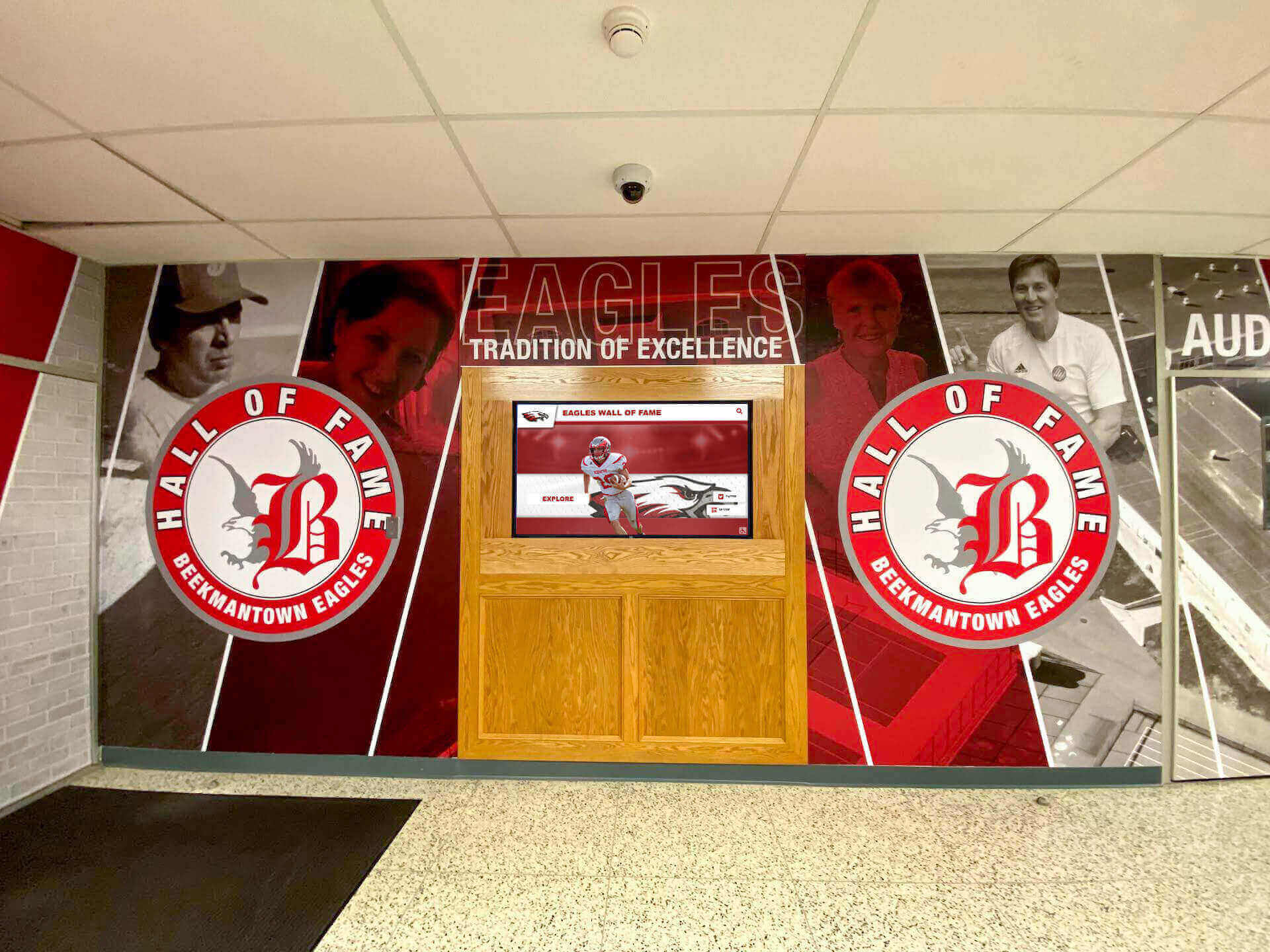
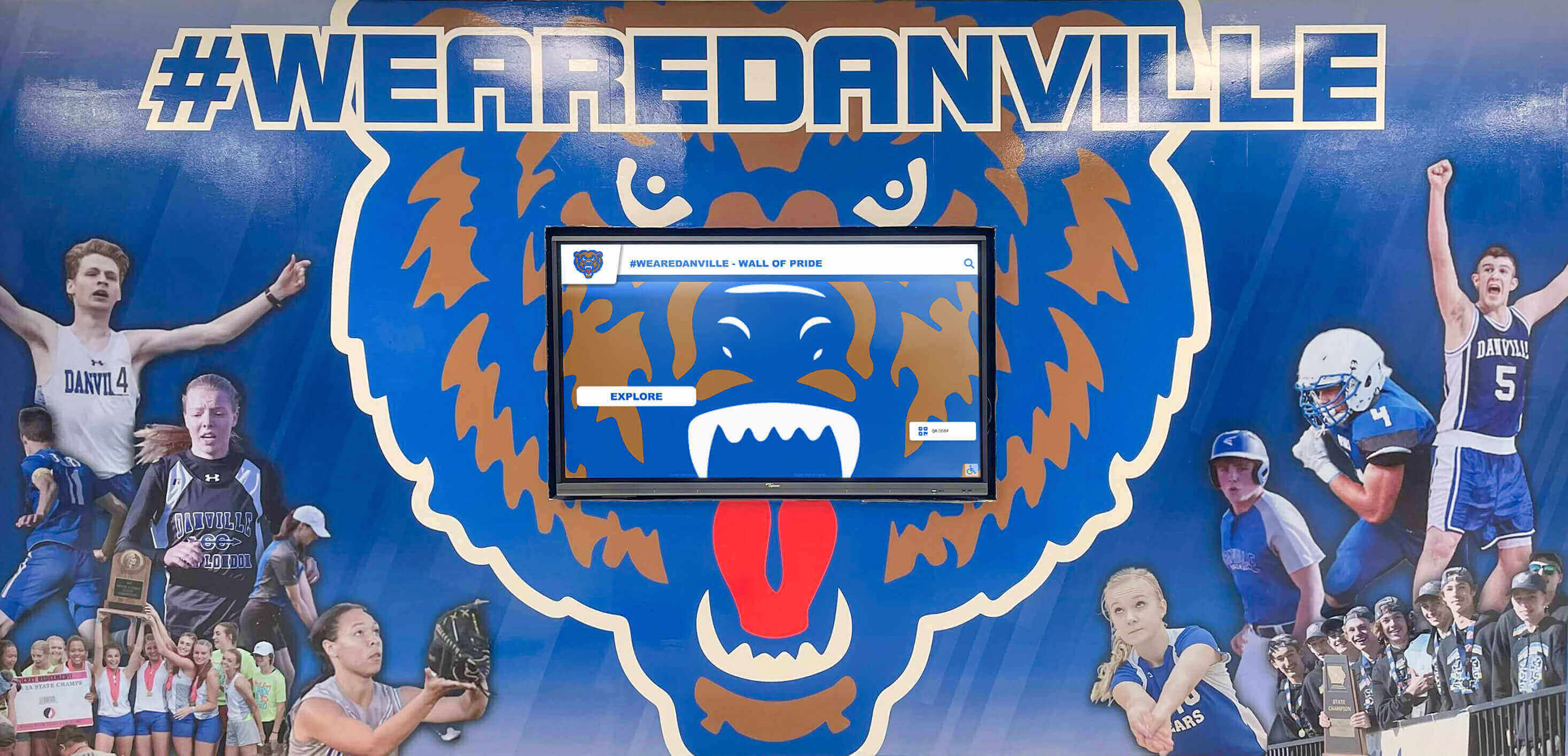
First impressions matter—welcoming lobby displays help parents immediately understand your school's values and culture
Understanding Back to School Night Purpose and Goals
Before diving into logistics, clarifying what you want to accomplish helps focus planning efforts productively.
Primary Back to School Night Objectives
Successful parent orientations serve multiple interconnected purposes:
Establish Communication Foundations
- Introduce teachers and staff families will interact with throughout the year
- Explain communication channels and expectations for school-family contact
- Set response time expectations for emails, calls, and messages
- Share school communication platforms and how to access information
- Demonstrate openness to questions and parent involvement
Share Academic Expectations
- Outline curriculum highlights and learning objectives for the year
- Explain grading policies, assessment methods, and progress reporting
- Clarify homework expectations and home learning support strategies
- Share academic resources available to support student learning
- Preview major projects, assessments, and academic milestones
Schools implementing academic recognition programs often showcase student achievement during back to school night to inspire incoming families.
Build School Community Connection
- Create welcoming environments where families feel valued
- Showcase school culture, values, and traditions
- Highlight extracurricular opportunities and enrichment programs
- Introduce parent involvement opportunities throughout the year
- Foster connections between families within grade levels or programs
What Back to School Night Is NOT
Equally important is understanding what effective orientations avoid:
Not Individual Student Conferences
- Back to school night addresses general classroom information
- Individual student progress discussions happen during conferences
- Teachers cannot address specific concerns about particular students
- Focus remains on classroom community rather than individual performance
- Parents needing individual conversations schedule separate meetings
Not Fundraising or Sales Events
- While information about PTOs or fundraisers may be shared
- Orientation focuses on academic and school culture information
- Avoid creating commercial or transactional atmospheres
- Keep parent organization pitches brief and informational
- Save detailed asks for appropriate later communications
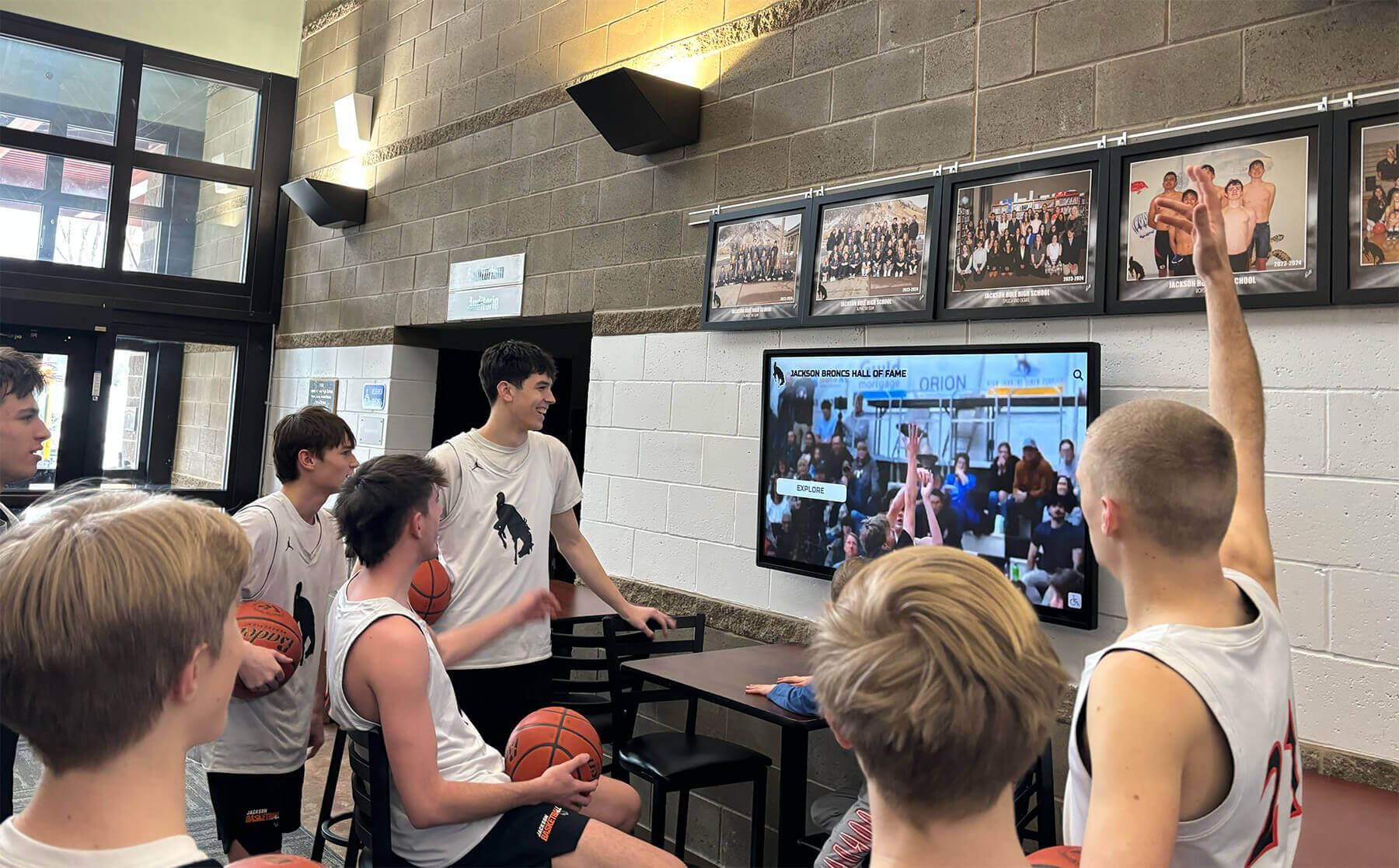
Interactive displays enable parents to explore information at their own pace during arrival and transitions
Not Curriculum Debate Forums
- Orientation explains what and how content will be taught
- Philosophical debates about curriculum choices happen elsewhere
- Teachers present plans rather than defending pedagogical decisions
- Questions seeking clarification are appropriate; challenges are not
- Parents with serious curriculum concerns follow up separately
Planning Timeline and Coordination
Successful back to school nights require systematic planning beginning weeks before the event.
6-8 Weeks Before: Strategic Planning
Form Planning Committee
- Administrative leadership setting overall vision and priorities
- Teacher representatives from various grade levels or departments
- Parent organization leaders coordinating volunteer support
- Support staff handling logistics, facilities, and technical needs
- Communications staff managing promotion and materials
Establish Event Framework
- Select date avoiding major conflicts with community events
- Determine format (traditional classroom visits, assemblies, hybrid)
- Set overall schedule balancing information needs with time constraints
- Identify major logistical needs (parking, childcare, interpretation)
- Develop budget for materials, refreshments, and resources
Create Communication Plan
- Schedule announcement timeline across multiple channels
- Draft initial save-the-date communications
- Plan follow-up reminders building attendance
- Develop materials families will receive during event
- Prepare post-event thank you and resource sharing
Schools planning annual events benefit from building school spirit and community throughout the year.
3-4 Weeks Before: Detailed Preparation
Teacher and Staff Preparation
- Provide teachers with presentation guidelines and time limits
- Share parent orientation best practices and communication tips
- Coordinate room preparation and display expectations
- Arrange coverage for teachers with multiple responsibilities
- Plan for special services staff introduction and availability
Logistics and Operations
- Finalize parking plans and signage needs
- Arrange childcare if offering supervised activities
- Coordinate refreshments and hospitality areas
- Prepare building signage and wayfinding materials
- Test technology in all presentation spaces
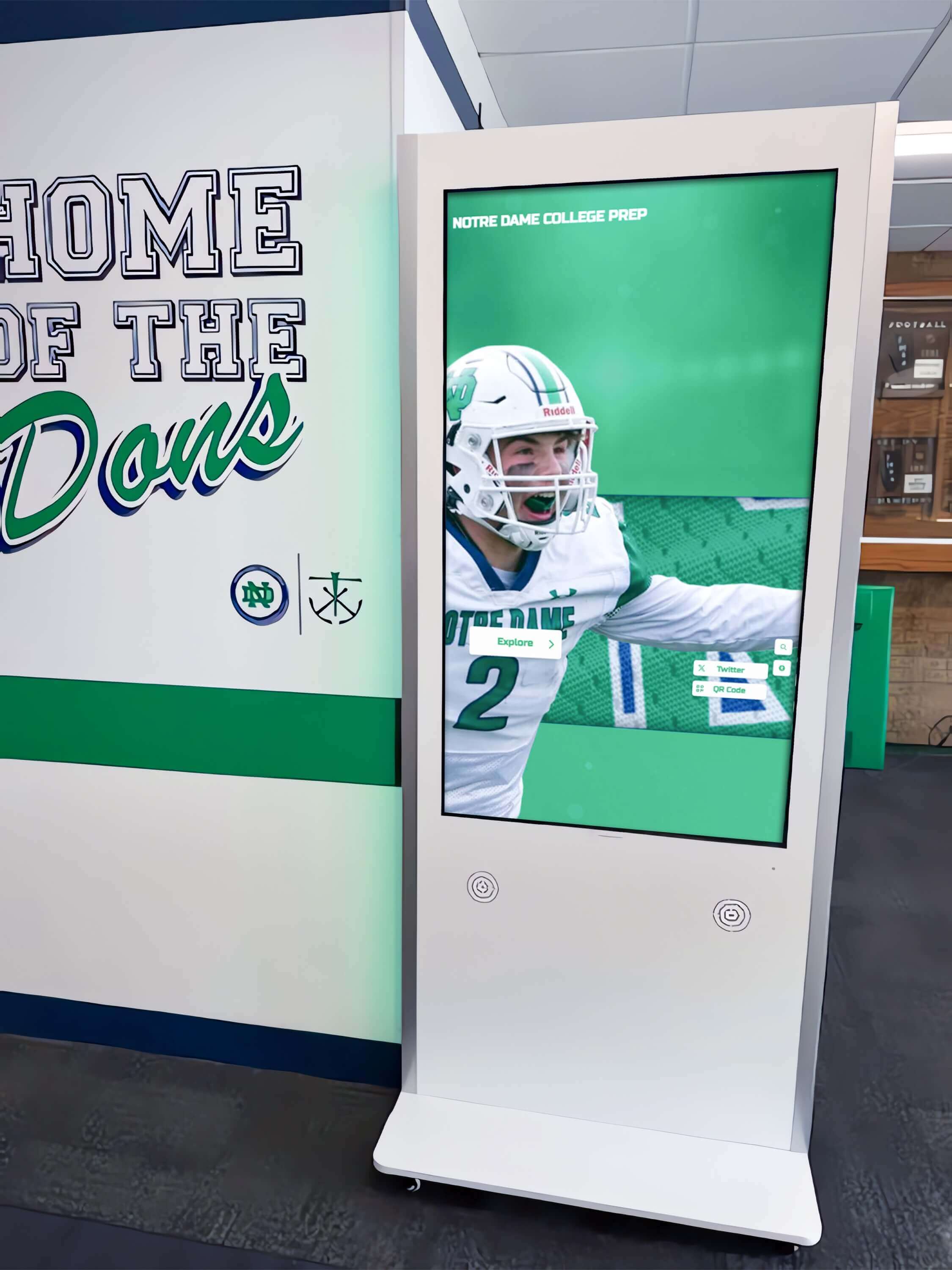
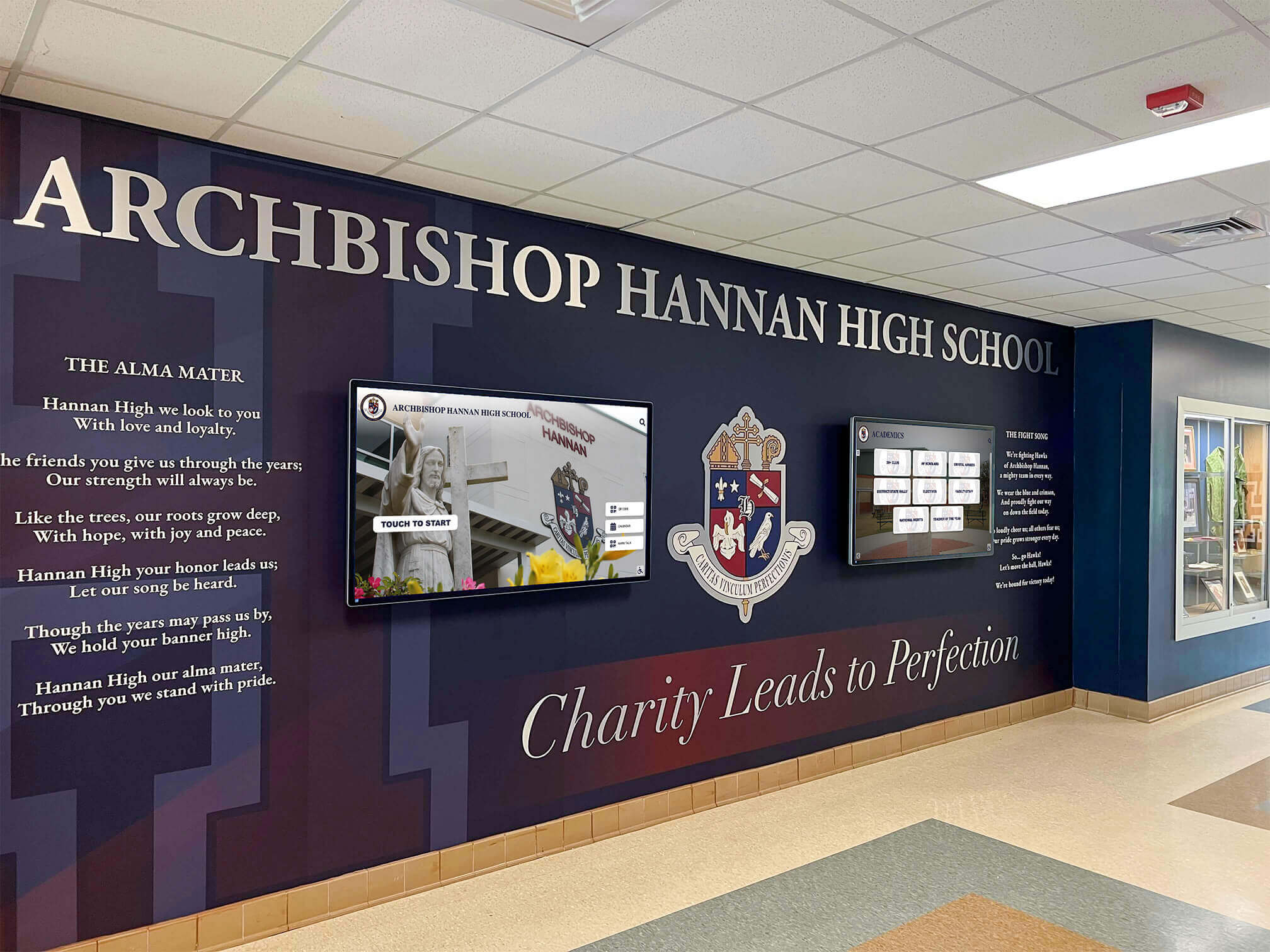
Clear wayfinding and information displays help parents navigate unfamiliar buildings confidently
Materials Development
- Create welcome packets with essential information
- Develop building maps and schedule guides
- Prepare parent contact information collection forms
- Design volunteer opportunity sign-up sheets
- Compile resource lists and helpful contacts
1-2 Weeks Before: Final Details
Communication Blitz
- Send detailed reminder with schedule and logistics information
- Share frequently asked questions addressing common concerns
- Provide accessibility information and accommodation options
- Remind about childcare availability if offered
- Include parking and arrival instructions
Staff Preparation
- Conduct final walkthrough with facilities team
- Brief greeters and volunteers about their responsibilities
- Review emergency procedures and backup plans
- Confirm technology functionality in all spaces
- Prepare contingency plans for common issues
Stakeholder Coordination
- Confirm parent organization representatives and table locations
- Coordinate with booster clubs, athletic staff, and activity leaders
- Arrange student ambassador availability if using peer guides
- Brief security or safety personnel about event logistics
- Communicate expectations with outside vendors if relevant
Creating Welcoming First Impressions
The moment parents arrive sets the tone for their entire experience and perception of your school.
Arrival Experience
Parking and Traffic Flow
- Clear signage directing visitors to appropriate parking areas
- Volunteers directing traffic if expecting large crowds
- Designated accessible parking near main entrances
- Alternative drop-off areas for families carpooling
- Overflow parking plans with directional signage
Entrance and Check-In
- Welcoming greeters at all entrances with friendly greetings
- Clear signage identifying entrance points and directing initial flow
- Simple check-in or sign-in process collecting necessary information
- Name tags helping parents identify each other and building community
- Information tables with maps, schedules, and answer common questions
Schools create strong first impressions through thoughtfully designed school lobby spaces that communicate values immediately.
Showcasing School Culture
Visual Environment
- Student work displays celebrating current and recent achievements
- Welcome banners in multiple languages reflecting community diversity
- School mission and values prominently displayed
- Athletic, academic, and arts recognition showcasing program excellence
- Clean, well-maintained facilities demonstrating institutional pride
Interactive Recognition Displays Modern schools increasingly use digital displays to engage parents during arrival and transitions:
- Touchscreen displays showcasing school history and tradition
- Athletic and academic achievement galleries parents can explore
- Digital donor recognition acknowledging community support
- School calendar and upcoming events information
- Interactive campus maps and facility information
Solutions like Rocket Alumni Solutions provide interactive touchscreen displays that allow parents to explore school achievements, traditions, and programs during back to school night, creating conversation starters and demonstrating institutional pride.
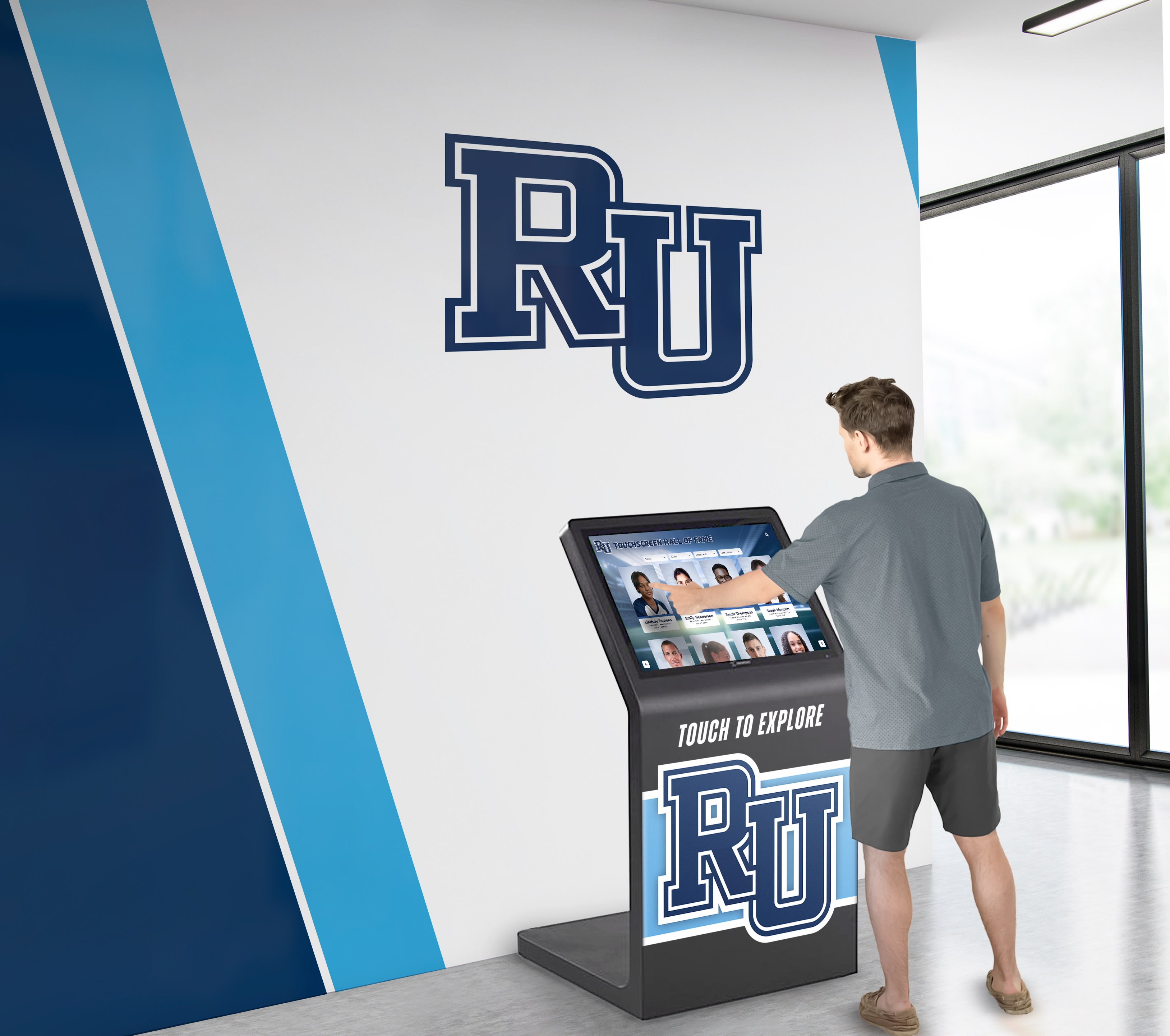
Interactive displays give parents meaningful ways to engage with school culture while waiting or between sessions
Hospitality and Comfort
- Refreshment areas with light snacks and beverages
- Comfortable seating for parents waiting between sessions
- Restroom locations clearly marked and accessible
- Temperature-controlled environments ensuring comfort
- Quiet spaces for nursing parents or those needing breaks
Accessibility and Inclusion
Physical Accessibility
- Accessible routes to all presentation spaces clearly marked
- Elevator locations and operation instructions visible
- Seating accommodations for those with mobility limitations
- Assistive listening devices available upon request
- Large print materials for visually impaired visitors
Language Access
- Interpretation services for predominant language groups
- Translated materials for key information and resources
- Multilingual staff or volunteers identified and available
- Translation apps or devices for less common languages
- Visual communication supporting comprehension across language barriers
Cultural Responsiveness
- Welcome messaging acknowledging family diversity
- Materials reflecting varied family structures
- Sensitivity to religious and cultural scheduling considerations
- Inclusive imagery in displays and communications
- Recognition that families come from varied backgrounds and experiences
Structuring the Evening Effectively
How you organize the event dramatically impacts information retention and parent satisfaction.
Common Format Options
Traditional Classroom Rotation Parents follow their child’s schedule visiting each classroom:
Advantages:
- Parents experience their student’s daily routine
- Teachers meet all students’ parents in their own classroom environment
- Natural opportunity to see student work displays and classroom culture
- Mimics student experience building understanding
Challenges:
- Tight timing constraints limiting depth of coverage
- Late arrivals disrupt presentations repeatedly
- Impossible to accommodate parents with multiple children effectively
- Hallway congestion during transitions
- Teachers repeat presentations 5-7 times creating fatigue
Reverse Classroom Rotation Parents stay in homeroom while teachers rotate to them:
Advantages:
- Parents remain settled rather than navigating building
- Easier for families with multiple children in same grade
- Teachers deliver fewer presentations reducing repetition fatigue
- Builds grade-level parent community as they experience together
- Simplifies logistics and reduces hallway congestion
Challenges:
- Parents don’t see actual classroom environments
- Doesn’t mirror student daily experience
- Teachers must transport materials between rooms
- Grade-level specific approach difficult at secondary level
- Less personal connection to individual classroom spaces
Well-designed hallways with clear signage help parents transition smoothly between sessions
Assembly Plus Department/Grade Visits Large group session followed by smaller breakout opportunities:
Advantages:
- Efficient delivery of school-wide information to everyone simultaneously
- Shorter individual sessions focusing on differentiated content
- Accommodates families with multiple children more easily
- Reduces total event time commitment
- Provides flexibility for families to prioritize specific sessions
Challenges:
- Requires suitable assembly space accommodating all parents
- Less intimate classroom environment connection
- Some parents may skip breakout sessions after assembly
- Coordinating large group presentations and smaller sessions
- May feel less personal than classroom-focused approaches
Timing and Schedule Considerations
Elementary School Scheduling
- Typical event duration: 60-90 minutes total
- Brief welcome assembly (15-20 minutes) covering school-wide topics
- Classroom visits (30-40 minutes) with teacher presentations
- Transition time (5-10 minutes) for movement between spaces
- Informal mingling time (10-15 minutes) for questions and connections
Middle School Scheduling
- Typical event duration: 90-120 minutes total
- Welcome session (15-20 minutes) in auditorium or cafeteria
- Shortened period format (8-12 minutes per class) following student schedule
- Brief passing time (3-5 minutes) between classroom rotations
- Open house time (20-30 minutes) for informal teacher conversations
High School Scheduling
- Typical event duration: 90-120 minutes total
- Opening assembly (20-25 minutes) addressing school policies and resources
- Mini class periods (7-10 minutes) following abbreviated student schedule
- Minimal passing time (2-3 minutes) between periods
- Information fair time (20-30 minutes) with departments, clubs, and resources
Schools organizing multiple annual events benefit from understanding how to plan memorable celebrations that engage school communities effectively.
What to Include in Presentations and Materials
Content decisions determine whether parents leave informed or overwhelmed.
Essential Information to Share
Classroom and Teacher Information
- Teacher background, experience, and teaching philosophy
- Curriculum overview highlighting major themes and topics
- Learning objectives and skills students will develop
- Instructional approaches and teaching methods used
- Assessment and grading policies with specific examples
- Homework expectations including typical frequency and duration
- Late work and make-up work policies
Communication Expectations
- Preferred contact methods (email, phone, messaging apps)
- Response time expectations for routine versus urgent matters
- Best times to reach teachers for questions
- Communication platforms used (learning management systems, apps)
- Progress reporting schedule and access methods
- When parents should proactively contact teachers versus waiting
Student Support and Resources
- Academic support services and how to access them
- Social-emotional learning and counseling resources
- Special education services and accommodation processes
- English language learner support programs
- Gifted and talented programming opportunities
- Health services and medication administration procedures
Practical Logistics
- Daily schedule including start/end times and lunch periods
- Attendance policies and absence reporting procedures
- Tardiness protocols and excused/unexcused distinctions
- Discipline policies and behavioral expectations
- Technology policies including device use and acceptable practices
- Safety and emergency procedures parents should understand
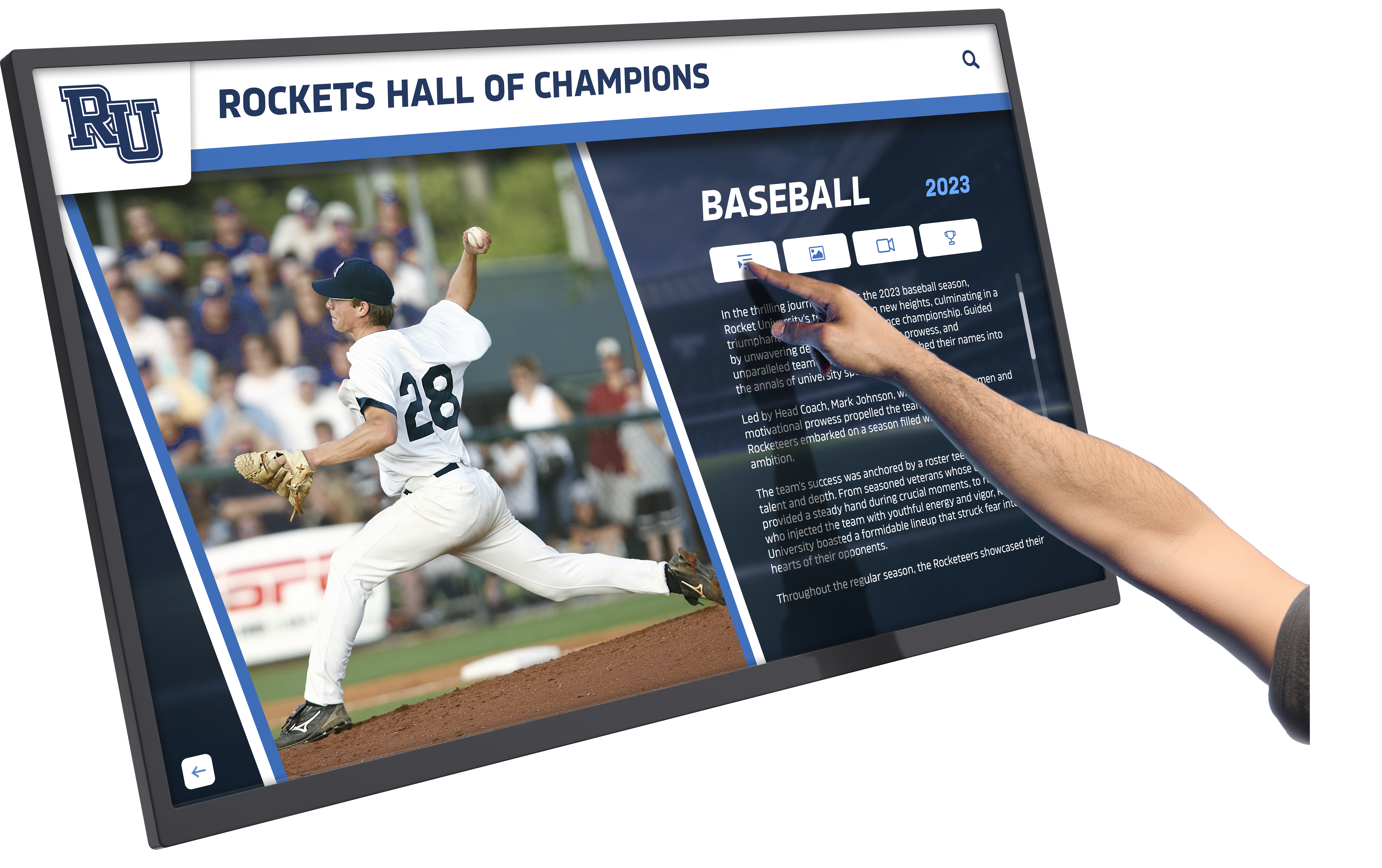
Digital displays can share rotating information about programs, policies, and resources throughout the evening
What to Minimize or Exclude
Avoid Information Overload
- Don’t attempt to cover every detail in limited time
- Resist urge to read lengthy handbook sections verbatim
- Minimize jargon and education-specific terminology
- Skip minutiae that can be shared in written materials
- Recognize parents cannot absorb everything in single evening
Save for Later Communications
- Detailed unit-by-unit curriculum breakdowns
- Extensive lists of supply needs (share via email)
- Fundraising program details and campaign information
- Exhaustive activity and club descriptions
- Complex processes better explained in documentation
Inappropriate Back to School Night Topics
- Individual student academic performance or behavior concerns
- Specific peer relationship issues involving multiple students
- Criticism of school policies or personnel
- Political or controversial social issues
- Personal matters unrelated to school programming
Schools should prepare comprehensive written materials that families can reference later rather than attempting to verbally communicate every detail during the orientation event.
Engaging Parent Participation
Passive information delivery leaves parents less connected than interactive engagement approaches.
Interactive Activities
Icebreakers and Introductions
- Brief parent introductions sharing student names and fun facts
- Grade-level or classroom networking activities building parent connections
- Question cards encouraging parents to ask about their priorities
- Interactive polls gathering parent input on topics or concerns
- Scavenger hunt elements making building exploration fun
Student Work Showcases
- Display student work from first weeks showing early accomplishments
- Include work-in-progress demonstrating learning processes
- Create interactive elements where parents try sample assignments
- Post student quotes or reflections about their learning
- Showcase variety of student work representing diverse strengths
Effective schools recognize all types of student achievement through comprehensive recognition approaches that value academics, athletics, arts, and character equally.
Technology Demonstrations
- Show parents how to access online gradebooks and portals
- Demonstrate learning management systems students use
- Explain digital submission processes and online resources
- Provide login help for parents unfamiliar with systems
- Share device management and digital citizenship information
Hands-on technology demonstrations help parents understand digital tools their students use daily
Question and Answer Strategies
Structured Q&A Time
- Build specific question time into presentation schedule
- Use anonymous question submission for sensitive topics
- Address common questions proactively during presentations
- Group similar questions to use time efficiently
- Defer individual student issues to private conversations
Alternative Question Channels
- Question boards where parents post sticky note questions
- Online forms for questions submitted during or after event
- Email addresses for follow-up questions after orientation
- Office hours or call times for complex question discussions
- FAQ documents addressing anticipated common questions
Handling Difficult Questions
- Acknowledge valid concerns respectfully
- Avoid defensive postures even with challenging questions
- Redirect individual student issues to appropriate channels
- Admit when you don’t know answers and commit to follow-up
- Model problem-solving approaches and collaborative attitudes
Supporting Teachers and Staff
Back to school night success depends significantly on teacher confidence and preparation.
Teacher Preparation Support
Presentation Training and Resources
- Share effective presentation strategies and time management tips
- Provide sample presentation templates and outlines
- Coach teachers on balancing content with relationship building
- Discuss strategies for handling common difficult questions
- Practice presentations beforehand if teachers request feedback
Classroom Preparation Guidelines
- Create welcoming, organized classroom environments
- Display student work and classroom culture artifacts
- Prepare seating accommodating adult visitors comfortably
- Post important information visible throughout presentations
- Have contact information and resources readily available
Emotional Support
- Acknowledge anxiety many teachers feel about parent presentations
- Create supportive culture where teachers share strategies
- Recognize that perfect presentations aren’t expected
- Celebrate teachers who engage parents authentically
- Provide debrief opportunities to process experiences
Administrative Support During Event
Visible Leadership Presence
- Administrators circulating throughout building during event
- Principals greeting families and answering questions
- Leadership visible at entry points welcoming parents
- Quick administrative support for teachers with issues
- Appreciation expressed to teachers during and after event
Troubleshooting and Backup
- Technology support staff available for presentation issues
- Extra supplies and materials accessible quickly
- Substitute presenters prepared if teachers have emergencies
- Clear communication channels for real-time problem solving
- Flexible response to unexpected challenges
Teacher Recognition
- Thank teachers publicly during opening or closing remarks
- Written appreciation following event highlighting effort
- Acknowledge time commitment beyond regular work hours
- Share positive parent feedback with teachers afterward
- Celebrate successful elements and team effort
Schools that regularly honor staff create cultures of appreciation that extend to events like back to school night. Teacher appreciation approaches throughout the year build morale that translates to better events.
Special Considerations and Adaptations
Different school contexts require thoughtful modifications to standard approaches.
Multi-Child Family Accommodations
Scheduling Conflicts
- Recognize parents with multiple children face impossible choices
- Offer pre-recorded presentations families can view later
- Provide detailed written materials covering all key information
- Schedule make-up sessions or office hours for individual questions
- Consider staggered events on different nights for different grades
Information Consolidation
- Create family packets consolidating information across children
- Designate parent organization representatives to answer general questions
- Develop comprehensive website resources accessible after event
- Offer phone consultation times for personalized information
- Recognize no format perfectly solves multi-child family challenges
Virtual and Hybrid Options
Remote Participation
- Live-stream opening sessions for families unable to attend
- Create recorded classroom presentations available online
- Offer virtual office hours for remote question opportunities
- Ensure written materials accessible digitally
- Provide online feedback mechanisms for remote participants
Hybrid Event Design
- In-person core experience with virtual supplementation
- Recording key presentations for later viewing
- Online resources extending beyond single evening
- Digital sign-up and information collection reducing in-person logistics
- Balance accessibility with maintaining personal connection value
Cultural and Community Sensitivity
Diverse Family Structures
- Use inclusive language acknowledging varied family configurations
- Recognize guardians, extended family, and non-traditional families
- Avoid assumptions about who will attend or family circumstances
- Provide materials accessible to all who support student learning
- Create welcoming environments for all family types
Working Family Considerations
- Schedule events at times minimizing work conflict
- Recognize evening events still challenge many families
- Offer alternative information access for those unable to attend
- Avoid guilt-inducing messaging about attendance importance
- Focus on multiple engagement opportunities throughout year
Socioeconomic Sensitivity
- Avoid highlighting expensive optional purchases or trips
- Minimize emphasis on fundraising during orientation
- Ensure free or low-cost participation in all discussed activities
- Acknowledge resource constraints many families face
- Focus on what school provides rather than family contributions
Schools serving diverse communities benefit from approaches that build sense of community while respecting individual circumstances and backgrounds.
Following Up After Back to School Night
The orientation evening begins relationships requiring nurturing through follow-up.
Immediate Follow-Up (Within 48 Hours)
Thank You Communications
- Email thanking families for attending
- Acknowledge appreciation for teacher and staff effort
- Share any corrections to information presented
- Provide links to resources mentioned during event
- Include contact information for follow-up questions
Resource Sharing
- Post presentation materials on school website or parent portal
- Share recorded sessions if applicable
- Upload key documents and calendars
- Provide additional resources referenced during presentations
- Make information accessible to those who couldn’t attend

Mobile-accessible resources extend back to school night information beyond the single evening event
Extended Follow-Up (First Month)
Continued Connection Building
- Weekly update emails maintaining communication momentum
- Invitation to upcoming school events and activities
- Parent involvement opportunity reminders and sign-ups
- Highlighting early successes and positive news
- Addressing questions that emerged after initial orientation
Feedback Collection
- Survey gathering parent input on event effectiveness
- Questions about information clarity and format preferences
- Suggestions for improving future orientation events
- Identifying gaps in information or areas of confusion
- Measuring parent confidence and connection to school
Individual Outreach
- Teachers initiating positive contact with each family
- Phone calls or emails highlighting early student successes
- Addressing concerns that emerged during orientation
- Inviting parents to volunteer or engage in specific ways
- Building personal relationships beyond orientation event
Systemic Improvement
Evaluation and Reflection
- Staff debrief discussing what worked well and challenges
- Analyzing parent feedback for actionable improvements
- Identifying systemic issues that need addressing
- Documenting successful strategies for future planning
- Celebrating wins and learning from difficulties
Planning for Ongoing Engagement
- Connecting back to school night to year-long engagement plan
- Scheduling future parent events and communication touchpoints
- Building on relationships established during orientation
- Creating multiple entry points for parent involvement
- Recognizing back to school night as beginning, not endpoint
Documentation for Future
- Creating improved materials based on experience
- Updating planning documents and timelines
- Preserving successful presentation templates and approaches
- Recording institutional knowledge before staff turnover
- Setting foundation for continuous improvement
Common Challenges and Solutions
Anticipating typical problems enables proactive planning preventing or minimizing issues.
Low Attendance
Contributing Factors
- Work schedule conflicts for many families
- Childcare challenges preventing participation
- Transportation limitations for some families
- Disconnect or distrust between families and school
- Previous negative experiences with school events
Improvement Strategies
- Survey families about barriers and preferences
- Offer multiple attendance options including virtual
- Provide childcare or family-friendly activities
- Build relationships throughout year supporting future attendance
- Focus on quality experience for those who attend
- Create excellent alternatives for those unable to participate
Schools implementing alumni engagement strategies recognize that sustained relationships require multiple touchpoints over time.
Information Overload
Common Manifestations
- Parents appear glazed or overwhelmed during presentations
- Many questions asking presenters to repeat basic information
- Confusion about fundamental logistics and expectations
- Low retention of key details shared during event
- Complaints about excessive or confusing information
Prevention Approaches
- Limit verbal presentations to truly essential information
- Use written materials for reference details
- Create layered information approach (simple to complex)
- Repeat critical information multiple times in different formats
- Focus on what parents must know versus nice-to-know
- Allow questions throughout rather than information dumps
Disruptive or Challenging Behaviors
Potential Issues
- Parents dominating question time with individual concerns
- Argumentative or hostile interactions about policies
- Technology failures disrupting presentations
- Late arrivals repeatedly interrupting sessions
- Parents treating event as individual conference time
Response Strategies
- Address expectations clearly at event opening
- Train teachers in redirecting inappropriate questions
- Have administrators available for escalated situations
- Prepare contingencies for technology failures
- Build flexibility into schedule for some disruption
- Follow up individually with particularly challenging situations
Technology Integration for Modern Back to School Nights
Strategic technology use enhances parent experience without creating barriers.
Helpful Technology Applications
Digital Wayfinding
- Interactive displays helping parents navigate buildings
- Mobile-friendly maps accessible on personal devices
- QR codes linking to specific classroom or teacher information
- Digital schedule displays showing current session information
- Real-time updates if schedule changes needed
Information Access
- Touchscreen displays sharing school programs and achievements
- Digital resource libraries parents can explore during downtime
- Online presentation materials accessible during and after event
- Interactive school history and tradition displays
- Program showcase displays highlighting opportunities
Digital displays like those from Rocket Alumni Solutions enable parents to explore school achievements, traditions, and programs interactively while waiting or between sessions, making productive use of transition time.
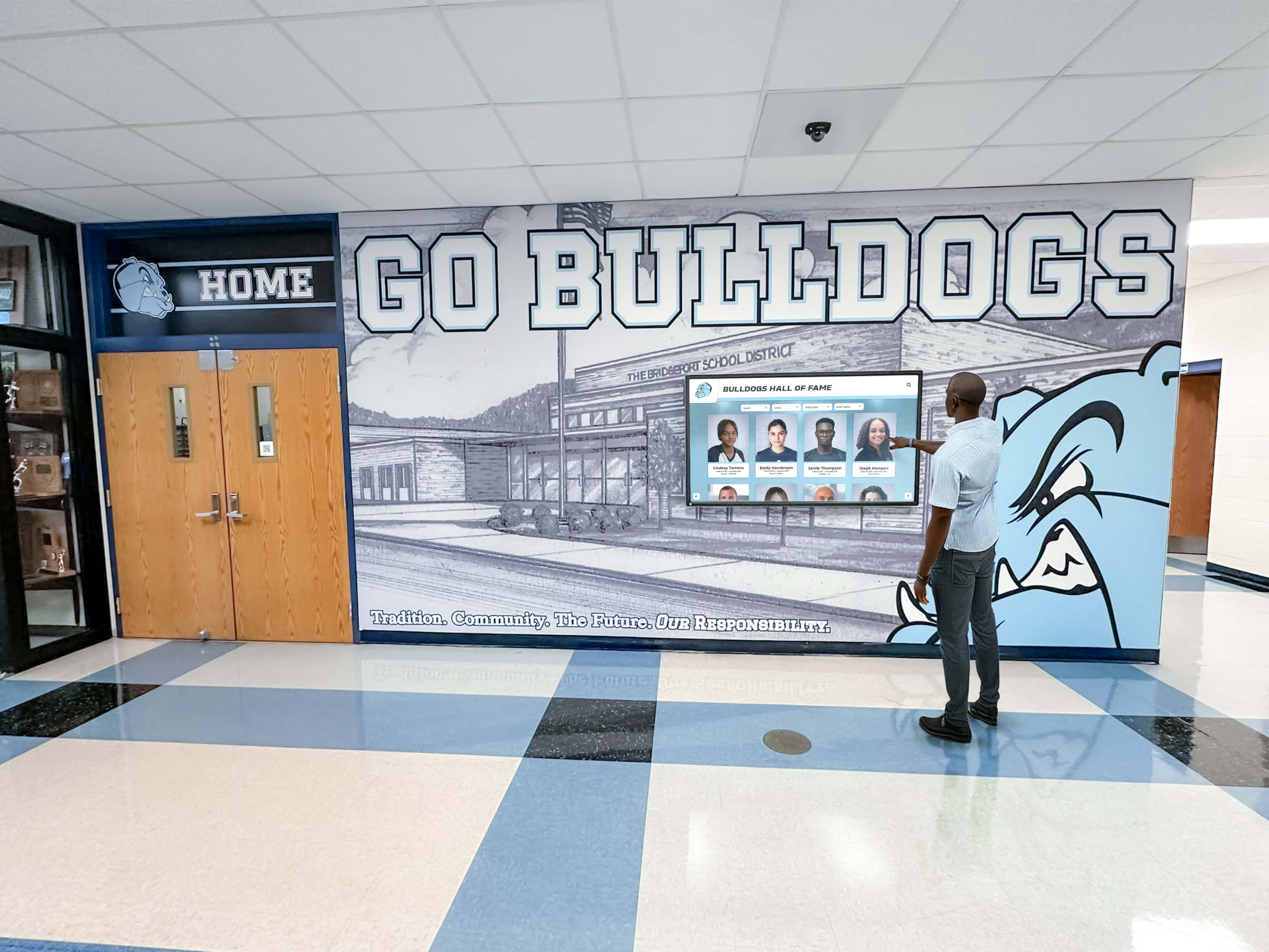
Interactive displays transform hallway waiting time into opportunities to learn about school culture and programs
Communication Tools
- Email collection systems building contact databases
- Digital sign-ups for volunteer opportunities and events
- Instant feedback tools gathering parent input
- Social media integration sharing event highlights
- Mobile-friendly information parents can reference later
Technology Pitfalls to Avoid
Over-Reliance on Digital
- Assuming all parents have smartphones or devices
- Creating barriers for less tech-savvy families
- Technology failures disrupting entire event
- Losing personal connection focus
- Excluding families without digital access
Best Practices
- Provide analog alternatives for all digital information
- Test technology thoroughly before event
- Have backup plans for failures
- Keep technology as tool, not focus
- Ensure accessibility across technology comfort levels
Making Back to School Night Work for Your School
Every school context requires adaptations to general principles.
Small School Advantages and Challenges
Opportunities
- More intimate, personal connections possible
- Flexibility to customize for specific community
- Everyone knows each other building easier relationships
- Less complex logistics and scheduling
- Stronger sense of community
Considerations
- Limited staff requiring multiple roles
- Smaller parent volunteer base
- Fewer resources for elaborate events
- All families know all situations (privacy challenges)
- High expectations for personalization
Large School Adaptations
Opportunities
- More resources and personnel for planning
- Specialized staff for different components
- Variety of programs to showcase
- Multiple parent organization support
Considerations
- Complex logistics and coordination required
- Parking and traffic flow challenges
- Impersonal atmosphere if not carefully designed
- Difficulty ensuring individual connections
- Communication challenges across large populations
District-Level Coordination
Considerations for Multi-School Districts
- Consistent messaging while allowing building individuality
- Avoiding scheduling conflicts between schools
- Sharing resources and best practices across buildings
- Coordinated central office presence and support
- Balanced approach between standardization and flexibility
Conclusion: Building Partnerships That Last
Back to school night represents far more than a single evening event. Effective parent orientations establish foundations for strong school-family partnerships supporting student success throughout the academic year and beyond. When schools create welcoming experiences, communicate essential information clearly, showcase their unique culture and programs, and establish patterns for ongoing engagement, they set trajectories toward positive relationships that benefit students, families, and educators alike.
The most successful back to school nights balance efficiency with warmth, information delivery with relationship building, structure with flexibility, and tradition with innovation. Schools that invest thoughtful planning into orientation events recognize returns in the form of engaged parent communities, smoother communication throughout the year, strong home-school partnerships supporting learning, and positive school cultures where families feel valued and connected.
Begin with understanding your specific school community—their needs, challenges, preferences, and strengths. Build events that meet families where they are rather than expecting them to conform to ideal visions that may not match reality. Focus on what truly matters: helping parents understand how to support their children’s learning, establishing trust and open communication, showcasing what makes your school special, and creating genuine welcoming that makes families feel they belong.
Modern tools can enhance back to school night effectiveness significantly. Interactive touchscreen displays provide parents with engaging ways to explore school achievements, history, and programs during arrival and transition times. Digital recognition displays demonstrate institutional pride and values. Interactive wayfinding helps parents navigate unfamiliar buildings confidently. These technologies work best when they support human connection rather than replace it, enhancing experiences while maintaining the personal touches that make parents feel genuinely welcomed.
Your back to school night shapes families’ perceptions of your school and influences engagement throughout the entire year. With thoughtful planning, authentic welcome, clear communication, and genuine relationship building, you can create orientation experiences where parents leave feeling informed, inspired, and ready to partner with educators in supporting student success.
Ready to explore how interactive display technology can enhance your back to school night and other family engagement events? Discover how solutions like Rocket Alumni Solutions provide engaging touchscreen displays that showcase your school’s achievements, traditions, and programs, creating conversation starters and demonstrating institutional pride during family events.