Planning an awards ceremony that genuinely engages attendees while meaningfully honoring achievements presents significant challenges for schools and organizations. Too many recognition events devolve into tedious name-reading marathons that lose audience attention, celebrate the same predictable recipients year after year, and fail to create the memorable, motivating experiences that effective recognition requires. Meanwhile, achievements celebrated during ceremonies often fade from visibility within days, missing opportunities to inspire ongoing excellence.
Awards ceremony ideas that transform obligatory annual events into genuinely engaging celebrations require thoughtful planning across multiple dimensions—from diverse recognition categories honoring contributions beyond traditional metrics to ceremony formats maintaining energy throughout, from multimedia integration creating emotional resonance to modern display solutions ensuring lasting visibility beyond single events.
This comprehensive guide explores practical strategies for planning awards ceremonies that attendees actually enjoy, recognition approaches celebrating diverse achievements authentically, presentation techniques keeping audiences engaged rather than checking phones, and technology solutions extending ceremony impact far beyond the evening itself—creating recognition experiences that motivate continued excellence across entire communities.
Recognition ceremonies represent strategic investments in organizational culture, motivation, and retention rather than mere celebratory obligations. When schools and organizations implement thoughtful ceremony approaches celebrating genuine achievements through engaging formats, they create powerful experiences reinforcing desired behaviors while building cultures where excellence becomes normalized expectation rather than rare exception.
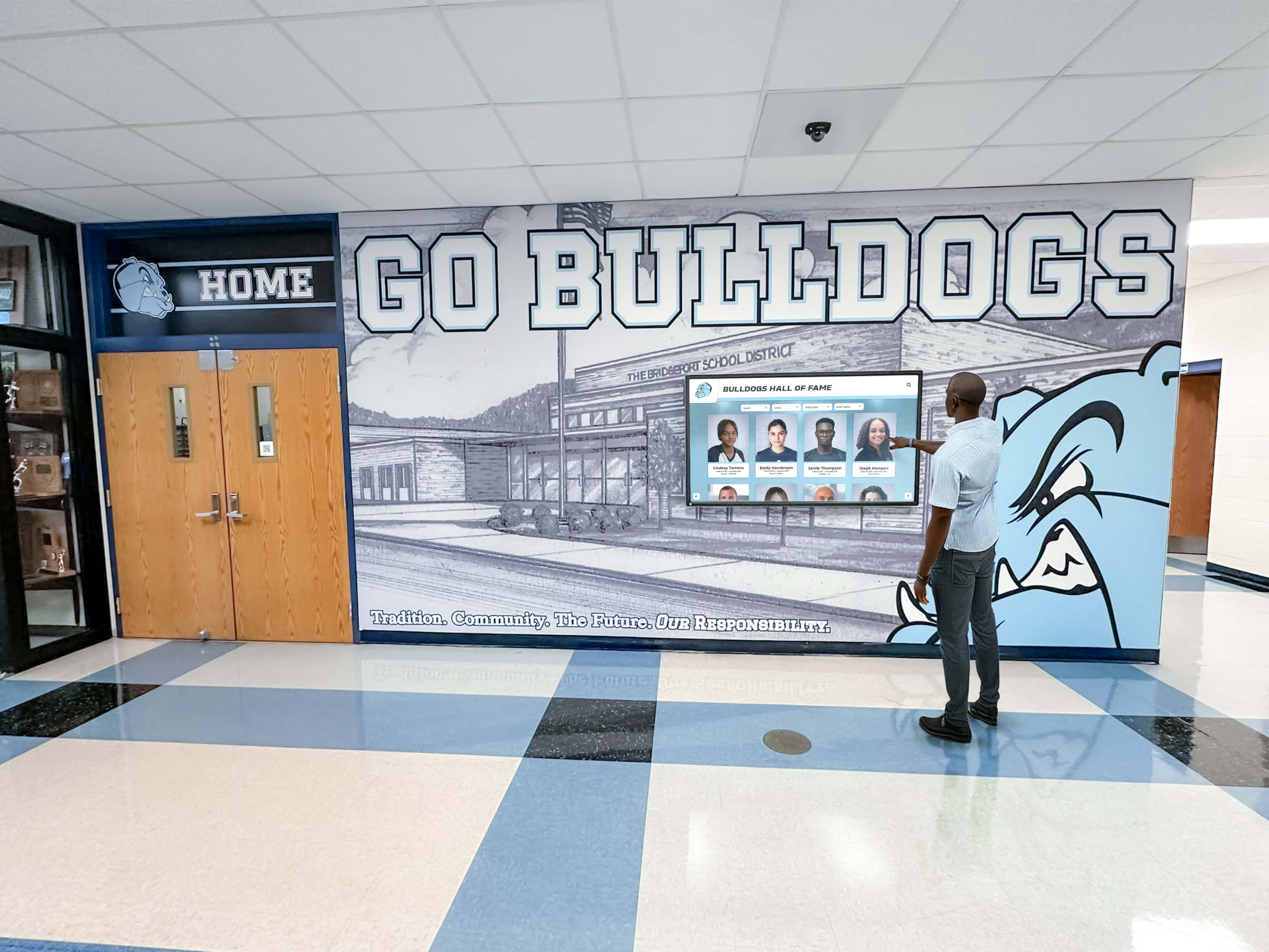
Modern recognition displays complement ceremonies by providing year-round visibility for achievements celebrated during events
Why Effective Awards Ceremonies Matter
Understanding the measurable impact of recognition events helps organizations justify investment and prioritize thoughtful ceremony design.
The Business Case for Meaningful Recognition Events
Research consistently demonstrates that systematic recognition delivers quantifiable returns across educational and organizational contexts:
Motivation and Performance Impact
- Recognition increases intrinsic motivation by affirming competence and value of contributions
- Public acknowledgment creates positive peer influence encouraging broader excellence
- Ceremony celebration reinforces specific behaviors and achievements worth repeating
- Visible recognition normalizes achievement as standard expectation rather than exception
- Award recipients demonstrate 23-31% higher sustained performance in subsequent periods
Retention and Engagement Benefits
- Employees and students receiving meaningful recognition show significantly higher retention rates
- Recognition events strengthen organizational connection and identity affiliation
- Ceremony attendance correlates with increased engagement scores and participation rates
- Public celebration demonstrates that contributions matter and receive genuine appreciation
- Organizations with systematic recognition report 31% lower voluntary turnover
Cultural and Community Advantages
- Awards ceremonies communicate organizational values more effectively than stated principles alone
- Recognition events create shared experiences strengthening community bonds
- Ceremony traditions build organizational identity and belonging
- Family and community attendance extends positive visibility beyond immediate organization
- Recognition culture attracts higher-quality candidates and strengthens institutional reputation
Schools implementing comprehensive student recognition approaches demonstrate how systematic celebration creates measurable improvements in motivation, performance, and community engagement.
Common Awards Ceremony Challenges
Despite good intentions, many recognition events suffer from predictable problems undermining their effectiveness:
Engagement and Pacing Issues
- Ceremonies running excessively long losing audience attention regardless of content quality
- Monotonous format reading endless name lists without context or storytelling
- Lack of variety in presentation style creating tedious repetition
- Poor audio-visual quality making content difficult to see or hear
- Inadequate energy and enthusiasm from presenters
- Missing opportunities for audience interaction and participation
Recognition Scope and Equity Problems
- Narrow focus on easily measured achievements excluding important contributions
- Same high performers receiving multiple awards while others never experience recognition
- Insufficient award categories limiting opportunities for diverse achievement acknowledgment
- Bias toward visible roles and accomplishments overlooking behind-the-scenes contributions
- Recognition skewed toward certain departments, programs, or demographic groups
- Unclear selection criteria creating perceptions of favoritism or inconsistency
Limited Lasting Impact
- Recognition visibility confined to ceremony attendees missing broader community
- No permanent record preserving achievements after event concludes
- Difficulty for absent family members or community to experience recognition
- Achievements forgotten within days as attention moves to other priorities
- No integration with broader communication channels amplifying recognition reach
- Missing opportunities to leverage technology extending ceremony impact
Creating Recognition Worth Celebrating
Effective awards ceremonies share essential characteristics distinguishing meaningful recognition from forgettable obligations:
Inclusive Category Design
- Recognition opportunities spanning academic, athletic, artistic, character, service, and improvement dimensions
- Award categories appropriate across different skill levels and starting points
- Balance between individual excellence and team collaboration acknowledgment
- Transparent selection criteria building trust in recognition fairness
- Sufficient categories that diverse participants find acknowledgment pathways
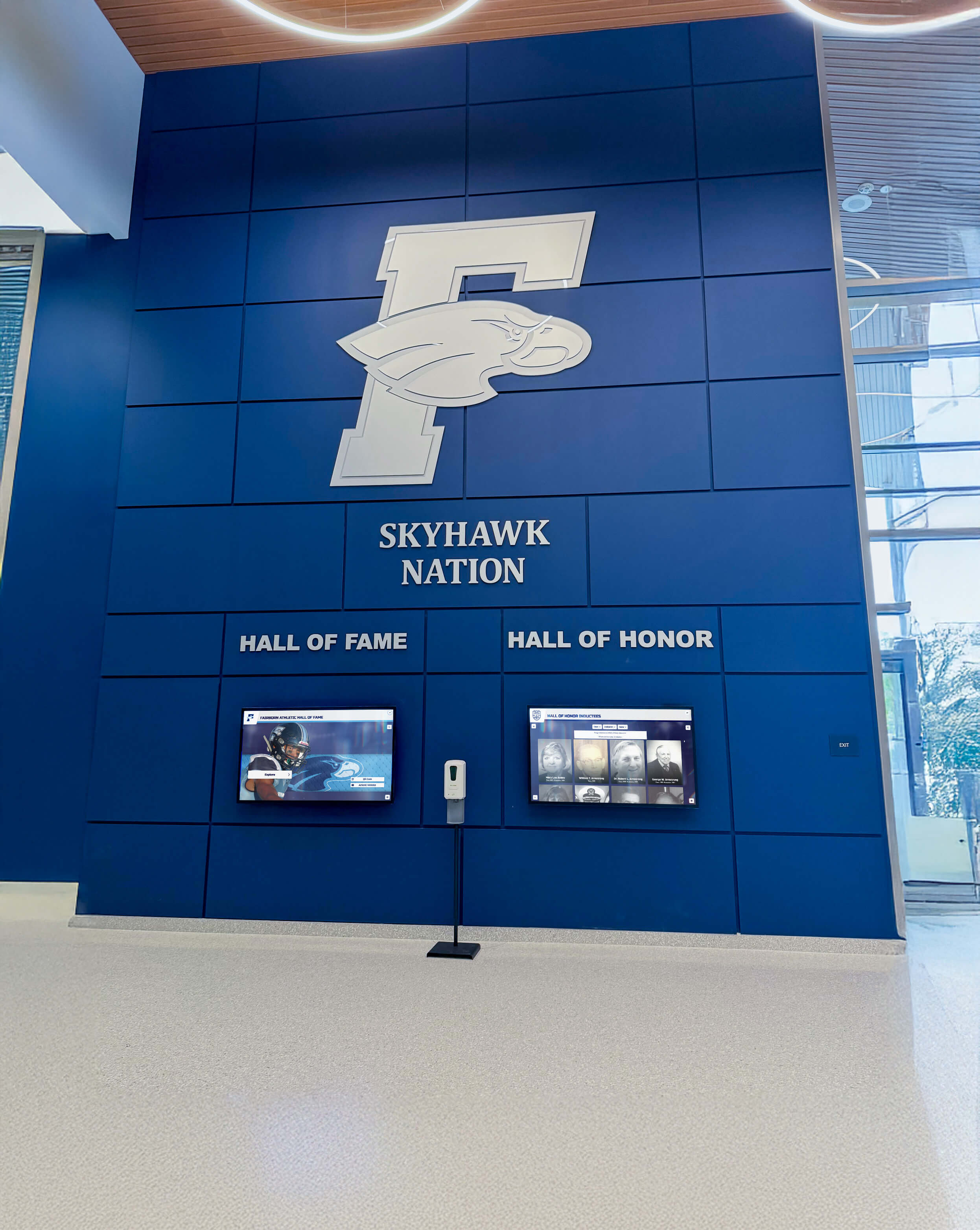
Strategic recognition placement ensures visibility throughout facilities extending ceremony impact
Engaging Presentation Formats
- Appropriate duration respecting audience time and attention capacity
- Varied presentation styles alternating speakers, multimedia, performances, and recognition
- Storytelling providing context about why recipients earned recognition
- Student or employee participation creating authentic peer celebration
- Multimedia integration adding emotional resonance and visual interest
- Pacing building to crescendo with most significant awards near conclusion
Extended Visibility and Impact
- Permanent displays preserving recognition beyond single event
- Multi-channel communication ensuring achievement visibility across platforms
- Family and community access enabling broader celebration
- Integration with ongoing programs reinforcing recognition throughout year
- Technology leverage extending reach beyond physical attendance limitations
Organizations implementing engaging school assembly approaches demonstrate format strategies applicable to recognition events across educational and organizational contexts.
Strategic Awards Ceremony Planning
Successful recognition events require thoughtful planning balancing celebration with efficiency while ensuring meaningful experiences for all participants.
Establishing Clear Planning Timelines
Strategic preparation prevents last-minute stress and ensures quality execution:
12-16 Weeks Before Ceremony
- Form planning committee with representation across departments, grade levels, or organizational units
- Establish ceremony date, time, and target duration appropriate to context
- Determine venue based on anticipated attendance and desired atmosphere
- Set budget allocating resources across venue, catering, awards, technology, and communications
- Define award categories aligned with institutional values and strategic priorities
- Develop initial selection criteria ensuring transparency and fairness
- Begin preliminary communication about nomination opportunities and processes
8-12 Weeks Before Ceremony
- Distribute nomination forms to relevant stakeholders (teachers, managers, peers)
- Finalize selection criteria with documented decision-making processes
- Secure venue confirming availability, capacity, accessibility, and technical capabilities
- Determine catering arrangements if providing food or beverages
- Begin collecting nominee information and achievement documentation
- Recruit ceremony presenters, speakers, and student or employee participants
- Start planning program structure and flow maintaining appropriate pacing
6-8 Weeks Before Ceremony
- Review nominations and make preliminary recipient selections through committee process
- Order physical awards, trophies, certificates, or recognition items with appropriate lead time
- Develop ceremony script with engaging transitions and timing allocations
- Begin creating multimedia presentations, videos, or slideshows
- Coordinate technology requirements including projectors, screens, sound system, and lighting
- Design printed programs or digital displays showcasing honorees
- Send save-the-date communications to participants, families, and community members
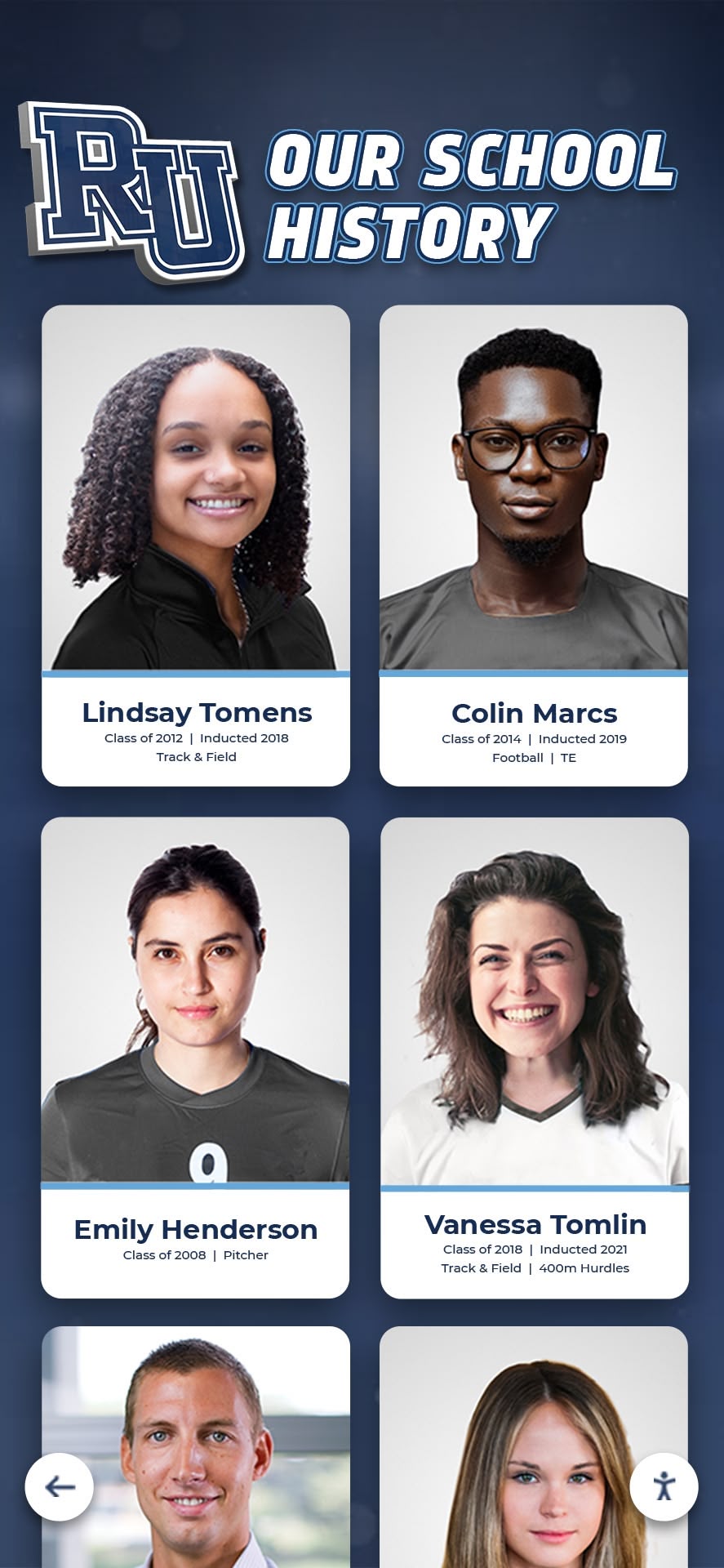
Individual achievement profiles create personalized recognition enhancing ceremony meaningfulness
4-6 Weeks Before Ceremony
- Finalize complete recipient list across all award categories
- Communicate privately with recipients or maintain surprise depending on organizational preference
- Prepare individualized achievement descriptions highlighting specific contributions
- Complete all multimedia presentations testing technical elements
- Confirm all logistical details including setup, equipment, catering, and staffing
- Send formal invitations to attendees providing necessary details and directions
- Arrange photography, video documentation, and social media coverage
- Create detailed timeline and run-of-show document for all participants
2-4 Weeks Before Ceremony
- Conduct venue walkthrough finalizing setup arrangements and technology placement
- Hold rehearsal with presenters, student participants, and technical team
- Finalize award distribution logistics ensuring correct matching and smooth flow
- Prepare contingency plans for technical failures, absences, or schedule changes
- Complete all printed materials including programs, certificates, and signage
- Brief all participants on their roles, expectations, and timing
- Send reminder communications to all attendees and participants
- Test all technology components in actual venue conditions
Final Week Before Ceremony
- Conduct full technical rehearsal in venue with all equipment and presentations
- Final confirmations with all presenters, performers, and support staff
- Prepare venue with appropriate decorations, signage, and atmosphere
- Organize award distribution materials in presentation order
- Brief ushers, student helpers, and support staff on their responsibilities
- Review all scripts and timing one final time with key participants
- Prepare emergency contact information and contingency protocols
Comprehensive planning eliminates last-minute crises while ensuring recognition receives the thoughtful preparation deserving of participant achievements.
Venue Selection Considerations
The ceremony location significantly impacts attendee experience and event success:
Capacity and Layout Requirements
- Seating capacity accommodating expected attendance with comfortable margins
- Appropriate layout enabling clear sight lines from all seating areas
- Stage or presentation area with adequate space for participants and presenters
- Accessibility for attendees with mobility, vision, or hearing needs
- Parking capacity and building access appropriate to anticipated attendance
- Climate control ensuring comfortable temperature throughout event
Technical Capabilities
- Projection and screen systems with sufficient size and brightness for visibility
- Quality sound amplification ensuring clear audio throughout space
- Appropriate lighting enabling recognition while supporting multimedia presentations
- Internet connectivity for live streaming or social media coverage
- Electrical capacity and outlet placement supporting technology requirements
- Technical support availability for setup and troubleshooting
Atmosphere and Environment
- Appropriate formality level matching ceremony significance and organizational culture
- Acoustic properties supporting clear communication without excessive reverberation
- Visual appeal creating celebratory atmosphere worthy of achievements
- Flexible configuration enabling desired setup and flow
- Location accessible and familiar to participants and families
- Cost aligned with budget while delivering quality experience
Common venue options include school auditoriums or gymnasiums, hotel ballrooms or conference centers, community theaters, outdoor amphitheaters for appropriate seasons, organizational facilities with suitable spaces, or restaurant private dining areas for smaller ceremonies.
Budget Planning and Resource Allocation
Strategic budget development ensures quality experiences within financial constraints:
Typical Expense Categories
- Venue rental and setup fees
- Catering (meals, refreshments, or light reception)
- Physical awards, trophies, plaques, or certificates
- Printing (programs, certificates, promotional materials)
- Audio-visual equipment rental or technical support
- Decorations, signage, and atmosphere elements
- Photography and video documentation
- Entertainment or special performances
- Communications and promotional materials
Budget-Conscious Strategies
- Utilize owned facilities eliminating venue rental costs
- Potluck or volunteer-provided refreshments reducing catering expenses
- Digital-primary recognition minimizing physical award costs
- In-house design and printing utilizing organizational resources
- Student or employee volunteers for technical and logistical support
- Social media documentation replacing professional photography services
- Simple, elegant decorations rather than elaborate production designs
- Focus investment on lasting elements like permanent recognition displays
Budget Allocation Priorities Effective budget distribution typically emphasizes:
- Quality audio-visual ensuring content reaches all attendees (25-30% of budget)
- Appropriate physical or digital awards recipients will value (20-25%)
- Food or refreshments creating welcoming atmosphere (15-25%)
- Venue costs if using external space (10-20%)
- Documentation and communication extending impact beyond event (10-15%)
- Remaining categories based on organizational priorities and constraints (10-15%)
Organizations implementing recognition programs should view ceremonies as strategic investments rather than discretionary expenses, allocating resources proportional to the cultural and motivational impact recognition delivers.
Creative Award Categories for Diverse Recognition
Thoughtful category design ensures recognition opportunities exist for participants across different strengths, achievements, and contributions.
Academic and Intellectual Achievement Awards
Educational institutions require comprehensive recognition beyond simple grade-point metrics:
Traditional Academic Excellence
- Highest academic achievement by grade level or graduating class
- Subject-specific awards recognizing excellence in individual disciplines
- Honor roll recognition across multiple achievement levels
- Perfect attendance celebrating consistency and commitment
- Advanced coursework achievement in honors, AP, IB, or college-level programs
- Academic improvement showing significant growth from previous performance
- Research project excellence and independent study recognition
Intellectual Contribution Awards
- Curiosity and inquiry recognition for students asking insightful questions
- Critical thinking demonstration through analysis and problem-solving
- Creative scholarship combining academic excellence with innovative approaches
- Academic leadership through tutoring, mentoring, or study group facilitation
- Intellectual risk-taking attempting challenging concepts despite uncertainty
- Interdisciplinary achievement connecting learning across multiple subjects
Schools implementing comprehensive end-of-year award programs demonstrate diverse category frameworks celebrating academic achievement across all dimensions.

Interactive recognition systems enable exploration of achievements across all award categories
Athletic and Performance Recognition
Sports programs and performance activities require acknowledgment beyond simple competition outcomes:
Athletic Achievement Awards
- Most valuable player recognizing overall excellence and team contribution
- Most improved athlete celebrating growth and development throughout season
- Sportsmanship awards honoring character, integrity, and respect
- Leadership recognition for captains and team culture builders
- Defensive and offensive specialist awards by position or skill
- All-conference, all-region, and all-state selections
- Multi-sport athlete acknowledgment valuing year-round commitment
- Record-breaking performances and milestone achievements
- Team championships and competitive success celebration
Arts and Performance Excellence
- Outstanding performance in music ensembles (band, choir, orchestra)
- Theater and drama recognition for acting, technical, or production contributions
- Visual arts creativity and technical skill achievement
- Dance and movement performance excellence
- Writing and literary achievements
- Forensics, debate, and public speaking success
- Individual competition awards and festival recognition
Organizations planning sports banquet recognition demonstrate comprehensive approaches celebrating athletic achievement across all contribution dimensions.
Character and Service Awards
Recognition extending beyond measurable performance acknowledges qualities contributing to positive culture:
Character Recognition
- Outstanding integrity and ethical behavior in all situations
- Perseverance and resilience through challenges and setbacks
- Kindness, empathy, and inclusive behavior toward all
- Respect for educators, leaders, peers, and entire community
- Responsibility and reliability in commitments and obligations
- Courage standing up for others or doing right thing despite difficulty
- Positive attitude and optimism elevating community morale
Leadership and Service Awards
- Student government or organizational leadership service
- Club and activity leadership demonstrating initiative
- Peer mentoring and support helping others succeed
- Community service hours and volunteer contributions
- Service project leadership creating positive impact
- Environmental stewardship and sustainability efforts
- Civic engagement, advocacy, and community participation
Collaboration and Teamwork
- Outstanding collaboration skills enabling team success
- Supportive teammate consistently helping others improve
- Bridge-builder connecting different groups and perspectives
- Conflict resolution and mediation facilitating positive outcomes
- Selfless contribution prioritizing team success over individual recognition
Schools and organizations implementing track and field awards approaches demonstrate recognition balancing individual excellence with character and teamwork acknowledgment.
Organizational and Employee Recognition
Corporate and institutional contexts require categories aligned with organizational mission:
Performance and Results Achievement
- Highest sales or revenue generation
- Customer service excellence and satisfaction
- Quality achievement and error reduction
- Project delivery excellence meeting all objectives
- Innovation and process improvement impact
- Safety leadership and incident prevention
- Strategic initiative contribution advancing organizational goals
Values and Cultural Recognition
- Culture champion embodying and promoting organizational values
- Diversity and inclusion leadership
- Environmental and sustainability contribution
- Ethics and integrity exemplification
- Professional development and continuous learning
- Knowledge sharing and capability building
- Cross-functional collaboration enabling organizational success
Organizations planning corporate recognition ceremonies demonstrate comprehensive approaches celebrating employee excellence across performance and values dimensions.
Improvement and Growth Recognition
Awards acknowledging development ensure opportunities exist for participants at all starting points:
Academic or Performance Growth
- Most improved grades or performance metrics
- Subject-specific improvement in individual areas
- Skill development achievement through dedicated practice
- Goal attainment reaching personally significant milestones
- Learning strategy development improving study or work approaches
- Confidence growth overcoming previous limitations
Effort and Persistence Awards
- Outstanding work ethic and consistent commitment
- Perseverance through difficult material or challenging circumstances
- Growth mindset demonstration through challenge acceptance
- Self-directed improvement through initiative and dedication
- Consistency maintaining effort throughout entire period
These categories acknowledge that excellence exists at all starting points, motivating participants whose growth represents significant achievement even when absolute performance differs from top recognition tiers.
Engaging Ceremony Formats and Presentation Strategies
Ceremony structure significantly impacts how attendees experience recognition and remember celebration.
Optimal Ceremony Duration and Structure
Appropriate length varies by context but general principles apply universally:
Duration Guidelines by Context
- Elementary school ceremonies: 30-45 minutes maximum
- Middle school recognition: 45-60 minutes appropriate
- High school awards: 60-75 minutes with engaging presentation
- College and adult programs: 75-90 minutes acceptable
- Organizational recognition: 60-90 minutes depending on formality
- Athletic banquets: 90-120 minutes when including meal service
Exceeding appropriate duration for context risks losing audience engagement regardless of content quality. Plan conservatively and respect attendee time.
Effective Ceremony Structure
Opening Segment (5-10% of total time)
- Energetic welcome establishing positive tone
- Brief context about recognition significance
- Overview of ceremony format managing expectations
- Acknowledgment of supporters enabling achievements
- Short inspirational message relevant to accomplishment theme
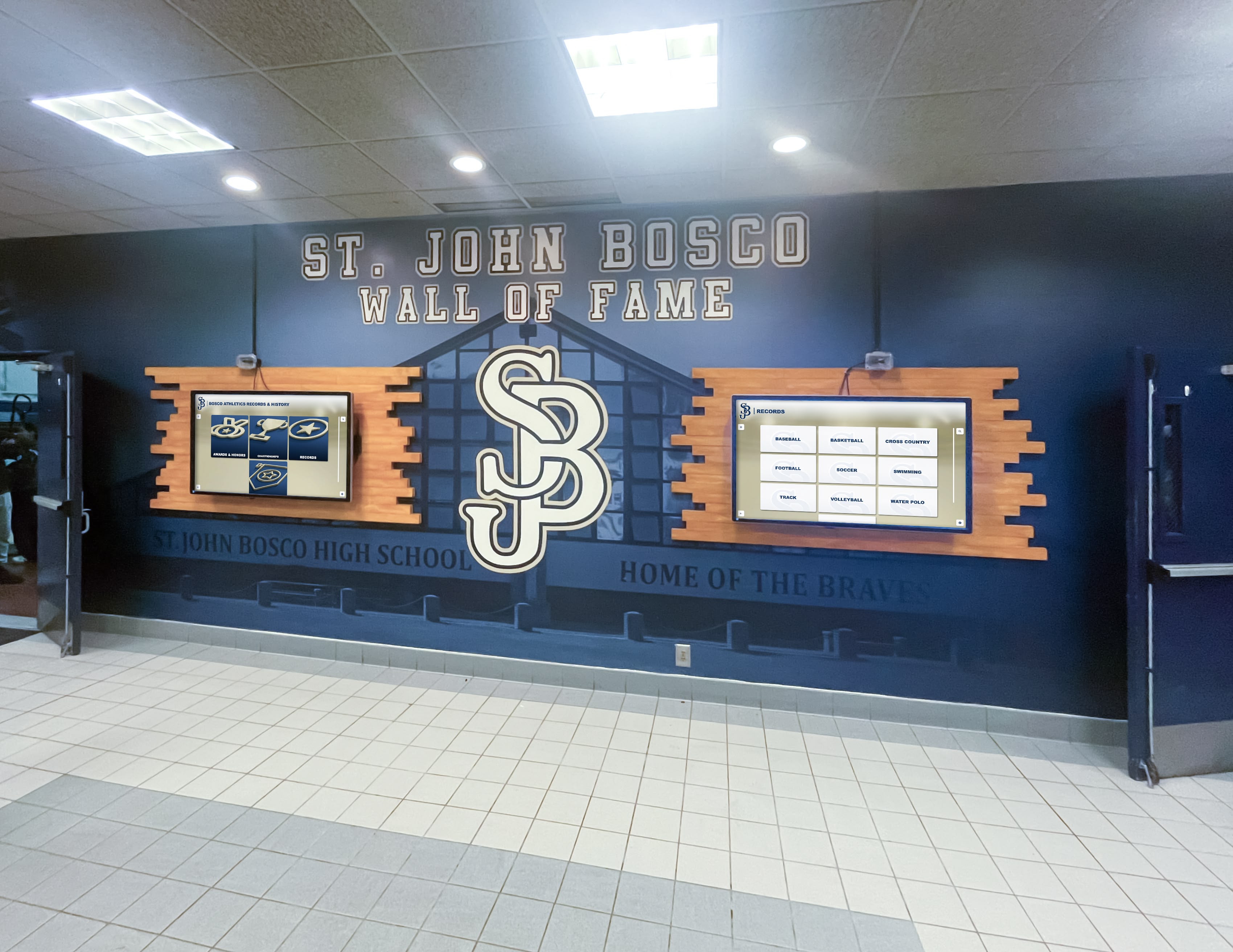
Multiple display installations ensure recognition visibility throughout facilities
Primary Award Presentation (60-70% of total time)
- Logical category grouping maintaining thematic flow
- Brief descriptions explaining each award’s significance before revealing recipients
- Specific achievement highlighting providing context beyond name reading
- Appropriate applause time and brief photo opportunities
- Varied presentation styles preventing monotony
- Multimedia integration adding emotional impact
- Pacing building anticipation throughout
Special Recognition Segments (10-15% of total time)
- Collective acknowledgments celebrating group achievements
- Guest speaker or special message when appropriate
- Video montage or multimedia presentation showcasing highlights
- Senior or departing participant special recognition
- Unexpected surprise recognitions creating memorable moments
Closing and Celebration (10-15% of total time)
- Final words of appreciation and encouragement
- Reminder that achievements matter beyond formal recognition
- Invitation to view displays, reception, or continued celebration
- Thank you to planning committee and contributors
- Upbeat concluding element creating positive final impression
Multimedia Integration for Enhanced Engagement
Visual and audio elements dramatically improve ceremony impact:
Video Presentation Ideas
- Year-in-review montages showcasing highlights across programs
- Individual recipient spotlight videos featuring specific achievements
- “Behind the scenes” footage showing preparation and dedication
- Testimonial videos from teachers, coaches, peers, or family members
- Humorous content creating laughter and shared memories
- Time-lapse videos showing project development or seasonal progression
- Alumni messages connecting past recognition to current opportunities
Photography and Slideshow Approaches
- Action shots from competitions, performances, and events
- Candid moments capturing authentic relationships and experiences
- Student or employee work samples and creative projects
- Before-and-after images demonstrating growth
- Collective team or group photos celebrating collaboration
- Historical images connecting current recognition to institutional legacy
- Social media highlights showcasing community engagement
Music and Performance Elements
- Live performances between award segments providing variety
- Ensemble performances (choir, band, orchestra) celebrating artistic achievement
- Background music during recognition maintaining atmosphere
- Theme songs or school/organizational anthems reinforcing identity
- Student or employee performers demonstrating diverse talents
- Professional entertainment appropriate to budget and context
Effective pep rally engagement strategies demonstrate multimedia integration principles applicable to recognition ceremonies.
Student and Participant Involvement Strategies
Incorporating participant voices strengthens authenticity and connection:
Participant Emcee and Host Roles
- Student council or organizational representatives hosting segments
- Class or department representatives introducing their area’s honorees
- Natural public speakers adding energy and authenticity
- Peer partnerships with adult leaders creating intergenerational connection
- Appropriate humor aligned with community culture and audience
Peer Recognition Approaches
- Participant nominations for specific character or contribution awards
- Testimonial presentations explaining why recipients deserve recognition
- Student or employee presentations honoring mentors and supporters
- Peer awards with appropriate oversight ensuring fairness
- Participant-created content celebrating colleague achievements
Interactive Ceremony Elements
- Live voting for audience choice categories
- Trivia or quiz elements about institutional history and achievements
- Audience participation chants or responses for honorees
- Photo opportunities before or after ceremony
- Social media integration using event hashtag
- Surprise reveals creating authentic emotional moments
Maintaining Energy and Pacing Throughout
Strategic approaches prevent ceremonies from losing audience attention:
Pacing Strategies
- Vary presentation styles alternating speakers, multimedia, and recognition
- Group similar awards while avoiding monotonous repetition
- Build to crescendo with most prestigious awards near conclusion
- Strategic transitions using music, video, or performance elements
- Clear timing markers helping audience understand remaining duration
- Efficient recognition approaches honoring multiple recipients appropriately
- Surprise elements creating sustained attention and emotional peaks
Audience Engagement Techniques
- Call-and-response interactions led by hosts
- Recognition of entire groups creating universal participation
- Unique celebration approaches for different award types
- Standing ovations for particularly significant achievements
- Family and supporter acknowledgment creating inclusive atmosphere
- Appropriate humor maintaining positive energy
- Visual variety through movement, lighting, and content changes
Modern Recognition Display Solutions
Traditional ceremony-only recognition misses opportunities for extended visibility and ongoing motivational impact.
Limitations of Traditional Recognition Approaches
Conventional methods face significant challenges:
Temporary Visibility Constraints
- Recognition confined to ceremony attendees only
- Achievements forgotten within days as attention shifts
- No permanent record preserving accomplishments
- Absent family members and community miss recognition experience
- Limited ability to showcase context, photos, or achievement details beyond brief ceremony mention
- Historical achievements become inaccessible over time
Physical Display Limitations
- Trophy cases and bulletin boards have finite space for recognition
- Physical plaques require wall space that eventually fills
- Traditional displays can only accommodate limited recipients
- Updating physical recognition requires time-consuming manual effort
- Errors in engraved or printed materials difficult or impossible to correct
- Recognition often confined to administrative areas with limited visibility
Engagement and Accessibility Issues
- Static displays provide only names and basic information
- No ability to search for specific individuals or filter by categories
- Families and community members can’t access recognition remotely
- Alumni can’t explore their own or peers’ historical achievements
- Limited storytelling capability beyond simple text
- No integration with modern communication channels
Organizations implementing comprehensive donor recognition approaches demonstrate principles equally applicable to achievement recognition across all contexts.
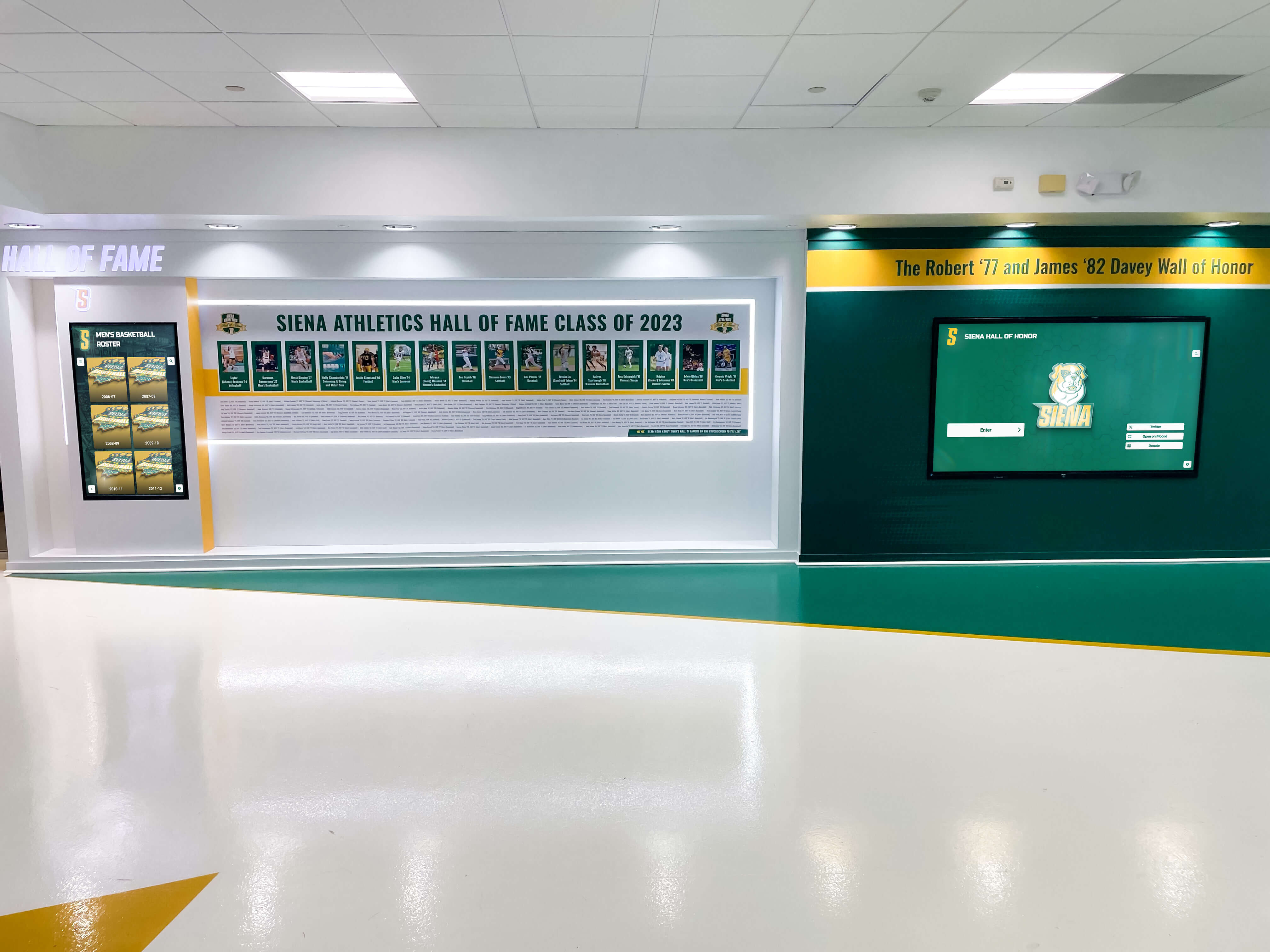
Modern digital displays preserve ceremony recognition providing year-round accessibility and visibility
Digital Recognition Display Advantages
Interactive touchscreen systems and web-based platforms transform recognition beyond ceremony limitations:
Unlimited Recognition Capacity Physical space constraints force organizations to choose whose achievements receive lasting visibility. Digital platforms eliminate these limitations entirely:
- Single display showcases unlimited recipients across all award categories
- Comprehensive historical archives preserve recognition indefinitely with searchable databases
- No need to remove previous recipients to accommodate current awards
- All departments and achievement types receive equal display capacity
- Multi-year documentation showing individual journeys and institutional evolution
- Ability to showcase complete award history rather than only recent recipients
Interactive Exploration Features Static displays provide minimal information. Modern touchscreen systems create engaging experiences:
- Search functionality enabling exploration of specific individuals or achievements
- Filtering by category, year, department, graduating class, or other criteria
- Detailed profile pages telling complete stories with photos, videos, and descriptions
- Related content linking recipients to teams, projects, and institutional traditions
- QR code access enabling mobile phone exploration of complete profiles
- Social sharing capabilities allowing recipients to celebrate accomplishments online
- Multiple language support serving diverse communities
Simple Remote Management Cloud-based content management eliminates traditional display maintenance burdens:
- Update recognition from any internet-connected device without physical access
- Role-based permissions enabling appropriate staff access levels
- Scheduled publishing for ceremony announcements and updates
- Bulk import capabilities for annual award recipient data
- Drag-and-drop interfaces requiring no technical expertise
- Mobile-responsive management enabling updates from anywhere
- Template systems ensuring consistent formatting across all entries
- Backup and version control preventing accidental data loss
Organizations report 75-85% reduction in administrative time maintaining recognition displays after implementing digital systems compared to traditional physical approaches.
Web-Based Recognition Extensions Recognition impact multiplies when systems extend beyond physical displays:
- Alumni and families worldwide view achievements regardless of location
- Mobile-optimized displays work seamlessly across all devices
- Social media integration enabling celebration on personal platforms
- Incorporation into institutional websites and communication systems
- 24/7 accessibility rather than campus-hours-only viewing
- Recruitment presentations showcasing recognition culture to prospects
- Media access increasing positive coverage and community awareness
Multi-Channel Communication Integration Digital platforms enable systematic recognition visibility:
- Automated notifications when individuals receive recognition
- Social media posts celebrating recipients distributed over time
- Integration with morning announcements and digital signage
- Newsletter features highlighting recognition program success
- Community media sharing extending reach beyond immediate organization
- Alumni engagement platforms maintaining connections with graduates
Solutions like those from Rocket Alumni Solutions, while primarily serving educational institutions, demonstrate how comprehensive digital recognition platforms extend ceremony acknowledgment impact far beyond traditional approaches—principles equally applicable to organizational contexts requiring systematic, engaging recognition systems.
Strategic Display Placement Considerations
Location significantly impacts recognition visibility and community engagement:
High-Traffic Area Placement
- Main entrance lobbies ensuring visibility for all entering facilities
- Common areas where community naturally gathers
- Cafeterias and dining spaces capturing attention during meals
- Athletic facilities and gymnasiums showcasing athletic achievements
- Hallways connecting major facility areas
- Reception areas where visitors form first impressions
Accessibility and Usability Factors
- Appropriate height for all ages and mobility levels
- Adequate space allowing multiple simultaneous users
- Lighting conditions supporting screen visibility
- Proximity to seating enabling extended exploration
- ADA compliance ensuring universal access
- Safety considerations regarding traffic flow and electrical requirements
Thoughtful school lobby design integration ensures recognition displays receive visibility proportional to ceremony investment and achievement significance.
Post-Ceremony Communication and Follow-Through
Ceremony impact extends through systematic follow-up ensuring achievements receive ongoing visibility:
Multi-Channel Recognition Distribution
Social Media Celebration Strategies
- Individual recognition posts highlighting recipients over multiple days
- Photo galleries from ceremony and celebration events
- Video highlights capturing emotional moments and reactions
- Recipient testimonials about what recognition means to them
- Educator or manager comments explaining why individuals earned awards
- Countdown series building anticipation before ceremony
- Thank you posts acknowledging all who contributed to success
- Interactive content encouraging community congratulations and engagement
Family and Community Communication
- Email newsletters featuring ceremony highlights and complete recipient lists
- Website dedicated pages showcasing all award categories and winners
- Local media press releases celebrating achievements
- Community social media groups and neighborhood platforms
- Family photos from ceremony shared through secure platforms
- Thank you communications recognizing supporter contributions
- Alumni networks sharing achievements with graduated community members
Physical Campus or Facility Recognition
- Hallway displays featuring ceremony photos and recipients
- Department or classroom celebrations acknowledging specific achievements
- Daily announcements highlighting different recipients throughout weeks following ceremony
- Banners or posters congratulating honorees throughout facilities
- Trophy cases and display areas updated with current achievements
- Digital signage screens rotating recognition content across locations
Maintaining Year-Round Recognition Visibility
Ongoing Display Updates Modern systems enable continuous recognition beyond annual ceremonies:
- Semester or quarterly updates adding achievements throughout year
- Real-time posting as individuals earn recognition
- Seasonal highlights from different programs and departments
- Historical achievement exploration enabling connection to institutional legacy
- Alumni return visits exploring their own achievements from years past
- Prospective family tours showcasing recognition culture during recruitment
Integration with Institutional Programs Recognition systems connecting to broader initiatives:
- Orientation programs highlighting recognition opportunities for new participants
- Information sessions explaining award categories and selection criteria
- Advisory or professional development discussions about achievement and growth
- Application processes referencing achievements during selection or advancement
- Strategic planning using recognition data for program evaluation
- Continuous improvement based on recognition pattern analysis
Sector-Specific Awards Ceremony Considerations
Different organizational contexts benefit from tailored approaches while maintaining core recognition principles.
K-12 Education Recognition Events
Schools face unique considerations:
Age-Appropriate Approaches
- Elementary ceremonies: 30-40 minutes maximum, high energy, universal participation emphasis
- Middle school events: Transition between childhood and adolescent expectations, peer recognition importance
- High school programs: Greater formality appropriate, senior recognition traditions, athletic and activity diversity
Educational Context Priorities
- Academic achievement balanced with character development
- Growth mindset messaging emphasizing improvement alongside absolute excellence
- Inclusive recognition ensuring diverse students experience acknowledgment
- Parent and family engagement creating community connections
- Student voice integration through peer nomination and presentation roles
Higher Education and University Recognition
Colleges and universities require approaches reflecting organizational complexity:
Academic Discipline Diversity
- Departmental recognition ceremonies supplementing institution-wide events
- Specialized achievement categories reflecting disciplinary standards
- Research excellence and scholarly contribution recognition
- Graduate and undergraduate program differentiation
- Professional program certification and placement acknowledgment
University Community Considerations
- Formal ceremonies reflecting institutional traditions and gravitas
- Alumni engagement opportunities during recognition events
- Donor and supporter acknowledgment for scholarship funding
- Faculty recognition alongside student achievement celebration
- Athletics and academic balance appropriate to institutional mission
Corporate and Organizational Recognition
Business contexts emphasize different recognition dimensions:
Performance and Results Focus
- Revenue generation, profitability, and strategic goal achievement
- Customer satisfaction, quality metrics, and operational excellence
- Innovation driving competitive advantage and market positioning
- Leadership development and management effectiveness
- Team collaboration enabling organizational success
Culture and Values Emphasis
- Behavioral exemplification of organizational principles
- Diversity, equity, and inclusion leadership
- Community contribution and corporate social responsibility
- Ethics and integrity in challenging situations
- Knowledge sharing and capability building
Nonprofit and Mission-Driven Organizations
Mission-focused contexts require alignment with organizational purpose:
Mission Advancement Recognition
- Program effectiveness and measurable community impact
- Fundraising success and donor stewardship excellence
- Volunteer contribution and sustained commitment
- Advocacy and awareness-building achievements
- Partnership development enabling greater reach and effectiveness
Values-Based Acknowledgment
- Authentic mission commitment beyond professional obligation
- Innovative approaches addressing complex social challenges
- Resilience and persistence through resource constraints
- Community trust-building and relationship development
- Equity and justice advancement through organizational work
Common Awards Ceremony Mistakes and How to Avoid Them
Understanding frequent errors helps organizations design more effective recognition events:
Planning and Execution Errors
Poor Time Management
- Ceremonies running significantly over planned duration
- Inadequate rehearsal causing awkward transitions and delays
- Insufficient time allocation for each segment
- No contingency planning for technical difficulties or absences
Prevention: Develop detailed run-of-show document with specific timing for each element, conduct full rehearsal identifying problem areas, build 10-15% time buffer for inevitable delays, assign stage manager monitoring pace.
Weak Audio-Visual Quality
- Inadequate sound system making speakers difficult to hear
- Projection too small or dim for audience visibility
- Technical failures disrupting ceremony flow
- Poor video or photo quality diminishing emotional impact
Prevention: Test all equipment in actual venue conditions days before event, ensure backup equipment availability, hire professional technical support if lacking internal expertise, conduct sound check at various seating locations.
Insufficient Preparation
- Last-minute scrambling to finalize recipients or award order
- Missing or incorrect certificates and physical awards
- Presenters unprepared or unfamiliar with recipient achievements
- Lack of clear communication about roles and expectations
Prevention: Follow structured timeline beginning months in advance, create detailed checklists for all preparation elements, communicate clearly and repeatedly with all participants, conduct rehearsal identifying gaps.
Recognition Design Problems
Narrow Recognition Focus
- Awards only for easily measured outcomes excluding important contributions
- Same individuals receiving multiple awards while others never experience recognition
- Exclusive emphasis on top performers ignoring growth and improvement
- Bias toward certain programs, departments, or demographic groups
Prevention: Intentionally design diverse award categories spanning multiple achievement dimensions, monitor recognition distribution patterns identifying gaps, establish clear criteria ensuring equitable consideration, include growth-based awards accessible at all starting points.
Unclear Selection Criteria
- Vague award descriptions creating confusion about standards
- Inconsistent application of stated criteria undermining trust
- Subjective selections without documented rationale
- Lack of transparency in decision-making processes
Prevention: Document specific selection criteria for each award category, establish committee review processes ensuring consistency, communicate rationale to nominees and broader community, regularly evaluate criteria fairness and effectiveness.
Recognition Inflation
- Over-recognition diminishing program significance
- Participation acknowledgment lacking genuine achievement standards
- Pressure to distribute awards equally rather than based on merit
- Loss of aspirational quality for highest honors
Prevention: Maintain meaningful standards distinguishing recognition levels, balance inclusive recognition with preserved value of top awards, honest assessment rather than universal participation trophies, transparent communication about what different recognition levels represent.
Engagement and Experience Issues
Monotonous Presentation
- Endless name reading without context or storytelling
- Lack of variety in presentation format
- No multimedia integration adding visual interest
- Missing opportunities for humor, emotion, or surprise
Prevention: Vary presentation styles throughout ceremony, integrate video and photo elements, include student or employee participation, strategic pacing building to crescendo, surprise elements creating memorable moments.
Inadequate Family and Community Inclusion
- Scheduling conflicts preventing family attendance
- Insufficient seating or poor sight lines for guests
- No accommodation for absent families to experience recognition
- Failure to acknowledge supporter contributions to achievements
Prevention: Survey families about scheduling preferences, ensure adequate guest capacity with quality viewing, live stream or record ceremony for later viewing, explicitly acknowledge family and community support during program.
Measuring Awards Ceremony Effectiveness
Regular evaluation ensures recognition achieves intended outcomes and justifies continued investment:
Quantitative Evaluation Metrics
Participation and Attendance
- Award recipient numbers across all categories
- Ceremony attendance rates from participants and families
- Recognition distribution across demographic groups and programs
- Year-over-year participation trends and patterns
- Nomination submission quantities by category
Engagement Indicators
- Post-ceremony survey response rates and satisfaction scores
- Social media engagement with recognition content
- Digital recognition display interaction rates and duration
- Website traffic to recognition pages and profiles
- Media coverage quantity and sentiment analysis
Organizational Impact
- Retention rates comparing recognized versus non-recognized individuals
- Performance metrics in periods following recognition
- Engagement survey results showing trends over time
- Reputation improvements related to recognition culture
- Application or recruitment impacts from visible recognition
Qualitative Assessment
Stakeholder Feedback
- Participant surveys about ceremony experience and recognition meaningfulness
- Family feedback on ceremony quality and communication effectiveness
- Staff perspectives on planning processes and execution
- Community responses to recognition visibility and accessibility
- Focus groups exploring recognition experiences and perceptions
Cultural Indicators
- Observed changes in organizational morale and motivation
- Behavioral evidence of desired values and standards embodiment
- Peer recognition adoption as cultural practice
- Increased nomination participation showing community investment
- Anecdotal stories about recognition impact on individuals
Return on Investment Analysis
- Program costs versus retention and recruitment benefits
- Administrative time investment compared to cultural impact
- Technology platform costs amortized over usage period and benefits
- Intangible benefits including improved culture, reputation, and performance
Comprehensive evaluation combining quantitative metrics with qualitative insights enables evidence-based refinement ensuring recognition remains meaningful, equitable, and impactful.
Conclusion: Creating Recognition Ceremonies That Inspire Excellence
Awards ceremonies represent strategic opportunities to celebrate achievements accumulated through dedication and effort while demonstrating what institutions genuinely value. When schools and organizations invest thoughtful planning, create diverse recognition categories honoring contributions across all dimensions, design engaging ceremony formats maintaining audience connection, and implement modern display solutions ensuring lasting visibility, they transform annual obligations into powerful experiences motivating continued excellence throughout communities.
The comprehensive strategies explored in this guide provide frameworks for ceremonies attendees actually enjoy rather than endure. From systematic planning timelines ensuring quality execution to creative award categories ensuring all deserving individuals find recognition opportunities, from multimedia integration creating emotional resonance to digital platforms extending impact beyond single events—these approaches help institutions celebrate achievements effectively while building cultures where excellence becomes normalized expectation.
Recognition ceremonies done well create ripple effects throughout communities. Participants observe what institutions celebrate, families see achievements honored publicly, and broader communities gain insight into organizational values and excellence. Modern digital platforms make comprehensive recognition achievable across unlimited individuals and achievement categories while systematic planning ensures consistent, high-quality implementation year after year regardless of staff transitions or organizational changes.
Start where you are with ceremony improvements you can implement immediately using existing resources and capabilities, then systematically expand toward comprehensive recognition programs your communities deserve. Whether enhancing existing ceremonies, expanding recognition categories to reach more deserving individuals, implementing engaging presentation techniques, or adopting technology ensuring ongoing visibility, every improvement creates more meaningful acknowledgment for achievements meriting celebration.
Your community’s achievements deserve recognition creating lasting positive impact on motivation, identity, and connection to institutional mission. With thoughtful planning, inclusive category design, engaging presentation formats, and appropriate technology ensuring ongoing visibility beyond single events, you can build ceremony traditions inspiring excellence while strengthening the positive, motivating cultures where all participants thrive and contribute their best efforts toward collective success.
Ready to extend awards ceremony impact beyond single events? Discover how comprehensive digital recognition solutions help schools and organizations create permanent displays preserving ceremony achievements year-round, ensuring celebrated accomplishments remain visible and accessible long after events conclude—building lasting recognition culture that motivates sustained excellence across entire communities.