When a student athlete commits to continuing their athletic career at the collegiate level, it represents years of dedication, sacrifice, and achievement that deserve proper celebration. An athletic signing day ceremony transforms what could be a simple administrative formality into a powerful community event honoring exceptional accomplishments while inspiring younger athletes pursuing similar dreams.
Too many schools reduce signing day to brief announcements during lunch periods or rushed after-school gatherings that fail to capture the magnitude of these achievements. Meanwhile, families who invested countless hours supporting athletic development receive minimal opportunity to share in formal recognition, and younger athletes miss witnessing tangible examples of pathways toward collegiate competition.
This comprehensive guide provides practical strategies for planning athletic signing day ceremonies that create lasting memories for student athletes and families while building school traditions celebrating achievement, offering actionable approaches to venue selection, ceremony format design, family engagement strategies, media coordination, and modern recognition displays that preserve signing day moments permanently.
Athletic signing day ceremonies represent strategic opportunities extending far beyond individual athlete recognition. These events strengthen school athletic culture by publicly validating the dedication required for collegiate competition, engage families and community members who supported athletic development, provide inspiration for younger athletes establishing goals, generate positive visibility for athletic programs through media coverage, and create traditions connecting current athletes to institutional legacy.
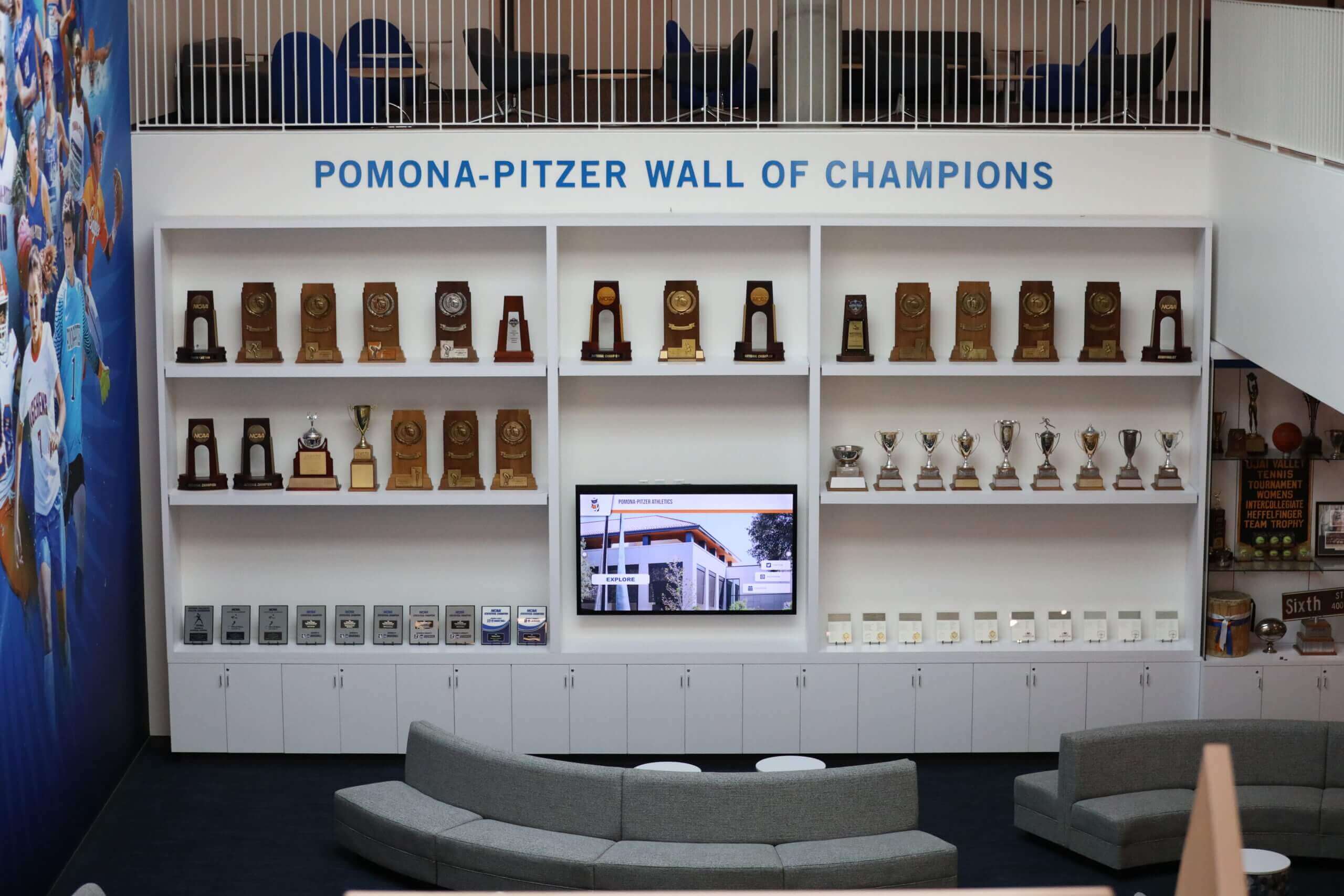
Well-designed recognition spaces provide ideal settings for signing day ceremonies while showcasing athletic achievements year-round
Why Athletic Signing Day Ceremonies Matter
Understanding the broader impact of signing day celebrations helps schools justify resource allocation and maximize event effectiveness.
Celebrating Athletic and Academic Achievement
College athletic recruitment represents comprehensive achievement extending well beyond sport-specific performance:
Multi-Dimensional Accomplishment Recognition
- Athletic excellence demonstrated through years of skill development, competition, and performance
- Academic achievement maintaining eligibility standards and earning admission to competitive institutions
- Character development building relationships with coaches, teammates, and athletic department staff
- Time management balancing demanding training schedules with academic responsibilities
- Leadership contributions elevating team performance and establishing positive program culture
- Resilience overcoming injuries, setbacks, competitive disappointments, and selection challenges
Pathway Validation for Younger Athletes Signing day ceremonies provide tangible evidence that collegiate athletic participation remains achievable rather than distant impossibility. Younger athletes witnessing teammates formalize college commitments gain specific examples of progression pathways, understand dedication requirements for reaching similar levels, establish relationships with successful athletes who can offer guidance, and develop realistic timelines for recruiting processes and athletic development.
Schools with established athletic recognition programs create cultures where achievement becomes normalized expectation rather than rare exception.
Building Family and Community Engagement
Athletic signing day ceremonies acknowledge the essential support systems enabling student success:
Family Recognition and Appreciation
- Parents who transported athletes to practices, games, tournaments, and training sessions for years
- Siblings who adapted family schedules around athletic commitments and competition demands
- Extended family members providing financial support, attendance, and encouragement
- Families balancing work schedules, vacation planning, and household responsibilities around athletics
- Emotional support during injuries, disappointments, recruiting uncertainty, and competitive pressure
Community Investment Acknowledgment Athletic programs depend on broader community contributions deserving formal recognition during signing celebrations. Booster club volunteers raising funds and organizing events, local businesses sponsoring teams and providing resources, youth program coaches establishing foundational skills and passion for sports, community members attending games and supporting athletes, and facilities staff maintaining quality training and competition environments all contribute to creating pathways toward collegiate athletic participation.
Creating Lasting School Traditions
Establishing consistent signing day ceremonies builds institutional traditions with compounding benefits over time:
Annual Tradition Development
- Predictable celebration format that athletes anticipate throughout high school careers
- Ceremonial elements creating emotional resonance and memorable experiences
- Photo opportunities and recognition displays preserving individual and collective achievements
- Alumni participation connecting past and present athletes through shared experiences
- Historical context demonstrating program success attracting collegiate recruitment attention
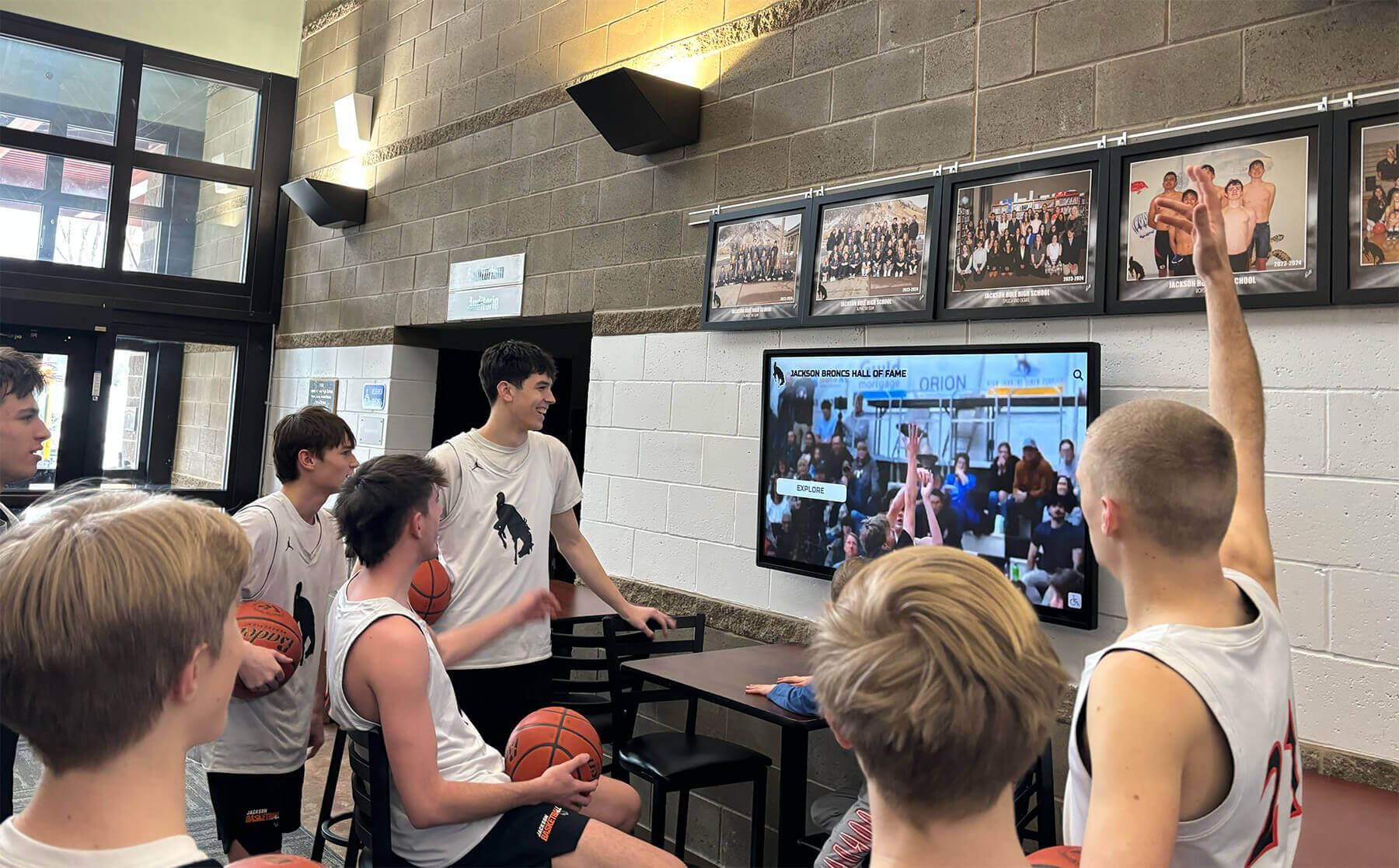
Multimedia presentations enhance signing day ceremonies by showcasing athletic journeys and accomplishments
Program Culture and Momentum Schools maintaining strong signing day traditions create self-reinforcing cycles where ceremony visibility attracts additional athletes, positive media coverage enhances school reputation, successful athlete advancement validates program quality to college recruiters, and younger athletes develop stronger commitment seeing clear progression pathways.
Implementing senior athlete celebration strategies throughout athletic seasons builds toward signing day as culminating recognition moment.
Planning Your Athletic Signing Day Ceremony
Successful signing day events require systematic planning addressing logistics, format design, and family coordination.
Establishing Ceremony Timeline and Format
Strategic timing and format decisions significantly impact ceremony effectiveness and attendance:
Optimal Scheduling Considerations
- Traditional National Signing Day dates for specific sports (football early and regular signing periods, basketball signing periods)
- School calendar alignment avoiding conflicts with academic schedules, testing periods, and other major events
- Evening timing maximizing family attendance compared to school-day ceremonies
- Sufficient planning lead time allowing invitations, media coordination, and venue preparation
- Flexibility accommodating athletes signing outside traditional periods or receiving late offers
Ceremony Format Options
All-Sports Combined Ceremony Schools with multiple athletes signing across various sports often create unified celebrations featuring all sports in single event, streamlined planning reducing administrative burden, broader community attendance and media interest, opportunity for cross-sport camaraderie and mutual celebration, and efficient resource utilization for venue, catering, and technical equipment. This format works particularly well during traditional February signing period when multiple sports overlap.
Individual Sport Ceremonies Larger programs or schools with many signings may opt for sport-specific celebrations allowing focused recognition of sport-specific achievements and contributions, appropriate timing aligned with individual sport signing periods, intimate atmosphere with sport-specific families, coaches, and teammates, customized presentations featuring relevant highlights and memories, and reduced ceremony duration maintaining audience engagement.
Individual Athlete Ceremonies Some schools provide flexibility for families preferring individual recognition events, particularly when signing dates don’t align with other athletes or families desire more personalized celebrations.
Venue Selection and Setup
Appropriate venue selection establishes ceremony tone while ensuring practical functionality:
Venue Options and Considerations
School Gymnasium or Athletic Facilities Athletic venues provide symbolic appropriateness connecting ceremony to athletic achievement, accommodate larger audiences for popular programs or multiple signings, offer technical capabilities for presentations and multimedia content, require minimal rental costs compared to external venues, and facilitate setup access and post-ceremony reception spaces.
School Auditorium or Performing Arts Center Formal venues elevate ceremony significance while offering professional presentation capabilities including stage lighting and audio systems, tiered seating ensuring visibility for all attendees, climate control regardless of season or weather, acoustics optimized for speeches and presentations, and professional atmosphere appropriate to achievement significance.
Library Media Center or Commons Areas Smaller celebrations benefit from intimate settings with modern technology infrastructure, flexible furniture arrangement adapting to attendance size, casual atmosphere reducing formality stress, easy access for families and community members, and integration with existing recognition displays showcasing broader athletic achievements.
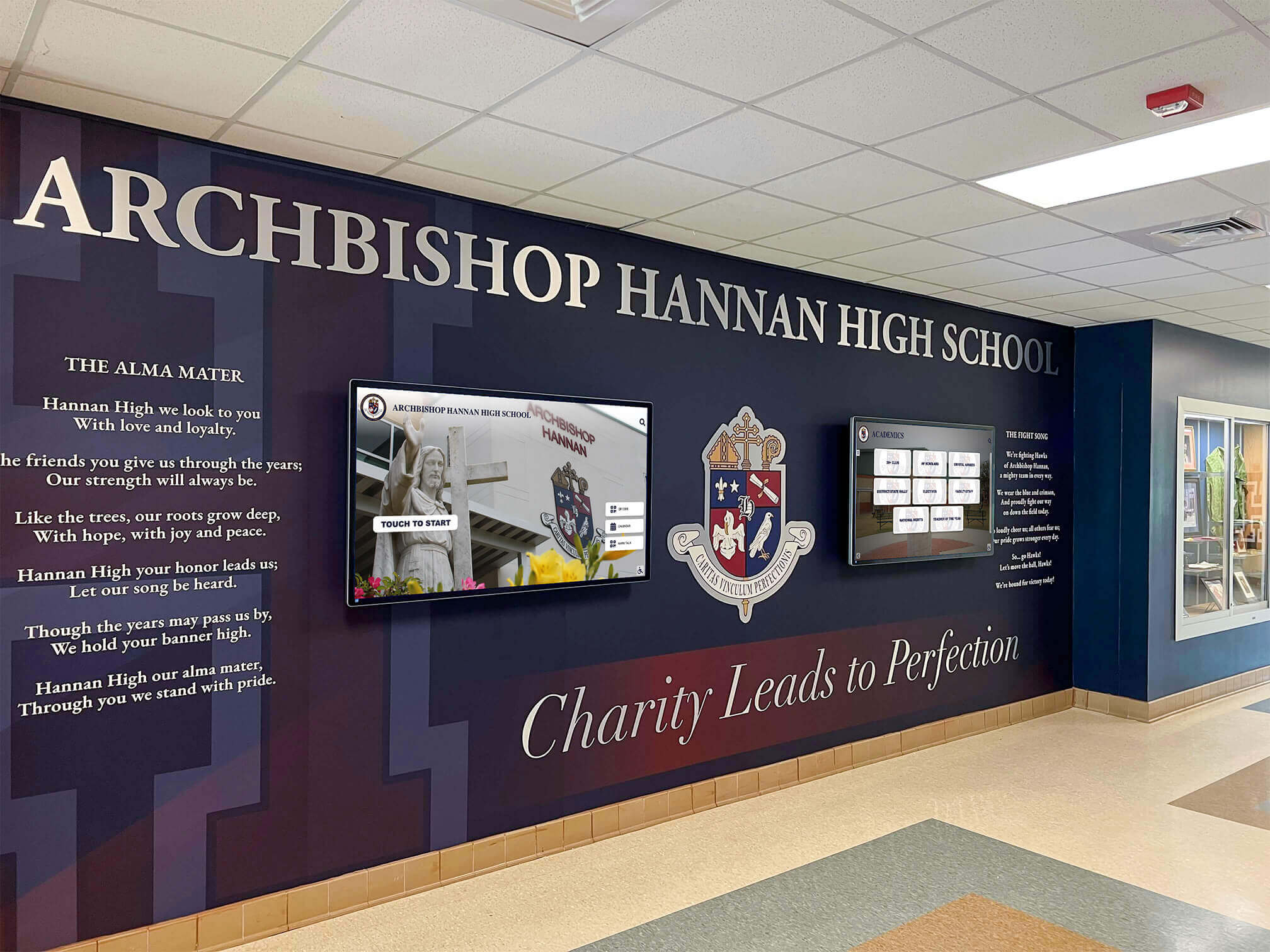
School lobbies and common areas provide accessible venues for signing day ceremonies while maintaining daily visibility
Setup Requirements and Logistics
- Signing table with school colors, logos, and appropriate documentation for ceremonial signing
- Seating arrangements for athletes, families, coaches, administrators, and community attendees
- Display space for college apparel, recruiting materials, and team memorabilia
- Audio-visual equipment including microphones, projectors or screens, and sound systems
- Photography and videography positions ensuring quality documentation without obstructing views
- Reception area for post-ceremony refreshments and informal celebration
- Directional signage guiding attendees to venue and parking arrangements
Understanding athletic facility design considerations helps schools create spaces supporting both daily operations and special events like signing ceremonies.
Ceremony Program Design and Flow
Thoughtful program structure creates engaging experiences honoring athletes while respecting attendee time and attention.
Essential Ceremony Elements
Opening Remarks and Welcome
- Athletic director or principal welcoming attendees and framing ceremony significance
- Recognition of families, coaches, and community members supporting athletic development
- Brief context about school’s athletic tradition and college placement success
- Introduction of ceremony format and estimated duration managing expectations
Individual Athlete Recognition Sequence For each signing athlete, effective recognition typically includes:
- Coach introduction providing athletic background, achievements, and character attributes
- Highlight video or photo montage showcasing athletic career and memorable moments
- Academic achievement acknowledgment emphasizing complete student-athlete development
- College representative remarks if recruiting coaches attend ceremony
- Family recognition inviting parents or guardians to join athlete at signing table
- Formal signing moment with photography capturing document signature
- Gift presentation such as school apparel, framed photos, or commemorative items
- Brief athlete remarks thanking supporters and sharing college choice factors
- Transition time allowing family photo opportunities before proceeding to next athlete
Program Pacing Strategies Maintaining engagement throughout ceremony requires attention to pacing and variety:
- Individual athlete segments lasting 5-8 minutes preventing monotony while allowing meaningful recognition
- Multimedia integration alternating between live presentations and video content
- Student emcee participation adding peer perspectives and energy
- Musical interludes or entertainment during transitions if ceremony includes many athletes
- Strategic positioning of most prominent athletes or compelling stories throughout program rather than front-loading or saving entirely for conclusion
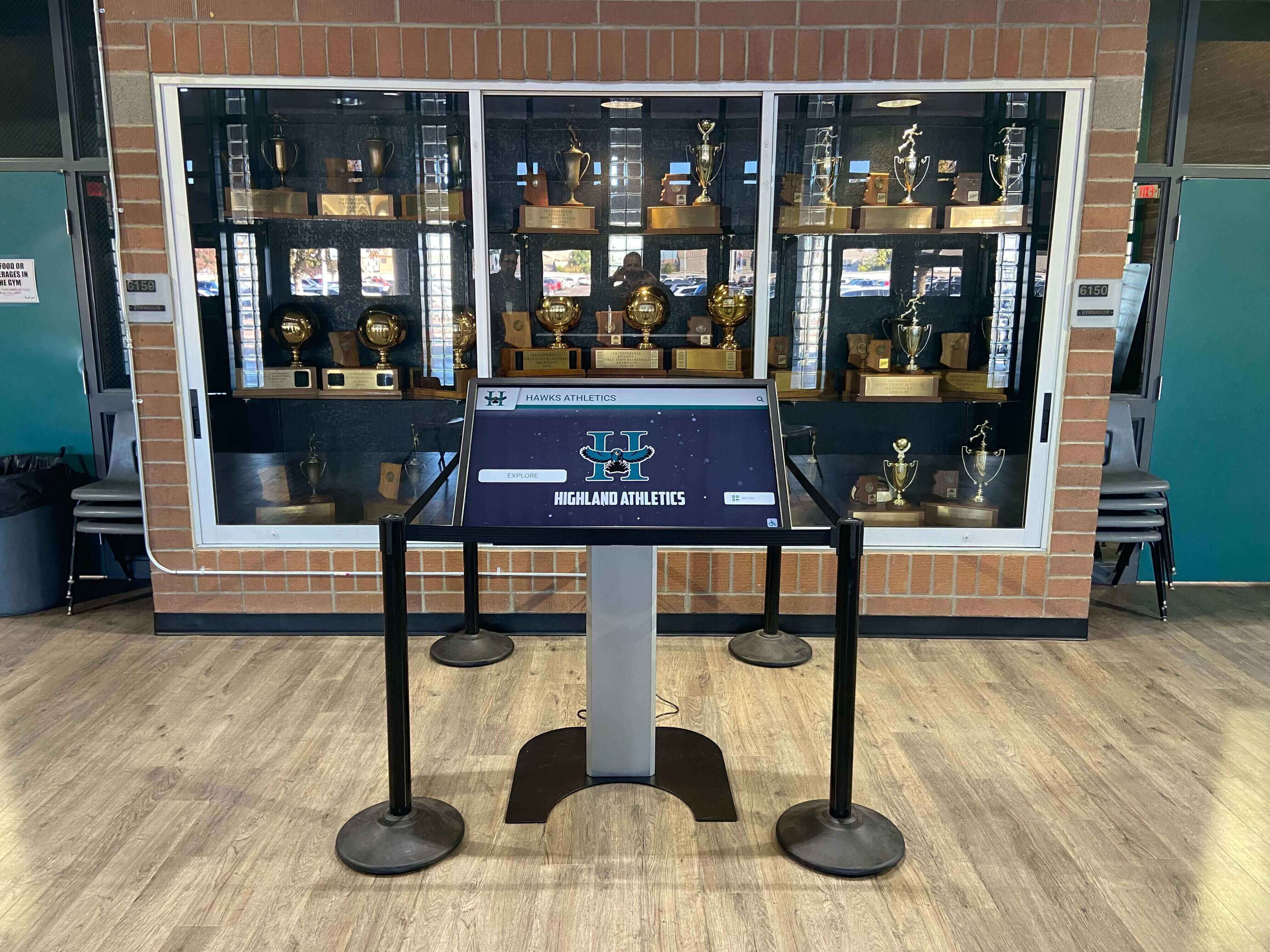
Interactive displays complement signing ceremonies by providing ongoing recognition beyond single events
Multimedia and Presentation Content
Video Production and Highlight Compilations Effective signing day videos create emotional resonance while showcasing athletic journeys:
- Season highlight footage featuring game performance and competitive moments
- Practice and training clips demonstrating dedication beyond game situations
- Team celebration and camaraderie moments showing relationship development
- Academic achievement photos balancing athletic with scholarly accomplishments
- Family photos and youth sports images illustrating long-term development
- Music selection reflecting athlete personality without overwhelming content
- Professional editing maintaining video quality and pacing engagement
Visual Presentation Materials Beyond video content, effective ceremonies incorporate supporting visual elements including recruiting timeline graphics showing progression from first contact through commitment, college program information familiarizing attendees with institutions athletes will attend, statistical achievements highlighting quantifiable performance excellence, awards and recognition summary documenting honors earned throughout career, and future goals and academic major information emphasizing complete college experience beyond athletics.
Schools can reference coach appreciation strategies when recognizing coaching contributions during signing ceremonies.
Closing Elements and Post-Ceremony Reception
Ceremony Conclusion
- Final remarks from athletic director or principal congratulating all athletes collectively
- Acknowledgment of coaching staff instrumental to athlete development
- Recognition of family sacrifice and support enabling achievement
- Invitation to post-ceremony reception for informal celebration and photos
- Information about permanent recognition displays preserving signing day honors
Reception Planning Post-ceremony gatherings extend celebration while providing informal family interaction:
- Refreshments appropriate to time of day and school resources (light appetizers and beverages)
- Display tables featuring college recruiting materials, team photos, and memorabilia
- Informal photo opportunities with coaches, teammates, and families
- Media availability for interviews and additional coverage
- Signing table remaining available for additional photo opportunities
Family Engagement and Communication
Effective family involvement requires proactive communication and thoughtful accommodation of family preferences.
Pre-Ceremony Family Coordination
Initial Planning Conversations Athletic directors or coaches should meet with families well before ceremony to discuss format preferences and family involvement level, guest list size and seating requirements, special accommodations for extended family or religious considerations, preferred timing balancing school schedule with family availability, photography and videography preferences including professional or family coverage, and college coach attendance confirming whether recruiting coaches plan to attend.
Invitation and Communication Strategy
- Formal printed invitations providing ceremony details and RSVPs
- Digital communication sharing logistics, parking, and schedule information
- Personal outreach to key community members and program supporters
- Media advisories alerting local news organizations about signing ceremony
- Social media promotion building excitement and community awareness
- School communication through newsletters, websites, and announcements
Supporting Family Experience During Ceremony
Accommodating Family Needs
- Reserved seating ensuring immediate family proximity during athlete recognition
- Accessibility accommodations for family members with mobility or sensory needs
- Photography coordination balancing documentation quality with unobstructed viewing
- Timeline communication helping families plan arrival and estimated duration
- Flexibility adapting to unexpected circumstances or family requests
- Cultural sensitivity respecting diverse family backgrounds and traditions
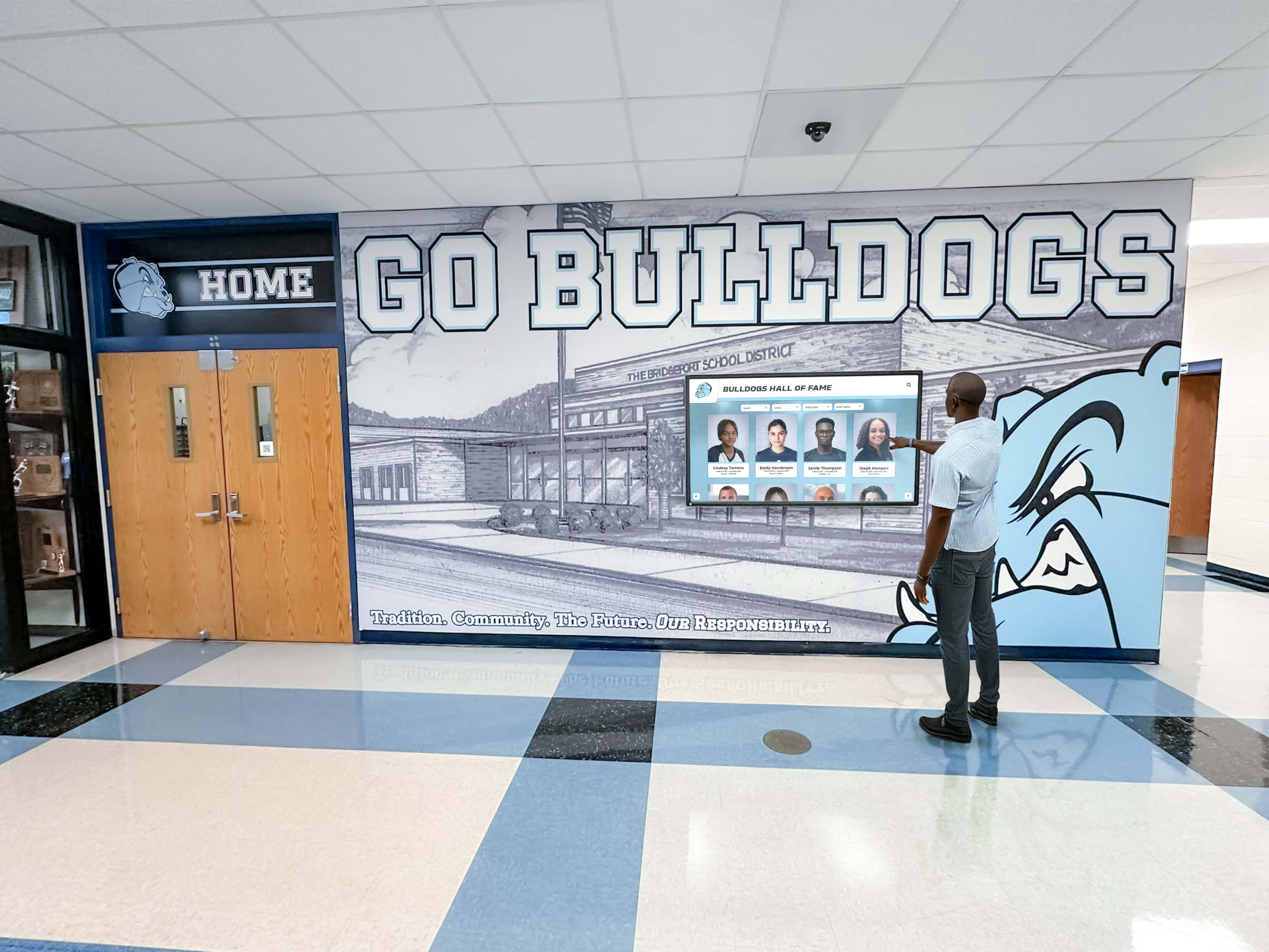
Digital recognition platforms ensure signing day achievements remain visible to school communities year-round
Post-Ceremony Follow-Up
Sharing Ceremony Documentation
- Professional photography galleries distributed to families within days of ceremony
- Video recordings of complete ceremony or individual athlete segments
- Media coverage links and articles featuring ceremony and athlete achievements
- Social media content tagging families and celebrating achievements publicly
- Printed programs and materials serving as ceremony mementos
Effective athletic record documentation ensures signing day achievements integrate with broader athletic history.
Media Coverage and Public Relations
Strategic media engagement amplifies signing day impact beyond ceremony attendees while building program reputation.
Coordinating Media Attendance and Coverage
Pre-Event Media Strategy
- Media advisories sent to local newspapers, television stations, and radio outlets
- Press release drafts highlighting athlete achievements and college destinations
- Photography availability confirmation ensuring quality images for publication
- Interview scheduling coordinating media access with ceremony flow
- Social media planning establishing hashtags and posting schedule
- School communications coordination aligning internal and external messaging
During-Ceremony Media Facilitation Athletic departments should designate media liaison managing reporter access and questions, establish photography positions allowing coverage without disrupting ceremony, provide printed roster and fact sheets with athlete information and achievements, coordinate post-ceremony interviews with athletes and families, share digital content including logos and photos for publication use, and maintain ceremony flow while accommodating reasonable media requests.
Post-Ceremony Media Follow-Up
- Distributing high-resolution photography to media outlets and families
- Sharing ceremony video highlights and social media content
- Following up with reporters providing additional information or quotes
- Monitoring coverage and sharing positive articles through school channels
- Thanking media representatives for attendance and coverage
- Archiving coverage for program promotion and recruiting materials
Digital and Social Media Strategy
Platform-Specific Content Approaches
Instagram and Visual Platforms
- Individual athlete announcement graphics featuring college logos and photos
- Behind-the-scenes ceremony preparation and setup content
- Live story updates during ceremony for broader community engagement
- Professional ceremony photography showcasing key moments
- Athlete quotes and reflections about college choice and gratitude
- College program tags connecting school and university social media presence
Facebook and Community Engagement
- Detailed athlete profiles with comprehensive achievement backgrounds
- Photo albums documenting complete ceremony for absent community members
- Video recordings of individual athlete segments or complete ceremony
- Community congratulations and comment engagement
- Sharing from college program accounts amplifying reach
- Alumni athlete engagement demonstrating continued connection
Twitter and Real-Time Updates
- Live ceremony updates announcing each athlete and college destination
- Quote highlights from athlete remarks and coach tributes
- Statistical achievement graphics and recruiting timeline information
- Media coverage links and reporter content sharing
- Hashtag campaigns creating searchable ceremony documentation
- Athletic department cross-promotion with college programs
Schools building spirit and celebration traditions create cultural foundations supporting enhanced signing day participation.
Permanent Recognition and Digital Displays
Preserving signing day achievements beyond ceremony events ensures lasting visibility and ongoing inspiration.
Integrating Signing Day Into Broader Recognition Systems
Physical Recognition Elements
- Dedicated signing day display boards in athletic facilities or school lobbies
- Photo collections featuring ceremony moments and athlete college logos
- Name plates or plaques documenting college commitments by year
- Integration with hall of fame or athletic achievement recognition displays
- Trophy case sections highlighting recruiting success and college placements
Digital Display Advantages Modern interactive recognition platforms provide distinct advantages over traditional static displays:
- Unlimited capacity accommodating growing signing day history without space constraints
- Rich multimedia content including video highlights, statistics, and athletic achievements
- Searchable databases allowing students to explore athletes by sport, year, or college
- Regular content updates maintaining current information as athletes progress
- Family and community access extending recognition beyond physical school visitors
- Integration with social media and school websites amplifying visibility
- Cost efficiency eliminating ongoing physical materials and installation expenses
Interactive touchscreen displays installed in high-traffic locations such as athletic facility lobbies, main school entrances, commons areas and student gathering spaces, and academic hallways connecting athletics with broader school community ensure daily visibility while providing engaging platforms for exploring athletic history.
Creating Comprehensive Athlete Profiles
Essential Profile Components Digital recognition systems should document complete signing day stories through high school athletic career statistics and achievements, academic honors and GPA information balancing athletic focus, college destination with program logo and institution information, recruiting timeline and commitment decision factors when appropriate, coach tributes and character recognition emphasizing complete development, family acknowledgments and supporter recognition, and post-high school updates tracking college career progression and achievements.
Ongoing Content Management Effective digital recognition requires systematic approaches to initial profile creation during or immediately following signing ceremony, photo and video content organization maintaining quality archives, annual updates adding college career achievements and progression, alumni engagement encouraging continued connection with high school programs, historical migration digitizing past signing day documentation, and content verification ensuring accuracy of displayed information.
Connecting Signing Day to Complete Athletic Recognition
Signing day achievements should integrate within comprehensive athletic recognition strategies:
Multi-Level Recognition Framework
- Current season performance and team achievement displays
- Career achievement recognition honoring cumulative excellence
- Hall of fame induction celebrating sustained impact
- Signing day documentation connecting high school to college progression
- Alumni athlete updates tracking continued success beyond high school

Interactive touchscreen platforms transform static recognition into engaging explorations of athletic achievement
Program Promotion and Recruiting Benefits Comprehensive recognition systems demonstrating signing day success provide valuable recruiting tools. College coaches researching programs see documented track records of athlete development and college placement, prospective athletes and families evaluate programs based on college commitment history, community members gain awareness of program excellence through visible achievement documentation, and booster supporters witness return on investment through tangible advancement evidence.
Budget Considerations and Resource Allocation
Planning effective signing day ceremonies requires balancing celebration quality with fiscal responsibility.
Essential Budget Categories
Venue and Facility Costs
- Rental fees for external venues if school facilities unsuitable
- Facility staff overtime for setup, event support, and cleanup
- Security personnel if ceremony draws large crowds
- Parking coordination and traffic management for off-campus locations
Ceremony Production Expenses
- Audio-visual equipment rental if school resources inadequate
- Professional photography and videography services
- Printing costs for programs, signage, and display materials
- Video production editing and multimedia content creation
- Decorations, table settings, and ceremonial signing materials
Catering and Refreshments
- Reception food and beverage appropriate to ceremony timing
- Serving supplies, tables, and setup equipment
- Dietary accommodation ensuring inclusive options
- Service staff if required by venue or event scale
Recognition and Commemorative Items
- Framed photos or certificates for signing athletes
- School apparel or gifts honoring achievement
- Thank you items for coaches and key supporters
- Display materials for permanent recognition installations
Cost-Management Strategies
Budget-Conscious Approaches Schools can deliver meaningful signing day ceremonies through strategic resource allocation:
- Utilizing school facilities eliminating venue rental costs
- Student technical support replacing professional audio-visual services
- Digital programs reducing printing expenses while enabling content richness
- Parent volunteer coordination minimizing catering and service costs
- Sponsor partnerships offsetting expenses through booster club or business support
- Selective professional services investing in key elements like photography
- Multi-year planning amortizing one-time equipment purchases across annual events
Scalable Investment Based on Program Size Ceremony resource allocation should reflect signing athlete quantity and community expectations. Schools with occasional individual signings may emphasize intimate family-focused celebrations, programs with consistent multiple annual signings justify investment in established traditions and professional production, and large programs with extensive signing classes benefit from comprehensive events generating broader community engagement and media coverage.
Building Sustainable Signing Day Traditions
Creating enduring recognition programs requires systematic planning extending beyond individual ceremonies.
Establishing Consistent Annual Processes
Documentation and Institutional Knowledge
- Ceremony planning checklists capturing all logistical requirements
- Timeline templates establishing planning milestones and deadlines
- Vendor and contact information for consistent service providers
- Budget templates tracking expenses and identifying efficiency opportunities
- Format documentation preserving successful ceremony elements
- Photo and video archives maintaining complete signing day history
- Evaluation processes gathering feedback and identifying improvements
Volunteer and Committee Structure Sustainable programs distribute responsibilities across committed stakeholders:
- Athletic director oversight providing leadership and final decision authority
- Coach involvement contributing athlete knowledge and family relationships
- Administrative support managing logistics, communications, and documentation
- Booster club participation coordinating volunteers and financial contributions
- Student leadership adding peer perspectives and technical capabilities
- Communication staff handling media relations and digital content
- Facilities personnel ensuring venue preparation and technical functionality
Continuous Improvement and Evolution
Gathering Feedback and Assessment Systematic evaluation improves ceremony quality over time:
- Family surveys assessing satisfaction and gathering improvement suggestions
- Athlete reflection on ceremony experience and meaningful elements
- Staff debrief identifying logistics challenges and process improvements
- Media effectiveness analysis reviewing coverage quality and reach
- Attendance tracking monitoring community engagement trends
- Budget analysis evaluating expense efficiency and resource allocation
- Comparison with peer schools identifying innovation opportunities
Adapting to Changing Contexts Athletic signing day ceremonies should evolve reflecting broader trends in college athletics including NIL (Name, Image, Likeness) considerations affecting recruiting dynamics, transfer portal realities creating potential for multiple signing moments, early signing period changes altering traditional ceremony timing, social media evolution enabling new engagement approaches, diversity and inclusion awareness ensuring equitable recognition, and technological advancement expanding multimedia and recognition capabilities.
Athletic signing day ceremonies represent far more than administrative formalities documenting college commitments. These celebrations honor years of dedication while inspiring future athletes, engage families and communities in formal recognition, build school traditions connecting past and present achievements, and demonstrate institutional commitment to supporting complete student-athlete development. Schools investing in thoughtful ceremony planning create powerful experiences generating lasting memories while strengthening athletic culture.
By implementing systematic planning processes, designing engaging ceremony formats, coordinating family and media involvement effectively, and integrating signing day recognition into permanent digital display systems, athletic departments transform individual achievements into collective celebration benefiting entire school communities for years to come.
Ready to create permanent recognition celebrating athletic signing day achievements and inspiring future generations?
Rocket Alumni Solutions specializes in interactive touchscreen displays that preserve signing day moments while showcasing complete athletic histories. Our digital recognition platforms provide unlimited capacity, engaging multimedia content, and year-round visibility ensuring achievements celebrated during ceremonies remain accessible to school communities permanently.