Athletic scholarships represent transformative opportunities for student-athletes—reducing financial burden, opening doors to quality education, and validating years of dedication to their sport. Yet earning scholarship recognition requires far more than athletic talent alone. Coaches evaluate character, academics, leadership, and visibility alongside performance metrics. High schools play a crucial role in this journey, serving not just as training grounds but as platforms that amplify student-athlete achievements, document milestone moments, and create visibility that catches recruiters’ attention.
For athletic directors, coaches, and administrators, the question becomes: how can we systematically support student-athletes in earning scholarship recognition? What infrastructure helps showcase achievements beyond game days? How do we preserve and promote athletic excellence in ways that benefit current athletes while inspiring younger players? How can schools celebrate scholarship signings in ways that build program pride and demonstrate commitment to student success beyond graduation?
This comprehensive guide explores how high schools can build systematic support for student-athletes pursuing athletic scholarships—from documenting achievements and creating visibility through building recognition infrastructure that extends far beyond the playing field.
High schools that prioritize student-athlete success understand that scholarship opportunities emerge from visibility, documented achievement, and sustained excellence. Creating systematic approaches to recognition helps current athletes while building program culture that inspires the next generation.
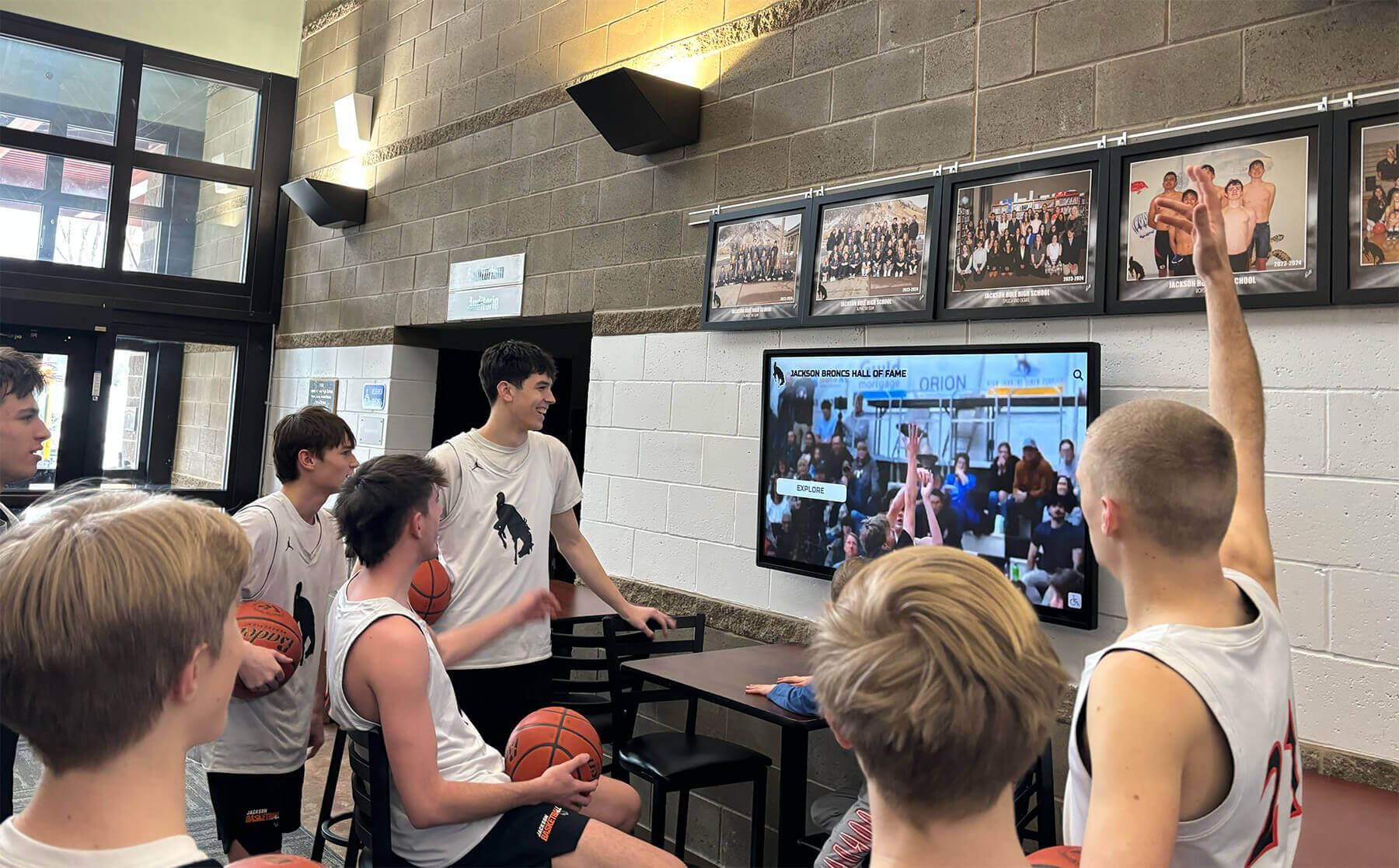
Modern schools combine traditional recognition with digital platforms that showcase student-athlete achievements to recruiters and community
Understanding the Athletic Scholarship Landscape
Before building support systems, schools need clear understanding of how athletic scholarships work and what factors influence scholarship decisions.
Scholarship Types and Availability
NCAA Division Levels
Athletic scholarship availability varies significantly across collegiate divisions:
Division I:
- Full athletic scholarships available in “headcount” sports (football, basketball, women’s volleyball, women’s gymnastics, women’s tennis)
- Partial scholarships in “equivalency” sports divided among team rosters
- Highest competitive level with strictest academic requirements
- Most scholarship dollars available but also most competition
- Average D1 scholarship: $14,270 per year
Division II:
- Mix of athletic scholarships and academic aid
- Most sports use equivalency model dividing scholarship funds
- More balanced approach to athletics and academics
- Smaller programs but still competitive scholarship opportunities
- Average D2 scholarship: $5,548 per year
Division III:
- No athletic scholarships allowed
- Financial aid based purely on academic merit and need
- Emphasis on balanced student-athlete experience
- Athletes can still receive substantial financial support through academic scholarships
NAIA:
- Athletic scholarships available with more flexible rules
- Smaller schools with varying athletic budgets
- Often significant scholarship opportunities in specific sports
- More personalized recruiting relationships
Schools implementing comprehensive athletic recognition programs help student-athletes understand these different pathways and identify appropriate targets.
What Recruiters Actually Evaluate
Coaches making scholarship decisions assess factors beyond athletic performance:
Athletic Performance Metrics:
- Verified statistics from official competitions
- Video evidence demonstrating skills and game situations
- Performance consistency across seasons
- Position-specific measurables (40-yard dash, vertical jump, etc.)
- Competition level faced (strength of schedule)
Academic Requirements:
- GPA meeting minimum eligibility standards (typically 2.3-3.0)
- SAT/ACT scores aligned with institutional requirements
- Core course completion in college-prep curriculum
- Academic trajectory showing sustained performance
- NCAA Eligibility Center clearance
Character and Leadership:
- Coachability demonstrated through high school experience
- Team-first attitude and positive locker room presence
- Community involvement and volunteer service
- Overcoming adversity or handling challenges
- References from high school coaches and teachers
Visibility and Marketing:
- Video highlights showcasing skills
- Athletic profile on recruiting platforms
- Social media presence demonstrating character
- Attendance at camps, combines, and showcases
- Media coverage of achievements
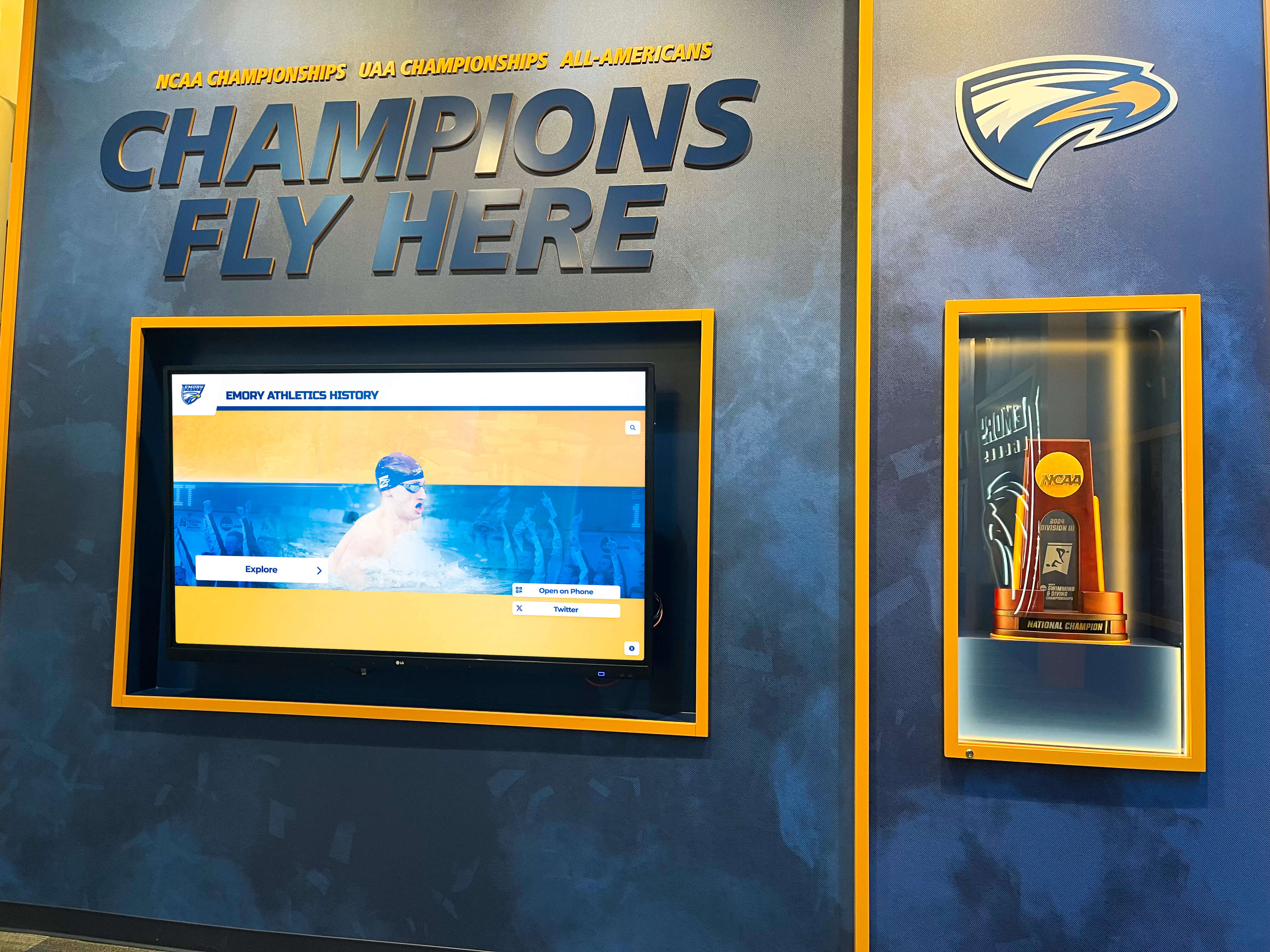
College programs seek athletes who will contribute to championship culture and program excellence
Documenting Student-Athlete Achievements
Systematic documentation transforms individual performances into compelling scholarship narratives.
Building Comprehensive Athletic Records
Statistical Documentation
High schools should maintain detailed records for every athlete:
- Season-by-season statistics across all sports
- Individual achievement milestones (1000-point scorers, school records, etc.)
- Team accomplishments (championships, tournament appearances)
- All-conference, all-region, and all-state selections
- Academic honors and awards
- Leadership positions (team captain, student council)
- Community service hours and volunteer involvement
Schools using digital record-keeping systems ensure achievement data remains accessible and shareable with college recruiters.
Video Documentation
Video has become essential for recruiting:
Game Film Best Practices:
- Film every varsity game from elevated angle capturing full playing area
- Organize footage by game, date, and opponent
- Maintain digital archive accessible to athletes and families
- Provide guidelines for creating highlight reels
- Store video using consistent naming conventions
- Make footage available through secure cloud storage
Highlight Reel Guidelines:
- 3-5 minute length showcasing 15-20 plays
- Open with best plays to capture attention immediately
- Include jersey number and position clearly visible
- Add text overlays noting context (playoff game, ranked opponent)
- Include recent film (current season emphasized)
- Organize by skill demonstration (blocking, tackling, shooting, etc.)
Creating Athletic Portfolios
Comprehensive athletic portfolios compile achievements into scholarship-ready formats:
Portfolio Components:
- Athletic resume with statistics and accomplishments
- Academic transcript highlighting GPA and test scores
- Highlight video links organized by sport and season
- Coach references and contact information
- Awards and recognition documentation
- Community involvement summary
- Position-specific measurables and testing results
Digital Portfolio Platforms:
- Recruiting service profiles (NCSA, BeRecruited, CaptainU)
- Personal athletic websites showcasing achievements
- Social media profiles emphasizing athletic identity
- School athletic department webpages featuring athletes
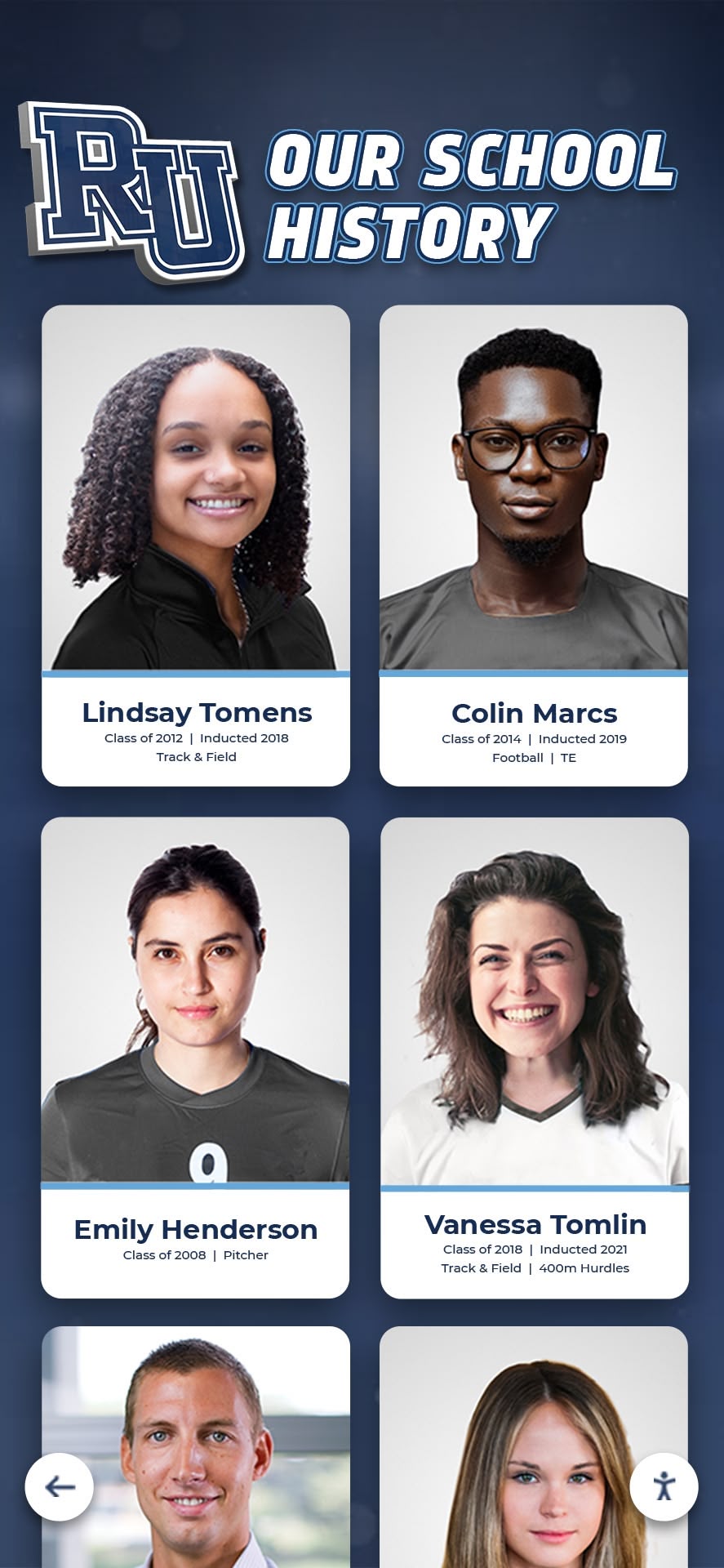
Professional athletic portfolios document achievements in formats that facilitate scholarship conversations
High schools that provide portfolio templates and guidance help student-athletes present themselves professionally to college recruiters.
Building Visibility Through Recognition Infrastructure
Physical and digital recognition infrastructure amplifies student-athlete achievements beyond the school community.
Hall of Fame and Achievement Displays
Permanent recognition creates lasting visibility for athletic excellence:
Traditional Recognition:
- Hall of fame plaques honoring outstanding athletes
- Championship trophy cases celebrating team accomplishments
- Record boards tracking school performance standards
- Retired jersey displays recognizing legendary athletes
- Championship banners documenting team success
Modern Digital Displays:
Today’s schools increasingly supplement traditional recognition with interactive digital systems that offer advantages for scholarship visibility:
- Real-time updates showcasing current athlete achievements
- Video highlights playing continuously in high-traffic areas
- Interactive touchscreens allowing exploration of athlete profiles
- Social media integration broadcasting achievements broadly
- College commitment announcements featured prominently
- Alumni athlete updates showing post-graduation success
Schools implementing digital hall of fame displays create dynamic recognition that can be updated instantly when athletes earn new honors or commit to colleges.
Signing Day Recognition
National Signing Day represents the culmination of recruitment for many athletes:
Traditional Signing Day Events:
- Public ceremony with athlete, family, coaches, and administrators
- School letter of intent signing at table with team gear displayed
- Photo opportunities with college merchandise and coaches
- Media coverage from local newspapers and sports reporters
- Celebration event with teammates and supporters
Amplifying Signing Day Impact:
Schools maximizing signing day visibility help athletes while promoting program success:
Before the Event:
- Social media countdown to signing announcement
- Teaser posts building anticipation
- Background stories about athlete’s journey
- Academic and athletic highlight compilations
During the Event:
- Professional photography and videography
- Live streaming for extended family and community
- Social media real-time updates and images
- Comments from coaches, athletic directors, and principals
- Display of athlete’s full achievement portfolio
After the Event:
- Press releases to local and regional media
- Updated hall of fame displays featuring commitment
- Social media celebration posts thanking supporters
- Website feature stories about athlete journey
- Digital displays updated with college destination
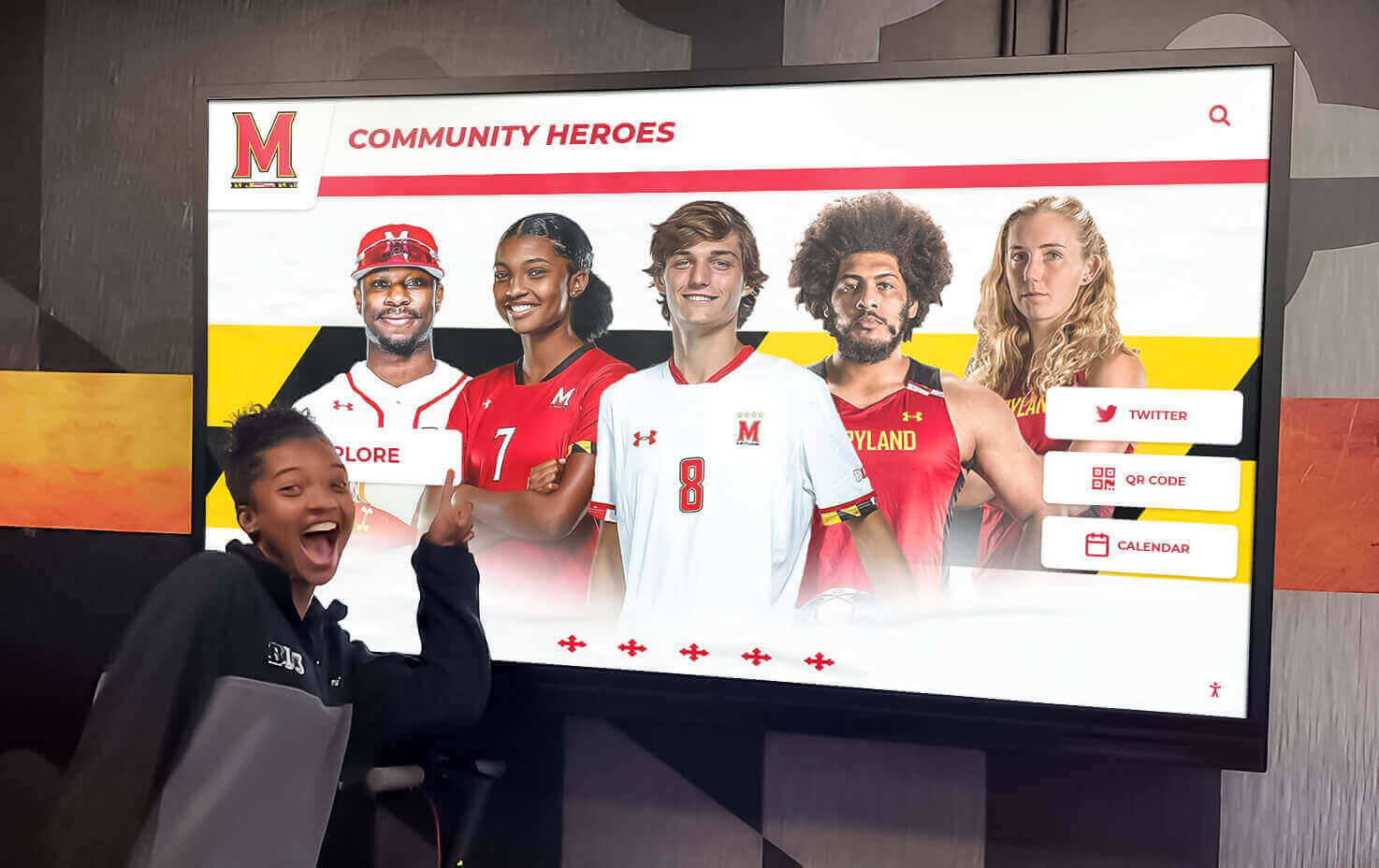
Prominent signing day recognition celebrates individual achievement while inspiring younger athletes
Post-Graduation Recognition
Recognition shouldn’t end at graduation:
Alumni Athlete Tracking:
- Maintain database of athletes playing collegiate sports
- Update displays with college achievements
- Share alumni success stories with current athletes
- Invite college athletes back for speaking opportunities
- Celebrate academic achievements alongside athletic success
Creating Inspiration Loops:
When younger athletes see recent graduates succeeding in college athletics, scholarship pursuit becomes tangible:
- Display updated athlete progress (“Class of 2024 Athletes”)
- Share stories of multi-sport athletes earning scholarships
- Highlight academic-athletic balance leading to success
- Document athletes who walked on and earned scholarships
- Celebrate athletes who earned academic scholarships to play at D3 schools
Supporting the Scholarship Journey
Beyond recognition, schools provide practical support throughout the scholarship pursuit process.
Academic Eligibility Monitoring
Athletic talent means nothing without academic eligibility:
NCAA Eligibility Center Support:
- Educate families about registration process (beginning freshman year)
- Monitor core course requirements and GPA calculations
- Review transcripts for NCAA compliance
- Coordinate with counselors on coursework planning
- Address eligibility concerns before they become problems
Academic Support Programs:
- Study hall monitoring for student-athletes
- Tutoring services addressing specific challenges
- Academic coaches helping with time management
- Progress monitoring during competition seasons
- Communication with teachers about upcoming absences
Schools implementing comprehensive academic recognition demonstrate equal value for academic and athletic achievement.
Recruiting Education and Guidance
The recruiting process confuses many families:
Recruiting Workshops:
- Timeline of recruiting process by sport and division level
- How to create athletic resumes and highlight videos
- Understanding financial aid packages and scholarship offers
- NCAA rules about contact with college coaches
- Evaluating college fit beyond athletics
- Red flags in recruiting relationships
Individual Recruiting Support:
- Review recruiting emails and scholarship offers
- Facilitate communication between high school and college coaches
- Provide honest assessment of athlete’s collegiate potential
- Connect athletes with college programs matching skill level
- Share recruiting service pros and cons
- Guide official and unofficial visit planning
Networking and Connections
High school coaches’ relationships open doors:
Coach-to-Coach Relationships:
- Active communication with college recruiters
- Honest evaluation of athlete fit for programs
- Proactive outreach on behalf of athletes
- Recommendations carrying weight from coaching relationships
- Facilitation of campus visits and tryout opportunities
Showcase and Camp Guidance:
- Identifying valuable showcase events versus money-grabs
- Sport-specific camps attracting genuine college interest
- Regional versus national event recommendations
- Cost-benefit analysis of recruiting service subscriptions
- Position-specific training helping athletes improve stock
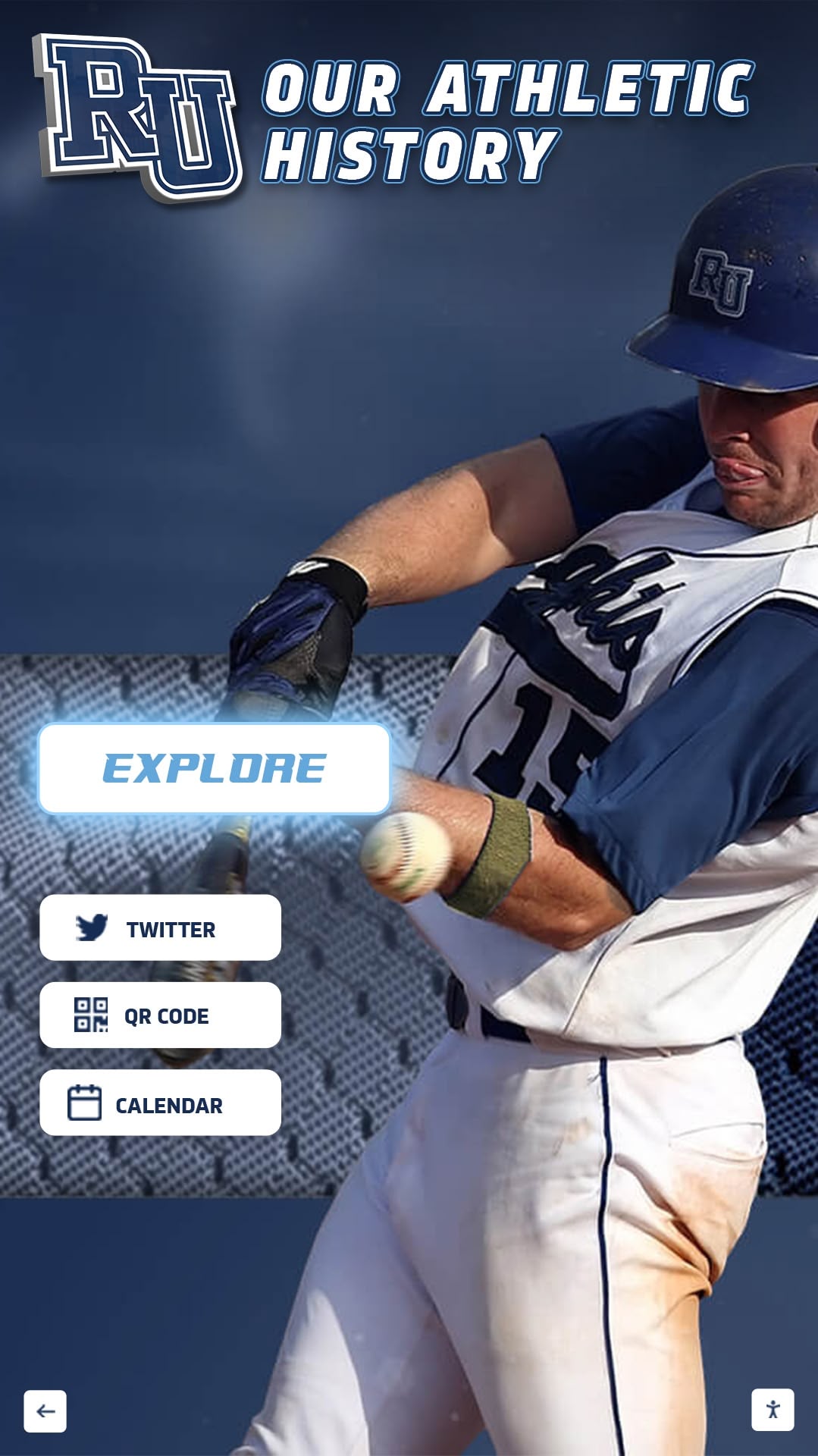
High school support systems bridge the gap between prep athletics and college competition
Creating Culture That Supports Scholarship Success
Individual support matters, but systematic culture change creates sustainable scholarship success.
Building Multi-Year Development Programs
Freshman-Through-Senior Progression:
Freshman Year:
- NCAA Eligibility Center registration
- Introduction to recruiting process
- Academic foundation establishment
- Varsity program exposure through JV participation
- Building fundamental skills and understanding position requirements
Sophomore Year:
- Recruiting service profile creation
- First highlight video development
- Beginning communication with college programs of interest
- Camp and showcase identification
- Academic focus on core course GPA
Junior Year:
- Active recruiting communication period begins
- Official transcripts sent to interested programs
- Campus visit planning (unofficial visits allowed)
- Standardized testing completion
- Peak showcase and camp attendance
Senior Year:
- Official visits (5 allowed per sport per NCAA rules)
- Scholarship offer evaluation and comparison
- Financial aid package analysis
- National Signing Day preparation
- Final academic eligibility verification
Recognizing All Pathways to College Athletics
Not every athlete earns full-ride scholarships:
Celebrate Diverse Success:
- Partial scholarship commitments
- Preferred walk-on opportunities
- Academic scholarship packages at D3 schools
- NAIA and junior college commitments
- Club sport opportunities at prestigious academic institutions
Recognizing various pathways validates different forms of success while demonstrating that playing college sports takes many forms. Schools supporting all forms of athletic and academic achievement create inclusive cultures celebrating effort and accomplishment.
Inspiring the Next Generation
Current scholarship recipients inspire younger athletes:
Mentorship Programs:
- Connect middle school athletes with high school scholarship recipients
- Panel discussions with recently graduated college athletes
- Younger athletes attending signing day ceremonies
- High school athletes sharing journey stories with youth leagues
- Visible recognition creating aspiration among younger players
When elementary and middle school athletes see recent graduates signing with colleges and their achievements celebrated prominently throughout school buildings, scholarship pursuit transforms from abstract concept to achievable goal.
Leveraging Modern Recognition Technology
Traditional trophy cases and banners remain important, but modern schools supplement these with dynamic recognition infrastructure that extends visibility beyond school walls.
Interactive Digital Recognition Systems
Modern recognition platforms offer distinct advantages:
Continuous Updates:
- Showcase athletes currently in recruiting process
- Add new achievements immediately upon occurrence
- Update with college commitments the day they’re announced
- Feature visiting alumni athletes automatically
- Display current college athlete performance
Rich Media Integration:
- Play highlight videos automatically in high-traffic areas
- Showcase photo galleries from championship seasons
- Include athlete interviews and testimonials
- Display scholarship announcement videos
- Feature coach commentary on athlete development

Interactive displays allow community members to explore athlete achievements in depth while creating professional showcase of program excellence
Recruitment Facilitation:
Digital recognition systems serve practical recruiting functions:
- College coaches visiting schools can easily access athlete information
- QR codes link to complete athlete profiles and video
- Exported reports provide statistics for recruiting materials
- Professional presentation elevates perceived program quality
- Easy sharing of athlete content to social media and recruiting platforms
Schools incorporating interactive digital recognition create infrastructure that supports scholarship pursuits while honoring athletic tradition.
Social Media and Digital Presence
Coordinated digital presence amplifies individual athlete visibility:
Athletic Department Social Strategy:
- Consistent posting schedule highlighting athlete achievements
- Spotlight series featuring athletes with scholarship offers
- Game day coverage with statistical highlights
- Academic achievement recognition alongside athletic success
- Recruiting milestone celebrations (offer received, visit scheduled, commitment made)
Coordinated Hashtag Strategy:
- School-specific athletic hashtags
- Sport-specific campaign hashtags
- Athlete name hashtags for individual recognition
- Championship and milestone hashtags
- College program tags for recruitment visibility
Content Guidelines for Athletes:
- Professional representation on all platforms
- Balance of athletic content, academic achievement, and personality
- Appropriate interaction with college coaches within NCAA rules
- Thoughtful post content avoiding controversial statements
- Privacy settings protecting personal information
Financial Education and Scholarship Evaluation
Understanding scholarship offers requires financial literacy many families lack:
Breaking Down Scholarship Offers
Not all scholarship offers are equal:
Full Scholarship Components:
- Tuition (in-state versus out-of-state rates)
- Room and board (on-campus housing and meal plans)
- Books and supplies
- Fees (athletics, student activities, technology)
- Total annual value and four-year commitment
Partial Scholarship Reality:
- Percentage of total cost of attendance
- Renewable terms and GPA requirements
- Reduction or elimination scenarios
- Additional financial aid eligibility
- Out-of-pocket family responsibility
Hidden Costs:
- Travel to/from campus during breaks
- Required athletic equipment and gear
- Summer training and housing
- Academic year spending money
- Insurance and medical expenses
Comparing Offers Fairly
Schools help families evaluate offers systematically:
Comparison Factors Beyond Money:
- Academic program quality and major availability
- Graduation rates for student-athletes
- Athletic program competitive level and conference
- Coaching staff stability and philosophy
- Playing time potential and roster depth
- Campus culture and geographic location
- Post-graduation outcomes for program alumni
Red Flags to Recognize:
- Pressure to commit immediately without time to decide
- Scholarship offers contingent on unrealistic performance
- Vague terms around scholarship renewal
- Programs with high athlete turnover rates
- Academic programs inconsistent with athlete interests
- Geographic or cultural fits creating homesickness risk
Schools experienced in scholarship evaluation help families avoid common pitfalls while making decisions aligned with student-athlete best interests.
Measuring Scholarship Program Success
High schools serious about scholarship support track outcomes:
Key Success Metrics
Quantitative Measures:
- Number of athletes receiving scholarship offers annually
- Percentage of varsity athletes playing collegiate sports
- Total scholarship dollars earned by graduating classes
- Distribution across sports and division levels
- Academic scholarship amounts earned by student-athletes
- Walk-on opportunities leading to eventual scholarships
Qualitative Indicators:
- Student-athlete feedback on support provided
- College coach commentary on preparation quality
- Alumni reports on college athletic experience
- Family satisfaction with guidance received
- Younger athletes expressing college athletic aspirations
- Program reputation among regional recruiters
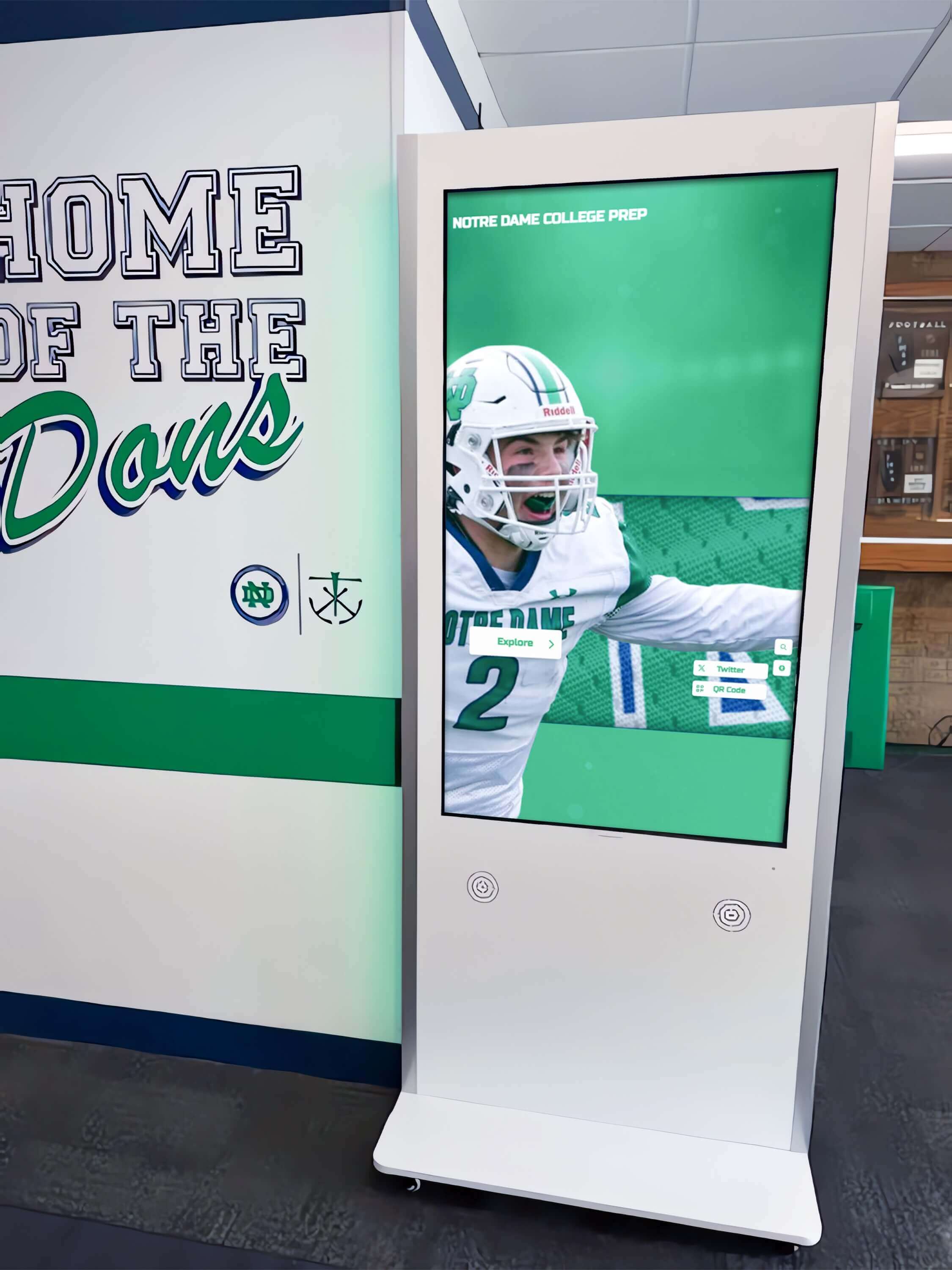
Sustained scholarship success reflects comprehensive program quality and systematic athlete support
Continuous Program Improvement
Use outcome data to refine support:
Annual Program Review:
- Survey graduating athletes about recruitment experience
- Analyze which support elements athletes found most valuable
- Identify common challenges athletes faced
- Review timeline to identify critical support moments
- Compare outcomes across sports to identify gaps
- Benchmark against similar schools regionally
Systematic Enhancement:
- Update recruiting education based on current landscape
- Expand recognition infrastructure addressing identified needs
- Strengthen academic support where eligibility issues emerged
- Develop sport-specific resources for unique recruiting environments
- Build alumni networks facilitating college athlete connections
- Invest in technology improving visibility and documentation
Beyond Graduation: Celebrating Alumni Success
The relationship doesn’t end when athletes leave for college:
Staying Connected
Alumni Athlete Network:
- Maintain database with college contacts and sports
- Send periodic updates from home school
- Share news about younger athletes in same programs
- Invite back for campus visits during breaks
- Feature in school communications and recognition systems
Continuing Recognition:
Schools celebrating alumni athletic success create inspiration loops:
- Update displays with college achievements
- Share social media posts of alumni game highlights
- Recognize academic all-conference and similar honors
- Celebrate graduation and degree completion
- Acknowledge professional athletic opportunities
- Honor community involvement and volunteer service
When current athletes see graduated students continuing to be celebrated for college athletic and academic success, the connection between high school preparation and college opportunity becomes tangible.
Creating Legacy of Excellence
Athletic programs building scholarship cultures create enduring legacies:
Historical Documentation:
- Comprehensive databases of all scholarship athletes
- Photo archives documenting signing days across decades
- Video compilations of athlete journey stories
- Statistical records of program scholarship success
- Recognition of coaches who mentored scholarship athletes
Schools using comprehensive digital archiving systems preserve athletic legacy while making history easily accessible to current students.
Taking Action: Building Your Scholarship Support System
High schools ready to systematically support student-athletes can take immediate steps:
Immediate Actions (This Month):
- Audit current recognition infrastructure and identify gaps
- Survey recent graduates about scholarship process challenges
- Compile athletic achievement data into organized database
- Create recruiting timeline resources for each sport
- Establish relationships with NCAA Eligibility Center
- Develop athletic resume and portfolio templates
Short-Term Initiatives (This Year):
- Implement video filming and archiving systems for all sports
- Create scholarship workshop series for athletes and families
- Build digital presence showcasing athletic achievements
- Establish coach-led recruiting guidance program
- Develop academic monitoring system for athlete eligibility
- Plan elevated signing day recognition event
Long-Term Investments (1-3 Years):
- Install modern recognition displays showcasing athlete achievements
- Build comprehensive athletic website with recruiting features
- Develop multi-year athlete development curriculum
- Create alumni athlete network and mentorship program
- Establish scholarship success tracking and annual review process
- Build program culture where scholarship pursuit becomes systematic expectation
Athletic scholarships represent life-changing opportunities for student-athletes. High schools that build systematic support—from achievement documentation through recognition infrastructure to practical recruiting guidance—help athletes earn the visibility and consideration that leads to college opportunities.
Every athlete wall display updated with a new scholarship commitment, every signing day ceremony celebrating an athlete’s journey, and every digital recognition system showcasing achievements creates visibility that extends far beyond the school community. These recognition systems don’t just honor past accomplishments—they actively facilitate future opportunities while inspiring the next generation of athletes to pursue their college athletic dreams.
If your school is ready to build comprehensive recognition infrastructure that supports student-athletes throughout their scholarship journey, explore how modern digital recognition systems create visibility that benefits recruitment while honoring athletic tradition.