Athletic halls of fame represent powerful programs that honor athletic excellence, preserve institutional history, and strengthen connections between current student-athletes, alumni, and the broader school community. When schools establish systematic recognition programs celebrating coaching excellence, championship teams, and individual athletic achievement, they create traditions that inspire current athletes while acknowledging those who built the foundation.
Yet many school administrators struggle with where to begin when creating athletic hall of fame programs. Questions about selection criteria, committee composition, nomination processes, induction frequency, and display methods can feel overwhelming. Physical space constraints limit how many honorees traditional plaques can accommodate, while maintenance requirements for static displays burden already-stretched athletic staff. Meanwhile, worthy candidates go unrecognized due to unclear processes or inconsistent implementation.
This comprehensive guide provides school administrators and athletic directors with practical frameworks for establishing, managing, and maintaining athletic hall of fame programs that celebrate excellence, remain sustainable long-term, and create meaningful recognition for deserving individuals and teams.
Creating an athletic hall of fame requires careful planning addressing selection criteria, organizational structure, funding mechanisms, recognition methods, and long-term sustainability. Schools that approach hall of fame development systematically create programs that become treasured institutional traditions while avoiding common pitfalls that undermine effectiveness or create controversy.

Athletic halls of fame celebrate excellence while preserving institutional athletic history for future generations
Why Schools Need Athletic Halls of Fame
Understanding the purpose and benefits of athletic hall of fame programs helps administrators gain stakeholder support and maintain commitment through the planning process.
Connection to School Community
Athletic halls of fame create multiple connection points strengthening relationships throughout educational communities:
Alumni Engagement
- Recognition programs bring alumni back to campus for induction ceremonies
- Hall of fame events create reunion opportunities for former athletes and teams
- Ongoing visibility of athletic achievements maintains alumni connection to the institution
- Digital displays enable alumni worldwide to view their accomplishments and teammates
- Recognition programs demonstrate the school’s continued appreciation for athletic legacy
Current Student-Athlete Inspiration
- Visible recognition of past excellence creates aspirational models for current athletes
- Historical displays connect current programs to championship traditions
- Inductee stories demonstrate values the athletic program emphasizes
- Seeing predecessors’ achievements motivates commitment to excellence
- Understanding program history builds pride and institutional connection
Schools with strong athletic recognition programs report higher alumni engagement rates and increased student-athlete program commitment.
Institutional Pride and Marketing
Athletic excellence contributes to overall school reputation:
Community Recognition
- Hall of fame programs demonstrate athletic program quality to prospective students
- Recognition demonstrates commitment to honoring achievement
- Athletic excellence contributes to positive school reputation
- Championship recognition builds community pride
- Program visibility attracts quality coaches and student-athletes
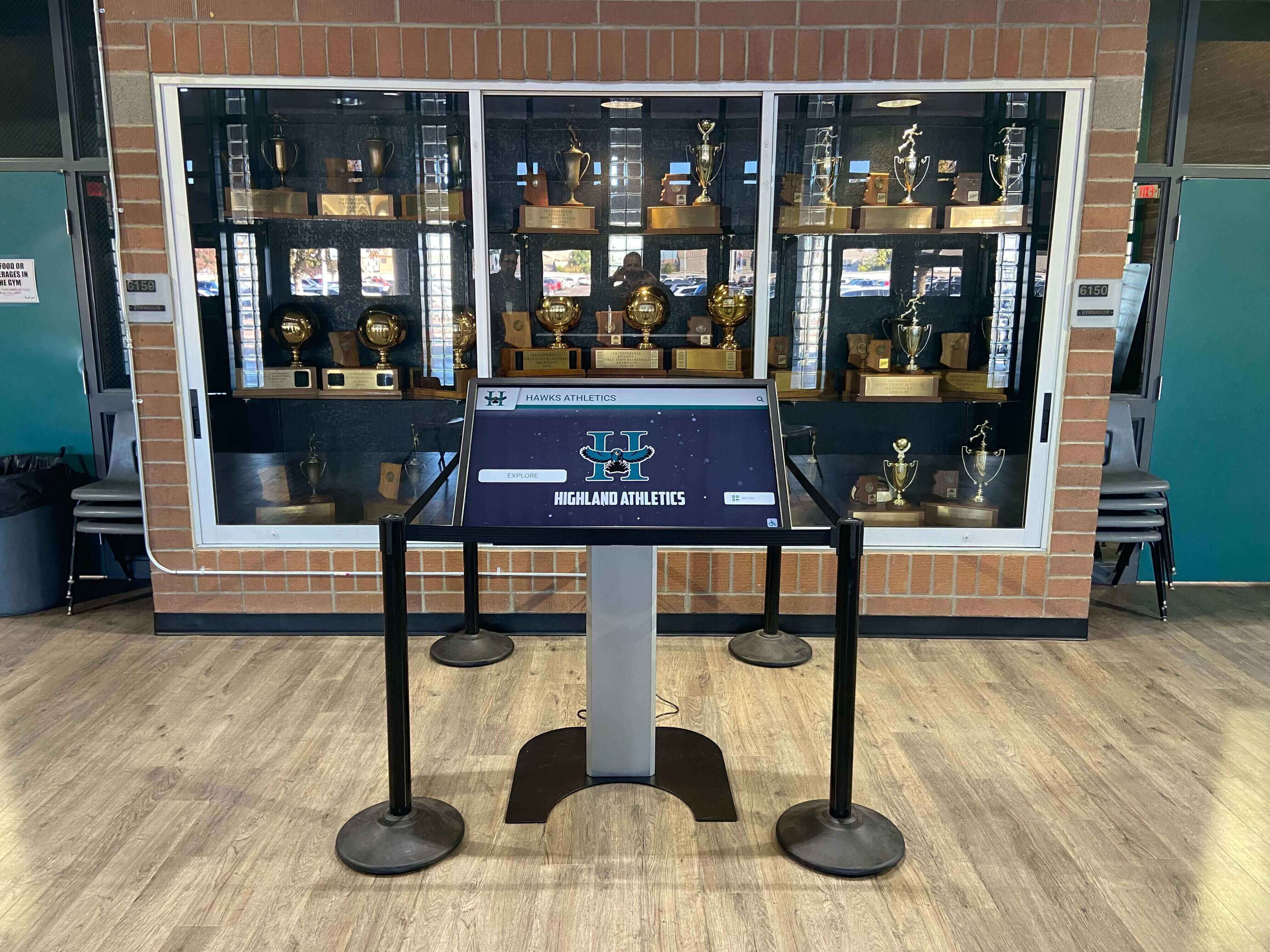
Strategic placement in high-traffic areas maximizes visibility and community engagement
Fundraising and Development
- Recognition events create donor cultivation opportunities
- Honored alumni often become program supporters
- Hall of fame programs strengthen relationships with athletic boosters
- Recognition visibility demonstrates stewardship of athletic tradition
- Digital displays can incorporate donor recognition alongside athletic achievements
Athletic recognition platforms support fundraising initiatives through integrated donor acknowledgment.
Planning Your Athletic Hall of Fame Program
Successful hall of fame programs begin with comprehensive planning addressing key questions and establishing clear frameworks.
Initial Planning Questions
School administrators should answer fundamental questions before launching programs:
Purpose and Scope Decisions
- What categories of achievement will the hall of fame recognize?
- How will the program balance individual athletes, teams, coaches, and contributors?
- What time period will be eligible for initial induction?
- How will the program handle athletes from discontinued sports?
- What relationship exists between the hall of fame and other recognition programs?
Timeline and Implementation
- What implementation timeline is realistic given available resources?
- When will the inaugural induction ceremony occur?
- How much lead time does planning and nomination require?
- What season or time of year makes sense for annual inductions?
- How will historical research for early inductees be conducted?
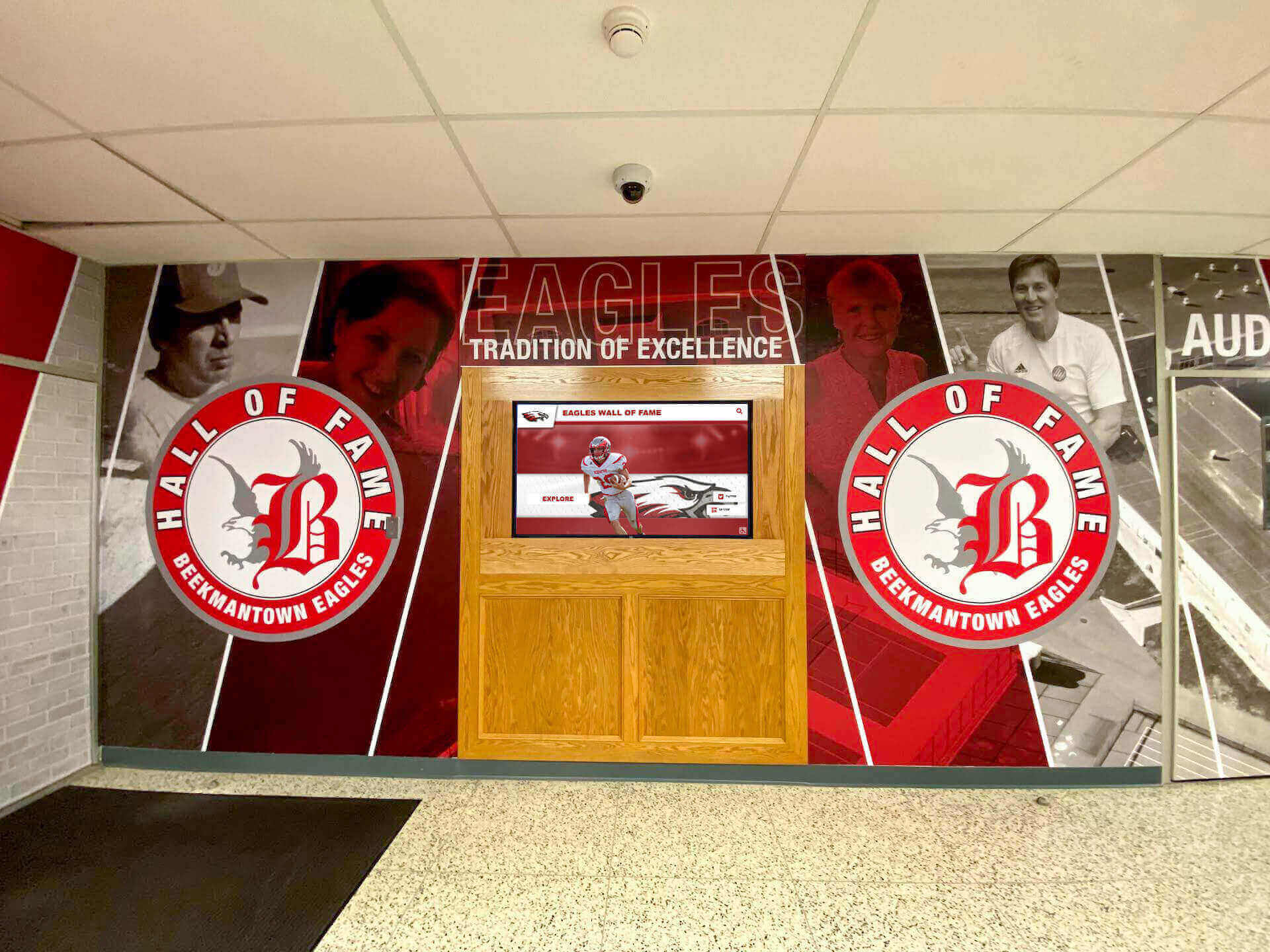
Effective programs balance traditional and modern recognition elements
Resource Requirements
- What budget exists for initial program establishment?
- What ongoing annual funding will maintenance and inductions require?
- Who will handle administrative responsibilities and research?
- What physical space is available for displays?
- What technology solutions best fit the program vision and budget?
These foundational decisions shape every subsequent aspect of program development.
Establishing Selection Criteria
Clear, transparent criteria ensure fair evaluation and maintain program credibility according to research from the National Federation of State High School Associations.
Standard Athlete Criteria Most successful programs include achievement-based standards:
- All-state recognition in their sport
- All-time leading scorer or statistical achievement leader in their sport
- Championship team member with individual standout performance
- Multi-sport athlete with significant achievement across multiple programs
- Record holders for individual performance metrics
- College recruitment to Division I or professional level
- State or national competition recognition
- Career statistics in top tier of program history
Waiting Period Requirements Programs typically establish time requirements before eligibility:
- Ten years after graduation represents the most common standard
- Some programs require five years for coaches or special contributors
- Waiting periods allow career trajectories to develop and achievements to be assessed in context
- Earlier consideration may apply for deceased individuals in some programs
- Clear policies about reducing waiting periods for exceptional circumstances
Digital hall of fame displays accommodate unlimited inductees without space constraints that plague traditional plaques.
Character and Citizenship Standards Athletic achievement alone should not guarantee induction:
- Candidates must exemplify sportsmanship and ethical conduct
- Positive contributions to school community during and after athletic career
- Role model behavior worthy of celebration and emulation
- Absence of serious disciplinary issues or violations of athletic eligibility
- Consideration of post-graduation contributions to community and profession
These standards ensure inducted members represent values the institution wants to celebrate.
Recognition Categories
Most comprehensive programs include multiple inductee categories:
Individual Athletes
- Former student-athletes being recognized primarily for high school athletic achievements
- Consideration of college and professional career where relevant to overall assessment
- Individual sport recognition and multi-sport achievement
Championship Teams
- State championship teams or teams achieving exceptional success
- Teams that broke significant records or achieved exceptional accomplishment
- Historic teams that shaped program direction
- Consideration of both overall season record and championship performance
Coaches and Administrators
- Head coaches with extended tenure and championship success
- Assistant coaches with significant program impact
- Athletic directors who developed programs significantly
- Trainers and support staff with career-long contributions
Comprehensive approaches to software products athletic administrators need include recognition management capabilities alongside scheduling and communication tools.
Special Contributors
- Boosters who provided exceptional support
- Community members who advanced athletic programs significantly
- Officials or volunteers with sustained commitment
- Alumni who maintained program connections and support
This multi-category approach ensures comprehensive recognition across all program dimensions.
Forming Your Selection Committee
Committee structure significantly impacts program credibility and selection quality.
Committee Composition Best Practices
Effective committees balance institutional knowledge with diverse perspectives:
Core Members According to NFHS guidance on hall of fame programs, selection committees typically include:
- Athletic director (usually serves as committee chair)
- Current head coaches representing different sports
- Booster club representative
- Administrator (principal or assistant principal)
- Alumni from different graduating decades
Committee Size Considerations
- Five to nine members provides sufficient perspective without becoming unwieldy
- Odd numbers simplify majority voting when consensus cannot be reached
- Rotating membership prevents entrenchment while maintaining institutional knowledge
- Terms of three to five years with staggered rotation maintain continuity
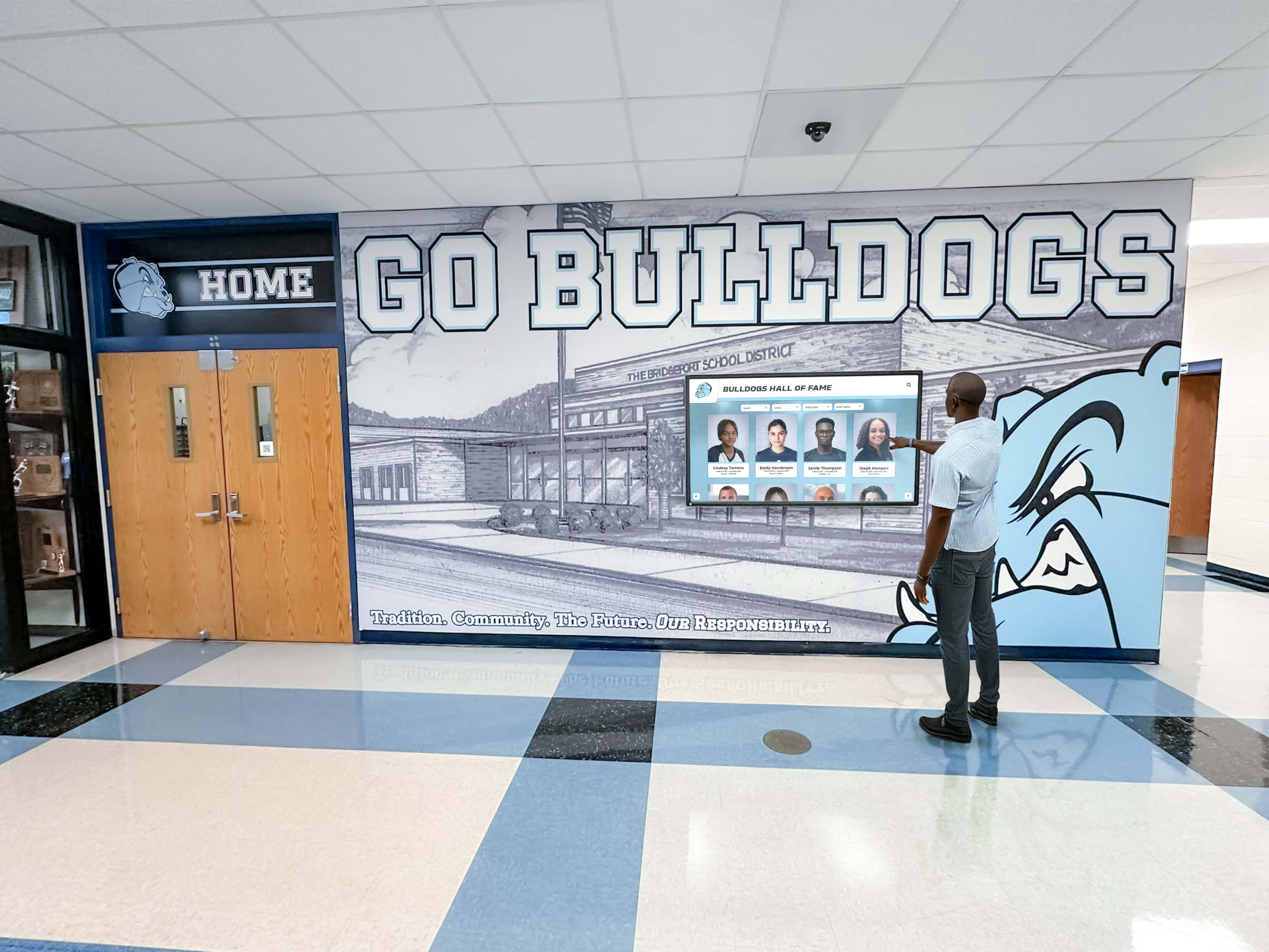
Committee members should regularly review recognition displays and program effectiveness
Maintaining Committee Objectivity
- Clear conflict of interest policies when relatives or close associates are nominated
- Recusal requirements for committee members with direct connections to nominees
- Anonymous voting procedures protecting committee member independence
- Documentation of selection rationale for transparency and future reference
Diverse Representation
- Gender balance ensuring equal consideration of male and female athletic achievements
- Representation across different sports programs
- Coaching and administrative perspectives
- Alumni from various eras providing historical context
- Community voices connecting school to broader stakeholders
Strong committees make defensible decisions maintaining program credibility over time.
Nomination and Selection Procedures
Clear processes ensure consistent, fair evaluation while encouraging broad participation.
Nomination Process
- Public nomination forms available on school athletic website
- Nomination information distributed at parent meetings and alumni gatherings
- Announcements in school publications and social media
- Deadline established well in advance of selection committee meetings
- Required information specified clearly on nomination forms
Nomination Requirements Effective nomination forms request:
- Nominee’s full name, graduation year, and contact information
- Sports participated in and years of participation
- Specific achievements, honors, and statistical records
- Post-high school athletic career if relevant
- Character and citizenship information
- Supporting documentation or references
- Nominator’s information and relationship to nominee
Selection Committee Procedures
- Annual committee meetings reviewing all nominations
- Research into nominee achievements and verification of claimed accomplishments
- Discussion of each candidate’s qualifications relative to criteria
- Voting procedures determining each year’s inductee class
- Maximum class size preventing over-dilution of honor
- Documentation of decisions for institutional records
High school end-of-year awards programs often coordinate with hall of fame induction timing to create comprehensive athletic recognition events.
Communication of Decisions
- Personal notification of inductees before public announcement
- Public announcement through multiple channels
- Recognition of all nominees for the honor of consideration
- Clear communication about resubmission for nominees not selected
- Transparency about general selection process without compromising deliberations
Induction Ceremonies and Events
Recognition ceremonies create memorable experiences honoring inductees while engaging the school community.
Planning Effective Induction Events
Ceremony planning balances formality with celebration:
Timing Considerations
- Annual ceremonies create consistent tradition
- Biennial inductions may work for smaller programs
- Fall timing coincides with homecoming or major athletic events
- Spring timing may align with end-of-year athletic recognition
- Friday or Saturday evening timing maximizes family and community attendance
Event Format Elements
- Welcome and opening remarks from athletic director or administrator
- Introduction of selection committee and recognition process overview
- Individual inductee presentations with biographical highlights
- Video tributes or photo presentations when available
- Inductee acceptance remarks and recognition of supporters
- Group photo opportunities with all inductees
- Reception enabling community interaction with honorees
Athletic event showcase opportunities at high-attendance games provide additional visibility for inductees.
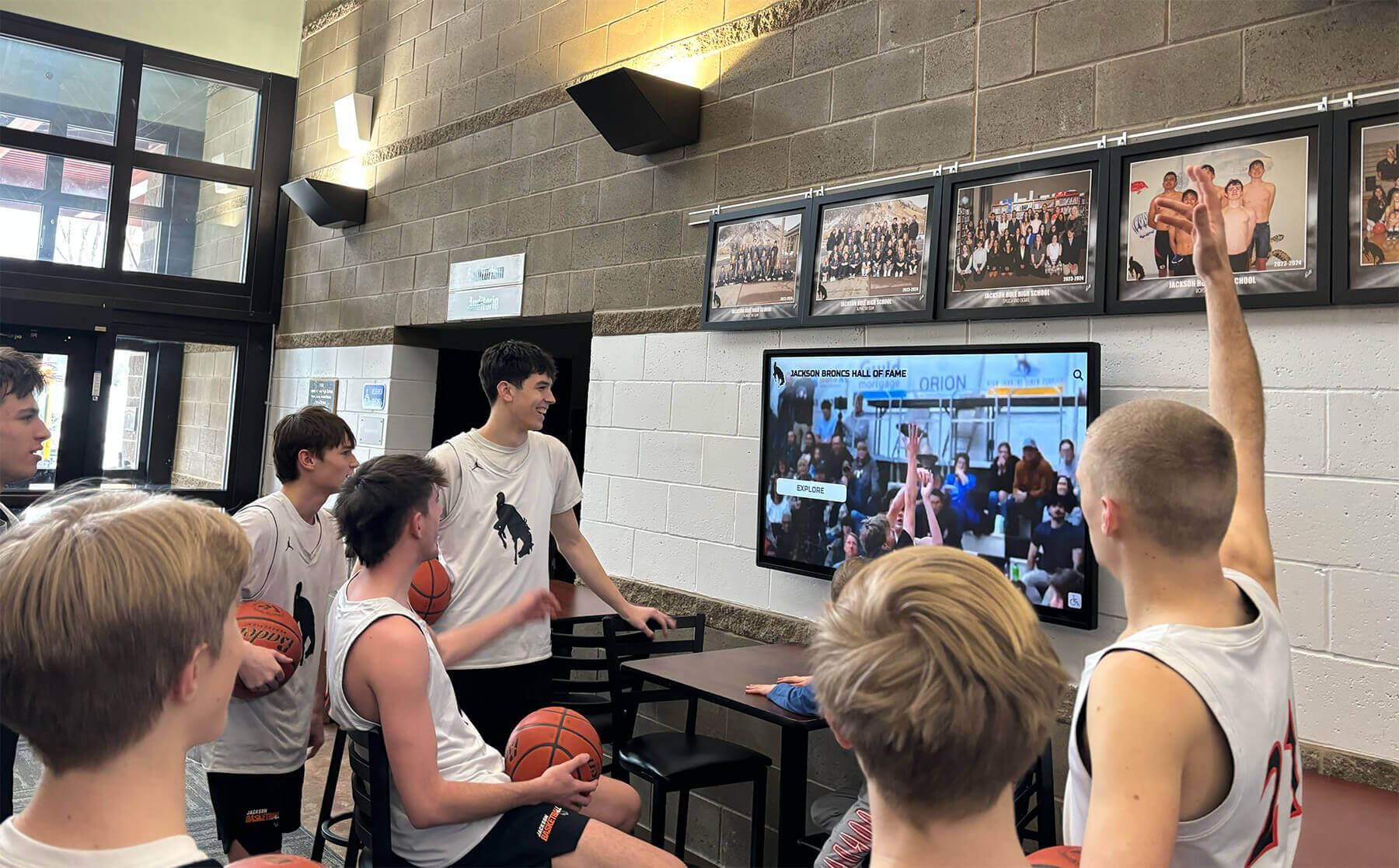
Ceremonies inspire current athletes while honoring those who established program excellence
Ceremony Location Options
- School gymnasium creating authentic athletic environment
- Performing arts center offering superior audio-visual capabilities
- Community venue accommodating larger audiences
- Reception halls providing social atmosphere
- Virtual or hybrid options extending accessibility
Enhancing the Experience
- Professional emcee or skilled presenter maintaining ceremony flow
- Student-athlete involvement in presentations or ushering
- Alumni reunion activities before or after ceremony
- Historical displays and memorabilia highlighting program tradition
- Live streaming enabling distant alumni and family participation
Cost Management
- Booster club fundraising covering ceremony expenses
- Ticket sales balancing costs with accessibility concerns
- Corporate sponsorships from local businesses
- Alumni contributions supporting hall of fame program
- Budget allocation from athletic department funds
Post-Ceremony Recognition
Induction impact extends beyond the ceremony itself:
Permanent Recognition Display
- Traditional plaques mounted in prominent locations
- Digital displays featuring all inductees with comprehensive information
- Website pages featuring inductee biographies and achievements
- Social media posts celebrating each inductee
- Yearbook recognition ensuring student awareness
Ongoing Visibility
- Inductee recognition at subsequent athletic events
- Hall of fame presentation during prospective student tours
- Integration with alumni relations communications
- Community media features about inductees
- Annual reunion opportunities for past inductees
Digital hall of fame buying guides help administrators evaluate touchscreen display options for athletic recognition.
Modern Recognition Display Solutions
Technology transforms how schools display and manage athletic hall of fame recognition.
Overcoming Traditional Display Limitations
Physical plaques face significant constraints that digital solutions address:
Space Constraints
- Traditional wall plaques eventually fill available display areas
- Adding new inductees requires removing existing recognition or finding new wall space
- Limited room constrains how many inductees can receive ongoing visibility
- Championship team recognition consumes substantial space listing full rosters
- Historical athletes from early decades often get removed to accommodate recent inductees
Update and Maintenance Challenges
- Engraved plaques require professional production with significant lead time
- Corrections to engraved recognition are expensive or impossible
- Plaques accumulate dust and require regular cleaning
- Physical damage from student traffic necessitates replacement
- Adding information about inductee achievements after induction is impractical
Limited Engagement and Information
- Static plaques provide only basic information about achievements
- No ability to share stories, photos, or video of inductees
- Visitors cannot search for specific individuals or teams
- No connection between related inductees or teammates
- Statistical achievements and records lack context
Digital Athletic Hall of Fame Advantages
Modern touchscreen recognition systems eliminate these limitations:
Unlimited Recognition Capacity
- Single display accommodates unlimited inductees across all years
- Complete team rosters with individual profiles for each athlete
- Comprehensive achievement information without space constraints
- Full historical archives preserving every inductee permanently
- No need to remove past recognition to accommodate new inductees
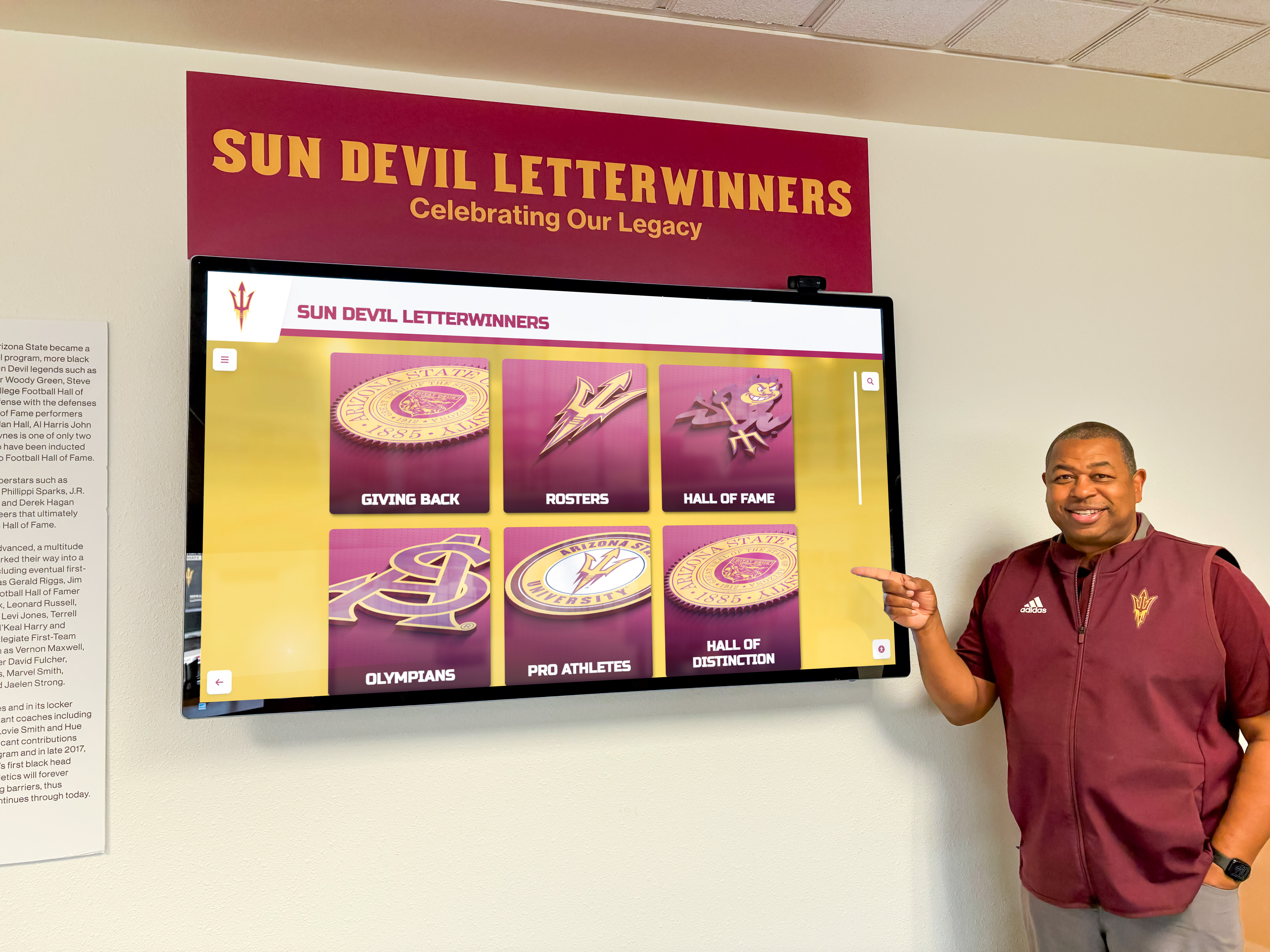
Touchscreen systems enable visitors to explore decades of athletic excellence interactively
Interactive Exploration Features
- Search functionality enabling visitors to find specific athletes, teams, or sports
- Filtering by year, sport, achievement type, or other criteria
- Individual profile pages with photos, statistics, and achievement narratives
- Team pages linking all members and providing championship context
- Video highlights and photo galleries impossible with static displays
- QR codes enabling mobile access to full recognition content
Simple Remote Management Solutions like digital recognition displays provide cloud-based content management:
- Update content remotely from any internet-connected device
- Add new inductees immediately after ceremony without waiting for plaque production
- Correct errors or update information easily
- Schedule content displays for specific dates or events
- Bulk import historical data for initial program launch
- Role-based permissions for appropriate staff access
- Drag-and-drop interfaces requiring no technical expertise
Schools report substantial time savings maintaining digital recognition systems compared to traditional approaches.
Web-Based Recognition Extensions Modern systems extend beyond physical displays:
- Web-accessible content enabling alumni worldwide to view hall of fame
- Social sharing capabilities letting inductees share recognition
- Mobile-optimized displays working across all devices
- Integration with school websites and athletic department pages
- Analytics tracking which inductees receive most engagement
- Email notifications when new inductees are added
Touchscreen display software guide resources help administrators evaluate technical requirements and features.
Implementation Considerations
Successful digital recognition requires planning:
Hardware Selection
- Screen size appropriate for viewing distance and space (typically 55" to 86")
- Commercial-grade displays rated for extended daily operation
- Touchscreen capability for interactive exploration
- Mounting solutions matching available wall or floor space
- Vandal-resistant enclosures for high-traffic areas
Software Platform Requirements
- Cloud-based content management accessible from multiple devices
- User-friendly admin interfaces that non-technical staff can manage
- Support for unlimited inductees and content
- Search and filtering capabilities for user exploration
- Media support including photos, video, and documents
- Mobile and web accessibility extending reach beyond physical display
- Vendor support and training ensuring successful implementation
Placement Strategies
- High-traffic locations maximizing visibility (main entrance, athletic lobby)
- Viewing height accessible to all visitors
- Adequate space for groups to gather and explore
- Lighting conditions minimizing glare on screen
- Proximity to other athletic recognition and tradition displays
State championship displays complement hall of fame programs by highlighting team achievements.
Budget and Funding Strategies
Understanding costs and funding sources ensures program sustainability.
Initial Program Costs
Start-up expenses vary based on approach:
Traditional Physical Display Costs
- Custom plaques range from $75 to $300 per inductee depending on size and materials
- Display case construction $1,500 to $5,000 for quality units
- Wall preparation and mounting installation $500 to $2,000
- Lighting enhancements $300 to $1,000
- Designer fees for cohesive visual approach $500 to $2,000
Digital Display System Costs
- Commercial touchscreen displays $2,500 to $8,000 depending on size
- Content management software subscription $500 to $3,000 annually
- Installation and mounting $500 to $2,000
- Initial content development $1,000 to $3,000 for historical inductees
- Training and technical support typically included in software subscription
Induction Ceremony Expenses
- Venue rental if hosting off-campus $500 to $2,000
- Audio-visual equipment rental $200 to $800
- Programs and printed materials $200 to $600
- Recognition gifts for inductees $50 to $200 per person
- Reception food and beverages $500 to $2,000
- Photography and video documentation $300 to $1,000
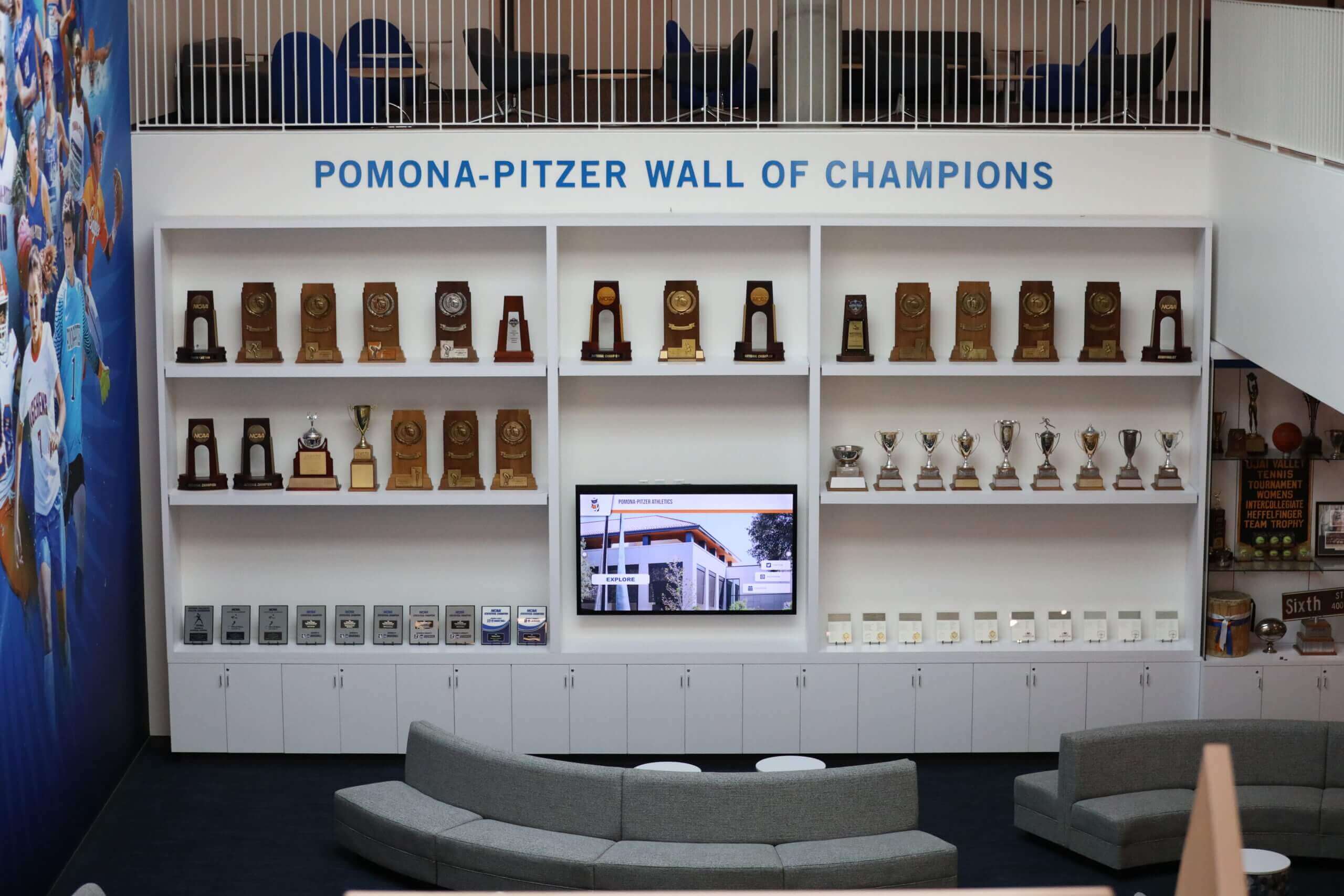
Creating dedicated recognition spaces demonstrates institutional commitment to honoring athletic excellence
Funding Sources and Strategies
Multiple approaches can fund hall of fame programs:
Booster Club Support
- Many athletic booster organizations view hall of fame programs as core mission
- Annual fundraising events specifically supporting hall of fame
- Sponsorship of individual inductee plaques or digital content
- Underwriting ceremony costs including venue and reception
- Long-term endowment establishing sustainable funding
Alumni Contributions
- Alumni donation campaigns tied to hall of fame establishment
- Recognition of donors alongside athletic inductees
- Naming opportunities for recognition spaces or display systems
- Reunion class gifts supporting hall of fame
- Major gift solicitation from successful alumni
Budget Allocation
- Athletic department budget line items for recognition programs
- School district capital improvement funds for permanent installations
- Technology budgets covering digital display systems
- Facilities maintenance budgets for ongoing upkeep
Creative Funding Approaches
- Corporate sponsorships from local businesses
- Commemorative brick sales with installation in athletic complex
- Hall of fame gala events combining celebration with fundraising
- Merchandise sales with proceeds supporting hall of fame
- Grant applications to education foundations
Schools successfully fund programs through combinations of these sources rather than relying on single approaches.
Program Management and Sustainability
Long-term success requires sustainable management systems.
Administrative Responsibilities
Clear role assignment prevents programs from languishing:
Athletic Director Oversight
- Overall program vision and strategic direction
- Selection committee leadership and coordination
- Budget management and funding development
- Stakeholder communication and promotion
- Integration with broader athletic department priorities
Day-to-Day Management Tasks
- Nomination form collection and organization
- Research into nominee achievements and verification
- Selection committee meeting coordination
- Induction ceremony planning and execution
- Display maintenance and content updates
- Communication with inductees and families
- Record keeping and historical documentation
Technology Management For digital display systems:
- Content updates after each induction ceremony
- Photo and video collection from inductees
- Quality control ensuring accurate information
- Software updates and technical maintenance
- User access management for authorized staff
- Analytics review tracking engagement
- Troubleshooting and vendor coordination
Software products for athletic administrators often include recognition features alongside scheduling and communication capabilities.
Ongoing Program Evaluation
Regular assessment ensures continued effectiveness:
Assessment Areas
- Stakeholder satisfaction with nomination and selection process
- Induction ceremony attendance and engagement trends
- Display system usage analytics and interaction patterns
- Alumni engagement measures linked to hall of fame
- Budget adequacy and funding source stability
- Workload sustainability for responsible staff
- Equity in recognition across sports and eras
Continuous Improvement
- Annual review of selection criteria appropriateness
- Committee composition adjustments based on needs
- Ceremony format refinements responding to feedback
- Technology upgrades maintaining modern functionality
- Marketing and communication strategy enhancements
- Process streamlining reducing administrative burden
Schools treating hall of fame as living program requiring regular attention maintain more effective recognition than those treating it as one-time project.
Common Mistakes to Avoid
Learning from others’ experiences prevents predictable problems:
Selection Process Pitfalls
Inconsistent Criteria Application
- Changing standards between years undermines credibility
- Making exceptions for popular candidates creates perception of favoritism
- Failing to document selection rationale causes confusion
- Ignoring established waiting periods for convenience
Inadequate Research and Verification
- Inducting athletes based on reputation rather than documented achievement
- Failing to verify claimed accomplishments against records
- Overlooking character or citizenship issues that emerge later
- Missing significant achievements not included in initial nomination
Program Management Problems
Insufficient Planning and Resources
- Launching programs without sustainable funding plans
- Underestimating administrative time requirements
- Failing to assign clear responsibilities causing tasks to be neglected
- Beginning without contingency plans for key personnel changes
Communication Failures
- Not promoting nomination process adequately limiting candidate pool
- Poor marketing reducing ceremony attendance
- Inadequate recognition of inductees after ceremony
- Failing to connect hall of fame with current athletes
Digital displays for schools improve athletic recognition through comprehensive content management and display capabilities.
Display and Recognition Issues
Physical Display Problems
- Installing plaques in low-visibility locations minimizing impact
- Running out of display space within a few years
- Poor quality plaques that deteriorate quickly
- Inadequate lighting making recognition hard to view
Digital System Mistakes
- Choosing consumer displays instead of commercial-grade hardware
- Selecting content management systems too complex for staff capabilities
- Failing to populate historical content leaving displays sparse
- Not training sufficient staff causing updates to lag
- Placing displays where glare makes viewing difficult
Careful planning and learning from established programs prevents these common challenges.
Legal and Policy Considerations
Formal policies protect schools and maintain program integrity.
Essential Policy Elements
Written Program Guidelines Comprehensive documentation should include:
- Mission statement articulating hall of fame purpose
- Complete selection criteria for all inductee categories
- Committee structure and member responsibilities
- Nomination procedures and required documentation
- Selection process and voting requirements
- Waiting period policies and exception procedures
- Character and citizenship standards
- Induction ceremony protocols
- Display and recognition standards
- Amendment procedures for policy changes
Board Approval
- School board or governing body approval of program establishment
- Official recognition of hall of fame as institutional program
- Budget authority for program expenses
- Policy adoption formalizing selection criteria and procedures
Liability and Risk Management
Protecting the Institution
- Character investigation procedures before final selection
- Removal policy if inductee later convicted of serious crimes
- Defamation protection through documented selection rationale
- Copyright compliance for photos and video content
- Privacy considerations for inductee information
- Waiver and release forms from inductees for photos and likeness
Title IX Compliance
- Equal consideration of male and female athlete achievements
- Recognition of discontinued sports ensuring female athletes not disadvantaged
- Committee composition reflecting gender balance
- Marketing and nomination outreach to all sports
- Display prominence equal across male and female inductees
High school athletics equity considerations extend to hall of fame recognition programs.
Creating an Implementation Timeline
Systematic rollout prevents rushed decisions and oversights.
Year One: Foundation Building (Months 1-12)
Months 1-3: Planning and Organization
- Form planning committee with key stakeholders
- Research other school hall of fame programs
- Draft initial criteria and procedures
- Develop budget and identify funding sources
- Present concept to administration and board for approval
Months 4-6: Policy Development
- Finalize selection criteria for all categories
- Establish selection committee composition and procedures
- Create nomination forms and processes
- Develop communication and marketing plans
- Secure initial funding commitments
Months 7-9: Infrastructure Development
- Select and install display system (physical or digital)
- Develop website pages for hall of fame
- Create historical database of potential nominees
- Train selection committee on procedures
- Launch nomination process for inaugural class
Months 10-12: Inaugural Induction
- Selection committee reviews nominations and selects first class
- Plan and promote induction ceremony
- Develop content for display system
- Execute inaugural induction event
- Launch ongoing nomination process for year two
Years 2-3: Program Establishment
- Continue annual induction cycles
- Refine procedures based on first-year lessons
- Expand historical recognition of earlier decades
- Build funding sustainability through endowment or recurring sources
- Increase marketing and alumni engagement around program
- Assess and improve display systems based on usage
Years 4+: Mature Program Operation
- Institutionalize hall of fame as established tradition
- Regular program assessment and improvement
- Leadership transition planning ensuring continuity
- Technology updates maintaining modern functionality
- Expanded recognition connecting inductees with current programs
Conclusion: Building Lasting Athletic Recognition
Athletic halls of fame represent significant undertakings requiring careful planning, sustained commitment, and appropriate resources. When schools approach these programs systematically—establishing clear criteria, forming effective committees, implementing sustainable management systems, and utilizing appropriate technology—they create recognition traditions that honor athletic excellence while strengthening connections throughout school communities.
The strategies explored in this guide provide administrators with frameworks for programs celebrating achievement while remaining manageable long-term. From selection criteria ensuring fair evaluation to digital recognition displays eliminating space constraints, these approaches enable comprehensive recognition of athletes, coaches, teams, and contributors who deserve acknowledgment.
Effective athletic hall of fame programs extend far beyond physical plaques or annual ceremonies. They preserve institutional history, inspire current athletes, engage alumni, build community pride, and demonstrate values the athletic program champions. Modern touchscreen displays and cloud-based content management make comprehensive recognition achievable even for schools with limited staff time and physical space.
Start where your school is with programs you can implement given available resources, then systematically expand to create comprehensive recognition your athletic tradition deserves. Whether establishing a new hall of fame or enhancing existing programs, every improvement creates more meaningful acknowledgment for those whose athletic achievements merit celebration.
Your school’s athletic legacy deserves preservation and celebration. With thoughtful planning, clear criteria, appropriate technology, and consistent implementation, you can build hall of fame programs that honor excellence while strengthening the connections binding current student-athletes to the champions who preceded them.
Ready to explore modern athletic recognition solutions? Explore digital recognition platforms that make comprehensive athletic halls of fame achievable for schools of all sizes.