Advanced Placement programs represent one of the most significant pathways to academic excellence in American high schools, with over 2.9 million students taking more than 5.3 million AP exams annually. Among the most prestigious achievements in this rigorous academic landscape are the AP Scholar Awards—recognitions that honor students who demonstrate exceptional performance across multiple Advanced Placement exams. These awards provide tangible acknowledgment of academic dedication while strengthening college applications and demonstrating readiness for university-level coursework.
Yet many students, parents, and even educators remain unclear about what AP Scholar Awards actually mean, how they’re earned, and whether they still hold value in the evolving college admissions landscape. Schools struggle to celebrate AP achievement as prominently as athletic accomplishments, missing opportunities to build cultures where intellectual rigor receives equal recognition. Meanwhile, questions persist about which award levels matter most and how students can strategically pursue AP recognition alongside other academic goals.
This comprehensive guide explores everything schools and families need to know about AP Scholar Awards—from understanding different recognition levels to implementing celebration strategies that honor academic excellence throughout school communities.
AP Scholar Awards have undergone significant changes in recent years, with the College Board discontinuing traditional award levels while introducing new recognition programs better aligned with current educational priorities. Understanding both the historical context and current landscape helps schools create meaningful recognition that celebrates student achievement appropriately while preparing them for college success.
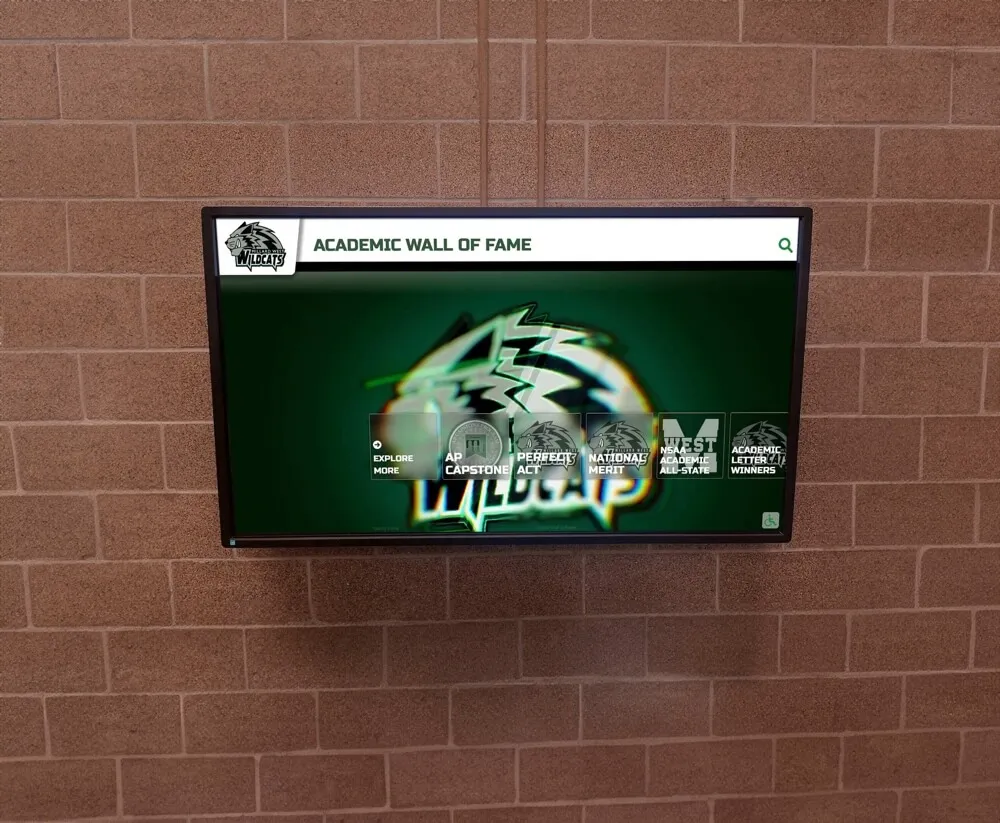
Modern schools celebrate AP Scholar achievement alongside other academic honors through visible recognition displays
Understanding AP Scholar Awards: Historical Context and Current Status
The landscape of AP Scholar recognition has evolved significantly, requiring schools to understand both what existed and what currently replaces traditional awards.
Traditional AP Scholar Award Levels (Pre-2022)
For decades, the College Board offered multiple AP Scholar Award designations based on exam performance:
AP Scholar Students qualified by receiving scores of 3 or higher on three or more AP Exams. This entry-level recognition acknowledged basic AP participation and competency across multiple subjects.
AP Scholar with Honor This designation required an average score of at least 3.25 on all AP Exams taken, with scores of 3 or higher on four or more exams. It recognized students demonstrating consistent performance across a broader range of coursework.
AP Scholar with Distinction Students earned this recognition by achieving an average score of at least 3.5 on all AP Exams taken, with scores of 3 or higher on five or more exams. This represented significant academic accomplishment and rigorous course-taking.
State AP Scholar Awarded to one male and one female student in each U.S. state with the highest average score on the greatest number of AP Exams (minimum 3 or higher on three exams). This ultra-competitive recognition honored top performers statewide.
National AP Scholar The most prestigious designation required students in the United States to receive an average score of at least 4 on all AP Exams taken, with scores of 4 or higher on eight or more exams. This achievement demonstrated exceptional mastery across extensive AP coursework.
DFW AP Scholar Awards Regional variations existed, such as the Dallas-Fort Worth area’s special recognition program for outstanding AP performance among local students.
Why Traditional AP Scholar Awards Were Discontinued
In 2021, the College Board announced the discontinuation of traditional AP Scholar Awards effective with the 2021-22 school year. Several factors influenced this decision:
Equity and Access Concerns Students at well-resourced schools with extensive AP offerings had significant advantages in pursuing awards requiring multiple exams, while students at schools with limited AP courses faced structural barriers to recognition regardless of their academic abilities.
Shift in College Admissions Philosophy Universities increasingly moved toward holistic admissions examining context, background, and individual circumstances rather than simple achievement counts. The awards didn’t account for students’ school resources or personal situations.
Recognition Already Built Into Applications College applications inherently showcase AP exam scores and course-taking patterns. Additional award designations added limited value beyond what transcript information already communicated.
Focus on Learning Over Award-Chasing Educators expressed concerns that students pursued additional AP courses primarily for award recognition rather than genuine interest or appropriate challenge level, potentially leading to excessive stress without educational benefit.
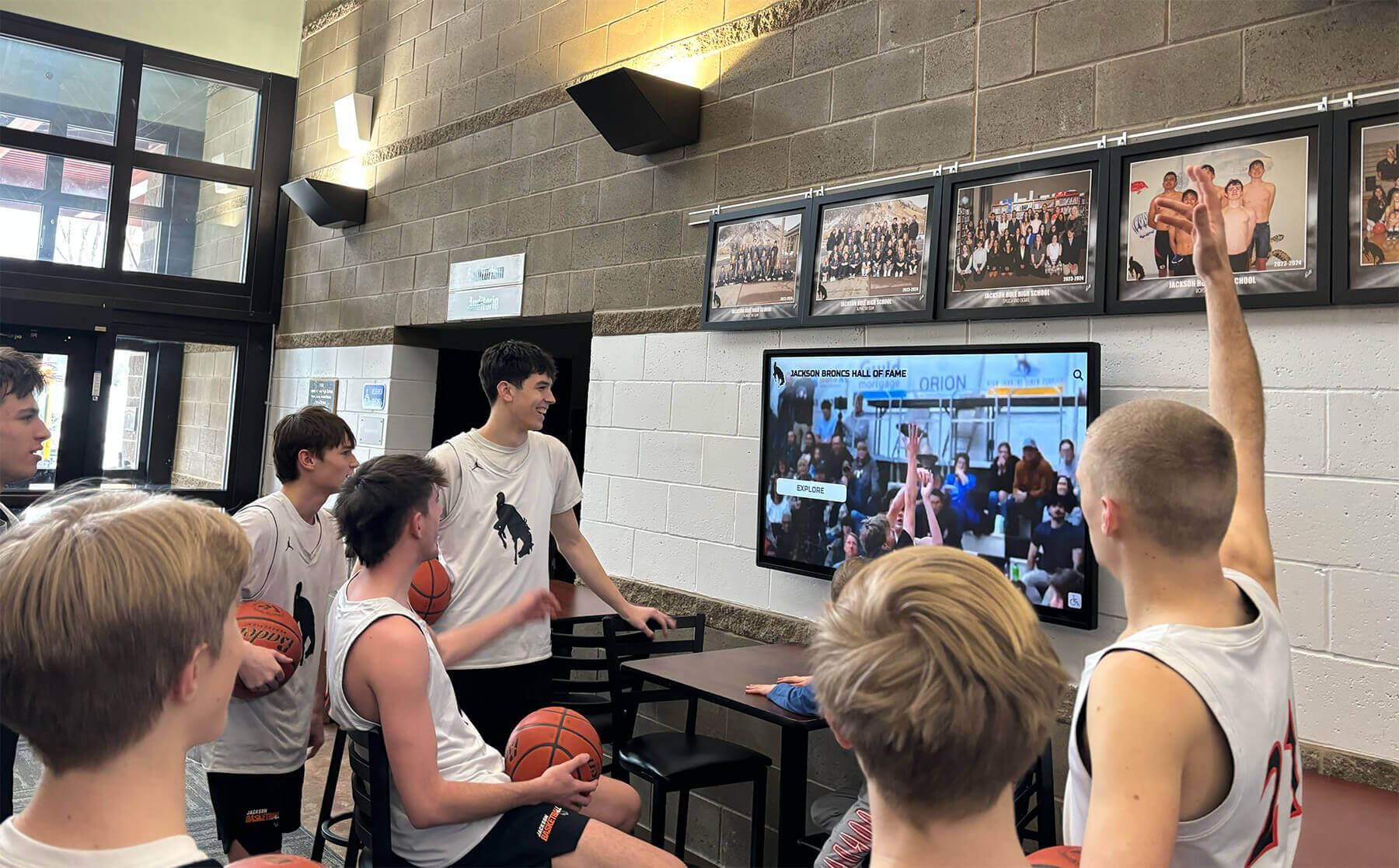
Digital displays create opportunities for students to explore AP achievements and other academic honors throughout the school day
Current AP Recognition: College Board National Recognition Programs
While traditional AP Scholar Awards ended, the College Board introduced replacement programs better aligned with equity goals and current educational priorities.
College Board National Recognition Programs (2022-Present)
Beginning in 2022, the College Board launched the National Recognition Programs offering prestigious designations focused on honoring underrepresented students who excel academically:
National African American Recognition Program Honors academically outstanding African American or Black students who have earned a GPA of B+ or higher (typically 3.3 or above) and either scored in the top 10% on the PSAT/NMSQT or PSAT 10, or earned a score of 3 or higher on two or more AP Exams by the end of 10th grade.
National Hispanic Recognition Program Celebrates outstanding Hispanic/Latino students meeting the same academic criteria, acknowledging excellence among students who identify with Hispanic or Latino heritage and culture.
National Indigenous Recognition Program Honors exceptional academic achievement by students who identify as Indigenous, including American Indian, Alaska Native, and Native Hawaiian, meeting equivalent academic performance standards.
National Rural and Small Town Recognition Program Recognizes students from rural areas and small towns who demonstrate academic excellence, acknowledging that students in these communities often face unique challenges and may be less familiar to college admissions offices.
National First-Generation Recognition Program Honors students on track to become the first in their families to attend a four-year college, celebrating academic achievement alongside the courage and determination to pursue higher education without family precedent.
How Students Qualify for National Recognition Programs
Eligibility requirements for these programs include:
Academic Performance Criteria
- Cumulative GPA of B+ or higher (minimum 3.3, though this may vary by school’s grading scale)
- AND one of the following:
- Score in the top 10% nationally or within program on PSAT/NMSQT, PSAT 10, or Pre-AP in 10th grade
- Earn scores of 3 or higher on two or more AP Exams by end of 10th grade
Identity and Background Criteria Students must meet the specific demographic criteria for the recognition program they’re pursuing (African American/Black, Hispanic/Latino, Indigenous, rural/small town resident, or first-generation college-bound).
What Recognition Provides Students who qualify receive:
- Official recognition certificate from College Board
- Designation shared with participating colleges and universities
- Badge students can display on college applications and resumes
- Recognition of academic excellence within specific context and background
These programs honor achievement while considering students’ opportunities and backgrounds, creating more equitable recognition than traditional AP Scholar Awards offered.
Do AP Scores and Recognition Still Matter for College Admissions?
Despite the elimination of traditional AP Scholar Awards, AP performance remains highly relevant:
Demonstrated Academic Rigor Colleges value students who challenge themselves with college-level coursework during high school. AP course selection demonstrates willingness to pursue difficult material and academic ambition.
Actual Performance Documentation Unlike course grades which vary significantly across schools and teachers, AP exam scores provide standardized measures of subject mastery. Scores of 4 or 5 demonstrate genuine college-level competency.
College Credit and Placement Strong AP scores enable students to earn college credit, skip introductory courses, or place into advanced sections. This provides tangible financial and academic benefits beyond mere recognition.

Schools showcase AP Scholars alongside other academic achievers through comprehensive recognition programs
Self-Reported vs. Official Scores Students report AP scores directly on college applications. Admissions officers review the number of exams taken, scores achieved, and subject distribution as part of holistic evaluation.
How Schools Can Celebrate AP Scholar Achievement
Even without official College Board awards, schools should systematically recognize AP excellence to honor student achievement and build academic culture.
Academic Recognition Programs for AP Success
Schools implement comprehensive approaches celebrating Advanced Placement accomplishment:
AP Score Recognition Thresholds
- Celebrate students earning scores of 5 (highest achievement level)
- Recognize students scoring 4 or higher on multiple exams
- Acknowledge students passing three or more AP exams
- Honor students who improve scores through retakes
- Create “AP Perfect Scorer” recognition for students achieving 5s on all exams taken
Subject-Specific AP Recognition
- Departmental awards for top AP performers in specific subjects
- STEM AP recognition for students excelling across science and math exams
- Humanities AP honors for excellence in history, English, and social sciences
- World Language AP achievement acknowledgment
- Arts AP recognition for music theory, art history, and studio art
Schools developing comprehensive student recognition programs create multiple acknowledgment opportunities ensuring diverse achievements receive celebration.
End-of-Year Academic Ceremonies and AP Recognition
Formal recognition events provide meaningful celebration opportunities:
Dedicated AP Recognition Ceremonies
- Spring awards ceremony following AP exam completion
- Recognition dinner honoring AP Scholars and their families
- Academic honors night including AP achievement alongside other distinctions
- Senior celebration acknowledging cumulative AP accomplishment
- Department-specific recognition within subject area events
Ceremony Components and Best Practices
- Individual student acknowledgment with names and subjects
- Presentation of certificates or recognition items
- Student speaker testimonials about AP experience
- Teacher recognition for supporting AP student success
- Family involvement celebrating student dedication
End-of-year award programs that include AP recognition ensure academic rigor receives celebration equal to other achievements.
Physical and Digital Recognition Displays
Visible recognition throughout school buildings reinforces the importance of academic excellence:
Traditional Display Approaches
- Honor roll boards including AP Scholar designations
- Hallway plaques recognizing annual AP achievers
- Trophy cases incorporating academic awards alongside athletic recognition
- Department bulletin boards celebrating AP success
- College acceptance boards noting AP Scholar status
Modern Digital Recognition Solutions Traditional static displays face significant limitations when celebrating growing numbers of AP achievers across expanding course offerings. Modern digital recognition platforms address these constraints effectively.
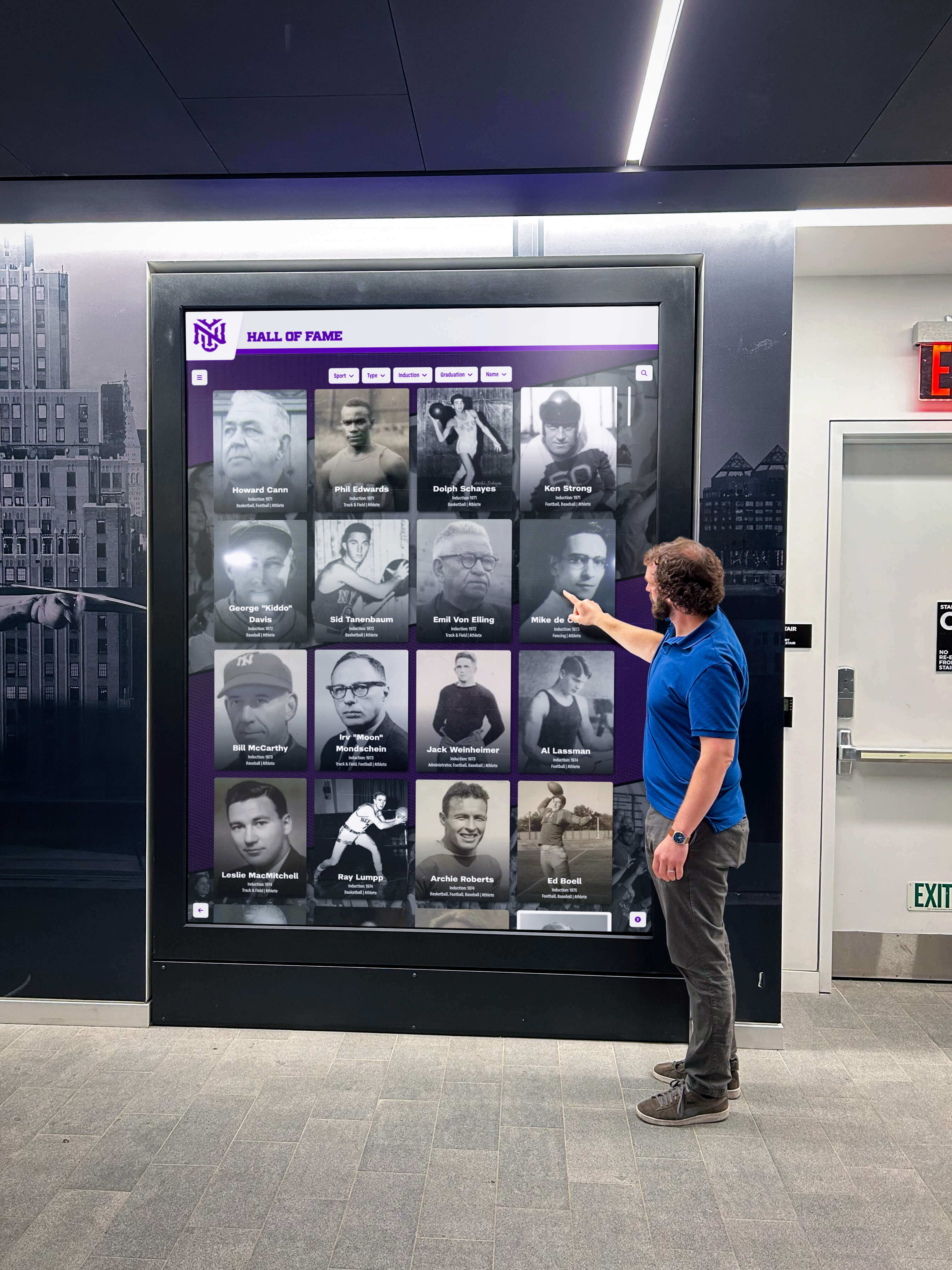
Interactive displays enable students, families, and visitors to explore AP achievements and academic excellence
Digital Display Advantages for AP Recognition
Unlimited Recognition Capacity
- Single touchscreen showcases unlimited AP Scholars across all years
- No space constraints forcing difficult decisions about which achievements to display
- Comprehensive archives preserving institutional academic history
- All AP subjects receive equal display opportunity
Rich Content and Detailed Information
- Individual student profiles with photos and AP exam details
- Subject-by-subject score breakdowns and multi-year tracking
- Stories about academic journeys and future college plans
- Connection between AP success and career aspirations
- Video testimonials from AP Scholars about their experiences
Interactive Exploration Features
- Search functionality enabling students to find themselves and peers
- Filtering by graduation year, AP subject, or score level
- Leaderboards showing top performers by various criteria
- Comparison across different years and academic programs
- Related content linking AP achievement to college outcomes
Simple Content Management
- Cloud-based platforms enabling updates from any device
- Bulk import capabilities for annual AP score data
- Scheduled publishing automation for timely recognition
- No technical expertise required for ongoing maintenance
- Role-based access allowing appropriate staff to manage content
Solutions like Rocket Alumni Solutions provide schools with comprehensive digital recognition platforms that make AP Scholar celebration as prominent and accessible as athletic hall of fame displays.
Building Academic Excellence Culture Through AP Recognition
Systematic AP celebration creates broader cultural benefits beyond individual student acknowledgment.
Normalizing Academic Achievement as Aspirational
When schools visibly celebrate AP success, they send powerful messages:
Academic Excellence as School Priority
- AP recognition demonstrates institutional commitment to rigorous academics
- Visible celebration creates positive peer influence
- Students observe that intellectual achievement receives acknowledgment
- Families see school values reflected in recognition practices
- Community understands academic accomplishment as central to school identity
Reducing Anti-Intellectual Peer Pressure Research consistently shows that when schools systematically recognize academic achievement, students face less social cost for pursuing challenging coursework. Visible AP recognition normalizes intellectual ambition.
Inspiring Younger Students Underclassmen observing AP Scholar recognition develop aspirations for their own academic futures:
- Freshman and sophomore students see achievable models
- Recognition creates concrete goals for academic planning
- Success stories motivate course selection decisions
- Visible pathways to recognition encourage challenging coursework
- Academic role models complement athletic heroes
Schools creating comprehensive academic walls of fame ensure intellectual achievement receives recognition equal to other accomplishments.
Connecting AP Recognition to College Readiness
Effective celebration programs explicitly link AP achievement to college preparation:
College Admission Advantages
- Recognition events include college counselor presentations
- AP Scholar profiles note college acceptances and scholarships
- Alumni testimonials connect AP success to university experiences
- Data showing correlation between AP scores and college outcomes
- Information about AP credit policies at various universities
Financial Benefits Documentation Schools help families understand economic advantages of AP success:
- Cost savings from college credits earned through AP exams
- Scholarship opportunities emphasizing AP achievement
- Accelerated degree completion reducing overall college expenses
- Advanced placement enabling double majors or early graduation
- Return on investment for AP exam fees
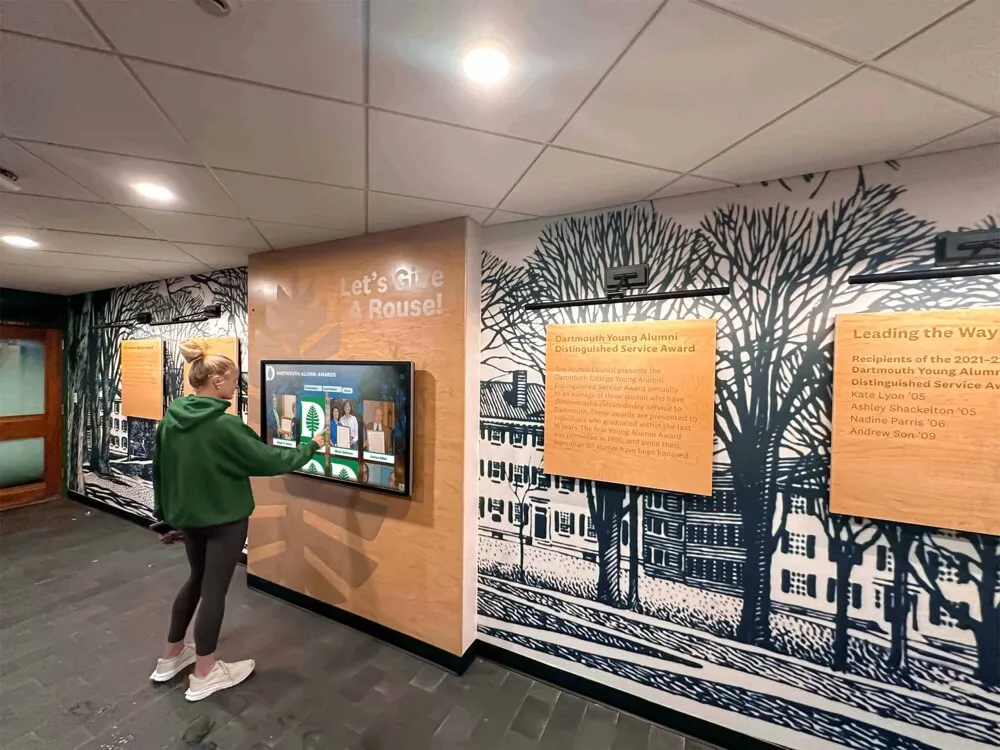
Strategic placement in high-traffic areas ensures AP achievement remains visible throughout school communities
Integration with Other Academic Recognition
AP achievement should complement comprehensive acknowledgment systems:
Multi-Dimensional Recognition Approaches
- AP Scholars featured alongside National Honor Society inductees
- Integration with honor roll and GPA-based recognition
- Subject award programs acknowledging AP and non-AP excellence
- Academic competition success celebrated with AP achievement
- Comprehensive profiles showing diverse academic accomplishments
Students excelling in standardized testing, such as high ACT scorers, often overlap with AP Scholars, deserving recognition across multiple dimensions.
Inclusive Recognition Ensuring Broad Participation While celebrating top AP performance, schools should create recognition opportunities at multiple achievement levels:
- First AP exam takers receiving encouragement
- Students showing improvement across multiple attempts
- Those excelling in single subject areas
- Growth from challenging starting points
- Participation in AP courses regardless of exam scores
National Honor Society recognition programs complement AP Scholar celebration by honoring sustained academic excellence and character.
Implementing AP Recognition Programs: Practical Guidance
Schools planning comprehensive AP celebration need systematic approaches ensuring sustainable, equitable programs.
Data Collection and Tracking
AP Score Information Management
- Establish processes for collecting student score data
- Create secure databases tracking multi-year performance
- Develop privacy protocols protecting student information
- Define which data appears in public recognition
- Obtain student and family consent for recognition
Recognition Criteria Development
- Define clear thresholds for different recognition levels
- Create equitable standards accounting for AP course availability
- Establish improvement-based recognition alongside absolute achievement
- Develop subject-specific and cumulative acknowledgment categories
- Document criteria transparently for student and family understanding
Timeline and Communication Strategies
Annual Recognition Cycle
- May/June: AP exams administered and scores released
- July: College Board score reports arrive; compile recognition lists
- August/September: Back-to-school AP Scholar acknowledgment
- October: National AP Scholar Day celebration (typically in September)
- May: End-of-year comprehensive academic recognition ceremonies
Multi-Channel Communication Approaches
- Email announcements to families when students qualify for recognition
- Social media posts celebrating AP Scholars with photos and achievements
- Newsletter features highlighting AP success stories
- Morning announcements acknowledging individual and group accomplishments
- Local media outreach sharing school academic excellence
Family Engagement Strategies
- Recognition ceremonies inviting families to celebrate
- Detailed explanation of what AP achievement means
- Information about college credit and placement implications
- Resources for supporting continued academic challenge
- Connection to college planning and financial aid
Budget Considerations and Resource Planning
Recognition Program Costs Traditional approaches require ongoing expenses:
- Physical plaques or trophies: $15-50 per student annually
- Ceremony costs including venue, refreshments, programs
- Printing certificates and recognition materials
- Staff time coordinating data collection and event planning
- Limited capacity requiring difficult decisions about which achievers to display
Digital Recognition Economics Modern platforms offer different cost structures:
- Initial investment in touchscreen display: $5,000-15,000
- Unlimited student capacity on single screen
- No per-student marginal costs
- Annual software and support: $500-2,000
- Simplified management reducing staff time dramatically
For schools anticipating continued AP participation growth, digital recognition provides superior long-term value compared to accumulating traditional plaques and static displays.
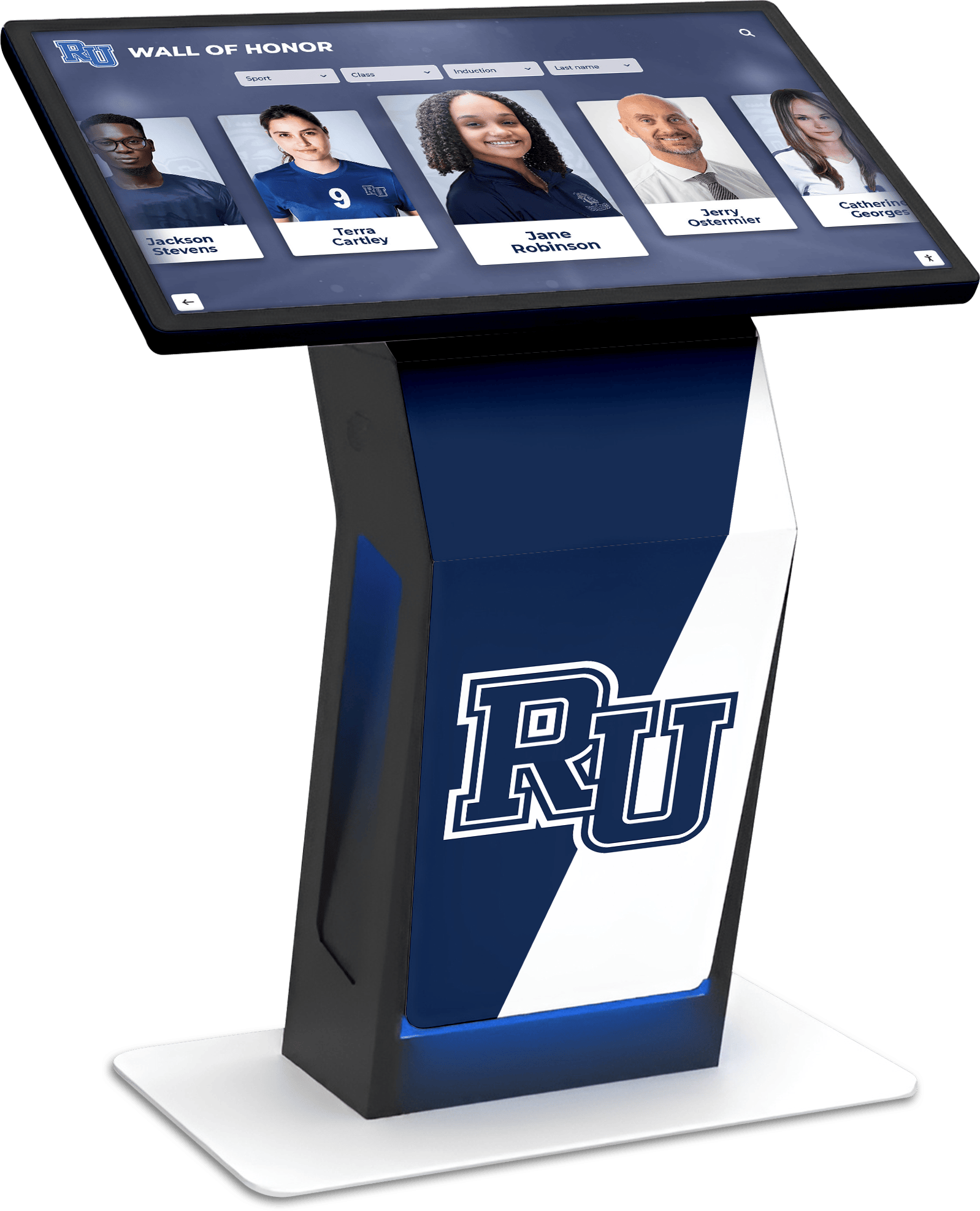
Modern recognition platforms integrate AP Scholars with comprehensive academic, athletic, and service achievement displays
AP Scholar Recognition Across Different School Types
Implementation approaches vary based on institutional context and resources.
Large Public High Schools
Schools with extensive AP programs and hundreds of exam-takers annually face unique challenges:
Scale Management
- Digital platforms essential for managing large recognition populations
- Automated data import from score reports streamlining updates
- Tiered recognition ensuring top achievement maintains distinction
- Department-specific celebrations alongside school-wide acknowledgment
- Multi-screen networks distributing recognition across large campuses
Equity Within School Populations Large comprehensive high schools serve diverse populations requiring thoughtful recognition design:
- Multiple pathway acknowledgment ensuring access-based equity
- Recognition for students in limited AP programs alongside those with full access
- Growth and improvement categories complementing absolute achievement
- Translation and multilingual communication reaching all families
- Financial support for exam fees removing economic barriers to recognition
Small Private and Independent Schools
Schools with limited enrollments approach AP recognition differently:
Intimate Recognition Opportunities
- Personal acknowledgment possible for every AP exam taker
- Detailed storytelling about individual academic journeys
- Faculty mentorship highlighting in recognition programs
- Alumni connections showing long-term impact of academic challenge
- Family-atmosphere celebrations involving entire school community
Limited AP Course Offerings Smaller schools may offer fewer AP courses, affecting recognition:
- Recognition criteria adapted to available coursework
- External AP exam-taking acknowledged even without courses
- Partnership programs with other schools for AP access
- Online AP course participation celebrated
- Subject-based recognition rather than total-exam-count criteria
Specialized and Charter Schools
Schools with specific academic focuses integrate AP recognition accordingly:
STEM-Focused Schools
- Emphasis on science and mathematics AP achievement
- Research connections to AP biology, chemistry, physics
- Engineering and computer science AP pathways highlighted
- Technology integration in recognition displays aligned with school mission
- Competition success linked to AP subject mastery
Arts and Humanities Specialized Programs
- AP Studio Art, Music Theory, and Art History prominence
- English Language, Literature, and History emphasis
- Creative presentation formats for recognition
- Integration with student performances and exhibitions
- Portfolios connecting AP work to broader artistic development
Addressing Common Questions About AP Scholar Recognition
Students, parents, and educators frequently ask about AP recognition implications and strategies.
Should Students Pursue Multiple AP Exams Primarily for Recognition?
The elimination of traditional AP Scholar Awards reflected concerns about students taking excessive AP courses for award-chasing rather than appropriate academic challenge. Best practices suggest:
Thoughtful Course Selection Principles
- Choose AP courses aligned with genuine interests and potential college majors
- Consider workload balance preventing burnout and stress
- Select subjects where strong teacher support exists
- Evaluate personal readiness for college-level rigor
- Prioritize deep learning over credential accumulation
Recognition as Byproduct, Not Primary Goal Students who excel academically by pursuing genuine interests naturally achieve recognition. The focus should remain on learning, intellectual growth, and skill development rather than award accumulation.
How Should Schools Balance AP Recognition with Other Academic Achievements?
Comprehensive recognition programs celebrate diverse excellence:
Multi-Dimensional Recognition Frameworks Schools developing outstanding student honor walls ensure AP achievement appears alongside other accomplishments including:
- Honor roll and GPA-based recognition
- Subject-specific departmental awards
- Academic competition success
- Research and independent study projects
- Character and citizenship recognition
- Service and leadership acknowledgment
Equal Visibility for Different Achievement Types Digital recognition platforms enable schools to showcase multiple achievement dimensions equally:
- Integrated displays showing academic, athletic, and service excellence
- Search and filter functionality allowing exploration by achievement type
- Equivalent profile depth regardless of recognition category
- Fair distribution of visibility and celebration
- Comprehensive student stories showing well-rounded excellence
What Should Schools Do with Historical AP Scholar Awards?
Many schools accumulated years or decades of traditional AP Scholar Award plaques before the program’s discontinuation:
Preservation and Historical Context
- Maintain existing plaques honoring past achievements
- Add context explaining historical award structure
- Create archival displays preserving institutional academic tradition
- Integrate historical awards into comprehensive recognition systems
- Use past recognition as foundation for ongoing AP celebration
Transition to Current Recognition
- Develop new criteria replacing discontinued award levels
- Create equivalent internal recognition maintaining continuity
- Explain changes transparently to school community
- Honor historical achievements while adapting to current landscape
- Build on tradition while implementing modern approaches
The Future of AP and Academic Recognition
Understanding evolving trends helps schools plan forward-looking programs.
Continued Importance of AP Programs
Despite recognition program changes, Advanced Placement remains central to high school academic excellence:
Expanding AP Subject Offerings The College Board continues developing new AP courses responding to emerging fields and student interests. Schools should incorporate new subjects into recognition programs as they become available.
International AP Adoption AP programs continue growing globally, with international schools increasingly offering Advanced Placement alongside or instead of other international curriculum options. Recognition programs should account for diverse international contexts.
Equity and Access Initiatives Ongoing efforts to expand AP access to underrepresented students and under-resourced schools will continue reshaping participation patterns. Recognition programs should adapt to celebrate achievement while acknowledging varying opportunity structures.
Recognition Technology Evolution
Digital recognition platforms continue advancing with new capabilities:
Enhanced Interactivity
- Artificial intelligence enabling conversational exploration of achievements
- Personalized content based on viewer interests and connections
- Augmented reality features bringing recognition to life
- Gamification encouraging exploration and engagement
- Integration with student information systems automating updates
Expanded Accessibility
- Mobile-first designs ensuring smartphone access
- Voice control and audio description for vision accessibility
- Translation capabilities serving multilingual communities
- Cloud-based platforms accessible from anywhere
- Social sharing integration amplifying recognition reach
Analytics and Assessment Modern platforms provide data helping schools optimize recognition:
- Engagement metrics showing which content resonates
- Demographic distribution analysis ensuring equitable acknowledgment
- Correlation studies linking recognition to outcomes
- Family and community interaction tracking
- Continuous improvement insights from usage patterns
Conclusion: Celebrating AP Excellence in Modern Schools
AP Scholar Awards represented a significant recognition tradition for decades, acknowledging students who demonstrated exceptional performance across multiple college-level examinations. While traditional award designations have been discontinued, the achievement they represented—challenging oneself academically, mastering difficult material, and preparing for university success—remains as important as ever.
Schools have both the opportunity and responsibility to celebrate AP excellence systematically, ensuring that intellectual achievement receives recognition equal to athletic accomplishment and other visible successes. From formal award ceremonies to visible displays throughout school buildings, comprehensive recognition programs honor student dedication while building cultures where academic rigor becomes aspirational.
The strategies explored in this guide provide frameworks for AP recognition that work across different school contexts and resource levels. Traditional approaches using plaques and certificates offer time-tested prestige but face inherent limitations of space capacity and update flexibility. Modern digital recognition platforms eliminate these constraints while providing enhanced accessibility, interactive features, and unlimited capacity that better serve growing AP programs.
Effective AP recognition extends beyond simply acknowledging high performers—it should create systematic approaches celebrating achievement at multiple levels, connecting academic success to college readiness, inspiring younger students, and building positive cultures where intellectual curiosity and academic challenge receive enthusiastic community support.
Whether implementing dedicated AP Scholar ceremonies, creating comprehensive academic walls of fame, or adopting interactive touchscreen recognition displays, every school can develop approaches honoring students who pursue Advanced Placement coursework. These students invest significant effort mastering college-level material while still in high school, demonstrating academic ambition and intellectual courage deserving visible, lasting celebration.
Your AP students deserve recognition equal to any other achievement in your school. With thoughtful planning, appropriate celebration strategies, and modern display technology, you can build recognition systems that honor every AP accomplishment while strengthening the positive, challenging academic culture where all students thrive intellectually.
Ready to create comprehensive academic recognition that celebrates AP Scholars alongside other achieving students? Explore how digital recognition displays can help you honor academic excellence throughout your school community with unlimited capacity, easy updates, and engaging interactive features that make intellectual achievement as visible and celebrated as any other student success.