Choosing alumni management software represents one of the most consequential technology decisions advancement teams make—yet many institutions rush the selection process, focusing primarily on price rather than the capabilities that actually determine long-term success. Six months after implementation, schools discover their “affordable” solution lacks essential features, requires expensive workarounds, or creates frustrating experiences that suppress rather than enhance alumni participation.
Alumni management software serves as the operational foundation for engagement programs, fundraising campaigns, event coordination, and communication strategies reaching thousands or tens of thousands of graduates. The difference between comprehensive platforms and basic database systems directly impacts participation rates, giving outcomes, volunteer recruitment, and staff efficiency across years of program operation.
This guide examines nine critical features schools and universities must compare when evaluating alumni management software—moving beyond surface-level marketing claims to assess the specific capabilities that distinguish platforms genuinely serving institutional needs from those promising more than they deliver.
Effective alumni relations depends on systems that adapt to institutional growth, integrate with existing tools, and create engaging experiences for both staff managing programs and alumni participating in them. Research from higher education advancement associations indicates that institutions selecting software based on comprehensive feature evaluation achieve 35-50% higher satisfaction rates and significantly lower replacement costs compared to schools prioritizing initial price over long-term capability.
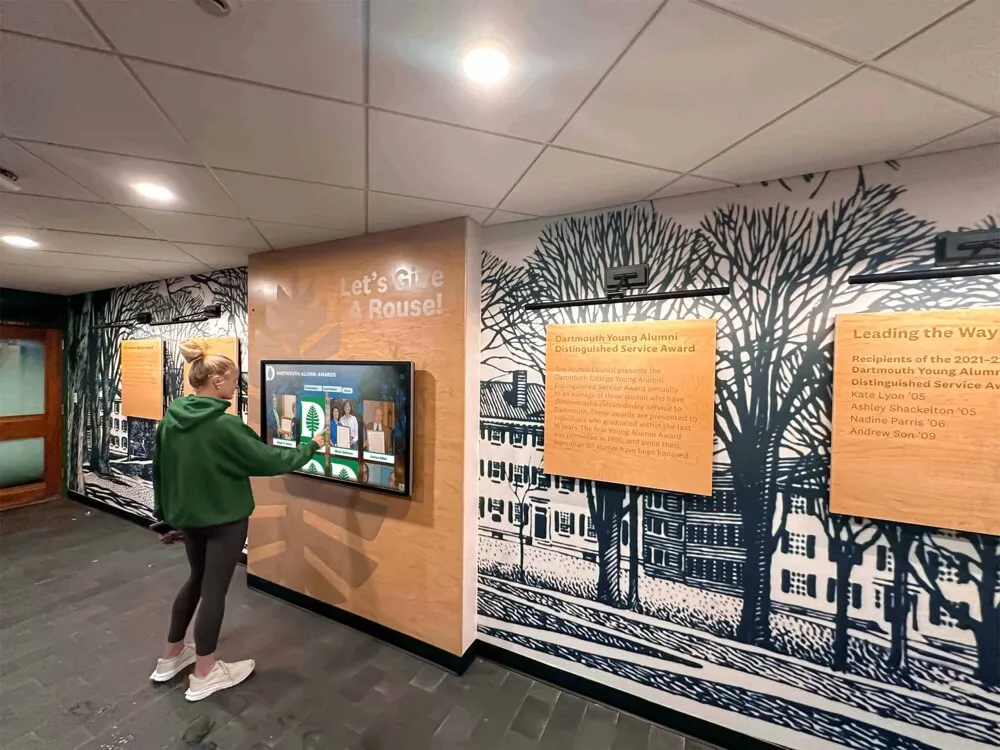
Modern alumni management systems combine digital databases with physical recognition displays creating multiple engagement touchpoints
Understanding Alumni Management Software
Before examining specific features, understanding what distinguishes comprehensive alumni management platforms from basic contact databases helps institutions evaluate options appropriately.
What Alumni Management Software Does
Alumni management software extends far beyond simple contact lists, integrating multiple functions into unified platforms:
Core Functions
- Centralized constituent database storing biographical, educational, and engagement data
- Communication tools for segmented email campaigns and messaging
- Event management with registration, payment processing, and attendance tracking
- Fundraising integration connecting engagement activities to giving outcomes
- Volunteer coordination matching alumni skills with institutional needs
- Career networking platforms connecting alumni across industries and regions
- Analytics dashboards measuring engagement across multiple dimensions
- Mobile accessibility enabling alumni participation from any device
The most effective platforms connect these functions seamlessly—allowing staff to see how event attendance correlates with giving patterns, how volunteer participation influences engagement scores, or how career networking drives younger alumni involvement.
Many schools complement software platforms with physical recognition displays in campus spaces where alumni, students, and visitors gather—creating visible celebration of alumni achievements beyond digital channels.
Software vs. Spreadsheets: Why the Difference Matters
Some advancement offices question whether dedicated alumni management software justifies the investment compared to maintaining alumni information in spreadsheets or generic databases. The capability gap becomes clear under operational scrutiny:
Spreadsheet Limitations
- No automated communication workflows or segmentation capabilities
- Manual event registration requiring staff to process every response
- Zero integration between giving records and engagement activities
- No tracking of email opens, clicks, or engagement metrics
- Vulnerable to data loss, version confusion, and access control issues
- Impossible to scale as alumni populations grow beyond hundreds
Platform Capabilities
- Automated email sequences based on graduation year, engagement level, or giving history
- Self-service event registration with payment processing and confirmation emails
- Unified view showing complete alumni journey from graduation through current engagement
- Real-time analytics informing strategy adjustments and demonstrating program ROI
- Secure cloud hosting with automatic backups and role-based permissions
- Performance maintained across alumni populations of thousands or tens of thousands
Institutions serving fewer than 500 alumni might manage relationships through manual processes, but once populations exceed this threshold, dedicated software becomes essential for maintaining consistent engagement quality.
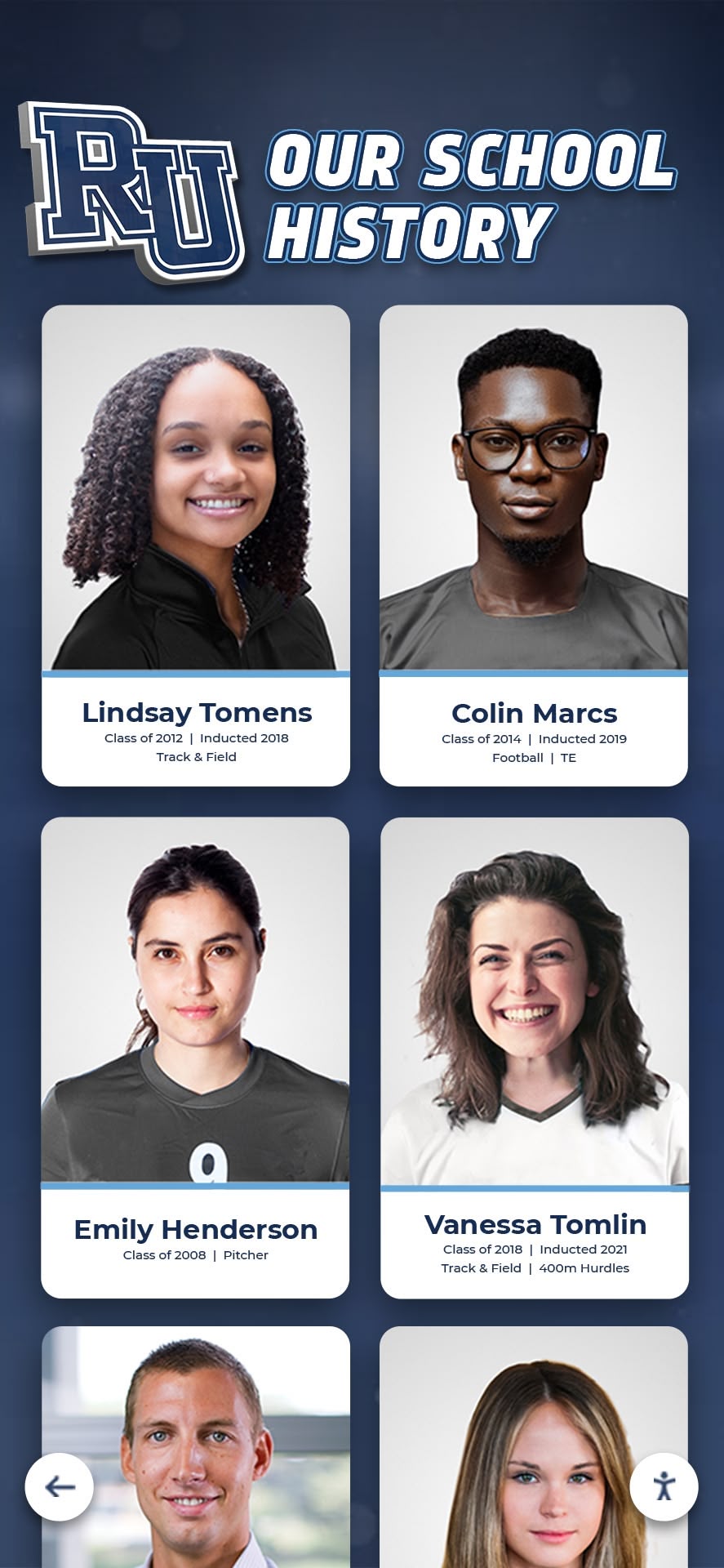
Comprehensive alumni systems showcase achievements through both digital databases and interactive recognition displays
The 9 Essential Features to Compare
When evaluating alumni management software, these nine capabilities separate platforms that genuinely serve institutional needs from those creating more problems than they solve.
1. Database Structure and Scalability
The database foundation determines what information you can track, how quickly you can access it, and whether the platform grows with your institution.
What to Evaluate
- Custom field support: Can you add institution-specific data fields beyond standard biographical information?
- Relationship mapping: Does the platform track spouse connections, family relationships, and organizational affiliations?
- Historical tracking: Can you maintain complete engagement history across decades, not just recent years?
- Search and filtering: How quickly can you identify subsets like “alumni who attended homecoming in the past three years but haven’t donated” or “graduates working in technology industries in the Pacific Northwest”?
- Import/export capabilities: Can you migrate existing data without losing historical information?
Why It Matters Schools with 2,000 alumni today may serve 5,000 in a decade. Platforms that slow down or require expensive upgrades as databases grow create significant long-term costs. Additionally, rigid database structures force institutions to adapt programs around software limitations rather than configuring systems to support institutional priorities.
Implementation Consideration Request demonstrations using datasets comparable to your actual alumni population—not vendor demo databases with 50 test records. Performance with 10,000 records differs dramatically from performance with 100.
2. Communication and Email Marketing Tools
Alumni engagement depends on consistent, relevant communication reaching graduates through their preferred channels.
What to Evaluate
- Segmentation capabilities: Can you target specific cohorts by graduation year, geographic location, engagement level, giving history, or custom criteria?
- Template customization: Does the platform offer branded email templates you can customize for different communications?
- Automated workflows: Can you set up welcome sequences for recent graduates, birthday messages, or re-engagement campaigns for inactive alumni?
- Multi-channel support: Does the platform integrate email, social media, SMS messaging, and mobile push notifications?
- Deliverability rates: What percentage of emails successfully reach inboxes rather than spam folders?
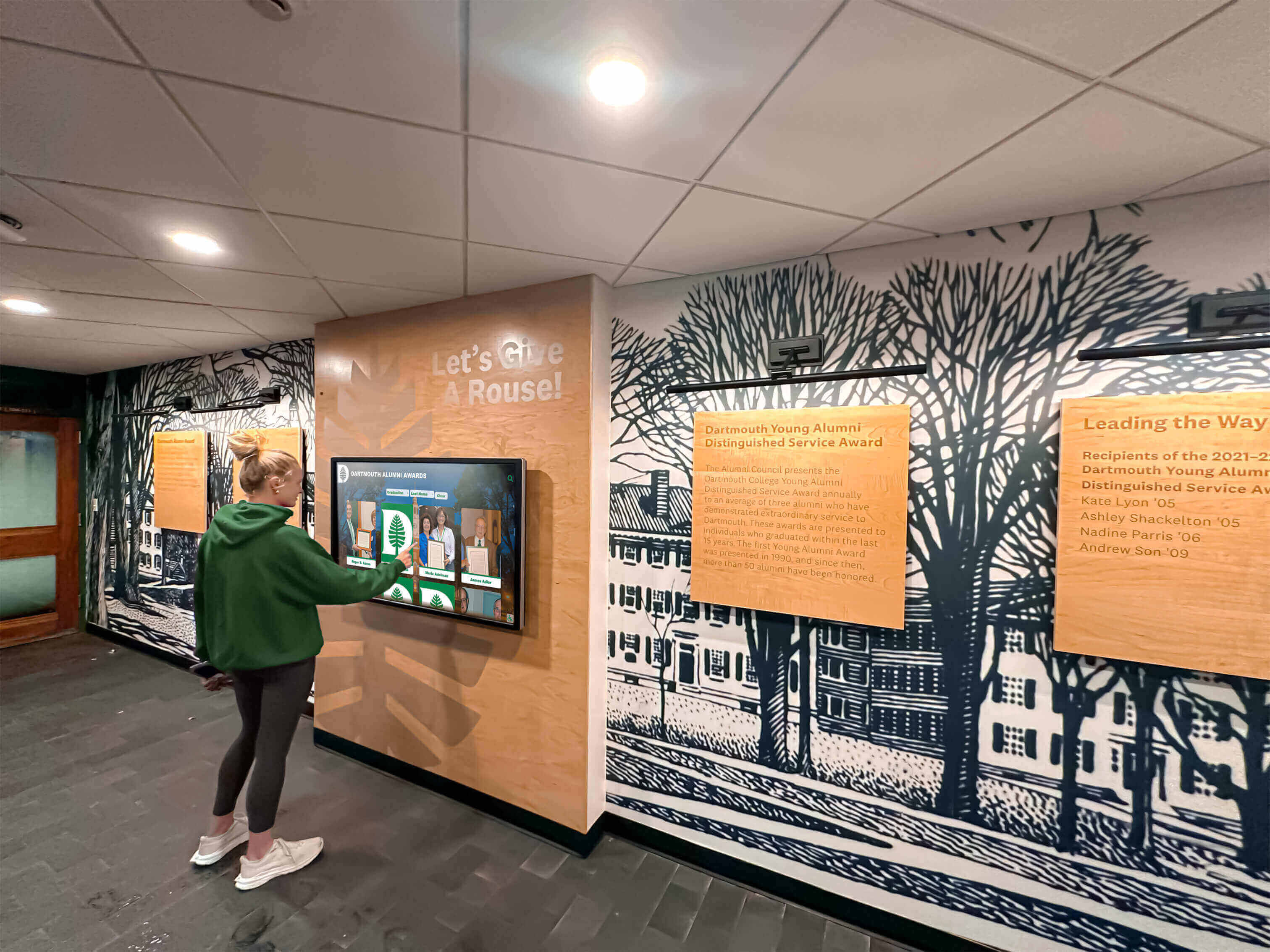
Communication tools connect with physical displays creating multiple ways alumni discover and engage with programs
Why It Matters Generic mass emails achieve open rates of 15-20% while segmented, personalized communications reach 35-45%. Platforms lacking sophisticated segmentation force you to choose between irrelevant mass communications or unsustainable manual personalization.
Schools implementing comprehensive recognition programs often use software communication tools to drive traffic to physical displays celebrating alumni contributions in campus spaces.
3. Event Management and Registration
Events represent primary engagement touchpoints for many alumni programs, making robust event tools essential platform features.
What to Evaluate
- Registration workflow: Can alumni register online with immediate confirmation?
- Payment processing: Does the platform handle ticket sales, donation add-ons, and refunds?
- Guest management: Can registrants add spouse or guest information?
- Capacity controls: Does the system prevent over-registration for limited-capacity events?
- Check-in capabilities: Can staff check in attendees via mobile devices at event entrances?
- Post-event surveys: Can you automatically send feedback surveys to attendees?
Why It Matters Schools relying on manual registration processes spend 10-15 staff hours processing registrations for a 200-person event—time that could be invested in event quality, personalized outreach, or strategic planning. Additionally, registration friction (complicated forms, payment issues, unclear confirmation) suppresses attendance rates by 20-30%.
Real-World Application Homecoming weekends, regional chapter events, career networking sessions, and reunion celebrations all benefit from streamlined registration reducing administrative burden while improving attendee experience.
4. Fundraising and Giving Integration
For many institutions, alumni giving represents a primary advancement objective, making fundraising integration critical.
What to Evaluate
- Donation processing: Can alumni make gifts directly through the platform with multiple payment options?
- Recurring gift setup: Does the system support monthly or annual recurring donations?
- Campaign management: Can you run multiple simultaneous campaigns with separate tracking?
- Matching gift identification: Does the platform identify employers offering matching gift programs?
- Giving history visibility: Can staff and donors view complete giving history across years?
- Tax receipt automation: Does the system generate and deliver tax receipts automatically?
Why It Matters Every additional step in the giving process reduces completion rates. Alumni who must navigate to separate donation portals or receive tax receipts weeks after giving show significantly lower retention rates for recurring donations compared to those experiencing seamless processes.
Integration Consideration Institutions using separate advancement databases (Raiser’s Edge, Salesforce) need platforms offering robust integration ensuring engagement activities automatically sync with fundraising systems—eliminating duplicate data entry and maintaining unified constituent views.
Many schools combine digital fundraising tools with visible donor recognition displays celebrating contributions in prominent campus locations.
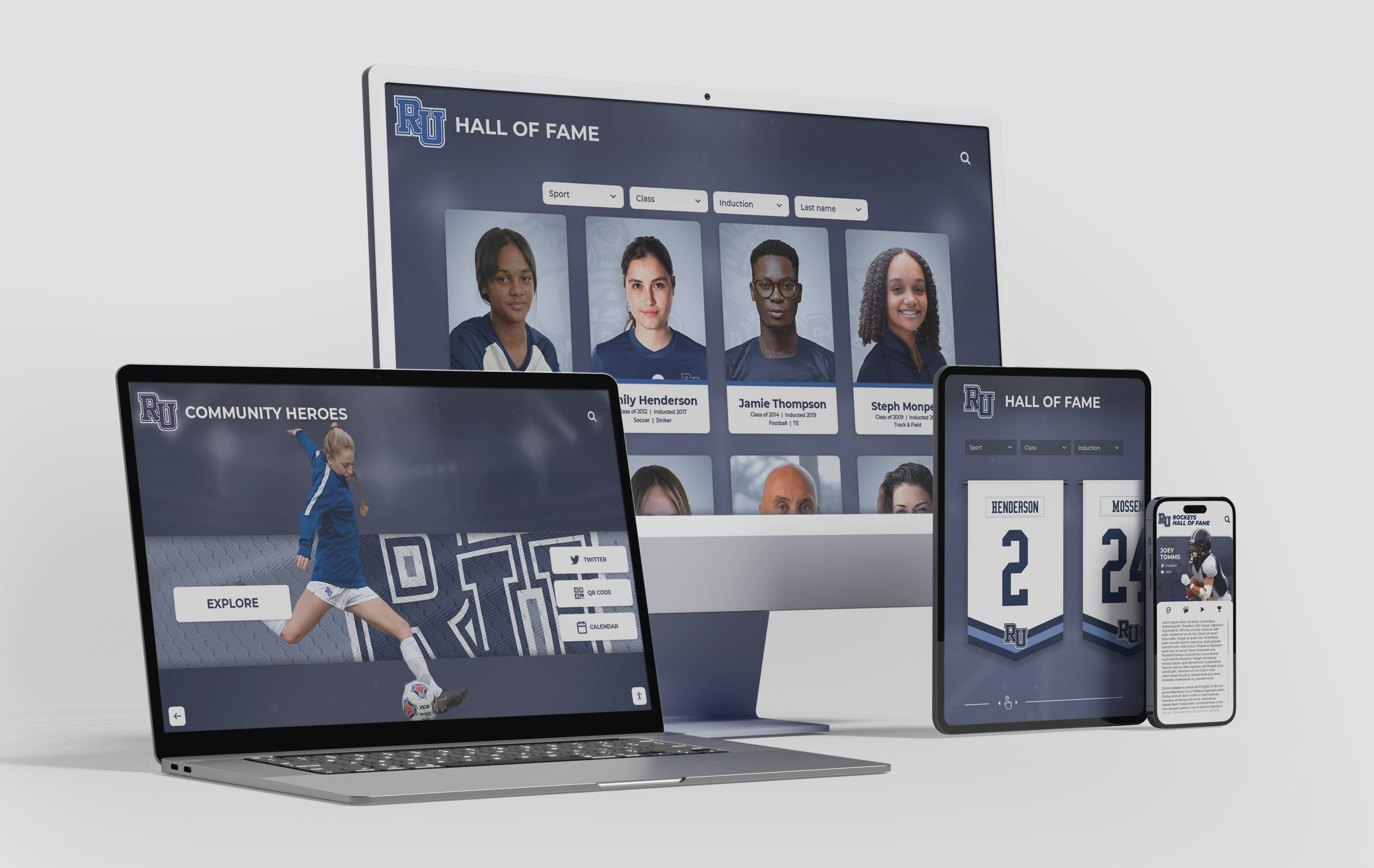
Modern platforms provide mobile, tablet, and desktop access ensuring alumni engage from any device
5. Volunteer Management and Coordination
Alumni volunteers drive mentoring programs, admissions support, career networking, fundraising campaigns, and regional chapter activities.
What to Evaluate
- Opportunity posting: Can you list volunteer opportunities alumni can browse and apply for?
- Skills matching: Does the platform match volunteer opportunities with alumni expertise?
- Hour tracking: Can volunteers log service hours with supervisor verification?
- Communication tools: Can volunteer coordinators message groups or individual volunteers?
- Recognition integration: Does volunteer service appear in alumni profiles and recognition programs?
Why It Matters Institutions typically have 5-15% of alumni willing to volunteer but struggle matching willing participants with appropriate opportunities. Platforms creating visible volunteer pathways with clear asks increase participation rates by 40-60% compared to manual recruitment approaches.
Application Example Career mentoring programs, admissions interview coordination, phonathon participation, and regional event planning all benefit from systematic volunteer management eliminating spreadsheet chaos.
6. Analytics and Reporting Capabilities
Data-driven strategy requires comprehensive analytics measuring engagement across multiple dimensions.
What to Evaluate
- Engagement scoring: Does the platform calculate engagement scores based on activities across email opens, event attendance, volunteering, and giving?
- Custom reports: Can you build reports answering institution-specific questions?
- Dashboard views: Do staff see at-a-glance metrics without running manual reports?
- Predictive analytics: Does the platform identify alumni at risk of disengagement or likely to increase giving?
- Comparison metrics: Can you compare current performance against historical baselines or peer benchmarks?
- Export options: Can you export data for external analysis or presentation to leadership?
Why It Matters Advancement teams operating without analytics make decisions based on intuition rather than evidence. Data showing that evening events generate 2x the attendance of afternoon sessions, or that three consecutive non-opens predict long-term disengagement, fundamentally improves program effectiveness.
Leadership Value Comprehensive analytics demonstrate program value to institutional leadership in budget discussions, showing clear connections between engagement investments and measurable outcomes.
Schools implementing interactive recognition displays often integrate platform analytics with display metrics tracking how alumni interact with physical recognition systems.
7. Mobile Accessibility and App Support
Alumni increasingly expect to engage through mobile devices rather than desktop computers.
What to Evaluate
- Responsive design: Does the platform function properly on phones and tablets?
- Native mobile apps: Does the vendor offer iOS and Android apps?
- Offline functionality: Can alumni access directory information without internet connection?
- QR code integration: Can you use QR codes linking physical materials to digital content?
- Mobile giving: Can alumni complete donations entirely on mobile devices?
- Push notifications: Can you send targeted notifications through mobile apps?
Why It Matters Over 65% of alumni email opens occur on mobile devices. Platforms requiring desktop access for registration, giving, or directory searches create friction suppressing participation particularly among younger graduates who primarily use phones for internet access.
Many institutions integrate mobile platforms with physical touchscreen displays allowing alumni to access content on personal devices via QR codes while also exploring recognition displays during campus visits.
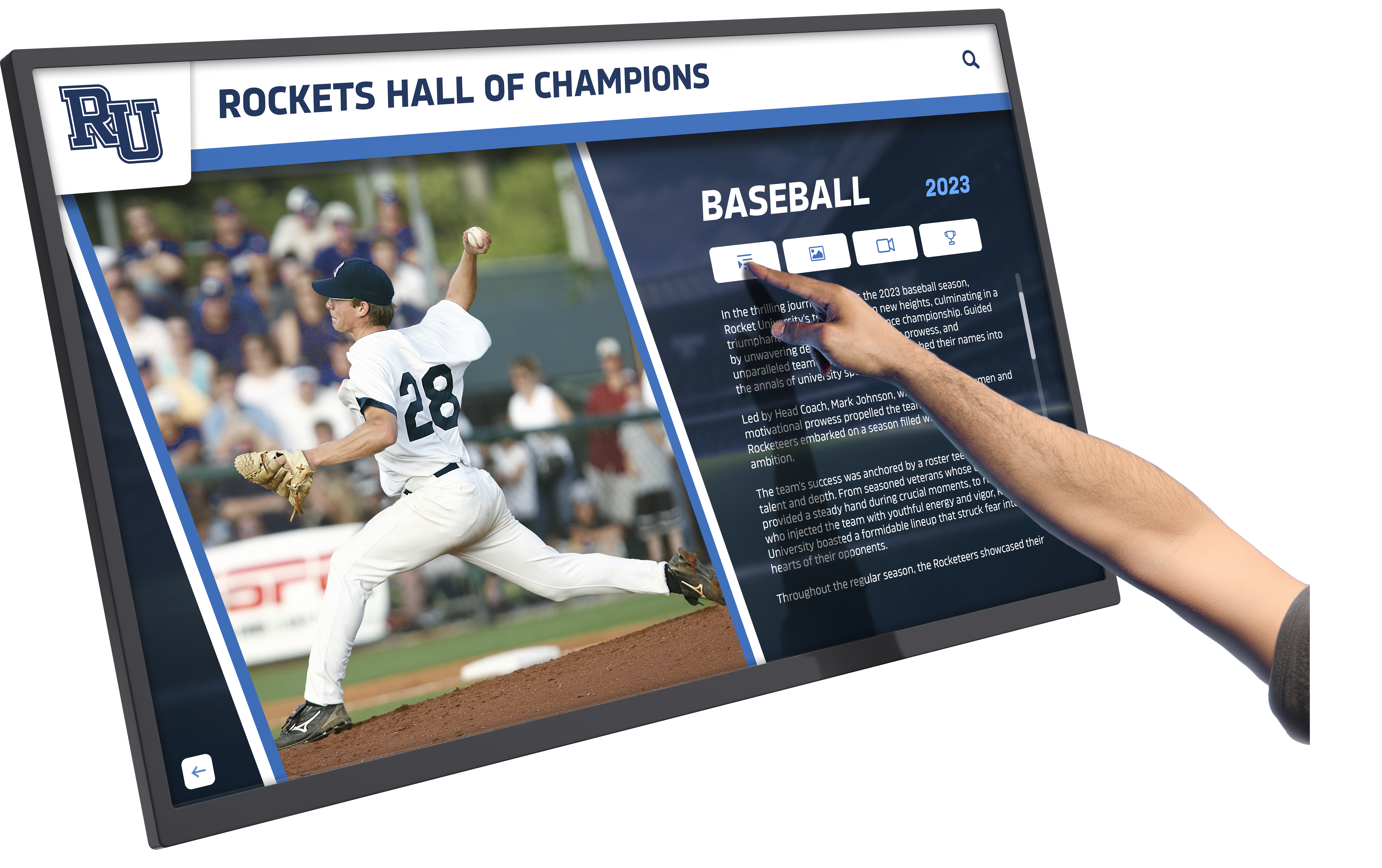
Physical touchscreen displays complement software platforms creating engaging recognition experiences in campus spaces
8. Security, Privacy, and Compliance Features
Alumni data requires robust security protecting personal information while maintaining accessibility for engagement programs.
What to Evaluate
- Data encryption: Does the platform encrypt data both in transit and at rest?
- Access controls: Can you set role-based permissions controlling who accesses different data types?
- Privacy settings: Can alumni control which information appears in directories?
- GDPR compliance: Does the platform support data deletion requests and consent tracking for international alumni?
- Audit trails: Can you track who accessed or modified records?
- Backup procedures: How frequently does the vendor backup data and how quickly can they restore it?
Why It Matters Data breaches exposing alumni contact information, giving history, or personal details create reputational damage, legal liability, and long-term trust erosion. Additionally, international alumni populations require platforms supporting privacy regulations like GDPR—not just U.S. frameworks.
Vendor Evaluation Ask vendors about security certifications (SOC 2, ISO 27001), historical breach incidents, and incident response procedures. Platforms lacking clear security documentation represent unacceptable risk.
9. Platform Customization and Integration Capabilities
Institutional needs evolve over time, requiring platforms that adapt rather than constraining programs within rigid structures.
What to Evaluate
- Custom branding: Can you match platform appearance to institutional identity?
- Workflow customization: Can you modify processes to match institutional procedures rather than adapting to vendor defaults?
- API access: Does the platform offer robust APIs enabling integration with other systems?
- Third-party integrations: Does the platform connect with tools you already use (Google Workspace, Microsoft 365, Zoom, payment processors)?
- Custom development: Can your IT team build custom features when needed?
- Update frequency: How often does the vendor release improvements and how do updates affect customizations?
Why It Matters Platforms forcing institutions to abandon existing processes create adoption resistance and limit effectiveness. Additionally, advancement operations typically involve 5-10 different software systems—CRM, email marketing, payment processing, event platforms, web CMS. Platforms integrating with existing tools eliminate duplicate data entry and maintain data consistency.
Schools often integrate software platforms with physical recognition systems displaying alumni achievements in lobbies, athletic facilities, and development offices—requiring APIs connecting databases to display hardware.
Comparing Platform Options
Understanding these nine features helps institutions evaluate specific platforms serving schools and universities.
Comprehensive Platform Approach: Rocket Alumni Solutions
Some platforms integrate alumni database management with physical recognition displays creating comprehensive engagement systems.
Rocket Alumni Solutions combines cloud-based alumni management software with interactive touchscreen displays installed in campus locations. This approach addresses both digital engagement (email communications, event registration, giving portals) and physical recognition (visible celebration of alumni achievements in spaces where students, alumni, and visitors gather).
Key Capabilities
- Web-accessible database alumni can browse from any device
- Content management system staff update remotely without campus visits
- Unlimited capacity for alumni profiles, photos, videos, and achievement records
- ADA WCAG 2.1 AA compliant ensuring accessibility for users with disabilities
- QR code access allowing mobile phone users to explore content without touching displays
- Integration with existing school systems and websites
- Physical touchscreen displays (55", 65", 75", 86" options) creating visible recognition in strategic campus locations
Ideal For
- Institutions wanting unified platforms managing both digital engagement and physical recognition
- Schools prioritizing accessibility and mobile access alongside traditional desktop usage
- Organizations seeking turnkey solutions rather than assembling multiple separate tools
- Programs valuing visible campus recognition complementing digital communications
Considerations
- Comprehensive approach requires decisions about both software features and display hardware
- Physical displays require installation planning and campus space allocation
- Best suited for institutions committed to multi-channel engagement strategies
The platform addresses all nine essential features while adding physical recognition components many standalone software solutions lack.
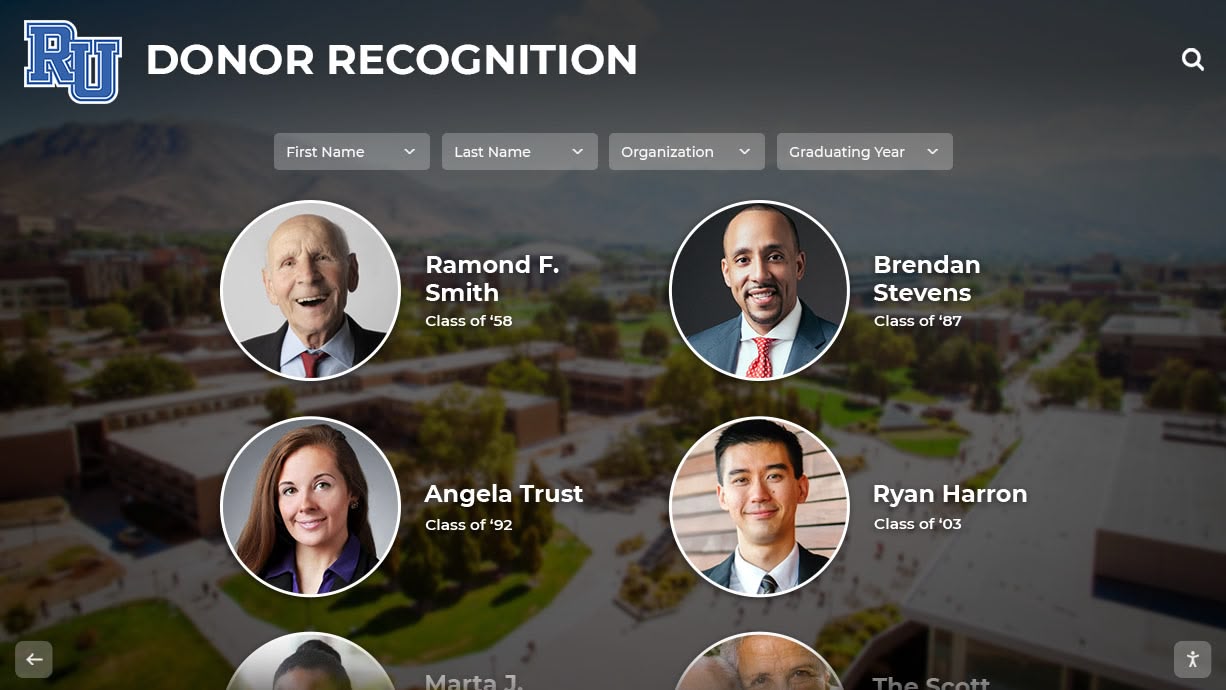
Integrated platforms combine database management with physical displays creating visible celebration of alumni achievements
Alternative Platform Approaches
Different institutions prioritize different capabilities based on size, budget, and program focus:
Enterprise Platforms Large universities with advancement teams exceeding 20 staff members often select comprehensive enterprise platforms like Blackbaud products offering deep fundraising integration, sophisticated analytics, and extensive customization—at premium price points ($25,000-$100,000+ annually).
Mid-Market Solutions Colleges and universities with 5,000-50,000 alumni frequently choose platforms like Graduway or Hivebrite emphasizing community building, career networking, and modern interfaces appealing to younger graduates—typically priced $10,000-$40,000 annually.
Specialized Tools Some schools assemble engagement programs from multiple specialized tools—separate platforms for email marketing, event management, giving portals, and directory services. This approach offers flexibility but requires significant integration work and creates data consistency challenges.
Schools exploring campus recognition solutions often complement software platforms with dedicated display systems showcasing alumni achievements in high-traffic campus areas.
Making Your Selection Decision
Effective platform selection requires structured evaluation processes ensuring chosen solutions genuinely serve institutional needs.
Evaluation Framework
Step 1: Define Requirements Before viewing demonstrations, document specific capabilities your programs require across the nine essential features. Distinguish must-have features from nice-to-have capabilities preventing feature creep expanding budgets without proportional value.
Step 2: Identify Stakeholders Alumni management platforms affect advancement staff, IT departments, alumni, and institutional leadership. Include representatives from each group in evaluation processes ensuring selected platforms address varied needs and concerns.
Step 3: Request Demonstrations Schedule demonstrations with 3-5 vendors whose platforms appear to match requirements. Provide vendors with specific scenarios to demonstrate rather than accepting generic presentations—for example, “show us how we’d create a segmented email campaign targeting alumni who graduated 2010-2020, attended at least one event in the past three years, but haven’t donated.”
Step 4: Check References Speak with current users at institutions similar to yours—comparable size, comparable alumni population, comparable program structure. Ask specifically about implementation challenges, ongoing support quality, and features that work differently in practice than demonstrations suggested.
Step 5: Evaluate Total Cost Calculate comprehensive costs including initial setup fees, annual subscription costs, payment processing fees, integration development, staff training time, and expected upgrade costs. Platforms with lower sticker prices sometimes carry higher total costs once all expenses appear.
Step 6: Plan Implementation Successful implementations require realistic timelines, dedicated staff resources, comprehensive data migration planning, and change management helping users adopt new systems. Budget 3-6 months for full implementation depending on platform complexity and data migration scope.
Many schools implementing new platforms simultaneously upgrade recognition systems creating coordinated improvements across digital and physical engagement channels.
Common Selection Mistakes to Avoid
Prioritizing Price Over Capability Platforms saving $5,000 annually but requiring 200 additional staff hours or suppressing participation rates by 20% represent false economies. Calculate ROI including staff efficiency, participation outcomes, and long-term scalability—not just subscription costs.
Ignoring Mobile Experience Demonstrations typically occur on large desktop monitors showcasing features beautifully. Insist on viewing platforms on actual phones and tablets where most alumni interactions occur—interfaces that look great on 27" monitors often frustrate users on 6" phone screens.
Underestimating Integration Requirements Platforms operating in isolation from existing systems create duplicate data entry, inconsistent information, and staff frustration. Verify integration capabilities with systems you actually use—not theoretical integration possibilities.
Overlooking User Experience Alumni won’t use platforms with confusing interfaces regardless of feature sophistication. Include actual alumni in evaluation processes testing whether they can complete common tasks (updating contact information, registering for events, making donations) without assistance or confusion.
Schools avoiding these mistakes select platforms serving institutional needs across years rather than requiring replacement after disappointing implementations.
Questions to Ask Vendors
Direct vendor questions reveal capabilities beyond polished marketing materials:
Implementation and Support
- What does the typical implementation timeline look like for institutions our size?
- What data migration support do you provide?
- What training resources do you offer for staff and alumni?
- How do you handle support requests and what are typical response times?
Long-Term Partnership
- How frequently do you release updates and how do they affect customizations?
- What happens to our data if we decide to switch platforms?
- Can you provide references from institutions that have used your platform for 5+ years?
- How do you incorporate customer feedback into product development?
Technical Capabilities
- Can we see your API documentation?
- What security certifications do you maintain?
- How do you handle peak loads during major events or campaigns?
- What redundancy and disaster recovery procedures do you have?
Vendors providing clear, detailed answers demonstrate transparency and operational maturity. Evasive responses or claims that “no one ever asks that” raise concerns about platform readiness.
Institutions implementing comprehensive recognition programs often coordinate software selection with physical display planning ensuring unified systems rather than disconnected tools.
Implementation and Adoption Strategies
Purchasing software represents just the first step—successful implementations require careful planning and change management.
Data Migration Planning
Most institutions migrate from existing systems (spreadsheets, outdated databases, or previous software platforms) requiring careful data migration:
Data Cleaning Before migration, clean existing data removing duplicates, standardizing formats, and correcting errors. Migrating messy data into new systems perpetuates problems rather than solving them.
Field Mapping Document how information in current systems maps to fields in new platforms. Custom fields in old systems may require custom field creation in new platforms before migration.
Historical Preservation Determine what historical information must transfer to new systems versus what can archive for reference but needn’t live in active databases. Migrating decades of historical data sometimes creates unnecessary complexity.
Testing and Validation Migrate small data samples before full migration, validating that information transfers correctly and appears properly in new systems.
Staff Training and Change Management
New platforms require staff to learn different workflows and interfaces:
Role-Based Training Staff members managing events need different training than those handling communications or analyzing data. Provide targeted training focusing on capabilities specific users actually need rather than comprehensive overviews covering everything.
Documentation and Resources Create institutional guides documenting how your organization specifically uses platform features—not just vendor documentation explaining generic capabilities.
Phased Rollout Consider implementing features progressively rather than launching everything simultaneously. Starting with core database and communication tools, then adding event management, then fundraising integration allows staff to build competency incrementally.
Schools implementing new platforms often coordinate with recognition display installations creating visible celebrations of alumni achievements in newly renovated campus spaces.
Alumni Communication and Adoption
New platforms often require alumni to create accounts, update information, or learn new processes:
Launch Communications Explain why you’re implementing new systems and what benefits alumni receive. Communications emphasizing institutional convenience without explaining alumni advantages generate resistance and low adoption.
Guided Onboarding Provide clear instructions helping alumni create accounts, update profiles, and explore new features. Video tutorials, step-by-step guides, and FAQ sections reduce friction.
Continuous Promotion Initial launch communications reach only a fraction of alumni populations. Continue promoting platform features through ongoing communications, event presentations, and visible campus presence.
Many institutions use physical touchscreen displays to promote mobile and web access—QR codes on campus displays drive traffic to online platforms.
Measuring Platform Success
After implementation, measuring success ensures platforms deliver expected value and identifies areas requiring adjustment.
Key Performance Indicators
Track metrics demonstrating platform impact on engagement outcomes:
Participation Metrics
- Event registration rates and attendance rates
- Email open rates and click-through rates
- Directory profile completion rates
- Mobile app downloads and active users
- Platform login frequency by user segment
Operational Efficiency
- Staff hours required for event management (before vs. after platform)
- Communication campaign preparation time
- Time from volunteer inquiry to placement
- Data entry and maintenance requirements
Engagement Outcomes
- Alumni giving participation rates
- Volunteer recruitment and retention
- Career networking connections facilitated
- Survey response rates
Return on Investment Calculate platform ROI considering both cost savings (reduced staff time, eliminated separate tool subscriptions) and revenue increases (higher giving participation, increased event revenue).
Continuous Improvement
Platform implementation represents ongoing processes rather than one-time projects:
Regular Feature Audits Quarterly reviews identifying underutilized features worth promoting or capabilities no longer serving institutional needs help optimize platform usage.
User Feedback Collection Systematic feedback collection from both staff and alumni reveals pain points, confusion areas, and improvement opportunities vendor updates might not address.
Vendor Relationship Management Regular communication with vendor account managers ensures you stay informed about new features, beta programs, and product roadmaps potentially benefiting your programs.
Schools committed to continuous improvement often pair platform optimization with recognition display content updates keeping both digital and physical systems fresh and engaging.
Conclusion
Selecting alumni management software requires careful evaluation of capabilities extending far beyond initial price comparisons. The nine essential features examined in this guide—database structure, communication tools, event management, fundraising integration, volunteer coordination, analytics capabilities, mobile accessibility, security features, and customization options—distinguish platforms genuinely serving institutional needs from those creating more problems than they solve.
Institutions investing time in comprehensive evaluation processes, involving appropriate stakeholders, checking references thoroughly, and planning careful implementations select platforms supporting engagement programs across years rather than requiring expensive replacements after disappointing experiences.
The difference between rushed selection decisions and thoughtful evaluation processes compounds over time. Platforms that initially cost $5,000 less but lack essential capabilities ultimately prove far more expensive than comprehensive solutions supporting institutional growth, adapting to changing needs, and creating engaging experiences staff and alumni genuinely value.
Whether you choose comprehensive platforms integrating software and physical recognition systems, enterprise solutions offering sophisticated fundraising tools, community-focused platforms emphasizing networking, or assembled solutions combining specialized tools, ensuring your selected approach addresses these nine essential features positions your alumni programs for sustained success.
Explore how Rocket Alumni Solutions combines comprehensive alumni management software with interactive recognition displays creating unified platforms serving schools and universities committed to elevating both digital engagement and visible campus recognition of alumni achievements.