Alumni directories were once static printed booklets distributed every few years—phone numbers went out of date within months, addresses changed without updates, and career information remained frozen at graduation. Schools maintained these directories manually through spreadsheets and database exports, creating labor-intensive processes that delivered diminishing value as information aged and graduate populations grew beyond manageable sizes for manual maintenance.
Alumni directory software transforms this outdated model into dynamic, self-updating platforms where graduates maintain their own profiles, discover classmates through sophisticated search tools, reconnect across decades and geographic distances, and engage with their alma mater through integrated communication channels. The right directory solution becomes far more than a contact list—it serves as the foundation for comprehensive alumni engagement strategies that strengthen community connections, increase participation rates, and demonstrate measurable institutional value.
This comprehensive guide examines essential features that separate effective alumni directory software from basic contact databases, explores how these capabilities drive authentic engagement rather than passive listing, and identifies best practices for selecting and implementing directory solutions that deliver lasting value to schools, universities, and their graduate communities.
Strong alumni networks deliver tangible benefits extending beyond nostalgia and tradition. Research from educational advancement associations indicates that institutions with engaged alumni communities experience higher annual giving rates, stronger student recruitment through graduate referrals, expanded mentoring and internship opportunities for current students, enhanced institutional reputation through accomplished alumni, and deeper community support during capital campaigns and strategic initiatives.
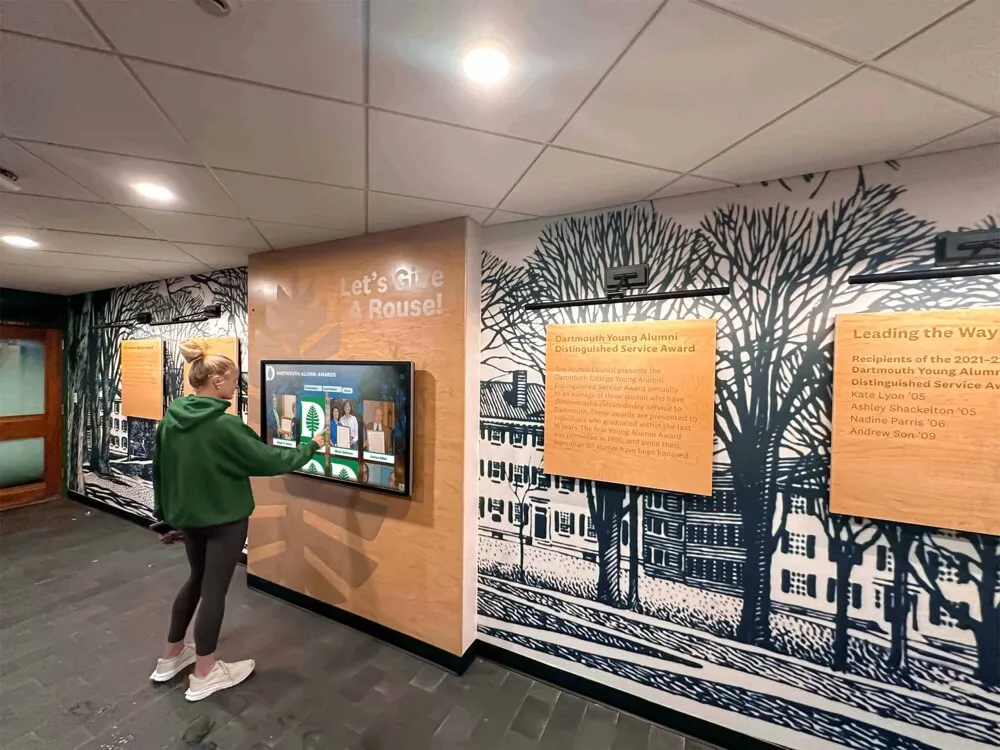
Modern alumni directory software creates engaging digital experiences accessible through campus touchscreens and mobile devices
Understanding Modern Alumni Directory Software
Alumni directory software has evolved significantly beyond simple contact management systems into comprehensive platforms designed specifically for educational institutions.
What Is Alumni Directory Software?
Core Definition
Alumni directory software is specialized database and communication platform designed to help educational institutions maintain searchable, self-updating directories of graduates while providing tools for connection, engagement, and community building.
Essential Components:
- Centralized graduate database with biographical and career information
- Self-service profile management allowing alumni to update their own information
- Advanced search and filtering enabling graduates to find specific classmates
- Privacy controls letting alumni determine visibility of contact information
- Mobile-responsive interfaces accessible across devices and platforms
- Integration capabilities connecting with broader alumni engagement systems
- Analytics tracking directory usage and identifying engagement patterns
Unlike generic contact management systems, purpose-built alumni directory software incorporates workflows, privacy frameworks, and search capabilities specifically addressing the unique needs of educational institutions managing thousands or tens of thousands of graduate relationships across multiple decades.
Why Traditional Approaches Fail
Schools relying on manual directory maintenance face persistent challenges that undermine effectiveness:
Data Decay Problems
- Contact information becomes outdated within months of publication
- Career changes go unrecorded without active alumni participation
- Address updates require manual data entry by overworked staff
- Email addresses change but old records persist indefinitely
- Phone numbers disconnect without notification systems
Scalability Limitations
- Manual maintenance becomes impossible as alumni populations grow
- Staff time dedicated to data updates diverts from strategic engagement activities
- Print directories require expensive reprinting to incorporate updates
- Digital PDFs created from static databases replicate obsolescence problems
- No systematic process for graduates to submit information updates
Engagement Barriers
- Static formats provide no mechanisms for connection beyond viewing listings
- Privacy concerns prevent sharing of contact details in published directories
- No integration with communication tools for reaching specific cohorts
- Limited search capabilities make finding specific classmates difficult
- Absence of visual elements reduces engagement and memorability
Schools implementing comprehensive alumni engagement strategies recognize that directory software must serve as active engagement platforms rather than passive databases.
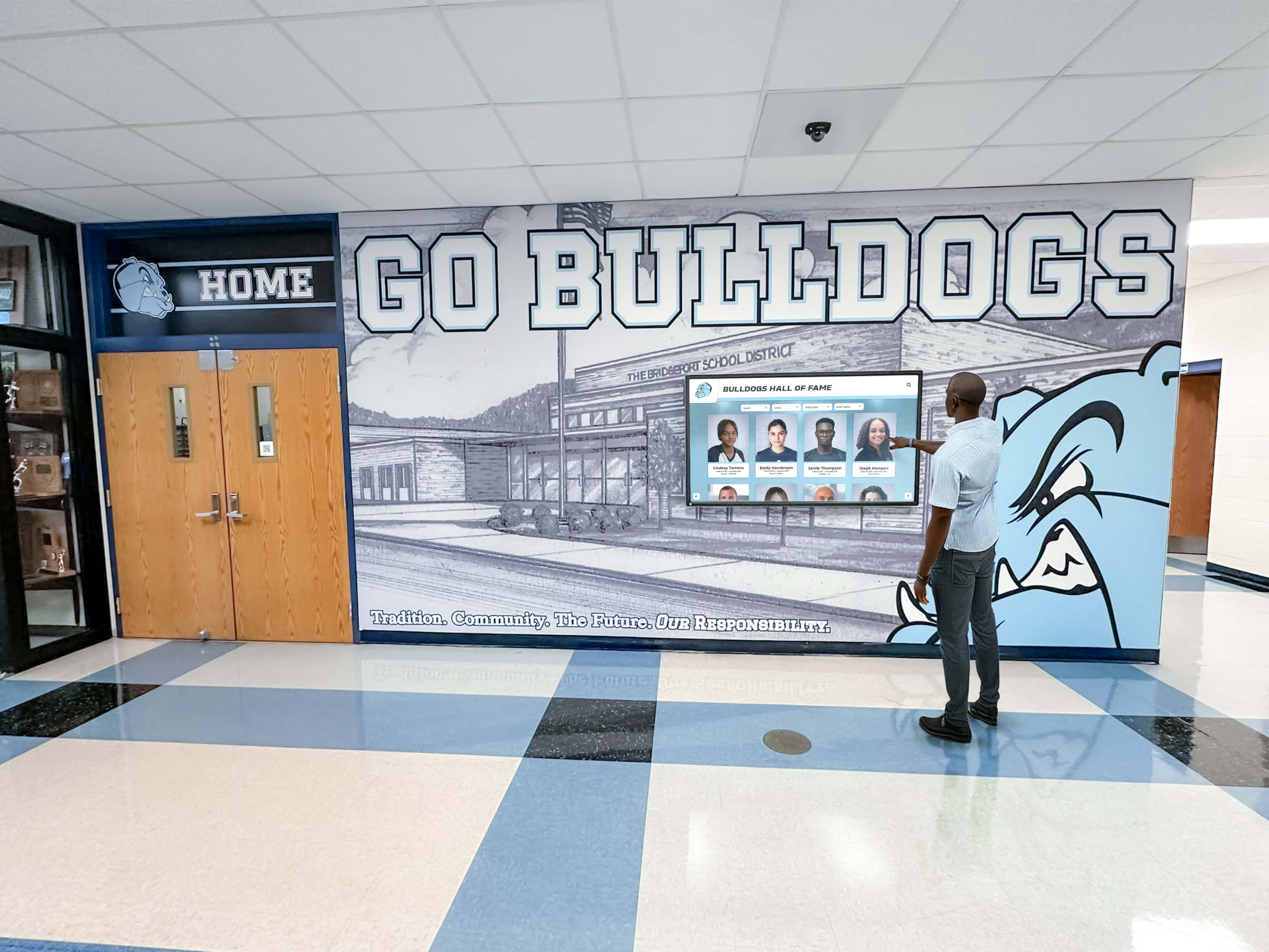
Interactive directory displays in campus hallways encourage spontaneous alumni exploration during visits
Essential Features That Drive Real Engagement
Effective alumni directory software requires specific capabilities that transform passive listings into active engagement tools.
Self-Service Profile Management
The foundation of current, accurate directories is empowering alumni to maintain their own information:
Profile Update Capabilities
- Intuitive dashboard where graduates edit biographical information directly
- Career history updates allowing alumni to add positions, promotions, and achievements
- Educational credentials including advanced degrees and certifications earned post-graduation
- Location updates automatically maintaining current city and state information
- Contact preference settings determining visibility and communication channels
- Social media integration linking profiles to LinkedIn, Twitter, and professional networks
Engagement Benefits: When alumni control their own profiles, they develop ownership of directory accuracy rather than viewing it as institutional responsibility. Graduates updating career information take pride in sharing professional achievements with classmates. Profile management creates natural touchpoints bringing alumni back to institutional platforms regularly.
Schools complementing software directories with physical recognition displays create multiple pathways for graduate connection across digital and campus spaces.
Advanced Search and Discovery Tools
Powerful search capabilities enable alumni to find classmates across decades and geographies:
Search Dimensions
- Graduation year or class range narrowing results to specific cohorts
- Geographic location finding alumni living in current city or region
- Industry and career field connecting professionals in similar sectors
- Degree program and major identifying classmates from specific academic departments
- Involvement history showing participation in specific sports, clubs, or activities
- Current employment finding colleagues at target companies or organizations
- Name and keyword search locating specific individuals or profile terms
Discovery Features
- “Nearby alumni” geolocation showing graduates in current area
- “Classmates” filters displaying all members of specific graduating class
- “Working in industry” searches connecting professionals in target sectors
- “Living in city” results showing all alumni in specific metropolitan areas
- “Celebrating milestones” highlighting reunion years and significant anniversaries
- “Recently updated profiles” surfacing newly active alumni
The ability to rediscover lost connections drives emotional engagement far exceeding simple contact lookup functionality. Alumni searching for specific teammates, roommates, or mentors experience powerful reconnection moments that strengthen institutional attachment.
Privacy and Security Controls
Balancing directory accessibility with graduate privacy concerns requires sophisticated permission frameworks:
Granular Privacy Settings
- Contact information visibility controls (public, alumni-only, hidden)
- Profile element permissions determining what biographical details display
- Communication preferences specifying acceptable outreach channels
- Search visibility options allowing alumni to appear in directory searches or remain unlisted
- Opt-out mechanisms respecting graduates who prefer privacy
- Data export restrictions preventing bulk directory scraping
Security Features
- Alumni-only authentication requiring institutional verification for access
- Multi-factor authentication protecting account security
- Audit trails tracking profile views and search activities
- GDPR and data privacy compliance for international alumni
- Regular security updates addressing emerging vulnerabilities
- Data backup and recovery systems protecting against information loss
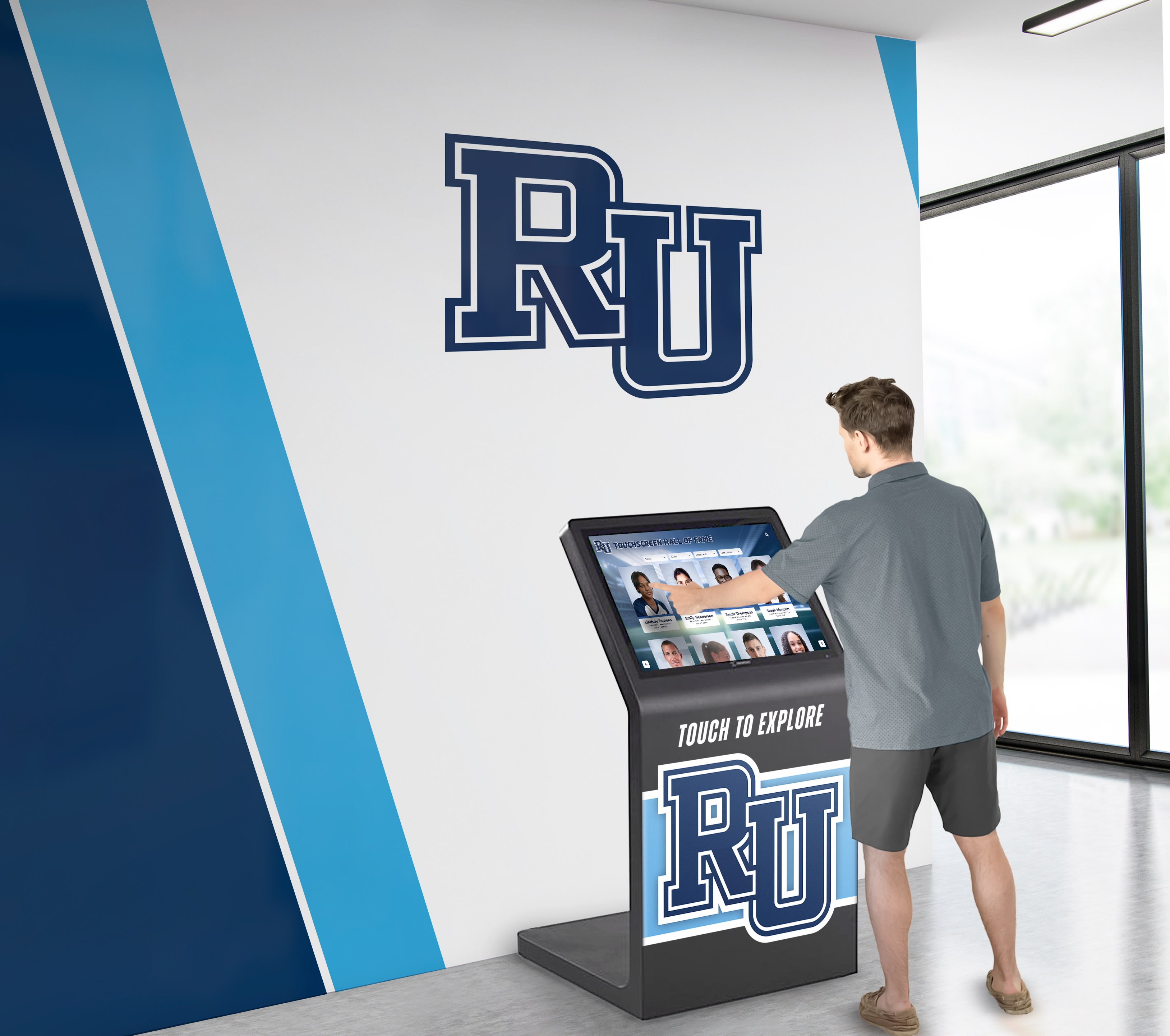
Secure directory systems balance accessibility with privacy through graduated permission controls
Effective privacy frameworks increase directory participation by demonstrating institutional respect for graduate preferences and personal boundaries.
Communication and Connection Tools
Directory software should facilitate connection beyond simply viewing listings:
Integrated Messaging
- Direct messaging between alumni preserving contact information privacy
- Group messaging for class cohorts, geographic chapters, or affinity groups
- Event invitations distributed through directory segments
- Mentoring connections linking current students with willing graduates
- Volunteer recruitment reaching alumni with specific expertise or interests
- Donation appeals targeting graduates based on capacity indicators
Community Features
- Class notes and updates shared with specific graduation cohorts
- Career networking opportunities posted to relevant alumni segments
- Discussion forums organized by topic, geography, or affinity
- Photo galleries from reunions, events, and campus visits
- News feeds highlighting institutional updates and achievements
- Calendar integrations promoting upcoming alumni events
Schools developing academic recognition programs often leverage directory software to identify distinguished graduates for honors and awards.
Mobile Accessibility and User Experience
Directory platforms must function seamlessly across devices and user contexts:
Mobile Optimization
- Responsive design adapting to smartphones and tablets automatically
- Native mobile apps providing optimized iOS and Android experiences
- Offline functionality allowing profile viewing without connectivity
- Location-aware features highlighting nearby alumni and events
- Push notifications alerting users to messages and updates
- Mobile profile editing enabling updates from any device
Usability Standards
- Intuitive navigation requiring minimal instruction or training
- Fast load times maintaining engagement during searches
- Clear visual design making information hierarchy obvious
- Accessible interfaces meeting WCAG standards for disabilities
- Minimal clicks to complete common actions
- Helpful onboarding guiding new users through initial setup
Alumni access directories during spare moments between meetings, while traveling, and during casual browsing—mobile optimization directly impacts usage frequency and satisfaction.
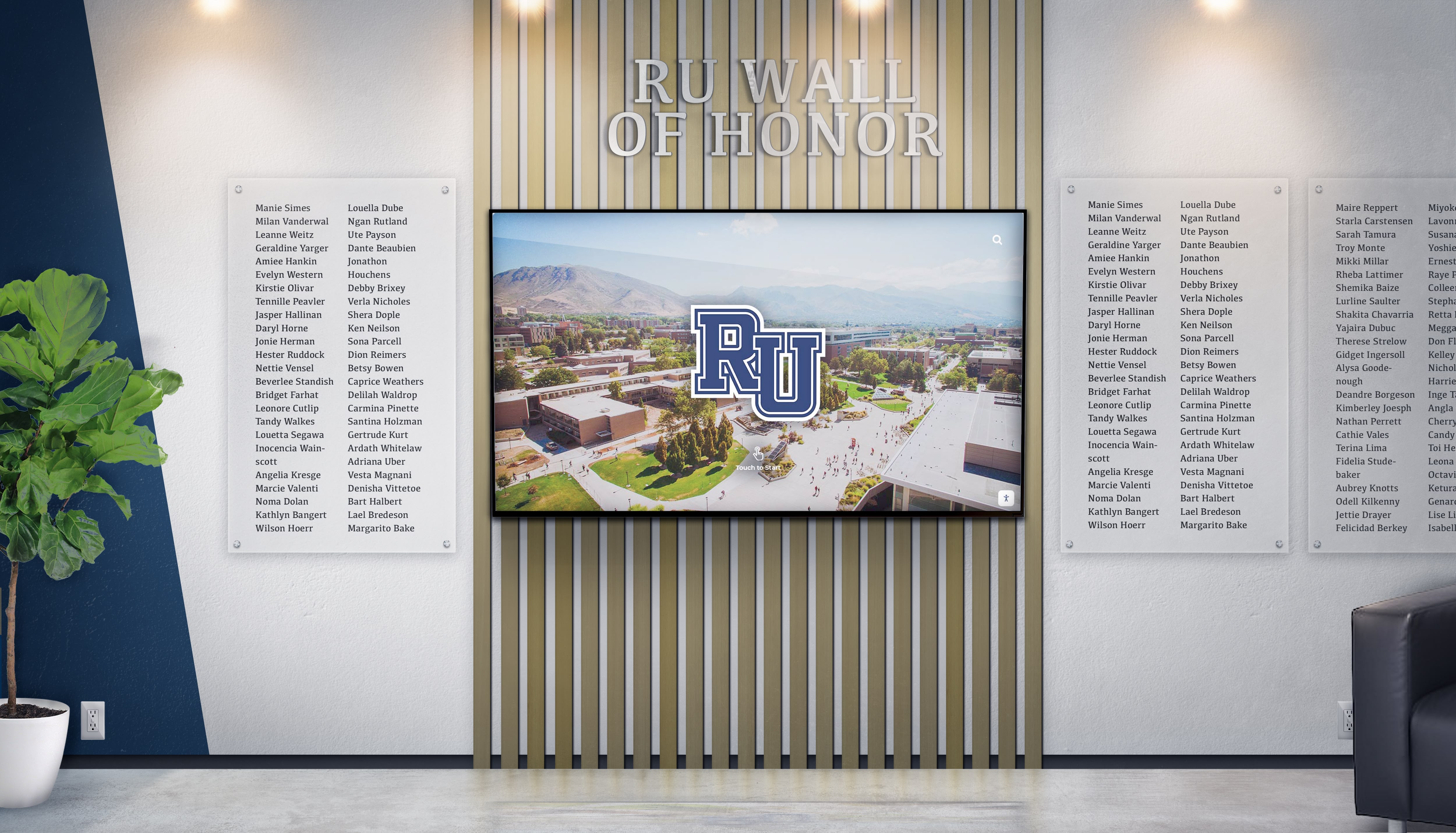
Physical directory displays in campus spaces complement mobile software creating multi-channel engagement experiences
Integration With Broader Alumni Engagement Systems
Alumni directory software delivers maximum value when connected to comprehensive engagement platforms rather than functioning as isolated systems.
CRM and Database Integration
Constituent Relationship Management Connection Directory data should flow bidirectionally with institutional CRM systems:
- Contact information synchronization ensuring consistency across platforms
- Engagement scoring incorporating directory usage into overall metrics
- Giving history integration showing philanthropic participation
- Event attendance tracking displaying participation across activities
- Volunteer involvement recording contributions to institutional programs
- Communication history maintaining complete interaction records
This integration prevents data silos while creating comprehensive graduate engagement profiles informing strategic outreach decisions.
Physical Display Integration
Campus Recognition Systems Digital directories gain powerful amplification through campus touchscreen displays placed in high-traffic areas:
- Lobby kiosks enabling visitors to explore alumni achievements during campus visits
- Athletic facility displays highlighting former student-athletes and records
- Academic building installations showcasing distinguished program graduates
- Development office screens celebrating donor contributions
- Reunion spaces facilitating spontaneous classmate discovery during events
Physical installations create serendipitous engagement moments that pure software platforms cannot replicate. Alumni visiting campus encounter former classmates’ profiles unexpectedly, triggering emotional connections and spontaneous outreach.
Event Management Integration
Seamless Event Coordination Directory segments should flow directly into event planning tools:
- Reunion invitation lists generated from class year filters automatically
- Geographic chapter events targeting alumni in specific regions
- Industry networking events reaching graduates in target sectors
- Volunteer recruitment selecting alumni with relevant expertise
- RSVP tracking updating engagement records systematically
- Post-event follow-up continuing conversations initiated through directories
This integration transforms directories from static references into dynamic engagement engines driving participation across institutional touchpoints.
Schools planning comprehensive donor recognition strategies leverage directory data to identify distinguished graduates deserving special acknowledgment.
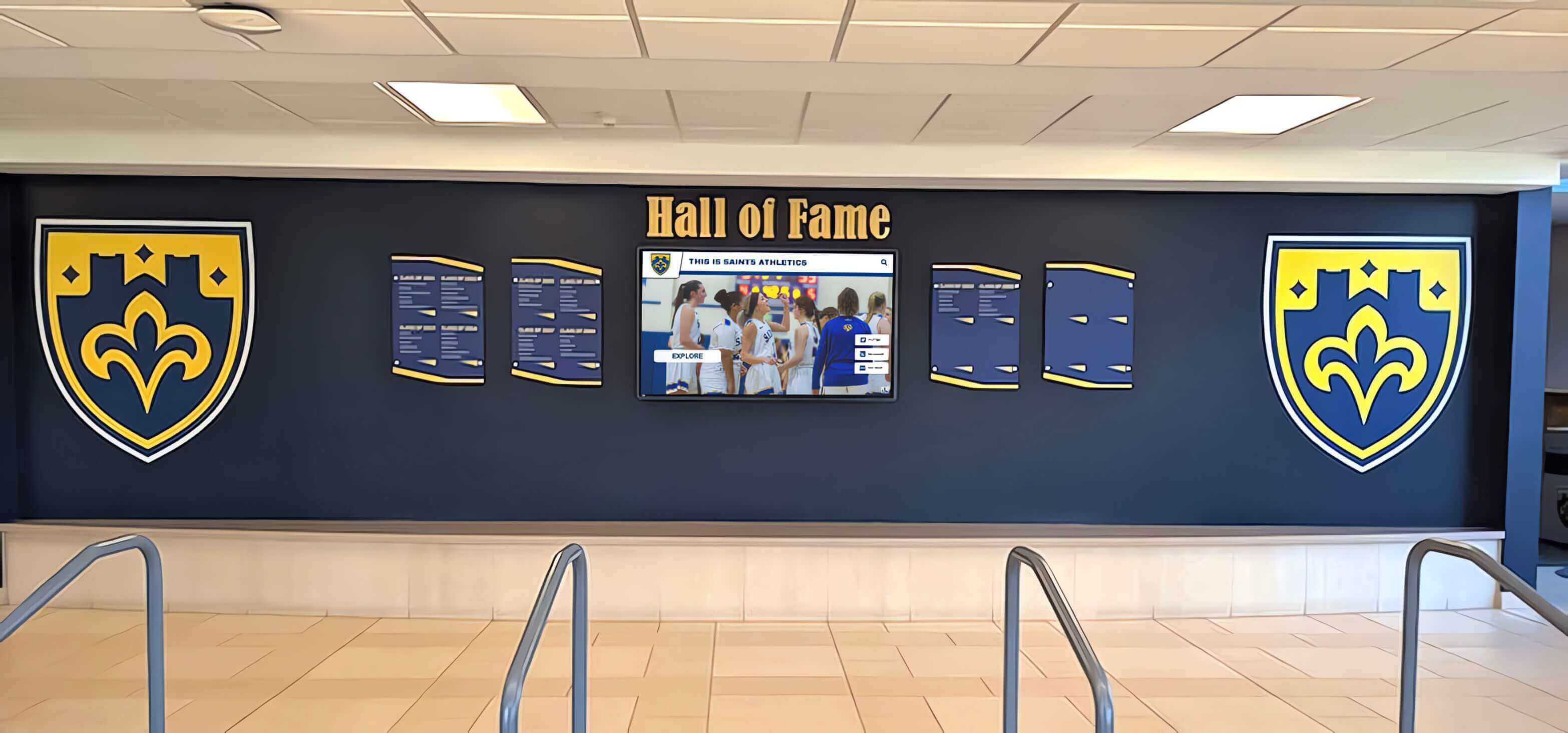
Comprehensive engagement systems connect digital directories with physical recognition creating cohesive alumni experiences
Best Practices for Successful Directory Implementation
Selecting appropriate software represents only the first step—successful implementation requires strategic planning and ongoing management.
Data Migration and Quality
Initial Database Population
- Audit existing data sources identifying most current information
- Standardize data formats ensuring consistency across records
- Deduplicate entries removing multiple records for single individuals
- Geocode addresses enabling location-based searching and mapping
- Import historical involvement data providing context for engagement
- Flag incomplete records requiring alumni verification and updates
Ongoing Data Maintenance
- Automated email verification confirming contact information accuracy
- Periodic data cleansing removing invalid addresses and phone numbers
- Alumni self-service updates maintaining current information continuously
- Staff review of suspicious changes preventing vandalism or errors
- Regular backups protecting against data loss incidents
- Export capabilities enabling data analysis and reporting
Quality data determines directory effectiveness—graduates encountering obsolete information quickly lose confidence in platform value.
Encouraging Alumni Adoption
Launch Communication Strategies
- Phased rollout beginning with highly engaged alumni cohorts
- Email campaigns explaining directory benefits and encouraging profile completion
- Social media promotion highlighting reconnection success stories
- Print communications for graduates with limited digital engagement
- Incentives for profile completion (directory access, exclusive content, entry in drawings)
- Ambassador programs recruiting enthusiastic alumni to promote participation
Sustained Engagement
- Regular email reminders encouraging profile updates
- Gamification elements rewarding active participation
- Featured alumni spotlights highlighting interesting profiles
- Reunion promotions emphasizing directory value for reconnection
- Class representative outreach leveraging peer influence
- Success stories demonstrating how alumni reconnected through directory
Initial launch momentum matters, but sustained engagement requires ongoing attention and creative promotion strategies.
Measuring Directory Success
Key Performance Indicators
- Profile completion rate (percentage of alumni with updated information)
- Active user percentage (graduates accessing directory within past 90 days)
- Search volume and frequency indicating discovery activity
- Profile update frequency showing ongoing engagement
- Message volume demonstrating connection facilitation
- Mobile usage percentage reflecting accessibility
- Return visit rate indicating sustained value
Engagement Analysis
- Cohort participation identifying generations with highest adoption
- Feature usage determining which capabilities drive most activity
- Geographic patterns showing regional engagement variations
- Referral traffic tracking how alumni discover directory platform
- Time-on-platform metrics measuring depth of engagement
- Conversion tracking connecting directory usage to broader participation
Data-driven insights guide refinement strategies maximizing directory impact over time.
Schools implementing comprehensive athletic recognition programs often integrate directory access into campus displays showcasing former student-athletes.
Selecting the Right Alumni Directory Software
Choosing appropriate directory solutions requires evaluating institutional needs against available platform capabilities.
Evaluation Criteria
Technical Requirements
- Database capacity supporting current and projected alumni populations
- Search performance maintaining speed with tens of thousands of records
- Mobile compatibility ensuring seamless smartphone and tablet experiences
- Integration capabilities connecting with existing systems
- Security standards protecting sensitive graduate information
- Uptime guarantees ensuring reliable accessibility
- Support responsiveness addressing technical issues promptly
Functional Capabilities
- Self-service profile management enabling alumni updates
- Advanced search filters facilitating targeted discovery
- Privacy controls balancing accessibility with graduate preferences
- Communication tools enabling connection without exposing contact details
- Analytics dashboards measuring usage and engagement
- Export functionality supporting reporting and analysis
- Customization options reflecting institutional branding
Budget Considerations
- Initial setup and implementation costs
- Annual subscription or licensing fees
- Per-alumni pricing models for growing populations
- Additional costs for premium features or modules
- Support and training expenses
- Integration development fees
- Long-term total cost of ownership
Implementation Planning
Project Timeline
- Data migration and quality preparation (2-3 months)
- System configuration and customization (1-2 months)
- Staff training and protocol development (2-4 weeks)
- Pilot testing with select alumni groups (3-4 weeks)
- Phased public launch (1-2 months)
- Optimization and refinement (ongoing)
Resource Requirements
- Project manager coordinating implementation activities
- Technical staff handling data migration and system configuration
- Communications team developing launch and adoption campaigns
- Alumni relations staff managing ongoing platform administration
- External vendor support for technical implementation
- Budget allocation for initial and recurring costs
Strategic implementation planning prevents rushed rollouts that compromise adoption and long-term success.
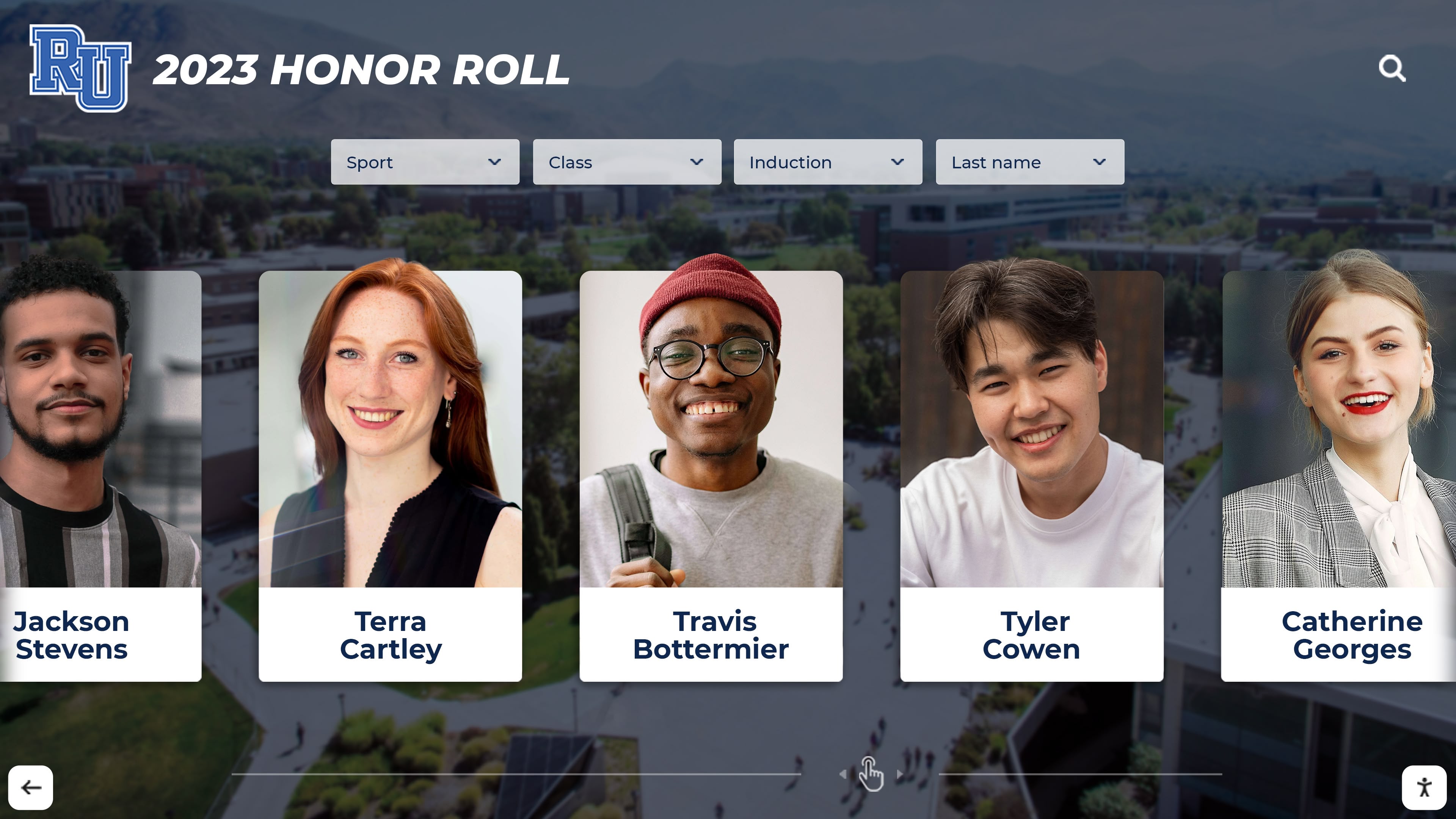
Directory platforms benefit current students by facilitating mentoring connections with accomplished alumni
Beyond Software: Creating Comprehensive Alumni Connection Experiences
While alumni directory software provides essential digital infrastructure, the most engaging programs integrate multiple touchpoints creating holistic connection experiences.
Physical Campus Recognition
Touchscreen Directory Installations Strategic placement of interactive touchscreen displays throughout campus creates tangible alumni presence:
- Main lobby installations welcoming visitors with graduate showcases
- Athletic facilities highlighting former student-athletes and records
- Academic departments featuring distinguished program alumni
- Development offices celebrating philanthropic contributions
- Alumni centers providing self-service directory access during visits
- Event spaces facilitating classmate discovery during reunions
Physical installations serve dual purposes—honoring alumni achievements while creating interactive engagement opportunities during campus visits. Graduates returning for events, games, or family visits encounter former classmates’ profiles spontaneously, triggering emotional connections and follow-up outreach through digital channels.
Blended Engagement Strategies
Multi-Channel Connection Effective programs coordinate digital directories with complementary initiatives:
- Email newsletters featuring directory spotlights and reconnection stories
- Social media campaigns highlighting interesting alumni profiles
- Print publications showcasing distinguished graduates discovered through searches
- Event programming using directory data for targeted invitations
- Mentoring platforms connecting students with alumni identified through searches
- Career networking leveraging directory industry filters
This integrated approach reinforces directory value while driving adoption through multiple touchpoints creating comprehensive engagement ecosystems.
Schools developing campus wayfinding and recognition systems often incorporate alumni directory functionality into physical installations.
Common Challenges and Solutions
Understanding typical implementation obstacles helps institutions proactively address potential problems.
Low Initial Adoption
Challenge: Alumni ignore launch communications and fail to create or update profiles.
Solutions:
- Personalized outreach from class representatives and ambassadors
- Incentive programs rewarding profile completion
- Pre-populated profiles using existing data reducing setup friction
- Phased launches generating word-of-mouth momentum
- Success story communications demonstrating reconnection value
- Integration with services alumni already use (event registration, giving portals)
Data Quality Issues
Challenge: Outdated or incorrect information undermines directory credibility.
Solutions:
- Email verification systems confirming contact accuracy
- Alumni self-service updates shifting maintenance responsibility
- Periodic data cleansing removing invalid information
- Duplicate detection preventing multiple records
- Staff review processes catching suspicious changes
- Import validation ensuring quality during migration
Privacy Concerns
Challenge: Graduates hesitate to share information fearing unwanted contact or privacy violations.
Solutions:
- Granular privacy controls empowering individual choice
- Clear communication explaining data usage and protection
- Opt-out mechanisms respecting privacy preferences
- Alumni-only authentication restricting public access
- Anti-scraping protections preventing bulk data extraction
- Transparent privacy policies building trust
Technical Integration Difficulties
Challenge: Directory software fails to connect properly with existing systems.
Solutions:
- Thorough vendor evaluation of integration capabilities during selection
- API documentation review before purchase commitments
- Phased implementation allowing testing before full deployment
- Vendor support engagement for custom integration needs
- Data export/import protocols as integration fallbacks
- Regular synchronization schedules maintaining consistency
The Future of Alumni Directory Software
Emerging technologies promise enhanced capabilities transforming directory platforms into increasingly sophisticated engagement tools.
Artificial Intelligence and Personalization
Predictive Recommendations AI algorithms will analyze engagement patterns, suggesting relevant connections:
- “Alumni you may know” recommendations based on shared characteristics
- Personalized content feeds highlighting relevant classmates and updates
- Event suggestions matching individual interests and participation history
- Mentoring match recommendations connecting compatible students and alumni
- Giving opportunity targeting based on capacity and affinity indicators
Natural Language Search Conversational search interfaces will enable questions like “Who from my class is working in healthcare in Chicago?” rather than requiring specific filters and boolean logic.
Enhanced Multimedia Profiles
Rich Media Integration Future directories will incorporate visual storytelling elements:
- Video profile introductions replacing static biographical text
- Photo galleries showcasing career milestones and personal achievements
- Social media feeds integrating real-time updates from external platforms
- Interactive timelines visualizing educational and career journeys
- Portfolio integration for creative professionals showcasing work samples
Virtual and Augmented Reality
Immersive Experiences Emerging technologies will create novel discovery and connection experiences:
- Virtual reunion spaces enabling remote classmate interaction
- AR campus tours featuring historical alumni stories at physical locations
- 3D profile environments creating memorable presentation formats
- Virtual reality networking events transcending geographic limitations
While these capabilities remain emerging, forward-thinking institutions should evaluate vendor technology roadmaps during selection processes.
Schools investing in digital recognition and engagement infrastructure position themselves to adopt emerging capabilities as they mature.
Conclusion: Building Vibrant Alumni Communities Through Directory Software
Alumni directory software represents far more than digital contact lists—when thoughtfully selected, strategically implemented, and actively promoted, these platforms serve as foundational infrastructure supporting comprehensive engagement strategies that strengthen institutional connections, increase participation rates, and deliver measurable value to schools and graduates alike.
The most successful directory implementations share common characteristics: they empower alumni through self-service management rather than relying on manual staff updates, they balance accessibility with robust privacy controls respecting individual preferences, they integrate with broader engagement systems creating comprehensive constituent views, they prioritize mobile experiences meeting alumni where they already spend time, and they complement digital platforms with physical campus touchpoints creating multi-channel engagement opportunities.
Schools investing in quality alumni directory software recognize that strengthening graduate communities requires modern tools matching contemporary communication expectations. Static printed booklets and manual database exports cannot compete with dynamic, searchable, mobile-accessible platforms enabling instant discovery, facilitating private messaging, and creating natural reasons for repeated engagement.
As institutional advancement increasingly emphasizes measurable outcomes and data-driven strategies, alumni directory software provides essential infrastructure for tracking engagement, identifying patterns, and demonstrating program impact. The question facing educational institutions is not whether to implement directory solutions, but rather which platforms best align with specific institutional contexts, populations, and strategic priorities.
By prioritizing features that drive authentic engagement rather than settling for basic contact management, schools transform alumni directories from occasional reference tools into vibrant community platforms strengthening connections across decades and distances.
Transform Your Alumni Engagement Strategy
Rocket Alumni Solutions combines powerful digital directory software with stunning physical touchscreen displays creating comprehensive engagement experiences that connect graduates across generations. Our integrated platforms enable self-service profile management, advanced search capabilities, and campus installations that bring alumni achievements to life in high-traffic spaces. Discover how schools nationwide are strengthening alumni connections with Rocket Alumni Solutions.