When the final horn sounded at The Pit in Albuquerque, New Mexico on April 4, 1983, college basketball witnessed one of its most improbable championship moments. NC State’s Jim Valvano ran frantically across the court looking for someone to hug, having just guided his underdog Wolfpack to one of the greatest upsets in sports history. The 1983 NCAA Basketball Championship remains etched in March Madness lore as the tournament where a team that nearly didn’t make the field cut down the nets—a Cinderella story that continues inspiring basketball programs four decades later.
The 1983 tournament featured legendary coaches including Jim Valvano, Dean Smith, and Guy Lewis. It showcased future NBA stars like Hakeem Olajuwon, Clyde Drexler, and Michael Jordan. But most memorably, it proved that championship dreams aren’t reserved for top-seeded powerhouses. NC State entered the NCAA Tournament with a 17-10 record, needing to win the ACC Tournament just to receive a bid—then proceeded to upset one favored opponent after another on their improbable championship run.
This comprehensive guide revisits the 1983 NCAA Basketball Championship, exploring the tournament structure, legendary games, unforgettable moments, and how modern universities preserve these basketball traditions through recognition systems that keep championship legacies alive for current student-athletes and alumni communities.
The 1983 tournament’s magic stemmed from unpredictability, upsets, and the emergence of underdogs who refused to accept their expected roles. Understanding this championship requires examining the tournament landscape, the teams that competed, and the moments that created March Madness history.
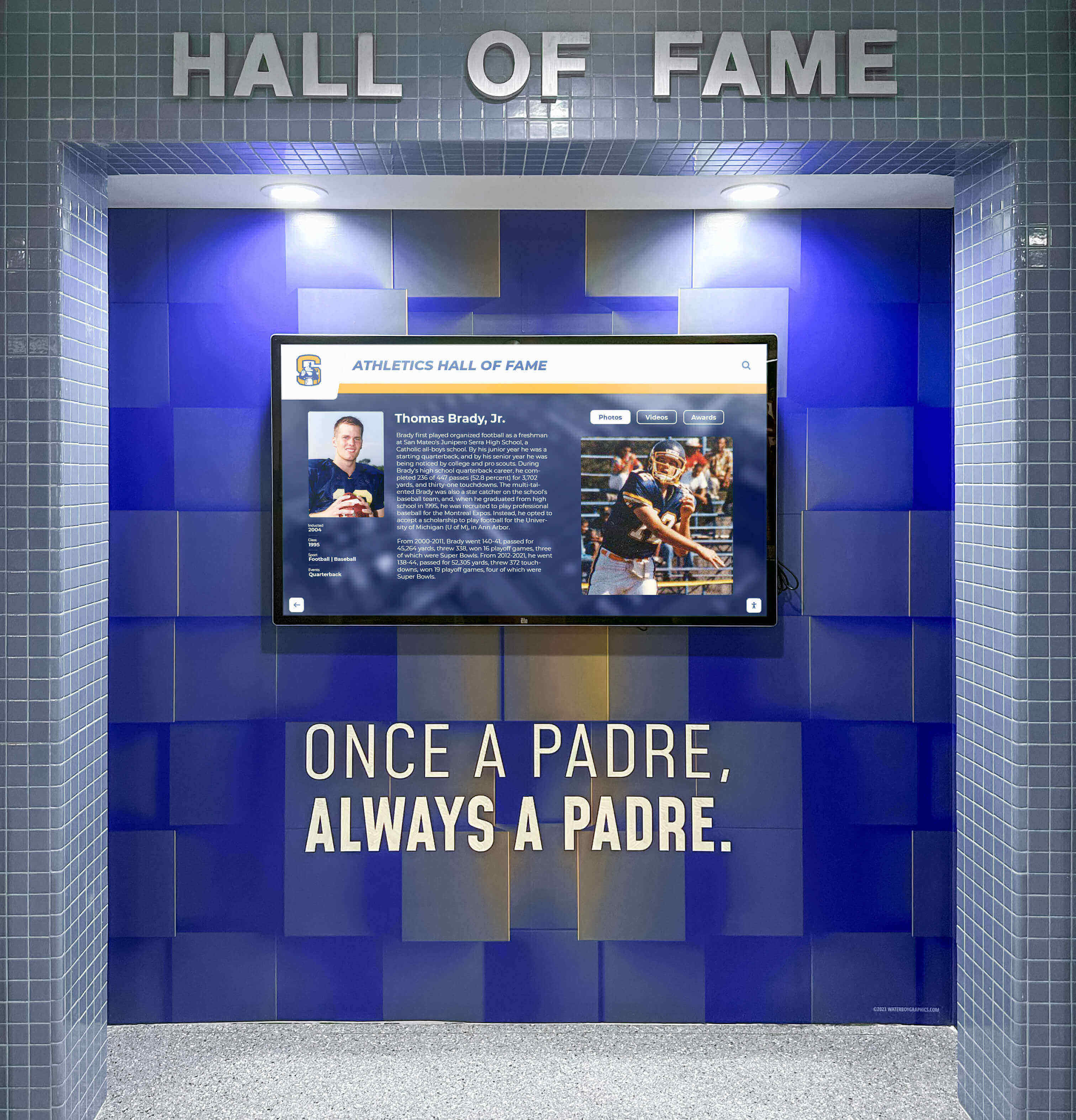
Championship moments from tournaments like 1983 deserve permanent recognition celebrating teams that achieved March Madness glory
The Road to Albuquerque: 1983 Tournament Structure
The 1983 NCAA Men’s Division I Basketball Tournament featured 52 teams competing across a four-region bracket structure that created the path to championship glory.
Tournament Format and Regional Structure
Bracket Configuration
The NCAA Tournament in 1983 organized teams into four distinct regions:
- East Regional: Hosted at Madison Square Garden and the Carrier Dome
- Midwest Regional: Games in Baton Rouge and Kansas City
- Southeast Regional: Competition in Charlotte and Tampa
- West Regional: Tournament action in Ogden and Los Angeles
Each regional winner advanced to the Final Four, hosted at University Arena (The Pit) in Albuquerque, New Mexico—a neutral site selected to showcase college basketball’s biggest stage.
Selection and Seeding Process
The 1983 tournament featured:
- Automatic bids for all conference tournament champions
- At-large selections for deserving teams based on regular season performance
- Seeds assigned within regional brackets (though seeding played less prominent role than modern tournaments)
- Regional assignments considering geographic proximity when possible
- Opening round games for lower-seeded teams
This structure created the bracket drama that makes March Madness compelling—where Cinderella teams could upset powerhouses through consecutive victories, one game at a time.
Notable Teams Entering the Tournament
Top Seeds and Favorites
Several programs entered as championship contenders:
Houston Cougars (Phi Slama Jama):
- High-flying, dunking offense captivating national audiences
- Led by future NBA Hall of Famers Hakeem Olajuwon and Clyde Drexler
- Coach Guy Lewis’s innovative full-court pressure and athletic style
- Overwhelming favorite with spectacular above-the-rim play
- Previous Final Four appearance in 1982
North Carolina Tar Heels:
- Dean Smith’s program featuring defending champion roster remnants
- Michael Jordan leading experienced, talented squad
- ACC regular season excellence
- Systematic, disciplined approach to tournament basketball
- Championship pedigree and coaching advantage
Louisville Cardinals:
- Denny Crum’s program with tournament experience
- Athletic, defensive-minded team
- Metro Conference champions
- History of tournament success under Crum’s leadership
Virginia Cavaliers:
- Ralph Sampson’s final college season
- 7-foot-4 National Player of the Year
- Dominant regular season in competitive ACC
- Tremendous expectations with Sampson leading the way
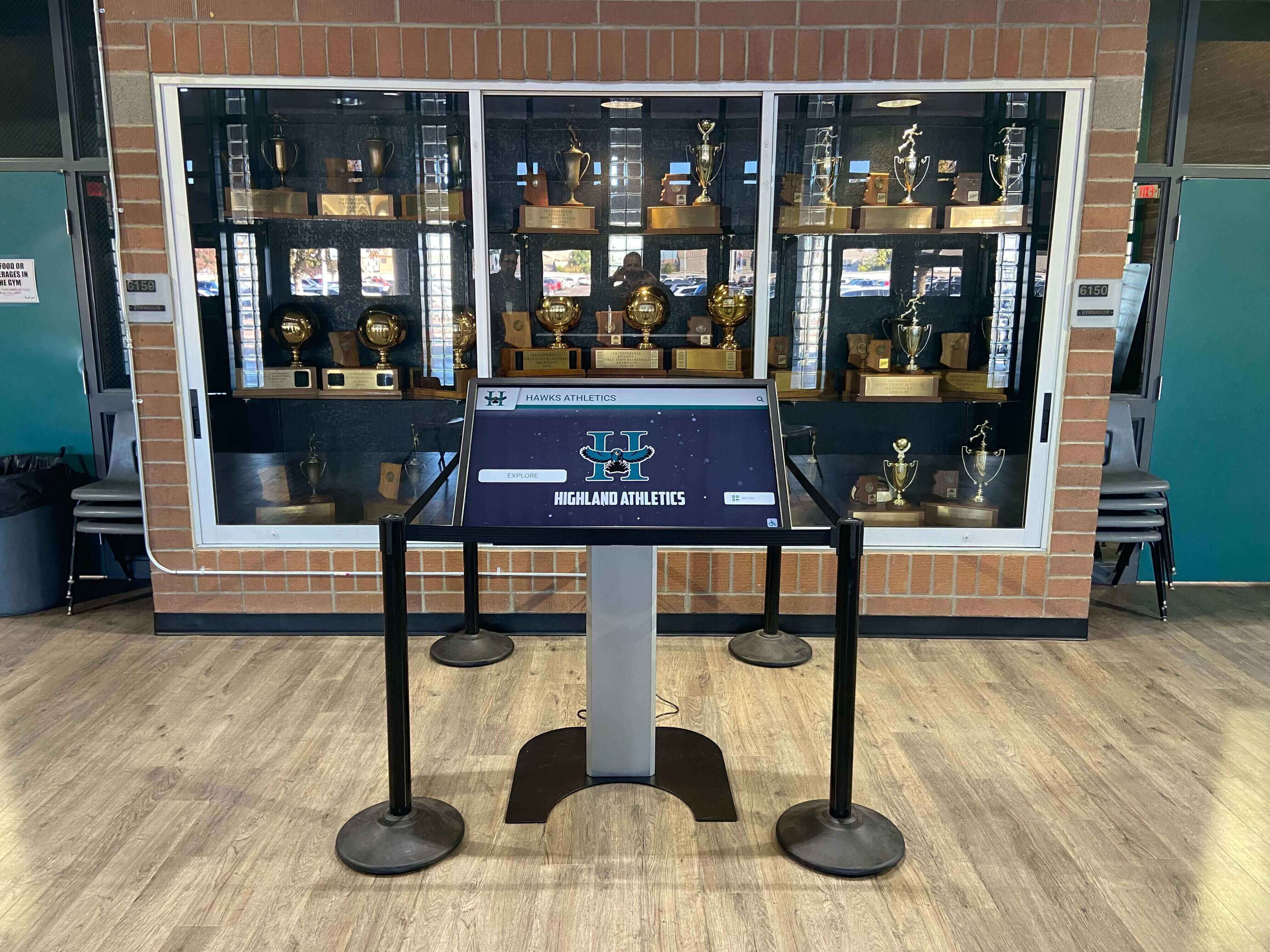
Tournament achievements and championship runs create lasting program legacies worth celebrating through comprehensive recognition
The Unlikely Participant: NC State Wolfpack
NC State entered as perhaps the tournament’s least likely eventual champion:
- 17-10 regular season record raising questions about tournament worthiness
- Nine losses seemed excessive for championship-caliber team
- Required ACC Tournament championship just to receive NCAA bid
- Sixth seed in West Regional—hardly a threatening position
- Coach Jim Valvano’s enthusiastic, emotional leadership style
- Defensive-focused approach without overwhelming offensive firepower
- Senior-laden roster with nothing to lose
Nobody projected this Wolfpack team cutting down championship nets—which made their eventual triumph all the more remarkable.
Programs documenting college basketball championship achievements benefit from preserving complete tournament histories showing the full journey from selection to championship celebration.
NC State’s Improbable ACC Tournament Run
Before NC State could make March Madness history, they needed to win their conference tournament just to reach the NCAA field—creating a championship journey spanning two tournaments.
Must-Win Conference Tournament Scenario
Entering ACC Tournament as Bubble Team
The Wolfpack faced elimination from championship contention:
- 17-10 record placed them squarely on NCAA Tournament bubble
- Conference tournament championship represented only guaranteed path to Big Dance
- Three consecutive wins against quality ACC opponents required
- Pressure mounting with season potentially ending each game
- Valvano’s team peaking at perfect time despite uneven regular season
This do-or-die scenario created urgency transforming NC State’s tournament approach.
ACC Tournament Championship Run
NC State navigated the ACC Tournament gauntlet:
- Quarterfinal victory over Wake Forest establishing momentum
- Semifinal upset of North Carolina ending Tar Heels’ tournament hopes
- Championship game overtime victory against Virginia despite Ralph Sampson’s dominance
- Three consecutive quality wins validating team’s late-season improvement
- Automatic NCAA bid secured through conference tournament championship
The overtime victory against top-seeded Virginia—featuring the consensus National Player of the Year in Sampson—foreshadowed the upset magic continuing through March.
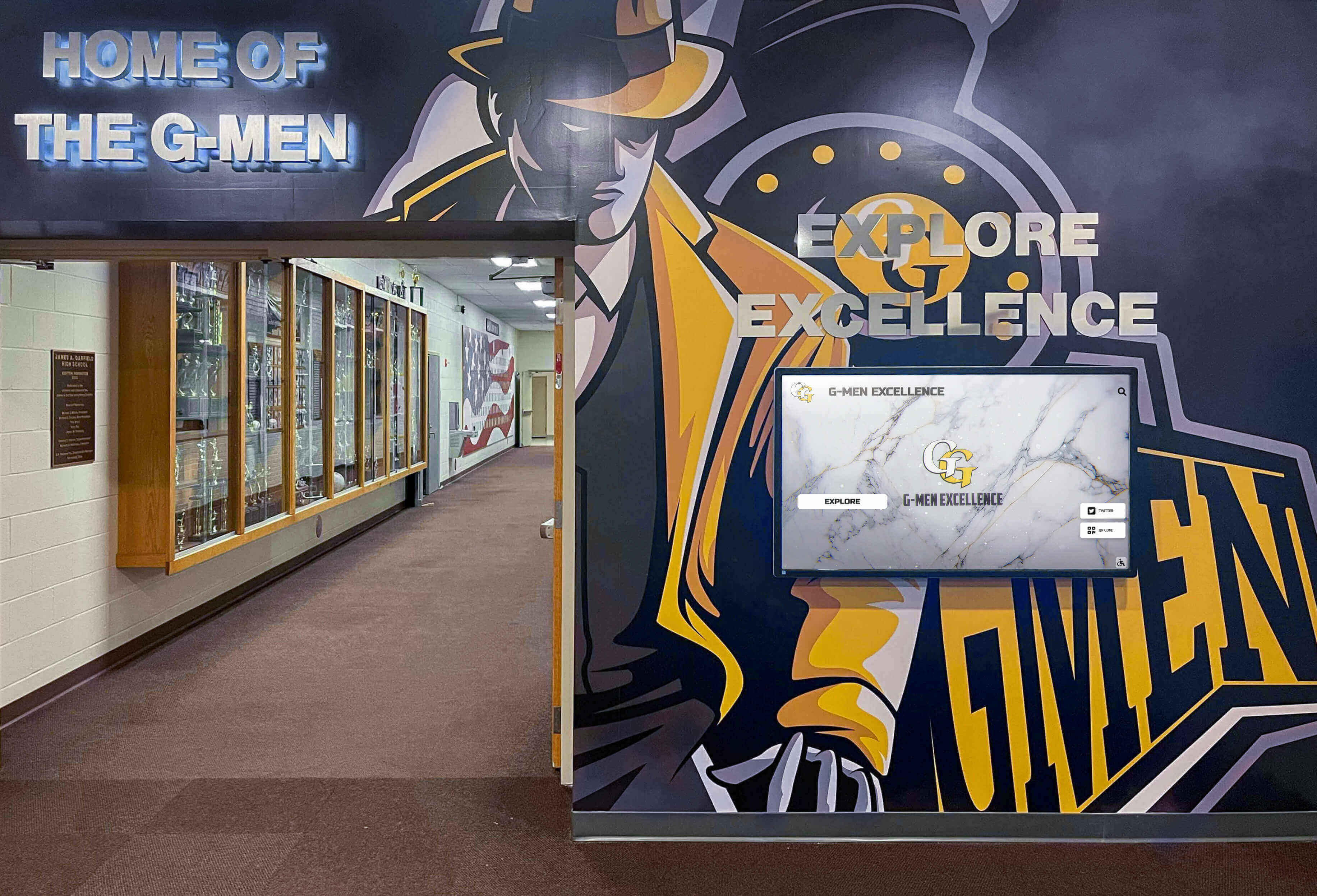
Conference tournament championships create foundation for NCAA Tournament runs worth preserving in athletic recognition displays
Building Tournament Momentum
Confidence from Conference Success
The ACC Tournament victories provided crucial elements:
- Validation that team could defeat elite competition
- Experience closing tight games under pressure
- Defensive identity solidifying around tournament intensity
- Senior leadership emerging when games mattered most
- Valvano’s belief in his team’s championship potential
This momentum carried directly into the NCAA Tournament, where NC State continued surprising opponents and selection committee members who questioned their worthiness.
Schools developing comprehensive basketball recognition programs understand that tournament championships represent achievement milestones deserving permanent celebration.
The 1983 NCAA Tournament: Round-by-Round Breakdown
NC State’s championship journey required consecutive victories against increasingly difficult competition—each game potentially ending their improbable run.
West Regional: Upsets Begin
First Round: NC State vs. Pepperdine (March 17)
The Wolfpack opened tournament play facing Pepperdine:
- Comfortable 69-67 victory establishing tournament presence
- Sixth seed defeating eleventh seed in expected outcome
- Defensive intensity setting tone for tournament approach
- Senior leadership keeping team focused amid pressure
Second Round: NC State vs. UNLV (March 19)
The upset march began against Jerry Tarkanian’s Running Rebels:
- 71-70 victory over third-seeded UNLV shocking West Regional
- Defensive effort containing UNLV’s high-powered offense
- Late-game execution separating Wolfpack from talented opponent
- National attention beginning to focus on Cinderella story developing
Regional Semifinal: NC State vs. Utah (March 24)
The Wolfpack continued their unlikely run:
- 75-56 decisive victory over seventh-seeded Utah
- Defensive dominance limiting opponent’s offensive effectiveness
- Advancing to regional final against heavily-favored Virginia
West Regional Final: NC State vs. Virginia (March 26)
The rematch against Ralph Sampson’s Cavaliers created tournament drama:
- ACC Tournament championship rematch with higher stakes
- Virginia favored despite earlier loss to Wolfpack
- 63-62 NC State victory on Dereck Whittenburg’s 30-foot shot at buzzer
- One of tournament’s most memorable finishes
- Improbable Final Four berth stunning college basketball observers
- Sampson’s college career ending without championship
This shocking regional championship launched NC State into Final Four against Houston’s Phi Slama Jama.
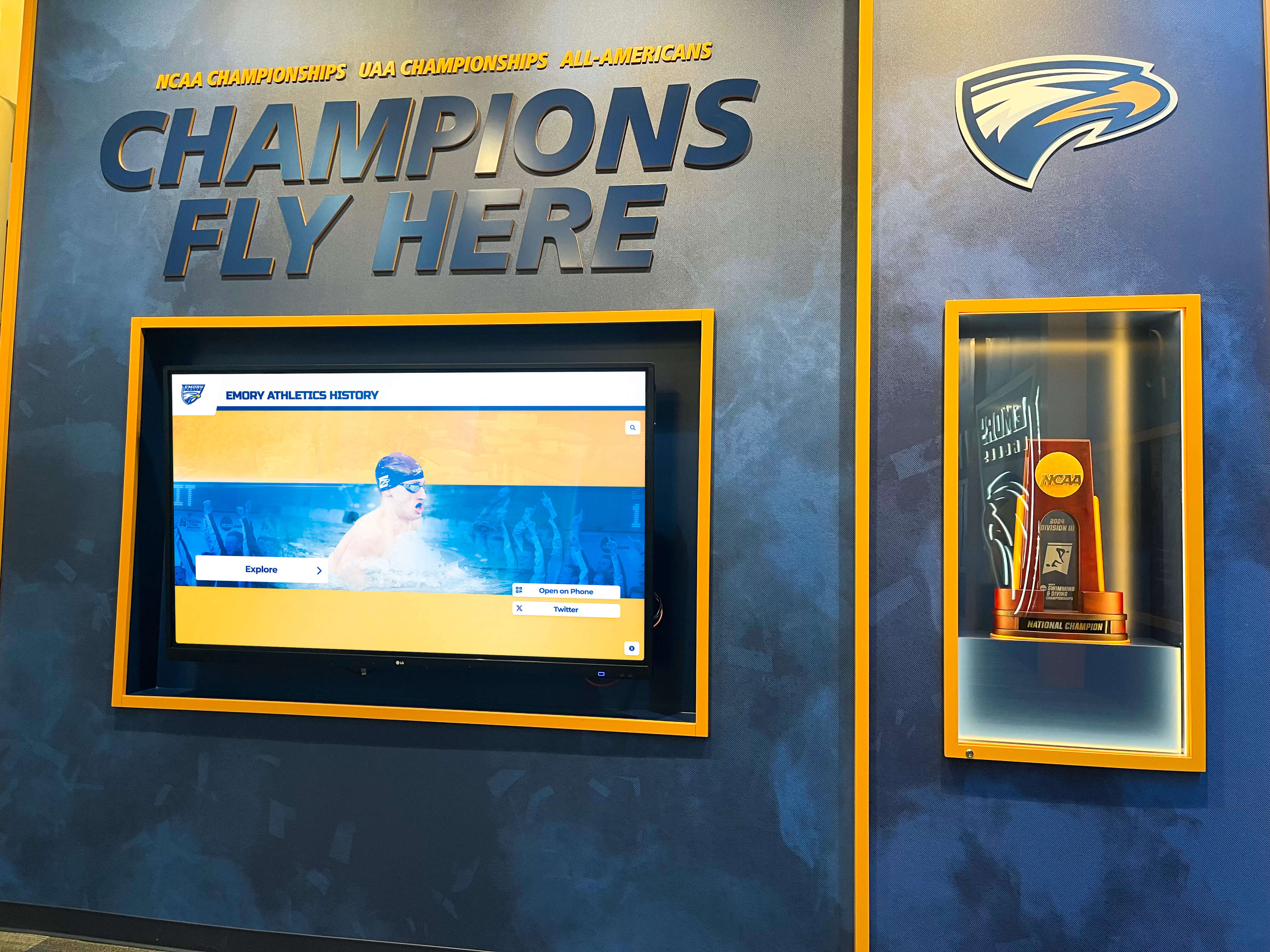
Regional championships and tournament victories build toward ultimate championship goals worth permanent recognition
The Final Four: Albuquerque Magic
National Semifinal: NC State vs. Georgia (April 2)
The Wolfpack faced another unlikely Final Four participant:
- Georgia, like NC State, entered tournament as underdog
- 67-60 NC State victory securing championship game berth
- Defensive game plan limiting Georgia’s offensive efficiency
- Valvano’s team one victory from completing impossible dream
Championship Game Matchup Set
The final paired contrasting styles:
- Houston’s Phi Slama Jama: Spectacular, athletic, dunk-heavy offense
- NC State’s Wolfpack: Defensive-focused, senior-led, fundamental approach
- Overwhelming majority expecting Houston to claim title
- Cinderella story reaching conclusion—question remained whether ending would be happy
Universities implementing athletic hall of fame recognition ensure Final Four appearances and championship games receive prominent celebration regardless of ultimate outcome.
The 1983 Championship Game: David vs. Goliath
The April 4, 1983 championship game between NC State and Houston created one of college basketball’s most memorable moments—a perfect ending to the ultimate Cinderella story.
Pre-Game Context and Expectations
Houston’s Dominance and Expectations
Phi Slama Jama entered as prohibitive favorites:
- High-flying, athletic roster featuring future NBA stars
- Hakeem Olajuwon dominating inside with shot-blocking and scoring
- Clyde Drexler providing perimeter excellence and dunking highlights
- Guy Lewis’s up-tempo system overwhelming opponents
- Previous year’s Final Four experience
- National championship expectations matching athletic superiority
- Media narrative suggesting coronation rather than competitive game
NC State’s Underdog Status
The Wolfpack received little respect:
- Sixth seed from West Regional
- 26-10 record including conference tournament victories
- Defensive identity without spectacular offensive weapons
- Senior leadership and tournament experience
- Nothing to lose mentality after exceeding all expectations
- Valvano’s emotional coaching style keeping team loose despite pressure
Vegas and basketball experts overwhelmingly favored Houston—setting stage for historic upset.
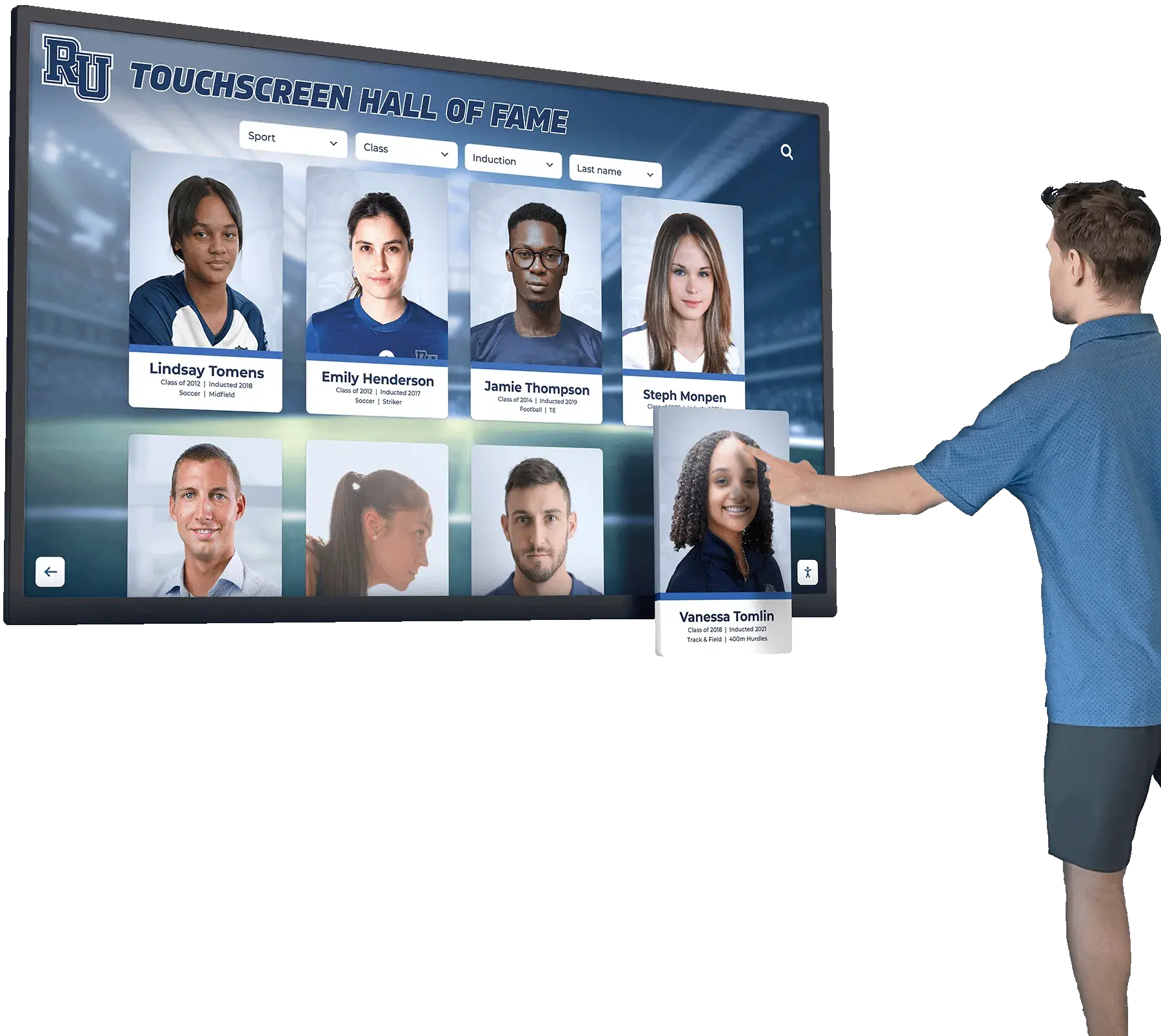
Championship game participants deserve recognition honoring their journey to college basketball's biggest stage
The Championship Game: Strategy and Execution
NC State’s Game Plan
Jim Valvano’s strategy centered on limiting Houston’s advantages:
- Tempo Control: Slowing pace preventing Houston’s transition game
- Defensive Focus: Containing Olajuwon and Drexler through team defense
- Offensive Patience: Taking quality shots rather than forcing offense
- Foul Management: Avoiding fouls that would give Olajuwon free throws
- Senior Leadership: Trusting experienced players in crucial moments
Game Flow and Momentum
The championship unfolded as defensive struggle:
- Low-scoring affair favoring NC State’s style
- Houston’s athletic advantages neutralized by deliberate pace
- Neither team establishing comfortable lead
- Defensive intensity on both ends preventing easy baskets
- Fourth quarter tension building as championship hung in balance
The Final Minute: Championship Drama
The game’s conclusion created unforgettable moments:
- NC State maintaining slight lead in final minute
- Houston’s desperate attempts to regain lead
- Dereck Whittenburg’s desperation 30-foot shot with clock expiring
- Lorenzo Charles catching “shot” near basket
- Charles’s dunk as time expired giving NC State 54-52 victory
- Valvano running on court searching for someone to hug
- Complete pandemonium as ultimate upset completed
This stunning finish—with Charles’s dunk on Whittenburg’s air ball creating championship—remains one of sports’ most iconic moments.
Post-Game Celebration and Legacy
Immediate Aftermath
The championship celebration reflected journey’s improbability:
- Valvano’s emotional reaction capturing underdog triumph
- Team celebration recognizing achievement’s significance
- Media focusing on upset’s historic magnitude
- Houston’s disappointment after dominant season ended short
- College basketball community recognizing special championship story
Historical Significance
The 1983 championship created lasting legacy:
- Proof that seeding and regular season records don’t determine champions
- Inspiration for future underdog teams believing in championship possibility
- Validation of defense-first, senior-led team construction
- Demonstration that March Madness creates unique competitive environment
- One of tournament’s greatest upsets alongside 1985 Villanova
Programs preserving championship basketball traditions ensure these historic achievements remain visible inspiration for current student-athletes.
Key Figures from the 1983 Championship
The tournament’s memorable moments emerged from exceptional individuals whose performances created March Madness magic.
Jim Valvano: The Emotional Leader
Coaching Philosophy and Approach
Valvano brought unique energy to NC State:
- Emotional, enthusiastic sideline presence
- Belief in team’s potential despite regular season struggles
- Ability to keep players loose under tournament pressure
- Defensive system maximizing limited offensive talent
- Motivational skills inspiring maximum effort
- Tournament coaching adjustments exploiting opponent weaknesses
Legacy Beyond 1983
Valvano’s impact extended far beyond championship:
- Continued coaching success at NC State
- Later broadcasting career showcasing personality
- V Foundation for Cancer Research following his diagnosis
- Famous “Don’t give up, don’t ever give up” speech inspiring millions
- Symbol of perseverance and positive attitude
His championship remains inseparable from his larger-than-life personality and inspirational legacy.
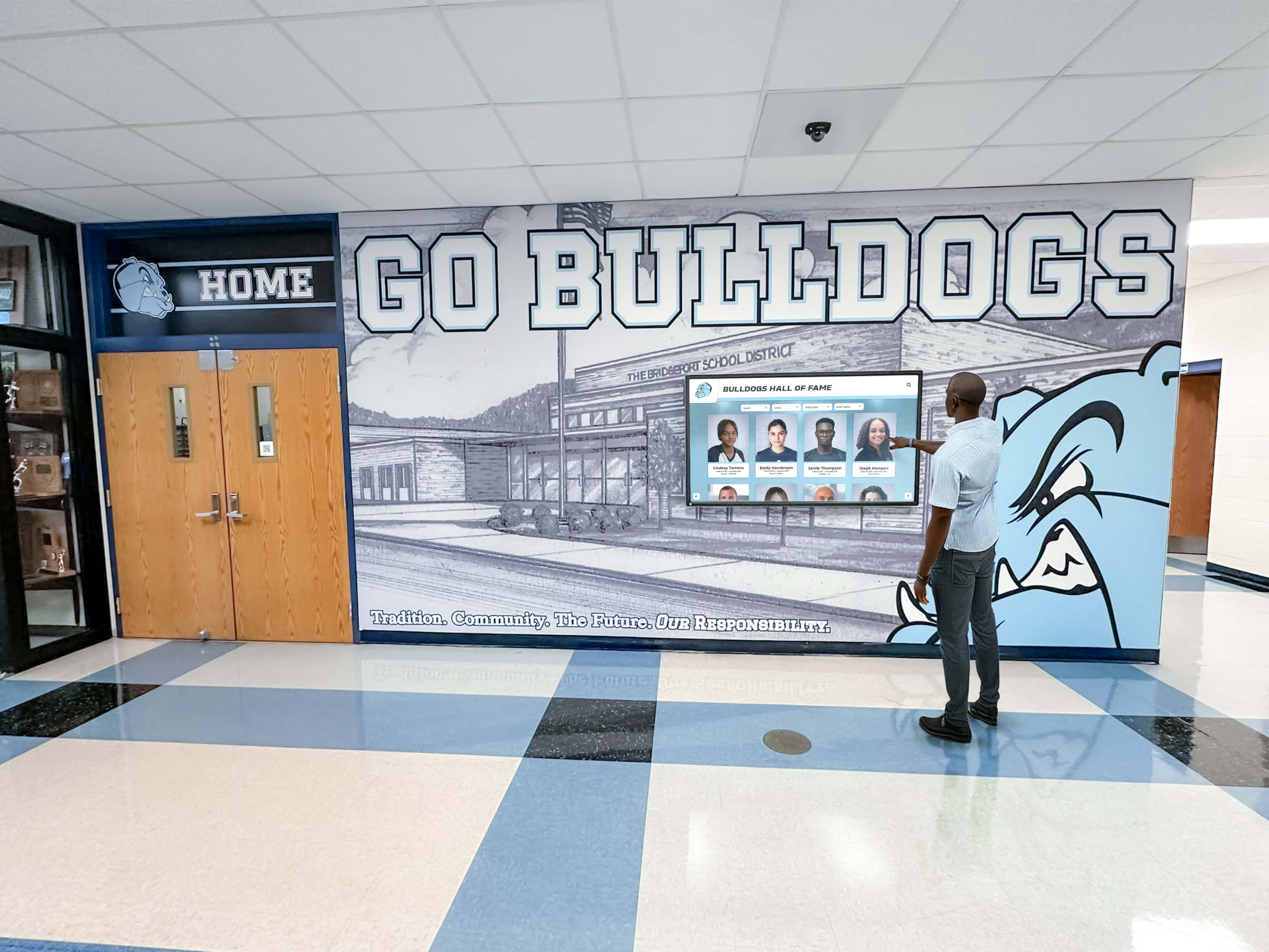
Coach and player achievements from championship teams deserve comprehensive recognition celebrating individual contributions
NC State Players: The Championship Roster
Dereck Whittenburg
The senior guard’s contributions proved crucial:
- ACC Tournament Most Valuable Player
- Final shot creating championship-winning dunk
- Leadership keeping team focused through tournament
- Clutch performances when team needed big moments
Lorenzo Charles
The power forward became championship icon:
- Championship-winning dunk on Whittenburg’s shot
- Interior defense containing Houston’s athletic big men
- Tournament MVP selection recognizing consistent excellence
- Enduring symbol of 1983 championship
Thurl Bailey
Future NBA player provided:
- Scoring punch complementing defensive identity
- Consistent tournament performances
- Professional career validating talent level
Sidney Lowe
Point guard controlled tempo:
- Floor general executing Valvano’s game plans
- Defensive intensity setting team tone
- Ball-handling and decision-making in crucial moments
Schools implementing comprehensive athletic recognition ensure championship rosters receive individual recognition celebrating each contributor’s role.
Houston’s Phi Slama Jama
Hakeem Olajuwon
The future NBA Hall of Famer dominated tournament:
- Shot-blocking and interior scoring
- Professional career proving generational talent
- Championship game loss not diminishing individual excellence
Clyde Drexler
Another future Hall of Famer:
- Athletic perimeter play and dunking highlights
- Successful NBA career following college
- Part of revolutionary style changing college basketball
Guy Lewis
The coach never won championship:
- Revolutionary coaching approach
- Created exciting style influencing future programs
- 1983 loss representing heartbreaking near-miss
Their championship game loss doesn’t diminish their impact on college basketball’s evolution toward athletic, above-the-rim play.
Other Memorable Teams from 1983 Tournament
Beyond the championship game participants, several programs created tournament moments deserving recognition.
North Carolina Tar Heels
Dean Smith’s defending champions featured:
- Michael Jordan before NBA superstardom
- Sam Perkins providing interior presence
- ACC regular season excellence
- Tournament elimination by Georgia in regional play
- Expectations that previous year’s championship would repeat
Jordan’s sophomore season showed future greatness while Smith’s program maintained championship-level standards.
Virginia Cavaliers with Ralph Sampson
The 7-foot-4 center’s final season created expectations:
- National Player of the Year designation
- Dominant regular season in competitive ACC
- Two losses to NC State (ACC and NCAA Tournaments) ending college career
- Professional career not matching college dominance
- Symbol of unfulfilled championship potential
Sampson’s greatness couldn’t overcome tournament’s unpredictable nature.
Louisville Cardinals
Denny Crum’s program featured:
- Tournament experience and winning tradition
- Regional tournament success before Final Four elimination
- Continued program excellence throughout 1980s
- Multiple future tournament appearances and championships
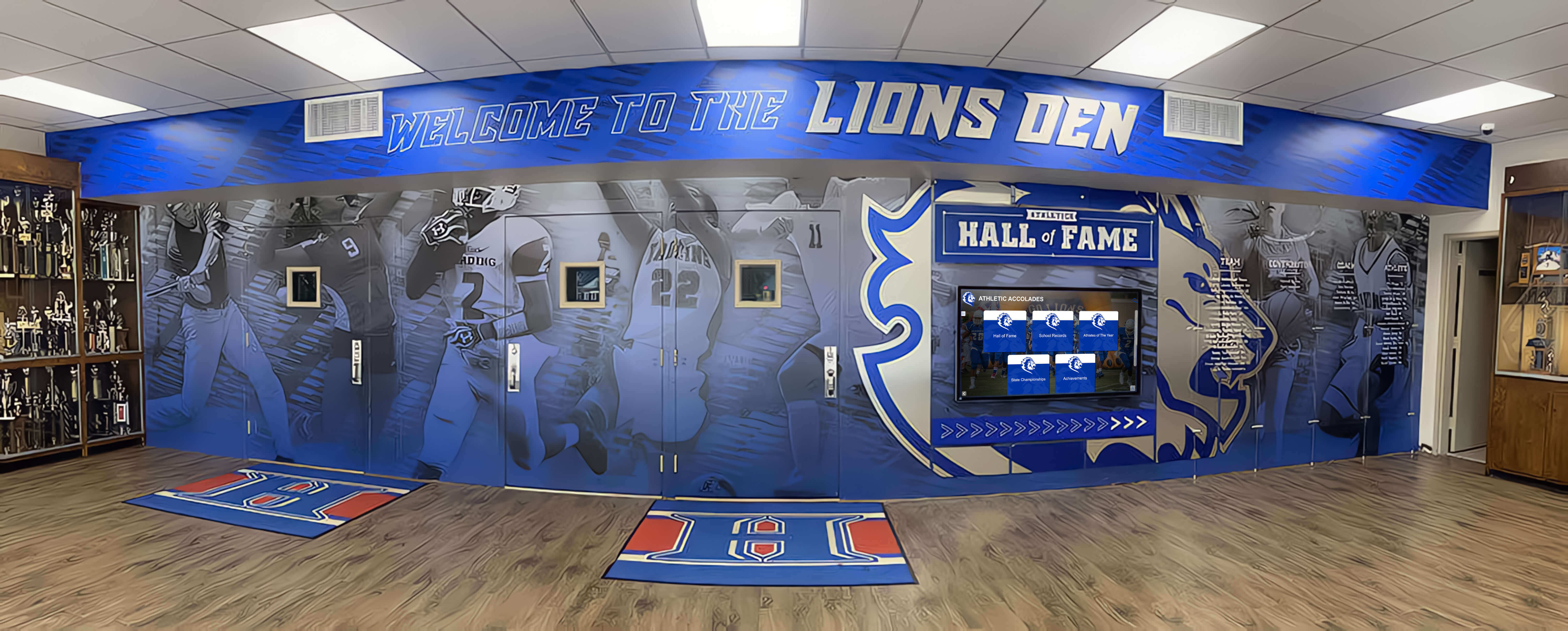
Historic tournament appearances and basketball traditions deserve recognition connecting past achievements to current programs
Georgia Bulldogs
The unlikely Final Four participant:
- Surprising tournament run as underdog
- Victory over North Carolina advancing to Final Four
- Loss to NC State in national semifinal
- Program’s deepest tournament run in school history
- Validation that 1983 belonged to underdogs
Programs implementing basketball awards recognition celebrate tournament achievements at every level—from conference championships to Final Four appearances.
The 1983 Tournament’s Lasting Impact on College Basketball
The championship created ripples affecting tournament culture, team building, and championship expectations lasting decades.
Validation of Tournament Unpredictability
Seeding Becomes Less Predictive
The 1983 tournament proved:
- Lower seeds can win championships with right combination of factors
- Regular season records don’t guarantee tournament success
- Single-elimination format creates unique competitive environment
- Momentum and timing matter as much as talent
- Defense-first teams can defeat offensively superior opponents
- Hot shooting and cold shooting dramatically affect outcomes
This unpredictability remains March Madness’s defining characteristic—every tournament potentially featuring the next Cinderella story.
Impact on Selection Sunday
The championship affected bubble team evaluation:
- Selection committee more willing to include bubble teams
- Conference tournament automatic bids valued highly
- Recognition that “eye test” doesn’t always predict tournament success
- Willingness to give teams with losses championship opportunity
NC State’s journey from 17-10 to national champion validated expansive tournament fields creating opportunity for deserving teams.
Influence on Team Building and Strategy
Defensive Identity Validation
The Wolfpack proved championship formula:
- Elite defense can overcome offensive limitations
- Senior leadership and experience matter in tournament pressure
- Team cohesion sometimes defeats superior individual talent
- Tempo control and game plan execution beat pure athleticism
Programs studying championship teams recognize these principles remain valid decades later.
Senior-Led Teams in Tournament
The 1983 championship highlighted:
- Experience advantage in single-elimination pressure
- Senior leadership keeping teams focused through adversity
- Upperclassmen understanding tournament’s unique demands
- Cohesive rosters beating talented but young opponents
Modern programs balancing talent acquisition with roster stability understand this dynamic.
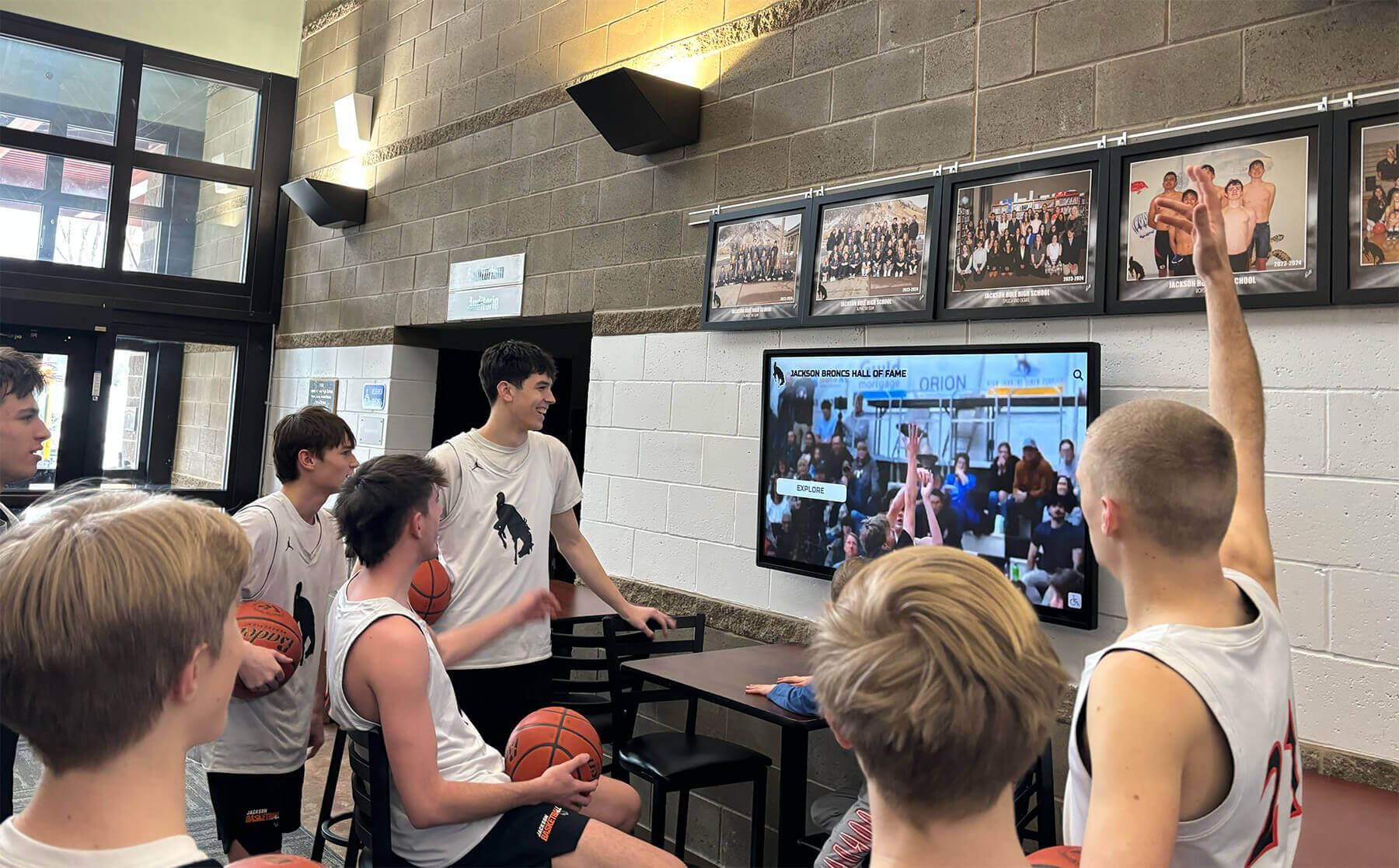
Tournament traditions and championship moments inspire current student-athletes through accessible digital displays
Preserving Basketball Championship Traditions
Historic tournaments like 1983 create institutional legacies requiring thoughtful preservation and celebration connecting past glory to current programs.
Traditional Recognition Approaches
Physical Displays and Trophy Cases
Universities traditionally commemorate tournaments through:
- Championship trophy prominent placement in athletic facilities
- Tournament banners hung in home arena
- Team photos from championship celebration
- Individual player recognition plaques
- Media coverage displays documenting tournament run
- Timeline displays showing game-by-game results
These tangible artifacts provide immediate visual connection to championship history.
Championship Rings and Individual Awards
Players and coaches receive:
- Championship rings commemorating tournament victory
- Individual awards from tournament (Most Outstanding Player, All-Tournament Team)
- Certificate and plaque recognition
- Letterman jacket patches or special recognition
- Media guide documentation preserving statistics and achievements
Limitations of Traditional Recognition
Space and Capacity Constraints
Conventional approaches face challenges:
- Trophy cases eventually fill preventing future recognition
- Banner space in arenas limited
- Historical championships removed to accommodate recent achievements
- Difficulty showcasing complete tournament brackets and game details
- No ability to include extensive statistics or game narratives
- Limited context about tournament journey beyond final results
- Roster information restricted to basic lists
Accessibility and Engagement Issues
Traditional displays suffer from:
- Campus-only viewing limiting alumni access
- Static presentation preventing deep exploration
- Minimal storytelling beyond basic facts
- No video highlights or game footage integration
- Difficult updates correcting information or adding context
- Generational disconnect as time passes since championship
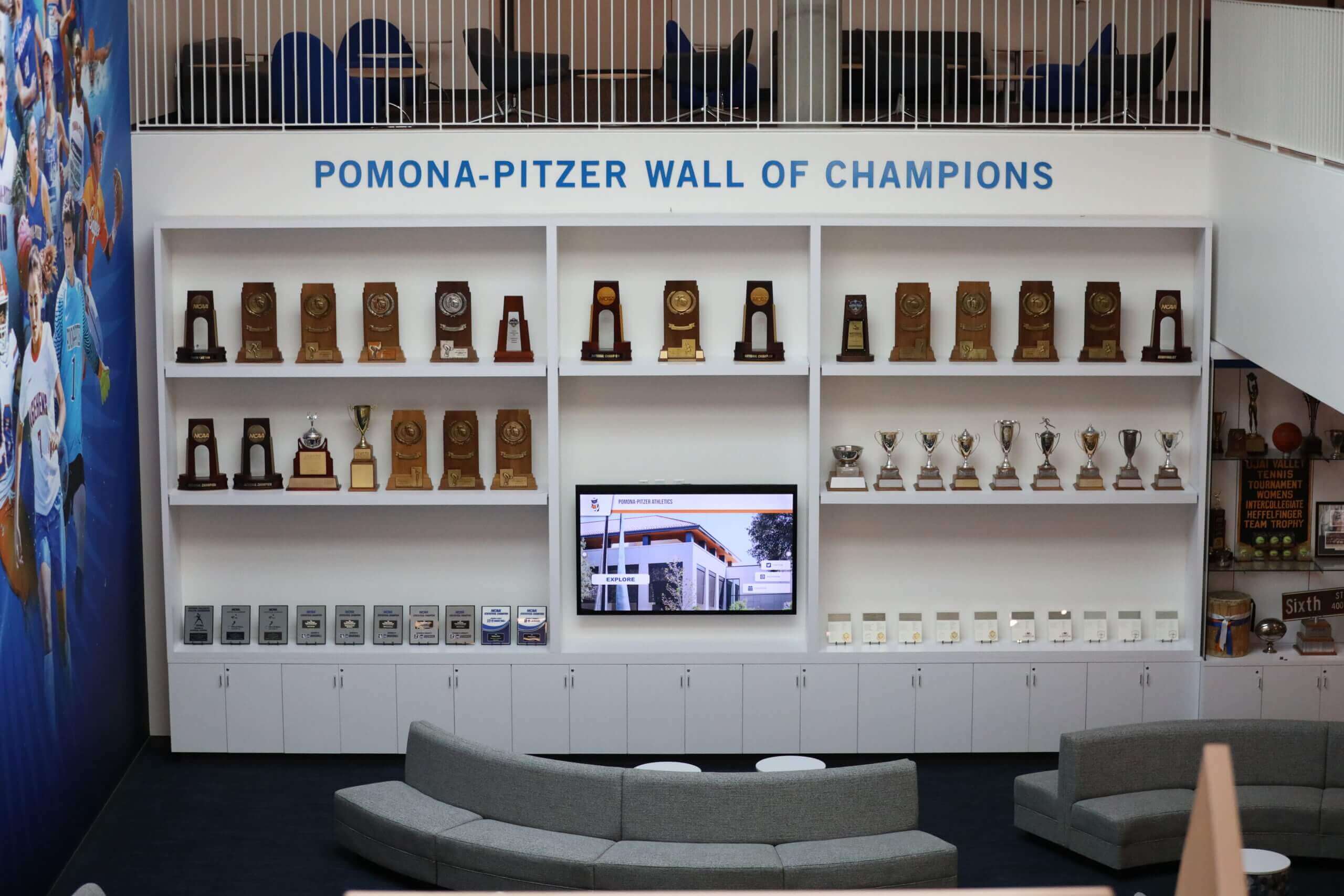
Dedicated recognition spaces honor basketball championships while creating community gathering areas
Modern Digital Recognition Solutions
Solutions like digital recognition displays transform championship celebration while solving traditional limitations.
Unlimited Recognition Capacity
Digital platforms eliminate space constraints:
- Single touchscreen accommodates unlimited championship teams and tournament runs
- Complete tournament brackets showing game-by-game progression
- Comprehensive rosters with individual player profiles and statistics
- Detailed game summaries from each tournament round
- Historical context explaining significance and impact
- Video highlights and game footage integration
- Season narratives providing complete championship story
- Coaching staff recognition and strategic analysis
Interactive Exploration Features
Modern systems enable engagement impossible with static displays:
- Search functionality finding specific players, years, or tournament games
- Filtering tournaments by decade, round reached, or opponent
- Individual player pages with career statistics and achievements
- Game recaps with scoring summaries and key moments
- Photo galleries from tournament games and celebrations
- Related content connecting teammates and tournament participants
- QR codes enabling mobile access to complete archives
- Social sharing allowing alumni to celebrate their involvement
Simple Cloud-Based Management
Remote content management simplifies updates:
- Add new tournament information immediately after games
- Include updated player achievements as careers progress
- Correct historical information easily
- Schedule content displays for March Madness or reunions
- Manage from any internet-connected device
- No technical expertise required for content updates
- Cost-effective compared to traditional engraving and production
Schools implementing solutions like Rocket Alumni Solutions report substantially higher community engagement compared to traditional static recognition while eliminating space constraints limiting comprehensive celebration.
Web-Accessible Recognition Archives
Digital recognition extends globally:
- Web-accessible tournament archives viewable worldwide
- Alumni exploring championship teams from anywhere
- Social media integration amplifying celebration
- Mobile-optimized content working across all devices
- Integration with athletic department websites
- Analytics tracking engagement and interest
- Recruiting advantages showcasing program tradition and success
Implementation for Basketball Championship Recognition
Content Development Strategies
Effective tournament recognition includes:
- Complete tournament brackets with results
- Game-by-game summaries from each round
- Individual player statistics and achievements
- Team photos from throughout tournament
- Historical context about opponent quality and upsets
- Coaching staff recognition and game planning
- Video highlights when available
- Post-championship impact and legacy analysis
Display Placement for Maximum Impact
Strategic locations maximize visibility:
- Arena concourses creating game day recognition
- Athletic facility lobbies for daily inspiration
- Main campus areas engaging broader community
- Multiple touchpoints throughout athletic facilities
- Integration with recruiting tour routes
- Visibility during alumni events and reunions
Continuous Enhancement Practices
Quality programs systematically improve recognition:
- Annual content reviews adding new information
- Photo quality improvements replacing historical images
- Video additions as footage becomes available
- Player career updates tracking post-college success
- Historical research filling information gaps
- Alumni contributions providing personal stories
Programs implementing comprehensive state championship recognition apply similar principles across championship levels.
Lessons from 1983 Championship for Modern Programs
The tournament provides enduring insights about building championship-caliber teams and sustaining program excellence.
Building Championship Culture
Elements NC State Demonstrated
Successful programs emphasize:
- Defensive identity and commitment
- Senior leadership and experience
- Team cohesion over individual talent
- Belief in championship possibility regardless of seeding
- Coaching that maximizes roster strengths
- Tournament preparation and execution focus
- Resilience through adversity and pressure
- Nothing-to-lose mentality when facing favorites
These principles remain relevant for programs pursuing championship goals.
Tournament Preparation Strategies
Physical and Mental Readiness
Championship teams prioritize:
- Peak conditioning entering tournament
- Injury management through grueling schedule
- Mental preparation for single-elimination pressure
- Film study emphasizing opponent weaknesses
- Practice intensity matching tournament stakes
- Team bonding strengthening unity
- Experience sharing from coaching staff and alumni
Strategic Approach
Successful tournament teams:
- Adapt game plans for specific opponents
- Control tempo matching team strengths
- Execute fundamentals under pressure
- Trust senior leadership in crucial moments
- Remain composed when facing adversity
- Take calculated risks when necessary
- Believe in championship possibility
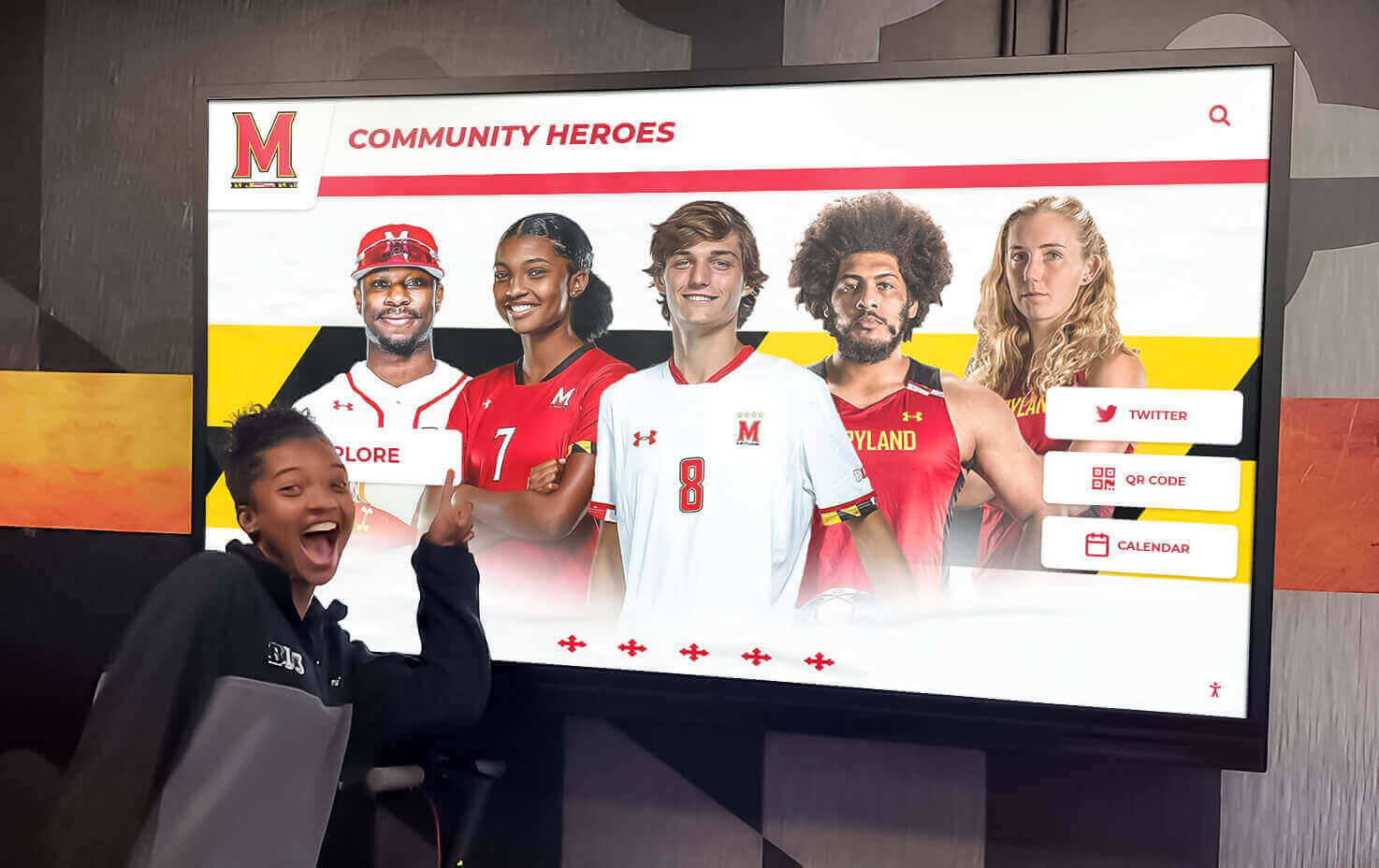
Championship culture develops when current student-athletes connect to program traditions through accessible recognition displays
Long-Term Program Building
Sustained Excellence Factors
Programs maintaining championship contention:
- Recruit character and talent balance
- Develop players through consistent coaching
- Build culture emphasizing team success
- Create competitive environment in practice
- Set championship expectations annually
- Celebrate achievements while pursuing next goals
- Connect current teams to program history and tradition
Recognition systems preserving championship traditions support these cultural elements by keeping past success visible and relevant to current student-athletes.
Connecting 1983 Championship to Modern Basketball
While college basketball evolved significantly since 1983, the championship’s core lessons remain timeless.
Evolution of Tournament and Game
Changes Since 1983
Modern tournaments differ through:
- Expanded field (68 teams versus 52)
- Three-point line altering offensive strategies (adopted 1986-87 season)
- Shot clock reducing pace-slowing tactics (adopted 1985-86)
- Increased athleticism and player development
- Advanced analytics informing strategy
- Media coverage explosion and broadcasting reach
- Social media instant reaction and engagement
- Transfer portal affecting roster continuity
Enduring Principles
Despite changes, 1983 lessons persist:
- Defense wins championships remains valid
- Experience and leadership matter in pressure
- Single-elimination format creates unpredictability
- Momentum and timing affect outcomes
- Underdogs can defeat superior talent
- Coaching adjustments and preparation matter
- Team cohesion sometimes beats individual stars
Modern Cinderella Stories
Recent Tournament Upsets Echoing 1983
Subsequent tournaments featured similar magic:
- 1985 Villanova: Eighth seed defeating Georgetown
- 2006 George Mason: Eleventh seed reaching Final Four
- 2011 VCU: First Four team advancing to Final Four
- 2014 UConn: Seventh seed winning championship
- 2018 UMBC: Sixteenth seed defeating number-one Virginia
- 2021 UCLA: First Four team reaching Final Four
Each story references 1983 NC State as inspiration proving championship dreams aren’t reserved for top seeds.
Impact on March Madness Brand
The tournament’s unpredictability creates:
- Massive bracket challenge engagement
- Underdog narratives captivating casual fans
- Media coverage emphasizing Cinderella potential
- Selection Sunday drama around bubble teams
- Recognition that any team reaching tournament has championship chance
Programs implementing athletic recognition systems ensure both championship victories and memorable tournament runs receive permanent celebration.
Conclusion: Celebrating March Madness History and Legacy
The 1983 NCAA Basketball Championship represents everything that makes March Madness compelling—the improbable triumph of underdogs, the validation that championships aren’t predetermined by seeding, and the creation of enduring memories connecting past glory to current aspirations. NC State’s journey from bubble team to national champion, culminating in Lorenzo Charles’s championship-winning dunk off Dereck Whittenburg’s desperation shot, created one of sports’ most iconic moments while proving that belief, defense, and senior leadership can overcome superior talent and overwhelming odds.
Jim Valvano’s emotional celebration—frantically running across the court looking for someone to hug—captured the pure joy of achieving what seemed impossible. His Wolfpack defeated Phi Slama Jama’s athletic superiority through defensive intensity, tempo control, and clutch performances when championship stakes demanded maximum effort. Houston’s talented roster featuring future NBA Hall of Famers Hakeem Olajuwon and Clyde Drexler couldn’t overcome NC State’s perfect combination of preparation, experience, and championship timing.
Yet the 1983 tournament’s significance extends beyond a single game’s outcome. It validated tournament expansion ensuring deserving teams receive championship opportunities. It inspired countless future underdogs believing they could replicate NC State’s magic. It demonstrated that regular season struggles don’t eliminate championship possibilities when teams peak during March. Most importantly, it created the March Madness narrative template—where Cinderella stories captivate audiences, upsets create bracket chaos, and belief in the impossible becomes tournament tradition.
Universities with tournament history—whether championship victories, Final Four appearances, or memorable upset victories—face the challenge of preserving these achievements for current student-athletes who need inspiration and alumni communities seeking connection to program traditions. Traditional trophy cases and banners provide tangible recognition but inevitably fill, forcing difficult decisions about which achievements to remove when space constraints demand choices. Historical championships fade from visibility as physical displays prioritize recent success, disconnecting current teams from foundational program moments.
Modern digital recognition platforms solve these fundamental challenges while amplifying celebration capabilities impossible with static displays. Unlimited capacity accommodates every tournament appearance across program history. Interactive features enable exploration of complete brackets, individual player contributions, and game-by-game progressions. Video integration preserves highlight moments and championship celebrations. Web accessibility extends recognition globally, allowing alumni worldwide to explore teams they played on while recruiting showcases program tradition to prospective student-athletes.
The 1983 NCAA Basketball Championship reminds us that March Madness creates unique competitive environments where preparation meets opportunity, where underdogs can achieve glory, and where championship dreams become reality through belief, execution, and clutch performances when everything’s on the line. These moments deserve recognition matching their significance—comprehensive platforms celebrating complete tournament journeys while inspiring future teams to write their own championship stories.
Your program’s tournament achievements—whether championship victories like NC State’s improbable 1983 run, Final Four appearances, Sweet Sixteen success, or first-round upsets—represent thousands of hours of preparation, sacrifice, and competitive excellence. With strategic planning, modern recognition technology, and commitment to preserving tradition, you can create celebration platforms that honor every achievement while serving program needs for generations of student-athletes and alumni communities.
Ready to create recognition systems honoring your basketball tradition? Explore how solutions like Rocket Alumni Solutions help schools create comprehensive athletic recognition displays preserving tournament achievements and championship legacies for current and future generations to celebrate and draw inspiration from as they pursue their own March Madness dreams.